
When it comes to restoring a healthy, confident smile 😁, understanding every aspect of dental implants information is essential. Dental implants have become one of the most popular and advanced solutions for replacing missing teeth. They not only enhance aesthetics but also restore chewing ability and prevent bone loss — something that traditional dentures or bridges cannot achieve. This detailed guide provides you with complete insights into how dental implants work, their benefits, eligibility, recovery process, and much more. Whether you are considering implants for yourself or just exploring options, this article delivers everything you need to know in one place.
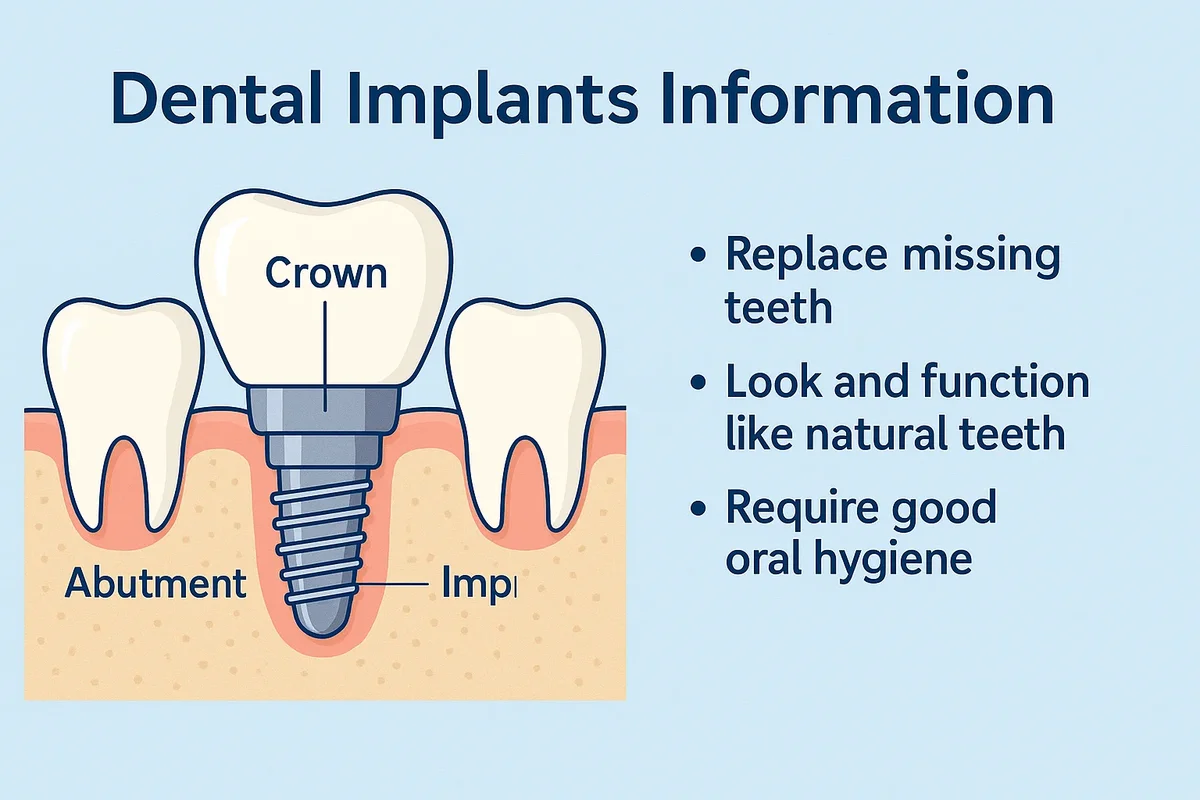
Dental implants information typically begins with understanding the basic structure of an implant. A dental implant is a small titanium post that acts as a replacement for a natural tooth root. It is surgically inserted into the jawbone, where it fuses through a biological process called osseointegration. This process ensures a stable and permanent foundation for the artificial tooth, often referred to as a crown. Over time, this integration allows the implant to function just like a natural tooth — strong, durable, and capable of supporting normal biting and chewing forces.
One of the most important pieces of dental implants information relates to how the entire process is tailored to each patient’s unique needs. A comprehensive dental evaluation, including X-rays and sometimes 3D imaging, is conducted to determine bone density, gum health, and overall oral condition. These assessments help your dentist or oral surgeon design a customized plan that ensures the highest chance of success. A good candidate typically has healthy gums, sufficient bone mass, and no uncontrolled medical conditions that could interfere with healing.
Unlike removable dentures, dental implants are a permanent solution 🦷. Once placed, they can last a lifetime with proper care. Many patients report that implants feel indistinguishable from natural teeth. They restore not just functionality but also confidence — allowing individuals to smile, eat, and speak without discomfort or embarrassment. Modern dentistry has also introduced innovative techniques such as All-on-4 or All-on-6 implants, which enable the replacement of multiple teeth using only a few strategically placed implants. These advancements make it possible to regain a full set of teeth in a single day for many patients.
Another crucial aspect of dental implants information involves understanding the materials used. Titanium remains the gold standard because of its biocompatibility, but zirconia implants are also becoming popular due to their aesthetic and metal-free nature. Both materials have excellent success rates, typically exceeding 95%. The surface treatment of the implant, such as plasma spraying or acid etching, enhances bone adherence and further boosts stability. Additionally, the abutment — a small connector that links the implant to the crown — plays a key role in maintaining the overall integrity of the restoration.
Patients frequently seek dental implants information about healing time and aftercare. Healing varies depending on individual factors, but most patients can expect complete recovery within 3 to 6 months. During this period, following your dentist’s instructions is critical. Avoiding smoking, maintaining proper oral hygiene, and eating a balanced diet rich in vitamins and minerals support faster healing. Once the implant integrates successfully, a custom-designed crown is attached, completing the restoration. At this point, your new tooth will not only look natural but also function perfectly.
It’s also vital to address the long-term perspective when exploring dental implants information. Regular dental check-ups, brushing twice daily, and flossing help preserve the implants for decades. Many experts recommend professional cleaning at least twice a year to prevent plaque buildup. Even though implants themselves cannot decay, the surrounding gums must remain healthy to avoid conditions like peri-implantitis, which can threaten implant stability. Proper maintenance ensures that your implants remain as strong and aesthetic as the day they were placed.
From a cost standpoint, many people researching dental implants information want to know what to expect. Prices vary widely depending on the number of implants, materials used, and geographic location. On average, a single dental implant can range between $1,500 and $3,000 for the implant body alone, with additional costs for the abutment and crown. Full-arch restorations such as All-on-4 treatments can cost between $15,000 and $30,000. However, this investment pays off long-term due to the durability and life-changing benefits implants provide.
Dental implants also have significant health advantages. They prevent the bone loss that naturally occurs after tooth extraction, preserving facial structure and preventing premature aging. Moreover, implants distribute bite forces evenly, preventing damage to surrounding teeth. These benefits go beyond aesthetics, promoting overall oral and systemic health. According to the American Dental Association, dental implants are one of the safest and most predictable procedures in modern dentistry.
Finally, if you’re ready to explore personalized treatment options or have further questions about dental implants information, consider reaching out through the Redent Klinik Contact Page. A consultation with a professional can help you understand your individual suitability, cost expectations, and recovery timeline. Remember, the key to a confident smile begins with accurate, up-to-date information and guidance from experienced specialists. 🌟
What Are Dental Implants and How Do They Work?
Understanding the fundamentals of dental implants information is the first step in appreciating how revolutionary this treatment is. A dental implant is a sophisticated medical device designed to replace a missing tooth root. It serves as a permanent anchor for a crown, bridge, or even a full denture. The implant itself is typically made of titanium or zirconia, materials that are biocompatible — meaning they can safely integrate with human bone without causing adverse reactions. 🦷
The success of dental implants lies in their ability to mimic natural tooth function and structure. Unlike removable dentures or traditional bridges, implants do not rely on adjacent teeth for support. Instead, they fuse directly with the jawbone through a biological process known as osseointegration. This process allows the bone to grow around the implant, creating a secure and stable base that feels and functions like a natural tooth root. This is one of the most important aspects highlighted in any reliable source of dental implants information.
The Structure of a Dental Implant
Every piece of detailed dental implants information begins with understanding its three main components:
- Implant Fixture (Root Replacement): The titanium or zirconia screw that is surgically placed into the jawbone.
- Abutment (Connector): This small component links the implant to the dental crown or prosthetic.
- Crown (Visible Tooth): The custom-made prosthetic tooth that sits on top of the abutment, matching the color and shape of surrounding teeth.
These three parts work together to create a restoration that is not only functional but also highly aesthetic. With advances in digital dentistry and 3D imaging, modern implant planning ensures that the prosthetic tooth aligns perfectly with the patient’s natural bite and smile line.
The Science Behind Osseointegration
When discussing dental implants information, it’s impossible to overlook the process of osseointegration — the cornerstone of implant success. After the implant is placed in the bone, the body naturally begins to heal. During this healing phase, bone cells attach themselves directly to the surface of the implant. Over the next several weeks or months, this integration process strengthens the bond, creating a stable foundation capable of supporting long-term function.
The surface of dental implants is often treated to enhance this process. Techniques such as acid etching, plasma spraying, and laser texturing are used to increase the implant’s surface area, allowing more bone-to-implant contact. According to research and American Dental Association guidelines, properly integrated implants can maintain bone health for decades with minimal complications, provided patients maintain good oral hygiene.
How Dental Implants Are Placed
Any comprehensive dental implants information resource should explain that the placement procedure occurs in several stages. After a detailed examination, including CT scans or panoramic X-rays, your dentist determines the exact placement site and angle for optimal integration. Local anesthesia or sedation is administered for comfort during surgery.
Here’s an overview of the standard process:
- Step 1: The implant fixture is surgically inserted into the jawbone.
- Step 2: A healing cap or temporary abutment is placed to allow the gum tissue to heal properly.
- Step 3: After osseointegration (3–6 months), the permanent abutment is attached.
- Step 4: Finally, a custom-made dental crown is placed to restore the full tooth structure.
In some modern procedures, immediate-load implants allow the crown to be attached the same day as the surgery. However, this depends on bone quality and individual patient factors.
Why Implants Are Superior to Traditional Restorations
When you explore trustworthy dental implants information, you’ll discover several reasons why implants outperform bridges or dentures. They do not require grinding down adjacent teeth, they prevent bone loss by stimulating the jaw, and they provide long-lasting stability. Patients also appreciate that implants eliminate the slipping or clicking associated with dentures, improving speech clarity and comfort.
Moreover, implants maintain facial structure by preventing the “sunken” look that occurs when bone loss advances. This means that beyond restoring teeth, dental implants also contribute to a youthful and balanced facial appearance. 🌟
Types of Dental Implants Based on Placement
Understanding implant categories is a vital part of dental implants information:
- Endosteal Implants: The most common type, placed directly into the jawbone using titanium screws.
- Subperiosteal Implants: Used for patients with insufficient bone density; these rest on top of the bone but beneath the gum tissue.
- Zygomatic Implants: A more complex option used when the upper jawbone is too thin; these are anchored into the cheekbone.
Choosing the right implant type depends on several factors, including bone volume, gum health, and the desired restoration outcome. Consulting with a professional through the Redent Klinik Contact Page ensures that you receive a thorough evaluation before the procedure.
Longevity and Functionality
Reliable dental implants information emphasizes that the success rate of modern implants exceeds 95%, provided that patients adhere to proper oral hygiene and regular dental checkups. Implants allow you to chew, bite, and speak just like with natural teeth. In fact, with titanium implants, the bone continues to regenerate around the implant post, maintaining strength for decades.
Additionally, studies show that implants help reduce bone resorption — a common problem after tooth extraction. By transmitting chewing pressure into the jaw, implants encourage bone stimulation and prevent the jaw from shrinking over time. This biological response ensures a stable foundation for your smile for life. 💪
Conclusion: The Foundation of Every Confident Smile
To summarize, understanding dental implants information helps patients make informed, confident decisions about their oral health. Implants combine science, aesthetics, and comfort in one treatment — offering a permanent solution for tooth loss. Their structure, integration process, and long-term benefits make them the gold standard in restorative dentistry. Whether you need a single tooth replaced or a full arch restoration, implants can transform your smile, function, and confidence for years to come.
The Step-by-Step Dental Implant Procedure Explained
One of the most important parts of understanding dental implants information is learning how the procedure is performed from start to finish. Dental implant placement is a highly precise surgical process that requires planning, advanced technology, and expert technique. Every step is designed to ensure that the implant fuses securely with the bone and functions like a natural tooth. This detailed section walks you through each stage — from the initial consultation to final restoration — so you’ll know exactly what to expect. 🦷
Initial Consultation and Assessment
The first stage of any treatment involving dental implants information is the consultation phase. During this visit, your dentist or oral surgeon conducts a comprehensive evaluation to determine if you’re a good candidate. This typically includes:
- Full dental examination including X-rays and 3D imaging (CBCT scans)
- Assessment of jawbone density and gum health
- Review of medical history to check for conditions affecting healing
- Discussion of expectations, aesthetic goals, and budget
Based on these findings, a customized treatment plan is created. In some cases, patients may need preliminary procedures such as bone grafting or sinus lifts to ensure enough bone structure for implant placement. This careful planning stage is crucial because the success of the entire process depends on precise positioning and bone health.
Preparatory Procedures (If Needed)
Reliable dental implants information emphasizes that not everyone can proceed directly to implant placement. When there is insufficient bone height or width, a bone graft might be performed to build a stronger foundation. In the upper jaw, if the sinus cavity is too close to the jawbone, a sinus lift may be required to create additional space for the implant. These preparatory treatments can extend the overall timeline but significantly improve long-term success.
Bone grafting typically uses either synthetic material, a donor source, or your own bone. Once completed, it takes several months for the new bone to fuse properly. According to the American Dental Association, these procedures have a high success rate and are essential for achieving stable, long-lasting results.
Implant Placement Surgery
The next step in the dental implants information process is the surgical placement of the implant. The procedure is usually performed under local anesthesia, though sedation options are available for anxious patients. Using digital planning and surgical guides, the dentist creates a small incision in the gum to expose the jawbone. Then, a specialized drill forms a precise hole where the implant post — typically made of titanium or zirconia — is inserted.
Once the implant fixture is securely positioned, the gum is stitched back in place. A temporary healing cap or cover screw is attached to protect the implant while osseointegration takes place. The entire procedure can take 30 minutes to several hours, depending on how many implants are being placed. 🛠️
Healing and Osseointegration Phase
The healing period is one of the most important parts of dental implants information. Osseointegration refers to the process where bone cells grow and bond tightly around the implant surface, anchoring it firmly in place. This biological integration typically takes 3–6 months but may vary depending on individual healing capacity and bone quality.
During this phase, patients are advised to follow specific aftercare instructions:
- Avoid smoking and alcohol consumption, which can slow healing.
- Maintain oral hygiene with gentle brushing and antiseptic rinses.
- Eat soft foods and avoid putting pressure on the surgical area.
- Attend follow-up appointments for progress checks and X-rays.
Following these steps ensures the implant fuses properly and achieves long-term stability.
Placement of the Abutment
After successful osseointegration, the next stage in the dental implants information process is placing the abutment. The abutment acts as a connector between the implant post and the final crown. A small incision is made to expose the implant head, and the abutment is attached using a screw mechanism. This part sits just above the gumline and serves as the base for the prosthetic tooth.
Some implant systems allow for “immediate abutment placement,” where the abutment is installed at the same time as the implant. However, in most cases, it is done after the healing phase to ensure that the integration is stable.
Impressions and Custom Crown Fabrication
Once the abutment is secured, your dentist takes detailed impressions or digital scans of your mouth. These are sent to a dental laboratory, where technicians craft a custom-made crown that perfectly matches the color, size, and shape of your natural teeth. High-quality materials such as porcelain or zirconia are commonly used for durability and aesthetics.
During this time, a temporary crown might be placed to maintain appearance and functionality. The precision of this phase ensures that the final result feels natural and blends seamlessly with surrounding teeth.
Final Crown Placement
The final step of the dental implants information procedure is attaching the permanent crown. The custom crown is fixed to the abutment using either dental cement or a screw-retained method. Once installed, your dentist makes final adjustments to ensure perfect bite alignment and comfort.
After this stage, your new implant is fully functional — allowing you to chew, speak, and smile with complete confidence. Most patients describe the sensation as identical to having their natural tooth back. 🌟
Post-Procedure Care and Follow-Up
Good dental implants information doesn’t stop after the crown placement. Post-procedure care is vital for long-term success. Dentists recommend regular checkups every 6 months, professional cleanings, and consistent oral hygiene habits. Avoiding hard foods, quitting smoking, and maintaining healthy gums will significantly extend the life of your implant.
If any discomfort, swelling, or mobility occurs, it’s important to contact your dental clinic immediately. Early intervention can prevent complications and ensure the implant remains stable for decades. Patients seeking reliable aftercare can reach out through the Redent Klinik Contact Page for personalized guidance and follow-up support.
Conclusion: A Journey Toward a Lifelong Smile
By exploring every phase of this process, patients gain a deeper appreciation of dental implants information. The implant journey — from consultation to restoration — is not just about replacing a missing tooth but about rebuilding confidence, health, and quality of life. Modern technology, precision planning, and expert care make implants the most successful and natural-looking tooth replacement option available today. With proper care, your dental implant can serve you beautifully for a lifetime. 💎
The Step-by-Step Dental Implant Procedure Explained
One of the most important parts of understanding dental implants information is learning how the procedure is performed from start to finish. Dental implant placement is a highly precise surgical process that requires planning, advanced technology, and expert technique. Every step is designed to ensure that the implant fuses securely with the bone and functions like a natural tooth. This detailed section walks you through each stage — from the initial consultation to final restoration — so you’ll know exactly what to expect. 🦷
Initial Consultation and Assessment
The first stage of any treatment involving dental implants information is the consultation phase. During this visit, your dentist or oral surgeon conducts a comprehensive evaluation to determine if you’re a good candidate. This typically includes:
- Full dental examination including X-rays and 3D imaging (CBCT scans)
- Assessment of jawbone density and gum health
- Review of medical history to check for conditions affecting healing
- Discussion of expectations, aesthetic goals, and budget
Based on these findings, a customized treatment plan is created. In some cases, patients may need preliminary procedures such as bone grafting or sinus lifts to ensure enough bone structure for implant placement. This careful planning stage is crucial because the success of the entire process depends on precise positioning and bone health.
Preparatory Procedures (If Needed)
Reliable dental implants information emphasizes that not everyone can proceed directly to implant placement. When there is insufficient bone height or width, a bone graft might be performed to build a stronger foundation. In the upper jaw, if the sinus cavity is too close to the jawbone, a sinus lift may be required to create additional space for the implant. These preparatory treatments can extend the overall timeline but significantly improve long-term success.
Bone grafting typically uses either synthetic material, a donor source, or your own bone. Once completed, it takes several months for the new bone to fuse properly. According to the American Dental Association, these procedures have a high success rate and are essential for achieving stable, long-lasting results.
Implant Placement Surgery
The next step in the dental implants information process is the surgical placement of the implant. The procedure is usually performed under local anesthesia, though sedation options are available for anxious patients. Using digital planning and surgical guides, the dentist creates a small incision in the gum to expose the jawbone. Then, a specialized drill forms a precise hole where the implant post — typically made of titanium or zirconia — is inserted.
Once the implant fixture is securely positioned, the gum is stitched back in place. A temporary healing cap or cover screw is attached to protect the implant while osseointegration takes place. The entire procedure can take 30 minutes to several hours, depending on how many implants are being placed. 🛠️
Healing and Osseointegration Phase
The healing period is one of the most important parts of dental implants information. Osseointegration refers to the process where bone cells grow and bond tightly around the implant surface, anchoring it firmly in place. This biological integration typically takes 3–6 months but may vary depending on individual healing capacity and bone quality.
During this phase, patients are advised to follow specific aftercare instructions:
- Avoid smoking and alcohol consumption, which can slow healing.
- Maintain oral hygiene with gentle brushing and antiseptic rinses.
- Eat soft foods and avoid putting pressure on the surgical area.
- Attend follow-up appointments for progress checks and X-rays.
Following these steps ensures the implant fuses properly and achieves long-term stability.
Placement of the Abutment
After successful osseointegration, the next stage in the dental implants information process is placing the abutment. The abutment acts as a connector between the implant post and the final crown. A small incision is made to expose the implant head, and the abutment is attached using a screw mechanism. This part sits just above the gumline and serves as the base for the prosthetic tooth.
Some implant systems allow for “immediate abutment placement,” where the abutment is installed at the same time as the implant. However, in most cases, it is done after the healing phase to ensure that the integration is stable.
Impressions and Custom Crown Fabrication
Once the abutment is secured, your dentist takes detailed impressions or digital scans of your mouth. These are sent to a dental laboratory, where technicians craft a custom-made crown that perfectly matches the color, size, and shape of your natural teeth. High-quality materials such as porcelain or zirconia are commonly used for durability and aesthetics.
During this time, a temporary crown might be placed to maintain appearance and functionality. The precision of this phase ensures that the final result feels natural and blends seamlessly with surrounding teeth.
Final Crown Placement
The final step of the dental implants information procedure is attaching the permanent crown. The custom crown is fixed to the abutment using either dental cement or a screw-retained method. Once installed, your dentist makes final adjustments to ensure perfect bite alignment and comfort.
After this stage, your new implant is fully functional — allowing you to chew, speak, and smile with complete confidence. Most patients describe the sensation as identical to having their natural tooth back. 🌟
Post-Procedure Care and Follow-Up
Good dental implants information doesn’t stop after the crown placement. Post-procedure care is vital for long-term success. Dentists recommend regular checkups every 6 months, professional cleanings, and consistent oral hygiene habits. Avoiding hard foods, quitting smoking, and maintaining healthy gums will significantly extend the life of your implant.
If any discomfort, swelling, or mobility occurs, it’s important to contact your dental clinic immediately. Early intervention can prevent complications and ensure the implant remains stable for decades. Patients seeking reliable aftercare can reach out through the Redent Klinik Contact Page for personalized guidance and follow-up support.
Conclusion: A Journey Toward a Lifelong Smile
By exploring every phase of this process, patients gain a deeper appreciation of dental implants information. The implant journey — from consultation to restoration — is not just about replacing a missing tooth but about rebuilding confidence, health, and quality of life. Modern technology, precision planning, and expert care make implants the most successful and natural-looking tooth replacement option available today. With proper care, your dental implant can serve you beautifully for a lifetime. 💎
Benefits of Dental Implants Compared to Other Treatments
One of the most searched aspects of dental implants information is understanding why implants are considered the gold standard compared to traditional tooth replacement options like dentures and bridges. Dental implants offer numerous functional, aesthetic, and long-term advantages that make them the preferred choice for both patients and dental professionals worldwide. Let’s explore these benefits in detail and uncover why implants have revolutionized modern dentistry. 🦷
Natural Look and Feel
Among the most significant benefits highlighted in dental implants information is their ability to mimic natural teeth. The implant integrates with the jawbone, providing a solid foundation for a prosthetic crown that looks, feels, and functions like a real tooth. Unlike dentures, which may shift or click when talking or eating, implants remain firmly in place — offering confidence and stability in daily activities.
Each implant-supported crown is custom-designed to match the color, contour, and texture of your natural teeth. This precision ensures seamless blending with your existing smile, restoring aesthetics and self-esteem instantly. 😁
Preservation of Bone Health
A critical piece of dental implants information revolves around bone preservation. After tooth loss, the jawbone naturally begins to deteriorate due to lack of stimulation. Dentures and bridges do not address this issue, leading to gradual bone resorption and facial collapse over time. Implants, however, stimulate the jawbone through chewing pressure, preserving bone density and maintaining facial structure.
According to the American Dental Association, patients who choose implants experience 80–90% less bone loss compared to those using removable prosthetics. This benefit also prevents the “sunken” facial appearance often associated with long-term denture use.
Improved Functionality and Comfort
Reliable dental implants information always emphasizes functionality. Because implants are anchored into the bone, they provide a biting force almost identical to natural teeth. Patients can enjoy all their favorite foods — from crisp apples to juicy steaks — without worrying about slipping dentures or adhesive discomfort. Furthermore, implants eliminate sore spots and irritation caused by ill-fitting dentures, making them a much more comfortable alternative.
Speech and Pronunciation Improvements
Another frequently discussed topic in dental implants information is speech improvement. Dentures can sometimes affect pronunciation, especially when they move while talking. Implants eliminate this problem entirely. The fixed nature of implants ensures that words come out clearly and confidently, enhancing communication and public confidence.
Durability and Longevity
When comparing restorative solutions, dental implants information consistently highlights longevity as one of their strongest advantages. Traditional bridges may last 7–10 years, while dentures often require replacement within 5 years. Dental implants, on the other hand, can last a lifetime with proper care. The implant post fuses permanently with bone tissue, creating unmatched stability.
With consistent oral hygiene, regular checkups, and professional cleaning, success rates exceed 95%. This makes implants the most reliable and cost-effective option over the long term, even though the initial cost may seem higher. 💎
Protecting Adjacent Teeth
One of the lesser-known but crucial aspects of dental implants information is their ability to protect adjacent natural teeth. Conventional bridges require grinding down neighboring teeth to support the structure, potentially weakening them. Implants are independent and self-supporting — meaning no healthy teeth are altered or damaged. This helps maintain natural tooth integrity and overall oral health.
Enhanced Oral Hygiene
Cleaning around implants is straightforward — brushing, flossing, and rinsing are done just like with natural teeth. In contrast, bridges and dentures require special cleaning tools or adhesives. With implants, patients enjoy simplified maintenance routines and reduced risk of gum irritation or bacterial buildup.
Confidence and Quality of Life
The emotional and psychological benefits of dental implants information cannot be understated. Patients report increased confidence, improved social interactions, and greater overall satisfaction. Being able to laugh, eat, and speak without worry transforms daily life. The permanence and aesthetics of implants allow people to reclaim not only their smile but also their quality of life. 🌟
For individuals ready to experience these benefits firsthand, scheduling a consultation through the Redent Klinik Contact Page ensures access to a professional team specializing in implant dentistry. They can provide personalized advice and treatment options tailored to your needs.
In summary, understanding these detailed dental implants information benefits helps patients make informed decisions about their oral health. Implants deliver superior function, beauty, and longevity — making them the gold standard for tooth replacement worldwide.
Who Is a Good Candidate for Dental Implants?
One of the most frequently asked questions in dental implants information is whether everyone qualifies for implants. While dental implants are suitable for most adults, certain health, bone, and lifestyle factors can influence candidacy. This section explores the physical, medical, and behavioral criteria that determine who can safely and successfully receive dental implants. 🦷
General Health Requirements
Before undergoing any procedure, a thorough evaluation is crucial. The best candidates for implants are individuals in good general health, free from conditions that impair healing. Dental implants information sources emphasize that patients with uncontrolled diabetes, autoimmune disorders, or heavy smoking habits may face delayed healing or implant failure. However, with proper medical supervision and preparation, even these patients can often qualify after health stabilization.
Other important factors include maintaining healthy gums and having no active periodontal disease. Since implants rely on strong gum tissue and bone support, treating infections before surgery is essential. According to the American Dental Association, oral health optimization significantly improves implant success rates.
Bone Density and Jaw Structure
Reliable dental implants information always highlights the role of bone quality in determining eligibility. Sufficient bone volume is necessary to anchor the implant securely. Patients who have experienced bone loss due to long-term tooth absence may require bone grafting to rebuild strength and height.
Advanced 3D imaging and digital scans help clinicians assess bone density accurately. Modern techniques, including All-on-4 or Zygomatic Implants, now make it possible for patients with minimal bone to still receive successful restorations without extensive grafting. This innovation expands candidacy to more people than ever before.
Gum Health and Oral Hygiene
Healthy gums are essential for implant longevity. Dental implants information shows that patients with gum diseases like gingivitis or periodontitis have a higher risk of complications. Before proceeding, dentists typically perform deep cleaning and gum therapy to ensure the mouth is infection-free. Maintaining excellent oral hygiene post-surgery prevents peri-implantitis — a gum infection that can jeopardize implant success.
Age Considerations
Age is another common topic in dental implants information. While dental implants are not recommended for individuals whose jawbones are still developing (usually under 18), there is no upper age limit for implant placement. Seniors in their 70s and even 80s can benefit, provided they are in good health and have adequate bone support. In fact, older patients often find implants life-changing, as they restore chewing ability and facial structure lost over time.
Lifestyle and Habits
When evaluating dental implants information, lifestyle habits play a significant role. Smoking, excessive alcohol use, and poor nutrition can impede healing and increase failure risk. Nicotine constricts blood flow, reducing oxygen supply to the tissues — which slows osseointegration. Patients are strongly encouraged to quit smoking at least two weeks before and after surgery for optimal results.
Additionally, those who grind their teeth (bruxism) may need protective night guards to prevent mechanical stress on the implants. Properly managing these habits greatly enhances success rates and longevity. 💪
Medical Conditions and Medications
Some systemic conditions affect implant outcomes. For example, patients taking bisphosphonates for osteoporosis or undergoing radiation therapy in the jaw area require special evaluation. Detailed dental implants information highlights that medication history and current treatments must always be disclosed to the dentist to adjust surgical planning safely.
Pregnancy and Temporary Contraindications
Pregnant individuals are generally advised to postpone elective dental procedures until after delivery. Although implants are safe, the hormonal changes and stress during pregnancy can complicate healing and anesthesia response. Other temporary factors like recent infections, uncontrolled blood pressure, or certain medications may also delay treatment until conditions stabilize.
Psychological Readiness and Expectations
Beyond physical health, emotional readiness plays a role in dental implants information. Successful patients are those who understand that implants require time, patience, and proper aftercare. Realistic expectations and commitment to oral hygiene significantly influence long-term satisfaction. Implants are not an instant fix — they are a permanent investment in one’s health and confidence. 🌟
If you are uncertain about your candidacy, scheduling a consultation through the Redent Klinik Contact Page can provide personalized evaluation and digital scans to determine suitability. The clinic’s specialists can guide you through the process and recommend preparatory treatments if necessary.
In conclusion, understanding this vital dental implants information ensures that patients know exactly what makes them eligible for this life-changing solution. By maintaining good overall health, adequate bone structure, and positive lifestyle habits, nearly anyone can achieve a permanent, natural-looking smile through dental implants.
Understanding Different Types of Dental Implants
To fully grasp the scope of dental implants information, it’s important to recognize that not all implants are the same. Over decades of research and clinical innovation, several types and classifications of dental implants have been developed to suit different anatomical conditions, aesthetic expectations, and functional needs. Each type serves a specific purpose, ensuring that even patients with limited bone or unique oral structures can benefit from the transformative power of implants. 🦷
Main Categories of Dental Implants
Modern dental implants information classifies implants into two primary types: endosteal implants and subperiosteal implants. A third, more advanced type — zygomatic implants — is reserved for patients with severe bone loss. Let’s explore each of these types in detail to understand how they differ and what makes them effective.
Endosteal Implants
According to the most recent dental implants information, endosteal implants are the most common and reliable option used in modern dentistry. These implants are surgically inserted directly into the jawbone, where they act as artificial roots. Made primarily from titanium or zirconia, they provide exceptional durability and biocompatibility.
Endosteal implants come in various shapes — typically screw, cylinder, or blade forms — and are chosen based on the patient’s bone density and available space. Once inserted, the implant undergoes osseointegration, a biological process where bone cells attach firmly to the implant surface, ensuring stability. These implants are ideal for patients with sufficient bone volume and healthy gums.
Advantages include:
- High success rate (over 95%)
- Strong chewing power comparable to natural teeth
- Long lifespan with proper maintenance
- Versatile compatibility with single crowns, bridges, or full-arch prosthetics
Subperiosteal Implants
The second major type in dental implants information is the subperiosteal implant. Unlike endosteal implants that go inside the bone, subperiosteal implants sit on top of the jawbone, beneath the gum tissue. A custom-made metal framework supports the artificial teeth, making it a viable option for patients who lack sufficient bone density and cannot undergo bone grafting.
While these were more common in the past, technological advancements and the advent of bone augmentation techniques have made them less frequent. Still, subperiosteal implants remain a useful solution for individuals who prefer non-invasive alternatives or have medical restrictions preventing surgery.
Zygomatic Implants
Zygomatic implants are a revolutionary part of dental implants information for patients with extreme bone loss in the upper jaw. Instead of being anchored in the maxillary bone, these implants are anchored in the zygomatic bone — the cheekbone — which offers exceptional density and stability. They are longer than traditional implants and require specialized surgical expertise.
These implants are ideal for patients who have worn dentures for years or experienced resorption in the upper jaw. They eliminate the need for bone grafts, allowing faster rehabilitation and full-arch restoration. Although the surgery is complex, the success rate is impressively high, and recovery is relatively quick when performed by experienced professionals. 💪
Implant Classification by Size and Design
Detailed dental implants information also categorizes implants based on their dimensions and connection types. The most common designs include:
- Standard Implants (3.5–4.2 mm diameter): Used for most tooth replacements in healthy jawbone regions.
- Wide-Platform Implants (4.5–6 mm diameter): Ideal for molars where biting pressure is greatest.
- Narrow or Mini Implants (2–3.5 mm diameter): Suitable for patients with limited bone or for stabilizing dentures.
Mini implants are particularly noteworthy in modern dental implants information because they require minimal surgery and heal faster. They are often used as temporary solutions or to stabilize lower dentures. However, they may not be suitable for full chewing function compared to standard implants.
Implant Surface and Connection Types
The surface texture and connection mechanism also influence implant performance. Smooth, machined surfaces have been largely replaced by micro-roughened or plasma-sprayed designs that encourage faster bone integration. The American Dental Association notes that these enhanced surfaces increase long-term success rates and reduce healing time.
Implants also differ in their connection methods:
- Internal Hex Connection: Offers excellent stability and ease of restoration placement.
- External Hex Connection: A classic design still used for multi-unit restorations.
- Morse Taper Connection: Provides a tight seal that minimizes bacterial infiltration and micro-movements.
Material Choices in Modern Implants
In today’s dental implants information, material selection plays a vital role in success and aesthetics. The two dominant materials are:
- Titanium Implants: Renowned for biocompatibility and strength. Used for decades, titanium integrates naturally with bone, minimizing the risk of rejection.
- Zirconia Implants: A newer, metal-free alternative favored for its tooth-colored appearance and hypoallergenic properties. Zirconia resists corrosion and is ideal for patients sensitive to metals or desiring an all-ceramic restoration.
Both materials have proven longevity, but titanium remains the most widely studied and trusted. Some systems combine both materials, using a titanium core with a zirconia abutment for optimal durability and beauty. 🌟
Specialized Implant Systems and Techniques
Advancements in technology have led to specialized systems that further expand treatment possibilities. The most recognized include:
- All-on-4 and All-on-6 Implants: Designed for full-arch rehabilitation, these techniques use 4 or 6 strategically angled implants to support a complete set of fixed teeth.
- Immediate Load Implants: Allow crown placement on the same day as surgery — reducing treatment time and improving convenience.
- Computer-Guided Implants: Use 3D imaging and navigation software for precise, minimally invasive placement.
These innovations highlight how dental implants information continues to evolve, offering more options for patients who seek speed, comfort, and predictability.
Choosing the Right Type for You
Deciding which implant suits your needs requires professional evaluation. Factors such as bone density, jaw structure, aesthetic goals, and medical history all play critical roles. For personalized guidance, reaching out to the experts through the Redent Klinik Contact Page ensures you receive the most accurate recommendations.
Conclusion: A World of Options for Every Smile
Understanding the various types of implants helps patients make informed decisions about their treatment. By studying detailed dental implants information, you can appreciate how innovations like zygomatic and mini implants have expanded access to permanent, natural-looking tooth replacements. Whether you need a single restoration or a full-arch reconstruction, there’s a dental implant type perfectly suited to your needs — restoring both function and confidence for a lifetime. 💎
Recovery Time and Aftercare Tips for Dental Implants
When exploring dental implants information, one of the most important aspects to understand is the recovery and aftercare process. Dental implants involve a surgical procedure, and proper healing is essential for the long-term success of the treatment. While implants have a very high success rate, how well you care for your mouth during the recovery phase can make all the difference between a strong, lasting restoration and potential complications. This section provides a complete, step-by-step explanation of what to expect after surgery and how to ensure smooth, effective healing. 🦷
Immediate Post-Surgery Recovery
After implant placement, patients often experience mild discomfort, swelling, or bruising — all normal parts of the healing process. Reliable dental implants information emphasizes that these symptoms generally subside within a few days. Your dentist will provide you with specific post-operative instructions, which may include:
- Applying an ice pack to reduce swelling for the first 24 hours.
- Avoiding hot foods and drinks immediately after surgery.
- Using prescribed antibiotics or pain medication as directed.
- Refraining from spitting or using straws for 48 hours to prevent dislodging the blood clot.
Maintaining proper rest is vital during this period. Your body uses energy to repair tissue and promote osseointegration — the biological process that fuses the implant to the bone. Avoid strenuous activity for the first few days and prioritize hydration to aid recovery. 💧
Understanding Osseointegration
The most crucial healing phase mentioned in dental implants information is osseointegration. This process typically takes three to six months, during which the jawbone grows and bonds firmly around the titanium or zirconia implant. It’s this step that gives dental implants their exceptional strength and permanence.
During osseointegration, the gum tissue also adapts to the implant, forming a tight seal that prevents bacteria from entering. Following your dentist’s instructions precisely ensures that the integration process proceeds smoothly without infection or implant movement. The American Dental Association emphasizes that maintaining proper oral hygiene during this time is key to preventing complications and ensuring long-term success.
Typical Healing Timeline
Comprehensive dental implants information divides recovery into distinct phases:
- First 24–48 hours: Swelling and mild bleeding are common; rest and cold compresses help minimize discomfort.
- Days 3–7: Swelling begins to subside; soft foods and gentle brushing can resume.
- Weeks 2–6: The gums heal completely, and bone integration continues underneath.
- Months 3–6: Full osseointegration occurs, preparing the site for abutment and crown placement.
These time frames may vary depending on the patient’s age, bone quality, and lifestyle habits such as smoking or diet. Patience and proper aftercare during this period guarantee optimal implant success. 🌟
Nutrition and Diet for Faster Healing
One often-overlooked aspect of dental implants information is post-surgery nutrition. Eating the right foods can significantly speed up recovery. Soft, nutrient-rich meals are recommended to avoid irritating the surgical area. Examples include smoothies, mashed potatoes, scrambled eggs, yogurt, soups, and oatmeal.
Foods high in vitamin C, calcium, and protein promote tissue repair and bone regeneration. Avoid hard, crunchy, or sticky foods during the first few weeks to prevent pressure on the healing site. Staying well-hydrated is equally essential, but remember to avoid using straws, as suction may dislodge the protective clot.
Foods to Avoid During Healing
- Hard snacks like nuts, chips, and popcorn
- Sticky foods like caramel or chewing gum
- Acidic foods that may irritate the gums
- Alcoholic beverages and smoking, as they slow healing
Following these dietary recommendations not only aids in faster recovery but also ensures that your implant integrates seamlessly with the jawbone.
Maintaining Oral Hygiene
Proper cleaning is one of the top priorities mentioned in all reputable dental implants information guides. The surgical site must be kept clean to prevent infection. Gentle rinsing with a saltwater solution can help disinfect the area without disturbing the implant. Avoid vigorous brushing during the first few days but keep the rest of your mouth clean.
Once your dentist approves, use a soft-bristled toothbrush and non-abrasive toothpaste to clean around the implant. Specialized interdental brushes and floss designed for implants can reach tight spaces without damaging the gums. Professional cleanings every 6 months further protect against plaque buildup and gum inflammation.
Managing Pain and Swelling
Pain management is an essential part of post-surgery dental implants information. Over-the-counter medications such as ibuprofen or acetaminophen effectively relieve discomfort, while prescription antibiotics prevent infection. Cold compresses reduce swelling and bruising, especially in the first 48 hours.
Elevating your head while sleeping also helps reduce inflammation. However, avoid applying ice for more than 20 minutes at a time, as excessive cold can slow blood circulation. If pain persists beyond a week, consult your dentist immediately to rule out infection or implant complications.
Follow-Up Visits and Monitoring
Regular follow-up appointments are vital to every dental implants information protocol. Dentists typically schedule reviews at one week, one month, three months, and six months after surgery. During these visits, they assess healing, bone integration, and gum adaptation. X-rays may also be taken to verify that osseointegration is progressing properly.
Should any early signs of infection, gum inflammation, or implant mobility be detected, your dentist will address them immediately to prevent long-term issues. Early detection and correction ensure near-perfect success rates for dental implants worldwide.
Signs of a Healthy Healing Process
- No persistent swelling or bleeding
- Stable implant with no movement
- Pink, healthy gum tissue around the implant
- Gradual reduction in soreness
Common Mistakes to Avoid During Recovery
Detailed dental implants information often lists common mistakes that can jeopardize healing. These include skipping follow-up visits, smoking, or using tobacco products. Neglecting oral hygiene, chewing on the surgical side too early, or applying pressure on the implant can cause failure. Always follow professional guidance and avoid DIY remedies or unverified advice from online sources.
Professional Support for Smooth Recovery
Every recovery experience is unique, so professional supervision is crucial. For personalized aftercare guidance, reach out through the Redent Klinik Contact Page. Their dental experts can monitor your healing progress, provide customized dietary recommendations, and ensure that your implant integrates perfectly with the jawbone. 🏥
Conclusion: The Path to a Lifetime of Stability
In conclusion, proper healing and aftercare are as vital as the surgical placement itself. By following trustworthy dental implants information and adhering to your dentist’s instructions, you can ensure that your implants last a lifetime. From managing swelling to maintaining impeccable hygiene, every step matters. With dedication, patience, and professional support, your dental implants will provide comfort, function, and confidence for decades to come. 🌟
Common Myths and Facts About Dental Implants
As dental implants have grown in popularity, so has the amount of misinformation surrounding them. To make informed choices about your oral health, it’s essential to separate myth from reality through reliable dental implants information. In this section, we’ll address the most common misconceptions that patients encounter and replace them with scientifically proven facts. Understanding the truth about dental implants can help you make confident, informed decisions about your treatment. 🦷
Myth 1: Dental Implants Are Painful
One of the most widespread myths found in inaccurate dental implants information is that getting implants is an extremely painful process. In reality, the surgery is performed under local anesthesia, making the procedure virtually painless. Most patients report that implant placement feels similar to a simple tooth extraction. Mild soreness or swelling after surgery is normal and easily managed with prescribed medication and cold compresses.
Modern techniques, including computer-guided implant placement and laser-assisted surgery, have further reduced discomfort. Thanks to advances in dental technology, today’s implant treatments are safer and more comfortable than ever before. 💉
Fact:
With proper anesthesia and post-operative care, most patients return to normal activities within a few days. Pain levels are generally mild and short-lived.
Myth 2: Dental Implants Are Only for Older People
Another common piece of incorrect dental implants information is that implants are suitable only for seniors. While older adults often benefit greatly from implants, the treatment is not age-restricted. Anyone whose jawbone growth is complete — typically after age 18 — can be a candidate. Implants are just as beneficial for younger adults who have lost teeth due to trauma, decay, or congenital issues.
Fact:
Implants are ideal for adults of all ages. The main eligibility factors are healthy gums, adequate bone structure, and overall good health — not age. In fact, younger patients often experience faster healing and longer-lasting results.
Myth 3: Dental Implants Are Too Expensive
It’s true that implants can initially cost more than other restorations, but this myth often ignores the long-term perspective. Comprehensive dental implants information reveals that implants last significantly longer than bridges or dentures, which may require replacement every few years. Because implants can last decades — or even a lifetime — they are a more economical choice over time.
Additionally, implants help preserve bone and oral health, potentially preventing expensive future treatments caused by bone loss or tooth shifting. According to the American Dental Association, the lifetime cost-benefit ratio of implants far outweighs other restorative methods. 💎
Fact:
Dental implants are a long-term investment in your oral health. Many clinics, including Redent Klinik, offer flexible payment options to make them more accessible for patients.
Myth 4: Implants Look Fake
Some people hesitate to get implants because they believe the results will look artificial. This misconception persists despite overwhelming evidence to the contrary. Modern dental implants information proves that implant-supported crowns are custom-made to match the exact color, size, and shape of your natural teeth. Once in place, it’s nearly impossible to distinguish an implant from a real tooth.
Fact:
When designed by skilled professionals, dental implants blend seamlessly with your smile. Advanced imaging and digital design ensure precise aesthetic results that enhance rather than detract from your appearance. 😁
Myth 5: Implants Require Special Maintenance
Another myth found in outdated dental implants information suggests that implants need complicated cleaning routines. In truth, implants are incredibly easy to maintain. You can care for them just like natural teeth — with daily brushing, flossing, and regular dental checkups. The implant itself cannot decay, but maintaining gum health is essential to prevent peri-implantitis (an infection similar to gum disease).
Fact:
Routine oral hygiene and professional cleanings twice a year are all that’s needed to keep implants healthy. Specialized brushes or floss can help clean hard-to-reach areas, but no special adhesive or soaking is required like with dentures.
Myth 6: Dental Implants Are Not Safe
One of the most misleading claims circulating in poor-quality dental implants information sources is that implants are unsafe or experimental. In reality, dental implants are one of the most researched and clinically successful procedures in modern medicine. With over 50 years of evidence, implants boast a success rate of around 95–98%, depending on patient health and aftercare.
Implants are made from biocompatible materials such as titanium and zirconia, which integrate naturally with bone without causing allergic reactions or rejections. These materials are widely approved by international medical authorities, including the ADA and FDA.
Fact:
Dental implants are extremely safe when placed by experienced professionals. Risks such as infection or implant failure are rare and easily preventable through proper planning and hygiene. 🌟
Myth 7: The Healing Process Takes Too Long
Many people avoid implants because they think recovery is lengthy and painful. However, detailed dental implants information clarifies that the healing process is gradual but manageable. While full osseointegration can take several months, patients can often resume normal activities within a few days and may even receive temporary crowns for aesthetics during healing.
Fact:
Healing time depends on bone health and individual physiology, but with modern guided-surgery techniques, recovery is faster than ever before. Most patients experience minimal downtime and excellent long-term stability.
Myth 8: Implants Can Fail Easily
While no medical procedure guarantees a 100% success rate, reliable dental implants information shows that implant failure is rare. When complications do occur, they are usually due to poor oral hygiene, smoking, or underlying health issues rather than implant defects. With proper care and routine checkups, implants can last for decades without any problems.
Fact:
Studies confirm that over 90% of dental implants remain fully functional after 20 years. Regular dental visits and good oral hygiene are key to maintaining long-term success.
Myth 9: Implants Are Only for Missing Single Teeth
One of the most persistent misunderstandings in dental implants information is that implants can only replace one tooth. In fact, they are extremely versatile. Implants can support single crowns, bridges, or even full-arch prosthetics. Techniques like All-on-4 and All-on-6 allow an entire set of teeth to be replaced using just a few implants, restoring both function and aesthetics efficiently.
Fact:
Dental implants are suitable for single, multiple, or full-mouth restorations. Their adaptability makes them an excellent option for almost every type of tooth loss. 💪
Conclusion: Trust the Facts, Not the Myths
In conclusion, distinguishing myths from facts is vital for anyone researching dental implants information. Implants are a proven, safe, and highly effective solution for restoring missing teeth — offering natural appearance, lasting durability, and life-changing confidence. By relying on credible sources and professional guidance, such as through the Redent Klinik Contact Page, you can ensure you receive accurate information and world-class care. Always remember: when it comes to dental implants, the facts speak louder than the myths. 🌟
Long-Term Maintenance: How to Care for Your Implants
Understanding proper maintenance is a cornerstone of reliable dental implants information. While dental implants are designed to last a lifetime, their longevity and function depend on how well you care for them. Just like natural teeth, implants require consistent oral hygiene, routine dental visits, and healthy lifestyle habits to remain in perfect condition. This section will guide you through every aspect of long-term care, offering professional, science-backed advice to ensure your implants stay strong, clean, and healthy for decades. 🦷
Establishing a Daily Cleaning Routine
High-quality dental implants information emphasizes that implants should be cleaned just as carefully as natural teeth. Plaque and bacteria can accumulate around the implant crown and gumline, leading to inflammation or infection if neglected. Fortunately, maintaining a daily oral care routine is simple and effective when done correctly.
- Brush Twice Daily: Use a soft-bristled toothbrush and non-abrasive toothpaste to avoid scratching the implant crown.
- Floss Carefully: Choose floss made specifically for implants or use floss threaders to reach under the bridge or abutment area.
- Rinse with Antibacterial Mouthwash: Alcohol-free rinses help eliminate harmful bacteria without drying out the mouth.
- Clean Between Teeth: Interdental brushes or water flossers are excellent tools for removing debris around implants.
Maintaining cleanliness around the implant’s base helps prevent peri-implantitis — a condition similar to gum disease that can weaken the surrounding bone. Consistency is key; skipping hygiene routines can lead to plaque buildup and compromise implant success.
Professional Dental Checkups and Maintenance
One of the most crucial pieces of dental implants information is the importance of regular dental checkups. Visiting your dentist every six months allows early detection of potential issues such as inflammation, loosening, or gum recession. During professional visits, your dentist may perform specialized cleanings using ultrasonic tools that remove biofilm without damaging implant surfaces.
Professional maintenance typically includes:
- Checking the integrity of the implant, abutment, and crown
- Evaluating gum health and bone stability through X-rays
- Removing hardened tartar deposits from around the implant
- Adjusting bite alignment if necessary
According to the American Dental Association, routine dental visits not only preserve implant stability but also improve oral health by reducing bacterial accumulation and gum irritation. 🌟
Signs You Need Immediate Dental Attention
Reliable dental implants information warns that certain symptoms require prompt professional evaluation:
- Persistent pain or swelling around the implant site
- Bleeding gums during brushing or flossing
- Movement or clicking sensations when biting
- Bad breath or unusual taste caused by infection
Early diagnosis and intervention can prevent minor issues from escalating into serious complications. Never ignore warning signs — a timely visit ensures long-term implant success.
Protecting Your Implants from Damage
Dental implants are durable but not indestructible. Part of good dental implants information involves knowing how to protect your investment from unnecessary strain or trauma. Avoid biting on hard foods like ice, nuts, or hard candies, as excessive force can crack the crown or damage the abutment screw. If you habitually clench or grind your teeth (a condition known as bruxism), wearing a custom night guard will protect both your implants and natural teeth.
Additionally, be cautious during sports or high-impact activities. Mouthguards are highly recommended for athletes to prevent injury to the jaw and implants. 💪
Lifestyle Habits That Influence Implant Longevity
Long-term success heavily depends on lifestyle choices. Comprehensive dental implants information consistently points out that smoking is one of the most significant risk factors for implant failure. Nicotine restricts blood flow and delays healing, which can compromise bone integration and gum health. Patients are strongly advised to quit smoking before and after implant surgery.
Other habits that influence implant longevity include:
- Healthy Diet: A nutrient-rich diet supports gum and bone health. Calcium, vitamin D, and protein are especially beneficial.
- Hydration: Drinking plenty of water helps rinse away food particles and supports saliva production, which naturally protects the mouth.
- Limiting Alcohol: Excessive alcohol consumption can dehydrate oral tissues and slow healing.
Adopting these healthy habits complements the surgical and aesthetic benefits of implants, ensuring decades of reliability and satisfaction. 🌿
Understanding Peri-Implant Diseases
No discussion of dental implants information would be complete without addressing peri-implant diseases — inflammatory conditions affecting the soft and hard tissues surrounding implants. The two main types are:
- Peri-Implant Mucositis: Similar to gingivitis, this involves reversible inflammation of the gums around the implant.
- Peri-Implantitis: A more severe form that leads to bone loss if untreated.
Preventing these conditions requires excellent hygiene and regular professional care. If detected early, they can be treated through deep cleaning, antimicrobial therapy, and in some cases, laser treatment. Advanced cases may require surgical intervention to restore lost bone and tissue support.
How to Prevent Peri-Implant Infections
Effective dental implants information highlights preventive strategies such as:
- Daily plaque removal with interdental brushes
- Routine professional maintenance every 3–6 months
- Using antimicrobial mouth rinses prescribed by your dentist
- Monitoring for bleeding or swelling and seeking immediate evaluation
These proactive steps ensure the implant site remains healthy, stable, and fully integrated with surrounding bone.
Managing Implant Wear Over Time
Although implant posts are built to last a lifetime, crowns and abutments may experience natural wear over years of use. Modern dental implants information suggests replacing crowns approximately every 10–15 years depending on material and usage. Regular dental assessments allow your dentist to detect early signs of wear and schedule timely replacements to maintain optimal aesthetics and function.
Technological advancements in materials such as zirconia and titanium have extended implant durability. Still, mechanical stress and grinding habits can gradually affect surfaces, reinforcing the need for consistent monitoring and protective habits.
When to Schedule Follow-Up Appointments
Trustworthy dental implants information recommends the following maintenance schedule:
- 1 week after crown placement to assess bite and gum healing
- 3 months post-surgery for integration verification
- 6 months for routine cleaning and maintenance
- Annually for detailed X-rays and long-term assessment
Maintaining this schedule helps prevent hidden issues and supports the continuous health of both your implants and natural teeth. Regular follow-up is the secret to making your implants last a lifetime. 🌟
Professional Support and Ongoing Care
Every patient’s mouth is unique, which means long-term maintenance plans should be tailored individually. To receive ongoing professional support, visit the Redent Klinik Contact Page. Their experienced dental team provides expert advice, customized hygiene strategies, and professional cleaning to ensure your implants remain in perfect condition year after year.
Conclusion: A Lifetime of Confidence
In summary, consistent oral care, regular professional maintenance, and healthy lifestyle habits are the foundations of successful implant longevity. The most reliable dental implants information underscores that implants are a lifelong investment — one that pays off through decades of comfort, confidence, and flawless smiles. With dedication and the right guidance, your dental implants can truly last a lifetime, preserving both your oral health and your self-esteem. 😁
Possible Risks and Complications You Should Know
While modern technology and expert care have made dental implants one of the safest and most predictable procedures in dentistry, every medical treatment carries potential risks. Understanding these risks through accurate dental implants information is essential for making an informed decision. Awareness helps patients recognize warning signs early, follow proper aftercare instructions, and maintain their oral health over the long term. This section provides a comprehensive, evidence-based breakdown of possible complications and how to prevent them effectively. 🦷
Understanding the Safety of Dental Implants
According to the American Dental Association, dental implants have a success rate exceeding 95%. This statistic reflects decades of research and clinical excellence. However, knowing the possible challenges is a key part of comprehensive dental implants information. The good news is that most issues can be prevented or treated when addressed promptly by your dental professional.
Short-Term Post-Surgical Risks
Immediately following implant surgery, patients may experience temporary side effects that are a natural part of healing. Reliable dental implants information identifies these as minor and self-limiting, but they should still be monitored:
- Swelling and Bruising: Common around the surgical site for 2–3 days; applying an ice pack and resting helps reduce inflammation.
- Pain or Discomfort: Usually mild and manageable with prescribed painkillers.
- Minor Bleeding: Spotting may occur within the first 24 hours; if excessive, contact your dentist immediately.
- Stiff Jaw or Sore Throat: These symptoms sometimes occur from holding the mouth open during surgery and typically subside quickly.
Proper rest, hydration, and adherence to post-operative instructions ensure these effects resolve without complications. 🌿
Infection at the Implant Site
Among the possible complications listed in verified dental implants information, infection is one of the most common but preventable. Bacteria can enter the surgical area if hygiene is neglected during the healing phase. Symptoms may include swelling, redness, tenderness, or pus discharge. If untreated, the infection can lead to peri-implantitis, a condition that affects both gums and bone tissue.
How to Prevent and Manage Infection
Maintaining excellent oral hygiene, using an antiseptic mouth rinse, and following your dentist’s cleaning advice dramatically reduce infection risk. In most cases, infections are treated successfully with antibiotics and professional cleaning. Advanced cases might require surgical cleaning of the implant surface or, rarely, implant replacement. The best prevention is strict hygiene and regular follow-ups. 🧼
Implant Failure or Rejection
True implant rejection is exceedingly rare, as titanium and zirconia are biocompatible materials. However, certain health factors may affect integration success. Comprehensive dental implants information points out that failure can occur if the implant fails to bond with the bone (osseointegration failure). This can be caused by inadequate bone density, smoking, or uncontrolled diabetes.
Risk Factors Leading to Implant Failure
- Smoking, which reduces blood flow and oxygen levels needed for healing
- Untreated gum disease or poor oral hygiene
- Bruxism (teeth grinding) causing excess stress on the implant
- Inexperienced surgical technique
- Certain medications that affect bone metabolism
Early symptoms of implant failure include mobility, pain during chewing, and gum inflammation. If detected early, corrective procedures like bone grafting or implant repositioning can save the restoration.
Nerve or Sinus Complications
Another important aspect of dental implants information involves nerve and sinus proximity. When implants are placed in the upper jaw near the sinus cavities or the lower jaw near nerve channels, precision is critical. If the implant impinges on these areas, it may cause temporary numbness, tingling, or sinus discomfort.
How Dentists Prevent These Risks
Modern dentists use 3D imaging and digital surgical guides to map bone structure before placement, virtually eliminating these complications. Should sinus issues occur, sinus lift surgery can safely increase available bone height. For nerve-related symptoms, adjustments or repositioning usually resolve discomfort within weeks.
Bone Loss Around the Implant
Long-term dental implants information notes that bone loss can develop when inflammation or mechanical stress weakens the surrounding tissue. Known as peri-implant bone resorption, this condition can lead to implant instability if ignored. Causes include excessive biting force, infection, or lack of professional maintenance.
Prevention and Treatment
Routine dental visits and X-rays allow early detection. Treating bone loss typically involves deep cleaning, bone grafting, and adjustments to the crown’s bite alignment. With proper management, bone support can be preserved, ensuring the implant’s longevity. 🏥
Gum Recession Around Implants
Another potential issue detailed in dental implants information is gum recession, where the soft tissue pulls away from the implant crown, exposing the metal base. Causes include aggressive brushing, insufficient bone volume, or improper implant angulation. While this doesn’t always indicate implant failure, it can affect aesthetics and increase sensitivity.
Solution and Prevention
Using a soft-bristled toothbrush and avoiding harsh brushing techniques prevents recession. In severe cases, gum graft surgery may restore the natural gum line. Regular professional cleanings and gentle home care minimize this risk significantly.
Mechanical Problems and Prosthetic Wear
High-quality dental implants information also covers mechanical issues such as crown loosening, screw fractures, or chipped porcelain. These are not biological failures but mechanical complications that occur over time, especially in patients who chew hard foods or grind their teeth.
To prevent such problems, ensure that your dentist uses premium implant components and precision fitting. If a component loosens, it can often be repaired or replaced without removing the entire implant. Wearing a night guard if you grind your teeth is a reliable preventive measure. 🦾
Systemic Health-Related Risks
Your overall health also influences implant outcomes. Trusted dental implants information highlights that conditions like diabetes, osteoporosis, and autoimmune disorders may slow healing. Patients taking medications like bisphosphonates or undergoing radiation therapy should inform their dentist, as these factors may affect bone health and osseointegration.
Thorough medical evaluation before surgery ensures that all risks are identified and managed proactively. Your dentist may coordinate care with your physician to optimize health prior to implant placement.
Preventing Risks Through Professional Planning
The best prevention strategy is choosing a qualified, experienced dental implant specialist. Experts use 3D imaging, surgical planning software, and guided techniques to achieve maximum precision. Proper planning and patient education are the cornerstones of safe, successful outcomes. For personalized guidance and expert evaluation, you can visit the Redent Klinik Contact Page.
Conclusion: Knowledge is the Key to Confidence
Every treatment carries potential risks, but with accurate dental implants information, patients can make informed, confident decisions. Most complications are rare, manageable, and preventable through good hygiene, regular checkups, and professional follow-up. By partnering with experienced clinicians, maintaining healthy habits, and staying proactive about care, you can enjoy the full benefits of dental implants — a natural, permanent, and life-changing solution for missing teeth. 🌟