
Dental health is not just about having a bright smile—it is directly connected to your overall well-being, confidence, and quality of life. One of the most effective and long-lasting solutions for missing teeth is dental implants. However, many patients hesitate due to the high cost. This is where dental implants insurance becomes an essential factor in making treatment more accessible and affordable.
Understanding how dental implants insurance works can help you make informed decisions and avoid unexpected expenses. Dental implants are considered a premium restorative procedure, and not all insurance providers offer full coverage. Some plans may classify implants as cosmetic treatments, while others provide partial reimbursement under major restorative care. Therefore, knowing what your dental implants insurance includes is crucial before starting treatment.
In general, dental implants insurance policies are designed to reduce the financial burden by covering certain parts of the procedure. For example, some plans may cover preliminary treatments such as tooth extraction, X-rays, or bone grafting, while others might contribute to the implant placement or crown. This means that even if your dental implants insurance does not cover the full procedure, it can still significantly lower your total cost.
💡 One important aspect to consider is that dental implants insurance often comes with annual maximum limits. These limits typically range between $1,000 and $3,000 per year, depending on the provider. Since dental implants can cost between $3,000 and $6,000 per tooth, patients often combine insurance benefits with financing options or treatment plans to manage expenses effectively.
Another key factor in dental implants insurance is the waiting period. Many insurance companies require patients to wait 6 to 12 months before they can claim benefits for major procedures like implants. This means that if you are planning to get implants soon, you should review your dental implants insurance policy carefully to avoid delays.
🔍 It is also essential to understand the difference between basic dental insurance and specialized dental implants insurance. While traditional dental plans focus on preventive care such as cleanings and fillings, implant coverage falls under advanced restorative care. Some premium plans or add-ons specifically include dental implants insurance, offering better reimbursement rates and broader coverage.
Patients considering treatment abroad often explore international options where dental implants insurance may still apply. Countries like Turkey have become popular for affordable and high-quality implant treatments. Clinics such as Redent Klinik provide cost-effective solutions while maintaining international standards. If you are considering this option, you can learn more or schedule a consultation through the Redent Klinik Contact Page.
🌍 Additionally, it is recommended to consult trusted organizations like the American Dental Association to better understand treatment standards and insurance guidelines. These resources can help you evaluate whether your dental implants insurance plan aligns with professional recommendations.
Another advantage of having dental implants insurance is the ability to plan long-term oral health strategies. Instead of delaying treatment due to cost concerns, insurance allows patients to address missing teeth promptly, preventing further complications such as bone loss, shifting teeth, or bite issues.
🦷 From a financial perspective, investing in dental implants insurance can be more cost-effective than paying entirely out-of-pocket. While the upfront cost of insurance premiums may seem like an added expense, the long-term savings and improved access to care often outweigh the initial investment.
In conclusion, dental implants insurance plays a vital role in making advanced dental treatments more accessible. By understanding coverage limits, waiting periods, and included procedures, you can maximize your benefits and reduce overall costs. Whether you are planning treatment locally or abroad, having the right dental implants insurance ensures that you receive high-quality care without unnecessary financial stress.
What Is Dental Implants Insurance and How Does It Work?
Understanding dental implants insurance is the first and most important step for patients considering dental implant treatment. Dental implants are widely recognized as one of the most effective solutions for replacing missing teeth, offering durability, natural aesthetics, and long-term oral health benefits. However, due to their advanced nature, they are also among the most expensive dental procedures. This is why dental implants insurance plays a critical role in helping patients manage costs and access high-quality care.
What Is Dental Implants Insurance?
Dental implants insurance refers to a type of dental coverage that helps reduce the cost of implant-related procedures. Unlike basic dental insurance, which typically covers preventive care such as cleanings and fillings, dental implants insurance focuses on major restorative treatments. These include procedures such as implant placement, abutments, crowns, and sometimes preparatory treatments like bone grafting or sinus lifts.
It is important to note that not all insurance providers treat implants the same way. Some classify implants as cosmetic procedures and offer limited or no coverage, while others recognize them as medically necessary and provide partial reimbursement. Therefore, reviewing your dental implants insurance policy carefully is essential before beginning treatment.
How Does Dental Implants Insurance Work?
The way dental implants insurance works can vary depending on the provider and the specific plan you choose. However, most plans follow a similar structure that includes deductibles, coverage percentages, and annual maximums.
1. Deductibles and Initial Costs
Most dental implants insurance plans require you to pay a deductible before coverage begins. This is a fixed amount that you must pay out-of-pocket each year. Once the deductible is met, your insurance starts contributing to the treatment costs.
2. Coverage Percentages
After the deductible, dental implants insurance typically covers a percentage of the procedure. For example, a plan might cover 50% of major restorative procedures. This means if your implant costs $4,000, your dental implants insurance could cover $2,000, depending on your plan’s limits.
3. Annual Maximum Limits
One of the most important aspects of dental implants insurance is the annual maximum. This is the total amount your insurance will pay within a year. Most plans range between $1,000 and $3,000 annually. Since implant procedures often exceed these limits, patients may need to split treatments across multiple years to maximize their dental implants insurance benefits.
What Does Dental Implants Insurance Typically Cover?
Coverage under dental implants insurance is often divided into different stages of the treatment process. While full coverage is rare, many plans provide partial support for various components:
- Initial consultations and diagnostic imaging (X-rays, CT scans)
- Tooth extractions before implant placement
- Bone grafting or preparatory procedures
- Implant placement surgery (partial coverage)
- Abutment and crown placement
Even if your dental implants insurance does not cover the entire procedure, covering these individual steps can significantly reduce your overall expenses.
Why Dental Implants Insurance Matters
Having dental implants insurance is not just about saving money—it is about gaining access to better treatment options. Without insurance, many patients delay or avoid implant procedures due to cost concerns. This can lead to further oral health issues such as bone loss, shifting teeth, and bite misalignment.
With the right dental implants insurance, patients can plan their treatment more effectively and avoid financial stress. It also allows them to choose experienced clinics and high-quality materials, which are essential for long-term success.
Using Dental Implants Insurance Internationally
Many patients today are exploring dental tourism as a way to reduce costs. Countries like Turkey offer world-class dental care at more affordable prices. In some cases, dental implants insurance can still be used for treatments abroad, depending on the provider’s policies.
If you are considering treatment overseas, clinics like Redent Klinik provide detailed treatment plans and support for international patients. You can reach out through the Redent Klinik Contact Page to learn more about your options and how your dental implants insurance may apply.
🌍 For additional guidance on dental care standards and insurance practices, you can also visit the American Dental Association, which provides trusted information on dental procedures and patient rights.
Final Thoughts
In summary, dental implants insurance is a valuable tool that helps make one of the most advanced dental treatments more accessible. By understanding how it works—including deductibles, coverage percentages, and annual limits—you can make smarter financial decisions and maximize your benefits. Whether you are planning treatment locally or internationally, having the right dental implants insurance ensures that you receive quality care without unnecessary financial burden.
Does Dental Implants Insurance Cover Full Costs or Partial?
One of the most common questions patients ask before starting treatment is whether dental implants insurance covers the full cost or only a portion of it. The short answer is that in most cases, dental implants insurance provides partial coverage rather than paying for the entire procedure. Understanding exactly what is covered—and what is not—can help you plan your treatment more effectively and avoid unexpected financial surprises.
Why Full Coverage Is Rare in Dental Implants Insurance
Dental implants are considered a major restorative procedure and often fall into a high-cost category. Because of this, most dental implants insurance plans are structured to share the cost between the patient and the insurer. Insurance companies typically aim to minimize risk, and full coverage for expensive treatments like implants would significantly increase premiums.
Another reason full coverage is uncommon is that some providers still classify implants as elective or cosmetic procedures. Even though implants are often medically necessary, not all dental implants insurance policies recognize them as essential. As a result, patients usually receive partial reimbursement rather than full financial support.
Typical Coverage Breakdown in Dental Implants Insurance
Most dental implants insurance plans divide coverage into categories based on the type of procedure. These categories usually include preventive care, basic treatments, and major restorative procedures. Dental implants fall under the last category, which generally has the lowest coverage percentage.
1. Preventive and Diagnostic Coverage
Although preventive care is not directly related to implants, it plays an important role in the treatment process. Many dental implants insurance plans fully cover X-rays, exams, and consultations. These services help determine whether you are a suitable candidate for implants.
2. Preparatory Procedures
Before implant placement, patients may need additional procedures such as tooth extraction or bone grafting. Some dental implants insurance policies partially cover these treatments, typically at a rate of 50% to 80%. This can significantly reduce your upfront costs.
3. Implant Placement and Restoration
The actual implant surgery and crown placement are the most expensive parts of the process. Most dental implants insurance plans cover around 30% to 50% of these costs, depending on the provider. However, this coverage is often subject to annual maximum limits.
Understanding Annual Maximum Limits
One of the most critical aspects of dental implants insurance is the annual maximum benefit. This is the total amount your insurance will pay in a given year. For many plans, this limit ranges from $1,000 to $3,000.
For example, if your implant procedure costs $5,000 and your dental implants insurance covers 50% up to a $2,000 maximum, you will still need to pay the remaining balance out-of-pocket. This is why many patients choose to spread their treatment over multiple years to maximize their dental implants insurance benefits.
Realistic Cost Expectations With Dental Implants Insurance
To better understand how dental implants insurance impacts costs, consider the following example:
- Total implant cost: $4,500
- Insurance coverage: 50%
- Annual maximum: $2,000
In this scenario, your dental implants insurance would cover $2,000, and you would pay the remaining $2,500. While this is not full coverage, it still represents significant savings.
💡 Many patients combine dental implants insurance with payment plans, health savings accounts (HSAs), or financing options to make the treatment more affordable.
When Dental Implants Insurance Covers More
In some cases, dental implants insurance may provide higher coverage if the procedure is deemed medically necessary. For example, if tooth loss is due to trauma, disease, or a congenital condition, insurance providers may offer more generous reimbursement.
Additionally, premium or specialized plans may include enhanced dental implants insurance benefits. These plans often come with higher monthly premiums but provide better coverage percentages and higher annual limits.
Combining Dental Implants Insurance With Other Options
Since full coverage is rare, many patients explore alternative ways to reduce costs. One popular option is dental tourism, where high-quality care is available at lower prices. Clinics like Redent Klinik offer advanced implant treatments at competitive rates. You can explore your options through the Redent Klinik Contact Page and see how your dental implants insurance can complement international treatment plans.
🌍 For trusted information on dental procedures and insurance standards, the American Dental Association is an excellent resource. It provides guidelines that can help you understand your rights and coverage options when using dental implants insurance.
Final Thoughts
In conclusion, dental implants insurance typically offers partial rather than full coverage. While it may not eliminate all costs, it significantly reduces the financial burden and makes treatment more accessible. By understanding coverage percentages, annual limits, and included procedures, you can plan your treatment strategically and maximize the value of your dental implants insurance. With the right approach, achieving a healthy and confident smile becomes both realistic and affordable.
Types of Dental Implants Insurance Plans Explained
Choosing the right dental implants insurance plan can significantly impact how much you pay for your treatment and the level of care you receive. Not all insurance policies are created equal, and understanding the different types of dental implants insurance available is essential for making an informed decision. Each type of plan comes with its own structure, benefits, limitations, and suitability depending on your dental needs and financial situation.
Traditional Dental Insurance Plans
Traditional dental insurance is the most common type of coverage, but it often provides limited support for implants. These plans are typically divided into preventive, basic, and major services. Since implants fall under major procedures, dental implants insurance within these plans usually covers only a portion of the cost.
How Coverage Works in Traditional Plans
With traditional dental implants insurance, preventive services like cleanings are often covered at 100%, while major procedures such as implants may only be covered at 30% to 50%. Additionally, these plans often have annual maximums, which limit how much your dental implants insurance will pay each year.
While traditional plans may not fully cover implants, they can still reduce overall expenses by covering related procedures such as extractions, imaging, and follow-up care.
PPO (Preferred Provider Organization) Plans
PPO plans are one of the most flexible forms of dental implants insurance. They allow you to choose your dentist, whether in-network or out-of-network, although staying within the network usually results in lower costs.
Benefits of PPO Dental Implants Insurance
- Freedom to choose specialists and implant clinics
- Partial coverage for major procedures like implants
- Better reimbursement rates compared to basic plans
With PPO-based dental implants insurance, patients often benefit from negotiated rates with in-network providers. This means that even if your insurance only covers part of the procedure, the total cost may already be reduced.
DHMO (Dental Health Maintenance Organization) Plans
DHMO plans are typically more affordable but come with stricter limitations. These plans require you to choose a primary dentist within a network, and referrals are often needed for specialists.
Limitations of DHMO Dental Implants Insurance
In many cases, DHMO plans provide little to no coverage for implants. If they do offer dental implants insurance, it is usually at a very limited level. However, they may still cover preliminary treatments that are necessary before implant placement.
Because of these limitations, DHMO plans are generally not the best choice for patients specifically seeking comprehensive dental implants insurance.
Indemnity (Fee-for-Service) Plans
Indemnity plans, also known as fee-for-service plans, offer the highest level of flexibility. These plans allow you to visit any dentist without network restrictions, making them attractive for patients who want more control over their treatment.
Advantages of Indemnity Dental Implants Insurance
With indemnity-based dental implants insurance, you can often receive reimbursement for a wide range of procedures, including implants. However, you typically pay upfront and then submit a claim for reimbursement.
Although these plans may offer better coverage for implants, they often come with higher premiums. Still, for patients planning extensive treatment, this type of dental implants insurance can be a worthwhile investment.
Specialized Dental Implants Insurance Plans
Some providers offer specialized plans specifically designed for implant coverage. These plans go beyond standard dental insurance and provide enhanced benefits tailored to implant procedures.
What Makes These Plans Different?
- Higher annual maximum limits
- Shorter or no waiting periods
- Greater coverage percentages for implant procedures
These specialized dental implants insurance plans are ideal for patients who know they will need implants and want maximum financial support.
Discount Dental Plans (Alternative Option)
Although not technically insurance, discount dental plans are often considered alongside dental implants insurance. These plans provide reduced rates for dental procedures through a network of participating providers.
Instead of reimbursing costs, discount plans offer immediate savings. This can be especially useful for patients who do not have traditional dental implants insurance but still want to lower their treatment expenses.
Combining Dental Implants Insurance with Treatment Abroad
Many patients today are combining dental implants insurance with dental tourism to maximize savings. Countries like Turkey offer high-quality implant procedures at significantly lower costs compared to the US or Europe.
Clinics such as Redent Klinik provide advanced implant treatments with international standards. If you are exploring this option, you can contact the clinic through the Redent Klinik Contact Page to learn how your dental implants insurance can be integrated into your treatment plan.
🌍 For reliable information about dental care standards and insurance practices, the American Dental Association is an excellent resource. It helps patients understand how different types of dental implants insurance work and what to expect from coverage.
Final Thoughts
In conclusion, there are several types of dental implants insurance plans available, each with its own advantages and limitations. From traditional and PPO plans to specialized coverage options, choosing the right plan depends on your needs, budget, and treatment goals. By understanding these options in detail, you can select a dental implants insurance plan that offers the best balance between cost and coverage, ensuring a smoother and more affordable implant journey.
Average Costs With and Without Dental Implants Insurance
When considering dental implants, one of the most important factors patients evaluate is cost. Dental implants are known for their durability and natural appearance, but they also come with a higher price tag compared to other dental solutions. This is where dental implants insurance becomes extremely valuable. Understanding the difference in costs with and without dental implants insurance can help you plan your treatment more effectively and avoid unexpected financial stress.
Average Cost of Dental Implants Without Insurance
Without dental implants insurance, patients are responsible for covering the entire cost of the procedure. The price of a single dental implant can vary depending on factors such as location, dentist expertise, materials used, and additional procedures required.
Typical Price Breakdown
- Initial consultation and imaging: $100 – $500
- Tooth extraction (if needed): $150 – $400
- Bone grafting (if required): $500 – $2,500
- Implant placement: $1,500 – $3,000
- Abutment and crown: $1,000 – $2,500
👉 Total average cost per implant: $3,000 – $6,000
In complex cases involving multiple implants or full-mouth restoration, the cost can exceed $20,000 or even $40,000. Without dental implants insurance, these expenses can be overwhelming for many patients.
Average Cost With Dental Implants Insurance
With dental implants insurance, the financial burden is significantly reduced, although full coverage is rare. Most insurance plans cover a portion of the procedure, especially when it is considered medically necessary.
How Insurance Reduces Costs
Typically, dental implants insurance covers 30% to 50% of major restorative procedures. However, this coverage is often limited by annual maximums, which usually range from $1,000 to $3,000.
For example:
- Total implant cost: $4,500
- Insurance coverage: 50%
- Annual maximum: $2,000
In this case, your dental implants insurance would cover $2,000, leaving you to pay $2,500 out-of-pocket. While this is not full coverage, it represents a significant reduction in cost.
💡 Many patients strategically plan their treatment across multiple years to maximize their dental implants insurance benefits and reduce out-of-pocket expenses.
Cost Comparison: With vs Without Dental Implants Insurance
To better understand the financial impact, here is a simple comparison:
- Without dental implants insurance: $4,000 – $6,000 per implant
- With dental implants insurance: $2,000 – $4,000 out-of-pocket (depending on coverage)
This comparison clearly shows that dental implants insurance can cut costs by up to 50%, making treatment much more accessible for patients.
Additional Costs to Consider
Even with dental implants insurance, there are additional factors that can influence the final cost:
1. Geographic Location
Implant costs vary significantly by country. In the United States or Western Europe, prices are typically higher. In contrast, countries like Turkey offer more affordable options while maintaining high standards of care.
2. Complexity of the Case
Patients requiring bone grafts, sinus lifts, or multiple implants will face higher costs. While dental implants insurance may cover part of these procedures, out-of-pocket expenses can still increase.
3. Materials Used
The type of implant material and crown (e.g., zirconia vs. porcelain) can also affect the total cost. Some dental implants insurance plans may only cover standard materials, leaving patients to pay extra for premium options.
Combining Dental Implants Insurance with Affordable Treatment Options
Many patients today combine dental implants insurance with dental tourism to maximize savings. Clinics in countries like Turkey offer high-quality implant treatments at significantly lower prices compared to the US or UK.
For example, a dental implant that costs $4,500 in the US may cost around $1,500 to $2,500 in Turkey. When combined with dental implants insurance, this can lead to even greater savings.
Clinics such as Redent Klinik specialize in providing affordable and high-quality implant treatments for international patients. If you are considering this option, you can get more information through the Redent Klinik Contact Page.
🌍 Additionally, for trusted information about dental costs and treatment standards, the American Dental Association offers valuable resources to help you understand how dental implants insurance works in different scenarios.
Is Dental Implants Insurance Worth It Financially?
From a financial perspective, dental implants insurance is often a smart investment. While it may not cover the full cost, it significantly reduces the financial burden and allows patients to access better treatment options.
🦷 Without dental implants insurance, many patients delay treatment, which can lead to further oral health issues such as bone loss or shifting teeth. By using insurance, patients can address these problems early and avoid more expensive procedures in the future.
Final Thoughts
In conclusion, the cost difference with and without dental implants insurance is substantial. While implants remain a significant investment, insurance can make them far more affordable and manageable. By understanding average costs, coverage limits, and additional factors, you can make informed decisions and plan your treatment with confidence. Whether you choose local care or explore international options, dental implants insurance is a powerful tool for achieving a healthy, long-lasting smile.
How to Choose the Best Dental Implants Insurance Plan
Choosing the right dental implants insurance plan can make a significant difference in both your treatment experience and your overall financial investment. With so many providers and plan types available, patients often feel overwhelmed when trying to select the most suitable option. However, by understanding key factors and evaluating your personal needs, you can confidently choose a dental implants insurance plan that offers the best balance between coverage and affordability.
Assess Your Dental Needs First
Before selecting any dental implants insurance, it is essential to evaluate your current oral health condition and future treatment needs. Are you planning a single implant, multiple implants, or full-mouth restoration? The scope of your treatment will directly influence the type of dental implants insurance you should consider.
For example, patients requiring complex procedures such as bone grafting or sinus lifts should look for plans that provide broader coverage for preparatory treatments. On the other hand, if your needs are minimal, a basic dental implants insurance plan with partial coverage may be sufficient.
Check Coverage Details Carefully
Not all dental implants insurance plans cover the same procedures. Some policies only include basic services, while others extend coverage to major restorative treatments like implants.
Key Coverage Questions to Ask
- Does the plan include implant placement?
- Are crowns and abutments covered?
- Is bone grafting included?
- What percentage of the cost is covered?
Understanding these details ensures that your dental implants insurance aligns with your treatment plan. Missing these points can lead to unexpected out-of-pocket expenses later on.
Evaluate Annual Maximum Limits
One of the most important factors in choosing dental implants insurance is the annual maximum benefit. This is the total amount your insurance will pay within a year.
Why Annual Limits Matter
Most dental implants insurance plans offer annual limits between $1,000 and $3,000. Since dental implants often cost more than this, you may need to plan your treatment across multiple years to maximize your benefits.
💡 A higher annual maximum means better financial support, especially for patients undergoing extensive implant procedures.
Understand Waiting Periods
Waiting periods are another critical factor when selecting dental implants insurance. Many plans require patients to wait 6 to 12 months before they can access coverage for major procedures like implants.
How Waiting Periods Affect Your Plan
If you need immediate treatment, choosing a plan with a long waiting period may not be ideal. Some premium dental implants insurance plans offer shorter or no waiting periods, but they usually come with higher premiums.
Planning ahead is key. If you anticipate needing implants in the future, enrolling in dental implants insurance early can help you avoid delays.
Compare Monthly Premiums and Out-of-Pocket Costs
While it may be tempting to choose the cheapest plan, it is important to consider the overall value of your dental implants insurance. Lower premiums often mean lower coverage and higher out-of-pocket expenses.
Finding the Right Balance
The best dental implants insurance plan is not necessarily the cheapest—it is the one that offers the most value for your specific needs. Consider both the monthly premium and the percentage of coverage to determine the true cost.
🦷 A slightly higher premium may result in significantly lower total expenses if it provides better implant coverage.
Check Network Restrictions
Some dental implants insurance plans require you to use dentists within a specific network. While this can reduce costs, it may limit your choice of specialists.
In-Network vs Out-of-Network
PPO plans typically allow more flexibility, while DHMO plans are more restrictive. If you have a preferred clinic or specialist, make sure they are included in your dental implants insurance network.
This is especially important if you are considering treatment abroad, as not all dental implants insurance plans cover international providers.
Consider International Treatment Options
Many patients today combine dental implants insurance with dental tourism to reduce costs. Countries like Turkey offer high-quality implant treatments at a fraction of the price found in Western countries.
Clinics such as Redent Klinik provide advanced implant procedures with international standards. If you are exploring this option, you can contact the clinic through the Redent Klinik Contact Page to learn how your dental implants insurance can be applied to your treatment.
🌍 Additionally, for trusted guidelines on dental care and insurance, the American Dental Association offers valuable insights that can help you choose the right dental implants insurance plan.
Look for Specialized Dental Implants Insurance Plans
Some providers offer plans specifically designed for implant procedures. These specialized dental implants insurance plans often include higher coverage percentages, shorter waiting periods, and better overall benefits.
Although these plans may come with higher premiums, they are often the best choice for patients who know they will need implants.
Final Thoughts
In conclusion, choosing the best dental implants insurance plan requires careful evaluation of your needs, budget, and treatment goals. By considering factors such as coverage details, annual limits, waiting periods, and provider networks, you can select a plan that offers maximum value. With the right dental implants insurance, you can confidently move forward with your treatment and achieve a healthy, long-lasting smile without unnecessary financial stress.
What Procedures Are Included in Dental Implants Insurance?
When evaluating a treatment plan, one of the most important questions patients ask is exactly what procedures are covered under dental implants insurance. While many people assume that insurance only applies to the implant itself, the reality is more complex. Dental implant treatment involves multiple stages, and dental implants insurance may cover some or all of these steps depending on the policy.
Understanding which procedures are included in dental implants insurance helps patients plan their budget more effectively and avoid unexpected costs. It also allows you to maximize your benefits by using your coverage strategically across different phases of treatment.
Initial Consultation and Diagnostic Procedures
The first stage of any implant treatment involves a detailed evaluation of your oral health. This step is crucial for determining whether you are a suitable candidate for implants.
What Is Usually Covered?
- Dental examinations
- X-rays and panoramic imaging
- 3D CT scans (in some plans)
Most dental implants insurance plans provide full or high-percentage coverage for diagnostic procedures. These services are often categorized under preventive or basic care, making them more accessible to patients.
📌 Even if your dental implants insurance does not fully cover the implant itself, covering diagnostic steps can significantly reduce your overall expenses.
Tooth Extraction Before Implant Placement
In many cases, damaged or decayed teeth must be removed before placing an implant. Tooth extraction is considered a basic procedure and is often partially or fully covered by dental implants insurance.
Why This Step Matters
Removing compromised teeth ensures a healthy foundation for the implant. Most dental implants insurance policies cover 70% to 80% of extraction costs, depending on the plan.
Bone Grafting and Preparatory Procedures
Not all patients have sufficient jawbone density to support an implant. In such cases, additional procedures like bone grafting or sinus lifts may be required.
Coverage for Bone Grafting
Bone grafting is often partially covered by dental implants insurance, especially if it is deemed medically necessary. Coverage typically ranges from 40% to 60%, depending on the provider.
💡 Since these preparatory treatments can be costly, having dental implants insurance that includes them can make a significant difference in your total treatment cost.
Implant Placement Surgery
The core of the treatment is the surgical placement of the implant into the jawbone. This is the most critical and expensive stage of the process.
Is Implant Surgery Covered?
Coverage for implant placement varies widely. Some dental implants insurance plans provide partial reimbursement (typically 30% to 50%), while others may not cover it at all. It depends on whether the procedure is classified as restorative or cosmetic by the insurer.
Patients should always confirm this detail before proceeding, as implant surgery represents a large portion of the total cost.
Abutment and Crown Placement
After the implant integrates with the bone, an abutment and crown are placed to restore function and aesthetics. This stage is essential for completing the treatment.
Insurance Coverage for Final Restoration
Many dental implants insurance plans provide partial coverage for crowns, even if the implant itself is not fully covered. Coverage rates typically range from 40% to 60%.
This means that even limited dental implants insurance can significantly reduce the cost of the visible part of your restoration.
Follow-Up Care and Maintenance
After the implant procedure is complete, regular follow-up visits are necessary to ensure long-term success. These visits may include cleanings, check-ups, and minor adjustments.
Ongoing Coverage Benefits
Most dental implants insurance plans cover routine maintenance and check-ups at a high percentage. This helps protect your investment and ensures the longevity of your implants.
🦷 Maintaining your implants properly is essential, and having dental implants insurance that covers follow-up care can prevent costly complications in the future.
Procedures That May Not Be Covered
While dental implants insurance covers many aspects of treatment, there are still some exclusions to be aware of:
- Cosmetic enhancements beyond standard restoration
- Premium materials (e.g., zirconia upgrades)
- Experimental or advanced techniques not recognized by the insurer
Understanding these limitations allows you to plan accordingly and avoid surprises during your treatment journey.
Using Dental Implants Insurance with International Clinics
Many patients choose to combine dental implants insurance with treatment abroad to reduce costs even further. Countries like Turkey offer high-quality implant procedures at more affordable rates.
Clinics such as Redent Klinik provide comprehensive implant solutions tailored for international patients. If you are considering this option, you can get detailed information through the Redent Klinik Contact Page and learn how your dental implants insurance may apply.
🌍 For additional guidance on dental procedures and insurance coverage, the American Dental Association offers reliable information to help you better understand your options with dental implants insurance.
Final Thoughts
In summary, dental implants insurance can cover a wide range of procedures, from initial consultations to final restorations. While full coverage is uncommon, partial support across different stages can significantly reduce your total cost. By understanding exactly what is included in your dental implants insurance plan, you can make informed decisions, maximize your benefits, and confidently move forward with your treatment journey.
Waiting Periods and Limitations in Dental Implants Insurance
When planning for implant treatment, one of the most overlooked yet critical aspects is understanding the waiting periods and limitations associated with dental implants insurance. Many patients assume that once they purchase a policy, they can immediately use it for implant procedures. However, this is rarely the case. Most dental implants insurance plans include specific restrictions that directly affect when and how you can access your benefits.
Knowing these limitations in advance can help you avoid delays, manage expectations, and strategically plan your treatment timeline. Without this knowledge, patients often face unexpected waiting periods or denied claims, which can lead to frustration and additional costs.
What Is a Waiting Period in Dental Implants Insurance?
A waiting period is the amount of time you must wait after purchasing your policy before you can use your dental implants insurance for certain procedures. These waiting periods are designed by insurance companies to prevent individuals from enrolling in a plan solely to cover immediate high-cost treatments like implants.
Typical Waiting Periods
- Preventive care: No waiting period (immediate coverage)
- Basic procedures: 3 to 6 months
- Major procedures (including implants): 6 to 12 months
This means that even if you have dental implants insurance, you may need to wait up to a year before your implant procedure is eligible for coverage.
⏳ Planning ahead is essential. If you anticipate needing implants, enrolling in dental implants insurance early can help you complete the waiting period before treatment becomes urgent.
Why Waiting Periods Exist
Insurance providers include waiting periods to maintain financial stability and reduce misuse of policies. Since dental implants are expensive, allowing immediate access to dental implants insurance benefits would increase costs for insurers and lead to higher premiums for all policyholders.
Although waiting periods may seem inconvenient, they are a standard part of most dental implants insurance plans and should be factored into your treatment planning.
Annual Maximum Limits
Another major limitation in dental implants insurance is the annual maximum benefit. This is the maximum amount your insurance provider will pay within a single year.
How Annual Limits Affect You
Most dental implants insurance plans have annual limits ranging from $1,000 to $3,000. Since implant procedures often exceed these amounts, patients are responsible for covering the remaining balance.
💡 To maximize your dental implants insurance benefits, many dentists recommend spreading treatment across multiple years. For example, you might complete the implant placement in one year and the crown placement in the next.
Procedure-Specific Limitations
Not all procedures are covered equally under dental implants insurance. Some plans may cover only certain parts of the treatment, while excluding others.
Common Coverage Restrictions
- Implant surgery may be partially covered or excluded
- Bone grafting may require medical necessity documentation
- Premium materials may not be covered
Understanding these limitations ensures that your dental implants insurance aligns with your treatment expectations and helps you avoid unexpected out-of-pocket costs.
Frequency Limitations
Some dental implants insurance policies include frequency limitations, meaning they restrict how often certain procedures can be performed within a specific time frame.
Examples of Frequency Limits
For example, your plan may only cover one implant per year or limit the replacement of crowns within a certain number of years. These rules are designed to control costs but can impact your treatment timeline.
🦷 Patients with complex cases should carefully review their dental implants insurance policy to understand how frequency limits may affect their overall treatment plan.
Network Restrictions and Provider Limitations
Many dental implants insurance plans require patients to use in-network providers to receive full benefits. Choosing an out-of-network dentist may result in reduced coverage or higher out-of-pocket expenses.
How This Impacts Your Choices
If you have a preferred specialist or are considering treatment abroad, you should confirm whether your dental implants insurance plan allows for out-of-network reimbursement.
This is particularly important for patients exploring dental tourism options.
Combining Dental Implants Insurance with International Treatment
Despite these limitations, many patients successfully combine dental implants insurance with treatment abroad to reduce overall costs. Countries like Turkey offer high-quality implant procedures at significantly lower prices.
Clinics such as Redent Klinik provide personalized treatment plans and support for international patients. You can learn more or request a consultation through the Redent Klinik Contact Page and explore how your dental implants insurance can be used alongside affordable treatment options.
🌍 For additional insights into dental care standards and insurance guidelines, the American Dental Association is a trusted resource that helps patients better understand the limitations of dental implants insurance.
Tips to Manage Waiting Periods and Limitations
While limitations are unavoidable, there are several strategies you can use to make the most of your dental implants insurance:
- Enroll in insurance early to complete waiting periods in advance
- Plan treatment in stages to maximize annual benefits
- Choose in-network providers to reduce costs
- Combine insurance with financing or savings plans
📌 These strategies can help you overcome the challenges associated with dental implants insurance and ensure a smoother treatment process.
Final Thoughts
In conclusion, waiting periods and limitations are an integral part of dental implants insurance. While they may seem restrictive, understanding them allows you to plan your treatment effectively and avoid unnecessary delays. By being proactive and informed, you can maximize your benefits, reduce costs, and achieve a successful implant outcome with the support of your dental implants insurance.
Tips to Maximize Your Dental Implants Insurance Benefits
Getting the most out of your dental implants insurance requires more than simply having a policy. Many patients miss valuable opportunities to reduce their costs because they are not fully aware of how to strategically use their coverage. By applying smart planning techniques and understanding how dental implants insurance works in detail, you can significantly lower your out-of-pocket expenses and make your treatment much more affordable.
This section will guide you through practical, proven tips to help you maximize your dental implants insurance benefits and ensure you are making the most of your plan.
Plan Your Treatment Timeline Strategically
One of the most effective ways to maximize dental implants insurance is by carefully planning your treatment timeline. Since most insurance plans have annual maximum limits, spreading your procedures over multiple years can increase the total amount your insurance will cover.
Example of Strategic Planning
Instead of completing the entire implant process in one year, you can divide it into stages:
- Year 1: Consultation, imaging, tooth extraction
- Year 2: Implant placement
- Year 3: Crown placement
By doing this, you can take full advantage of your dental implants insurance annual maximum each year, potentially saving thousands of dollars.
💡 This approach is especially useful for patients requiring multiple implants or full-mouth restoration.
Use In-Network Providers Whenever Possible
Most dental implants insurance plans offer better coverage when you choose dentists within their network. In-network providers have negotiated rates with insurance companies, which can reduce your overall costs even before insurance is applied.
Why In-Network Matters
Choosing an in-network provider ensures that your dental implants insurance benefits are maximized. Out-of-network providers may still be covered, but reimbursement rates are often lower, leading to higher out-of-pocket expenses.
🦷 Always confirm with your insurer whether your chosen clinic is part of the network before starting treatment.
Understand Your Policy in Detail
Many patients do not fully understand the specifics of their dental implants insurance plan, which can lead to missed opportunities for savings.
Key Details to Review
- Coverage percentages for implants
- Annual maximum limits
- Waiting periods
- Included procedures
By reviewing these details carefully, you can align your treatment plan with your dental implants insurance coverage and avoid unexpected costs.
Combine Dental Implants Insurance with Financing Options
Even with dental implants insurance, there are usually some out-of-pocket costs. Combining your insurance with financing options can make the remaining balance more manageable.
Available Financing Solutions
Many clinics offer payment plans or partner with financing companies to provide low-interest or interest-free options. This allows you to use your dental implants insurance benefits while spreading the remaining cost over time.
📌 This combination is particularly helpful for patients undergoing extensive treatments.
Take Advantage of Preventive and Diagnostic Coverage
Preventive and diagnostic services are often fully covered by dental implants insurance. Using these benefits can help you prepare for implant treatment without additional costs.
Examples of Covered Services
- Routine check-ups
- X-rays and scans
- Treatment planning consultations
By utilizing these services, you can reduce the overall cost of your treatment while ensuring optimal outcomes.
Consider Dental Tourism for Additional Savings
Another powerful strategy is combining dental implants insurance with treatment abroad. Countries like Turkey offer high-quality implant procedures at significantly lower prices compared to Western countries.
For example, a dental implant that costs $4,500 in the US may cost around $1,500 to $2,500 in Turkey. When combined with dental implants insurance, the savings can be substantial.
Clinics such as Redent Klinik specialize in affordable, high-quality implant treatments for international patients. You can explore your options and get personalized guidance through the Redent Klinik Contact Page.
🌍 Additionally, the American Dental Association provides trusted information on dental standards and insurance practices, helping you better understand how to maximize your dental implants insurance benefits.
Choose the Right Insurance Plan from the Start
Maximizing dental implants insurance begins with selecting the right plan. Not all policies are designed for implant coverage, so choosing a plan that includes major restorative procedures is essential.
What to Look For
- High annual maximum limits
- Short waiting periods
- Coverage for implant-related procedures
Investing in the right dental implants insurance plan upfront can lead to significant long-term savings.
Track Your Benefits and Claims
Keeping track of your insurance claims and remaining benefits is crucial. Many patients lose out on potential savings simply because they are unaware of how much coverage they have left.
How to Stay Organized
Use online portals or contact your insurance provider regularly to monitor your dental implants insurance usage. This ensures that you are using your benefits efficiently throughout the year.
📊 Staying informed helps you avoid exceeding your annual limits and allows you to plan future procedures accordingly.
Final Thoughts
In conclusion, maximizing your dental implants insurance benefits requires careful planning, informed decision-making, and strategic use of your coverage. By spreading treatments across multiple years, choosing in-network providers, combining insurance with financing, and exploring international options, you can significantly reduce your costs. With the right approach, dental implants insurance becomes a powerful tool that makes advanced dental care both accessible and affordable.
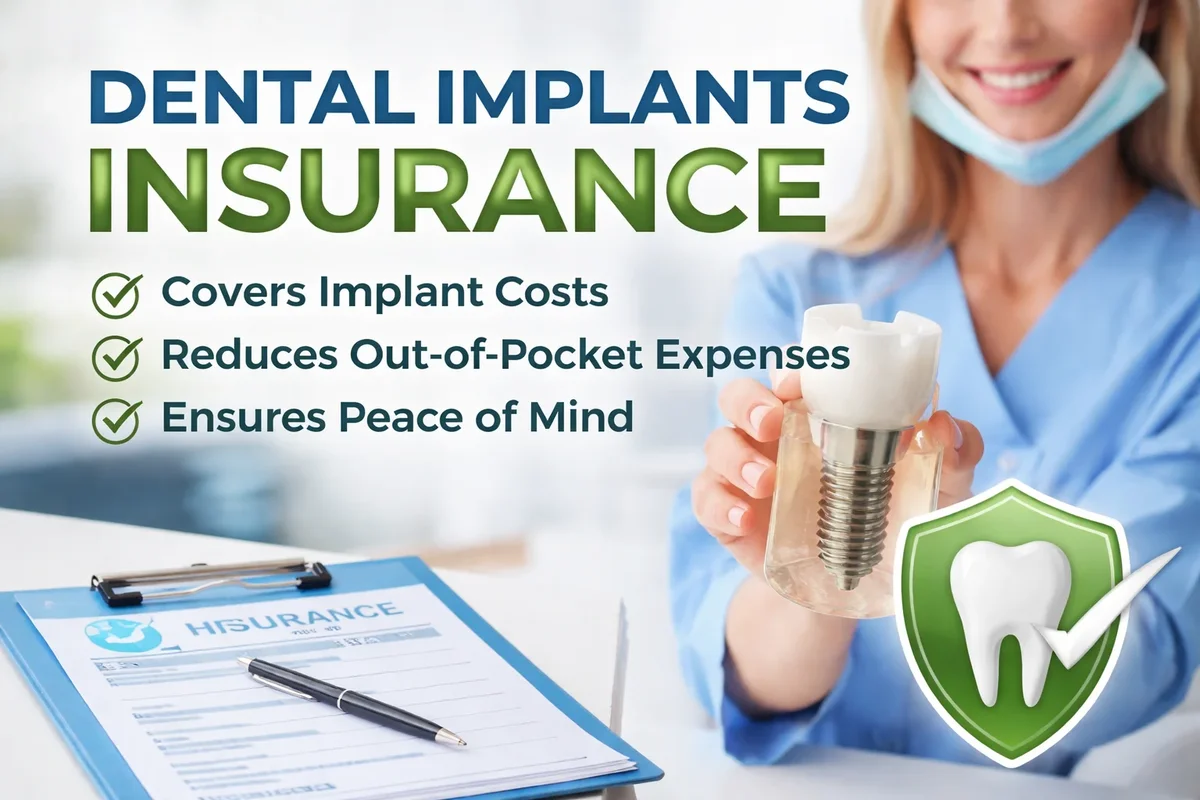
Is Dental Implants Insurance Worth It in 2026?
As dental care continues to evolve, more patients are asking whether dental implants insurance is truly worth it in 2026. With rising treatment costs, advanced technologies, and increasing awareness about oral health, dental implants have become one of the most sought-after solutions for missing teeth. However, their cost remains a significant concern. This is where dental implants insurance plays a critical role—but is it really a smart investment?
To answer this question accurately, we need to evaluate the financial, medical, and long-term benefits of having dental implants insurance compared to paying entirely out-of-pocket.
Financial Perspective: Cost vs Value
From a purely financial standpoint, dental implants insurance can offer substantial savings. While it rarely covers 100% of the treatment, it can significantly reduce the total cost.
Typical Cost Comparison
- Without dental implants insurance: $3,000 – $6,000 per implant
- With dental implants insurance: $1,500 – $3,500 out-of-pocket (depending on coverage)
Even with annual maximum limits, dental implants insurance can cut your expenses by up to 50%. For patients requiring multiple implants, this reduction becomes even more impactful.
💡 Additionally, when combined with financing options or staged treatment plans, dental implants insurance makes high-quality care far more accessible.
Long-Term Health Benefits
Dental implants are not just a cosmetic solution—they play a crucial role in maintaining oral health. Missing teeth can lead to bone loss, shifting teeth, and bite misalignment. By using dental implants insurance, patients are more likely to proceed with treatment early, preventing these complications.
Why Early Treatment Matters
Delaying treatment due to cost can result in more complex and expensive procedures later. With dental implants insurance, patients can address issues promptly and avoid additional treatments such as bone grafting or orthodontic correction.
🦷 In this sense, dental implants insurance is not just a financial tool—it is an investment in long-term oral health.
Comparing Insurance vs Paying Out-of-Pocket
Some patients consider skipping dental implants insurance and paying directly for treatment. While this approach eliminates monthly premiums, it also removes the financial safety net that insurance provides.
Advantages of Dental Implants Insurance
- Reduced upfront costs
- Access to better treatment options
- Coverage for related procedures
- Encouragement to seek timely care
When Paying Out-of-Pocket May Work
Paying without dental implants insurance may be suitable for patients who:
- Require only a single implant
- Have sufficient savings
- Prefer immediate treatment without waiting periods
However, for most patients, the benefits of dental implants insurance outweigh these considerations.
Impact of Rising Dental Costs in 2026
In 2026, dental treatment costs continue to rise due to advancements in technology, materials, and clinical expertise. This trend makes dental implants insurance more valuable than ever.
Why Costs Are Increasing
Modern implant procedures involve high-quality materials, digital imaging, and precision techniques. While these improvements enhance outcomes, they also increase costs. Having dental implants insurance helps offset these expenses and ensures access to the latest treatments.
📊 As costs continue to rise, patients without dental implants insurance may find it increasingly difficult to afford implant procedures.
Combining Insurance with Global Treatment Options
Another factor that makes dental implants insurance worthwhile in 2026 is the ability to combine it with dental tourism. Countries like Turkey offer high-quality implant treatments at significantly lower prices.
For example, a procedure costing $5,000 in the US may cost $2,000 in Turkey. When combined with dental implants insurance, the savings can be even greater.
Clinics such as Redent Klinik provide advanced implant treatments tailored for international patients. You can explore your options and receive personalized guidance through the Redent Klinik Contact Page.
🌍 For reliable information on dental standards and insurance practices, the American Dental Association remains a trusted resource for understanding how dental implants insurance fits into modern dental care.
Who Should Definitely Consider Dental Implants Insurance?
While dental implants insurance can benefit many patients, it is especially valuable for:
- Individuals planning multiple implants
- Patients with existing dental issues
- Those seeking long-term oral health solutions
- People who want to avoid large upfront payments
For these groups, dental implants insurance provides both financial relief and peace of mind.
Final Verdict: Is It Worth It?
In conclusion, dental implants insurance is absolutely worth considering in 2026. While it may not cover the full cost of treatment, it significantly reduces expenses, encourages timely care, and provides access to high-quality dental services. When used strategically—especially in combination with staged treatments or international options—dental implants insurance becomes a powerful tool for achieving a healthy, confident smile.
✔️ Ultimately, the value of dental implants insurance lies not only in cost savings but also in the improved quality of life it enables. Investing in the right plan today can lead to better oral health outcomes and long-term financial benefits.