
If you are searching for dental implants medicaid coverage, the short answer is that coverage is possible in some situations, but it is not guaranteed and depends heavily on where you live, your individual Medicaid program, and the medical necessity of your treatment. Many people assume that Medicaid either always covers dental implants or never covers them. In reality, neither assumption is completely accurate. Understanding how dental implants medicaid coverage works can help you make informed decisions before committing to treatment or delaying necessary care.
One of the most important facts to understand is that Medicaid is administered jointly by the federal government and individual states. This means each state has flexibility when deciding which adult dental benefits are included. As a result, dental implants medicaid coverage can vary significantly from one state to another. Some Medicaid programs may offer implant-related benefits only under specific medical circumstances, while others may exclude implants entirely and instead cover alternative tooth replacement options.
For many patients, the question is not simply whether dental implants medicaid coverage exists, but whether they personally qualify. Eligibility often depends on factors such as age, oral health, bone condition, previous dental history, medical diagnoses, and the reason the teeth were lost. In certain cases, a dentist may determine that dental implants represent the most appropriate treatment option because removable dentures or traditional bridges may not provide adequate function or long-term stability. Even then, approval usually requires documentation and follows the specific rules established by the state’s Medicaid program.
It is also important to remember that implant treatment involves multiple stages rather than a single procedure. Before considering dental implants medicaid coverage, your dentist typically evaluates your gums, jawbone, remaining teeth, bite, and overall oral health. X-rays or three-dimensional imaging may be recommended to determine whether sufficient bone is available for implant placement. If gum disease, untreated decay, or other oral health problems are present, these conditions generally need to be addressed before implant treatment can even be considered.
Many people become discouraged after reading conflicting information online about dental implants medicaid coverage. Some articles suggest implants are never covered, while others imply that everyone qualifies. Neither statement reflects the full picture. Because Medicaid policies differ by location and individual circumstances, the most reliable approach is obtaining a professional evaluation and verifying your benefits directly with your state’s Medicaid program or participating dental provider.
Another practical consideration involves treatment planning. Even if complete dental implants medicaid coverage is unavailable, certain diagnostic procedures, examinations, imaging, tooth extractions, or medically necessary services may still qualify for benefits depending on your plan. This can influence your overall treatment budget and help you understand which parts of care may receive financial assistance and which services could involve out-of-pocket expenses.
Patients frequently ask whether they should postpone treatment if they are uncertain about dental implants medicaid coverage. In many situations, delaying an examination may allow additional bone loss, shifting teeth, bite changes, or gum problems to develop over time. While this does not mean immediate implant treatment is necessary for everyone, obtaining an early professional assessment often provides more treatment choices than waiting until oral conditions become more complex.
It is equally important to recognize that dental implants are not the ideal solution for every patient. During your consultation, your dentist will consider your medical history, medications, oral hygiene habits, smoking status, bone quality, and treatment goals. Sometimes a bridge or removable denture may represent a more suitable recommendation depending on your circumstances. Understanding dental implants medicaid coverage is only one part of making a well-informed treatment decision.
Reliable information should always come from qualified dental professionals and trusted organizations. Educational resources published by the American Dental Association can help patients better understand tooth replacement options, oral health maintenance, and the importance of individualized treatment planning. These resources complement—not replace—the recommendations you receive during a clinical examination.
If you are exploring treatment options internationally or seeking a comprehensive evaluation, clinics such as Redent Klinik can provide personalized assessments, explain available treatment alternatives, discuss expected procedures, and help you understand what information you should gather regarding insurance or Medicaid benefits before making any decisions. If you would like to arrange a consultation or ask additional questions, you can visit the Redent Klinik Contact Page.
Practical next step: Before making assumptions about dental implants medicaid coverage, schedule a professional dental examination, request a written treatment plan, and verify your Medicaid dental benefits using the proposed procedures. This combination of clinical evaluation and benefit verification will provide a much clearer picture of your available treatment options than relying solely on general online information.
Quick Answer: Does Dental Implants Medicaid Coverage Include Implant Treatment?
The question, “Does dental implants medicaid coverage include implant treatment?”, does not have a universal yes or no answer. The most accurate response is that dental implants medicaid coverage depends on your state’s Medicaid program, your eligibility, your dental condition, and whether the treatment is considered medically necessary under that program’s rules. Because Medicaid dental benefits vary widely across the United States, two patients with similar dental problems may receive different coverage depending on where they live.
If you have lost one or more teeth and are considering implants, it is important not to assume that implants are automatically excluded or automatically approved. Instead, your goal should be determining whether dental implants medicaid coverage applies to your specific case before creating a treatment plan. A professional examination combined with insurance verification usually provides the clearest answer.
Why Dental Implants Medicaid Coverage Is Different in Every State
Unlike Medicare, Medicaid is jointly funded by federal and state governments. Federal guidelines establish general requirements, while each state determines many of its own adult dental benefits. This is one of the biggest reasons why dental implants medicaid coverage can vary so dramatically.
Some states provide comprehensive adult dental benefits that may include implant-related treatment under limited circumstances. Other states focus primarily on emergency dental care or basic restorative services. Even when implants are not directly covered, certain related services such as examinations, diagnostic imaging, tooth extractions, infection treatment, or periodontal therapy may still qualify for benefits.
Because policies change periodically, online articles may quickly become outdated. Rather than relying entirely on general information, patients should verify their own Medicaid benefits before making financial or treatment decisions.
When Dental Implants May Be Considered
Every patient has different treatment needs. Your dentist evaluates much more than the missing tooth itself. During your examination, factors commonly considered include:
- The number of missing teeth.
- Your overall oral health.
- Bone quantity and bone quality.
- Gum health.
- Your bite and chewing function.
- Existing restorations.
- Medical conditions that may influence healing.
These findings help determine whether implants are appropriate and whether alternative treatments may be more suitable. Even if dental implants medicaid coverage is available in your state, treatment still needs to be clinically appropriate for your situation.
Medical Necessity Versus Elective Treatment
Many Medicaid programs distinguish between medically necessary treatment and elective treatment. The exact definition varies by state, but documentation from your dentist may sometimes be required to explain why a particular treatment is recommended.
For example, your dentist may evaluate whether removable dentures, bridges, or other restorations could restore function adequately before recommending implants. Understanding how your state’s Medicaid program evaluates these situations is an important part of determining potential dental implants medicaid coverage.
What Costs Might Still Be Your Responsibility?
Even if some level of dental implants medicaid coverage exists, patients should understand that coverage does not necessarily mean every part of treatment is fully paid. Depending on your benefits, certain procedures could be covered while others may require personal payment.
Potential treatment expenses may include:
- Initial consultation.
- Digital X-rays.
- 3D CBCT imaging.
- Bone grafting when needed.
- Implant placement.
- Healing components.
- Custom abutments.
- Final implant crown.
- Maintenance appointments.
Actual costs vary according to the complexity of treatment, geographic location, materials selected, and individual clinical needs. A written treatment estimate after examination provides much more reliable information than average online price lists.
What If Dental Implants Medicaid Coverage Is Not Available?
Not qualifying for dental implants medicaid coverage does not necessarily mean treatment is impossible. Many patients successfully restore missing teeth using other evidence-based options recommended by their dentist.
Possible alternatives may include:
- Traditional dental bridges.
- Partial dentures.
- Complete dentures.
- Implant-supported overdentures when appropriate.
- Phased treatment completed over time.
The most suitable option depends on your oral health, expectations, remaining teeth, budget, and long-term goals. Your dentist should explain both the advantages and limitations of each treatment rather than recommending one solution for every patient.
Why an Early Consultation Can Make a Difference
Many people delay scheduling an appointment because they are uncertain about dental implants medicaid coverage. However, postponing an examination may allow bone loss, shifting teeth, gum disease, or additional restorative needs to develop. Earlier evaluation often provides more treatment options and allows your dentist to identify potential problems before they become more complicated.
During a consultation, you can also discuss insurance questions, expected treatment stages, possible alternatives, and whether additional documentation may be needed for Medicaid review. This approach provides practical information based on your own clinical situation rather than general internet advice.
If you are exploring comprehensive treatment options, Redent Klinik can provide an individualized assessment, explain available restorative solutions, and help you understand which questions to ask your insurance provider before moving forward. You can request additional information through the Redent Klinik Contact Page. For broader educational information about oral health and tooth replacement, the American Dental Association also offers valuable patient resources.
What Should You Check Next?
Before making a decision, verify your state’s current Medicaid dental benefits, request a comprehensive dental examination, obtain a written treatment plan, and ask whether your recommended procedures may qualify under your individual benefits. If you have multiple missing teeth, complex oral health concerns, or questions about medical necessity, this is the right time to request professional dental advice so you can compare all appropriate treatment options with confidence.
Understanding How Dental Implants Medicaid Coverage Differs by State
One of the biggest sources of confusion surrounding dental implants medicaid coverage is that there is no single nationwide policy that applies equally to every Medicaid recipient. Many people search online hoping to find a simple answer, but the reality is much more individualized. Whether dental implants medicaid coverage is available depends largely on the Medicaid program in your state, your personal eligibility, and the clinical reasons your dentist recommends implant treatment.
This is why two people with nearly identical dental problems may receive different coverage decisions. One patient may qualify for certain implant-related services, while another may not, simply because they live in different states or have different Medicaid benefit packages. Understanding these differences before beginning treatment planning can save both time and unnecessary expenses.
Why Every State Has Different Medicaid Dental Benefits
Medicaid is funded through both federal and state governments, but each state has significant authority to determine which adult dental services are included. Federal regulations establish a broad framework, yet individual states design many of the details of their own dental programs.
As a result, dental implants medicaid coverage is not standardized across the United States. Some states provide comprehensive adult dental benefits, while others focus primarily on emergency dental care or basic restorative treatment. Coverage policies can also change over time as state budgets, healthcare priorities, and regulations evolve.
Because of these differences, information found online should always be considered general guidance rather than confirmation of your own benefits. The only reliable way to determine your eligibility is to verify your specific Medicaid plan and discuss your proposed treatment with a qualified dental provider.
Common Factors That May Influence Dental Implants Medicaid Coverage
Although every Medicaid program establishes its own requirements, several common factors often influence whether dental implants medicaid coverage may apply.
- Your state of residence.
- Your Medicaid eligibility category.
- Your age.
- Your current oral health.
- The number of missing teeth.
- Whether the treatment is considered medically necessary.
- The availability of alternative treatment options.
- Required documentation from your dentist.
These factors work together rather than independently. Meeting one requirement does not automatically guarantee coverage, but understanding them helps patients prepare for conversations with both their dental provider and Medicaid representatives.
Medical Necessity Can Play an Important Role
Many patients believe implants are viewed only as cosmetic procedures. While this assumption is sometimes repeated online, it does not accurately reflect every situation. Depending on state guidelines, the concept of medical necessity may influence dental implants medicaid coverage.
A dentist may document how missing teeth affect chewing ability, oral function, speech, remaining teeth, or long-term oral health. The state’s Medicaid program then determines whether those clinical findings satisfy its own coverage requirements. Documentation requirements vary, which is why professional evaluation is an essential part of the process.
Why Your Dental Examination Matters Before Checking Coverage
Many patients contact Medicaid before visiting a dentist, hoping to receive a simple approval or denial. In practice, this approach often creates more confusion because Medicaid representatives typically need information about the proposed treatment.
During a comprehensive examination, your dentist evaluates:
- Bone volume and density.
- Gum health.
- Existing restorations.
- Bite alignment.
- Remaining teeth.
- Signs of infection.
- Overall medical history.
These findings allow the dentist to prepare an individualized treatment plan. Only then can questions regarding dental implants medicaid coverage be evaluated within the context of your actual clinical needs.
Can Related Procedures Be Covered?
Even if implant placement itself is not included under your plan, some associated dental services may still qualify for Medicaid benefits depending on state regulations.
Examples may include:
- Dental examinations.
- Diagnostic X-rays.
- Emergency treatment.
- Treatment of dental infections.
- Tooth extractions.
- Periodontal therapy.
Understanding this distinction is important because patients sometimes assume they must pay for every part of treatment if implant placement is not covered. In reality, dental implants medicaid coverage may involve partial benefits for certain stages of care while excluding others.
What If You Move to Another State?
Another frequently overlooked issue is relocation. Because Medicaid programs are administered by individual states, moving can affect your dental benefits. If you relocate before or during treatment, your eligibility and available services may change.
Patients planning to move should discuss treatment timing carefully with both their dental provider and Medicaid office. Beginning complex restorative treatment without understanding future coverage could create unnecessary interruptions or unexpected costs.
Making an Informed Treatment Decision
Understanding dental implants medicaid coverage is only one part of selecting the right tooth replacement option. Your dentist should also explain whether implants, bridges, removable dentures, or implant-supported dentures are appropriate based on your oral health, lifestyle, long-term expectations, and financial considerations.
Choosing treatment solely because of insurance benefits may not always provide the best long-term outcome. Likewise, dismissing implants immediately because of uncertainty about coverage may cause patients to overlook an option that deserves further evaluation.
If you are considering implant treatment, a comprehensive consultation can help you compare available solutions based on your clinical findings rather than assumptions. Clinics such as Redent Klinik provide individualized evaluations, explain treatment alternatives, and can help patients understand which insurance questions should be clarified before proceeding. Additional information is available through the Redent Klinik Contact Page.
For independent educational information regarding oral health, tooth replacement, and maintaining healthy teeth and gums, patients may also consult resources published by the American Dental Association.
What Should You Check Before Moving Forward?
Before making any treatment decision, verify your state’s current Medicaid dental benefits, request a written treatment plan from your dentist, ask which procedures may require prior authorization, and determine whether alternative treatment options should also be considered. If you have questions about bone health, medical conditions, or your eligibility for dental implants medicaid coverage, scheduling a professional dental consultation is the most reliable next step for receiving advice tailored to your individual situation.
Cost Factors and What Dental Implants Medicaid Coverage May Pay For
For many patients, the biggest question after learning about dental implants medicaid coverage is how much treatment may actually cost. While insurance eligibility is important, understanding how implant treatment is priced helps you make informed financial decisions before treatment begins. Dental implant therapy is highly individualized, meaning there is no universal fee that applies to every patient. Likewise, dental implants medicaid coverage rarely follows a simple all-or-nothing model. Depending on your state’s Medicaid program and your clinical situation, certain procedures may be eligible for benefits while others may remain your financial responsibility.
Rather than focusing only on the final price, patients benefit from understanding which stages of treatment are involved, what factors increase complexity, and how insurance decisions are made. This approach reduces unexpected surprises and allows you to compare treatment options more effectively.
Why Implant Treatment Costs Differ Between Patients
Even when two patients require replacement of a single missing tooth, their treatment costs may differ considerably. This is because implant treatment is planned according to each person’s oral health rather than using a standard package.
Factors that commonly influence overall treatment planning include:
- The number of missing teeth.
- The location of the missing teeth.
- Jawbone volume and density.
- The condition of surrounding teeth.
- Whether bone grafting is necessary.
- Existing gum disease.
- The complexity of the surgical procedure.
- The materials selected for the final restoration.
Because every patient presents different clinical findings, discussions about dental implants medicaid coverage should always occur alongside an individualized examination rather than relying on average prices found online.
Which Parts of Treatment May Be Eligible?
One of the most common misconceptions about dental implants medicaid coverage is that patients either receive complete coverage or none at all. In reality, Medicaid programs may evaluate each stage of treatment separately depending on state regulations.
Potential services that may be reviewed individually include:
- Initial consultation.
- Comprehensive oral examination.
- Digital dental X-rays.
- Three-dimensional CBCT imaging.
- Tooth extractions.
- Treatment of active infections.
- Periodontal therapy.
- Bone grafting.
- Implant placement.
- Healing components.
- Abutment placement.
- Final implant-supported crown.
Whether these services qualify under dental implants medicaid coverage depends entirely on your Medicaid benefits and the documentation submitted by your dental provider. Patients should never assume that every stage will automatically receive approval.
Prior Authorization May Be Required
Many Medicaid programs require prior authorization before approving certain dental procedures. This process allows the insurance program to review clinical information before treatment begins.
Your dentist may submit documentation such as:
- Clinical examination findings.
- Diagnostic X-rays.
- CBCT scans.
- Photographs.
- Medical history.
- Treatment recommendations.
- Supporting clinical notes.
Submitting complete documentation does not guarantee approval, but it helps Medicaid evaluate whether the requested treatment meets its current coverage guidelines.
Additional Procedures Can Influence Overall Costs
Some patients require preparatory treatment before implants can safely be placed. For example, untreated gum disease, active tooth decay, or insufficient jawbone may need to be addressed first.
Possible additional procedures include:
- Scaling and root planing.
- Bone grafting.
- Sinus augmentation.
- Removal of damaged teeth.
- Treatment of oral infections.
These procedures may affect the overall treatment timeline and financial planning. Even if dental implants medicaid coverage applies to certain services, additional procedures may have different coverage requirements depending on your state’s policies.
Comparing Long-Term Value Instead of Initial Cost
Although treatment costs are important, patients should also consider long-term function, comfort, maintenance requirements, and expected durability when comparing tooth replacement options.
Your dentist may discuss alternatives such as:
- Traditional fixed bridges.
- Removable partial dentures.
- Complete dentures.
- Implant-supported overdentures.
- Delayed implant placement after healing.
Each option has advantages and limitations. The least expensive treatment initially may not always provide the best long-term solution for every patient. Likewise, implant treatment may not always be clinically appropriate depending on bone quality, medical history, or personal treatment goals.
Planning Your Budget Before Treatment Begins
If you are exploring dental implants medicaid coverage, requesting a detailed written treatment plan is one of the most valuable steps you can take. A written estimate helps clarify which procedures are recommended, which services may be submitted to Medicaid, and which costs could remain your responsibility.
During your consultation, consider asking questions such as:
- Which procedures are medically necessary?
- Will prior authorization be required?
- What alternative treatment options are available?
- How many appointments are expected?
- Could treatment be completed in phases?
- What maintenance will be required after treatment?
These questions allow patients to compare treatment options based on clinical needs rather than cost alone.
Working With an Experienced Dental Team
Understanding dental implants medicaid coverage involves more than reviewing insurance documents. An experienced dental provider can explain the clinical reasons behind each recommended procedure, discuss realistic treatment alternatives, and help you understand what documentation may be necessary before treatment begins.
If you are considering implant treatment, Redent Klinik offers individualized consultations that focus on diagnosis, treatment planning, and patient education. During your evaluation, you can discuss available restorative options, expected treatment stages, and important questions to ask your insurance provider. You can request additional information through the Redent Klinik Contact Page.
Patients seeking independent educational resources about oral health, tooth replacement, and restorative dentistry may also benefit from information published by the American Dental Association.
What Should You Check Before Making a Financial Decision?
Before committing to treatment, request a comprehensive dental examination, obtain a written treatment plan with itemized procedures, verify your state’s current Medicaid benefits, and ask whether prior authorization is required for any recommended services. If your treatment involves bone grafting, multiple missing teeth, or complex restorative work, requesting professional advice from a qualified dentist can help you understand both the clinical recommendations and the financial considerations associated with dental implants medicaid coverage.
Who May Qualify for Dental Implants Medicaid Coverage?
One of the most common questions patients ask is whether they personally qualify for dental implants medicaid coverage. Although many people search for a simple checklist, eligibility is rarely determined by a single factor. Instead, Medicaid programs generally evaluate several clinical and administrative requirements before deciding whether implant-related treatment may qualify for benefits. Understanding these factors can help you prepare for your dental consultation and avoid unnecessary delays during the approval process.
The first point to remember is that dental implants medicaid coverage is not based solely on having missing teeth. Many patients lose teeth because of trauma, decay, gum disease, congenital conditions, or medical treatments. However, the reason for tooth loss is only one piece of the overall evaluation. Your state’s Medicaid program, your specific eligibility category, and the professional findings from your dental examination all contribute to the final determination.
Every Patient Is Evaluated Individually
Although people often compare their situation with friends or family members, implant eligibility should never be assumed based on another person’s experience. Two patients with similar dental conditions may receive different recommendations because their medical history, oral health, bone quality, or Medicaid benefits differ.
When evaluating potential dental implants medicaid coverage, dentists typically begin with a comprehensive examination rather than focusing only on the missing tooth. This evaluation provides the clinical information needed to determine whether implant treatment is appropriate and whether supporting documentation may be required.
Clinical Factors Your Dentist Will Evaluate
During a comprehensive examination, your dentist will assess several important factors before recommending implant treatment.
- Overall oral health.
- Number and location of missing teeth.
- Condition of remaining teeth.
- Jawbone quantity and density.
- Health of the gums.
- Bite alignment.
- Signs of active infection.
- Medical history.
- Current medications.
- Healing potential.
These findings help determine whether implants are clinically appropriate regardless of insurance considerations. If implant treatment is not suitable from a medical standpoint, dental implants medicaid coverage becomes a secondary issue because another treatment option may provide a safer or more predictable outcome.
Bone Health Plays an Important Role
Successful implant treatment depends on adequate bone support. After tooth loss, the jawbone gradually changes over time. Some patients maintain sufficient bone for implant placement, while others may require additional procedures before implants can be considered.
Your dentist may recommend three-dimensional imaging to evaluate bone volume accurately. If bone grafting appears necessary, this may influence both the treatment plan and discussions regarding dental implants medicaid coverage, since additional procedures can have separate coverage requirements depending on your state’s Medicaid program.
Medical Conditions That May Influence Treatment Planning
Having a medical condition does not automatically prevent implant treatment, but certain health factors may influence the timing or complexity of care.
Your dentist may review:
- Diabetes management.
- Cardiovascular conditions.
- Osteoporosis treatment.
- Immune system disorders.
- History of radiation therapy.
- Smoking or tobacco use.
- Medications affecting bone metabolism.
These discussions are designed to promote safe treatment planning rather than automatically exclude patients from receiving implants. Depending on the clinical findings, modifications to the treatment plan may be recommended before proceeding.
Why Documentation Matters
In many situations, Medicaid programs require clinical documentation before reviewing requests involving dental implants medicaid coverage. The documentation submitted by your dentist helps explain why implant treatment has been recommended and whether alternative treatments have been considered.
Supporting documentation may include:
- Comprehensive examination records.
- Diagnostic X-rays.
- CBCT scans.
- Clinical photographs.
- Periodontal findings.
- Medical history.
- Written treatment recommendations.
Providing complete documentation improves the review process, although it does not guarantee approval because each Medicaid program applies its own coverage criteria.
When Alternative Treatments May Be More Appropriate
Even if you are interested in implants, your dentist may recommend another tooth replacement solution based on your oral condition or long-term goals. This recommendation should not automatically be viewed as a disadvantage. The primary objective is selecting the treatment that offers the best balance of function, oral health, comfort, and long-term maintenance.
Possible alternatives include:
- Traditional fixed bridges.
- Removable partial dentures.
- Complete dentures.
- Implant-supported overdentures.
- Phased restorative treatment.
During your consultation, your dentist should explain why each option is or is not suitable for your specific situation. Understanding these alternatives helps patients make informed decisions rather than focusing exclusively on dental implants medicaid coverage.
Preparing for Your Consultation
Patients can often make their appointment more productive by bringing relevant information to their consultation. Helpful items include:
- Your Medicaid insurance information.
- A list of current medications.
- Relevant medical records if requested.
- Previous dental X-rays if available.
- A summary of current symptoms.
- Questions about treatment goals.
Providing complete information allows your dental team to prepare a more accurate treatment plan and determine whether additional documentation may be needed for insurance review.
Making the Right Decision for Your Situation
Understanding dental implants medicaid coverage is important, but insurance should not be the only factor guiding your decision. Clinical suitability, oral health, long-term maintenance, expected function, and your personal goals should all be considered together.
If you would like a personalized assessment, Redent Klinik offers comprehensive dental evaluations that help patients understand available treatment options, expected procedures, and important insurance-related questions before treatment begins. You can learn more or schedule an appointment through the Redent Klinik Contact Page.
For additional educational resources about oral health, restorative dentistry, and tooth replacement options, patients may also consult the American Dental Association.
What Should You Check Before Requesting Treatment?
Before moving forward, ask your dentist whether implant treatment is clinically appropriate, request a written treatment plan, verify your current Medicaid dental benefits, and determine whether prior authorization or additional documentation is required. If you have medical conditions, significant bone loss, multiple missing teeth, or questions about your eligibility for dental implants medicaid coverage, scheduling a professional dental consultation is the most reliable way to receive recommendations tailored to your individual needs.
The Dental Implant Process and How Medicaid Decisions Affect Treatment Timing
Understanding the treatment timeline is just as important as understanding dental implants medicaid coverage. Many patients expect implant treatment to begin immediately after their first appointment, but dental implants are usually completed in carefully planned stages. In addition, if Medicaid review or prior authorization is required, the overall timeline may become longer. Knowing what happens at each stage helps you prepare both medically and financially while avoiding unrealistic expectations.
The exact treatment process varies from one patient to another because every mouth presents different clinical findings. The number of missing teeth, bone quality, gum health, medical history, and your state’s Medicaid policies can all influence how quickly treatment progresses. For this reason, discussions about dental implants medicaid coverage should always occur alongside a personalized treatment plan rather than relying on generalized timelines found online.
Step 1: Initial Consultation and Comprehensive Examination
The implant journey usually begins with a comprehensive dental examination. During this appointment, your dentist evaluates much more than the missing tooth itself. The objective is to determine whether implant treatment is clinically appropriate and whether additional procedures may be required before surgery.
Your examination may include:
- A complete oral health evaluation.
- Review of your medical history.
- Assessment of gum health.
- Evaluation of existing restorations.
- Bite analysis.
- Digital X-rays.
- Three-dimensional CBCT imaging when appropriate.
This information allows your dentist to prepare an individualized treatment plan and determine whether questions regarding dental implants medicaid coverage should be explored before treatment proceeds.
Step 2: Treatment Planning and Insurance Review
Once the clinical examination has been completed, your dentist prepares a treatment plan based on your oral health findings. This plan explains the recommended procedures, expected treatment sequence, and possible alternatives.
If Medicaid benefits may apply, your dental office may also determine whether documentation or prior authorization is required. Depending on your state’s regulations, this review process may involve submitting clinical records, diagnostic images, and written explanations supporting the proposed treatment.
Because every Medicaid program operates differently, the amount of time required for reviewing dental implants medicaid coverage varies. Patients should avoid scheduling assumptions until insurance verification has been completed.
Why Prior Authorization Can Affect Scheduling
Some implant-related procedures cannot begin until Medicaid has completed its review if prior authorization is required. This waiting period allows the insurance program to evaluate whether the proposed treatment satisfies its coverage criteria.
Receiving a request for additional documentation does not necessarily indicate approval or denial. It simply means more information is needed before a decision can be made regarding dental implants medicaid coverage.
Step 3: Preparing the Mouth for Implant Treatment
Not every patient can proceed directly to implant placement. In many situations, your dentist may recommend treating existing oral health conditions first to improve long-term treatment success.
Preparatory procedures may include:
- Treatment of gum disease.
- Removal of damaged teeth.
- Management of dental infections.
- Bone grafting.
- Sinus augmentation when indicated.
These treatments are performed to create a healthier foundation for future implant placement. Depending on your treatment plan, healing periods may be necessary before the next stage begins.
Step 4: Implant Placement
Once your mouth is ready, the dental implant can be surgically placed into the jawbone. The procedure is typically performed under appropriate local anesthesia, and sedation options may also be discussed when clinically appropriate.
Following placement, the implant enters a healing phase during which the surrounding bone gradually integrates with the implant surface. The length of this healing period differs among patients because healing is influenced by factors such as bone quality, overall health, oral hygiene, smoking habits, and the complexity of treatment.
Patients should remember that dental implants medicaid coverage concerns and clinical healing are separate issues. Even if insurance questions have already been resolved, the biological healing process cannot be rushed.
Step 5: Final Restoration
After sufficient healing has occurred, the implant is restored with the appropriate prosthetic component. Depending on your treatment plan, this may involve a single crown, a bridge, or another implant-supported restoration.
The final restoration is designed to restore chewing function, appearance, and overall oral comfort while fitting harmoniously with the surrounding teeth. Regular follow-up appointments help ensure that both the implant and the restoration continue functioning as expected.
Why Following the Timeline Matters
Some patients hope to shorten treatment by combining multiple stages into fewer appointments. While this may occasionally be appropriate, treatment decisions should always be based on clinical findings rather than convenience alone.
Attempting to accelerate healing or skip recommended appointments may increase the likelihood of complications or reduce treatment predictability. Careful planning remains more important than completing treatment as quickly as possible.
Staying Informed Throughout the Process
Maintaining communication with both your dental provider and Medicaid representative can help prevent misunderstandings regarding scheduling and insurance benefits. If your treatment plan changes because of new clinical findings, your insurance documentation may also need to be updated depending on applicable Medicaid requirements.
If you are considering implant treatment, Redent Klinik provides comprehensive consultations that explain each treatment stage, available restorative options, expected timelines, and important insurance-related questions patients should discuss before beginning care. You can request further information through the Redent Klinik Contact Page.
For additional educational information about implant therapy, oral health, and restorative dentistry, patients may also review resources published by the American Dental Association.
What Should You Check Before Beginning Treatment?
Before scheduling implant surgery, ask your dentist whether all necessary examinations have been completed, whether additional preparatory procedures are recommended, whether prior authorization is required for dental implants medicaid coverage, and how long each treatment stage is expected to take. If you have questions about healing, bone quality, medical conditions, or insurance documentation, request professional advice before proceeding so your treatment plan reflects both your clinical needs and your current Medicaid benefits.
Risks, Limitations, and Situations Where Dental Implants Medicaid Coverage May Be Denied
Understanding the possible limitations of dental implants medicaid coverage is just as important as understanding when benefits may be available. Many patients begin researching implant treatment assuming that once they qualify for Medicaid, implant therapy will automatically be approved. In reality, Medicaid coverage decisions often involve multiple clinical, administrative, and policy-related factors. Knowing why coverage may be limited or denied helps patients prepare realistic expectations and identify alternative treatment paths when necessary.
It is equally important to separate two different questions. The first is whether dental implants are clinically appropriate for your oral health. The second is whether your state’s Medicaid program will provide benefits for the proposed treatment. These questions are related but not identical. A patient may be an excellent clinical candidate for implants while still facing restrictions related to dental implants medicaid coverage. Likewise, insurance eligibility alone does not guarantee that implant treatment is medically advisable.
Common Reasons Coverage May Be Limited
Every state’s Medicaid program establishes its own policies regarding adult dental services. As a result, the reasons for denying or limiting dental implants medicaid coverage vary between programs. However, several situations are commonly considered during the review process.
- The requested procedure is not included in the state’s Medicaid benefits.
- Prior authorization requirements have not been completed.
- Clinical documentation is incomplete.
- The treatment is not considered medically necessary under program guidelines.
- Alternative treatments are considered appropriate.
- The patient’s eligibility has changed.
These situations do not necessarily reflect the quality of the treatment recommendation. Instead, they often relate to administrative requirements or specific coverage policies established by the Medicaid program.
Clinical Factors That May Delay Implant Treatment
Even when insurance questions have been addressed, your dentist may recommend postponing implant placement until certain oral health conditions are treated. Implant therapy depends on healthy supporting tissues, adequate bone, and appropriate healing conditions.
Examples include:
- Active gum disease.
- Untreated tooth decay.
- Oral infections.
- Insufficient bone volume.
- Poor oral hygiene.
- Recently extracted teeth requiring healing.
These situations do not necessarily prevent future implant treatment. Instead, they often indicate that additional care is needed before implant placement can safely proceed. During this period, discussions regarding dental implants medicaid coverage may continue while your dentist prepares the healthiest possible environment for treatment.
Medical Conditions May Require Additional Planning
Certain medical conditions do not automatically eliminate implant treatment, but they may require additional coordination between your healthcare providers. Your dentist will evaluate whether any medical issues could influence healing or increase treatment complexity.
Examples may include diabetes management, medications affecting bone metabolism, immune system disorders, tobacco use, or previous radiation therapy involving the jaw. Individualized planning helps reduce unnecessary risks while supporting long-term oral health.
Administrative Reasons for Delays
Many patients are surprised to learn that administrative issues can affect dental implants medicaid coverage even when implant treatment appears clinically appropriate.
Examples include:
- Missing insurance documentation.
- Expired Medicaid eligibility.
- Incomplete treatment records.
- Requests for additional clinical information.
- Changes in Medicaid enrollment.
- Provider participation requirements.
These issues can often be resolved by communicating with both your dental office and Medicaid representative. Staying organized and responding promptly to documentation requests may help reduce unnecessary delays.
Why Alternative Treatments Are Sometimes Recommended
Insurance decisions are only one aspect of treatment planning. Your dentist may recommend another restorative option if it provides a more appropriate solution based on your oral health, bone condition, remaining teeth, or long-term maintenance needs.
Alternative options may include:
- Traditional fixed dental bridges.
- Removable partial dentures.
- Complete dentures.
- Implant-supported overdentures.
- Phased treatment after preliminary care.
Choosing one of these alternatives does not necessarily mean implants are unsuitable forever. In some cases, patients receive temporary treatment while improving oral health or completing additional procedures before reconsidering implant placement.
Understanding the Clinical Risks of Implant Treatment
Like all surgical procedures, dental implant treatment carries potential risks. Although implants have been widely used for many years and may be an appropriate option for many patients, no treatment can guarantee identical outcomes for everyone.
Potential considerations include:
- Healing complications.
- Postoperative discomfort.
- Swelling.
- Infection.
- Implant instability.
- Bone healing variations.
- Need for additional procedures.
Your dentist will explain these possibilities during the informed consent process and discuss how your individual medical history may influence treatment planning. Understanding these clinical considerations is just as important as understanding dental implants medicaid coverage.
How Patients Can Improve Their Chances of a Smooth Process
Although insurance approval cannot be guaranteed, patients can take several practical steps that may help the treatment planning process proceed more efficiently.
- Attend a comprehensive dental examination.
- Maintain good oral hygiene.
- Treat existing gum disease promptly.
- Provide complete medical information.
- Keep Medicaid eligibility current.
- Respond promptly to documentation requests.
- Follow all pre-treatment instructions.
These steps support better communication between the patient, dental provider, and insurance program while helping create an accurate treatment plan.
Making an Informed Decision
When evaluating dental implants medicaid coverage, patients should avoid making decisions based solely on online opinions or isolated personal experiences. Coverage rules change, clinical circumstances differ, and every treatment plan should be tailored to the individual patient.
Redent Klinik offers personalized consultations designed to evaluate oral health, explain restorative options, discuss treatment stages, and help patients understand which insurance-related questions should be addressed before beginning care. Additional information is available through the Redent Klinik Contact Page.
For trusted educational information regarding restorative dentistry, implant therapy, and oral health maintenance, patients may also explore the resources provided by the American Dental Association.
What Should You Check Before Proceeding?
Before making your final treatment decision, ask your dentist whether implant treatment is clinically appropriate, whether any oral health conditions should be treated first, whether additional documentation is required for dental implants medicaid coverage, and which alternative tooth replacement options are available if coverage is not approved. If you have concerns about healing, medical conditions, bone quality, or insurance eligibility, requesting professional dental advice will help you make a decision based on your individual circumstances rather than assumptions.
Alternatives When Dental Implants Medicaid Coverage Is Not Available
Learning that dental implants medicaid coverage may not apply to your situation can feel discouraging at first, but it does not mean you have run out of treatment options. Modern dentistry offers several effective methods for replacing missing teeth, and the most suitable choice depends on your oral health, budget, lifestyle, and long-term expectations. In many cases, an alternative treatment may restore chewing ability, improve appearance, and protect your remaining teeth while fitting better within your financial circumstances.
Rather than viewing implant treatment as the only possible solution, it is helpful to compare all available options with your dentist. A personalized discussion allows you to understand the advantages, limitations, maintenance requirements, and expected outcomes of each approach. Even if dental implants medicaid coverage is unavailable today, future treatment plans may still include implants if your circumstances or insurance benefits change.
Why It Is Important to Replace Missing Teeth
Some patients consider postponing treatment indefinitely after discovering limitations in dental implants medicaid coverage. However, replacing missing teeth is often recommended because untreated tooth loss may affect more than appearance alone.
Depending on your situation, missing teeth may contribute to:
- Difficulty chewing certain foods.
- Shifting of neighboring teeth.
- Changes in bite alignment.
- Additional wear on remaining teeth.
- Reduced chewing efficiency.
- Gradual jawbone changes over time.
The degree of these effects varies from patient to patient, but early evaluation often provides more treatment choices than waiting until additional oral changes develop.
Traditional Fixed Dental Bridges
A traditional fixed bridge is one of the most common alternatives when dental implants medicaid coverage is unavailable or implant treatment is not clinically appropriate.
A bridge replaces one or more missing teeth by using neighboring natural teeth as support. Many patients appreciate that bridges generally do not require implant surgery and can restore appearance and chewing function when properly planned.
However, bridges may not be suitable for every situation. Your dentist will evaluate the health of the supporting teeth, the condition of your gums, your bite, and your long-term oral health before recommending this option.
When a Bridge May Be Appropriate
A bridge may be considered when:
- Adjacent teeth are healthy enough to provide support.
- The missing space is appropriate for bridge treatment.
- Implant placement is not recommended.
- The patient prefers a non-surgical option.
The most appropriate recommendation depends on an individualized examination rather than insurance coverage alone.
Removable Partial Dentures
Partial dentures remain a practical solution for many patients missing several teeth. Modern designs are often lighter, more comfortable, and more natural-looking than many people expect.
Advantages may include:
- Replacement of multiple missing teeth.
- Lower initial treatment costs compared with many implant cases.
- Relatively straightforward treatment process.
- Ability to modify certain designs if additional teeth are lost later.
Patients should also understand that removable appliances require regular cleaning, periodic adjustments, and adaptation during everyday use.
Complete Dentures
For patients who have lost all teeth in one or both arches, complete dentures may provide another treatment option if dental implants medicaid coverage is unavailable.
Complete dentures restore appearance and chewing function without implant surgery. Although they may require an adjustment period, many patients achieve satisfactory daily function with properly fitted dentures and regular follow-up care.
Your dentist can explain whether complete dentures are appropriate based on your oral anatomy, bone support, and treatment goals.
Implant-Supported Overdentures
Some patients who cannot pursue a full fixed implant restoration may still benefit from implant-supported overdentures. This treatment combines removable dentures with a limited number of implants to improve stability.
Whether this option is appropriate depends on several factors, including:
- Available jawbone.
- General health.
- Number of missing teeth.
- Financial considerations.
- Clinical examination findings.
Your dentist can explain whether implant-supported dentures represent a reasonable compromise between function, comfort, and overall treatment complexity.
Phased Treatment Planning
When immediate implant treatment is not possible because of financial considerations or limitations in dental implants medicaid coverage, phased treatment planning may be another practical approach.
Instead of completing every procedure at once, treatment can sometimes be divided into carefully planned stages. For example, your dentist may first focus on treating gum disease, removing damaged teeth, or improving oral health before considering future implant therapy.
This staged approach allows patients to address urgent dental needs while creating a healthier foundation for future restorative treatment.
Choosing the Best Alternative for Your Situation
The right tooth replacement option depends on more than insurance benefits. During your consultation, your dentist should evaluate:
- Your oral health.
- Remaining teeth.
- Bone quality.
- Chewing function.
- Daily lifestyle.
- Long-term maintenance.
- Personal treatment priorities.
Comparing these factors objectively helps patients make informed decisions rather than selecting treatment solely because of current dental implants medicaid coverage limitations.
Planning Ahead With Professional Guidance
Even if implants are not your immediate choice, maintaining regular dental care helps preserve future treatment possibilities. Monitoring bone health, treating gum disease promptly, and replacing missing teeth before additional complications develop may expand your restorative options later.
Redent Klinik provides individualized consultations designed to help patients compare bridges, dentures, implant-supported restorations, and conventional implant treatment based on their clinical needs rather than one-size-fits-all recommendations. You can request further information through the Redent Klinik Contact Page.
Patients who would like additional educational information about restorative dentistry and oral health maintenance may also review the patient resources available through the American Dental Association.
What Should You Check Before Choosing an Alternative?
Before deciding on any tooth replacement option, ask your dentist which treatments are clinically appropriate, compare the expected maintenance requirements, discuss long-term function and comfort, and verify whether any portion of your recommended care may qualify under dental implants medicaid coverage. If you are uncertain which solution best matches your oral health and budget, requesting a comprehensive professional evaluation is the most reliable next step before beginning treatment.
Financing Options, Dental Clinics, and Planning Your Treatment Budget
Even after learning the details of dental implants medicaid coverage, many patients discover that they still need to plan carefully for the financial aspects of treatment. Depending on your state, your Medicaid benefits, and your individual treatment plan, some procedures may receive partial coverage while others may require personal payment. Understanding your financing options before treatment begins helps reduce uncertainty and allows you to focus on choosing the most appropriate solution for your oral health rather than making decisions under financial pressure.
Creating a realistic treatment budget involves much more than comparing prices between clinics. Patients should also consider diagnostic procedures, possible preparatory treatments, long-term maintenance, and follow-up care. Taking a comprehensive approach allows you to evaluate the total value of treatment instead of focusing only on the initial cost.
Start With a Personalized Treatment Plan
Before discussing payment options, your dentist should first determine exactly which procedures are clinically necessary. Because every patient’s oral condition is unique, treatment recommendations vary significantly.
A personalized treatment plan may include:
- Comprehensive examination.
- Digital X-rays.
- Three-dimensional imaging.
- Treatment of gum disease.
- Tooth extractions.
- Bone grafting when necessary.
- Implant placement.
- Final restoration.
- Follow-up appointments.
Once these recommendations are prepared, discussions regarding dental implants medicaid coverage become much more meaningful because insurance questions can be reviewed alongside actual clinical needs.
Understand What Medicaid May and May Not Cover
Patients sometimes assume that the only financial question is whether implants themselves are covered. In reality, different stages of care may be evaluated separately depending on your state’s Medicaid program.
For example, certain diagnostic services, examinations, or medically necessary procedures may receive different coverage consideration than implant placement itself. Reviewing each stage individually helps you better understand your expected financial responsibilities.
Because policies differ among states, it is always advisable to verify your specific dental implants medicaid coverage before scheduling treatment.
Ask for an Itemized Treatment Estimate
An itemized written estimate provides valuable information when comparing treatment options or reviewing insurance benefits. Rather than receiving only a total figure, patients can better understand each recommended procedure.
A detailed estimate often helps you:
- Review proposed procedures individually.
- Compare alternative treatment plans.
- Discuss insurance questions more accurately.
- Prepare a realistic personal budget.
- Understand future maintenance needs.
Having written documentation also makes conversations with Medicaid representatives much easier because the recommended procedures are clearly identified.
Financing Options Beyond Medicaid
If dental implants medicaid coverage does not include every recommended procedure, additional financing solutions may be available depending on your dental provider and geographic location.
Possible options include:
- Monthly payment plans.
- Third-party healthcare financing.
- Dental savings programs.
- Phased treatment scheduling.
- Personal savings plans.
Availability varies between providers, so patients should ask which payment arrangements are offered before beginning treatment. Selecting a financing solution that fits comfortably within your budget is often more beneficial than delaying necessary dental care indefinitely.
Should You Choose the Lowest Price?
When comparing treatment costs, selecting the lowest quoted price should not be the only deciding factor. Implant therapy involves diagnosis, planning, surgical procedures, restorative treatment, and long-term follow-up. Each stage contributes to the overall quality of care.
Instead of focusing exclusively on cost, consider asking:
- What diagnostic imaging is included?
- Who performs the treatment?
- What follow-up care is recommended?
- What maintenance appointments will be needed?
- Are alternative treatment options explained?
- Will a written treatment plan be provided?
These questions often provide greater long-term value than comparing treatment fees alone.
Planning Treatment in Phases
For some patients, completing treatment in carefully planned stages provides a practical financial solution. Rather than postponing all care because of limited dental implants medicaid coverage, your dentist may recommend addressing the highest-priority concerns first.
Examples include:
- Treating active infections.
- Managing gum disease.
- Removing non-restorable teeth.
- Improving oral hygiene.
- Preparing for future implant placement.
This phased approach may allow patients to spread treatment over a longer period while maintaining oral health and preserving future restorative possibilities.
Choosing a Dental Clinic
Selecting the right dental clinic involves more than reviewing online reviews or comparing prices. Patients benefit from choosing a provider who explains treatment options clearly, answers insurance questions honestly, and develops individualized treatment plans.
During your consultation, consider whether the dental team:
- Performs a comprehensive examination.
- Explains alternative treatment options.
- Provides written treatment plans.
- Discusses expected treatment stages.
- Answers financial questions transparently.
- Encourages informed decision-making.
These qualities often contribute to a smoother treatment experience regardless of the outcome of dental implants medicaid coverage.
Building a Long-Term Oral Health Plan
Replacing missing teeth is only one part of maintaining lifelong oral health. Regular professional examinations, effective daily oral hygiene, and timely treatment of developing problems can help preserve both natural teeth and restorative work.
Redent Klinik provides personalized consultations that help patients understand treatment priorities, compare restorative options, review financial considerations, and discuss insurance-related questions before treatment begins. If you would like additional information or wish to arrange an evaluation, you can visit the Redent Klinik Contact Page.
For independent educational information about oral health, restorative dentistry, and preventive dental care, patients may also consult the resources available through the American Dental Association.
What Should You Review Before Making a Financial Commitment?
Before approving any treatment plan, request an itemized written estimate, verify your current dental implants medicaid coverage, ask which procedures may require prior authorization, compare available treatment alternatives, and discuss payment options if necessary. If you remain uncertain about the most appropriate clinical or financial path, seeking professional advice from an experienced dental provider can help you make a confident decision based on your individual oral health needs and budget.
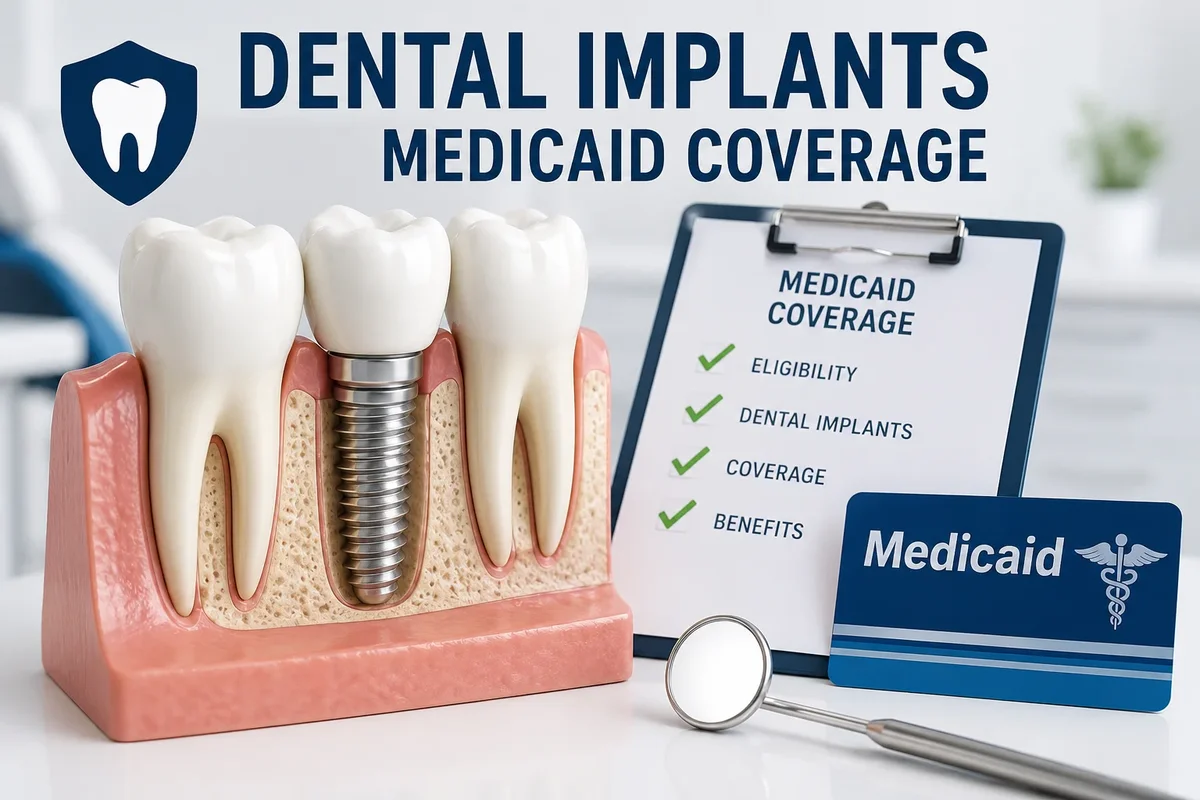
Your Next Step: When to Schedule a Professional Dental Evaluation
After learning about dental implants medicaid coverage, many patients still have one important question: “What should I do next?” The answer depends on your individual oral health, your state’s Medicaid program, and your long-term treatment goals. While online research is an excellent starting point, it cannot replace a comprehensive dental examination. The most effective next step is to combine reliable information with a personalized clinical evaluation so that every decision is based on your own needs rather than general assumptions.
Whether you are missing one tooth or several teeth, delaying an evaluation simply because you are uncertain about dental implants medicaid coverage may reduce your treatment options over time. Bone changes, shifting teeth, gum disease, and bite alterations can gradually make future treatment more complex. Scheduling an examination does not commit you to implant treatment—it simply gives you the information needed to make a confident decision.
What Happens During a Professional Evaluation?
A comprehensive consultation involves much more than checking the missing tooth. Your dentist evaluates the overall condition of your mouth and develops recommendations based on your specific oral health.
Your evaluation may include:
- Review of your medical history.
- Complete oral examination.
- Assessment of gum health.
- Evaluation of remaining teeth.
- Bite analysis.
- Digital X-rays.
- Three-dimensional CBCT imaging when indicated.
These findings allow your dentist to determine whether implants are clinically appropriate and whether discussions regarding dental implants medicaid coverage should become part of your treatment planning.
Questions You Should Ask During Your Consultation
Preparing questions in advance helps patients better understand both the clinical and financial aspects of treatment.
Useful questions include:
- Am I a suitable candidate for dental implants?
- Are there alternative treatment options?
- Will additional procedures be necessary?
- What are the expected treatment stages?
- What maintenance will be required after treatment?
- Which procedures may qualify under my Medicaid benefits?
- Is prior authorization required?
These discussions provide practical guidance tailored to your individual situation rather than relying on generalized information about dental implants medicaid coverage.
Bring Important Information to Your Appointment
Being prepared can make your consultation more productive. Consider bringing:
- Your Medicaid insurance information.
- A list of current medications.
- Relevant medical records if requested.
- Previous dental X-rays if available.
- A written list of your questions.
Providing complete information allows your dentist to develop a more accurate treatment plan and determine whether additional insurance documentation may be needed.
Why Personalized Advice Matters
Two patients with similar missing teeth rarely receive identical treatment recommendations. Bone quality, oral hygiene, medical history, remaining teeth, chewing function, and personal expectations all influence the final treatment plan.
This is why searching only for dental implants medicaid coverage cannot provide a complete answer. Insurance eligibility is only one part of the decision-making process. Clinical suitability, long-term maintenance, and overall oral health are equally important.
Comparing Your Treatment Options
During your consultation, your dentist may recommend one or more restorative options depending on your examination findings.
Possible recommendations may include:
- Single dental implant.
- Multiple dental implants.
- Implant-supported bridge.
- Traditional bridge.
- Partial denture.
- Complete denture.
- Implant-supported overdenture.
Your dentist should explain the advantages, limitations, expected maintenance, and clinical considerations associated with each option. This balanced approach helps patients make decisions based on long-term oral health rather than insurance coverage alone.
Maintaining Your Oral Health While You Decide
If treatment cannot begin immediately, maintaining excellent oral hygiene remains essential. Daily brushing, flossing where appropriate, routine professional cleanings, and timely treatment of dental problems help preserve your remaining teeth and support future restorative options.
Even if dental implants medicaid coverage is not immediately available, maintaining healthy gums and surrounding teeth may improve future treatment possibilities and reduce the need for more extensive procedures later.
Working With an Experienced Dental Team
Choosing a dental provider who emphasizes patient education, careful diagnosis, and individualized treatment planning can make the decision-making process much easier. A quality consultation should provide clear explanations, realistic expectations, and sufficient time for your questions.
At Redent Klinik, patients receive personalized evaluations focused on understanding their oral health, comparing appropriate restorative options, and discussing treatment planning in detail. The goal is to help every patient make an informed decision based on clinical findings rather than assumptions. If you would like additional information or wish to schedule an evaluation, you can visit the Redent Klinik Contact Page.
For additional educational information regarding oral health, dental implants, preventive care, and restorative dentistry, patients may also review the trusted resources available through the American Dental Association.
Final Checklist Before You Move Forward
Before making your final decision, confirm your current dental implants medicaid coverage, schedule a comprehensive dental examination, request a written treatment plan, ask whether prior authorization is necessary, compare all suitable treatment alternatives, and understand the expected maintenance requirements for your chosen solution. If you have questions about bone health, medical conditions, treatment timing, or insurance eligibility, this is the right time to request professional dental advice so that your final decision reflects your individual oral health needs, financial considerations, and long-term treatment goals.
Disclosure: this page may contain affiliate links. We may earn a commission if you use them, at no extra cost to you.