
When it comes to restoring your smile and chewing function, dental implants molars are one of the most effective and long-lasting solutions available today. Molars play a critical role in your oral health because they are responsible for grinding and chewing food properly. Losing these teeth can significantly impact your daily life, making it difficult to eat comfortably and even affecting your speech and facial structure. This is why understanding everything about dental implants molars is essential if you are considering treatment.
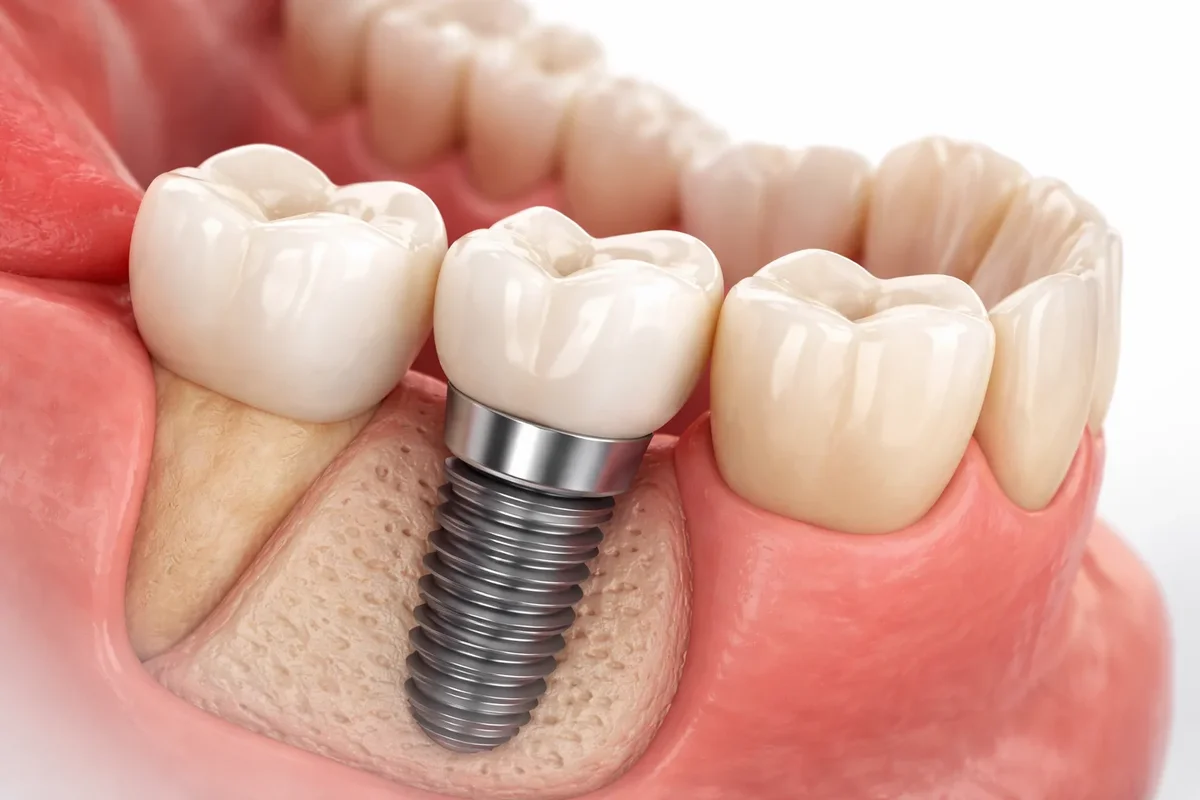
Dental implants molars are artificial tooth roots, typically made from biocompatible titanium, that are surgically placed into the jawbone to replace missing molar teeth. Unlike traditional dentures or bridges, dental implants molars fuse directly with your bone through a process called osseointegration. This creates a stable and durable foundation for a crown that looks, feels, and functions like a natural molar.
One of the most important advantages of dental implants molars is their ability to restore full chewing power. Molars handle the majority of the pressure when you eat, and without them, your remaining teeth may become overloaded. Over time, this can lead to further dental problems such as tooth wear, misalignment, or even additional tooth loss. By choosing dental implants molars, you are not only replacing missing teeth but also protecting your overall oral health.
Another key benefit of dental implants molars is the prevention of bone loss. When a tooth is lost, the jawbone in that area begins to deteriorate due to lack of stimulation. This can result in changes to your facial appearance, making you look older over time. Dental implants molars stimulate the bone just like natural tooth roots, helping to maintain bone density and facial structure.
From an aesthetic perspective, dental implants molars are designed to blend seamlessly with your natural teeth. The crowns placed on top of the implants are custom-made to match the color, shape, and size of your existing teeth. This means that even though molars are located at the back of your mouth, your smile and bite will feel completely natural and balanced.
Patients often wonder whether dental implants molars are worth the investment compared to other options. While dentures and bridges may seem more affordable initially, they often require frequent adjustments or replacements. In contrast, dental implants molars can last for decades with proper care, making them a cost-effective solution in the long run.
It is also important to highlight that dental implants molars improve overall quality of life. Many patients report increased confidence, better comfort while eating, and improved oral hygiene after receiving implants. Unlike removable dentures, dental implants molars do not slip or move, allowing you to speak and eat without worry. 😊
Maintaining dental implants molars is relatively simple and similar to caring for natural teeth. Regular brushing, flossing, and routine dental check-ups are essential to ensure long-term success. According to the American Dental Association, good oral hygiene plays a crucial role in the longevity of dental implants.
If you are considering treatment, it is always best to consult with a professional dental clinic. You can easily reach out through the Redent Klinik Contact Page to get personalized advice and determine whether dental implants molars are the right choice for your needs.
In summary, dental implants molars offer a reliable, durable, and natural-looking solution for replacing missing molars. They restore chewing function, prevent bone loss, and enhance both oral health and overall well-being. Whether you have lost one molar or multiple, investing in dental implants molars can significantly improve your quality of life and help you regain a confident, healthy smile.
What Are Dental Implants Molars and Why Are They Important?
dental implants molars are advanced dental restorations designed specifically to replace missing molar teeth, which are located at the back of the mouth. These teeth play a vital role in chewing, grinding food, and maintaining the overall balance of your bite. When molars are lost, it can lead to serious functional and structural problems in the mouth. That’s why understanding the importance of dental implants molars is essential for anyone considering tooth replacement options.
Understanding the Structure of Dental Implants Molars
To fully appreciate the benefits of dental implants molars, it is important to understand their structure. A complete implant consists of three main components:
- Implant Post: A titanium screw placed into the jawbone, acting as an artificial root.
- Abutment: A connector that attaches the crown to the implant.
- Crown: The visible part that mimics a natural molar tooth.
Unlike traditional restorations, dental implants molars integrate with the jawbone, creating a stable and permanent solution. This integration process, known as osseointegration, ensures that the implant becomes part of your natural oral structure.
Why Molars Are Crucial for Oral Health
Molars are responsible for the heavy-duty work of breaking down food. Without them, your diet and digestion can be negatively affected. When you lose molars, your front teeth and premolars may take on extra pressure, leading to uneven wear and potential damage. dental implants molars restore this balance by reintroducing proper chewing function.
Additionally, missing molars can cause neighboring teeth to shift into the empty space. This misalignment can lead to bite problems, jaw pain, and even temporomandibular joint (TMJ) issues. By replacing missing teeth with dental implants molars, you prevent these complications and maintain proper alignment.
Impact on Jawbone Health
One of the most significant consequences of missing molars is bone loss. The jawbone requires stimulation from tooth roots to maintain its density. When a tooth is lost, the bone in that area begins to shrink over time. dental implants molars act like natural roots, stimulating the bone and preventing deterioration.
This benefit is especially important because bone loss can alter your facial appearance, causing a sunken or aged look. By choosing dental implants molars, you not only restore function but also preserve your facial structure.
Advantages Over Traditional Tooth Replacement Options
While dentures and bridges have been used for many years, they do not offer the same level of stability and longevity as dental implants molars. Dentures can slip or move during eating, while bridges require the alteration of adjacent healthy teeth.
In contrast, dental implants molars are independent restorations that do not rely on neighboring teeth for support. This preserves the integrity of your natural teeth and provides a more comfortable experience. Patients often report that dental implants molars feel just like their original teeth, making them the preferred option for many.
Long-Term Durability and Reliability
Another key advantage of dental implants molars is their durability. With proper care, implants can last for decades, making them a long-term investment in your oral health. Unlike other solutions that may need replacement every few years, dental implants molars offer consistent performance over time.
This durability is particularly important for molars, which endure significant chewing forces daily. dental implants molars are designed to withstand these pressures, ensuring reliable function for years to come.
Improving Quality of Life
Beyond the clinical benefits, dental implants molars have a profound impact on a patient’s quality of life. Missing molars can make eating certain foods difficult or uncomfortable. With implants, you can enjoy a wider variety of foods without restriction.
Confidence is another major factor. Although molars are not always visible, knowing that your teeth are complete and functional can significantly boost self-esteem. dental implants molars eliminate the worry of slipping dentures or discomfort, allowing you to live more freely. 😊
Professional Recommendations and Standards
According to the American Dental Association, dental implants are considered one of the most reliable and effective methods for replacing missing teeth. Their high success rate and natural functionality make them a top recommendation among dental professionals worldwide.
If you are considering treatment, consulting a trusted clinic is essential. You can explore your options and receive expert guidance through the Redent Klinik Contact Page. A professional evaluation will determine whether dental implants molars are suitable for your specific case.
Conclusion: Why Dental Implants Molars Matter
In conclusion, dental implants molars are more than just a cosmetic solution—they are a comprehensive treatment that restores function, protects oral health, and enhances overall well-being. From preventing bone loss to improving chewing efficiency, the importance of dental implants molars cannot be overstated.
Whether you have lost one molar or several, investing in dental implants molars ensures that your mouth remains healthy, functional, and balanced for years to come. Choosing this modern solution is a step toward better oral health and a more confident life.
Who Is a Good Candidate for Dental Implants Molars?
Choosing dental implants molars is a significant decision, and not every patient is automatically an ideal candidate. While modern dentistry has made dental implants molars accessible to a wide range of people, certain medical, dental, and lifestyle factors must be evaluated before proceeding. Understanding whether you are a suitable candidate for dental implants molars helps ensure long-term success and minimizes the risk of complications.
General Health Requirements for Dental Implants Molars
Overall health plays a crucial role in determining eligibility for dental implants molars. Since the procedure involves surgery and healing, patients must be in relatively good health. Chronic conditions such as uncontrolled diabetes, autoimmune disorders, or severe cardiovascular diseases may affect healing and osseointegration.
However, having a medical condition does not automatically disqualify you from receiving dental implants molars. Many patients with managed conditions successfully undergo implant treatment. A detailed consultation and medical evaluation are essential to determine if dental implants molars are safe for you.
Impact of Medications on Dental Implants Molars
Certain medications, such as bisphosphonates or immunosuppressants, can affect bone healing. Patients considering dental implants molars should always inform their dentist about all medications they are taking. This ensures that the treatment plan for dental implants molars is adjusted accordingly to reduce risks.
Importance of Jawbone Density and Structure
A strong and healthy jawbone is one of the most important requirements for dental implants molars. Since implants are anchored into the bone, sufficient density is needed to support them. Patients who have experienced bone loss due to missing teeth may require additional procedures such as bone grafting before receiving dental implants molars.
Bone loss is especially common in the molar region because of the high pressure these teeth endure. Fortunately, advanced techniques allow many patients to still qualify for dental implants molars even if bone density is initially insufficient.
Bone Grafting and Its Role
Bone grafting is a procedure used to rebuild lost bone structure. It creates a stable foundation for dental implants molars. While it may extend the treatment timeline, it significantly improves the success rate of dental implants molars and ensures long-term stability.
Oral Health Conditions That Affect Eligibility
Healthy gums and teeth are essential before placing dental implants molars. Conditions such as gum disease (periodontitis) must be treated beforehand, as they can compromise implant stability. Patients with untreated infections are not suitable candidates for dental implants molars until their oral health is restored.
Regular dental care and proper hygiene habits increase the chances of success with dental implants molars. Dentists often evaluate gum health, plaque levels, and overall oral hygiene before recommending treatment.
Lifestyle Factors and Their Influence
Lifestyle choices can significantly impact the success of dental implants molars. Smoking, for example, reduces blood flow to the gums and slows healing. Smokers may still receive dental implants molars, but they face a higher risk of implant failure.
Similarly, excessive alcohol consumption and poor dietary habits can negatively affect recovery. Patients who are committed to maintaining a healthy lifestyle are generally better candidates for dental implants molars.
Bruxism (Teeth Grinding) Considerations
Bruxism, or teeth grinding, is another factor to consider. Since molars تحمل significant pressure, grinding can place extra stress on dental implants molars. In such cases, dentists may recommend a night guard to protect the implants and ensure their longevity.
Age and Dental Implants Molars
Age is often a concern for patients considering dental implants molars. The good news is that there is no upper age limit for implants. As long as the patient is in good health and has adequate bone structure, dental implants molars can be successfully placed even in older adults.
However, younger patients whose jawbones are still developing may need to wait before receiving dental implants molars. Dentists typically recommend waiting until jaw growth is complete to ensure proper implant placement.
Psychological Readiness and Expectations
Being mentally prepared for the process is also important. dental implants molars require time, commitment, and patience. The treatment may involve multiple stages, including healing periods between procedures.
Patients who understand the process and have realistic expectations are more likely to be satisfied with the results of dental implants molars. Clear communication with your dentist helps set achievable goals and ensures a smooth treatment journey.
Professional Evaluation and Consultation
The best way to determine if you are a candidate for dental implants molars is through a professional consultation. Dentists use advanced imaging techniques such as X-rays or 3D scans to assess bone density, gum health, and overall oral condition.
You can schedule a personalized evaluation through the Redent Klinik Contact Page to explore your options for dental implants molars. A tailored treatment plan will be created based on your specific needs.
Additionally, guidelines from trusted organizations like the American Dental Association emphasize the importance of thorough evaluation before implant placement, ensuring safety and success.
Conclusion: Are You the Right Candidate?
In summary, many people can benefit from dental implants molars, but the best candidates are those with good general health, adequate bone density, healthy gums, and a commitment to oral hygiene. Even if you do not meet all the criteria initially, modern dentistry offers solutions that can make dental implants molars a viable option.
By understanding these factors and working closely with your dental professional, you can determine whether dental implants molars are the right choice for restoring your smile and improving your quality of life. 😊
Step-by-Step Procedure for Dental Implants Molars
The process of getting dental implants molars is a carefully planned, multi-stage procedure designed to ensure long-term success and optimal function. Unlike simple dental treatments, dental implants molars require precision, healing time, and expert evaluation at every stage. Understanding each step helps patients feel more confident and prepared for the journey ahead. 😊
Initial Consultation and Treatment Planning
The first step in receiving dental implants molars is a comprehensive dental examination. During this stage, your dentist will evaluate your oral health, jawbone density, and overall medical condition. Advanced imaging techniques such as 3D scans and X-rays are used to determine whether your bone structure can support dental implants molars.
This phase is crucial because it allows the dentist to create a personalized treatment plan. Factors such as the number of missing molars, bone quality, and gum health all influence how dental implants molars will be placed. If necessary, additional procedures like bone grafting may be recommended before moving forward.
Customized Planning for Precision
Modern dental technology allows for highly precise placement of dental implants molars. Digital planning ensures that the implants are positioned at the correct angle and depth, maximizing both functionality and aesthetics. This level of precision significantly increases the success rate of dental implants molars.
Tooth Extraction (If Needed)
If the damaged molar is still present, it must be carefully removed before placing dental implants molars. In some cases, the implant can be placed immediately after extraction, while in others, a healing period is required.
The timing depends on factors such as infection, bone condition, and gum health. Proper management during this stage ensures that the foundation for dental implants molars is stable and ready for the next step.
Bone Grafting (If Required)
Not all patients have sufficient bone density to support dental implants molars. In such cases, bone grafting is performed to rebuild and strengthen the jawbone. This procedure involves adding bone material to the affected area, allowing new bone to grow and integrate.
Although bone grafting extends the treatment timeline, it greatly enhances the long-term success of dental implants molars. After the graft heals, the jawbone becomes strong enough to support the implant securely.
Healing Period After Bone Grafting
The healing period for bone grafting can range from a few weeks to several months, depending on the extent of the procedure. During this time, the body naturally integrates the graft material, preparing the site for dental implants molars.
Implant Placement Surgery
The next step is the surgical placement of the implant post into the jawbone. This is the core component of dental implants molars, acting as an artificial root. The procedure is typically performed under local anesthesia, ensuring minimal discomfort.
During surgery, the dentist makes a small incision in the gum and carefully inserts the implant into the bone. Once placed, the gum is closed, and the healing process begins. This stage is critical because the success of dental implants molars depends on proper integration with the bone.
Osseointegration Process
Osseointegration is the process by which the implant fuses with the jawbone. This can take several months but is essential for creating a stable and durable foundation. Without proper osseointegration, dental implants molars would not be able to withstand the pressure of chewing.
Abutment Placement
Once the implant has fully integrated with the bone, the next step is placing the abutment. This small connector piece links the implant post to the crown. The gum is reopened slightly to attach the abutment, and then it is allowed to heal for a short period.
The abutment ensures that the final restoration of dental implants molars is securely attached and properly aligned with your bite.
Custom Crown Placement
The final step in the process of dental implants molars is placing the custom-made crown. This crown is designed to match the size, shape, and color of your natural teeth, ensuring a seamless appearance.
Once attached, the crown restores full function, allowing you to chew and speak normally. At this point, dental implants molars feel and function just like natural molars, providing both comfort and confidence.
Post-Procedure Care and Follow-Up
After completing the procedure, proper care is essential for maintaining the success of dental implants molars. Patients are advised to follow good oral hygiene practices, including brushing, flossing, and regular dental check-ups.
Follow-up visits allow the dentist to monitor healing and ensure that dental implants molars remain stable and healthy. According to the American Dental Association, consistent oral care significantly increases the longevity of dental implants.
If you are considering starting this process, you can reach out through the Redent Klinik Contact Page to receive professional guidance tailored to your needs.
Conclusion: A Structured Path to Long-Term Success
In conclusion, the journey to receiving dental implants molars involves multiple carefully coordinated steps, each designed to ensure durability, functionality, and aesthetic success. From initial consultation to final crown placement, every stage plays a vital role in achieving the best outcome.
By understanding this step-by-step process, patients can approach dental implants molars with confidence, knowing they are investing in a reliable and long-lasting solution for restoring their smile and oral health. 😊
Benefits of Choosing Dental Implants Molars Over Alternatives
When comparing tooth replacement options, dental implants molars consistently stand out as the most advanced and reliable solution. While traditional methods like dentures and dental bridges may still be used, they often fall short in terms of durability, comfort, and long-term oral health benefits. Understanding why dental implants molars are superior helps patients make informed decisions about their treatment.
Superior Stability and Functionality
One of the biggest advantages of dental implants molars is their unmatched stability. Because they are anchored directly into the jawbone, they function just like natural tooth roots. This means you can chew, bite, and speak with complete confidence.
Unlike removable dentures, which can shift or slip, dental implants molars remain firmly in place. This stability is especially important for molars, as they handle the highest chewing pressure in the mouth. With dental implants molars, you can enjoy your favorite foods without discomfort or fear. 😊
Natural Chewing Efficiency
Patients who choose dental implants molars often report a significant improvement in chewing efficiency. Since the implants mimic the strength of natural teeth, they allow for better digestion by properly breaking down food.
Preservation of Jawbone Health
Another major benefit of dental implants molars is their ability to prevent bone loss. When a tooth is missing, the jawbone in that area begins to shrink over time. Traditional options like dentures do not address this issue because they sit on top of the gums rather than stimulating the bone.
dental implants molars, on the other hand, integrate with the jawbone and provide the necessary stimulation to maintain bone density. This not only preserves oral health but also helps maintain facial structure and prevents premature aging.
Long-Term Facial Support
By preventing bone deterioration, dental implants molars help maintain the natural contours of your face. This is a key advantage over dentures, which may lead to a sunken appearance over time.
No Damage to Adjacent Teeth
Dental bridges require the reduction of neighboring teeth to support the restoration. This can weaken otherwise healthy teeth. In contrast, dental implants molars are independent and do not rely on surrounding teeth for support.
This means that choosing dental implants molars helps preserve the integrity of your natural teeth while still providing a complete and functional solution.
Long-Term Durability and Cost Efficiency
Although the initial cost of dental implants molars may be higher than other options, they are a long-term investment. With proper care, implants can last decades, while dentures and bridges often need replacement every few years.
Here is a general comparison of costs associated with different options:
- Dental Implants Molars: $1,500 – $4,500 per tooth
- Dental Bridge: $800 – $2,500 per unit
- Dentures: $300 – $2,000 depending on type
While dental implants molars may require a higher upfront investment, their longevity and minimal maintenance costs make them more economical over time.
Reduced Maintenance Costs
Unlike dentures, which may need adhesives and regular adjustments, dental implants molars require only standard oral hygiene practices. This reduces ongoing expenses and simplifies daily care.
Enhanced Comfort and Convenience
Comfort is a major factor when choosing a tooth replacement option. dental implants molars are fixed in place, eliminating the discomfort associated with removable dentures. There is no need for adhesives, and you won’t experience irritation from movement.
Patients often forget they even have dental implants molars because they feel so natural. This level of comfort significantly improves overall quality of life.
Improved Aesthetics and Confidence
Although molars are located at the back of the mouth, their presence affects the overall alignment and appearance of your teeth. dental implants molars help maintain a balanced bite and prevent shifting, ensuring your smile remains intact.
Additionally, knowing that your teeth are complete and functional boosts self-confidence. With dental implants molars, you can speak and laugh freely without concern.
High Success Rate and Professional Support
dental implants molars have a very high success rate, often exceeding 95% when performed by experienced professionals. According to the American Dental Association, dental implants are one of the most predictable and effective treatments in modern dentistry.
If you are considering this option, you can get expert advice and personalized care through the Redent Klinik Contact Page. A professional evaluation ensures that your dental implants molars treatment is tailored to your needs.
Better Overall Oral Health
By choosing dental implants molars, you are investing in your long-term oral health. They prevent bone loss, protect adjacent teeth, and restore proper function. This comprehensive approach makes dental implants molars the most beneficial option compared to traditional alternatives.
Conclusion: Why Dental Implants Molars Are the Best Choice
In summary, dental implants molars offer unmatched advantages in terms of stability, durability, comfort, and oral health. While other options may seem convenient in the short term, they cannot match the long-term benefits provided by dental implants molars.
Choosing dental implants molars means choosing a solution that restores not just your teeth, but your confidence, comfort, and overall quality of life. 😊
Recovery Timeline After Dental Implants Molars Surgery
The recovery process after receiving dental implants molars is a crucial phase that directly impacts the long-term success of the treatment. While the procedure itself is highly predictable, healing takes time and varies from patient to patient. Understanding the full recovery timeline helps set realistic expectations and ensures that your dental implants molars integrate properly with your jawbone.
Immediate Post-Surgery Phase (First 24–72 Hours)
Right after the placement of dental implants molars, it is normal to experience mild swelling, discomfort, and slight bleeding. These symptoms are part of the body’s natural healing response. Dentists typically prescribe pain relievers and may recommend cold compresses to reduce swelling.
During this stage, it is essential to rest and avoid strenuous activities. Patients are advised to stick to soft foods such as yogurt, soups, and smoothies to prevent pressure on the newly placed dental implants molars.
Managing Pain and Swelling
Swelling usually peaks within the first 48 hours and gradually subsides. Applying ice packs and following your dentist’s instructions can significantly improve comfort. Proper care during this early stage ensures that dental implants molars begin healing without complications.
Early Healing Phase (First 1–2 Weeks)
Within the first two weeks, the gum tissue around the dental implants molars begins to heal. Stitches, if used, are typically removed or dissolve on their own during this period. Most patients can return to their normal daily activities within a few days.
However, it is still important to avoid hard or crunchy foods that could disturb the implant site. Gentle oral hygiene practices, such as careful brushing and rinsing, are essential to keep the area clean and support healing of dental implants molars.
Dietary Adjustments
A soft diet remains important during this phase. Foods like mashed potatoes, eggs, and soft vegetables are ideal. Avoiding excessive pressure helps protect dental implants molars while the surrounding tissue stabilizes.
Osseointegration Phase (3–6 Months)
The most critical stage in the recovery of dental implants molars is osseointegration. This is the process where the implant fuses with the jawbone, creating a strong and stable foundation. It typically takes between three to six months, depending on the patient’s bone quality and healing capacity.
During this time, the implant becomes securely anchored in the bone. Although you may not feel significant changes daily, this internal process is essential for the long-term success of dental implants molars.
Importance of Patience During Healing
Patients may feel eager to complete the treatment quickly, but rushing the process can compromise results. Allowing sufficient time for osseointegration ensures that dental implants molars can handle the pressure of chewing without risk of failure.
Abutment and Crown Placement Phase
Once osseointegration is complete, the next step involves placing the abutment and eventually the crown. This phase is relatively quick compared to the earlier stages. The abutment connects the implant to the crown, completing the structure of dental implants molars.
The custom crown is then attached, restoring full function and appearance. At this point, dental implants molars feel and function like natural teeth, allowing you to resume normal eating habits.
Long-Term Recovery and Adaptation
Even after the final crown is placed, your body continues to adapt to dental implants molars. Most patients quickly become accustomed to the implants, often forgetting they are not natural teeth.
Regular dental visits are essential during this phase to monitor the condition of dental implants molars and ensure that they remain stable and healthy.
Follow-Up Appointments
Follow-up visits allow your dentist to check the integration and overall health of your implants. According to the American Dental Association, regular monitoring significantly increases the longevity of dental implants.
Factors That Influence Recovery Time
The recovery timeline for dental implants molars can vary based on several factors:
- Bone Quality: Stronger bone leads to faster integration.
- Overall Health: Healthy individuals heal more quickly.
- Smoking: Slows down healing and increases risk.
- Oral Hygiene: Proper care prevents infections.
Understanding these factors helps patients take proactive steps to support the healing of dental implants molars.
Tips for a Smooth Recovery
To ensure successful healing of dental implants molars, patients should follow these guidelines:
- Maintain excellent oral hygiene.
- Avoid smoking and alcohol during recovery.
- Follow dietary recommendations.
- Attend all scheduled dental appointments.
If you have questions or need personalized advice, you can contact professionals through the Redent Klinik Contact Page for expert guidance on your recovery journey with dental implants molars.
Conclusion: A Gradual but Rewarding Process
In conclusion, the recovery timeline for dental implants molars involves several stages, each playing a vital role in achieving a successful outcome. From initial healing to full osseointegration, patience and proper care are key to long-term success.
By understanding the recovery process and following professional advice, patients can ensure that their dental implants molars provide lasting comfort, functionality, and confidence for many years. 😊
Risks and Complications of Dental Implants Molars
While dental implants molars are considered one of the safest and most successful dental procedures, it is important to understand that, like any surgical treatment, they carry certain risks and potential complications. Being fully informed about these risks allows patients to make confident decisions and take proactive steps to ensure the success of their dental implants molars.
Common Short-Term Side Effects
After the placement of dental implants molars, patients may experience temporary side effects that are part of the normal healing process. These include swelling, minor bleeding, bruising, and mild discomfort in the treated area.
These symptoms usually subside within a few days and can be managed with prescribed medications and proper aftercare. It is important to follow your dentist’s instructions closely to support the healing of dental implants molars.
Swelling and Discomfort Management
Applying cold compresses and taking recommended medications can significantly reduce swelling and pain. Proper management during this phase helps ensure that dental implants molars heal smoothly without complications.
Infection Around the Implant Site
One of the potential risks associated with dental implants molars is infection at the implant site, also known as peri-implantitis. This condition occurs when bacteria accumulate around the implant, leading to inflammation and possible bone loss.
Poor oral hygiene, smoking, and untreated gum disease increase the risk of infection. However, maintaining proper oral care significantly reduces the likelihood of complications with dental implants molars.
Preventing Infection
To minimize the risk of infection, patients should brush and floss regularly, use antibacterial mouthwash if recommended, and attend routine dental check-ups. According to the American Dental Association, consistent oral hygiene is essential for the long-term success of dental implants.
Implant Failure and Osseointegration Issues
Although rare, implant failure can occur if the implant does not properly fuse with the jawbone. This process, known as osseointegration, is critical for the stability of dental implants molars. Failure may result in implant loosening or the need for removal.
Factors such as insufficient bone density, smoking, and certain medical conditions can affect the success of dental implants molars. Proper planning and professional expertise greatly reduce these risks.
Signs of Implant Failure
Symptoms of implant failure may include persistent pain, mobility of the implant, or swelling that does not subside. Early detection allows for timely intervention, improving the chances of saving dental implants molars.
Nerve Damage and Sensitivity
In rare cases, the placement of dental implants molars may affect nearby nerves, leading to numbness, tingling, or discomfort in the lips, gums, or chin. This is more likely to occur if the implant is placed too close to a nerve.
Advanced imaging techniques and careful planning significantly reduce the risk of nerve damage during dental implants molars procedures.
Sinus Complications (Upper Molars)
For upper dental implants molars, there is a possibility of sinus involvement. The upper jaw is located close to the sinus cavities, and improper placement can lead to sinus issues.
To prevent this, dentists may perform a sinus lift procedure to create sufficient space for dental implants molars. This ensures safe and effective implant placement.
Sinus Lift Procedure
A sinus lift involves raising the sinus membrane and adding bone material to support the implant. This procedure improves the success rate of dental implants molars in the upper jaw.
Long-Term Complications
Although dental implants molars are designed to last for decades, long-term complications can occur if proper care is not maintained. These may include gum recession, bone loss, or mechanical issues with the implant components.
Regular dental visits and good oral hygiene are essential to prevent these issues and ensure the longevity of dental implants molars.
Risk Factors That Increase Complications
Certain factors can increase the likelihood of complications with dental implants molars. These include:
- Smoking and tobacco use
- Poor oral hygiene
- Chronic illnesses such as diabetes
- Bruxism (teeth grinding)
- Insufficient bone density
By addressing these risk factors, patients can significantly improve the success rate of their dental implants molars.
Lifestyle Adjustments for Success
Quitting smoking, maintaining a balanced diet, and following proper oral care routines all contribute to the long-term success of dental implants molars. Small lifestyle changes can make a big difference in preventing complications.
Professional Monitoring and Early Intervention
Regular dental check-ups play a crucial role in detecting potential issues early. Dentists can monitor the condition of dental implants molars and address any concerns before they become serious problems.
If you experience unusual symptoms or have concerns, you can seek professional advice through the Redent Klinik Contact Page to ensure your dental implants molars remain healthy and functional.
Conclusion: Understanding Risks for Better Outcomes
In conclusion, while dental implants molars are a highly successful and reliable solution, understanding the potential risks and complications is essential for achieving the best results. From short-term side effects to rare long-term issues, being informed allows patients to take the necessary precautions.
With proper care, professional guidance, and healthy habits, most patients enjoy excellent outcomes with dental implants molars. By staying proactive and attentive, you can ensure that your implants provide lasting comfort and functionality for many years. 😊
Cost of Dental Implants Molars and What Affects Pricing
The cost of dental implants molars is one of the most important considerations for patients planning this treatment. While dental implants molars are widely recognized for their durability and long-term benefits, their pricing can vary significantly depending on several factors. Understanding these cost components helps you make an informed decision and plan your investment wisely.
Average Cost of Dental Implants Molars
On average, the cost of dental implants molars ranges between $1,500 and $4,500 per tooth. However, this is a general estimate, and the final price can be higher depending on additional procedures and materials used.
Here is a more detailed breakdown of typical costs associated with dental implants molars:
- Implant Placement: $1,000 – $2,500
- Abutment: $300 – $800
- Crown: $800 – $2,000
- Total Cost (Per Molar): $2,100 – $5,300
While these numbers may seem high, it is important to remember that dental implants molars are designed to last for decades, making them a cost-effective solution over time.
Cost Comparison with Other Options
When compared to alternatives, dental implants molars may have a higher upfront cost, but they offer better long-term value:
- Dental Bridge: $800 – $2,500 (may need replacement every 5–10 years)
- Dentures: $300 – $2,000 (require maintenance and adjustments)
Unlike these options, dental implants molars provide a permanent solution with minimal maintenance costs.
Factors That Influence the Cost of Dental Implants Molars
Several factors determine the final price of dental implants molars. Each patient’s situation is unique, and these variables can significantly affect the overall cost.
1. Number of Implants Needed
The more dental implants molars you require, the higher the total cost. Replacing a single molar is less expensive than restoring multiple missing teeth.
2. Bone Grafting and Additional Procedures
If your jawbone lacks sufficient density, a bone graft may be required before placing dental implants molars. This procedure can add $300 to $3,000 to the total cost, depending on complexity.
Other procedures, such as sinus lifts for upper dental implants molars, can also increase the overall price.
3. Location of the Dental Clinic
The cost of dental implants molars varies by location. Clinics in major cities or developed countries often charge higher fees compared to those in regions known for dental tourism.
For example, patients traveling abroad may find more affordable options for dental implants molars without compromising quality.
4. Dentist’s Experience and Technology Used
Highly experienced dentists and clinics using advanced technology may charge more for dental implants molars. However, this often results in higher success rates and better outcomes.
Investing in quality care ensures that your dental implants molars are placed correctly and last longer.
Are Dental Implants Molars Covered by Insurance?
Insurance coverage for dental implants molars varies depending on the provider and plan. In many cases, implants are considered a cosmetic procedure and may not be fully covered.
However, some insurance plans may cover parts of the treatment, such as extractions or crowns. It is always recommended to check with your provider to understand your benefits related to dental implants molars.
Flexible Payment Options
Many dental clinics offer financing plans or installment options to make dental implants molars more accessible. These plans allow patients to spread the cost over time, reducing financial burden.
Why Dental Implants Molars Are Worth the Investment
Although the initial cost of dental implants molars may seem high, their long-term benefits make them a worthwhile investment. Unlike temporary solutions, dental implants molars provide lasting durability, improved oral health, and enhanced quality of life.
They eliminate the need for frequent replacements and reduce the risk of additional dental problems, saving money in the long run.
Choosing the Right Clinic for Dental Implants Molars
Selecting a reputable clinic is essential when investing in dental implants molars. A professional evaluation ensures accurate pricing and a personalized treatment plan.
You can explore your options and receive expert consultation through the Redent Klinik Contact Page. A trusted clinic will provide transparent pricing and guide you through every step of the process.
Additionally, organizations like the American Dental Association emphasize the importance of choosing qualified professionals to ensure safe and effective implant procedures.
Conclusion: Understanding Costs for Better Planning
In conclusion, the cost of dental implants molars depends on multiple factors, including the number of implants, additional procedures, and the expertise of the dental provider. While the upfront cost may be higher than other options, the long-term benefits make dental implants molars a smart investment.
By understanding the pricing structure and exploring available options, patients can confidently move forward with dental implants molars and achieve a healthy, functional, and long-lasting smile. 😊
How to Care for Dental Implants Molars for Long-Term Success
Proper care is essential to ensure the longevity and success of dental implants molars. While dental implants molars are designed to be durable and function like natural teeth, they still require consistent maintenance to prevent complications such as infection or implant failure. By following the right care routine, patients can enjoy the benefits of dental implants molars for decades. 😊
Daily Oral Hygiene Routine
The foundation of maintaining dental implants molars is a strong daily oral hygiene routine. Just like natural teeth, implants need to be kept clean to prevent plaque buildup and gum disease.
- Brush your teeth at least twice a day using a soft-bristled toothbrush.
- Use non-abrasive toothpaste to protect the implant surface.
- Floss daily to remove food particles and plaque around dental implants molars.
Consistency is key. Maintaining a proper routine ensures that dental implants molars remain free from harmful bacteria that could compromise their stability.
Using Specialized Cleaning Tools
Patients with dental implants molars may benefit from additional tools such as interdental brushes, water flossers, and antimicrobial mouth rinses. These tools help clean hard-to-reach areas and enhance overall oral hygiene.
Regular Dental Check-Ups
Routine dental visits are crucial for monitoring the health of dental implants molars. Dentists can detect early signs of potential issues and provide professional cleaning to maintain optimal conditions.
Most professionals recommend visiting the dentist every six months, although some patients with dental implants molars may require more frequent check-ups depending on their oral health.
Professional Cleaning and Maintenance
During these visits, dental professionals use specialized tools to clean around dental implants molars without damaging them. According to the American Dental Association, regular professional care significantly increases the lifespan of dental implants.
Diet and Lifestyle Considerations
Your diet plays a major role in maintaining the health of dental implants molars. While implants are strong, it is still important to avoid habits that could damage them.
- Avoid chewing on hard objects like ice or pens.
- Limit sugary foods to reduce the risk of gum disease.
- Maintain a balanced diet rich in vitamins and minerals.
Healthy lifestyle choices contribute to the long-term success of dental implants molars and overall oral health.
Avoiding Harmful Habits
Smoking is one of the biggest risk factors for implant failure. It reduces blood flow to the gums and slows healing. Patients who quit smoking significantly improve the success rate of dental implants molars.
Protecting Dental Implants Molars from Damage
Although dental implants molars are strong, they are not indestructible. Protecting them from excessive force is important for maintaining their integrity.
If you grind your teeth (bruxism), your dentist may recommend a night guard. This protective device reduces pressure on dental implants molars and prevents wear or damage.
Sports and Physical Activities
If you participate in contact sports, wearing a mouthguard is essential. This helps protect both natural teeth and dental implants molars from injury.
Recognizing Warning Signs Early
Being aware of potential warning signs can help you address issues before they become serious. Symptoms to watch for include:
- Persistent pain or discomfort
- Swelling or redness around the implant
- Loose feeling in the implant
- Bleeding gums
If you notice any of these signs, it is important to seek professional advice immediately to protect your dental implants molars.
Long-Term Maintenance Strategies
Maintaining dental implants molars is a lifelong commitment. Establishing good habits early ensures that your implants remain healthy and functional.
Simple steps like consistent brushing, regular dental visits, and avoiding harmful habits can make a significant difference in the longevity of dental implants molars.
Personalized Care Plans
Each patient’s needs are different, so your dentist may create a customized care plan for your dental implants molars. Following this plan closely helps ensure the best possible outcome.
When to Seek Professional Help
If you have concerns about your implants or experience discomfort, do not hesitate to contact a dental professional. Early intervention can prevent minor issues from becoming major problems.
You can easily schedule a consultation through the Redent Klinik Contact Page to receive expert care and guidance for maintaining your dental implants molars.
Conclusion: Protecting Your Investment
In conclusion, proper care is the key to ensuring the long-term success of dental implants molars. With the right hygiene routine, regular dental visits, and healthy lifestyle choices, patients can enjoy their implants for many years.
dental implants molars are a valuable investment in your oral health, and taking care of them properly ensures lasting comfort, functionality, and confidence. 😊
Frequently Asked Questions About Dental Implants Molars
When considering dental implants molars, patients often have many questions about the procedure, recovery, durability, and overall expectations. This section answers the most common concerns in a clear and detailed way, helping you make an informed decision about dental implants molars. 😊
How Long Do Dental Implants Molars Last?
One of the most frequently asked questions about dental implants molars is their lifespan. With proper care, dental implants molars can last 20 years or more, and in many cases, they can last a lifetime. The implant itself (the titanium post) is extremely durable, while the crown may need replacement after 10–15 years due to normal wear.
Factors Affecting Longevity
The longevity of dental implants molars depends on several factors, including oral hygiene, lifestyle habits, and regular dental visits. Patients who maintain good care routines typically experience the best long-term outcomes.
Is the Procedure for Dental Implants Molars Painful?
Many patients worry about pain during the procedure. The placement of dental implants molars is performed under local anesthesia, ensuring that you do not feel pain during surgery. Some discomfort may occur after the procedure, but it is usually manageable with prescribed medication.
Most patients report that the experience is less painful than expected, especially when compared to tooth extraction. Proper aftercare ensures a smooth recovery for dental implants molars.
How Long Does the Entire Process Take?
The timeline for dental implants molars varies depending on individual cases. On average, the full process can take between 3 to 6 months. This includes healing time for osseointegration, which is essential for the stability of dental implants molars.
Can the Process Be Faster?
In some cases, immediate implant placement is possible, reducing treatment time. However, this depends on bone quality and overall oral health. Your dentist will determine the best approach for your dental implants molars.
Are Dental Implants Molars Safe?
Yes, dental implants molars are considered a safe and reliable treatment with a high success rate. According to the American Dental Association, dental implants are one of the most predictable procedures in modern dentistry.
When performed by experienced professionals, dental implants molars have a success rate of over 95%. Following post-operative care instructions further increases their success.
What Is the Success Rate of Dental Implants Molars?
The success rate of dental implants molars is very high, especially when patients follow proper care guidelines. Factors such as good oral hygiene, non-smoking habits, and regular check-ups contribute to long-term success.
Who Is at Higher Risk?
Patients with uncontrolled diabetes, heavy smokers, or those with poor oral hygiene may face higher risks. However, with proper management, many can still benefit from dental implants molars.
Can Dental Implants Molars Fail?
Although rare, failure of dental implants molars can occur. This is usually due to infection, insufficient bone integration, or excessive pressure on the implant.
Early detection of problems allows for timely intervention, increasing the chances of saving dental implants molars. Regular dental visits are essential for monitoring implant health.
How Do Dental Implants Molars Compare to Natural Teeth?
dental implants molars are designed to closely mimic natural teeth in both appearance and function. They provide strong biting force, natural aesthetics, and a comfortable feel.
While they are not identical to natural teeth, dental implants molars offer the closest possible alternative, making them the preferred choice for tooth replacement.
Are Dental Implants Molars Worth the Cost?
Many patients question whether dental implants molars are worth the investment. While the initial cost may be higher than other options, their durability and long-term benefits make them a cost-effective solution.
Unlike dentures or bridges, which may require frequent replacement, dental implants molars provide a permanent and reliable solution.
Long-Term Value
Investing in dental implants molars means fewer future dental expenses and improved oral health. This makes them a smart financial decision over time.
How Do I Get Started with Dental Implants Molars?
The first step is to schedule a consultation with a qualified dental professional. A detailed evaluation will determine whether you are a suitable candidate for dental implants molars and help create a personalized treatment plan.
You can begin your journey by contacting experts through the Redent Klinik Contact Page, where you can receive tailored advice and professional care for your dental implants molars.
Conclusion: Clear Answers for Confident Decisions
In conclusion, understanding the most common questions about dental implants molars helps patients feel more confident and prepared. From safety and durability to cost and recovery, dental implants molars offer a reliable and long-lasting solution for missing molars.
By staying informed and working with experienced professionals, you can achieve excellent results with dental implants molars and enjoy a healthy, functional smile for years to come. 😊