
Understanding dental implants nhs cost is one of the most important steps for anyone considering replacing missing teeth in the UK. Many patients search for clear, honest, and detailed information about how much they will pay, whether they qualify, and what alternatives exist. This guide explains everything you need to know about dental implants nhs cost in a simple, user-friendly way 😊.
First, it’s essential to understand what dental implants are. A dental implant is a small titanium post that is surgically placed into the jawbone to act as an artificial tooth root. Over time, it fuses with the bone, creating a stable foundation for a crown, bridge, or denture. Because of their durability and natural appearance, implants are widely considered one of the best solutions for tooth replacement.
However, when it comes to dental implants nhs cost, things are not as straightforward as many people expect. Unlike basic dental treatments such as fillings or extractions, dental implants are not routinely provided by the NHS. This means that in most cases, patients must seek private treatment, which significantly affects the overall dental implants nhs cost comparison.
So why doesn’t the NHS commonly cover implants? The main reason is that dental implants are usually classified as a cosmetic or non-essential treatment. The NHS prioritizes treatments that are medically necessary to maintain oral health, such as preventing infection or restoring basic function. While implants do restore function, the NHS often provides more cost-effective alternatives like dentures or bridges instead. As a result, the standard dental implants nhs cost for most patients is effectively unavailable under NHS coverage.
That said, there are rare exceptions. In very specific medical situations—such as severe facial trauma, oral cancer reconstruction, or congenital conditions—patients may qualify for NHS-funded implants. In these cases, the dental implants nhs cost may be covered partially or fully, depending on the complexity of the treatment and the patient’s clinical needs.
For the majority of people, however, understanding dental implants nhs cost means comparing NHS limitations with private treatment options. Private dental implant costs can vary widely depending on several factors, including:
- The number of implants required
- The condition of the jawbone
- The need for additional procedures such as bone grafting
- The experience of the dental surgeon
- The location of the clinic
Because the NHS rarely covers implants, patients often find themselves researching private solutions while still trying to understand dental implants nhs cost eligibility. This confusion is completely normal, and it’s why clear information is so important.
Another key aspect to consider is long-term value. While the upfront dental implants nhs cost may seem high (especially privately), implants can last decades with proper care. This makes them a cost-effective solution over time compared to dentures or bridges, which may need frequent replacement or adjustment.
In addition, implants help preserve jawbone structure, prevent facial sagging, and improve chewing efficiency. These benefits go beyond aesthetics and contribute to overall oral health. This is why many patients are willing to invest in implants even when the dental implants nhs cost is not covered by public healthcare.
If you are unsure whether you qualify for NHS treatment or want to explore your options, it is always best to consult a professional clinic. You can reach out directly through the Redent Klinik Contact Page to get personalized advice and a clear treatment plan tailored to your needs.
For additional trusted information about dental health and treatment standards, you can also visit the American Dental Association, which provides evidence-based guidance on dental procedures, including implants.
In summary, dental implants nhs cost is a topic that requires careful understanding. While NHS coverage is limited and only available in exceptional cases, private treatment offers a reliable alternative for most patients. By learning how the system works, what affects eligibility, and what options are available, you can make an informed decision that protects both your smile and your budget 💡.
What Is Dental Implants NHS Cost and How Does It Work?
To fully understand dental implants nhs cost, it is essential to first explore how the system works within the NHS and how it differs from private dental care. Many patients assume that all dental treatments are covered under NHS services, but when it comes to implants, the situation is more complex. The concept of dental implants nhs cost is closely tied to eligibility, medical necessity, and the structure of NHS dental bands.
Understanding the NHS Dental System
The NHS dental system in the UK is designed to provide essential dental care that maintains oral health. Treatments are categorized into bands, each with a fixed cost. These bands typically cover procedures such as examinations, fillings, root canals, and dentures. However, dental implants nhs cost does not fall neatly into these categories because implants are not routinely included in standard NHS treatments.
In most cases, patients seeking implants will discover that the dental implants nhs cost is not directly listed within NHS pricing structures. This is because implants are considered a more advanced and often non-essential procedure compared to basic restorative options.
Why Dental Implants Are Rarely Covered
The main reason dental implants nhs cost is not commonly covered is due to cost-effectiveness and clinical priority. The NHS prioritizes treatments that address immediate health concerns. For example, if a missing tooth affects chewing, a denture or bridge is often provided instead of an implant, as these options are less expensive and still restore function.
Because of this, the standard dental implants nhs cost for most patients effectively becomes a private expense. The NHS reserves implant funding for exceptional cases where no other treatment option is suitable.
Examples of Eligible Cases
There are specific scenarios where dental implants nhs cost may be covered, including:
- Patients who have lost teeth due to oral cancer treatment
- Severe facial trauma or accidents
- Congenital conditions such as hypodontia
- Cases where dentures are not viable due to anatomical limitations
In these situations, the dental implants nhs cost may be partially or fully funded, but approval requires a specialist referral and thorough assessment.
How the Process Works Step by Step
If you are exploring dental implants nhs cost, understanding the process is crucial. Here’s how it typically works:
1. Initial Dental Assessment
Your NHS dentist will evaluate your oral health and determine whether implants are medically necessary. At this stage, the likelihood of NHS coverage for dental implants nhs cost is assessed.
2. Specialist Referral
If your case meets the strict criteria, you may be referred to a hospital or specialist clinic. This is where further evaluation of your eligibility for dental implants nhs cost takes place.
3. Treatment Planning
If approved, a detailed treatment plan is created. This includes imaging, surgical planning, and restoration design. The dental implants nhs cost at this stage depends on the complexity and medical necessity.
4. Implant Placement
The implant is surgically placed into the jawbone. Healing time varies, but it usually takes several months. During this period, the success of the procedure influences the final dental implants nhs cost structure.
5. Final Restoration
Once healing is complete, a crown or prosthetic is attached. This completes the process and determines the total dental implants nhs cost outcome.
Comparing NHS and Private Implant Systems
Because NHS coverage is limited, most patients compare dental implants nhs cost with private treatment options. Private clinics offer faster access, wider material choices, and more flexible treatment plans. However, this comes with higher costs.
While NHS options may reduce or eliminate dental implants nhs cost in rare cases, private care provides greater accessibility. This is why many patients ultimately choose private treatment despite initially researching dental implants nhs cost.
Long-Term Value and Considerations
Another important aspect of dental implants nhs cost is long-term value. Although the upfront cost may be high (especially privately), implants are durable and can last decades. This makes them a worthwhile investment compared to alternatives that require frequent replacement.
Additionally, implants help maintain jawbone density, prevent shifting teeth, and improve confidence. These benefits are often not fully considered when evaluating dental implants nhs cost, but they play a significant role in decision-making.
If you are unsure about your eligibility or want to explore your options, consulting a professional clinic is highly recommended. You can get personalized guidance through the Redent Klinik Contact Page.
For further reliable information about dental procedures and standards, the American Dental Association is an excellent resource.
In conclusion, dental implants nhs cost is not a simple fixed price but a concept influenced by eligibility, medical necessity, and treatment pathways. By understanding how the system works, patients can make informed decisions and choose the best solution for their oral health 🦷.
Who Qualifies for Dental Implants NHS Cost Coverage?
One of the most common questions patients ask is whether they are eligible for dental implants nhs cost coverage. Understanding eligibility is crucial because, unlike routine dental treatments, dental implants are not automatically included in NHS services. The dental implants nhs cost depends heavily on strict clinical criteria, and only a small percentage of patients qualify for funded treatment.
To fully understand dental implants nhs cost, you must first recognize that NHS dentistry prioritizes essential and medically necessary treatments. This means that even if dental implants would improve your quality of life, they may not be approved unless they meet specific health-related conditions.
General Eligibility Criteria for Dental Implants NHS Cost
The NHS uses a strict assessment process to determine whether a patient qualifies for dental implants nhs cost coverage. This process is based on clinical need rather than personal preference or cosmetic concerns.
In general, you may qualify for dental implants nhs cost if:
- Your condition significantly affects your ability to eat or speak
- You cannot use dentures due to anatomical or medical reasons
- You have suffered severe trauma or injury to the jaw or face
- You have undergone surgery for oral cancer
- You have congenital conditions such as missing teeth from birth
Even if you meet one of these criteria, approval for dental implants nhs cost is not guaranteed. Each case is reviewed individually by specialists.
Medical Conditions That May Qualify
Certain medical situations are more likely to be approved for dental implants nhs cost. These are typically cases where implants are the only viable solution.
1. Oral Cancer Patients
Patients who have undergone cancer treatment often lose teeth and bone structure. In such cases, dental implants nhs cost may be covered to restore essential oral function and facial structure.
2. Severe Facial Trauma
Accidents or injuries that result in tooth loss may qualify for dental implants nhs cost. If traditional methods like dentures are not suitable, implants may be approved.
3. Congenital Dental Conditions
Some individuals are born without certain teeth (hypodontia). In these cases, dental implants nhs cost may be considered necessary for proper development and function.
4. Inability to Wear Dentures
If a patient cannot tolerate dentures due to severe gag reflex, bone loss, or other conditions, dental implants nhs cost may be justified as the only effective treatment.
Cases That Usually Do NOT Qualify
Understanding who does NOT qualify is just as important when evaluating dental implants nhs cost. Most patients fall into this category.
You are unlikely to receive NHS-funded implants if:
- You want implants for cosmetic improvement
- You can successfully use dentures or bridges
- Your case does not involve significant medical complications
In these situations, the dental implants nhs cost becomes a private expense. This is why many patients who initially research dental implants nhs cost eventually explore private clinics.
The Assessment and Approval Process
The process for determining dental implants nhs cost eligibility is detailed and can take time. Here’s how it typically works:
Step 1: NHS Dentist Evaluation
Your dentist will assess your oral health and determine whether implants are medically necessary. This is the first step in evaluating dental implants nhs cost.
Step 2: Referral to Specialist
If your case appears eligible, you will be referred to a specialist or hospital. This stage involves more advanced diagnostics to assess your suitability for dental implants nhs cost.
Step 3: Multidisciplinary Review
A team of specialists may review your case to decide whether NHS funding is justified. Approval for dental implants nhs cost depends on this collective decision.
Step 4: Final Decision
If approved, treatment will proceed under NHS care. If not, you will need to consider private options, which changes the overall dental implants nhs cost landscape for you.
Waiting Times and Accessibility
Even if you qualify, dental implants nhs cost coverage often comes with long waiting times. NHS resources are limited, and priority is given to urgent medical cases.
This means that patients approved for dental implants nhs cost may wait months or even years for treatment. As a result, some patients choose private care to avoid delays, even if they are technically eligible.
Private Alternatives When You Don’t Qualify
For most people, dental implants nhs cost coverage is not an option. In these cases, private clinics provide a reliable alternative. While more expensive, private treatment offers faster access, advanced technology, and personalized care.
If you want to explore your options or confirm your eligibility, you can contact a professional clinic through the Redent Klinik Contact Page for tailored advice.
Additionally, for trusted global standards and dental care information, the American Dental Association is a valuable resource.
In conclusion, qualifying for dental implants nhs cost is possible but rare. The NHS focuses on cases where implants are medically essential, not optional. By understanding the criteria, process, and limitations, you can better plan your treatment journey and make informed decisions about your oral health 🦷.
How Much Is Dental Implants NHS Cost Compared to Private Treatment?
One of the most important questions patients ask is how dental implants nhs cost compares to private dental treatment. Understanding this comparison is essential because it directly affects your budget, treatment timeline, and overall expectations. While many people hope to receive implants through the NHS, the reality is that dental implants nhs cost is often not applicable, and most patients must consider private options.
In this section, we will break down the real numbers, explain why costs differ so significantly, and help you understand what you are truly paying for when evaluating dental implants nhs cost versus private care.
NHS Dental Implants Cost: What You Actually Pay
In cases where patients qualify, dental implants nhs cost may fall under NHS Band 3 treatment, which is the highest dental charge band in England. As of recent NHS pricing, Band 3 treatments cost approximately:
Typical NHS Band 3 Fee
- £306.80 (England standard NHS charge)
If your case is approved, this means your dental implants nhs cost could be limited to this fixed fee. However, it is crucial to remember that only a very small number of patients qualify for NHS-funded implants. Therefore, while the theoretical dental implants nhs cost appears low, it is rarely available in practice.
Additionally, in some cases, certain components of the treatment may not be fully covered, which can slightly increase the effective dental implants nhs cost.
Private Dental Implant Costs Explained
For most patients, understanding dental implants nhs cost means comparing it with private treatment prices. Private dental implants are significantly more expensive, but they also offer greater flexibility, faster access, and more advanced technology.
Average Private Dental Implant Costs (UK)
- Single dental implant: £2,000 – £3,500
- Implant with crown: £2,500 – £4,500
- Full mouth implants (All-on-4): £10,000 – £25,000+
- Bone grafting (if needed): £300 – £2,500
- Sinus lift procedures: £1,000 – £3,000
When comparing these figures, it becomes clear why so many patients initially search for dental implants nhs cost. The difference between NHS and private pricing can be substantial.
Why Is There Such a Big Price Difference?
The large gap between dental implants nhs cost and private treatment is due to several key factors:
1. Funding and Subsidization
The NHS is government-funded, which allows it to offer treatments at reduced prices. However, because implants are not considered essential in most cases, the dental implants nhs cost is not widely subsidized.
2. Materials and Technology
Private clinics often use premium implant systems, advanced imaging (such as 3D CBCT scans), and cutting-edge surgical techniques. These enhancements are not typically included in standard dental implants nhs cost scenarios.
3. Specialist Expertise
Private implant procedures are usually performed by highly specialized surgeons with extensive training. This level of expertise contributes to higher costs compared to the limited scope of dental implants nhs cost cases.
4. Treatment Speed
Private clinics offer shorter waiting times, while NHS patients may wait months or years. This difference significantly impacts how patients perceive dental implants nhs cost versus private options.
Value vs Cost: What Should You Consider?
When evaluating dental implants nhs cost, it is important not to focus only on price. Instead, consider long-term value. Dental implants are designed to last decades, making them a durable and reliable solution.
Although private treatment may seem expensive compared to dental implants nhs cost, it often provides better customization, aesthetics, and long-term success rates. Many patients find that the investment is worthwhile due to improved comfort and confidence.
Hidden Costs to Watch Out For
Whether you are exploring dental implants nhs cost or private treatment, it is essential to be aware of potential hidden costs:
- Consultation fees
- Diagnostic imaging (X-rays, CBCT scans)
- Temporary restorations
- Follow-up appointments
- Maintenance and hygiene visits
These additional expenses can affect the overall dental implants nhs cost comparison, especially in private care.
Is Traveling Abroad a Cost-Effective Option?
Some patients consider dental tourism as an alternative when dental implants nhs cost is not available. Countries like Turkey offer significantly lower prices while maintaining high-quality standards.
However, it is important to choose reputable clinics and ensure proper follow-up care. If you are considering this option, you can get professional guidance through the Redent Klinik Contact Page.
Trusted Information and Research
For more detailed and evidence-based information about dental implants and treatment standards, the American Dental Association provides valuable resources.
Final Comparison Summary
In summary, dental implants nhs cost can be very low when covered by the NHS, but eligibility is extremely limited. For most patients, private treatment is the only realistic option, with costs ranging from a few thousand to tens of thousands of pounds.
By understanding the differences between NHS and private care, you can make a well-informed decision that balances affordability, quality, and long-term benefits. Ultimately, choosing the right option depends on your clinical needs, budget, and expectations 😊.
What Factors Affect Dental Implants NHS Cost Eligibility?
When patients research dental implants nhs cost, one of the most confusing aspects is understanding why some people qualify while others do not. The eligibility process is not random—it is based on a combination of clinical, medical, and practical factors. These factors directly influence whether dental implants nhs cost will be covered by the NHS or whether patients must seek private treatment.
In this section, we will explore all the key elements that affect eligibility, helping you understand how decisions are made and what you can realistically expect when considering dental implants nhs cost.
Clinical Necessity vs Cosmetic Preference
The most important factor influencing dental implants nhs cost eligibility is whether the treatment is considered medically necessary. The NHS focuses on essential care rather than cosmetic improvements.
When It Is Considered Medically Necessary
Dental implants nhs cost may be covered if:
- The patient cannot eat properly due to missing teeth
- Speech is significantly affected
- There is severe jawbone deterioration
- No alternative treatment (like dentures) is suitable
When It Is Considered Cosmetic
If implants are requested primarily to improve appearance, the NHS will usually not cover dental implants nhs cost. In such cases, patients must explore private options.
Overall Oral Health Condition
Your oral health plays a major role in determining dental implants nhs cost eligibility. The NHS must ensure that implants have a high chance of success before approving treatment.
Key Oral Health Factors
- Healthy gums free of periodontal disease
- Sufficient jawbone density
- Good oral hygiene habits
If these conditions are not met, the NHS may decline dental implants nhs cost coverage because the risk of implant failure increases.
Medical History and Systemic Health
Your general health is another critical factor in determining dental implants nhs cost. Certain medical conditions can affect healing and implant success.
Conditions That May Affect Eligibility
- Uncontrolled diabetes
- Immune system disorders
- Heavy smoking or alcohol use
- Ongoing chemotherapy or radiotherapy
Patients with these conditions may not qualify for dental implants nhs cost because the procedure carries higher risks. However, in some cases—such as post-cancer reconstruction—eligibility may actually increase.
Age and Developmental Factors
Age can also influence dental implants nhs cost eligibility. While there is no strict upper age limit, younger patients must meet certain developmental criteria.
Important Considerations
- Jawbone growth must be complete (usually after age 18)
- Older patients must have sufficient bone density
If these conditions are not satisfied, the NHS may delay or deny dental implants nhs cost approval.
Availability of Alternative Treatments
The NHS always considers whether a more cost-effective solution is available before approving dental implants nhs cost.
Common Alternatives
- Removable dentures
- Fixed dental bridges
If these options can restore function, the NHS will typically recommend them instead of approving dental implants nhs cost. This is one of the main reasons why most patients do not qualify.
Specialist Assessment and Referral Process
Another key factor affecting dental implants nhs cost is the specialist evaluation process. Approval is not made by a general dentist alone.
Steps in the Evaluation
- Initial assessment by an NHS dentist
- Referral to a hospital or specialist clinic
- Advanced imaging and diagnostics
- Multidisciplinary review panel decision
Each step is designed to ensure that dental implants nhs cost is only approved for patients who truly need it.
Geographic Location and NHS Resources
Access to NHS-funded implants can vary depending on location. Some regions have more resources and specialist services than others, which can influence dental implants nhs cost availability.
This means that even if two patients have similar conditions, their eligibility for dental implants nhs cost may differ based on where they live.
Waiting Times and Priority Levels
Even when patients qualify, dental implants nhs cost approval does not guarantee immediate treatment. The NHS prioritizes urgent medical cases.
Typical Waiting Factors
- Severity of the condition
- Availability of specialists
- Hospital workload
Long waiting times can lead some patients to choose private care instead of relying on dental implants nhs cost.
Financial Considerations and NHS Budget Limits
The NHS operates within a limited budget, which directly impacts dental implants nhs cost availability. Because implants are expensive procedures, funding is reserved for the most critical cases.
This financial limitation is one of the main reasons why dental implants nhs cost is not widely accessible.
What You Can Do to Improve Your Chances
While many factors are beyond your control, there are steps you can take to improve your eligibility for dental implants nhs cost:
- Maintain excellent oral hygiene
- Attend regular dental check-ups
- Quit smoking if applicable
- Follow your dentist’s recommendations
Taking these steps can strengthen your case when being evaluated for dental implants nhs cost.
If you want a professional assessment of your situation or are considering alternative treatment options, you can contact experts through the Redent Klinik Contact Page.
For additional trusted dental health information, the American Dental Association provides comprehensive resources.
In conclusion, dental implants nhs cost eligibility depends on a wide range of factors, including medical necessity, oral health, and NHS resource availability. By understanding these factors, you can better navigate your options and make informed decisions about your dental care journey 😊.
Step-by-Step Process to Get Dental Implants Through NHS
Understanding the step-by-step journey is essential for anyone researching dental implants nhs cost. Many patients assume they can simply request implants through their dentist, but the reality is far more structured and selective. The process for accessing dental implants nhs cost coverage involves multiple stages, strict evaluations, and often long waiting periods.
In this section, we will walk you through the complete process—from your first consultation to final treatment—so you can clearly understand how dental implants nhs cost works in practice 😊.
Initial Consultation with Your NHS Dentist
The journey toward dental implants nhs cost begins with a visit to your NHS dentist. During this appointment, your dentist will assess your oral health, review your medical history, and determine whether implants might be necessary.
What Happens During the First Visit?
- Examination of teeth and gums
- X-rays or basic imaging
- Discussion of symptoms and functional issues
- Evaluation of alternative treatments
At this stage, your dentist will decide whether your case could qualify for dental implants nhs cost or whether alternative solutions like dentures are more appropriate.
Assessment of Medical Necessity
The next step in determining dental implants nhs cost eligibility is evaluating whether your condition meets NHS criteria. As mentioned earlier, implants must be medically necessary—not simply cosmetic.
Key Questions Considered
- Are you unable to eat or speak properly?
- Do dentures fail to provide a solution?
- Is there significant bone or structural damage?
If the answer to these questions supports your case, your dentist may proceed with a referral. Otherwise, dental implants nhs cost coverage is unlikely, and private treatment may be recommended.
Referral to a Specialist or Hospital
If your dentist believes you may qualify, the next step in the dental implants nhs cost process is a referral to a specialist clinic or hospital. This is a critical stage, as specialists have the authority to approve or deny NHS-funded implant treatment.
What to Expect During Referral
- Advanced imaging such as CBCT scans
- Detailed oral and facial assessment
- Bone density evaluation
- Comprehensive treatment planning
This stage determines whether your case meets the strict requirements for dental implants nhs cost approval.
Multidisciplinary Team Review
One of the most important steps in the dental implants nhs cost process is the review by a multidisciplinary team. This team may include oral surgeons, prosthodontists, and other specialists.
What Does the Team Evaluate?
- Medical necessity of implants
- Likelihood of treatment success
- Availability of alternative treatments
- NHS resource allocation
This collective decision-making process ensures that dental implants nhs cost is only approved for patients who truly need it.
Approval or Rejection of NHS Funding
After the review, a final decision is made regarding your eligibility for dental implants nhs cost. This is often the most decisive moment in the journey.
If Approved
You will proceed with NHS-funded treatment, and your dental implants nhs cost may be limited to standard NHS charges.
If Rejected
You will need to explore private options, as your case does not meet NHS criteria for dental implants nhs cost.
Waiting List and Scheduling
Even after approval, dental implants nhs cost treatment is not immediate. NHS services often have long waiting lists due to limited resources.
Typical Waiting Factors
- Hospital capacity
- Specialist availability
- Priority level of your case
Patients approved for dental implants nhs cost may wait several months or even years before treatment begins.
Surgical Placement of the Implant
Once your turn arrives, the implant procedure is scheduled. This is a surgical process performed under local anesthesia or sedation.
What Happens During Surgery?
- Placement of the titanium implant into the jawbone
- Stitching of the gum tissue
- Initial healing period begins
This stage is a critical part of the dental implants nhs cost journey, as proper healing determines long-term success.
Healing and Osseointegration
After surgery, the implant must fuse with the bone in a process called osseointegration. This phase can take several months.
The success of this stage directly impacts the final outcome of your dental implants nhs cost treatment.
Final Restoration (Crown Placement)
Once healing is complete, a custom-made crown or prosthetic tooth is attached to the implant. This completes the process and restores both function and aesthetics.
At this point, the full dental implants nhs cost journey is complete, and patients can enjoy improved chewing ability, speech, and confidence.
Follow-Up and Maintenance
After treatment, regular follow-up visits are essential to ensure the long-term success of your implant. Maintaining good oral hygiene is crucial for preserving the results of dental implants nhs cost treatment.
If you are unsure about your eligibility or want to explore faster alternatives, you can consult professionals through the Redent Klinik Contact Page.
For additional trusted dental care guidelines, visit the American Dental Association.
In conclusion, the process of accessing dental implants nhs cost is detailed, selective, and time-consuming. By understanding each step, you can better prepare yourself, set realistic expectations, and choose the best treatment path for your needs 🦷.
Pros and Cons of Choosing Dental Implants NHS Cost Options
When evaluating dental implants nhs cost, it is important to look beyond just the price and consider the overall advantages and disadvantages of choosing NHS-funded treatment. While many patients are naturally attracted to the lower dental implants nhs cost, the reality is that this option comes with both benefits and limitations. Understanding these clearly will help you make a more informed decision about your dental care.
In this section, we will explore the key pros and cons of dental implants nhs cost, allowing you to weigh your options carefully and determine whether NHS or private treatment is the right choice for you 😊.
Advantages of Dental Implants NHS Cost
The most obvious benefit of dental implants nhs cost is affordability. However, there are several other important advantages that should not be overlooked.
1. Significantly Lower Cost
The biggest advantage of dental implants nhs cost is the reduced financial burden. If you qualify, you may only pay the NHS Band 3 fee, which is much lower than private implant costs.
This makes dental implants nhs cost highly appealing for patients who cannot afford private treatment but still need a long-term tooth replacement solution.
2. Access to Medically Necessary Treatment
For patients with serious health conditions, dental implants nhs cost ensures access to essential care. In cases such as cancer recovery or severe trauma, NHS-funded implants can significantly improve quality of life.
3. Trusted Healthcare System
The NHS is a well-established and trusted healthcare provider. Choosing dental implants nhs cost means your treatment is delivered within a regulated and standardized system, ensuring safety and reliability.
4. Comprehensive Care for Complex Cases
In complex medical situations, dental implants nhs cost may include multidisciplinary care involving surgeons, prosthodontists, and other specialists. This level of coordination can be highly beneficial for patients with unique needs.
Disadvantages of Dental Implants NHS Cost
Despite the advantages, there are several limitations associated with dental implants nhs cost that patients must consider.
1. Very Limited Eligibility
One of the biggest drawbacks of dental implants nhs cost is that only a small percentage of patients qualify. Most cases are considered non-essential and are therefore not approved.
This means that many patients who initially search for dental implants nhs cost eventually have to explore private treatment options.
2. Long Waiting Times
Another major disadvantage of dental implants nhs cost is the waiting period. Due to high demand and limited resources, patients may wait months or even years for treatment.
For individuals who need immediate solutions, this delay can be a significant drawback.
3. Limited Treatment Options
The NHS focuses on functional outcomes rather than aesthetic perfection. As a result, dental implants nhs cost may not include the latest materials or advanced cosmetic techniques available in private clinics.
This can affect the final appearance and customization of your implant.
4. Lack of Flexibility
With dental implants nhs cost, patients have less control over treatment choices. The NHS determines the type of implant, materials used, and treatment approach based on clinical guidelines.
In contrast, private clinics offer more personalized options tailored to individual preferences.
5. Geographic Limitations
Access to dental implants nhs cost services may vary depending on your location. Some regions have limited specialist availability, which can affect both eligibility and waiting times.
Comparing NHS and Private Experiences
When comparing dental implants nhs cost with private care, it becomes clear that each option has its own strengths. NHS treatment offers affordability and medical necessity, while private care provides speed, flexibility, and advanced technology.
Many patients begin by researching dental implants nhs cost but ultimately choose private treatment due to faster access and broader options.
Emotional and Psychological Considerations
The decision between NHS and private treatment is not just financial—it is also emotional. Waiting for dental implants nhs cost approval can be stressful, especially if missing teeth affect confidence and daily life.
Private treatment, although more expensive, often provides quicker results and immediate improvements in self-esteem.
Long-Term Value Perspective
While dental implants nhs cost may be lower upfront, it is important to consider long-term outcomes. High-quality implants—whether NHS or private—can last decades with proper care.
However, private clinics may offer more advanced techniques that enhance durability and aesthetics, which can influence your overall satisfaction.
Making the Right Decision
Choosing between NHS and private treatment depends on your specific situation. If you qualify and are willing to wait, dental implants nhs cost can be an excellent option. However, if you need faster treatment or more customization, private care may be more suitable.
If you want to explore your options or get professional advice, you can reach out through the Redent Klinik Contact Page.
For additional trusted dental information, the American Dental Association offers valuable insights into treatment standards and best practices.
Final Thoughts
In conclusion, dental implants nhs cost offers clear advantages in affordability and accessibility for eligible patients, but it also comes with limitations such as long waiting times and restricted options. By carefully weighing the pros and cons, you can choose the path that best aligns with your needs, expectations, and lifestyle 🦷.
Hidden Costs and Waiting Times for Dental Implants NHS Cost
When patients research dental implants nhs cost, they often focus on the potential affordability of NHS treatment. However, what is less commonly discussed are the hidden costs and long waiting times associated with this option. While dental implants nhs cost may appear significantly lower than private treatment, there are several indirect factors that can impact both your finances and your overall experience.
In this section, we will explore the less obvious aspects of dental implants nhs cost, including hidden expenses, delays, and practical considerations that every patient should understand before making a decision.
Understanding the Reality Behind NHS Pricing
At first glance, dental implants nhs cost seems very affordable, especially if it falls under NHS Band 3 charges. However, this only applies to approved cases, and even then, not all elements of treatment may be fully covered.
What NHS Fees Typically Cover
- Basic consultation and assessment
- Core surgical procedure (if approved)
- Standard restoration (in some cases)
However, dental implants nhs cost may not always include advanced diagnostics or additional procedures, which can lead to unexpected expenses.
Hidden Costs You Should Be Aware Of
Even if you qualify for dental implants nhs cost, there may still be extra costs involved. These hidden expenses can significantly affect the overall affordability of treatment.
1. Diagnostic Imaging
Advanced imaging such as 3D CBCT scans may not always be included in dental implants nhs cost. If required, patients might need to pay privately for these scans.
2. Bone Grafting Procedures
If your jawbone lacks sufficient density, bone grafting may be necessary. In some cases, this is not fully covered under dental implants nhs cost, adding to the total expense.
3. Temporary Restorations
During the healing phase, temporary teeth may be needed. These are not always included in dental implants nhs cost and may require additional payment.
4. Travel and Time Costs
Since dental implants nhs cost services are often provided in specialized centers, patients may need to travel long distances. Transportation, accommodation, and time off work can all contribute to hidden costs.
5. Maintenance and Follow-Up
Long-term maintenance is essential for implant success. Some follow-up visits or hygiene treatments may not be fully included in dental implants nhs cost.
Waiting Times: A Major Consideration
One of the biggest challenges associated with dental implants nhs cost is the waiting time. Due to limited NHS resources and high demand, delays are common.
Typical Waiting Periods
- Initial consultation: Several weeks
- Specialist referral: 2–6 months
- Treatment approval: Additional months
- Surgery scheduling: 6–18 months or longer
In total, the journey to receive treatment under dental implants nhs cost can take over a year—or even several years in some cases.
Why Are Waiting Times So Long?
The long delays in dental implants nhs cost treatment are due to several factors:
1. Limited Specialist Availability
Only certain NHS centers offer implant services, which creates bottlenecks in the system.
2. High Demand for Services
Many patients apply for dental implants nhs cost, but only a limited number of cases can be approved and treated each year.
3. Priority-Based Scheduling
Patients with severe medical conditions are prioritized, meaning others may experience longer delays in accessing dental implants nhs cost treatment.
Impact of Delays on Oral Health
Waiting for dental implants nhs cost approval and treatment can have consequences for your oral health. Missing teeth can lead to:
- Bone loss in the jaw
- Shifting of surrounding teeth
- Difficulty chewing and speaking
- Reduced confidence and quality of life
These issues may worsen over time, making the delay associated with dental implants nhs cost a significant concern for many patients.
Comparing Hidden Costs with Private Treatment
When comparing dental implants nhs cost with private care, it is important to consider the full picture. While private treatment has a higher upfront cost, it often includes:
- Comprehensive diagnostics
- Faster treatment timelines
- All-inclusive packages
- Advanced materials and techniques
This means that the true difference between dental implants nhs cost and private treatment may be smaller than it initially appears when hidden costs and delays are taken into account.
Practical Tips for Managing Costs and Delays
If you are considering dental implants nhs cost, here are some practical tips:
- Ask your dentist about all potential additional costs
- Plan for possible delays and schedule accordingly
- Maintain good oral hygiene while waiting
- Explore private options if time is critical
Being proactive can help you better manage the challenges associated with dental implants nhs cost.
When to Consider Alternative Options
If waiting times or hidden costs become too burdensome, it may be worth exploring alternatives. Private clinics often provide faster and more predictable treatment pathways.
You can get personalized advice and explore your options through the Redent Klinik Contact Page.
For additional trusted dental care information, the American Dental Association offers comprehensive resources.
Final Thoughts
In conclusion, while dental implants nhs cost may appear affordable on the surface, hidden costs and long waiting times can significantly impact the overall experience. By understanding these factors, you can make a more informed decision and choose the best treatment path for your needs and lifestyle 🦷.
Alternatives If You Don’t Qualify for Dental Implants NHS Cost
If you discover that you are not eligible for dental implants nhs cost, you are not alone. The majority of patients fall into this category due to the strict NHS criteria. However, this does not mean you are out of options. There are several effective and widely used alternatives that can restore both function and aesthetics. Understanding these options is essential when evaluating dental implants nhs cost and planning your next steps.
In this section, we will explore the best alternatives available if dental implants nhs cost is not accessible to you, helping you make a confident and informed decision 😊.
Removable Dentures: The Most Common NHS Alternative
Dentures are the most widely offered solution when dental implants nhs cost is not approved. They are cost-effective, non-invasive, and readily available through NHS services.
Types of Dentures
- Full dentures (replace all teeth)
- Partial dentures (replace some missing teeth)
Dentures are often recommended because they provide basic functionality at a much lower cost than implants. While they do not offer the same stability as implants, they are a practical alternative when dental implants nhs cost is not an option.
Pros of Dentures
- Affordable and widely available
- Quick treatment process
- Non-surgical solution
Cons of Dentures
- May feel less stable or comfortable
- Require regular adjustments
- Do not prevent bone loss
Dental Bridges: A Fixed Alternative
Another popular alternative to dental implants nhs cost is a dental bridge. Bridges are fixed prosthetics that use adjacent teeth for support.
How Bridges Work
A dental bridge consists of one or more artificial teeth anchored to natural teeth or crowns on either side of the gap.
Advantages of Bridges
- More stable than dentures
- Faster treatment than implants
- Available under NHS in many cases
Disadvantages of Bridges
- Requires preparation of healthy teeth
- May not last as long as implants
- Does not prevent bone loss
For many patients, bridges offer a balance between functionality and affordability when dental implants nhs cost is not accessible.
Private Dental Implants: The Most Comparable Alternative
If your goal is to achieve the closest result to NHS-funded implants, private treatment is the most direct alternative. While dental implants nhs cost may not apply, private implants provide the same benefits with greater flexibility.
What to Expect from Private Implants
- Shorter waiting times
- Advanced technology and materials
- Customized treatment plans
Although more expensive, private implants are often chosen by patients who initially researched dental implants nhs cost but require faster or more predictable results.
Dental Tourism: A Growing Option
Some patients consider traveling abroad when dental implants nhs cost is not available. Countries like Turkey have become popular destinations for high-quality, cost-effective dental treatments.
Benefits of Dental Tourism
- Lower treatment costs
- Modern clinics and experienced specialists
- Short treatment timelines
Things to Consider
- Travel and accommodation expenses
- Follow-up care requirements
- Choosing a reputable clinic
If you are exploring this option, you can get expert guidance through the Redent Klinik Contact Page.
Implant-Supported Dentures: A Hybrid Solution
For patients seeking a middle ground between dentures and implants, implant-supported dentures can be an excellent alternative when dental implants nhs cost is not available.
How They Work
These dentures are anchored to a small number of implants, providing improved stability compared to traditional dentures.
Advantages
- Better stability than removable dentures
- More affordable than full implant systems
- Improved comfort and function
This option is particularly appealing for patients who want enhanced performance without the full cost associated with dental implants nhs cost alternatives.
Choosing the Right Alternative for You
The best alternative to dental implants nhs cost depends on several factors, including your budget, oral health, and personal preferences. Each option has its own strengths and limitations, so it is important to consider both short-term and long-term outcomes.
Consulting with a qualified dental professional can help you evaluate your options and select the most suitable treatment plan.
Trusted Information and Guidance
For reliable, evidence-based information on dental treatments, the American Dental Association is an excellent resource.
Final Thoughts
In conclusion, not qualifying for dental implants nhs cost does not mean you are without solutions. From dentures and bridges to private implants and dental tourism, there are multiple pathways to restore your smile. By understanding these alternatives, you can make a well-informed decision that aligns with your needs, expectations, and lifestyle 🦷.
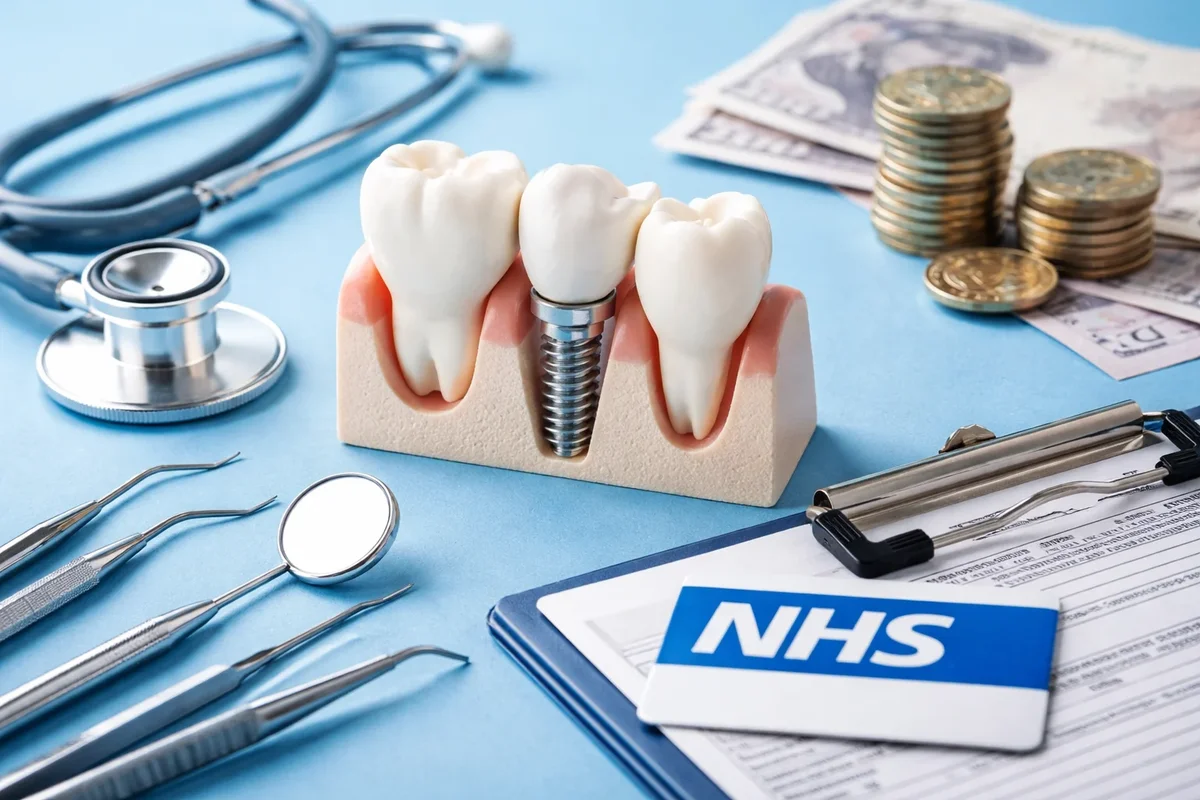
Tips to Reduce Dental Implants NHS Cost and Save Money
For many patients, understanding how to reduce expenses related to dental implants nhs cost is just as important as understanding eligibility itself. While NHS-funded implants are rare, there are still practical ways to minimize your financial burden and make treatment more affordable. Whether you are hoping to qualify for dental implants nhs cost or considering private options, smart planning can significantly reduce your overall expenses.
In this section, we will explore actionable strategies to help you save money while ensuring you receive high-quality dental care 😊.
Understand Your Eligibility First
The first step in managing dental implants nhs cost is determining whether you qualify for NHS coverage. Many patients skip this step and immediately assume they must pay privately.
Why This Matters
- You may qualify due to medical necessity
- You could reduce your dental implants nhs cost significantly
- You avoid unnecessary private expenses
Always consult your NHS dentist before making financial decisions regarding dental implants nhs cost.
Maintain Excellent Oral Health
Good oral hygiene is not just important for your health—it can also impact your eligibility and costs related to dental implants nhs cost.
How Oral Health Affects Cost
- Reduces the need for additional procedures like bone grafting
- Improves implant success rates
- Increases your chances of NHS approval
By maintaining healthy gums and teeth, you can potentially lower your dental implants nhs cost and avoid extra treatments.
Explore NHS Alternatives First
If dental implants nhs cost is not covered, the NHS may offer alternatives such as dentures or bridges at a lower cost.
Why Consider Alternatives?
- Significantly cheaper than private implants
- Quick access to treatment
- Can serve as a temporary solution
Using these options strategically can help you manage your budget while planning for future implant treatment if needed.
Compare Private Clinics Carefully
If you need to go private, comparing clinics is essential to reducing your dental implants nhs cost equivalent expenses.
What to Look For
- Transparent pricing packages
- Experience and qualifications of the dentist
- Included services (consultation, imaging, follow-ups)
Not all clinics charge the same, and careful comparison can help you find a more affordable alternative to dental implants nhs cost.
Consider Treatment Abroad
Dental tourism has become a popular way to reduce costs when dental implants nhs cost is not available. Countries like Turkey offer competitive pricing with high-quality care.
Potential Savings
- Up to 50–70% lower costs compared to the UK
- All-inclusive packages (treatment + accommodation)
- Shorter waiting times
If you are considering this option, it is important to choose a reputable provider. You can explore professional guidance through the Redent Klinik Contact Page.
Look for Payment Plans and Financing
Many private clinics offer flexible payment options to make treatment more accessible. While this does not reduce the actual dental implants nhs cost, it makes it easier to manage financially.
Common Financing Options
- Monthly installment plans
- Interest-free financing (short-term)
- Medical credit services
These options allow patients to proceed with treatment without paying the full amount upfront.
Ask About Package Deals
Some clinics offer bundled packages that include consultations, surgery, and follow-up care. These packages can reduce the total cost compared to paying for each service separately.
When comparing these deals, consider how they relate to the expected dental implants nhs cost and whether they provide good value.
Avoid Unnecessary Add-Ons
While advanced treatments and premium materials can improve results, they also increase costs. Discuss your needs with your dentist to avoid unnecessary upgrades that raise your dental implants nhs cost equivalent.
Examples of Optional Add-Ons
- Premium implant brands
- Advanced cosmetic enhancements
- Additional imaging beyond necessity
Choosing only what you truly need can help control your budget.
Plan for Long-Term Maintenance
Reducing dental implants nhs cost is not just about the initial procedure. Long-term maintenance plays a crucial role in protecting your investment.
Key Maintenance Tips
- Regular dental check-ups
- Professional cleaning appointments
- Daily oral hygiene routine
Proper care prevents complications and avoids additional costs in the future.
Use Trusted Information Sources
Making informed decisions is essential when managing dental implants nhs cost. Reliable information helps you avoid unnecessary expenses and choose the best treatment option.
For evidence-based guidance, visit the American Dental Association, which provides expert recommendations on dental care.
Final Thoughts
In conclusion, while dental implants nhs cost may be limited in availability, there are many ways to reduce your expenses and make treatment more accessible. By understanding your eligibility, comparing options, and planning carefully, you can achieve a healthy, confident smile without unnecessary financial strain. Taking a proactive approach ensures that you get the best value for your investment while maintaining excellent oral health 🦷.