
Dental implants have revolutionized the way tooth loss is treated, providing a long-lasting and natural-looking solution for missing teeth. However, many patients wonder about the availability and accessibility of dental implants NHS services. In this comprehensive guide, we will explore everything you need to know about getting dental implants through the NHS in 2025, covering eligibility, costs, procedures, and alternatives. 🦷✨
Getting dental implants is a significant decision that affects not only your oral health but also your confidence and quality of life. While dental implants can be costly, the National Health Service (NHS) in the UK offers certain dental implant treatments under specific conditions. Understanding how the NHS handles dental implants helps you make informed choices about your dental care.
What Are Dental Implants?
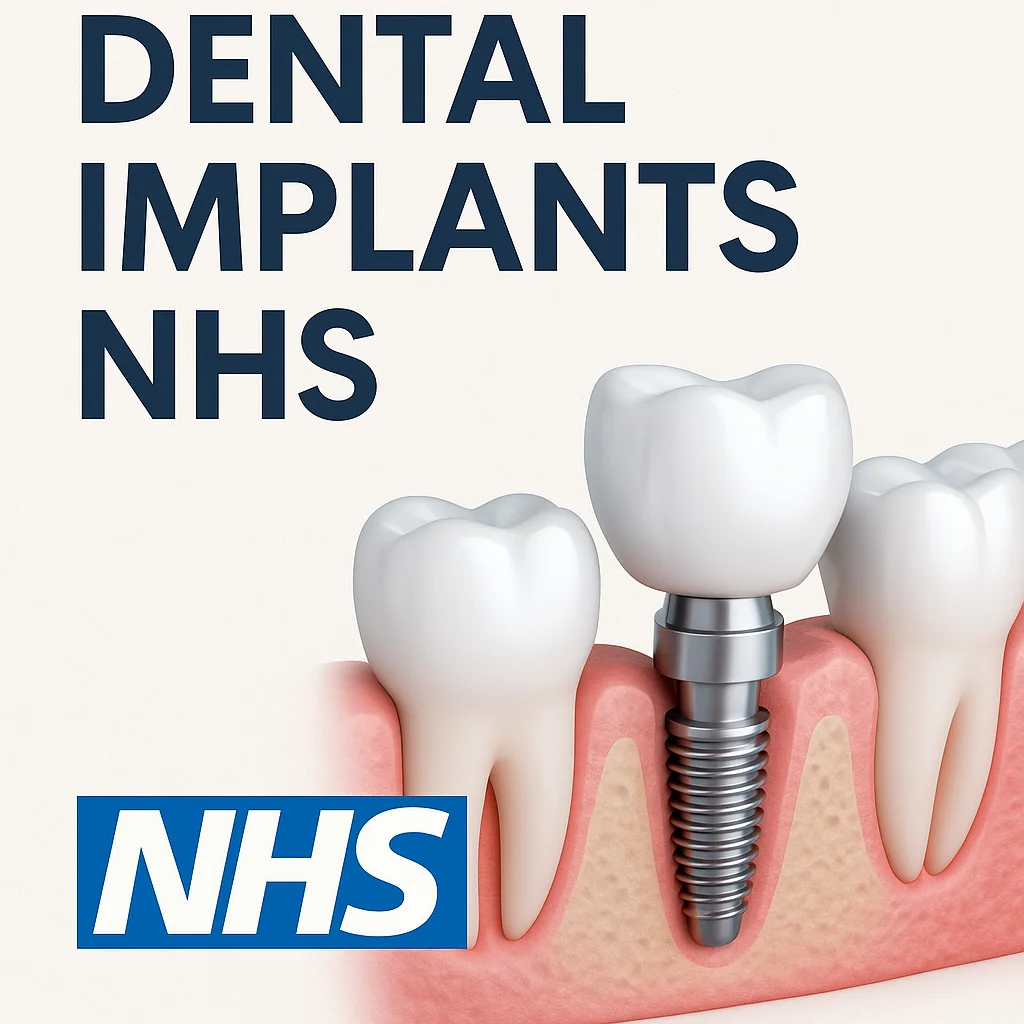
Dental implants are titanium posts surgically inserted into the jawbone to act as artificial roots for replacement teeth. They provide a stable foundation for crowns, bridges, or dentures. Unlike traditional dentures, implants are fixed and help preserve bone density, preventing the sunken look associated with tooth loss.
Availability of Dental Implants on the NHS
The dental implants NHS program is not a routine treatment available to all NHS dental patients. Due to high costs and resource limitations, NHS dental implants are primarily offered when deemed clinically necessary by your dentist or specialist. This means implants are available in cases where alternative treatments would be inadequate, such as for patients with significant trauma, congenital defects, or certain medical conditions.
For many people, private dental clinics are the go-to option for implants due to broader availability and quicker access. However, NHS implants can be obtained if you meet strict criteria. Discussing your eligibility with an NHS dentist is essential to determine if you qualify.
Clinical Justification and Eligibility
To receive dental implants NHS treatment, your dentist must confirm that implants are the only suitable option to restore oral function or aesthetics. Common situations include:
- Loss of teeth due to trauma or disease that significantly impacts chewing or speech.
- Congenital absence of teeth (e.g., missing teeth since birth).
- Severe jawbone loss making other prosthetics unsuitable.
- Medical conditions where dentures or bridges are not appropriate.
Your dentist will conduct a detailed examination, including X-rays or 3D imaging, to assess bone health and oral structures before referring you for implant surgery under the NHS.
Cost and Charges for Dental Implants on the NHS
NHS dental implant treatment falls under Band 3 dental charges as it involves complex procedures. As of 2025, Band 3 treatments cost around £269.30 in England, covering all treatments like implants, crowns, and bridges included in the course of treatment. However, this fee can vary across different UK regions due to separate health administrations.
Patients eligible for free NHS dental care (e.g., children, pregnant women, low-income individuals) may receive implants without charge, provided the treatment is clinically justified. Otherwise, the cost for dental implants NHS treatment can still be significantly lower than private alternatives.
Benefits and Limitations of NHS Dental Implants
✅ Benefits:
- Reduced cost compared to private dental implant treatment.
- Clinician oversight ensures clinical necessity.
- Access to NHS specialists and hospitals for implant surgery.
⚠️ Limitations:
- Strict eligibility criteria limit who can receive implants.
- Longer waiting times due to NHS resource constraints.
- Limited choice in implant brands and materials.
- Possible geographic restrictions depending on NHS facilities.
Next Steps: Getting Started with NHS Dental Implants
If you think you may be eligible for dental implants NHS treatment, the first step is to visit your NHS dentist for a consultation. They will evaluate your oral health, discuss treatment options, and potentially refer you to a specialist. You can also find trusted support by contacting clinics with expertise in NHS dental implants. For example, you may visit the Redent Klinik Contact Page for professional guidance on dental implant treatments.
Stay Informed with Trusted Resources
For more in-depth information about dental health and implant care, consider visiting authoritative organizations such as the American Dental Association. They provide valuable resources on implant dentistry and oral hygiene to help maintain your new smile.
In conclusion, while dental implants NHS are not widely available for all dental patients, they remain a viable option for many who meet the clinical requirements. Understanding your eligibility, costs, and the treatment process helps you make the best decision for your dental health. Always consult your NHS dentist for personalized advice and options.
😊🦷 Ready to explore your dental implant options? Take the first step today!
Are Dental Implants Available on the NHS in 2025?
One of the most common questions patients ask is whether dental implants NHS services are available in 2025. The short answer is: yes, but with important caveats. The NHS does provide dental implants, but they are not offered as a routine treatment for everyone who wants them. Instead, access to NHS dental implants depends on clinical need, resource availability, and eligibility criteria.
In 2025, the NHS continues to prioritize treatments that are medically necessary and cost-effective. Due to the high cost of dental implant procedures and the specialist skills required, NHS dental implants are reserved for patients with severe dental issues where implants are the best or only viable solution. For instance, implants may be offered to replace missing teeth caused by trauma, disease, or congenital conditions that impair function or cause significant discomfort.
The NHS does not typically cover dental implants purely for cosmetic reasons. This means if you want implants to improve aesthetics without functional necessity, you will likely need to explore private dental care. However, if your condition falls within the NHS’s scope for implants, you can access them as part of your NHS treatment plan.
It’s important to note that availability can vary across different NHS trusts and regions due to differing budgets and waiting lists. Some areas might have longer waiting times or fewer specialists offering implant procedures. Therefore, your local NHS dental service plays a significant role in determining access to dental implants NHS in your area.
How NHS Dental Implant Services Are Structured
The NHS typically manages dental implant treatments through specialized dental clinics or hospital oral surgery departments. General dentists usually cannot perform implant surgery on the NHS unless they have specialist training and authorization.
After an initial consultation with your NHS dentist, if implants are considered necessary, you will be referred to a specialist who can perform the procedure. This referral system ensures that only patients who genuinely require implants receive them under NHS care.
Alternatives the NHS May Offer Before Implants
Before recommending dental implants, NHS dentists often explore other less invasive and less costly options, such as dentures or dental bridges. These treatments may be sufficient for restoring function and aesthetics in many cases, and they are more widely available through the NHS.
However, if these alternatives are not suitable due to your oral health condition or personal needs, the NHS may approve dental implants as the preferred treatment. This decision is carefully evaluated on a case-by-case basis.
What to Expect When Applying for NHS Dental Implants
If you are considering dental implants NHS, your first step should be a comprehensive examination by your NHS dentist. They will assess your oral health, discuss your concerns, and determine if you meet the clinical criteria.
If approved, the referral process to an NHS specialist will begin, and you may undergo preparatory treatments such as bone grafting if needed. Keep in mind that the overall timeline for NHS implant treatment can be lengthy due to waiting lists and the complexity of care.
Summary
- Dental implants are available on the NHS but only when clinically justified.
- Access depends on your individual oral health needs and local NHS resources.
- Private dental care offers broader access but at higher costs.
- Consult your NHS dentist first to evaluate eligibility.
Understanding the availability of dental implants NHS is essential for planning your dental care effectively. To explore your options, consider booking an appointment with an experienced NHS dentist or contacting clinics that specialize in NHS implant treatments, such as via the Redent Klinik Contact Page.
Eligibility Criteria for Dental Implants via NHS
Understanding the eligibility criteria for dental implants NHS is crucial before embarking on treatment. The NHS has strict guidelines to determine who qualifies for dental implants because the treatment is costly and resource-intensive. Only patients with specific clinical needs are considered eligible.
Clinical Need Is the Primary Factor
The NHS provides dental implants primarily for functional reasons rather than cosmetic purposes. To qualify, your dentist must establish that implants are medically necessary to restore your ability to chew, speak, or maintain oral health. This usually means:
- You have lost one or more teeth due to trauma, decay, or disease.
- Other restorative options such as dentures or bridges are unsuitable or ineffective.
- Your jawbone condition can support an implant or can be prepared through grafting.
If your dental condition severely impacts daily life, your chances of qualifying increase.
Health and Lifestyle Considerations
The NHS also evaluates overall health factors because some medical conditions and lifestyle choices can affect implant success. For example:
- Patients with uncontrolled diabetes or immune system disorders may be less eligible due to healing complications.
- Heavy smokers often face increased implant failure risk, so cessation is advised before treatment.
- Patients must be in good general health to undergo surgery safely.
Your dentist may require medical clearance or additional tests to ensure your suitability.
Age and Developmental Factors
The NHS generally recommends that dental implants are placed only after jawbone development is complete, usually around late teens to early twenties. For younger patients with congenital tooth loss, specialists may assess eligibility carefully.
Geographical and Resource Limitations
Availability of NHS dental implants can vary by location due to differing NHS budgets and specialist access. Some areas may impose additional eligibility criteria or waiting lists, making it harder to receive implants promptly.
Referral Process
To begin the eligibility assessment for dental implants NHS, start with your NHS dentist. They will:
- Conduct a full oral examination.
- Take necessary X-rays or 3D scans.
- Evaluate your dental and medical history.
- Discuss alternative treatment options.
- Refer you to an NHS implant specialist if appropriate.
This process ensures that only patients who will benefit most from implants receive them under NHS care.
Additional Support
If you are unsure about your eligibility or want to explore NHS implant options further, contacting specialized clinics can be helpful. For example, the Redent Klinik Contact Page offers expert advice and consultation regarding NHS and private dental implant treatments.
Summary
- Eligibility depends on clinical necessity, overall health, and oral conditions.
- Patients with medical risks or lifestyle factors may need additional evaluation.
- Referral to specialists is essential for formal eligibility assessment.
- Geographical location affects access and waiting times.
Meeting the eligibility criteria is the first step toward receiving dental implants NHS. Always consult with your NHS dentist to understand your personal situation and treatment options.
Private vs NHS Dental Implants: Key Differences
When considering dental implants NHS, many patients also explore the private dental implant route to understand the pros and cons of each option. Both NHS and private implants aim to restore missing teeth effectively, but there are significant differences in cost, accessibility, waiting times, and treatment customization.
Cost Differences
One of the most significant contrasts is cost. NHS dental implants fall under Band 3 dental treatment charges, which, as of 2025, typically cost around £269.30. This fee covers complex treatments, including implants, crowns, and bridges as part of the treatment course.
In contrast, private dental implants can range from £1,500 to £2,500 or more per implant, depending on the clinic, implant type, and materials used. The private route offers more flexibility in choosing implant brands, advanced technology, and customized treatment plans but at a significantly higher cost.
Eligibility and Accessibility
Dental implants NHS are available only for patients meeting strict clinical criteria, as discussed earlier. Private clinics generally have no such restrictions, making implants accessible to a broader patient base, including those seeking cosmetic improvements.
Additionally, the NHS referral process can involve longer waiting times due to resource limitations and demand. Private treatments often offer faster scheduling and more appointment flexibility.
Treatment Options and Personalization
Private clinics typically provide a wider range of implant types, materials, and advanced surgical techniques, such as computer-guided implant placement or immediate load implants. This level of personalization allows for tailored treatments optimized for aesthetics and function.
The NHS standardizes treatments to manage costs and maintain clinical protocols. While this ensures quality care, it may limit options for implant brands or advanced technologies.
Post-Operative Care and Follow-Up
Both NHS and private providers offer post-operative care, but private patients may benefit from more frequent follow-ups, shorter appointment intervals, and additional services such as sedation dentistry or cosmetic enhancements.
Geographical Reach
NHS implant services are often centralized in specific hospitals or specialist clinics, meaning some patients must travel longer distances. Private clinics are widely distributed, offering more convenient locations for many patients.
Summary of Differences
| Feature | NHS Dental Implants | Private Dental Implants |
|---|---|---|
| Cost | Fixed NHS Band 3 fee (~£269.30) | £1,500–£2,500+ per implant |
| Eligibility | Strict clinical criteria | Open to most patients |
| Waiting Time | Longer waits possible | Shorter, flexible scheduling |
| Treatment Options | Standardized implants | Wide variety, advanced tech |
| Post-Care | Standard follow-up | Enhanced personalized care |
Whether you choose dental implants NHS or private treatment depends on your budget, urgency, and clinical needs. For more personalized advice or to explore both options, clinics like Redent Klinik Contact Page can help guide your decision.
Remember, the quality of implant dentistry depends on the skill of the dentist or surgeon, so always seek experienced professionals regardless of the treatment route.
Step-by-Step NHS Dental Implant Procedure
Understanding the dental implants NHS procedure helps patients prepare mentally and physically for the treatment journey. The NHS follows a structured, evidence-based process to ensure safety and effectiveness. Here’s an overview of the typical steps involved:
1. Initial Consultation and Assessment
Your journey begins with a thorough examination by your NHS dentist. They will review your medical and dental history, conduct oral examinations, and take X-rays or 3D scans to assess bone quality and quantity. This assessment determines if dental implants are suitable for you.
2. Referral to a Specialist
If you meet the clinical criteria, your dentist will refer you to an NHS specialist, often an oral surgeon or prosthodontist, who performs the implant surgery. Depending on your location, this may be at a hospital or specialist dental clinic.
3. Pre-Surgical Preparations
Before surgery, any existing dental issues such as infections, gum disease, or damaged teeth must be addressed. In some cases, bone grafting or sinus lifts are necessary to build a stable foundation for the implant. These procedures may require additional healing time.
4. Implant Placement Surgery
The actual implant placement is a minor surgical procedure performed under local anesthesia. The surgeon inserts the titanium implant into the jawbone through a small incision. After placement, the area is closed with stitches, and healing begins.
5. Osseointegration Healing Period
Following surgery, a healing period of 3 to 6 months allows the implant to fuse securely with the jawbone in a process called osseointegration. During this time, you may wear temporary dentures or avoid placing excessive pressure on the implant site.
6. Abutment Placement
Once the implant integrates, a small connector piece called an abutment is attached to the implant. This serves as the base for the artificial tooth or crown. Sometimes, the abutment is placed simultaneously with the implant depending on the case.
7. Taking Impressions
Dental impressions of your mouth are taken to create a custom crown, bridge, or denture that fits perfectly and matches your natural teeth in color and shape.
8. Placement of the Final Prosthesis
The final artificial tooth or teeth are securely fixed onto the abutment, restoring full function and aesthetics. Your dentist will check the bite and make any necessary adjustments.
9. Post-Operative Care and Maintenance
After treatment, regular dental check-ups are essential to monitor the health of the implants and surrounding tissues. Good oral hygiene, including brushing, flossing, and professional cleanings, will help maintain your new teeth for many years.
What to Expect During the Process
The entire NHS dental implant procedure can take several months due to the necessary healing phases and appointments. While the process may seem lengthy, it ensures a durable and safe outcome.
Throughout the treatment, your NHS dental team will provide guidance, pain management options, and support. You can expect some minor swelling or discomfort after surgery, which typically resolves within a few days.
Conclusion
Getting dental implants NHS involves multiple carefully planned stages designed to restore your oral function and smile safely. Understanding this step-by-step procedure helps you prepare and engage actively in your treatment journey.
For more information or to schedule a consultation, consider reaching out to experienced professionals like those at Redent Klinik Contact Page.
Average Waiting Time for NHS Dental Implants
One of the important factors to consider when pursuing dental implants NHS treatment is the waiting time. Due to the complexity of implant procedures and limited NHS resources, patients may experience longer waiting periods compared to private clinics. Understanding these timelines can help you plan your dental care more effectively.
Typical Waiting Periods
Waiting times for NHS dental implants vary widely depending on your location, the severity of your dental condition, and the availability of specialist services. On average, patients can expect to wait anywhere from several months to over a year before the entire implant treatment is completed.
This timeline includes multiple phases: initial consultations, diagnostic imaging, referral processing, preparatory treatments like bone grafting if needed, surgery scheduling, healing periods, and prosthetic placement.
Factors Influencing Waiting Times
- Regional NHS Capacity: Some areas have more NHS specialists and clinics offering implants, reducing wait times.
- Clinical Priority: Patients with urgent functional needs or severe trauma may be prioritized.
- Referral Efficiency: The speed at which your NHS dentist refers and the specialist processes the case affects timing.
- Pre-treatment Needs: Additional surgeries like bone grafting can extend total treatment time.
Managing Expectations
Because the dental implants NHS route involves multiple appointments and healing phases, patience is essential. NHS providers focus on delivering safe and effective care rather than rushing treatment. However, long waits can be frustrating for patients needing quicker solutions.
If waiting times are a concern, you may consider discussing private dental implant options, which often offer shorter scheduling and treatment durations, though at higher costs.
Tips to Reduce Waiting Time
- Maintain good oral health: Minimizing gum disease and infection helps avoid delays.
- Respond promptly: Attend all appointments and follow your dentist’s instructions carefully.
- Consult multiple NHS dentists: In some cases, seeking care from different NHS clinics can uncover faster options.
- Stay informed: Keep in regular contact with your dental team to track progress.
Alternative Support Options
Some NHS trusts offer accelerated implant programs or prioritize vulnerable patients. Additionally, some hospitals provide implant services with shorter waiting lists. To explore these opportunities, ask your NHS dentist or contact clinics like Redent Klinik Contact Page for advice.
Summary
- NHS dental implant waiting times typically range from months to over a year.
- Waiting is affected by local NHS capacity, clinical urgency, and preparatory treatments.
- Private treatment is faster but more costly.
- Proactive communication with your dental team can help manage the process smoothly.
Keeping these factors in mind will help you prepare realistically for your dental implants NHS journey and maintain a positive outlook while waiting for your new smile.
Costs of NHS Dental Implants vs Private Clinics
When considering dental implants NHS treatment, understanding the financial aspects is essential. The costs can differ dramatically between NHS and private dental clinics, impacting your choice of care. Let’s break down the typical expenses and what they cover.
NHS Dental Implant Costs
The NHS charges a fixed fee structure for dental treatments. Dental implants are classified under Band 3 treatment, which includes all complex treatments such as crowns, bridges, and implants.
As of 2025, the Band 3 fee in England is approximately £269.30. This fee covers the entire implant treatment course, including:
- Consultations and examinations
- Diagnostic imaging (X-rays, scans)
- Surgical placement of the implant
- Abutment and crown placement
- Follow-up care and adjustments
However, this fee can vary slightly in Wales, Scotland, and Northern Ireland due to different NHS health administrations.
Patients who qualify for free NHS dental care (such as children, pregnant women, or those on certain benefits) may receive implant treatments without charge, provided they meet the clinical criteria.
Private Dental Implant Costs
Private dental implants are usually priced per implant and can range widely based on location, clinic reputation, materials, and technology used. The typical cost per implant in private clinics is between £1,500 and £2,500 or more.
This cost often includes the implant surgery, abutment, and crown but may exclude preparatory procedures like bone grafts, which can add several hundred pounds more.
Additional Costs to Consider
- Bone Grafting: Sometimes necessary for implant success, costs can range from £300 to £1,200.
- Consultations: Initial private consultations can cost £50-£150.
- Follow-up Visits: Some private clinics charge for additional appointments.
Value Comparison
dental implants NHS provide a cost-effective solution for those who qualify, with comprehensive treatment covered by a fixed fee. Private treatment, while more expensive, offers greater flexibility, quicker access, and more customization.
Financial Assistance and Payment Plans
Some private clinics offer financing options or payment plans to spread the cost over time. The NHS does not provide installment plans but may offer reduced charges or exemptions based on eligibility.
Summary Table of Costs
| Cost Aspect | NHS Dental Implants | Private Dental Implants |
|---|---|---|
| Treatment Fee | Approx. £269.30 (Band 3 fee) | £1,500–£2,500+ per implant |
| Bone Grafting | Included if clinically necessary | £300–£1,200 (often extra) |
| Consultation | Included | £50–£150 (initial visit) |
| Follow-ups | Included | May be extra |
For personalized cost estimates and advice, consider contacting professional clinics such as Redent Klinik Contact Page. They can help you understand both NHS and private options and find a treatment plan that fits your budget and needs.
Remember, investing in quality dental implant care can improve your oral health, functionality, and confidence for years to come. Weigh the costs against the benefits carefully before deciding.
How to Apply for Dental Implants through NHS
If you are interested in receiving dental implants NHS treatment, understanding the application and referral process is key to navigating the system smoothly. The NHS follows a structured pathway to ensure that only patients who meet the clinical criteria receive implants, maintaining both quality and fairness.
Step 1: Book an Appointment with Your NHS Dentist
The first and most important step is to schedule a consultation with your NHS dentist. During this visit, your dentist will perform a thorough oral examination, review your medical history, and discuss your dental concerns and expectations.
Make sure to mention your interest in dental implants so your dentist can assess whether this treatment is suitable for your situation.
Step 2: Clinical Assessment and Diagnostics
Your dentist may take X-rays or 3D scans to evaluate the condition of your jawbone and surrounding teeth. This diagnostic information helps determine if implants are feasible and if any preparatory treatments (such as bone grafts) are needed.
Step 3: Discuss Treatment Options
If your dentist deems dental implants an appropriate option, they will discuss alternatives such as dentures or bridges and explain the pros and cons of each. The goal is to ensure you make an informed decision based on your clinical needs and preferences.
Step 4: Referral to a Specialist
For dental implants NHS treatments, the procedure is usually performed by a specialist such as an oral surgeon or prosthodontist. Your dentist will refer you to the appropriate NHS specialist or hospital clinic for further assessment and treatment planning.
The referral includes all your clinical records and diagnostic images to help the specialist make a detailed treatment plan.
Step 5: Waiting for Specialist Appointment
Once referred, you will wait for an appointment with the specialist. As discussed earlier, waiting times can vary, so patience is necessary. During this period, maintain good oral hygiene and attend any other dental treatments as advised.
Step 6: Specialist Assessment and Treatment Plan
The specialist will conduct a comprehensive evaluation and confirm your eligibility for NHS dental implants. They will explain the treatment phases, expected timelines, costs, and aftercare requirements.
Step 7: Consent and Scheduling Surgery
If you agree to the proposed plan, you will sign consent forms and schedule the implant surgery. Your specialist will provide instructions on preparation and post-operative care.
Step 8: Treatment and Follow-Up
After surgery, you will attend follow-up appointments to monitor healing and receive your final prosthetic teeth. Your NHS dental team will support you throughout the process.
Additional Tips
- Keep all appointments and communicate any changes promptly.
- Maintain excellent oral hygiene to improve treatment outcomes.
- Ask questions to fully understand each stage of your care.
Summary
- Start by visiting your NHS dentist for an assessment.
- Get referred to an NHS specialist if implants are suitable.
- Prepare for waiting times and follow the full treatment plan.
For expert advice on navigating dental implants NHS and to explore both NHS and private treatment options, clinics like Redent Klinik Contact Page offer professional support and consultations.
Real Patient Experiences with NHS Dental Implants
Hearing about real-life experiences can be incredibly helpful when considering dental implants NHS treatment. Patients often have a variety of stories that highlight both the benefits and challenges of pursuing implants through the NHS system.
Positive Outcomes
Many patients report that NHS dental implants have significantly improved their quality of life. They describe enhanced ability to chew, clearer speech, and restored confidence in smiling. For those who qualified, the lower cost compared to private implants was a major advantage.
Patients often appreciate the thorough clinical assessments and the professionalism of NHS specialists. The step-by-step treatment process, while lengthy, ensures safety and long-term success.
Challenges Faced
On the other hand, some patients share frustrations about long waiting times and occasional communication gaps between NHS providers. Limited availability in certain regions means some have to travel far or wait months for appointments.
Additionally, NHS implant options may be more standardized, leaving less room for cosmetic customization compared to private care. Some patients wished for more detailed information and quicker updates during their treatment journey.
Tips from Patients
- Stay proactive: Keep in contact with your dental team and ask for updates.
- Prepare mentally: Understand that the process can take time but is worth the patience.
- Maintain oral hygiene: Good care before and after treatment helps prevent complications.
- Seek support: Join forums or groups to connect with others undergoing similar treatments.
Where to Find Support and More Information
Several online communities and NHS resources provide patient testimonials and advice on dental implants NHS. Clinics like Redent Klinik Contact Page also share patient stories and offer consultations to discuss your concerns.
Conclusion
While experiences vary, most patients agree that NHS dental implants offer a valuable, cost-effective option for tooth replacement when eligibility criteria are met. Being informed and prepared helps you navigate the process successfully.
😊 Remember, your smile journey is personal — take it step by step and seek professional guidance along the way!
Alternatives to Dental Implants on the NHS
While dental implants NHS provide a highly effective solution for missing teeth, not all patients qualify or are able to access this treatment promptly. Fortunately, the NHS offers several alternative options to restore oral function and appearance, which may be suitable depending on your individual needs.
Dentures
Dentures are removable prosthetic teeth that replace one or more missing teeth. They are often the most common alternative provided by the NHS due to lower cost and easier accessibility.
Types of dentures include:
- Partial dentures: Replace a few missing teeth and clip onto remaining natural teeth.
- Full dentures: Replace all teeth in the upper or lower jaw.
While dentures restore chewing ability and aesthetics, they may feel less stable than implants and require regular adjustments.
Dental Bridges
Bridges are fixed prosthetic devices that fill gaps created by missing teeth by anchoring to adjacent natural teeth. NHS dental bridges can effectively restore your smile and chewing function.
However, bridges require the preparation of healthy neighboring teeth and may not be suitable if those teeth are weak or compromised.
Resin-Bonded Bridges
Also known as Maryland bridges, these are a less invasive bridge type that attaches to the back of adjacent teeth using metal or ceramic wings. They preserve more tooth structure but are typically recommended for front teeth and smaller gaps.
Other NHS Treatments
In some cases, orthodontic treatments or removable partial dentures may be recommended as part of a comprehensive dental care plan.
Pros and Cons of Alternatives Compared to Implants
| Option | Pros | Cons |
|---|---|---|
| Dentures | Affordable, easy to fit, removable for cleaning | Less stable, may cause discomfort, requires adjustments |
| Dental Bridges | Fixed, natural appearance, restores chewing | Requires altering healthy teeth, risk of decay under bridge |
| Resin-Bonded Bridges | Minimally invasive, preserves tooth structure | Less durable, limited to small gaps/front teeth |
| Dental Implants NHS | Permanent, preserves bone, natural look and feel | Strict eligibility, longer treatment time, higher cost |
Making the Right Choice
Your NHS dentist will help you evaluate these alternatives based on your oral health, lifestyle, and personal preferences. While implants offer many advantages, alternatives like dentures and bridges remain valuable options for many patients.
To explore all available treatments, including eligibility for dental implants NHS, consider consulting with specialized clinics such as Redent Klinik Contact Page, where expert advice and personalized treatment plans are offered.
😊 No matter which option you choose, restoring your smile and oral function is the ultimate goal!