
Dental implants offices are specialized dental facilities focused on restoring missing teeth using advanced implant-based solutions. Unlike general dental clinics that offer a wide range of routine treatments, dental implants offices are designed to handle complex cases involving tooth loss, bone deficiency, and long-term oral rehabilitation. For patients searching for permanent, natural-looking, and functional tooth replacements, dental implants offices represent the gold standard in modern dentistry 🦷.
The main purpose of dental implants offices is to provide a structured, technology-driven environment where implant procedures can be planned, performed, and maintained under one roof. These offices are typically staffed by dentists with advanced training in implantology, oral surgery, or prosthodontics. This specialization allows dental implants offices to deliver higher success rates, more predictable outcomes, and customized treatment plans tailored to each patient’s anatomy and needs.
At their core, dental implants offices focus on replacing missing tooth roots with biocompatible titanium implants that fuse with the jawbone. This process, known as osseointegration, creates a strong foundation for crowns, bridges, or full-arch restorations. Patients who visit dental implants offices often do so because they want a solution that looks, feels, and functions like natural teeth—without the drawbacks of removable dentures.
One of the defining characteristics of dental implants offices is their comprehensive diagnostic approach. Advanced imaging technologies such as 3D cone beam CT scans are routinely used to evaluate bone density, nerve positioning, and sinus anatomy. This level of precision ensures that implant placement is safe and accurate. In well-equipped dental implants offices, digital treatment planning software allows dentists to simulate outcomes before any procedure begins, giving patients clarity and confidence 😊.
Dental implants offices also prioritize long-term oral health, not just aesthetics. Missing teeth can lead to bone loss, facial sagging, bite misalignment, and even digestive issues due to poor chewing efficiency. By restoring the tooth root, dental implants offices help preserve jawbone structure and facial harmony. This makes implant treatment not only a cosmetic solution but also a preventive one.
Another important aspect of dental implants offices is patient-centered care. From the first consultation to post-treatment follow-ups, the entire process is designed to be smooth and transparent. Many dental implants offices offer detailed consultations where patients can ask questions, review imaging results, and understand each stage of the treatment. This educational approach empowers patients to make informed decisions about their oral health.
Compared to traditional dental environments, dental implants offices often provide a more surgical-grade setup. Sterile operating rooms, sedation options, and strict infection control protocols are standard. These features are especially important for patients who feel anxious about dental procedures or require complex implant surgeries. By operating in a controlled clinical environment, dental implants offices reduce risks and enhance patient comfort.
It’s also worth noting that dental implants offices frequently collaborate with international standards and professional guidelines. Many follow protocols aligned with organizations such as the American Dental Association, ensuring ethical, evidence-based care. This commitment to quality reassures patients that they are receiving treatment backed by scientific research and global best practices.
For patients considering implant treatment abroad or locally, communication and accessibility matter. Reputable dental implants offices provide multilingual support, clear documentation, and ongoing aftercare guidance. If you’re exploring treatment options and want direct professional advice, you can reach out through the Redent Klinik Contact Page for personalized assistance.
In summary, dental implants offices are purpose-built facilities dedicated to restoring smiles with precision, durability, and care. They combine advanced technology, specialized expertise, and patient-focused workflows to deliver results that go far beyond simple tooth replacement. Whether you’ve lost a single tooth or require full-mouth rehabilitation, choosing the right dental implants offices can make a life-changing difference ✨.
What Are Dental Implants Offices and How Do They Work?
Dental implants offices are specialized healthcare facilities dedicated primarily to the planning, placement, and long-term maintenance of dental implants. While many people assume implants can be done in any dental clinic, dental implants offices are purpose-built to manage the medical, surgical, and restorative complexity that implant treatment requires. These offices focus on predictable outcomes, long-term success, and patient safety rather than quick, one-size-fits-all solutions.
At a fundamental level, dental implants offices work by replacing missing tooth roots with titanium or titanium-alloy implants that integrate directly with the jawbone. This integration creates a stable foundation for artificial teeth that closely mimic natural teeth in both appearance and function. Unlike removable dentures, treatments performed in dental implants offices are designed to be permanent, fixed, and bone-preserving.
Core Purpose of Dental Implants Offices
The primary goal of dental implants offices is to restore oral function while protecting overall oral health. When a tooth is lost, the jawbone in that area begins to shrink due to lack of stimulation. Dental implants offices address this problem at its source by restoring the root structure, not just the visible tooth. This is why implant-focused offices play a critical role in preventing bone loss, bite collapse, and facial aging.
Dental implants offices also aim to centralize care. Instead of being referred between multiple clinics for imaging, surgery, and prosthetics, patients can often complete the entire process in one location. This integrated workflow improves communication between specialists and reduces the risk of treatment errors.
How Dental Implants Offices Operate Step by Step
Initial Consultation and Assessment
The process in dental implants offices always begins with a comprehensive evaluation. This includes a full oral examination, digital X-rays, and often 3D cone beam CT scans. These tools allow clinicians to assess bone volume, bone density, nerve positions, and sinus structures with high accuracy. Dental implants offices rely heavily on this diagnostic phase because proper planning is the foundation of implant success.
Personalized Treatment Planning
Once diagnostics are complete, dental implants offices create a customized treatment plan. This plan outlines the number of implants needed, the type of restoration (single crown, bridge, or full-arch), and whether additional procedures such as bone grafting or sinus lifts are required. Advanced dental implants offices use digital planning software to virtually place implants before surgery, ensuring optimal positioning.
Surgical Implant Placement
The surgical phase is where dental implants offices truly differ from general practices. Implant placement is performed under strict sterile conditions, often with local anesthesia, conscious sedation, or IV sedation depending on patient needs. Because dental implants offices handle implant surgery regularly, their teams are trained to manage both routine and complex cases with confidence.
During surgery, the implant is carefully inserted into the jawbone at a precise angle and depth. Dental implants offices focus on minimizing trauma to surrounding tissues, which helps speed up healing and reduce post-operative discomfort.
Healing and Osseointegration
After placement, dental implants offices monitor the healing phase known as osseointegration. This process can take several weeks to a few months, during which the bone fuses with the implant surface. Professional dental implants offices schedule follow-up visits to ensure proper healing and to detect any early signs of complications.
Final Restoration and Follow-Up Care
Once the implant is fully integrated, dental implants offices attach the final restoration. This may be a porcelain crown, implant-supported bridge, or a full-arch prosthesis. The restoration is custom-designed to match the patient’s bite, facial structure, and natural tooth color. Long-term maintenance programs are also established to protect the investment and ensure implant longevity.
Why the Workflow Matters in Dental Implants Offices
The structured workflow used by dental implants offices is one of their biggest advantages. Each step is evidence-based and sequential, reducing guesswork and improving outcomes. This systematic approach is especially important for patients with underlying conditions such as bone loss, diabetes, or previous implant failures.
Dental implants offices also emphasize patient education throughout the process. Patients are informed about oral hygiene techniques, lifestyle factors, and maintenance schedules that directly impact implant success. This level of guidance is rarely found in non-specialized settings.
In essence, dental implants offices are not just places where implants are placed—they are comprehensive treatment centers designed around precision, safety, and long-term success. Understanding how dental implants offices work helps patients set realistic expectations and choose the right environment for one of the most important investments in their oral health.
Why Choosing the Right Dental Implants Offices Matters
Choosing the right dental implants offices is one of the most important decisions a patient can make when considering implant treatment. Dental implants are not a simple cosmetic procedure; they are a long-term medical investment that affects chewing function, bone health, facial structure, and overall quality of life. Because implants are designed to last for decades, the expertise, technology, and protocols of dental implants offices directly influence whether that investment succeeds or fails.
Many complications associated with implants—such as implant loosening, infection, or bone loss—are not caused by the implant itself but by poor planning or execution. This is why selecting high-quality dental implants offices is critical. The right environment dramatically reduces risks and increases the likelihood of predictable, stable outcomes.
Clinical Expertise Makes a Real Difference
One of the primary reasons dental implants offices matter is the level of clinical expertise available. Implant dentistry requires advanced knowledge of oral anatomy, biomechanics, and surgical principles. Reputable dental implants offices are usually led by clinicians with focused training in implantology, oral surgery, or prosthodontics.
Experience with Complex Cases
Not all patients have ideal bone structure or oral health. Many individuals seeking dental implants offices have bone loss, gum disease, or previous failed treatments. Offices that specialize in implants have hands-on experience managing these challenges through bone grafting, sinus lift procedures, and staged implant placement. This experience allows dental implants offices to adapt treatment plans safely instead of forcing unsuitable solutions.
Accuracy in Diagnosis and Planning
The right dental implants offices invest heavily in diagnostic accuracy. Mistakes in implant angle, depth, or positioning can compromise the entire restoration. Advanced imaging and digital planning tools used by professional dental implants offices significantly reduce these risks and help ensure implants function naturally within the bite.
Technology and Safety Standards Are Not Optional
Another major factor that highlights why dental implants offices matter is technology. Implant treatment is precision-based, and outdated equipment increases the margin for error. High-quality dental implants offices use modern surgical tools, 3D imaging systems, and digital workflow technologies that improve accuracy and patient safety.
Sterile Surgical Environments
Dental implants offices are designed to meet higher surgical standards than general clinics. Sterile operating areas, advanced infection control protocols, and trained surgical assistants are essential components. These measures significantly reduce the risk of post-operative infection and implant failure.
Sedation and Patient Comfort
Patient comfort is another area where dental implants offices stand out. Many patients experience anxiety about implant surgery. Specialized offices often offer multiple sedation options, allowing procedures to be performed comfortably and safely. This level of care is rarely available in non-specialized settings.
Long-Term Success Depends on the Office You Choose
Dental implants are intended to be permanent solutions, but their longevity depends heavily on follow-up care and maintenance. Reliable dental implants offices do not disappear after surgery. They provide structured follow-up schedules, hygiene guidance, and ongoing evaluations to ensure implants remain healthy.
Choosing poorly equipped or inexperienced dental implants offices can lead to costly revisions, discomfort, and emotional stress. In contrast, well-established dental implants offices focus on prevention, early detection of issues, and long-term stability.
Ethics, Transparency, and Trust
Trust is a fundamental component of implant treatment. Ethical dental implants offices are transparent about treatment options, risks, timelines, and expectations. They do not oversell implants or recommend unnecessary procedures. Instead, they educate patients and guide them toward informed decisions.
Many reputable dental implants offices align their protocols with internationally recognized guidelines, such as those promoted by professional dental organizations. This commitment to evidence-based practice ensures patients receive care rooted in science rather than marketing.
Impact on Overall Health and Quality of Life
The benefits of choosing the right dental implants offices extend beyond oral health. Properly placed implants improve chewing efficiency, speech clarity, and facial balance. This can positively affect digestion, self-confidence, and social interactions. On the other hand, poorly executed implant treatment can lead to chronic discomfort and functional limitations.
In summary, the choice of dental implants offices directly influences safety, comfort, aesthetics, and long-term success. Implant dentistry is not an area where shortcuts pay off. Selecting experienced, well-equipped, and patient-focused dental implants offices ensures that your treatment is not only successful today but remains stable and functional for many years to come 😊.
Services Commonly Offered by Modern Dental Implants Offices
Modern dental implants offices provide far more than basic implant placement. They function as comprehensive treatment centers that address every phase of tooth replacement, from diagnosis to long-term maintenance. Understanding the full scope of services offered by dental implants offices helps patients recognize the value of specialized care and set realistic expectations for their treatment journey.
Unlike general dental clinics, dental implants offices are structured around implant-focused workflows. This means patients can access advanced diagnostics, surgical expertise, restorative solutions, and follow-up care in one coordinated environment. The result is greater efficiency, fewer complications, and more predictable outcomes.
Comprehensive Diagnostic and Planning Services
The foundation of successful implant treatment lies in accurate diagnosis and planning. Dental implants offices invest heavily in technologies and protocols that support this critical stage.
Advanced Imaging and Digital Scans
Dental implants offices routinely use digital X-rays and 3D cone beam CT scans to assess bone quality, bone volume, and anatomical structures such as nerves and sinuses. These tools allow clinicians to visualize the jaw in three dimensions, reducing the risk of surgical errors. Digital impressions and intraoral scanners are also common, replacing traditional molds and improving patient comfort.
Personalized Treatment Planning
Based on diagnostic findings, dental implants offices develop customized treatment plans. These plans outline implant type, placement strategy, timeline, and restoration options. Patients receive clear explanations of each step, helping them understand why specific procedures are recommended.
Surgical Services Provided by Dental Implants Offices
Surgery is a core service within dental implants offices, and it is performed under controlled, sterile conditions. Because these offices handle implant surgeries regularly, their teams are highly experienced in both routine and complex cases.
Dental Implant Placement
The primary surgical service offered by dental implants offices is implant placement. This involves inserting a titanium implant into the jawbone to replace a missing tooth root. Precision is essential, and specialized offices use guided surgery techniques to ensure optimal positioning.
Bone Grafting and Sinus Lift Procedures
Many patients lack sufficient bone to support implants. Dental implants offices commonly provide bone grafting services to rebuild lost bone. Sinus lift procedures are also offered when implants are needed in the upper jaw near the sinus cavities. These advanced services expand eligibility for implant treatment and improve long-term success rates.
Restorative Solutions in Dental Implants Offices
Once implants have integrated with the bone, dental implants offices shift focus to restoration. This phase restores aesthetics, function, and comfort.
Single Crowns, Bridges, and Full-Arch Restorations
Dental implants offices offer a range of restorative options, including single implant crowns, implant-supported bridges, and full-arch restorations such as All-on-4 or similar concepts. Each restoration is custom-designed to match the patient’s bite, facial features, and natural tooth color.
Immediate and Same-Day Solutions
Some dental implants offices provide immediate loading options, allowing temporary teeth to be placed on the same day as implant surgery. While not suitable for every patient, these solutions are carefully planned and can significantly reduce treatment time when conditions allow.
Sedation, Comfort, and Patient Support Services
Patient comfort is a major priority in modern dental implants offices. Implant procedures can cause anxiety, and specialized offices are equipped to address this effectively.
Sedation Dentistry Options
Dental implants offices often offer local anesthesia, oral sedation, or IV sedation depending on the complexity of the procedure and patient preference. These options help ensure a calm, pain-free experience and make implant treatment accessible to anxious patients.
Post-Operative Care and Follow-Up
After surgery, dental implants offices provide detailed aftercare instructions and schedule follow-up visits to monitor healing. Early detection of issues such as inflammation or bite imbalance helps protect implant stability.
Long-Term Maintenance and Preventive Care
Implant treatment does not end with restoration placement. Dental implants offices emphasize long-term maintenance to protect results.
Professional cleanings, implant health assessments, and personalized hygiene guidance are standard services. By offering structured maintenance programs, dental implants offices help patients preserve their implants for decades.
In summary, dental implants offices deliver a complete spectrum of services that go far beyond placing an implant in the jaw. From diagnostics and surgery to restoration and lifelong care, these offices are designed to manage every aspect of implant treatment with precision and professionalism. This comprehensive approach is what makes dental implants offices the preferred choice for patients seeking durable, functional, and aesthetically pleasing tooth replacement solutions 😊.
Technology and Equipment Used in Advanced Dental Implants Offices
Technology plays a defining role in the quality, safety, and long-term success of treatments provided by dental implants offices. Implant dentistry is a precision-driven field, and even small inaccuracies can lead to complications such as implant failure, nerve damage, or aesthetic issues. For this reason, modern dental implants offices invest heavily in advanced equipment and digital systems that support accurate diagnosis, careful planning, and controlled execution.
Patients often underestimate how much technology influences outcomes. Two dental implants offices may appear similar on the surface, yet the tools they use can dramatically affect healing time, comfort, and implant longevity. Understanding the technology behind dental implants offices helps patients make more informed decisions and recognize high-quality care.
Diagnostic Technology in Dental Implants Offices
The diagnostic phase is where technology makes its first and most critical impact. Dental implants offices rely on advanced imaging to evaluate each patient’s unique anatomy before any surgical step is taken.
3D Cone Beam CT Scanning
One of the most important technologies used in dental implants offices is cone beam computed tomography (CBCT). Unlike traditional two-dimensional X-rays, CBCT scans provide a three-dimensional view of the jawbone, nerves, sinus cavities, and surrounding structures. This allows clinicians in dental implants offices to measure bone density accurately and determine the safest implant placement locations.
Without CBCT technology, implant placement becomes far more dependent on estimation. Dental implants offices that use 3D imaging significantly reduce surgical risks and improve predictability, especially in complex cases involving bone loss or anatomical limitations.
Digital Intraoral Scanners
Modern dental implants offices increasingly use digital intraoral scanners instead of traditional impression trays. These scanners capture highly accurate digital models of the teeth and gums, improving comfort and precision. Digital scans also integrate seamlessly with planning software, allowing for smoother communication between surgical and restorative phases.
Digital Planning and Guided Surgery Systems
Planning software is a cornerstone of advanced dental implants offices. These systems transform diagnostic data into actionable surgical plans.
Virtual Implant Placement
Using specialized software, dental implants offices can virtually place implants within a 3D model of the patient’s jaw. This process allows clinicians to test different angles, depths, and implant sizes before surgery begins. Virtual planning minimizes guesswork and ensures implants are positioned for optimal load distribution and aesthetics.
Surgical Guides for Precision
Many dental implants offices use custom-made surgical guides created from digital plans. These guides fit over the patient’s teeth or gums and direct the drill to the exact planned position. Guided surgery enhances accuracy, shortens procedure time, and reduces trauma to surrounding tissues.
Surgical Equipment and Implant Systems
The quality of surgical tools and implant systems also distinguishes high-level dental implants offices from basic clinics.
Advanced Implant Materials
Dental implants offices typically work with premium implant systems made from medical-grade titanium or titanium alloys. These materials are biocompatible and designed to encourage strong osseointegration. Surface treatments on implants further enhance bone bonding and long-term stability.
Precision Surgical Instruments
Implant placement requires specialized drills, torque-controlled motors, and irrigation systems. Dental implants offices maintain and regularly calibrate this equipment to ensure consistent performance. Precision tools reduce heat generation during drilling, which protects bone health and supports faster healing.
Comfort, Safety, and Monitoring Technologies
Beyond surgical accuracy, dental implants offices also use technology to enhance patient comfort and safety.
Sedation Monitoring Systems
When sedation is used, dental implants offices rely on monitoring equipment that tracks vital signs such as heart rate, oxygen levels, and blood pressure. These systems allow procedures to be performed safely, even for anxious patients or lengthy treatments.
Digital Occlusion and Bite Analysis
After implant placement and restoration, dental implants offices often use digital bite analysis tools to evaluate how forces are distributed during chewing. Proper bite alignment protects implants from excessive stress and extends their lifespan.
Why Technology Defines Quality in Dental Implants Offices
Technology is not a luxury in implant dentistry—it is a necessity. Dental implants offices that invest in modern equipment demonstrate a commitment to accuracy, safety, and long-term success. These tools allow clinicians to anticipate challenges, personalize treatment, and deliver results that feel natural and stable.
In summary, the technology and equipment used in dental implants offices directly shape patient outcomes. From 3D diagnostics and digital planning to guided surgery and advanced implant materials, each technological layer adds precision and reliability. When evaluating dental implants offices, patients should always consider not only the clinician’s experience but also the technological foundation supporting their care 😊.
Dental Implants Offices vs General Dental Clinics
Many patients assume that dental implants can be placed successfully in any dental clinic, but there are significant differences between dental implants offices and general dental practices. Understanding these differences is essential for patients who want long-term, predictable results rather than short-term solutions. Dental implants offices are purpose-built environments designed specifically for implant-based care, while general dental clinics focus on a broad range of routine dental services.
This distinction directly affects treatment quality, safety, and long-term success. Dental implants offices are structured around advanced planning, surgical precision, and restorative accuracy, making them fundamentally different from traditional dental settings.
Differences in Focus and Expertise
The most important difference between dental implants offices and general dental clinics lies in their clinical focus. General clinics typically provide cleanings, fillings, crowns, and basic restorative care. In contrast, dental implants offices dedicate a significant portion—or all—of their practice to implant dentistry.
Specialized Training and Experience
Clinicians working in dental implants offices usually have advanced training in implantology, oral surgery, or prosthodontics. They perform implant procedures regularly, which builds deep practical experience. This repetition allows dental implants offices to refine techniques, manage complications effectively, and achieve higher success rates.
General dental clinics may offer implants occasionally, but limited case volume can restrict experience with complex situations such as bone loss, sinus involvement, or full-arch rehabilitation. Dental implants offices are better equipped to handle these challenges safely.
Planning and Diagnostic Capabilities
Another key difference lies in diagnostics and planning. Dental implants offices rely on comprehensive evaluation protocols before any surgical step is taken.
Advanced Imaging as a Standard
In dental implants offices, 3D cone beam CT scans are standard rather than optional. These scans allow precise visualization of bone structure, nerves, and anatomical limitations. General dental clinics may rely primarily on two-dimensional X-rays, which provide limited information for implant planning.
Because dental implants offices base treatment decisions on detailed imaging and digital simulations, implant placement is more accurate and predictable.
Digital Treatment Planning
Dental implants offices frequently use digital planning software to simulate implant placement before surgery. This approach allows clinicians to anticipate potential complications and adjust plans proactively. General clinics often lack this level of digital integration, which can increase reliance on estimation.
Surgical Environment and Safety Standards
The surgical environment is another area where dental implants offices differ significantly from general practices.
Surgical-Grade Facilities
Dental implants offices are designed with implant surgery in mind. They feature sterile operating areas, advanced infection control protocols, and specialized surgical instruments. These elements reduce the risk of post-operative infection and support faster healing.
General dental clinics are optimized for routine care and may not meet the same surgical-grade standards required for complex implant procedures.
Sedation and Comfort Options
Patient comfort is a priority in dental implants offices. Many offer multiple sedation options, including oral and IV sedation, supported by monitoring equipment. This allows implant procedures to be performed comfortably, even for anxious patients.
General clinics may provide limited sedation options or refer patients elsewhere, which can complicate care coordination.
Restorative Precision and Long-Term Outcomes
Dental implants offices also differ in how restorations are designed and maintained. Implant-supported restorations require precise bite alignment and force distribution.
Implant-Specific Restorative Expertise
In dental implants offices, restorations are designed with implant biomechanics in mind. Crowns and bridges are shaped to protect implants from excessive stress. This level of restorative precision helps extend implant lifespan.
General clinics may approach implant restorations similarly to natural teeth, which can lead to uneven force distribution and long-term complications.
Ongoing Maintenance Programs
Dental implants offices emphasize long-term follow-up and maintenance. Regular evaluations, professional cleanings, and implant health assessments are built into care protocols. This proactive approach helps identify issues early and preserve results.
Which Option Is Right for You?
While general dental clinics play an essential role in routine oral care, dental implants offices are specifically designed for implant success. Patients seeking permanent tooth replacement benefit from the focused expertise, advanced technology, and structured workflows that dental implants offices provide.
In summary, the difference between dental implants offices and general dental clinics is not subtle—it is foundational. Implant treatment requires precision, experience, and specialized infrastructure. Choosing dental implants offices over a general clinic significantly improves safety, comfort, and long-term success, making it the preferred choice for patients who value lasting results and peace of mind 😊.
Who Is a Good Candidate for Treatment at Dental Implants Offices?
One of the most common questions patients ask when researching dental implants offices is whether they are a suitable candidate for implant treatment. While dental implants are a highly effective and versatile solution, they are not automatically appropriate for every individual without proper evaluation. Dental implants offices specialize in assessing candidacy carefully to ensure safe procedures and long-term success.
Unlike removable dentures or temporary solutions, implant treatment involves surgery and bone integration. For this reason, dental implants offices follow strict clinical criteria when determining who can benefit most from implants. The good news is that modern techniques and technologies have expanded eligibility significantly, allowing many patients who were once considered unsuitable to receive treatment.
General Health Requirements for Dental Implants Offices
Overall health plays an important role in determining implant candidacy. Dental implants offices begin every case by reviewing the patient’s medical history and current health status.
Systemic Health Considerations
Patients in good general health are typically excellent candidates for dental implants offices. Controlled medical conditions such as diabetes or high blood pressure do not automatically disqualify someone, but they must be well managed. Dental implants offices carefully assess healing capacity because successful osseointegration depends on the body’s ability to regenerate bone.
Smoking, excessive alcohol consumption, and uncontrolled chronic illnesses may reduce implant success rates. However, experienced dental implants offices often provide guidance on lifestyle adjustments that can improve eligibility.
Oral Health and Bone Quality Assessment
Oral health is a critical factor in determining candidacy at dental implants offices. Healthy gums and sufficient bone structure are essential for implant stability.
Jawbone Density and Volume
Dental implants offices evaluate jawbone quality using advanced imaging techniques. Adequate bone density is required to anchor implants securely. Patients with bone loss are not automatically excluded; many dental implants offices offer bone grafting procedures to rebuild lost bone and create a stable foundation.
Gum Health and Infection Control
Healthy gums are essential for implant success. Active gum disease must be treated before implant placement. Dental implants offices address periodontal issues early to reduce the risk of infection and implant failure.
Age and Lifestyle Factors
Age alone is rarely a limiting factor for treatment at dental implants offices. Both younger and older patients can benefit from implants under the right conditions.
Minimum Age Requirements
Dental implants offices typically recommend implants only after jaw growth is complete, usually in late adolescence or early adulthood. Placing implants too early can interfere with natural bone development.
Older Adults and Implant Treatment
Older adults are often excellent candidates for dental implants offices, provided they are in reasonable health. In fact, implants can significantly improve quality of life for seniors by restoring chewing ability, speech clarity, and confidence.
Patients with Previous Dental Issues
Many patients seeking dental implants offices have a history of dental problems such as failed root canals, broken teeth, or ill-fitting dentures.
Replacing Failing Dental Work
Dental implants offices frequently treat patients who have experienced repeated failures with traditional dental treatments. Implants offer a more stable and long-lasting alternative when other options have proven unreliable.
Full-Arch and Complex Rehabilitation Cases
Patients missing multiple teeth or an entire arch are often excellent candidates for advanced solutions provided by dental implants offices. Full-arch implant systems can restore function and aesthetics efficiently, even in cases of significant tooth loss.
Psychological Readiness and Commitment
Successful treatment at dental implants offices also depends on patient commitment. Implants require proper oral hygiene, follow-up visits, and long-term care.
Dental implants offices look for patients who are motivated to maintain their oral health and follow professional guidance. This partnership between patient and provider is essential for long-term implant success.
Final Evaluation at Dental Implants Offices
The final determination of candidacy always rests with a professional evaluation at dental implants offices. Through comprehensive examinations, imaging, and consultations, clinicians determine whether implants are appropriate and what preparatory steps may be needed.
In summary, most adults are potential candidates for treatment at dental implants offices, even if they have complex dental histories or bone loss. Advances in implant dentistry have made treatment accessible to a wider range of patients than ever before. With proper assessment, planning, and care, dental implants offices can safely and effectively restore smiles for individuals seeking a permanent, functional, and natural-looking solution 😊.
Step-by-Step Process at Professional Dental Implants Offices
Understanding the step-by-step process followed by professional dental implants offices helps patients feel confident, prepared, and informed before beginning treatment. Implant dentistry is not a single appointment procedure; it is a carefully structured medical process designed to maximize safety, comfort, and long-term success. Dental implants offices follow standardized yet personalized workflows that adapt to each patient’s anatomy, health status, and treatment goals.
While timelines may vary depending on complexity, most dental implants offices follow a clear sequence of stages. Each stage builds on the previous one, ensuring that the implant becomes a stable, functional, and long-lasting replacement for a natural tooth.
Initial Consultation and Comprehensive Evaluation
The first step at dental implants offices is an in-depth consultation. This visit goes far beyond a routine dental check-up.
Medical and Dental History Review
Dental implants offices begin by reviewing the patient’s full medical and dental history. Conditions such as diabetes, osteoporosis, or previous oral surgeries are carefully considered. This step allows clinicians to identify potential risks and adapt treatment protocols accordingly.
Advanced Diagnostic Imaging
Professional dental implants offices use digital X-rays and 3D cone beam CT scans to evaluate bone density, bone volume, nerve positioning, and sinus anatomy. These scans form the foundation of the entire treatment plan and eliminate guesswork.
Treatment Planning and Case Design
Once diagnostics are complete, dental implants offices move into the planning phase. This is where precision and customization come into play.
Customized Implant Strategy
Dental implants offices design a personalized treatment plan that outlines the number of implants needed, their placement positions, and the type of restoration to be used. Whether the case involves a single missing tooth or full-arch rehabilitation, the plan is tailored to ensure optimal function and aesthetics.
Discussion and Patient Education
At this stage, dental implants offices explain the procedure, timeline, and expected outcomes in detail. Patients are encouraged to ask questions and fully understand each step. This transparency builds trust and helps patients feel actively involved in their care.
Preparatory Procedures When Needed
Not all patients are immediately ready for implant placement. Dental implants offices are equipped to perform preparatory procedures when necessary.
Bone Grafting and Site Preparation
If bone loss is present, dental implants offices may recommend bone grafting to rebuild the jawbone. This step ensures that the implant will have a stable foundation. Healing time varies, but this preparation significantly improves long-term success.
Extraction of Failing Teeth
When damaged or non-restorable teeth are present, dental implants offices may perform extractions prior to implant placement. In some cases, implants can be placed immediately after extraction, depending on bone quality and infection status.
Surgical Implant Placement
The surgical phase is the core of treatment at dental implants offices and is performed under strict clinical protocols.
Precise and Controlled Surgery
Using guided surgery techniques, dental implants offices place implants at the exact planned angle and depth. Local anesthesia or sedation is used to ensure patient comfort. The procedure is typically less invasive than many patients expect.
Immediate Post-Surgical Care
After surgery, dental implants offices provide clear post-operative instructions and medications if needed. Swelling and discomfort are usually mild and temporary when protocols are followed correctly.
Healing and Osseointegration Phase
After implant placement, dental implants offices carefully monitor the healing process.
Bone Integration Monitoring
Osseointegration is the process by which the implant fuses with the jawbone. Dental implants offices schedule follow-up visits to ensure proper healing and stability. This phase typically lasts several weeks to a few months.
Temporary Restorations When Appropriate
Some dental implants offices provide temporary teeth during the healing phase to maintain aesthetics and function, especially for front teeth or full-arch cases.
Final Restoration and Functional Adjustment
Once healing is complete, dental implants offices move to the final stage of treatment.
Custom Crown or Prosthesis Placement
The final restoration—whether a crown, bridge, or full-arch prosthesis—is custom-designed and securely attached to the implant. Dental implants offices ensure the restoration matches the natural bite and appearance.
Bite Calibration and Long-Term Planning
Dental implants offices carefully adjust the bite to distribute forces evenly and protect the implant. Patients are then enrolled in maintenance programs to ensure lasting results.
Why This Structured Process Matters
The step-by-step approach used by dental implants offices minimizes risk, improves accuracy, and enhances patient confidence. Each stage serves a specific purpose, and skipping steps can compromise outcomes.
In summary, professional dental implants offices follow a carefully designed process that transforms missing teeth into stable, functional, and natural-looking restorations. By understanding this journey, patients can appreciate the value of specialized care and feel reassured that every detail is managed with precision and purpose 😊.
Costs, Pricing Factors, and Value at Dental Implants Offices
Cost is one of the most common concerns for patients researching dental implants offices. While dental implants are widely recognized as a premium solution for tooth replacement, understanding what influences pricing helps patients evaluate value rather than focusing on numbers alone. Dental implants offices structure their fees based on medical complexity, technology, expertise, and long-term outcomes, not just the placement of an implant.
Unlike short-term dental treatments, implant therapy is a long-term investment in oral health, function, and quality of life. For this reason, dental implants offices emphasize transparency and education when discussing costs, helping patients understand exactly what they are paying for and why.
What Is Included in the Cost at Dental Implants Offices?
One of the biggest differences between dental implants offices and general clinics is how comprehensive their pricing structure is.
Comprehensive Evaluation and Diagnostics
Dental implants offices typically include advanced diagnostics as part of treatment planning. This often involves digital X-rays, 3D cone beam CT scans, and clinical assessments. These diagnostic tools are essential for safe implant placement and significantly reduce the risk of complications. While they contribute to the overall cost, they also protect the patient from expensive corrective procedures later.
Surgical and Restorative Components
The fees at dental implants offices usually cover both the surgical placement of the implant and the final restoration. This includes the implant fixture, abutment, and crown or prosthesis. High-quality materials and precision manufacturing are key factors in pricing, as they directly influence durability and aesthetics.
Main Factors That Affect Pricing in Dental Implants Offices
There is no single fixed price for implant treatment because each case is unique. Dental implants offices calculate costs based on several important variables.
Number of Implants Required
Patients missing a single tooth will generally require fewer resources than those needing multiple implants or full-arch rehabilitation. Dental implants offices scale treatment plans accordingly, which directly affects total cost.
Bone Grafting and Additional Procedures
If bone loss is present, dental implants offices may recommend bone grafting or sinus lift procedures. These preparatory treatments add to the overall cost but are often necessary to ensure implant stability and long-term success.
Type of Restoration
The type of final restoration also influences pricing. Single crowns, implant-supported bridges, and full-arch prostheses vary in complexity and materials. Dental implants offices customize restorations to match functional and aesthetic needs, which is reflected in cost.
Why Dental Implants Offices May Cost More Than General Clinics
Some patients notice that dental implants offices often charge more than general dental clinics that offer implants occasionally. This difference reflects the level of specialization and infrastructure involved.
Specialized Expertise and Technology
Dental implants offices invest heavily in advanced technology, surgical equipment, and continuous training. These investments improve safety, accuracy, and outcomes but also contribute to higher operating costs. Patients benefit from reduced risk and greater predictability.
Long-Term Care and Follow-Up
Unlike one-time treatments, implant care continues long after placement. Dental implants offices include follow-up visits, monitoring, and maintenance guidance as part of their service model. This long-term support adds value that is often overlooked when comparing prices.
Evaluating Value Rather Than Just Cost
When assessing dental implants offices, focusing solely on the lowest price can be misleading. Implant failure, poor aesthetics, or bite problems can result in additional treatments that ultimately cost more.
High-quality dental implants offices prioritize proper planning, premium materials, and skilled execution. These elements increase the likelihood that implants will last for decades with minimal intervention. From a long-term perspective, this approach often proves more cost-effective than cheaper alternatives.
Financing, Transparency, and Patient Guidance
Reputable dental implants offices understand that implant treatment is a significant financial decision. Many offer clear treatment plans, itemized explanations, and financing guidance to help patients plan responsibly.
Ethical dental implants offices avoid hidden fees and ensure patients understand what is included before treatment begins. This transparency builds trust and allows patients to weigh benefits against costs confidently.
Long-Term Benefits That Justify the Investment
The true value of treatment at dental implants offices extends beyond restoring a missing tooth. Implants help preserve jawbone, maintain facial structure, improve chewing efficiency, and enhance confidence. These benefits contribute to overall health and well-being over time.
In summary, costs at dental implants offices reflect the complexity, expertise, and long-term value of implant treatment. While the initial investment may be higher than other options, the durability, function, and quality of life improvements provided by professional dental implants offices make them a worthwhile and strategic choice for patients seeking permanent solutions 😊.
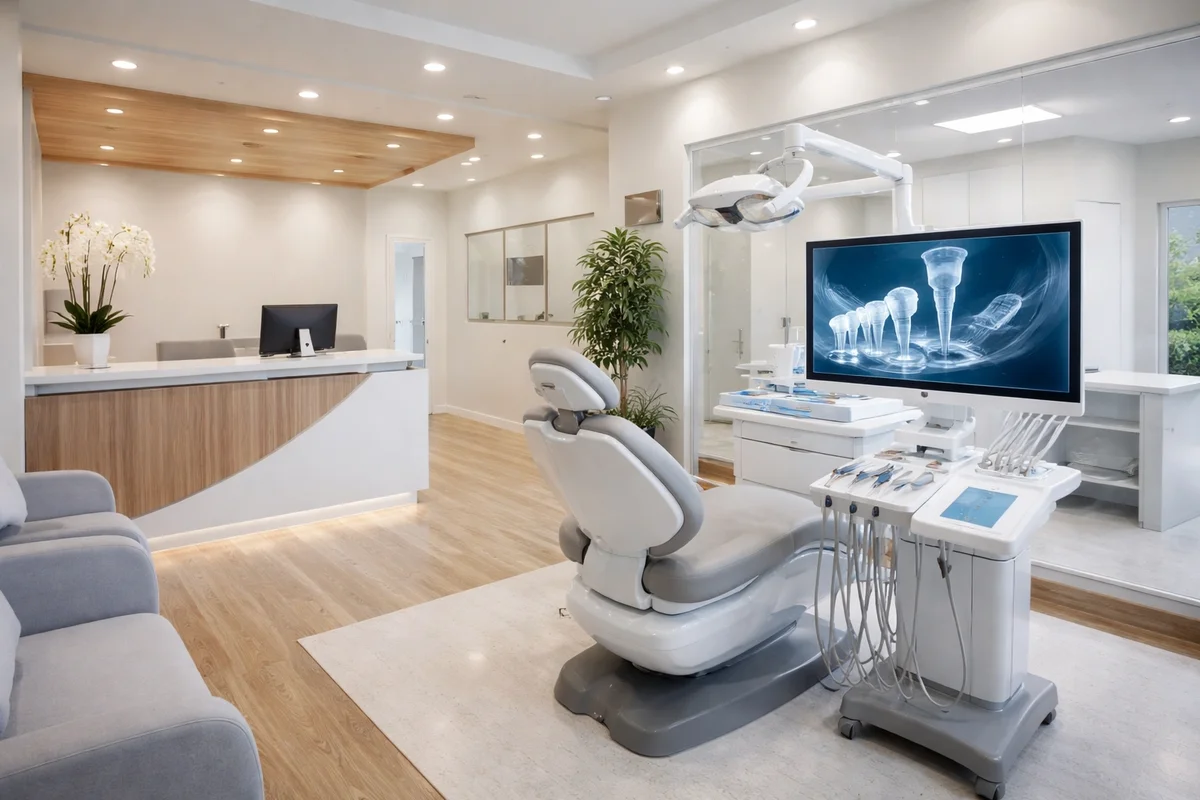
How to Find Trusted and High-Quality Dental Implants Offices
Finding trusted and high-quality dental implants offices is one of the most important steps a patient can take before committing to implant treatment. Because dental implants are designed to last for many years, the quality of the office you choose directly affects safety, comfort, aesthetics, and long-term success. Not all dental implants offices operate at the same clinical level, and knowing how to evaluate them helps patients avoid costly mistakes and disappointing outcomes.
Patients today have access to a wide range of information online, but not all sources are reliable. High-quality dental implants offices stand out through transparency, professionalism, and consistent clinical standards rather than aggressive marketing alone.
Professional Credentials and Clinical Focus
The first indicator of reliable dental implants offices is professional qualification and specialization.
Implant-Focused Experience
Trusted dental implants offices are typically led by clinicians who focus heavily on implant dentistry rather than offering it as an occasional service. Experience matters because implant success depends on repeated exposure to different anatomical situations, complications, and restorative challenges. Offices that perform implant procedures daily develop refined protocols and higher success rates.
Continuing Education and Certifications
High-quality dental implants offices invest in continuous professional development. Implant dentistry evolves rapidly, and clinicians must stay current with new materials, techniques, and safety standards. Offices that openly share their training background demonstrate a commitment to evidence-based care.
Technology and Diagnostic Capabilities
Modern dental implants offices rely on advanced technology to ensure accuracy and safety. The presence—or absence—of this technology is a strong indicator of quality.
On-Site Advanced Imaging
Trusted dental implants offices typically have access to 3D cone beam CT scanning and digital diagnostic tools. These technologies are essential for proper implant planning and risk reduction. Offices that rely only on basic X-rays may not offer the same level of precision.
Digital Planning and Guided Surgery
High-level dental implants offices use digital planning software and guided surgery systems. These tools allow implants to be placed exactly as planned, minimizing complications and improving healing. Patients should feel comfortable asking whether such systems are used.
Transparency in Consultations and Communication
Clear communication is a hallmark of reputable dental implants offices.
Detailed Consultations
During an initial consultation, quality dental implants offices take time to explain diagnoses, treatment options, timelines, and expectations. Patients should never feel rushed or pressured into decisions. A thorough consultation reflects confidence in clinical standards.
Clear Treatment Plans
Trustworthy dental implants offices provide written treatment plans that clearly outline procedures, phases, and responsibilities. Transparency helps patients understand what will happen at each stage and reduces misunderstandings.
Patient Reviews and Reputation
Reputation offers valuable insight into how dental implants offices operate in real-world settings.
Consistent Patient Feedback
Reviews across multiple platforms can reveal patterns. High-quality dental implants offices tend to receive consistent feedback about professionalism, communication, cleanliness, and results. While no office is perfect, repeated concerns about similar issues may be a warning sign.
Before-and-After Case Documentation
Reputable dental implants offices often share anonymized case examples that demonstrate real outcomes. These cases help patients evaluate aesthetic quality, complexity management, and restorative consistency.
Ethical Standards and Patient-Centered Care
Ethics play a crucial role in implant dentistry.
No One-Size-Fits-All Promises
Reliable dental implants offices avoid guaranteeing unrealistic outcomes or oversimplifying complex cases. Implant treatment is individualized, and ethical providers explain both benefits and limitations honestly.
Long-Term Follow-Up Commitment
Dental implants offices focused on quality emphasize long-term care, not just surgery. Regular follow-ups, maintenance guidance, and implant health checks are signs that the office is invested in lasting results rather than short-term transactions.
Accessibility and Ongoing Support
Accessibility is another important factor when choosing dental implants offices.
High-quality offices make it easy for patients to ask questions, schedule follow-ups, and receive guidance after treatment. Clear communication channels and responsive staff reflect strong organizational standards.
Making a Confident Final Decision
Choosing dental implants offices should never be based on convenience or price alone. Patients benefit most when they evaluate clinical focus, technology, transparency, and long-term support together.
In summary, trusted and high-quality dental implants offices distinguish themselves through expertise, advanced diagnostics, ethical communication, and patient-centered care. By taking the time to evaluate these factors carefully, patients can confidently select dental implants offices that deliver safe, durable, and life-enhancing results—turning implant treatment into a positive and lasting investment in oral health 😊.