
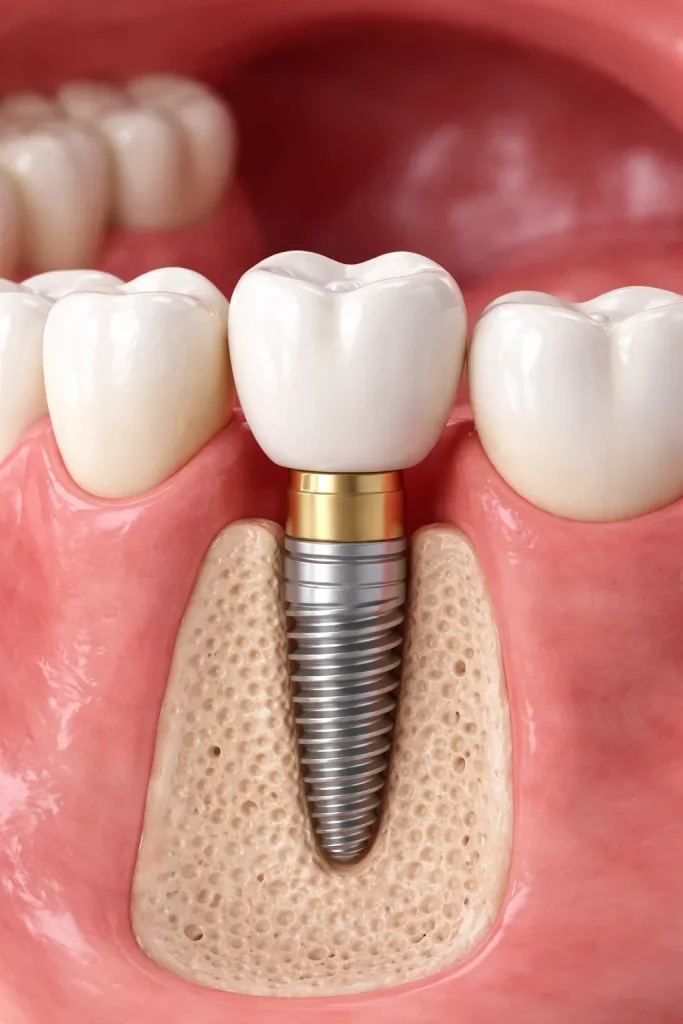
Losing a single tooth can affect much more than your appearance. It can change how you chew, speak, and even how your jawbone functions over time. dental implants one tooth solutions are considered the most advanced and long-lasting way to replace a missing tooth, offering both functional and aesthetic benefits. This guide is designed to fully answer the most common patient questions and provide a clear, medically accurate explanation of how dental implants work, who they are for, and why they are often recommended by dentists worldwide. 🦷
At its core, dental implants one tooth treatment involves replacing the root and crown of a missing tooth with a biocompatible artificial structure. Unlike removable dentures or traditional bridges, a dental implant is placed directly into the jawbone, where it integrates naturally with the bone through a process called osseointegration. This makes dental implants one tooth replacements feel and function almost exactly like a natural tooth.
A single-tooth dental implant typically consists of three main components. The first is the implant post, usually made of titanium or zirconia, which is surgically placed into the jawbone. The second part is the abutment, a connector that attaches to the implant post and supports the visible tooth. The third part is the crown, which is custom-made to match the color, shape, and size of your surrounding teeth. Together, these components allow dental implants one tooth solutions to restore both appearance and bite strength.
One of the biggest reasons patients choose dental implants one tooth procedures is bone preservation. When a tooth is lost, the jawbone in that area no longer receives stimulation from chewing forces. Over time, this can lead to bone resorption, facial sagging, and shifting of nearby teeth. A dental implant stimulates the bone in the same way a natural tooth root does, helping maintain jaw structure and long-term oral health. This advantage is something alternative treatments simply cannot offer.
From a functional standpoint, dental implants one tooth replacements are extremely stable. Because the implant is anchored in bone, it does not move or slip while eating or speaking. Patients can comfortably enjoy hard or chewy foods without worry. This stability also improves speech clarity, which can sometimes be affected by missing teeth or removable dental appliances. 😊
Another key benefit of dental implants one tooth treatment is that it does not require altering adjacent healthy teeth. Traditional dental bridges often involve grinding down neighboring teeth to support the bridge structure. With a single-tooth implant, surrounding teeth remain untouched, preserving natural enamel and reducing the risk of future dental issues. This conservative approach aligns with modern dentistry’s goal of minimal intervention.
In terms of appearance, dental implants one tooth restorations are virtually indistinguishable from natural teeth. Advanced dental laboratories use digital imaging and shade-matching technology to ensure the crown blends seamlessly with your smile. The result is a natural-looking tooth that enhances confidence and facial harmony. For many patients, this cosmetic improvement is just as important as the medical benefits.
It is also important to understand that dental implants one tooth procedures are supported by decades of clinical research. Organizations such as the [American Dental Association](chatgpt://generic-entity?number=0) recognize dental implants as a safe and effective treatment when performed by qualified professionals. Success rates for single-tooth implants often exceed 95% when proper planning, placement, and aftercare are followed.
While dental implants one tooth solutions are highly successful, proper diagnosis and planning are essential. Factors such as bone density, gum health, and overall medical condition play a role in determining candidacy. A detailed consultation, including digital X-rays or 3D scans, allows the dentist to plan the implant placement precisely and minimize risks.
If you are considering dental implants one tooth treatment and want personalized guidance, professional evaluation is crucial. You can easily reach a dental team for consultation and treatment planning through the Redent Klinik Contact Page. An expert assessment will help determine whether a single-tooth implant is the best option for your long-term oral health.
In summary, dental implants one tooth solutions offer a permanent, natural, and scientifically supported way to replace a missing tooth. They restore chewing ability, preserve jawbone health, protect neighboring teeth, and provide a confident smile that can last for decades. For patients seeking the most complete and future-proof solution, a single-tooth dental implant remains the gold standard in modern dentistry. 🌟
Who Is the Ideal Candidate for Dental Implants One Tooth?
Choosing dental implants one tooth treatment is a highly effective solution for replacing a missing tooth, but it is not a one-size-fits-all procedure. Understanding who is an ideal candidate helps patients set realistic expectations and ensures long-term success. This section explains the medical, dental, and lifestyle factors that determine whether dental implants one tooth procedures are suitable for an individual. 🦷
General Health Requirements for Dental Implants One Tooth
Overall health plays an important role in the success of dental implants one tooth. Most healthy adults can safely undergo implant surgery, but certain systemic conditions must be carefully evaluated. Chronic illnesses such as uncontrolled diabetes, severe cardiovascular disease, or immune system disorders may affect healing and bone integration. This does not automatically rule out dental implants one tooth treatment, but it does mean that close medical coordination and careful planning are required.
Smoking is another important consideration. Tobacco use can significantly reduce the success rate of dental implants one tooth by impairing blood flow and slowing healing. Many dentists strongly recommend quitting smoking before and after implant placement to maximize the chances of successful osseointegration. 🚭
Jawbone Quality and Bone Density
A strong and healthy jawbone is one of the most critical factors for dental implants one tooth. Since the implant post must fuse with the bone, sufficient bone volume and density are required to support it. When a tooth has been missing for a long time, bone loss may occur in that area due to lack of stimulation.
Fortunately, modern dentistry offers solutions even for patients with bone loss. Bone grafting or sinus lift procedures can rebuild the jawbone and make dental implants one tooth possible. These procedures may extend treatment time but greatly expand eligibility for patients who were once considered unsuitable candidates.
How Dentists Evaluate Bone Structure
Dentists typically use digital X-rays and 3D CBCT scans to assess bone quality before recommending dental implants one tooth. These imaging techniques allow precise measurement of bone height, width, and density, helping the dentist plan the implant placement with maximum accuracy and safety.
Gum Health and Oral Hygiene
Healthy gums are essential for successful dental implants one tooth treatment. Conditions such as untreated gum disease (periodontitis) can increase the risk of implant failure by compromising the surrounding tissues. Before placing an implant, dentists ensure that gum infections are treated and that the mouth is free of active inflammation.
Good oral hygiene habits are equally important. Patients who brush, floss, and attend regular dental checkups are far more likely to maintain their dental implants one tooth for decades. An implant may be artificial, but the surrounding gums and bone still require daily care to stay healthy. 😊
Age Considerations for Dental Implants One Tooth
Age alone is not a limiting factor for dental implants one tooth. Older adults often benefit greatly from implants because they provide stability and comfort compared to removable options. As long as general health and bone quality are sufficient, seniors can be excellent candidates for single-tooth implants.
However, dental implants one tooth are generally not recommended for children or teenagers whose jawbones are still developing. Implant placement is usually postponed until bone growth is complete, typically in the late teens or early adulthood.
Lifestyle and Commitment to Aftercare
Successful dental implants one tooth treatment requires patient commitment. Following post-surgical instructions, maintaining oral hygiene, and attending follow-up appointments are essential steps. Patients who are willing to actively participate in their oral health care are ideal candidates for dental implants one tooth.
Bruxism, or teeth grinding, may also influence candidacy. Excessive grinding can place additional stress on the implant. In such cases, dentists may recommend night guards or other protective measures to ensure the longevity of dental implants one tooth restorations.
Psychological Readiness and Expectations
Understanding the treatment timeline is important when considering dental implants one tooth. While some cases allow for immediate implant placement, others require several months for healing and integration. Patients who understand and accept this process tend to be more satisfied with their results.
In summary, the ideal candidate for dental implants one tooth is someone with good general health, sufficient jawbone support, healthy gums, and a commitment to long-term oral care. Even if certain challenges exist, modern dental techniques often provide solutions that make dental implants one tooth possible for a wide range of patients. With proper evaluation and planning, many individuals can safely enjoy the long-lasting benefits of a single-tooth dental implant. 🌟
Dental Implants One Tooth vs Other Tooth Replacement Options
When replacing a single missing tooth, patients are often presented with multiple treatment options. Understanding how dental implants one tooth compare to other solutions is essential for making an informed, long-term decision. Each option has advantages and limitations, but differences in durability, comfort, bone health, and aesthetics often make dental implants one tooth the preferred choice in modern dentistry. 🦷
Dental Implants One Tooth vs Dental Bridges
A traditional dental bridge replaces a missing tooth by anchoring an artificial tooth to the neighboring teeth. While bridges can restore appearance quickly, they require grinding down healthy adjacent teeth to support the structure. In contrast, dental implants one tooth replace the missing tooth independently, without damaging surrounding teeth.
From a longevity standpoint, dental implants one tooth typically last significantly longer than bridges. Bridges often need replacement after 10–15 years due to wear or decay of supporting teeth. A properly placed dental implant, however, can last decades or even a lifetime with good care. This makes dental implants one tooth a more future-proof solution.
Bone Health Comparison
One major disadvantage of bridges is that they do not stimulate the jawbone beneath the missing tooth. Over time, this can lead to bone loss and changes in facial structure. dental implants one tooth, on the other hand, actively stimulate the bone, preventing resorption and maintaining natural jaw contours.
Dental Implants One Tooth vs Removable Partial Dentures
Removable partial dentures are often chosen because they are initially more affordable. However, they come with notable drawbacks. Dentures can shift while eating or speaking, cause discomfort, and may need frequent adjustments. dental implants one tooth provide a fixed, stable solution that feels and functions like a natural tooth.
Comfort is another major difference. Dentures rely on clasps or acrylic bases that may irritate gums and neighboring teeth. Dental implants one tooth are anchored directly in the jawbone, eliminating movement and providing a more natural bite sensation. 😊
Maintenance and Daily Life Impact
Dentures require removal for cleaning and special care routines. In contrast, dental implants one tooth are maintained just like natural teeth, with regular brushing, flossing, and dental checkups. This convenience significantly improves quality of life for many patients.
Dental Implants One Tooth vs Leaving the Gap Untreated
Some patients consider leaving a missing tooth untreated, especially if it is not immediately visible. However, this choice can lead to serious long-term consequences. Adjacent teeth may drift into the empty space, causing bite misalignment and uneven wear. Bone loss in the area can also accelerate.
By choosing dental implants one tooth, patients actively prevent these complications. The implant maintains proper spacing, supports surrounding teeth, and preserves jawbone health. Ignoring a missing tooth may seem harmless initially, but it often leads to more complex and costly treatments later.
Aesthetic Results and Natural Appearance
When it comes to appearance, dental implants one tooth are widely regarded as the most natural-looking option. Implant crowns are custom-designed to match the color, shape, and translucency of natural teeth. Bridges and dentures may look acceptable initially, but gum recession or wear over time can reveal artificial elements.
Because dental implants one tooth emerge from the gum like a natural tooth, they provide superior aesthetics, especially in visible areas of the smile. This natural integration often boosts patient confidence and self-esteem. 😁
Long-Term Cost and Value Considerations
At first glance, dental implants one tooth may appear more expensive than bridges or dentures. However, long-term value tells a different story. Bridges and dentures often require repairs, relines, or replacements over time. These recurring costs can exceed the one-time investment of a dental implant.
Dental implants one tooth also reduce the likelihood of future dental problems related to bone loss or damaged adjacent teeth. When viewed over a lifetime, implants frequently prove to be the most cost-effective solution.
Impact on Overall Oral Health
Unlike other options, dental implants one tooth integrate seamlessly into the oral environment. They help maintain proper bite alignment, preserve bone, and support healthy gum tissue. This holistic benefit makes them more than just a cosmetic solution—they are a comprehensive oral health investment.
In conclusion, while bridges and dentures may offer temporary or lower-cost alternatives, dental implants one tooth stand out for their durability, comfort, bone-preserving ability, and natural appearance. For patients seeking a long-term, stable, and health-focused solution, dental implants one tooth consistently outperform other tooth replacement options. 🌟
Step-by-Step Procedure for Dental Implants One Tooth
Understanding the full procedure of dental implants one tooth treatment helps patients feel more confident and prepared. While the process may sound complex, it is highly structured, predictable, and supported by modern dental technology. This section explains each stage in detail, from the initial consultation to the final crown placement, so you know exactly what to expect at every step. 🦷
Initial Consultation and Treatment Planning
The journey toward dental implants one tooth always begins with a comprehensive dental evaluation. During this visit, the dentist examines your oral health, reviews your medical history, and discusses your expectations. Digital X-rays or 3D CBCT scans are commonly used to assess bone volume, nerve position, and overall jaw structure.
This planning phase is critical for the success of dental implants one tooth. Based on the findings, the dentist determines the ideal implant size, position, and angle. If additional procedures such as bone grafting are required, they are planned at this stage. Careful preparation significantly reduces risks and increases long-term success rates. 😊
Personalized Implant Planning
Every patient’s mouth is unique, which is why dental implants one tooth are never placed using a one-size-fits-all approach. Advanced software allows dentists to virtually plan the implant placement before surgery, ensuring optimal alignment with your bite and surrounding teeth.
Tooth Extraction (If Necessary)
In some cases, the damaged or failing tooth may still be present and needs to be removed before placing dental implants one tooth. Tooth extraction is typically a straightforward procedure performed under local anesthesia. If the surrounding bone is healthy, the dentist may plan for immediate implant placement.
Immediate placement can shorten treatment time and help preserve bone and gum tissue. However, this approach is only suitable when there is no infection and sufficient bone support. The dentist will decide the safest option based on clinical conditions.
Implant Placement Surgery
The surgical placement of the implant post is the core step of dental implants one tooth treatment. The procedure is usually performed under local anesthesia and is generally less uncomfortable than many patients expect. A small incision is made in the gum, and the implant post is carefully inserted into the jawbone.
Once placed, the gum is closed over or around the implant. The procedure typically takes less than an hour for a single implant. Most patients experience only mild discomfort afterward, which can be managed with prescribed or over-the-counter pain medication. 👍
Osseointegration: The Healing Phase
After implant placement, a crucial process called osseointegration begins. During this time, the bone gradually fuses with the implant surface, creating a strong and stable foundation. For dental implants one tooth, this healing phase usually takes between 2 to 4 months, depending on individual healing capacity and bone quality.
Osseointegration is what makes dental implants one tooth so durable and reliable. Unlike other tooth replacement options, the implant becomes a permanent part of your jaw structure.
Abutment Placement
Once the implant has fully integrated with the bone, the next step in dental implants one tooth treatment is attaching the abutment. This small connector piece extends above the gum line and serves as the support for the final crown.
In some cases, the abutment is placed at the same time as the implant. In others, a minor second procedure is performed to expose the implant and attach the abutment. Healing after abutment placement is typically quick and uncomplicated.
Custom Crown Fabrication and Placement
The final step of dental implants one tooth is the placement of the custom-made crown. Impressions or digital scans are taken to design a crown that matches your natural teeth in color, shape, and size. Dental laboratories use advanced materials such as porcelain or zirconia to ensure strength and aesthetics.
Once the crown is ready, it is securely attached to the abutment. The dentist checks the bite, alignment, and appearance to ensure a comfortable and natural result. At this point, dental implants one tooth treatment is complete, and you can use your new tooth just like a natural one. 😁
Post-Procedure Care and Follow-Up
After completing dental implants one tooth, follow-up visits are scheduled to monitor healing and ensure long-term success. Patients are advised to maintain excellent oral hygiene, avoid smoking, and attend regular dental checkups.
In summary, the step-by-step process of dental implants one tooth is carefully designed to deliver predictable, long-lasting results. With proper planning, skilled execution, and patient cooperation, this procedure offers a reliable and natural solution for replacing a single missing tooth. 🌟
Healing Time and Recovery After Dental Implants One Tooth
One of the most common concerns patients have about dental implants one tooth treatment is the healing and recovery process. While the procedure itself is highly predictable, recovery plays a crucial role in long-term success. Understanding what happens after implant placement helps patients heal properly, avoid complications, and achieve the best possible outcome. 🦷
Immediate Recovery After Implant Surgery
Right after dental implants one tooth surgery, it is normal to experience mild swelling, tenderness, and slight bruising around the implant area. These symptoms are part of the body’s natural healing response and usually peak within the first 48 hours. Most patients report that discomfort is manageable with prescribed or over-the-counter pain medication.
During the first 24–72 hours, dentists typically recommend resting, avoiding strenuous activity, and applying cold compresses to reduce swelling. Soft foods are advised to prevent pressure on the implant site. Following these instructions is essential to support early healing in dental implants one tooth procedures. 😊
What Is Normal and What Is Not?
Mild bleeding, swelling, and sensitivity are expected after dental implants one tooth placement. However, severe pain, excessive bleeding, or signs of infection such as fever or pus are not normal and should be reported to your dentist immediately. Early intervention helps protect the implant and surrounding tissues.
The Osseointegration Phase Explained
The most critical stage of recovery for dental implants one tooth is osseointegration. This is the biological process during which the jawbone gradually fuses with the implant surface. Osseointegration provides the implant with stability and strength, allowing it to function like a natural tooth root.
For most patients, this phase lasts between 2 and 4 months, although it can take longer depending on bone quality, overall health, and whether bone grafting was performed. During this time, the implant remains beneath the gum or is protected by a healing cap to prevent disturbance.
Factors That Affect Osseointegration
Several factors influence how well dental implants one tooth integrate with the bone. These include bone density, blood circulation, oral hygiene, and lifestyle habits. Smoking, poor oral care, and uncontrolled medical conditions can slow healing or compromise implant stability.
Diet and Daily Habits During Recovery
Nutrition plays a key role in healing after dental implants one tooth. In the early stages, patients should consume soft, nutrient-rich foods such as yogurt, soups, eggs, and smoothies. Hard, crunchy, or sticky foods should be avoided until healing progresses.
Hydration and proper vitamin intake, especially calcium and vitamin D, support bone health and recovery. Maintaining gentle but consistent oral hygiene around the implant area also helps prevent infection and supports tissue healing. 👍
Returning to Normal Activities
Most patients can return to normal daily activities within a few days after dental implants one tooth surgery. Light exercise and work are generally safe, but heavy physical activity should be postponed for at least a week or as advised by the dentist.
Speaking and chewing usually feel normal quickly, although patients are encouraged to avoid chewing directly on the implant site until healing has advanced. These precautions help protect the implant during the early stages of recovery.
Long-Term Healing and Crown Placement
Once osseointegration is complete, the final steps of dental implants one tooth treatment can proceed. This includes placing the abutment and attaching the permanent crown. At this stage, the implant is fully stable and ready to function under normal biting forces.
Patients often report that their implant feels completely natural once the crown is placed. There is no special sensation, and the implant blends seamlessly with the surrounding teeth. 😁
Monitoring Healing Progress
Regular follow-up appointments allow the dentist to monitor healing and ensure the success of dental implants one tooth. X-rays and clinical evaluations confirm that the bone is integrating properly and that the surrounding gums remain healthy.
Signs of Successful Recovery
A successful recovery from dental implants one tooth is marked by minimal discomfort, healthy gum tissue, and stable implant positioning. Patients should be able to eat, speak, and smile confidently without pain or movement.
In summary, healing and recovery after dental implants one tooth is a gradual but manageable process. With proper care, patience, and professional guidance, most patients heal smoothly and enjoy long-lasting results. Understanding each stage of recovery empowers patients to protect their investment and achieve a strong, natural-looking tooth replacement. 🌟
Benefits of Choosing Dental Implants One Tooth
When it comes to replacing a single missing tooth, dental implants one tooth offer a wide range of advantages that go far beyond aesthetics. This treatment is considered the gold standard in modern dentistry because it restores function, protects oral health, and provides long-term reliability. Understanding these benefits helps patients see why dental implants one tooth are often recommended over alternative solutions. 🦷
Natural Look and Feel
One of the most appreciated benefits of dental implants one tooth is how closely they mimic natural teeth. The implant is placed directly into the jawbone, just like a natural tooth root, which gives it exceptional stability. The final crown is custom-designed to match the color, shape, and size of surrounding teeth, making it virtually indistinguishable.
Because dental implants one tooth are fixed in place, patients do not experience the movement or discomfort sometimes associated with dentures or bridges. This natural feel allows for confident smiling, speaking, and eating without hesitation. 😊
Preservation of Jawbone and Facial Structure
A major medical advantage of dental implants one tooth is their ability to preserve jawbone health. When a tooth is lost, the bone beneath it begins to deteriorate due to lack of stimulation. Over time, this bone loss can lead to facial sagging and an aged appearance.
Dental implants one tooth provide the necessary stimulation to the jawbone during chewing, preventing bone resorption. This helps maintain facial structure, supports surrounding teeth, and contributes to long-term oral stability.
Why Bone Preservation Matters
Bone loss does not just affect appearance; it can also lead to bite misalignment and additional tooth loss. By choosing dental implants one tooth, patients actively protect their oral foundation and reduce the risk of future dental complications.
Protection of Adjacent Teeth
Unlike dental bridges, which require reshaping healthy neighboring teeth, dental implants one tooth stand independently. This means adjacent teeth remain untouched, preserving their natural enamel and structural integrity.
Maintaining healthy neighboring teeth reduces the risk of decay, sensitivity, and future restorative work. This conservative approach aligns with modern dentistry’s focus on preserving as much natural tooth structure as possible. 👍
Improved Chewing Efficiency and Speech
Because dental implants one tooth are anchored securely in the jawbone, they restore nearly 100% of natural chewing power. Patients can comfortably enjoy a wide variety of foods, including firm and crunchy textures, without fear of slippage or discomfort.
Speech clarity is another important benefit. Missing teeth or unstable restorations can affect pronunciation. Dental implants one tooth provide stability that supports natural speech patterns, helping patients communicate confidently.
Long-Term Durability and Reliability
One of the strongest arguments for dental implants one tooth is their longevity. With proper care, a dental implant can last decades or even a lifetime. This durability far exceeds that of bridges or dentures, which often require replacement or repair.
Dental implants one tooth are made from biocompatible materials such as titanium or zirconia, which integrate seamlessly with bone and resist decay. This makes them a highly reliable long-term solution.
Cost-Effectiveness Over Time
Although the initial cost of dental implants one tooth may be higher than other options, they often prove more cost-effective in the long run. Fewer replacements, lower maintenance costs, and reduced risk of secondary dental problems make implants a smart long-term investment.
Enhanced Comfort and Confidence
Comfort is a key reason many patients choose dental implants one tooth. There are no removable parts, no clasps, and no pressure on gums. Once healed, the implant feels like a natural part of the mouth.
This comfort translates into confidence. Patients no longer worry about visible gaps, shifting appliances, or embarrassment while eating or speaking in social situations. 😁
Support for Overall Oral Health
By restoring proper bite alignment and preventing tooth movement, dental implants one tooth contribute to overall oral health. They help distribute biting forces evenly, reducing stress on other teeth and the jaw joint.
In summary, the benefits of dental implants one tooth extend well beyond replacing a missing tooth. They preserve bone, protect surrounding teeth, restore full function, and provide a natural, long-lasting solution. For patients seeking comfort, durability, and optimal oral health, dental implants one tooth represent one of the most effective treatments available in modern dentistry. 🌟
Possible Risks and Complications of Dental Implants One Tooth
Although dental implants one tooth are widely regarded as a safe and predictable treatment, no medical procedure is completely free of risk. Understanding the possible risks and complications allows patients to make informed decisions, follow preventive guidelines, and recognize warning signs early. When planned and performed correctly, dental implants one tooth have very high success rates, but awareness is still essential. 🦷
Common Short-Term Side Effects After Surgery
In the days following dental implants one tooth surgery, patients may experience temporary side effects. These commonly include mild swelling, bruising, soreness, and slight bleeding around the implant site. Such symptoms are part of the body’s normal healing response and usually resolve within a few days.
Pain is generally mild to moderate and can be controlled with medication prescribed by the dentist. Proper rest, cold compresses, and adherence to post-operative instructions significantly reduce discomfort and support smooth healing after dental implants one tooth placement. 😊
When Short-Term Symptoms Become a Concern
If swelling or pain worsens instead of improving after several days, it may indicate a complication. Persistent bleeding, fever, or unusual discharge should never be ignored following dental implants one tooth. Prompt dental evaluation can prevent minor issues from becoming serious problems.
Infection Around the Implant Site
Infection is one of the more serious but relatively uncommon risks associated with dental implants one tooth. It can occur if bacteria enter the surgical site during or after the procedure. Poor oral hygiene, smoking, and uncontrolled systemic conditions increase the likelihood of infection.
Signs of infection include redness, swelling, pain, bad taste, and pus around the implant area. Early-stage infections can often be treated with antibiotics and improved hygiene. If left untreated, however, infection may compromise the implant’s stability and surrounding bone.
Implant Failure and Osseointegration Issues
One potential complication of dental implants one tooth is failure of osseointegration, where the implant does not properly fuse with the jawbone. This may result in implant looseness or discomfort. Factors such as insufficient bone density, smoking, excessive biting forces, or medical conditions can interfere with successful integration.
While implant failure rates are low, especially in healthy patients, they can occur. In many cases, a failed implant can be removed, the area allowed to heal, and a new implant placed later with improved planning.
How Dentists Minimize Implant Failure
Advanced imaging, precise surgical techniques, and careful patient selection significantly reduce the risk of failure in dental implants one tooth. Following aftercare instructions and attending follow-up appointments further enhances success.
Nerve or Sinus Complications
In rare cases, dental implants one tooth placed in certain areas of the mouth may affect nearby anatomical structures. Implants placed in the lower jaw carry a small risk of nerve irritation, which can cause temporary or, very rarely, permanent numbness or tingling.
In the upper jaw, implants placed near the sinus cavities may require additional procedures such as sinus lifting. Proper planning and imaging greatly reduce the likelihood of sinus-related complications.
Gum Recession and Aesthetic Concerns
Gum tissue plays a critical role in the appearance and health of dental implants one tooth. In some cases, gum recession may occur over time, exposing part of the implant or crown margin. This is more common in patients with thin gum tissue or poor oral hygiene.
Aesthetic issues can often be managed with soft tissue grafts or restorative adjustments. Choosing an experienced dental professional helps minimize cosmetic risks and ensures a natural-looking result. 👍
Excessive Bite Force and Bruxism
Patients who grind or clench their teeth place additional stress on dental implants one tooth. Excessive bite forces can damage the implant crown or surrounding bone over time. Dentists often recommend protective night guards for patients with bruxism to reduce this risk.
Managing bite forces is essential for preserving the longevity of dental implants one tooth and preventing mechanical complications.
Long-Term Maintenance Risks
Even after successful healing, dental implants one tooth require ongoing care. Peri-implantitis, an inflammatory condition affecting the tissues around the implant, can develop if plaque accumulates. Regular dental visits and consistent oral hygiene are critical to preventing long-term complications.
How to Reduce Risks and Ensure Success
The best way to minimize risks associated with dental implants one tooth is through proper planning, skilled treatment, and patient cooperation. Choosing a qualified dental provider, maintaining excellent oral hygiene, avoiding smoking, and attending routine checkups all contribute to implant success.
In summary, while dental implants one tooth are highly successful and safe, understanding possible risks empowers patients to take an active role in their oral health. With awareness, prevention, and professional care, most complications can be avoided, allowing patients to enjoy the long-term benefits of a stable and natural tooth replacement. 🌟
How Long Do Dental Implants One Tooth Last?
One of the most important questions patients ask before choosing dental implants one tooth is how long they will last. Longevity is a key factor that separates dental implants from other tooth replacement options. When properly planned, placed, and maintained, dental implants one tooth are designed to be a long-term, often lifelong solution. Understanding what affects their lifespan helps patients protect their investment and oral health. 🦷
Average Lifespan of Dental Implants One Tooth
Clinical studies and long-term patient data show that dental implants one tooth have success rates exceeding 95% over 10–15 years. In many cases, the implant post itself can last a lifetime. The crown attached to the implant may need replacement after 10–20 years due to normal wear, but the underlying implant usually remains stable.
This durability makes dental implants one tooth significantly more reliable than bridges or dentures, which often require replacement multiple times over a patient’s lifetime. 😊
Implant vs Crown Longevity
It is important to distinguish between the implant and the crown when discussing how long dental implants one tooth last. The implant post, embedded in the jawbone, is extremely durable. The crown, which is exposed to chewing forces, may wear down over time and can be replaced without removing the implant itself.
Factors That Influence the Longevity of Dental Implants One Tooth
Several factors determine how long dental implants one tooth will last. One of the most important is bone quality. Strong, healthy bone provides a stable foundation that supports long-term implant success.
Oral hygiene is another critical factor. Although implants cannot decay like natural teeth, the surrounding gums and bone can become inflamed if plaque accumulates. Proper brushing, flossing, and professional cleanings are essential to maintain the health of dental implants one tooth.
Impact of Lifestyle Habits
Lifestyle choices play a major role in the lifespan of dental implants one tooth. Smoking significantly increases the risk of implant failure by reducing blood flow and slowing healing. Patients who quit smoking or avoid tobacco entirely enjoy much higher long-term success rates.
Dietary habits also matter. Excessive consumption of very hard foods or using teeth as tools can place unnecessary stress on dental implants one tooth, potentially damaging the crown or surrounding bone. 👍
Teeth Grinding and Bite Forces
Patients who grind or clench their teeth, a condition known as bruxism, place additional stress on dental implants one tooth. Over time, excessive bite forces can affect the crown or implant stability. Dentists often recommend custom night guards to protect implants and extend their lifespan.
Role of Professional Care and Follow-Up
Regular dental checkups are essential for ensuring the longevity of dental implants one tooth. During these visits, the dentist evaluates gum health, checks implant stability, and removes plaque buildup that cannot be addressed with home care alone.
X-rays may be taken periodically to monitor bone levels around the implant. Early detection of potential issues allows for timely intervention, preventing minor problems from becoming serious complications.
Comparing Longevity With Other Tooth Replacement Options
When compared to other solutions, dental implants one tooth consistently offer superior longevity. Dental bridges typically last 10–15 years and may fail earlier if supporting teeth develop decay or fractures. Removable dentures often require relining or replacement every few years due to changes in jawbone shape.
Dental implants one tooth avoid these issues by preserving bone and functioning independently, which significantly extends their functional lifespan.
Signs of a Healthy, Long-Lasting Implant
A well-maintained dental implants one tooth should feel stable, comfortable, and pain-free. The surrounding gums should appear pink and firm, with no signs of swelling or bleeding. Patients should be able to chew normally without discomfort or movement.
If changes such as soreness, looseness, or gum inflammation occur, early dental evaluation is essential to protect the implant and surrounding tissues.
Can Dental Implants One Tooth Really Last a Lifetime?
For many patients, the answer is yes. With good oral hygiene, healthy lifestyle habits, and regular professional care, dental implants one tooth can last a lifetime. Their design, materials, and integration with bone make them one of the most durable restorations available in dentistry today.
In conclusion, dental implants one tooth offer exceptional longevity when compared to alternative tooth replacement options. By understanding the factors that influence their lifespan and committing to proper care, patients can enjoy a stable, natural-looking tooth replacement for decades to come. 🌟
Dental Implants One Tooth Cost, Factors, and Global Pricing
Understanding the cost of dental implants one tooth treatment is a major concern for most patients. While dental implants are often viewed as a premium solution, their long-term value, durability, and health benefits make them a worthwhile investment for many people. This section provides a clear, realistic, and comprehensive overview of pricing, cost-influencing factors, and global differences related to dental implants one tooth. 🦷
Average Cost of Dental Implants One Tooth
The cost of dental implants one tooth can vary widely depending on location, clinic expertise, materials used, and individual patient needs. In general, the average cost in countries such as the United States, Canada, and Western Europe ranges between $3,000 and $6,000 for a single-tooth implant. This usually includes the implant post, abutment, crown, imaging, and surgical fees.
In contrast, dental implants one tooth treatments in countries known for medical tourism, such as Turkey, Hungary, or Mexico, may range between $600 and $1,500, often including advanced materials and high clinical standards. These significant differences are one reason many patients explore treatment abroad. 😊
What Is Typically Included in the Price?
A comprehensive dental implants one tooth package often includes consultation, digital imaging, implant placement, abutment, and final crown. Some clinics also include follow-up visits and medications. However, additional procedures such as bone grafting or sinus lifting may increase the total cost.
Key Factors That Affect the Cost of Dental Implants One Tooth
Several important factors influence the final cost of dental implants one tooth. One of the primary factors is the material used for the implant and crown. Titanium implants are widely used due to their durability and biocompatibility, while zirconia implants may be more expensive due to their aesthetic advantages.
The experience and expertise of the dentist also play a role. Highly trained specialists using advanced technology may charge more, but this often translates into higher success rates and better long-term outcomes for dental implants one tooth.
Additional Procedures and Their Impact on Cost
Not all patients are immediately eligible for dental implants one tooth. If bone loss has occurred, procedures such as bone grafting may be necessary. These procedures can add several hundred to several thousand dollars to the total cost, depending on complexity.
Similarly, patients who require tooth extraction prior to implant placement may incur additional fees. While these costs increase the initial investment, they are often essential for ensuring implant stability and long-term success. 👍
Technology and Equipment Used
Clinics that use 3D imaging, digital implant planning, and high-quality surgical equipment may have higher fees for dental implants one tooth. However, these technologies significantly improve precision, reduce risks, and enhance patient comfort.
Dental Implants One Tooth Cost vs Long-Term Value
Although the upfront cost of dental implants one tooth may seem high compared to bridges or dentures, long-term value tells a different story. Bridges often need replacement every 10–15 years, and dentures require ongoing adjustments. These recurring expenses can exceed the one-time investment of a dental implant.
Dental implants one tooth also help prevent bone loss and protect adjacent teeth, reducing the likelihood of future dental treatments. Over time, this makes implants one of the most cost-effective tooth replacement options available.
Insurance Coverage and Financing Options
Insurance coverage for dental implants one tooth varies by provider and region. Some insurance plans may cover part of the procedure, such as the crown or extraction, while others classify implants as elective treatments.
Many dental clinics offer financing plans or installment options to make dental implants one tooth more accessible. These options allow patients to spread the cost over time without compromising treatment quality.
Why Choosing Quality Over Price Matters
When considering dental implants one tooth, choosing the lowest price alone can be risky. Poor-quality materials, inexperienced providers, or inadequate planning can lead to complications, implant failure, and additional costs in the future.
Selecting a reputable clinic with experienced professionals ensures safety, durability, and optimal aesthetic results. A well-placed dental implant is an investment in long-term oral health and quality of life. 😁
Is Traveling for Dental Implants One Tooth Worth It?
For many patients, traveling abroad for dental implants one tooth offers an excellent balance of affordability and quality. Countries with advanced dental infrastructure and internationally trained dentists provide high standards of care at significantly lower costs. However, proper research and clinic selection are essential.
In conclusion, the cost of dental implants one tooth depends on multiple factors, including location, materials, and individual treatment needs. While initial expenses may vary, the long-term value, durability, and health benefits make dental implants one tooth one of the most reliable and rewarding tooth replacement solutions available today. 🌟

Frequently Asked Questions About Dental Implants One Tooth
Patients considering dental implants one tooth often have many detailed questions before committing to treatment. This is completely natural, as replacing a missing tooth is both a medical and personal decision. In this section, we address the most frequently asked questions to clarify uncertainties, correct common misconceptions, and help patients feel confident about choosing dental implants one tooth as a long-term solution. 🦷
Are Dental Implants One Tooth Painful?
One of the most common concerns about dental implants one tooth is pain. In reality, the procedure is usually far less uncomfortable than patients expect. Implant placement is performed under local anesthesia, meaning you should not feel pain during surgery. Some clinics also offer sedation options for anxious patients.
After the procedure, mild discomfort, swelling, or soreness is normal and typically lasts only a few days. Most patients manage post-operative discomfort with standard pain medication. Compared to tooth extraction, many patients report that dental implants one tooth surgery is equally or even less painful. 😊
How Long Does the Entire Dental Implants One Tooth Process Take?
The timeline for dental implants one tooth varies depending on individual circumstances. In straightforward cases with sufficient bone, the process may take approximately 3–4 months from implant placement to final crown. This includes time for osseointegration.
If additional procedures such as bone grafting are required, treatment may extend to 6 months or more. While this may seem lengthy, the result is a stable, long-lasting tooth replacement designed to function for decades.
Can Dental Implants One Tooth Be Done in One Day?
In select cases, immediate implant placement and temporary crowns are possible. However, this depends on bone quality, absence of infection, and bite conditions. While attractive, same-day dental implants one tooth are not suitable for every patient and should only be done when clinically appropriate.
Are Dental Implants One Tooth Safe?
Yes, dental implants one tooth are considered a very safe and well-researched treatment. They have been used in dentistry for decades and are supported by extensive clinical studies. When placed by experienced professionals and properly maintained, they have very high success rates.
Complications are rare and usually manageable when detected early. Following professional advice and maintaining good oral hygiene are key factors in ensuring safety and long-term success.
Can Dental Implants One Tooth Fail?
Although uncommon, failure of dental implants one tooth can occur. The most common causes include poor bone integration, infection, smoking, uncontrolled medical conditions, or excessive bite forces. Overall failure rates remain low, typically under 5%.
If an implant fails, it can often be removed safely, the area allowed to heal, and a new implant placed later. Early detection greatly improves outcomes.
How Do Dental Implants One Tooth Feel Compared to Natural Teeth?
One of the biggest advantages of dental implants one tooth is how natural they feel. Because the implant is anchored in bone, it closely replicates the sensation of a natural tooth root. Patients quickly forget which tooth is the implant once healing is complete.
There is no movement, no clicking, and no pressure on gums, which makes dental implants one tooth superior in comfort compared to removable alternatives. 😁
Do Dental Implants One Tooth Require Special Care?
Caring for dental implants one tooth is very similar to caring for natural teeth. Daily brushing, flossing, and regular dental visits are essential. While implants cannot decay, the surrounding gums and bone can become inflamed if plaque accumulates.
Dentists may recommend additional tools such as interdental brushes or water flossers to maintain optimal implant hygiene.
How Often Should Implants Be Checked?
Routine dental checkups every six months are usually sufficient for monitoring dental implants one tooth. During these visits, the dentist evaluates gum health, implant stability, and bite alignment.
Is Age a Limiting Factor for Dental Implants One Tooth?
Age alone is not a barrier to dental implants one tooth. Many older adults successfully receive implants and enjoy improved quality of life. The primary considerations are bone health, general medical condition, and healing capacity.
As long as these factors are favorable, dental implants one tooth can be an excellent solution at almost any adult age.
Why Are Dental Implants One Tooth Often Recommended Over Alternatives?
Dentists frequently recommend dental implants one tooth because they offer the most complete solution for replacing a missing tooth. They preserve bone, protect adjacent teeth, restore full function, and provide superior aesthetics.
In summary, dental implants one tooth address both immediate and long-term oral health needs. By answering common questions and setting realistic expectations, patients can approach treatment with confidence, knowing they are choosing one of the most advanced and reliable solutions in modern dentistry. 🌟
Disclosure: this page may contain affiliate links. We may earn a commission if you use them, at no extra cost to you.