
When it comes to restoring your smile, understanding the full range of dental implants options is one of the most important steps you can take. Tooth loss can affect not only your appearance but also your confidence, oral health, and overall quality of life. Fortunately, modern dentistry offers a wide variety of solutions tailored to different needs, budgets, and medical conditions. By exploring the available dental implants options, you can make a confident and informed decision that supports long-term oral health. 😊
Dental implants options refer to the different techniques, materials, and treatment plans used to replace missing teeth with artificial roots and crowns. Unlike traditional dentures or bridges, dental implants are surgically placed into the jawbone, providing a stable and durable foundation for replacement teeth. This makes them one of the most reliable and natural-looking solutions available today.
One of the key reasons why dental implants options are so important is that every patient’s situation is unique. Factors such as bone density, number of missing teeth, gum health, and personal preferences all influence which treatment is best. For example, someone missing a single tooth may benefit from a straightforward implant and crown, while another patient with full tooth loss might need a more complex full-arch solution.
Another advantage of exploring different dental implants options is the ability to customize your treatment. Modern dental technology allows for personalized solutions that improve comfort, functionality, and aesthetics. Whether you are considering full mouth restoration, partial implants, or minimally invasive techniques, there is a solution designed specifically for your needs.
From a health perspective, dental implants options play a critical role in preserving jawbone structure. When a tooth is lost, the underlying bone begins to deteriorate over time. Dental implants stimulate the bone just like natural tooth roots, preventing bone loss and maintaining facial structure. This is one of the biggest advantages over traditional tooth replacement methods.
It is also important to understand that dental implants options vary in terms of procedure time and recovery. Some treatments, such as same-day implants, allow patients to leave the clinic with a functional smile in a single visit. Others may require several months for complete healing and integration. Knowing these differences helps you plan your treatment timeline more effectively.
Cost is another factor that often influences the choice between different dental implants options. While dental implants may initially seem more expensive than alternatives, they are often more cost-effective in the long run due to their durability and low maintenance requirements. A well-placed implant can last decades with proper care, making it a valuable long-term investment.
Patients should also consider the materials used in various dental implants options. Titanium implants are the most commonly used due to their strength and compatibility with the human body. However, zirconia implants are becoming increasingly popular for patients seeking a metal-free alternative. Each material has its own benefits, and the choice depends on individual preferences and clinical recommendations.
When researching dental implants options, it is essential to rely on trusted and authoritative sources. Organizations like the American Dental Association provide valuable information about safety standards and best practices in implant dentistry. Consulting with experienced professionals ensures that you receive accurate guidance tailored to your specific case.
If you are considering treatment, reaching out to a qualified clinic is the next step. You can easily get personalized advice and a detailed treatment plan by visiting the Redent Klinik Contact Page. Professional consultation helps determine which of the available dental implants options is the most suitable for your oral health condition.
In summary, understanding dental implants options is essential for anyone looking to restore their smile effectively. With advancements in dental technology, patients now have access to a wide range of solutions that are safer, more comfortable, and more natural-looking than ever before. By carefully evaluating your needs and consulting with experts, you can choose the best option that ensures both functional success and aesthetic satisfaction. 😁
What Are Dental Implants Options and Why They Matter
Understanding dental implants options is the foundation of making a confident and informed decision about restoring missing teeth. Today’s dental advancements have made it possible to replace teeth in ways that look, feel, and function almost exactly like natural teeth. However, not all patients require the same approach, which is why exploring different dental implants options is essential before starting treatment. 😊
Dental implants options refer to the variety of implant techniques, structures, and treatment plans designed to address different levels of tooth loss. Whether you are missing a single tooth, multiple teeth, or an entire arch, there are tailored solutions available. These options differ in terms of procedure complexity, healing time, materials used, and long-term outcomes.
Understanding the Core Concept of Dental Implants Options
At their core, all dental implants options involve placing a titanium or zirconia post into the jawbone. This post acts as an artificial root, supporting a crown, bridge, or denture. What makes dental implants unique compared to traditional dentures is their ability to integrate with the bone through a process called osseointegration.
Different dental implants options are designed to meet specific patient needs. For example, a single implant is used for one missing tooth, while implant-supported bridges are ideal for replacing several teeth in a row. Full-arch solutions, such as All-on-4, are recommended for patients who have lost most or all of their teeth.
Key Components of Dental Implants Options
Every type of dental implants options consists of three main components:
- Implant Post: The part inserted into the jawbone
- Abutment: The connector between the implant and crown
- Restoration: The visible part, such as a crown or denture
Understanding these components helps patients better evaluate different dental implants options and choose the most suitable one for their needs.
Why Dental Implants Options Matter for Long-Term Oral Health
Choosing the right dental implants options is not just about aesthetics—it directly impacts your oral health. Missing teeth can lead to bone loss, shifting of surrounding teeth, and even changes in facial structure. Dental implants prevent these issues by preserving the jawbone and maintaining proper alignment.
Unlike removable dentures, most dental implants options offer a fixed and stable solution. This means you can eat, speak, and smile without worrying about movement or discomfort. Over time, this stability contributes to improved confidence and quality of life. 😁
Bone Preservation and Structural Support
One of the biggest advantages of modern dental implants options is their ability to stimulate bone growth. When a tooth is missing, the bone in that area begins to shrink. Implants mimic natural tooth roots, keeping the bone active and preventing deterioration.
This makes dental implants a superior choice compared to traditional bridges, which do not address bone loss. By selecting the right dental implants options, patients can maintain both oral function and facial aesthetics.
Types of Patients and Suitable Dental Implants Options
Not every patient has the same oral condition, which is why various dental implants options exist. A young adult with a single missing tooth will have very different needs compared to an older patient with full tooth loss.
Common patient scenarios include:
- Single tooth loss → single implant
- Multiple missing teeth → implant-supported bridge
- Full tooth loss → full-arch implant systems
- Low bone density → mini or zygomatic implants
Each of these situations requires a different approach, and understanding available dental implants options ensures a more personalized treatment plan.
Cost and Value Considerations of Dental Implants Options
Another reason why dental implants options matter is cost. While implants may have a higher upfront cost compared to dentures or bridges, they offer long-term value. Many dental implants options are designed to last decades, reducing the need for frequent replacements.
Approximate cost ranges (which can vary by country and clinic) include:
- Single implant: $1,500 – $3,500
- Implant-supported bridge: $3,000 – $8,000
- Full-arch implants (All-on-4): $12,000 – $25,000
These figures highlight why choosing the right dental implants options is both a medical and financial decision.
Professional Guidance Is Essential
While researching dental implants options online is helpful, professional evaluation is critical. Dentists assess factors such as bone density, gum health, and overall medical history before recommending a treatment plan.
Trusted resources like the American Dental Association provide valuable insights into safe dental practices. However, a personalized consultation is always necessary to determine the best dental implants options for your specific case.
If you are ready to explore your treatment possibilities, you can reach out directly through the Redent Klinik Contact Page to receive expert guidance tailored to your needs.
Final Thoughts on Dental Implants Options
In conclusion, understanding dental implants options is essential for achieving the best possible outcome in tooth replacement. With a wide range of modern solutions available, patients are no longer limited to one-size-fits-all treatments.
By carefully evaluating different dental implants options, considering your health condition, and consulting with experienced professionals, you can achieve a long-lasting, natural-looking smile that enhances both your confidence and quality of life. 🌟
Single Tooth Replacement: The Most Common Dental Implants Option
Among all dental implants options, single tooth replacement is by far the most common and widely recommended solution. When a patient loses just one tooth due to decay, trauma, or extraction, replacing it quickly is essential to maintain both oral health and aesthetics. A single dental implant offers a permanent, natural-looking solution that integrates seamlessly with surrounding teeth. 😊
Unlike traditional dental bridges, which require grinding down adjacent healthy teeth, this approach preserves natural tooth structure. This is one of the key reasons why many dentists consider single implants the gold standard among dental implants options. The result is a stable, independent tooth replacement that does not rely on neighboring teeth for support.
What Is a Single Tooth Implant?
A single tooth implant is one of the simplest dental implants options, involving the placement of a titanium or zirconia post directly into the jawbone. This implant acts as an artificial root, which is later topped with a custom-made crown designed to match the color, shape, and size of your natural teeth.
The process typically involves three main steps:
- Implant placement into the jawbone
- Healing period for osseointegration (bone fusion)
- Attachment of the final crown
Because of its simplicity and effectiveness, this treatment is often the first option recommended when discussing dental implants options with patients.
Why It’s the Most Preferred Option
There are several reasons why this is one of the most popular dental implants options:
- Preserves surrounding healthy teeth
- Provides a natural appearance and feel
- Offers long-term durability
- Prevents bone loss in the jaw
These advantages make single implants not only functional but also highly aesthetic, especially for visible areas like the front teeth.
Who Is a Good Candidate for This Dental Implants Option?
Not every patient qualifies for all dental implants options, but many people are ideal candidates for single tooth implants. Generally, a good candidate should have:
- Healthy gums and no active periodontal disease
- Sufficient jawbone density to support the implant
- Good overall health for proper healing
In cases where bone density is insufficient, additional procedures such as bone grafting may be required before proceeding with this type of dental implants options. A professional evaluation will determine the best course of action.
Special Considerations for Front Teeth
When replacing a front tooth, aesthetics become even more critical. Among all dental implants options, single implants for front teeth require precise planning to ensure the crown blends perfectly with adjacent teeth.
Dentists use advanced imaging and digital design tools to achieve optimal results. This ensures that the final restoration looks completely natural and enhances the patient’s smile. 😁
Procedure Timeline and Healing Process
One of the most common questions about dental implants options is how long the treatment takes. For single implants, the process usually spans several months, although timelines can vary.
Typical stages include:
- Initial consultation and planning
- Implant placement surgery
- Healing period (3–6 months)
- Final crown placement
Some advanced dental implants options, such as immediate load implants, may allow faster restoration. However, this depends on individual bone quality and stability.
Cost Breakdown for Single Tooth Implants
Cost is an important factor when evaluating different dental implants options. A single tooth implant typically includes several components, each contributing to the total price.
Estimated costs:
- Implant post: $1,000 – $2,000
- Abutment and crown: $500 – $1,500
- Total cost: $1,500 – $3,500
While this may seem higher than other tooth replacement methods, the long-term benefits of this dental implants options often outweigh the initial investment. Implants can last decades with proper care, reducing the need for replacements.
Maintenance and Longevity
Maintaining a single implant is straightforward and similar to caring for natural teeth. Regular brushing, flossing, and dental check-ups are essential. Among all dental implants options, single implants are known for their durability and low maintenance requirements.
With proper care, the implant itself can last a lifetime, while the crown may need replacement after 10–15 years due to normal wear. This makes it one of the most reliable dental implants options available today.
Professional Advice and Next Steps
If you are considering this type of dental implants options, consulting a qualified dental professional is crucial. They will assess your oral health, take imaging scans, and create a personalized treatment plan.
You can learn more about safe implant procedures from the American Dental Association. For personalized consultation and treatment planning, visit the Redent Klinik Contact Page to connect with experienced specialists.
Final Thoughts on Single Tooth Dental Implants Options
In conclusion, single tooth replacement remains one of the most effective and widely used dental implants options. It offers a perfect balance of functionality, aesthetics, and long-term value.
By choosing this option, patients can restore their smile with confidence, knowing they have selected one of the most advanced and reliable solutions in modern dentistry. 🌟
Multiple Teeth Implants Options for Partial Tooth Loss
When more than one tooth is missing, patients often need more advanced dental implants options than a single implant solution. Partial tooth loss can significantly affect chewing ability, speech, and overall oral health. Fortunately, modern dentistry offers several highly effective dental implants options specifically designed to replace multiple missing teeth while maintaining both functionality and aesthetics. 😊
Unlike traditional removable partial dentures, these dental implants options provide a fixed and stable solution. This means patients can eat, speak, and smile confidently without worrying about movement or discomfort. Additionally, implant-based solutions help preserve jawbone density, which is essential for long-term oral health.
What Are Multiple Teeth Dental Implants Options?
Multiple teeth replacement involves using implants to support several artificial teeth. Instead of placing one implant for each missing tooth, many dental implants options use fewer implants to support a bridge or prosthetic structure. This makes the treatment more efficient and cost-effective.
The most common approaches include:
- Implant-supported bridges
- Segmental implant restorations
- Hybrid prosthetic systems
Each of these dental implants options is tailored to the patient’s specific needs, depending on how many teeth are missing and their location in the mouth.
Implant-Supported Bridges Explained
One of the most popular dental implants options for multiple missing teeth is the implant-supported bridge. Instead of placing an implant for every missing tooth, a bridge is anchored onto two or more implants.
This approach offers several benefits:
- Reduces the number of implants needed
- Lowers overall treatment cost
- Provides strong and stable support
- Maintains a natural appearance
Because of these advantages, implant-supported bridges are often recommended when evaluating practical dental implants options for partial tooth loss.
Advantages Over Traditional Solutions
Compared to removable dentures or traditional bridges, implant-based dental implants options offer superior performance. Traditional bridges rely on adjacent teeth for support, which may require reshaping healthy teeth. In contrast, implants function independently, preserving natural tooth structure.
Additionally, many dental implants options help prevent bone loss, which is a common issue after tooth extraction. By stimulating the jawbone, implants maintain facial structure and prevent the “sunken” appearance associated with missing teeth.
Improved Functionality and Comfort
Patients who choose implant-based dental implants options often report a significant improvement in comfort. Unlike removable dentures, these solutions stay firmly in place, allowing for better chewing efficiency and clearer speech.
This level of stability is especially important for patients who have multiple missing teeth, as it restores normal daily function and enhances overall quality of life. 😁
Who Is a Candidate for Multiple Teeth Implants Options?
Not all patients are automatically eligible for every type of dental implants options. For multiple teeth replacement, ideal candidates typically have:
- Healthy gum tissue
- Adequate bone density in the jaw
- No uncontrolled chronic conditions
In cases where bone loss has occurred, additional procedures such as bone grafting may be necessary before proceeding with these dental implants options. A detailed consultation will determine the best treatment path.
Treatment Process and Timeline
The process for multiple teeth replacement using dental implants options generally involves several stages. While timelines may vary, the typical steps include:
- Initial consultation and imaging
- Implant placement surgery
- Healing and osseointegration (3–6 months)
- Placement of the bridge or prosthetic teeth
Some advanced dental implants options may offer faster results, including immediate loading techniques. However, these depend on individual bone quality and implant stability.
Recovery and Aftercare
After implant placement, proper care is essential for success. Patients should follow their dentist’s instructions carefully, including maintaining good oral hygiene and attending follow-up visits. Among all dental implants options, proper aftercare significantly impacts long-term success rates.
Cost of Multiple Teeth Dental Implants Options
Cost is a major consideration when evaluating dental implants options for multiple teeth. While prices vary depending on location and complexity, here are general estimates:
- Implant-supported bridge: $3,000 – $8,000
- Segmental implants: $5,000 – $15,000
Although the upfront investment may be higher, these dental implants options often provide better long-term value due to their durability and reduced maintenance costs.
Why Professional Consultation Is Essential
Choosing among various dental implants options requires professional evaluation. Dentists use advanced imaging and diagnostic tools to assess bone structure, gum health, and overall oral condition.
For reliable information about dental procedures, you can refer to the American Dental Association. For personalized treatment planning, visit the Redent Klinik Contact Page to connect with experienced professionals.
Final Thoughts on Multiple Teeth Dental Implants Options
In summary, replacing multiple missing teeth requires careful consideration of the available dental implants options. Implant-supported bridges and similar solutions offer a strong, natural-looking, and long-lasting alternative to traditional methods.
By selecting the right dental implants options, patients can restore both function and confidence, achieving a healthy and complete smile that lasts for years. 🌟
Full Mouth Dental Implants Options Explained Clearly
For patients who have lost most or all of their teeth, exploring full mouth dental implants options becomes a life-changing step. Full tooth loss can significantly impact eating, speaking, facial structure, and self-confidence. Fortunately, modern dentistry offers advanced full mouth dental implants options that restore both function and aesthetics with long-lasting results. 😊
Full mouth restoration using dental implants options involves replacing an entire arch of teeth—either upper, lower, or both—with implant-supported prosthetics. Unlike traditional dentures, these solutions are fixed, stable, and designed to feel like natural teeth. This makes them one of the most transformative dental treatments available today.
What Are Full Mouth Dental Implants Options?
Full mouth dental implants options refer to treatment plans where multiple implants are strategically placed in the jaw to support a complete set of artificial teeth. Instead of replacing each tooth individually, these options use a smaller number of implants to anchor a full arch prosthesis.
Common full mouth dental implants options include:
- All-on-4 implant systems
- All-on-6 implant systems
- Implant-supported dentures
- Fixed full-arch bridges
Each of these dental implants options is designed to meet different needs based on bone density, budget, and patient preferences.
How Full Arch Systems Work
In most dental implants options for full mouth restoration, implants are placed at specific angles to maximize contact with available bone. This eliminates the need for placing one implant per tooth, reducing both cost and surgical complexity.
The implants act as anchors for a full arch of prosthetic teeth, which are securely attached and do not move. This stability is one of the key advantages of these dental implants options compared to removable dentures.
Benefits of Full Mouth Dental Implants Options
Choosing full mouth dental implants options offers numerous benefits beyond just replacing missing teeth. These solutions provide a comprehensive improvement in oral health, comfort, and quality of life.
- Restores full chewing ability
- Improves speech clarity
- Prevents jawbone loss
- Enhances facial appearance
- Provides long-term durability
Among all dental implants options, full mouth solutions are particularly effective in restoring both function and confidence. Patients often report feeling like they have their natural teeth back. 😁
Psychological and Lifestyle Benefits
Beyond physical improvements, full mouth dental implants options also have a significant emotional impact. Patients regain confidence in social situations, enjoy eating their favorite foods again, and experience an overall boost in quality of life.
This makes these dental implants options not just a dental procedure, but a complete lifestyle upgrade.
Who Needs Full Mouth Dental Implants Options?
Full mouth dental implants options are typically recommended for patients who:
- Have lost all or most of their teeth
- Struggle with unstable or uncomfortable dentures
- Experience significant bone loss in the jaw
- Want a permanent, fixed solution
Each patient’s situation is unique, so a detailed evaluation is necessary to determine which of the available dental implants options is most appropriate.
Treatment Process and Timeline
The process for full mouth restoration using dental implants options is more complex than single or multiple tooth replacement. However, modern techniques have made it more efficient and predictable.
Typical stages include:
- Comprehensive consultation and imaging
- Treatment planning and digital design
- Implant placement surgery
- Temporary teeth placement (in some cases)
- Healing period (3–6 months)
- Final prosthetic attachment
Some advanced dental implants options allow patients to receive temporary teeth on the same day as surgery, providing immediate functionality.
Recovery and Healing Considerations
Recovery is a crucial part of the success of full mouth dental implants options. Patients must follow strict oral hygiene practices and attend follow-up appointments to ensure proper healing.
Although initial discomfort may occur, most patients find the recovery manageable and well worth the long-term benefits of these dental implants options.
Cost of Full Mouth Dental Implants Options
Cost is one of the most important factors when evaluating dental implants options for full mouth restoration. While prices vary depending on location and complexity, general estimates include:
- All-on-4 system: $12,000 – $20,000 per arch
- All-on-6 system: $15,000 – $25,000 per arch
- Full mouth (both arches): $25,000 – $50,000+
Although these figures may seem high, full mouth dental implants options provide long-term value by eliminating the need for frequent replacements and improving overall oral health.
Why Expert Guidance Matters
Choosing the right full mouth dental implants options requires professional expertise. Dentists evaluate bone density, gum health, and medical history to create a customized treatment plan.
For reliable information about dental care standards, visit the American Dental Association. To receive personalized guidance and explore your treatment options, you can contact specialists through the Redent Klinik Contact Page.
Final Thoughts on Full Mouth Dental Implants Options
In conclusion, full mouth dental implants options offer a comprehensive solution for patients with extensive tooth loss. These advanced treatments restore not only oral function but also confidence and quality of life.
By carefully evaluating the available dental implants options and working with experienced professionals, patients can achieve a permanent, natural-looking smile that lasts for many years. 🌟
All-on-4 vs All-on-6 Dental Implants Options Compared
When exploring full arch dental implants options, two of the most popular and widely recommended solutions are All-on-4 and All-on-6 systems. Both are designed to replace an entire set of teeth using a limited number of implants, but they differ in structure, stability, cost, and long-term performance. Understanding these differences is essential for choosing the most suitable dental implants options for your specific needs. 😊
Both systems fall under advanced dental implants options and are commonly used for patients who have lost most or all of their teeth. They provide a fixed, non-removable solution that offers excellent functionality and aesthetics. However, the choice between them depends on factors such as bone density, bite force, and treatment goals.
What Is the All-on-4 System?
The All-on-4 system is one of the most well-known dental implants options. It uses four strategically placed implants to support a full arch of teeth. Two implants are placed vertically at the front, while the other two are angled at the back to maximize bone contact.
This design allows patients with limited bone density to avoid additional procedures like bone grafting, making it one of the most accessible dental implants options available today.
Key Benefits of All-on-4
- Requires only four implants per arch
- Often avoids bone grafting
- Shorter treatment time
- Lower cost compared to other dental implants options
Because of these advantages, All-on-4 is often recommended for patients seeking efficient and cost-effective dental implants options.
What Is the All-on-6 System?
The All-on-6 system is another advanced solution among dental implants options. It uses six implants instead of four, providing additional support and stability for the prosthetic teeth.
This option is typically recommended for patients with sufficient bone density who want enhanced durability and long-term performance from their dental implants options.
Key Benefits of All-on-6
- Greater stability due to additional implants
- Better distribution of chewing forces
- Increased long-term durability
- Suitable for patients with strong jawbone structure
While slightly more complex, All-on-6 is considered one of the most robust dental implants options for full arch restoration.
Main Differences Between All-on-4 and All-on-6 Dental Implants Options
Choosing between these two dental implants options requires understanding their key differences. Both systems aim to achieve the same goal, but they do so in different ways.
- Number of implants: All-on-4 uses four, while All-on-6 uses six
- Stability: All-on-6 provides greater support
- Bone requirements: All-on-4 works better for lower bone density
- Cost: All-on-4 is generally more affordable
These distinctions help patients and dentists determine which of the available dental implants options is most appropriate.
Which One Lasts Longer?
Both systems are highly durable, but All-on-6 may offer slightly better longevity due to improved load distribution. However, proper care and maintenance are more important than the number of implants when it comes to long-term success of dental implants options.
Procedure and Recovery Comparison
The procedure for both dental implants options is quite similar. It involves implant placement, healing, and attachment of the final prosthetic. In many cases, patients can receive temporary teeth on the same day.
Recovery time is also comparable, typically ranging from 3 to 6 months for full healing. During this period, the implants integrate with the jawbone, ensuring stability and durability.
Comfort and Healing Experience
Patients generally report minimal discomfort during recovery for both dental implants options. Modern techniques and anesthesia ensure a smooth experience, and most individuals return to normal activities within a few days.
Cost Comparison of These Dental Implants Options
Cost plays a major role when choosing between different dental implants options. While prices vary by location and clinic, general estimates are:
- All-on-4: $12,000 – $20,000 per arch
- All-on-6: $15,000 – $25,000 per arch
The higher cost of All-on-6 reflects the additional implants and increased stability. However, both dental implants options offer excellent long-term value.
How to Choose the Right Option
Selecting the best dental implants options depends on several factors, including bone density, budget, and personal preferences. A detailed consultation with a dental professional is essential to determine the most suitable approach.
Trusted organizations like the American Dental Association provide valuable guidance on implant procedures. For personalized recommendations, visit the Redent Klinik Contact Page to connect with experienced specialists.
Final Thoughts on All-on-4 vs All-on-6 Dental Implants Options
In conclusion, both All-on-4 and All-on-6 are highly effective dental implants options for full arch restoration. Each offers unique advantages, and the right choice depends on individual needs and clinical conditions.
By understanding the differences between these dental implants options and consulting with professionals, patients can achieve a strong, natural-looking smile that lasts for many years. 🌟
Mini Dental Implants Options: Benefits and Limitations
Among the various dental implants options available today, mini dental implants have gained significant attention for their minimally invasive nature and affordability. These smaller implants provide an alternative solution for patients who may not qualify for traditional implants due to limited bone density or specific medical conditions. Understanding how mini implants fit into the broader spectrum of dental implants options is essential for making the right treatment decision. 😊
Mini implants are typically about half the diameter of standard implants, making them less invasive and quicker to place. While they are not suitable for every case, they offer unique advantages that make them one of the most accessible dental implants options for certain patients.
What Are Mini Dental Implants Options?
Mini dental implants are a simplified version of traditional implants. As part of modern dental implants options, they consist of a smaller titanium post that is inserted into the jawbone to support crowns, bridges, or dentures.
Unlike conventional implants, mini implants often do not require extensive surgery or bone grafting. This makes them a preferred choice among patients looking for less invasive dental implants options with shorter recovery times.
Key Characteristics of Mini Implants
- Smaller diameter (typically less than 3 mm)
- Single-piece design combining implant and abutment
- Less invasive placement procedure
- Faster healing time
These features make mini implants stand out among dental implants options, especially for patients seeking quicker solutions.
Benefits of Mini Dental Implants Options
There are several advantages that make mini implants appealing within the range of dental implants options. These benefits are particularly relevant for patients who cannot undergo more complex surgical procedures.
- Minimally invasive procedure
- Reduced treatment time
- Lower overall cost
- Suitable for patients with limited bone density
- Immediate stabilization for dentures
Because of these benefits, mini implants are often recommended as practical dental implants options for stabilizing loose dentures or replacing smaller teeth.
Faster Recovery and Comfort
One of the standout features of these dental implants options is the quick recovery period. Many patients experience minimal discomfort and can return to normal activities within a short time.
This makes mini implants especially attractive for individuals who want to avoid lengthy healing processes associated with traditional dental implants options. 😁
Limitations of Mini Dental Implants Options
Despite their advantages, mini implants are not suitable for every situation. Like all dental implants options, they come with certain limitations that must be carefully considered.
- Less durable than standard implants
- Not ideal for heavy chewing areas
- Limited use for full mouth restorations
- May require replacement sooner
Because of these factors, mini implants are often recommended for specific cases rather than as a universal solution among dental implants options.
When Mini Implants Are Not Recommended
Patients who require strong, long-term solutions for full arch restoration may need more robust dental implants options, such as All-on-4 or All-on-6 systems. Mini implants may not provide the necessary support in these cases.
This highlights the importance of professional evaluation when selecting the right dental implants options.
Who Is a Good Candidate for Mini Dental Implants Options?
Mini implants are ideal for patients who:
- Have insufficient bone density for traditional implants
- Need stabilization for dentures
- Prefer a less invasive procedure
- Are looking for cost-effective dental implants options
These characteristics make mini implants one of the most accessible dental implants options for a wide range of patients.
Procedure and Timeline
The procedure for mini implants is generally simpler than other dental implants options. In many cases, the implants can be placed in a single visit under local anesthesia.
Typical steps include:
- Initial consultation and planning
- Implant placement
- Immediate or short-term restoration
This streamlined process is one of the main reasons why mini implants are considered convenient dental implants options.
Post-Treatment Care
After the procedure, maintaining good oral hygiene is essential. Patients should follow their dentist’s instructions to ensure the long-term success of these dental implants options.
Cost of Mini Dental Implants Options
Cost is a major factor when evaluating different dental implants options. Mini implants are generally more affordable than traditional implants.
- Single mini implant: $500 – $1,500
- Full denture stabilization: $3,000 – $8,000
This lower cost makes mini implants one of the most budget-friendly dental implants options available.
Professional Guidance and Final Considerations
Choosing among various dental implants options requires expert advice. Dentists assess your oral health, bone structure, and treatment goals to determine whether mini implants are suitable.
For reliable information, you can visit the American Dental Association. To receive personalized recommendations, connect with professionals through the Redent Klinik Contact Page.
Final Thoughts on Mini Dental Implants Options
In conclusion, mini implants represent a valuable category within dental implants options. They offer a minimally invasive, cost-effective solution for specific cases, particularly for patients with limited bone density or those seeking faster treatment.
By understanding both the benefits and limitations of these dental implants options, patients can make informed decisions and achieve a functional, confident smile. 🌟
Zygomatic Dental Implants Options for Severe Bone Loss
For patients with significant bone loss in the upper jaw, traditional dental implants options may not always be feasible without additional procedures. This is where zygomatic implants come into play. These specialized implants are designed for cases where conventional methods are not suitable, offering a powerful alternative among advanced dental implants options. 😊
Zygomatic implants are longer than standard implants and are anchored in the cheekbone (zygoma) rather than the jawbone. This unique approach allows patients with severe bone loss to benefit from stable and long-lasting dental implants options without the need for complex bone grafting procedures.
What Are Zygomatic Dental Implants Options?
Zygomatic implants are one of the most advanced dental implants options available today. Unlike traditional implants that rely on jawbone density, these implants are placed into the dense zygomatic bone, which provides excellent support and stability.
This makes them an ideal solution for patients who have been told they are not candidates for standard dental implants options due to insufficient bone volume in the upper jaw.
Key Features of Zygomatic Implants
- Longer implant length (30–55 mm)
- Anchored in the cheekbone instead of the jawbone
- Eliminates the need for bone grafting
- Provides strong support for full-arch restorations
These features distinguish zygomatic implants from other dental implants options and make them a specialized solution for complex cases.
Why Choose Zygomatic Dental Implants Options?
Patients with severe bone loss often face limited choices among dental implants options. Traditional solutions may require extensive bone grafting, which can increase treatment time and complexity. Zygomatic implants offer a more direct and efficient approach.
Key benefits include:
- No need for bone grafting procedures
- Shorter overall treatment time
- Immediate loading in many cases
- High success rates
Because of these advantages, zygomatic implants are considered one of the most innovative dental implants options for patients with advanced bone loss.
Immediate Functionality Advantage
Many patients undergoing this type of dental implants options can receive temporary teeth on the same day as the surgery. This immediate functionality significantly improves comfort and confidence during the healing period. 😁
Who Is a Candidate for Zygomatic Dental Implants Options?
Zygomatic implants are typically recommended for patients who:
- Have severe bone loss in the upper jaw
- Have failed previous implant treatments
- Want to avoid bone grafting procedures
- Need full arch restoration
These criteria make zygomatic implants one of the most specialized dental implants options, reserved for complex cases that require advanced expertise.
Procedure and Treatment Process
The process for zygomatic dental implants options is more complex than standard implant procedures. It requires careful planning, advanced imaging, and highly skilled surgical techniques.
Typical steps include:
- Comprehensive consultation and 3D imaging
- Customized treatment planning
- Surgical placement of zygomatic implants
- Attachment of temporary prosthetic teeth
- Final restoration after healing
Despite its complexity, this approach offers a faster solution compared to other dental implants options that require bone grafting.
Recovery and Healing
Recovery from zygomatic implant surgery may take several weeks, but most patients can resume normal activities relatively quickly. Proper aftercare is essential to ensure the success of these dental implants options.
Cost of Zygomatic Dental Implants Options
Cost is an important consideration when evaluating advanced dental implants options. Zygomatic implants are generally more expensive due to their complexity and the expertise required.
- Zygomatic implants per arch: $20,000 – $40,000
- Full mouth restoration: $40,000 – $80,000+
While the cost is higher, these dental implants options can eliminate the need for multiple additional procedures, making them a valuable investment in certain cases.
Advantages Over Bone Grafting Alternatives
Traditional dental implants options for patients with bone loss often involve bone grafting, which can take several months to heal. Zygomatic implants bypass this step entirely.
This results in:
- Reduced treatment time
- Fewer surgical procedures
- Faster return to normal function
These advantages make zygomatic implants a preferred choice among dental implants options for suitable candidates.
Professional Expertise Is Crucial
Due to the complexity of this procedure, choosing experienced professionals is essential when considering these dental implants options. Not all clinics offer zygomatic implant treatments, as they require specialized training and equipment.
For reliable information about dental standards, visit the American Dental Association. For expert consultation and personalized treatment planning, connect with professionals through the Redent Klinik Contact Page.
Final Thoughts on Zygomatic Dental Implants Options
In conclusion, zygomatic implants represent one of the most advanced and effective dental implants options for patients with severe bone loss. They provide a stable, long-lasting solution without the need for bone grafting.
By understanding how these dental implants options work and consulting with experienced specialists, patients can regain both function and confidence, even in the most challenging cases. 🌟
Same-Day Dental Implants Options: Fast Smile Restoration
For patients seeking immediate results, same-day dental implants options have become one of the most exciting advancements in modern dentistry. Unlike traditional implant procedures that require months of healing before placing the final crown, same-day solutions allow patients to walk out of the clinic with a functional smile in just one visit. This makes them highly attractive among today’s dental implants options. 😊
Also known as “immediate load implants” or “teeth in a day,” these dental implants options combine advanced planning, precise surgical techniques, and innovative materials to deliver fast and effective results. While not suitable for every patient, they provide a convenient solution for those who qualify.
What Are Same-Day Dental Implants Options?
Same-day dental implants options involve placing the implant and attaching a temporary crown or prosthesis during the same appointment. This eliminates the traditional waiting period between implant placement and restoration.
These dental implants options rely on achieving strong initial stability in the jawbone. If the implant is securely anchored, it can support a temporary tooth immediately after placement.
How Immediate Loading Works
In standard dental implants options, a healing period of several months is required for osseointegration. However, with same-day implants, advanced techniques ensure that the implant is stable enough to support a temporary restoration right away.
This approach allows patients to enjoy improved aesthetics and function immediately, which is a major advantage over traditional dental implants options.
Benefits of Same-Day Dental Implants Options
There are several compelling reasons why patients choose these dental implants options. The primary benefit is speed, but there are additional advantages that make them highly appealing.
- Immediate restoration of appearance
- Reduced number of dental visits
- Faster overall treatment timeline
- Improved confidence right after the procedure
These benefits position same-day implants as one of the most convenient dental implants options available today.
Instant Confidence Boost
One of the most significant advantages of these dental implants options is the psychological impact. Patients no longer have to deal with missing teeth during the healing phase, which greatly improves self-esteem and social comfort. 😁
Who Is a Suitable Candidate?
Not all patients are eligible for same-day dental implants options. The success of this approach depends on several factors, including bone density and overall oral health.
Ideal candidates typically:
- Have sufficient jawbone density
- Are in good overall health
- Do not have severe gum disease
- Require single or multiple tooth replacement
Patients with complex conditions may need to consider alternative dental implants options instead.
Procedure and Treatment Steps
The process for same-day dental implants options is carefully planned and executed to ensure success. It involves advanced imaging and digital planning before the procedure.
Typical steps include:
- Comprehensive consultation and 3D scans
- Precise implant placement
- Immediate attachment of a temporary crown
- Healing and integration over time
- Replacement with a permanent crown
This streamlined workflow makes same-day implants one of the most efficient dental implants options available.
Recovery and Aftercare
Although the procedure provides immediate results, patients must follow strict aftercare guidelines. Soft food diets and proper oral hygiene are essential during the healing phase of these dental implants options.
Following your dentist’s recommendations ensures long-term success and stability.
Cost of Same-Day Dental Implants Options
Cost varies depending on the complexity of the case and the number of implants required. Generally, same-day dental implants options may be slightly more expensive due to the advanced technology involved.
- Single implant (same-day): $2,000 – $5,000
- Full arch (same-day): $15,000 – $30,000
While the upfront cost may be higher, these dental implants options save time and reduce the need for multiple appointments.
Advantages and Limitations
Like all dental implants options, same-day implants have both strengths and limitations.
Advantages
- Immediate results
- Fewer appointments
- Quick restoration of function
Limitations
- Not suitable for all patients
- Requires excellent bone quality
- Temporary restorations may need adjustments
Understanding these factors helps patients make informed decisions when comparing dental implants options.
Importance of Professional Evaluation
Choosing the right dental implants options requires expert assessment. Dentists evaluate bone structure, gum health, and medical history before recommending same-day implants.
For reliable dental health information, visit the American Dental Association. For personalized consultation and treatment planning, reach out via the Redent Klinik Contact Page.
Final Thoughts on Same-Day Dental Implants Options
In conclusion, same-day dental implants options offer a fast and effective solution for restoring your smile. They combine convenience, advanced technology, and immediate results, making them an excellent choice for suitable candidates.
By understanding the benefits and limitations of these dental implants options, patients can confidently choose a treatment that aligns with their needs and lifestyle. 🌟
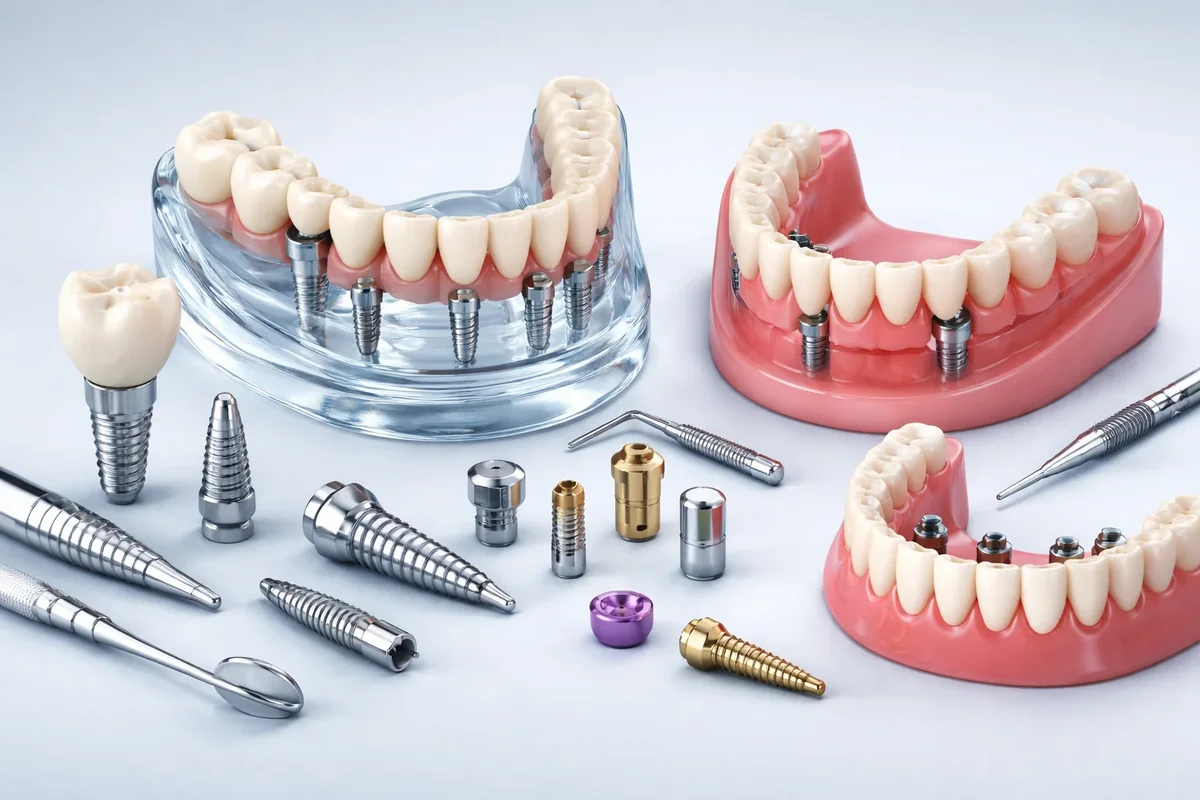
Choosing the Best Dental Implants Option for Your Needs
With so many dental implants options available today, choosing the right one can feel overwhelming. Each patient has unique oral health conditions, expectations, and lifestyle factors that must be considered before making a final decision. Understanding how to evaluate different dental implants options is essential to achieving a successful and long-lasting result. 😊
The key to selecting the best dental implants options lies in balancing clinical needs with personal preferences. Factors such as bone density, number of missing teeth, budget, and treatment timeline all play a critical role in determining the most suitable approach.
Key Factors to Consider When Choosing Dental Implants Options
When evaluating different dental implants options, patients should consider several important factors. These elements help guide the decision-making process and ensure the chosen treatment aligns with both medical and personal goals.
- Number of Missing Teeth: Single, multiple, or full arch replacement
- Bone Density: Determines eligibility for certain dental implants options
- Budget: Influences the choice between basic and advanced solutions
- Treatment Time: Immediate vs. long-term procedures
- Aesthetic Expectations: Importance of natural appearance
Each of these factors directly impacts which dental implants options are most appropriate for your situation.
Personalized Treatment Planning
No two patients are the same, which is why personalized planning is essential when selecting dental implants options. Dentists use advanced imaging and diagnostic tools to create customized treatment plans tailored to each individual.
This approach ensures that the chosen dental implants options provide optimal results in terms of both function and appearance. 😁
Comparing Different Dental Implants Options
Understanding the differences between available dental implants options is crucial for making an informed decision. Each option has its own advantages and limitations.
- Single implants: Ideal for replacing one missing tooth
- Implant-supported bridges: Suitable for multiple teeth
- All-on-4 or All-on-6: Best for full arch restoration
- Mini implants: Less invasive but limited in strength
- Zygomatic implants: For severe bone loss cases
By comparing these dental implants options, patients can better understand which solution meets their needs.
Balancing Cost and Long-Term Value
While cost is an important factor, it should not be the only consideration when choosing dental implants options. Cheaper solutions may require more maintenance or replacement over time.
Investing in high-quality dental implants options often provides better long-term value, durability, and overall satisfaction.
Consultation and Professional Guidance
One of the most important steps in choosing among dental implants options is consulting with an experienced dental professional. A thorough examination helps identify the most suitable treatment based on your specific oral condition.
Dentists evaluate:
- Jawbone structure
- Gum health
- Medical history
- Bite alignment
This comprehensive assessment ensures that the selected dental implants options are both safe and effective.
Importance of Expert Recommendations
Relying on expert advice is crucial when navigating complex dental implants options. Professionals can explain the pros and cons of each option and recommend the most appropriate solution for your case.
For trusted information, you can visit the American Dental Association. To receive personalized consultation and guidance, visit the Redent Klinik Contact Page.
Lifestyle and Maintenance Considerations
Your lifestyle also plays a role in selecting the best dental implants options. Some solutions require more maintenance or follow-up care than others.
- Active individuals may prefer durable, fixed solutions
- Busy patients may choose faster treatment options
- Patients seeking minimal maintenance may opt for permanent implants
Considering these factors ensures that your chosen dental implants options fit seamlessly into your daily routine.
Oral Hygiene and Long-Term Care
Regardless of the chosen dental implants options, maintaining good oral hygiene is essential for long-term success. Regular brushing, flossing, and dental check-ups help preserve both the implants and surrounding tissues.
Proper care significantly extends the lifespan of all dental implants options.
Common Mistakes to Avoid
When choosing among dental implants options, patients should avoid common mistakes that can impact results:
- Focusing only on cost instead of quality
- Ignoring professional recommendations
- Choosing a solution without proper evaluation
- Neglecting aftercare instructions
Avoiding these pitfalls helps ensure a successful outcome and long-term satisfaction with your dental implants options.
Final Thoughts on Choosing Dental Implants Options
In conclusion, selecting the best dental implants options requires careful consideration of multiple factors, including oral health, budget, and personal preferences. With the wide range of solutions available today, there is an option for almost every patient.
By understanding the differences between dental implants options, seeking professional guidance, and prioritizing long-term value, you can achieve a healthy, functional, and beautiful smile that lasts for years. 🌟