
Dental implants prosthodontics is one of the most advanced and reliable solutions in modern dentistry for replacing missing teeth and restoring full oral function. Many patients today seek treatments that not only restore the appearance of their smile but also rebuild proper chewing ability, speech clarity, and long-term oral health. Dental implants prosthodontics combines surgical implant placement with highly precise prosthetic restoration to achieve results that look natural and function like real teeth. 🦷
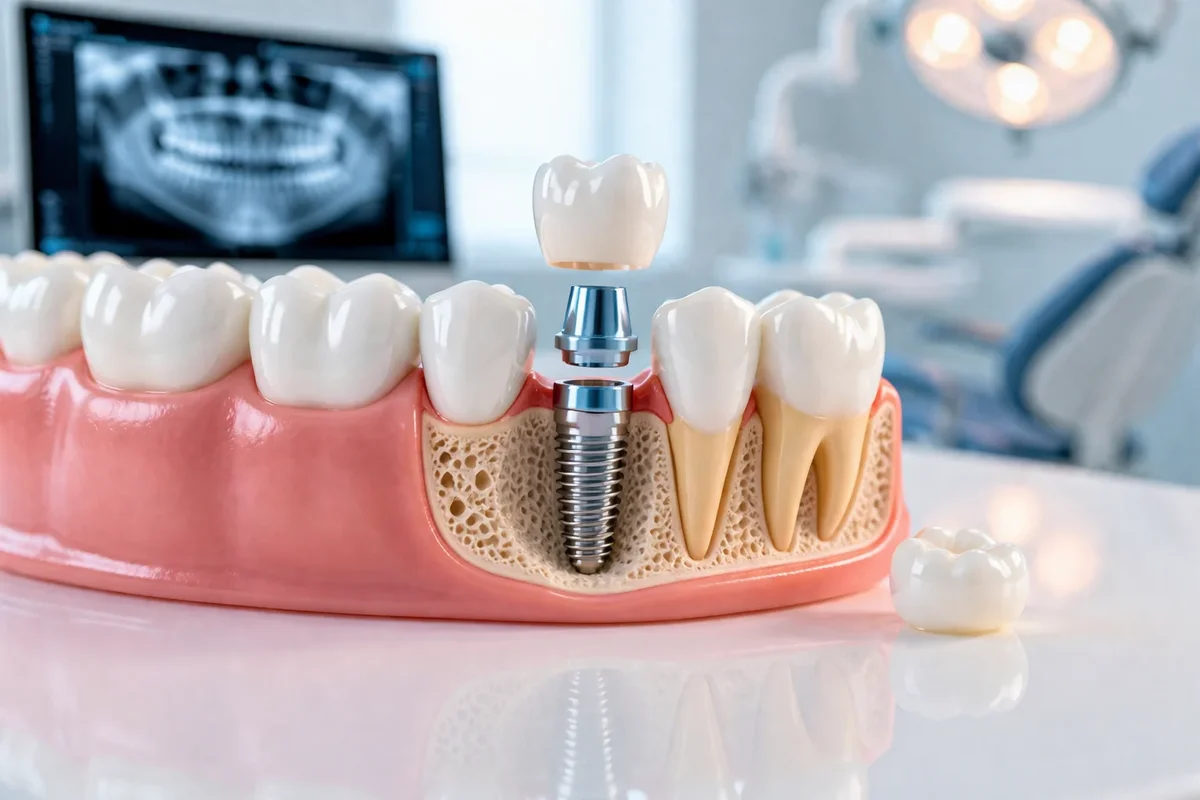
At its core, dental implants prosthodontics focuses on designing and placing prosthetic teeth that attach securely to dental implants. A dental implant is a small titanium post that is surgically inserted into the jawbone to act as an artificial tooth root. Once the implant integrates with the bone through a biological process called osseointegration, a prosthodontist designs a crown, bridge, or denture that fits perfectly on top of the implant. This combination creates a stable and durable replacement for missing teeth.
One of the most important reasons dental implants prosthodontics has become increasingly popular is its ability to mimic natural tooth structure. Traditional dentures and bridges often rely on surrounding teeth or gum tissue for support. In contrast, dental implants prosthodontics replaces the entire tooth structure—from root to crown—making it one of the most comprehensive tooth replacement options available today.
Why Dental Implants Prosthodontics Is Different from Traditional Treatments
Unlike conventional dental restorations, dental implants prosthodontics addresses both functional and structural aspects of tooth loss. When a tooth is lost, the jawbone in that area gradually begins to shrink due to lack of stimulation. Dental implants prosthodontics helps prevent this bone loss by stimulating the jawbone in a way similar to natural tooth roots.
Because of this biological advantage, dental implants prosthodontics is widely recommended by dental professionals worldwide. Organizations such as the American Dental Association highlight dental implants as a reliable long-term solution for tooth replacement when proper case selection and treatment planning are followed.
Another key difference lies in the precision involved in prosthodontic planning. Dental implants prosthodontics is not simply about placing implants; it involves advanced diagnostics, digital imaging, bite analysis, and custom prosthetic design. Prosthodontists specialize in restoring teeth and creating dental prosthetics that match the patient’s natural anatomy, facial structure, and bite dynamics.
The Growing Demand for Dental Implants Prosthodontics
Over the past decade, demand for dental implants prosthodontics has grown rapidly. Several factors contribute to this trend:
- Longer life expectancy and increased focus on oral health
- Advancements in implant technology and digital dentistry
- Improved aesthetics and natural-looking restorations
- Higher success rates compared to many traditional treatments
For many patients, dental implants prosthodontics offers the confidence of a permanent solution. Whether replacing a single missing tooth or reconstructing a full arch of teeth, implant-supported prosthetics provide stability that removable dentures cannot match.
Common Situations Where Dental Implants Prosthodontics Is Used
Dental implants prosthodontics can treat a wide range of dental conditions. The treatment approach is customized based on each patient’s oral health, bone structure, and aesthetic goals. Some of the most common applications include:
- Replacing a single missing tooth with an implant crown
- Restoring multiple missing teeth with implant-supported bridges
- Supporting full dentures with implant anchors
- Full-mouth rehabilitation using multiple implants
Because dental implants prosthodontics offers such versatility, it is often considered the gold standard in restorative dentistry. The ability to customize prosthetic teeth means patients receive restorations that look natural, feel comfortable, and function efficiently during everyday activities such as speaking and eating.
Functional Benefits of Dental Implants Prosthodontics
One of the most appreciated benefits of dental implants prosthodontics is improved chewing efficiency. Missing teeth can make it difficult to eat certain foods, leading many patients to avoid healthy options such as fruits, vegetables, and proteins. Implant-supported restorations restore bite strength and allow patients to enjoy a full diet again.
Speech is another important factor. Missing teeth or poorly fitting dentures can cause pronunciation difficulties. Dental implants prosthodontics stabilizes the prosthetic teeth, allowing patients to speak clearly without worrying about movement or slipping.
In addition to functional improvements, dental implants prosthodontics significantly enhances facial aesthetics. Tooth loss can cause the cheeks to collapse and the face to appear older. Implant-supported restorations maintain jawbone structure and facial support, helping patients retain a youthful appearance.
Long-Term Durability of Dental Implants Prosthodontics
Durability is one of the strongest advantages of dental implants prosthodontics. With proper care and regular dental visits, implant restorations can last for many years. Titanium implants are highly biocompatible and resistant to corrosion, making them suitable for long-term integration with bone tissue.
Maintaining dental implants prosthodontics is similar to caring for natural teeth. Patients should brush twice daily, floss regularly, and schedule professional dental cleanings. Consistent oral hygiene plays a crucial role in protecting both the implant and surrounding gum tissue.
If you are considering treatment or would like professional guidance regarding dental implants prosthodontics, it is always beneficial to consult experienced dental professionals. You can easily reach out through the Redent Klinik Contact Page to receive personalized advice and treatment planning.
In summary, dental implants prosthodontics represents a powerful combination of surgical precision and prosthetic artistry. By restoring both function and aesthetics, this treatment approach offers patients a dependable solution for tooth loss. As dental technology continues to evolve, dental implants prosthodontics remains at the forefront of modern restorative dentistry, providing patients with healthier smiles and improved quality of life. ✨
What Is Dental Implants Prosthodontics and Why It Matters
Dental implants prosthodontics is a specialized area of dentistry focused on restoring missing teeth using dental implants combined with advanced prosthetic restorations. This field blends surgical implant placement with prosthodontic expertise to rebuild both the structure and function of natural teeth. In modern restorative dentistry, dental implants prosthodontics is widely considered one of the most reliable and long-lasting solutions for patients who have lost one or more teeth. 🦷
To understand why dental implants prosthodontics is so important, it helps to understand the two key components involved in the treatment. The first component is the dental implant itself—a titanium post placed into the jawbone to act as an artificial tooth root. The second component is the prosthodontic restoration, which includes crowns, bridges, or dentures designed to attach to the implant and replace visible teeth.
When these two components are combined, dental implants prosthodontics creates a restoration that mimics natural tooth structure. The implant replaces the root while the prosthetic restoration replaces the crown. This design provides stability, durability, and natural aesthetics that traditional dental solutions often cannot match.
Understanding the Role of Prosthodontics in Implant Dentistry
Prosthodontics is the dental specialty dedicated to restoring and replacing teeth. Prosthodontists are experts in designing dental prosthetics that restore oral function, bite alignment, and smile aesthetics. Within dental implants prosthodontics, the prosthodontist plays a critical role in planning and designing the final restoration that will sit on top of the implant.
Dental implants prosthodontics is not simply about placing implants into the bone. It requires precise treatment planning that considers many factors, including:
- Jawbone quality and density
- Bite alignment and occlusion
- Smile aesthetics and facial balance
- Long-term stability of prosthetic teeth
Because of these complexities, dental implants prosthodontics often involves collaboration between implant surgeons and prosthodontists. The prosthodontist ensures that the final prosthetic teeth look natural, function correctly, and remain comfortable for the patient.
Why Dental Implants Prosthodontics Is Important for Oral Health
One of the biggest reasons dental implants prosthodontics is so important is its ability to preserve oral health. When a tooth is lost, the surrounding jawbone gradually begins to deteriorate. This happens because natural tooth roots stimulate the bone during chewing. Without that stimulation, bone tissue slowly shrinks over time.
Dental implants prosthodontics helps prevent this problem. The titanium implant integrates with the jawbone through a process known as osseointegration. Once the implant fuses with the bone, it provides stimulation similar to a natural tooth root. This helps maintain bone density and protects the structure of the jaw.
Bone Preservation and Facial Structure
Bone loss from missing teeth can affect more than oral health—it can also change facial appearance. Over time, jawbone shrinkage can lead to a collapsed facial structure, making a person appear older than they actually are. Dental implants prosthodontics helps preserve the natural contours of the face by maintaining bone support.
By restoring both the root and crown of missing teeth, dental implants prosthodontics helps maintain facial balance and jaw stability. Patients often notice that their smile looks fuller and more natural after implant-supported restorations.
Functional Advantages of Dental Implants Prosthodontics
Dental implants prosthodontics significantly improves everyday functions such as chewing and speaking. Missing teeth can make it difficult to chew certain foods, forcing people to limit their diet. Implant-supported restorations restore biting strength, allowing patients to eat a wider variety of foods comfortably.
Speech clarity is another benefit. Loose dentures or missing teeth may cause pronunciation difficulties. Dental implants prosthodontics stabilizes prosthetic teeth so they remain secure during speech and daily activities.
These functional improvements contribute greatly to overall quality of life. Patients who undergo dental implants prosthodontics often report increased confidence when speaking, eating, and smiling.
Long-Term Reliability of Dental Implants Prosthodontics
Another reason dental implants prosthodontics matters is its long-term reliability. Dental implants have one of the highest success rates in dentistry, often exceeding 95% when placed by experienced professionals and maintained properly.
Compared with traditional tooth replacement methods, dental implants prosthodontics typically lasts much longer. Conventional bridges may need replacement after several years, but implant-supported restorations can remain functional for decades with proper care.
Patients who receive dental implants prosthodontics should maintain good oral hygiene habits, including daily brushing, flossing, and regular dental checkups. Professional organizations such as the American Dental Association emphasize the importance of ongoing dental care to protect implants and surrounding tissues.
Aesthetic Benefits of Dental Implants Prosthodontics
Aesthetic improvement is another key advantage of dental implants prosthodontics. Modern prosthetic materials are designed to closely match the color, translucency, and shape of natural teeth. Skilled prosthodontists use advanced techniques to ensure the restoration blends seamlessly with surrounding teeth.
Dental implants prosthodontics allows for highly customized restorations. The size, shape, and color of each prosthetic tooth can be tailored to match the patient’s natural smile. As a result, most people cannot distinguish implant-supported teeth from natural teeth.
When Patients Should Consider Dental Implants Prosthodontics
Dental implants prosthodontics may be recommended for individuals experiencing tooth loss due to decay, injury, periodontal disease, or congenital conditions. Patients who are dissatisfied with traditional dentures or bridges often benefit significantly from implant-supported restorations.
Anyone considering treatment should consult experienced dental professionals who specialize in dental implants prosthodontics. A comprehensive evaluation typically includes digital imaging, oral examination, and treatment planning to determine the most suitable restoration approach.
Patients seeking professional advice about dental implants prosthodontics can easily reach qualified specialists through the Redent Klinik Contact Page. Personalized consultations help determine whether implant-supported restorations are the right solution for restoring oral health and smile aesthetics.
In conclusion, dental implants prosthodontics plays a crucial role in modern dentistry by providing patients with a reliable and natural-looking solution for missing teeth. Through a combination of advanced implant technology and expert prosthetic design, dental implants prosthodontics restores both function and appearance. As dental innovations continue to evolve, this specialized field will remain one of the most effective methods for rebuilding confident and healthy smiles. ✨
How Dental Implants Prosthodontics Restores Missing Teeth
Tooth loss is one of the most common oral health challenges people face, and it can affect both functional abilities and self-confidence. Dental implants prosthodontics offers a highly advanced solution for restoring missing teeth by combining implant technology with customized prosthetic restorations. Through this approach, dental implants prosthodontics rebuilds the complete tooth structure—from the artificial root anchored in the jawbone to the visible crown that blends seamlessly with natural teeth. 🦷
Unlike traditional dentures or bridges that only replace the visible portion of a tooth, dental implants prosthodontics restores the entire tooth system. This comprehensive approach ensures better stability, improved chewing ability, and a more natural-looking smile. Because dental implants prosthodontics replicates the natural anatomy of a tooth, patients often find that implant-supported restorations feel very similar to their original teeth.
The Fundamental Concept Behind Dental Implants Prosthodontics
Dental implants prosthodontics works by replacing missing teeth with implant-supported prosthetic restorations. A dental implant is typically made of titanium, a biocompatible material that integrates safely with human bone tissue. During treatment, the implant is surgically inserted into the jawbone where the missing tooth root once existed.
Over time, the bone gradually fuses with the implant in a process known as osseointegration. This integration creates a strong foundation capable of supporting prosthetic teeth such as crowns, bridges, or dentures. Once healing is complete, a prosthodontist designs a custom restoration that attaches securely to the implant.
Because dental implants prosthodontics restores both the root and the crown of the tooth, the result is a highly stable and durable replacement. Patients undergoing dental implants prosthodontics often report that their implant-supported teeth feel natural and comfortable during daily activities such as chewing and speaking.
Stages of Tooth Restoration in Dental Implants Prosthodontics
Dental implants prosthodontics typically follows a structured treatment process designed to ensure precision and long-term success. Although individual cases may vary, most treatments involve several essential phases.
Initial Consultation and Diagnosis
The first step in dental implants prosthodontics is a comprehensive evaluation. Dentists use advanced imaging techniques such as digital X-rays and 3D cone-beam CT scans to assess bone density, jaw structure, and oral health. These diagnostic tools allow specialists to determine whether the patient is a suitable candidate for dental implants prosthodontics.
During this stage, treatment goals are discussed and a customized plan is created. Factors such as the number of missing teeth, bite alignment, and aesthetic expectations are carefully evaluated to ensure optimal results.
Implant Placement Surgery
The next phase in dental implants prosthodontics involves the surgical placement of dental implants into the jawbone. The implant functions as an artificial tooth root and provides the foundation for the final restoration. This procedure is typically performed under local anesthesia to ensure patient comfort.
After the implant is placed, the healing phase begins. During this time, the bone gradually integrates with the implant surface. This biological fusion provides the stability necessary for supporting prosthetic teeth in dental implants prosthodontics.
Prosthetic Restoration
Once osseointegration is complete, the prosthodontist designs the final restoration. In dental implants prosthodontics, this restoration may include:
- Implant-supported crowns for single tooth replacement
- Implant-supported bridges for multiple missing teeth
- Implant-retained dentures for full-arch restoration
The prosthetic tooth is carefully crafted to match the shape, color, and size of surrounding teeth. This attention to detail ensures that dental implants prosthodontics produces results that look both natural and aesthetically pleasing.
Functional Restoration Through Dental Implants Prosthodontics
One of the most significant advantages of dental implants prosthodontics is the restoration of chewing efficiency. Missing teeth can make it difficult to chew certain foods, often forcing patients to avoid nutritious options such as fresh vegetables or protein-rich meals. Implant-supported restorations restore bite strength and allow patients to eat comfortably again.
Speech is another important function restored by dental implants prosthodontics. Missing teeth or unstable dentures can affect pronunciation and speech clarity. Because implant-supported prosthetics remain securely anchored in place, patients experience improved speech confidence.
These functional improvements significantly enhance quality of life. Many individuals undergoing dental implants prosthodontics report feeling more comfortable during daily activities such as eating, speaking, and socializing.
Aesthetic Restoration and Smile Design
Dental implants prosthodontics not only restores function but also significantly improves smile aesthetics. Prosthodontists use advanced materials such as ceramic or zirconia to create prosthetic teeth that closely mimic the translucency and color of natural enamel.
The prosthetic restoration is carefully customized for each patient. Dental implants prosthodontics considers factors such as facial symmetry, gum contour, and tooth proportions to achieve a harmonious and natural appearance.
Because implant-supported restorations are anchored directly into the jawbone, they also help maintain facial structure. This prevents the sunken facial appearance often associated with long-term tooth loss.
Longevity and Stability of Dental Implants Prosthodontics
Durability is one of the defining characteristics of dental implants prosthodontics. Titanium implants are highly resistant to corrosion and designed to integrate permanently with bone tissue. With proper care, implant-supported restorations can last for decades.
Regular dental checkups and professional cleanings play an important role in maintaining dental implants prosthodontics. According to the American Dental Association, maintaining good oral hygiene and routine dental visits significantly increases the long-term success of implant restorations.
Patients considering treatment can consult experienced dental professionals to explore their options for dental implants prosthodontics. Personalized guidance and treatment planning are available through the Redent Klinik Contact Page, where specialists can evaluate each case individually.
In summary, dental implants prosthodontics provides a comprehensive solution for restoring missing teeth. By replacing both the root and the visible tooth structure, this treatment restores oral function, improves smile aesthetics, and preserves jawbone health. Through precise planning and expert prosthetic design, dental implants prosthodontics continues to transform the way modern dentistry approaches tooth replacement and long-term oral rehabilitation. ✨
The Role of a Prosthodontist in Dental Implants Prosthodontics
Dental implants prosthodontics is a highly specialized field that requires precise planning, advanced restorative knowledge, and careful aesthetic design. While implant surgeons often place the titanium implant into the jawbone, the prosthodontist is the specialist responsible for designing and restoring the visible tooth structure. In dental implants prosthodontics, the prosthodontist ensures that the final restoration not only looks natural but also functions correctly within the patient’s bite and overall oral structure. 🦷
A prosthodontist is a dental specialist who focuses on restoring and replacing missing teeth with prosthetic solutions such as crowns, bridges, dentures, and implant-supported restorations. Within dental implants prosthodontics, their expertise is essential because implant restorations must match the patient’s natural teeth, support proper chewing function, and maintain long-term oral health.
Dental implants prosthodontics requires a balance between science and artistry. Prosthodontists carefully analyze jaw alignment, facial symmetry, gum contours, and tooth proportions before designing the final prosthetic restoration. Their goal is to ensure that the implant-supported tooth blends seamlessly into the patient’s smile while maintaining strong structural stability.
Why Prosthodontists Are Important in Dental Implants Prosthodontics
Dental implants prosthodontics involves far more than placing a dental implant into bone. The success of the treatment depends heavily on how the final restoration interacts with surrounding teeth and tissues. Prosthodontists are trained to understand the complex relationships between teeth, jaw joints, muscles, and bite alignment.
Because of this specialized training, prosthodontists often lead the treatment planning phase of dental implants prosthodontics. They determine where implants should be placed in order to support prosthetic teeth properly. This planning process ensures that the final restoration looks natural and functions comfortably.
Without proper prosthodontic planning, dental implants prosthodontics could result in poorly aligned restorations or bite problems. By carefully designing the restoration first and coordinating implant placement accordingly, prosthodontists help maximize the long-term success of dental implants prosthodontics.
Treatment Planning in Dental Implants Prosthodontics
The planning stage is one of the most critical steps in dental implants prosthodontics. Prosthodontists begin by evaluating the patient’s oral health and determining the most suitable restorative approach. This process typically includes diagnostic imaging, digital scans, and bite analysis.
Comprehensive Patient Evaluation
Before starting dental implants prosthodontics, the prosthodontist performs a detailed examination of the patient’s mouth. This evaluation includes checking gum health, bone density, and the condition of surrounding teeth. Digital imaging technologies such as 3D cone-beam CT scans allow specialists to visualize the jawbone and identify the best locations for implant placement.
During this stage, the prosthodontist also discusses treatment goals with the patient. Understanding the patient’s expectations helps guide the design of the prosthetic restoration within the dental implants prosthodontics treatment plan.
Digital Smile Design and Prosthetic Planning
Modern dental implants prosthodontics often incorporates digital smile design technology. Using specialized software, prosthodontists can simulate the final appearance of implant-supported restorations before treatment even begins.
This digital planning process allows the prosthodontist to determine ideal tooth size, shape, and alignment. It also ensures that the implant placement supports the prosthetic design perfectly. This reverse planning approach is a hallmark of modern dental implants prosthodontics and greatly improves treatment predictability.
Designing Implant-Supported Restorations
One of the most important responsibilities in dental implants prosthodontics is designing the prosthetic restoration that will attach to the implant. These restorations must be strong, comfortable, and aesthetically pleasing.
Common prosthetic solutions used in dental implants prosthodontics include:
- Single implant crowns for replacing one missing tooth
- Implant-supported bridges for replacing multiple teeth
- Implant-retained dentures for full-arch restorations
- Full-mouth implant rehabilitation for complex cases
Each restoration must be precisely designed to distribute biting forces evenly across the implants. This helps prevent mechanical stress that could compromise the long-term success of dental implants prosthodontics.
Aesthetic Expertise in Dental Implants Prosthodontics
Prosthodontists play a crucial role in ensuring that implant-supported restorations look natural. Dental implants prosthodontics involves careful aesthetic planning so that the prosthetic teeth match the patient’s natural smile.
Modern prosthetic materials such as zirconia and porcelain allow prosthodontists to create restorations that mimic natural enamel translucency. In dental implants prosthodontics, even subtle details like tooth contour and gum line shape are carefully designed to achieve a realistic result.
Because the prosthodontist focuses on both functional and aesthetic aspects of dental implants prosthodontics, patients often achieve highly natural-looking outcomes that blend seamlessly with surrounding teeth.
Collaboration with Implant Surgeons
Dental implants prosthodontics frequently involves collaboration between multiple dental professionals. Implant surgeons focus on placing the titanium implants into the jawbone, while prosthodontists focus on designing the restoration.
This team-based approach ensures optimal results. By working together, specialists can coordinate implant placement with prosthetic design to achieve maximum stability and aesthetic harmony in dental implants prosthodontics.
Professional dental organizations such as the American Dental Association emphasize interdisciplinary collaboration as a key factor in successful implant treatment.
Patient Guidance and Long-Term Care
Another important role of the prosthodontist in dental implants prosthodontics is educating patients about implant care and maintenance. Although implant-supported restorations are highly durable, proper oral hygiene is essential for long-term success.
Prosthodontists guide patients on how to clean around implants, maintain healthy gums, and schedule regular dental checkups. Routine professional cleanings help ensure that dental implants prosthodontics continues functioning properly for many years.
Patients who want expert guidance about dental implants prosthodontics can consult experienced professionals through the Redent Klinik Contact Page. Personalized treatment planning helps ensure the best possible restorative outcome.
In conclusion, the prosthodontist plays a central role in dental implants prosthodontics. From treatment planning and digital smile design to prosthetic restoration and long-term maintenance, prosthodontists ensure that implant-supported teeth function effectively and look natural. Their expertise helps transform dental implants prosthodontics into a highly predictable and life-changing solution for patients experiencing tooth loss. ✨
Step-by-Step Treatment Process in Dental Implants Prosthodontics
Dental implants prosthodontics follows a carefully structured treatment process designed to ensure both functional stability and aesthetic excellence. Unlike simpler dental procedures, dental implants prosthodontics involves several stages that work together to restore missing teeth completely—from implant placement to final prosthetic restoration. Each step is essential for achieving a natural-looking smile and long-term oral health. 🦷
Because dental implants prosthodontics replaces the entire tooth structure, the treatment process is more detailed than traditional dental restorations. Patients benefit from a predictable, scientifically guided workflow that combines surgical precision with prosthodontic artistry. Understanding the full step-by-step process of dental implants prosthodontics helps patients feel more confident and prepared for treatment.
Initial Consultation and Comprehensive Assessment
The first stage of dental implants prosthodontics begins with a comprehensive dental evaluation. During this consultation, the dentist or prosthodontist assesses the patient’s oral health, bone structure, and overall suitability for implant treatment. This step is crucial because successful dental implants prosthodontics depends on having sufficient jawbone support and healthy gum tissue.
Modern diagnostic technology plays a major role in this stage. Dentists often use digital X-rays, intraoral scanners, and 3D cone-beam CT imaging to evaluate the jawbone and surrounding anatomical structures. These advanced tools allow specialists to plan dental implants prosthodontics with remarkable precision.
Medical and Dental History Review
Before beginning dental implants prosthodontics, the dental professional reviews the patient’s medical history and any underlying health conditions. Certain factors such as smoking, uncontrolled diabetes, or severe gum disease may influence the success of dental implants prosthodontics. Addressing these factors beforehand improves treatment outcomes and reduces potential complications.
Customized Treatment Planning in Dental Implants Prosthodontics
After the diagnostic evaluation, the next step in dental implants prosthodontics is developing a personalized treatment plan. This plan outlines the number of implants required, their optimal placement positions, and the type of prosthetic restoration that will be used.
Advanced digital planning software allows prosthodontists to simulate the final result before treatment begins. In dental implants prosthodontics, this reverse planning technique ensures that implant placement aligns perfectly with the design of the prosthetic teeth.
Patients are also informed about the expected timeline for dental implants prosthodontics. While the exact duration varies depending on the individual case, most treatments take several months because the jawbone must heal and integrate with the implant before the final restoration is placed.
Implant Placement Surgery
The next phase in dental implants prosthodontics involves surgically placing the dental implant into the jawbone. This procedure is typically performed under local anesthesia, and many patients report that it feels similar to a routine dental extraction.
During the procedure, the dentist creates a small opening in the gum tissue and carefully inserts the titanium implant into the jawbone. Once the implant is placed, the gum tissue is closed around it to allow healing.
The implant now begins the process of osseointegration, which is the biological fusion between the implant and the surrounding bone. This stage is essential for the success of dental implants prosthodontics because it provides the stable foundation required to support prosthetic teeth.
Healing and Osseointegration Phase
Osseointegration usually takes several weeks to a few months depending on bone quality and individual healing ability. During this period, the implant gradually becomes anchored within the jawbone. This process is one of the reasons dental implants prosthodontics offers exceptional durability compared with traditional tooth replacement methods.
Temporary restorations may sometimes be placed during the healing phase to maintain aesthetics and function while the implant integrates with the bone.
Abutment Placement and Prosthetic Preparation
Once the implant has fully integrated with the jawbone, the next step in dental implants prosthodontics is attaching the abutment. The abutment is a small connector piece that links the implant to the prosthetic tooth.
After the abutment is placed, impressions or digital scans are taken to create the custom prosthetic restoration. These measurements allow the prosthodontist to design a crown, bridge, or denture that fits precisely with the implant.
Dental laboratories then fabricate the restoration using durable materials such as zirconia or ceramic. These materials closely mimic the appearance and strength of natural teeth, making dental implants prosthodontics highly aesthetic and functional.
Placement of the Final Prosthetic Restoration
The final stage of dental implants prosthodontics involves attaching the custom-made prosthetic tooth to the implant. This restoration is carefully adjusted to ensure proper bite alignment, comfort, and aesthetic balance.
Once placed, the implant-supported crown or bridge functions just like a natural tooth. Patients can eat, speak, and smile with confidence because dental implants prosthodontics provides exceptional stability and durability.
Dental professionals ensure that the restoration blends naturally with the surrounding teeth. The shape, size, and color are carefully matched so the implant-supported tooth becomes virtually indistinguishable from natural teeth.
Long-Term Maintenance After Dental Implants Prosthodontics
After completing dental implants prosthodontics, maintaining good oral hygiene is essential for long-term success. Patients should brush twice daily, floss regularly, and attend routine dental checkups.
Professional organizations such as the American Dental Association recommend regular dental visits to monitor implant health and surrounding gum tissue. Proper care ensures that dental implants prosthodontics continues to function effectively for many years.
Patients who are interested in learning more about treatment options or beginning their dental implants prosthodontics journey can contact experienced professionals through the Redent Klinik Contact Page. Personalized consultations help determine the best implant strategy for each individual case.
In summary, the step-by-step treatment process in dental implants prosthodontics involves careful diagnosis, strategic planning, surgical implant placement, healing through osseointegration, and the final prosthetic restoration. Each stage contributes to a highly predictable and durable result. By combining modern implant technology with prosthodontic expertise, dental implants prosthodontics continues to provide one of the most effective solutions for restoring missing teeth and rebuilding confident smiles. ✨
Types of Prosthetic Solutions in Dental Implants Prosthodontics
Dental implants prosthodontics provides a wide range of prosthetic solutions designed to replace missing teeth in the most functional and aesthetically pleasing way possible. One of the greatest advantages of dental implants prosthodontics is its flexibility. Whether a patient has lost a single tooth or an entire arch of teeth, there is a prosthetic solution that can restore oral function and smile confidence. 🦷
In dental implants prosthodontics, prosthetic restorations are carefully designed to attach to dental implants that are anchored in the jawbone. Because the implant functions as an artificial tooth root, the prosthetic tooth placed on top becomes stable and durable. This structure allows dental implants prosthodontics to offer solutions that closely mimic natural teeth in both appearance and performance.
Prosthodontists evaluate each patient individually before recommending the most appropriate solution. Factors such as the number of missing teeth, jawbone health, bite alignment, and aesthetic goals all influence the choice of restoration in dental implants prosthodontics.
Single Tooth Implant Crown
One of the most common applications of dental implants prosthodontics is replacing a single missing tooth with an implant-supported crown. In this treatment, a dental implant is placed into the jawbone to replace the missing root. After the implant integrates with the bone, a custom crown is attached to restore the visible portion of the tooth.
Advantages of Single Implant Crowns
Single implant crowns offer several benefits in dental implants prosthodontics. Unlike traditional dental bridges, they do not require modification of neighboring teeth. This preserves the natural tooth structure and reduces unnecessary dental intervention.
Additionally, implant crowns are designed to match surrounding teeth in color, shape, and size. Because of this customization, dental implants prosthodontics creates restorations that blend seamlessly with the natural smile.
Single implant crowns also restore full chewing ability and provide long-term stability, making them one of the most popular restorative solutions in dental implants prosthodontics.
Implant-Supported Bridges
When multiple adjacent teeth are missing, dental implants prosthodontics may use implant-supported bridges. Instead of placing an implant for every missing tooth, several implants are strategically positioned to support a bridge that replaces multiple teeth.
In dental implants prosthodontics, implant-supported bridges provide excellent stability while minimizing the number of implants required. This approach reduces surgical complexity while still restoring full function.
Implant bridges distribute biting forces evenly across the implants, which helps maintain bone health and prevent mechanical stress. Because of this design, dental implants prosthodontics offers a durable and efficient solution for restoring multiple missing teeth.
Implant-Retained Dentures
For patients who have lost most or all of their teeth, dental implants prosthodontics often recommends implant-retained dentures. These dentures are supported by dental implants placed in the jawbone, providing significantly greater stability than traditional removable dentures.
Implant-retained dentures are designed to snap or attach securely to the implants. This allows patients to enjoy improved chewing ability, better speech clarity, and enhanced comfort compared with conventional dentures.
Benefits of Implant-Retained Dentures
Traditional dentures may shift or move during eating or speaking, which can cause discomfort and embarrassment. Dental implants prosthodontics solves this issue by anchoring dentures to implants, creating a stable foundation.
Another important advantage is improved bone preservation. Because implants stimulate the jawbone, dental implants prosthodontics helps reduce the bone loss that often occurs with traditional dentures.
Patients who switch to implant-retained dentures frequently report increased confidence in social situations and improved overall quality of life.
Full-Arch Implant Restoration
In cases of extensive tooth loss, dental implants prosthodontics may involve full-arch restoration techniques. This approach replaces an entire row of teeth using a set of strategically placed implants that support a full prosthetic arch.
Full-arch restoration is often associated with advanced implant systems such as fixed hybrid prostheses or implant-supported full bridges. These solutions allow dental implants prosthodontics to restore an entire smile with remarkable stability and aesthetics.
Because the prosthetic arch is securely attached to implants, patients experience improved comfort and functionality compared with removable dentures.
All-on-4 and Advanced Implant Concepts
One innovative technique used in dental implants prosthodontics is the All-on-4 concept. This approach uses four strategically angled implants to support a full arch of prosthetic teeth. By optimizing implant placement, dental implants prosthodontics can restore an entire arch while minimizing the need for bone grafting procedures.
The All-on-4 technique allows many patients to receive fixed implant-supported teeth in a shorter timeframe. This makes dental implants prosthodontics more accessible for individuals with moderate bone loss who may not qualify for traditional implant placement methods.
Materials Used in Implant Prosthetics
Dental implants prosthodontics relies on high-quality materials to ensure durability and aesthetic excellence. Modern prosthetic teeth are commonly fabricated using zirconia, porcelain, or ceramic materials. These materials mimic the natural translucency and color of real teeth while offering exceptional strength.
Prosthodontists carefully select materials based on each patient’s needs. For example, zirconia restorations are highly resistant to fracture and wear, making them ideal for implant-supported crowns and bridges used in dental implants prosthodontics.
According to the American Dental Association, advances in dental materials have significantly improved the longevity and aesthetic quality of implant restorations.
Choosing the Right Prosthetic Solution
Selecting the appropriate restoration is a crucial step in dental implants prosthodontics. The prosthodontist evaluates factors such as jawbone condition, number of missing teeth, facial aesthetics, and patient preferences before recommending a treatment option.
Patients interested in exploring the best prosthetic solutions for dental implants prosthodontics can consult experienced dental professionals through the Redent Klinik Contact Page. Personalized consultations help determine the most suitable implant restoration strategy for each individual.
In conclusion, dental implants prosthodontics offers a wide variety of prosthetic solutions tailored to each patient’s needs. From single implant crowns to full-arch restorations, this advanced field of dentistry provides reliable and natural-looking results. By combining innovative implant technology with expert prosthodontic design, dental implants prosthodontics continues to transform the way missing teeth are restored in modern dentistry. ✨
Benefits of Dental Implants Prosthodontics for Long-Term Oral Health
Dental implants prosthodontics has become one of the most trusted and advanced solutions for replacing missing teeth while protecting long-term oral health. Unlike traditional restorative methods that only address the visible portion of a missing tooth, dental implants prosthodontics restores both the artificial root and the prosthetic crown. This comprehensive approach provides stability, durability, and biological benefits that contribute significantly to oral health preservation. 🦷
When patients lose one or more teeth, several complications may develop over time, including jawbone deterioration, bite misalignment, difficulty chewing, and changes in facial structure. Dental implants prosthodontics addresses these issues directly by restoring the complete function of natural teeth. Because the implant integrates with the jawbone, the surrounding oral structures remain supported and stable.
Many dentists consider dental implants prosthodontics the gold standard for tooth replacement because it not only improves aesthetics but also helps maintain the health of the entire oral system. The long-term benefits extend beyond appearance, impacting bone health, gum stability, and overall dental function.
Preservation of Jawbone Structure
One of the most important advantages of dental implants prosthodontics is its ability to preserve jawbone density. When a natural tooth is lost, the bone that once supported the tooth root no longer receives stimulation from chewing forces. Over time, this lack of stimulation causes the bone to shrink or resorb.
Dental implants prosthodontics prevents this process by replacing the missing root with a titanium implant. Once the implant integrates with the bone through osseointegration, it begins transmitting chewing forces into the jawbone in a way that mimics natural teeth. This stimulation helps maintain bone volume and prevents deterioration.
Why Bone Preservation Matters
Bone loss can lead to several serious oral health problems. As the jawbone shrinks, neighboring teeth may shift, bite alignment can change, and facial structure may collapse. Dental implants prosthodontics protects against these complications by maintaining bone support.
Patients who receive dental implants prosthodontics often maintain healthier jaw structures compared with individuals who rely solely on removable dentures or untreated tooth loss.
Improved Chewing Efficiency
Another major benefit of dental implants prosthodontics is improved chewing ability. Missing teeth often limit the types of foods a person can comfortably eat. Hard or fibrous foods such as apples, nuts, and vegetables may become difficult to chew, leading to dietary restrictions.
Implant-supported restorations restore bite strength and allow patients to chew naturally again. Dental implants prosthodontics distributes biting forces evenly across the jaw, helping restore the natural mechanics of chewing.
This functional improvement encourages healthier eating habits and contributes to better overall nutrition. Patients undergoing dental implants prosthodontics frequently report being able to enjoy foods they previously avoided due to tooth loss.
Protection of Adjacent Teeth
Traditional dental bridges often require the preparation or reduction of neighboring teeth to support the bridge structure. In contrast, dental implants prosthodontics replaces the missing tooth without affecting surrounding teeth.
Because implant-supported restorations stand independently, they help preserve the integrity of adjacent natural teeth. This advantage makes dental implants prosthodontics a more conservative and biologically friendly treatment option.
Protecting neighboring teeth is essential for maintaining long-term oral health. By preventing unnecessary modification of healthy teeth, dental implants prosthodontics supports the overall stability of the dental arch.
Enhanced Gum Health and Stability
Healthy gums are essential for maintaining strong and stable teeth. Dental implants prosthodontics helps support gum tissue by filling the space left by missing teeth. This prevents surrounding teeth from drifting and helps maintain proper spacing within the dental arch.
When dental implants prosthodontics is properly maintained with good oral hygiene, the surrounding gum tissue can remain healthy and resistant to infection. Implant surfaces are designed to integrate with bone and support soft tissue healing, creating a stable biological environment.
Importance of Oral Hygiene After Implant Treatment
Although dental implants prosthodontics is highly durable, patients must maintain proper oral hygiene to protect the implant and surrounding tissues. Daily brushing, flossing, and regular dental checkups are essential for long-term success.
Professional dental organizations such as the American Dental Association recommend routine dental visits to monitor implant health and ensure that gum tissue remains free from inflammation or infection.
Long-Term Durability and Reliability
Dental implants prosthodontics is known for its exceptional longevity. Titanium implants are highly biocompatible and resistant to corrosion, allowing them to integrate securely with the jawbone. With proper care, implant-supported restorations can last for decades.
This durability makes dental implants prosthodontics a cost-effective investment in oral health over the long term. While the initial treatment may require a greater financial commitment than some alternatives, the longevity of implant restorations often reduces the need for frequent replacements.
The stability of implant-supported prosthetics also minimizes complications commonly associated with removable dentures, such as slipping, irritation, and pressure sores.
Improved Confidence and Psychological Well-Being
The benefits of dental implants prosthodontics extend beyond physical health. Missing teeth can affect self-confidence, speech clarity, and social interactions. Many patients feel self-conscious about smiling or speaking when teeth are missing.
Dental implants prosthodontics restores a natural-looking smile, which often leads to increased self-confidence and improved emotional well-being. Because implant-supported teeth look and function like natural teeth, patients can smile, speak, and laugh without worrying about denture movement or gaps in their smile.
Professional Guidance for Dental Implants Prosthodontics
Anyone considering dental implants prosthodontics should consult qualified dental professionals who specialize in implant restoration and prosthetic design. A personalized evaluation helps determine whether implant-supported restorations are the most suitable solution for restoring oral health.
Patients seeking expert guidance or treatment planning for dental implants prosthodontics can contact experienced professionals through the Redent Klinik Contact Page. A consultation allows specialists to assess bone health, oral structure, and aesthetic goals before recommending the best treatment plan.
In conclusion, dental implants prosthodontics offers a wide range of long-term benefits for oral health. By preserving jawbone density, restoring chewing efficiency, protecting neighboring teeth, and supporting gum stability, this treatment provides a comprehensive solution for tooth loss. Combined with its durability and aesthetic advantages, dental implants prosthodontics continues to be one of the most effective and life-changing treatments available in modern dentistry. ✨
Who Is a Good Candidate for Dental Implants Prosthodontics
Dental implants prosthodontics is one of the most advanced and reliable solutions for replacing missing teeth, but not every patient automatically qualifies for this treatment. Determining whether someone is a suitable candidate for dental implants prosthodontics requires a detailed evaluation of oral health, jawbone condition, medical history, and lifestyle habits. When these factors align properly, dental implants prosthodontics can provide a long-lasting and highly functional solution for restoring a complete smile. 🦷
The goal of dental implants prosthodontics is to create a stable, natural-looking restoration that integrates with the jawbone and functions like a real tooth. Because the implant must fuse with bone tissue during the healing process, certain biological conditions must be present to ensure successful osseointegration. Patients who meet these criteria typically experience excellent long-term outcomes from dental implants prosthodontics.
General Health Requirements for Dental Implants Prosthodontics
Overall health plays an important role in determining eligibility for dental implants prosthodontics. Most healthy adults with missing teeth can be considered potential candidates. However, certain medical conditions may affect healing or bone integration and must be carefully evaluated before treatment begins.
Patients who maintain good general health typically respond well to dental implants prosthodontics because their bodies can support the healing process required for implant integration. The dentist or prosthodontist will review the patient’s medical history and medications to identify any factors that could influence treatment success.
Medical Conditions That May Affect Implant Treatment
Some systemic conditions can influence the healing process involved in dental implants prosthodontics. For example, uncontrolled diabetes, immune disorders, and certain bone diseases may slow bone regeneration or increase infection risk. However, many patients with these conditions can still receive dental implants prosthodontics if the conditions are properly managed.
Patients undergoing treatment for chronic illnesses should consult both their physician and dental specialist before starting dental implants prosthodontics to ensure the treatment plan is safe and effective.
Importance of Jawbone Density in Dental Implants Prosthodontics
Jawbone health is one of the most critical factors in determining candidacy for dental implants prosthodontics. Because the implant must be anchored securely into the bone, sufficient bone volume and density are necessary for long-term stability.
During the consultation phase of dental implants prosthodontics, dentists often use advanced imaging tools such as 3D cone-beam CT scans to evaluate bone structure. These scans allow specialists to determine whether the jawbone can support an implant safely.
Bone Grafting as a Preparatory Procedure
Patients who have experienced significant bone loss are not automatically excluded from dental implants prosthodontics. In many cases, bone grafting procedures can rebuild the necessary bone structure before implant placement.
Bone grafting involves adding bone material to the jaw to stimulate new bone growth. Once the graft has healed, dental implants prosthodontics can proceed with implant placement. This preparatory step significantly expands the number of patients who can benefit from implant-supported restorations.
Healthy Gum Tissue and Oral Hygiene
Healthy gums are essential for the success of dental implants prosthodontics. Gum tissue surrounds and supports the implant structure, protecting it from bacterial infection and inflammation. Patients with untreated periodontal disease may need gum therapy before undergoing dental implants prosthodontics.
Maintaining good oral hygiene habits is equally important. Patients considering dental implants prosthodontics should be committed to brushing, flossing, and attending regular dental checkups. Proper oral care helps ensure that the implant and surrounding tissues remain healthy over time.
Dental professionals emphasize that long-term success in dental implants prosthodontics depends heavily on ongoing oral hygiene maintenance.
Lifestyle Factors That Influence Dental Implants Prosthodontics
Certain lifestyle habits can affect candidacy for dental implants prosthodontics. Smoking, for example, is known to slow healing and increase the risk of implant failure. Nicotine reduces blood flow to gum tissue, which may interfere with osseointegration.
Patients who smoke are often encouraged to reduce or stop smoking before undergoing dental implants prosthodontics. By improving circulation and healing capacity, patients significantly increase the likelihood of successful implant integration.
Similarly, excessive alcohol consumption or poor dietary habits may also impact healing after implant surgery. Maintaining a healthy lifestyle supports better outcomes for dental implants prosthodontics.
Age Considerations in Dental Implants Prosthodontics
Age alone is not typically a limiting factor for dental implants prosthodontics. In fact, many older adults benefit greatly from implant-supported restorations because they restore chewing function and improve quality of life.
However, dental implants prosthodontics is generally not recommended for younger patients whose jawbones are still developing. Dentists typically wait until facial growth is complete before placing implants to ensure long-term stability.
For adults of all ages with stable bone structure, dental implants prosthodontics can be a highly effective treatment option.
When Dental Implants Prosthodontics Is Especially Recommended
Dental implants prosthodontics is particularly beneficial for individuals experiencing:
- Single tooth loss due to injury or decay
- Multiple missing teeth affecting chewing ability
- Unstable or uncomfortable dentures
- Severe tooth damage requiring extraction
- Long-term tooth loss causing bone deterioration
In these situations, dental implants prosthodontics can restore both oral function and facial aesthetics. Implant-supported restorations provide stability that traditional removable solutions often cannot achieve.
Professional Evaluation for Dental Implants Prosthodontics
Determining candidacy for dental implants prosthodontics ultimately requires a professional dental examination. During this evaluation, specialists assess bone health, gum condition, and overall oral structure to determine whether implants are appropriate.
Trusted dental organizations such as the American Dental Association emphasize that implant treatment should always be guided by a thorough clinical assessment and personalized treatment planning.
Patients interested in exploring whether dental implants prosthodontics is the right solution for them can schedule a consultation through the Redent Klinik Contact Page. Experienced professionals can evaluate each case individually and recommend the most appropriate restorative approach.
In conclusion, many individuals can benefit from dental implants prosthodontics when they have sufficient jawbone support, healthy gums, and good overall health. With proper evaluation and planning, dental implants prosthodontics offers a safe, effective, and long-lasting solution for restoring missing teeth and improving overall oral health. ✨
Recovery and Aftercare in Dental Implants Prosthodontics
Recovery and proper aftercare are critical components of successful dental implants prosthodontics treatment. While the procedure itself is highly predictable and widely practiced in modern dentistry, the healing phase that follows implant placement plays a major role in determining long-term success. Dental implants prosthodontics involves a biological process called osseointegration, during which the titanium implant fuses with the surrounding jawbone. This process requires proper care, good oral hygiene, and adherence to professional guidelines. 🦷
Patients who undergo dental implants prosthodontics typically experience mild discomfort for a few days after surgery, but most individuals recover quickly and return to normal activities within a short period of time. Understanding what happens during recovery and how to care for implants properly ensures that dental implants prosthodontics remains stable and functional for many years.
Immediate Recovery After Implant Surgery
The first stage of recovery in dental implants prosthodontics begins immediately after the implant placement procedure. During this time, the surrounding tissues begin healing and adapting to the newly placed implant.
It is common for patients to experience mild swelling, slight bleeding, or tenderness around the implant site. These symptoms are temporary and usually resolve within a few days. Dentists often recommend simple pain relief medications and cold compresses to reduce swelling during the early recovery period of dental implants prosthodontics.
Post-Surgical Care Instructions
Following the dentist’s instructions is essential for proper healing after dental implants prosthodontics surgery. Typical post-operative guidelines may include:
- Avoiding hard or chewy foods for several days
- Maintaining gentle oral hygiene around the surgical site
- Using prescribed antimicrobial mouth rinses
- Refraining from smoking during the healing period
- Attending scheduled follow-up appointments
These precautions help protect the implant during the critical early stages of dental implants prosthodontics recovery.
The Osseointegration Phase
One of the most important aspects of recovery in dental implants prosthodontics is osseointegration. This biological process occurs when the bone tissue gradually fuses with the surface of the titanium implant. Once integration is complete, the implant becomes firmly anchored within the jawbone.
Osseointegration usually takes several weeks to a few months depending on individual healing capacity and bone quality. During this phase, dental implants prosthodontics requires careful monitoring by dental professionals to ensure proper healing.
Temporary restorations may sometimes be used during this stage so patients can maintain normal appearance and limited chewing function while the implant integrates with the bone.
Why Osseointegration Is Crucial
Without successful osseointegration, dental implants prosthodontics cannot achieve the stability needed for long-term function. Once the implant bonds with the jawbone, it acts as a strong artificial tooth root capable of supporting prosthetic restorations such as crowns, bridges, or dentures.
This biological fusion is one of the key reasons dental implants prosthodontics offers exceptional durability compared with other tooth replacement methods.
Placement of the Final Prosthetic Restoration
After the healing phase is complete, the next step in dental implants prosthodontics involves attaching the final prosthetic restoration. This restoration may be an implant crown, bridge, or full arch prosthesis depending on the patient’s treatment plan.
The prosthodontist carefully adjusts the restoration to ensure that the bite is balanced and comfortable. Proper bite alignment is essential because uneven biting forces could place unnecessary stress on the implant.
Once the restoration is placed, dental implants prosthodontics becomes fully functional. Patients can resume normal eating, speaking, and smiling with confidence.
Long-Term Maintenance in Dental Implants Prosthodontics
Even though dental implants prosthodontics is extremely durable, maintaining long-term success requires consistent oral hygiene and regular dental care. Implant-supported restorations should be cleaned just like natural teeth.
Daily brushing and flossing remove plaque and bacteria that could accumulate around the implant site. Specialized floss or interdental brushes may be recommended to clean around implant components more effectively.
Routine dental visits are equally important. During these appointments, dentists examine the implant, surrounding bone, and gum tissue to ensure everything remains healthy and stable.
Preventing Peri-Implant Disease
One potential complication associated with dental implants prosthodontics is peri-implant disease, which is an inflammatory condition affecting the tissues surrounding an implant. This condition can occur if plaque and bacteria accumulate around the implant.
Maintaining good oral hygiene and attending regular professional cleanings significantly reduces the risk of peri-implant disease. Dental professionals also monitor the implant during checkups to detect early signs of inflammation or bone loss.
Lifestyle Habits That Support Implant Longevity
Certain lifestyle choices can influence the long-term success of dental implants prosthodontics. Patients are encouraged to maintain healthy habits that support oral and overall health.
Avoiding smoking is particularly important because nicotine reduces blood circulation to gum tissues and may interfere with healing. A balanced diet rich in vitamins and minerals also helps support bone health and tissue repair after dental implants prosthodontics treatment.
Regular exercise and maintaining overall health contribute to improved healing and stability of implant-supported restorations.
Professional Monitoring and Follow-Up Care
Dental implants prosthodontics requires periodic monitoring by dental professionals to ensure the implants continue functioning properly. Follow-up visits allow the dentist to evaluate implant stability, gum health, and the condition of the prosthetic restoration.
Trusted dental organizations such as the American Dental Association emphasize the importance of long-term maintenance and professional supervision after implant treatment.
Patients who want professional guidance regarding dental implants prosthodontics recovery and maintenance can consult experienced dental specialists through the Redent Klinik Contact Page. Personalized follow-up care ensures optimal healing and long-term implant success.
In conclusion, recovery and aftercare are essential parts of dental implants prosthodontics. From the immediate healing phase to long-term maintenance, each step plays a crucial role in ensuring that implants remain stable, functional, and aesthetically pleasing. With proper care, dental implants prosthodontics can provide decades of reliable tooth replacement while supporting overall oral health and patient confidence. ✨
Cost and Value of Dental Implants Prosthodontics Treatment
Dental implants prosthodontics is widely regarded as one of the most advanced and reliable methods for replacing missing teeth. However, one of the most common questions patients ask is about the cost of treatment. While dental implants prosthodontics may initially appear more expensive than other tooth replacement options, it is important to understand the long-term value and durability that this treatment provides. 🦷
Unlike temporary or removable dental solutions, dental implants prosthodontics replaces both the root and visible crown of the tooth. This comprehensive approach allows implant-supported restorations to function more like natural teeth and last significantly longer than traditional dental restorations. When evaluating the cost of dental implants prosthodontics, patients should consider not only the initial expense but also the long-term benefits and reduced need for replacement treatments.
Factors That Influence the Cost of Dental Implants Prosthodontics
The cost of dental implants prosthodontics can vary depending on several factors. Each patient has unique dental needs, and treatment plans are customized accordingly. The complexity of the case, the number of implants required, and the type of prosthetic restoration all influence the final price.
Dental professionals evaluate multiple variables when planning dental implants prosthodontics treatment. These factors may include:
- The number of missing teeth being replaced
- The need for additional procedures such as bone grafting
- The type of prosthetic restoration (crown, bridge, or denture)
- The materials used for the prosthetic restoration
- The experience and specialization of the dental provider
Because dental implants prosthodontics is a customized procedure, dentists perform a thorough evaluation before providing an accurate treatment estimate.
Typical Price Ranges for Dental Implants Prosthodontics
While exact prices vary depending on location and clinical complexity, general estimates can help patients understand the investment involved in dental implants prosthodontics. The following ranges represent approximate costs for common implant procedures.
Average Dental Implant Cost Estimates
- Single dental implant with crown: $3,000 – $5,500
- Implant-supported bridge (multiple teeth): $6,000 – $15,000
- Implant-retained dentures: $8,000 – $20,000
- Full arch implant restoration (All-on-4 concept): $20,000 – $40,000
These estimates typically include the implant fixture, abutment, and prosthetic restoration. Additional procedures such as bone grafting, sinus lifting, or advanced imaging may increase the overall cost of dental implants prosthodontics treatment.
Patients should remember that implant-supported restorations are designed to last many years, making dental implants prosthodontics a long-term investment in oral health and quality of life.
Why Dental Implants Prosthodontics Provides Long-Term Value
Although dental implants prosthodontics may require a higher initial cost compared with traditional dentures or bridges, it often provides greater value over time. Implant-supported restorations are extremely durable and can last decades when properly maintained.
Traditional dental bridges may require replacement after several years, and removable dentures often need adjustments due to bone loss. In contrast, dental implants prosthodontics preserves jawbone structure and offers exceptional stability.
Because implants integrate with the jawbone, they help maintain facial structure and prevent the bone deterioration commonly associated with missing teeth. This biological advantage contributes to the long-term success of dental implants prosthodontics.
Cost Comparison with Other Tooth Replacement Options
When evaluating dental implants prosthodontics, patients often compare the treatment with traditional options such as removable dentures or dental bridges. Each solution has advantages and limitations.
Removable dentures typically cost less initially, but they may require frequent replacements or adjustments over time. Additionally, dentures do not prevent jawbone loss because they do not stimulate the bone like dental implants prosthodontics does.
Dental bridges can restore missing teeth but require preparation of neighboring teeth for support. Dental implants prosthodontics avoids this issue because the implant functions independently without damaging surrounding teeth.
Over the long term, many patients find that dental implants prosthodontics offers better stability, improved chewing ability, and fewer maintenance costs compared with other treatments.
Insurance and Financing Options
In some cases, dental insurance plans may partially cover aspects of dental implants prosthodontics treatment, especially if the procedure is considered medically necessary. Coverage policies vary widely, so patients should consult their insurance provider to determine eligibility.
Many dental clinics also offer financing plans to make dental implants prosthodontics more accessible. Monthly payment options allow patients to spread the cost over time while receiving the benefits of implant-supported restorations.
Dental professionals can provide guidance on available payment plans and help patients understand the financial aspects of dental implants prosthodontics treatment.
The Importance of Choosing Experienced Specialists
While cost is an important consideration, selecting experienced dental professionals is equally critical for successful dental implants prosthodontics. Implant placement and prosthetic restoration require precision, expertise, and advanced planning.
Professional organizations such as the American Dental Association emphasize the importance of working with qualified dental professionals when undergoing implant treatment.
Patients who wish to explore personalized treatment options for dental implants prosthodontics can contact experienced specialists through the Redent Klinik Contact Page. A consultation allows dental professionals to evaluate oral health, discuss treatment goals, and provide a detailed cost estimate.
In conclusion, dental implants prosthodontics represents a valuable investment in long-term oral health, functionality, and aesthetics. Although the initial cost may be higher than other tooth replacement options, the durability, stability, and biological advantages make dental implants prosthodontics one of the most effective and reliable restorative treatments available today. With proper care and professional guidance, implant-supported restorations can provide decades of comfort, confidence, and improved quality of life. ✨