
Dental implants restoration 🦷 is one of the most advanced and reliable methods to replace missing teeth, offering patients a natural look, long-lasting performance, and improved oral health. Whether you have lost a single tooth or several, this modern solution not only restores your smile but also strengthens the underlying bone structure. Understanding what dental implants restoration is and how it works can help you make an informed decision for your oral health and confidence. In this comprehensive guide, we’ll explain every important detail — from the process to the benefits — so you can see why it’s considered the gold standard in restorative dentistry.
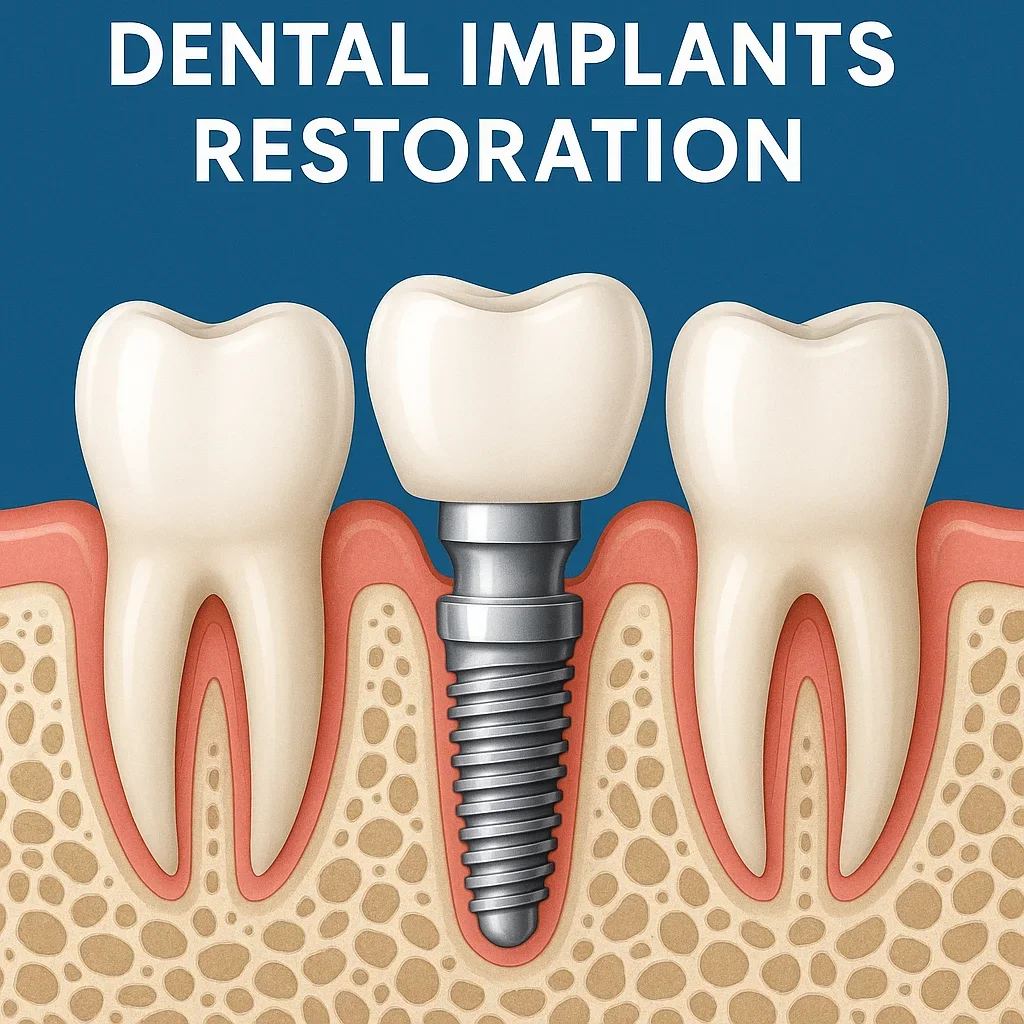
In simple terms, dental implants restoration involves surgically placing a titanium post into the jawbone to act as a natural tooth root. This post fuses with the bone through a process called osseointegration, creating a strong foundation for a custom-made crown, bridge, or denture. Unlike removable dentures that may slip or irritate gums, implants are fixed permanently, providing stability and comfort. The crown placed on top is designed to match the color and shape of your natural teeth, resulting in a flawless appearance that feels and functions like a real tooth.
One of the main reasons dental implants restoration is so popular among both patients and dentists is its remarkable success rate — typically over 95%. This success is largely due to the high biocompatibility of titanium, the precision of modern implant techniques, and the customized nature of each treatment plan. Each restoration is designed to fit your bite, jaw shape, and gum line perfectly, ensuring aesthetic harmony and comfort. In most cases, patients report that they forget they even have an implant because it feels so natural.
Another key advantage of dental implants restoration is how it supports long-term bone health. When you lose a tooth, the jawbone underneath begins to deteriorate over time due to lack of stimulation. Dental implants prevent this by mimicking the function of natural roots, stimulating bone tissue and preserving facial structure. This not only keeps your jaw strong but also prevents the sunken facial appearance often associated with missing teeth. Over the years, this makes dental implants a much more stable and healthy investment compared to bridges or dentures.
Many people wonder if the dental implants restoration process is painful or complicated. In reality, most patients experience minimal discomfort. Thanks to advanced imaging, digital planning, and sedation dentistry, the procedure is safer and faster than ever. After placement, a short healing period allows the implant to integrate with the bone. Once stable, a custom crown is attached to complete the restoration. This crown is crafted using durable, aesthetic materials like porcelain or zirconia, ensuring both function and beauty for years to come.
It’s important to note that not everyone is immediately ready for dental implants restoration. Some patients may require preparatory procedures such as bone grafting or sinus lifting if there isn’t enough bone mass to support the implant. However, these additional treatments greatly improve the chances of success and ensure long-term implant stability. Regular follow-ups and proper oral hygiene, such as brushing twice daily and routine professional cleanings, are essential for maintaining the restoration in excellent condition.
From an aesthetic perspective, dental implants restoration provides one of the most natural-looking results available in modern dentistry. Each restoration is designed with digital scans and shade-matching systems to ensure perfect integration with your existing teeth. Whether you’re restoring a single tooth or a full arch, the final outcome restores confidence in your smile and allows you to eat, speak, and laugh without worry. In fact, many patients describe the experience as “life-changing” because it renews both their oral function and self-esteem.
In addition to cosmetic and functional benefits, dental implants restoration also has a significant psychological impact. Missing teeth can affect speech, diet, and even social interactions. By restoring your teeth with implants, you regain not just a smile but also a sense of normalcy and confidence. This contributes to overall well-being and quality of life — factors that are often overlooked but deeply valued by patients after the treatment.
If you’re considering Redent Klinik Contact Page, you can connect with experts who specialize in advanced implant dentistry and customized restorations. The clinic offers comprehensive evaluations, digital planning, and follow-up care designed to achieve perfect aesthetic and functional results. For professional guidelines and research-based standards, you can also refer to the American Dental Association, which provides valuable insights into the latest implant technologies and safety protocols.
In conclusion, dental implants restoration is more than just a cosmetic treatment — it’s a medical advancement that restores both function and confidence. It ensures strong bone support, long-lasting stability, and a radiant smile that looks completely natural. Whether you need one implant or a full-mouth restoration, this solution offers a lifelong improvement in oral health, appearance, and comfort. By choosing an experienced dental team and maintaining good hygiene, you can enjoy the benefits of dental implants for decades, making it a true investment in your health and happiness. 🌟
What Is Dental Implants Restoration and How Does It Work?
When people lose one or more teeth, it can have a lasting effect on their appearance, confidence, and oral health. 🦷 Thankfully, dental implants restoration provides a revolutionary solution designed to replace missing teeth with a structure that looks, feels, and functions like the original. Unlike removable dentures or conventional bridges, dental implants are securely anchored in the jawbone, offering long-term durability and natural aesthetics. But what exactly is dental implants restoration, and how does it work? Let’s explore this life-changing procedure step by step.
Understanding the Core Concept of Dental Implants Restoration
The foundation of dental implants restoration lies in its ability to mimic the natural anatomy of a tooth. A dental implant is essentially an artificial root made of titanium or zirconia, materials known for their strength and biocompatibility. This artificial root is surgically embedded into the jawbone, where it fuses with the bone through a process called osseointegration. Once integration is complete, the implant becomes as stable as a natural tooth root, ready to support a customized dental crown, bridge, or denture.
This combination of a solid foundation (implant) and a lifelike prosthetic (crown or bridge) creates what dentists call a restoration. The result is a replacement tooth that functions just like a natural one—allowing patients to chew, smile, and speak with confidence. Most importantly, it prevents the jawbone from deteriorating, which commonly happens when teeth are missing for extended periods.
The Main Components of Dental Implants Restoration
Every dental implants restoration consists of three essential parts, each serving a unique function in ensuring the implant’s success:
1. The Implant Fixture
This is the actual post inserted into the jawbone. Made primarily of titanium, it acts as a root substitute. Its surface is designed to integrate with the bone, forming a solid bond that can last a lifetime with proper care.
2. The Abutment
Once the implant has fused with the jawbone, an abutment is attached. This small connector serves as the bridge between the implant fixture and the final crown. Abutments are typically made of titanium, zirconia, or gold and are customized to fit perfectly under the gum line.
3. The Crown or Prosthetic
The crown, bridge, or denture placed on top completes the dental implants restoration. It’s crafted from high-quality materials like porcelain, zirconia, or ceramic, ensuring a natural color match and optimal strength. Modern CAD/CAM technology allows dentists to design these crowns digitally for an exact fit and appearance.
The Step-by-Step Process of Dental Implants Restoration
While the exact procedure may vary depending on individual needs, the overall process generally includes the following stages:
1. Consultation and Planning
The journey begins with a thorough evaluation that includes dental imaging (such as 3D cone-beam CT scans), medical history review, and bite analysis. This step helps the dentist design a customized treatment plan tailored to your anatomy and oral health needs.
2. Implant Placement Surgery
During this minimally invasive procedure, the dentist places the titanium post directly into the jawbone under local anesthesia or mild sedation. Thanks to modern digital navigation tools, the positioning is incredibly precise, reducing healing time and discomfort.
3. Healing and Osseointegration
After placement, a healing phase of three to six months allows the implant to fuse naturally with the bone. This process, known as osseointegration, is crucial for stability and ensures the restoration will function like a real tooth. Temporary crowns may be provided during this period to maintain aesthetics.
4. Abutment Placement and Crown Restoration
Once integration is complete, the abutment is attached, and impressions are taken to craft the final crown. The permanent crown is then securely fixed onto the abutment, finalizing the dental implants restoration process. The end result is a natural, fully functional tooth replacement that can last decades with proper care.
Advantages of Choosing Dental Implants Restoration
Beyond aesthetics, dental implants restoration provides numerous health and lifestyle benefits:
- ✅ Prevents bone loss and maintains facial structure.
- ✅ Restores natural chewing and speech functions.
- ✅ Eliminates the discomfort and insecurity of removable dentures.
- ✅ Offers durability—most implants last 20 years or more.
- ✅ Improves self-confidence and overall quality of life.
Additionally, dental implants restoration helps preserve the alignment of surrounding teeth by filling gaps and preventing unwanted shifting. This means your bite remains balanced, which protects your jaw joints and prevents future dental complications.
Is Everyone a Candidate for Dental Implants Restoration?
While most adults with missing teeth can benefit from dental implants restoration, ideal candidates should have good oral hygiene, healthy gums, and sufficient bone density. If the bone is too thin or weak, bone grafting may be required before implant placement. Patients with conditions like uncontrolled diabetes or heavy smoking habits might need special evaluation, as these can affect healing and implant success rates. Nevertheless, advances in modern dentistry have made implants possible for more people than ever before.
Long-Term Success and Care
To ensure lasting results, patients must commit to proper oral care and regular dental checkups. Brushing, flossing, and professional cleanings are essential for preventing gum inflammation and maintaining the integrity of the implant. Regular visits allow your dentist to monitor the restoration, ensuring that the crown remains tight, clean, and functional. When well-maintained, dental implants restoration can last a lifetime — a true investment in health and confidence.
For expert guidance and customized treatment options, visit the Redent Klinik Contact Page to schedule a consultation with experienced implant specialists. You can also explore further professional insights from the American Dental Association, which provides valuable standards and research on implant procedures and oral health best practices.
In summary, dental implants restoration represents a breakthrough in modern restorative dentistry, combining technology, biology, and artistry to create the most natural tooth replacement possible. By understanding how it works—from implant placement to final restoration—you can make a confident, informed decision that benefits your smile and health for decades to come. 🌟
Top Benefits of Dental Implants Restoration for Oral Health
The benefits of dental implants restoration go far beyond simply filling the gaps left by missing teeth. They restore strength, beauty, and confidence — all while supporting the long-term health of your mouth and jaw. In modern dentistry, implants are widely considered the gold standard of tooth replacement, surpassing bridges and dentures in both functionality and durability. Let’s explore in depth why dental implants restoration offers unparalleled advantages for your oral health, overall well-being, and quality of life. 🌟
1. Preservation of Jawbone and Facial Structure
One of the most crucial benefits of dental implants restoration is its ability to preserve the jawbone. When a tooth is lost, the underlying bone begins to resorb due to lack of stimulation. Over time, this can cause the jaw to shrink and facial features to sag, creating a prematurely aged appearance. Dental implants act like natural tooth roots — they stimulate bone cells and prevent bone loss. This process, known as osseointegration, allows the implant to fuse with the bone, maintaining its density and shape.
Unlike removable dentures that sit on top of the gums and can accelerate bone loss, dental implants provide the stability and functional load your jaw needs to stay strong. This not only enhances facial aesthetics but also supports a healthy bite alignment and prevents other teeth from shifting out of place.
2. Natural Appearance and Superior Aesthetics
Another significant advantage of dental implants restoration is the incredibly natural look it provides. Modern implants are designed to mimic the translucency, shape, and color of real teeth. The crown that sits atop the implant is custom-made to match your smile perfectly. Whether you’re speaking, laughing, or eating, no one will notice the difference between your implant and your natural teeth.
Advanced digital imaging and 3D design tools ensure that every crown fits seamlessly into your mouth. This level of precision enhances not only your appearance but also your confidence — you can smile freely knowing your restoration looks and feels completely natural.
3. Restored Function and Improved Chewing Ability
Chewing efficiently is vital for proper digestion and nutrition. When teeth are missing, chewing becomes difficult, leading to dietary restrictions or digestive issues. Dental implants restoration restores the full strength of your bite, allowing you to enjoy your favorite foods without hesitation. Because implants are anchored firmly into the bone, they provide the same power and stability as natural teeth — no slipping, no clicking, no discomfort.
Better Nutrition Through Better Chewing
Being able to chew properly means you can eat a wider variety of healthy foods like fruits, vegetables, nuts, and meats. This contributes to overall well-being, ensuring that your body receives the essential nutrients it needs. In this way, dental implants restoration supports not just oral health, but also systemic health by promoting better nutrition.
4. Long-Term Durability and Cost Efficiency
Although the initial investment in dental implants restoration may seem higher compared to dentures or bridges, the long-term cost efficiency is undeniable. Traditional restorations often require replacement every 5–10 years due to wear, gum recession, or bone loss. Dental implants, on the other hand, can last a lifetime with proper care. The titanium post becomes a permanent part of your jaw, and the crown can easily be replaced if needed without disturbing the implant itself.
This longevity makes dental implants one of the most cost-effective restorative options over time. Fewer replacements, fewer adjustments, and minimal maintenance mean you save both time and money while enjoying consistent comfort and aesthetics.
5. Protection of Adjacent Teeth
Unlike traditional dental bridges that require grinding down neighboring teeth for support, dental implants restoration leaves surrounding teeth completely untouched. Each implant stands independently, providing a strong base without relying on adjacent teeth. This preserves the natural tooth structure and prevents long-term complications such as enamel weakening or root exposure. Healthy neighboring teeth remain strong and stable, which contributes to an overall healthier mouth.
6. Enhanced Oral Hygiene and Maintenance
Keeping your mouth clean is simple with dental implants restoration. Since implants function just like natural teeth, you can brush and floss as usual without needing special adhesives or soaking solutions. Unlike removable dentures that can trap bacteria, implants eliminate issues like gum irritation, mouth sores, or infections caused by poor fit.
Daily Hygiene Tips for Implant Success
- 🪥 Brush twice a day using a soft-bristled toothbrush.
- 🧵 Floss gently around the implant and abutment using implant-safe floss.
- 🧼 Use an antibacterial mouthwash to reduce plaque buildup.
- 🦷 Schedule professional cleanings every six months for optimal maintenance.
With these habits, patients can enjoy decades of healthy function and aesthetics from their dental implants restoration.
7. Improved Speech and Confidence
Missing teeth or unstable dentures often cause speech problems, such as slurring or mumbling. Dental implants restoration eliminates this issue by providing a stable, permanent structure that allows for natural speech. You can pronounce words clearly and speak confidently without worrying about dentures shifting or clicking. For many patients, this renewed confidence extends beyond speech — it transforms their self-image and overall happiness.
8. Psychological and Social Benefits
The emotional impact of tooth loss is often underestimated. It can lead to self-consciousness, anxiety, or even social withdrawal. Restoring your smile with dental implants restoration can have a profound psychological effect — improving mood, self-esteem, and social interaction. Smiling more often releases endorphins, boosts confidence, and positively affects both personal and professional relationships.
9. Supports Long-Term Oral Health
Unlike other restorative methods that may weaken over time, dental implants restoration strengthens your overall oral health. It prevents bone deterioration, stabilizes your bite, and maintains healthy gum tissue. Because implants integrate with the jawbone, they distribute chewing forces evenly, reducing strain on remaining natural teeth and jaw joints. This leads to better oral function and fewer dental complications over the years.
To explore professional consultation and personalized care, visit the Redent Klinik Contact Page. The clinic’s experienced dental specialists provide state-of-the-art implant solutions that prioritize patient safety and satisfaction. For additional professional resources, refer to the American Dental Association to learn about scientific standards and guidelines for implant care.
In conclusion, dental implants restoration is not just a cosmetic enhancement — it’s a medical advancement that protects, restores, and sustains your oral health for life. From preserving jawbone density to enhancing speech and confidence, it remains the most comprehensive solution for those seeking a functional and beautiful smile. 🌿
Common Challenges and Solutions in Dental Implants Restoration
While dental implants restoration is one of the most successful and reliable procedures in modern dentistry, it is not entirely free of challenges. Understanding the potential issues and their proven solutions can help patients make informed decisions and ensure long-term success. Most complications are rare and preventable when treatment is properly planned and performed by experienced specialists. In this section, we’ll explore the most common challenges associated with dental implants restoration — along with detailed insights on how modern dentistry effectively overcomes them. 🦷
1. Bone Loss and Insufficient Bone Density
One of the most frequent challenges in dental implants restoration is insufficient jawbone density. The implant’s stability depends heavily on having enough healthy bone for anchorage. When bone volume is low due to previous tooth loss, periodontal disease, or aging, placing an implant directly may not be possible.
Solution: Bone Grafting and Guided Bone Regeneration
Modern dentistry offers several advanced techniques to rebuild bone before implant placement. Bone grafting involves adding bone material — either synthetic, autogenous (from the patient), or allogenic (from a donor) — to strengthen the jaw structure. Over a few months, this graft integrates naturally with the existing bone, creating a solid foundation for implants. Another approach, known as guided bone regeneration (GBR), uses a barrier membrane to protect the graft area and stimulate natural bone growth. These procedures significantly enhance the success rate of dental implants restoration.
2. Gum Health and Peri-Implantitis
Just like natural teeth, implants can be affected by gum-related problems. One major concern is peri-implantitis — a bacterial infection that causes inflammation of the gum and bone tissue surrounding an implant. If left untreated, it may lead to implant loosening or failure.
Solution: Regular Hygiene and Professional Maintenance
Maintaining excellent oral hygiene is critical to preventing peri-implantitis. Brushing twice daily, flossing around the implant, and using antibacterial mouthwash help reduce bacterial buildup. Professional cleanings at least twice a year allow the dentist to monitor the implant and remove plaque from hard-to-reach areas. If an infection occurs, early intervention through scaling, laser therapy, or antimicrobial treatments can stop the progression and protect the implant.
3. Implant Misalignment or Poor Placement
Improper implant positioning can affect both the function and aesthetics of dental implants restoration. A poorly aligned implant may interfere with chewing, speech, or bite alignment and can also make the crown look unnatural.
Solution: Digital Planning and Guided Surgery
Today’s dentists use 3D imaging and computer-guided surgery to ensure perfect precision during implant placement. This technology allows for virtual planning of the entire procedure, including the exact depth, angle, and position of the implant. By transferring this plan into surgery via a surgical guide, dentists can eliminate guesswork and ensure predictable, accurate results. This advanced digital workflow dramatically reduces complications and ensures that each dental implants restoration aligns perfectly with the patient’s bite and smile design.
4. Implant Failure or Rejection
Although the success rate for dental implants is over 95%, failures can occasionally occur due to infection, poor osseointegration, or uncontrolled systemic conditions like diabetes or smoking habits. These factors can prevent the implant from properly bonding with the bone, resulting in early failure.
Solution: Proper Assessment and Post-Operative Care
Before beginning treatment, patients undergo a full medical and dental evaluation. This includes assessing bone density, gum condition, and general health status. Controlling chronic conditions like diabetes, quitting smoking, and maintaining healthy habits before and after surgery can significantly improve healing. If an implant does fail, re-implantation can be performed after the area heals and stabilizes. With proper post-operative care, the new dental implants restoration can achieve lasting success.
5. Aesthetic Complications in the Smile Zone
When implants are placed in the front teeth, achieving perfect aesthetics can be challenging. Issues like gum recession, crown color mismatch, or incorrect contouring may affect the final appearance of the smile.
Solution: Custom Abutments and Digital Smile Design
Modern dental implants restoration relies on advanced aesthetic planning tools such as Digital Smile Design (DSD). This system allows dentists to simulate the final appearance before treatment begins, ensuring symmetry and harmony with facial features. Custom abutments and crowns made from zirconia or ceramic can be shaped and colored precisely to match natural teeth. These techniques ensure a beautiful, seamless restoration that blends perfectly with surrounding teeth and gums.
6. Nerve Sensitivity or Discomfort
Occasionally, patients may experience mild nerve irritation after surgery, especially in lower jaw implant placements. This is typically temporary and subsides as healing progresses.
Solution: Accurate Imaging and Minimally Invasive Surgery
High-resolution CBCT (Cone Beam Computed Tomography) scans help map out nerve pathways before surgery, allowing dentists to avoid critical structures. In addition, minimally invasive surgical techniques reduce trauma, promote faster healing, and minimize postoperative discomfort. These modern approaches ensure that dental implants restoration remains a safe and pain-free experience for most patients.
7. Mechanical or Technical Issues
Over time, wear and tear may cause the implant crown or abutment screw to loosen or fracture. This issue often arises from excessive biting forces, bruxism (teeth grinding), or uneven stress distribution.
Solution: Regular Checkups and Bite Adjustment
Routine dental visits allow early detection of mechanical issues. Dentists can check the integrity of the abutment screw, replace worn-out crowns, and adjust bite alignment to balance chewing forces. For patients with bruxism, using a custom night guard can prevent undue pressure and extend the life of the dental implants restoration. Proper monitoring ensures the restoration remains stable and functional for decades.
8. Allergic Reactions or Material Sensitivity
Though rare, some patients may experience sensitivity to titanium or other materials used in implants.
Solution: Alternative Materials and Testing
Before proceeding, dentists can perform biocompatibility tests to identify any allergies. For sensitive individuals, zirconia implants serve as a metal-free alternative offering similar strength and aesthetic advantages. This ensures that everyone can safely benefit from dental implants restoration regardless of material preferences.
9. Psychological Concerns and Fear of Surgery
Dental anxiety remains a common barrier for many patients considering implants. The thought of surgery can cause stress and hesitation, even though the procedure is minimally invasive and highly predictable today.
Solution: Sedation Dentistry and Patient Education
Modern clinics use gentle sedation methods, such as conscious sedation or nitrous oxide, to ensure comfort during the procedure. Educating patients about each step, showing before-and-after results, and maintaining open communication help build trust and reduce anxiety. At clinics like Redent Klinik Contact Page, patients receive personalized support from consultation to recovery, ensuring a calm and confident experience.
For more detailed professional information on safety standards and implant success rates, refer to the American Dental Association. They offer scientific research and recommendations that guide best practices for dental implants restoration globally.
In conclusion, while challenges can occasionally arise in dental implants restoration, advancements in digital planning, surgical precision, and material science have made them highly manageable. With careful evaluation, personalized treatment, and regular professional care, implants deliver life-changing results that last for decades. By addressing each potential obstacle proactively, both patients and dentists can ensure a smooth, predictable, and successful implant journey. 💪
Comparing Dental Implants Restoration with Other Tooth Replacement Options
When it comes to replacing missing teeth, patients today have more choices than ever before — from removable dentures to bridges and advanced dental implants restoration. Each option serves a different purpose and varies in terms of comfort, cost, longevity, and aesthetics. However, understanding how dental implants restoration compares with traditional solutions is essential for making the right decision. In this section, we’ll take a deep dive into the similarities, differences, and advantages of each tooth replacement option — helping you see why implants are the gold standard in modern restorative dentistry. 🦷
1. Dental Implants vs. Traditional Dentures
Dentures have been used for centuries as a simple and affordable way to replace missing teeth. They rest on top of the gums and can replace several teeth or even a full arch. However, despite technological improvements, they still come with significant limitations compared to dental implants restoration.
Fit, Comfort, and Functionality
Removable dentures often shift or move while eating or speaking, which can cause discomfort, gum irritation, or embarrassment. In contrast, dental implants restoration is anchored securely into the jawbone, providing unmatched stability. You can chew confidently, laugh freely, and enjoy all your favorite foods without worrying about slippage.
Bone Health and Facial Structure
One of the biggest drawbacks of dentures is bone resorption — the gradual shrinking of the jawbone due to lack of stimulation. This leads to facial sagging and frequent denture adjustments. Dental implants solve this issue by stimulating the bone just like natural roots, preserving facial contours and preventing bone loss.
Longevity and Maintenance
Dentures typically last around 5 to 8 years before needing replacement or adjustment. In contrast, dental implants restoration can last a lifetime with proper care. Cleaning implants is as simple as brushing and flossing, while dentures require daily removal, cleaning solutions, and adhesives.
2. Dental Implants vs. Dental Bridges
Dental bridges were once the preferred fixed option for replacing one or more missing teeth. They rely on adjacent healthy teeth for support by shaving them down and attaching a prosthetic bridge between them. While bridges can provide a fast and effective solution, they have several long-term disadvantages when compared with dental implants restoration.
Tooth Preservation
Unlike bridges, dental implants do not require the alteration of healthy neighboring teeth. Each implant stands independently, preserving natural tooth structure and reducing the risk of decay or nerve damage. In contrast, bridges weaken surrounding teeth over time, often leading to secondary problems that require further treatment.
Durability and Aesthetic Integration
Bridges typically last 10–15 years, whereas dental implants restoration can endure for decades or even a lifetime. Implant-supported crowns are also designed using digital scanning technology to achieve perfect color matching and contouring, offering a more natural and harmonious smile. Bridges, on the other hand, can sometimes appear artificial or leave gaps at the gumline over time.
Cost Efficiency Over Time
Although dental bridges may have a lower initial cost, their limited lifespan means they often need replacement later, increasing the overall expense. Dental implants require a higher initial investment but offer far greater value in the long run. Once placed, they rarely need replacement, making them a one-time solution for permanent tooth restoration.
3. Dental Implants vs. Partial Dentures
Partial dentures are often used to replace a few missing teeth. They are removable, cost-effective, and easy to produce. However, their comfort and long-term impact on oral health don’t compare favorably to dental implants restoration.
Comfort and Fit
Partial dentures rely on metal clasps or attachments to stay in place, which can feel bulky or irritate surrounding gums. Dental implants, by contrast, integrate directly into the bone and feel completely natural. They restore proper bite balance, preventing strain on other teeth and jaw joints.
Speech and Stability
Because partial dentures can move slightly during talking or chewing, they may affect speech clarity. Dental implants restoration eliminates this problem entirely, allowing clear pronunciation and stable jaw alignment. Patients with implants often report an immediate improvement in both speech and confidence.
4. Full-Mouth Restoration Options
Patients missing all or most of their teeth may be candidates for full-mouth rehabilitation. The choice typically comes down to full dentures, implant-supported overdentures, or full-arch dental implants restoration (such as All-on-4 or All-on-6 systems).
Implant-Supported Overdentures
These restorations combine the benefits of dentures and implants. A few strategically placed implants are used to stabilize a removable denture, improving retention and comfort. While not as permanent as fixed restorations, they still offer better chewing function and stability than conventional dentures.
All-on-4 and All-on-6 Implant Systems
These advanced systems involve placing 4 or 6 implants per jaw to support a full arch of fixed teeth. They deliver the highest level of stability, aesthetics, and function. The result is a completely restored smile that looks natural, feels strong, and lasts for decades. This is the ultimate form of dental implants restoration for patients with extensive tooth loss.
5. Aesthetic and Psychological Differences
While all tooth replacement options aim to restore function, only dental implants restoration provides both emotional and aesthetic benefits that mimic natural teeth. The permanent, natural-looking design of implants helps rebuild confidence, self-esteem, and social comfort — benefits that removable restorations cannot fully achieve. Patients often describe the feeling as “getting their real teeth back.”
6. Oral Health and Hygiene Comparison
Maintaining oral hygiene is simpler with implants. Since dental implants restoration functions like natural teeth, regular brushing and flossing are sufficient. Dentures and bridges, however, require additional care to prevent trapped food particles and bacterial buildup. Over time, improper cleaning can cause gum irritation, decay under bridge crowns, and oral infections. Implants significantly reduce these risks while supporting healthier gums and jawbone structure.
7. Longevity and Lifestyle Adaptability
Dental implants are designed for permanence. Patients can eat, speak, and smile without restrictions. Dentures and bridges may impose dietary limits and periodic adjustments. Implants integrate seamlessly into daily life, requiring no special adhesives or cleaning rituals. For active individuals, dental implants restoration provides the freedom and comfort that other options cannot match.
For professional consultation and tailored recommendations, visit the Redent Klinik Contact Page, where expert implantologists provide customized treatment plans suited to each patient’s needs. You can also learn more about evidence-based standards for dental implants by visiting the American Dental Association, which offers trusted research and clinical guidelines.
In summary, while dentures and bridges have their place, dental implants restoration stands out as the superior choice in nearly every category — from stability and aesthetics to long-term oral health. By investing in implants, you invest in a lifetime of confident smiles, optimal function, and sustainable dental wellness. 🌿
The Role of Bone Grafting and Healing in Dental Implants Restoration
Successful dental implants restoration depends greatly on the health and density of the jawbone. The bone serves as the foundation that supports the implant, ensuring its long-term stability and functionality. However, when tooth loss occurs, the jawbone in that area begins to deteriorate — a natural process known as bone resorption. Over time, this can make it difficult to place implants securely. That’s where bone grafting and proper healing come into play. This section explains how bone grafting strengthens the foundation for implants, the biological process of healing, and how these elements together ensure the lasting success of dental implants restoration. 🦷
1. Understanding Bone Loss After Tooth Loss
When a natural tooth is removed or lost, the jawbone no longer receives stimulation from chewing forces transmitted through the root. This lack of activity causes the bone to weaken and shrink. Studies show that within the first year of tooth loss, patients can lose up to 25% of bone volume in the affected area. As time goes on, this bone loss continues, making it more difficult to anchor a dental implant securely. Without sufficient bone structure, the implant may fail to integrate properly, affecting both function and aesthetics.
How Bone Density Impacts Dental Implants Restoration
For dental implants restoration to succeed, there must be enough bone to support the implant post and distribute biting forces evenly. Insufficient bone can result in loosening, discomfort, or even implant failure. Therefore, one of the first steps in treatment planning is assessing bone density using advanced imaging such as CBCT (Cone Beam Computed Tomography). These scans allow dentists to measure bone height, width, and quality before recommending bone grafting if necessary.
2. What Is Bone Grafting and When Is It Needed?
Bone grafting is a surgical procedure that rebuilds or adds bone tissue to areas with insufficient volume. It prepares the jaw to receive an implant securely and ensures proper osseointegration — the process where the implant fuses with the bone. Bone grafting is typically required in the following scenarios:
- 🦴 Significant bone loss due to long-term tooth absence
- 🩸 Damage caused by gum disease or infection
- ⚙️ Bone resorption following trauma or injury
- 🦷 Patients with congenital bone deficiencies or sinus expansion in the upper jaw
Types of Bone Grafts Used in Dental Implants Restoration
There are several types of graft materials available for dental implants restoration, each chosen based on the patient’s needs and medical background:
- Autograft – Bone harvested from the patient’s own body (typically from the chin or hip). Offers excellent compatibility and high success rates.
- Allograft – Bone taken from a human donor, sterilized, and processed for safety and effectiveness.
- Xenograft – Bone derived from an animal source (commonly bovine), used to create a natural scaffold for new bone growth.
- Alloplastic Graft – A synthetic material made from biocompatible substances such as hydroxyapatite or calcium phosphate.
Each of these materials serves the same purpose — to stimulate the body’s natural bone regeneration process and create a sturdy base for implants.
3. The Bone Grafting Procedure: Step by Step
The bone grafting process for dental implants restoration is usually performed under local anesthesia and follows a few key steps:
- Initial Assessment: The dentist examines the affected area using 3D imaging to determine the extent of bone loss.
- Graft Placement: A small incision is made in the gum tissue, and the graft material is placed onto the deficient bone area.
- Membrane Coverage: A protective membrane may be placed over the graft to secure it and guide natural bone growth.
- Healing Period: Over several months, the graft fuses with the natural bone, forming a stable base for the implant.
Patients usually experience minimal discomfort after the procedure, and healing is closely monitored through follow-up visits. Once the new bone has matured, the implant placement phase begins.
4. Healing and Osseointegration: The Key to Success
Healing plays a crucial role in the overall success of dental implants restoration. After the implant is placed into the jaw, a biological process called osseointegration begins. During this phase, bone cells attach directly to the implant’s surface, locking it firmly in place. This typically takes between three to six months, depending on the patient’s bone quality and overall health.
Factors Affecting Healing Time
Several factors influence how quickly and effectively the bone and implant fuse:
- 🩸 Bone Quality: Denser bone tends to heal faster and integrate more strongly.
- 💊 Patient Health: Conditions such as diabetes or smoking habits can delay healing.
- 🦠 Oral Hygiene: Clean, infection-free conditions promote better integration.
- 🧬 Implant Material and Surface: Modern titanium and zirconia implants are designed to encourage rapid osseointegration.
Proper healing ensures that the implant becomes a permanent part of the jaw, capable of supporting crowns or bridges for decades.
5. Sinus Lifting: Special Consideration for Upper Jaw Implants
In the upper jaw, particularly near the molar area, there is sometimes not enough bone because the sinus cavity occupies part of the space. In such cases, a sinus lift is performed — a procedure that raises the sinus membrane and adds bone graft material beneath it. This increases bone height and allows secure placement of implants, making sinus lifts an integral part of advanced dental implants restoration.
6. Post-Graft Care and Recovery
After bone grafting, maintaining proper care is crucial for healing and long-term success. Patients are advised to avoid smoking, maintain a soft diet, and follow all postoperative care instructions. Regular checkups allow the dentist to evaluate bone integration and determine the right time to proceed with implant placement. Any swelling or minor discomfort typically resolves within a few days, and complete healing occurs over several months.
7. The Connection Between Bone Health and Implant Longevity
Healthy bone equals a healthy implant. Without a strong foundation, even the most advanced dental implants restoration may not last as expected. Bone grafting ensures that the implant receives the necessary structural support to withstand daily forces from chewing and speaking. Moreover, bone density directly influences aesthetic outcomes — ensuring that the gums and smile line look natural and symmetrical.
For expert guidance on bone grafting and advanced implant care, patients can reach out via the Redent Klinik Contact Page. Their team specializes in 3D planning, grafting, and full-mouth dental implants restoration procedures. Additionally, detailed research on surgical protocols and bone regeneration can be found at the American Dental Association, which provides evidence-based clinical resources for both dentists and patients.
In conclusion, bone grafting and healing are the unsung heroes of successful dental implants restoration. By restoring lost bone and ensuring proper integration, they create the foundation for strong, beautiful, and lifelong smiles. Through advanced technology and precise surgical methods, today’s implantology makes it possible for nearly anyone — even those with severe bone loss — to regain full dental function and confidence. 🌿
Cost Factors and Financing Options for Dental Implants Restoration
The cost of dental implants restoration can vary significantly from one patient to another. This is because every smile, bone structure, and clinical need is unique. Factors such as the number of implants, the materials used, bone grafting requirements, and the dentist’s expertise all influence the final investment. However, while the price of implants may seem higher initially than other treatments, their long-term durability, aesthetics, and functionality make them the most cost-effective choice over time. In this section, we’ll explore the key cost factors, common price ranges, and financing options available to make dental implants restoration accessible and affordable for everyone. 💎
1. Major Cost Components of Dental Implants Restoration
The total price of dental implants restoration depends on several interrelated elements. Each component plays a crucial role in ensuring both the clinical success and the aesthetic outcome of the treatment.
Implant Fixture and Abutment
The implant fixture (the titanium or zirconia post placed in the jaw) and the abutment (the connector between the implant and the crown) together represent a major portion of the overall cost. Titanium implants are slightly more affordable and have an excellent success record, while zirconia implants, known for their metal-free and aesthetic benefits, tend to be priced higher.
Dental Crown or Prosthetic
The visible part of the dental implants restoration — the crown — is custom-made from durable materials such as porcelain, zirconia, or ceramic. The cost varies based on the material’s strength, translucency, and customization level. High-end zirconia crowns that mimic the natural enamel perfectly can increase the overall expense but deliver superior long-term results.
Diagnostics and Imaging
Before any implant surgery, detailed diagnostic imaging is required. 3D cone-beam CT scans, X-rays, and digital impressions are used to plan the implant’s position precisely. These tests typically represent a small but essential part of the cost, ensuring the safety and precision of the dental implants restoration.
Bone Grafting or Sinus Lift
For patients lacking adequate bone volume, bone grafting or sinus lift procedures may be necessary. These preparatory treatments add to the overall cost but are critical for ensuring long-term implant stability. The price of grafting depends on the amount of material required and the complexity of the procedure.
2. Cost Breakdown by Type of Dental Implants Restoration
Different types of implant restorations come with varying price ranges based on their complexity:
- Single Tooth Implant: Typically ranges from $1,500 to $3,000 per implant (excluding the crown).
- Implant-Supported Bridge: For multiple missing teeth, costs can range from $4,000 to $12,000 depending on the number of implants required.
- All-on-4 or All-on-6 Full Arch Implants: These advanced restorations can range between $15,000 and $30,000 per arch, providing a complete set of permanent teeth.
- Bone Grafting or Sinus Lift (if needed): Adds approximately $500 to $2,000 to the total treatment cost.
It’s important to note that these are general estimates and can vary by region, clinic, and materials used. At specialized clinics such as Redent Klinik Contact Page, patients receive personalized cost breakdowns based on their exact clinical situation and desired outcome.
3. Factors That Influence the Cost of Dental Implants Restoration
Number of Implants Needed
Replacing a single missing tooth will obviously cost less than restoring an entire arch. However, full-arch procedures like All-on-4 can be more economical per tooth since fewer implants support a complete prosthesis.
Location and Clinic Expertise
Costs may differ based on the clinic’s location and the dentist’s qualifications. Clinics in metropolitan areas or those led by implant specialists with years of experience may charge more but often deliver superior precision, aesthetics, and durability for your dental implants restoration.
Implant Brand and Technology
Not all implants are created equal. Premium brands use advanced surface technology that accelerates bone integration and minimizes healing time. Although they may be slightly more expensive, they often reduce the risk of long-term complications, making them a smart investment.
Additional Procedures and Aftercare
Tooth extraction, temporary crowns, sedation, or post-operative medications can also contribute to the overall cost. Follow-up appointments and routine maintenance ensure lasting success and are typically included in comprehensive implant packages.
4. Why Dental Implants Are Worth the Investment
While other restorative treatments such as dentures or bridges might seem cheaper initially, they often require regular adjustments or replacements. Over a 20-year period, these recurring costs can exceed the one-time investment in dental implants restoration. Moreover, implants protect bone health, prevent tooth shifting, and restore natural function, making them not just a cosmetic fix but a medical improvement in quality of life.
Beyond the numbers, the emotional and psychological value of having a stable, beautiful smile is priceless. Patients often report improved confidence, easier eating, better speech, and a positive impact on their personal and professional lives.
5. Financing and Payment Options
Many dental clinics offer flexible payment plans to make dental implants restoration accessible to everyone. These options allow patients to spread payments over several months or years, making it easier to manage their budget while receiving top-quality care.
Common Financing Solutions
- 💳 In-House Payment Plans: Many clinics offer interest-free monthly installment options for eligible patients.
- 🏦 Third-Party Financing: Dental financing companies like CareCredit or local equivalents allow patients to pay over time with minimal interest.
- 🧾 Insurance Assistance: While most standard insurance plans may not cover implants fully, they often cover related procedures such as extractions, diagnostics, or crowns.
- 🌍 Dental Tourism Packages: Clinics in countries like Turkey offer comprehensive implant treatment packages that include travel, accommodation, and full-mouth restoration at globally competitive rates.
These financing models have made dental implants restoration attainable for thousands of patients who once considered it out of reach.
6. Cost Transparency and Consultation
Reputable clinics provide clear cost estimates before any procedure begins. This includes a breakdown of each phase — from surgery to crown placement — ensuring no hidden fees. At Redent Klinik Contact Page, consultations include 3D imaging, digital smile design, and a detailed explanation of all financial options, ensuring transparency and confidence throughout your implant journey.
7. Global Perspective: Comparing International Costs
In countries like the United States, dental implants restoration can be costly due to high operational and material expenses. However, in countries such as Turkey, patients can receive world-class care at a fraction of the cost — often 50–70% less — without compromising quality. This has made Turkey a leading destination for international patients seeking premium dental implants restoration with advanced technology and personalized care.
For reference and professional standards on cost and procedure ethics, the American Dental Association provides valuable insights into treatment planning, patient rights, and quality assurance in restorative dentistry.
In conclusion, while the cost of dental implants restoration depends on various clinical and personal factors, its long-term benefits far outweigh the investment. From restoring confidence to improving oral health, implants offer an enduring solution that enhances both lifestyle and well-being. With flexible payment options and transparent pricing, achieving a beautiful, lasting smile has never been more accessible. 🌿
Post-Procedure Care: Ensuring Long-Term Success of Dental Implants Restoration
The journey of dental implants restoration doesn’t end once the implant is placed and the crown is attached — proper post-procedure care is the key to ensuring its long-term success. While implants are designed to last a lifetime, their durability depends on how well they’re maintained during the healing phase and beyond. This section provides a complete guide to post-surgical care, hygiene routines, diet recommendations, and professional maintenance strategies that keep your dental implants healthy, functional, and beautiful for decades. 🦷
1. The Critical Healing Period After Dental Implants Restoration
After implant surgery, the body begins the process of osseointegration, where bone cells attach firmly to the implant surface. This is one of the most important stages in dental implants restoration. During this period, which typically lasts between 3 and 6 months, the implant stabilizes and becomes part of the jawbone. Proper care during this phase directly affects the success rate and longevity of the restoration.
Immediate Post-Surgery Guidelines
- 🩹 Avoid touching or disturbing the surgical site for the first 24 hours.
- 🧊 Apply cold compresses to reduce swelling in the first 48 hours.
- 🛌 Rest and avoid strenuous activities for at least 48–72 hours.
- 🚭 Refrain from smoking, as nicotine restricts blood flow and slows healing.
- 💧 Stay hydrated but avoid using straws, as suction can dislodge the blood clot.
Following these instructions minimizes inflammation and encourages proper healing, creating a stable foundation for the implant to bond securely with the bone.
2. Oral Hygiene Practices for Dental Implants Restoration
Once healing begins, maintaining excellent oral hygiene becomes the cornerstone of long-term success. Implants, like natural teeth, require consistent care to prevent bacterial buildup and gum inflammation.
Daily Cleaning Routine
- 🪥 Brush twice a day with a soft-bristled toothbrush to protect the gum tissue.
- 🧵 Floss daily using implant-safe dental floss or interdental brushes to clean around the implant base.
- 🧼 Rinse with a non-alcoholic, antibacterial mouthwash to eliminate bacteria and keep breath fresh.
- 🦷 Use a water flosser to gently remove debris from around the crown and abutment.
Proper hygiene not only prevents peri-implant diseases like mucositis or peri-implantitis but also ensures that your dental implants restoration maintains its shine and stability for many years.
3. Managing Discomfort and Swelling
Mild swelling or soreness after surgery is completely normal. This typically subsides within a few days as healing progresses. Over-the-counter pain relievers such as ibuprofen can be used under your dentist’s recommendation. Patients should avoid pressing or biting hard on the implant area during this stage to allow uninterrupted recovery.
When to Contact Your Dentist
If you experience prolonged pain, excessive swelling, or persistent bleeding beyond 72 hours, it’s important to contact your implant specialist. Early intervention helps prevent complications and ensures the ongoing health of your dental implants restoration.
4. Diet and Nutrition During the Healing Phase
Your diet plays a significant role in promoting faster healing after dental implants restoration. Eating the right foods and avoiding certain habits can prevent damage and speed up recovery.
Recommended Foods
- 🥣 Soft foods like soups, mashed potatoes, and yogurt during the first week.
- 🥑 Nutrient-rich meals containing vitamins A, C, and D to support tissue repair.
- 🥛 Protein-based foods such as eggs, fish, and smoothies for muscle and bone regeneration.
Foods to Avoid
- 🚫 Hard or crunchy items like nuts and chips that may irritate the surgical site.
- 🍬 Sticky foods such as caramel or chewing gum, which can dislodge healing tissue.
- ☕ Hot drinks or spicy foods immediately after surgery, as they may increase bleeding.
As healing progresses, patients can gradually return to their regular diet, but maintaining caution during the early weeks is crucial for a stable dental implants restoration.
5. Avoiding Common Post-Implant Risks
Even though implant surgery has a high success rate, improper aftercare can lead to complications such as infection, gum irritation, or implant mobility. The most common issues arise from poor hygiene, smoking, or ignoring professional advice. Avoiding these risk factors and following your dentist’s recommendations will safeguard your restoration for decades.
6. Regular Dental Checkups and Professional Maintenance
Routine dental visits are essential for maintaining the longevity of dental implants restoration. Professional cleanings every six months allow your dentist to remove plaque and monitor the health of the gums and bone structure around the implant. During these visits, X-rays may be taken to confirm that the implant remains stable and the bone continues to support it properly.
Professional Care Checklist
- ✔️ Check for signs of gum inflammation or tissue recession.
- ✔️ Tighten abutments or crowns if needed.
- ✔️ Evaluate bite alignment to prevent uneven pressure.
- ✔️ Polish the implant crown to maintain its natural shine.
Neglecting follow-up visits can allow minor issues to develop into larger problems. Consistent professional care ensures that your investment in dental implants restoration delivers a lifetime of confident smiles.
7. Long-Term Lifestyle Tips
Long-term success also depends on healthy daily habits. Patients should limit alcohol intake, avoid grinding their teeth (bruxism), and wear a night guard if recommended. If you participate in contact sports, wearing a mouthguard will protect both natural teeth and implants from impact damage.
It’s also beneficial to maintain a balanced diet rich in calcium and phosphorus, as these minerals strengthen bone tissue around the implants. A healthy lifestyle supports the biological foundation of your dental implants restoration, ensuring durability and function for many years.
8. Recognizing Early Warning Signs
Being proactive can prevent complications. Warning signs such as bleeding gums, persistent bad breath, sensitivity, or movement of the crown should be evaluated immediately. Early detection and treatment can often resolve minor issues before they become major problems. Modern clinics use laser therapy, ultrasonic cleaning, and non-invasive treatments to restore gum health without discomfort.
9. The Psychological and Functional Rewards of Proper Aftercare
Patients who follow proper aftercare routines experience both physical and emotional rewards. They regain natural chewing ability, clear speech, and a confident smile — all of which contribute to an improved quality of life. Maintaining your dental implants restoration properly also prevents future dental expenses and discomfort, making it a lifelong investment in well-being.
For tailored post-treatment advice and professional aftercare, visit the Redent Klinik Contact Page. Their implant experts provide personalized care plans to ensure smooth recovery and long-term implant health. For trusted global dental standards, the American Dental Association offers comprehensive resources on post-surgical care, oral hygiene, and implant maintenance best practices.
In conclusion, consistent aftercare and professional supervision are what transform a successful surgery into a lifelong success story. With regular maintenance, healthy habits, and expert follow-up, your dental implants restoration can stay as strong, natural, and radiant as the day it was placed. 🌿
Common Problems and Complications After Dental Implants Restoration
While dental implants restoration boasts an impressive success rate of over 95%, it’s important to understand that complications can occasionally occur. Awareness of potential problems — along with their prevention and management — is vital for maintaining long-term implant health. From mild gum irritation to rare cases of implant failure, each issue has its own causes, warning signs, and solutions. This comprehensive section explores the most common post-implant complications, how to identify them early, and what steps both patients and professionals can take to ensure lasting success. 🦷
1. Early Healing Complications
The initial weeks following dental implants restoration are crucial for healing and osseointegration. During this time, the bone and implant form a strong biological bond. However, improper care or underlying health conditions can delay or disrupt this process.
Post-Surgical Inflammation and Bleeding
Mild swelling, redness, or minor bleeding are normal after implant surgery. These symptoms typically subside within a few days as the body heals. However, if bleeding persists for more than 48 hours or swelling intensifies, it may indicate infection or poor healing response. In such cases, immediate clinical evaluation is essential to prevent bacterial spread and protect the stability of the implant.
Infection (Peri-Implant Mucositis)
Early-stage infection, known as mucositis, occurs when bacteria accumulate around the gum tissue near the implant. Symptoms include redness, tenderness, and mild discharge. Fortunately, mucositis is reversible if treated promptly through professional cleaning and improved oral hygiene. If ignored, it can progress to a more severe condition called peri-implantitis — a leading cause of implant failure.
2. Late-Stage Complications and Their Causes
Months or even years after surgery, some patients may experience issues related to the mechanical or biological components of their dental implants restoration. These complications often result from excessive bite force, gum disease, or neglected maintenance.
Peri-Implantitis: The Most Serious Threat
Peri-implantitis involves deep infection and inflammation that lead to bone loss around the implant. It is typically caused by bacterial buildup, smoking, diabetes, or poor oral hygiene. Symptoms include bleeding gums, bad breath, discomfort while chewing, or even visible bone exposure in severe cases. Advanced stages require professional intervention, including laser cleaning, bone regeneration procedures, or in rare cases, implant removal and replacement.
Implant Loosening or Movement
A successful dental implants restoration should feel just like a natural tooth — stable and solid. Any sensation of movement or instability signals a problem. Loosening can occur if osseointegration fails or if there is mechanical stress on the implant. In such cases, dentists may retighten or replace the abutment screw, adjust the crown, or, in severe cases, remove and reinsert the implant after bone grafting.
3. Mechanical Failures and Technical Issues
Not all implant complications are biological — some are mechanical. Understanding these issues helps patients recognize when to seek professional repair rather than ignore minor discomforts.
Fractured Abutments or Screws
Implant components such as screws and abutments are made from high-grade titanium, but excessive force or poor alignment can cause them to fracture. This typically happens when patients grind their teeth (bruxism) or chew very hard foods. Protective night guards and regular bite evaluations help prevent such damage and preserve the integrity of the dental implants restoration.
Cracked or Chipped Crowns
The visible crown can crack due to trauma or prolonged wear. Porcelain and zirconia crowns are strong but not indestructible. Dentists can usually repair or replace the crown without disturbing the implant itself. Using a mouthguard during sports and avoiding biting hard objects like ice or pens helps maintain crown longevity.
4. Gum Recession and Aesthetic Concerns
Sometimes, even when the implant is functionally successful, aesthetic issues arise due to gum recession. The gums may pull back slightly, revealing the metallic part of the implant or creating uneven gum lines. This can result from brushing too hard, bone thinning, or improper implant placement. Mild cases can be corrected through soft tissue grafts, which restore the natural gum contour and improve the appearance of the dental implants restoration.
How to Prevent Gum Recession
- 🪥 Use a soft-bristled toothbrush and gentle circular motions.
- 🧴 Avoid aggressive whitening products that irritate gums.
- 💧 Keep hydration levels high to maintain healthy gum elasticity.
- 🩺 Attend regular dental cleanings for early detection of gum issues.
5. Sinus-Related Problems (For Upper Jaw Implants)
For implants placed in the upper jaw, proximity to the sinus cavity can occasionally cause complications. If the implant protrudes too far, it may lead to sinus discomfort, headaches, or mild nasal pressure. These rare issues can be prevented by accurate pre-surgical imaging and, if necessary, sinus lift surgery before implant placement. Clinics like Redent Klinik Contact Page specialize in advanced sinus grafting and 3D planning to prevent such complications and ensure precision in every dental implants restoration.
6. Nerve Irritation and Sensitivity
In some cases, improper implant depth can lead to nerve irritation, causing tingling, numbness, or slight pain in the surrounding area. This issue is more common in the lower jaw, where nerves are closer to the surface. With modern digital surgical guides, the risk of nerve involvement during dental implants restoration has been greatly minimized. Any persistent sensitivity should be evaluated immediately by an implant specialist.
7. Preventive Measures for Long-Term Success
Most implant complications are preventable with proactive care. Patients can significantly reduce risks by maintaining daily oral hygiene, attending regular checkups, and following dietary and lifestyle recommendations. Smoking cessation, balanced nutrition, and consistent professional cleaning are all proven to extend the lifespan of dental implants restoration.
Professional Maintenance and Monitoring
- 🧾 Schedule biannual professional cleanings and digital X-rays.
- 🔬 Ensure that implant crowns are checked for proper alignment.
- 🦠 Address any signs of plaque buildup promptly to prevent infection.
- 🪥 Reinforce home care habits with personalized dental hygiene instruction.
8. The Role of Patient Education and Follow-Up
One of the strongest predictors of implant success is how well-informed the patient is. Understanding potential risks encourages responsible behavior and faster intervention. Reputable clinics invest in patient education before and after surgery, ensuring individuals know how to recognize warning signs and maintain optimal oral health. The American Dental Association also provides trusted resources for patients and dentists on identifying and managing implant-related complications.
9. When to Seek Immediate Help
While most symptoms such as mild discomfort or swelling are normal, others — including severe pain, visible pus, or implant movement — require urgent attention. Early detection and prompt professional care can save the implant and prevent further issues. Delaying treatment may lead to irreversible bone loss or implant failure.
For expert diagnostics and corrective procedures, patients can reach out to the Redent Klinik Contact Page, where advanced imaging and minimally invasive treatments restore both comfort and stability.
In conclusion, understanding the potential challenges of dental implants restoration empowers patients to act quickly, protect their investment, and enjoy the long-term benefits of a confident, healthy smile. With modern technology, skilled professionals, and proper maintenance, even the rare complications associated with implants can be successfully prevented or resolved — ensuring a lifetime of function and beauty. 🌿
Future Innovations and Technologies in Dental Implants Restoration
The field of dental implants restoration has evolved tremendously over the past few decades. From traditional titanium implants to advanced digital-guided surgeries, the innovations in dental technology continue to improve precision, comfort, and long-term success rates. These new developments are transforming the way dentists plan, perform, and maintain implant treatments — offering patients faster healing, more natural aesthetics, and even fully personalized digital smiles. 🌍 This section explores the cutting-edge technologies shaping the future of dental implants restoration and what patients can expect in the years ahead.
1. Digital Dentistry and 3D Imaging Revolution
One of the most impactful breakthroughs in modern dental implants restoration is the integration of digital dentistry tools. Advanced 3D imaging technologies, such as CBCT (Cone Beam Computed Tomography) and intraoral scanners, allow dentists to visualize a patient’s mouth with remarkable detail and accuracy.
Precision Planning and Virtual Surgery
Through digital software, clinicians can plan the entire implant procedure virtually before surgery. This includes simulating implant positions, angulation, and depth to ensure perfect alignment with the bone and soft tissues. These digital blueprints significantly reduce risks and improve implant longevity. Guided surgery based on this technology results in predictable outcomes and minimal discomfort for patients undergoing dental implants restoration.
Customized Surgical Guides
3D printing technology now enables the creation of patient-specific surgical guides. These guides help position implants with exact precision, reducing surgical time and post-operative recovery. The combination of digital imaging and 3D printing has made implant placement more accurate than ever before.
2. Innovative Implant Materials: Beyond Titanium
While titanium remains the gold standard for dental implants, new materials are emerging to meet aesthetic and biological demands. Zirconia, for instance, offers a metal-free alternative with superior gum compatibility and natural translucency. Patients sensitive to metals or seeking a completely white implant solution are increasingly choosing zirconia-based dental implants restoration.
Hybrid Materials for Enhanced Strength
Recent research has focused on hybrid titanium-zirconium alloys that combine strength with improved biocompatibility. These materials promote faster osseointegration and reduce inflammation risks. As innovations progress, the industry is moving toward lighter, stronger, and more natural-looking solutions that redefine the boundaries of implant technology.
3. Immediate Load Implants and Same-Day Restorations
Traditionally, patients had to wait several months after implant placement before receiving their final crown. However, the advent of immediate load implants has revolutionized treatment timelines. In this method, a temporary crown is attached to the implant on the same day of surgery, allowing patients to leave the clinic with a complete smile. 🕒
This approach requires careful planning and strong bone support, but advancements in surgical accuracy and implant surface technology have made it a reliable option for many. Same-day dental implants restoration procedures significantly boost patient confidence and convenience while maintaining high success rates.
4. AI and Machine Learning in Implant Dentistry
Artificial intelligence is playing a growing role in dental implants restoration. AI-driven diagnostic tools can analyze radiographs and 3D scans to identify bone quality, nerve pathways, and optimal implant positions. This eliminates human error and enhances treatment planning accuracy.
Predictive Analytics for Treatment Outcomes
AI algorithms can predict how an implant will integrate based on patient-specific data such as bone density, oral hygiene habits, and systemic health. This predictive capability helps dentists select the best implant type and placement strategy for long-term success. Furthermore, AI tools are also being used for real-time surgical guidance, improving intraoperative safety and efficiency.
5. Regenerative Medicine and Bioactive Coatings
Regenerative medicine is another exciting frontier in dental implants restoration. Scientists are developing bioactive implant surfaces that promote faster bone cell attachment and healing. These advanced coatings — often made with calcium phosphate, hydroxyapatite, or growth factors — enhance osseointegration and reduce healing time.
Stem Cell-Based Bone Regeneration
In the near future, dental surgeons may use stem cells to rebuild jawbone tissue naturally before implant placement. Clinical trials are already demonstrating how stem-cell-enhanced bone grafts can achieve superior results, particularly for patients with severe bone loss. This innovation holds tremendous promise for expanding implant eligibility to individuals who were once considered unsuitable candidates for dental implants restoration.
6. The Rise of Robotic-Assisted Implant Surgery
Robotic technology is bringing unprecedented precision to implant placement. Robots equipped with advanced sensors and real-time tracking systems assist surgeons in drilling and placing implants with sub-millimeter accuracy. This reduces surgical fatigue, ensures consistent outcomes, and minimizes trauma to surrounding tissues.
Robotic systems are currently being used in leading dental centers to enhance the predictability and safety of complex dental implants restoration cases, particularly for full-arch or multi-implant treatments.
7. The Role of Nanotechnology in Implant Dentistry
Nanotechnology is redefining how implants interact with human tissue. By engineering implant surfaces at the nanoscale, scientists can influence cell behavior, accelerating healing and integration. Nano-textured implants improve bone bonding and reduce bacterial adhesion, resulting in longer-lasting restorations with fewer complications.
Smart Implants: The Next Step
The next generation of implants may include sensors that monitor stress, temperature, and osseointegration progress. These “smart” implants could transmit data to the dentist, allowing early detection of issues before symptoms appear. This level of interactivity marks a transformative step in the evolution of dental implants restoration.
8. Digital Smile Design (DSD) and Aesthetic Enhancements
Modern implantology isn’t just about function — aesthetics are equally important. Digital Smile Design software enables dentists to visualize the final smile before treatment even begins. Using facial scans and 3D modeling, patients can see how their restored teeth will look and approve the design before the procedure. This patient-centered approach ensures satisfaction and boosts confidence in the outcome of dental implants restoration.
9. Sustainable and Eco-Friendly Implant Practices
As sustainability becomes a global concern, dental clinics are adopting eco-friendly approaches in manufacturing and sterilization. Biodegradable packaging, reusable surgical instruments, and energy-efficient sterilization systems are being integrated into implant practices. Ethical sourcing of materials and digital workflows also reduce waste and environmental impact, making the future of dental implants restoration more sustainable.
10. The Future: Personalized, Painless, and Predictable
The ultimate goal of technological progress in dental implants restoration is to make the process faster, safer, and completely tailored to each patient. With the fusion of 3D printing, AI, robotics, and biological engineering, implants will soon be fully customized — from design to healing response. Patients can expect shorter surgeries, same-day results, and restorations that mimic the natural feel and appearance of real teeth with near-perfect accuracy.
For patients interested in exploring advanced implant solutions, the Redent Klinik Contact Page offers consultations using state-of-the-art 3D diagnostics, digital smile design, and minimally invasive technologies. Meanwhile, professionals can stay updated on global implant standards and innovations by visiting the American Dental Association, a leading authority on research and safety in implant dentistry.
In summary, the future of dental implants restoration is an exciting fusion of science and artistry. With continuous innovation — from smart materials and AI to regenerative medicine — patients can look forward to faster recovery, superior comfort, and smiles that are indistinguishable from nature itself. The next decade promises a world where losing a tooth no longer feels permanent but simply another opportunity for renewal and perfection. 🌿