
Are you dreaming of restoring your confident smile with strong, natural-looking teeth? 🦷 Welcome to the ultimate guide on dental implants services — your one-stop solution for permanent tooth replacement. In today’s world of advanced dentistry, implants have revolutionized the way we restore smiles. Whether you’ve lost a single tooth, multiple teeth, or need a full-mouth reconstruction, dental implants services offer unmatched durability, function, and aesthetics.
At its core, a dental implant is an artificial tooth root — typically made of titanium — that is surgically inserted into your jawbone. Once placed, it serves as a stable foundation for crowns, bridges, or dentures. Over time, the implant fuses naturally with the bone through a process called osseointegration. This creates a secure anchor, allowing your new teeth to function and feel just like natural ones. Unlike removable dentures, which can shift or cause discomfort, dental implants stay firmly in place, giving you confidence when eating, speaking, or smiling.
The growing popularity of dental implants services is no coincidence. More than 3 million people in the United States alone have dental implants, and the number continues to rise each year. According to the American Dental Association, implants have a success rate of over 95%, making them one of the most reliable long-term dental solutions available today. 🌟
Why Dental Implants Services Are the Gold Standard in Tooth Replacement
Traditional tooth replacement options like bridges and dentures have their place, but they often come with limitations — such as bone loss, gum irritation, and difficulty maintaining proper hygiene. Dental implants services, on the other hand, not only replace missing teeth but also preserve jawbone density and facial structure. When a tooth is lost, the underlying bone begins to deteriorate due to lack of stimulation. An implant mimics the root of a natural tooth, keeping the bone healthy and preventing premature aging of facial features.
Another reason patients prefer implants is their superior comfort and convenience. Since they’re permanently anchored, you can eat your favorite foods — from crisp apples to juicy steaks — without worry. Implants don’t require adhesives or special cleaning solutions. You simply brush and floss as you would your natural teeth, maintaining optimal oral hygiene with ease.
The Components of a Dental Implant
To understand how dental implants services work, it helps to break down the three essential parts of an implant:
- Implant Fixture: The titanium post that integrates with your jawbone, serving as the artificial tooth root.
- Abutment: A connector that links the implant fixture to the prosthetic tooth or crown.
- Crown: The visible part of the restoration, crafted from porcelain or zirconia to match your natural teeth.
Each component plays a vital role in creating a durable, natural-looking result. The implant fixture provides strength, the abutment ensures stability, and the crown restores your smile’s aesthetic beauty.
Who Is an Ideal Candidate for Dental Implants?
Not everyone is immediately eligible for dental implants services, but most healthy adults can benefit. Ideal candidates are individuals who:
- Have one or more missing teeth
- Have sufficient jawbone density to support the implant
- Maintain good oral hygiene
- Do not suffer from uncontrolled diabetes or severe gum disease
- Are non-smokers or willing to quit during the healing process
For those with bone loss, additional procedures like bone grafting or sinus lifts can help create a stable foundation for implant placement. Thanks to advancements in digital imaging and 3D planning, dentists can precisely assess your jaw structure before starting the procedure, ensuring predictable and successful outcomes.
Longevity and Maintenance
When properly cared for, dental implants services can last a lifetime. The titanium used is biocompatible, meaning your body naturally accepts it without adverse reactions. Regular checkups every six months, along with proper brushing and flossing, can help maintain your implants for decades. Many patients report that after a few months, they forget which teeth are implants because they feel completely natural!
In contrast, traditional bridges typically last 7–10 years, and dentures may require frequent adjustments. Investing in dental implants services may seem more expensive initially, but in the long run, it’s often more cost-effective because of its longevity and minimal maintenance requirements.
Why Choose a Certified Clinic for Dental Implants Services?
Selecting the right dental professional makes all the difference. A certified implant specialist uses advanced diagnostic tools, high-quality materials, and strict sterilization protocols. When performed at trusted clinics like Redent Klinik Contact Page, you can rest assured that your procedure will meet international dental standards. These clinics offer personalized treatment plans, ensuring that every implant fits harmoniously with your unique facial structure and bite alignment.
Cost Transparency and Global Options
On average, dental implants services in the U.S. can range from $2,000 to $4,500 per implant, depending on location, materials, and the complexity of the procedure. In dental tourism destinations like Turkey, patients can expect the same world-class quality for up to 70% less, making it an increasingly popular choice among international patients. Clinics often provide comprehensive packages including 3D scans, surgery, crown placement, and post-operative care.
Average Cost Comparison (2025):
USA 🇺🇸: $3,500 – $4,500 per implant
UK 🇬🇧: £2,000 – £3,000 per implant
Turkey 🇹🇷: €700 – €1,200 per implant
As you continue reading, this guide will explore the benefits, types, and procedures involved in dental implants services, helping you make a confident and informed decision about your oral health journey. 🌍✨
What Are Dental Implants Services and How Do They Work?
Dental implants services represent one of the most transformative innovations in modern dentistry. 🦷 These services involve the surgical placement of artificial tooth roots made from biocompatible materials—most commonly titanium or zirconia—into the jawbone to replace missing teeth permanently. Once placed, these implants provide a stable foundation for crowns, bridges, or dentures, effectively restoring function and aesthetics for patients of all ages.
Understanding the Science Behind Dental Implants
The core principle of dental implants services is based on a biological process called osseointegration. This is where the implant post fuses naturally with the surrounding jawbone over a few months, creating a bond strong enough to support artificial teeth that feel, look, and function just like real ones. This fusion is what makes dental implants far more stable and durable than removable dentures or traditional bridges. The process not only restores your bite strength but also prevents bone loss—a major concern when a tooth is missing for an extended period.
In a typical procedure, your dentist or oral surgeon begins by creating a small incision in the gum tissue to expose the bone. A precise hole is drilled, and the implant fixture is inserted into this space. Afterward, a healing cap is placed to protect the implant while it integrates with the bone. Once healing is complete, a custom-made crown is attached to the abutment, finalizing your new, natural-looking smile. 😁
The Three Main Phases of Dental Implants Services
1. Consultation and Planning
Before any surgical work begins, a detailed consultation and examination take place. This involves 3D imaging, dental X-rays, and a full evaluation of your oral and general health. Your dentist will assess jawbone density, gum condition, and bite alignment. This is a crucial step, as every dental implants service must be tailored to your anatomy for optimal results. In cases where bone volume is insufficient, procedures such as bone grafting or sinus lifting might be required to ensure stability and long-term success.
2. Surgical Placement and Healing
During the surgical phase, the titanium implant is placed into the jawbone under local anesthesia or mild sedation for maximum comfort. Most patients report minimal discomfort, similar to a routine dental extraction. The healing phase, or osseointegration, typically lasts three to six months, depending on your health and bone condition. During this time, the implant becomes securely anchored within the bone, acting as a substitute for a natural root.
3. Final Restoration and Follow-Up
After successful integration, a connector piece called an abutment is attached, and a custom crown or bridge is mounted on top. These restorations are designed using digital impressions to match the color, shape, and size of your existing teeth. Once completed, patients can eat, speak, and smile confidently, enjoying the full benefits of dental implants services for years or even decades to come. Regular follow-ups help ensure the implant remains healthy and well-maintained.
Why Dental Implants Outperform Traditional Solutions
When comparing dental implants services to alternatives like removable dentures or bridges, several critical advantages stand out. Implants preserve jawbone density, while dentures can accelerate bone resorption due to lack of stimulation. Unlike bridges that require adjacent teeth to be filed down for support, implants are self-sufficient and protect the integrity of neighboring teeth. They also provide superior stability, eliminating the worry of slipping dentures or chewing restrictions.
Functionally, implants restore up to 90% of your natural biting and chewing strength—far more than other replacements. Aesthetically, they blend seamlessly into your smile, maintaining natural contours and preventing the “sunken face” appearance that often occurs after long-term tooth loss. 🌟
Who Provides Dental Implants Services?
Dental implants services are performed by highly trained professionals such as oral surgeons, periodontists, or implant-certified general dentists. These specialists undergo advanced surgical training to ensure that every stage—from bone assessment to final restoration—is handled with precision and safety. At trusted international clinics such as Redent Klinik Contact Page, patients benefit from state-of-the-art technology, including 3D cone-beam CT scans and guided implant surgery. These innovations minimize human error, enhance placement accuracy, and promote faster healing times.
Safety and Success Rates of Dental Implants
Modern dental implants services boast an impressive success rate of 95–98%. The titanium or zirconia materials used are fully biocompatible, meaning the body naturally accepts them without allergic reactions. Moreover, advancements in digital planning, surgical guides, and immediate-load implant techniques have significantly improved outcomes. Even patients with complex oral histories—such as gum recession or bone loss—can achieve lasting results with the right pre-treatment protocols.
Post-Surgical Healing and Maintenance
Proper care is vital during recovery. Dentists usually recommend soft foods for the first few days, followed by gradual reintroduction of regular meals. Maintaining excellent oral hygiene is non-negotiable: brushing twice daily, flossing around the implant crown, and using antibacterial mouthwash all help prevent infection. Routine dental visits every six months ensure early detection of potential issues and long-term implant success.
Emotional and Psychological Impact
The benefits of dental implants services extend beyond physical restoration. Missing teeth can cause self-consciousness, speech difficulties, and reduced quality of life. Patients frequently report improved confidence, enhanced social interactions, and overall emotional well-being after implant placement. Smiling freely without fear of embarrassment contributes to better mental health and self-esteem—an often overlooked but vital aspect of oral rehabilitation. 💫
Cost and Value Perspective
While initial costs for dental implants services may seem high, their long-term value outweighs most alternatives. Implants rarely need replacement, while dentures and bridges typically require ongoing repairs. Considering durability, appearance, and quality of life improvements, implants are a worthwhile investment. According to global dental research and the American Dental Association, patients experience the best functional and aesthetic outcomes when implants are placed by qualified professionals using top-tier materials.
In essence, dental implants services combine the art and science of modern dentistry to deliver life-changing results. By replacing lost teeth with stable, long-lasting restorations, these services empower individuals to live, eat, and smile without compromise. 🌍✨
Top Benefits of Choosing Professional Dental Implants Services
When it comes to restoring your smile, dental implants services stand out as the most reliable, long-term, and natural-looking solution available today. 🦷 These advanced treatments go far beyond simple tooth replacement — they restore function, confidence, and overall quality of life. Whether you’ve lost a tooth due to decay, injury, or aging, choosing professional dental implants services ensures precision, safety, and superior outcomes that last for decades.
1. Unmatched Durability and Longevity
Unlike traditional bridges or dentures that may need replacement every few years, dental implants services are designed to last a lifetime when properly cared for. The titanium or zirconia implant posts fuse with the jawbone through osseointegration, creating a stable and permanent bond. Because the implant acts as a natural tooth root, it provides a strong foundation that remains solid for decades. Clinical studies show that 90–95% of implants remain functional even after 20 years — making them a smart, one-time investment in oral health and confidence. 💪
2. Natural Look and Feel
One of the top reasons patients opt for dental implants services is the incredibly natural result. Each implant crown is custom-made using digital impressions to match your existing teeth’s color, shape, and alignment. Once placed, the implant blends seamlessly with your natural teeth — so much so that even you might forget which one is artificial. This natural integration helps restore a confident smile while maintaining a balanced facial structure, unlike dentures that can cause sagging over time.
3. Restored Functionality and Comfort
Implants feel, look, and function just like real teeth. You can bite into your favorite foods — apples, nuts, or even steak — without worrying about slipping dentures or discomfort. Since dental implants services are securely anchored in your jawbone, they eliminate the need for adhesives or special cleaning routines. You can brush and floss them just like natural teeth, ensuring easy maintenance and a hygienic oral environment.
4. Bone Preservation and Jaw Health
When you lose a tooth, the jawbone beneath it starts to deteriorate due to lack of stimulation. Over time, this bone loss can alter your facial appearance and lead to premature aging. Dental implants services effectively prevent this process by mimicking the role of natural tooth roots. The implant transfers bite force into the bone, keeping it active and dense. This bone-preserving benefit makes implants superior to dentures and bridges, which do nothing to maintain jaw integrity.
How Bone Preservation Works
The science is simple: when pressure is applied during chewing, it stimulates bone cells (osteoblasts) to regenerate. Without that stimulation, resorption begins, and bone density declines. Dental implants services restore this natural biological process, keeping your facial structure intact and preventing the “sunken” look often associated with tooth loss.
5. Improved Speech and Confidence
Loose or ill-fitting dentures can cause speech difficulties, leading to mumbling or clicking sounds while talking. With dental implants services, you regain the clarity and confidence to speak naturally again. The secure fit eliminates any movement, allowing your tongue and lips to function normally. Many patients report that implants not only improved their pronunciation but also restored their self-esteem and willingness to engage socially. 🗣️✨
6. Enhanced Oral Health and Hygiene
Traditional bridges require grinding down neighboring teeth to anchor the replacement. This process weakens surrounding enamel and can lead to long-term sensitivity. In contrast, dental implants services leave adjacent teeth untouched, promoting better oral health overall. Furthermore, since implants are easy to clean, they reduce the risk of gum disease and decay. Flossing between implant crowns is just as simple as with natural teeth, which helps maintain healthy gums and fresh breath.
7. Long-Term Cost Efficiency
While the upfront cost of dental implants services may seem higher than other options, the long-term savings are substantial. Bridges and dentures often require adjustments, relines, or replacements over time, adding up to significant expenses. Implants, however, are a one-time investment that can last for life with minimal maintenance. Over a 20-year period, the cost per year of implants becomes much lower than that of traditional prosthetics — making them a financially sound decision for those seeking durability and comfort.
Average Lifetime Cost Comparison
| Treatment Type | Initial Cost | Average Lifespan | Estimated Lifetime Cost |
|---|---|---|---|
| Dentures | $1,000 – $2,000 | 5–7 years | $6,000 – $8,000 |
| Dental Bridge | $2,000 – $3,000 | 10–15 years | $5,000 – $7,000 |
| Dental Implants | $2,500 – $4,500 | 25+ years | $2,500 – $4,500 (one-time) |
8. Prevention of Facial Collapse and Premature Aging
Loss of teeth leads to progressive bone resorption, causing cheeks to appear hollow and lips to collapse inward. This not only affects appearance but also contributes to signs of premature aging. Dental implants services counteract this by maintaining bone mass and supporting facial tissues. Patients often notice that their overall facial contours look fuller and more youthful after implant treatment — a rejuvenating effect that goes beyond dental restoration.
9. Boosted Emotional and Psychological Health
A healthy smile plays a vital role in emotional well-being. Patients who undergo dental implants services often experience increased self-confidence, reduced anxiety in social situations, and greater satisfaction with their appearance. Restoring lost teeth brings back the ability to smile freely, improving overall happiness and mental wellness. Psychological studies consistently show that smiling releases endorphins, which reduce stress and elevate mood — yet another reason why implants offer life-changing results.
10. Backed by Scientific Evidence and Global Standards
The safety and effectiveness of dental implants services are supported by decades of clinical research and approval from organizations such as the American Dental Association. With a global success rate exceeding 95%, implants are recognized as the gold standard for tooth replacement. Choosing a professional clinic like Redent Klinik Contact Page ensures that patients receive care aligned with international dental standards, cutting-edge technology, and sterilization protocols that guarantee safety and precision.
In summary, dental implants services provide more than just aesthetic improvement — they deliver a comprehensive solution that enhances health, function, and quality of life. From preserving bone structure to boosting confidence and emotional well-being, implants truly redefine what it means to have a complete, radiant smile. 🌍💎
Different Types of Dental Implants and Their Unique Advantages
Dental implants services have evolved significantly over the past few decades, offering various implant types tailored to individual patient needs. 🦷 Whether you’re missing a single tooth or require a full-mouth restoration, modern implantology provides versatile solutions that ensure functionality, comfort, and aesthetic harmony. Understanding the different types of dental implants helps patients make informed decisions and ensures long-term satisfaction with their new smile.
1. Endosteal Implants — The Most Common and Reliable Option
Endosteal implants are the most frequently used type in dental implants services. These are titanium posts or screws surgically placed into the jawbone to serve as artificial tooth roots. Once the implant integrates with the bone through osseointegration, it becomes a secure foundation for a crown, bridge, or denture. Endosteal implants are known for their exceptional stability, high success rates, and ability to mimic the strength of natural teeth.
When Are Endosteal Implants Ideal?
Patients with healthy jawbone density and good oral hygiene are excellent candidates. Since the implant must bond firmly with the bone, sufficient bone volume is crucial. Endosteal implants can replace one, several, or all missing teeth, and because of their long-term durability, they remain the preferred choice among dental professionals worldwide. According to the American Dental Association, over 80% of all dental implants services involve the endosteal method due to its predictable results and outstanding longevity.
2. Subperiosteal Implants — The Alternative for Low Bone Density
Not all patients have enough bone mass to support endosteal implants. In such cases, dental implants services may use subperiosteal implants, which rest on top of the jawbone but beneath the gum tissue. A custom metal framework supports the prosthetic teeth, offering a secure fit for individuals who cannot undergo bone grafting or prefer to avoid it.
Advantages of Subperiosteal Implants
- No need for bone grafting before placement
- Faster recovery time compared to traditional implants
- Ideal for patients with shallow jawbones or bone resorption
While subperiosteal implants may not offer the same long-term stability as endosteal types, they are a safe and effective alternative for patients who want a non-invasive yet permanent solution.
3. Zygomatic Implants — For Severe Bone Loss in the Upper Jaw
For patients with extreme bone loss in the upper jaw, zygomatic implants provide a breakthrough alternative. Instead of anchoring into the maxillary bone, these specialized implants are inserted into the cheekbone (zygomatic bone), which is naturally denser and stronger. Dental implants services involving zygomatic techniques are often performed in cases where traditional methods fail or bone grafting is not an option.
Why Choose Zygomatic Implants?
Zygomatic implants eliminate the need for bone grafting, reducing treatment time and surgical complexity. They’re particularly beneficial for full-mouth restorations or patients with long-term denture use that caused upper bone resorption. With proper placement and maintenance, these implants deliver stable and functional results comparable to conventional systems. ✨
4. Mini Dental Implants — Small but Mighty
Mini dental implants (MDIs) are smaller in diameter, typically under 3mm, and are used primarily for stabilizing lower dentures or replacing small teeth. Their minimally invasive nature makes them an attractive option for patients seeking affordable and quicker treatment. Dental implants services featuring mini implants often require no sutures, allowing faster healing and immediate improvement in denture stability.
Key Benefits of Mini Dental Implants
- Reduced surgical time and faster recovery
- Lower cost compared to traditional implants
- Ideal for patients with limited bone availability
- Immediate functionality in many cases
Though mini implants are less invasive, they may not offer the same longevity as full-sized ones. They are, however, an excellent temporary or semi-permanent option for patients with limited budgets or medical conditions preventing standard surgery.
5. All-on-4 and All-on-6 Implant Systems
For patients missing all teeth in one or both jaws, the dental implants services known as All-on-4 or All-on-6 provide complete restoration with minimal implants. Using just four or six strategically placed posts, a full arch of prosthetic teeth is secured. This technique offers a cost-effective, time-saving, and aesthetically impressive result for those seeking complete smile transformation.
Advantages of All-on-4/All-on-6 Systems
- Immediate function and same-day teeth placement (“teeth-in-a-day” concept)
- Minimal bone grafting required
- Natural-looking and secure full-arch prosthetics
- Shorter recovery time and fewer appointments
These methods are especially popular in dental tourism destinations such as Turkey, where patients can receive world-class dental implants services at affordable prices. Clinics like Redent Klinik Contact Page specialize in such treatments, providing customized digital planning and guided surgery to ensure perfect precision.
6. Immediate Load (Same-Day) Implants
Immediate load implants, also known as “teeth-in-a-day,” allow for the placement of a temporary crown on the same day as surgery. Traditional methods require months of healing before the permanent crown can be attached, but this innovative approach speeds up the entire process. Dental implants services that offer immediate loading are ideal for patients with sufficient bone quality and density.
Who Qualifies for Same-Day Implants?
Not everyone qualifies for immediate load procedures. Patients must have healthy gums, adequate bone support, and no signs of infection. With proper planning and digital imaging, however, this method delivers instant cosmetic and functional improvements — perfect for those seeking fast, life-changing results.
7. Ceramic (Zirconia) Implants — The Metal-Free Alternative
As holistic dentistry gains popularity, zirconia implants have emerged as a metal-free alternative to titanium. Made entirely from biocompatible ceramic, these implants are hypoallergenic and resistant to corrosion. Dental implants services that offer zirconia options cater to patients with metal sensitivities or aesthetic concerns, as they blend seamlessly with the natural color of teeth and gums.
Benefits of Zirconia Implants
- Non-metal, hypoallergenic material
- High biocompatibility with gums and soft tissue
- Excellent aesthetic match — no dark metal shadow near gum lines
- Strong resistance to plaque buildup and corrosion
Zirconia implants are gaining traction among environmentally conscious and health-aware patients seeking natural and sustainable alternatives in modern dental implants services.
8. Custom and Hybrid Implant Solutions
Some patients require hybrid implant systems that combine different techniques to address complex oral conditions. For instance, a combination of zygomatic and conventional implants may be used in full-mouth restorations. Customized approaches ensure optimal stability, function, and appearance for each unique case.
3D-Printed and Guided Implant Systems
Advancements in dental technology now allow clinics to use 3D-printed surgical guides and custom abutments for precision placement. These innovations minimize risk, shorten treatment time, and maximize aesthetic outcomes. With expert planning, modern dental implants services can restore complete oral function with exceptional predictability and patient satisfaction.
Final Thoughts: Which Type Is Right for You?
Choosing the ideal implant depends on your oral health, bone structure, and personal goals. Consulting with a qualified implantologist ensures that your treatment plan is customized for long-term success. Each implant type offers unique advantages, but they all share one goal: restoring confidence, comfort, and a natural smile. 🌟
At certified clinics like Redent Klinik Contact Page, dental professionals use advanced imaging, surgical precision, and international standards to deliver the highest quality dental implants services. Whether you choose titanium, zirconia, or hybrid systems, you’re investing in a lifetime of better oral health and renewed self-esteem. 💎
The Step-by-Step Dental Implant Procedure Explained
Understanding the entire process of dental implants services is essential for patients planning to undergo treatment. This procedure involves several carefully coordinated stages designed to ensure safety, precision, and long-lasting results. 🦷 From initial consultation to final restoration, every step is tailored to the patient’s specific oral condition, aesthetic goals, and bone health. Below, we’ll walk through each phase of the implant journey in detail, helping you understand what to expect and how to prepare for your perfect smile.
1. Initial Consultation and Diagnostic Evaluation
The first step in professional dental implants services is a comprehensive consultation with an implant specialist. During this stage, your dentist evaluates your oral health, reviews your medical history, and determines if you’re a suitable candidate for dental implants. Modern clinics use advanced imaging technologies such as 3D Cone Beam Computed Tomography (CBCT) and digital X-rays to visualize your jawbone structure in detail.
This diagnostic phase helps assess bone density, nerve positioning, and sinus location — crucial factors for successful implant placement. If bone volume is insufficient, your dentist might recommend additional procedures like bone grafting or sinus lifting to create a stable foundation for the implants. At internationally accredited centers like Redent Klinik Contact Page, patients receive personalized treatment planning supported by cutting-edge imaging and AI-assisted design systems for maximum precision.
What to Expect During the Consultation
- Review of your dental and medical history
- Oral examination and periodontal evaluation
- 3D scanning for jawbone analysis
- Customized treatment plan with cost and time estimates
By the end of the consultation, you’ll receive a detailed roadmap outlining your entire dental implants services journey — from preparation to recovery and maintenance.
2. Pre-Surgical Preparations
Once your treatment plan is confirmed, pre-surgical preparations begin. This step ensures your mouth and overall health are ready for implant surgery. Patients are usually advised to maintain excellent oral hygiene and, if necessary, undergo deep cleaning or tooth extraction of damaged teeth. For individuals with gum disease, treatment must be completed before the implants are placed to minimize infection risks.
In some cases, temporary restorations or digital mock-ups are created to simulate your future smile. These visual tools help align your expectations with the final outcome and allow your dentist to fine-tune aesthetic details before surgery. 😁
3. Surgical Placement of the Dental Implant
This is the heart of the dental implants services process. The surgery is typically performed under local anesthesia, though sedation or general anesthesia may be used for complex cases or anxious patients. Using digital surgical guides, the dentist makes a small incision in the gum tissue and drills a precisely measured hole into the jawbone. The titanium or zirconia implant fixture — acting as an artificial tooth root — is then inserted into this space.
Procedure Duration and Comfort
The procedure for a single implant usually takes about 30–60 minutes. Most patients experience minimal discomfort and can return to normal activities within a day or two. Post-surgical swelling and mild tenderness are normal and typically subside within a few days. Cold compresses and prescribed pain relief help manage any temporary soreness.
4. Healing and Osseointegration Phase
After placement, the implant must fuse with the jawbone through a biological process called osseointegration. This stage is crucial to the long-term success of dental implants services. Over the next three to six months, bone cells gradually grow around the implant surface, securing it firmly in place. During this healing period, patients may wear temporary crowns or bridges to maintain function and aesthetics.
Tips for a Smooth Healing Process
- Avoid smoking and alcohol, as they slow down bone healing.
- Stick to soft foods and maintain proper oral hygiene.
- Attend all scheduled follow-up appointments for progress evaluation.
Many modern implant systems use surface-treated titanium to accelerate bone integration, reducing healing time and improving overall success rates. 🌟
5. Abutment Placement
Once osseointegration is complete, a small surgery is performed to attach the abutment — a connector piece that joins the implant fixture to the final crown. The gum tissue is gently reopened, the healing cap is removed, and the abutment is secured in place. After this minor procedure, the gums need about one to two weeks to heal before the permanent restoration can be fitted.
Temporary Crowns During This Stage
During gum healing, temporary crowns are often placed to protect the implant site and preserve aesthetics. This ensures you can smile and speak normally while waiting for your custom-made permanent crown to be fabricated in the dental lab.
6. Final Restoration and Crown Placement
The final step of dental implants services is the attachment of the permanent crown, bridge, or denture. The prosthetic tooth is designed using digital impressions to ensure perfect color, shape, and alignment. High-quality materials such as zirconia or porcelain fused to metal (PFM) are commonly used to achieve a natural and durable finish. The restoration is either screwed or cemented onto the abutment, completing your new smile. ✨
Customization for Aesthetic Harmony
Modern design software allows dentists to fine-tune crown details for flawless integration with your surrounding teeth. The final result not only restores function but also enhances overall facial aesthetics and self-confidence. Patients often report feeling as though they have regained their original teeth — both in appearance and comfort.
7. Post-Operative Care and Maintenance
Even after your dental implants services are complete, proper care is essential to ensure longevity. Dentists recommend regular check-ups every six months, along with consistent brushing and flossing. Specialized tools such as interdental brushes and water flossers can help clean around the implant base. Additionally, avoiding smoking and maintaining a balanced diet contribute significantly to long-term implant health.
Follow-Up Visits and Monitoring
- First follow-up: 1–2 weeks after crown placement
- Next visits: every 3–6 months for evaluation
- Annual X-rays to monitor bone stability and gum health
Well-maintained implants can last a lifetime, with success rates above 95%. Routine care ensures that your implants remain free from infection or peri-implantitis (gum inflammation around implants).
8. Cost and Timeframe Overview
The entire dental implants services process can take anywhere from three months to a year, depending on bone condition, healing time, and the number of implants required. Average costs per implant range from $2,000 to $4,500 in the U.S., while patients opting for treatment abroad — particularly in Turkey — can expect savings of up to 70% without compromising on quality. Clinics like Redent Klinik Contact Page offer comprehensive packages that include consultation, surgery, temporary crowns, and follow-up care at competitive prices.
Estimated Duration Breakdown:
Consultation & Planning: 1–2 weeks
Implant Surgery: 1 day
Healing (Osseointegration): 3–6 months
Abutment + Final Crown: 2–4 weeks
9. The Final Outcome — A Permanent, Confident Smile
After completing all stages of the dental implants services procedure, patients enjoy restored functionality, natural aesthetics, and renewed confidence. Eating, speaking, and smiling become effortless again. With proper care, implants feel identical to natural teeth and can last a lifetime. 😁
Ultimately, the dental implant journey is a blend of science, precision, and artistry — restoring not just your smile but also your quality of life. Whether you’re missing one tooth or several, investing in professional dental implants services ensures a long-term, beautiful, and healthy transformation. 🌍💎
How Much Do Dental Implants Cost in 2025?
Understanding the financial aspect of dental implants services is crucial when planning your smile restoration. 🦷 While the investment may seem significant upfront, it’s important to view dental implants as a lifelong solution that delivers unmatched comfort, durability, and confidence. In 2025, the cost of dental implants varies widely based on several factors — including geographical location, clinic quality, dentist experience, and the complexity of the procedure. This section breaks down everything you need to know about implant pricing, from basic single-tooth implants to full-mouth reconstructions.
1. Factors That Influence Dental Implant Costs
There’s no universal price tag for dental implants services because every patient’s case is unique. The total cost depends on multiple clinical and material-related factors. Understanding these components helps you make informed financial decisions and ensures transparency when comparing clinics.
Key Pricing Factors Include:
- Number of implants: The more implants required, the higher the total cost.
- Material used: Titanium implants are the standard choice, while zirconia (metal-free) implants may cost 10–20% more.
- Bone condition: Bone grafting or sinus lift procedures add to overall expenses.
- Clinic location: Prices in Western Europe and the U.S. are typically higher than in countries like Turkey or Hungary.
- Dentist expertise: Experienced implantologists may charge premium rates but offer superior precision and longevity.
- Prosthetic type: Costs differ between single crowns, implant-supported bridges, or full-arch systems like All-on-4 and All-on-6.
High-quality dental implants services include advanced 3D imaging, digital surgical guides, and custom crown fabrication — ensuring a safe, predictable, and long-lasting outcome. Skimping on quality may result in complications or additional corrective procedures down the line.
2. Average Dental Implant Prices by Region (2025 Estimates)
Implant costs can vary significantly between countries. Here’s a comparative look at 2025 pricing averages to give you a realistic overview:
| Country | Single Implant Price (USD) | All-on-4 / Full Arch Price (USD) | Notes |
|---|---|---|---|
| United States 🇺🇸 | $3,000 – $4,500 | $18,000 – $30,000 | High-quality materials, insurance rarely covers implants |
| United Kingdom 🇬🇧 | £2,000 – £3,000 | £12,000 – £20,000 | Private-only procedure; NHS coverage limited |
| Germany 🇩🇪 | €2,000 – €2,800 | €10,000 – €15,000 | Known for precision engineering and premium implant brands |
| Turkey 🇹🇷 | $700 – $1,200 | $3,500 – $7,000 | Affordable yet world-class dental implants services |
| Poland 🇵🇱 | $900 – $1,500 | $4,000 – $8,000 | Popular among EU patients for budget-friendly options |
As the table shows, dental implants services in countries like Turkey offer exceptional value, often combining cost savings with internationally certified standards. Clinics such as Redent Klinik Contact Page attract thousands of medical tourists annually by offering all-inclusive implant packages that cover consultation, imaging, surgery, and post-care follow-ups.
3. Cost Breakdown by Implant Type
Different implant types come with different pricing tiers. Here’s a detailed breakdown of what patients can expect to pay per treatment type:
- Single-tooth implant: $2,000–$4,000 (includes implant, abutment, and crown)
- Implant-supported bridge: $4,500–$7,000 (replaces multiple teeth)
- All-on-4 system: $12,000–$20,000 (per arch, using 4 implants)
- All-on-6 system: $14,000–$25,000 (per arch, with 6 implants for added support)
- Zygomatic implants: $20,000–$30,000 (for patients with severe upper jaw bone loss)
Material-Based Price Comparison
| Material | Average Cost (USD) | Durability | Notes |
|---|---|---|---|
| Titanium | $2,500 – $4,000 | 25+ years | Most widely used, proven longevity |
| Zirconia (ceramic) | $3,000 – $4,800 | 20+ years | Metal-free, ideal for aesthetic and allergy-sensitive cases |
4. Additional Procedures That Affect Total Cost
Comprehensive dental implants services often require supportive treatments to ensure implant success. These additional procedures contribute to the total investment but are essential for longevity and aesthetics.
Common Add-On Treatments:
- Bone grafting: $400–$1,200 per site — restores bone volume where loss has occurred.
- Sinus lift: $1,000–$3,000 — elevates sinus membrane to create bone space for upper implants.
- Tooth extraction: $100–$300 per tooth — prepares the site for implant placement.
- Temporary prosthesis: $300–$800 — ensures aesthetics during healing.
It’s important to remember that these additional costs are investments in the long-term stability and success of your implants. Skipping necessary procedures can compromise results and lead to complications later.
5. Insurance Coverage and Financing Options
In most countries, standard health insurance doesn’t fully cover dental implants services since implants are categorized as cosmetic or elective procedures. However, some private insurance plans offer partial reimbursement, especially when implants are necessary for oral functionality rather than aesthetics. Patients should consult their provider to check eligibility.
Financing and Payment Plans
Many clinics offer flexible payment plans or financing options to make dental implants services more affordable. These may include:
- Interest-free installment plans (6–24 months)
- Medical credit cards with deferred payments
- All-inclusive treatment packages for international patients
Choosing a clinic with transparent pricing and financing flexibility ensures financial comfort throughout your treatment journey.
6. Cost vs. Value — Why Quality Matters
While it might be tempting to choose the cheapest option, quality should always come first. Trusted providers use premium materials, employ certified implantologists, and follow strict sterilization and safety protocols. Cutting corners on low-cost dental implants services can lead to failures, infections, or costly corrective surgeries later. Always verify a clinic’s reputation, patient reviews, and international accreditations before proceeding.
Clinics like Redent Klinik Contact Page maintain European-standard quality while offering affordable treatment options, making them a preferred destination for patients worldwide seeking reliable results at competitive prices. 🌍
7. Global Trends in 2025: Affordable Excellence
The global market for dental implants services continues to expand as technology improves and costs become more accessible. In 2025, innovations such as AI-guided implant placement, digital smile design, and 3D-printed restorations are reducing both surgery time and laboratory expenses. This means patients benefit from higher precision, faster healing, and more affordable total treatment packages.
Furthermore, dental tourism destinations like Turkey, Mexico, and Thailand are leading the market by combining premium quality with cost efficiency. International patients can now receive comprehensive implant care — including travel, accommodation, and follow-up — at prices often one-third of those in the U.S. or U.K.
8. Final Thoughts on Dental Implant Costs
Ultimately, the cost of dental implants services in 2025 reflects the balance between science, technology, and artistry. When performed by certified professionals, implants are not just replacements for missing teeth but life-enhancing investments in confidence, health, and well-being. By understanding cost variables and prioritizing quality, you ensure your new smile is both beautiful and built to last. 💎
Ready to begin your journey? Schedule a consultation with trusted specialists at Redent Klinik Contact Page and discover how affordable, precise, and transformative modern dental implants services can be. ✨
Recovery, Aftercare, and Long-Term Maintenance Tips
Successful healing and maintenance are just as important as the surgical placement itself when it comes to dental implants services. 🦷 Even the most precisely placed implants require proper aftercare to ensure long-term success, comfort, and stability. This section explains in detail what happens after surgery, how to care for your implants during recovery, and what habits will help you keep your restored smile healthy for decades to come.
1. The Immediate Post-Surgery Phase
Immediately after your dental implants services procedure, your mouth will need time to heal and adapt. The first 24–72 hours are crucial for minimizing swelling and promoting recovery. Patients are advised to rest, avoid strenuous activity, and follow their dentist’s post-operative instructions closely. You may experience mild swelling, tenderness, or minor bleeding, but these symptoms are normal and subside within a few days.
Essential Post-Operative Care Tips
- Apply a cold compress to the affected area for 10–15 minutes at a time to reduce swelling.
- Take prescribed antibiotics and pain relievers as directed by your dentist.
- Avoid smoking, as it restricts blood flow and delays healing.
- Stick to soft, cool foods for the first few days (soups, yogurt, mashed potatoes, smoothies).
- Do not brush directly over the surgical site for 48 hours — instead, rinse gently with salt water.
During the first week, it’s vital to keep the implant area clean to prevent infection. Rinse your mouth gently after meals using an antibacterial or saline solution. 🌿
2. The Healing and Osseointegration Stage
The healing process for dental implants services typically spans between 3 to 6 months, depending on your bone density and overall health. This period allows for osseointegration — the biological process where the implant fuses with your jawbone. During this stage, your body forms new bone cells around the implant, securing it as a permanent tooth root replacement.
What to Expect During Healing
- Slight gum sensitivity or tightness around the implant site.
- Temporary use of a soft or clear aligner to protect the area.
- Gradual return to normal eating and oral hygiene routines.
Although most patients experience little discomfort, following your dentist’s aftercare plan ensures optimal integration. Regular follow-up appointments are essential for monitoring bone health and gum recovery. At top clinics like Redent Klinik Contact Page, 3D imaging tools are used to verify successful bone fusion before final crown placement, ensuring precision and longevity of your implants.
3. Nutrition and Lifestyle During Recovery
Nutrition plays a vital role in the healing process following dental implants services. Eating a balanced diet rich in vitamins and minerals accelerates bone regeneration and tissue repair. Focus on foods high in calcium, vitamin D, and protein to support healing.
Recommended Foods for Recovery
- Soft fruits like bananas, avocados, and berries.
- Protein-rich foods such as eggs, tofu, or tender fish.
- Calcium sources like milk, cheese, and yogurt.
- Hydration — drink plenty of water to keep your mouth moist and bacteria-free.
Avoid hot, spicy, or crunchy foods during the first week, as they may irritate the surgical site. Additionally, steer clear of sugary drinks or alcohol, which can hinder the healing process and increase infection risk. 🚫
4. Oral Hygiene and Daily Maintenance
Proper oral hygiene is the foundation of long-lasting dental implants services. Although implants are resistant to decay, the surrounding gums and bone still need protection against infection or inflammation (known as peri-implantitis). Establishing an effective daily cleaning routine prevents bacteria buildup and keeps your new smile healthy and bright.
Best Cleaning Practices
- Brush twice daily with a soft-bristle toothbrush or an electric toothbrush with gentle settings.
- Use non-abrasive toothpaste to avoid scratching the implant crown.
- Floss around the implant using unwaxed floss, interdental brushes, or a water flosser.
- Rinse with an alcohol-free antibacterial mouthwash.
Remember, the gum tissue around implants can still become inflamed if plaque accumulates. Routine hygiene practices are key to preventing long-term complications and ensuring your implants remain secure for life.
5. Regular Check-Ups and Professional Cleanings
Even the most diligent home care routine must be complemented by professional dental check-ups. Dentists recommend visiting every 6 months for cleaning and maintenance of dental implants services. During these visits, your dentist will assess:
- Implant stability and bone density through X-rays or 3D scans.
- Condition of the gum tissue around the implant site.
- Proper alignment and bite function of the prosthetic crown.
Professional cleanings remove hardened plaque (calculus) that can’t be eliminated at home. Early detection of issues such as gum irritation or bite misalignment can prevent costly corrective treatments later.
6. Long-Term Maintenance for Lifelong Success
With proper care, dental implants services can last a lifetime. Here are long-term strategies to protect your investment and ensure your implants remain in top condition for decades:
Long-Term Implant Care Habits
- Avoid using your teeth to open packages or bite hard objects.
- Quit smoking — tobacco use is a leading cause of implant failure.
- Wear a night guard if you grind your teeth during sleep (bruxism).
- Maintain a healthy diet to strengthen bones and gums.
- Schedule annual X-rays to check the bone level around implants.
Many patients mistakenly believe implants require no care, but neglect can lead to gum inflammation and bone loss. By maintaining consistent care, you can enjoy your implants’ strength and natural beauty for decades. 🌟
7. Potential Complications and How to Avoid Them
While modern dental implants services have an extremely high success rate (95–98%), complications may arise if post-care instructions aren’t followed. Common issues include peri-implantitis, gum irritation, or mechanical damage to the crown.
Prevention Tips
- Follow all aftercare guidelines strictly.
- Report unusual pain, swelling, or mobility to your dentist immediately.
- Use gentle cleaning tools to avoid scratching titanium or zirconia surfaces.
- Attend routine maintenance visits without delay.
Choosing a professional, experienced clinic drastically reduces these risks. Reputable centers like Redent Klinik Contact Page adhere to international sterilization protocols and use advanced monitoring systems to track implant performance over time.
8. Emotional and Psychological Benefits of Proper Aftercare
Proper aftercare doesn’t just preserve your oral health — it enhances your confidence and quality of life. Patients who diligently maintain their dental implants services often report feeling more comfortable in social settings, smiling more frequently, and enjoying an improved self-image. Knowing that your restored teeth are clean, stable, and beautiful contributes to overall well-being and mental satisfaction. 😊
9. The Role of Professional Guidance
Ongoing collaboration with your dental specialist is key to ensuring the success of your dental implants services. Through scheduled maintenance, real-time monitoring, and personalized recommendations, professionals help patients prevent complications and preserve implant longevity. This partnership is what transforms implants from a dental solution into a lifelong enhancement to oral health.
In conclusion, successful recovery and maintenance require consistency, patience, and professional oversight. When you follow these detailed aftercare tips, your implants will continue to provide natural function, beauty, and durability — allowing you to smile, eat, and speak with total confidence for years to come. 💎
Why Turkey Is a Global Leader in Dental Implants Services
In recent years, Turkey has become a world-renowned destination for dental implants services, attracting thousands of international patients seeking high-quality, affordable, and technologically advanced dental care. 🦷 The country’s rise to prominence in global dental tourism is not coincidental—it’s the result of exceptional expertise, modern infrastructure, and cost-effective treatment packages that rival the standards of Europe and the United States. In this section, we’ll explore why Turkey has earned its reputation as the global hub for dental implants and how patients can benefit from world-class treatment at a fraction of the price.
1. The Rise of Dental Tourism in Turkey
Turkey’s healthcare system has evolved into a major player in global medical tourism, and dentistry stands at the forefront of this transformation. With its ideal geographic location bridging Europe and Asia, the country offers easy access for international patients. Over 1.2 million people visit Turkey each year for medical and dental treatments, and a large percentage of them come specifically for dental implants services.
The combination of affordable pricing, highly skilled dentists, and luxurious patient care experiences has placed cities like Istanbul, Antalya, and Izmir on the global dental tourism map. These cities host clinics equipped with cutting-edge technology, multilingual staff, and internationally accredited facilities that make treatment comfortable, efficient, and reliable. 🌍
2. World-Class Quality at Affordable Prices
One of the most compelling reasons why patients choose dental implants services in Turkey is cost efficiency. Compared to Western countries, treatments are typically 60–75% cheaper while maintaining the same, or even higher, quality standards. The lower operational and labor costs in Turkey allow clinics to offer competitive prices without compromising on materials, expertise, or patient safety.
Cost Comparison (2025 Estimates)
| Country | Average Single Implant Cost (USD) | All-on-4 System (USD) | All-on-6 System (USD) |
|---|---|---|---|
| United States 🇺🇸 | $3,500 – $4,500 | $18,000 – $25,000 | $22,000 – $30,000 |
| United Kingdom 🇬🇧 | $3,000 – $4,000 | $14,000 – $20,000 | $18,000 – $25,000 |
| Turkey 🇹🇷 | $700 – $1,200 | $3,500 – $7,000 | $4,000 – $8,000 |
As this comparison shows, patients can save thousands of dollars by opting for dental implants services in Turkey while receiving the same top-tier materials—such as Straumann, Nobel Biocare, and Medentika implants—used by leading clinics worldwide. This unbeatable balance of quality and affordability makes Turkey an ideal choice for long-term dental restoration.
3. Advanced Technology and Digital Dentistry
Turkish dental clinics are at the forefront of digital transformation in dentistry. Many clinics use 3D Cone Beam CT (CBCT) scans, CAD/CAM design systems, and 3D printing for implant planning and crown fabrication. These tools enhance precision, shorten treatment times, and ensure natural-looking, perfectly aligned results.
Furthermore, AI-assisted planning and guided implant surgery have become standard practices in Turkey’s leading clinics. Such innovations allow for minimally invasive procedures, faster recovery times, and reduced post-operative discomfort—making the overall patient experience significantly smoother. 💡
4. Highly Qualified and Internationally Certified Dentists
Turkey’s success in dental implants services can also be attributed to its highly trained dental professionals. Most Turkish dentists complete rigorous international training programs and hold certifications from esteemed organizations such as the American Dental Association, ITI (International Team for Implantology), and European Federation of Periodontology. Their continuous participation in international conferences ensures they remain up-to-date with the latest surgical techniques and materials.
At accredited clinics like Redent Klinik Contact Page, dental surgeons specialize exclusively in implantology, combining years of hands-on experience with digital planning expertise. This multidisciplinary approach guarantees precision and long-lasting success rates above 95% — consistent with the highest global standards. 🏆
5. Comprehensive Treatment Packages for International Patients
Unlike clinics in many Western countries, Turkish dental centers provide all-inclusive packages designed specifically for international visitors. These packages typically include:
- Free online consultation and 3D diagnostic imaging
- Airport transfers and luxury accommodation
- Implant surgery, crown placement, and anesthesia
- Post-operative care and follow-up appointments
- Translation and assistance in multiple languages
Such comprehensive dental implants services ensure a stress-free experience from arrival to departure. Patients can enjoy world-class dental care while exploring Turkey’s cultural and natural attractions, turning a medical trip into a rejuvenating vacation. 🌅
6. Shorter Waiting Times and Efficient Service
One of the major frustrations in many countries is the long waiting time for dental treatment. In contrast, dental implants services in Turkey are known for efficiency and rapid scheduling. Most clinics can begin treatment within days of consultation, and same-day implant placement (immediate load systems) is available for eligible patients. This fast turnaround time is particularly appealing for international patients who need to complete treatment during short visits.
7. International Accreditation and Safety Standards
Top dental clinics in Turkey are certified by organizations like ISO and JCI (Joint Commission International), ensuring compliance with global hygiene, sterilization, and safety protocols. Modern clinics adhere to the same standards as those found in Germany, the UK, or the U.S. Strict infection control measures, sterilized instruments, and advanced surgical environments make dental implants services in Turkey both safe and trustworthy.
8. Tourism and Cultural Experience
Undergoing dental implants services in Turkey offers more than just medical benefits — it provides a unique cultural experience. Patients often combine their treatment with sightseeing, enjoying the country’s historical landmarks, Mediterranean beaches, and world-famous cuisine. Popular destinations like Istanbul, Antalya, and Izmir offer world-class hospitality, allowing patients to recover while surrounded by beauty and comfort. 🕌🌴
Popular Dental Tourism Packages Include:
- 3–7 day stays in luxury hotels near dental centers
- Guided tours and cultural excursions
- Spa and wellness options for post-surgery recovery
Many patients describe their dental trips as “health holidays,” combining oral health transformation with relaxation and adventure. This unique combination further strengthens Turkey’s global leadership in dental tourism.
9. Exceptional Patient Satisfaction and Success Rates
Thanks to its commitment to excellence, Turkey consistently achieves outstanding results in dental implants services. Studies show that success rates in top-tier Turkish clinics exceed 96%, rivaling those of the best European facilities. Patients frequently praise the professionalism, hospitality, and affordability of Turkish dental teams, making them loyal advocates for the country’s dental tourism industry.
10. Final Thoughts — Why Choose Turkey?
Choosing Turkey for dental implants services means choosing excellence, affordability, and reliability. From highly qualified dentists and advanced technology to all-inclusive patient care and cultural enrichment, Turkey delivers unmatched value for patients seeking permanent, beautiful smiles. 🌟
If you’re considering dental implants abroad, start your journey by contacting a trusted provider such as Redent Klinik Contact Page. With its patient-centered approach, world-class technology, and commitment to global standards, Turkey continues to prove that high-quality dental care doesn’t have to come with a high price tag. ✨
Common Myths About Dental Implants You Should Stop Believing
Despite being one of the most advanced and reliable tooth replacement options, dental implants services are often surrounded by misconceptions that discourage patients from pursuing this life-changing treatment. 🦷 Many people still rely on outdated information, online rumors, or anecdotal experiences rather than scientific evidence. In this section, we’ll debunk the most common myths about dental implants and reveal the real facts behind them — ensuring you make an informed and confident decision about your oral health.
1. Myth: Dental Implants Are Painful
One of the most widespread myths about dental implants services is that the procedure is extremely painful. In reality, implant surgery is performed under local anesthesia, sedation, or general anesthesia, depending on the patient’s comfort level. Most patients report feeling minimal discomfort — often less than that experienced during a tooth extraction. Post-surgery, mild soreness or swelling can occur, but these symptoms typically subside within a few days.
Fact:
Modern implant dentistry uses advanced surgical techniques and digital guides to ensure minimal trauma to the gums and bone. Furthermore, clinics like Redent Klinik Contact Page provide personalized pain management plans, ensuring patients enjoy a virtually pain-free experience throughout the entire process. 🌿
2. Myth: Dental Implants Look Fake or Unnatural
Many patients worry that their implants will look artificial or fail to blend with natural teeth. This couldn’t be further from the truth. Contemporary dental implants services use cutting-edge design technologies like CAD/CAM 3D modeling and digital smile design to create crowns that match the shape, size, and color of surrounding teeth perfectly.
Fact:
When designed and placed by professionals, implants are indistinguishable from real teeth — both visually and functionally. They reflect light like natural enamel, making your smile look completely authentic. In fact, many patients say friends and family can’t even tell which teeth are implants. 😁
3. Myth: Dental Implants Are Only for Older People
Another false belief is that implants are meant only for the elderly. While age can be a factor in some dental treatments, dental implants services are suitable for adults of nearly all ages. Whether you’ve lost a tooth due to decay, trauma, or gum disease, implants offer a permanent and healthy replacement solution.
Fact:
As long as your jawbone is fully developed and healthy, age is not a limitation. In fact, younger adults often choose implants to prevent bone loss and maintain facial structure early on. Dental implants are ideal for anyone seeking a long-term, natural-looking restoration — regardless of age.
4. Myth: Dental Implants Are Too Expensive
Cost is a common concern among patients exploring dental implants services. While implants may seem expensive at first glance, it’s important to consider their long-term value compared to other tooth replacement options. Dentures and bridges often require replacement every few years, while implants can last a lifetime with proper care.
Fact:
When viewed as a lifelong investment, dental implants are cost-effective and offer superior comfort, function, and aesthetics. Additionally, many clinics, including Redent Klinik Contact Page, offer flexible payment plans and affordable treatment packages — especially in destinations like Turkey, where patients enjoy world-class quality at lower costs.
5. Myth: The Procedure Takes Too Long
Some patients avoid implants because they think the process will take years. While healing times can vary, modern innovations in dental implants services have dramatically shortened treatment durations. In many cases, same-day implants or “immediate load” techniques allow patients to receive implants and temporary crowns in just one visit.
Fact:
With advanced 3D scanning and guided surgery, procedures are faster and more efficient than ever. The average treatment period ranges from 3 to 6 months, including healing — a small timeframe for a lifetime of confident smiles. ⏳
6. Myth: Implants Require Complicated Maintenance
Some people believe dental implants are difficult to maintain, but the truth is they’re as easy to care for as natural teeth. Proper hygiene and regular checkups are all that’s needed to keep your implants healthy.
Fact:
Daily brushing, flossing, and periodic professional cleanings ensure your implants remain in excellent condition. Unlike dentures, implants don’t require adhesives, soaking solutions, or removal. Modern dental implants services are designed for simplicity and longevity, offering a maintenance routine that seamlessly integrates into your daily life.
7. Myth: Dental Implants Aren’t Safe
Another myth claims that implants can be rejected or cause health complications. However, dental implant materials like titanium and zirconia are biocompatible, meaning they integrate naturally with your bone without causing adverse reactions.
Fact:
The success rate of dental implants services is among the highest in medical procedures, ranging between 95% and 98%. Global authorities such as the American Dental Association recognize implants as a safe, effective, and predictable method of tooth replacement. Rigorous sterilization and digital planning further reduce risks, ensuring safety for all patients.
8. Myth: Implants Can Cause Bone Damage
This misconception stems from confusion about bone grafting procedures. In reality, implants help preserve and even stimulate bone tissue rather than harm it. When a tooth is lost, the jawbone begins to deteriorate over time — a process known as bone resorption.
Fact:
Dental implants services prevent bone loss by acting as artificial tooth roots. They encourage bone regeneration and maintain facial structure, preventing sagging cheeks and premature aging. Patients who choose implants early often experience healthier bone density and improved oral stability for life. 💪
9. Myth: Dental Implants Are Not Suitable for Smokers
While it’s true that smoking can impact healing, it doesn’t automatically disqualify you from receiving implants. The key lies in proper planning and post-surgery care.
Fact:
Many smokers have successfully undergone dental implants services by quitting or reducing tobacco use before surgery. Clinics provide special recovery guidelines for such cases, including vitamin supplements and antimicrobial rinses to promote healing. The most important factor is patient commitment — not smoking habits alone.
10. Myth: Implants Don’t Last Long
Some people assume implants will need replacement every few years like bridges or dentures. In truth, well-maintained implants are designed to last a lifetime.
Fact:
Modern dental implants services use high-grade materials that withstand daily wear and tear. With proper oral hygiene and routine checkups, the implant post can remain intact for decades, while crowns may only require replacement every 10–15 years due to natural wear. Longevity depends on oral habits, gum health, and overall lifestyle.
11. The Truth: Implants Are the Gold Standard in Dentistry
When you cut through the myths and focus on facts, it’s clear that dental implants services represent the gold standard in modern restorative dentistry. They provide unmatched stability, natural aesthetics, and functional comfort that no other tooth replacement method can match. Whether you’ve lost one tooth or several, implants offer a permanent, healthy, and confidence-boosting solution. 🌟
12. Final Thoughts — Trust the Science, Not the Myths
Dental implants have transformed millions of smiles worldwide, backed by decades of clinical success and innovation. Don’t let misinformation hold you back from reclaiming your confidence. By partnering with expert professionals like Redent Klinik Contact Page, you can receive safe, advanced, and personalized care that aligns with global standards. 💎
It’s time to leave the myths behind and embrace the truth: dental implants services are not only safe and effective but also life-enhancing. With proper planning, care, and professional guidance, they can restore your smile and quality of life for decades to come. 😁
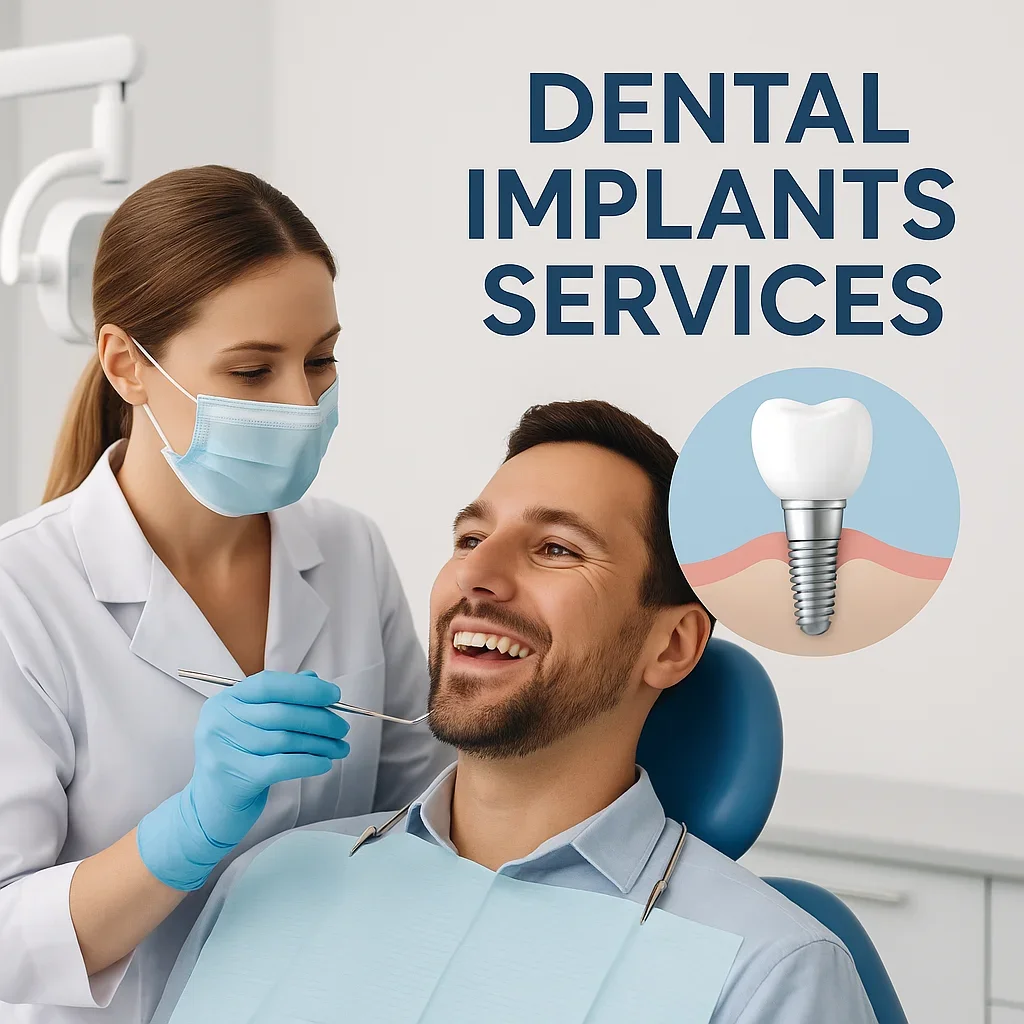
How to Choose the Right Dental Clinic for Your Implant Journey
Selecting the right clinic for dental implants services is one of the most important decisions in your smile restoration journey. 🦷 With countless dental centers worldwide promising perfect results, patients often struggle to identify which clinics truly deliver safe, high-quality, and long-lasting outcomes. In this comprehensive guide, we’ll outline all the key factors to consider — from qualifications and technology to patient experience and post-care support — so you can make a confident, informed choice that ensures lifelong success.
1. Evaluate the Dentist’s Qualifications and Expertise
The foundation of excellent dental implants services lies in the dentist’s skill and training. Implantology is a specialized field that requires years of focused education, surgical precision, and practical experience. Therefore, patients should always verify the dentist’s credentials before beginning treatment.
What to Look For:
- Certifications from reputable organizations such as the American Dental Association (ADA) or ITI (International Team for Implantology).
- Proof of continuing education in advanced implant techniques and materials.
- Clinical experience of at least 5–10 years specifically in dental implant procedures.
- Membership in professional implantology or prosthodontics associations.
Reputable clinics often feature their surgeons’ profiles on their websites, allowing patients to verify credentials, read testimonials, and even view before-and-after galleries. Clinics like Redent Klinik Contact Page maintain transparency by showcasing their specialists’ qualifications and success statistics — a sign of professionalism and trustworthiness. 🏅
2. Review Technology and Equipment Used
Modern dental implants services rely heavily on technology to achieve precision, comfort, and safety. When selecting a clinic, check whether it uses up-to-date diagnostic and surgical tools. Advanced systems allow dentists to plan implant positions digitally, reducing the risk of errors and improving aesthetic results.
Essential Technologies Include:
- 3D Cone Beam CT (CBCT): for high-resolution imaging of bone and nerve structures.
- Digital Smile Design (DSD): to preview your final results before surgery.
- CAD/CAM systems: for designing and fabricating custom crowns with extreme accuracy.
- Guided Implant Surgery Software: ensures minimally invasive procedures with predictable results.
Clinics that integrate these digital tools deliver superior dental implants services — shorter recovery times, fewer complications, and aesthetically perfect outcomes.
3. Check the Quality of Materials and Brands
The longevity of your implants depends not only on the surgeon’s expertise but also on the materials used. High-quality titanium or zirconia implants from reputable global brands have proven biocompatibility and durability.
Top Implant Brands to Look For:
- Straumann (Switzerland)
- Nobel Biocare (Sweden/Switzerland)
- Zimmer Biomet (USA)
- Osstem (South Korea)
- Medentika (Germany)
A trustworthy clinic will inform you about which brand they use and why it’s suitable for your case. If the clinic hesitates to provide this information, consider it a red flag. Quality dental implants services always emphasize transparency and patient education. 🌟
4. Evaluate the Clinic’s Hygiene and Sterilization Standards
Implant surgery is a sterile, precision-driven procedure, and proper hygiene is non-negotiable. Infection control plays a major role in the success rate of dental implants services. A professional clinic follows strict sterilization protocols, uses disposable materials whenever possible, and adheres to international standards like ISO 9001 or JCI (Joint Commission International).
Checklist for Hygiene Standards:
- Autoclaved surgical tools and sterilized equipment for each procedure.
- Use of sealed, disposable items (gloves, masks, syringes).
- Sanitized operating rooms with HEPA filtration systems.
- Full protective gear worn by dental staff during procedures.
During your consultation, observe the environment — a clean, organized clinic reflects a strong commitment to safety and professionalism. 🧼
5. Assess Communication and Patient-Centered Care
Outstanding dental implants services go beyond technical expertise — they prioritize communication, empathy, and personalized care. Your chosen clinic should take time to understand your needs, explain every stage of the procedure, and answer your questions honestly.
Qualities of a Patient-Oriented Clinic:
- Offers thorough pre-consultations and realistic treatment timelines.
- Provides detailed cost breakdowns and transparent pricing (no hidden fees).
- Assigns a dedicated patient coordinator for international visitors.
- Ensures follow-up care and availability for post-surgery queries.
At internationally oriented centers like Redent Klinik Contact Page, multilingual staff assist foreign patients throughout their journey, ensuring smooth communication from consultation to recovery. 🌍
6. Compare Cost vs. Value
While affordability is a major factor in choosing a clinic, it’s essential to balance cost with quality. Extremely low-priced offers may indicate inferior materials or inexperienced practitioners. Instead of chasing the cheapest deal, focus on overall value — comprehensive diagnostics, experienced specialists, premium materials, and long-term aftercare.
Smart Cost Evaluation Tips:
- Ask for a written quotation that includes every phase: consultation, surgery, crown placement, and follow-up visits.
- Verify if the clinic offers warranty coverage on implants and prosthetics.
- Choose all-inclusive packages (especially for medical tourism) that cover accommodation and transfers.
When evaluating dental implants services, remember that quality treatment is a lifetime investment in your health, comfort, and confidence — not just a short-term purchase. 💎
7. Read Reviews and Patient Testimonials
Patient feedback is one of the most reliable indicators of a clinic’s credibility. Real experiences highlight the clinic’s professionalism, success rate, and post-operative care quality. Before committing, check online reviews on Google, Trustpilot, or medical tourism platforms.
What to Look For in Reviews:
- Consistent positive feedback regarding surgical outcomes and staff communication.
- Photos or videos of real patients sharing their implant journey.
- Detailed stories mentioning clinic cleanliness, follow-up care, and transparency.
Reputable centers offering premium dental implants services often showcase patient case studies with before-and-after results — a sign of confidence and accountability. 📸
8. Consider Location and Accessibility
For international patients, the clinic’s location and accessibility are vital. Choose clinics situated near major airports or city centers with reliable transportation. Turkey, for example, is globally recognized for dental tourism due to its modern infrastructure, affordable accommodation, and easy visa processes.
Leading dental destinations like Istanbul and Antalya host numerous certified clinics such as Redent Klinik Contact Page, which offer airport transfers, hotel arrangements, and personal assistance throughout your stay — ensuring a stress-free treatment experience. ✈️
9. Post-Treatment Care and Guarantee
Trustworthy clinics stand behind their work with warranties and aftercare programs. Ask whether the clinic provides ongoing support, periodic checkups, or repair/replacement coverage in case of complications.
Standard Aftercare Services Include:
- Regular follow-up visits and radiographic evaluations.
- Free maintenance advice and oral hygiene kits.
- Annual checkups for implant and crown integrity.
- Warranty periods (5–10 years for crowns, lifetime for implant fixtures).
High-standard dental implants services always include clear warranty policies and open communication for post-treatment concerns. This demonstrates long-term commitment to patient satisfaction and health. 🕊️
10. Final Thoughts — Choose Expertise, Not Promises
Your smile deserves the best care possible. The ideal clinic for dental implants services combines proven expertise, advanced technology, transparent pricing, and compassionate care. Avoid clinics that focus solely on marketing or discounts — instead, seek providers with verifiable results, international recognition, and consistent patient satisfaction.
Ultimately, choosing the right clinic means investing in a lifetime of comfort, aesthetics, and confidence. Begin your journey with trusted professionals like Redent Klinik Contact Page, where each treatment is tailored to your unique needs, supported by excellence and integrity. 🌟
Disclosure: this page may contain affiliate links. We may earn a commission if you use them, at no extra cost to you.