
When it comes to restoring a confident, natural-looking smile, choosing the right dental implants surgeon can make all the difference. In 2025, dental implant technology has advanced significantly, offering more precise, comfortable, and long-lasting results than ever before. Whether you’ve lost a single tooth or require a full-mouth restoration, understanding what a dental implants surgeon does—and how they can transform your oral health—is essential. This comprehensive guide will help you navigate every aspect of dental implant surgery, from qualifications and techniques to post-operative care and costs.
A dental implants surgeon is a highly trained dental professional specializing in replacing missing teeth using titanium or zirconia-based implants that fuse naturally with the jawbone. Their expertise ensures not only aesthetic results but also the functional stability needed for chewing, speech, and long-term oral health. Unlike general dentists, these specialists possess advanced surgical skills and utilize 3D imaging technologies, digital scanning, and guided surgery to deliver precision-driven outcomes. 🧠
When you search for a dental implants surgeon, you’re not just seeking someone to insert an artificial tooth. You’re looking for a professional who understands the biological, mechanical, and cosmetic dimensions of your smile. These surgeons typically undergo additional years of education and residency in oral and maxillofacial surgery or periodontology, focusing on bone regeneration, sinus lifts, and advanced implant techniques. Their training empowers them to handle even the most complex cases, including patients with severe bone loss or health conditions like diabetes that complicate healing.
Modern dental implants have revolutionized how patients view tooth replacement. Instead of relying on removable dentures or fixed bridges that damage adjacent teeth, a skilled dental implants surgeon can provide a permanent solution that looks and feels like your own natural teeth. The procedure involves inserting a biocompatible titanium post into the jawbone, which serves as an artificial root. Over the next few months, the bone integrates with the implant—a process known as osseointegration—creating a solid foundation for a dental crown, bridge, or full-arch prosthesis. The result is a strong, stable, and aesthetically pleasing tooth replacement that can last decades.
To ensure optimal outcomes, the dental implants surgeon performs a detailed preoperative assessment. This includes a CBCT (cone-beam computed tomography) scan to analyze bone density and structure, soft tissue health, and the proximity of vital nerves and sinuses. Based on this data, a personalized treatment plan is created, often using digital smile design software to preview the final result before surgery. This level of planning minimizes complications, shortens healing time, and improves long-term implant survival rates.
It’s important to remember that dental implant surgery is both an art and a science. Precision in implant placement directly influences the success rate, which currently exceeds 95% when performed by an experienced dental implants surgeon. The best surgeons not only focus on function but also on aesthetics—ensuring the gum line contours, tooth shade, and alignment match seamlessly with your natural teeth. They also consider facial structure, lip support, and bite dynamics to achieve harmony in your overall appearance. ✨
One of the defining characteristics of a great dental implants surgeon is their ability to manage patient anxiety and discomfort. Many patients fear dental procedures, but with modern sedation techniques such as conscious sedation or IV anesthesia, the experience can be nearly painless. The surgeon’s communication skills also play a huge role—they explain each step clearly, set realistic expectations, and provide detailed aftercare instructions to ensure a smooth recovery.
Patients who choose a certified implant surgeon often benefit from advanced materials and techniques like guided bone regeneration, immediate load implants (same-day teeth), and computer-aided design/manufacturing (CAD/CAM) restorations. These innovations not only speed up the process but also increase accuracy and patient satisfaction. Moreover, many clinics now offer full digital workflows, where impressions, design, and fabrication are completed in-house using cutting-edge 3D printers and milling machines. 🦷💻
For anyone considering implant surgery, verifying the surgeon’s credentials is vital. Membership in organizations like the American Dental Association or the International Congress of Oral Implantologists indicates a commitment to ongoing education and adherence to high professional standards. You can also review before-and-after photos, patient testimonials, and online reviews to evaluate the quality of their work. A reputable dental implants surgeon will always welcome consultations and discuss alternative treatments to ensure you’re comfortable with the decision.
At Redent Klinik Contact Page, you can connect with top dental professionals who specialize in implant dentistry. They combine experience, compassion, and the latest technology to deliver world-class dental implant treatments in Turkey. Their surgeons are renowned for achieving natural-looking results at highly competitive prices, making Turkey one of the leading destinations for dental tourism worldwide. 🇹🇷
In conclusion, a dental implants surgeon is far more than a dental practitioner—they are an architect of your smile, restoring both confidence and quality of life. From diagnosis to final restoration, their expertise ensures precision, longevity, and beauty. Whether you’re missing one tooth or several, consulting a skilled implant surgeon is your first step toward reclaiming the function, comfort, and aesthetics of your natural smile.
What Does a Dental Implants Surgeon Do? 🩺
A dental implants surgeon is a specialist who restores missing teeth through advanced surgical procedures designed to replace the natural tooth root with an artificial one made of titanium or zirconia. Their work combines both medical precision and aesthetic artistry, ensuring that every implant looks and functions like a real tooth. These professionals possess extensive training beyond general dentistry, often holding certifications in oral and maxillofacial surgery, periodontology, or prosthodontics. Their mission is to rebuild oral health, restore confidence, and prevent future dental complications caused by missing teeth.
The Role of a Dental Implants Surgeon in Oral Health
The dental implants surgeon plays a pivotal role in long-term oral rehabilitation. They evaluate the patient’s dental structure, bone density, and gum condition to determine if implant surgery is a viable option. Before proceeding, a full 3D digital scan is performed to measure jawbone volume and detect any hidden issues such as cysts or sinus proximity. By assessing these factors, the surgeon ensures the implants are placed with millimeter-level precision—critical for both durability and aesthetics.
Unlike removable dentures or bridges, dental implants are fixed and permanent. The dental implants surgeon ensures that each titanium screw integrates naturally into the bone through osseointegration—a biological process where bone cells bond to the implant surface. This creates a rock-solid foundation for the final prosthetic tooth, allowing it to function as effectively as the original. Proper implant placement also prevents bone resorption, a common issue after tooth loss, preserving facial structure and preventing the “sunken
What Does a Dental Implants Surgeon Do? 🩺
A dental implants surgeon is a specialist who restores missing teeth through advanced surgical procedures designed to replace the natural tooth root with an artificial one made of titanium or zirconia. Their work combines both medical precision and aesthetic artistry, ensuring that every implant looks and functions like a real tooth. These professionals possess extensive training beyond general dentistry, often holding certifications in oral and maxillofacial surgery, periodontology, or prosthodontics. Their mission is to rebuild oral health, restore confidence, and prevent future dental complications caused by missing teeth.
The Role of a Dental Implants Surgeon in Oral Health
The dental implants surgeon plays a pivotal role in long-term oral rehabilitation. They evaluate the patient’s dental structure, bone density, and gum condition to determine if implant surgery is a viable option. Before proceeding, a full 3D digital scan is performed to measure jawbone volume and detect any hidden issues such as cysts or sinus proximity. By assessing these factors, the surgeon ensures the implants are placed with millimeter-level precision—critical for both durability and aesthetics.
Unlike removable dentures or bridges, dental implants are fixed and permanent. The dental implants surgeon ensures that each titanium screw integrates naturally into the bone through osseointegration—a biological process where bone cells bond to the implant surface. This creates a rock-solid foundation for the final prosthetic tooth, allowing it to function as effectively as the original. Proper implant placement also prevents bone resorption, a common issue after tooth loss, preserving facial structure and preventing the “sunken” appearance that often accompanies missing teeth.
Qualifications and Training of a Dental Implants Surgeon
Becoming a successful dental implants surgeon requires years of rigorous education, hands-on surgical experience, and continuous professional development. Unlike general dentists, implant surgeons specialize in advanced surgical techniques, bone biology, and implant prosthetics to restore both function and aesthetics. The journey from dental school to mastering implant surgery involves multiple stages, including postgraduate residencies, specialized certifications, and international accreditation. Understanding this pathway helps patients appreciate the expertise behind every dental implant procedure. 🎓
Educational Background and Foundational Training
Every dental implants surgeon begins their career as a general dentist after completing a dental degree (DDS or DMD). However, this foundational education focuses primarily on restorative and preventive care rather than surgical implantology. To specialize, dentists pursue additional postgraduate training in oral and maxillofacial surgery, periodontology, or prosthodontics—fields that provide the necessary surgical and anatomical knowledge.
Residency and Clinical Experience
After dental school, a dental implants surgeon often enrolls in a multi-year residency program focused on surgical disciplines. These residencies include extensive hands-on experience in oral surgery, bone grafting, sinus lift techniques, and anesthesia management. Residents assist senior surgeons in real clinical environments, learning to handle complex cases involving trauma, bone loss, and full-arch rehabilitation.
Specialized Implantology Programs
Post-residency, aspiring implant surgeons frequently attend advanced courses in implant dentistry. These programs, often endorsed by international organizations like the American Dental Association, cover state-of-the-art techniques such as guided implant surgery, digital smile design, and implant-supported prosthetics. Many also include cadaveric training and live surgeries to build real-world proficiency.
Professional Certifications and Board Accreditation
To become recognized as an expert dental implants surgeon, certification is crucial. Many professionals seek credentials from institutions like the International Congress of Oral Implantologists (ICOI), the Academy of Osseointegration, or national surgical boards. These certifications validate a surgeon’s technical skills, ethical standards, and commitment to ongoing education.
Board-certified surgeons undergo evaluations that include theoretical exams, clinical case presentations, and surgical demonstrations. Passing these rigorous assessments ensures they maintain excellence in patient safety and procedural outcomes. 🏅
Continued Education and Technological Mastery
Dental implantology is a rapidly evolving field. Therefore, every reputable dental implants surgeon participates in continuing education programs to stay current with technological advancements. This includes learning about digital 3D planning, computer-aided implant placement, and innovative materials like zirconia implants and nanostructured titanium surfaces.
Mastering Digital Implantology
Modern implant surgeons must be proficient with digital scanners, CAD/CAM systems, and cone-beam computed tomography (CBCT). These tools allow for precise virtual planning and predictable outcomes. Continuous workshops and international congresses help surgeons refine these skills and adopt evidence-based innovations into clinical practice.
Soft Skills and Patient Communication
Beyond surgical skills, a successful dental implants surgeon also demonstrates exceptional communication and empathy. They must explain complex procedures in simple terms, alleviate patient anxiety, and build trust through transparent consultations. Soft skills like patience, clarity, and compassion play a major role in patient satisfaction and treatment success. 😊
Global Standards and Ethical Practice
Accredited implant surgeons follow ethical and safety standards aligned with global health regulations. They use sterilized instruments, high-quality biocompatible materials, and follow clinical protocols to minimize risk. Working under such standards ensures patient protection and consistent long-term results.
If you are researching qualified experts, the Redent Klinik Contact Page provides access to top-tier dental implants surgeons who meet these international standards. Their education, accreditation, and patient-centered approach position them among the leading professionals in Turkey and beyond. 🇹🇷
In short, the qualifications and training of a dental implants surgeon go far beyond a standard dental degree. Through years of study, clinical practice, and continuous learning, they master both the art and science of implantology—ensuring that every patient receives safe, durable, and aesthetically pleasing results that last a lifetime. 🦷
Step-by-Step Dental Implant Procedure Explained
Understanding what happens during a dental implant procedure helps patients feel informed and confident before visiting their dental implants surgeon. The process involves multiple stages, each designed to ensure the highest precision, comfort, and success rate. From the first consultation to the final restoration, every step is carefully planned and executed with advanced technology and surgical expertise.
1. Initial Consultation and Diagnostic Imaging
Before surgery, the dental implants surgeon conducts a comprehensive evaluation that includes 3D cone-beam computed tomography (CBCT) scans and intraoral imaging. These tools help analyze bone density, gum health, and jaw anatomy. The surgeon uses digital software to simulate the implant placement and visualize the final outcome, ensuring millimeter-level accuracy. Patients also discuss their medical history and aesthetic goals during this stage.
Digital Planning and Smile Design
Using CAD/CAM technology and smile design software, the dental implants surgeon can create a customized plan that aligns perfectly with facial proportions and bite dynamics. This digital preview not only enhances precision but also allows patients to see their future smile before treatment begins.
2. Surgical Phase: Placing the Dental Implant
The surgical procedure is performed under local anesthesia or conscious sedation for comfort. The dental implants surgeon carefully makes a small incision in the gum to expose the jawbone and drills a tiny hole to insert the titanium or zirconia implant. The implant acts as an artificial tooth root, and once it is placed, the gum is sutured closed.
Guided Surgery for Maximum Precision
Modern surgeons often use a 3D-printed surgical guide to ensure the implant is placed at the exact depth and angle required. This advanced technique reduces trauma, speeds up recovery, and enhances long-term implant success.
3. Healing and Osseointegration
After placement, the healing phase begins. Over the next three to six months, the bone naturally fuses with the implant in a process called osseointegration. This phase is crucial because it establishes the strong foundation needed to support the artificial tooth. The dental implants surgeon monitors progress through follow-up appointments, ensuring there are no infections or bone issues.
Temporary Solutions During Healing
Patients who want an immediate cosmetic fix may receive temporary crowns or bridges until full integration occurs. These restorations allow them to maintain a natural-looking smile and eat soft foods comfortably during recovery.
4. Abutment Placement and Crown Restoration
Once the implant has fused successfully, the surgeon reopens the gum to attach an abutment—a small connector that links the implant to the visible crown. The final crown is then crafted to match the exact shade, shape, and size of the natural teeth. This step transforms the implant from a hidden root structure into a fully functional, beautiful tooth replacement.
Types of Implant Restorations
- Single Tooth Implant
- Implant-Supported Bridge
- Full-Arch (All-on-4 or All-on-6) Implants
The dental implants surgeon determines which restoration type best suits the patient’s needs and bone structure.
5. Aftercare and Maintenance
Proper aftercare is essential for long-term success. The dental implants surgeon provides specific instructions on brushing, flossing, and using antibacterial mouth rinses. Regular check-ups—every six months—are crucial to monitor bone health and gum condition. Most implant failures occur due to neglect or poor hygiene, so consistent maintenance ensures decades of durability.
6. Potential Risks and How They’re Managed
Although implant surgery is safe, minor risks such as infection, nerve irritation, or sinus involvement can occur. However, an experienced dental implants surgeon minimizes these risks through careful planning, sterile technique, and precise surgical execution. In rare cases, bone grafts or sinus lifts may be performed to strengthen the foundation for future implants.
7. Life After Dental Implant Surgery
Once healed, patients experience a complete transformation. Eating, speaking, and smiling become effortless again. A skilled dental implants surgeon ensures the implants not only look natural but also integrate perfectly with surrounding teeth and facial aesthetics. With proper care, implants can last a lifetime—offering comfort, confidence, and superior oral health. 🌟
To learn more about your personalized treatment options, schedule a consultation through the Redent Klinik Contact Page. Their expert team of dental implants surgeons in Turkey uses world-class techniques to ensure safe, predictable, and beautiful outcomes. Supported by global standards such as those of the American Dental Association, Redent Klinik remains one of the leading centers for dental implant excellence in 2025. 🇹🇷
In summary, the dental implant process involves science, artistry, and precise surgical skill. Each phase—from assessment to restoration—reflects the dedication and expertise of a trained dental implants surgeon. With advanced digital planning and careful execution, patients can enjoy the closest possible replacement to their natural teeth, both in function and beauty. 🦷💫
How to Choose the Right Dental Implants Surgeon Near You
Choosing the right dental implants surgeon is one of the most important decisions you’ll make when restoring your smile. This expert will be responsible for the surgical precision, aesthetic outcome, and long-term stability of your dental implants. With countless clinics and specialists available, it’s essential to understand what differentiates a skilled implant surgeon from a general practitioner. A well-chosen specialist not only ensures the success of your procedure but also makes the entire experience smoother, safer, and more satisfying. 🦷
Key Factors to Consider When Selecting a Dental Implants Surgeon
Not all dental professionals have the same level of training or experience in implantology. A dental implants surgeon should possess advanced surgical skills, up-to-date knowledge of implant systems, and a proven record of successful procedures. Patients are encouraged to review qualifications, technology used, and the overall treatment approach before committing to surgery.
1. Education and Accreditation
A qualified dental implants surgeon typically holds a degree in dentistry (DDS or DMD) followed by specialized training in oral surgery, periodontology, or prosthodontics. Beyond academic credentials, look for certifications from recognized organizations like the American Dental Association or the International Congress of Oral Implantologists (ICOI). These certifications demonstrate ongoing professional development and adherence to international standards.
2. Experience and Case Portfolio
Experience is a major indicator of expertise. Ask your dental implants surgeon how many implant surgeries they have performed and whether they handle complex cases such as full-arch restorations or bone grafts. Reviewing before-and-after photos can help you assess their aesthetic capabilities and precision. An experienced surgeon should be confident explaining their approach and showing examples of successful long-term results. 📸
Evaluating Technology and Techniques Used
Modern implantology relies heavily on technology. The most reputable dental implants surgeon will use 3D CBCT imaging, digital scanning, and guided implant surgery for maximum accuracy. Digital workflows reduce errors, improve healing, and help predict long-term outcomes. Additionally, laser-assisted surgery and computer-guided systems can make the procedure minimally invasive, ensuring quicker recovery and less discomfort.
3. Use of Biocompatible Materials
The type of implant material plays a crucial role in long-term success. Skilled surgeons choose biocompatible materials like medical-grade titanium or zirconia, which fuse naturally with bone tissue. A professional dental implants surgeon will always use FDA-approved implant brands known for their clinical success rates, such as Straumann, Nobel Biocare, or Zimmer Biomet.
Checking Patient Reviews and Testimonials
Reading reviews and patient feedback gives insight into the real-world experiences of others who have undergone treatment with the same dental implants surgeon. Look for patterns—positive comments about communication, professionalism, and post-operative care indicate reliability. Conversely, if multiple reviews mention poor follow-up or unclear pricing, consider that a red flag. Reputable clinics proudly display verified patient testimonials on their websites or Google profiles. 🌟
Understanding Communication and Patient Care
A truly exceptional dental implants surgeon prioritizes clear communication and patient comfort. They take time to explain the procedure, potential risks, expected healing timeline, and aftercare steps in detail. A great surgeon also listens to your concerns, answers all questions, and offers honest recommendations based on your needs—not just profit. If you feel rushed or pressured during consultation, it might be better to explore other options.
4. Comfort and Trust During Consultation
The consultation phase is your opportunity to evaluate both professionalism and empathy. Notice whether the dental implants surgeon conducts a thorough oral exam, reviews X-rays, and provides tailored treatment plans. Surgeons who demonstrate patience and compassion tend to create a more positive overall experience and improved healing outcomes.
Transparency in Pricing and Treatment Plans
Dental implant surgery is a significant investment, so transparent pricing is essential. A trustworthy dental implants surgeon provides a detailed treatment plan outlining all costs, including surgery, implant components, crowns, anesthesia, and aftercare. Some clinics even offer flexible payment or financing options. Be cautious of prices that seem “too good to be true,” as low-cost providers may cut corners on materials or hygiene standards.
Sample Price Range for Implants (2025 Estimates)
Single Dental Implant: $900 – $2,500 (depending on materials and location)
All-on-4 Implant System: $7,000 – $15,000 per arch
Bone Grafting (if required): $300 – $800
Prices vary based on experience, equipment, and region. Always request a written estimate before proceeding.
Evaluating the Clinic’s Facilities and Hygiene Standards
The environment where the surgery takes place greatly affects safety. An expert dental implants surgeon operates in a sterile, well-equipped surgical suite using advanced infection control protocols. The clinic should have modern imaging technology, certified surgical assistants, and emergency equipment. Don’t hesitate to ask about sterilization procedures and how instruments are handled between patients.
Location, Accessibility, and Follow-Up Support
While expertise should be your top priority, convenience matters too. Choosing a dental implants surgeon near you ensures easy access to follow-up appointments and emergency visits if needed. Surgeons who maintain consistent communication and schedule post-operative checkups demonstrate genuine care for long-term patient satisfaction.
Aftercare and Support Services
Post-surgery care is crucial for healing and long-term success. The best dental implants surgeon provides detailed aftercare instructions and follow-up evaluations to monitor bone integration and gum health. Ongoing support, such as professional cleanings and routine imaging, helps detect potential issues early and extend implant lifespan.
Why Choosing Redent Klinik Ensures Peace of Mind
If you’re looking for a reputable and highly skilled dental implants surgeon, consider the experts at Redent Klinik Contact Page. Their team combines cutting-edge technology, transparent pricing, and compassionate care to deliver world-class implant results. Patients from around the world travel to Turkey for treatment due to Redent Klinik’s reputation for excellence and affordability. 🇹🇷
In summary, selecting the right dental implants surgeon involves more than just searching for a nearby clinic—it’s about finding a partner who prioritizes your comfort, safety, and satisfaction. By focusing on qualifications, technology, reviews, and transparency, you can make a confident choice and enjoy a beautiful, healthy smile that lasts for decades. 🌟
Benefits of Choosing a Specialized Dental Implants Surgeon
When it comes to restoring missing teeth, selecting a specialized dental implants surgeon offers unparalleled advantages in terms of precision, safety, and long-term results. Dental implantology is both a science and an art—one that requires extensive experience, advanced surgical skills, and access to modern technology. Patients who trust their treatment to a dedicated implant surgeon enjoy higher success rates, faster healing, and more natural-looking smiles. This section explores the most important benefits of choosing a professional who focuses exclusively on dental implants. 🦷✨
1. Superior Expertise and Surgical Precision
A specialized dental implants surgeon performs hundreds or even thousands of implant procedures throughout their career, honing exceptional technical skills that ensure consistently accurate outcomes. Their familiarity with bone structures, sinus anatomy, and soft-tissue management allows them to place implants with millimeter precision. Such accuracy not only minimizes post-surgical complications but also ensures the implants last for decades.
Advanced Surgical Techniques
Unlike general dentists who perform occasional implants, an expert dental implants surgeon stays up-to-date with the latest surgical innovations such as computer-guided implant placement, piezosurgery (for atraumatic bone cutting), and laser-assisted incisions. These minimally invasive methods reduce swelling, bleeding, and discomfort—offering patients a smoother experience and faster recovery.
2. Comprehensive Treatment Planning
Every patient’s anatomy and needs are unique, which is why a specialized dental implants surgeon conducts thorough diagnostics before planning treatment. They use advanced imaging tools like 3D CBCT scans and intraoral scanners to visualize bone density, nerve locations, and sinus cavities. With this information, the surgeon develops a customized surgical roadmap that ensures both structural stability and aesthetic harmony.
Personalized Smile Design
Modern dental implantology integrates digital smile design software that allows the dental implants surgeon to preview your final smile. This approach ensures the implant positions are optimized not just for chewing efficiency but also for facial balance and beauty. Patients can even review digital mockups before surgery to feel confident about the outcome. 😁
3. Reduced Risk of Complications
One of the greatest benefits of working with an experienced dental implants surgeon is reduced surgical risk. Implant surgery, while generally safe, can lead to issues such as nerve injury, sinus perforation, or infection if performed incorrectly. A trained surgeon understands how to avoid these pitfalls through meticulous planning, sterile technique, and controlled surgical protocols.
Bone Grafting and Sinus Lift Expertise
Many patients require bone augmentation or sinus elevation before implant placement. A specialized dental implants surgeon is proficient in performing these complex procedures, using biocompatible graft materials to rebuild sufficient bone mass for successful implant integration. Their deep anatomical knowledge ensures these supporting procedures are carried out safely and effectively.
4. Access to Cutting-Edge Technology
Leading implant surgeons invest heavily in state-of-the-art equipment. From 3D digital scanners and guided surgery kits to laser tools and platelet-rich plasma (PRP) systems, these technologies elevate precision and accelerate healing. A specialized dental implants surgeon harnesses this technology to make each step—from diagnosis to restoration—as efficient and predictable as possible.
Digital Workflow Integration
In top clinics, fully digital workflows replace traditional impressions and guesswork. The dental implants surgeon collaborates with digital dental laboratories to design custom abutments and crowns that match your bite and facial symmetry perfectly. This collaboration reduces human error and enhances the natural look of your smile. 💻
5. Enhanced Aesthetic Outcomes
Dental implants are not just about restoring function—they also transform appearance. A specialized dental implants surgeon has a deep understanding of facial aesthetics, gum contours, and symmetry. Their approach ensures that implants align seamlessly with your natural teeth, giving you a youthful and harmonious smile. Whether you need a single implant or a full-arch restoration, these experts ensure your results look completely natural.
Customized Prosthetics and Smile Balance
The surgeon works closely with dental technicians to select the ideal crown material, shade, and translucency. This attention to detail ensures the final restoration blends perfectly with your existing teeth and complements your facial features. Patients often report a dramatic improvement in confidence after treatment. 🌟
6. Long-Term Success and Durability
Statistics show that dental implants have success rates exceeding 95% when placed by an experienced dental implants surgeon. This high success rate is due to proper planning, aseptic technique, and post-surgical monitoring. Furthermore, these surgeons provide comprehensive aftercare programs to maintain implant health for decades.
Regular Follow-Ups and Maintenance
After your implant is placed, routine checkups with your dental implants surgeon help detect any early signs of inflammation or bite imbalance. With professional cleanings and maintenance, implants can last a lifetime—making them one of the best investments in oral health.
7. Improved Comfort and Patient Experience
Specialized implant surgeons are not only technically skilled but also patient-focused. They use gentle techniques, local anesthesia, and sedation options to ensure comfort throughout the procedure. Many clinics even offer same-day implants, reducing the need for multiple appointments. This streamlined, compassionate approach transforms what could be an intimidating surgery into a pleasant experience. 😊
8. Cost Efficiency in the Long Run
While choosing a highly qualified dental implants surgeon may seem more expensive initially, it saves money in the long run. Correct implant placement minimizes the likelihood of failure, avoiding costly revision surgeries or prosthetic replacements. Additionally, properly integrated implants prevent bone loss and gum deterioration, preserving oral health for years to come.
9. Global Standards and Accreditation
Renowned implant surgeons adhere to international safety protocols and are often members of prestigious organizations such as the American Dental Association. Their commitment to continuous education ensures that patients benefit from the latest evidence-based practices in implantology. This guarantees the highest standards of quality, hygiene, and care.
10. Why Choose Redent Klinik’s Specialists
If you’re searching for the best dental implants surgeon for your treatment, Redent Klinik Contact Page connects you with top-tier experts in Turkey. Their team specializes exclusively in implant dentistry, combining world-class technology with exceptional patient care. With multilingual staff, transparent pricing, and a track record of thousands of successful cases, Redent Klinik has become a global destination for dental excellence. 🇹🇷
In conclusion, the benefits of choosing a specialized dental implants surgeon go far beyond achieving a beautiful smile. These experts ensure every implant is secure, functional, and aesthetic while prioritizing your comfort and long-term health. Their mastery of surgical science, technology, and artistry makes them indispensable partners in your journey to a confident, healthy, and radiant smile that lasts a lifetime. 🦷💖
Common Myths and Facts About Dental Implant Surgery
Dental implant surgery has become one of the most effective and reliable ways to replace missing teeth, yet many misconceptions still prevent patients from seeking treatment. These myths often create unnecessary fear and confusion, making it essential to separate fact from fiction. In this section, we’ll uncover the most common misunderstandings about dental implants and clarify what patients can truly expect when working with a skilled dental implants surgeon. 🦷
1. Myth: Dental Implant Surgery Is Extremely Painful
One of the biggest fears surrounding implant procedures is pain. However, this belief is far from reality. In truth, modern dental implants surgeons use advanced anesthesia and minimally invasive techniques that make the process virtually painless. Local anesthesia, sedation dentistry, or even IV sedation ensures that patients feel calm and comfortable throughout the procedure.
Fact: Most Patients Report Minimal Discomfort
Patients often compare the experience of working with a dental implants surgeon to having a tooth extracted—but with less discomfort afterward. Mild soreness or swelling for a few days is normal, but it’s easily managed with prescribed medications. In fact, most people return to their normal routines within 24–48 hours. The fear of unbearable pain is simply outdated thanks to modern technology and expert care. 😊
2. Myth: Dental Implants Are Only for the Elderly
Many believe that dental implants are meant only for seniors. This misconception likely arises because older adults are more prone to tooth loss. However, a dental implants surgeon can successfully treat adults of virtually any age, provided the jawbone is fully developed and healthy. From young adults who have lost teeth due to trauma to middle-aged individuals with periodontal disease, implants can be an ideal solution for anyone seeking permanent restoration.
Fact: Age Is Not the Limiting Factor—Health Is
What truly matters is bone density, gum health, and overall wellness—not chronological age. As long as these conditions are favorable, a qualified dental implants surgeon can perform the procedure safely and effectively on patients in their 20s or even their 70s. The surgeon evaluates each case individually to determine candidacy. 🩺
3. Myth: Dental Implants Look Fake
This myth couldn’t be further from the truth. When done by an experienced dental implants surgeon, dental implants are virtually indistinguishable from natural teeth. Modern materials like zirconia and porcelain mimic the color, texture, and translucency of enamel, giving the appearance of real teeth.
Fact: The Results Look and Feel Natural
The success of implant aesthetics depends on the surgeon’s skill in placing the implant at the correct depth and angle, as well as the quality of the crown. The gum line is also sculpted to ensure a natural contour. The outcome? A smile so realistic that even dentists often have trouble distinguishing implants from natural teeth! 😄
4. Myth: The Dental Implant Process Takes Too Long
While traditional implant procedures may require several months for full healing, advances in digital planning and regenerative medicine have drastically reduced treatment times. Many patients now benefit from “immediate load implants,” which allow placement of a temporary crown on the same day of surgery.
Fact: Skilled Surgeons Offer Faster, Predictable Results
With the right conditions and bone quality, a modern dental implants surgeon can complete an entire implant process in as little as one visit. Even when staged over several months, the total treatment time ensures a safe and stable integration that lasts a lifetime. The key is precision planning and patient compliance with aftercare instructions.
5. Myth: Dental Implants Are Too Expensive
Cost is a common concern among patients, and many assume implants are a luxury treatment. However, when compared to bridges or dentures—which often require frequent replacement—implants are far more cost-effective in the long run.
Fact: Implants Are a Lifetime Investment
Once placed by a qualified dental implants surgeon, implants can last decades with proper care. This makes them more affordable over time than removable prosthetics, which may need adjustments or replacements every few years. Moreover, many clinics now offer financing options or phased treatment plans to make implant surgery accessible to everyone.
6. Myth: Implants Require Complex Maintenance
Some patients think implants require special cleaning routines or products. In reality, caring for implants is almost identical to caring for natural teeth.
Fact: Maintenance Is Simple and Routine
Your dental implants surgeon will recommend brushing twice a day, flossing, and attending professional cleanings. Avoiding tobacco and maintaining oral hygiene are the keys to long-term success. Implants do not decay like natural teeth, but the surrounding gums and bone must remain healthy for lifelong support.
7. Myth: Implants Can Cause Allergies or Rejection
Some people fear that their body will reject the implant, similar to how it might reject an organ transplant. However, this is an unfounded concern.
Fact: Titanium and Zirconia Are Biocompatible
Dental implants are made from biocompatible materials like titanium or zirconia, which integrate naturally with the jawbone. A professional dental implants surgeon uses only FDA-approved materials tested for decades in clinical settings. Allergic reactions are extremely rare—occurring in less than 0.1% of patients.
8. Myth: Implants Are Unsafe for Smokers or Diabetics
While smoking and diabetes can affect healing, this doesn’t automatically disqualify patients from receiving implants. Skilled surgeons can adapt their techniques and post-operative care to ensure safe, predictable outcomes.
Fact: Proper Planning Ensures Safety
A qualified dental implants surgeon will evaluate your medical history, manage risk factors, and develop a personalized plan. For instance, diabetic patients are advised to stabilize their blood sugar before surgery, while smokers receive additional bone-healing support or laser therapy for better recovery.
9. Myth: Dental Implants Are Not Worth the Effort
This myth often arises from misinformation or fear of surgery. In reality, implants are one of the most life-changing dental treatments available. They restore the ability to eat, speak, and smile confidently—enhancing both function and aesthetics.
Fact: Implants Improve Quality of Life
When placed by an experienced dental implants surgeon, implants provide permanent stability, prevent bone loss, and improve overall facial structure. Patients frequently report feeling younger and more confident after treatment. 🌟
10. The Truth: Knowledge Empowers Better Decisions
By separating myths from facts, patients can approach their implant journey with confidence. Consulting a reputable dental implants surgeon is the best way to get accurate information tailored to your individual case. Clinics like Redent Klinik Contact Page offer professional evaluations, transparent advice, and world-class care, ensuring your implant experience is safe, efficient, and successful. Backed by global standards from the American Dental Association, their specialists combine science, technology, and compassion for the best possible outcomes.
In conclusion, most misconceptions about dental implants stem from outdated information or lack of awareness. Modern implant dentistry—when performed by a specialized dental implants surgeon—is safe, predictable, and transformative. Understanding the facts helps patients make informed choices and embrace the life-changing benefits of a confident, healthy smile. 🦷💖
Recovery Tips After Visiting a Dental Implants Surgeon
Recovering after implant surgery is an essential phase that determines the long-term success of your treatment. A skilled dental implants surgeon will not only perform the procedure with precision but also provide detailed post-operative instructions to help you heal faster and more comfortably. The recovery process is generally smooth, but following the correct aftercare guidelines is crucial to ensure proper osseointegration (the fusion between the implant and bone) and to prevent complications such as infection or swelling. In this section, we’ll go through comprehensive, step-by-step recovery tips to help you get the best outcome from your implant procedure. 🦷
1. The First 24 Hours After Surgery
The first day after surgery is the most critical phase. Your dental implants surgeon will typically recommend rest and limited movement to allow the implant site to stabilize. The body immediately begins healing by forming blood clots, which protect the surgical area from bacteria and bleeding.
Immediate Care Instructions
- Avoid touching or disturbing the surgical site: Let the area heal naturally without poking it with your tongue or fingers.
- Apply ice packs: Reduce swelling by applying cold compresses for 10–15 minutes at a time.
- Take prescribed medications: Follow the exact dosage of antibiotics and pain relievers prescribed by your dental implants surgeon.
- Do not rinse or spit excessively: Avoid disrupting blood clot formation by keeping oral movement minimal for the first 24 hours.
Minor bleeding or oozing is normal and should subside within a few hours. If it persists, gently bite on a clean gauze pad for 30 minutes and contact your dental implants surgeon if necessary. 🩺
2. Managing Swelling and Pain
Swelling is a natural response to surgery and can last for 2–3 days. Keeping your head elevated while sleeping helps reduce pressure on the implant site. Pain is usually mild and peaks within the first 48 hours.
Comfort and Pain Management Tips
The dental implants surgeon may prescribe non-steroidal anti-inflammatory drugs (NSAIDs) such as ibuprofen to reduce pain and inflammation. Avoid aspirin unless specifically advised, as it can thin the blood and prolong bleeding. Applying ice intermittently during the first day helps reduce facial puffiness.
3. Diet and Nutrition During Recovery
Proper nutrition accelerates healing and helps prevent infection. During the first few days, your dental implants surgeon will recommend a soft or liquid diet to avoid putting stress on the implant area.
Recommended Foods
- Mashed potatoes, scrambled eggs, and yogurt
- Soups, smoothies, and protein shakes
- Cooked vegetables and soft pasta
Stay hydrated, but avoid using straws—the suction can dislodge blood clots. As healing progresses, you can gradually reintroduce solid foods, starting with easy-to-chew options. Avoid crunchy, spicy, or acidic foods for at least a week. 🍲
4. Oral Hygiene and Cleaning the Surgical Site
Maintaining oral hygiene is vital after implant surgery. Bacteria buildup can lead to infection, which could compromise healing and implant stability. Your dental implants surgeon will provide specific cleaning instructions tailored to your case.
Cleaning Guidelines
- Do not brush directly over the implant site for the first few days.
- Rinse gently with warm salt water 3–4 times daily (after the first 24 hours).
- Continue brushing and flossing other teeth as normal to maintain oral cleanliness.
After a few days, a soft-bristled toothbrush or surgical brush can be used carefully around the implant area. Avoid alcohol-based mouthwashes, as they can irritate the tissues and slow down recovery.
5. Avoiding Strain and Physical Activity
Physical strain increases blood pressure, which can cause bleeding at the implant site. Your dental implants surgeon will likely advise avoiding strenuous activities like gym workouts, heavy lifting, or sports for about 5–7 days after surgery. Light walking is encouraged, but rest remains the top priority during early healing.
6. Managing Bleeding and Bruising
Mild bruising on the cheeks or jawline may occur due to surgical manipulation. It’s completely normal and usually fades within a few days. If bleeding continues beyond 48 hours or becomes heavy, contact your dental implants surgeon immediately.
Professional Monitoring
Some surgeons may schedule an early post-op checkup to assess the site and ensure there are no signs of infection or clot disruption. Regular monitoring helps catch potential complications early and ensures faster healing. 🩷
7. Recognizing Signs of Complications
While implant surgery is generally safe, it’s essential to be aware of warning signs that may require professional attention. Your dental implants surgeon will educate you about potential symptoms to watch for, including:
- Persistent pain or swelling beyond one week
- Excessive bleeding or pus discharge
- Difficulty opening your mouth or swallowing
- Implant movement or looseness
Contact your clinic immediately if you experience any of these symptoms. Early intervention can prevent complications and protect your implant investment.
8. Long-Term Healing and Osseointegration
Complete integration between the bone and the implant typically takes 3–6 months. During this time, the dental implants surgeon will schedule follow-up visits to evaluate bone fusion and gum adaptation. Patience is crucial—rushing the process or applying pressure too soon can hinder proper healing.
Follow-Up Visits
Most patients have checkups at 1 week, 1 month, 3 months, and 6 months post-surgery. Each appointment ensures the implant is stable and ready for the abutment and crown phase. Regular monitoring increases long-term success and minimizes risk.
9. Lifestyle Habits That Affect Recovery
Certain habits can slow healing or increase the risk of implant failure. The dental implants surgeon typically provides personalized recommendations based on your lifestyle.
What to Avoid
- Smoking: Nicotine restricts blood flow and slows bone healing.
- Alcohol: Avoid alcohol for at least one week post-surgery to reduce inflammation.
- Excess caffeine: Too much caffeine can interfere with sleep and hydration, both vital for recovery.
Adopting healthy habits like balanced nutrition, hydration, and good sleep significantly enhances the healing process. 💤
10. Professional Aftercare and Support
The journey doesn’t end after surgery. A reputable dental implants surgeon provides ongoing aftercare, including professional cleanings, maintenance, and monitoring. Clinics like Redent Klinik Contact Page offer comprehensive post-operative support, ensuring every patient receives personalized guidance through each recovery stage.
Redent Klinik’s specialists follow global standards approved by the American Dental Association, emphasizing hygiene, precision, and long-term success. Their gentle approach and advanced healing protocols make the recovery experience comfortable and efficient. 🇹🇷
In conclusion, recovering from dental implant surgery requires a blend of patience, discipline, and professional care. By closely following your dental implants surgeon’s instructions and maintaining a healthy lifestyle, you can ensure seamless healing and long-lasting results. With proper care, your implants will become as strong, natural, and beautiful as your original teeth—restoring confidence and comfort for a lifetime. 🌟
Dental Implant Cost Breakdown and Financing Options 💰
One of the most common questions patients ask their dental implants surgeon is: “How much will my dental implants cost?” While dental implants are a long-term investment in your oral health and confidence, the price can vary based on several key factors. Understanding the breakdown of costs, available financing options, and ways to make treatment more affordable helps patients make informed decisions. In this section, we’ll explore every aspect of implant pricing, from surgical fees to post-operative care, ensuring complete transparency. 🦷💸
1. Factors That Influence Dental Implant Costs
The cost of implants varies from patient to patient. A skilled dental implants surgeon carefully evaluates multiple factors before giving a precise quote. These include the number of implants needed, the complexity of surgery, and the materials used.
Primary Cost Determinants
- Number of Implants: A single implant is naturally less expensive than a full-arch restoration or All-on-4 treatment.
- Bone Density: Patients requiring bone grafts or sinus lifts will incur additional surgical fees.
- Implant Material: Titanium and zirconia implants have different costs, each offering unique aesthetic and structural advantages.
- Location and Experience: The expertise of the dental implants surgeon and the geographical region play a major role in pricing. Major cities often charge slightly more due to higher operational costs.
Each of these elements influences not only the upfront cost but also the long-term durability and aesthetics of your restoration.
2. Average Dental Implant Cost Range
Although prices vary worldwide, here is a general overview of implant costs based on international averages (as of 2025):
Estimated Dental Implant Costs (Per Tooth):
- 🇺🇸 USA: $3,000 – $5,000 per implant
- 🇬🇧 UK: £2,000 – £3,500 per implant
- 🇩🇪 Germany: €1,800 – €3,000 per implant
- 🇹🇷 Turkey: $500 – $1,200 per implant (including crown)
These prices typically include the surgical placement, abutment, and permanent crown. Turkey, in particular, has become a global hub for dental tourism, offering high-quality care at a fraction of the Western cost due to lower operational expenses—not lower quality. 🏥
3. The Role of the Dental Implants Surgeon in Pricing
Experience and specialization are key contributors to cost differences. A highly qualified dental implants surgeon uses advanced techniques and premium materials that ensure long-term success. While a less experienced practitioner may offer lower prices, improper implant placement can lead to costly corrections later.
Value of Expertise
Choosing a certified implant specialist ensures that every phase—diagnosis, surgery, and restoration—is handled with precision. This expertise significantly increases success rates (over 95%) and minimizes future maintenance costs, making the investment worthwhile in the long term.
4. Hidden or Additional Costs to Consider
Some clinics advertise low implant prices that exclude important components. A reputable dental implants surgeon always provides a transparent cost breakdown that covers the full treatment journey.
Possible Additional Charges
- Initial consultation and digital 3D scans
- Temporary prosthetics or healing abutments
- Bone grafting, sinus lift, or PRF therapy
- Post-operative medications and follow-up appointments
Before committing, ask for a detailed treatment plan that lists every stage and cost upfront. This ensures no hidden surprises later.
5. Why Turkey Offers Affordable Dental Implants
Many patients travel to Turkey to receive world-class dental care at affordable rates. Clinics like Redent Klinik Contact Page employ internationally trained dental implants surgeons who use FDA-approved materials while maintaining strict hygiene standards. The country’s favorable currency exchange rates and lower overhead costs allow patients to save up to 70% compared to Western prices—without compromising quality.
Medical Tourism Benefits
Most clinics offer package deals that include accommodation, airport transfers, and post-treatment checkups. This makes Turkey a top choice for patients seeking both affordability and premium dental care. 🇹🇷
6. Dental Implant Financing and Payment Plans
Even with affordable options, dental implants can still be a significant financial commitment. That’s why many clinics and surgeons offer flexible financing solutions to make treatment accessible to everyone.
Common Financing Options
- In-house installment plans: Patients can spread payments over several months.
- Credit-based financing: Partner programs with medical financing companies provide loans for dental care.
- Insurance coverage: Although most dental insurance plans don’t fully cover implants, some policies may reimburse part of the cost for implant crowns or extractions.
A professional dental implants surgeon will often help patients navigate financing paperwork and recommend the best plan based on budget and eligibility.
7. Comparing Implants with Other Tooth Replacement Options
At first glance, dentures or bridges may appear cheaper than implants. However, when analyzed over time, dental implants prove far more cost-effective.
Long-Term Cost Comparison
| Treatment Type | Average Lifespan | Estimated Cost Over 20 Years |
|---|---|---|
| Traditional Denture | 5–7 years | $4,000 – $6,000 (with replacements) |
| Dental Bridge | 10–15 years | $6,000 – $9,000 |
| Dental Implant | 25+ years (lifetime with care) | $3,000 – $5,000 (one-time) |
Clearly, the one-time investment in implants pays off over time, offering both functional and aesthetic advantages with minimal maintenance.
8. The Cost of Neglecting Quality
Choosing a low-cost clinic without a qualified dental implants surgeon may lead to poor placement, infection, or implant failure. Correcting such complications can double or triple the total cost. It’s always better to invest in a reputable professional from the start.
Certified Safety Standards
Always ensure your surgeon follows international sterilization and surgical protocols, ideally approved by institutions like the American Dental Association. This ensures material quality and patient safety remain uncompromised.
9. How to Get an Accurate Quote
Every patient’s anatomy and needs differ. The most reliable way to get a cost estimate is to schedule a consultation with an experienced dental implants surgeon. During this visit, the surgeon performs imaging scans, assesses bone quality, and designs a personalized treatment plan.
For a detailed, no-obligation quote, visit Redent Klinik Contact Page. Their multilingual team provides transparent pricing, realistic timelines, and financing support, ensuring every patient fully understands the investment before beginning treatment.
10. Final Thoughts: Quality Is the True Value
While cost is an important factor, the real value lies in longevity, aesthetics, and health benefits. A skilled dental implants surgeon delivers precision, comfort, and peace of mind that cheaper alternatives cannot match. Dental implants are not just an expense—they’re a life-enhancing investment in your smile, confidence, and overall well-being. 🌟
By understanding the full cost structure, comparing global options, and choosing a reputable specialist, you can achieve world-class results that last a lifetime—without hidden surprises or compromises. 💖
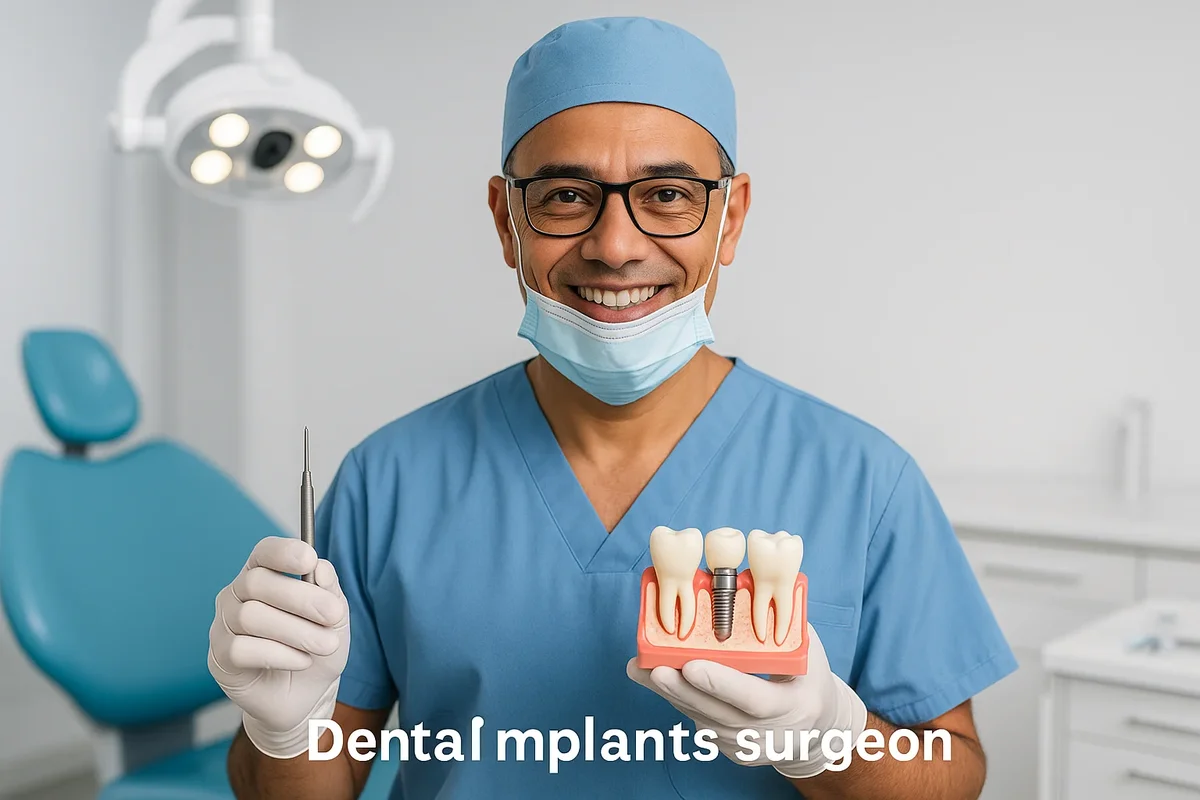
Why Redent Klinik is a Top Choice for Dental Implants in Turkey 🇹🇷
When it comes to restoring your smile with precision, safety, and artistry, few places rival the expertise and patient care provided by Redent Klinik in Turkey. As an internationally recognized destination for dental tourism, Redent Klinik has become synonymous with excellence in implantology, offering world-class facilities and a team led by highly experienced dental implants surgeons. In this section, we’ll explore why thousands of international patients trust Redent Klinik for their dental implant treatment and how the clinic’s unique approach combines science, technology, and compassion for life-changing results. 🦷✨
1. World-Class Expertise in Implantology
Redent Klinik’s success is rooted in its team of board-certified dental implants surgeons who specialize exclusively in implant and restorative dentistry. Each surgeon has undergone extensive postgraduate training in oral surgery, prosthodontics, and bone regeneration techniques. Their expertise allows them to handle even the most complex implant cases, from single-tooth restorations to full-mouth reconstructions.
Global Education and Continuous Learning
The clinic’s surgeons have received international training and certifications from leading dental institutions across Europe and the United States. This ensures that each dental implants surgeon applies the latest research-backed methods approved by the American Dental Association and other global bodies. Continuous professional development keeps them at the forefront of modern implantology.
2. Advanced Technology for Precision Surgery
Redent Klinik integrates state-of-the-art technology into every step of the dental implant process. The clinic uses 3D CBCT imaging, intraoral scanners, and computer-guided surgery to achieve millimeter accuracy. This level of precision minimizes risk and guarantees perfect implant positioning.
Digital Workflow Integration
The dental implants surgeons at Redent Klinik employ fully digital workflows—from diagnosis to final restoration. Digital impressions replace uncomfortable molds, and CAD/CAM systems fabricate custom abutments and crowns that fit flawlessly. This ensures predictable, aesthetic outcomes with faster turnaround times. 💻
3. Personalized Treatment Planning
Every patient’s anatomy, lifestyle, and expectations are unique. That’s why Redent Klinik tailors every treatment plan to individual needs. The clinic’s dental implants surgeons conduct comprehensive evaluations that include bone density analysis, medical history review, and digital smile design simulations. This personalized approach results in long-lasting, natural-looking implants perfectly matched to each patient’s face and oral structure.
Holistic Patient Care
Beyond surgical precision, the team focuses on patient comfort, emotional support, and education. Patients are guided through every phase—from consultation to recovery—with transparent communication and attentive care. The goal is not only to restore teeth but to enhance overall well-being. 🩵
4. Exceptional Hygiene and Sterilization Standards
Cleanliness and infection control are non-negotiable in implant dentistry. Redent Klinik adheres to the strictest sterilization protocols, matching or exceeding European Union healthcare standards. Every instrument used by the dental implants surgeon is sterilized using advanced autoclave systems, and all treatment rooms are disinfected after each procedure.
Safe and Certified Environment
All materials used—including implants, abutments, and bone grafts—are FDA and CE approved, ensuring biocompatibility and safety. This commitment to hygiene has made Redent Klinik one of the most trusted destinations for international dental care seekers.
5. Affordable Excellence Without Compromise
One of the main reasons patients travel to Turkey for dental implants is affordability. Redent Klinik provides top-tier quality at prices up to 70% lower than in the U.S. or Western Europe. Despite its affordability, the clinic never compromises on materials or technique.
Transparent Pricing
All treatment packages include consultation, digital scans, surgery, crowns, and aftercare. There are no hidden fees. Patients receive a detailed cost plan upfront, ensuring full transparency. To request a personalized quote, you can visit the Redent Klinik Contact Page.
6. Comprehensive Aftercare and Follow-Up
The relationship with your dental implants surgeon doesn’t end when the implant is placed. Redent Klinik’s post-operative care program includes detailed recovery instructions, follow-up checkups, and professional cleanings. Patients also receive lifetime support, with annual follow-up reminders to maintain implant health and function.
Long-Term Success and Monitoring
With over 95% success rates, Redent Klinik’s long-term implant maintenance plans ensure that your results last for decades. Patients are encouraged to schedule periodic visits even after returning home, allowing the clinic’s specialists to monitor implant stability remotely when necessary.
7. International Dental Tourism Excellence
Turkey is globally known for its medical tourism infrastructure, and Redent Klinik stands at the forefront of this movement. The clinic assists international patients with travel planning, hotel bookings, and airport transfers, offering a stress-free dental experience abroad. 🌍✈️
Multilingual Support and Concierge Service
The staff at Redent Klinik speaks English, German, French, and Arabic, ensuring clear communication at every step. A dedicated patient coordinator assists with logistics and post-surgery guidance, making the entire experience seamless and comfortable.
8. Smile Design and Cosmetic Perfection
Implants are not just about replacing teeth—they’re about restoring confidence. Redent Klinik combines cosmetic dentistry with implantology to deliver radiant, natural smiles. Each dental implants surgeon collaborates closely with in-house prosthetic experts to design crowns that complement facial symmetry, gum contours, and lip dynamics.
Digital Smile Preview
Before surgery, patients can preview their future smiles through digital simulations. This ensures the final outcome matches aesthetic expectations while maintaining optimal oral function. 😁