
If you are searching for the most reliable and natural-looking way to restore missing upper teeth,
the concept of dental implants top teeth is likely at the center of your research.
Upper teeth play a major role in facial aesthetics, speech clarity, chewing comfort, and overall oral harmony.
When one or more teeth in the upper arch are lost, patients often notice immediate changes in their smile,
jaw alignment, and even confidence. That is why modern implant dentistry has become the preferred solution for
long-term restoration. This guide provides a detailed, user-friendly explanation of how upper dental implants work,
what benefits they offer, what the treatment process includes, and why they have become the gold standard in
restorative care. 😊
The term dental implants top teeth refers specifically to implant-supported restorations placed
in the upper jaw (maxilla). Unlike traditional dentures, which rest on the gums, implants fuse with the bone to
create the closest alternative to natural tooth roots. This stability allows patients to speak, chew, and smile
confidently without concerns about movement or discomfort. Because the upper jaw typically contains softer bone
compared to the lower jaw, implant planning requires precision, imaging, and experienced surgical technique. For
this reason, understanding the anatomy, healing expectations, and available restoration types is essential for
any patient considering implants.
People also search for related terms such as “upper dental implants” and “top arch implant solutions,” which are
semantically connected to dental implants top teeth. These terms reflect common user intent:
patients want long-lasting, aesthetic, and predictable solutions. Upper implants can replace a single tooth,
multiple teeth, or even the entire upper arch using advanced methods like All-on-4 or individualized zirconia
crowns. Regardless of the method, the goal is the same—creating a stable, natural, and durable result that
restores function and aesthetics.
Another major reason patients prefer dental implants top teeth is that the upper smile line is
highly visible. Even small imperfections become noticeable when someone speaks or smiles. Implant dentistry
provides superior natural detail compared to removable options. Custom zirconia or porcelain crowns match natural
tooth color, shape, and translucency, ensuring the result blends seamlessly with the surrounding teeth. The
American Dental Association (American Dental Association)
supports implants as a predictable and proven method for tooth replacement, reinforcing their status as a
clinically reliable treatment. 🦷
Patients also appreciate the structural benefits of dental implants top teeth. When a tooth is
lost, the surrounding bone begins to shrink due to lack of stimulation. Implants act like artificial roots,
preserving bone density and preventing facial changes such as sunken cheeks or a collapsed smile line. This is
especially important for upper teeth, where bone resorption can progress faster. In addition, implants help maintain
proper bite alignment and support healthy jaw function. Unlike dentures, which may press on the palate or cause
irritation, implants remain comfortable and secure throughout daily activities.
The journey toward receiving dental implants top teeth often begins with a consultation, digital
imaging, and an assessment of bone quality. If the upper jaw does not have enough bone volume, sinus lift
procedures or bone grafting may be recommended to prepare the area. Although this may sound complex, technological
advancements such as 3D CBCT imaging, guided surgery, and improved biomaterials make the entire process safer,
quicker, and more predictable than ever. Many patients report minimal discomfort and a smooth recovery process.
Whether you are missing one tooth or several in the upper arch, understanding the long-term benefits of
dental implants top teeth will help you make an informed decision. They offer longevity, strength,
aesthetic appeal, and remarkable comfort. If you are considering treatment or want personalized guidance, you may
visit the Redent Klinik Contact Page to schedule a
professional consultation.
Choosing dental implants top teeth is more than a cosmetic decision—it is an investment in oral
health, confidence, and quality of life. With proper planning and expert care, implants can provide a stable,
beautiful smile that lasts for decades. 🌟
Understanding Dental Implants for Missing Upper Teeth
When people begin exploring treatment options for replacing missing upper teeth, the phrase
dental implants top teeth often appears repeatedly in their research. This is because implants
are widely considered the most advanced and reliable solution for restoring the aesthetics and function of the
upper jaw. Upper teeth strongly influence how a person smiles, speaks, and even how their facial structure
appears. Therefore, understanding what upper implants are, how they work, and why they differ from other
restoration methods is essential for making an informed decision. 😊
What Makes Upper Dental Implants Unique?
The upper jaw—also called the maxilla—has softer, more porous bone compared to the lower jaw. This means that
placing dental implants top teeth requires advanced planning, detailed imaging, and a treatment
strategy that ensures strong implant stability. The bone in the upper arch is also closer to the sinus cavities,
which sometimes necessitates sinus lift procedures to create adequate bone height. Despite these anatomical
differences, implants in the upper arch have a high success rate when performed by skilled professionals using
modern technology.
Upper implants replace the root of a missing tooth with a titanium or zirconia post that integrates naturally
into the bone. The body sees the implant as a functional structure, allowing the surrounding tissue to bond
with it through osseointegration. Once healed, the implant supports a custom-made crown designed to match the
natural color and contour of the patient’s smile. Because upper teeth are highly visible, this cosmetic precision
is extremely important. Patients wanting the most natural-looking results consistently choose
dental implants top teeth due to their superior aesthetic performance.
Types of Upper Implant Solutions
There are several treatment approaches depending on how many upper teeth are missing. Each approach serves a
different purpose:
Single Upper-Tooth Implants
When only one tooth is missing—such as a front incisor—a single implant is placed and topped with a ceramic crown.
This solution preserves neighboring teeth and prevents bone loss. Because the front area is visible when smiling,
choosing dental implants top teeth ensures excellent aesthetic blending.
Multiple Upper-Tooth Implants
If several teeth are missing, the dentist may place two or more implants to support individual crowns or
implant-supported bridges. This avoids the need to grind down healthy adjacent teeth, maintaining long-term
oral stability.
Full Upper Arch Implant Systems
Patients missing all upper teeth may choose full-arch solutions such as All-on-4 or All-on-6 implants. These
systems use strategically placed implants to support a complete upper prosthetic arch. They provide strong bite
force, do not shift like traditional dentures, and restore facial harmony. Many people searching
for dental implants top teeth are specifically seeking a fixed alternative to removable dentures.
Why Patients Prefer Implants Over Dentures
Traditional dentures can rest on the upper palate, which may feel bulky or uncomfortable. Some patients
experience difficulty speaking clearly or tasting food due to the acrylic palate coverage. In contrast,
dental implants top teeth eliminate these issues entirely because they do not rely on suction
or adhesives. They are anchored directly into the bone, providing natural comfort and stability.
Another important advantage is bone preservation. When upper teeth are missing, the bone begins to shrink.
Dentures do nothing to stop this process. Implants, however, stimulate the bone just like natural roots,
keeping the upper facial structure full, youthful, and supported. This is a key reason why so many people choose
implants earlier rather than later.
Diagnostic Steps Before Treatment
Before placing dental implants top teeth, your dentist will typically perform:
- 3D CBCT imaging to evaluate bone height and sinus position
- A digital smile analysis to plan the crown shape and alignment
- An oral health check to ensure gums and surrounding tissues are stable
- Discussion of implant materials such as titanium or zirconia
If the bone is insufficient, bone grafting or sinus lifting may be recommended. These procedures help create
the necessary foundation for secure implant placement. Thanks to advancements in modern dentistry, these
preparatory steps are safe and predictable with high success rates.
How Long Do Upper Dental Implants Last?
With proper care and routine dental checkups, dental implants top teeth can last decades or
even a lifetime. The crowns may need replacement after 10–15 years due to normal wear, but the implant post
itself typically remains stable long-term. Research from trusted authorities like the
American Dental Association confirms that implants remain one
of the most durable solutions in restorative dentistry.
If you are evaluating your own suitability for implants or want more personalized guidance, you can reach out
to a professional team through the
Redent Klinik Contact Page. A customized assessment will
help determine whether upper implants are the best option for your oral health, aesthetic goals, and long-term
comfort.
Understanding dental implants top teeth is the first major step toward restoring confidence,
function, and a natural-looking smile. With the right treatment plan, implants offer a permanent, highly stable,
and beautifully aesthetic solution for anyone missing upper teeth. 🌟
Benefits of Choosing Dental Implants for the Top Teeth
For patients missing one or more upper teeth, selecting dental implants top teeth as the primary
restoration method offers unmatched advantages in strength, beauty, oral function, and long-term dental health.
Upper implants provide a level of stability and natural appearance that removable dentures or traditional bridges
simply cannot match. This section explains these benefits in a detailed, patient-friendly way, helping you clearly
understand why implants are considered the gold standard for restoring the upper smile. 😄
Superior Aesthetic Results for the Smile Line
Because upper teeth are prominently visible when speaking, laughing, or smiling, aesthetics matter greatly.
dental implants top teeth deliver the closest possible match to natural teeth in shape, color,
brightness, and contour. Your dentist can customize the crowns to complement your facial features and smile design.
Modern ceramic materials such as zirconia or porcelain mimic natural translucency, making the final restoration
highly lifelike. This is why implants are preferred by patients who prioritize cosmetic excellence.
Natural Gum Contours
One of the major aesthetic advantages is the ability of implants to support natural-looking gum lines. When a tooth
is lost, the gum tissue can shrink or collapse, especially around the upper front teeth. Implants preserve the
underlying bone, helping maintain proper gum architecture and preventing the “sunken” appearance that can occur
with dentures. This ensures a seamless blend with adjacent natural teeth.
Enhanced Chewing Power and Comfort
Unlike removable dentures, which may shift or cause pressure points, dental implants top teeth are
anchored directly into the jawbone. This provides a stable foundation capable of supporting strong bite force.
Patients can enjoy a wide variety of foods without discomfort, slipping, or adhesive use. Whether biting into
crisp vegetables, chewing steak, or eating crunchy snacks, implants restore natural function and confidence.
Zero Palate Coverage
Traditional upper dentures cover the palate, which can interfere with taste, speech clarity, and oral comfort.
Implants eliminate this issue entirely because they do not rely on suction or coverage of the roof of the mouth.
Patients often report that food tastes better and speaking feels more natural after transitioning from dentures to
implant-supported restorations.
Long-Term Bone Preservation
One of the most important scientific benefits of dental implants top teeth is the prevention of
bone loss. When teeth are missing, the bone in the upper jaw begins to shrink due to lack of stimulation. Dentures
cannot stop this process, and over time, the bone continues deteriorating, affecting facial shape, bite alignment,
and oral health. Implants function like natural roots, stimulating the bone and preserving density. This protective
effect helps maintain youthful facial contours and reduces the future need for bone grafting.
Maintaining Facial Support
Upper teeth support the lips, cheeks, and mid-face structure. When the bone shrinks, the upper lip can appear flat
or collapsed. Implants restore internal support and help maintain natural proportions of the face. This is one of
the reasons many patients look younger after completing implant treatment.
Protection for Adjacent Natural Teeth
Unlike traditional bridges, which require grinding down neighboring teeth for support, dental implants top teeth
are completely independent. They do not rely on adjacent teeth for stability. This means healthy teeth stay untouched,
reducing long-term dental complications. Preserving natural tooth structure is one of modern dentistry’s core values,
and implants fully align with this principle.
Reduced Risk of Future Tooth Damage
When gaps are left untreated, surrounding teeth can drift into empty spaces, leading to crowding, gum recession, or
bite problems. Implants prevent this shifting and maintain proper alignment across the upper arch. They essentially
lock the natural teeth in their ideal positions.
Longevity and Reliability
With proper care, dental implants top teeth can last decades or even a lifetime. Unlike dentures,
which often require replacement every 5–7 years, implants are a long-term investment in oral health. The implant
post, once integrated into the bone, rarely needs replacement. Even crowns—subject to wear like natural teeth—usually
last 10–15 years or longer with routine maintenance.
Leading dental organizations, including the
American Dental Association, support implants as one of the most
predictable and successful dental treatments available today. Their high success rate makes them ideal for patients
looking for durable, dependable solutions.
Improved Speech and Pronunciation
Because implants stay firmly in place, they help patients speak naturally without the worry of clicking sounds,
movement, or difficulty pronouncing certain words. Many patients transitioning from dentures report immediate
improvement in speech clarity after switching to dental implants top teeth.
A Boost in Confidence and Quality of Life
A complete and stable smile contributes significantly to emotional well-being. Patients often describe a renewed
sense of confidence, improved social comfort, and a more positive daily experience. With the upper teeth being
the most visible in the entire mouth, restoring them with implants creates a remarkable transformation. 🌟
If you want personalized guidance or a treatment plan tailored to your needs, reach out through the
Redent Klinik Contact Page. Upper implants are not just a
replacement—they are a long-term investment in your health, function, and appearance.
Choosing dental implants top teeth offers superior aesthetics, improved comfort, enhanced oral
health, and unmatched longevity—making them the gold standard for upper-tooth restoration worldwide.
Step-by-Step Procedure for Upper Dental Implant Placement
Understanding the complete treatment sequence helps patients feel more confident when choosing
dental implants top teeth. Upper implants require careful planning, anatomical awareness, and
precision execution because the maxilla (upper jaw) has unique characteristics such as softer bone density and
proximity to the sinus cavities. This section provides a detailed, step-by-step explanation of the entire
procedure—from your first examination to receiving your final restoration—so you know exactly what to expect at
every stage. 😊
Step 1: Initial Consultation and Comprehensive Evaluation
Your journey toward dental implants top teeth begins with a full oral examination conducted by an
implant specialist. During this visit, the dentist assesses your medical history, oral hygiene, gum condition,
smile line, and upper-jaw structure. They also listen carefully to your goals—whether you need a single implant,
multiple implants, or a full-arch restoration such as All-on-4.
3D CBCT Imaging for Precision Planning
A cone-beam computed tomography (CBCT) scan is taken to evaluate bone height, density, and the position of the
maxillary sinuses. This is crucial for upper implant placement because the sinuses may limit available bone,
requiring grafting or sinus augmentation. CBCT imaging provides a three-dimensional anatomical view, allowing
the dentist to plan the implant angle, depth, and ideal position with exceptional accuracy.
The digital planning phase ensures that the dental implants top teeth fit seamlessly with your
facial proportions, bite alignment, and aesthetic expectations. The dentist may also use smile design software
to preview your final appearance.
Step 2: Pre-Treatment Procedures (If Needed)
Some patients require preparatory treatments before implant surgery to ensure long-term success. These procedures
are standard, safe, and highly predictable.
Sinus Lift
When the upper jaw lacks sufficient bone height, a sinus lift creates the necessary space for implants by
gently elevating the sinus membrane and placing bone graft material underneath. This encourages new bone growth
over several months. Sinus lifts are common for patients seeking dental implants top teeth because
bone resorption in the upper jaw is more common compared to the lower jaw.
Bone Grafting
If the upper ridge has thinned or weakened, grafting strengthens the area to properly support the implant.
Biocompatible graft materials promote natural bone regeneration, ensuring a stable foundation.
Tooth Extraction (If Applicable)
If a damaged upper tooth must be removed before placing an implant, the dentist may place a bone graft immediately
after extraction to preserve the socket. Healing typically takes a few months before the implant can be inserted.
Step 3: Implant Placement Surgery
The placement of dental implants top teeth is performed under local anesthesia or sedation to
maximize comfort. Guided surgery technology may also be used, providing a digital template that ensures extremely
precise implant positioning.
The Surgical Process
- A small incision is made in the gum tissue.
- The dentist prepares a precise channel in the upper jawbone.
- The titanium or zirconia implant is inserted into the bone.
- The gum is sutured and the implant is left to heal.
The entire procedure is typically completed within 30 to 60 minutes per implant. Most patients report minimal
discomfort thanks to modern anesthetic techniques and minimally invasive surgical approaches.
Step 4: Osseointegration and Healing Phase
Osseointegration is the biological process where bone cells attach to the implant surface, stabilizing it like a
natural tooth root. This is the key reason dental implants top teeth are so durable and
long-lasting. Healing typically takes 3–6 months depending on bone quality and individual factors.
Temporary Restorations During Healing
To maintain your appearance during this period, temporary crowns or removable aesthetic appliances may be used.
These do not apply excessive pressure on the implants, allowing safe healing while still providing cosmetic
comfort.
Step 5: Abutment Placement
Once the implant fully integrates with the bone, the dentist exposes the implant by gently reopening the gum. A
small connector called an abutment is attached. The abutment acts as the “link” between the implant and the final
crown.
A healing cap is placed over the abutment for 1–2 weeks to shape the gum tissue naturally. This ensures the final
crown blends perfectly with your upper-gum contour.
Step 6: Designing and Fitting the Final Crown
Next, impressions or digital scans are taken to design your custom restoration. The dentist and lab collaborate to
create a crown that matches the color, translucency, and shape of your natural upper teeth. When designing
dental implants top teeth, cosmetic detail is extremely important because the upper arch is the
most visible part of the smile.
Material Options
- Zirconia crowns: Strong, durable, and highly aesthetic
- Porcelain fused to zirconia: Natural-looking and stain-resistant
- All-ceramic crowns: Excellent translucency for front teeth
Once the final crown is fabricated, the dentist checks the bite, contacts, and symmetry to ensure a perfect fit.
The crown is then secured to the abutment, completing your transformation.
Step 7: Post-Treatment Care and Follow-Up
After the crown is placed, follow-up visits confirm that the implant is functioning properly. Maintaining good oral
hygiene—brushing, flossing, and regular checkups—is essential for long-term success. According to the
American Dental Association, implants can last decades with
proper maintenance.
If you are considering dental implants top teeth, a consultation through the
Redent Klinik Contact Page will help you understand your
individual treatment needs and timeline.
By following a precise series of steps—from diagnosis to final crown placement—implant dentistry ensures predictable,
strong, and aesthetic results. Understanding these stages empowers you to make confident decisions about restoring
your smile with dental implants top teeth. 🌟
Healing, Recovery, and What to Expect After Upper Implants
Once the surgical phase of dental implants top teeth is completed, the next major milestone is
the healing and recovery process. For most patients, this stage is surprisingly smooth thanks to modern surgical
techniques, improved biomaterials, minimally invasive incisions, and comprehensive post-operative protocols.
Understanding how healing works, what symptoms are normal, and how to optimize recovery is essential for ensuring
long-term implant success. This section provides a highly detailed guide so patients feel informed, comfortable, and
supported throughout the process. 😊
What Happens in the First 24–72 Hours?
Immediately after implant placement, the body begins the natural healing process. During the first few hours, mild
bleeding, slight swelling, or small discomfort may occur. These symptoms are completely normal and typically resolve
quickly as long as patients follow post-operative instructions carefully.
Normal Symptoms You May Experience
- Mild swelling around the cheeks or upper lip (peaks at 48 hours)
- Light bruising, especially in patients with softer upper-jaw tissue
- Sensitivity when touching the upper gums
- A slight feeling of pressure around the implant site
These reactions show that the body is responding appropriately to the placement of your
dental implants top teeth. Dentists often recommend applying an ice pack during the first day,
keeping the head slightly elevated, and avoiding strenuous physical activity. These measures help reduce swelling
and promote smooth tissue healing.
The Osseointegration Phase: The Core of Implant Success
Osseointegration—where bone cells naturally fuse to the implant—is the most important biological stage after
placement. This process is what gives dental implants top teeth their exceptional strength and
stability. Over the next several months, the implant becomes deeply anchored into the bone, functioning like a
natural tooth root.
Factors Influencing Osseointegration
- Bone density: The upper jaw has softer bone, so healing may take 3–6 months.
- Implant material: Titanium and zirconia both integrate well with bone tissue.
- Overall health: Smoking, uncontrolled diabetes, or poor oral hygiene may slow healing.
- Sinus proximity: Upper implants often require more precise healing because of anatomical complexity.
During this stage, the implant should never be exposed to biting pressure until your dentist approves it. This is
why temporary restorations are designed to avoid stress on the implant, ensuring uninterrupted integration.
Gum Tissue Healing Around the Upper Arch
Because the upper jaw plays a major aesthetic role, the gum tissue must heal smoothly and symmetrically. This helps
ensure that your final crowns sit naturally without gaps or uneven contours. After the placement of
dental implants top teeth, gum healing usually progresses quickly, forming a stable cuff around
the implant.
Healing Caps and Soft Tissue Shaping
Once osseointegration is complete, your dentist attaches an abutment and a healing cap. This guides the gum tissue
into its ideal shape. Proper soft tissue contouring is especially important in the upper jaw, where the smile line
is visible with every expression.
Well-shaped gums contribute significantly to the overall beauty of your implant results. Your dentist may make small
adjustments over several visits to ensure the tissue forms a natural frame around your restoration.
What You Should and Should Not Do During Recovery
To protect dental implants top teeth during healing, following professional guidelines is essential.
These guidelines not only help prevent complications but also accelerate the integration process.
Recommended Actions
- Use prescribed medications as directed.
- Rinse with warm salt water starting on Day 2.
- Stick to soft foods (yogurt, soup, bananas, smoothies) for the first few days.
- Maintain oral hygiene without brushing directly over the surgical area for 24–48 hours.
- Attend all scheduled follow-up appointments.
What to Avoid
- Do not smoke for at least two weeks (preferably longer).
- Avoid using straws, which may disturb clot formation.
- Do not press the tongue or fingers against the implant site.
- Avoid hard or sticky foods until cleared by your dentist.
- Do not engage in strenuous exercise for 48–72 hours.
Potential Complications and Warning Signs
Although rare, complications can occur if healing is disrupted. Recognizing warning signs early is important.
Contact Your Dentist If You Notice:
- Persistent sharp pain after the first few days
- Swelling that worsens after 72 hours
- Pus, unusual taste, or foul odor
- Movement or looseness of the implant
- Sinus pressure or nasal congestion unrelated to allergies
Most issues are treatable when addressed promptly. This is why consistent follow-up is a core part of the
dental implants top teeth healing protocol.
Long-Term Healing: Transitioning to the Final Crown
Once the bone and gum tissues have healed, your dentist will take impressions or digital scans to fabricate your
custom crown. This stage marks the completion of healing and the beginning of full function. According to the
American Dental Association, properly placed implants have one of
the highest long-term success rates in dentistry.
When everything is complete, patients enjoy restored chewing power, natural aesthetics, and permanent stability.
For those considering treatment or seeking further guidance, the
Redent Klinik Contact Page offers personalized consultations.
Recovery from dental implants top teeth is typically smooth, predictable, and rewarding when you
follow the recommended guidelines. With proper healing and professional support, your upper implants can provide
lifelong confidence, function, and a beautifully restored smile. 🌟
Comparing Upper Dental Implants With Bridges and Dentures
When patients explore treatment options for replacing missing upper teeth, they often compare
dental implants top teeth with traditional solutions such as dental bridges and removable dentures.
Each option has its own advantages and limitations, but implants consistently provide superior long-term outcomes
in aesthetics, strength, function, and oral health. This comprehensive comparison is designed to help you understand
the differences clearly so you can make an informed decision based on your needs and expectations. 😊
How Upper Dental Implants Differ From Traditional Bridges
Dental bridges have been used for decades to replace one or more missing teeth. However, the method requires
modifying the natural teeth on each side of the gap. These healthy teeth are shaved down to support a bridge, which
creates a connected row of crowns. In contrast, dental implants top teeth are independent tooth
replacements that do not rely on adjacent teeth for stability.
Preservation of Natural Tooth Structure
One of the biggest advantages of implants over bridges is the preservation of healthy teeth. Bridges require
significant reduction of enamel—one of the body’s only tissues that cannot regenerate. Once a tooth is shaved down
for a bridge, it is permanently altered and may become more susceptible to decay or root canal issues in the future.
With dental implants top teeth, the replacement tooth is anchored directly into the jawbone,
allowing surrounding natural teeth to remain untouched and healthier over time.
Longevity and Durability
Dental bridges typically last 7–10 years before needing replacement, often due to issues like decay, gum recession,
or wear around supporting teeth. Implants, however, can last a lifetime when properly cared for. While the attached
crown may eventually need replacement after 10–15 years, the implant post remains securely integrated into the bone.
This difference in durability is a major reason many patients choose dental implants top teeth
instead of bridges.
How Upper Dental Implants Compare to Removable Dentures
Removable dentures—especially upper dentures—have long been a common solution for replacing multiple missing teeth.
However, they come with challenges such as instability, discomfort, difficulty chewing, reduced taste sensation, and
the need for adhesives. Upper dentures also cover the palate, which can interfere with speech and eating enjoyment.
Stability and Comfort
Because dentures rest on the gums, they depend on suction and soft tissue support to stay in place. Over time, the
upper jawbone naturally shrinks, making dentures even looser and more uncomfortable. Many patients struggle with
slippage during talking or eating.
In contrast, dental implants top teeth are securely anchored in the bone. They do not move, shift,
or click, providing unmatched comfort and confidence. This stability allows patients to chew vigorously, laugh with
ease, and speak naturally without fear of embarrassment.
No Palate Coverage Needed
Upper dentures often cover the roof of the mouth, reducing taste sensitivity and making food less enjoyable. Implants
eliminate the need for palate coverage entirely since they function like natural roots. This gives patients a more
natural eating and speaking experience.
Impact on Bone Health and Facial Structure
Perhaps the most significant difference between implants and other options is their influence on bone preservation.
When teeth are missing, the bone in the upper jaw begins to shrink due to lack of stimulation. This bone loss has a
negative effect on facial structure, making the upper lip appear thin or collapsed.
Removable dentures and bridges do nothing to prevent bone resorption. In fact, dentures may accelerate it due to
constant pressure on the upper ridge. Over the years, denture wearers may require repeated relining, rebasing, or
even complete replacement.
dental implants top teeth actively preserve bone by stimulating the jaw just like natural tooth
roots. This prevents facial collapse, maintains youthful contours, and provides long-term oral stability.
Aesthetic Differences Between the Options
Upper teeth are the most visible part of your smile, which makes aesthetic quality especially important. While bridges
and dentures can look natural, they often fall short in translucency, gum integration, and long-term appearance.
Implants Provide More Natural-Looking Results
Implant-supported crowns blend seamlessly with adjacent teeth and appear more lifelike due to advanced materials
such as zirconia or porcelain. They also allow the gums to contour naturally around the crown, creating a seamless
transition that removable dentures typically cannot replicate.
Patients seeking the most cosmetic solution for replacing missing upper teeth usually choose
dental implants top teeth for their ability to restore the smile line with precision and beauty.
Maintenance Requirements
Bridges require careful cleaning under the connected crowns, while dentures must be removed daily for cleaning.
Both options require ongoing maintenance and replacements over the years.
Implants, however, are maintained much like natural teeth: daily brushing, flossing, and routine dental checkups.
This simplicity is a major advantage for patients seeking a long-term, low-maintenance solution.
Cost Considerations Over Time
Although implants may have a higher upfront cost, they are often more affordable in the long term because they do
not require frequent replacement. Bridges and dentures accumulate additional expenses over time due to repairs,
relines, or full replacement.
According to the American Dental Association, implants
represent one of the most cost-effective tooth replacement options over a lifetime.
Which Option Is Best for You?
The best solution depends on your oral health, bone quality, aesthetic goals, and budget. For many patients,
dental implants top teeth offer unmatched functionality, beauty, and long-term value. They are
particularly ideal for individuals who want a fixed, permanent solution without compromising adjacent natural teeth.
If you are exploring your options and would like personalized advice, the
Redent Klinik Contact Page provides access to expert
consultations. There, you can learn which treatment aligns best with your needs and expectations.
Overall, implants stand out as the superior choice when comparing durability, comfort, aesthetics, and oral health
benefits. Choosing dental implants top teeth allows patients to enjoy a natural-looking, stable, and
long-lasting smile that enhances both confidence and quality of life. 🌟
Ideal Candidates for Dental Implants in the Upper Jaw
Many patients considering dental implants top teeth often wonder whether they qualify for the
procedure. Because the upper jaw has unique anatomical features—such as lower bone density and proximity to the
maxillary sinuses—proper candidate assessment is essential for achieving long-term success. This detailed
explanation will help you understand who is best suited for upper dental implants, what conditions must be met,
and how individual factors such as health, bone structure, and lifestyle can influence candidacy. 😊
The Core Requirements for Upper Dental Implant Candidates
One of the main criteria for receiving dental implants top teeth is having sufficient bone volume
in the upper jaw. Because the maxilla is naturally softer and more porous than the lower jaw, bone quality plays a
significant role in how well an implant can integrate. Dentists typically assess bone levels using 3D CBCT imaging,
which provides a precise view of bone height, width, and density.
Adequate Bone Density and Volume
Patients must have enough bone to support the implant post. If bone levels are inadequate, supplementary procedures
such as bone grafting or sinus lifting can be performed. These treatments are highly predictable and give the upper
jaw the strength necessary for successful osseointegration.
Even patients with bone loss can still receive dental implants top teeth after proper preparation.
This makes implants a viable option for a wide range of individuals.
Healthy Gums and Good Oral Hygiene
Implant candidates must have healthy gum tissue free from active periodontal disease. Gum infections can compromise
healing or lead to complications around the implant. Patients with gum conditions may still qualify after receiving
professional periodontal treatment.
Maintaining excellent oral hygiene is crucial both before and after the implant process. Brushing, flossing, and
routine dental visits support long-term success and reduce the risk of peri-implant inflammation.
General Health Conditions That Support Implant Success
The success of dental implants top teeth is influenced not only by oral conditions but also by
overall health. Patients should be medically stable and able to undergo minor surgical procedures.
Healthy Candidates Typically Include:
- Adults with fully developed jawbones
- Nonsmokers or those willing to stop smoking before and after surgery
- Individuals without uncontrolled systemic diseases
- Patients who maintain consistent dental care habits
Conditions That May Require Special Planning
- Diabetes: Controlled diabetes is generally acceptable.
- Osteoporosis: Often manageable with implant-specific protocols.
- Autoimmune conditions: Require collaborative planning with physicians.
- Medications affecting bone metabolism: May require modified surgical strategy.
Your dentist will review your complete medical history to determine how these factors influence implant suitability.
Thanks to advancements in technology and materials, many patients previously considered unsuitable can now safely
receive dental implants top teeth.
Patient Habits and Lifestyle Factors
Daily habits also play an important role in predicting implant success. This is especially true for upper implants,
where soft bone requires careful healing and stability.
Habits That Support Success
- Following all post-operative care instructions
- Good nutritional habits that promote healing
- Avoiding trauma or pressure on the implant site
- Attending regular follow-up visits
Habits That May Reduce Success Rates
- Smoking or vaping (reduces oxygen flow and delays healing)
- Heavy alcohol consumption
- Poor oral hygiene practices
- Nighttime teeth grinding without protection
Smokers can still receive implants, but they must be aware of increased risk levels. Many dentists recommend quitting
smoking at least two weeks before surgery and avoiding it for several months after placement.
Aesthetic and Functional Goals of the Patient
Candidates for dental implants top teeth often have strong motivations related to appearance,
comfort, and oral function. Because the upper smile line is highly visible, patients seeking natural-looking
restorations usually prefer implants over bridges or dentures.
Common Goals of Ideal Candidates
- A more natural, bright, and confident smile
- Enhanced chewing power without denture movement
- Preservation of bone structure in the upper jaw
- A permanent solution that does not require adhesives
Patients who want a fixed, durable, and aesthetically flawless restoration typically find
dental implants top teeth to be the best solution.
Age Considerations for Upper Implants
Age is less of a limiting factor than many people assume. Adults of all ages—from young adults to seniors—can be
excellent candidates as long as they meet basic health and bone-quality requirements.
Who May Not Be Suitable?
Children and teenagers whose jawbones are still developing cannot receive implants until their growth is complete.
Additionally, patients with severe systemic health challenges that prevent minor surgery may require alternative
options.
Evaluating Suitability Through Professional Assessment
A comprehensive evaluation by an implant dentist is essential for determining candidacy. This includes medical
screening, oral examination, detailed imaging, and personalized treatment planning. The dentist will analyze your
upper jaw structure, gum health, bite alignment, and aesthetic expectations.
Modern dentistry makes it possible for many individuals—who might once have been considered poor candidates—to
successfully receive dental implants top teeth. New techniques such as sinus lifts, short
implants, zygomatic implants, and advanced bone grafting allow even complex cases to achieve excellent results.
For patients considering upper implants and wanting personalized answers, the
Redent Klinik Contact Page offers direct access to
professional assessment and treatment planning.
Overall, ideal candidates for dental implants top teeth include adults with good oral and general
health, adequate bone structure, strong motivation for functional and aesthetic improvement, and a commitment to
proper care. When these conditions are met, upper dental implants can deliver exceptional, lifelong benefits. 🌟
Cost Factors and Realistic Pricing for Upper Dental Implants
When patients search for information about dental implants top teeth, one of the most important
topics they want to understand is the cost. Upper dental implants often involve additional anatomical considerations
and preparatory procedures, so pricing can vary significantly. This comprehensive guide explains all cost-related
factors, common price ranges, what influences total expenses, and how to evaluate value—not just price—when choosing
implant treatment. Every detail here is designed to help you make an informed, confident financial decision. 😊
Why Upper Dental Implant Costs Vary
The price of dental implants top teeth depends on multiple factors, including the complexity of
the case, the number of missing teeth, bone quality, and the type of restoration needed. Unlike lower implants,
upper implants may require additional procedures due to softer bone density and the proximity of the sinus cavity.
These unique anatomical challenges often lead to customized treatment plans.
Main Elements Influencing Cost
- Implant material: Titanium vs. zirconia implants
- Type of final restoration: Single crown, bridge, or full-arch prosthesis
- Pre-surgical needs: Bone grafting, sinus lift, ridge augmentation
- Diagnostic imaging: 3D CBCT scans, digital impressions
- Clinic experience and location: Expertise and geographic region
Because each patient has a different upper jaw structure, no two treatment plans are exactly the same. This is why
prices for dental implants top teeth are typically given after a detailed clinical evaluation.
Typical Price Ranges for Upper Dental Implants
Below is a general breakdown of estimated cost ranges based on online research from reputable dental sources. These
numbers vary across countries and regions but provide a realistic idea of what patients can expect to invest in their
treatment.
Estimated Pricing (Based on U.S. and EU Market Research)
- Single upper dental implant: $2,500 – $6,000 (including crown)
- Multiple implants (2–4 units): $8,000 – $20,000
- Full upper arch implants (All-on-4 or All-on-6): $15,000 – $35,000
- Sinus lift: $1,500 – $5,000 (per side)
- Bone grafting: $500 – $3,000 (depending on graft size)
These figures represent average treatment ranges and may be higher or lower depending on the clinic’s expertise and
chosen materials. For example, zirconia implants—preferred by some patients for their metal-free composition—may
carry a slightly higher cost compared to titanium implants.
Patients often find that dental implants top teeth represent one of the most valuable long-term
investments in both aesthetics and oral function. Considering the durability of implants and their ability to prevent
bone loss, the overall lifetime value far outweighs the cost of temporary solutions like dentures or bridges.
Factors That Add to Treatment Costs for Upper Implants
The upper jaw’s anatomy often requires additional procedures to achieve successful results. Below are the most common
factors that may increase overall treatment costs.
1. Sinus Lift Procedures
Because the upper jawbone may be too thin or low due to sinus proximity, a sinus lift is performed to increase the
bone height. This ensures the implant post has enough space for stable placement. Sinus lifts are extremely common
for patients considering dental implants top teeth.
2. Bone Grafting
Bone grafts are used when the upper jaw does not have enough density or volume. Grafting promotes natural regeneration,
giving the implant a stronger foundation. The amount of grafting needed directly affects pricing.
3. Temporary Restorations
Many patients choose temporary crowns or aesthetic bridges during the healing stage. These additions may increase
costs slightly but enhance comfort and appearance during recovery.
4. Custom-Milled Zirconia Crowns
Zirconia crowns, known for their durability and lifelike appearance, may cost more than porcelain or ceramic options.
Because the upper smile is highly visible, many patients prefer premium materials.
Long-Term Savings of Choosing Implants
While implants may have a higher upfront cost, they usually save money in the long term. Bridges need replacement
every 7–10 years, and dentures require continuous relining, rebasing, or full replacement. With proper care,
dental implants top teeth can last decades, reducing lifetime expenses dramatically.
Key Lifelong Savings Benefits
- No need for adhesives (for denture alternatives)
- Lower maintenance costs
- No repeated replacements of supporting structures
- Preservation of bone prevents future expensive repairs
Insurance and Financing Options
Dental insurance may cover part of the implant or the crown, depending on the plan. Although cosmetic components may
not always be fully covered, medically necessary treatments—such as replacing teeth lost due to trauma or decay—may
qualify for partial reimbursement.
Most clinics offer financing options to help patients manage the investment comfortably. Monthly payment plans make
treatments like dental implants top teeth accessible to more individuals without compromising quality.
Evaluating Value vs. Price
Cost is only one factor in choosing a dental implant provider. Patients should also consider the dentist’s experience,
materials used, available technology, and success rate. A cheaper option may cost more in the long run if complications
arise.
The American Dental Association emphasizes that implant success
depends heavily on proper planning, quality materials, and precise execution, all of which influence overall pricing.
For personalized pricing and a detailed treatment plan, you can reach out through the
Redent Klinik Contact Page. A customized consultation will
provide exact cost estimates tailored to your bone structure, aesthetic goals, and restoration needs.
Overall, choosing dental implants top teeth is an investment in long-term stability, natural
appearance, and improved quality of life. Understanding cost factors helps patients make confident decisions that
support both oral health and financial planning. 🌟
Long-Term Maintenance and Oral Care for Upper Implants
Once a patient completes treatment with dental implants top teeth, the next crucial phase is long-term
care. Upper dental implants are incredibly durable, but like natural teeth, they require consistent maintenance to ensure
decades of stability, beauty, and comfort. Many patients believe implants are “maintenance-free,” but in reality, proper
care is essential for preventing gum inflammation, maintaining bone health, and preserving the longevity of the implant
crown. This comprehensive section explains everything required to keep upper implants healthy and functioning flawlessly.
😊
Why Maintenance Matters for Upper Dental Implants
Upper implants often support the most visible teeth in the mouth—the central incisors, lateral incisors, and canines.
Because these teeth define the smile line, maintaining their cleanliness and aesthetic appearance is a priority.
Although implants cannot decay like natural teeth, the gum tissue and bone surrounding them are vulnerable to
inflammation if proper hygiene is neglected. Conditions such as mucositis or peri-implantitis can weaken the bone
structure over time, especially in the softer maxillary bone where dental implants top teeth are
placed.
The Role of Osseointegration in Long-Term Stability
Once an implant integrates with the bone, it relies on healthy tissue to keep it secure. Any chronic inflammation can
compromise this connection. Proper maintenance ensures the implant remains stable, preventing complications that may
lead to loosening or bone deterioration.
Daily Oral Hygiene Practices
Maintaining dental implants top teeth requires an oral hygiene routine similar to that used for natural
teeth but with a few important additions. Because upper implants are more visible, patients are encouraged to maintain
a high standard of cleanliness to protect aesthetics and gum health.
Brushing Techniques for Upper Implants
- Use a soft-bristled toothbrush to avoid irritating the gum tissue.
- Brush at a 45-degree angle toward the gumline to remove plaque effectively.
- Electric toothbrushes are recommended for enhanced precision and consistency.
- Brush twice daily for at least two minutes.
Brushing reduces bacterial buildup around the crown and abutment, helping prevent inflammation and extending the
lifespan of dental implants top teeth.
Flossing and Interdental Cleaning
Flossing is essential because it removes plaque from areas a toothbrush cannot reach. Implant-safe floss, water
flossers, and interdental brushes can all be used effectively.
- Use floss designed specifically for implants.
- A water flosser is ideal for patients with multiple upper implants.
- Interdental brushes must be soft-coated to avoid scratching the implant surface.
Regular interdental cleaning prevents peri-implant inflammation, which is one of the most common complications seen in
upper implant cases.
Professional Maintenance and Dental Visits
Routine professional care is just as important as home maintenance. Because the upper jaw has softer bone, dentists
monitor implant stability closely during follow-up visits. Patients with dental implants top teeth
should schedule checkups every six months, or more frequently if recommended.
What Happens During Implant Checkups?
- Evaluation of gum health surrounding each implant
- Digital X-rays to confirm bone levels remain stable
- Checking bite alignment and crown integrity
- Removal of plaque and tartar using implant-safe tools
Dental hygienists use non-metal instruments and ultrasonic scalers that avoid scratching the implant’s surface. This
procedure keeps the implant clean and significantly reduces the risk of peri-implant disease.
Protecting Upper Implants From Excessive Force
Upper implants must withstand daily chewing forces, but excessive pressure—such as teeth grinding—can create stress on
the implant, crown, or abutment. This is especially critical for dental implants top teeth placed in
the front region, where aesthetics and function must work together harmoniously.
Night Guards for Bruxism
Patients who grind or clench their teeth at night should wear a custom night guard. These appliances reduce pressure,
protect the implant crown, and prevent micro-fractures. Without protection, nighttime grinding can slowly destabilize
an implant over time.
Avoiding Hard Foods
Although implants are strong, patients should avoid biting directly into excessively hard foods (e.g., ice cubes, hard
candy) to prevent chipping the crown or damaging the abutment.
Managing Gum Health Around Upper Implants
Healthy gums are essential for maintaining the longevity of dental implants top teeth. Unlike natural
teeth, implants do not have a periodontal ligament, which serves as a protective cushion. This means gum inflammation
can progress more rapidly around implants.
Recognizing Early Signs of Gum Problems
- Redness around the implant site
- Gum swelling or tenderness
- Bleeding during brushing or flossing
- Persistent bad breath
Addressing these symptoms early prevents complications such as mucositis or peri-implantitis. Professional treatment
may involve deep cleaning, laser therapy, or antimicrobial rinses.
Long-Term Durability and When to Replace Crowns
While implant posts can last a lifetime, crowns attached to dental implants top teeth typically last
10–15 years depending on material quality and daily habits. Over time, crowns may require replacement due to wear,
staining, or changes in bite alignment.
Crown Replacement Process
- The crown is removed without disturbing the implant.
- A new digital impression or scan is taken.
- A custom replacement crown is fabricated for a perfect match.
The replacement process is simple, non-invasive, and does not affect the underlying implant.
Trusted Guidance and Professional Support
The American Dental Association emphasizes the importance of
proper maintenance routines and regular checkups for ensuring implant longevity. Following these guidelines allows
patients to enjoy decades of confidence and function.
To receive personalized guidance or schedule a maintenance consultation, visit the
Redent Klinik Contact Page. Their implant specialists offer
high-level support for maintaining the health and beauty of your smile.
With consistent care, proper hygiene, and routine professional evaluations,
dental implants top teeth can remain stable, aesthetic, and functional for many years. Excellent
maintenance ensures that your upper implants continue to enhance your quality of life, confidence, and oral health.
🌟
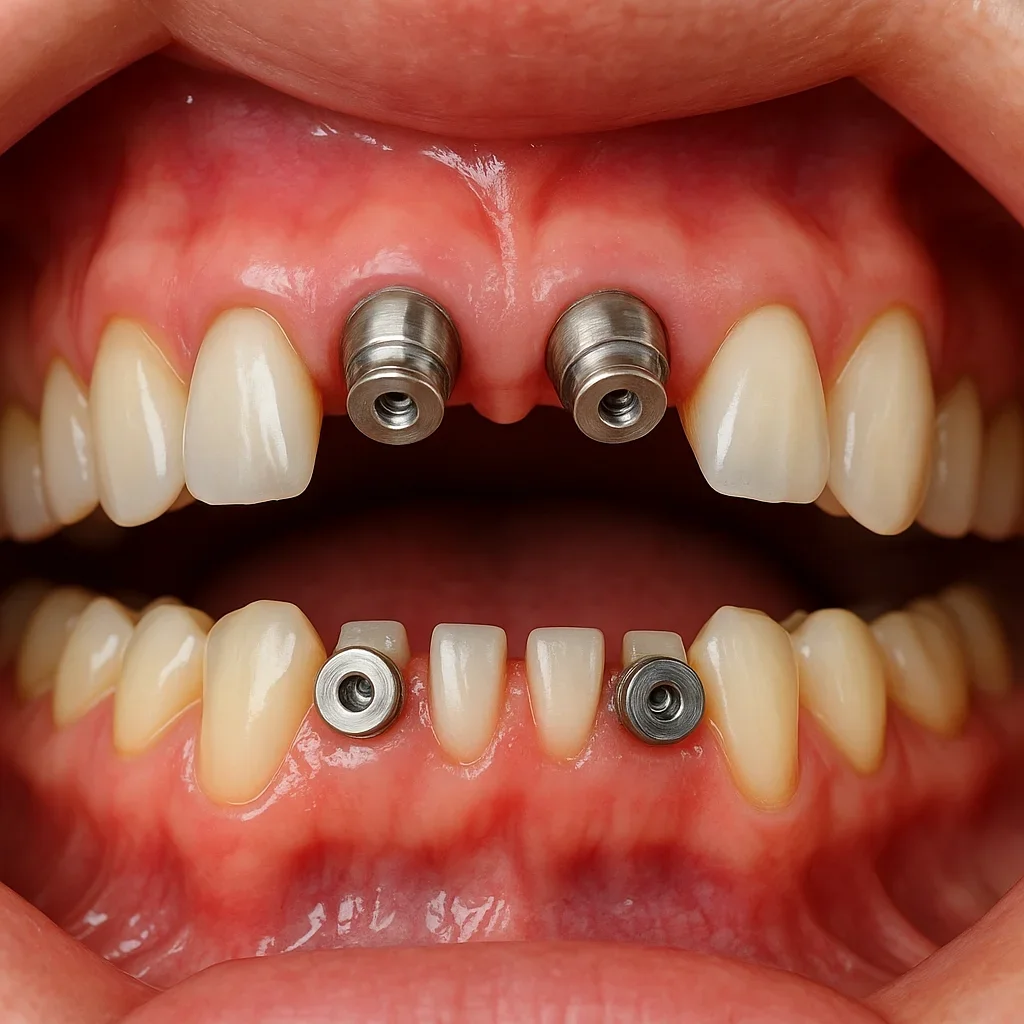
Common Problems, Risks, and How to Avoid Implant Failure
Although dental implants top teeth have an exceptionally high success rate, patients should still be
aware of potential risks and common complications associated with upper implants. The upper jaw has softer bone, a
unique anatomical relationship with the sinus cavities, and a highly visible smile line—all of which require precise
planning and careful aftercare. Understanding these risks helps patients take proactive steps to protect their
implants and maintain long-term oral health. This comprehensive section explains the most common issues, why they
occur, and how to prevent implant failure with proper habits, professional guidance, and consistent maintenance. 😊
Why Upper Dental Implants Have Unique Challenges
Compared to lower implants, dental implants top teeth face different biological and structural
conditions. The bone in the maxilla (upper jaw) tends to be thinner and more porous, which means implants require
strong primary stability and precise angulation to achieve long-lasting integration. Additionally, the upper implants
often lie close to the maxillary sinus, making sinus-related complications more likely if not properly managed.
Key Anatomical Factors
- Softer bone density: Slower osseointegration and potential micromovement during healing
- Limited bone height: Especially common in molar regions
- Sinus proximity: Risk of sinus perforation without proper planning
- Highly visible smile zone: Any gum recession becomes noticeable
These factors emphasize the importance of choosing an experienced implant specialist who understands the
complexities of placing dental implants top teeth.
Most Common Complications After Upper Implant Placement
Although rare, certain issues may develop if the implant does not heal properly or if external factors interfere
with osseointegration. Early awareness leads to early intervention—which is crucial for preventing failure.
1. Peri-Implant Mucositis
This is an early stage of gum inflammation around the implant. It is similar to gingivitis around natural teeth.
Symptoms may include redness, mild tenderness, or bleeding while brushing.
Fortunately, mucositis is reversible when addressed promptly with improved hygiene and professional cleaning.
2. Peri-Implantitis
Peri-implantitis is a more advanced condition in which inflammation spreads to the bone surrounding the implant.
This can cause bone loss, instability, and eventual implant failure if untreated.
Patients with dental implants top teeth must be especially vigilant because softer upper bone is
more prone to deterioration once inflammation begins.
3. Sinus Complications
If an implant is placed too close to the sinus cavity or if bone levels are inadequate, a sinus perforation or
sinusitis may occur. Modern imaging techniques reduce this risk significantly, and sinus lifts can create safe
bone height for implant placement.
4. Implant Mobility or Failure to Integrate
Occasional mobility during healing may occur if the implant is subjected to excessive biting pressure or if bone
quality is insufficient. Mobility indicates a lack of proper osseointegration and requires immediate evaluation.
5. Aesthetic Complications
Because the upper teeth are so visible, even minor gum recession or crown misalignment can affect appearance.
Proper gum shaping and professional technique minimize these issues.
Risk Factors That Increase the Chance of Implant Failure
While implants are successful in the vast majority of cases, certain risk factors may increase the likelihood of
complications. Understanding these risk elements allows patients and clinicians to proactively reduce or eliminate
them.
Health-Related Risk Factors
- Uncontrolled diabetes
- Autoimmune diseases affecting healing
- Chronic sinus issues
- Osteoporosis affecting bone density
These conditions don’t always prevent patients from receiving dental implants top teeth, but they
require careful planning and sometimes medical clearance.
Behavioral and Lifestyle Risks
- Smoking: Reduces oxygen flow, slows healing, and increases infection risk
- Poor oral hygiene: The biggest cause of peri-implantitis
- Night grinding: Excessive pressure that can fatigue the implant
- Skipping dental visits: Missed early signs of implant problems
Patients who avoid these risk factors see dramatically higher long-term success rates with
dental implants top teeth.
How to Prevent Upper Implant Complications
Prevention is always better than treatment. The following strategies significantly reduce the chance of problems
both during healing and long after the crown is placed.
1. Strict Oral Hygiene Routine
- Brush twice daily using a soft brush
- Floss or use water flossers every day
- Use antimicrobial mouth rinses when recommended
Cleanliness around the abutment and crown reduces plaque buildup, lowering the risk of gum inflammation and bone
loss.
2. Regular Dental Checkups
Routine professional monitoring is essential for detecting early signs of trouble. Every 6 months, dentists check
bone levels, gum attachment, and crown integrity.
The American Dental Association highlights follow-up care as a
critical component of implant success.
3. Follow the Post-Surgery Protocol
During the initial healing phase, avoid biting hard foods, smoking, and unnecessary pressure on the implant. Proper
post-operative care ensures stable osseointegration—one of the most important success factors for
dental implants top teeth.
4. Protect Against Grinding
Night guards protect the implant and crown from excessive force. They also help preserve natural teeth and prevent
jaw discomfort.
When to Seek Professional Help
Patients should contact their dentist immediately if they notice swelling, pain, bad taste, mobility, or unusual
pressure near the implant. Early treatment usually prevents serious complications.
For personalized evaluation or support regarding implant problems, the
Redent Klinik Contact Page provides access to skilled
implant specialists who can diagnose and treat any concerns promptly.
Overall, while dental implants top teeth are highly successful, long-term results depend significantly
on proper planning, good health, careful maintenance, and early intervention when needed. By understanding and
preventing the most common risks, patients can enjoy stable, aesthetic, and fully functional upper implants for many
years. 🌟