
When people first hear the phrase dental implants what is it, they often imagine a complicated or even intimidating dental procedure. However, understanding dental implants what is it is much simpler than it seems. Dental implants are one of the most advanced and reliable solutions in modern dentistry for replacing missing teeth. They are designed to look, feel, and function just like natural teeth, offering both aesthetic and functional benefits 😊.
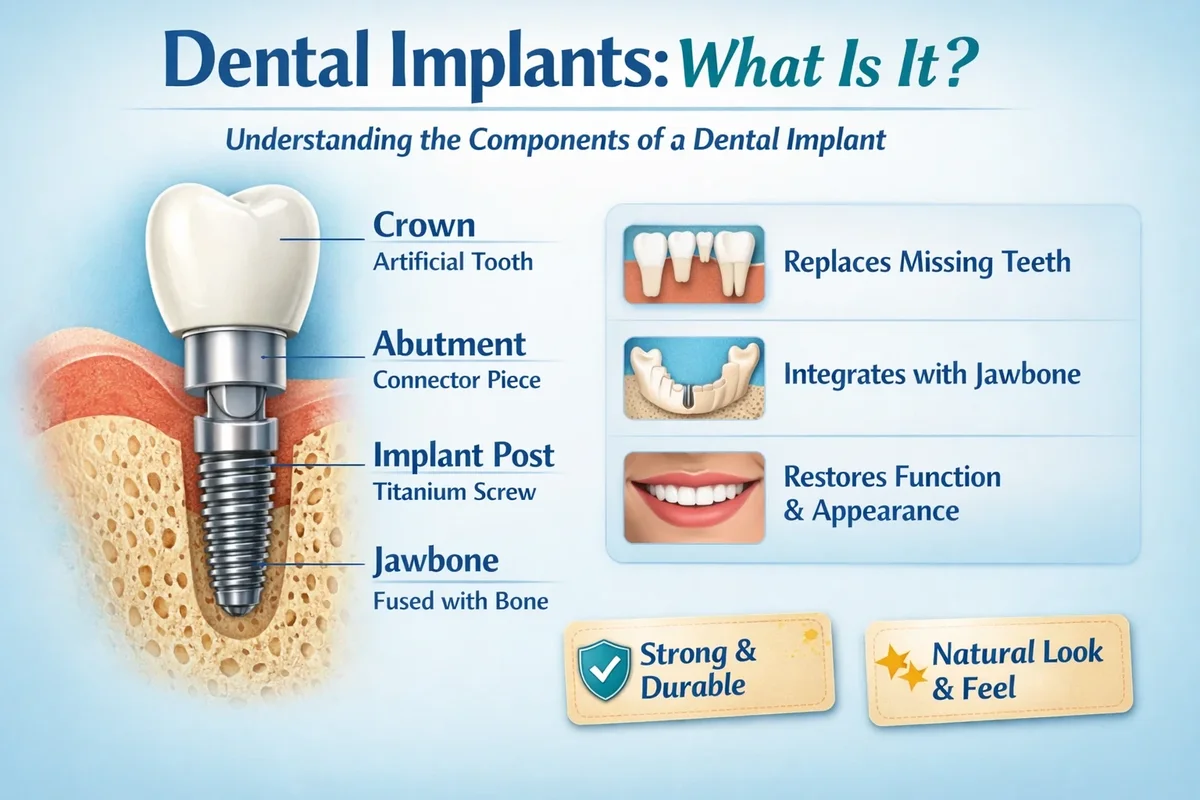
So, dental implants what is it exactly? A dental implant is a small titanium post that is surgically placed into the jawbone. This post acts as an artificial tooth root. Over time, it fuses with the bone in a process called osseointegration. Once this integration is complete, a crown (artificial tooth) is placed on top, restoring the appearance and function of the missing tooth.
Understanding dental implants what is it also means recognizing that this solution is not just cosmetic. It plays a crucial role in maintaining oral health. When a tooth is lost, the jawbone in that area begins to deteriorate due to lack of stimulation. Dental implants prevent this bone loss by mimicking the function of natural tooth roots. This is why many dental professionals consider them the gold standard for tooth replacement.
Another important aspect of dental implants what is it is the structure of the implant itself. A complete dental implant typically consists of three parts:
- The implant post: A titanium screw placed into the jawbone
- The abutment: A connector that holds the crown securely
- The crown: The visible part that looks like a natural tooth
Each component plays a vital role in ensuring durability and comfort. When patients ask dental implants what is it, it’s essential to explain that the success of this treatment depends on precise planning, high-quality materials, and professional expertise.
One of the biggest advantages of understanding dental implants what is it is realizing how natural they feel. Unlike removable dentures, implants are fixed in place. This means no slipping, no discomfort while speaking, and no dietary restrictions. You can eat your favorite foods confidently 🍎.
Additionally, dental implants what is it involves a long-term solution. With proper care, dental implants can last 20 years or even a lifetime. This makes them a cost-effective investment compared to other temporary solutions like bridges or dentures that may need frequent replacement.
Patients often wonder whether the procedure is painful. When discussing dental implants what is it, it’s reassuring to note that the surgery is typically performed under local anesthesia, and most patients report minimal discomfort. Recovery times vary, but many people return to normal activities within a few days.
From a functional perspective, understanding dental implants what is it also includes knowing how they improve overall oral performance. Implants restore chewing efficiency, improve speech clarity, and help maintain facial structure. Without teeth, facial muscles can sag over time, leading to an aged appearance. Dental implants help preserve a youthful look by supporting the facial tissues.
Another key point about dental implants what is it is customization. Each implant is tailored to the patient’s specific needs. Factors such as bone density, gum health, and the number of missing teeth are all considered during treatment planning. This personalized approach ensures optimal results.
If you are considering dental implants, consulting a trusted clinic is essential. You can easily reach out through the Redent Klinik Contact Page to get professional guidance and personalized treatment options.
For more authoritative information about oral health and dental procedures, you can also visit the American Dental Association, which provides reliable resources and guidelines.
In conclusion, when asking dental implants what is it, the answer is clear: it is a modern, effective, and long-lasting solution for replacing missing teeth. It restores not only your smile but also your confidence and quality of life. By understanding dental implants what is it, you are taking the first step toward a healthier and more confident future 😁.
What Are Dental Implants and How Do They Work?
When exploring the question dental implants what is it, one of the most important aspects to understand is how dental implants actually function inside the mouth. Dental implants are not just artificial teeth; they are a complete replacement system designed to replicate the natural structure of a tooth from root to crown. This is why understanding dental implants what is it requires a deeper look into both their design and biological integration.
At its core, dental implants what is it refers to a medical-grade titanium post that is surgically inserted into the jawbone. Titanium is used because it is biocompatible, meaning the body accepts it without rejection. Once placed, the implant becomes a stable foundation for a replacement tooth, allowing patients to regain both functionality and aesthetics 😊.
The Basic Structure of Dental Implants
To fully understand dental implants what is it, it’s essential to break down the three main components that make up a dental implant system:
- Implant Post: This is the screw-like structure placed into the jawbone. It acts as an artificial root.
- Abutment: A connector piece that sits on top of the implant post and holds the crown securely.
- Crown: The visible part that looks and functions like a natural tooth.
Each of these components plays a vital role in ensuring that dental implants what is it delivers both strength and durability. Unlike traditional dentures, this system is fixed and stable, which significantly improves comfort and confidence.
Why Titanium Is Used in Dental Implants
When discussing dental implants what is it, one of the most fascinating aspects is the use of titanium. This material has a unique ability to fuse with bone through a process known as osseointegration. This biological bonding ensures that the implant becomes a permanent part of the jaw, providing unmatched stability compared to other tooth replacement options.
Because of this integration, dental implants what is it is not just about replacing teeth—it’s about restoring the natural function of the entire oral system.
The Step-by-Step Working Mechanism
Understanding dental implants what is it also involves knowing how the process unfolds over time. Dental implants do not work instantly; they go through several stages:
- Consultation and Planning: The dentist evaluates bone density, oral health, and suitability.
- Surgical Placement: The implant post is inserted into the jawbone.
- Healing Period: Osseointegration occurs, typically over several weeks or months.
- Abutment Placement: The connector is attached once healing is complete.
- Crown Placement: A custom-made crown is fixed on top, completing the restoration.
This multi-stage process ensures that dental implants what is it provides long-term success. Each phase is carefully designed to maximize stability and comfort.
Osseointegration: The Key to Success
One of the most critical concepts when explaining dental implants what is it is osseointegration. This is the process where the jawbone grows around the implant, locking it firmly in place. Without this step, the implant would not be stable enough to support a crown.
Osseointegration is what makes dental implants what is it fundamentally different from dentures or bridges. It transforms the implant into a functional part of your body rather than a removable appliance.
How Dental Implants Mimic Natural Teeth
Another important angle to consider when discussing dental implants what is it is how closely they replicate natural teeth. Natural teeth have roots that stimulate the jawbone during chewing. Dental implants perform the same function, which helps maintain bone density and facial structure.
In addition, the crown is custom-designed to match the color, shape, and size of surrounding teeth. This means that when people ask dental implants what is it, the answer includes not only functionality but also seamless aesthetics 😁.
Functional Benefits in Daily Life
Understanding dental implants what is it also highlights the practical benefits patients experience daily. These include:
- Improved chewing ability without discomfort
- Clearer speech compared to loose dentures
- No need for adhesives or removal
- Enhanced confidence in social situations
Because of these advantages, dental implants what is it has become one of the most sought-after treatments in modern dentistry.
Longevity and Reliability
One of the most compelling reasons patients research dental implants what is it is their long lifespan. With proper care, dental implants can last decades. This durability is due to the strong bond between the implant and the jawbone, as well as the high-quality materials used.
Compared to other solutions, dental implants what is it offers a more permanent and reliable option, reducing the need for frequent replacements or adjustments.
In summary, when asking dental implants what is it, the answer goes far beyond a simple definition. It is a scientifically advanced solution that restores both the function and appearance of natural teeth. By integrating with the body and mimicking natural tooth structure, dental implants provide a stable, long-lasting, and highly effective treatment for missing teeth. Understanding dental implants what is it is the first step toward making an informed and confident dental decision 🦷.
Why People Choose Dental Implants Over Other Options
When patients begin researching tooth replacement solutions, one of the most common questions they ask is dental implants what is it and why it is often recommended over alternatives like dentures or dental bridges. The answer lies in the unique combination of durability, functionality, and natural appearance that dental implants provide. Understanding dental implants what is it helps patients realize why this treatment has become the gold standard in modern dentistry 😊.
Unlike traditional solutions, dental implants do not just replace the visible part of a tooth—they replace the root as well. This is a key reason why dental implants what is it stands out. By anchoring directly into the jawbone, implants offer a level of stability that dentures and bridges simply cannot match.
Superior Stability and Comfort
One of the primary reasons people choose dental implants is their stability. When exploring dental implants what is it, patients quickly learn that implants are fixed in place and do not move. This is in stark contrast to removable dentures, which can slip or cause discomfort during eating or speaking.
Because implants integrate with the bone, they feel like natural teeth. This means no clicking sounds, no shifting, and no need for adhesives. For many patients, understanding dental implants what is it leads to a sense of relief, knowing they can return to normal daily activities without worry.
Confidence in Social Situations
Another important factor in choosing dental implants is the boost in confidence. Patients who fully understand dental implants what is it often report feeling more comfortable smiling, speaking, and interacting with others. There is no fear of dentures slipping or falling out, which can be a major concern with other options.
Long-Term Durability and Value
When evaluating tooth replacement methods, durability plays a crucial role. Understanding dental implants what is it reveals that implants are designed to last for decades. In many cases, with proper oral hygiene and regular dental check-ups, they can last a lifetime.
While the initial cost may seem higher compared to dentures or bridges, the long-term value of dental implants what is it becomes clear over time. Dentures often need replacement every 5–10 years, and bridges may require adjustments or replacement as well. Implants, on the other hand, provide a more permanent solution.
Cost vs. Lifetime Investment
Patients often compare costs when considering dental implants what is it. Although implants may require a higher upfront investment, they reduce future expenses related to maintenance, repairs, or replacements. This makes them a smart financial decision in the long run 💡.
Preservation of Jawbone and Facial Structure
One of the most overlooked benefits when discussing dental implants what is it is their ability to preserve the jawbone. When a tooth is lost, the bone in that area begins to shrink due to lack of stimulation. This can lead to changes in facial appearance, such as sagging or premature aging.
Dental implants prevent this process by stimulating the bone just like natural tooth roots. This is a major reason why dentists emphasize dental implants what is it as not only a cosmetic solution but also a preventive one.
Preventing Bone Loss
By maintaining bone density, dental implants what is it helps preserve the natural contours of the face. This contributes to a more youthful appearance and prevents the “sunken” look often associated with missing teeth.
Improved Functionality and Eating Experience
Another strong reason patients choose implants is improved functionality. When learning dental implants what is it, it becomes clear that implants restore nearly 100% of natural chewing ability. This allows patients to enjoy a wide variety of foods without restriction 🍎.
In contrast, dentures can limit dietary choices and make it difficult to chew certain foods. With implants, patients can eat confidently and maintain a balanced diet, which is essential for overall health.
No Impact on Adjacent Teeth
Traditional dental bridges require the support of adjacent teeth, which often need to be filed down. However, when understanding dental implants what is it, patients discover that implants are independent structures. They do not rely on neighboring teeth for support.
This means that healthy teeth remain untouched, preserving their natural structure and strength. This conservative approach is another reason why dental implants what is it is highly recommended by dental professionals.
Easy Maintenance and Oral Hygiene
Maintaining dental implants is simple and similar to caring for natural teeth. When patients understand dental implants what is it, they are often surprised to learn that no special cleaning routines are required. Regular brushing, flossing, and dental check-ups are sufficient.
Unlike dentures, which need to be removed and cleaned separately, implants remain in place and integrate seamlessly into daily oral hygiene routines. This convenience is a major advantage.
Psychological and Lifestyle Benefits
Beyond physical advantages, understanding dental implants what is it also highlights psychological benefits. Patients often experience improved self-esteem and quality of life after receiving implants. They no longer feel self-conscious about missing teeth or unstable dentures.
This emotional improvement can positively impact both personal and professional interactions, making dental implants what is it a life-changing solution for many individuals.
In conclusion, when asking dental implants what is it, it becomes clear why so many people choose this option over traditional alternatives. From superior stability and long-term durability to improved oral health and confidence, dental implants offer a comprehensive solution that addresses both functional and aesthetic needs. By fully understanding dental implants what is it, patients can make informed decisions and invest in a healthier, more confident future 😁.
Types of Dental Implants Explained in Detail
When patients research dental implants what is it, one of the most important aspects to understand is that there are different types of dental implants designed to suit various needs. Not every patient has the same bone structure, oral condition, or treatment goals. Therefore, understanding dental implants what is it also means knowing which type of implant is most suitable for each situation.
Dental implants are not a one-size-fits-all solution. Instead, they are highly customizable, allowing dentists to choose the most effective approach based on individual factors. This flexibility is one of the key reasons why dental implants what is it has become such a widely preferred treatment in modern dentistry 😊.
Main Categories of Dental Implants
To better understand dental implants what is it, it is helpful to start with the two primary categories of dental implants:
- Endosteal Implants
- Subperiosteal Implants
Each type serves a specific purpose and is chosen based on the patient’s jawbone condition and treatment requirements.
Endosteal Implants (Most Common Type)
Endosteal implants are the most widely used type when discussing dental implants what is it. These implants are placed directly into the jawbone and typically have a screw-like shape. Once the implant integrates with the bone, it provides a strong and stable foundation for the artificial tooth.
This type of implant is ideal for patients with sufficient bone density. Because of their high success rate, endosteal implants are often the first choice when considering dental implants what is it.
Subperiosteal Implants (Alternative Option)
Subperiosteal implants are used when patients do not have enough healthy jawbone for endosteal implants and prefer to avoid bone grafting. Instead of being placed inside the bone, these implants sit on top of the jawbone but under the gum tissue.
Although less common today, subperiosteal implants still play a role in certain cases. Understanding dental implants what is it includes recognizing that this option can be beneficial for patients with specific anatomical limitations.
Advanced Implant Types and Techniques
As dental technology has advanced, new variations of implants have emerged. When exploring dental implants what is it, patients may come across these modern options:
All-on-4 Dental Implants
The All-on-4 technique is a revolutionary approach in which a full arch of teeth is supported by just four implants. This method is particularly beneficial for patients who have lost most or all of their teeth.
When understanding dental implants what is it, the All-on-4 system stands out because it minimizes the number of implants needed while still providing excellent stability and function. It is also known for shorter treatment times and faster recovery.
Zygomatic Implants
Zygomatic implants are a specialized type used in cases of severe bone loss in the upper jaw. Instead of being anchored in the jawbone, these implants are placed in the cheekbone (zygoma).
This advanced option demonstrates how versatile dental implants what is it can be. It allows patients who might otherwise not qualify for implants to still benefit from this treatment.
Mini Dental Implants
Mini dental implants are smaller in diameter compared to traditional implants. They are often used for stabilizing dentures or in cases where space is limited.
When patients ask dental implants what is it, mini implants are an important variation to consider. They typically require less invasive procedures and may have shorter healing times, making them a suitable option for certain individuals.
Single Tooth vs. Multiple Tooth Implants
Another way to categorize dental implants what is it is based on the number of teeth being replaced:
- Single Tooth Implant: Used to replace one missing tooth
- Implant-Supported Bridge: Replaces several missing teeth
- Full Arch Implants: Restores an entire row of teeth
This classification helps patients understand that dental implants what is it is not limited to individual tooth replacement—it can address a wide range of dental needs.
Choosing the Right Type of Implant
Selecting the appropriate implant type is a critical step in the treatment process. When evaluating dental implants what is it, dentists consider several factors:
- Bone density and quality
- Number of missing teeth
- Overall oral health
- Patient preferences and expectations
This personalized approach ensures that each patient receives the most effective and long-lasting solution. It also highlights why understanding dental implants what is it involves more than just basic knowledge—it requires professional assessment and planning.
Technological Innovations in Implant Dentistry
Modern dentistry continues to improve the effectiveness of dental implants. Digital imaging, 3D planning, and guided surgery have made procedures more precise and predictable.
When patients explore dental implants what is it, they benefit from these technological advancements, which enhance both safety and outcomes. These innovations allow for faster healing, better aesthetics, and higher success rates 🚀.
Longevity Based on Implant Type
The lifespan of dental implants can vary depending on the type and how well they are maintained. However, most implant types offer long-term durability when properly cared for.
Understanding dental implants what is it includes recognizing that while all types are designed to be long-lasting, regular dental visits and good oral hygiene are essential for maintaining their performance.
In conclusion, when asking dental implants what is it, it is crucial to understand the variety of implant types available. From traditional endosteal implants to advanced solutions like All-on-4 and zygomatic implants, each option is tailored to meet specific patient needs. By learning about these different types, patients can make informed decisions and choose the most suitable solution for restoring their smile and oral health 😁.
The Step-by-Step Dental Implant Procedure
When patients ask dental implants what is it, one of the most important parts of the answer involves understanding the full procedure. Knowing exactly what happens step by step helps reduce anxiety and builds confidence in the treatment. The process of dental implants what is it is carefully planned, highly precise, and designed to ensure long-term success 😊.
Unlike simple dental treatments, dental implants require multiple stages to achieve optimal results. Each phase plays a crucial role in ensuring that the implant integrates properly and functions like a natural tooth. Understanding dental implants what is it means recognizing that patience and precision are key to success.
Initial Consultation and Assessment
The journey of dental implants what is it begins with a comprehensive consultation. During this stage, the dentist evaluates the patient’s oral health, bone density, and overall suitability for implants.
- Digital X-rays or 3D scans are taken
- Medical history is reviewed
- Gum health and bone structure are assessed
This step is essential because it determines whether additional procedures, such as bone grafting, are needed. When discussing dental implants what is it, this planning phase ensures a personalized treatment plan tailored to each patient.
Customized Treatment Planning
Every patient is unique, and so is their treatment plan. Understanding dental implants what is it includes recognizing that factors such as the number of missing teeth and jawbone condition influence the procedure.
Advanced digital tools allow dentists to map out the exact placement of implants, increasing accuracy and reducing risks.
Preparation and Pre-Surgical Procedures
Before the implant placement, some patients may require preparatory treatments. This stage of dental implants what is it ensures that the mouth is ready for surgery.
Bone Grafting (If Needed)
If the jawbone is too thin or weak, a bone graft may be necessary. This procedure strengthens the bone, providing a solid foundation for the implant.
Understanding dental implants what is it means knowing that this step can significantly improve the long-term success of the implant.
Tooth Extraction
If a damaged tooth is still present, it may need to be removed before placing the implant. In some cases, extraction and implant placement can occur on the same day.
Surgical Placement of the Implant
This is the core stage of dental implants what is it. The implant post is surgically inserted into the jawbone under local anesthesia.
- The dentist makes a small incision in the gum
- A precise hole is drilled into the bone
- The titanium implant is placed securely
Most patients report minimal discomfort during this stage. Thanks to modern techniques, the procedure is safe and efficient. Understanding dental implants what is it helps patients feel more at ease during surgery.
Immediate vs. Delayed Placement
Depending on the case, implants can be placed immediately after extraction or after a healing period. This flexibility is another reason why dental implants what is it is considered a versatile solution.
Healing and Osseointegration Phase
After the implant is placed, the healing phase begins. This is one of the most critical stages of dental implants what is it.
During this time, the implant fuses with the jawbone through a process called osseointegration. This can take several weeks to a few months.
This biological integration ensures that the implant becomes stable and strong enough to support a crown. Understanding dental implants what is it highlights why this step cannot be rushed.
Temporary Solutions During Healing
Patients may receive temporary crowns or dentures during the healing phase. This allows them to maintain appearance and function while waiting for the final restoration.
Abutment Placement
Once healing is complete, the next step in dental implants what is it is placing the abutment. This small connector piece attaches to the implant and holds the crown in place.
This procedure is usually minor and may require only local anesthesia. The gums are allowed to heal around the abutment before the final crown is placed.
Final Crown Placement
The final stage of dental implants what is it is attaching the custom-made crown. This crown is designed to match the color, shape, and size of natural teeth.
- Impressions are taken for precise design
- The crown is fabricated in a dental lab
- The dentist securely attaches it to the abutment
Once completed, the implant looks and functions just like a natural tooth. This is the moment when patients fully experience the benefits of dental implants what is it 😁.
Recovery and Post-Procedure Care
Recovery is generally smooth, with mild swelling or discomfort lasting a few days. Patients are advised to:
- Maintain good oral hygiene
- Avoid hard foods during initial healing
- Attend follow-up appointments
Understanding dental implants what is it includes knowing that proper aftercare is essential for long-term success.
Timeline Overview
The full process of dental implants what is it can take several months, depending on individual factors. While this may seem lengthy, each stage is necessary to ensure durability and stability.
The result is a permanent, natural-looking tooth replacement that can last for decades.
In conclusion, the step-by-step process of dental implants what is it is carefully designed to provide safe, effective, and long-lasting results. From initial consultation to final crown placement, each phase contributes to restoring both function and aesthetics. By understanding dental implants what is it, patients can approach the procedure with confidence and clarity, knowing they are investing in a reliable and life-changing solution 🦷.
Who Is a Good Candidate for Dental Implants?
When patients begin researching dental implants what is it, one of the most important questions they ask is whether they are suitable candidates for the procedure. Not everyone automatically qualifies for dental implants, but the good news is that many people can become eligible with proper preparation. Understanding dental implants what is it includes knowing the criteria that determine candidacy and the factors that influence long-term success 😊.
Dental implants are highly versatile, but they rely on certain biological and health conditions to function effectively. This is why dentists carefully evaluate each patient before recommending treatment. Knowing dental implants what is it helps patients understand why these evaluations are essential.
Basic Requirements for Dental Implant Candidates
To qualify for dental implants, patients generally need to meet a few fundamental criteria. When exploring dental implants what is it, these requirements form the foundation of a successful outcome:
- Healthy gums free from active infection
- Sufficient jawbone density to support the implant
- Good overall oral hygiene habits
- Commitment to follow post-treatment care instructions
These conditions ensure that the implant can integrate properly with the bone and remain stable over time. Understanding dental implants what is it highlights why these factors are so important.
The Importance of Healthy Gums
Healthy gum tissue is essential for implant success. Gum disease, also known as periodontal disease, can compromise the stability of an implant. When discussing dental implants what is it, dentists often emphasize treating gum issues before proceeding with the implant procedure.
Bone Density and Jaw Structure
One of the most critical aspects of dental implants what is it is the condition of the jawbone. Since the implant is anchored into the bone, sufficient density is required to support it.
What If Bone Density Is Low?
Patients with low bone density are not automatically excluded. Modern dentistry offers solutions such as bone grafting, which can rebuild the bone and make implants possible. Understanding dental implants what is it includes knowing that these preparatory procedures can significantly expand eligibility.
Advanced techniques like sinus lifts or bone augmentation further demonstrate how adaptable dental implants what is it has become in recent years.
Age Considerations
Many people wonder whether age affects eligibility for dental implants. When evaluating dental implants what is it, age is less important than overall health and bone condition.
- Younger Patients: Implants are usually recommended only after jaw growth is complete
- Older Adults: Age is not a barrier if oral and general health are good
This means that understanding dental implants what is it opens opportunities for a wide range of age groups, from young adults to seniors.
Medical Conditions and Their Impact
Certain medical conditions can influence the success of dental implants. When learning dental implants what is it, patients should be aware of how their overall health plays a role.
Conditions That May Affect Eligibility
- Uncontrolled diabetes
- Autoimmune disorders
- Severe osteoporosis
- Chronic smoking habits
These conditions do not always disqualify a patient, but they may require additional precautions. Understanding dental implants what is it helps patients discuss these factors openly with their dentist.
Lifestyle Factors That Influence Success
Lifestyle choices can significantly impact the outcome of dental implants. When considering dental implants what is it, it’s important to evaluate habits such as smoking and oral hygiene.
Smoking and Implant Success
Smoking can slow healing and reduce the success rate of implants. Patients who understand dental implants what is it are often encouraged to quit smoking before and after the procedure to improve results.
Oral Hygiene Commitment
Maintaining good oral hygiene is essential. Brushing, flossing, and regular dental visits are necessary to keep implants healthy. Understanding dental implants what is it includes recognizing that implants require the same level of care as natural teeth.
Psychological Readiness and Expectations
Another important factor in determining candidacy is the patient’s expectations and commitment. When exploring dental implants what is it, patients should understand that the process takes time and requires patience.
Having realistic expectations about healing time, outcomes, and maintenance ensures a more satisfying experience. This mental preparedness is often overlooked but plays a key role in success.
When Dental Implants May Not Be Recommended
In some cases, dental implants may not be the best option. Understanding dental implants what is it also involves recognizing these limitations:
- Severe untreated gum disease
- Insufficient bone without the possibility of grafting
- Poor overall health that affects healing
In such situations, dentists may recommend alternative treatments. However, ongoing advancements in dentistry continue to expand the possibilities for patients who were once considered unsuitable.
Consultation: The Final Decision Step
The best way to determine candidacy is through a professional consultation. When patients ask dental implants what is it, the dentist provides a detailed evaluation and personalized recommendation.
This consultation includes imaging, health assessments, and a discussion of treatment goals. It ensures that each patient receives the most appropriate care plan.
In conclusion, understanding dental implants what is it is essential for determining whether you are a good candidate for this life-changing procedure. While certain conditions must be met, modern dental techniques have made implants accessible to a wider range of patients than ever before. By evaluating oral health, bone density, medical history, and lifestyle factors, dentists can create a tailored plan that maximizes success. With the right preparation and guidance, many patients can confidently move forward with dental implants and enjoy a healthier, more confident smile 😁.
Benefits of Dental Implants for Long-Term Oral Health
When patients research dental implants what is it, one of the most compelling reasons they consider this treatment is the wide range of long-term benefits it offers. Dental implants are not just about replacing missing teeth—they are about restoring full oral health, improving quality of life, and preventing future dental problems. Understanding dental implants what is it helps patients see why this solution is often recommended as a permanent and reliable option 😊.
Unlike temporary fixes such as dentures or bridges, dental implants address the root cause of tooth loss. They replace both the visible tooth and its root, ensuring that the entire oral system functions properly. This is why learning dental implants what is it is essential for anyone looking for a durable and health-focused solution.
Preservation of Jawbone Structure
One of the most important benefits of dental implants what is it is their ability to preserve the jawbone. When a tooth is lost, the surrounding bone begins to deteriorate due to lack of stimulation. Over time, this can lead to significant bone loss and changes in facial structure.
Dental implants prevent this process by acting like natural tooth roots. They stimulate the bone during chewing, maintaining its density and strength. Understanding dental implants what is it highlights how this treatment helps prevent long-term complications associated with bone loss.
Preventing Facial Collapse
Bone loss can cause the face to appear sunken or aged. By maintaining bone structure, dental implants what is it helps preserve a youthful facial appearance. This benefit goes beyond oral health and contributes to overall confidence and self-image 😁.
Improved Chewing and Digestion
Another major advantage of dental implants what is it is the restoration of full chewing ability. Missing teeth or unstable dentures can make it difficult to eat certain foods, leading to poor nutrition.
Dental implants restore nearly 100% of natural chewing function. This allows patients to enjoy a balanced diet, which is essential for overall health. Understanding dental implants what is it shows how this treatment supports both oral and systemic well-being.
Freedom to Eat All Foods
With dental implants, patients can confidently eat hard, crunchy, or chewy foods without discomfort. This level of freedom is rarely achievable with other tooth replacement options.
Enhanced Speech and Communication
Speech clarity is often affected by missing teeth or ill-fitting dentures. When exploring dental implants what is it, patients learn that implants provide a stable and secure solution that improves pronunciation.
Because implants are fixed in place, they eliminate the risk of slipping or clicking sounds. This allows patients to speak naturally and confidently in both personal and professional settings.
Protection of Adjacent Teeth
Traditional dental bridges require support from neighboring teeth, which may need to be altered or reduced. However, understanding dental implants what is it reveals that implants do not rely on adjacent teeth.
This means that healthy teeth remain untouched, preserving their natural structure. This conservative approach is a significant advantage for long-term oral health.
Maintaining Natural Tooth Integrity
By avoiding unnecessary modification of surrounding teeth, dental implants what is it helps maintain overall dental integrity. This reduces the risk of future complications and preserves natural tooth strength.
Long-Term Durability and Reliability
One of the most appealing aspects of dental implants what is it is their longevity. With proper care, dental implants can last for decades, often a lifetime.
This durability makes them a cost-effective solution over time. Unlike dentures or bridges that may need frequent replacement, implants provide a stable and long-lasting option.
Minimal Maintenance Requirements
Maintaining dental implants is simple and similar to caring for natural teeth. Regular brushing, flossing, and dental check-ups are sufficient to keep them in excellent condition.
Understanding dental implants what is it reassures patients that they do not need complicated cleaning routines or special products.
Prevention of Oral Health Issues
Missing teeth can lead to various oral health problems, including shifting of adjacent teeth, bite misalignment, and increased risk of gum disease. When learning dental implants what is it, patients discover that implants help prevent these issues.
By filling the gap left by missing teeth, implants maintain proper alignment and spacing. This contributes to overall oral stability and reduces the likelihood of future complications.
Boost in Self-Confidence and Mental Well-Being
Beyond physical health, understanding dental implants what is it also highlights psychological benefits. A complete and natural-looking smile can significantly improve self-esteem.
Patients often feel more confident in social interactions, professional environments, and everyday activities. This emotional boost is an important aspect of overall well-being.
Improved Quality of Life
All these benefits combine to enhance the overall quality of life. When patients fully understand dental implants what is it, they realize that this treatment goes beyond aesthetics—it restores comfort, functionality, and confidence.
From eating favorite foods to speaking clearly and smiling freely, dental implants make daily life more enjoyable and stress-free.
Long-Term Investment in Health
Choosing dental implants is not just a cosmetic decision—it is a long-term investment in oral and general health. Understanding dental implants what is it helps patients see the bigger picture: preventing future dental issues, maintaining bone health, and improving overall well-being.
In conclusion, the benefits of dental implants what is it extend far beyond replacing missing teeth. They provide a comprehensive solution that supports long-term oral health, enhances functionality, and boosts confidence. By preserving bone structure, protecting natural teeth, and improving daily life, dental implants stand out as one of the most effective treatments in modern dentistry. Understanding dental implants what is it empowers patients to make informed decisions and invest in a healthier, happier future 🦷✨.
Risks and Potential Complications You Should Know
When patients explore dental implants what is it, it is equally important to understand not only the benefits but also the potential risks and complications associated with the procedure. While dental implants have a very high success rate, no medical or dental treatment is completely risk-free. Understanding dental implants what is it in a realistic and informed way helps patients make confident decisions and prepare properly for treatment 😊.
Most complications related to dental implants are rare and can often be prevented with proper planning, experienced dental care, and good oral hygiene. Still, knowing the possible risks allows patients to recognize early warning signs and seek timely intervention. This is why learning dental implants what is it must include both advantages and potential challenges.
Common Short-Term Side Effects
After the implant procedure, it is normal to experience mild and temporary side effects. When discussing dental implants what is it, patients should expect some level of discomfort during the healing phase.
- Swelling around the gums and face
- Minor bleeding at the implant site
- Mild pain or discomfort
- Bruising of the skin or gums
These symptoms usually subside within a few days and can be managed with prescribed medications. Understanding dental implants what is it helps patients stay calm and recognize that these are normal parts of the healing process.
Managing Post-Surgical Discomfort
Following the dentist’s aftercare instructions is crucial. Applying ice packs, taking medications as prescribed, and avoiding hard foods can significantly reduce discomfort. This is an important part of understanding dental implants what is it and ensuring a smooth recovery.
Infection at the Implant Site
One of the more serious risks when considering dental implants what is it is infection. If bacteria enter the surgical site, it can lead to inflammation or peri-implantitis (infection around the implant).
Although rare, infections can compromise the stability of the implant if not treated promptly. Maintaining excellent oral hygiene is essential when understanding dental implants what is it and preventing such complications.
Signs of Infection
- Persistent pain or swelling
- Pus or discharge from the implant site
- Bad taste or odor in the mouth
- Fever in severe cases
If any of these symptoms occur, immediate dental consultation is necessary.
Implant Failure and Osseointegration Issues
Another potential complication related to dental implants what is it is implant failure. This occurs when the implant does not properly fuse with the jawbone during osseointegration.
While success rates are typically above 95%, certain factors can increase the risk of failure. Understanding dental implants what is it includes being aware of these influencing factors.
Causes of Implant Failure
- Poor bone quality or insufficient bone density
- Smoking during the healing period
- Excessive pressure on the implant too early
- Underlying medical conditions such as uncontrolled diabetes
With proper planning and care, the risk of failure can be minimized significantly.
Nerve Damage and Sensitivity Issues
In rare cases, nerve damage can occur if the implant is placed too close to a nerve. When learning dental implants what is it, patients should understand that this complication is uncommon but possible.
Symptoms of nerve involvement may include:
- Numbness in the lips, gums, or chin
- Tingling or burning sensations
- Persistent discomfort
Advanced imaging techniques used today greatly reduce this risk, making dental implants what is it a safe procedure when performed by experienced professionals.
Sinus Problems (Upper Jaw Implants)
For implants placed in the upper jaw, there is a small risk of sinus complications. When understanding dental implants what is it, it’s important to know that implants near the sinus cavity must be carefully positioned.
Sinus Lift Procedures
In cases where the sinus cavity is too close to the jawbone, a sinus lift may be performed. This procedure creates additional space and ensures safe implant placement.
This highlights how dental implants what is it involves precise planning and sometimes additional procedures to reduce risks.
Long-Term Complications
Although rare, some long-term issues can arise with dental implants. Understanding dental implants what is it includes recognizing the importance of ongoing care to prevent these complications.
- Peri-implantitis (chronic infection around the implant)
- Wear or damage to the crown
- Bone loss due to poor hygiene
Regular dental visits and proper maintenance are essential to avoid these issues.
Risk Factors That Increase Complications
Certain lifestyle and health factors can increase the likelihood of complications. When evaluating dental implants what is it, patients should consider:
- Smoking habits
- Poor oral hygiene
- Chronic illnesses
- Bruxism (teeth grinding)
Addressing these factors before treatment can significantly improve outcomes.
How to Minimize Risks
The good news is that most risks associated with dental implants what is it can be minimized with proper care and professional guidance.
Best Practices for Success
- Choose an experienced and qualified dental professional
- Follow all pre- and post-operative instructions
- Maintain excellent oral hygiene
- Attend regular dental check-ups
These steps greatly increase the likelihood of a successful and complication-free outcome.
In conclusion, while dental implants what is it offers numerous benefits, it is essential to be aware of potential risks and complications. By understanding these factors and taking proactive steps, patients can significantly reduce risks and enjoy the long-term advantages of dental implants. With proper planning, expert care, and consistent maintenance, dental implants remain one of the safest and most effective solutions for replacing missing teeth 🦷✨.
How Much Do Dental Implants Cost Worldwide?
When patients research dental implants what is it, one of the most common concerns is cost. Understanding the financial aspect is essential because dental implants are considered a long-term investment in oral health. The cost of dental implants can vary significantly depending on location, materials, expertise, and additional procedures required. Knowing dental implants what is it also means understanding what you are paying for and why prices differ across countries 🌍.
Dental implants are not a simple one-step treatment. The cost reflects multiple stages, including consultation, imaging, surgery, materials, and follow-up care. This is why when evaluating dental implants what is it, patients should consider the overall value rather than just the initial price.
Average Cost of Dental Implants by Country
The price of dental implants varies widely around the world. Below is a general overview to help you understand dental implants what is it in terms of global pricing:
United States
- Single implant: $3,000 – $6,000
- Full mouth implants: $20,000 – $50,000+
United Kingdom
- Single implant: £2,000 – £4,000
- Full mouth implants: £15,000 – £30,000+
Turkey
- Single implant: $400 – $1,200
- Full mouth implants: $5,000 – $15,000
Germany
- Single implant: €2,000 – €4,500
- Full mouth implants: €15,000 – €35,000
These variations clearly show that understanding dental implants what is it also involves recognizing the global differences in pricing. Many patients choose dental tourism destinations like Turkey due to high-quality care at more affordable prices.
What Influences the Cost of Dental Implants?
Several factors affect the overall cost when considering dental implants what is it. These include:
- Number of implants required
- Type of implant system used
- Experience and reputation of the dentist
- Location of the clinic
- Additional procedures such as bone grafting
Understanding dental implants what is it helps patients see that the price is not just for the implant itself but for the entire treatment process.
Material Quality and Technology
High-quality titanium implants and advanced digital technologies can increase costs but also improve success rates and longevity. This is why dental implants what is it should always be evaluated in terms of quality, not just affordability.
Additional Costs to Consider
When calculating the total cost, patients must consider additional procedures that may be required. Understanding dental implants what is it includes being aware of these potential extras:
- Bone grafting: $300 – $3,000 depending on complexity
- Sinus lift: $1,500 – $5,000
- Temporary crowns: Additional cost depending on case
- Consultation and imaging: X-rays or 3D scans
These procedures are sometimes necessary to ensure a successful implant. When learning dental implants what is it, patients should understand that these steps improve long-term outcomes.
Why Dental Implants Are Worth the Investment
Although the upfront cost may seem high, dental implants what is it offers significant long-term value. Unlike dentures or bridges, implants are designed to last for decades.
This means fewer replacements, less maintenance, and better overall oral health. When evaluating dental implants what is it, it becomes clear that implants are a cost-effective solution over time 💡.
Cost Comparison with Other Treatments
- Dentures: Lower initial cost but frequent replacements
- Bridges: Moderate cost but may require replacement after 10–15 years
- Implants: Higher initial cost but long-term durability
This comparison shows why understanding dental implants what is it is essential for making an informed financial decision.
Insurance and Financing Options
In many countries, dental insurance may partially cover implant procedures, especially if they are medically necessary. However, coverage varies widely.
When exploring dental implants what is it, patients should check with their insurance provider and ask about available financing options.
Flexible Payment Plans
Many clinics offer installment plans or financing options to make treatment more accessible. This allows patients to benefit from dental implants what is it without paying the full amount upfront.
Dental Tourism: A Growing Trend
Dental tourism has become increasingly popular for patients seeking affordable care. Countries like Turkey offer high-quality treatments at significantly lower costs.
Understanding dental implants what is it includes recognizing the advantages of combining treatment with travel. Patients can receive expert care while saving money and enjoying a new destination ✈️.
Balancing Cost and Quality
While affordability is important, choosing the cheapest option is not always the best decision. When evaluating dental implants what is it, patients should prioritize quality, experience, and safety.
Low-cost treatments without proper standards can lead to complications and additional expenses in the future. Therefore, understanding dental implants what is it means making a balanced and informed choice.
Final Thoughts on Pricing
In conclusion, the cost of dental implants what is it varies depending on many factors, including location, materials, and individual needs. While the initial investment may seem high, the long-term benefits make dental implants a valuable solution for restoring oral health and confidence.
By understanding dental implants what is it, patients can evaluate their options wisely, compare global prices, and choose a treatment plan that offers both quality and value. Investing in dental implants is not just about replacing teeth—it’s about improving overall quality of life and ensuring long-term oral health 🦷✨.
Aftercare and Maintenance for Dental Implants
After completing the treatment, many patients still wonder about dental implants what is it in terms of long-term care. While dental implants are known for their durability and strength, proper aftercare is essential to ensure their longevity. Understanding dental implants what is it includes learning how to maintain them effectively so they can last for decades 😊.
Dental implants are designed to function like natural teeth, which means they require similar care. However, because they involve both artificial and biological components, consistent maintenance is crucial. Knowing dental implants what is it helps patients adopt the right habits to protect their investment.
Immediate Post-Procedure Care
The first stage of aftercare begins right after the procedure. When learning dental implants what is it, patients must understand that the healing period is critical for success.
- Avoid hard or chewy foods for a few days
- Use prescribed medications to manage discomfort
- Apply ice packs to reduce swelling
- Maintain gentle oral hygiene around the implant site
Following these steps ensures proper healing and supports the osseointegration process. Understanding dental implants what is it helps patients take this stage seriously.
Foods to Avoid During Healing
During the initial healing phase, it is best to avoid hard, sticky, or extremely hot foods. Soft foods such as yogurt, soup, and mashed vegetables are recommended. This is an important part of understanding dental implants what is it and preventing unnecessary stress on the implant.
Daily Oral Hygiene Routine
Maintaining good oral hygiene is one of the most important aspects of dental implants what is it. Even though implants cannot decay like natural teeth, the surrounding gum tissue can still become infected.
Brushing Techniques
Patients should brush their teeth at least twice a day using a soft-bristled toothbrush. Special attention should be given to the area around the implant. Understanding dental implants what is it includes learning how to clean effectively without damaging the gums.
Flossing and Interdental Cleaning
Flossing is essential to remove plaque and food particles from hard-to-reach areas. Interdental brushes or water flossers can also be used for better cleaning. This step is crucial in maintaining the health of the implant and surrounding tissues.
Regular Dental Check-Ups
Routine dental visits are vital when considering dental implants what is it. Dentists can monitor the condition of the implant, check for signs of infection, and ensure everything is functioning properly.
Most patients are advised to visit their dentist every six months. However, some may require more frequent check-ups depending on their oral health. Understanding dental implants what is it emphasizes the importance of professional care in maintaining long-term success.
Preventing Peri-Implantitis
One of the main risks associated with poor maintenance is peri-implantitis, a condition similar to gum disease. When learning dental implants what is it, patients should be aware of this potential complication.
Signs to Watch For
- Redness or swelling around the implant
- Bleeding gums
- Persistent bad breath
- Loose implant sensation
Early detection and treatment are key to preventing serious issues. Understanding dental implants what is it helps patients recognize these warning signs.
Lifestyle Habits That Affect Implant Longevity
Certain lifestyle choices can significantly impact the lifespan of dental implants. When evaluating dental implants what is it, patients should consider how their habits influence long-term outcomes.
Smoking and Alcohol Consumption
Smoking can delay healing and increase the risk of implant failure. Excessive alcohol consumption can also negatively affect oral health. Patients who understand dental implants what is it are often encouraged to adopt healthier habits.
Teeth Grinding (Bruxism)
Grinding or clenching teeth can put excessive pressure on implants. In such cases, dentists may recommend wearing a night guard to protect the implant.
Cleaning Tools and Products
Using the right tools is an important part of maintaining dental implants. When understanding dental implants what is it, patients should choose products that are gentle yet effective.
- Soft-bristled toothbrushes
- Non-abrasive toothpaste
- Antibacterial mouthwash
- Water flossers for deep cleaning
These tools help maintain cleanliness without damaging the implant or surrounding tissues.
Long-Term Maintenance Tips
To ensure the longevity of dental implants, patients should follow these best practices:
- Maintain consistent oral hygiene routines
- Avoid using teeth as tools (e.g., opening packages)
- Attend regular dental appointments
- Follow professional advice and recommendations
Understanding dental implants what is it includes recognizing that long-term care is a shared responsibility between the patient and the dentist.
How Long Do Dental Implants Last with Proper Care?
With proper maintenance, dental implants can last 20 years or more, often a lifetime. This durability is one of the main reasons patients choose implants over other options.
When patients fully understand dental implants what is it, they realize that consistent care plays a major role in achieving these long-lasting results.
Final Thoughts on Aftercare
In conclusion, aftercare and maintenance are essential components of dental implants what is it. While implants are strong and reliable, their success depends on proper hygiene, regular dental visits, and healthy lifestyle choices.
By following recommended care routines and staying proactive, patients can enjoy the full benefits of dental implants for many years. Understanding dental implants what is it empowers individuals to protect their oral health, maintain their smile, and live with confidence 🦷✨.