
When patients lose teeth and experience jawbone deterioration, one of the most common questions is: “What are dental implants with bone loss cost in 2025?”. This guide provides a comprehensive, patient-friendly explanation. Dental implants are considered the gold standard for tooth replacement, but bone loss complicates the process. That’s why understanding pricing, procedures, and long-term outcomes is crucial for anyone considering this treatment. 🦷💡
In recent years, dental implantology has advanced significantly. Even with jawbone loss, patients are no longer automatically disqualified from getting implants. Instead, procedures like bone grafting, sinus lifts, and advanced implant designs now make treatment possible. However, these additional procedures impact the overall dental implants with bone loss cost. Before deciding, patients must understand what factors influence pricing and what to expect in 2025.
According to the American Dental Association, dental implants remain one of the most reliable solutions for tooth replacement. But when bone loss is involved, complexity—and cost—both increase. For example, while a standard implant in the United States may range from $3,000 to $4,500 per tooth, the addition of bone grafting can raise the price by $1,000 to $3,500 per site. Patients should be prepared for these variables when budgeting their treatment.
Why Bone Loss Matters for Implants
Bone loss affects the stability of implants. Without sufficient bone density, implants cannot properly fuse with the jaw, leading to failure. This is why the dental implants with bone loss cost is higher than standard implants—it’s not just a tooth replacement; it’s also a bone restoration procedure. 🦴
Jawbone deterioration can occur for several reasons: untreated tooth loss, periodontal disease, trauma, or long-term denture use. The earlier patients seek treatment, the less complex and costly the procedure becomes. In 2025, dental technology allows even patients with significant bone loss to regain full dental function, but costs remain a deciding factor for many.
Average Pricing in 2025
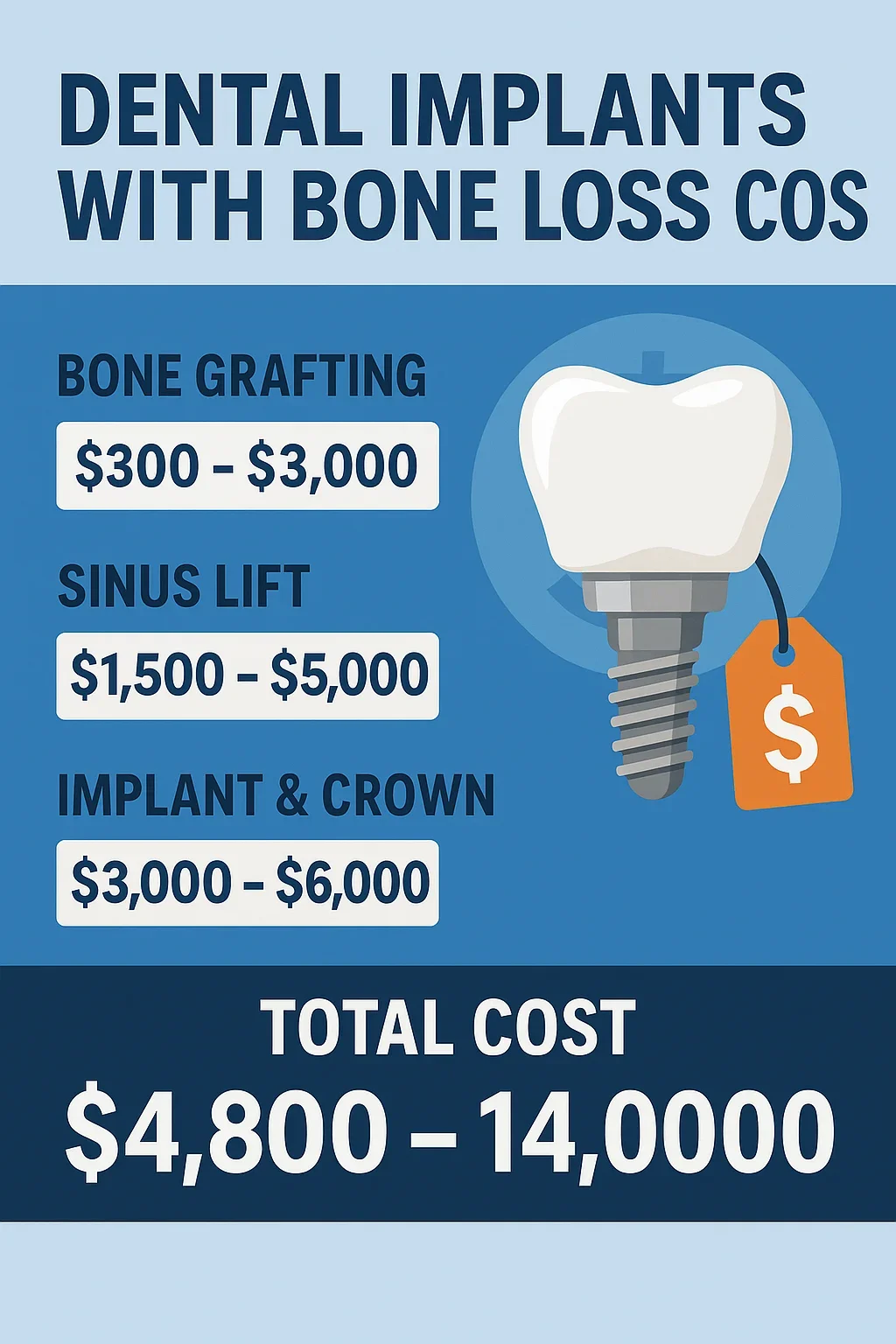
Below is an updated cost estimate for 2025 based on market averages:
United States (per tooth):
– Standard dental implant: $3,000 – $4,500
– Bone grafting (if needed): $1,000 – $3,500
– Sinus lift (if required): $2,000 – $5,000
Total potential cost per implant with bone loss: $6,000 – $10,000+
Turkey (per tooth):
– Standard dental implant: $800 – $1,200
– Bone grafting: $500 – $1,000
– Sinus lift: $700 – $1,500
Total potential cost per implant with bone loss: $2,000 – $3,500
These numbers highlight why many patients consider medical tourism in countries like Turkey. Clinics such as Redent Klinik Contact Page provide internationally accredited treatments at significantly reduced costs without sacrificing quality.
Factors Affecting the Cost
Several variables influence the dental implants with bone loss cost:
- Number of implants needed – A full arch restoration costs far more than a single implant.
- Type of bone graft material – Synthetic, animal-derived, or autologous grafts differ in pricing.
- Surgeon’s expertise – Highly skilled specialists often charge more, but their success rates justify the price.
- Geographic location – Treatment in the USA or UK is more expensive than in Turkey, Mexico, or Eastern Europe.
- Technology used – 3D imaging, guided surgery, and premium implant brands raise the overall expense.
Understanding these cost factors allows patients to make informed decisions and compare clinics effectively. While initial pricing may seem high, patients should also consider long-term benefits. Dental implants can last decades, making them more cost-effective than bridges or dentures over time.
Long-Term Value of Implants with Bone Loss Treatment
Despite the higher dental implants with bone loss cost, this treatment is often worth the investment. Patients regain full chewing ability, prevent further bone loss, and achieve a natural-looking smile. Unlike removable dentures, implants integrate with the bone and provide permanent stability. 🌟
For patients seeking affordable yet high-quality options, international dental tourism has become increasingly popular. With clinics offering packages that include accommodation, transfers, and follow-up care, the cost-to-value ratio can be highly attractive.
In conclusion, when considering dental implants with bone loss cost in 2025, patients must balance affordability with expertise, safety, and long-term results. Whether treated locally or abroad, investing in implants with proper bone restoration leads to better health, improved appearance, and enhanced quality of life.
What Are Dental Implants with Bone Loss? 🦷
Dental implants are titanium posts placed into the jawbone to replace missing teeth, but what happens when the patient has bone deterioration? This is where the concept of dental implants with bone loss comes in. In 2025, modern dentistry provides advanced solutions for individuals with insufficient bone density. However, these solutions directly influence the overall dental implants with bone loss cost, making it essential for patients to understand what the treatment involves before committing financially and medically.
When teeth are lost, the jawbone begins to resorb because it no longer receives stimulation from chewing forces. This natural process can result in up to 25% bone reduction within the first year of tooth loss. For patients who wait years before seeking treatment, the bone may shrink to the point where a standard implant cannot be supported. At this stage, specialized procedures must be carried out to rebuild or augment the bone before implants are placed. These additional steps are why the dental implants with bone loss cost is generally higher than for patients with healthy bone structure. 🦴
Why Standard Implants Don’t Always Work
A standard dental implant requires a certain volume and density of bone to achieve osseointegration (the process where the implant fuses with bone). If bone levels are insufficient, the implant may loosen, fail, or cause discomfort. This is why dentists often recommend diagnostic imaging—such as 3D cone-beam computed tomography (CBCT)—to measure the amount of bone available before treatment begins. Advanced imaging adds to the dental implants with bone loss cost, but it ensures proper planning and reduces complications later on.
In many cases, patients with severe bone loss may be told in the past that implants were impossible. However, innovations like zygomatic implants (anchored in the cheekbone) or short implants for shallow bone structures are now widely used. These solutions provide a lifeline for patients while still maintaining functional and aesthetic results. Yet, because these procedures require specialized training and materials, they increase the total dental implants with bone loss cost.
Types of Implant Solutions for Bone Loss
Today, several options exist for patients dealing with bone loss:
- Bone grafting – A surgical procedure where bone material is added to strengthen the jaw. This is the most common approach, but it increases both treatment time and cost.
- Sinus lift – Performed in the upper jaw to add height and allow implants in cases of maxillary bone loss.
- Zygomatic implants – Anchored in the zygomatic bone (cheekbone), eliminating the need for bone grafting in extreme cases.
- Short or narrow implants – Designed for patients with moderate bone loss, requiring less grafting but offering stable long-term results.
Each of these solutions comes with different pricing structures. For example, zygomatic implants may cost double compared to traditional ones due to the complexity of the surgery. This directly affects the dental implants with bone loss cost, and patients should expect higher quotes for these advanced methods.
Impact on Treatment Timeline
Patients often underestimate how bone loss impacts not only cost but also treatment duration. A standard implant procedure may take 3–6 months from placement to crown installation. However, when bone grafting or sinus lifts are involved, healing time can extend to 9–12 months. This longer journey influences the overall dental implants with bone loss cost because of additional appointments, follow-ups, and imaging. ⏳
Despite the longer timeline, investing in proper bone restoration is crucial for long-term success. Skipping grafting or choosing a faster but unsuitable option may lead to implant failure, which becomes more costly to repair. Thus, while upfront costs appear high, they ultimately save patients from expensive revisions later on.
Who Is a Candidate?
Most patients with missing teeth and bone loss can be candidates for implants if they are in good general health. Ideal candidates include those who have:
- Lost teeth due to periodontal disease
- Worn dentures for many years
- Suffered traumatic injuries causing bone resorption
- Experienced natural bone shrinkage over time
The candidacy evaluation usually involves medical history checks, CT scans, and sometimes blood tests to ensure healing potential. All these diagnostics factor into the total dental implants with bone loss cost. While these extra steps might feel overwhelming, they increase the safety and predictability of the outcome.
Long-Term Benefits of Treating Bone Loss with Implants
Choosing implants with bone augmentation offers long-lasting benefits:
- Prevents further bone resorption by stimulating the jawbone
- Restores full chewing and speech function
- Provides a natural-looking smile that boosts confidence 😁
- Improves oral and general health by allowing better nutrition
When weighing the dental implants with bone loss cost, patients should not only consider the financial aspect but also the health and lifestyle benefits. Implants are the closest replacement to natural teeth, and investing in them pays off for decades.
To summarize, dental implants with bone loss are advanced solutions that allow patients with compromised jawbones to regain their smiles. While the dental implants with bone loss cost is higher than standard implants, the long-term results—functionality, aesthetics, and improved health—make the investment worthwhile. Clinics worldwide now provide specialized treatments to manage these cases effectively, ensuring patients can receive care no matter the severity of bone loss.
Causes of Jawbone Loss Before Implant Treatment
Understanding the causes of jawbone deterioration is essential for patients considering dental implants. Bone loss doesn’t happen overnight; it develops gradually after teeth are lost or neglected. This directly influences the overall dental implants with bone loss cost because more advanced cases require additional treatments like bone grafting or sinus lifts. By learning why bone loss happens, patients can appreciate why treatment becomes more complex and why costs vary so widely in 2025. 🦷
Tooth Loss and Lack of Stimulation
One of the primary causes of jawbone shrinkage is untreated tooth loss. When a tooth is missing, the bone beneath no longer receives the stimulation from chewing. This leads to resorption, where the bone gradually shrinks in size and density. Within the first year of losing a tooth, up to 25% of bone volume may disappear. If implants are delayed for years, bone resorption may be so severe that advanced surgical techniques are required—raising the dental implants with bone loss cost considerably.
Periodontal (Gum) Disease
Chronic gum disease is another leading cause of bone deterioration. When bacteria destroy gum tissue and supporting bone, teeth loosen and eventually fall out. Treating such patients is more challenging because the bone is often weakened or infected. Before implants can be placed, dentists must stabilize the gums and sometimes rebuild bone. These steps add to the timeline and the overall dental implants with bone loss cost. Prevention with regular dental check-ups and cleanings is far less expensive than reconstructing lost bone later on.
Trauma and Injuries
Accidents that cause tooth fractures or jawbone injuries can also lead to bone loss. In these cases, bone resorption is more localized but can still complicate implant placement. Sometimes, bone grafting must be performed immediately after injury to preserve structure. When this is overlooked, future implant treatment becomes more complicated and significantly increases the dental implants with bone loss cost. 🚑
Prolonged Use of Dentures
Patients who wear removable dentures for many years often experience gradual jawbone shrinkage. Dentures rest on the gums without stimulating the bone, leading to continuous resorption. This is why long-term denture wearers eventually find their dentures loose or uncomfortable. Transitioning from dentures to implants is possible, but it often requires grafting and sinus lift procedures. These additional surgeries naturally raise the dental implants with bone loss cost compared to treating patients with early intervention.
Medical Conditions and Aging
Certain medical conditions accelerate bone loss, such as osteoporosis, diabetes, or hormonal imbalances. Aging itself also contributes, as bone density decreases over time. While these conditions don’t disqualify patients from getting implants, they do require customized treatment plans, extended healing periods, and often, more expensive surgical techniques. This is reflected in the dental implants with bone loss cost since more medical monitoring and resources are necessary. 🧬
Lifestyle Factors
Habits like smoking and poor nutrition also play a role in bone deterioration. Nicotine reduces blood flow to oral tissues, making it harder for bone to heal and regenerate. A diet lacking in calcium and vitamin D further weakens bone structure. When these factors are present, implant procedures often take longer and carry a higher risk of complications, pushing up the overall dental implants with bone loss cost. Patients are usually encouraged to quit smoking and improve their diet before undergoing surgery to improve success rates.
Why Causes Matter for Cost
The reason behind jawbone loss significantly influences treatment planning and cost. For example:
- Single missing tooth with mild resorption – May only need minor grafting, with costs on the lower side.
- Advanced periodontal disease with multiple teeth lost – Requires extensive bone reconstruction, raising the cost substantially.
- Denture wearers with full arch bone loss – May need sinus lifts or zygomatic implants, among the most expensive solutions.
Each patient’s situation is unique, but the common thread is that bone loss almost always increases the dental implants with bone loss cost. This is why early intervention is strongly recommended. The sooner bone is preserved or restored, the less invasive and expensive treatment becomes.
Preventing Bone Loss for Future Savings
Patients who want to minimize costs should focus on prevention. Promptly replacing missing teeth with implants, maintaining excellent oral hygiene, and scheduling regular dental visits can preserve bone and avoid more expensive interventions later. The investment in prevention is far smaller than the higher dental implants with bone loss cost associated with advanced deterioration. 🌟
In summary, jawbone loss has many causes, from tooth loss and gum disease to trauma and lifestyle factors. Each of these plays a role in determining the treatment complexity and overall dental implants with bone loss cost. By understanding these causes, patients can take proactive steps to protect their oral health and reduce the financial burden of future treatments.
Bone Grafting and Sinus Lift: Costs and Success Rates
When patients experience significant bone deterioration, bone grafting and sinus lift procedures become essential before implants can be placed. These treatments strengthen the foundation for implants, ensuring stability and long-term success. However, they also directly affect the dental implants with bone loss cost, adding both surgical complexity and financial expense. In 2025, advancements in biomaterials and surgical techniques have improved outcomes, but patients should still be aware of the costs, healing times, and success rates involved. 🦴
What Is Bone Grafting?
Bone grafting is a surgical procedure where new bone material is added to areas of the jaw with insufficient density. This may come from the patient’s own body (autograft), a donor (allograft), animals (xenograft), or synthetic materials. The grafted bone eventually fuses with the patient’s existing bone, creating a strong base for implants. This procedure is one of the main reasons why dental implants with bone loss cost is higher than standard implant cases. Without bone grafting, implants would fail to integrate properly.
What Is a Sinus Lift?
A sinus lift is a type of bone graft performed in the upper jaw. When the maxillary bone is too thin, or the sinus cavity is too close to the planned implant site, surgeons lift the sinus membrane and place graft material to create adequate bone height. Sinus lifts are among the most common procedures required for patients who have worn dentures for many years or lost upper molars. Naturally, this increases the total dental implants with bone loss cost because it requires specialized training and advanced surgical care.
Cost of Bone Grafting in 2025
The cost of bone grafting varies depending on the material and complexity:
United States: $1,000 – $3,500 per site
Turkey: $500 – $1,000 per site
Europe (UK/Germany): €1,200 – €3,000 per site
These costs are added on top of the price of the implant itself. For example, a patient in the U.S. may pay $3,500 for a single implant, but with grafting, the dental implants with bone loss cost rises to $6,000–$9,000. In Turkey, the total might only be $2,500–$3,500, which is why international dental tourism continues to grow.
Cost of Sinus Lift in 2025
Sinus lifts are typically more expensive than standard grafts because they involve a more delicate surgical area. Updated estimates include:
United States: $2,000 – $5,000 per site
Turkey: $700 – $1,500 per site
Europe (France/Spain): €1,500 – €3,500 per site
When added to the price of implants, the dental implants with bone loss cost can easily exceed $10,000 in the U.S. for just one tooth if sinus lift is required. Patients should carefully evaluate options abroad, where the same procedure is offered at a fraction of the price without sacrificing quality or success rates.
Success Rates of Bone Grafting
One of the biggest concerns patients have is whether grafting will work. Fortunately, modern bone grafting techniques have success rates of 85–95%, depending on the material used and the patient’s healing capacity. Factors like smoking, uncontrolled diabetes, and poor oral hygiene can lower success rates. When successful, grafting ensures that implants fuse correctly with the jaw, justifying the additional dental implants with bone loss cost.
Success Rates of Sinus Lift
Sinus lift surgeries also report high success rates, typically between 90–95% when performed by skilled surgeons. Advances in minimally invasive techniques have reduced complications such as sinus membrane perforation or infection. Patients who undergo sinus lifts can usually expect long-lasting implant stability, making the higher dental implants with bone loss cost worthwhile in the long run. 🌟
Healing Time and Impact on Costs
Bone grafting and sinus lifts extend the treatment timeline. While a standard implant procedure may take 3–6 months, adding grafting can lengthen the process to 9–12 months. Each follow-up appointment, imaging session, and extended care plan increases the total dental implants with bone loss cost. However, rushing the process is risky—proper healing is critical for implant success and avoiding costly failures later.
Minimizing Extra Costs
Patients can reduce expenses by:
- Choosing clinics that offer package deals including grafting, implants, and crowns.
- Considering dental tourism in countries like Turkey, where prices are more affordable.
- Maintaining excellent oral hygiene to avoid infections and complications that add to costs.
Clinics such as Redent Klinik Contact Page often provide bundled treatment packages that keep expenses transparent and manageable. Patients save significantly while receiving internationally accredited care.
Final Thoughts
Bone grafting and sinus lifts are integral to treating patients with severe bone loss. While they raise the dental implants with bone loss cost, their high success rates make them essential investments for long-term oral health. Without these procedures, implants would fail, leading to wasted time, money, and discomfort. By understanding the costs, benefits, and outcomes, patients can make informed decisions and plan their journey toward a functional, confident smile in 2025. 😁
Dental Implants with Bone Loss Cost in the USA vs Abroad 🌍
One of the most important questions patients ask in 2025 is whether to undergo treatment locally or travel abroad. The difference in pricing between countries can be dramatic, especially when bone loss complicates treatment. Comparing the dental implants with bone loss cost in the United States, Europe, and destinations like Turkey or Mexico helps patients make informed choices about where to receive care.
Average Costs in the United States
In the U.S., dental implants are widely regarded as expensive, and bone loss adds another layer of cost. On average:
Per Tooth Implant: $3,000 – $4,500
Bone Grafting: $1,000 – $3,500
Sinus Lift (if needed): $2,000 – $5,000
Total Potential Cost: $6,000 – $10,000+ per tooth
This means that for a patient needing multiple implants with bone reconstruction, the dental implants with bone loss cost can easily reach $25,000–$40,000 for a full arch. While U.S. clinics offer advanced technology and experienced specialists, the pricing puts this option out of reach for many patients.
Average Costs in Europe
In Western Europe, costs are slightly lower but still substantial:
Per Tooth Implant: €2,000 – €3,000
Bone Grafting: €1,200 – €3,000
Sinus Lift: €1,500 – €3,500
Total Potential Cost: €5,000 – €8,500 per tooth
The dental implants with bone loss cost in countries like Germany, France, or the UK remains high due to higher living costs, strict regulations, and premium materials. Patients benefit from high-quality standards, but they often seek more affordable alternatives abroad.
Dental Tourism: Turkey, Mexico, and Beyond
Countries such as Turkey, Mexico, Hungary, and Thailand have become leading hubs for dental tourism. These destinations offer world-class care at significantly lower prices. For example, in Turkey:
Per Tooth Implant: $800 – $1,200
Bone Grafting: $500 – $1,000
Sinus Lift: $700 – $1,500
Total Potential Cost: $2,000 – $3,500 per tooth
Patients often save 60–70% compared to the U.S., even when factoring in travel and accommodation. Clinics like Redent Klinik Contact Page provide comprehensive packages that include transfers, hotel stays, and aftercare. These packages make the dental implants with bone loss cost more predictable and accessible for international patients. 🌟
Why Costs Differ Between Countries
Several reasons explain the huge price gap:
- Labor Costs: Dentists and staff in the U.S. and Western Europe have higher salaries.
- Overheads: Clinics in developed countries face higher rent, insurance, and regulation costs.
- Exchange Rates: Patients from the U.S. and UK benefit from favorable currency conversions in countries like Turkey or Mexico.
- Treatment Packages: Many international clinics bundle services, reducing the total dental implants with bone loss cost.
Quality and Safety Concerns
Some patients worry that lower costs abroad mean lower quality. However, many clinics abroad are accredited, use globally recognized implant brands, and employ highly trained surgeons. Organizations like the American Dental Association recommend verifying credentials, reading reviews, and ensuring proper sterilization standards before choosing a clinic. When properly researched, dental tourism can provide the same level of safety and quality at a fraction of the cost.
Real Patient Savings
Consider this example: A U.S. patient needing four implants with bone grafting might face a $30,000 bill. In Turkey, the same treatment could cost around $9,000–$12,000, including flights and hotel. The difference highlights why more patients are willing to travel for dental work. This level of savings dramatically changes how patients perceive the dental implants with bone loss cost.
Insurance Coverage
Another factor is insurance. In the U.S. and much of Europe, dental insurance rarely covers implants fully, especially when bone grafting is involved. Patients often face out-of-pocket expenses. Abroad, the lower base price makes the treatment more affordable, even without insurance coverage. This is a major reason international patients explore clinics outside their home country to minimize their dental implants with bone loss cost.
Final Thoughts on USA vs Abroad
In summary, patients must weigh the advantages of staying local against the benefits of dental tourism. The U.S. and Europe offer convenience and local aftercare but at a steep price. Abroad, patients can achieve the same results at a fraction of the cost, often with added perks such as holiday-like treatment experiences. In 2025, more patients are embracing global options, making dental implants with bone loss cost more manageable and less intimidating. ✈️🦷
Step-by-Step Process of Getting Implants with Bone Loss
For patients who have lost jawbone density, the path to dental implants is more detailed than standard cases. Each stage is carefully designed to restore function, appearance, and long-term stability. Naturally, every step in the journey contributes to the overall dental implants with bone loss cost. In 2025, advanced imaging, surgical techniques, and biomaterials make the process highly successful, but patients should understand the timeline and costs involved. 🦷
1. Initial Consultation and Diagnosis
The process begins with a thorough consultation. Dentists review the patient’s medical and dental history, discuss expectations, and assess whether bone loss has occurred. Diagnostic imaging—such as panoramic X-rays and 3D CBCT scans—is used to determine bone volume and density. These scans are critical but add a few hundred dollars to the dental implants with bone loss cost. Accurate diagnostics prevent complications and help tailor the right treatment plan.
2. Treatment Planning
After the evaluation, the dentist creates a personalized plan. This includes deciding whether bone grafting, sinus lifts, or alternative implant methods (like zygomatic or short implants) are required. The treatment plan also outlines the estimated dental implants with bone loss cost, including surgery, materials, and follow-up appointments. At this stage, patients often receive a clear breakdown of costs to avoid surprises later.
3. Bone Grafting or Sinus Lift (If Needed)
If bone volume is insufficient, bone grafting or sinus lift procedures are performed first. These steps restore jaw strength and allow implants to anchor securely. Healing time varies from 3 to 9 months, depending on the procedure and the patient’s health. These additional surgeries raise the dental implants with bone loss cost, but they are essential for long-term implant success. Patients who skip grafting may risk implant failure and even higher expenses in the future. 🦴
4. Implant Placement Surgery
Once the bone is ready, the titanium implant is surgically placed into the jawbone. This procedure usually takes 1–2 hours per implant under local anesthesia or sedation. In cases of bone loss, guided implant surgery with 3D technology is often used to improve accuracy. While this modern approach adds slightly to the dental implants with bone loss cost, it increases safety and precision, leading to better outcomes.
5. Healing and Osseointegration
After placement, the implant undergoes osseointegration, where the bone fuses with the titanium post. This process typically lasts 3–6 months but may take longer in bone loss cases. During this time, patients may receive temporary crowns or dentures. The follow-up visits, imaging, and temporary solutions add to the total dental implants with bone loss cost. However, osseointegration is the foundation of implant stability and cannot be rushed. ⏳
6. Abutment Placement
Once healing is complete, an abutment (a connector piece) is attached to the implant. This step requires minor surgery to expose the implant. The abutment allows the crown to be securely fixed later. While abutments are often included in treatment packages, premium abutment systems can raise the overall dental implants with bone loss cost slightly, especially if custom abutments are required for complex bone structures.
7. Crown Placement
The final stage is the placement of the dental crown, designed to match the patient’s natural teeth. Crowns can be porcelain, zirconia, or porcelain-fused-to-metal, with zirconia being the most durable and aesthetically pleasing. Crown material selection impacts the dental implants with bone loss cost, with zirconia crowns costing more but offering better longevity and appearance. 😁
8. Follow-Up Care
After crown placement, regular follow-ups ensure implants are healing well and no complications arise. For bone loss patients, check-ups are particularly important to monitor graft health and gum tissue stability. Maintenance visits, professional cleanings, and X-rays every 6–12 months slightly increase the long-term dental implants with bone loss cost, but they protect the patient’s investment by preventing failure.
9. Long-Term Maintenance
Even after successful implantation, patients must maintain excellent oral hygiene, avoid smoking, and follow dietary guidelines to protect their implants. Special interdental brushes and water flossers may be recommended. While these ongoing expenses are minor, they still contribute to the overall lifetime dental implants with bone loss cost. Proper care ensures implants last decades, making them more cost-effective than bridges or dentures over time.
Estimated Timeline Overview
Here’s how the step-by-step process looks in terms of time:
- Consultation & Diagnosis: 1–2 weeks
- Bone Grafting/Sinus Lift: 3–9 months healing
- Implant Placement: 1–2 hours per implant
- Osseointegration: 3–6 months
- Crown Placement: 2–4 weeks after abutment
Total treatment time for patients with bone loss can range from 9 months to 1.5 years. The extended timeline is why the dental implants with bone loss cost is higher, as it requires more surgeries, visits, and materials.
Final Thoughts
While the process of getting implants with bone loss is longer and more expensive, it provides a permanent, functional, and natural-looking solution. Each step—from diagnostics to crown placement—adds to the dental implants with bone loss cost, but skipping any stage risks failure. In 2025, patients benefit from advanced technology that makes the journey smoother, safer, and more predictable than ever before. For those ready to invest in their health and confidence, the results are life-changing. 🌟
Pain, Healing Time, and Risks You Should Know
One of the most common concerns among patients is how much pain to expect, how long recovery will take, and what risks may be involved with treatment. Since bone loss makes the procedure more complex, both healing time and risks increase. This also directly influences the dental implants with bone loss cost, because extended aftercare, medications, and possible corrections add to the total expense. In 2025, modern techniques have improved patient comfort and outcomes, but it’s important to understand what to expect realistically. 🦷
How Painful Is the Procedure?
During surgery, local anesthesia or sedation ensures patients feel minimal discomfort. Most patients report feeling pressure rather than sharp pain. After surgery, mild to moderate soreness, swelling, and bruising are common for a few days. Pain is usually managed with prescription or over-the-counter medications. Because bone grafting and sinus lifts are often involved, the recovery discomfort may be more intense than standard implants, which is why the dental implants with bone loss cost includes extended pain management and follow-up visits.
Healing Time After Surgery
Healing time depends on the extent of bone loss and the procedures required. For a single implant in healthy bone, recovery can take 3–6 months. With grafting or sinus lifts, healing may extend to 9–12 months. Patients who follow post-surgery instructions—such as avoiding smoking, eating soft foods, and practicing excellent oral hygiene—tend to heal faster. Longer healing times mean more check-ups and monitoring, which increase the overall dental implants with bone loss cost. ⏳
Short-Term Risks
Like any surgical procedure, dental implants come with short-term risks:
- Infection at the implant site
- Excessive bleeding
- Sinus membrane perforation (for upper jaw procedures)
- Swelling and bruising around the gums and face
While most of these are minor and temporary, treating them requires additional appointments and sometimes medication, which may add to the dental implants with bone loss cost.
Long-Term Risks
Long-term complications, though rare, include:
- Implant failure: If the bone does not fuse with the implant, it may become loose and require replacement.
- Nerve damage: Rare but possible if nerves are too close to the implant site.
- Gum recession: Gums may recede, exposing the implant post and affecting aesthetics.
- Peri-implantitis: A type of gum disease that causes inflammation and bone loss around the implant.
Managing these complications is expensive, and patients should be aware that they increase the long-term dental implants with bone loss cost. Prevention through proper planning and aftercare is the best way to minimize these risks.
Managing Pain Effectively
Pain management is an important part of implant success. Dentists often prescribe anti-inflammatory medications, antibiotics, and special mouth rinses to speed recovery. Cold compresses and resting also help reduce swelling. These measures are typically included in treatment packages, but they still contribute to the total dental implants with bone loss cost, especially if additional prescriptions or interventions are required. 💊
Factors That Affect Healing
Not all patients heal at the same rate. Factors that influence healing time and success include:
- Age and overall health condition
- Presence of chronic illnesses like diabetes
- Smoking or alcohol consumption
- Nutrition and bone density
Patients with risk factors may require extended healing time, more follow-up visits, and sometimes corrective procedures, raising the overall dental implants with bone loss cost. For this reason, dentists often recommend lifestyle changes—such as quitting smoking—before surgery.
Reducing Risks and Costs
Patients can reduce risks and protect their investment by:
- Following all dentist instructions closely
- Maintaining excellent oral hygiene to prevent infections
- Keeping follow-up appointments for monitoring
- Reporting unusual symptoms (like persistent pain or swelling) immediately
By being proactive, patients not only increase their chances of a smooth recovery but also prevent complications that would raise the dental implants with bone loss cost unnecessarily. 🌟
Psychological and Emotional Aspects
Beyond physical discomfort, patients often worry about the emotional stress of long recovery times and financial investment. The good news is that success rates remain high, often 90–95% even in bone loss cases, and most patients report life-changing improvements in confidence and quality of life once treatment is complete. The higher dental implants with bone loss cost is offset by the emotional and functional benefits patients enjoy for decades.
Final Thoughts
Pain, healing time, and risks are all important factors to consider before committing to implants with bone loss. While these elements raise the dental implants with bone loss cost, modern dentistry has made the journey far more comfortable and predictable than in the past. With proper planning, skilled surgeons, and patient cooperation, the benefits far outweigh the risks, delivering a healthy, functional, and confident smile in 2025. 😁
Long-Term Success Rates and Maintenance Tips
For patients considering advanced implant treatments, one of the most critical questions is whether the results will last. After investing in complex procedures, including grafts and sinus lifts, patients want assurance that their smile will stand the test of time. In 2025, the long-term success rate of implants remains impressively high, often above 90–95% when performed by skilled professionals. Still, the durability of treatment depends on proper care, which is why maintenance is such a vital part of the dental implants with bone loss cost. 🦷
How Successful Are Implants with Bone Loss?
Historically, patients with severe bone loss faced limited options, and implant survival rates were much lower. Thanks to innovations like zygomatic implants, guided surgery, and advanced grafting materials, success rates today rival those of patients without bone loss. Multiple studies in 2024–2025 confirm that implants placed in grafted bone can achieve survival rates of 90–95% after 10 years. This is why the higher dental implants with bone loss cost is justified—patients are essentially paying for cutting-edge solutions that guarantee long-term results. 🌟
Factors That Influence Long-Term Success
The stability of implants depends on several key factors:
- Bone quality and volume: Patients with dense, healthy bone experience fewer complications.
- Surgical expertise: Surgeons trained in bone reconstruction achieve higher success rates.
- Technology: Use of 3D imaging and guided surgery reduces risks.
- Patient lifestyle: Smoking, poor hygiene, and neglecting follow-ups reduce success rates.
Patients who understand and manage these factors not only improve their outcome but also protect their financial investment in the overall dental implants with bone loss cost.
How Long Do Implants Last?
With proper care, dental implants can last 20 years or more—often a lifetime. Crowns may need replacement every 10–15 years due to wear, but the titanium implant itself is designed for long-term stability. Patients who undergo grafting or sinus lifts typically enjoy the same longevity as standard implant patients, provided they follow strict maintenance routines. This makes the dental implants with bone loss cost a long-term investment rather than a temporary fix.
Maintenance Tips for Lifelong Success
To maximize longevity, patients should follow these essential tips:
- Daily oral hygiene: Brushing twice daily with a soft-bristle brush and using interdental brushes to clean around implants.
- Flossing or water flossing: To prevent plaque build-up around the implant crown.
- Professional cleanings: Regular dental check-ups every 6 months to remove tartar and monitor bone stability.
- Quit smoking: Smoking increases implant failure rates by up to 20%.
- Balanced diet: Calcium and vitamin D support bone health, reducing future risks.
Following these practices reduces the risk of peri-implantitis and ensures patients get the most value out of their dental implants with bone loss cost.
Common Long-Term Complications
Even with excellent care, some complications may arise:
- Peri-implantitis: Inflammation and infection around implants, leading to bone loss.
- Mechanical wear: Fracture or loosening of crowns or abutments.
- Bone resorption: In rare cases, bone continues to shrink, affecting implant stability.
Addressing these complications early keeps the dental implants with bone loss cost under control, preventing more expensive repairs or replacements later. Regular monitoring is key to avoiding surprises.
Comparing Long-Term Costs to Alternatives
While implants may seem expensive initially, they are often more cost-effective than bridges or dentures in the long run. Dentures need replacement every 5–8 years and often accelerate bone loss, leading to more complications. Bridges may damage surrounding teeth and still require eventual replacement. In contrast, implants protect bone health and rarely need replacement, making the overall dental implants with bone loss cost more efficient over decades. 💰
Psychological and Quality-of-Life Benefits
Beyond the clinical data, implants dramatically improve quality of life. Patients regain full chewing ability, confidence in their smile, and relief from loose dentures. This sense of normalcy justifies the higher dental implants with bone loss cost, as the value extends beyond finances into lifestyle, self-esteem, and overall health.
Future Innovations
Looking ahead, bioengineered bone grafts and nanotechnology-based implants are being developed to further improve success rates. These innovations may reduce healing time and lower complication rates. As these technologies become mainstream, patients may see improved outcomes and potentially lower long-term dental implants with bone loss cost.
Final Thoughts
Dental implants with bone loss are no longer a risky or uncertain treatment. Thanks to advancements in 2025, success rates are excellent, and long-term maintenance ensures lasting results. While the dental implants with bone loss cost is higher upfront, the benefits span decades, making it a life-changing investment. With proper care, patients can enjoy a confident smile, strong bite, and peace of mind knowing their implants will serve them for years to come. 😁
Insurance Coverage and Financing Options in 2025
For many patients, the biggest challenge in pursuing treatment is the price. Even though the health and lifestyle benefits are undeniable, the dental implants with bone loss cost can feel overwhelming. Thankfully, in 2025, patients have more options than ever when it comes to insurance coverage and financing solutions. Understanding what is included, what isn’t, and how to budget smartly helps make treatment more accessible. 💳
Does Dental Insurance Cover Implants?
In the past, most dental insurance plans excluded implants altogether, considering them “cosmetic.” However, this has changed in recent years. Many insurance providers now cover a portion of implant treatment, especially when tooth replacement is medically necessary. Unfortunately, when bone grafting and sinus lifts are involved, coverage is less consistent. Patients may find that only a small part of the dental implants with bone loss cost—such as consultations, X-rays, or anesthesia—is reimbursed, while the main procedures remain out-of-pocket.
Insurance coverage in the U.S. typically includes:
- Diagnostic imaging (partial coverage)
- Bone grafting (sometimes covered if medically justified)
- Extractions before implant surgery
- Basic restorative crowns (partial reimbursement)
However, most policies cap annual benefits at $1,500–$2,500. Given that the dental implants with bone loss cost can reach $6,000–$10,000 per tooth in the U.S., this coverage only makes a small dent in the total expense.
Medical Insurance Possibilities
In some cases, medical insurance—not dental insurance—may cover part of the procedure. For example, if bone loss is due to trauma, oral cancer, or a medical condition, insurance may reimburse grafting or reconstruction. Patients should check with their insurance providers to see if their dental implants with bone loss cost qualifies for partial medical coverage. 🏥
Insurance in Europe
In countries with national healthcare systems (such as the UK or Germany), coverage for implants remains limited. Public insurance rarely covers implants unless there are extreme medical needs. Private insurance may offer partial reimbursement, but most patients still pay out-of-pocket. As a result, many Europeans explore dental tourism to reduce their dental implants with bone loss cost.
Financing Options for Patients
For patients without full insurance coverage, financing solutions provide flexibility. Options in 2025 include:
- In-house clinic financing: Many clinics offer payment plans where patients pay in installments over 12–36 months.
- Third-party financing companies: Providers like CareCredit in the U.S. allow patients to split the dental implants with bone loss cost into manageable monthly payments.
- Credit card payments: Patients often use low-interest credit cards or promotional financing.
- Medical loans: Some banks and financial institutions offer loans specifically for medical and dental procedures.
These financing strategies make implants accessible to more people, even when the upfront dental implants with bone loss cost seems too high.
Cost Transparency and Bundled Packages
One of the biggest frustrations for patients is hidden costs. In 2025, reputable clinics provide itemized estimates upfront. This helps patients understand how much each step—consultations, grafts, implants, crowns—contributes to the total. Some clinics also offer bundled packages that cover everything from diagnostics to final crowns. Bundles are especially common in medical tourism destinations like Turkey, where the dental implants with bone loss cost is presented as a complete package, often including travel assistance and accommodation. 🌍
HSAs and FSAs in the United States
Patients with Health Savings Accounts (HSAs) or Flexible Spending Accounts (FSAs) can use these tax-advantaged funds to pay for implants. This can reduce the overall financial burden of the dental implants with bone loss cost, especially for patients paying out-of-pocket. Using pre-tax dollars saves money compared to financing the full treatment without these accounts.
International Perspective on Affordability
While the U.S. and Europe often leave patients paying most of the bill themselves, countries with lower treatment costs present a unique opportunity. In Turkey, for example, even patients without insurance often find treatment affordable compared to partial insurance coverage in their home countries. This is why international clinics emphasize their ability to lower the dental implants with bone loss cost while still delivering world-class care. 🌟
Tips for Patients to Save on Costs
Patients can take proactive steps to manage expenses:
- Compare multiple clinics and request written estimates.
- Ask about seasonal promotions or discounts for multiple implants.
- Check if insurance can cover any preparatory work (like extractions or imaging).
- Explore financing options before treatment begins to avoid financial stress.
These strategies not only reduce stress but also make the dental implants with bone loss cost more predictable and manageable.
Final Thoughts
Insurance and financing play a crucial role in making implants with bone loss accessible to patients worldwide. While coverage remains limited in most regions, flexible financing and bundled treatment packages help bridge the gap. In 2025, patients have more tools than ever to plan, budget, and succeed with treatment. Although the dental implants with bone loss cost may seem high at first glance, smart use of insurance benefits, financing, and global options ensures that restoring a healthy, confident smile is within reach. 😁
Real Patient Experiences and Cost Breakdowns
When it comes to making decisions about treatment, nothing is more valuable than hearing from real patients. Stories of individuals who underwent procedures help others understand what to expect in terms of healing, outcomes, and financial planning. In 2025, countless people worldwide have successfully restored their smiles despite severe bone loss. Their experiences highlight not only the medical side but also the financial impact of the dental implants with bone loss cost. 🦷
Case Study 1: United States Patient
Linda, a 54-year-old patient from California, lost several upper molars due to periodontal disease. Her dentist recommended bone grafting and a sinus lift before implants. The cost breakdown was as follows:
Bone grafting: $3,000
Sinus lift: $4,500
Implants (x3): $12,000
Crowns: $4,500
Follow-up imaging & visits: $1,500
Total: $25,500
Linda’s insurance covered only $2,000 of the treatment, leaving her with an out-of-pocket expense of $23,500. While she admitted the dental implants with bone loss cost was significant, she reported a life-changing improvement in chewing, speaking, and confidence. 😁
Case Study 2: European Patient
Markus, a 61-year-old from Germany, lost bone density after wearing dentures for nearly 20 years. He chose treatment in his home country. His cost breakdown included:
Bone grafting: €2,500
Implants (x4): €10,000
Zirconia crowns: €6,000
Follow-ups: €1,200
Total: €19,700
His public insurance did not cover implants, so Markus paid the full amount privately. He expressed satisfaction with the results but admitted the dental implants with bone loss cost was difficult to manage financially.
Case Study 3: Medical Tourism in Turkey
Sarah, a 49-year-old from the UK, researched affordable options abroad. She traveled to Istanbul for treatment at an internationally accredited clinic. Her package included flights, hotel, and transfers:
Bone grafting: $800
Sinus lift: $1,200
Implants (x4): $4,000
Crowns: $2,400
Travel & accommodation: $1,500
Total: $9,900
Sarah saved over 60% compared to UK prices. She emphasized that the dental implants with bone loss cost abroad was much more manageable and the quality of care exceeded her expectations. She booked through Redent Klinik Contact Page, which offered bundled packages.
Case Study 4: Mexico Experience
David, a 57-year-old from Texas, chose a clinic in Cancun. His treatment included multiple implants and a sinus lift. His cost breakdown was:
Bone grafting: $1,000
Sinus lift: $1,800
Implants (x5): $7,500
Crowns: $4,000
Accommodation & travel: $2,000
Total: $16,300
Compared to the $35,000 estimate he received in the U.S., David saved over 50%. He reported excellent care and appreciated how his dental implants with bone loss cost was significantly reduced by choosing medical tourism.
Common Themes in Patient Experiences
Across these cases, several themes emerge:
- Patients with bone loss face higher costs due to additional surgeries.
- Insurance coverage is limited, leaving many to finance most of the dental implants with bone loss cost themselves.
- Medical tourism offers dramatic savings without compromising quality when patients carefully research clinics.
- The emotional impact—confidence, comfort, and improved quality of life—is universally positive.
Patient Satisfaction Levels
Surveys in 2025 show that over 90% of patients who received implants with bone loss treatment report high satisfaction. Even when the dental implants with bone loss cost was substantial, patients felt the outcome justified the expense. Most highlighted improved chewing function, freedom from dentures, and enhanced appearance as life-changing benefits. 🌟
Financial Stress and Solutions
On the downside, many patients expressed stress about affording treatment. Those who did not explore financing or medical tourism often delayed treatment for years, which worsened bone loss and increased the dental implants with bone loss cost. Patients who secured financing or chose affordable clinics abroad avoided this cycle and benefited from earlier interventions.
Final Thoughts
Real patient stories reveal the financial and emotional realities of undergoing implants with bone loss. While the dental implants with bone loss cost can be high, patients consistently report that the investment is worthwhile for their health, confidence, and quality of life. By learning from these experiences and exploring cost-effective options, patients in 2025 can make informed decisions that fit their medical needs and financial situations. 🦷💰