
Dental implants are one of the most advanced and reliable solutions in modern dentistry for replacing missing teeth. Whether you have lost a single tooth, several teeth, or require full-mouth restoration, dental implants can restore not only the appearance of your smile but also its strength and functionality. Patients from all over the world are increasingly seeking this treatment because it offers a permanent, natural-looking, and durable solution compared to traditional dentures or bridges. In this comprehensive guide, we will explore every essential detail about dental implants—how they work, why they are beneficial, their longevity, and what you can expect before, during, and after the procedure.
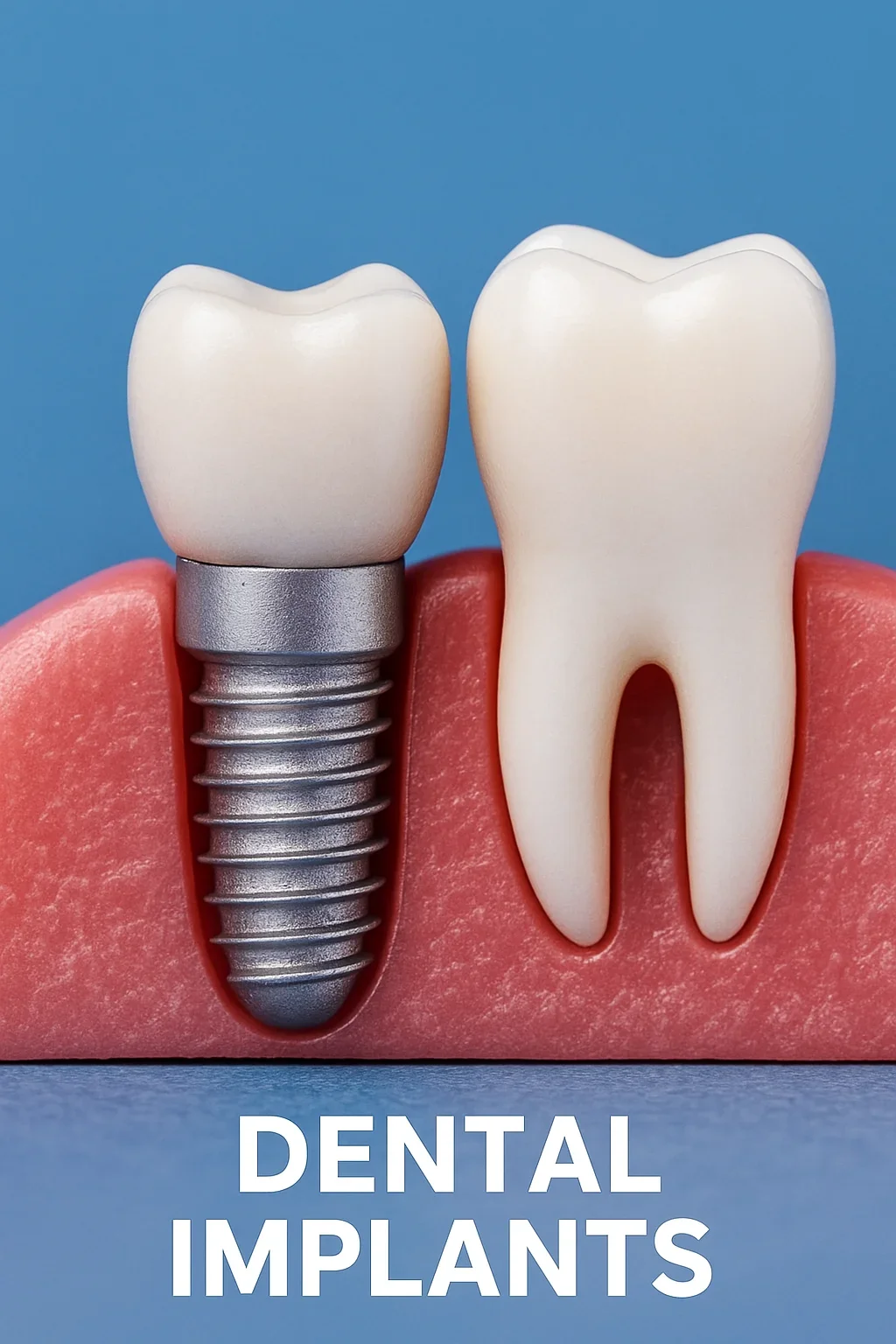
A dental implant consists of three major components: the titanium post, the abutment, and the crown. The titanium post is surgically placed into the jawbone, acting as an artificial root that fuses with the bone through a process called osseointegration. The abutment connects the implant to the crown, which is the visible part that looks like a natural tooth. Together, these parts replicate the natural tooth structure, providing stability and durability. Unlike removable dentures, implants do not shift or slip, making them highly comfortable for daily activities such as eating, speaking, and smiling confidently.
One of the main reasons dental implants are highly recommended is their ability to preserve bone health. When teeth are lost, the jawbone naturally begins to deteriorate due to lack of stimulation. This can lead to facial sagging and premature aging. Dental implants stimulate the bone just like natural tooth roots, preventing bone loss and maintaining facial structure. Additionally, implants help protect the remaining teeth by eliminating the need to grind them down, which is often required for dental bridges.
Patients considering dental implants often want to know if the procedure is painful. While the surgical placement might sound intimidating, it is usually performed under local anesthesia or sedation, ensuring that you remain comfortable throughout. Recovery varies depending on the complexity of the case, but most patients report minimal discomfort that can be managed with over-the-counter pain medication. In fact, the long-term benefits far outweigh the temporary recovery phase. With proper care, dental implants can last decades, often a lifetime, making them a cost-effective solution in the long run.
Another significant advantage is the natural appearance and feel of dental implants. Modern prosthetic crowns are crafted using advanced materials that mimic the translucency and shade of natural teeth. This ensures that your smile looks authentic and aesthetically pleasing. Moreover, dental implants restore bite strength to nearly 90% of natural teeth, allowing you to enjoy a wide variety of foods without restrictions. This improvement in diet contributes positively to overall health, ensuring that you can maintain proper nutrition without limitations.
When comparing dental implants to dentures or bridges, it becomes clear why implants are considered the gold standard. Dentures may be more affordable initially, but they require ongoing adjustments, adhesives, and often lead to discomfort or embarrassment due to slipping. Bridges involve grinding down healthy teeth, which compromises their strength. Dental implants, on the other hand, stand independently and function like real teeth. This independence reduces stress on adjacent teeth and helps maintain long-term oral health.
If you are considering treatment, it is important to consult with a qualified implantologist or oral surgeon who can evaluate your oral health, bone density, and medical history. Not every patient is an immediate candidate for dental implants; some may require bone grafting or sinus lifting to create a solid foundation for the implant. However, with advancements in technology, even patients with bone loss can often undergo successful implant procedures. Clinics like Redent Klinik Contact Page offer personalized treatment plans to help patients achieve the best outcomes based on their specific needs.
The global demand for dental implants has also led to variations in cost depending on the country. While prices may be higher in the United States and Western Europe, many patients travel abroad for affordable yet high-quality care. Turkey, for example, has become a popular destination for dental tourism, combining expert care with significant savings. According to the American Dental Association, millions of implants are successfully placed each year, highlighting their growing acceptance and effectiveness.
In summary, dental implants represent the future of tooth replacement solutions. They are strong, natural-looking, and capable of lasting a lifetime with proper care. By addressing both functional and cosmetic concerns, implants improve oral health, enhance self-confidence, and promote a better quality of life. As research and technology continue to evolve, the success rates of dental implants are expected to remain extremely high, making them the preferred choice for patients and dentists worldwide. If you are considering restoring your smile, dental implants may be the best investment you can make for your long-term oral health and overall well-being.
What Are Dental Implants and How Do They Work?
Dental implants are advanced restorative devices designed to replace missing teeth permanently. Unlike removable dentures or bridges, dental implants integrate directly with the jawbone, providing stability and long-term functionality. This integration makes them the closest possible alternative to natural teeth, both in appearance and performance. Because they fuse with the bone, dental implants restore chewing power, speech clarity, and overall oral health, making them a transformative solution for patients worldwide.
Components of a Dental Implant
A dental implant is not a single piece but rather a system that mimics the natural tooth structure. It typically consists of three parts:
- The Implant Fixture: A titanium or zirconia screw surgically placed into the jawbone to act as an artificial root.
- The Abutment: A connector that attaches the crown to the implant fixture, ensuring stability and alignment.
- The Crown: The visible part of the dental implant, custom-made to blend seamlessly with the patient’s natural teeth in color, shape, and size.
Together, these components replicate a tooth’s natural anatomy, allowing dental implants to look, feel, and function almost identically to real teeth.
The Process of Osseointegration
The success of dental implants depends largely on a biological process called osseointegration. After the implant fixture is inserted into the jawbone, the surrounding bone gradually fuses with the titanium surface. This creates a secure bond that makes the implant as stable as a natural tooth root. Osseointegration usually takes several weeks to a few months, depending on bone quality and individual healing capacity. Once this process is complete, the implant can support chewing forces and provide long-term durability.
How Dental Implants Restore Functionality
Dental implants are designed to restore nearly full chewing power. Studies show that patients regain up to 90–95% of their original bite strength with implants, compared to only 20–40% with dentures. This restoration allows individuals to eat hard, chewy, and fibrous foods such as apples, nuts, and steak without discomfort. Beyond nutrition, dental implants also improve speech by preventing slippage and eliminating the need for adhesives, which are common with traditional dentures.
Preservation of Jawbone Health
One of the biggest advantages of dental implants is their ability to maintain jawbone density. When a tooth is lost, the jawbone in that area begins to resorb due to lack of stimulation. Over time, this bone loss can alter facial structure, leading to a sunken appearance and premature aging. Dental implants act as artificial roots, stimulating the jawbone and preventing bone deterioration. This not only helps preserve facial aesthetics but also ensures long-term oral stability.
Natural Appearance and Comfort
Unlike dentures that can shift or bridges that rely on adjacent teeth, dental implants stand independently. The crowns are crafted from advanced ceramics or porcelain fused to metal, designed to match the translucency and shade of natural teeth. As a result, dental implants provide a highly aesthetic and natural look. Patients often report that they forget they even have implants, thanks to their superior comfort and stability.
Who Can Benefit from Dental Implants?
Most adults who have lost one or more teeth are potential candidates for dental implants. However, successful placement requires adequate jawbone density and healthy gums. Patients with chronic conditions such as uncontrolled diabetes or severe osteoporosis may face challenges, but many of these cases can still be managed with careful planning. Additionally, smokers are advised to quit before undergoing implant surgery, as smoking can interfere with healing and osseointegration. For individuals lacking sufficient bone, bone grafting or sinus lift procedures can be performed to build the foundation needed for implant placement.
Advances in Implant Technology
Modern dentistry has seen remarkable advancements in implant technology. Today, digital imaging and 3D scanning allow for precise planning of dental implant placement. Computer-guided surgery ensures accurate positioning, reducing risks and enhancing outcomes. Furthermore, the development of zirconia implants offers a metal-free alternative for patients with titanium sensitivities or specific aesthetic needs. These innovations have significantly increased success rates, which now exceed 95% in most clinical studies.
Longevity and Success Rates
When properly placed and cared for, dental implants can last a lifetime. Regular dental check-ups, good oral hygiene, and avoidance of harmful habits like teeth grinding or smoking are essential for maintaining their longevity. Research indicates that dental implants have success rates of around 95–98% after 10 years, making them one of the most predictable and reliable dental treatments available. Their durability makes them a worthwhile long-term investment in both oral health and overall well-being.
Summary
In essence, dental implants are revolutionary devices that restore the form and function of missing teeth. By mimicking natural tooth anatomy, integrating with the jawbone, and providing unmatched stability, they stand out as the gold standard in tooth replacement. From preserving bone health to restoring full chewing capacity, dental implants deliver both functional and aesthetic benefits that improve quality of life. Whether replacing a single tooth or multiple teeth, implants remain a trusted and effective choice for millions of patients worldwide.
Benefits of Dental Implants Compared to Other Treatments
Dental implants offer a wide range of advantages that make them superior to traditional tooth replacement options like dentures and dental bridges. They not only restore the visible portion of a missing tooth but also replace the root, ensuring long-term stability and functionality. Patients who choose dental implants often report greater comfort, improved confidence, and better overall oral health. In this section, we will examine the benefits of dental implants in detail and compare them directly with alternative treatments to highlight why they are considered the gold standard of modern restorative dentistry.
Enhanced Aesthetics and Natural Feel
One of the most appealing benefits of dental implants is their natural appearance. Because they are custom-designed to match the color, shape, and size of existing teeth, implants blend seamlessly with the smile. Unlike dentures, which may look artificial or shift unexpectedly, dental implants remain fixed and indistinguishable from natural teeth. Patients frequently report that their implants feel so natural they forget they are not their original teeth.
Improved Comfort and Stability
Dentures and partials often require adhesives to remain in place, leading to discomfort, slippage, and embarrassment during eating or speaking. Dental implants, by contrast, are anchored securely in the jawbone, eliminating these issues. The stability provided by osseointegration ensures that dental implants do not move or click, making daily activities stress-free. This high level of comfort is especially important for patients who want to enjoy social interactions without fear of their teeth slipping.
Long-Term Durability and Value
Although dental implants can be more expensive initially than dentures or bridges, their durability makes them cost-effective in the long run. With proper care, dental implants can last decades, often a lifetime. Bridges typically last 7–10 years, while dentures may need replacement every 5–8 years. By investing in implants, patients save money on repeated dental work, adhesives, and maintenance costs. This long-term perspective highlights why dental implants are considered both a medical and financial investment in oral health.
Protection of Surrounding Teeth
A major drawback of dental bridges is that they require the reshaping of healthy adjacent teeth to support the prosthesis. This compromises the integrity of otherwise strong teeth and can lead to additional dental issues over time. Dental implants eliminate this problem because they stand independently. By not relying on neighboring teeth for support, implants help preserve natural tooth structure, reducing the risk of future complications.
Prevention of Bone Loss
When teeth are missing, the jawbone gradually deteriorates due to a lack of stimulation. Dentures and bridges sit above the gums and cannot prevent this process, often leading to facial sagging and premature aging. Dental implants act as artificial roots, stimulating the bone and preserving its density. This benefit not only maintains facial structure but also ensures long-term oral health by keeping the jawbone strong and functional.
Better Oral Function and Nutrition
Because dental implants restore bite force to almost the same level as natural teeth, they allow patients to enjoy a balanced and nutritious diet. Foods like apples, nuts, carrots, and meats, which are often difficult to eat with dentures, can be consumed comfortably with implants. Improved chewing capacity contributes to better digestion and overall health. In contrast, denture wearers may face nutritional deficiencies due to restricted diets.
Improved Speech Clarity
Loose dentures can cause slurred speech or clicking sounds while talking. Dental implants, being firmly anchored, eliminate these problems. Patients regain confidence in their speech and no longer worry about pronunciation difficulties or embarrassing slippage during conversations. This benefit significantly enhances quality of life, particularly for individuals engaged in frequent public speaking or social activities.
Psychological and Emotional Benefits
Beyond physical improvements, dental implants provide psychological benefits by boosting self-esteem and confidence. Many patients with missing teeth or poorly fitting dentures feel self-conscious about smiling or interacting socially. Dental implants restore not only the function of teeth but also the joy of smiling without hesitation. The resulting confidence often improves relationships, professional opportunities, and overall well-being.
Comparison with Dentures and Bridges
When directly compared, dental implants clearly stand out:
- Dental Implants: Permanent, stable, preserve bone health, do not damage adjacent teeth, and last a lifetime with care.
- Dental Bridges: Require grinding healthy teeth, last about 7–10 years, and do not prevent bone loss.
- Dentures: Removable, prone to slippage, may cause gum irritation, and accelerate bone resorption over time.
While each option has its place, dental implants remain the most comprehensive and sustainable choice for tooth replacement.
Summary
The benefits of dental implants extend far beyond aesthetics. They provide stability, preserve oral structures, enhance nutrition, and deliver lifelong value. Unlike dentures and bridges, which require ongoing adjustments and replacements, implants function as permanent solutions that maintain oral health and confidence. For patients seeking the best possible outcome after tooth loss, dental implants represent an investment in both long-term health and quality of life.
Types of Dental Implants: Endosteal, Subperiosteal, and More
Dental implants are not a one-size-fits-all solution. Depending on a patient’s oral health, bone structure, and treatment goals, dentists can recommend different types of implants. Understanding these options is crucial because the right choice impacts the long-term success of the treatment. In this section, we will explore the primary categories of dental implants—including endosteal and subperiosteal—as well as emerging techniques such as zygomatic implants and mini dental implants. By examining the advantages and limitations of each type, patients can make informed decisions with their dental specialists.
Endosteal Implants: The Most Common Type
Endosteal implants are the most widely used form of dental implants. They consist of small titanium screws or cylinders that are surgically placed directly into the jawbone. Over time, the bone fuses with the implant through osseointegration, creating a stable foundation for artificial teeth. Endosteal implants are highly versatile and can support single crowns, bridges, or even full dentures.
Advantages of Endosteal Implants
- Strongest and most durable implant option due to bone integration.
- High success rates, often above 95% when properly placed.
- Suitable for a wide range of restorative solutions, from single teeth to full-arch prosthetics.
Limitations of Endosteal Implants
- Require adequate bone density; patients with bone loss may need grafting procedures.
- Slightly longer healing time compared to other implant types.
Subperiosteal Implants: For Limited Bone Density
Subperiosteal implants are placed on top of the jawbone but beneath the gum tissue. Instead of being anchored deep into the bone, a metal framework rests on the bone, and posts protrude through the gums to hold the prosthetic teeth. These implants are typically recommended for patients who cannot undergo bone grafting or who lack sufficient bone volume for endosteal implants.
Advantages of Subperiosteal Implants
- Beneficial for patients with minimal bone height who want to avoid grafting procedures.
- Shorter surgical and healing time compared to traditional implants.
Limitations of Subperiosteal Implants
- Less stable than endosteal implants because they do not integrate into the bone.
- Higher risk of long-term complications, including loosening over time.
Zygomatic Implants: A Specialized Alternative
Zygomatic implants are an advanced solution for patients with severe bone loss in the upper jaw. Instead of being anchored in the maxillary bone, these longer implants are fixed into the zygomatic bone (cheekbone), which is denser and provides excellent support. They are a more complex procedure and require a skilled oral surgeon but eliminate the need for extensive bone grafting.
Advantages of Zygomatic Implants
- Ideal for patients with extreme upper jawbone loss.
- Can often support immediate-load prosthetics, reducing treatment time.
Limitations of Zygomatic Implants
- Complex surgical procedure that requires advanced training.
- Not suitable for all patients due to anatomical considerations.
Mini Dental Implants: Smaller but Effective
Mini dental implants (MDIs) are a scaled-down version of traditional implants, usually less than 3 mm in diameter. They are often used to stabilize lower dentures or replace small teeth in areas with limited space. Placement is less invasive, and healing time is generally quicker, making them appealing to many patients.
Advantages of Mini Dental Implants
- Less invasive placement and faster recovery compared to traditional implants.
- More affordable, making them accessible to a wider group of patients.
- Effective in stabilizing loose dentures for improved comfort and function.
Limitations of Mini Dental Implants
- Not as durable as full-sized implants; may not last as long under heavy bite forces.
- Generally not recommended for replacing molars due to size limitations.
All-on-4 and Full-Arch Solutions
The All-on-4 technique is a revolutionary approach that uses just four strategically placed dental implants to support an entire arch of prosthetic teeth. This solution is especially popular among patients seeking a fixed alternative to removable dentures. It minimizes the need for bone grafting while restoring full functionality and aesthetics in a shorter treatment timeframe.
Choosing the Right Implant Type
The choice between endosteal, subperiosteal, zygomatic, mini implants, or an All-on-4 system depends on several factors, including bone density, oral health, budget, and overall treatment goals. For example, a healthy adult with strong bone is usually an ideal candidate for endosteal implants, while someone with severe bone resorption may require zygomatic implants. A thorough evaluation by a dental professional is necessary to determine the most suitable option.
Summary
Dental implants come in different types to suit the needs of individual patients. Endosteal implants remain the most common and reliable choice, while subperiosteal and zygomatic implants serve as alternatives for patients with bone deficiencies. Mini dental implants provide a less invasive option, and All-on-4 systems offer full-arch restorations with fewer implants. Understanding these distinctions helps patients make informed choices in collaboration with their dentists, ensuring optimal results for long-term oral health and aesthetics.
Step-by-Step Process of Getting Dental Implants 🦷
The process of getting dental implants is a carefully planned and executed treatment journey that involves multiple stages. It is not a one-day procedure but rather a series of steps designed to ensure long-term success and stability. Each stage—from initial consultation to the final placement of the crown—plays a vital role in creating a strong, natural-looking, and fully functional replacement for missing teeth. In this section, we will walk through the complete step-by-step process of receiving dental implants, providing patients with a clear understanding of what to expect.
Step 1: Initial Consultation and Evaluation
The journey begins with a comprehensive dental evaluation. During this appointment, the dentist or oral surgeon reviews the patient’s medical history, examines their oral health, and conducts imaging tests such as X-rays or 3D cone-beam CT scans. These diagnostic tools help assess the condition of the jawbone, gum tissue, and surrounding structures. The dentist will determine if the patient is a good candidate for dental implants by evaluating bone density, gum health, and overall systemic health.
Key Considerations During Evaluation
- Medical conditions such as diabetes or osteoporosis that may affect healing.
- Assessment of bone volume to determine if grafting is necessary.
- Review of lifestyle factors such as smoking, which can reduce success rates.
Step 2: Treatment Planning
Once candidacy is confirmed, a personalized treatment plan is created. Using digital imaging and advanced software, dentists can simulate the implant placement, ensuring precise positioning for optimal function and aesthetics. Patients are also presented with options for anesthesia or sedation to ensure comfort throughout the procedure.
Planning Details
The plan outlines the number of implants required, the type of prosthetic restoration (single crown, bridge, or full-arch), and whether additional procedures like bone grafting or sinus lifting are needed. This customized roadmap ensures that every step of the dental implant journey is tailored to the patient’s unique needs.
Step 3: Preparatory Procedures (If Needed)
Some patients may need preparatory treatments before implants can be placed. These procedures build a solid foundation for long-term success. Common preparatory steps include:
- Tooth Extraction: Removing damaged or decayed teeth before implant placement.
- Bone Grafting: Adding bone material to areas with insufficient density to support implants.
- Sinus Lift: Raising the sinus floor to create enough space for implants in the upper jaw.
These steps extend the timeline but significantly increase the chances of successful osseointegration.
Step 4: Surgical Placement of the Implant
The most critical stage of getting dental implants is the surgical placement of the titanium fixture into the jawbone. The procedure is usually performed under local anesthesia, but sedation is also available for anxious patients. A small incision is made in the gum, and the implant is carefully inserted into the bone. Once placed, the gum tissue is sutured back, leaving the implant to heal.
Healing After Surgery
After surgery, patients may experience minor swelling or discomfort, which typically subsides within a few days. Pain can be managed with over-the-counter medication. Antibiotics are sometimes prescribed to prevent infection. Most patients can return to normal activities within 24–48 hours.
Step 5: Osseointegration (Healing Phase)
Following implant placement, the process of osseointegration begins. Over the next 3–6 months, the bone fuses with the implant, creating a solid foundation. This stage is crucial because it ensures that the implant can withstand normal chewing forces for decades. During this time, patients may receive temporary crowns or dentures to maintain aesthetics and functionality.
Step 6: Abutment Placement
Once osseointegration is complete, the next step is to attach the abutment. This small connector sits above the gum line and serves as the attachment point for the final crown or bridge. In some cases, the abutment is placed during the initial surgery, while in others, a minor second procedure is needed. Healing caps may also be used temporarily to shape the gum tissue for a natural appearance.
Step 7: Placement of the Final Crown or Prosthesis
The final stage is attaching the custom-made crown, bridge, or denture to the abutment. Dental labs use impressions or digital scans to create prosthetics that perfectly match the patient’s natural teeth in shape, size, and color. Once secured, the dental implants look and feel just like real teeth. At this point, patients can enjoy full functionality, from eating a wide variety of foods to smiling confidently.
Step 8: Follow-Up and Maintenance
After the final restoration, patients return for follow-up visits to ensure proper healing and function. Dentists provide guidance on oral hygiene practices, such as brushing, flossing, and professional cleanings. Regular check-ups every 6–12 months are recommended to monitor implant health. With proper care, dental implants can last a lifetime.
Summary
The process of getting dental implants is methodical and patient-centered, beginning with careful evaluation and ending with a natural-looking, durable restoration. Each stage—consultation, planning, surgery, healing, and crown placement—is designed to maximize comfort and ensure long-term success. Although the journey requires time and commitment, the final result is a permanent solution that restores confidence, functionality, and oral health. For patients seeking the most reliable way to replace missing teeth, dental implants represent a life-changing investment.
Potential Risks and Complications of Dental Implants
Dental implants are considered one of the safest and most predictable procedures in modern dentistry, with success rates exceeding 95%. However, like any surgical treatment, there are potential risks and complications that patients should understand before undergoing the procedure. Awareness of these risks allows patients to prepare adequately, follow professional guidance, and increase their chances of long-term success. In this section, we will explore the short-term and long-term complications of dental implants, their causes, and how they can be effectively prevented or managed.
Short-Term Risks After Surgery
Immediately after the placement of dental implants, patients may experience minor and temporary issues. These are generally part of the normal healing process and can be managed with proper care.
Common Short-Term Symptoms
- Swelling and Bruising: Mild swelling of the gums and face is common, typically resolving within a few days.
- Pain or Discomfort: Some soreness may occur around the implant site, usually managed with over-the-counter painkillers.
- Minor Bleeding: Light bleeding or spotting is normal in the first 24–48 hours after surgery.
These symptoms usually resolve quickly, especially when patients follow post-operative instructions carefully. Applying cold packs, resting, and taking prescribed medications can ease the discomfort significantly.
Infection at the Implant Site
Infection is a potential risk that can develop shortly after surgery or even months later. This occurs when bacteria enter the surgical site, leading to inflammation and pain. Infections may be caused by poor oral hygiene, smoking, or systemic conditions like diabetes. If untreated, infection can compromise the stability of the implant.
Prevention and Management
- Strict oral hygiene practices, including brushing and flossing around implants.
- Regular follow-up visits with the dentist to monitor healing.
- Antibiotics or professional cleaning in case of early infection.
Implant Failure and Lack of Osseointegration
Osseointegration—the process where the implant fuses with the jawbone—is critical for long-term success. In rare cases, osseointegration fails, leading to implant loosening or failure. Contributing factors may include insufficient bone density, uncontrolled medical conditions, or excessive bite forces during healing.
Signs of Implant Failure
- Persistent mobility of the implant.
- Ongoing pain and discomfort that does not improve over time.
- Visible gum recession or bone loss around the implant site.
Failed implants can often be replaced after the area heals or after bone grafting, but early detection is essential to minimize complications.
Nerve Damage and Sensory Issues
During implant placement, if the implant fixture is positioned too close to a nerve, patients may experience temporary or, in rare cases, permanent nerve injury. This can cause tingling, numbness, or pain in the lips, gums, or chin.
Prevention of Nerve Damage
- Advanced imaging techniques, such as 3D cone-beam CT scans, to map nerves before surgery.
- Choosing an experienced oral surgeon with proper training in implantology.
Sinus Complications in Upper Jaw Implants
For implants placed in the upper jaw, especially near the molar region, there is a risk of penetrating the sinus cavity. This can lead to sinus infections, discomfort, and implant instability. In such cases, sinus lift procedures may be performed before implant placement to create sufficient bone height.
Peri-Implantitis: A Long-Term Risk
One of the most concerning long-term complications of dental implants is peri-implantitis. This is an inflammatory condition similar to gum disease that affects the tissues surrounding the implant. It can result in bone loss and implant failure if not treated.
Causes of Peri-Implantitis
- Poor oral hygiene leading to plaque buildup around implants.
- Smoking and excessive alcohol consumption.
- Uncontrolled systemic diseases such as diabetes.
Management and Treatment
Early detection is crucial. Treatments may include deep cleaning, laser therapy, or surgical interventions to regenerate bone. Consistent oral hygiene and regular professional cleanings are the best ways to prevent peri-implantitis.
Mechanical Complications
Like any dental prosthesis, dental implants may encounter mechanical issues over time. These include:
- Loose Abutments: The small connector between the implant and crown may become loose, requiring tightening or replacement.
- Crown Fractures: Ceramic crowns, while durable, may chip or crack under extreme pressure.
- Wear and Tear: Over years of use, components may require maintenance or replacement.
Psychological and Emotional Impact
Though rare, some patients may experience anxiety or fear after implant placement, especially if complications arise. Comprehensive patient education and strong communication with dental professionals can help alleviate these concerns. Knowing the potential risks in advance empowers patients to face the treatment journey with realistic expectations.
Summary
While dental implants are highly successful and reliable, patients should be aware of potential risks such as infection, implant failure, nerve damage, sinus issues, and peri-implantitis. Fortunately, most complications can be prevented or effectively managed through proper planning, advanced technology, and diligent aftercare. Choosing an experienced dental team, maintaining excellent oral hygiene, and attending regular check-ups significantly reduce these risks. Understanding the potential complications ensures that patients make informed decisions and enjoy the full benefits of dental implants for years to come.
Recovery Time and Aftercare Tips for Dental Implants
Recovery after receiving dental implants is a crucial phase that directly affects the long-term success of the treatment. While the surgery itself is highly predictable, healing and aftercare require commitment from the patient. Understanding what to expect during recovery, how to manage discomfort, and which daily habits support healing can make the process smoother and ensure implants last a lifetime. In this section, we will explore the typical recovery timeline, essential aftercare practices, and lifestyle adjustments that promote optimal healing of dental implants.
Immediate Post-Surgery Recovery
In the first 24–48 hours after dental implant surgery, patients commonly experience mild discomfort, swelling, and minor bleeding. These are natural responses to surgery and usually resolve quickly with proper care. Rest, a soft food diet, and following the dentist’s instructions are essential during this initial phase. Cold compresses applied to the face can help minimize swelling, while prescribed or over-the-counter medications control pain effectively.
Tips for the First 48 Hours
- Avoid vigorous rinsing or spitting to prevent disturbing the surgical site.
- Stick to soft foods like soups, mashed potatoes, and yogurt.
- Do not smoke or consume alcohol, as these slow down healing.
- Use cold packs for 10–15 minutes at a time to reduce swelling.
Healing During the First Week
By the end of the first week, most patients notice a significant reduction in swelling and discomfort. Stitches, if non-dissolvable, are usually removed within 7–10 days. During this period, patients should continue eating soft foods and avoid placing unnecessary pressure on the implant site. Gentle rinsing with warm salt water may be recommended to keep the mouth clean and aid healing.
Osseointegration Phase (3–6 Months)
The most critical stage of recovery after dental implants is osseointegration, the process where the implant fuses with the jawbone. This can take anywhere from three to six months, depending on the individual’s bone density, oral health, and overall healing capacity. During this time, it is important to follow all aftercare instructions and attend regular check-ups to ensure proper integration.
What to Expect During Osseointegration
- Mild tenderness around the gums for the first few weeks.
- Gradual improvement in chewing ability as the implant stabilizes.
- Temporary prosthetics may be provided to maintain aesthetics and function.
Patience during osseointegration is essential because this step ensures the implant is strong enough to support the final crown or bridge for decades.
Long-Term Recovery and Gum Adaptation
After the abutment and final crown are placed, the surrounding gum tissue continues to adapt for a natural look and feel. In some cases, healing caps are used to shape the gums before final restoration. Good oral hygiene and professional care play a major role during this stage in maintaining gum health and preventing complications like peri-implantitis.
Essential Aftercare Practices
Aftercare is just as important as the surgery itself. Proper habits significantly improve healing and protect the longevity of dental implants.
Oral Hygiene
- Brush twice daily with a soft-bristled toothbrush to avoid irritating the gums.
- Floss carefully around implants using implant-safe floss or interdental brushes.
- Consider using an antimicrobial mouthwash to reduce bacteria in the mouth.
Dietary Considerations
- Avoid hard or sticky foods such as nuts, candies, and chewing gum during early healing.
- Incorporate nutrient-rich foods—especially calcium, vitamin D, and protein—to support bone health.
Professional Care
- Schedule regular dental check-ups every 6–12 months to monitor implant stability.
- Professional cleanings help remove plaque and prevent gum disease around implants.
Factors That Can Delay Recovery
Certain lifestyle choices and medical conditions may slow the healing process of dental implants. Smoking reduces blood flow and oxygenation of tissues, making recovery longer and increasing the risk of implant failure. Chronic illnesses like uncontrolled diabetes can also impair healing. Patients with these risk factors must work closely with their dentist to create a tailored recovery plan.
Signs of Healthy Recovery
Positive signs that indicate proper recovery include:
- Gradual reduction of swelling and discomfort within the first week.
- Stable implant without mobility during follow-up visits.
- Healthy gum tissue surrounding the implant with no signs of infection.
When to Contact Your Dentist
While most patients recover smoothly, it is important to contact a dentist if any unusual symptoms occur. These may include persistent pain beyond the first two weeks, excessive swelling, signs of infection such as pus or fever, or loosening of the implant. Early intervention can prevent more serious complications and protect the success of dental implants.
Summary
Recovery from dental implants is a gradual process that requires patience, care, and consistency. From the immediate post-surgery period to the months of osseointegration, every step plays a critical role in long-term success. By following aftercare guidelines—maintaining excellent oral hygiene, adopting a soft food diet during healing, avoiding harmful habits, and attending follow-up appointments—patients can maximize their chances of enjoying dental implants for decades. Ultimately, successful recovery not only restores oral function but also brings back confidence, health, and a natural-looking smile.
Costs of Dental Implants Around the World 🌍
The cost of dental implants varies significantly across different countries and even within regions of the same country. While the benefits of dental implants—durability, natural appearance, and improved oral health—make them a worthwhile investment, many patients are concerned about affordability. Understanding the global price range and factors influencing costs helps patients plan better and even consider dental tourism options. In this section, we will explore the average costs of dental implants worldwide, the reasons behind price variations, and what is typically included in treatment packages.
Factors That Influence the Cost of Dental Implants
The price of dental implants is not fixed; it depends on multiple factors such as the materials used, the experience of the dentist, and the patient’s individual needs. Major cost-influencing factors include:
- Type of Implant: Endosteal, subperiosteal, or zygomatic implants have different cost structures.
- Number of Implants Needed: A single tooth implant costs less than a full-mouth restoration such as All-on-4.
- Additional Procedures: Bone grafting, sinus lifts, or tooth extractions add to the overall expense.
- Geographic Location: Costs are generally higher in Western countries and lower in regions known for dental tourism.
- Technology Used: Clinics using advanced 3D imaging, guided surgery, or premium materials often charge more.
Average Costs in Different Regions
Below is a general overview of the average cost of a single dental implant (including surgery, abutment, and crown) in different parts of the world:
| Country/Region | Average Cost (USD) |
|---|---|
| United States | $3,000 – $5,000 per implant |
| United Kingdom | £2,000 – £2,800 per implant |
| Germany | €2,000 – €3,500 per implant |
| Turkey | $700 – $1,200 per implant |
| Mexico | $900 – $1,500 per implant |
| India | $600 – $1,000 per implant |
| Thailand | $800 – $1,500 per implant |
These figures are estimates and may vary depending on clinic reputation, materials used, and patient needs. Countries like Turkey, Mexico, and India have become popular destinations for dental tourism because they offer high-quality care at a fraction of Western prices.
Why Are Dental Implants Cheaper Abroad?
The lower cost of dental implants in countries such as Turkey or India does not necessarily mean lower quality. Several factors contribute to reduced prices:
- Lower operational and labor costs compared to Western nations.
- Government incentives to promote medical tourism.
- High patient volume allowing clinics to reduce per-patient expenses.
Many of these clinics use internationally recognized implant brands and follow global safety standards, ensuring reliable results. Patients, however, should always verify a clinic’s credentials and certifications before undergoing treatment abroad.
Full-Arch and All-on-4 Costs
For patients requiring full-mouth restoration, procedures like All-on-4 or All-on-6 provide a more economical solution compared to placing individual implants for each missing tooth. The costs are considerably higher than single implants but still vary across countries:
- United States: $20,000 – $30,000 per arch.
- United Kingdom: £15,000 – £20,000 per arch.
- Turkey: $5,000 – $8,000 per arch.
- Mexico: $6,000 – $9,000 per arch.
This shows why many international patients choose to travel for cost-effective yet high-quality full-arch dental implants.
Insurance and Financing Options
In most countries, dental implants are considered elective procedures and are not fully covered by insurance. However, partial coverage may be available if tooth loss was caused by an accident or specific medical conditions. Many clinics also offer financing plans, allowing patients to pay in monthly installments. For those considering treatment abroad, some dental tourism packages even include flights, accommodation, and transportation in the final price.
Hidden Costs to Be Aware Of
When calculating the cost of dental implants, patients should also account for hidden expenses. These may include:
- Consultation and diagnostic imaging fees (X-rays, CT scans).
- Temporary crowns or dentures during the healing period.
- Follow-up visits and maintenance appointments.
Understanding the full financial picture helps patients avoid surprises and budget effectively.
Summary
The cost of dental implants varies greatly worldwide, influenced by geography, materials, and additional procedures. While the United States and Western Europe tend to have the highest prices, countries like Turkey, Mexico, and India offer more affordable yet high-quality alternatives, making them attractive for dental tourism. By considering both visible and hidden expenses, as well as verifying clinic credentials, patients can make informed financial decisions. Ultimately, dental implants are not just a purchase but a long-term investment in oral health, function, and confidence.
How Long Do Dental Implants Last? Durability Explained
One of the most common questions patients ask before undergoing treatment is, “How long do dental implants last?” The answer is reassuring: with proper care, dental implants can last a lifetime. They are designed to be permanent replacements for missing teeth, unlike dentures or bridges that may require frequent replacement. However, the longevity of dental implants depends on several factors, including patient health, lifestyle habits, and oral hygiene. In this section, we will explain the durability of dental implants in detail, exploring what contributes to their long-term success and what can shorten their lifespan.
Average Lifespan of Dental Implants
Studies show that dental implants have a success rate of over 95% at the 10-year mark, and many last well beyond 20 years. In fact, when placed correctly and maintained properly, implants can last a lifetime. The titanium post, which integrates with the jawbone, is incredibly strong and resistant to decay. However, the crown or prosthetic tooth attached to the implant typically lasts 10–15 years before it may need replacement due to normal wear and tear.
Factors That Affect Longevity
Several factors influence how long dental implants last. These include:
- Oral Hygiene: Regular brushing, flossing, and dental cleanings are essential to prevent infections like peri-implantitis.
- Lifestyle Habits: Smoking, excessive alcohol consumption, and teeth grinding (bruxism) can reduce implant lifespan.
- Bone Density: Strong and healthy bone supports long-term stability, while bone loss increases the risk of implant failure.
- Overall Health: Conditions such as uncontrolled diabetes or autoimmune disorders can interfere with healing and maintenance.
- Professional Care: Routine dental check-ups ensure early detection of potential issues, extending implant durability.
How Dental Implants Compare to Other Restorations
Compared to traditional tooth replacement options, dental implants are the most durable. Here’s how they stack up:
- Dentures: Typically last 5–8 years and may loosen over time as the jawbone shrinks.
- Bridges: Last around 7–10 years but require reshaping of adjacent healthy teeth.
- Dental Implants: Can last decades, with the titanium fixture often permanent if maintained properly.
This comparison highlights why dental implants are considered the gold standard in modern restorative dentistry.
Role of Osseointegration in Durability
The reason dental implants are so durable is because of osseointegration—the natural process by which the implant fuses with the jawbone. This bond provides a level of stability and strength unmatched by other tooth replacement options. Once osseointegration is successful, the implant functions just like a natural root, making it extremely resistant to movement or loosening.
Maintenance and Care Tips for Long-Lasting Implants
To ensure dental implants last for decades, patients must commit to excellent oral hygiene and routine dental visits. Important care tips include:
Daily Home Care
- Brush at least twice a day with a soft-bristled toothbrush.
- Use implant-safe floss or interdental brushes to clean around the implant.
- Rinse with an antibacterial mouthwash to reduce plaque buildup.
Professional Maintenance
- Visit the dentist every 6–12 months for check-ups and professional cleanings.
- Get X-rays periodically to monitor bone health around the implants.
Common Reasons for Implant Failure
Although rare, some dental implants may fail earlier than expected. Common reasons include:
- Poor oral hygiene leading to gum disease or peri-implantitis.
- Failure of osseointegration due to insufficient bone support.
- Excessive force or trauma, such as teeth grinding or accidents.
- Uncontrolled medical conditions like diabetes or osteoporosis.
Recognizing these risks allows patients and dentists to take preventive measures, improving implant longevity.
Advances in Implant Technology and Materials
Modern advancements have significantly improved the durability of dental implants. Surface-treated titanium fixtures enhance bone bonding, while ceramic crowns provide better aesthetics and strength. Additionally, digital planning and guided surgery increase precision, lowering complication rates. These innovations contribute to the long-term stability and success of dental implants worldwide.
Summary
Dental implants are designed to be permanent tooth replacements, with the titanium fixture often lasting a lifetime and the crown typically requiring replacement after 10–15 years. Their longevity depends on factors such as oral hygiene, lifestyle habits, bone health, and regular professional care. Compared to dentures and bridges, dental implants offer unmatched durability and function. With advances in technology and proper maintenance, patients can expect their dental implants to remain strong, reliable, and natural-looking for decades, making them a true long-term investment in oral health and quality of life.
Dental Implants vs. Dentures: Which Is Right for You?
When replacing missing teeth, patients often face a crucial decision: should they choose dental implants or dentures? Both options restore function and aesthetics, but they differ greatly in terms of comfort, durability, cost, and long-term oral health benefits. Understanding the differences between dental implants and dentures is essential for making an informed choice that aligns with your lifestyle, budget, and oral health needs. This section provides a comprehensive comparison between the two treatments, helping you decide which solution might be right for you.
Comfort and Everyday Use
Dental implants are anchored directly into the jawbone, making them feel and function like natural teeth. They remain fixed in place, allowing you to eat, speak, and smile without worry. Dentures, on the other hand, are removable appliances that rest on the gums. While modern dentures are designed to fit snugly, they can still slip or cause discomfort, particularly during chewing or speaking. Many patients find implants significantly more comfortable because they eliminate the need for adhesives and reduce irritation to the gums.
Durability and Longevity
Durability is one of the biggest advantages of dental implants. With proper care, they can last a lifetime, while the crowns may need replacement after 10–15 years due to normal wear. Dentures generally last 5–8 years before needing replacement or adjustment, as the jawbone changes shape over time. Because dental implants stimulate the jawbone, they help preserve facial structure, while dentures do not prevent bone loss and often require relining or replacement.
Impact on Oral Health
Dental implants promote long-term oral health by preserving jawbone density and not affecting adjacent teeth. Dentures, however, can accelerate bone loss in the jaw since they only sit on the gums without stimulating the bone. Over time, this bone loss can lead to changes in facial appearance and create difficulties with denture fit. Furthermore, partial dentures rely on nearby teeth for support, which can stress and weaken healthy teeth.
Gum and Bone Health
- Dental Implants: Prevent bone resorption and gum deterioration by mimicking natural tooth roots.
- Dentures: Can cause gum irritation and lead to long-term bone shrinkage in the jaw.
Functionality and Diet
Dental implants restore nearly full chewing capacity, allowing patients to enjoy hard, crunchy, and fibrous foods like nuts, apples, and raw vegetables. This leads to a healthier diet and improved digestion. Dentures often restrict food choices, as sticky or tough foods can dislodge them or cause discomfort. For patients who value the freedom to eat a wide range of foods, dental implants provide a clear advantage.
Appearance and Confidence
Both dental implants and dentures improve appearance, but implants offer a more natural and permanent solution. Implant-supported crowns are crafted to match the size, shape, and color of surrounding teeth, blending seamlessly with the smile. Dentures may look natural initially, but as the jawbone changes, they can appear less stable or cause a sunken facial look. Patients with dental implants often report higher self-esteem and confidence in social and professional settings.
Cost Considerations
Cost is a major factor when comparing dental implants and dentures. Implants generally have a higher upfront cost, ranging from $3,000 to $5,000 per tooth in the United States, or significantly less in dental tourism destinations such as Turkey and Mexico. Dentures, by contrast, are more affordable initially, usually costing between $600 and $2,500 depending on materials and whether they are partial or full dentures.
Long-Term Value
While dentures seem more affordable in the short term, they often require replacements, adhesives, and adjustments over time, adding to overall expenses. Dental implants, despite the higher initial investment, usually become more cost-effective in the long run because they rarely need replacement if maintained properly.
Maintenance and Care
Maintaining dental implants is straightforward and similar to caring for natural teeth. Brushing, flossing, and routine dental visits are enough to keep them in excellent condition. Dentures, however, require removal and soaking overnight, as well as special cleaning solutions. Improper maintenance of dentures can lead to infections, gum irritation, and unpleasant odors, making them less convenient than implants.
Suitability for Different Patients
Not every patient is a candidate for dental implants. Adequate jawbone density and healthy gums are necessary for successful implantation. Patients with significant bone loss may require grafting procedures before implant placement. Dentures, in contrast, can be fitted for nearly anyone regardless of bone health, making them a viable option for patients who cannot undergo surgery or who want a non-invasive treatment.
Ideal Candidates
- Dental Implants: Best for patients seeking a permanent, natural-looking solution with long-term benefits.
- Dentures: Suitable for patients looking for an affordable, non-surgical option or those not eligible for implants.
Combination Options: Implant-Supported Dentures
For patients who want the benefits of both, implant-supported dentures provide a hybrid solution. These dentures are secured in place with several dental implants, offering greater stability than traditional dentures while remaining more cost-effective than a full set of implants. This option is especially popular among patients seeking to replace an entire arch of teeth.
Summary
When comparing dental implants and dentures, implants emerge as the superior option in terms of comfort, durability, oral health preservation, and confidence. Although dentures are more affordable initially and accessible to nearly all patients, they come with limitations such as bone loss, dietary restrictions, and frequent replacements. Dental implants, while requiring a higher initial investment and healthy bone support, provide unmatched functionality and long-term value. For patients seeking a permanent solution that enhances both oral health and lifestyle, dental implants are the gold standard, while dentures remain a practical option for those looking for affordability and simplicity.