
When it comes to restoring a confident smile, few treatments are as effective and long-lasting as dental implants. Yet, one of the most common questions people ask is: does dental insurance cover implants? Understanding the details of coverage, eligibility, and potential out-of-pocket costs can make a major difference in your dental care decisions. This guide explains everything you need to know about how dental insurance interacts with implant procedures, including what’s typically covered, how to check your plan, and smart ways to minimize expenses.
Dental implants are often seen as the gold standard for replacing missing teeth. Unlike dentures or bridges, implants are surgically placed into the jawbone, acting as artificial roots that support natural-looking crowns. They not only restore appearance but also preserve bone health, prevent jawbone loss, and enhance speech and chewing function. Despite their benefits, many patients are surprised to discover that dental insurance cover implants only partially—or sometimes not at all—depending on the insurer and the plan type.
Historically, most dental insurance policies treated implants as a “cosmetic” or elective procedure rather than a medically necessary one. This classification limited reimbursement or excluded it entirely. However, times are changing. With advancements in dental science and increased recognition of oral health’s impact on overall well-being, many modern insurance plans are expanding their coverage for implant treatments. According to the American Dental Association, the perception of implants has shifted from luxury to necessity, particularly when tooth loss affects daily life, nutrition, and speech.
Still, the details of how dental insurance cover implants vary widely between providers. Some insurance companies may pay for a portion of the crown or abutment but not the implant post itself. Others may offer limited annual benefits—usually around $1,000 to $2,000—which is often less than half of a full implant’s total cost. To put things in perspective, the average dental implant in the United States costs between $3,000 and $5,000 per tooth, depending on the clinic and materials used. That means even if insurance covers a portion, patients may still have significant out-of-pocket expenses.
There’s also the matter of waiting periods and exclusions. Some policies require a waiting period of six to twelve months before covering major dental procedures, including implants. Others have “missing tooth clauses,” which state that if a tooth was lost before the policy went into effect, the plan will not pay for its replacement. For this reason, it’s essential to carefully review your insurance documents or speak directly with your provider before scheduling treatment.
Another factor influencing whether dental insurance cover implants is the type of plan you have. Preferred Provider Organization (PPO) and Dental Health Maintenance Organization (DHMO) plans differ significantly in how they handle implant coverage. PPO plans usually offer greater flexibility and partial reimbursements for out-of-network dentists, while DHMO plans may limit you to specific clinics and procedures within a network. If implants are a likely future need, choosing a PPO plan can often lead to more favorable financial outcomes.
Patients should also explore supplemental dental plans. Some companies offer specialized implant insurance add-ons that focus specifically on restorative procedures. These supplemental policies might include coverage for titanium posts, abutments, crowns, and even bone grafting when medically necessary. If your current policy doesn’t cover implants, purchasing a supplemental plan can be a smart long-term investment—especially since implants can last a lifetime with proper care.
In addition to traditional dental insurance, certain medical insurance plans may help cover implant-related procedures if they are deemed medically necessary. For example, implants performed after accidents, oral cancer, or congenital defects might qualify for partial medical reimbursement. Always ask both your dental and medical insurers whether there’s any overlap in coverage; some patients are pleasantly surprised to find that their health insurance assists with surgical components of the implant process.
Beyond insurance, patients can also look into payment plans, health savings accounts (HSA), or flexible spending accounts (FSA) to manage costs. Many dental clinics, including Redent Klinik Contact Page, offer flexible payment options to make high-quality implant treatments more accessible. Financing solutions can help spread out the cost over time without sacrificing the quality of care.
Ultimately, the key takeaway is that while dental insurance cover implants might not be comprehensive, understanding your plan and exploring every available option can significantly reduce financial stress. Always ask your dentist to provide a detailed treatment estimate with insurance breakdowns before proceeding. This helps you anticipate what’s covered and what isn’t. Dental implants are an investment in your long-term health and confidence—and with the right combination of insurance knowledge and smart planning, achieving that perfect smile doesn’t have to be out of reach. 😁
1. Understanding How Dental Insurance Works for Implants
Many patients are confused when they first hear that their insurance doesn’t fully cover dental implants. The reality is that the way dental insurance cover implants depends heavily on how each policy is structured. Dental insurance is primarily designed for preventive and basic restorative care, not for high-cost surgical treatments like implants. To understand your potential benefits, you must first learn how dental insurance systems categorize and reimburse different procedures.
How Dental Insurance Plans Are Structured 🩺
Dental insurance works similarly to other types of health insurance but with key differences. Most plans have annual maximums, deductibles, copayments, and specific categories of services that determine the percentage of coverage. Preventive care—such as cleanings, X-rays, and exams—is usually covered 100%. Basic services like fillings or extractions are often reimbursed at 70–80%, while major procedures like crowns, bridges, and implants may only be covered at 40–50%, if at all.
When analyzing whether dental insurance cover implants, it’s crucial to understand that insurers classify implants as “major restorative work.” Because this category often carries the highest cost, many policies impose restrictions. For example, some plans require a one-year waiting period before implant coverage begins, while others exclude them entirely in favor of cheaper alternatives such as dentures or fixed bridges.
Coverage Categories Explained
Dental insurance companies typically divide treatments into three major coverage levels:
- Preventive: Routine cleanings, exams, and X-rays.
- Basic: Fillings, extractions, and periodontal therapy.
- Major: Crowns, bridges, dentures, and implants.
Because implants fall under the “major” category, their approval and reimbursement depend on your specific plan limits. A common scenario is that the insurance may pay for the crown that sits atop the implant but not the titanium post or abutment. In this way, dental insurance cover implants partially rather than fully.
Why Dental Implants Are Treated Differently 🦷
Traditional dental insurance models were created decades ago when dentures and bridges were the main tooth replacement options. Implant dentistry was either non-existent or extremely expensive, so insurance companies didn’t include it in coverage tables. Even today, many plans lag behind advancements in dental technology, leading to inconsistent policies across providers.
Furthermore, because implants restore not only aesthetics but also function and bone integrity, they blur the line between cosmetic and medical treatment. Some insurers view them as elective, while others acknowledge their health benefits. This inconsistency explains why dental insurance cover implants can vary dramatically between companies—even within the same provider’s different plan levels.
Example: PPO vs. DHMO Plans
Preferred Provider Organization (PPO) plans typically offer broader flexibility. They allow patients to choose their dentist and often provide partial reimbursement for implants. On the other hand, Dental Health Maintenance Organization (DHMO) plans usually have fixed fees and limited provider networks. While DHMOs can be affordable, they rarely include implant coverage. If you’re planning implant surgery in the future, reviewing PPO options may be more beneficial.
Common Terms to Know Before You Claim
Before submitting a claim for implant reimbursement, familiarize yourself with these important insurance terms:
- Annual Maximum: The most your plan will pay in a year, often between $1,000–$2,000.
- Deductible: The amount you must pay before insurance begins to cover procedures.
- Waiting Period: The minimum time you must be insured before major treatment is covered.
- Missing Tooth Clause: A clause that denies coverage for teeth lost before the policy started.
Knowing these terms helps set realistic expectations and prevents surprises. For example, even if your dental insurance cover implants in principle, you might still need to pay the full cost if your annual limit is already reached or if the tooth was missing prior to your policy start date.
Steps to Confirm Implant Coverage 🧾
Confirming whether your insurance covers implants requires direct communication with your provider. Here’s how to do it:
- Ask for a pre-determination of benefits from your dentist before treatment.
- Contact your insurance representative and request a detailed explanation of benefits (EOB) that includes implant-related codes.
- Review whether bone grafting, abutments, or crowns are individually covered.
- Check if there are waiting periods or exclusions for pre-existing missing teeth.
Once you have this information, you can make an informed decision. If your current plan does not help much with implants, consider switching during open enrollment or purchasing a supplemental plan that focuses on restorative procedures. This strategic move can significantly increase the percentage of costs reimbursed in the long term.
Tip: Combining Medical and Dental Insurance
In some cases, medical insurance can supplement dental insurance if the implant procedure is necessary due to trauma, oral cancer, or jaw reconstruction. Always check both policies, as combined benefits may lead to substantial savings. This cross-coverage scenario is one of the best examples of how understanding insurance mechanics can directly impact your budget and treatment options.
Practical Example of Coverage Breakdown 💡
Imagine a patient whose implant costs $4,000. Their dental plan has an annual maximum of $1,500 and covers major procedures at 50%. The insurance might pay $1,500 total, leaving the patient to cover the remaining $2,500. Even though dental insurance cover implants, the reimbursement may not cover the majority of the expense. Therefore, understanding your financial responsibility before treatment helps you plan realistically.
To explore cost-effective treatment options, many patients reach out to internationally recognized clinics such as Redent Klinik Contact Page. These clinics often provide detailed breakdowns of treatment stages, insurance claim assistance, and transparent pricing structures that make the process smoother and more affordable.
In summary, understanding how dental insurance cover implants begins with knowing the structure of dental insurance itself. Learn about your coverage categories, limits, and exclusions before making any financial commitments. The more informed you are, the better you can navigate your policy and maximize your benefits for this life-changing dental investment. 🌟
2. Types of Dental Insurance Plans and Their Coverage Options
Not all dental insurance plans are created equal—especially when it comes to implant coverage. The phrase dental insurance cover implants may sound straightforward, but the truth lies in the details of each plan’s structure and limitations. Understanding the different plan types can help you predict your benefits and make informed financial decisions before undergoing treatment. This section explores the most common types of dental insurance plans and how they influence your implant coverage options.
PPO (Preferred Provider Organization) Dental Plans 🏥
PPO plans are among the most flexible and popular choices for dental patients. These plans allow you to visit any dentist you choose, though staying within the preferred network results in higher coverage percentages. When it comes to whether dental insurance cover implants under PPO plans, the answer is often yes—at least partially. PPO plans may reimburse between 40% and 60% of implant costs after deductibles, depending on the specific insurer and policy terms.
One key advantage of PPO plans is their reimbursement flexibility. Even if your dentist is out of network, the insurer may still cover a portion of the procedure. However, keep in mind that the patient must first meet a deductible—typically between $50 and $150—and stay within the annual maximum benefit cap, often around $1,500. Once that limit is reached, the patient is responsible for all remaining costs. Still, for individuals who want more control over provider choice, PPO plans are often the best way to ensure partial support when dental insurance cover implants.
Example of PPO Coverage Calculation
Let’s say a dental implant costs $4,000. If your plan covers 50% of major procedures and your annual maximum is $1,500, your insurer would pay up to $1,500, and you would be responsible for the remaining $2,500. While this doesn’t fully cover the cost, it still provides valuable financial relief compared to paying the full amount out-of-pocket.
DHMO (Dental Health Maintenance Organization) Plans
DHMO plans function on a managed-care basis, meaning patients must select a primary care dentist from within a network. These plans usually have low monthly premiums but come with strict coverage limitations. In most cases, DHMO plans do not provide any reimbursement for implants. Instead, they may only cover dentures or bridges as replacement options. Thus, in the DHMO model, dental insurance cover implants is extremely rare, and if available, it’s often limited to the crown portion rather than the surgical post.
However, some advanced DHMO networks have begun introducing special implant-inclusive packages as add-ons. These can raise premiums slightly but significantly increase access to restorative options. Before committing to a DHMO, patients should always check the plan’s list of covered procedures to confirm whether implants are included.
Indemnity or Fee-for-Service Plans 💳
Indemnity dental plans, sometimes called “traditional insurance,” are less common today but offer maximum freedom. Under these plans, you can visit any dentist without network restrictions, and the insurer reimburses a fixed percentage of each covered service. Because indemnity plans tend to be more flexible, they are more likely to help when dental insurance cover implants. Coverage rates typically range from 30% to 50%, depending on the procedure and whether preauthorization is obtained.
Patients should note that indemnity plans usually have higher premiums and deductibles than DHMO or PPO alternatives. However, the broader range of covered treatments—including advanced restorative work like implants—makes them appealing to individuals seeking premium dental care and long-term oral health investment.
How Reimbursement Works
After your dental implant procedure, your dentist submits an itemized claim using CDT (Current Dental Terminology) codes. The insurance provider then evaluates the claim based on your plan’s fee schedule. If dental insurance cover implants under your plan, reimbursement is issued according to the predetermined rate. This process can take several weeks, but understanding your plan’s reimbursement model beforehand ensures transparency and eliminates financial surprises.
Discount Dental Plans and Supplemental Insurance
Discount dental plans are not technically insurance. Instead, they are membership-based programs offering reduced fees for certain procedures at participating clinics. Members pay an annual or monthly fee and receive discounts ranging from 10% to 60%. While these plans don’t make dental insurance cover implants, they still provide substantial cost relief, especially for patients paying out-of-pocket.
In contrast, supplemental dental insurance can be purchased alongside your main policy. Supplemental plans are designed specifically to cover treatments like implants, orthodontics, and oral surgery. These additional policies fill the gaps where your primary plan falls short, ensuring that implant-related costs—such as bone grafting, abutments, and prosthetic crowns—are more comprehensively supported.
Employer-Sponsored vs. Individual Dental Insurance 🧾
Employer-sponsored dental insurance is often more affordable since employers share premium costs with employees. However, these group plans tend to have standardized coverage that may not fully include implants. If dental insurance cover implants is a priority, employees should inquire about plan customization or optional add-ons during open enrollment periods.
Individual plans, on the other hand, give patients more flexibility to tailor their benefits. Many private insurers now offer implant-inclusive individual plans with varying levels of reimbursement. These are particularly useful for retirees, self-employed individuals, or those whose employers do not provide dental coverage.
Pro Tip: Reviewing the Fine Print
Always check your policy’s fine print before scheduling an implant consultation. Look for terms like “implant exclusion,” “replacement clause,” and “annual maximum.” These details determine whether dental insurance cover implants and to what extent. If the terms are vague, contact your provider directly for written clarification to avoid unexpected out-of-pocket expenses.
Hybrid and International Dental Plans 🌍
Some international clinics offer hybrid dental plans that combine standard insurance with discounted in-house services. These plans are especially attractive for patients seeking dental tourism options, where implant procedures may cost 50–70% less than in the U.S. For example, clinics such as Redent Klinik Contact Page in Turkey provide patients with clear cost structures, direct billing assistance, and multilingual insurance coordination. These global solutions make implant treatments more affordable while maintaining world-class quality.
In conclusion, knowing how different types of insurance plans handle implants can help you make the most informed and cost-effective decisions. Whether through PPO flexibility, DHMO affordability, or supplemental coverage, understanding how dental insurance cover implants empowers you to plan your treatment financially and achieve a healthy, confident smile that lasts a lifetime. 😁
3. Why Many Insurance Companies Don’t Fully Cover Dental Implants
Despite being one of the most advanced and long-lasting tooth replacement solutions, dental implants often face limited insurance coverage. Many patients wonder why their dental insurance cover implants only partially—or not at all—when implants have clear medical and functional benefits. The reason lies in the historical structure of dental insurance, risk calculations, and how insurers categorize procedures. Understanding these factors can help patients plan their treatments intelligently and avoid financial surprises.
The Historical Perspective of Dental Insurance 🏛️
Dental insurance systems were originally designed in the 1950s and 1960s, long before implant technology became widespread. Back then, restorative options were limited to bridges and dentures, which were significantly cheaper. When modern implantology emerged, insurers viewed it as a luxury or cosmetic procedure, not a standard medical need. As a result, the foundational structure of dental insurance never evolved fast enough to adapt. This legacy mindset still influences how dental insurance cover implants today—often as a non-essential treatment category.
Moreover, insurance providers often base their reimbursement models on cost predictability. While cleanings and fillings are low-cost and routine, implants are high-value, individualized surgeries involving multiple visits, materials, and potential complications. This makes it harder for insurers to standardize payouts or set uniform reimbursement tables, leading to exclusions or low coverage rates.
High Cost and Long-Term Durability
Another major reason many insurance providers hesitate to fully cover implants is the high initial cost. A single dental implant can range from $3,000 to $6,000, and a full-mouth restoration can exceed $30,000. In comparison, dentures or bridges are much cheaper short-term solutions. While implants are undeniably superior in terms of durability and aesthetics, insurers focus on short-term expense control rather than long-term oral health outcomes. Therefore, even if dental insurance cover implants partially, it’s typically limited to specific components like the crown or abutment.
Cost Breakdown Example 💰
To understand why insurers are cautious, let’s look at a typical cost structure:
- Implant post (titanium screw): $1,200 – $2,500
- Abutment: $300 – $500
- Crown: $1,000 – $2,000
- Bone graft (if needed): $300 – $1,200
Even partial coverage adds significant financial responsibility for the insurer. If they were to reimburse the full amount, premium rates for all policyholders would have to increase. Hence, most companies prefer offering partial coverage or focusing on preventive and basic care, keeping overall costs manageable across their client base.
Classification as a “Cosmetic” Procedure
Insurers often categorize implants under the “cosmetic” or “elective” umbrella—similar to veneers or whitening. Their argument is that tooth replacement isn’t always essential for basic function if alternatives like dentures exist. This outdated perspective ignores the medical necessity of implants in maintaining jawbone density, preventing gum disease, and ensuring long-term oral stability. Modern dental associations, including the American Dental Association, have been pushing for updated definitions to recognize implants as medically beneficial, not merely aesthetic. However, policy updates take years to implement across the insurance industry.
The Functional Importance of Implants
Dental implants are not just about appearance—they preserve oral function and bone integrity. Without a tooth root, the jawbone begins to deteriorate over time, causing facial sagging and bite misalignment. Recognizing this, many experts argue that classifying implants as purely cosmetic is misleading. Unfortunately, until policy frameworks evolve, many dental insurance cover implants only under certain medical justifications, such as after an accident or surgical trauma.
Annual Maximums and Benefit Caps
Most dental insurance plans have annual maximum benefits between $1,000 and $2,000. This cap was established decades ago and has barely increased despite rising treatment costs. Since implant procedures often exceed that limit, coverage rarely meets patient expectations. Even when dental insurance cover implants, the benefit may run out after just one part of the procedure—leaving the patient to fund the remainder. This outdated cap system contributes significantly to the perception that insurers don’t fully support implant treatments.
Risk Management and Profitability Concerns 📉
From a financial standpoint, insurance companies are in the business of managing risk. Covering expensive and unpredictable procedures can hurt profitability. Because implant success rates depend on factors like bone quality, patient health, and surgical skill, insurers may view them as risky investments. Instead, they prefer to allocate coverage toward preventive services that are cheaper and easier to predict statistically. As a result, many providers continue to restrict how dental insurance cover implants to protect their margins.
Changing Trends: The Shift Toward Partial Coverage
Fortunately, the industry is slowly evolving. As implant success rates now exceed 95%, more insurers are reconsidering their policies. Some have begun offering coverage for specific stages of the implant process, such as the crown or surgical consultation. Others allow reimbursement for alternative procedures like bone grafting or extractions performed in preparation for implants. While this shift doesn’t mean full coverage, it represents progress toward a more comprehensive dental care model.
Medical vs. Dental Insurance Overlap
In select cases, medical insurance may assist with implant costs if the procedure is medically necessary—for instance, after jaw reconstruction, cancer treatment, or severe trauma. Patients should always ask both their dental and medical insurers whether they can coordinate benefits. This dual coverage can significantly reduce expenses, especially if dental insurance cover implants only partially. Coordination of benefits ensures that different parts of the procedure—surgery, prosthetics, and post-operative care—are distributed between plans efficiently.
How Patients Can Advocate for Better Coverage 🗣️
Patients play a crucial role in changing industry attitudes. Submitting documentation from your dentist that outlines the medical necessity of implants can sometimes influence insurers to approve partial reimbursement. You can also write formal requests asking for coverage reconsideration, supported by clinical studies or letters from your dental provider. Clinics like Redent Klinik Contact Page often assist patients in gathering and submitting such paperwork to maximize claim success.
In summary, the primary reasons why many insurance companies don’t fully cover implants include historical cost structures, outdated definitions, annual benefit caps, and financial risk management. However, awareness is growing, and insurers are slowly evolving to meet modern dental needs. Understanding these dynamics not only helps you anticipate potential costs but also empowers you to make strategic decisions about your care. Over time, as public demand increases and medical evidence strengthens, more insurers will likely expand how dental insurance cover implants, making this life-changing treatment accessible to a wider population. 🌟
4. How to Check if Your Dental Insurance Covers Implants
Before committing to an implant procedure, one of the smartest steps you can take is confirming whether your dental insurance cover implants or not. Many patients assume their plan includes this benefit, only to be surprised when reimbursement is denied or limited. The good news is that with careful research and a few strategic actions, you can get a clear picture of your coverage and even maximize your benefits. This guide will walk you through every essential step in verifying implant coverage and understanding your insurance policy in detail.
Start by Reviewing Your Policy Documents 📄
The first place to check is your official insurance policy documentation. This includes your “Summary of Benefits and Coverage” (SBC) and the “Explanation of Benefits” (EOB). These documents provide specific details about which procedures are classified as preventive, basic, or major. Because dental insurance cover implants often falls under the “major restorative” category, it’s critical to read those sections carefully. Look for terms such as “implant,” “osseointegrated implant,” or “prosthetic replacement” in the list of covered procedures.
Many dental plans use complex codes based on CDT (Current Dental Terminology) standards. The code for a standard dental implant is D6010, which refers to the surgical placement of the implant body. Other relevant codes include D6056 (abutment) and D6065 (implant crown). If your plan mentions these codes explicitly, it’s a good sign that some level of coverage exists. However, if they’re missing or replaced with phrases like “not covered,” then your plan may exclude implants entirely.
Contact Your Insurance Provider Directly ☎️
Once you’ve reviewed your documents, the next step is contacting your insurance provider. Speak with a representative and ask specific, targeted questions rather than general ones. For instance, instead of asking, “Does my dental insurance cover implants?” ask: “Does my policy cover CDT code D6010, D6056, and D6065?” This ensures you receive precise answers and prevents vague or misleading responses. Always take note of the representative’s name, the date of your call, and a summary of what was discussed—this record can be helpful if disputes arise later.
Be sure to ask about the plan’s waiting periods, deductibles, and annual maximums. Even if dental insurance cover implants under your plan, these limitations may reduce the actual benefit amount you receive. Some plans may also have a “missing tooth clause,” which excludes coverage for teeth lost before your policy started. Clarifying these details early helps you avoid financial surprises later.
Questions to Ask Your Insurance Company
- Is the implant surgery (D6010) covered under my plan?
- Are abutments (D6056) and implant crowns (D6065) reimbursed separately?
- Do I need preauthorization before beginning treatment?
- Are bone grafts or sinus lifts included if medically necessary?
- What is the annual maximum for major procedures?
Asking these questions helps you establish a complete understanding of how your dental insurance cover implants works in practice—not just in theory.
Request a Pre-Determination of Benefits 🧾
Most dental offices, including Redent Klinik Contact Page, can assist you by submitting a pre-determination of benefits (PDB) request to your insurance provider. This formal process involves sending a proposed treatment plan and diagnostic records to the insurer before the procedure begins. The insurance company then replies with a detailed estimate showing how much they’ll pay and how much you’ll owe out of pocket.
This step is crucial because it provides written confirmation of what your insurance will cover. For example, if dental insurance cover implants under your plan is 50% up to an annual maximum of $1,500, the pre-determination will outline those specifics. It also ensures transparency and prevents billing disputes after the surgery is complete.
Check for Exceptions and Exclusions
Even if your plan lists implants as a covered benefit, there may still be hidden exclusions. Common ones include:
- Cosmetic classification: Some plans deem implants non-essential if other alternatives exist.
- Pre-existing conditions: Teeth missing before your coverage started may not qualify.
- Waiting period: Certain plans require you to be insured for six to twelve months before coverage starts.
- Replacement limitations: If you previously received dentures or a bridge, the plan may deny implant coverage for the same tooth site.
Understanding these clauses ensures that when dental insurance cover implants, you’re fully aware of how and when the benefit applies. Insurers often depend on technicalities to justify partial reimbursement, so double-check every detail before starting treatment.
Tip: Ask for a Written Confirmation
Always request written proof of coverage. Email confirmation or a letter from your insurance provider acts as evidence if a claim dispute arises later. This documentation can protect you financially and strengthen your case if you need to appeal a denied claim.
Consult Your Dentist or Treatment Coordinator 🦷
Your dental clinic plays an essential role in navigating insurance complexities. Many experienced clinics have dedicated insurance coordinators who can interpret benefit statements and liaise with insurance companies on your behalf. At reputable centers like Redent Klinik Contact Page, staff can analyze your insurance details, verify coverage codes, and help you maximize reimbursements. They can even suggest alternative procedures if your dental insurance cover implants only partially.
Some clinics also offer in-house financing or third-party payment plans that bridge the gap between insurance payouts and your total treatment cost. This combination of insurance verification and flexible payment options ensures a smooth, stress-free experience from start to finish.
Cross-Check with Medical Insurance
In some cases, your medical insurance may provide supplemental coverage for the surgical aspects of implant treatment—especially when it’s related to trauma, cancer reconstruction, or congenital defects. Always contact your medical insurer to see if any overlapping benefits exist. Coordinating both plans can significantly reduce out-of-pocket costs and ensure that all medically necessary components are billed to the appropriate provider.
Leverage Online Portals and Member Accounts 💻
Most modern insurance companies now offer online dashboards or mobile apps where members can check benefit details in real time. Logging into your account allows you to review claim history, find covered CDT codes, and verify whether dental insurance cover implants under your current policy. This digital access simplifies communication, eliminates paperwork delays, and helps you make informed decisions faster.
In conclusion, verifying whether your dental insurance cover implants is a step-by-step process that involves reading your policy, speaking with your insurer, consulting your dentist, and obtaining written confirmation. The effort you invest upfront can save thousands of dollars later and ensure your implant journey goes smoothly. With proper preparation, you can enjoy the long-term benefits of dental implants without financial surprises, restoring both your smile and confidence. 😁
5. Comparing Dental Implants vs. Alternatives: Bridges and Dentures
When evaluating tooth replacement options, patients often weigh the long-term advantages of implants against more traditional choices such as bridges and dentures. Understanding how dental insurance cover implants differs from coverage for other treatments is crucial in making a financially and medically sound decision. Each solution comes with unique benefits, costs, and insurance implications. In this section, we’ll explore how implants compare to bridges and dentures in terms of durability, aesthetics, functionality, and insurance coverage.
Dental Implants: The Gold Standard of Tooth Replacement 🦷
Dental implants are titanium posts surgically inserted into the jawbone to act as artificial roots. They provide a permanent, stable foundation for crowns or bridges, mimicking the natural function and feel of real teeth. Unlike dentures, implants prevent bone loss by stimulating the jawbone. Despite their high upfront cost, implants are widely recognized for their longevity—lasting 20 years or more with proper care.
However, because implants involve a surgical component, dental insurance cover implants inconsistently. While some insurance plans now reimburse a portion of the crown or abutment, they often exclude the surgical fixture itself. This means patients may need to pay a larger share out-of-pocket unless they have a premium plan or supplemental coverage. Nonetheless, the investment pays off over time, as implants rarely need replacement, reducing lifetime dental costs.
Key Advantages of Dental Implants
- Longevity: Can last decades or even a lifetime with proper oral hygiene.
- Bone Preservation: Prevents jawbone deterioration and facial sagging.
- Stability: Functions just like natural teeth—no slipping or clicking.
- Comfort and Confidence: Enables natural speech and eating habits.
These clinical and lifestyle benefits are why modern dentistry views implants as the preferred solution despite limited insurance coverage. Patients looking for lasting, natural results often choose implants even if dental insurance cover implants only partially.
Dental Bridges: The Mid-Tier Alternative 🌉
Bridges are fixed dental restorations that fill the gap left by missing teeth using crowns attached to adjacent natural teeth. They are less invasive and generally more affordable than implants, making them a common choice when budget constraints or bone density issues prevent implant placement.
In terms of insurance, most plans readily cover bridges because they are classified as “major restorative” but not surgical procedures. As a result, reimbursement rates for bridges are often higher and easier to obtain than when dental insurance cover implants. Typical plans cover 50–70% of bridge costs up to the annual maximum. However, bridges come with limitations—particularly in durability and long-term oral health.
Downsides of Dental Bridges
- Requires reshaping adjacent healthy teeth for crown placement.
- Does not prevent bone loss under the missing tooth area.
- Average lifespan of 7–10 years before replacement is needed.
- Potential for decay under the crowns if oral hygiene isn’t optimal.
Although insurance often favors bridges financially, the long-term maintenance costs and damage to surrounding teeth can outweigh the initial savings. When comparing bridges with implants, patients should consider both upfront expenses and future dental health impacts.
Dentures: The Traditional, Budget-Friendly Option 😬
Dentures are removable appliances used to replace missing teeth, either partially or completely. They are the oldest and most economical solution, ideal for patients who have lost several or all of their teeth. From an insurance perspective, dentures are almost always covered under basic dental plans. However, the trade-off for affordability is reduced comfort, function, and long-term bone health.
Unlike implants, dentures do not integrate with the jawbone. Over time, bone resorption causes the dentures to fit poorly, requiring relining or replacement every few years. Even though dental insurance cover implants less consistently, dentures tend to generate higher lifetime maintenance costs and diminished oral stability. This makes them less desirable for patients seeking permanent and natural-looking results.
Pros and Cons of Dentures
| Pros | Cons |
|---|---|
| Low upfront cost and high insurance coverage | Require frequent adjustments and replacements |
| Non-surgical and suitable for all bone conditions | May slip or cause speech difficulties |
| Custom-made for partial or full tooth loss | Accelerates jawbone resorption over time |
Therefore, while dentures are initially cheaper, they provide lower long-term satisfaction. Patients often transition to implants later once they learn the stability difference.
Insurance Comparison: Implants vs. Bridges vs. Dentures 💳
Understanding how insurance handles each treatment option can clarify why dental insurance cover implants remains inconsistent. Here’s a simplified comparison:
| Treatment Type | Typical Coverage | Estimated Patient Cost |
|---|---|---|
| Dental Implants | Partial (20–50%), varies by plan | $2,000–$4,000 per implant |
| Dental Bridges | Usually 50–70% covered | $800–$1,500 per tooth |
| Dentures | Commonly 60–80% covered | $600–$1,200 per arch |
While insurance companies prioritize lower-cost treatments like bridges and dentures, many patients recognize that implants offer a better long-term investment. Even if dental insurance cover implants only partially, the overall savings in maintenance and replacement costs over time often justify the higher initial price.
Choosing the Right Option for Your Needs
Your choice should depend on more than just insurance coverage. Factors like oral health condition, bone density, age, and budget all play vital roles. A qualified dentist can evaluate whether you’re a good candidate for implants or whether bridges or dentures would be more suitable. Clinics such as Redent Klinik Contact Page specialize in helping patients compare all available options—providing cost estimates, insurance evaluations, and long-term care recommendations to ensure a well-informed decision.
Final Thoughts on the Comparison 🌟
In summary, dental implants are the superior choice in terms of function, comfort, and aesthetics, even if insurance coverage is limited. Bridges offer a middle ground, while dentures remain the most budget-friendly but least stable. Understanding how dental insurance cover implants differently from other treatments enables patients to plan financially and medically for the best long-term outcome. With the right information, you can confidently choose the solution that balances cost, quality, and sustainability—ensuring your smile stays healthy and beautiful for years to come. 😁
6. Average Costs and How Dental Insurance Affects Implant Pricing
Before deciding to undergo implant treatment, it’s essential to understand both the cost breakdown and how dental insurance cover implants influences your total expense. Dental implants are considered one of the most durable and natural-looking solutions for missing teeth, but they also come with a significant price tag. The total cost varies based on several factors—including the clinic’s location, dentist’s expertise, materials used, and whether any additional procedures (like bone grafting or sinus lifting) are required. In this section, we’ll dive deeply into average implant costs, regional pricing trends, and how insurance coverage can reduce your out-of-pocket expenses.
Understanding the Base Cost of Dental Implants 🦷
On average, a single dental implant in the United States costs between $3,000 and $5,000. This price usually includes three main components: the implant post (titanium or zirconia), the abutment (which connects the post to the crown), and the crown itself. Some high-end materials, such as zirconia crowns or advanced titanium alloys, can increase the cost by 10–20%.
However, not all dental insurance plans pay for the entire procedure. Many plans may cover the crown or abutment but exclude the surgical implant fixture. Therefore, while dental insurance cover implants might reduce a portion of the cost, patients typically bear the majority of expenses themselves—unless they have a premium policy or supplemental coverage designed specifically for restorative care.
Cost Breakdown Example 💰
| Procedure Component | Average Cost (USD) |
|---|---|
| Implant post (titanium screw) | $1,200 – $2,500 |
| Abutment connection | $300 – $500 |
| Porcelain or zirconia crown | $1,000 – $2,000 |
| Total (single tooth) | $3,000 – $5,000 |
It’s important to note that this estimate doesn’t include pre-treatment evaluations or additional surgical procedures. If bone grafting, sinus lifting, or tooth extraction is required, costs can increase by another $500–$2,000 per site.
Regional and Global Price Differences 🌍
Implant costs vary widely across regions. In the U.S. and Western Europe, patients can expect higher fees due to advanced equipment, strict regulatory standards, and elevated clinical overhead. In contrast, many international clinics—especially in countries like Turkey—offer equally high-quality treatment at a fraction of the price. For example, clinics such as Redent Klinik Contact Page provide world-class implant procedures using FDA-approved materials and experienced oral surgeons, often saving patients up to 60% compared to Western prices.
This affordability gap has fueled the rise of dental tourism, where patients travel abroad for cost-effective treatments without compromising quality. Even if their dental insurance cover implants partially, the savings from international options can significantly reduce total expenses, especially for multiple implants or full-mouth restorations.
Insurance Impact: How Much Can You Actually Save?
When dental insurance cover implants, the level of financial assistance depends on plan type and benefit caps. Most insurance companies categorize implants as “major restorative” procedures and reimburse only a portion—typically 20% to 50%—of the allowed amount. However, this coverage is limited by the annual maximum benefit, which often ranges from $1,000 to $2,000 per year.
Example of Partial Coverage Calculation
Suppose a patient needs a $4,000 implant, and their insurance plan covers 50% of major procedures with a $1,500 annual maximum. Even though half the cost equals $2,000, the insurance will only pay up to the $1,500 maximum. The patient must cover the remaining $2,500 out-of-pocket. This demonstrates how annual limits directly affect what you’ll pay, even when your dental insurance cover implants in principle.
To maximize benefits, some patients choose to split treatment stages across two benefit years. For example, they may complete the surgical placement in December and the abutment and crown in January, effectively doubling the reimbursement limit. Strategic scheduling can help reduce costs while staying within coverage rules.
Factors That Influence Implant Costs
Several factors determine the total cost of your dental implant treatment:
- Number of Implants: Full-mouth reconstructions require multiple posts and crowns, greatly increasing total cost.
- Material Type: Zirconia implants and crowns are more expensive but offer superior aesthetics and biocompatibility.
- Bone Density: If bone grafting is necessary, it adds both time and expense.
- Location of the Clinic: Urban clinics in major cities often charge more than rural or suburban practices.
- Surgeon Experience: Highly skilled implantologists may charge premium rates, but success rates are typically higher.
Additional Costs to Consider ⚠️
When evaluating how dental insurance cover implants impacts affordability, don’t overlook secondary expenses such as:
- Initial diagnostic exams and 3D imaging ($150–$400)
- Anesthesia or sedation fees ($200–$600)
- Temporary crowns or prosthetics ($300–$800)
- Follow-up visits and maintenance cleanings ($100–$200 per session)
While some insurance policies may cover diagnostic and maintenance procedures, the surgical and prosthetic elements are usually treated separately. Always confirm with your insurer which stages are eligible for reimbursement.
Financing and Payment Options
Even if your insurance provides minimal help, there are several ways to manage costs effectively. Many dental clinics partner with financing companies that offer low-interest or zero-interest payment plans. Health Savings Accounts (HSA) and Flexible Spending Accounts (FSA) are also excellent tools, allowing you to pay for implant procedures using pre-tax dollars. This can yield savings of 20–30% depending on your tax bracket, even when dental insurance cover implants partially.
International Perspective: Cost vs. Quality Balance
Global dental centers have transformed implant accessibility. Clinics in Turkey, Thailand, and Hungary—especially reputable ones like Redent Klinik Contact Page—combine European-standard quality with competitive pricing. Their transparent cost structures and multilingual support teams help foreign patients understand whether their dental insurance cover implants abroad, or if they should plan self-payment. Many insurers now reimburse procedures done internationally if the clinic meets global accreditation standards.
Final Thoughts on Cost and Coverage 🧾
Dental implants represent a lifetime investment in oral health, confidence, and aesthetics. Although the initial cost may seem high, their long-term value far exceeds alternatives like bridges or dentures that require frequent replacements. Understanding how your dental insurance cover implants allows you to budget strategically, combine multiple funding sources, and take advantage of global opportunities. By carefully analyzing cost factors, insurance benefits, and payment plans, you can achieve a beautiful, functional smile without unnecessary financial strain. 😁
7. Best Strategies to Maximize Your Dental Insurance Benefits
While the cost of dental implants can be significant, there are proven strategies to ensure that your dental insurance cover implants as efficiently as possible. Insurance plans may not pay for everything, but with careful planning, communication, and documentation, you can reduce out-of-pocket expenses dramatically. In this section, we’ll explore how to maximize your dental benefits, take advantage of timing and coverage rules, and coordinate additional resources to make implant treatment more affordable and accessible.
Understand Your Policy in Depth 🧾
The first and most important step is to know exactly what your dental insurance plan covers. Many patients only skim their policy documents and assume coverage applies automatically. However, dental insurance cover implants varies widely between providers and even between different plan levels from the same company. Carefully reviewing the Summary of Benefits and Coverage (SBC) helps identify key areas such as reimbursement limits, waiting periods, deductibles, and exclusions.
Pay special attention to the “major restorative services” section, as this is where implant-related procedures are usually categorized. Some policies separate the surgical implant from the prosthetic crown, covering only one of the two. Others include partial reimbursement for the abutment or bone grafting if deemed medically necessary. Understanding each component of your policy ensures that you don’t miss potential coverage opportunities.
Key Sections to Review
- Annual Maximum: The highest amount your plan will pay per year (usually $1,000–$2,000).
- Waiting Periods: Time you must wait before implant-related treatments become eligible.
- Missing Tooth Clause: Excludes teeth lost before coverage started—unless waived.
- Preauthorization Requirement: Whether you must submit treatment plans before proceeding.
By fully understanding how dental insurance cover implants, you can plan your treatment timeline strategically and minimize financial strain.
Request Preauthorization Before Starting Treatment
Most insurance companies allow or require a preauthorization (also called a pre-determination of benefits) before beginning major procedures. Submitting this request gives you a written estimate of how much your insurance will pay and what you’ll owe. Clinics such as Redent Klinik Contact Page assist patients in completing these forms accurately, attaching diagnostic X-rays and detailed treatment codes to maximize claim approval chances.
This document is critical because it acts as a contractual guarantee—meaning the insurer must honor the approved reimbursement amount unless your policy changes. It’s a highly effective way to ensure your dental insurance cover implants is applied correctly and prevents unpleasant billing surprises later.
Leverage Annual Maximums Effectively 💡
Since most dental insurance plans cap annual benefits, smart timing can effectively double your coverage. For example, if your plan’s maximum is $1,500, scheduling the implant surgery at the end of the calendar year and the crown placement in January allows you to use two benefit cycles. This approach splits costs across two years, increasing total reimbursement.
Similarly, if your dental insurance cover implants partially, spreading multi-implant cases over multiple benefit periods can reduce out-of-pocket costs substantially. Dentists familiar with insurance structures can help plan treatment stages strategically to maximize benefit usage.
Combine Dental and Medical Insurance
In certain situations, medical insurance can complement dental coverage. If implants are required after trauma, oral cancer, or congenital deformities, your medical insurance may pay for the surgical aspect while your dental insurance covers the prosthetics. This “dual coverage” strategy ensures that both plans contribute to your total cost. Always ask both providers to coordinate benefits—doing so can make a noticeable financial difference when dental insurance cover implants only partially.
Example: Coordinating Coverage
A patient loses teeth due to an accident. Medical insurance may cover the bone graft and implant placement as reconstructive surgery, while dental insurance reimburses the crown and abutment. Working together, both plans minimize personal expenses and ensure complete coverage of the procedure.
Use Health Savings Accounts (HSA) and Flexible Spending Accounts (FSA) 💳
If your insurance doesn’t fully cover implants, Health Savings Accounts (HSA) and Flexible Spending Accounts (FSA) are excellent financial tools. Contributions to these accounts are tax-free and can be used to pay for qualified medical and dental procedures—including implants. This effectively reduces your total cost by your tax rate, which can save you 20–30% depending on your income bracket. Even when dental insurance cover implants partially, using HSA or FSA funds bridges the remaining financial gap efficiently.
Ask About In-Network Discounts and Negotiation
Most insurance companies have preferred provider networks that offer discounted rates for covered patients. Choosing an in-network dentist can lower costs by 10–25% because negotiated fees are set in advance. If you’re using a PPO plan, it’s worth verifying whether your implant specialist is in-network. However, even if they’re not, you can sometimes request a “network exception” if your plan has limited specialists in your area.
When dental insurance cover implants partially, direct negotiation is another effective method. Many clinics are open to customized payment plans or bundle pricing for multiple implants, particularly if payment is made upfront. Don’t hesitate to discuss costs transparently with your provider—they often have experience helping patients make treatments more affordable.
Document Everything for Claims and Appeals 🧾
To maximize reimbursement, maintain meticulous records of every step in your implant process—treatment plans, estimates, receipts, X-rays, and communications with your insurer. If a claim is denied, submit an appeal along with supporting documentation and a letter from your dentist explaining the medical necessity of the procedure. Many denied claims are overturned upon review, especially when strong evidence is presented that implants are vital for oral function and not purely cosmetic.
Tip: Partner with Your Dentist’s Billing Team
At professional clinics like Redent Klinik Contact Page, insurance coordinators specialize in handling implant-related paperwork. They can ensure correct coding, follow up with insurers, and manage appeals to help secure maximum reimbursement. Their expertise often determines whether your dental insurance cover implants results in 30% or 60% of costs being recovered.
Explore Supplemental or Standalone Implant Coverage
If your current plan offers minimal implant benefits, consider adding a supplemental dental policy. These standalone plans specifically target restorative procedures and often cover implants more comprehensively than basic employer-provided options. While premiums may increase slightly, the long-term financial gain outweighs the added cost—especially if you’re planning multiple implants or complex restorations.
Final Thoughts: Smart Planning for Maximum Benefit 🌟
Ultimately, maximizing how your dental insurance cover implants requires proactive planning, documentation, and communication. Start by learning your plan’s rules, timing your treatments strategically, and using financial tools like HSAs and FSAs. Coordinate your benefits across dental and medical plans and take full advantage of your clinic’s billing expertise. With these strategies, you can minimize expenses, avoid claim denials, and invest confidently in a permanent, healthy smile that lasts a lifetime. 😁
8. Additional Financing Options When Insurance Falls Short
Even when dental insurance cover implants partially, many patients still find themselves facing a substantial out-of-pocket balance. Since dental implants are often a lifelong investment, patients look for creative and practical ways to make treatment more affordable without sacrificing quality. Thankfully, a range of financing and alternative payment solutions exist—from flexible clinic-based payment plans to specialized healthcare credit systems. In this section, we’ll explore the most effective financing options available when insurance benefits don’t cover the full implant cost.
Why Financing Is Often Necessary 🦷
Implant dentistry combines surgical and restorative phases, requiring advanced technology and expert care. While the long-term value of implants is undeniable, the upfront cost can be a barrier for many patients. Even if your dental insurance cover implants to some degree, most policies have low annual limits that don’t reflect modern treatment prices. As a result, patients often rely on flexible payment options to bridge the financial gap. Understanding the available financing methods helps you choose the most sustainable approach for your budget.
Clinic-Based Payment Plans
Many reputable dental practices now offer in-house financing options that allow patients to pay for their implants over several months or even years. These payment plans often come with little to no interest and are customized according to each patient’s treatment plan. For instance, clinics like Redent Klinik Contact Page provide transparent installment agreements that align with each stage of implant treatment—from surgical placement to final crown installation.
One of the biggest advantages of clinic-based financing is convenience. Payments are made directly to your dental provider, eliminating third-party lenders or additional credit applications. Even if your dental insurance cover implants partially, these plans can significantly reduce financial stress by spreading out the remaining costs over manageable intervals.
Common Features of In-House Plans
- Zero or low interest when payments are made on time.
- Flexible repayment terms—typically 6, 12, or 24 months.
- Automatic payments linked to debit or credit cards.
- No credit score requirement in many clinics.
For patients seeking a simple and straightforward solution, clinic-based payment plans remain one of the most popular methods to offset costs when dental insurance cover implants only partially.
Healthcare Credit Cards and Specialized Financing 💳
Healthcare credit cards like CareCredit, LendingClub Patient Solutions, and Alphaeon Credit are designed specifically for medical and dental expenses. These services offer extended payment terms with low or zero interest for promotional periods (usually 6–24 months). They’re particularly useful for covering the portions of treatment not reimbursed by insurance. Once approved, patients can use their line of credit for any dental-related procedures, including implants, crowns, or bone grafts.
However, it’s essential to review the terms carefully—interest rates can increase significantly if payments are missed or if the balance isn’t paid off within the promotional timeframe. Still, for many, these financing options provide a flexible lifeline, especially when dental insurance cover implants is limited or delayed by claim approvals.
Benefits of Healthcare Financing
- Immediate access to funds for implant surgery and restoration.
- Preserves your main credit line for other expenses.
- Available even with moderate credit scores.
- Can be combined with insurance reimbursements later.
Personal Loans and Bank Financing
When insurance and in-house plans aren’t enough, personal loans from banks or credit unions can be another reliable option. These loans typically have fixed interest rates and predictable monthly payments, making budgeting easier. Patients with strong credit histories often qualify for lower rates, which can make financing competitive compared to credit cards or other alternatives.
Using a personal loan can also help when dental insurance cover implants only partially or when the clinic requires payment upfront before filing an insurance claim. You can later use your insurance reimbursement to repay part of the loan balance, minimizing the effective interest paid over time.
Medical Tourism: Affordable Global Solutions 🌍
For patients willing to travel, dental tourism has become an increasingly popular and cost-effective alternative. Countries like Turkey, Thailand, and Hungary offer internationally accredited clinics that perform top-quality implant procedures at significantly lower prices. Even when dental insurance cover implants partially or not at all, the total cost—including travel and accommodation—can still be 50–70% cheaper than in the United States or Western Europe.
Clinics such as Redent Klinik Contact Page attract thousands of international patients each year by combining affordable implant treatments with luxurious recovery experiences. Many of these clinics also assist with insurance paperwork, helping patients seek partial reimbursements from their insurers after returning home.
Advantages of Dental Tourism
- Lower overall costs for the same high-quality materials and procedures.
- Access to multilingual, internationally trained dental professionals.
- Opportunity to combine treatment with travel or recovery vacations.
- Assistance with insurance claims for eligible patients.
Employer-Based and Membership Discount Programs
Some employers and dental networks offer group discounts or membership programs that supplement standard insurance coverage. These plans are not technically insurance but provide negotiated pricing for implant procedures. Members pay an annual or monthly fee to access discounted rates—sometimes up to 40% off. While dental insurance cover implants might be limited, combining such memberships with existing insurance can provide substantial overall savings.
Using HSAs and FSAs for Out-of-Pocket Costs
Health Savings Accounts (HSAs) and Flexible Spending Accounts (FSAs) remain some of the most tax-efficient ways to pay for implants. Contributions to these accounts are tax-free, allowing patients to save money on every dollar spent. Even when dental insurance cover implants partially, these accounts can pay for the remainder, including surgical, restorative, and diagnostic expenses. To maximize the benefit, plan your contributions based on the estimated treatment timeline and ensure that your dentist’s invoices meet IRS eligibility requirements.
Combining Multiple Financing Methods Strategically 💡
The smartest approach often involves mixing several payment options to minimize long-term costs. For instance, patients may use insurance benefits first, apply for healthcare credit to cover the balance, and pay off any remainder using their HSA funds. Others may combine in-house financing with external loans to take advantage of low-interest periods. This layered strategy ensures financial flexibility and allows treatment to begin without unnecessary delays.
Final Thoughts: Making Implants Affordable and Accessible 🌟
Dental implants are one of the most rewarding investments you can make for your health and self-confidence. While costs can be intimidating, modern financing tools have made these treatments more accessible than ever. Whether through in-house plans, healthcare credit, or international treatment options, there are solutions for nearly every financial situation. Even when dental insurance cover implants partially or minimally, strategic use of financing ensures that your dream smile remains within reach—proving that restoring oral health doesn’t have to come at the expense of financial well-being. 😁
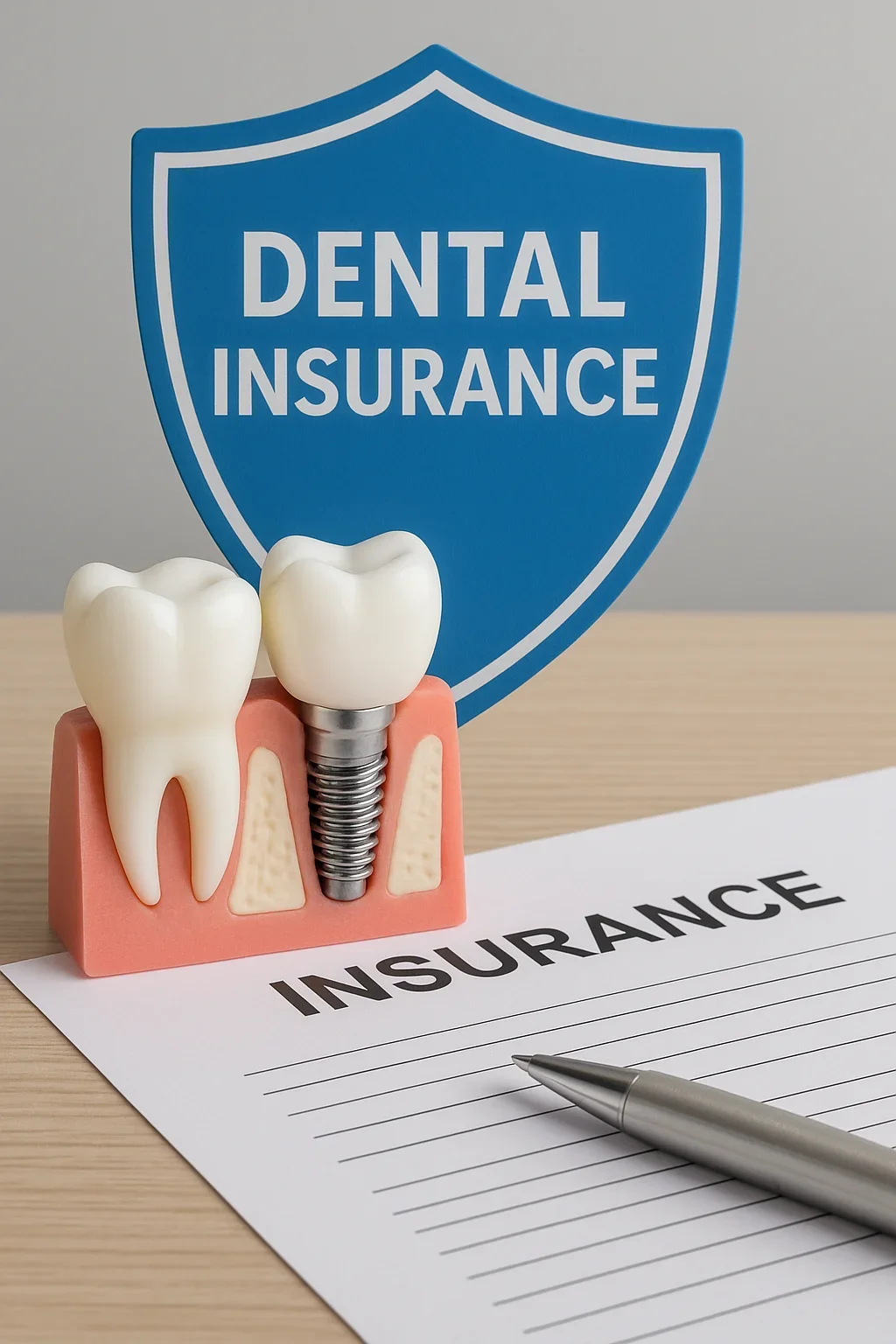
9. How to Choose the Right Clinic for Insured Dental Implant Treatment
Selecting the right dental clinic is one of the most important decisions you’ll make when planning your implant journey—especially if your dental insurance cover implants partially or in full. The success of your treatment depends on both the skill of the dental team and the clinic’s ability to handle insurance claims, financing, and aftercare efficiently. This section will guide you through the essential factors to consider, from credentials and technology to transparency, insurance cooperation, and patient experience.
Why Clinic Selection Matters 🦷
Implant dentistry is both an art and a science. It requires precision, experience, and cutting-edge technology. A well-qualified clinic not only ensures a successful surgical outcome but also helps you navigate the complex insurance landscape. Even when dental insurance cover implants partially, the right clinic can help maximize your benefits by coding procedures correctly, submitting accurate documentation, and communicating effectively with your insurer.
Choosing the wrong provider, on the other hand, can lead to poor results, denied insurance claims, or unnecessary costs. Therefore, understanding what makes a clinic reputable is the foundation of a smooth and stress-free implant experience.
Check Credentials and Experience
The qualifications and background of your dentist play a central role in treatment quality. You should always confirm that the clinic employs board-certified implant specialists or oral surgeons with extensive experience. Ideally, your implantologist should hold certifications from recognized organizations such as the American Dental Association or equivalent local dental boards. Clinics that specialize in implants typically have higher success rates, often exceeding 95% for properly executed procedures.
Questions to Ask Before Starting
- How many implant procedures has the dentist performed?
- What type of implant systems does the clinic use (e.g., Straumann, Nobel Biocare)?
- Does the clinic offer a warranty or long-term guarantee for implants?
- Is the facility accredited by an international dental authority?
By asking these questions, you can better determine whether the clinic aligns with your needs and how efficiently they manage cases where dental insurance cover implants only in part.
Evaluate Technology and Techniques
Advanced technology is another hallmark of a high-quality clinic. Look for practices that use 3D digital imaging, cone beam computed tomography (CBCT), and computer-guided implant surgery. These tools enhance accuracy, reduce surgical time, and improve healing outcomes. Clinics that invest in such technology often have smoother procedures and fewer complications, which indirectly helps ensure that your insurance claims are processed faster and more successfully.
When dental insurance cover implants partially, efficient procedures mean lower costs overall because they minimize the need for revisions or additional surgeries. High-tech clinics often provide digital treatment plans that clearly show the stages of implant placement, helping both patients and insurers understand the necessity and value of the procedure.
Transparency in Pricing and Insurance Support 💰
Transparency is a major factor that distinguishes professional clinics from average ones. A reputable clinic will provide a clear written estimate before any treatment begins, including surgical, restorative, and follow-up costs. They’ll also break down how your dental insurance cover implants applies to each stage. This transparency protects patients from unexpected expenses and ensures that claims are submitted correctly to the insurance provider.
Look for Clinics That Offer:
- Pre-treatment cost breakdowns and insurance estimates.
- Dedicated insurance coordinators who handle paperwork and appeals.
- Coordination between dental and medical insurance when applicable.
- Flexible payment and financing plans for uncovered portions.
Clinics such as Redent Klinik Contact Page are well-known for providing end-to-end support—from pre-authorization assistance to claim submissions—helping patients maximize the benefits of their insurance while maintaining high clinical standards.
Assess Patient Reviews and Testimonials 🌟
Online reviews are one of the most reliable ways to gauge a clinic’s reputation. Look for verified feedback from patients who specifically mention insurance handling, transparency, and post-operative care. A consistent record of satisfied clients often indicates that the clinic operates ethically and professionally. Pay attention to reviews that mention how effectively dental insurance cover implants was managed—did the clinic handle the process smoothly, or did patients face unexpected delays and denials?
Reputable clinics will also provide before-and-after galleries and case studies to showcase their work. Reviewing these materials can help you visualize potential results and build confidence in your choice.
Communication and Comfort Level 🗣️
Good communication between you and your dental team is essential. During your consultation, observe whether the staff takes the time to explain every detail—from implant materials and procedures to insurance coverage and timelines. When a clinic values patient understanding, it often translates into better cooperation with insurers and smoother financial processing.
Remember, the best clinics don’t just focus on surgery—they prioritize patient trust. If a dentist takes time to explain how dental insurance cover implants applies to your situation, it’s a good indicator that they care about your financial comfort as much as your oral health.
Global Considerations: Choosing Clinics Abroad 🌍
In recent years, many patients have turned to international clinics for affordable implant treatments without compromising quality. Locations like Turkey, Hungary, and Thailand have become leading destinations due to modern facilities and lower costs. Clinics such as Redent Klinik Contact Page provide English-speaking support, transparent pricing, and guidance on whether international insurers will reimburse treatments performed abroad.
Checklist for Overseas Treatment
- Ensure the clinic is accredited and meets international hygiene standards.
- Request a detailed treatment plan with costs before traveling.
- Confirm that your insurer recognizes international dental claims.
- Check whether post-treatment care is available in your home country.
Even when dental insurance cover implants doesn’t apply internationally, the cost savings abroad often outweigh the lack of direct coverage—making it a practical alternative for many patients.
Aftercare and Warranty Policies 🛡️
Aftercare plays a crucial role in the long-term success of implants. Clinics that offer post-surgery maintenance plans, follow-up visits, and warranties demonstrate strong commitment to patient satisfaction. Make sure the clinic provides written warranties for implant fixtures and prosthetics. A clinic confident in its quality will usually offer 5–10 years of protection, even when dental insurance cover implants does not fully cover replacements.
Final Thoughts: Partner with the Right Clinic for Lasting Results 😁
Choosing the right clinic is not just about location or price—it’s about trust, transparency, and long-term care. The right dental team ensures that your dental insurance cover implants works in your favor while delivering top-tier medical results. From pre-authorization and cost estimates to advanced technology and compassionate service, reputable clinics make the entire experience seamless. By prioritizing expertise, clarity, and patient comfort, you’ll not only restore your smile but also secure an outcome that lasts a lifetime—both aesthetically and financially.