
Many people experience the sudden shock of being told they need a root canal, followed by the next worry — how much it will cost. Root canals are one of the most common yet often misunderstood dental procedures. When faced with this treatment, patients often ask the crucial question: Does dental insurance cover root canal? This comprehensive 2025 guide will answer that question in detail, helping you understand coverage levels, typical costs, and how to minimize your out-of-pocket expenses. 🦷
A root canal is a dental procedure designed to save an infected or severely decayed tooth. During the process, your dentist removes the infected pulp inside the tooth, disinfects it, and seals it to prevent further damage. While it’s an essential treatment to preserve your natural smile, the cost can range from $700 to $1,500 per tooth in the U.S., depending on the tooth type and location. That’s where dental insurance can make a big difference.
In most cases, dental insurance cover root canal treatments partially, typically between 50% and 80% of the total cost. However, the exact percentage depends on your plan’s coverage level, deductible, and waiting period. Most dental insurance plans categorize root canals as “major” or “basic” restorative procedures, which means coverage levels vary. For example, one plan may treat root canals as basic care (covering 80%), while another might list it under major care (covering 50%).
To understand how much dental insurance cover root canal treatment for you personally, it’s crucial to check your plan’s details. Look for sections labeled “Endodontic Services” or “Restorative Care.” These sections outline the exact percentage your insurer will pay and the waiting period before you can use your benefits. Some plans may have a six-month or one-year waiting period for major procedures, meaning you’ll have to be enrolled for a certain time before coverage applies.
Here’s how the process typically works: after your dentist recommends a root canal, the clinic submits a pre-authorization to your insurance provider. This document helps estimate what portion of the cost will be covered and what portion you’ll need to pay. You can also contact your provider directly or visit their online portal to confirm details about your root canal benefits.
It’s also important to know that dental insurance cover root canal only if the procedure is deemed medically necessary — not for cosmetic reasons. For example, a root canal performed to treat a deep infection is usually covered, but one done solely for cosmetic enhancement may not be.
Let’s look at a practical example: suppose the total cost of your root canal is $1,200, and your dental plan covers 80% of basic procedures after your deductible. If your deductible is $100, here’s the breakdown:
Total Cost: $1,200
Deductible: $100
Insurance Coverage: 80% of $1,100 = $880
Your Out-of-Pocket Cost: $320
This example demonstrates how dental insurance cover root canal treatments significantly reduce your financial burden. However, costs may differ depending on the complexity of the tooth (front vs. molar), geographic location, and your dentist’s experience level.
Another key factor is whether you visit an in-network provider. Insurance companies often have contracts with specific dental clinics to offer discounted rates. Visiting an in-network provider can save you an additional 10%–20% on your treatment cost. If you don’t have an in-network dentist, you might still get partial reimbursement, but the savings will likely be less.
Some premium plans, such as those offered by American Dental Association partner insurers, even provide specialized endodontic coverage. These plans can include coverage for related procedures like crowns or follow-up care. Before making a decision, it’s smart to review your summary of benefits and speak directly with your insurance agent or dental office coordinator.
Don’t forget that even with strong insurance, there can still be costs for additional services such as X-rays, consultation fees, or post-treatment crowns. Crowns are often required to restore the strength of the treated tooth, and many plans cover them separately under “major services.”
For those without insurance, many clinics offer affordable payment plans or financing options through healthcare credit companies. At Redent Klinik Contact Page, patients can get professional guidance about both root canal procedures and financing options for dental treatments abroad — often at much lower prices compared to the U.S. or U.K.
In summary, the answer to “does dental insurance cover root canal” is yes — but the level of coverage varies by provider, plan type, and eligibility rules. Always verify your plan’s benefits, estimate your out-of-pocket expenses, and choose a reputable dentist who works with your insurer. Taking the time to understand your coverage can save you hundreds of dollars and ensure you receive the care you need without unnecessary stress. 🦷💰
In the following sections, we’ll explore how dental insurance works for root canals, compare costs, and explain how to maximize your benefits effectively in 2025.
Understanding What a Root Canal Is and Why It’s Needed
Before we can fully answer how dental insurance cover root canal treatments, it’s crucial to understand what a root canal actually is and why it’s such an essential procedure. Many patients hear the term “root canal” and immediately associate it with pain, but in reality, this treatment is a powerful tool for saving your natural teeth and relieving severe dental discomfort. In this section, we’ll break down what happens during a root canal, why it’s needed, and how it connects to your dental insurance coverage. 🦷
What Is a Root Canal Treatment?
A root canal treatment (also called endodontic therapy) is a procedure that removes infected or inflamed pulp from inside your tooth. The pulp contains nerves, blood vessels, and connective tissue that help the tooth grow. When this pulp becomes infected — usually because of deep decay, cracks, or repeated dental procedures — it can cause intense pain, swelling, and even bone loss around the root tip if left untreated. The primary goal of a root canal is to clean the inside of the tooth and prevent reinfection while preserving the outer structure of the tooth itself.
During the procedure, a dentist or endodontist (a specialist in root canal therapy) removes the infected pulp, disinfects the root canals, fills them with a biocompatible material, and then seals the tooth with a crown or filling. This restores both function and aesthetics. Most patients report immediate pain relief and improved chewing ability after recovery. The success rate of root canals is over 90%, making it one of the most effective dental treatments available today.
Why Root Canals Are Sometimes Inevitable
It’s common for patients to delay treatment due to fear or financial concerns, but postponing a root canal can make things much worse. An untreated infection can spread to other areas of the mouth or even enter the bloodstream, leading to systemic complications. This is why many dental insurance cover root canal procedures are categorized as medically necessary treatments. Insurers recognize that a root canal helps avoid more expensive procedures like tooth extractions, dental implants, or bridges in the future.
Typical symptoms indicating that you may need a root canal include:
- Persistent tooth pain or sensitivity to hot and cold
- Swelling or tenderness around the gums
- Darkening or discoloration of the affected tooth
- A small bump (abscess) on the gums
- Pain when chewing or applying pressure
If you’re experiencing any of these symptoms, visiting your dentist immediately is vital. With early diagnosis, you can minimize costs and maximize how much your dental insurance cover root canal plan will pay.
Step-by-Step: What Happens During a Root Canal
Understanding the steps involved helps you see where your insurance applies and why certain costs are billed separately. Here’s a simplified version of what happens during a typical root canal procedure:
- Examination and X-rays: Your dentist will take radiographs to assess the extent of the infection and plan the treatment. These diagnostic steps are often billed separately but are usually covered under preventive or diagnostic care in most dental plans.
- Local Anesthesia: The area around the affected tooth is numbed to ensure a painless experience. Some plans cover this under the root canal fee, while others list it separately.
- Pulp Removal and Cleaning: The infected pulp is carefully removed using specialized tools. The inside of the tooth is then disinfected with antimicrobial solutions.
- Filling the Canals: Once clean, the canals are filled with gutta-percha, a rubber-like material that seals the space and prevents future infections.
- Tooth Restoration: In most cases, a crown or filling is placed to restore full function and appearance. Crowns are typically billed under “major services,” and this is where dental insurance cover root canal coverage levels can vary significantly.
How Long Does a Root Canal Take?
The duration of a root canal depends on how many roots your tooth has and how complex the infection is. A front tooth typically takes about 30 to 45 minutes, while molars may take up to 90 minutes or more. Sometimes, a follow-up visit is needed to place a permanent crown. This multi-step process is one reason dental insurance policies list root canals separately from crowns or other restorations.
Scientific Insight: Why Root Canals Save Teeth
From a medical standpoint, root canal therapy prevents tooth loss by halting the progression of infection. Once the pulp is removed and the space is sealed, bacteria can no longer thrive inside the tooth. According to the American Dental Association, this procedure not only restores oral health but also maintains natural alignment and chewing efficiency, reducing the risk of jawbone deterioration. That’s one of the main reasons why dental insurance cover root canal treatments — they preserve your overall oral function and long-term dental stability.
How Dental Insurance Classifies Root Canal Treatment
Insurance providers usually divide dental treatments into three categories: preventive, basic, and major. A root canal may fall into either the basic or major category, depending on your provider. Plans that classify root canals as “basic services” often cover 70–80% of the cost after your deductible, while those labeling it as “major services” typically cover around 50%. Understanding this classification is key when estimating how much your dental plan will actually pay.
To maximize your benefits, it’s essential to verify whether your policy includes waiting periods or annual maximums. Many dental insurance cover root canal only after a 6- to 12-month waiting period if it’s considered a major service. Knowing these details before you start treatment can save you from unexpected expenses later on.
Importance of Early Diagnosis and Timely Treatment
Early detection plays a major role in reducing both your pain and your bill. If your dentist detects an infection early, the procedure may be less invasive, and your insurance may cover it at a higher percentage. Additionally, early treatment reduces the likelihood of needing follow-up surgeries or crown replacements, which can quickly exceed your annual coverage limit. For those seeking affordable international dental care, Redent Klinik Contact Page provides consultations and cost estimates for root canal treatments performed by expert dentists in Turkey.
Key Takeaway: Prevention Is Always Cheaper
Although dental insurance cover root canal procedures help alleviate financial stress, prevention remains the best strategy. Regular dental check-ups and cleanings are fully covered by most insurance plans and help prevent cavities or decay that can lead to root canals. Brushing twice daily, flossing, and avoiding excessive sugar can save you from both pain and high treatment bills in the long run.
By understanding what a root canal involves, why it’s necessary, and how it’s classified by insurance, you empower yourself to make informed financial and health decisions. In the next section, we’ll explore exactly how dental insurance cover root canal policies work — including deductibles, waiting periods, and co-payment structures — so you can plan your treatment wisely and avoid surprises. 🦷💡
How Dental Insurance Works for Root Canal Treatments 🦷
When facing the cost of a root canal, one of the most pressing questions patients ask is: how does dental insurance cover root canal treatments in practice? Understanding the structure of dental insurance policies, including deductibles, co-payments, annual maximums, and waiting periods, can make a major difference in your final bill. This section breaks down how dental insurance plans operate and how you can make them work best for you when you need a root canal.
The Basic Structure of Dental Insurance Plans
Unlike standard medical insurance, dental insurance is primarily designed for preventive and restorative care rather than major emergency coverage. Most plans operate on a 100/80/50 model:
- 100% coverage for preventive services (check-ups, cleanings, X-rays)
- 80% coverage for basic procedures (fillings, root canals, extractions)
- 50% coverage for major services (crowns, bridges, dentures)
Depending on your specific policy, dental insurance cover root canal procedures either as “basic” or “major” care. Plans that categorize them as basic usually offer better reimbursement — around 70–80% of the total cost — whereas major coverage tends to reimburse around 50%. Knowing which category your insurer uses helps you forecast your out-of-pocket expenses more accurately.
Deductibles and Co-Payments Explained
A deductible is the amount you must pay out-of-pocket before your insurance benefits begin. For example, if your plan has a $100 deductible and your root canal costs $1,000, you’ll pay the first $100 yourself. After that, your insurer pays its portion based on your plan’s coverage rate. Some plans waive deductibles for preventive care but not for restorative services like root canals.
Co-payments are another factor to consider. This is the fixed amount you pay for a covered service after your deductible has been met. For example, if your plan covers 80% of the cost, your co-payment would be 20% of the remaining bill. Understanding this balance ensures you’re not surprised when you see the final invoice from your dentist.
Annual Maximums and Coverage Limits
Most dental insurance plans have an annual maximum—the total amount the insurance company will pay for your dental care within one year. This limit usually ranges between $1,000 and $2,000. Once you reach this cap, any additional treatment cost becomes your responsibility. If you have multiple procedures within a year (such as a root canal followed by a crown), it’s easy to reach your annual maximum quickly.
Because dental insurance cover root canal only up to a certain limit, many patients strategically schedule their treatments across two plan years to minimize personal expenses. For instance, getting the root canal in December and the crown in January (after your plan renews) allows both procedures to be covered under separate annual limits.
Waiting Periods and Eligibility
One of the most overlooked aspects of dental insurance is the waiting period. Many insurers impose a waiting period before you can use your benefits for major services. This period can range from 3 to 12 months, depending on the plan. During this time, even if you pay premiums, you might not yet be eligible for reimbursement on root canal procedures. This is particularly relevant for new policyholders or those who recently switched plans.
However, some premium-level plans or employer-sponsored coverage waive the waiting period entirely. When evaluating whether dental insurance cover root canal right away, it’s vital to read the fine print or contact your insurer directly to verify waiting periods and exclusions.
Example Scenario: A Realistic Cost Breakdown
To visualize how insurance coverage applies, let’s consider a typical example:
Procedure: Root Canal on a Molar
Total Cost: $1,300
Deductible: $100
Coverage: 80% (basic care classification)
Annual Maximum: $1,500
Here’s the math:
- Patient pays $100 deductible first
- Insurance covers 80% of the remaining $1,200 = $960
- Patient pays the remaining $240
Total patient cost = $340 out-of-pocket. If the procedure required a follow-up crown, that might cost an additional $800–$1,200, with 50% coverage, leading to further co-payments. As you can see, knowing how your dental insurance cover root canal applies is essential for financial planning.
In-Network vs. Out-of-Network Dentists
Another key factor influencing your coverage is whether your dentist is in-network. In-network dentists have agreements with your insurance provider to charge pre-negotiated rates, which means you’ll pay less overall. Out-of-network dentists can bill you the full amount, and your insurance will reimburse a smaller portion, if at all.
For example, if your in-network dentist charges $1,000 for a root canal but an out-of-network dentist charges $1,400, the insurance company will base its payment on the in-network fee structure, leaving you responsible for the difference. To get the most from how dental insurance cover root canal procedures, always confirm your dentist’s network status before treatment begins.
How Pre-Authorization and Claims Work
Most insurance companies require a pre-authorization for root canals. This means your dentist submits a treatment plan and X-rays to your insurer for approval. The insurer then estimates how much of the cost will be covered and how much you will owe. This process helps avoid surprises and ensures that the procedure qualifies as medically necessary — a key condition for coverage.
After the procedure, the dental office sends an insurance claim with the treatment details and billing codes. The insurance company reviews it and issues payment directly to the dentist or to you, depending on your policy structure. Keeping track of these documents can help you verify that your dental insurance cover root canal benefits are being applied correctly.
Why Insurance Companies Cover Root Canals
Insurance companies recognize that root canals are not optional — they are medically necessary to prevent infections, extractions, and systemic health issues. Covering this treatment ultimately saves both the insurer and the patient money in the long term. According to the American Dental Association, untreated dental infections can lead to bone loss, abscess formation, and even hospitalization in severe cases. Therefore, most insurers include root canal coverage as a standard benefit in their plans.
How to Maximize Your Dental Benefits
To make the most of your insurance coverage:
- Schedule regular dental checkups to detect issues early — prevention is usually covered at 100%.
- Choose an in-network provider to save 10–20% on total costs.
- Request pre-authorization before starting treatment to confirm coverage details.
- Coordinate your treatment schedule with your plan’s annual maximum limits.
- Ask if your plan includes supplemental endodontic coverage or discounts for follow-up procedures.
If you’re considering international dental care for cost savings, Redent Klinik Contact Page offers consultations for patients seeking affordable yet high-quality root canal treatments in Turkey. By understanding how dental insurance cover root canal procedures function and how to optimize your plan, you can significantly reduce your out-of-pocket costs while maintaining top oral health.
In the next section, we’ll dive deeper into the real-world costs of root canal procedures — both with and without insurance — so you can see exactly how much you might expect to pay and how to plan accordingly. 💰
Average Root Canal Costs With and Without Insurance
One of the biggest concerns patients have when they hear they need a root canal is cost. This is completely understandable — dental treatments can be expensive, especially in countries like the U.S. and the U.K. In this section, we’ll explore the average prices for root canal procedures both with and without insurance, and show how much dental insurance cover root canal benefits can save you in 2025. Understanding these cost differences helps you make an informed decision and plan your budget wisely. 💰
Typical Cost Range for Root Canals
The cost of a root canal varies depending on several factors — the type of tooth, location, the dentist’s experience, and whether additional procedures like a crown are required. Below are the typical price ranges across the U.S. (in USD):
| Tooth Type | Without Insurance | With Insurance (Approx.) |
|---|---|---|
| Front Tooth (Incisor/Canine) | $700 – $1,100 | $200 – $400 |
| Premolar | $800 – $1,200 | $250 – $500 |
| Molar | $1,000 – $1,600 | $350 – $700 |
On average, a patient pays around $1,000 to $1,400 for a molar root canal without insurance, but this can drop by 60–70% once their dental insurance cover root canal policy is applied. Insurance usually reimburses 50%–80% of the total cost, depending on the plan’s classification (basic vs. major service).
Factors Affecting Root Canal Costs
There isn’t a single “standard” price for root canals because every case is unique. Here are the most influential cost factors you should know about:
- Tooth Location: Front teeth have one canal, while molars can have up to four. More canals mean more time and skill required — and therefore a higher cost.
- Dentist’s Specialty: General dentists may charge less than endodontists (root canal specialists), but endodontists usually have higher success rates and advanced equipment.
- Geographic Location: Urban areas and large cities tend to have higher dental costs due to overhead and regional price variations.
- Restorations: After the root canal, most teeth require a crown for reinforcement, which can add another $800–$1,500 to your total bill.
- Diagnostic Fees: X-rays, consultations, and follow-up appointments may be billed separately.
Because of these variables, dental insurance cover root canal policies can make a tremendous financial difference. Even a plan that covers only 50% of the treatment can save you hundreds of dollars, especially if multiple teeth need treatment.
Detailed Cost Example With Insurance
Let’s break down a realistic example so you can see how insurance coverage impacts total costs:
Procedure: Root Canal on Upper Molar
Total Cost: $1,400
Deductible: $100
Coverage: 80% (Basic care)
Annual Maximum: $1,500
Here’s the calculation:
- Deductible: $100 (you pay this first)
- Insurance covers 80% of $1,300 = $1,040
- Your total out-of-pocket cost: $360
Without insurance, the same treatment would have cost $1,400. So in this case, dental insurance cover root canal benefits saved the patient over $1,000. That’s a significant difference that shows why having dental coverage is a financial advantage.
Out-of-Pocket Costs Without Insurance
Without insurance, patients must pay the full treatment cost themselves. Unfortunately, this leads many people to delay necessary care, risking further infection or tooth loss. If a root canal is postponed too long, the infection may spread, requiring a tooth extraction or even a dental implant — both of which are far more expensive.
Here’s what those alternative treatments might cost:
- Tooth extraction: $150 – $400
- Dental implant: $3,000 – $6,000 per tooth
- Bridge replacement: $2,000 – $4,500
Compared to these figures, root canals remain a cost-effective solution. For uninsured patients, some dental offices offer in-house financing, monthly payment plans, or third-party credit options such as CareCredit. You can also explore international dental tourism options, like Redent Klinik Contact Page, where treatments can cost up to 70% less than in the U.S., often with the same or better quality.
Price Comparison Between Countries
To put things in perspective, let’s compare average root canal costs worldwide:
| Country | Average Cost (USD) | Insurance Coverage Typical Range |
|---|---|---|
| United States | $1,000 – $1,600 | 50% – 80% |
| United Kingdom | $400 – $900 | 50% (NHS coverage limited) |
| Turkey | $150 – $300 | Private/Travel Plans |
| Germany | $500 – $900 | 60% – 80% |
| France | $350 – $800 | 70% (Social Insurance) |
This table shows that while costs in Western countries remain high, dental tourism destinations like Turkey offer more affordable solutions, particularly for uninsured patients. Even if your dental insurance cover root canal policy offers only partial coverage, combining it with a cross-border treatment plan can result in significant savings.
Additional Costs Often Overlooked
Beyond the base cost of the root canal itself, there are often several add-on expenses patients overlook:
- Consultation fees: Initial visit costs between $50–$150.
- X-rays or CBCT scans: $75–$200, sometimes covered separately.
- Temporary fillings: $100–$200, usually needed between visits.
- Post-treatment crown: $800–$1,500 depending on the material (porcelain, zirconia, metal).
Some of these expenses might fall outside what dental insurance cover root canal includes, depending on your provider. Therefore, it’s always wise to ask your dental office for an itemized cost estimate before starting treatment. This way, you can confirm which parts are covered and which are not.
Pro Tip: Coordinate Your Coverage Year
If your insurance has an annual maximum of $1,500 and your root canal plus crown exceeds that amount, you can plan the treatment in stages. For instance, get the root canal in December and the crown in January. This allows the insurance to renew and cover both parts separately, maximizing your benefits.
Why Having Dental Insurance Saves You Money Long-Term
When analyzing lifetime dental costs, the numbers clearly show that patients with insurance pay significantly less over time. Because most dental insurance cover root canal plans also encourage preventive care (covered at 100%), insured patients are more likely to attend regular check-ups and detect issues early — before they become major problems. This not only saves money but also prevents the need for complex, painful treatments.
Conclusion: The Real Value of Insurance Coverage
Root canal treatments are expensive, but they don’t have to be financially overwhelming. A good insurance policy can cover a majority of the costs, bringing a $1,200 bill down to just a few hundred dollars. When comparing dental plans, look for those with generous endodontic benefits, minimal waiting periods, and high annual maximums. And if you’re considering treatment abroad, Redent Klinik Contact Page offers an affordable and quality-controlled alternative.
In the next section, we’ll look deeper into the actual coverage percentages — specifically, what portion of the bill dental insurance cover root canal procedures typically pay, and how you can predict your share of the expenses accurately. 🦷💡
What Percentage Does Dental Insurance Cover Root Canal Procedures?
Understanding exactly how much dental insurance cover root canal treatments can save you is one of the most important parts of financial planning before your appointment. While many patients assume their plan will pay a fixed amount, coverage percentages can vary significantly depending on the provider, type of plan, and whether the treatment is classified as a basic or major service. In this detailed section, we’ll explain what percentage your dental insurance typically covers, what affects those percentages, and how to calculate your out-of-pocket costs accurately.
Average Coverage Percentages by Plan Type
Dental insurance plans are not one-size-fits-all. The percentage that dental insurance cover root canal depends largely on the plan’s structure and service classification. Most dental insurance policies follow a tiered system known as the “100/80/50 rule.” This system breaks services into three categories:
- Preventive care: Cleanings, exams, and X-rays — usually covered at 100%
- Basic restorative care: Fillings, extractions, and sometimes root canals — usually covered at 70–80%
- Major restorative care: Crowns, dentures, bridges — usually covered at 50%
Depending on your provider, root canals may fall under either the basic or major category. If your policy considers it a basic service, your insurer will likely cover around 80% of the total cost. However, if it’s classified as a major service, coverage may drop to 50%. Therefore, before you start treatment, always verify which category your plan uses for root canal therapy.
Influence of Plan Type on Coverage Percentages
The kind of dental plan you have determines how much financial support you’ll get. Let’s explore some common plan types and their typical coverage rates for root canals:
| Plan Type | Typical Root Canal Coverage | Notes |
|---|---|---|
| Preferred Provider Organization (PPO) | 70% – 80% | Widest network; allows both in-network and out-of-network dentists. |
| Health Maintenance Organization (HMO) | 60% – 70% | Lower cost plans but require using in-network dentists. |
| Indemnity Plan | 75% – 80% | Flexible but higher premiums; you can visit any licensed dentist. |
| Employer-Sponsored Plan | 50% – 80% | Varies by company; some fully subsidize deductibles. |
| Individual Private Plan | 40% – 70% | Coverage depends on your provider and waiting period. |
As you can see, while most dental insurance cover root canal costs between 50% and 80%, these numbers fluctuate based on how your plan defines major and basic restorative services. Reviewing your benefits summary or contacting your insurer before treatment is always recommended to confirm exact figures.
Deductibles and Co-Insurance: How They Affect the Final Percentage
Even if your insurance says it covers 80% of the treatment, that doesn’t necessarily mean you’ll only pay 20%. The deductible and co-insurance terms also play a major role. The deductible is the minimum amount you must pay before insurance kicks in — usually between $50 and $150 per year. After meeting your deductible, your insurer will cover the agreed-upon percentage of the remaining bill.
Co-insurance refers to your share of the cost after the deductible is paid. For example, if your plan covers 80%, your co-insurance is 20%. So, for a $1,200 root canal with a $100 deductible, your total payment would be $100 (deductible) + 20% of $1,100 = $320. The insurance covers the remaining $880. This simple example shows how dental insurance cover root canal treatment percentages translate into real savings.
Example Calculation by Coverage Level
Let’s look at how different coverage levels affect your out-of-pocket cost for a $1,200 root canal:
| Coverage Percentage | Insurance Pays | You Pay |
|---|---|---|
| 50% | $600 | $600 |
| 70% | $840 | $360 |
| 80% | $960 | $240 |
In this example, patients with higher-tier plans (80% coverage) save more than double compared to those with basic 50% coverage. That’s why upgrading to a better plan can often pay off within a single major dental procedure.
How In-Network and Out-of-Network Dentists Impact Coverage
Choosing an in-network dentist can significantly influence how much your dental insurance cover root canal pays. Insurance providers negotiate discounted rates with in-network dentists, meaning the same root canal may cost $1,000 in-network versus $1,400 out-of-network. Because reimbursement is based on the lower negotiated rate, you pay less upfront and your insurance covers a higher portion of the total cost.
Conversely, if you choose an out-of-network dentist, your plan may reimburse you based on its standard rate (known as the “usual and customary rate”), leaving you to pay the difference. Always check your network provider list before scheduling treatment.
Annual Maximum and Coverage Percentage Interactions
Most dental insurance policies cap total yearly benefits — typically between $1,000 and $2,000. If you’ve already used part of your annual benefit for other dental procedures, the amount remaining will limit how much dental insurance cover root canal treatments. For example, if your annual maximum is $1,500 and you’ve already used $800 for cleanings and fillings, you’ll only have $700 left for the root canal. Once the maximum is reached, you’re responsible for 100% of further expenses that year.
Tip for Maximizing Coverage
To maximize your benefits, schedule major procedures like root canals strategically — for instance, doing the root canal at the end of the year and the crown placement after your benefits reset in January. This method can double your effective coverage without increasing premiums.
Special Cases: Endodontist vs. General Dentist Coverage
Some insurance plans reimburse at different percentages depending on who performs the treatment. Root canals performed by a general dentist may be reimbursed at 80%, while the same procedure done by an endodontist might only be covered at 50–60%. This distinction occurs because specialists typically charge higher fees. However, visiting an endodontist is often worth it for complex or multi-rooted cases, as their expertise reduces the risk of retreatment — which might not be covered at all by insurance if it’s deemed elective.
Regional and Policy Differences in Coverage Percentages
Coverage percentages can vary internationally. For instance, in the U.S., most plans cover 50–80% of root canal costs. In contrast, European health systems such as France’s Sécurité Sociale or Germany’s Krankenkasse typically reimburse 60–80%. Meanwhile, in countries like Turkey — where dental tourism thrives — the total price for treatment is so low that even without insurance, patients pay less than the U.S. co-payment alone. This global variation highlights why understanding how your dental insurance cover root canal plan works in your region is essential.
Additional Savings Through Supplemental Coverage
If your primary dental plan doesn’t provide enough reimbursement, you can purchase supplemental dental insurance. These policies specifically increase coverage percentages for expensive treatments like root canals and crowns. Some employers even offer “enhanced endodontic coverage” as an optional upgrade. Always compare the cost of the premium with your expected savings to ensure it’s worth the investment.
Conclusion: Understanding Your True Coverage Percentage
While there’s no universal answer, most dental insurance cover root canal policies pay between 50% and 80% of the total cost after your deductible. The rest depends on factors such as plan type, in-network status, annual limits, and provider classification. By reviewing your benefits summary carefully, requesting pre-authorization, and scheduling treatment strategically, you can ensure you get the maximum benefit your policy offers.
Next, we’ll dive deeper into the specific factors that influence your out-of-pocket expenses, including hidden costs, co-payments, and the fine print that most patients overlook when calculating their final bill. 🦷📊
Factors That Influence Your Out-of-Pocket Expenses
Even if your dental insurance cover root canal plan promises 50–80% reimbursement, you might still end up paying more than expected. Why? Because multiple financial, procedural, and policy-based factors influence your final out-of-pocket cost. Understanding these factors helps you prepare financially, minimize surprises, and make strategic decisions about your dental care. In this detailed section, we’ll break down every variable that can affect how much you pay for your root canal procedure in 2025. 💰🦷
1. The Type of Dental Plan You Have
The first and most significant factor is the type of dental insurance plan you’re enrolled in. As explained earlier, PPO (Preferred Provider Organization) and HMO (Health Maintenance Organization) plans work differently. PPOs provide flexibility to choose your dentist, including out-of-network providers, while HMOs restrict you to a specific network. Although PPOs tend to have higher monthly premiums, they generally offer better reimbursement percentages and fewer restrictions.
For example, a PPO might cover 80% of a molar root canal performed by an in-network dentist, while an HMO might only cover 60%. Therefore, your plan type directly affects how much your dental insurance cover root canal benefits can actually reduce your cost.
2. In-Network vs. Out-of-Network Dentists
Choosing an in-network dentist is one of the easiest ways to lower your out-of-pocket expenses. In-network providers agree to charge pre-negotiated rates set by the insurance company, which can be 10–30% lower than standard fees. When you visit an in-network dentist, your insurance pays based on these discounted rates, not the regular price.
For instance, if the regular cost of a molar root canal is $1,400, but your in-network dentist’s contracted rate is $1,000, and your policy covers 80%, your out-of-pocket payment will be $200. If you go out-of-network, the insurer may still pay 80%, but only up to its “usual and customary” limit (e.g., $1,000), leaving you responsible for the additional $400 difference. Hence, choosing an in-network provider can drastically change how much your dental insurance cover root canal actually benefits you.
3. Deductibles and Annual Maximums
Every dental insurance plan comes with an annual deductible (usually between $50 and $150) and an annual maximum benefit (often between $1,000 and $2,000). Once you hit your annual maximum, your insurer stops paying for additional treatments for the rest of the year. If your root canal occurs late in the year and you’ve already used most of your coverage, you’ll pay a much larger share of the bill.
Example:
Total Cost: $1,200
Remaining Annual Maximum: $600
Coverage: 80%
Insurance Pays: $480
You Pay: $720
As this example shows, even though dental insurance cover root canal at 80%, hitting your yearly limit significantly increases your out-of-pocket payment. To minimize this, consider timing your treatment strategically around benefit renewals — for example, scheduling your root canal before your plan resets or spreading multiple procedures across different coverage years.
4. Root Canal Complexity and Tooth Location
Root canal costs differ depending on the tooth being treated. Front teeth (incisors) have one root canal, premolars often have two, and molars can have three or four. The more canals a tooth has, the longer and more complex the procedure — and the higher the cost.
| Tooth Type | Average Cost (USD) | Typical Insurance Coverage |
|---|---|---|
| Front Tooth (1 Canal) | $700 – $1,100 | 70–80% |
| Premolar (2 Canals) | $800 – $1,200 | 60–80% |
| Molar (3–4 Canals) | $1,000 – $1,600 | 50–70% |
The more complex the case, the more likely you’ll need an endodontist instead of a general dentist, and specialists typically charge higher fees. However, since specialists perform the procedure with advanced precision and technology, the success rate is higher, reducing the risk of future retreatment (which may not be covered). Thus, while upfront costs rise, the long-term value of how your dental insurance cover root canal applies remains favorable.
5. Additional Services and Materials
Many patients overlook the smaller associated costs that accompany a root canal. These can include:
- Diagnostic X-rays: $50–$150 — may or may not be included in your plan’s basic coverage.
- Anesthesia or sedation: $100–$400 — some plans exclude sedation unless medically required.
- Post and core buildup: $150–$250 — often necessary before placing a crown.
- Crown restoration: $800–$1,500 — covered separately under “major services.”
Because these are billed as separate line items, your plan may only partially reimburse them, even though they’re directly related to the root canal. Always ask your dental office for a pre-treatment estimate to confirm which parts are covered under your dental insurance cover root canal benefits.
6. Waiting Periods and Eligibility Rules
Most dental insurance policies include a waiting period for major restorative services. This waiting period can range from 6 to 12 months for new enrollees. During this time, you may not be eligible for reimbursement even if you’ve paid premiums. Patients who enroll in a new plan and immediately need a root canal often discover that their dental insurance cover root canal doesn’t activate until after the waiting period ends.
However, employer-sponsored group plans sometimes waive waiting periods, so check with your HR department. Additionally, if you switch plans midyear, confirm that your benefits carry over or restart, depending on your insurer’s policy.
Pro Tip: Use Pre-Authorization to Your Advantage
Before undergoing treatment, ask your dentist to submit a pre-authorization form to your insurance provider. This document details the expected cost and coverage breakdown. The insurer reviews it and sends back an estimate of what they will pay and what you’ll owe. This simple step ensures transparency and prevents billing surprises.
7. Geographic Region and Clinic Reputation
Where you live also affects costs. In large cities like Los Angeles, London, or New York, dental care prices are often 20–30% higher than in suburban or rural areas. Additionally, clinics that use advanced technology (like digital imaging or laser-assisted procedures) may charge premium rates. While insurance will still apply, your out-of-pocket portion might increase because of higher baseline costs.
For patients seeking affordable yet high-quality care, dental tourism is becoming an increasingly popular option. Clinics such as Redent Klinik Contact Page in Turkey offer world-class endodontic treatments at a fraction of U.S. or U.K. prices — sometimes even lower than a domestic co-pay after insurance reimbursement. Many international patients combine such treatment with vacation packages for added value.
8. Frequency and Timing of Procedures
If multiple teeth require treatment within the same insurance year, your annual maximum will be reached faster. For example, if you undergo two root canals in the same year, only the first might be fully covered, while the second may receive partial reimbursement or none at all once the coverage cap is reached. Strategic scheduling is key to optimizing how much your dental insurance cover root canal benefits can pay.
9. Provider Discounts and Payment Options
Some dental offices offer additional discounts for upfront payments, cash transactions, or in-house membership programs. Even if your insurance doesn’t cover everything, combining these discounts with your dental insurance cover root canal benefits can further reduce the financial burden. Clinics often partner with healthcare financing companies that allow monthly installments with 0% interest for qualified applicants.
10. Retreatment or Complication Costs
Occasionally, a root canal may fail due to persistent infection or reinfection. In such cases, retreatment is necessary. Unfortunately, many insurance providers consider retreatment as elective or secondary care and provide reduced coverage. To avoid this, choose an experienced endodontist, follow all aftercare instructions, and attend post-procedure checkups regularly.
Conclusion: How to Reduce Out-of-Pocket Expenses Effectively
While many factors determine your final cost, you can take control by understanding your plan, choosing an in-network dentist, and requesting pre-authorization before treatment. Always confirm deductible amounts, waiting periods, and annual maximums to ensure that your dental insurance cover root canal benefits work in your favor. If you don’t have insurance, explore affordable international treatment options or in-house financing to make essential care accessible without financial strain.
Next, we’ll explore the best dental insurance plans that cover root canal procedures, helping you choose the most beneficial policy for 2025 and beyond. 🦷💡
Best Dental Insurance Plans That Cover Root Canal
Finding the right dental insurance plan can save you hundreds—sometimes even thousands—on essential procedures like root canals. Since not all policies are created equal, understanding which ones offer the most comprehensive coverage is key. In this section, we’ll examine the top plans available in 2025, what percentage they typically cover, and what makes them stand out. You’ll also learn how to compare policy options and select the one that maximizes how much your dental insurance cover root canal treatments.
Why Choosing the Right Plan Matters
Root canals are among the more expensive dental procedures, and the right insurance plan can reduce costs by as much as 80%. However, the level of coverage depends on factors such as your provider’s network, the type of plan (PPO, HMO, indemnity, etc.), and the plan’s classification of endodontic care. Some plans categorize root canals as “basic care,” while others list them under “major services.” The difference could mean hundreds of dollars saved or lost.
Since dental insurance cover root canal percentages can vary between 50% and 80%, choosing a plan that treats root canals as basic restorative care will typically yield higher reimbursements. Plans with shorter waiting periods and higher annual maximums are also preferable for anyone expecting a major dental procedure in the near future.
Top Dental Insurance Providers for Root Canal Coverage in 2025
Here are some of the best-rated plans for 2025 that provide strong root canal coverage based on customer satisfaction, coverage percentages, and affordability:
| Provider | Coverage for Root Canal | Waiting Period | Annual Maximum |
|---|---|---|---|
| Delta Dental PPO | 70–80% | 0–6 months | $1,500 – $2,000 |
| Cigna Dental 1500 | 80% | 6 months | $1,500 |
| Guardian Direct Advantage | 50–70% | 12 months | $1,000 – $1,500 |
| MetLife TakeAlong Dental | 70–80% | 0–3 months | $2,000 |
| Humana Extend 2500 | 60–80% | 6 months | $2,500 |
| UnitedHealthcare Dental Premier | 70–80% | 3 months | $2,000 |
These plans are well-suited for patients who anticipate major restorative work. For example, Humana and MetLife offer generous annual maximums, allowing greater reimbursement potential. Delta Dental PPO, one of the most widely accepted networks, offers an excellent balance between affordability and coverage percentage, which makes it one of the top choices for patients needing a root canal in 2025.
1. Delta Dental PPO – Best Overall for Root Canal Coverage
Delta Dental is one of the largest and most reliable dental insurance providers in the United States. Its PPO plan covers 70–80% of root canal costs depending on your state and provider. Many Delta plans classify root canals as “basic services,” meaning higher reimbursement rates and shorter waiting periods.
With nationwide availability, flexible dentist options, and strong preventive care coverage, Delta Dental stands out as a leading choice. Since dental insurance cover root canal treatments under Delta’s PPO policies typically come with no waiting period for existing customers, you can schedule treatment immediately after enrollment.
2. Cigna Dental 1500 – Best for High Coverage Percentage
Cigna’s Dental 1500 plan is another excellent option for patients seeking predictable and high-percentage coverage. It reimburses up to 80% of the cost of a root canal after a short six-month waiting period. Additionally, the plan includes free preventive services and a $1,500 annual maximum. For complex cases requiring multiple canals or follow-up crown work, this plan offers strong value.
Cigna also provides a convenient online claims management system that lets patients track pre-authorizations and reimbursements in real time. Its large network ensures that dental insurance cover root canal procedures are accepted at thousands of clinics across the country.
3. MetLife TakeAlong Dental – Best for Flexibility
MetLife’s TakeAlong Dental PPO is perfect for patients who prefer freedom in choosing dentists. The plan covers 70–80% of root canal costs after a short waiting period (0–3 months) and includes an annual maximum of $2,000. Because it’s portable, the policy isn’t tied to a specific employer, making it ideal for freelancers or retirees. For those who value consistent and portable dental coverage, this plan ensures that dental insurance cover root canal benefits remain valid regardless of job or location changes.
4. Humana Extend 2500 – Best for High Annual Limits
Humana’s Extend 2500 plan is ideal for those expecting multiple procedures. It covers 60–80% of root canal treatments and has a high annual maximum of $2,500. What sets Humana apart is its additional coverage for crowns and bridges, often performed after a root canal. With its preventive care fully covered and no deductible for checkups, this plan helps you maintain oral health affordably while ensuring comprehensive restorative coverage.
Bonus: UnitedHealthcare Dental Premier
UnitedHealthcare’s Dental Premier plan offers balanced coverage at 70–80% for root canals after a 3-month waiting period. It’s especially strong for families and those with ongoing dental needs. The policy includes an annual maximum of $2,000 and integrates smoothly with medical coverage if you already have a UHC health plan.
Employer-Sponsored and Group Plans
Many employers negotiate group dental plans with higher coverage percentages and reduced or waived waiting periods. If you have access to a corporate dental plan, review its benefits summary carefully — you may already have a policy where dental insurance cover root canal procedures up to 90%, especially if your company contributes to premium costs. Group coverage typically offers better terms than individual private plans.
How to Choose the Right Plan for You
Before purchasing or upgrading a dental insurance plan, consider the following factors:
- Coverage classification: Ensure root canals are listed under “basic services” rather than “major services.”
- Annual maximum: Aim for at least $1,500–$2,000, especially if you may need additional dental work.
- Waiting period: Choose plans with zero or short waiting periods for faster access to treatment.
- In-network availability: Confirm your preferred dentist accepts the plan.
- Pre-authorization options: Plans with clear pre-authorization systems reduce billing surprises.
International and Dental Tourism Plans
For those considering dental treatment abroad, international plans can also provide coverage or reimbursements for overseas care. Many private insurers now collaborate with clinics like Redent Klinik Contact Page in Turkey, offering partial reimbursement for patients seeking affordable, high-quality dental care overseas. Such partnerships ensure that your dental insurance cover root canal benefits can still apply even if you undergo treatment internationally.
Final Thoughts: Matching Coverage to Your Needs
The best dental insurance plan for you depends on your budget, timeline, and anticipated dental care. If you expect to need major restorative work soon, prioritize policies with high coverage percentages, minimal waiting periods, and generous annual maximums. Plans like Delta Dental PPO, Cigna Dental 1500, and Humana Extend 2500 provide strong value and peace of mind. Meanwhile, for cost-conscious patients or those considering dental tourism, international coverage options through reputable clinics offer exceptional savings.
Ultimately, understanding how your dental insurance cover root canal benefits function — from coverage tiers to waiting periods — is the foundation of smart dental financial planning. In the next section, we’ll explore how to check if your dental plan covers root canal and how to verify benefits directly with your provider before committing to treatment. 🦷📋
How to Check if Your Dental Plan Covers Root Canal
Many patients assume their dental insurance automatically includes root canal coverage — but that’s not always the case. Knowing how to verify your coverage before scheduling treatment can save time, money, and frustration. In this section, we’ll go step-by-step through the process of confirming whether your dental insurance cover root canal treatments, understanding policy terms, and how to contact your provider for accurate benefit information. By the end, you’ll know exactly what to ask, what documents to review, and how to avoid unpleasant billing surprises.
Step 1: Review Your Summary of Benefits and Coverage (SBC)
The first and easiest step is checking your Summary of Benefits and Coverage (SBC) document — typically available through your insurer’s online portal or HR department if you have an employer-sponsored plan. This document outlines all covered dental services, categorized by preventive, basic, and major care.
- Preventive care: Usually covered 100% (cleanings, exams, X-rays)
- Basic care: Typically covered 70–80% (fillings, simple extractions, some root canals)
- Major care: Covered 50% or less (crowns, bridges, surgical root canals)
Look specifically for “endodontic services,” “root canal therapy,” or “major restorative procedures.” If the policy lists root canal therapy under basic care, it means your dental insurance cover root canal costs at a higher percentage (around 80%). If listed under major services, expect about 50% coverage instead.
Step 2: Identify Coverage Codes (ADA Codes)
Insurance companies use specific dental procedure codes known as ADA CDT Codes (Current Dental Terminology) to categorize services. Understanding these codes helps you communicate clearly with your provider. The most common root canal codes include:
| Procedure | ADA Code | Description |
|---|---|---|
| Anterior Root Canal (Front Tooth) | D3310 | Endodontic therapy on one canal tooth. |
| Premolar Root Canal | D3320 | Endodontic therapy on bicuspids (two canals). |
| Molar Root Canal | D3330 | Endodontic therapy on molars (three or more canals). |
| Retreatment of Root Canal | D3346–D3348 | Additional treatment for failed root canal cases. |
Once you know which code applies to your case, you can contact your insurance provider and ask specifically if your dental insurance cover root canal procedure under that code. This ensures precise and reliable information rather than general assumptions.
Step 3: Contact Your Insurance Provider Directly
After reviewing your SBC and ADA codes, the next step is direct communication. Call the customer service number on your insurance card. When speaking with the representative, have these details ready:
- Your dentist’s name and whether they are in-network or out-of-network
- The procedure code (e.g., D3330 for a molar root canal)
- The estimated treatment date
Ask these specific questions:
- Does my dental insurance cover root canal therapy under my current plan?
- What percentage of the total cost does the plan cover?
- What is my remaining annual maximum?
- Is there a waiting period for endodontic procedures?
- Are there any restrictions for specialist care (endodontists)?
Record the representative’s name, the date, and any reference number for the call. This information can be invaluable if billing discrepancies occur later.
Step 4: Ask Your Dentist to Submit a Pre-Authorization
One of the most effective ways to confirm coverage is to request a pre-authorization (pre-treatment estimate). This process involves your dentist sending a detailed treatment plan and X-rays to your insurer. The insurance company will then respond with an estimate that breaks down what’s covered, what percentage applies, and how much you’ll owe.
Benefits of Pre-Authorization
- Gives you an official written estimate before treatment.
- Clarifies how your dental insurance cover root canal costs specifically.
- Prevents surprises when the bill arrives.
- Ensures all diagnostic and post-procedure items are properly coded for coverage.
Most insurance companies process pre-authorizations within 7–14 business days, so plan accordingly if your tooth pain is not urgent. However, in emergency cases, your dentist can expedite the process or provide immediate treatment and submit claims afterward.
Step 5: Check Your Dentist’s Network Status
Whether your dentist is in-network or out-of-network significantly impacts your reimbursement. In-network dentists agree to discounted rates with your insurance provider. If you see an out-of-network dentist, you might still get reimbursed, but the insurer will base payments on “usual and customary rates” (UCR), leaving you responsible for any difference.
To verify network participation:
- Visit your insurer’s website and use the Find a Dentist tool.
- Confirm both the dentist’s name and practice location.
- Double-check network affiliation, as some dentists belong to multiple plans under the same provider.
Choosing an in-network dentist can improve how effectively your dental insurance cover root canal procedure is reimbursed and minimize out-of-pocket expenses.
Step 6: Understand Waiting Periods and Limitations
Some dental plans include a waiting period — often 6 to 12 months — before covering major procedures like root canals. If you recently joined your plan, confirm whether the waiting period applies to your policy. Additionally, note that some plans restrict coverage for retreatments, cosmetic restorations, or procedures performed within a certain timeframe after previous work on the same tooth.
If your plan enforces a waiting period, you may consider paying out-of-pocket initially and submitting for partial reimbursement later. Alternatively, you can look into supplemental or short-term plans designed to start coverage immediately.
Step 7: Verify Coverage Through Online Portals
Most modern insurance providers offer online member portals or mobile apps. Logging into your account allows you to:
- View plan details and deductibles
- Check claim status and payment history
- Download your SBC and EOB (Explanation of Benefits)
- Confirm if dental insurance cover root canal procedures are active in your plan
Using these tools ensures real-time access to your dental benefit information and avoids long customer service wait times.
Step 8: Review Your Explanation of Benefits (EOB) After Treatment
After your claim is processed, you’ll receive an Explanation of Benefits (EOB). This document isn’t a bill — it simply summarizes how the claim was handled. It will show:
- The total billed by your dentist
- The amount covered by insurance
- Any applied deductible
- Your remaining responsibility
Carefully review the EOB for accuracy. If something looks incorrect — for instance, if your dental insurance cover root canal percentage doesn’t match the quoted rate — contact your provider immediately. Errors in coding or claim filing can sometimes cause discrepancies that can be corrected with proper documentation.
Step 9: Ask for Clarification or Appeal If Necessary
If your claim is denied or reimbursed at a lower rate, you have the right to appeal. Ask your dentist for supporting records, including X-rays and notes, and submit an appeal letter to your insurer. Most appeals are processed within 30 days, and legitimate corrections often result in partial or full reimbursement adjustments.
Step 10: Consult Reliable Sources
When in doubt, refer to reputable dental organizations for guidance. The American Dental Association provides extensive resources on patient rights, dental terminology, and insurance understanding. You can also consult your dentist’s administrative staff — they’re experienced in interpreting insurance forms and can explain exactly how your dental insurance cover root canal applies to your situation.
Conclusion: Be Proactive With Your Coverage
Verifying your root canal coverage might seem tedious, but it’s one of the smartest financial steps you can take before dental treatment. By reviewing your benefits summary, confirming ADA codes, and obtaining a pre-authorization, you’ll ensure transparency and avoid unexpected bills. Remember, the more proactive you are, the more you can benefit from your dental insurance cover root canal policy. Being informed not only saves money but also empowers you to make confident healthcare decisions.
Next, we’ll explore the alternatives and payment options for uninsured patients — because everyone deserves access to quality dental care, regardless of insurance status. 🦷💳
Alternatives and Payment Options for Uninsured Patients 💳
Not everyone has dental insurance — and even for those who do, not all plans offer generous root canal coverage. If you find yourself uninsured or underinsured, don’t worry. There are many reliable and affordable alternatives to ensure you still receive necessary dental care without delay. This section provides a comprehensive guide to all available payment options for patients without dental insurance cover root canal treatment, including financing programs, government support, dental discount plans, and cost-effective global alternatives like dental tourism.
Why Root Canal Access Matters Even Without Insurance
A root canal is not just a cosmetic or elective procedure; it’s a medically necessary treatment designed to save your natural tooth from infection and extraction. Postponing treatment because of cost concerns can lead to abscess formation, bone loss, or systemic infection. These complications are far more expensive and painful than early intervention. That’s why exploring non-insurance solutions is essential for maintaining both oral and overall health. 🦷
1. In-House Dental Membership Plans
Many modern dental offices now offer in-house membership plans for patients without insurance. These are private discount programs managed directly by the clinic. Members pay an annual fee — usually between $150 and $400 — and receive reduced prices on all procedures, including root canals, fillings, and crowns.
Typical Benefits of Membership Plans
- Free annual exams and X-rays
- 10–40% discounts on procedures
- No waiting periods or claim forms
- Discounted emergency care
For example, under such a plan, a molar root canal that normally costs $1,200 might be reduced to $850. This direct-pay system works similarly to how dental insurance cover root canal costs, but without the complexity of deductibles and claim approvals.
2. Dental Discount Plans (Savings Networks)
Unlike traditional insurance, dental discount plans are subscription-based savings programs that give members access to pre-negotiated lower rates with participating dentists. There’s no waiting period, no annual maximum, and coverage starts immediately. These plans are ideal for patients who need urgent procedures like root canals.
Popular networks such as Careington 500 Series and DentalPlans.com offer 20–60% discounts on endodontic procedures. For a $15–$20 monthly fee, you can save hundreds of dollars per visit. These plans are accepted at thousands of clinics across the U.S. and can be a lifesaver for people whose dental insurance cover root canal benefits have expired or never existed.
3. Dental Financing and Payment Plans
If you don’t have immediate funds available, financing options like CareCredit, Sunbit, or LendingClub can help you pay over time. These companies specialize in healthcare credit and partner with dental clinics to make essential treatments affordable.
Key Features of Financing Programs
- 0% interest for 6–12 months (depending on credit score)
- Flexible repayment terms up to 60 months
- Instant approval for most patients
For instance, a $1,000 root canal could be divided into ten monthly payments of $100 with zero interest. This allows patients without dental insurance cover root canal to access care immediately without financial strain. Always confirm the interest rate after promotional periods, as it can increase if the balance isn’t paid in full.
4. Dental Schools and University Clinics
Dental schools offer an excellent alternative for affordable care. Supervised students perform treatments at reduced rates — often 50–70% lower than private practices. These institutions follow the same sterilization and safety standards as any professional dental clinic.
For example, if a private clinic charges $1,200 for a root canal, a dental school might only charge $400–$500. The trade-off is time — appointments take longer since each step is checked by instructors. However, the quality of care remains high. If you don’t have dental insurance cover root canal, this is one of the most reliable cost-saving solutions available domestically.
5. Community Health Centers and Non-Profit Clinics
In many countries, community dental programs or non-profit organizations provide sliding-scale services based on income. Federally Qualified Health Centers (FQHCs) in the U.S. are one example — they offer care regardless of insurance status, charging patients according to what they can afford.
Similarly, organizations like Mission of Mercy or Dental Lifeline Network organize free dental events throughout the year, providing treatments like fillings, extractions, and occasionally root canals. Though availability is limited, these initiatives are invaluable for patients who otherwise could not afford care.
6. Dental Tourism: Affordable Root Canal Abroad 🌍
For patients seeking premium care at significantly lower prices, dental tourism has become an increasingly popular choice. Countries such as Turkey, Thailand, Mexico, and Hungary offer world-class dental services at up to 70% less than U.S. or U.K. prices — even for complex procedures like root canals and crowns.
For example, at clinics like Redent Klinik Contact Page in Istanbul, a root canal may cost between $200 and $300 — including digital X-rays and post-treatment checks. These clinics often serve international patients and operate with strict hygiene and safety protocols comparable to European standards. Even factoring in travel expenses, total costs can be far below what patients would pay domestically without dental insurance cover root canal.
Benefits of Dental Tourism
- High-quality care by internationally trained specialists
- Significant cost savings (50–75%)
- Modern facilities with advanced technology
- Opportunity to combine treatment with vacation
Always ensure the clinic you choose is accredited and has English-speaking staff. Verify reviews and check for international certifications like ISO or JCI accreditation before traveling.
7. Health Savings Accounts (HSAs) and Flexible Spending Accounts (FSAs)
If you have an HSA or FSA, you can use these funds for dental procedures, including root canals, even if you don’t have traditional insurance. These accounts allow you to use pre-tax dollars, effectively giving you a discount of 20–30% depending on your tax bracket.
For example, paying for a $1,000 root canal with HSA funds is equivalent to paying $700–$800 post-tax. This is one of the most efficient ways to reduce out-of-pocket costs for those without dental insurance cover root canal.
8. Charitable and Faith-Based Programs
Some churches, charities, and non-profit foundations run dental outreach programs offering free or heavily discounted treatments. While not as widely available as other options, they can provide crucial help for emergency cases, especially for low-income families or seniors.
9. Negotiating with Your Dentist
Never hesitate to ask your dentist for a price reduction or payment flexibility. Many clinics offer:
- Cash discounts (5–15%)
- Bundle pricing for multiple treatments
- Deferred payment schedules
Dentists understand the financial pressure of medical expenses and often prefer a payment arrangement over delaying treatment that could worsen your condition. Communicating openly can result in customized solutions that make your dental insurance cover root canal equivalent unnecessary.
10. Comparing Costs: Insurance vs. No Insurance
| Scenario | Cost of Root Canal (Molar) | Out-of-Pocket |
|---|---|---|
| With Insurance (80% Coverage) | $1,200 | $240 |
| With Dental Discount Plan | $1,200 | $700 |
| Dental School | $500 | $500 |
| Overseas (Turkey) | $250 | $250 |
As shown above, patients without dental insurance cover root canal can still find affordable solutions through creative financing or international care options. With proper planning, you can receive the same high-quality treatment at a fraction of the usual cost.
Conclusion: You Have Options
Lack of insurance should never prevent you from getting necessary dental care. From local membership programs and community health clinics to global treatment centers and financing plans, there’s a solution for every budget. The key is to research early, ask the right questions, and verify credentials. Even without dental insurance cover root canal benefits, you can still protect your oral health — affordably, safely, and confidently.
In the next section, we’ll explore the most common misconceptions about dental insurance and root canals — clearing up myths that may be preventing patients from making the best financial and health decisions. 🦷✨
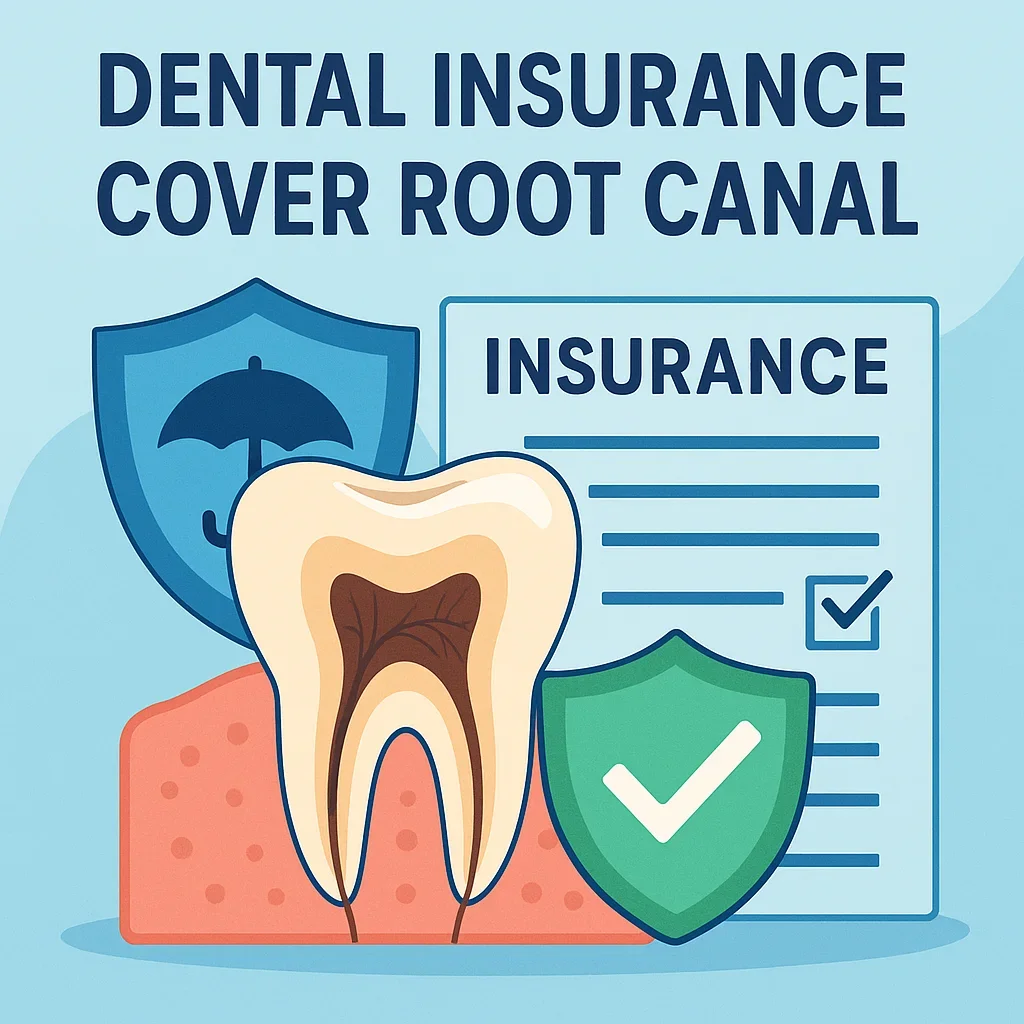
Common Misconceptions About Dental Insurance and Root Canal
Despite how common root canal treatments are, many patients still misunderstand how dental insurance cover root canal procedures actually work. These misconceptions often lead to unnecessary stress, financial surprises, and even delayed treatment. In this section, we’ll debunk the most widespread myths about root canal coverage, clarify how insurance truly functions, and help you make better-informed decisions for your dental health. 🦷💡
1. Myth: Dental Insurance Covers 100% of Root Canal Costs
One of the most persistent misconceptions is that dental insurance covers all or nearly all of a root canal’s cost. In reality, most plans only pay between 50% and 80% of the total fee after deductibles and waiting periods are met. The remaining balance — sometimes several hundred dollars — is the patient’s responsibility.
The exact percentage your dental insurance cover root canal will reimburse depends on how the plan categorizes the treatment (basic or major service) and whether your dentist is in-network. Always confirm coverage with a pre-authorization estimate to avoid confusion when the final bill arrives.
2. Myth: Root Canal Therapy Is Considered a Cosmetic Procedure
Another common misunderstanding is that root canals are purely cosmetic, similar to teeth whitening or veneers. This couldn’t be further from the truth. A root canal is a medically necessary procedure performed to eliminate infection and preserve your natural tooth. Without it, an untreated infection could spread to the jawbone or bloodstream.
Because it’s medically essential, most dental plans do include it under either basic or major restorative categories. Therefore, saying that dental insurance cover root canal treatments are “cosmetic” is entirely inaccurate.
3. Myth: All Insurance Plans Cover Root Canals the Same Way
Many people assume that coverage percentages are standardized across insurance companies, but they aren’t. Two individuals with the same provider may have completely different coverage levels depending on the plan tier, premium, or employer agreement. For instance, one plan might cover 80% of a molar root canal, while another covers only 50%.
Understanding your individual plan is crucial. Even within the same insurer — like Delta Dental or Cigna — plan details vary widely. Always check your benefits summary for specific wording that clarifies how your dental insurance cover root canal applies in your case.
4. Myth: You Must Wait a Year Before Insurance Covers Root Canals
It’s true that some dental insurance plans have waiting periods before covering major procedures, but this is not universal. Many plans, particularly employer-sponsored or premium PPO options, either waive waiting periods entirely or apply them only to newly enrolled members. If you already had continuous dental coverage, switching providers may also transfer your eligibility without delay.
In short, it’s a myth that every plan requires a full year before your dental insurance cover root canal benefits activate. Always verify your waiting period directly with your insurer — it could be as short as zero to three months, or even waived completely under certain conditions.
5. Myth: Root Canal Costs Are the Same Everywhere
Root canal prices vary drastically depending on location, dentist expertise, and tooth complexity. A molar root canal in New York City might cost $1,500, while the same procedure in a smaller city could be $900. Internationally, clinics like Redent Klinik Contact Page in Turkey offer the same treatment for as little as $250.
Because of this variation, the actual dollar amount that your dental insurance cover root canal pays will differ. The percentage might stay the same, but the reimbursement amount will always be based on the “usual and customary rate” (UCR) in your area, not your dentist’s actual fee. Understanding this distinction helps you anticipate your true out-of-pocket costs.
6. Myth: You Don’t Need a Crown After a Root Canal
Some patients believe that once a root canal is completed, the treatment is finished. In most cases, this is false. A crown is often necessary to restore and protect the tooth, especially for molars or heavily decayed teeth. However, crowns are usually billed as a separate service under “major restorative care.”
That means your dental insurance cover root canal may not automatically include the crown. You’ll need to check whether your plan covers crowns at 50% or more and whether they share the same deductible or annual maximum. Ignoring this step can result in unexpected costs later.
7. Myth: Insurance Always Prefers General Dentists Over Specialists
It’s true that some insurers reimburse more for general dentists than for specialists, but that doesn’t mean endodontist services are excluded. Most insurance plans do cover endodontists (root canal specialists), although the reimbursement rate might differ slightly.
If your tooth anatomy is complex or infection severe, an endodontist is the safer choice. Their expertise reduces the risk of retreatment, saving you money in the long run — even if your dental insurance cover root canal at a lower percentage for specialist care.
8. Myth: If Insurance Denies a Claim, You Can’t Do Anything About It
Many patients believe that a claim denial is final. In reality, most denials occur due to simple administrative errors, such as incorrect ADA codes, missing X-rays, or incomplete documentation. In such cases, resubmitting with corrected information can reverse the decision.
If your insurer still refuses to pay, you have the right to file an appeal. This process involves submitting supporting documents, a written explanation from your dentist, and sometimes a letter of medical necessity. In most cases, properly submitted appeals result in at least partial reimbursement — proving that dental insurance cover root canal benefits can often be reclaimed even after an initial denial.
9. Myth: Root Canals Are Painful, So People Avoid Them
This myth is rooted in outdated dental experiences. With modern technology, anesthesia, and advanced endodontic tools, root canal therapy is virtually painless. Patients often report that the discomfort is similar to getting a filling. Unfortunately, fear of pain — combined with financial uncertainty — causes some people to delay care until the infection becomes unbearable.
Having accurate information about how your dental insurance cover root canal helps financially can eliminate one major source of hesitation. Knowing your coverage percentage, expected costs, and available payment options ensures you get treated promptly and comfortably.
10. Myth: It’s Cheaper to Extract the Tooth Instead
At first glance, extraction might seem cheaper than a root canal, but it’s actually a false economy. While extraction may cost $150–$300, replacing the lost tooth with an implant or bridge later can cost thousands. Moreover, tooth loss can lead to shifting, jawbone deterioration, and long-term oral health problems.
Since most dental insurance cover root canal treatments at higher rates than implants or bridges, saving your natural tooth is both medically and financially smarter. Insurance companies also prefer preservation procedures because they prevent future expensive restorations.
Conclusion: Understanding Truth vs. Myth Saves Money and Stress
Insurance can be confusing, but being informed makes all the difference. The truth is that most dental insurance cover root canal procedures partially — not fully — and the specifics depend on your plan type, dentist network, and procedure classification. By debunking these myths and confirming details directly with your insurer, you can plan treatment confidently and avoid unnecessary financial surprises.
In the next section, we’ll summarize all key insights and show you how to maximize your dental coverage effectively — ensuring you get the best possible return on your insurance investment while maintaining a healthy, pain-free smile. 😁🦷