
Finding the right dental insurance for disabled adults can be a life-changing decision. Oral health plays a major role in overall well-being, but adults with disabilities often face additional challenges when it comes to getting the care they deserve. Whether it is due to physical limitations, financial barriers, or difficulty navigating the insurance system, many disabled individuals struggle to access affordable dental treatment. This article provides an in-depth exploration of how dental insurance works for disabled adults, the available options, and why it is crucial for long-term health and quality of life.
Disabled adults are more likely to develop oral health problems such as gum disease, cavities, tooth loss, and oral infections. These issues often result from medication side effects, reduced motor function, or challenges in maintaining daily oral hygiene. Unfortunately, dental treatment costs are high, and without proper coverage, many people delay or skip necessary care. That is why understanding dental insurance for disabled adults is essential. It ensures preventive care is accessible, treatments are affordable, and individuals can maintain dignity and confidence through a healthy smile. 😊
One of the biggest reasons why dental insurance matters is its ability to reduce out-of-pocket expenses. Preventive care, including routine check-ups, cleanings, and X-rays, is typically covered at little to no cost. For disabled adults who may be living on fixed incomes or relying on government assistance, having these preventive services covered can prevent more serious health issues down the line. Without coverage, untreated dental conditions can worsen, leading to hospital visits, infections, or the need for costly procedures such as root canals or implants. By investing in dental insurance, disabled adults can avoid these preventable complications and save thousands of dollars over time.
In addition to cost savings, dental insurance for disabled adults improves access to specialized providers. Many insurers maintain networks of dentists who are trained to accommodate patients with physical or cognitive disabilities. These professionals may offer wheelchair-accessible facilities, sedation dentistry, or extended appointment times to ensure patients receive safe and comfortable care. Having access to such providers gives families peace of mind and promotes inclusivity in healthcare.
It is also important to highlight that dental health directly affects overall health. Poor oral health has been linked to systemic conditions such as diabetes, cardiovascular disease, and respiratory infections. Disabled adults who may already have complex medical needs are at greater risk of these complications. Dental insurance ensures that oral health is not overlooked, helping patients manage chronic illnesses more effectively and reducing the burden on caregivers and healthcare systems. In other words, investing in dental insurance means investing in whole-body wellness.
There are several types of dental insurance for disabled adults. Some plans are offered through private insurers, while others are available through government-funded programs such as Medicaid or Medicare Advantage. Depending on eligibility, individuals may qualify for free or low-cost coverage that includes basic preventive services, restorative treatments, and even emergency care. Families should carefully compare these plans to ensure they meet the specific needs of the disabled adult, especially when frequent or specialized treatments are required.
Financial assistance programs also exist to bridge the gap for those who cannot afford premiums. Nonprofit organizations, state health departments, and even dental schools may provide reduced-cost or free care for individuals with disabilities. By combining these resources with a solid insurance plan, families can create a safety net that ensures consistent access to care without overwhelming financial stress. For example, some states cover additional services like dentures or oral surgery under Medicaid, which can significantly benefit disabled adults who need extensive treatment.
The keyword phrase dental insurance for disabled adults does not only represent a financial product—it represents security, independence, and equality. Adults with disabilities deserve the same opportunity to smile confidently and live free from oral pain as anyone else. By understanding their insurance options and making informed choices, families and caregivers can take a proactive step toward ensuring better health outcomes. And when questions arise, reaching out to organizations like the American Dental Association or speaking directly with providers can help clarify benefits and rights.
Finally, connecting with professionals who understand the unique needs of disabled adults is key. Many clinics, such as those found at specialized health centers, offer tailored services. If you are looking for personalized support, you can easily get in touch through the Redent Klinik Contact Page. Building these relationships ensures continuous care and long-term trust, which is especially important for individuals who may face ongoing or complex health challenges.
In conclusion, dental insurance for disabled adults is not a luxury—it is a necessity. It empowers individuals by reducing costs, increasing access to skilled providers, and safeguarding overall health. Disabled adults should not have to choose between dental care and other essential needs. By exploring available plans, leveraging government programs, and using community resources, every disabled adult can achieve better oral health, improved quality of life, and the confidence that comes with a healthy smile. 🌟
Understanding Why Dental Insurance Is Vital for Disabled Adults
Oral health is often overlooked in healthcare planning, yet it is directly connected to overall wellness. For individuals living with disabilities, maintaining oral health can be even more challenging due to physical, cognitive, or financial barriers. That is why dental insurance for disabled adults is not just beneficial—it is essential. This section explores the critical importance of dental insurance, showing how it influences quality of life, prevents serious health complications, and reduces long-term financial strain.
The Connection Between Oral Health and Overall Well-Being
Oral health is far more than having a bright smile. Research shows strong links between dental health and conditions such as diabetes, heart disease, and respiratory infections. For disabled adults, these connections are especially significant because many already manage chronic illnesses or take medications that increase the risk of dental problems. Without regular preventive care, small issues like cavities or gum disease can escalate into infections that compromise systemic health. With dental insurance for disabled adults, routine check-ups and cleanings become accessible, preventing small problems from turning into costly and painful emergencies.
Financial Barriers Faced by Disabled Adults
Disabled adults often live on fixed incomes, disability benefits, or limited resources. Unfortunately, dental treatment costs are among the highest in healthcare. A single filling may cost between $150–$300, while more advanced treatments such as crowns or implants can cost thousands of dollars. Without insurance, these expenses are unaffordable for many. Dental insurance for disabled adults bridges this gap by reducing or eliminating out-of-pocket costs for preventive care, and it significantly lowers the expenses for more complex procedures. By spreading costs through affordable monthly premiums, insurance ensures disabled individuals can access essential care without sacrificing other basic needs.
Sample Price Ranges for Common Procedures (Without Insurance)
- Routine Dental Cleaning: $75 – $200
- Tooth Filling: $150 – $300
- Root Canal: $700 – $1,200
- Crown Placement: $800 – $1,500
- Dental Implant: $3,000 – $5,000
These prices highlight how critical it is to have coverage. When insured, patients may only pay a small co-pay or a fraction of the full fee, making treatments far more accessible.
Accessibility Challenges in Dental Care
Another reason why dental insurance for disabled adults is vital lies in accessibility. Many general dental offices are not adequately equipped for wheelchair users or individuals with cognitive impairments. Insurance networks often provide access to specialized dentists who are trained to work with disabled patients, offering extended appointment times, sedation options, and barrier-free facilities. This not only improves the patient experience but also ensures treatments are completed safely and effectively.
Preventive Care as the First Line of Defense
Preventive dental care is the foundation of oral health, but without coverage, many disabled adults skip routine visits. Insurance usually covers preventive services at 100%, including cleanings, fluoride treatments, and X-rays. These services help detect problems early and maintain good oral hygiene. Preventive care also reduces the likelihood of emergency visits, which can be stressful and costly. In fact, studies show that every $1 spent on preventive dental care saves up to $8 in restorative or emergency treatment later on. For disabled adults, this savings is not just financial—it reduces pain, stress, and potential hospitalizations.
Impact on Caregivers and Families
Families and caregivers of disabled adults often carry the responsibility of coordinating medical and dental appointments. Without insurance, this responsibility becomes a financial burden as well. With dental insurance for disabled adults, caregivers can schedule regular appointments knowing that costs are manageable and that specialized providers are available. This reduces caregiver stress and ensures consistency in oral care, which is vital for patients with long-term conditions.
Long-Term Benefits of Dental Insurance
The long-term benefits of having dental insurance extend beyond oral health. By preventing oral infections and maintaining proper dental function, insurance improves nutrition, communication, and confidence. For example, being able to chew properly supports a balanced diet, while maintaining an attractive smile boosts self-esteem. These factors contribute to a higher quality of life for disabled adults, reinforcing why insurance is more than a financial tool—it is a gateway to better health and social inclusion.
Community and Professional Support
Many organizations, including the American Dental Association, emphasize the importance of equitable access to oral healthcare. Their guidelines encourage insurance providers and clinics to develop inclusive programs that specifically address the needs of disabled adults. On a practical level, families can also connect with specialized clinics that understand these challenges. For example, contacting professionals through resources like the Redent Klinik Contact Page provides tailored guidance and ensures disabled adults receive respectful and comprehensive care.
Ultimately, dental insurance for disabled adults serves as a protective shield against both health complications and financial crises. By covering preventive services, reducing treatment costs, and improving access to specialized care, it empowers disabled individuals to maintain oral health with dignity. In the long run, this coverage enhances independence, reduces hospital visits, and supports both patients and their caregivers. Without it, many disabled adults face unnecessary suffering and systemic health risks. With it, they gain the opportunity to live healthier, more fulfilling lives—one smile at a time. 🌟
Affordable Dental Insurance Plans Tailored to Special Needs
For many families and caregivers, one of the greatest challenges is finding dental insurance for disabled adults that is both affordable and comprehensive. Dental costs are rising, and without adequate coverage, individuals with disabilities often delay or skip essential treatment. However, the insurance market has evolved to include plans designed specifically with affordability and accessibility in mind. These plans consider the financial limitations of disabled adults and offer benefits that make dental care manageable. In this section, we will explore different affordable insurance options, their features, and strategies to find the best fit for unique needs.
Why Affordability Matters
Disabled adults frequently rely on disability benefits, Social Security, or limited fixed incomes. When healthcare expenses compete with essentials like housing and food, dental care is often neglected. This leads to worsening oral health and higher long-term costs. Affordable dental insurance for disabled adults ensures that preventive visits, emergency treatments, and necessary restorative care remain within financial reach. Affordability is not just about lower premiums—it also means minimal co-pays, reasonable deductibles, and coverage for procedures beyond basic cleanings.
Types of Affordable Dental Insurance Plans
There are several types of plans designed to make dental coverage accessible:
- Medicaid Dental Coverage: Many states include dental services for adults with disabilities, covering everything from preventive care to emergency treatments. Coverage levels vary, but Medicaid often represents the most affordable option.
- Medicare Advantage Plans: While traditional Medicare does not cover dental care, certain Medicare Advantage (Part C) plans provide affordable dental add-ons. These may include free cleanings, discounted crowns, or coverage for dentures.
- Private Low-Cost Dental Insurance: Some private insurers offer plans with reduced premiums specifically for individuals with limited income. These plans usually focus on preventive and basic restorative services.
- Dental Discount Programs: Instead of traditional insurance, discount plans provide reduced rates at participating dentists. While not technically insurance, they can be budget-friendly options for families who cannot afford higher premiums.
Key Features of Affordable Plans
When evaluating affordable dental insurance for disabled adults, families should look for features that meet both financial and health needs:
Preventive Care at No Cost
The best affordable plans cover check-ups, cleanings, and X-rays at 100%. Preventive care helps reduce the need for costly procedures later.
Low Deductibles and Co-Pays
A plan may have a low monthly premium but high deductibles, which can be overwhelming. It’s important to compare the balance between premiums and out-of-pocket costs.
Coverage for Restorative and Emergency Care
Disabled adults often require more frequent dental interventions. Affordable plans that include fillings, crowns, dentures, and emergency visits provide greater value.
Cost Comparisons of Affordable Plans
Below is a general price comparison of affordable dental plans:
| Plan Type | Monthly Premium | Coverage Focus |
|---|---|---|
| Medicaid (varies by state) | $0 – $20 | Preventive & some restorative care |
| Medicare Advantage (dental add-on) | $25 – $50 | Preventive + major services discounts |
| Private Low-Cost Insurance | $30 – $60 | Cleanings, fillings, limited crowns |
| Dental Discount Program | $10 – $25 | Reduced rates at select providers |
Finding Tailored Plans for Special Needs
Insurance plans designed for disabled adults often provide access to specialized providers. This includes dentists trained to treat patients with physical, developmental, or cognitive disabilities. Some plans even offer transportation assistance or in-home consultations for patients with severe mobility issues. Families should ask insurers about these special accommodations when comparing plans. Affordable coverage does not mean compromising on quality—it means making care practical and accessible.
Tips to Maximize Affordability
- Compare Multiple Plans: Do not settle for the first option. Families should evaluate at least three different affordable plans before making a choice.
- Check State Programs: Many states fund additional dental support programs for disabled adults, sometimes supplementing Medicaid benefits.
- Use Community Resources: Dental schools and nonprofit clinics provide discounted services, often working in conjunction with insurance to reduce costs.
- Ask About Network Dentists: Staying within the network ensures maximum savings, while going out-of-network often results in higher charges.
Community Support Resources
Families searching for affordable dental insurance for disabled adults should also consider community programs. Nonprofits frequently partner with insurance providers to offer additional subsidies. Additionally, organizations like the American Dental Association maintain lists of resources for patients with disabilities. On a personal level, reaching out through the Redent Klinik Contact Page can connect families to tailored options and local experts.
Ultimately, affordable dental insurance for disabled adults makes oral care possible without overwhelming financial strain. By focusing on preventive coverage, lowering co-pays, and connecting patients with specialized providers, these plans provide both peace of mind and practical solutions. No disabled adult should have to choose between dental health and essential living expenses. With affordable options now widely available, it is possible to achieve both health and financial stability while ensuring every individual has access to the smile they deserve. 😃
Government Programs and Medicaid Coverage for Disabled Adults
When it comes to securing dental insurance for disabled adults, government programs such as Medicaid and Medicare play a vital role. These programs are often the first source of affordable or no-cost dental coverage for individuals with disabilities. However, the benefits vary widely by state, making it crucial for families and caregivers to understand what is available. In this section, we will explore Medicaid, Medicare Advantage, and other government-backed programs, detailing their eligibility, coverage, and practical considerations to help disabled adults receive consistent dental care.
Understanding Medicaid for Disabled Adults
Medicaid is a joint federal and state program designed to provide healthcare for low-income individuals, including adults with disabilities. It is one of the most accessible options for dental insurance for disabled adults, but coverage varies significantly from state to state. In some states, Medicaid covers only emergency dental services, while in others, it includes preventive care, fillings, extractions, dentures, and even crowns.
Key Medicaid Benefits
- Preventive Care: Routine exams, X-rays, and cleanings (covered fully or partially in some states).
- Basic Restorative Care: Fillings and extractions, typically covered with minimal co-pays.
- Major Procedures: Depending on the state, services like crowns, dentures, or root canals may be included.
- Emergency Care: Coverage for dental emergencies, such as severe infections or trauma, is almost always included.
Families should review their state’s Medicaid dental coverage guide to understand exactly which services are included, as the scope can range from minimal to comprehensive.
Medicare and Its Limitations
Traditional Medicare (Parts A and B) does not cover dental care, which often creates confusion for disabled adults who qualify. However, Medicare Advantage (Part C) plans may include dental benefits. These plans are offered by private insurers but are regulated by Medicare. Coverage typically includes preventive care and may extend to more advanced treatments, depending on the specific plan.
Medicare Advantage Dental Coverage Examples
- Preventive Care: 100% coverage for check-ups, X-rays, and cleanings.
- Restorative Care: Partial coverage for fillings, crowns, or dentures, with patient co-pays.
- Annual Allowances: Some plans include a set yearly allowance (e.g., $1,000–$1,500) that can be applied to dental procedures.
Because benefits vary, families must carefully compare Medicare Advantage plans in their area to ensure the chosen plan meets the unique needs of the disabled adult.
Other Government Assistance Programs
Beyond Medicaid and Medicare Advantage, there are additional programs that help bridge the gap in dental insurance for disabled adults:
- Children with Special Health Care Needs (CSHCN): Extends benefits into adulthood for individuals who meet specific disability criteria in certain states.
- State-Specific Assistance: Some states have dental-specific programs funded through health departments that provide coverage for vulnerable populations, including disabled adults.
- Veterans Benefits: Disabled veterans may qualify for dental care through the Department of Veterans Affairs (VA), which offers both preventive and restorative coverage.
Costs and Accessibility
One of the main reasons why government programs are indispensable is affordability. Medicaid dental coverage is often free or requires only nominal co-pays, while Medicare Advantage premiums are typically lower than private plans. This makes them ideal for disabled adults living on fixed incomes. Accessibility also extends beyond finances—these programs often maintain networks of providers trained to care for individuals with physical or cognitive disabilities, ensuring safe and respectful treatment environments.
Sample Cost Breakdown
| Program | Average Monthly Cost | Services Covered |
|---|---|---|
| Medicaid | $0 – $20 (varies by state) | Emergency, preventive, basic restorative |
| Medicare Advantage | $25 – $50 (plan-dependent) | Preventive + partial restorative |
| VA Dental Benefits | $0 for eligible veterans | Comprehensive dental coverage |
How to Apply for Medicaid or Medicare Advantage
The process of applying can feel overwhelming, but resources are available to guide families. To apply for Medicaid, individuals should visit their state’s Medicaid office or online portal. For Medicare Advantage, comparison tools are available on the official Medicare website. Families can also contact local dental clinics or organizations like the American Dental Association for assistance in understanding eligibility and benefits.
Local Support for Applications
Some dental clinics provide direct assistance with Medicaid or Medicare Advantage applications. For example, reaching out to a provider through the Redent Klinik Contact Page can connect families to professionals who understand the unique challenges of navigating government programs. This ensures that disabled adults receive timely coverage without administrative delays.
In summary, government-backed programs are an essential lifeline for securing dental insurance for disabled adults. Medicaid, Medicare Advantage, and state-specific initiatives ensure that preventive and restorative care remains accessible and affordable. By leveraging these programs, families and caregivers can significantly reduce financial stress while ensuring disabled adults receive the dental care they deserve. Ultimately, these programs do more than save money—they safeguard health, dignity, and quality of life. 🌟
Comparing Private vs. Public Dental Insurance Options
When exploring dental insurance for disabled adults, one of the most important decisions families and caregivers face is choosing between private and public insurance options. Both offer unique benefits, but they also come with limitations. Understanding these differences helps ensure that disabled adults receive the right type of coverage tailored to their medical, financial, and lifestyle needs. This section provides a detailed comparison of private and public dental insurance, highlighting eligibility, costs, coverage, and provider networks to guide informed decision-making.
What Is Public Dental Insurance?
Public dental insurance typically refers to government-funded programs such as Medicaid, Medicare Advantage, and Veterans Affairs (VA) benefits. These plans are designed to provide coverage for vulnerable populations, including individuals with disabilities. Public programs are usually more affordable, sometimes free, but their coverage can be limited depending on state regulations or specific program rules. For many families, public programs are the first step toward accessing reliable dental care without significant financial strain.
Advantages of Public Programs
- Affordability: Medicaid often comes at no cost, while Medicare Advantage and VA benefits are far more affordable than private insurance premiums.
- Inclusive Eligibility: Disabled adults often qualify automatically if they meet income or medical criteria.
- Specialized Provider Access: Many public networks include clinics and dentists trained to care for individuals with disabilities.
Limitations of Public Programs
- Restricted Coverage: Some states limit Medicaid dental coverage to emergencies only, excluding routine care.
- Long Wait Times: Publicly funded providers often experience high demand, leading to delays in scheduling.
- Limited Provider Choices: Patients may be restricted to specific networks, reducing flexibility.
What Is Private Dental Insurance?
Private dental insurance is purchased directly from insurance companies or offered through employer-sponsored plans. These policies tend to provide broader coverage and larger provider networks, but they come at higher costs. Private options are attractive for families seeking comprehensive coverage and faster access to care. For dental insurance for disabled adults, private plans may also include specialized add-ons for complex procedures or higher annual maximums that support ongoing treatments.
Advantages of Private Insurance
- Comprehensive Coverage: Preventive, restorative, orthodontic, and sometimes cosmetic services are included.
- Greater Provider Networks: Families can choose from a wider selection of dentists, including specialists.
- Faster Access to Care: Shorter wait times compared to public clinics ensure timely treatment.
Limitations of Private Insurance
- Higher Costs: Premiums typically range from $30 to $70 monthly, with deductibles and co-pays on top.
- Eligibility Barriers: Unlike Medicaid, private plans require direct payment, making them less accessible for low-income disabled adults.
- Annual Maximums: Many plans cap yearly benefits (often $1,000–$1,500), which may not cover extensive needs.
Cost Comparison Between Public and Private Insurance
Below is a general comparison of average monthly costs and coverage features between public and private options:
| Insurance Type | Average Monthly Premium | Coverage Level | Provider Access |
|---|---|---|---|
| Medicaid (Public) | $0 – $20 | Emergency + basic care (varies by state) | Restricted to state-approved providers |
| Medicare Advantage (Public) | $25 – $50 | Preventive + partial restorative | Network-based, moderate flexibility |
| VA Dental Benefits (Public) | $0 for eligible veterans | Comprehensive services | VA-approved providers |
| Private Insurance | $30 – $70 | Preventive, restorative, orthodontics | Broad provider networks |
Which Option Is Better for Disabled Adults?
The choice between private and public dental insurance for disabled adults depends on several factors: income level, medical needs, and access to providers. Public insurance is ideal for low-income families who need basic coverage and cannot afford higher premiums. On the other hand, private insurance may be a better option for individuals who require frequent specialized procedures or want greater flexibility in choosing providers.
Hybrid Approach
Some families combine both public and private options. For example, Medicaid may cover basic preventive care, while a low-cost private plan provides additional coverage for major procedures. This hybrid approach maximizes benefits while minimizing costs.
Additional Considerations
When deciding between public and private insurance, it’s important to evaluate the following:
- Geographic Access: Does the plan provide providers within a reasonable distance?
- Special Needs Support: Are the dentists experienced in treating disabled adults?
- Emergency Coverage: Does the plan cover after-hours or urgent care visits?
Guidance and Resources
Navigating insurance options can feel overwhelming, but families can find support through national organizations. The American Dental Association offers resources to compare plans and understand state-specific Medicaid rules. Additionally, contacting a local clinic through the Redent Klinik Contact Page provides direct access to professionals who can explain both private and public options in detail.
In conclusion, both public and private programs play an essential role in delivering dental insurance for disabled adults. Public options provide affordability and accessibility, while private plans offer comprehensive coverage and flexibility. By carefully weighing the pros and cons of each system—or even combining them—families and caregivers can ensure that disabled adults receive the dental care they need without financial hardship. This balanced approach not only protects oral health but also promotes independence, dignity, and long-term well-being. 🌟
How to Apply for Dental Insurance with a Disability
Applying for dental insurance for disabled adults can feel complicated, but with the right guidance, the process becomes manageable and accessible. From understanding eligibility requirements to preparing the correct documents, each step ensures that individuals with disabilities can secure coverage suited to their specific needs. In this section, we provide a detailed, step-by-step explanation of how to apply for dental insurance, including public programs like Medicaid and Medicare Advantage, as well as private plans. We also explore common challenges and practical solutions to help families and caregivers successfully navigate the system.
Step 1: Determine Eligibility
The first step in applying for dental insurance for disabled adults is understanding eligibility. Government programs often require proof of disability status, income level, or age. For example, Medicaid eligibility varies by state, but most programs accept disabled adults who meet income requirements. Medicare Advantage, on the other hand, is available to adults under 65 if they qualify for Social Security Disability Insurance (SSDI) for at least 24 months. Private insurance typically has no disability-specific restrictions but requires applicants to afford monthly premiums.
Eligibility Documents May Include:
- Proof of disability (e.g., SSDI or SSI determination letter).
- Proof of income (pay stubs, tax returns, or benefit statements).
- State identification or government-issued ID.
- Residency verification (utility bills, lease agreements).
Step 2: Research Insurance Options
Once eligibility is established, families must compare different plans. Public programs such as Medicaid may be the most affordable, but coverage varies. Private plans can be more comprehensive but require financial investment. Research should focus on provider networks, costs, and the range of covered services. Consulting official resources, such as the American Dental Association, helps identify state-specific benefits and trustworthy providers.
Important Factors to Compare:
- Monthly Premiums: Ensure the plan is affordable within your budget.
- Deductibles and Co-Pays: Look for plans with lower out-of-pocket costs.
- Annual Maximums: Consider whether the plan’s annual cap will cover expected dental needs.
- Special Needs Support: Verify if the plan includes dentists experienced in treating disabled adults.
Step 3: Complete the Application
Applications can usually be completed online, by phone, or in person. Medicaid applications are submitted through state health departments, while Medicare Advantage applications are available through the official Medicare website or private insurers offering these plans. Private insurance can be purchased directly from companies or brokers. Accuracy in completing forms is critical; missing information may delay approval.
Application Tips:
- Double-check all documentation before submission.
- Use official websites to avoid scams.
- Keep copies of all submitted forms and communications.
Step 4: Wait for Approval
Approval times vary. Medicaid applications may take several weeks, depending on state processing times. Medicare Advantage approval is generally faster, often within a month. Private insurance can sometimes be approved within days. During this period, applicants should continue scheduling urgent dental care through community clinics or nonprofits if needed, to avoid gaps in oral health maintenance.
Step 5: Understand Your Benefits
Once approved, review the plan details carefully. Knowing exactly what the insurance covers—and what it does not—is essential. For dental insurance for disabled adults, special attention should be given to services such as sedation dentistry, emergency treatments, and coverage for dentures or implants, since these are often required by disabled individuals. Understanding these benefits helps prevent unexpected bills and ensures that care is accessible when needed.
Commonly Covered Benefits:
- Preventive care: exams, X-rays, and cleanings.
- Basic restorative care: fillings and extractions.
- Major services: crowns, dentures, and sometimes implants (varies by plan).
- Emergency dental treatment for infections or trauma.
Step 6: Maintain Active Coverage
Insurance plans often require annual re-enrollment or eligibility verification. Families should mark deadlines on their calendars to avoid lapses in coverage. For government programs like Medicaid, income changes must also be reported promptly. For private insurance, keeping premiums up-to-date ensures continuous coverage without penalties.
Overcoming Common Challenges
Applying for dental insurance for disabled adults can present challenges, such as navigating complex paperwork, understanding plan language, or dealing with limited provider availability. Families can overcome these issues by seeking support from local advocacy organizations, contacting dental clinics directly, or using resources such as the Redent Klinik Contact Page for professional assistance. Many clinics even provide patient advocates who guide families through the process step by step.
Final Thoughts on Applying for Coverage
Securing dental insurance for disabled adults requires effort, but the rewards are immense. Coverage ensures affordable preventive care, access to specialized dentists, and financial protection against costly emergencies. By following a structured application process—determining eligibility, researching options, completing applications accurately, and maintaining active coverage—families can safeguard both health and financial stability. For disabled adults, this means improved oral health, reduced hospital visits, and the dignity of maintaining a confident, healthy smile. 🌟
Coverage for Common Treatments: Fillings, Implants, and More
One of the most pressing concerns for families exploring dental insurance for disabled adults is whether common and often costly treatments are covered. Preventive care is usually included at little or no cost, but coverage for restorative and advanced procedures can vary widely depending on whether the plan is public or private. Disabled adults often need frequent interventions due to medication side effects, mobility challenges, or chronic health conditions, making it crucial to understand exactly what treatments are covered. This section dives deep into the most common dental procedures—fillings, implants, crowns, dentures, and emergency care—and explains how insurance plans typically handle them.
Preventive Care Coverage
Preventive care is the foundation of dental health, and most insurance plans prioritize it. For dental insurance for disabled adults, preventive services usually include:
- Routine dental exams and cleanings (covered every 6 months).
- Fluoride treatments, particularly for adults on medications that dry the mouth.
- X-rays to detect hidden decay or bone loss.
Most public programs like Medicaid cover these services at 100%, and private plans often waive deductibles for preventive care. This is critical, since early intervention prevents small problems from developing into complex and expensive treatments later on.
Fillings and Basic Restorative Treatments
Tooth decay is common among disabled adults, particularly when motor challenges or medication side effects interfere with daily oral hygiene. Coverage for fillings is a key feature of dental insurance for disabled adults. Medicaid in many states covers amalgam (silver) or composite (tooth-colored) fillings at low or no cost, while private plans typically cover 70–80% after a deductible is met. These treatments restore tooth function, reduce pain, and prevent infections that could compromise overall health.
Average Costs Without Insurance
- Amalgam filling: $100 – $200 per tooth
- Composite filling: $150 – $300 per tooth
With insurance, these costs are dramatically reduced, often leaving patients with only a small co-pay of $20–$50 depending on the plan.
Crowns and Bridges
When teeth are severely damaged, crowns or bridges may be necessary. These treatments are more expensive and often only partially covered by insurance. For dental insurance for disabled adults, private plans usually cover 50% of the cost, while Medicaid coverage depends heavily on state rules. Crowns protect weakened teeth, while bridges replace missing teeth, restoring chewing ability and improving speech.
Average Crown Costs
- Porcelain-fused-to-metal crown: $800 – $1,200
- All-porcelain crown: $1,000 – $1,500
Insurance significantly reduces these costs, although patients may still be responsible for a few hundred dollars per crown.
Dental Implants
Dental implants are one of the most advanced and effective solutions for tooth loss, but they are also among the most expensive. Unfortunately, many public programs like Medicaid do not cover implants, considering them elective. However, private insurance is increasingly offering partial coverage. For dental insurance for disabled adults, implants are especially important, as they provide stability for individuals who may struggle with removable dentures. Implants restore both function and confidence, contributing to improved nutrition and quality of life.
Implant Cost Estimates
- Single implant: $3,000 – $5,000
- Implant-supported bridge: $5,000 – $15,000
- Full-mouth implants: $20,000 – $45,000
Insurance may cover diagnostic imaging, bone grafts, or part of the restorative crown, leaving patients with less financial burden. This is why reviewing the fine print in insurance policies is critical.
Dentures and Partial Dentures
For disabled adults experiencing multiple tooth loss, dentures are a common solution. Most Medicaid programs and many private plans include coverage for full or partial dentures. However, frequency limits often apply (e.g., one set every 5–10 years). Dentures restore chewing ability, improve facial appearance, and reduce stress on remaining teeth. For dental insurance for disabled adults, dentures represent a cost-effective solution compared to implants, especially for those on fixed incomes.
Emergency Dental Care
Emergencies—such as broken teeth, abscesses, or severe pain—require immediate attention. Public programs almost always include emergency dental coverage, while private plans typically cover a portion of the treatment after deductibles. For disabled adults, who may be more prone to oral trauma or infections, having emergency care covered is essential for both comfort and safety.
Examples of Emergency Services Covered
- Tooth extraction for severe infection
- Abscess drainage and antibiotics
- Pain management treatments
Special Considerations for Disabled Adults
When evaluating dental insurance for disabled adults, it is important to consider whether plans include accommodations like sedation dentistry, extended appointment times, and wheelchair-accessible facilities. Many specialized providers are included in insurance networks, but families must verify these options during plan selection.
Guidance and Resources
Families often need professional support to interpret coverage details. The American Dental Association provides resources on insurance standards and patient rights, while contacting providers directly through the Redent Klinik Contact Page ensures personalized guidance. These resources help families confirm whether specific treatments, such as implants or dentures, are covered.
In conclusion, understanding treatment coverage is central to choosing the right dental insurance for disabled adults. From preventive services to advanced procedures like implants, knowing what is included in a plan protects both health and finances. While coverage varies between public and private programs, the right policy ensures that disabled adults receive the necessary care without overwhelming costs. Ultimately, comprehensive coverage empowers individuals to maintain oral health, reduce discomfort, and enjoy a better quality of life. 🌟
Challenges Disabled Adults Face in Getting Dental Coverage
Even though dental insurance for disabled adults plays a crucial role in maintaining oral and overall health, many individuals encounter significant challenges when trying to secure coverage. These obstacles are not only financial but also structural, administrative, and social. Understanding these barriers helps families and caregivers anticipate problems and seek effective solutions. In this section, we’ll explore the key challenges disabled adults face when obtaining dental insurance, including cost issues, accessibility problems, administrative complexities, and gaps in provider networks.
Financial Barriers and Limited Income
Perhaps the most common obstacle is financial. Disabled adults often rely on fixed incomes from Social Security Disability Insurance (SSDI) or Supplemental Security Income (SSI). These benefits, while essential, are rarely enough to cover all living expenses, let alone dental costs. Many insurance plans, particularly private ones, require monthly premiums of $30–$70, plus deductibles and co-pays. For someone on a limited income, this is a significant burden.
Out-of-Pocket Costs as a Barrier
- Annual deductibles can range from $50–$150 before benefits begin.
- Co-pays for treatments like fillings may still cost $20–$50 per visit.
- Procedures not covered, such as implants, may leave patients with thousands of dollars in expenses.
These costs discourage many disabled adults from applying for insurance or following through with needed treatments, creating a cycle of untreated dental problems.
Limited Coverage in Public Programs
Another significant issue with dental insurance for disabled adults is the inconsistent nature of public coverage. Medicaid, for example, varies widely by state. Some states provide only emergency services, covering extractions but not preventive care like cleanings or fillings. This means many disabled adults are left without comprehensive coverage, which increases the risk of long-term oral health complications. Medicare’s lack of standard dental benefits adds to the problem, forcing adults with disabilities to rely on Medicare Advantage or supplemental private plans.
Accessibility and Provider Shortages
Even when insurance is in place, access to dental providers can be a major challenge. Many dentists limit the number of Medicaid patients they accept due to lower reimbursement rates. This results in long wait times and difficulty finding appointments. Additionally, clinics equipped to handle special needs patients—such as those requiring wheelchair access, sedation dentistry, or extended appointment times—are not always available in rural or underserved areas.
Accessibility Barriers for Disabled Adults
- Lack of wheelchair ramps or wide doorways in dental offices.
- Short appointment slots that don’t allow for additional care time.
- Limited training among dentists in treating patients with cognitive or developmental disabilities.
These barriers discourage families from seeking care, even when insurance is available, because the environment itself is not supportive of patients with special needs.
Complex Application Processes
Applying for dental insurance for disabled adults can also be overwhelming. Medicaid and Medicare Advantage applications require multiple forms, proof of disability, and income verification. Disabled adults with cognitive impairments may struggle with paperwork, while caregivers often face confusion about eligibility rules. Errors in documentation or missed deadlines can delay or deny coverage, leaving individuals without care during the approval process.
Coverage Gaps for Advanced Procedures
Another issue is the limited coverage of advanced procedures. While preventive and basic care are often included, treatments such as crowns, bridges, implants, and orthodontics may be partially covered or excluded entirely. For disabled adults who experience higher rates of tooth loss or gum disease, this creates significant health and quality-of-life challenges. Without coverage, many are forced to choose less effective treatments, such as extractions instead of restorative care.
Stigma and Discrimination
In addition to structural challenges, disabled adults may face stigma when accessing dental services. Some providers hesitate to treat patients with complex needs, assuming care will take more time or be less profitable. This discrimination contributes to unequal access, with disabled individuals sometimes receiving lower-quality care compared to other patients, despite having valid insurance coverage.
Strategies to Overcome These Challenges
Despite the barriers, families can take proactive steps to improve access to dental insurance for disabled adults:
- Leverage Advocacy Organizations: Groups like the American Dental Association provide resources and advocacy for improving disabled patient care.
- Use Local Support Networks: Many community clinics and nonprofits partner with insurance providers to reduce costs and guide families through applications.
- Work with Specialized Clinics: Providers such as those accessible through the Redent Klinik Contact Page often have experience treating disabled adults with sensitivity and care.
- Seek Hybrid Solutions: Combining public programs like Medicaid with supplemental private insurance can close coverage gaps.
Conclusion
Securing dental insurance for disabled adults is essential, but it is not without challenges. From financial limitations and inadequate coverage to accessibility issues and stigma, disabled adults face unique obstacles in obtaining and using dental insurance. However, with proper planning, support from advocacy groups, and the use of specialized providers, many of these barriers can be reduced. By acknowledging and addressing these challenges, society can move closer to ensuring equitable dental care for all disabled individuals, empowering them with healthier smiles, better overall health, and improved quality of life. 🌟
Tips to Maximize Benefits and Lower Out-of-Pocket Costs
Even after securing dental insurance for disabled adults, many families still worry about unexpected costs. Insurance helps, but deductibles, co-pays, and uncovered services can strain a limited budget. The good news is that there are proven strategies to stretch dental benefits further and reduce out-of-pocket expenses. By making smart choices, disabled adults and their caregivers can maintain oral health while avoiding financial stress. This section provides practical, step-by-step guidance to maximize insurance benefits and keep dental care affordable.
Understand Your Plan Thoroughly
The first step in saving money is knowing exactly what your insurance covers. Many people pay more than necessary simply because they don’t understand their policy. For dental insurance for disabled adults, this means carefully reviewing coverage details, annual maximums, and exclusions. For example, while preventive care may be fully covered, major services like crowns or implants might only be partially reimbursed. Understanding these limits allows families to plan treatments strategically and avoid surprise bills.
Key Points to Review in Your Policy
- Annual Maximums: The total amount the plan pays per year, often between $1,000–$1,500.
- Waiting Periods: Some plans require waiting periods (e.g., 6–12 months) for major services.
- Covered Providers: In-network dentists usually cost less than out-of-network providers.
- Exclusions: Procedures like cosmetic dentistry may not be covered at all.
Prioritize Preventive Care
Preventive services are the most cost-effective way to use dental insurance for disabled adults. Cleanings, check-ups, and X-rays are typically covered at 100%. By attending these visits every six months, families can prevent larger, more expensive problems. Preventive care also reduces the risk of emergency visits, which can be stressful and costly.
Schedule Treatments Strategically
If major procedures are required, it may help to spread them across two insurance benefit years. For example, if a patient needs two crowns, one could be done in December and the other in January. This way, both procedures fall under different annual maximums, reducing the out-of-pocket burden. This approach is especially valuable for disabled adults who may require frequent restorative work.
Case Example
Without planning, two crowns at $1,200 each might exceed an annual maximum of $1,500, leaving the patient with a large bill. By splitting the treatments across two years, insurance could cover a larger portion, saving hundreds of dollars.
Stay In-Network
Using in-network providers is one of the simplest ways to lower costs. Insurance companies negotiate discounted rates with dentists in their networks. For dental insurance for disabled adults, these providers may also be more experienced with accessibility needs, offering services like wheelchair-friendly facilities or sedation dentistry. Out-of-network care, on the other hand, can double or triple costs for the same procedure.
Take Advantage of Discount Programs
Some insurance companies offer additional discount cards or loyalty programs that reduce costs for services not fully covered. For example, if implants are not included in the plan, a discount program may reduce the overall bill by 20–40%. While these programs are not substitutes for insurance, they can be valuable supplements.
Use Community and Nonprofit Resources
In addition to maximizing insurance, families can reduce expenses by using community resources. Many dental schools provide high-quality care at reduced prices, as services are performed by supervised students. Nonprofit organizations also run clinics that offer free or low-cost care for disabled adults. Combining insurance benefits with these resources creates a powerful safety net.
Examples of Community Options
- Dental Schools: Reduced-cost cleanings, fillings, and dentures.
- Nonprofit Clinics: Free emergency dental days for low-income families.
- State Programs: Additional subsidies for adults with disabilities.
Plan for Emergencies
Even the best dental insurance for disabled adults may not cover every emergency expense. Families should set aside a small emergency fund for unexpected dental needs. Additionally, confirm whether the insurance covers after-hours or urgent care visits. Being prepared reduces stress and ensures timely treatment during emergencies.
Seek Professional Guidance
Navigating insurance can be overwhelming, especially for caregivers already managing multiple responsibilities. Professional support is available through advocacy groups, insurance brokers, and dental clinics. The American Dental Association provides resources to help patients understand their rights and options. Families can also reach out to providers directly through the Redent Klinik Contact Page for personalized advice and recommendations.
Conclusion
Maximizing dental insurance for disabled adults requires knowledge, planning, and resourcefulness. By understanding plan details, prioritizing preventive care, scheduling treatments wisely, and using community resources, families can significantly reduce dental costs. Staying in-network and leveraging discount programs further ensures financial savings. Most importantly, these strategies not only lower out-of-pocket expenses but also guarantee continuous access to essential dental care. With careful planning, disabled adults can enjoy healthier smiles and improved well-being without the financial stress. 🌟
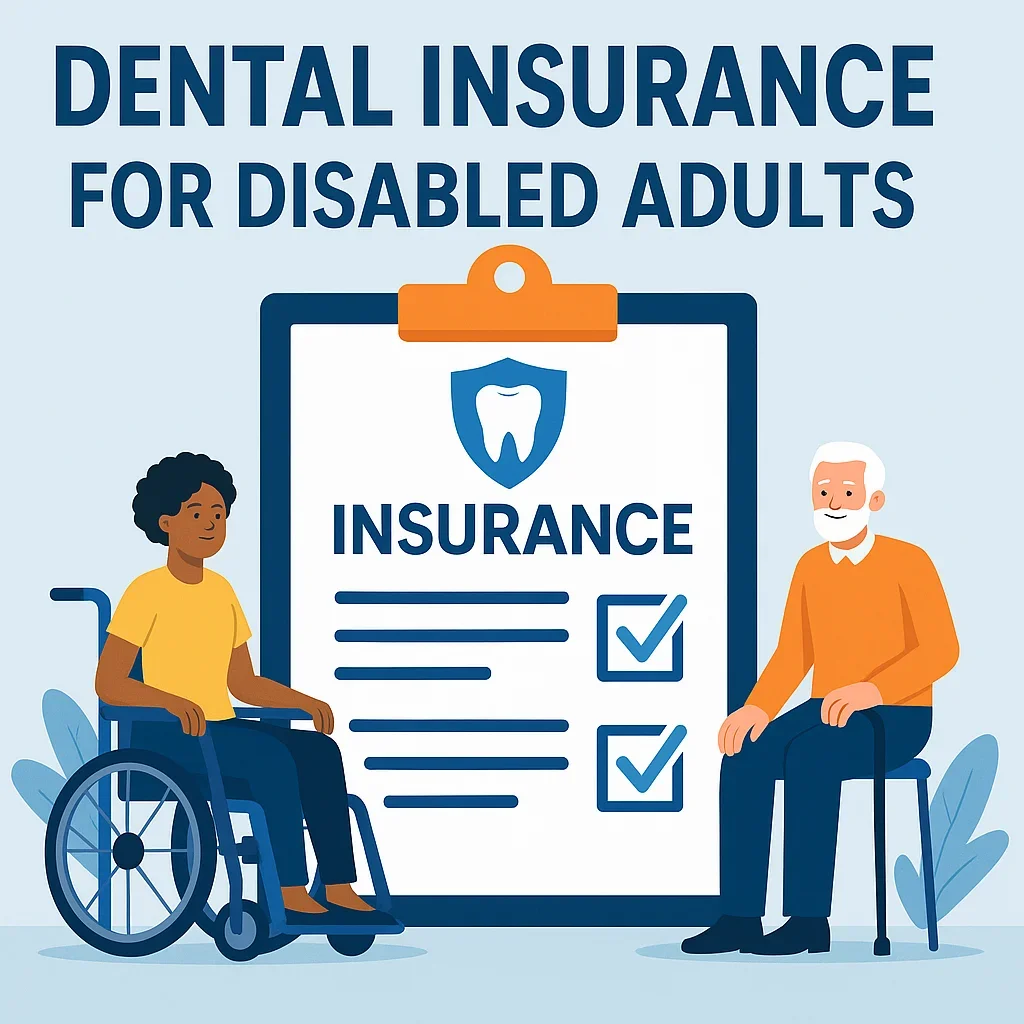
Finding the Best Providers for Disabled Adults Near You
Securing dental insurance for disabled adults is only half the journey; the next step is finding the right provider who can deliver compassionate, accessible, and high-quality care. Disabled adults often need dentists who understand their unique challenges, from physical limitations to sensory sensitivities. Locating the best providers nearby requires careful research, consideration of insurance networks, and evaluation of the dental office’s accessibility and experience with special needs patients. In this section, we’ll provide a comprehensive guide to identifying, evaluating, and choosing the best dental providers for disabled adults.
Why Specialized Providers Matter
Not all dentists are equally equipped to handle the needs of disabled adults. While some general practitioners may be experienced, specialized providers often offer added benefits such as wheelchair-friendly facilities, sedation options, and staff trained in assisting patients with cognitive or developmental disabilities. For families using dental insurance for disabled adults, ensuring the provider is both in-network and specialized saves money while guaranteeing appropriate care.
How to Start Your Search
There are several reliable methods for finding providers near you who accept your dental insurance:
- Insurance Network Directories: Most insurance companies list in-network providers online. Using these directories ensures maximum savings.
- State Medicaid Portals: For those enrolled in Medicaid, state websites provide searchable databases of approved dental providers.
- Local Advocacy Groups: Disability organizations often maintain lists of recommended dentists familiar with special needs care.
- Professional Associations: The American Dental Association offers a “Find-a-Dentist” tool that allows families to search by specialty and location.
Evaluating Accessibility and Comfort
Accessibility goes beyond physical structures; it also includes the approach and attitude of the dental team. When choosing a provider under dental insurance for disabled adults, consider the following factors:
Physical Accessibility
- Wheelchair ramps, wide hallways, and accessible restrooms.
- Dental chairs that can be adjusted for limited mobility patients.
- Elevators or ground-floor access for patients with physical disabilities.
Service Accessibility
- Extended appointment times to accommodate patients who need extra care.
- Availability of sedation dentistry or nitrous oxide for patients with anxiety or sensory sensitivities.
- Staff trained in communication techniques for patients with developmental or cognitive disabilities.
Questions to Ask Before Choosing a Provider
When contacting a new dentist, families should ask targeted questions to ensure the office can meet the patient’s needs. Examples include:
- “Do you accept my specific dental insurance for disabled adults plan?”
- “Do you have experience treating patients with mobility or cognitive disabilities?”
- “What accommodations do you offer for patients who require extra time or sedation?”
- “Are emergency services available, and are they covered under my insurance?”
Balancing Cost and Quality
While finding a provider within the insurance network is important for saving money, quality should never be compromised. Families should read reviews, seek referrals from local disability organizations, and, if possible, schedule a consultation visit. This ensures that the chosen dentist is not only affordable under dental insurance for disabled adults but also capable of providing patient-centered, compassionate care.
Provider Selection Checklist
- Is the provider in-network with your insurance?
- Does the office meet ADA (Americans with Disabilities Act) accessibility standards?
- Does the staff demonstrate patience and respect toward disabled patients?
- Does the provider offer specialized treatments (e.g., sedation, extended visits)?
Community and Referral Support
Community health centers, nonprofit dental clinics, and university dental schools often provide excellent care for disabled adults at reduced costs. Many of these clinics also participate in insurance networks, making them both affordable and accessible. Families who feel overwhelmed can also reach out directly via the Redent Klinik Contact Page for expert guidance in choosing a suitable provider nearby.
Emergency and After-Hours Providers
It is also essential to identify emergency dental providers before a crisis occurs. Disabled adults may face higher risks of oral trauma or sudden infections, making after-hours availability a priority. Confirming that your insurance covers emergency visits at local clinics or hospitals can save time, stress, and money when urgent care is needed.
Conclusion
Finding the best providers under dental insurance for disabled adults requires balancing affordability, accessibility, and specialized care. Families should take advantage of insurance directories, community resources, and advocacy organizations to identify qualified dentists. Evaluating both physical accessibility and provider expertise ensures that disabled adults receive care in a safe and supportive environment. By asking the right questions, checking reviews, and leveraging trusted networks, families can secure the best possible dental care—improving oral health, reducing stress, and enhancing overall quality of life. 🌟