
As we step into 2025, dental insurance for senior citizens has become more important than ever. Oral health plays a critical role in overall well-being, especially for those over 60. Many seniors experience issues like tooth decay, gum disease, and tooth loss due to aging and long-term dental wear. Without adequate coverage, dental care can become a financial burden, which is why having a reliable dental plan is essential. 🦷
Unlike younger adults, seniors face higher dental risks because of medication side effects, dry mouth, and reduced calcium levels. Regular checkups, preventive care, and access to advanced treatments like implants or dentures are necessary to maintain a healthy smile. This is where dental insurance for senior citizens makes a big difference. It not only helps manage costs but also encourages consistent oral care.
The Growing Need for Dental Insurance Among Seniors
According to the American Dental Association, more than 65% of seniors require some form of dental treatment every year. Many of these treatments, such as crowns, bridges, or root canals, can be expensive without coverage. Standard Medicare does not cover most dental procedures, which leaves retirees exposed to high out-of-pocket costs. A dedicated dental insurance for senior citizens plan provides peace of mind and access to professional care when it is needed most.
Consider this: a single dental crown can cost between $800 and $1,500, while dentures may range from $1,500 to $3,000 per arch. For retirees on fixed incomes, these prices can be challenging. By enrolling in a specialized dental plan, seniors can reduce their financial stress and focus on maintaining good oral health.
Emotional and Physical Benefits 😁
Good oral health isn’t just about a beautiful smile—it is strongly connected to overall health. Studies show that poor dental hygiene in seniors can lead to systemic conditions like heart disease, diabetes complications, and even cognitive decline. By choosing the right dental insurance for senior citizens, individuals gain easier access to preventive checkups, which helps detect potential issues before they become severe.
Moreover, feeling confident in your smile can boost mental well-being and social interactions. Seniors who receive proper dental care report higher satisfaction with their quality of life and reduced isolation. This makes investing in a comprehensive dental plan even more valuable.
Internal Support for Patients
If you are a senior or a caregiver seeking more information on affordable dental options, our team can assist you. Visit the Redent Klinik Contact Page to get personalized advice on selecting the right plan tailored to your needs. 🏥
In summary, prioritizing dental insurance for senior citizens in 2025 is crucial for both financial and health reasons. It ensures that seniors can enjoy a healthy, confident smile without the worry of unexpected expenses. By understanding the benefits and options available, seniors can make well-informed decisions for a healthier future.
As we step into 2025, dental insurance for senior citizens has become more important than ever. Oral health plays a critical role in overall well-being, especially for those over 60. Many seniors experience issues like tooth decay, gum disease, and tooth loss due to aging and long-term dental wear. Without adequate coverage, dental care can become a financial burden, which is why having a reliable dental plan is essential. 🦷
Unlike younger adults, seniors face higher dental risks because of medication side effects, dry mouth, and reduced calcium levels. Regular checkups, preventive care, and access to advanced treatments like implants or dentures are necessary to maintain a healthy smile. This is where dental insurance for senior citizens makes a big difference. It not only helps manage costs but also encourages consistent oral care.
The Growing Need for Dental Insurance Among Seniors
According to the American Dental Association, more than 65% of seniors require some form of dental treatment every year. Many of these treatments, such as crowns, bridges, or root canals, can be expensive without coverage. Standard Medicare does not cover most dental procedures, which leaves retirees exposed to high out-of-pocket costs. A dedicated dental insurance for senior citizens plan provides peace of mind and access to professional care when it is needed most.
Consider this: a single dental crown can cost between $800 and $1,500, while dentures may range from $1,500 to $3,000 per arch. For retirees on fixed incomes, these prices can be challenging. By enrolling in a specialized dental plan, seniors can reduce their financial stress and focus on maintaining good oral health.
Emotional and Physical Benefits 😁
Good oral health isn’t just about a beautiful smile—it is strongly connected to overall health. Studies show that poor dental hygiene in seniors can lead to systemic conditions like heart disease, diabetes complications, and even cognitive decline. By choosing the right dental insurance for senior citizens, individuals gain easier access to preventive checkups, which helps detect potential issues before they become severe.
Moreover, feeling confident in your smile can boost mental well-being and social interactions. Seniors who receive proper dental care report higher satisfaction with their quality of life and reduced isolation. This makes investing in a comprehensive dental plan even more valuable.
Internal Support for Patients
If you are a senior or a caregiver seeking more information on affordable dental options, our team can assist you. Visit the Redent Klinik Contact Page to get personalized advice on selecting the right plan tailored to your needs. 🏥
In summary, prioritizing dental insurance for senior citizens in 2025 is crucial for both financial and health reasons. It ensures that seniors can enjoy a healthy, confident smile without the worry of unexpected expenses. By understanding the benefits and options available, seniors can make well-informed decisions for a healthier future.
Why Dental Insurance for Senior Citizens is Essential
Understanding why dental insurance for senior citizens is essential requires looking at the unique oral health challenges that come with aging. As individuals enter their 60s, 70s, and beyond, they are more prone to dental concerns such as tooth decay, gum recession, and the need for restorative procedures like bridges or dentures. Without adequate coverage, these treatments can quickly become expensive and create financial stress. 🦷
Unlike younger adults, seniors often rely on a fixed retirement income, which makes unexpected dental costs a major burden. A single root canal can cost between $700 and $1,200, and dental implants can exceed $3,000 per tooth. Dental insurance for senior citizens ensures that these high costs are managed efficiently, allowing retirees to access necessary care without depleting their savings.
Prevention and Early Detection
One of the biggest advantages of having dental insurance for senior citizens is access to preventive care. Most senior dental insurance plans include routine checkups, cleanings, and X-rays, which help detect issues early. Regular preventive visits are critical for avoiding more serious conditions such as periodontal disease or oral infections. Prevention not only saves money but also supports overall health.
Studies show that untreated dental issues in seniors are linked to increased risks of heart disease, diabetes complications, and respiratory infections. Therefore, securing dental insurance for senior citizens is more than a financial choice—it’s a health priority.
Coverage for Common Senior Dental Needs
Seniors are more likely to require specific treatments, including dentures, crowns, and implants. Many insurance plans now cater specifically to these needs, covering a substantial portion of the costs. For example, a plan might cover 50% to 80% of the cost of dentures or partials after a short waiting period. This coverage can significantly reduce out-of-pocket expenses.
- Routine cleanings and exams – usually covered at 100% ✅
- Fillings and simple extractions – partially covered
- Crowns, bridges, and dentures – often 50%–80% coverage
- Implants and advanced procedures – partial coverage depending on plan
These benefits make dental insurance for senior citizens an invaluable investment for maintaining a healthy, functional smile throughout retirement.
Financial Security and Peace of Mind
Oral health emergencies can strike unexpectedly, leading to sudden, high costs. Having the right insurance offers peace of mind, knowing that help is available when needed. Instead of delaying treatment due to cost concerns, seniors with dental insurance are more likely to seek care promptly. This proactive approach can prevent minor problems from becoming serious and costly conditions.
Additionally, seniors can explore supplemental coverage alongside Medicare, as original Medicare does not cover most dental procedures. Many insurers now offer plans designed to bridge this gap, reinforcing the value of dental insurance for senior citizens.
Internal and External Resources
For those seeking guidance, visiting the Redent Klinik Contact Page is a great first step for expert advice on the best senior dental plans. Furthermore, organizations like the American Dental Association provide resources to help seniors understand dental health needs and insurance options.
In conclusion, prioritizing dental insurance for senior citizens is not just about saving money—it’s about protecting overall health, ensuring preventive care, and enjoying the confidence that comes with a healthy smile. A reliable dental plan empowers seniors to focus on their well-being without financial worry.
Types of Dental Plans Available for Seniors
When exploring dental insurance for senior citizens, understanding the different types of dental plans available is crucial. Seniors often have unique dental needs, and selecting the right type of coverage can make a significant difference in both cost savings and access to care. In 2025, most senior dental plans fall into four main categories: Dental Health Maintenance Organization (DHMO), Preferred Provider Organization (DPPO), Indemnity Plans, and Discount Dental Plans. 🦷
1. Dental Health Maintenance Organization (DHMO)
DHMO plans offer affordable options for seniors who want predictable costs. Members choose a primary dentist within the network and receive most preventive services at no additional charge. Advanced procedures, like dentures or root canals, are typically offered at reduced rates. While these plans are cost-effective, they limit flexibility because out-of-network dentists are not covered.
For retirees who prefer to stay within a single dental network and keep premiums low, DHMOs can be an excellent form of dental insurance for senior citizens. These plans often emphasize preventive care, which helps catch issues early and avoid expensive treatments later.
2. Preferred Provider Organization (DPPO)
DPPO plans provide greater flexibility by allowing seniors to see any dentist, although using an in-network dentist offers the best savings. They are highly popular because they balance affordability with choice. Preventive services are usually covered 100%, while major procedures like implants, crowns, or dentures are partially covered.
For seniors who travel frequently or want the freedom to see multiple dentists, a DPPO plan is an excellent option for dental insurance for senior citizens. However, premiums and deductibles can be slightly higher compared to DHMOs.
3. Indemnity or Fee-for-Service Plans
Indemnity plans offer the maximum flexibility. Seniors can visit any dentist they prefer, and the insurance reimburses a percentage of the cost. This type of dental insurance for senior citizens is ideal for those who already have a trusted dentist outside typical networks. However, premiums are usually higher, and seniors pay upfront before being reimbursed.
These plans are beneficial for retirees who want the freedom to choose their providers without restrictions, especially if they require specialized care or advanced dental procedures.
4. Discount Dental Plans
While not technically insurance, discount dental plans provide members with significant savings on dental procedures. Seniors pay an annual fee to access reduced rates from participating dentists. This can be an affordable alternative for those who don’t need extensive dental work but still want cost reductions on regular checkups and cleanings.
- Lower upfront costs than traditional insurance ✅
- No waiting periods for services
- Great for preventive and basic dental care
For seniors who need quick access to savings and prefer a low-cost option, a discount plan can complement or substitute dental insurance for senior citizens.
Choosing the Right Plan
The best plan depends on the senior’s dental history, budget, and preferred level of flexibility. Those who want minimal out-of-pocket costs often prefer DHMOs or DPPOs, while those who prioritize choice may opt for indemnity plans. Seniors should also consider supplemental coverage if they have Medicare, as standard Medicare does not include most dental benefits.
To get personalized guidance, visit the Redent Klinik Contact Page. Our team can help compare options and determine which plan type fits your dental and financial needs best. Additionally, the American Dental Association provides tools to evaluate dental plan options for retirees.
In conclusion, understanding the various types of dental insurance for senior citizens allows retirees to make informed decisions, ensuring that they receive the right coverage for both preventive and major dental care in 2025 and beyond.
Key Benefits of Choosing Dental Insurance for Senior Citizens
Opting for dental insurance for senior citizens provides numerous advantages, both financially and medically. As retirees transition into a fixed-income lifestyle, balancing health and cost becomes critical. Having reliable dental coverage ensures that seniors can access necessary oral care without the fear of overwhelming expenses. 🦷
1. Financial Protection Against High Dental Costs
One of the most significant benefits of dental insurance for senior citizens is the financial security it offers. Dental procedures like implants, root canals, and dentures can be extremely expensive. For instance, a full set of upper and lower dentures may cost $3,000 to $6,000, while a single dental implant can reach $3,500 or more. With proper insurance coverage, seniors can avoid large out-of-pocket expenses and focus on maintaining their health.
Insurance plans often cover preventive services entirely and contribute significantly to more complex procedures, which helps seniors budget for long-term oral care. This means retirees can avoid financial stress while receiving essential treatments.
2. Access to Preventive and Routine Care
Most dental insurance for senior citizens plans prioritize preventive care, including routine cleanings, exams, and X-rays. Regular visits to the dentist ensure early detection of issues like cavities, gum disease, or oral cancer. Early treatment is generally less invasive and less costly, making prevention a key benefit of having coverage.
In addition, preventive care helps seniors maintain a bright and confident smile, boosting mental well-being and reducing the likelihood of complex dental problems later on.
3. Improved Overall Health
Oral health is directly linked to overall health, especially for seniors. Research shows that poor dental hygiene can increase the risk of heart disease, stroke, diabetes complications, and even respiratory infections. By enrolling in dental insurance for senior citizens, retirees are more likely to maintain regular dental visits, improving their overall wellness and longevity.
For example, treating periodontal disease early can prevent harmful bacteria from spreading into the bloodstream, which helps protect the heart and immune system. This makes dental insurance not only a financial investment but also a critical step in maintaining general health.
4. Peace of Mind and Stress Reduction
Unexpected dental emergencies can be stressful, particularly for those living on retirement income. Having dental coverage offers peace of mind, knowing that treatments like extractions, crowns, or emergency repairs are supported financially. Seniors can focus on enjoying their retirement years without constantly worrying about dental costs.
Additionally, some plans cover major dental procedures after a short waiting period, ensuring that urgent needs can be addressed without significant delays.
5. Enhanced Social Confidence 😁
Having a healthy smile can greatly impact self-confidence and social interactions. Seniors who maintain their dental health are more likely to engage socially, participate in community activities, and avoid isolation. With the help of dental insurance for senior citizens, maintaining a complete and attractive smile becomes more achievable and affordable.
Supporting Resources
For personalized advice on the best plans available, seniors can reach out via the Redent Klinik Contact Page. Additionally, the American Dental Association offers extensive educational materials and resources to guide seniors in making informed decisions about their oral health and coverage options.
In conclusion, the key benefits of choosing dental insurance for senior citizens extend beyond financial savings. From preventive care and improved overall health to peace of mind and social confidence, dental coverage is a vital part of maintaining a happy and healthy retirement in 2025.
Cost of Dental Insurance for Senior Citizens in 2025
Understanding the cost of dental insurance for senior citizens in 2025 is essential for retirees managing their healthcare budget. The price of a plan can vary depending on the type of coverage, the insurer, and the level of benefits. On average, senior dental plans in the U.S. range from $20 to $75 per month, with annual premiums averaging between $240 and $900. 🦷
Monthly Premiums and Annual Costs
Most seniors can expect to pay a modest monthly premium for coverage. Basic DHMO plans start at around $20 to $30 per month, offering preventive care and discounted rates for major procedures. In contrast, DPPO plans with broader coverage can cost between $40 and $75 monthly. The total annual cost of dental insurance for senior citizens usually depends on the plan tier and the level of flexibility it offers.
Here is a quick snapshot of common cost ranges in 2025:
| Plan Type | Monthly Premium | Annual Cost |
|---|---|---|
| DHMO | $20 – $30 | $240 – $360 |
| DPPO | $40 – $75 | $480 – $900 |
| Indemnity | $50 – $80 | $600 – $960 |
| Discount Plan | $100 – $150 (annual fee) | Flat Annual Fee |
Out-of-Pocket Expenses
Even with dental insurance for senior citizens, there may be out-of-pocket costs such as deductibles, copayments, and coinsurance for major treatments. Preventive services like cleanings and X-rays are typically fully covered, while procedures like crowns, dentures, or implants often come with partial coverage of 50% to 80% after the deductible is met.
For example, a senior needing a crown that costs $1,000 might pay $200–$500 out of pocket depending on the plan. This predictable structure makes it easier to plan dental care expenses without financial stress.
Factors Influencing Plan Costs
Several factors affect the cost of dental insurance for senior citizens:
- Type of plan: DHMO vs. DPPO vs. Indemnity
- Geographic location: Urban areas often have higher premium rates
- Coverage level: Basic vs. comprehensive coverage for major procedures
- Waiting periods: Plans with no waiting periods may have higher premiums
Saving on Dental Insurance
Seniors looking to save on premiums should compare multiple plans and consider bundling with vision or health coverage if available. Annual dental cleanings and routine checkups are crucial for reducing the likelihood of costly procedures, which keeps overall dental expenses lower.
Where to Get Help
For personalized assistance in finding the most affordable plan, seniors can visit the Redent Klinik Contact Page. Additionally, the American Dental Association provides tools for comparing costs and benefits of different dental plans.
In conclusion, while the cost of dental insurance for senior citizens in 2025 varies, careful planning and selecting the right plan can make dental care affordable and predictable, protecting both oral health and retirement savings.
How to Choose the Best Dental Insurance for Senior Citizens
Selecting the best dental insurance for senior citizens requires evaluating multiple factors to ensure the plan matches both health needs and budget. Seniors have unique dental concerns, including higher risks of gum disease, tooth loss, and the need for restorative procedures like crowns, dentures, or implants. Choosing the right coverage can protect oral health and save thousands of dollars over time. 🦷
1. Evaluate Your Dental Health Needs
Before selecting a plan, seniors should assess their current dental health. Those with a history of cavities, periodontal disease, or missing teeth will likely need more comprehensive coverage. Preventive-focused plans are great for seniors with minimal issues, while others may require plans that cover major treatments like dentures or implants.
Understanding your personal dental profile helps ensure you invest in dental insurance for senior citizens that provides the right balance of preventive and restorative benefits.
2. Compare Plan Types
Not all dental insurance plans are the same. Seniors should carefully compare:
- DHMO Plans: Lower premiums, limited to in-network providers.
- DPPO Plans: Flexible, with partial coverage for out-of-network dentists.
- Indemnity Plans: Maximum flexibility, higher premiums.
- Discount Dental Plans: Membership-based savings rather than traditional coverage.
By comparing these plan types, retirees can identify the dental insurance for senior citizens that aligns with their preferences and budget.
3. Check Coverage for Major Procedures
One of the most important steps is to confirm how a plan handles major dental procedures. Treatments like bridges, dentures, root canals, and implants are common among seniors and can be costly without coverage. A plan that covers at least 50–80% of these services provides significant financial relief.
For instance, a single dental implant may cost $3,000–$4,500 in 2025. A comprehensive plan for dental insurance for senior citizens can reduce that out-of-pocket cost by thousands, making advanced care more accessible.
4. Consider Waiting Periods and Annual Limits
Many plans have waiting periods for major procedures, often ranging from 6 to 12 months. Seniors needing immediate treatment should look for plans with short or no waiting periods. Annual maximums, which typically range from $1,000 to $2,500, also affect how much coverage you can utilize in a year.
Reviewing these limits ensures your dental insurance for senior citizens will cover your expected dental needs without unpleasant surprises.
5. Compare Costs and Networks
Premiums, deductibles, copays, and provider networks all impact the plan’s overall value. Seniors should ensure that their preferred dentists are included in the network to maximize savings. It’s also worth reviewing how out-of-network care is handled if travel is frequent or if a trusted provider isn’t in-network.
6. Use Professional Resources
Making an informed decision is easier with expert guidance. Seniors can contact Redent Klinik Contact Page for personalized assistance in selecting the best plan. Additionally, the American Dental Association provides resources to compare coverage levels and find reputable insurers.
Conclusion
Choosing the best dental insurance for senior citizens involves analyzing personal dental needs, comparing plan types, reviewing costs, and evaluating coverage for major treatments. By taking the time to assess each factor, retirees can secure a plan that offers both peace of mind and strong financial protection, ensuring healthier smiles and reduced dental expenses in 2025.
Medicare and Dental Insurance for Senior Citizens
Understanding the relationship between Medicare and dental insurance for senior citizens is crucial for retirees planning their healthcare. While Medicare provides excellent coverage for hospital and medical needs, it generally does not include routine dental care, leaving many seniors unprotected when it comes to oral health. 🦷
1. What Medicare Covers (and Doesn’t Cover)
Original Medicare (Parts A and B) typically does not cover regular dental exams, cleanings, fillings, dentures, or implants. It only covers dental care if it is required as part of another medical procedure, such as jaw surgery or hospitalization for an oral infection.
This gap leaves a significant need for dental insurance for senior citizens to cover preventive and restorative treatments that are essential for maintaining oral health and overall well-being.
2. Medicare Advantage Plans
Medicare Advantage (Part C) plans, offered by private insurers, often include some level of dental coverage. These plans may cover preventive care and offer partial reimbursement for major dental services. However, coverage varies widely by insurer and location, so it is important to review each plan carefully.
Even with Medicare Advantage, many seniors find that standalone dental insurance for senior citizens or supplemental discount plans provide more comprehensive benefits, particularly for costly procedures like implants or bridges.
3. Supplemental Dental Insurance
Seniors enrolled in traditional Medicare often choose to purchase a separate dental plan to fill coverage gaps. Supplemental dental insurance ensures access to preventive checkups, X-rays, and treatments for common conditions like gum disease, cavities, and tooth loss. This extra layer of protection is essential for long-term oral health.
4. Out-of-Pocket Risks Without Coverage
Without dental insurance for senior citizens, retirees may face high out-of-pocket expenses for routine care and emergency treatments. For example, a single root canal can cost between $900 and $1,500, while a set of dentures can range from $3,000 to $6,000. Medicare alone does not offset these costs, highlighting the importance of supplemental dental coverage.
5. Coordinating Medicare and Dental Insurance
To maximize benefits, seniors can combine Medicare with a dedicated dental plan. This approach allows Medicare to cover medical expenses while the dental policy handles oral health needs. Seniors should also consider whether their preferred dental providers accept the insurance and if the plan aligns with their treatment needs.
6. Where to Find Help and Resources
For personalized advice, retirees can reach out to the Redent Klinik Contact Page for expert guidance on selecting the right plan. The American Dental Association also provides educational materials to help seniors navigate the connection between Medicare and dental coverage.
Conclusion
Medicare alone is not enough to protect seniors from the rising costs of dental care. By supplementing with dental insurance for senior citizens, retirees can ensure comprehensive protection for both routine and emergency dental needs, safeguard their overall health, and reduce financial stress in retirement.
Types of Dental Procedures Covered by Senior Plans
When evaluating dental insurance for senior citizens, understanding which procedures are covered is essential for making an informed decision. Senior dental plans are designed to cover a wide range of services, from routine preventive care to more complex treatments required with age. Coverage levels can vary depending on the type of plan, but most are categorized into three tiers: preventive, basic, and major services. 🦷
1. Preventive Care
Preventive care is the foundation of oral health for seniors and is typically 100% covered under most plans. This category includes:
- Regular dental checkups and cleanings (every 6 months)
- Annual or semi-annual X-rays
- Fluoride treatments and sealants (sometimes included for seniors)
By focusing on preventive care, dental insurance for senior citizens helps reduce the likelihood of expensive restorative treatments down the road.
2. Basic Procedures
Basic procedures typically include fillings, tooth extractions, and treatment for gum disease. These services are often covered at 70% to 80% after the deductible. For example, a cavity filling that costs $150 might require the senior to pay only $30 to $45 depending on the plan’s coinsurance rates.
3. Major Dental Services
As people age, they are more likely to need major dental procedures. Coverage for major services can vary but generally includes:
- Root canals and crowns
- Bridges and dentures
- Dental implants (in some plans)
Most plans cover 50% to 60% of these procedures after the deductible, which significantly reduces the financial burden of major treatments. For instance, a $3,500 dental implant might only cost the patient $1,500–$1,750 out of pocket with comprehensive dental insurance for senior citizens.
4. Emergency Dental Care
Unexpected dental emergencies, such as a cracked tooth or sudden infection, can be costly. Fortunately, many senior plans include emergency coverage. This ensures that retirees have immediate access to care without worrying about paying the full price for urgent procedures.
5. Orthodontic and Specialty Care
Orthodontic coverage is less common for senior plans, but some premium policies may include it for functional corrections rather than cosmetic reasons. Specialty care such as oral surgery, periodontics, and endodontics may also be partially covered.
6. Exclusions and Waiting Periods
While dental insurance for senior citizens is highly beneficial, it is important to note that some treatments may have waiting periods or exclusions. Cosmetic procedures like teeth whitening are typically not included. Seniors should carefully review policy documents to avoid surprises when they need major dental work.
Conclusion
Understanding the types of dental procedures covered is crucial for maximizing the value of dental insurance for senior citizens. Preventive care, basic treatments, and major procedures are typically included, while some specialty or cosmetic services may be limited. Seniors can contact the Redent Klinik Contact Page for guidance on selecting a plan that covers the treatments they are most likely to need. Additionally, the American Dental Association offers resources for comparing coverage options and understanding policy terms.
Top Providers Offering Dental Insurance for Senior Citizens
Choosing the right provider is a critical step in finding the most reliable dental insurance for senior citizens. Leading insurance companies offer a variety of plans designed specifically for retirees, covering preventive care, basic services, and major procedures. Evaluating the top providers ensures seniors can receive quality care without unexpected financial burdens. 🏥
1. Delta Dental
Delta Dental is one of the largest dental insurers in the United States, offering comprehensive plans for older adults. Their senior-focused plans often include:
- 100% coverage for preventive care
- 70%–80% coverage for basic services
- 50% coverage for major procedures, including dentures and bridges
Delta Dental’s vast provider network makes it easier for retirees to access in-network care, minimizing out-of-pocket expenses under their dental insurance for senior citizens.
2. Aetna
Aetna offers flexible dental plans that integrate well with Medicare Advantage. Seniors benefit from no or low deductibles and coverage for routine and emergency treatments. Aetna also provides online tools for claim tracking and provider searches, simplifying plan management for older adults.
3. Cigna
Cigna’s senior dental plans are known for high preventive care coverage and fast reimbursement. Seniors can choose from several plan options that cover major treatments such as root canals, crowns, and dentures, making them a strong choice for comprehensive dental insurance for senior citizens.
4. Humana
Humana offers affordable dental coverage tailored to retirees, often including added benefits like no waiting periods for preventive care. Their senior plans frequently cover up to 50% of major procedures and include access to an extensive network of dental professionals across the country.
5. Guardian
Guardian’s plans are designed to minimize out-of-pocket costs and offer competitive annual maximums, often between $1,500 and $2,500. They also provide robust coverage for dentures and bridges, which are common needs for seniors.
Sample Price Range for Senior Dental Plans (2025)
| Provider | Monthly Premium | Annual Maximum |
|---|---|---|
| Delta Dental | $25 – $55 | $1,000 – $2,000 |
| Aetna | $20 – $50 | $1,250 – $2,500 |
| Cigna | $28 – $60 | $1,500 – $2,500 |
| Humana | $22 – $58 | $1,000 – $2,000 |
| Guardian | $24 – $52 | $1,500 – $2,500 |
These are estimated 2025 premiums and annual limits. Seniors should verify details as coverage varies by state and individual health needs.
Conclusion
Finding the right provider for dental insurance for senior citizens involves comparing coverage levels, network size, and cost. Reputable companies like Delta Dental, Aetna, Cigna, Humana, and Guardian offer comprehensive options to fit different needs and budgets. Seniors can contact the Redent Klinik Contact Page for personalized recommendations, and refer to the American Dental Association for detailed provider resources and plan comparisons.
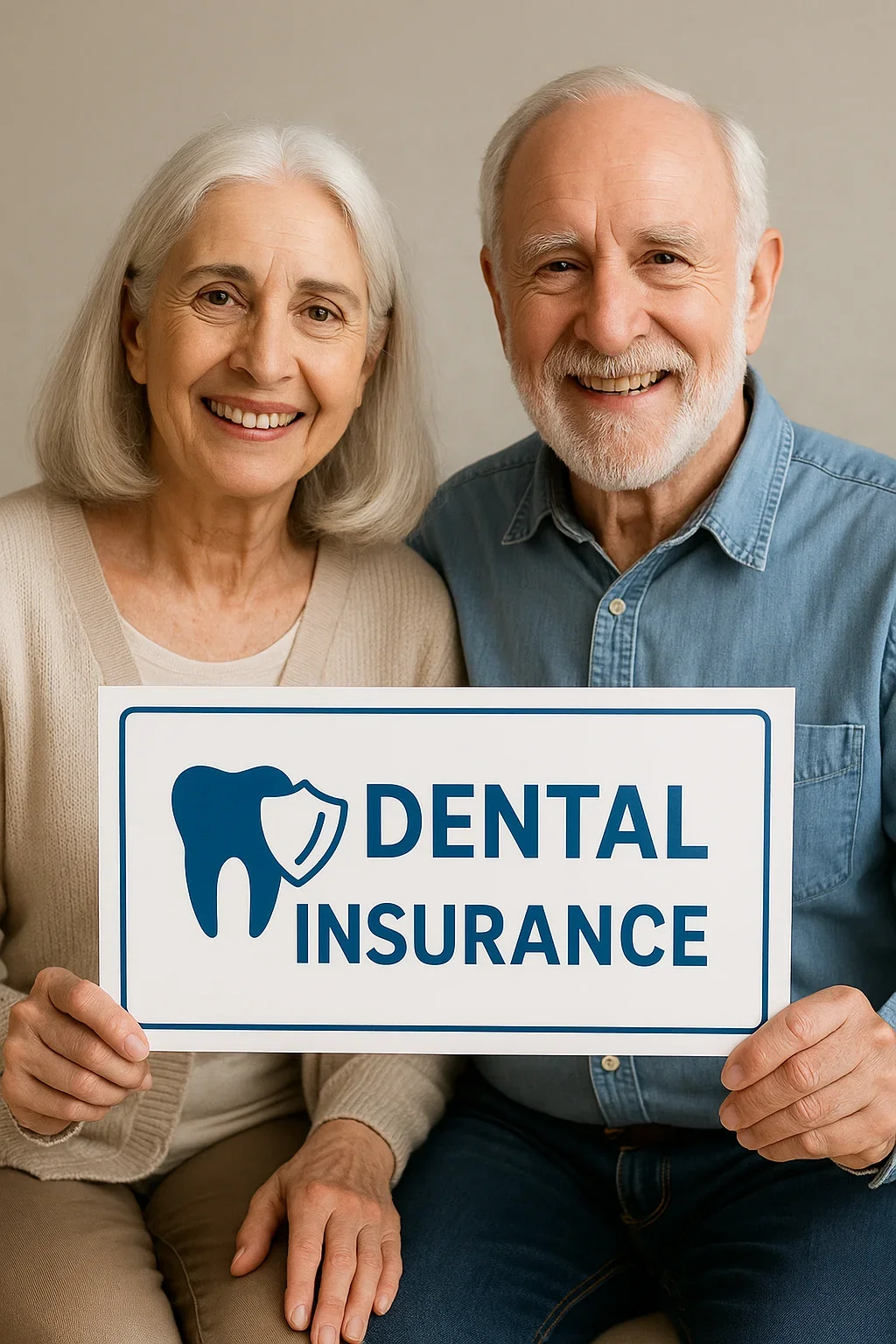
Cost of Dental Insurance for Senior Citizens in 2025
Understanding the cost of dental insurance for senior citizens is critical for retirees managing fixed incomes. In 2025, the price of senior dental plans varies based on coverage levels, geographic location, and the insurer’s network size. On average, seniors can expect to pay between $20 and $60 per month for standard plans, while more comprehensive options with higher annual maximums may reach $75 per month. 💰
1. Factors Affecting Plan Costs
Several factors determine the cost of dental insurance for senior citizens:
- Coverage Type: Preventive-only plans are less expensive than full-coverage plans including major procedures like implants and dentures.
- Geographic Location: Urban areas with higher dental service costs often have higher premiums.
- Annual Maximum: Plans with $2,000–$3,000 annual maximums typically cost more than basic $1,000–$1,500 plans.
- Waiting Periods: Plans with no waiting period for major services may have slightly higher premiums.
2. Average Monthly Premiums by Coverage Level
| Coverage Level | Monthly Premium (2025) | Annual Maximum |
|---|---|---|
| Preventive Only | $20 – $30 | $1,000 |
| Basic & Preventive | $30 – $50 | $1,500 – $2,000 |
| Comprehensive (Major Included) | $45 – $75 | $2,000 – $3,000 |
These estimates reflect average 2025 costs. Exact prices vary by provider and location, and seniors should compare multiple quotes for the best value.
3. Out-of-Pocket Expenses Without Coverage
Without dental insurance for senior citizens, out-of-pocket costs can quickly become overwhelming. Common procedures like fillings ($150), root canals ($900–$1,500), and dentures ($3,000–$6,000) often exceed what many retirees can comfortably afford. A single dental emergency could cost more than an entire year of premiums, making insurance a financially sound investment.
4. Balancing Premiums and Coverage
Seniors should weigh the cost of monthly premiums against expected dental needs. Those with good oral health may benefit from lower-cost preventive plans, while seniors needing major dental work will likely save more with comprehensive coverage.
5. Finding Affordable Plans
Affordable options for dental insurance for senior citizens can be found through reputable providers like Delta Dental, Aetna, and Humana. Seniors can also compare plans through online marketplaces and request free quotes. Additionally, some Medicare Advantage plans offer dental benefits that can offset overall expenses.
Conclusion
In 2025, the cost of dental insurance for senior citizens is manageable and often significantly lower than paying out-of-pocket for major procedures. By considering coverage levels, annual maximums, and expected dental needs, retirees can select a plan that balances affordability and protection. For personalized guidance, visit the Redent Klinik Contact Page, and review plan recommendations provided by the American Dental Association.