
Finding reliable dental insurance plans that cover dental implants has become one of the most important concerns for patients who need long-term tooth replacement solutions. Dental implants are widely considered one of the best modern restorative dentistry treatments because they provide durability, natural appearance, improved chewing function, and long-term oral health benefits. However, the cost of implant treatment can be significant, which is why many people actively search for dental insurance plans that cover dental implants before starting treatment. Understanding how implant coverage works can help patients reduce out-of-pocket expenses while choosing the most effective treatment option for their smile. 😊
Many patients assume that all dental insurance providers automatically include implant coverage, but this is not always true. Some insurance companies classify implants as cosmetic procedures, while others consider them medically necessary restorative treatments. Because of this difference, comparing dental insurance plans that cover dental implants carefully is essential before purchasing a policy. Some plans may cover only the implant crown, while others contribute toward the implant post, abutment, bone grafting, or diagnostic imaging. Reading policy details closely can prevent unexpected financial surprises later during treatment.
The growing popularity of implant dentistry has encouraged more insurance companies to expand their benefits. Today, several modern dental insurance plans that cover dental implants provide partial reimbursement for implant-related procedures, especially under PPO insurance networks. PPO dental coverage often allows patients to choose their preferred implant specialist while receiving negotiated treatment fees. In contrast, DHMO plans may require patients to stay within a strict provider network. Understanding these differences is critical when selecting implant insurance.
Dental implants offer several important advantages compared to dentures or bridges. Unlike removable dentures, implants are fixed permanently into the jawbone and help preserve bone density. Unlike traditional bridges, implants do not require grinding adjacent healthy teeth. This long-term oral health benefit explains why many patients search specifically for dental insurance plans that cover dental implants instead of choosing limited insurance coverage that excludes implant dentistry.
Another important factor involves annual maximums. Most traditional dental insurance policies include yearly coverage limits ranging from $1,000 to $2,500. Since full implant treatment can cost several thousand dollars, patients should look for premium dental insurance plans that cover dental implants with higher annual maximums or staged treatment benefits. Some advanced policies now offer implant-specific coverage tiers designed for major restorative procedures.
Patients should also understand waiting periods before purchasing implant insurance. Many dental insurance plans that cover dental implants include waiting periods between 6 and 12 months before major restorative treatments become eligible for reimbursement. This means patients often need to plan treatment timelines carefully. Some providers waive waiting periods for patients transferring from another insurance company with continuous coverage.
In many cases, dental implant treatment may involve additional procedures such as:
- 3D dental imaging
- Tooth extraction
- Bone grafting
- Sinus lift surgery
- Temporary restorations
- Custom abutments
- Permanent crowns
Not all dental insurance plans that cover dental implants reimburse every stage equally. Some plans focus mainly on restorative crowns, while others partially assist with surgical costs. Patients should always request a pre-treatment estimate from both the clinic and insurance company before beginning care.
According to current treatment averages, a single dental implant in the United States may cost approximately:
Estimated Dental Implant Costs
- Single implant post: $1,500 – $3,000
- Abutment and crown: $1,000 – $2,500
- Bone grafting: $300 – $2,000
- Full mouth implants: $20,000 – $50,000+
Because implant treatment costs can be substantial, patients frequently compare multiple dental insurance plans that cover dental implants to find the best balance between monthly premiums and long-term savings. Some plans may have higher monthly payments but provide stronger implant reimbursement benefits. Others may offer lower premiums but minimal restorative coverage.
It is also important to choose an experienced implant provider when using insurance benefits. Working with a reputable dental clinic helps patients maximize insurance reimbursement while ensuring high-quality treatment outcomes. Patients considering international dental tourism may also explore affordable implant treatment combined with insurance support. You can contact an experienced clinic directly through the Redent Klinik Contact Page for professional consultation and treatment planning.
Patients researching implant coverage should also review educational information provided by trusted organizations such as the American Dental Association. Understanding professional treatment guidelines can help patients make informed decisions about oral surgery, implant materials, and long-term maintenance.
Another major advantage of modern dental insurance plans that cover dental implants is preventive care integration. Many insurance providers encourage regular cleanings, examinations, and periodontal maintenance to improve implant success rates. Preventive dentistry plays a critical role in protecting implants from complications such as peri-implantitis or gum disease.
When comparing implant coverage, patients should also evaluate related terms such as:
- implant-supported dentures
- restorative dental coverage
- oral surgery benefits
- major dental procedures
- prosthodontic insurance coverage
These semantically related terms often appear within policy documents describing dental insurance plans that cover dental implants. Reading the fine print carefully can reveal hidden limitations, exclusions, replacement intervals, or missing procedure coverage.
Ultimately, choosing the right dental insurance plans that cover dental implants can significantly reduce treatment expenses while improving access to high-quality restorative dentistry. Patients who compare providers carefully, understand waiting periods, evaluate annual maximums, and choose experienced implant specialists are often able to achieve healthier smiles with better financial protection. Dental implants are not only cosmetic improvements; they are long-term investments in oral health, confidence, speech, and quality of life. 😁
7 Best Dental Insurance Plans That Cover Dental Implants
Choosing among the best dental insurance plans that cover dental implants can make a major difference in both treatment affordability and long-term oral health outcomes. Because dental implant procedures are often categorized as major restorative dentistry, many patients spend significant time researching which insurance providers offer the strongest implant benefits. Today, more companies are recognizing the medical importance of implants, making modern dental insurance plans that cover dental implants far more accessible than in previous years. Patients looking for reliable coverage should compare annual maximums, waiting periods, reimbursement percentages, provider flexibility, and implant-specific limitations before selecting a plan. 😊
Why Implant Coverage Matters
Dental implants are considered one of the most effective solutions for replacing missing teeth because they restore both aesthetics and functionality. Unlike removable dentures, implants integrate directly with the jawbone and help maintain facial structure. However, implant procedures are expensive, which is why finding dependable dental insurance plans that cover dental implants is essential for many families and individuals.
Patients often underestimate the total cost of implant treatment. Besides the implant itself, procedures may include:
- Initial consultations
- Digital X-rays and 3D imaging
- Tooth extractions
- Bone grafting
- Sinus lift surgery
- Temporary restorations
- Permanent crowns
- Follow-up maintenance visits
Without proper insurance, these combined procedures can become financially overwhelming. High-quality dental insurance plans that cover dental implants help reduce this burden while improving access to advanced restorative care.
Top Insurance Providers for Implant Coverage
1. Delta Dental PPO
Delta Dental remains one of the most recognized providers offering dental insurance plans that cover dental implants. Certain PPO plans provide partial reimbursement for implants after waiting periods are completed. Patients often appreciate Delta Dental because of its large provider network and flexible treatment options.
Typical Delta Dental Implant Benefits
- Coverage for implant crowns in many PPO plans
- Access to extensive specialist networks
- Preventive care often covered at 100%
- Annual maximums may range from $1,500 to $2,500
2. Cigna Dental Insurance
Cigna offers several competitive dental insurance plans that cover dental implants, especially within premium PPO packages. Some plans contribute toward implant surgery and restorations after waiting periods. Cigna is frequently selected by patients seeking nationwide coverage flexibility.
3. Guardian Direct
Guardian Direct has become increasingly popular for patients searching for affordable dental insurance plans that cover dental implants. Many Guardian PPO plans include implant benefits with increasing coverage percentages after the first year.
4. Humana Dental
Humana provides implant-related coverage in selected plans, making it another major option among dental insurance plans that cover dental implants. Patients often choose Humana because of its online benefit tools and wide availability across multiple states.
5. Ameritas Dental
Ameritas is well-known for offering implant-inclusive policies with strong preventive care incentives. Some policies provide increasing annual maximums over time, which may benefit patients requiring extensive implant reconstruction.
6. Spirit Dental
Spirit Dental is frequently recommended because some plans have no waiting periods for major procedures. This feature makes Spirit Dental particularly attractive for patients needing immediate implant treatment.
7. United Concordia
United Concordia offers selected PPO policies with implant coverage, especially for restorative and prosthodontic procedures. Patients comparing dental insurance plans that cover dental implants often evaluate United Concordia for military-related or employer-sponsored coverage options.
Important Features to Compare
Not all dental insurance plans that cover dental implants provide the same level of protection. Before purchasing coverage, patients should carefully review these critical factors:
Annual Maximums
Annual maximums determine how much the insurance company will pay each year. Since implant procedures are costly, low annual maximums may still leave patients with large out-of-pocket expenses.
Waiting Periods
Many dental insurance plans that cover dental implants require waiting periods ranging from 6 to 12 months before implant treatment becomes eligible. Patients needing urgent treatment should prioritize plans with reduced or waived waiting periods.
Coverage Percentages
Some policies cover only 10% to 50% of implant-related costs. Premium plans often provide better reimbursement rates for major restorative procedures.
Provider Networks
PPO plans usually allow more flexibility when selecting implant specialists, while DHMO plans may limit patients to network providers only.
Estimated Implant Costs With Insurance
Even with strong dental insurance plans that cover dental implants, patients should still expect some out-of-pocket costs. However, insurance can significantly reduce total expenses.
Average Implant Costs After Insurance
- Single implant after insurance: $1,500 – $3,500
- Implant-supported bridge: $3,000 – $8,000
- Full mouth implants after insurance assistance: $15,000 – $35,000
These figures vary depending on geographic location, clinic expertise, implant materials, and additional surgical procedures.
How to Maximize Implant Insurance Benefits
Patients using dental insurance plans that cover dental implants can maximize savings by planning treatment strategically. Some clinics divide treatment phases across multiple calendar years to utilize two annual maximum periods. Others coordinate medical and dental insurance together if tooth loss resulted from trauma or medical conditions.
Patients should also request a pre-authorization before treatment begins. Pre-treatment estimates clarify exactly what procedures will be covered and help avoid unexpected denials.
Working with experienced implant clinics is equally important. Skilled dental providers often help patients navigate complex insurance paperwork and maximize reimbursement opportunities. Patients considering advanced implant care can contact specialists directly through the Redent Klinik Contact Page for personalized consultation and treatment guidance.
Trusted Sources for Implant Information
When researching dental insurance plans that cover dental implants, patients should rely on trustworthy professional organizations and evidence-based dental resources. Educational guidance from the American Dental Association helps patients better understand implant safety, oral surgery standards, and long-term restorative care.
Ultimately, selecting the best dental insurance plans that cover dental implants requires careful comparison of coverage details, annual limits, waiting periods, provider flexibility, and reimbursement structures. Patients who research thoroughly and choose experienced implant specialists often achieve both excellent clinical results and improved financial protection. Modern implant dentistry continues transforming smiles worldwide, and the right insurance plan can make these life-changing treatments much more accessible. 😁
How Dental Insurance Plans That Cover Dental Implants Actually Work
Understanding how dental insurance plans that cover dental implants actually work is essential for patients who want to reduce treatment costs while receiving high-quality restorative dental care. Many individuals assume implant coverage functions the same way as standard preventive dental insurance, but implant-related policies often involve more complex rules, reimbursement structures, waiting periods, annual limits, and exclusions. Because dental implants are considered major restorative procedures, insurance companies evaluate claims differently compared to routine cleanings or fillings. Patients who understand the mechanics behind dental insurance plans that cover dental implants can make smarter financial decisions and avoid unexpected treatment expenses. 😊
Why Dental Implant Coverage Is Different
Dental implants are one of the most advanced tooth replacement treatments available in modern dentistry. Unlike basic restorative procedures, implants involve oral surgery, prosthodontics, and long-term rehabilitation. Because of the higher treatment complexity and cost, many insurance providers classify implants under major restorative services instead of preventive care.
This classification directly affects how dental insurance plans that cover dental implants calculate benefits. Preventive treatments such as cleanings and exams are often covered at 100%, while implants may only receive partial reimbursement percentages ranging from 10% to 50% depending on the policy.
Most implant treatment plans involve multiple stages, including:
- Initial oral examination
- 3D cone beam imaging
- Tooth extraction
- Bone grafting procedures
- Implant placement surgery
- Healing and osseointegration
- Abutment placement
- Permanent implant crown fabrication
Not all dental insurance plans that cover dental implants reimburse every treatment stage equally. Some policies may cover only the final crown, while others contribute toward surgical placement or bone grafting procedures.
How Insurance Reimbursement Works
Percentage-Based Coverage
Most dental insurance plans that cover dental implants use percentage-based reimbursement systems. This means the insurance company pays a specific portion of approved treatment costs while the patient covers the remaining balance.
Typical Insurance Coverage Structure
- Preventive care: 80% – 100%
- Basic restorative care: 50% – 80%
- Major restorative procedures including implants: 10% – 50%
For example, if implant treatment costs $4,000 and the policy covers 50% of approved implant expenses, the insurance company may contribute approximately $2,000 while the patient pays the remaining balance.
Annual Maximum Limits
One of the biggest limitations in dental insurance plans that cover dental implants is the annual maximum. This refers to the total amount an insurance provider will pay during one calendar year.
Typical annual maximums include:
- $1,000 annual limit
- $1,500 annual limit
- $2,000 annual limit
- $2,500+ premium policy maximums
Because implant procedures can exceed several thousand dollars, patients may still face substantial out-of-pocket costs even with insurance coverage. Some advanced patients strategically divide treatment phases across two calendar years to maximize insurance reimbursements.
Waiting Periods in Implant Insurance Plans
Many dental insurance plans that cover dental implants include waiting periods before patients become eligible for major restorative treatment benefits. Insurance providers use waiting periods to prevent patients from purchasing coverage only when expensive treatment becomes immediately necessary.
Common Waiting Period Lengths
- 6 months
- 12 months
- 18 months for premium restorative benefits
Patients needing urgent implant treatment should carefully compare policies with reduced or waived waiting periods. Certain providers now offer immediate implant eligibility for patients transferring from other dental insurance companies with continuous prior coverage.
In-Network vs Out-of-Network Implant Specialists
Another important factor influencing dental insurance plans that cover dental implants is provider network structure.
PPO Insurance Plans
PPO dental plans offer greater flexibility when selecting implant specialists. Patients can usually visit both in-network and out-of-network providers, although reimbursement levels are often higher within the approved network.
DHMO Insurance Plans
DHMO plans generally require patients to remain within a strict provider network. While monthly premiums may be lower, specialist flexibility can become limited.
Many patients prefer PPO-style dental insurance plans that cover dental implants because implant dentistry often requires choosing highly experienced oral surgeons or prosthodontists.
Pre-Authorization and Treatment Estimates
Before starting implant treatment, most insurance providers recommend obtaining a pre-authorization. This process allows the insurance company to review the proposed procedures and estimate expected reimbursement amounts.
Pre-treatment estimates help patients:
- Understand expected out-of-pocket costs
- Avoid denied claims
- Verify implant eligibility
- Plan financing options
- Coordinate staged treatment schedules
Experienced dental clinics usually assist patients with insurance paperwork to simplify approval processes. Patients interested in personalized implant consultations may contact specialists directly through the Redent Klinik Contact Page.
Medical Insurance vs Dental Insurance
Some patients do not realize that medical insurance may occasionally assist with implant-related treatment. If tooth loss resulted from trauma, accidents, tumors, or medically necessary surgery, portions of treatment may qualify under medical insurance policies.
However, standard restorative implant treatment is usually processed through dental insurance plans that cover dental implants rather than medical insurance systems.
Common Exclusions Patients Should Understand
Not every procedure connected to implants is automatically reimbursed. Patients should carefully read policy details because exclusions vary significantly between insurance providers.
Frequent Implant Insurance Exclusions
- Cosmetic-only procedures
- Experimental implant materials
- Sedation fees
- Bone grafting in some policies
- Replacement of recently placed implants
- Luxury zirconia upgrades
Reviewing exclusions carefully helps patients avoid confusion when comparing dental insurance plans that cover dental implants.
How Patients Can Maximize Insurance Benefits
Patients can improve savings by planning treatment carefully and understanding insurance timing strategies. Many implant specialists coordinate procedures over multiple benefit years to increase reimbursement opportunities.
Patients should also maintain preventive oral care because healthy gums and bone improve implant success rates. Many insurance companies encourage routine maintenance visits to protect long-term restorative investments.
Educational resources from trusted organizations like the American Dental Association can help patients understand implant safety, oral surgery standards, and restorative treatment expectations.
Ultimately, understanding how dental insurance plans that cover dental implants function allows patients to make informed financial and clinical decisions. Implant dentistry represents a long-term investment in oral health, chewing function, facial structure, and self-confidence. Patients who compare policies carefully, review annual limits, understand waiting periods, and work with experienced implant specialists often achieve the best combination of affordability and successful treatment outcomes. 😁
What Is Included in Dental Insurance Plans That Cover Dental Implants?
Many patients researching dental insurance plans that cover dental implants focus only on whether implants are covered, but understanding exactly what procedures are included is equally important. Implant treatment is not a single procedure; it is a complete restorative process involving diagnostics, surgery, healing, prosthetics, and long-term maintenance. Because each insurance provider structures benefits differently, patients should carefully evaluate what is actually included within dental insurance plans that cover dental implants before beginning treatment. A policy that appears affordable at first may ultimately provide limited implant reimbursement, while a more comprehensive plan could significantly reduce total expenses over time. 😊
Understanding the Full Implant Treatment Process
Dental implant treatment usually involves multiple stages performed over several months. This means dental insurance plans that cover dental implants often divide benefits into different categories depending on the type of procedure being performed.
The complete implant process may include:
- Comprehensive dental examination
- Digital imaging and CT scans
- Tooth extraction
- Bone grafting
- Sinus lift surgery
- Implant placement surgery
- Healing and osseointegration
- Abutment placement
- Final implant crown restoration
- Post-treatment maintenance visits
Not all dental insurance plans that cover dental implants reimburse every stage equally. Some policies only help pay for the final restoration, while others partially cover surgery and preparatory procedures.
Diagnostic Services Included in Implant Insurance
Initial Examinations
Most dental insurance plans that cover dental implants include diagnostic examinations as part of preventive or basic care. These visits allow implant specialists to evaluate oral health, gum condition, and bone density before surgery.
Covered diagnostic procedures may include:
- Oral examinations
- Periodontal evaluations
- Treatment planning consultations
- Routine X-rays
3D Imaging and Cone Beam CT Scans
Modern implant dentistry often requires advanced imaging technology such as cone beam computed tomography (CBCT). These scans help dentists evaluate jawbone structure and implant positioning accurately.
However, some dental insurance plans that cover dental implants classify 3D imaging as advanced diagnostics, meaning coverage may vary significantly. Certain premium policies partially reimburse these scans, while basic plans may exclude them entirely.
Surgical Procedures Included in Implant Coverage
Tooth Extractions
Many implant patients require extraction of damaged or failing teeth before implant placement. Fortunately, most dental insurance plans that cover dental implants provide at least partial reimbursement for medically necessary extractions.
Coverage levels often depend on:
- Surgical complexity
- Whether sedation is required
- The number of teeth removed
- Associated infection or bone loss
Bone Grafting Procedures
Bone grafting is commonly necessary when patients have experienced jawbone deterioration after tooth loss. Since implants require strong bone support, grafting procedures help rebuild the jaw before implant placement.
Bone grafting coverage varies greatly between dental insurance plans that cover dental implants. Some providers classify grafting as medically necessary restorative care, while others consider it an excluded surgical enhancement.
Average Bone Grafting Costs
- Minor grafting: $300 – $800
- Moderate grafting: $800 – $2,000
- Advanced ridge augmentation: $2,000+
Implant Placement Surgery
The implant placement itself is the central component of dental insurance plans that cover dental implants. During surgery, a titanium or zirconia implant post is inserted into the jawbone to function as an artificial tooth root.
Coverage percentages for implant surgery may range from:
- 10% reimbursement
- 25% reimbursement
- 50% reimbursement in premium plans
Many insurance companies impose annual maximums that limit how much they contribute toward implant surgery each year.
Restorative Components Included in Implant Plans
Implant Abutments
The abutment is the connector piece that joins the implant post to the final crown restoration. Some dental insurance plans that cover dental implants include abutments within restorative coverage, while others bill them separately.
Implant Crowns
Implant crowns are often the most consistently covered part of implant treatment. Since crowns restore visible tooth structure and chewing function, insurance providers frequently classify them under major restorative care.
Coverage for implant crowns usually depends on:
- Crown material selection
- Laboratory costs
- Network provider agreements
- Annual benefit maximums
Additional Services Sometimes Included
Certain premium dental insurance plans that cover dental implants may also provide partial reimbursement for supportive services related to implant treatment.
Sedation and Anesthesia
Some patients require sedation during oral surgery, especially for full-mouth implant procedures. Coverage for anesthesia varies widely between providers.
Temporary Prosthetics
Temporary dentures or healing prosthetics may be used while implants integrate with the jawbone. Certain implant insurance plans contribute toward these transitional restorations.
Implant Maintenance Visits
Long-term implant success depends heavily on maintenance care. Many dental insurance plans that cover dental implants continue covering preventive cleanings and periodontal evaluations after implant placement.
What Is Commonly Excluded?
Patients should also understand which procedures are often excluded from dental insurance plans that cover dental implants.
Common Implant Insurance Exclusions
- Cosmetic-only upgrades
- Luxury zirconia restorations
- Experimental implant systems
- Full-mouth cosmetic reconstructions
- Replacement of failed implants within exclusion periods
- Non-medically necessary grafting procedures
Carefully reviewing policy limitations helps patients avoid confusion during treatment planning.
How to Verify What Your Policy Includes
Before beginning treatment, patients should always request a pre-treatment estimate from both the dental clinic and insurance company. Experienced implant clinics usually assist patients with insurance verification and documentation.
Patients considering implant treatment can also discuss personalized treatment plans directly through the Redent Klinik Contact Page for professional guidance and consultation.
Educational resources provided by the American Dental Association can further help patients understand implant procedures, restorative terminology, and oral surgery standards.
Why Understanding Coverage Details Matters
Choosing among dental insurance plans that cover dental implants requires more than simply checking whether implants are listed as covered services. Patients should understand exactly which procedures are reimbursed, how annual maximums apply, and which stages of treatment may remain out-of-pocket.
Implant dentistry is a long-term investment in oral health, speech, chewing function, facial support, and confidence. Patients who fully understand what is included in dental insurance plans that cover dental implants are better prepared to budget accurately, avoid unexpected expenses, and achieve successful long-term treatment outcomes. 😁
Average Costs With Dental Insurance Plans That Cover Dental Implants
Understanding the average costs associated with dental insurance plans that cover dental implants is extremely important for patients planning restorative dental treatment. Dental implants are considered one of the most reliable and long-lasting tooth replacement solutions available today, but they are also among the most expensive dental procedures. Because implant treatment usually involves surgery, prosthetics, diagnostics, and long-term maintenance, many patients search for dental insurance plans that cover dental implants to reduce financial pressure while still receiving high-quality care. Knowing how implant pricing works and how insurance impacts total costs helps patients plan treatment more effectively and avoid unexpected expenses. 😊
Why Dental Implant Costs Are High
Dental implants involve far more than simply replacing a missing tooth. Implant dentistry requires advanced surgical training, high-quality biocompatible materials, digital imaging technology, laboratory fabrication, and long-term follow-up care. These factors significantly increase treatment costs compared to traditional dentures or bridges.
Most dental insurance plans that cover dental implants only partially reimburse these procedures because implants are classified under major restorative dentistry. This means patients are often responsible for deductibles, copayments, annual maximum limitations, and uncovered services.
The total implant cost typically depends on:
- The number of implants needed
- Jawbone condition
- Need for bone grafting
- Type of restoration selected
- Clinic location
- Dentist experience level
- Implant brand and materials
- Insurance coverage percentages
Average Single Dental Implant Costs
Without Insurance Coverage
Without dental insurance plans that cover dental implants, patients in the United States often pay the full treatment cost entirely out-of-pocket.
Average Single Implant Costs Without Insurance
- Consultation and imaging: $100 – $600
- Tooth extraction: $150 – $700
- Bone grafting: $300 – $2,000
- Implant post placement: $1,500 – $3,000
- Abutment: $300 – $700
- Implant crown: $1,000 – $2,500
In many cases, the total cost for one implant may range between $3,000 and $6,000 depending on complexity.
With Implant Insurance Coverage
Patients using dental insurance plans that cover dental implants may significantly reduce out-of-pocket expenses. However, actual savings vary depending on annual maximums and reimbursement percentages.
Estimated Single Implant Costs After Insurance
- Basic implant coverage plans: $2,500 – $4,500 patient responsibility
- Mid-tier PPO implant plans: $1,800 – $3,500 patient responsibility
- Premium implant insurance plans: $1,200 – $2,800 patient responsibility
Even comprehensive dental insurance plans that cover dental implants usually do not eliminate all expenses completely because annual maximums often limit total reimbursement.
Full Mouth Dental Implant Costs
All-on-4 and Full Arch Restorations
Patients missing most or all teeth may require full-mouth implant rehabilitation such as All-on-4 or implant-supported dentures. These procedures involve multiple implants supporting a complete arch restoration.
Without dental insurance plans that cover dental implants, full-mouth reconstruction can become extremely expensive.
Average Full Mouth Implant Costs
- Single arch All-on-4: $15,000 – $30,000
- Dual arch full mouth implants: $30,000 – $60,000+
- Implant-supported overdentures: $8,000 – $20,000
Some advanced dental insurance plans that cover dental implants contribute toward portions of these treatments, but annual benefit limits still apply.
Factors That Influence Implant Costs
Geographic Location
Dental implant costs vary dramatically depending on geographic location. Urban clinics and high-demand metropolitan areas often charge significantly more than smaller regional clinics.
Many patients researching dental insurance plans that cover dental implants also explore dental tourism options to reduce expenses while maintaining quality treatment standards.
Bone Grafting Requirements
Patients with severe bone loss frequently require additional grafting procedures before implants can be placed safely. Bone grafting can substantially increase overall treatment expenses.
Unfortunately, not all dental insurance plans that cover dental implants reimburse grafting procedures equally. Some policies classify grafting as medically necessary, while others partially exclude it.
Implant Material Selection
Most implants are manufactured from titanium because of its excellent biocompatibility and long-term success rates. However, zirconia implants are also available for certain cosmetic cases.
Premium restorative materials may increase patient costs even when using dental insurance plans that cover dental implants.
How Annual Maximums Affect Patient Costs
One of the biggest financial limitations in implant insurance involves annual maximum benefit caps. Many insurance policies limit yearly reimbursement to:
- $1,000
- $1,500
- $2,000
- $2,500 in premium plans
Because implants often exceed these amounts, patients still pay remaining balances even with strong dental insurance plans that cover dental implants.
Some patients strategically divide treatment across two benefit years to maximize reimbursement opportunities.
Additional Costs Patients Should Expect
Maintenance and Follow-Up Care
Dental implants require regular maintenance to remain healthy long-term. Preventive cleanings, periodontal monitoring, and professional evaluations help protect implant success.
Many dental insurance plans that cover dental implants continue covering preventive visits after implant placement.
Temporary Prosthetics
Some implant procedures require temporary dentures or healing restorations during osseointegration. These additional appliances may increase treatment costs depending on policy limitations.
How Patients Can Reduce Implant Expenses
Patients searching for affordable dental insurance plans that cover dental implants should compare reimbursement percentages, annual limits, waiting periods, and provider flexibility carefully.
Additional cost-saving strategies may include:
- Using in-network implant specialists
- Coordinating treatment across calendar years
- Combining dental financing with insurance
- Obtaining pre-treatment estimates
- Maintaining preventive oral care
Patients interested in personalized treatment planning can contact experienced implant professionals through the Redent Klinik Contact Page for consultation and financial guidance.
Trusted Sources for Implant Pricing Information
Patients researching implant procedures should rely on reputable educational resources to better understand realistic treatment expectations and oral health recommendations. The American Dental Association provides valuable information about restorative dentistry, implant care, and oral surgery standards.
Ultimately, understanding average costs associated with dental insurance plans that cover dental implants allows patients to prepare financially while making informed treatment decisions. Dental implants are long-term investments in oral function, facial structure, appearance, and confidence. Patients who carefully compare insurance plans, understand coverage limitations, and work with experienced implant specialists are often able to achieve successful restorative outcomes while managing treatment expenses more effectively. 😁
Waiting Periods and Annual Limits Explained for Dental Implant Coverage
When comparing dental insurance plans that cover dental implants, many patients focus only on monthly premiums and reimbursement percentages. However, two of the most important factors that directly affect treatment affordability are waiting periods and annual limits. These policy rules determine when implant treatment becomes eligible for coverage and how much financial support the insurance provider will actually contribute each year. Understanding these details is essential because even strong dental insurance plans that cover dental implants may still involve delays, restrictions, and out-of-pocket expenses if patients do not fully understand how coverage structures work. 😊
What Are Waiting Periods in Implant Insurance?
A waiting period is the amount of time a patient must remain enrolled in an insurance plan before becoming eligible for certain treatments. Most dental insurance plans that cover dental implants apply waiting periods specifically to major restorative procedures because implants are considered high-cost treatments.
Insurance companies use waiting periods to prevent people from purchasing coverage only when they immediately need expensive oral surgery or restorative care.
Typical Waiting Periods for Implant Coverage
- 6 months for basic restorative care
- 12 months for major implant procedures
- 18 months in some premium restorative policies
Patients planning implant treatment should always review waiting period details before purchasing dental insurance plans that cover dental implants. Starting treatment too early may result in denied claims or reduced reimbursement.
Why Waiting Periods Matter
Dental implant treatment often cannot be delayed indefinitely, especially when patients experience severe tooth loss, chewing problems, jawbone deterioration, or aesthetic concerns. Long waiting periods may force patients to postpone treatment, potentially worsening oral health complications.
Many patients researching dental insurance plans that cover dental implants specifically prioritize policies with shorter waiting periods or immediate eligibility benefits.
Delaying implant treatment may contribute to:
- Progressive bone loss
- Shifting surrounding teeth
- Bite misalignment
- Speech difficulties
- Facial structure changes
- Increased restorative complexity
Because of these risks, choosing implant insurance carefully becomes extremely important.
Plans With No Waiting Periods
Immediate Implant Coverage Options
Some modern dental insurance plans that cover dental implants now advertise no waiting periods for major restorative procedures. These plans are particularly attractive for patients who already know they need implant surgery soon.
However, patients should carefully review the details because:
- Monthly premiums may be higher
- Annual maximums may remain low
- Coverage percentages may be limited
- Provider networks may be restricted
In some cases, no-waiting-period plans compensate for increased risk by imposing stricter reimbursement caps.
Transfer Waivers Between Insurance Providers
Certain insurance companies waive waiting periods if patients previously maintained continuous dental insurance coverage under another provider. This feature can significantly benefit patients transitioning between policies while still needing implant treatment.
Patients comparing dental insurance plans that cover dental implants should ask specifically about transfer waiting period waivers before enrolling.
Understanding Annual Maximums
An annual maximum is the highest amount an insurance provider will pay toward dental care during one calendar year. Even comprehensive dental insurance plans that cover dental implants usually impose annual limits.
Common Annual Maximum Ranges
Typical Annual Benefit Maximums
- Basic dental plans: $1,000
- Mid-tier PPO plans: $1,500
- Advanced implant coverage plans: $2,000 – $2,500
- Premium restorative plans: $3,000+
Because implant procedures can cost thousands of dollars, annual maximums are often one of the biggest financial limitations in dental insurance plans that cover dental implants.
How Annual Maximums Affect Implant Costs
Consider a patient whose implant treatment costs $5,000. Even if their insurance policy covers 50% of implant procedures, a $1,500 annual maximum may still cap total reimbursement at $1,500 instead of the expected $2,500.
This means the patient remains responsible for the remaining balance.
Understanding annual limits allows patients using dental insurance plans that cover dental implants to budget more accurately before beginning treatment.
Strategies to Maximize Annual Benefits
Splitting Treatment Across Multiple Years
Many implant specialists strategically divide treatment stages across two calendar years to maximize insurance reimbursements.
For example:
- Year 1: diagnostics, extractions, bone grafting, implant placement
- Year 2: abutments and final crowns
This approach allows patients to utilize two annual maximum periods instead of one. Many experienced clinics help patients coordinate these timelines effectively when using dental insurance plans that cover dental implants.
Combining Medical and Dental Insurance
In cases involving trauma, accidents, tumors, or medically necessary oral surgery, portions of implant treatment may qualify under medical insurance policies as well.
Combining medical and dental benefits may reduce total out-of-pocket costs significantly.
Deductibles and Copayments
In addition to waiting periods and annual limits, most dental insurance plans that cover dental implants also involve deductibles and copayments.
Deductibles
The deductible is the amount patients must pay before insurance benefits begin. Typical dental deductibles range between:
- $50 individual deductible
- $100 family deductible
- Higher deductibles in low-premium plans
Copayments
Copayments refer to the portion of treatment expenses patients continue paying after insurance reimbursement is applied.
Understanding deductibles and copayments helps patients evaluate the true value of dental insurance plans that cover dental implants beyond advertised premiums.
How to Choose the Right Implant Insurance Policy
Patients should compare more than just monthly costs when evaluating implant insurance options.
Key Factors to Review
- Waiting period duration
- Annual maximum size
- Coverage percentages
- Network flexibility
- Bone grafting inclusion
- Crown reimbursement policies
- Implant replacement limitations
Patients interested in implant treatment planning can contact experienced specialists through the Redent Klinik Contact Page for professional consultation and insurance guidance.
Trusted Educational Resources
Reliable educational organizations can help patients better understand implant dentistry and insurance terminology. The American Dental Association provides valuable information regarding restorative procedures, oral surgery standards, and long-term implant maintenance.
Ultimately, understanding waiting periods and annual limits is critical when evaluating dental insurance plans that cover dental implants. These two factors strongly influence how much patients actually save and how quickly treatment can begin. Patients who compare policies carefully, understand reimbursement structures, and work with experienced implant providers are often able to achieve healthier smiles while managing treatment costs more effectively. Dental implants represent a long-term investment in oral health, comfort, confidence, and quality of life. 😁
PPO vs DHMO Dental Insurance Plans That Cover Dental Implants
Choosing between PPO and DHMO dental insurance plans that cover dental implants is one of the most important decisions patients make before starting implant treatment. While both insurance structures aim to reduce dental expenses, they operate very differently in terms of provider flexibility, reimbursement systems, treatment approval processes, monthly premiums, and implant coverage limitations. Patients researching dental insurance plans that cover dental implants should fully understand the advantages and disadvantages of PPO and DHMO policies before selecting a plan. The right choice can significantly influence treatment quality, total out-of-pocket expenses, and long-term satisfaction with implant care. 😊
What Is a PPO Dental Insurance Plan?
PPO stands for Preferred Provider Organization. PPO-style dental insurance plans that cover dental implants are among the most popular choices for patients seeking restorative dental treatment because they provide greater flexibility when selecting dentists and specialists.
Under PPO insurance systems, patients can:
- Choose from large provider networks
- Visit out-of-network specialists if desired
- Receive partial reimbursement for covered services
- Access broader implant treatment options
Because implant dentistry often requires highly specialized oral surgeons, periodontists, or prosthodontists, many patients prefer PPO dental insurance plans that cover dental implants for the increased provider freedom.
How PPO Implant Coverage Works
PPO plans usually reimburse a percentage of treatment costs after deductibles are met. The insurance provider negotiates discounted treatment fees with in-network dental offices, helping patients reduce expenses.
Typical PPO Implant Coverage Structure
- Preventive care: 80% – 100%
- Basic restorative care: 50% – 80%
- Major implant procedures: 10% – 50%
Coverage percentages vary depending on the specific PPO policy selected.
Advantages of PPO Implant Insurance
Greater Specialist Flexibility
One major advantage of PPO dental insurance plans that cover dental implants is access to a wider network of implant specialists. Patients can often select highly experienced surgeons or prosthodontists even if they are partially outside the preferred network.
This flexibility becomes especially important for:
- Complex full-mouth reconstruction
- Advanced bone grafting cases
- Sinus lift procedures
- Aesthetic anterior implant restorations
Broader Treatment Acceptance
PPO policies often provide better acceptance of advanced restorative procedures compared to DHMO plans. Many premium PPO dental insurance plans that cover dental implants partially reimburse implant crowns, abutments, grafting procedures, and implant surgery itself.
Out-of-Network Benefits
Even when patients visit non-network specialists, PPO plans may still contribute partial reimbursement. This feature allows greater treatment customization and access to highly regarded implant clinics.
Disadvantages of PPO Implant Insurance
Higher Monthly Premiums
PPO dental insurance plans that cover dental implants usually involve higher monthly premiums compared to DHMO policies because of their increased provider flexibility and broader coverage options.
Deductibles and Annual Maximums
Most PPO plans also include:
- Annual deductibles
- Copayments
- Annual reimbursement limits
Even strong PPO implant plans may still leave patients responsible for significant out-of-pocket costs during extensive restorative treatment.
What Is a DHMO Dental Insurance Plan?
DHMO stands for Dental Health Maintenance Organization. DHMO dental insurance plans that cover dental implants operate differently from PPO systems because patients must usually remain within a restricted network of approved providers.
DHMO plans generally emphasize:
- Lower monthly premiums
- Predictable copayments
- Strict provider networks
- Lower preventive care costs
While some DHMO policies offer implant-related coverage, limitations are often more restrictive compared to PPO plans.
How DHMO Implant Coverage Works
Instead of percentage-based reimbursement, DHMO systems commonly use fixed fee schedules for procedures. Patients pay predetermined copayment amounts while approved providers accept contracted pricing.
Not all DHMO dental insurance plans that cover dental implants include advanced implant surgery or restorative components, so careful policy review is essential.
Advantages of DHMO Implant Insurance
Lower Monthly Costs
DHMO plans often appeal to budget-conscious patients because monthly premiums are usually lower than PPO alternatives.
Many DHMO dental insurance plans that cover dental implants also eliminate large deductibles for preventive care services.
Predictable Treatment Fees
Because DHMO plans rely on fixed copayment schedules, patients may experience more predictable treatment costs for basic procedures.
Disadvantages of DHMO Implant Insurance
Limited Specialist Access
The biggest disadvantage of DHMO dental insurance plans that cover dental implants is restricted provider choice. Patients usually must remain within a small approved network.
This limitation may create problems for individuals needing:
- Advanced oral surgery
- Full arch implant rehabilitation
- Highly aesthetic implant restorations
- Specialized prosthodontic treatment
More Limited Implant Coverage
Some DHMO plans provide only minimal implant reimbursement or exclude certain restorative procedures entirely. Patients must review coverage details carefully before committing to treatment.
Comparing PPO and DHMO Implant Plans
PPO vs DHMO Comparison
- PPO plans: higher premiums, greater flexibility, broader specialist access
- DHMO plans: lower premiums, stricter provider networks, limited implant flexibility
- PPO plans: partial out-of-network reimbursement available
- DHMO plans: usually no out-of-network coverage
- PPO plans: ideal for complex implant cases
- DHMO plans: better suited for basic preventive care
Which Plan Is Better for Dental Implants?
Best Choice for Complex Implant Cases
Patients requiring extensive oral surgery, multiple implants, or full-mouth rehabilitation usually benefit more from PPO dental insurance plans that cover dental implants. Greater provider flexibility allows patients to select experienced implant specialists who can manage advanced restorative cases effectively.
Best Choice for Lower Monthly Costs
Patients focused primarily on affordable monthly premiums may prefer DHMO plans. However, they should understand that lower premiums often come with stricter treatment limitations and reduced specialist options.
How to Choose the Right Implant Insurance Plan
Patients comparing dental insurance plans that cover dental implants should evaluate several important factors before making a final decision:
- Annual maximums
- Waiting periods
- Coverage percentages
- Specialist access
- Network size
- Bone grafting inclusion
- Implant crown reimbursement
- Out-of-network flexibility
Patients interested in implant consultations and personalized treatment planning can contact experienced specialists directly through the Redent Klinik Contact Page.
Trusted Educational Resources
Reliable organizations such as the American Dental Association provide valuable information regarding restorative dentistry, implant procedures, oral surgery standards, and preventive care recommendations.
Ultimately, selecting between PPO and DHMO dental insurance plans that cover dental implants depends on the patient’s treatment complexity, financial priorities, and preferred level of specialist flexibility. PPO plans generally provide stronger support for advanced implant procedures, while DHMO plans may appeal to patients seeking lower monthly costs. Understanding these differences carefully helps patients choose insurance coverage that aligns with both their oral health goals and long-term financial planning. 😁
How to Choose the Right Dental Insurance Plan for Implant Treatment
Choosing the right dental insurance plans that cover dental implants can significantly impact both treatment quality and long-term financial savings. Because dental implants are one of the most advanced and expensive restorative dentistry procedures available today, patients should carefully evaluate insurance options before beginning treatment. Selecting the wrong policy may lead to unexpected out-of-pocket costs, limited specialist access, delayed procedures, or denied claims. On the other hand, well-designed dental insurance plans that cover dental implants can make implant treatment much more affordable while supporting long-term oral health and functional restoration. 😊
Many patients focus only on monthly premiums when comparing insurance providers. However, implant coverage involves several complex factors including waiting periods, reimbursement percentages, annual maximums, provider networks, surgical limitations, and restorative exclusions. Understanding how these details affect implant treatment is essential for making an informed decision.
Start by Understanding Your Implant Needs
Single Tooth vs Full Mouth Restoration
The first step when selecting dental insurance plans that cover dental implants is determining the complexity of your treatment needs. A patient replacing one missing tooth may require a very different insurance structure compared to someone needing full-mouth rehabilitation.
Common implant treatment categories include:
- Single dental implants
- Multiple implant restorations
- Implant-supported bridges
- All-on-4 restorations
- Full arch implant-supported dentures
Patients with more extensive restorative needs should prioritize comprehensive PPO dental insurance plans that cover dental implants with higher annual maximums and broader specialist flexibility.
Bone Grafting and Additional Procedures
Many implant patients also require preparatory procedures such as bone grafting, sinus lifts, periodontal therapy, or tooth extractions. Not all implant insurance policies reimburse these services equally.
Before selecting dental insurance plans that cover dental implants, patients should confirm whether related surgical procedures are included.
Evaluate Annual Maximum Limits Carefully
Annual maximums are one of the most important factors affecting implant affordability. This limit represents the highest amount the insurance company will pay during a calendar year.
Typical Annual Maximum Levels
- Basic plans: $1,000
- Mid-level plans: $1,500
- Premium implant plans: $2,000 – $3,000+
Since dental implants can cost thousands of dollars, low annual maximums may leave patients responsible for large balances even when using dental insurance plans that cover dental implants.
Patients planning extensive implant treatment often benefit from higher-premium policies with expanded annual reimbursement caps.
Compare Waiting Periods
Why Waiting Periods Matter
Most dental insurance plans that cover dental implants impose waiting periods before major restorative procedures become eligible for reimbursement.
Typical waiting periods may include:
- 6 months
- 12 months
- 18 months in some advanced plans
Patients who need immediate treatment should prioritize plans with shorter waiting periods or transfer waivers for continuous prior insurance coverage.
No Waiting Period Implant Plans
Some providers advertise no waiting period implant insurance. While these plans may allow faster treatment access, patients should carefully review:
- Coverage percentages
- Annual maximum limitations
- Provider network restrictions
- Monthly premium increases
Not all no-waiting-period dental insurance plans that cover dental implants provide comprehensive long-term value.
Review Coverage Percentages
Insurance companies usually categorize implants as major restorative procedures, meaning reimbursement percentages are lower than preventive care.
Typical Implant Coverage Percentages
- 10% implant coverage
- 25% implant coverage
- 50% reimbursement in premium PPO plans
Patients should compare how different dental insurance plans that cover dental implants reimburse:
- Implant placement surgery
- Abutments
- Implant crowns
- Bone grafting
- Diagnostic imaging
- Temporary restorations
Some policies only reimburse crowns while excluding surgical procedures entirely.
PPO vs DHMO Plan Selection
PPO Advantages
PPO dental insurance plans that cover dental implants generally offer:
- Greater specialist flexibility
- Out-of-network reimbursement options
- Broader implant coverage
- Better access to experienced oral surgeons
PPO plans are usually preferred for complex implant cases.
DHMO Advantages
DHMO plans often provide:
- Lower monthly premiums
- Predictable copayments
- Lower preventive care expenses
However, DHMO dental insurance plans that cover dental implants may restrict specialist access and provide more limited implant reimbursement.
Check Network Provider Availability
Choosing excellent implant specialists is critical for long-term treatment success. Patients should confirm whether experienced oral surgeons, prosthodontists, or implant specialists participate within the insurance network.
Some low-cost dental insurance plans that cover dental implants have extremely limited provider networks, which may reduce treatment quality options.
Patients should evaluate:
- Specialist availability
- Clinic reputation
- Implant experience level
- Technology used by providers
- Restorative material options
Read Exclusions and Fine Print Carefully
One of the biggest mistakes patients make when purchasing dental insurance plans that cover dental implants is ignoring policy exclusions.
Common Implant Insurance Exclusions
- Cosmetic-only upgrades
- Zirconia implant systems
- Sedation fees
- Experimental procedures
- Replacement implants within exclusion periods
- Certain grafting techniques
Understanding exclusions beforehand prevents confusion and financial surprises later during treatment.
Request Pre-Treatment Estimates
Before beginning implant treatment, patients should always request a detailed pre-treatment estimate from both the insurance provider and implant clinic.
Pre-authorizations help patients:
- Verify coverage eligibility
- Estimate total expenses
- Avoid denied claims
- Coordinate financing plans
- Schedule staged procedures strategically
Patients interested in implant consultations and insurance guidance can contact experienced specialists through the Redent Klinik Contact Page.
Use Trusted Educational Resources
Educational organizations provide valuable information for patients comparing restorative treatment options. The American Dental Association offers professional guidance regarding implant procedures, oral surgery standards, preventive care, and restorative dentistry recommendations.
Choosing the Best Long-Term Value
The best dental insurance plans that cover dental implants are not always the cheapest monthly options. Patients should focus on overall long-term value rather than only short-term premium savings.
A strong implant insurance policy should provide:
- Reasonable waiting periods
- Higher annual maximums
- Good specialist flexibility
- Comprehensive implant reimbursement
- Preventive care support
- Transparent policy terms
Ultimately, selecting the right dental insurance plans that cover dental implants requires careful research, realistic budgeting, and professional treatment planning. Dental implants are long-term investments in oral function, confidence, appearance, speech, and quality of life. Patients who thoroughly compare policies and work with experienced implant specialists are far more likely to achieve successful restorative outcomes while managing treatment expenses effectively. 😁
Common Exclusions in Dental Insurance Plans That Cover Dental Implants
Many patients are surprised to discover that even comprehensive dental insurance plans that cover dental implants often contain numerous exclusions, limitations, and reimbursement restrictions. While implant insurance can significantly reduce treatment costs, coverage is rarely unlimited. Understanding common exclusions before starting treatment is essential because many implant-related procedures may still require substantial out-of-pocket payments. Patients who carefully review exclusions within dental insurance plans that cover dental implants are better prepared financially and less likely to experience denied claims or unexpected expenses during treatment. 😊
Dental implant procedures involve surgery, restorative dentistry, diagnostics, and long-term maintenance. Because of the complexity and cost associated with implant care, insurance companies frequently limit reimbursement for certain services. These exclusions vary between providers, making it extremely important to compare policies carefully before selecting implant coverage.
Why Insurance Companies Use Exclusions
Insurance providers use exclusions to control treatment costs and reduce financial risk. Since dental implants are considered major restorative procedures, insurers often restrict reimbursement for services they classify as cosmetic, elective, experimental, or outside medical necessity guidelines.
Most dental insurance plans that cover dental implants are designed to assist with treatment costs rather than fully eliminate them. Patients should understand that insurance is generally intended as financial support, not complete payment for extensive restorative procedures.
Cosmetic Procedure Exclusions
When Implants Are Considered Cosmetic
One of the most common exclusions in dental insurance plans that cover dental implants involves cosmetic treatment classifications. Some insurance companies deny implant reimbursement if they determine the procedure is primarily aesthetic rather than medically necessary.
For example, implants placed solely to improve appearance without functional necessity may receive reduced reimbursement or complete denial under certain policies.
Insurance providers typically evaluate:
- Chewing function impairment
- Speech difficulties
- Bone preservation needs
- Medical necessity documentation
- Tooth loss severity
Proper documentation from experienced implant specialists can sometimes improve approval rates for medically necessary treatment.
Luxury Cosmetic Upgrades
Many dental insurance plans that cover dental implants also exclude luxury cosmetic upgrades such as premium zirconia restorations, custom aesthetic enhancements, or high-end laboratory materials beyond standard treatment allowances.
Bone Grafting Limitations
Bone grafting is frequently necessary before implant placement, especially when patients have experienced severe jawbone loss after missing teeth for extended periods.
Why Grafting May Be Excluded
Some insurance companies classify bone grafting as an optional preparatory procedure instead of essential restorative treatment. As a result, many dental insurance plans that cover dental implants provide limited reimbursement or exclude grafting entirely.
Commonly Limited Grafting Procedures
- Sinus lift surgery
- Ridge augmentation
- Socket preservation grafts
- Advanced bone regeneration procedures
Patients should verify grafting coverage before beginning implant treatment because these procedures may substantially increase total expenses.
Implant Replacement Restrictions
Replacement Frequency Limitations
Most dental insurance plans that cover dental implants impose replacement limitations to prevent repeated reimbursement for the same restorative treatment within short periods.
Typical restrictions may include:
- One implant replacement every 5 to 10 years
- Crown replacement limitations
- Abutment replacement exclusions
- Restrictions on damaged implants caused by neglect
Patients should understand these timelines because implant complications occurring within exclusion periods may not qualify for insurance assistance.
Experimental or Advanced Technology Exclusions
New Implant Systems
Insurance providers sometimes exclude implant systems or technologies they classify as experimental or insufficiently established. Although implant dentistry continues evolving rapidly, not all insurers immediately approve newer techniques.
Potentially excluded procedures within dental insurance plans that cover dental implants may include:
- Emerging implant materials
- Experimental regenerative techniques
- Certain digital surgical technologies
- Advanced biologic enhancement procedures
Patients interested in advanced implant treatment should confirm coverage eligibility directly with their provider before treatment begins.
Sedation and Anesthesia Exclusions
Oral surgery procedures often involve sedation or anesthesia, especially during full-mouth implant rehabilitation or complex surgical cases.
Coverage Variability
Some dental insurance plans that cover dental implants reimburse sedation partially, while others exclude it entirely unless medically necessary.
Coverage may depend on:
- Procedure complexity
- Patient medical conditions
- Type of anesthesia used
- Provider network agreements
Because anesthesia costs can be substantial, patients should verify these details in advance.
Waiting Period Exclusions
Treatment Started Too Early
One of the most frustrating exclusions in dental insurance plans that cover dental implants occurs when patients begin treatment before completing mandatory waiting periods.
If implant procedures start before waiting period eligibility begins, insurance companies may deny claims entirely.
Typical waiting periods may range from:
- 6 months
- 12 months
- 18 months for major restorative procedures
Careful treatment scheduling helps patients avoid unnecessary claim denials.
Annual Maximum Limitations
Although not technically exclusions, annual maximums significantly limit reimbursement under dental insurance plans that cover dental implants.
Typical Annual Maximum Ranges
- $1,000 annual maximum
- $1,500 annual maximum
- $2,000 premium restorative limit
Because implant procedures frequently exceed these amounts, patients remain responsible for costs beyond policy caps.
Out-of-Network Provider Restrictions
Some insurance policies limit or completely exclude reimbursement for treatment performed by out-of-network implant specialists.
PPO vs DHMO Differences
PPO dental insurance plans that cover dental implants generally allow partial out-of-network reimbursement, while DHMO plans often require strict network compliance.
Patients seeking highly experienced implant surgeons should confirm network participation carefully before committing to treatment.
How to Avoid Unexpected Implant Insurance Problems
Patients can reduce financial surprises by reviewing policy documents thoroughly and requesting pre-treatment estimates before surgery.
Important Steps Before Treatment
- Verify implant eligibility
- Confirm waiting periods
- Review annual maximums
- Check grafting coverage
- Confirm anesthesia reimbursement
- Review provider network rules
Experienced implant clinics often assist patients with insurance verification and pre-authorization processes. Patients interested in professional consultation may contact specialists directly through the Redent Klinik Contact Page.
Trusted Educational Guidance
Reliable organizations such as the American Dental Association provide educational resources regarding restorative dentistry, oral surgery standards, implant care, and treatment planning.
Why Understanding Exclusions Is Essential
Choosing among dental insurance plans that cover dental implants requires more than simply checking whether implants are listed as covered procedures. Patients must also understand the exclusions, restrictions, annual limits, and waiting periods that influence actual reimbursement outcomes.
Dental implants represent long-term investments in oral health, speech, confidence, chewing ability, and facial structure. Patients who carefully review exclusions within dental insurance plans that cover dental implants are far more likely to avoid denied claims, manage treatment expenses effectively, and achieve successful long-term restorative results. Proper insurance planning combined with experienced implant care helps patients receive high-quality treatment with greater financial confidence. 😁
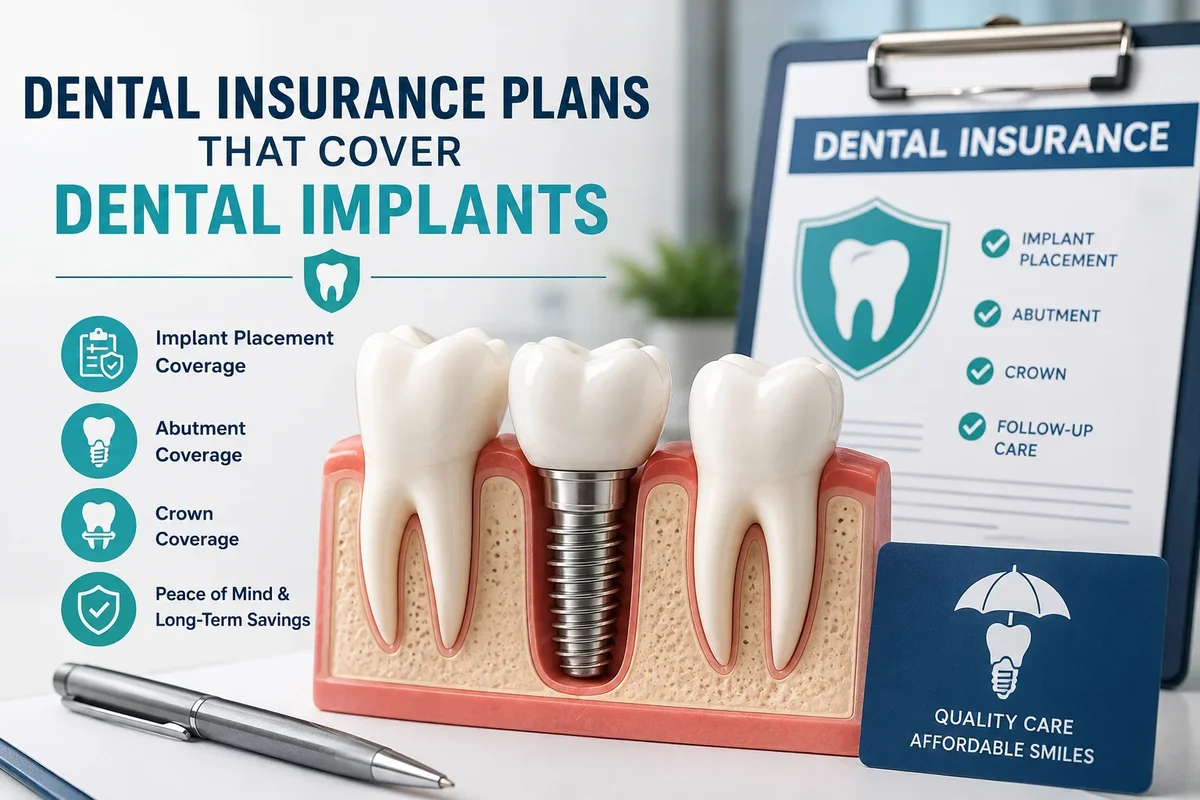
Tips to Maximize Benefits From Dental Insurance Plans That Cover Dental Implants
Understanding how to maximize benefits from dental insurance plans that cover dental implants can save patients thousands of dollars while improving treatment quality and long-term oral health outcomes. Dental implant procedures are among the most advanced restorative treatments in modern dentistry, but they are also among the most expensive. Because implant care often involves surgery, prosthetics, diagnostics, and follow-up maintenance, patients who strategically use dental insurance plans that cover dental implants can significantly reduce financial stress while receiving high-quality treatment. Proper planning, insurance verification, timing strategies, and specialist selection all play important roles in maximizing implant insurance benefits. 😊
Many patients purchase implant insurance but fail to use their coverage efficiently. Others misunderstand waiting periods, annual maximums, reimbursement percentages, or provider network rules. Learning how insurance systems work allows patients to make smarter decisions before beginning treatment.
Choose the Right Insurance Plan Before Treatment Starts
Compare Coverage Carefully
One of the most effective ways to maximize benefits from dental insurance plans that cover dental implants is selecting the right policy before treatment begins. Not all implant insurance plans provide equal reimbursement levels or specialist flexibility.
Patients should compare:
- Annual maximum limits
- Waiting periods
- Coverage percentages
- Bone grafting inclusion
- Provider network flexibility
- Out-of-network reimbursement options
- Implant crown coverage
- Deductible amounts
Premium PPO policies often provide stronger implant support compared to low-cost DHMO plans.
Review Exclusions Carefully
Many dental insurance plans that cover dental implants contain exclusions related to sedation, cosmetic upgrades, advanced grafting procedures, or premium restorative materials. Reading policy documents carefully before enrollment helps patients avoid unexpected claim denials later.
Use In-Network Implant Specialists When Possible
Insurance providers negotiate discounted treatment fees with approved network dentists and specialists. Using in-network providers often lowers overall treatment costs significantly.
Advantages of In-Network Providers
- Reduced negotiated treatment fees
- Simplified insurance paperwork
- Faster reimbursement processing
- Lower patient copayments
- Better claim approval consistency
Patients using PPO dental insurance plans that cover dental implants may still receive partial reimbursement when visiting out-of-network specialists, but costs are usually higher.
Balance Cost and Experience
While network savings are important, patients should never choose providers based solely on cost. Implant dentistry requires advanced surgical and restorative expertise. Selecting highly experienced implant specialists improves long-term treatment success and reduces complication risks.
Schedule Treatment Strategically
Split Procedures Across Calendar Years
One of the most effective financial strategies for maximizing dental insurance plans that cover dental implants is dividing treatment across multiple benefit years.
For example:
- Year 1: diagnostics, extractions, bone grafting, implant placement
- Year 2: abutments and final crowns
This approach allows patients to use two separate annual maximum periods instead of one.
Example of Annual Maximum Optimization
- Year 1 annual maximum: $2,000
- Year 2 annual maximum: $2,000
- Total possible reimbursement: $4,000
Experienced implant clinics frequently help patients coordinate treatment timing to maximize insurance reimbursements.
Avoid Starting Treatment Before Waiting Periods End
Most dental insurance plans that cover dental implants impose waiting periods for major restorative procedures. Starting treatment too early may lead to denied claims.
Patients should confirm:
- Exact waiting period dates
- Eligibility start dates
- Transfer waivers from previous insurance providers
Request Pre-Treatment Authorization
Pre-treatment authorization is one of the most important steps for avoiding insurance problems.
Benefits of Pre-Authorization
- Confirms treatment eligibility
- Estimates reimbursement amounts
- Reduces denied claims
- Clarifies patient financial responsibility
- Identifies excluded procedures early
Patients using dental insurance plans that cover dental implants should always request written approval before surgery begins.
Maintain Preventive Oral Care
Long-term implant success depends heavily on healthy gums and surrounding bone support. Insurance companies also favor preventive care because it reduces future complications.
Preventive Services Often Covered
- Routine cleanings
- Dental examinations
- Periodontal evaluations
- Diagnostic X-rays
Most dental insurance plans that cover dental implants continue covering preventive maintenance after implant placement.
Good oral hygiene helps protect implants from complications such as peri-implantitis, gum disease, or implant failure.
Coordinate Dental and Medical Insurance
Some implant-related procedures may qualify under medical insurance if tooth loss resulted from:
- Trauma
- Accidents
- Tumor surgery
- Congenital defects
- Severe infections
Combining medical and dental benefits may significantly increase total reimbursement opportunities.
Patients using dental insurance plans that cover dental implants should ask providers whether medical billing coordination is possible.
Use Flexible Financing Together With Insurance
Even excellent implant insurance rarely covers the full cost of treatment. Many patients combine insurance benefits with financing plans to reduce financial strain.
Popular Financing Options
- Monthly payment plans
- Healthcare financing companies
- Clinic installment programs
- Health savings accounts (HSA)
- Flexible spending accounts (FSA)
Strategic financing combined with dental insurance plans that cover dental implants allows patients to access high-quality restorative treatment more comfortably.
Communicate Clearly With Your Dental Clinic
Experienced implant clinics often have dedicated insurance coordinators who help patients navigate complex reimbursement systems.
Questions Patients Should Ask
- Which implant procedures are covered?
- Are grafting procedures included?
- Will the clinic submit insurance claims directly?
- Can treatment be staged across calendar years?
- What out-of-pocket costs should be expected?
Patients seeking personalized treatment planning and insurance guidance can contact implant professionals directly through the Redent Klinik Contact Page.
Stay Informed Through Trusted Sources
Educational resources from professional organizations help patients better understand implant procedures and insurance terminology. The American Dental Association provides valuable guidance regarding restorative dentistry, implant maintenance, oral surgery standards, and preventive care recommendations.
Long-Term Planning Creates Better Financial Outcomes
Patients who successfully maximize benefits from dental insurance plans that cover dental implants usually approach treatment strategically rather than rushing into surgery without preparation.
The best long-term strategies include:
- Choosing strong PPO implant plans
- Using experienced specialists
- Planning around annual maximums
- Completing preventive care regularly
- Reviewing exclusions carefully
- Obtaining pre-authorizations
- Combining financing with insurance benefits
Ultimately, dental insurance plans that cover dental implants can significantly reduce treatment expenses when used correctly. Patients who understand policy details, coordinate treatment strategically, and maintain excellent oral health are often able to achieve successful implant outcomes while maximizing insurance savings. Dental implants are long-term investments in confidence, oral function, appearance, and quality of life, and proper insurance planning makes these transformative treatments much more accessible. 😁