
In 2025, more and more patients are searching for dental insurance that covers wisdom teeth removal because the procedure is both common and costly. Wisdom teeth, also known as third molars, often emerge between the ages of 17 and 25. When they do not grow properly, they can cause pain, infection, and crowding of other teeth. Having a reliable dental insurance that covers wisdom teeth removal ensures that patients can receive treatment without facing overwhelming expenses. 🦷
Without proper insurance, the removal of impacted or partially erupted wisdom teeth can cost anywhere between $300 and $800 per tooth, and if all four need to be removed, the total cost could exceed $3,000. This highlights why finding dental insurance that covers wisdom teeth removal is an important part of overall oral health planning. In this section, we will explore why wisdom teeth often require extraction, what insurance covers, and how to maximize your benefits in 2025.
Understanding Why Wisdom Teeth Removal Is Often Needed
Many people assume wisdom teeth removal is optional, but in reality, it is one of the most frequently performed oral surgeries worldwide. Having dental insurance that covers wisdom teeth removal can make this process significantly easier, especially when removal is medically necessary. Some of the most common reasons for extraction include:
- Impaction: When the wisdom tooth does not have enough space to erupt, it can grow sideways and damage adjacent teeth.
- Infection and gum disease: Partially erupted wisdom teeth are difficult to clean, leading to gum infections and inflammation.
- Crowding: Even if wisdom teeth grow straight, they may shift nearby teeth, disrupting orthodontic results.
- Cysts or tumors: Rarely, impacted wisdom teeth can cause cysts that damage the jawbone and surrounding teeth.
For patients in the United States, the American Dental Association emphasizes that wisdom teeth should be evaluated by a dentist or oral surgeon as early as the teenage years. By having dental insurance that covers wisdom teeth removal, families can prepare financially for treatment at the right time. ✅
It is important to note that the cost of extraction varies depending on whether the teeth are erupted, partially erupted, or fully impacted. Simple extractions are usually cheaper, while surgical extractions requiring anesthesia and stitches cost more. This is why insurance coverage is crucial: it significantly reduces out-of-pocket expenses and provides peace of mind for patients who need surgery.
Another reason dental insurance that covers wisdom teeth removal is essential is that oral surgery often requires additional services beyond the extraction itself. These services may include diagnostic X-rays, sedation or anesthesia, and follow-up care. Many insurance plans that include oral surgery benefits will cover a portion or even the full cost of these services, provided the procedure is deemed medically necessary. This makes selecting the right plan one of the most important health decisions in 2025.
If you are unsure whether your insurance covers this type of procedure, it is best to contact your provider directly or consult with a dental professional. For those seeking guidance, the Redent Klinik Contact Page offers an easy way to get professional advice on treatment and insurance options. With expert guidance, patients can make informed choices about their oral health and finances.
In summary, wisdom teeth removal is often unavoidable, and without coverage, costs can quickly become overwhelming. Choosing dental insurance that covers wisdom teeth removal ensures that patients can access treatment when needed, reduce financial stress, and maintain long-term oral health. In the next section, we will examine the different types of insurance plans available in 2025 and how they apply to wisdom teeth extraction. 🏥
Types of Dental Insurance Plans That Cover Oral Surgery
When exploring dental insurance that covers wisdom teeth removal, it is essential to understand the types of dental insurance available in 2025. Different plans provide different levels of coverage for oral surgery, and knowing how each works can save you money and stress. Below, we’ll explore the most common insurance structures and what they mean for patients who need wisdom teeth extraction. 🦷
PPO (Preferred Provider Organization) Plans
PPO plans are among the most popular options for those seeking dental insurance that covers wisdom teeth removal. These plans give patients flexibility by allowing them to choose from a wide network of dentists and oral surgeons. PPOs typically cover:
- 70–80% of the cost for surgical extractions when using an in-network provider.
- Diagnostic services such as panoramic X-rays.
- General anesthesia or sedation during surgery.
Although PPOs usually have higher monthly premiums compared to other plans, they also offer better reimbursement for oral surgery. Patients can expect their out-of-pocket costs to be significantly reduced when they choose dental insurance that covers wisdom teeth removal through a PPO plan.
HMO (Health Maintenance Organization) Plans
HMO dental plans are another form of dental insurance that covers wisdom teeth removal, but they are more restrictive. Patients must visit a primary care dentist within the network, and referrals are usually required before seeing an oral surgeon. While HMOs often have lower monthly premiums, coverage may be limited. For example:
- Extractions may only be covered if deemed medically necessary.
- Coverage percentages are lower than PPO plans (sometimes 50% or less).
- Out-of-network care is usually not covered at all.
For patients who want affordable premiums and are comfortable with limited flexibility, HMO plans may still be a good option for dental insurance that covers wisdom teeth removal.
Dental Discount Plans
Unlike traditional insurance, discount plans are membership-based programs. While they do not technically qualify as dental insurance that covers wisdom teeth removal, they provide significant savings at participating providers. Members typically pay an annual fee and receive reduced rates for procedures, including oral surgery. For instance:
- Wisdom teeth removal may be discounted by 30–50%.
- No deductibles or waiting periods apply.
- All services are paid out-of-pocket but at a lower negotiated rate.
This option works best for patients who do not want to commit to monthly premiums but still want to save on procedures like wisdom teeth extraction.
Employer-Sponsored Dental Insurance
Many employers provide dental insurance that covers wisdom teeth removal as part of their benefits package. These plans often cover a portion of oral surgery expenses, especially if the procedure is medically necessary. Employers typically subsidize the cost of premiums, making this one of the most affordable ways to access coverage. However, coverage levels can vary greatly depending on the company’s chosen plan. 🏢
Standalone Dental Insurance Plans
For individuals who do not have access to employer coverage, standalone dental insurance policies are available for purchase. These can be PPO or HMO style and may include oral surgery benefits. Patients looking for dental insurance that covers wisdom teeth removal should carefully review the policy details to ensure coverage for extractions and anesthesia.
Government and Medicaid Programs
In some states, Medicaid may provide limited coverage for wisdom teeth removal, particularly if the procedure is deemed medically necessary to prevent infection or severe pain. However, not all states include this benefit. Medicare, on the other hand, typically does not cover routine dental procedures, but certain Medicare Advantage plans may include dental benefits. For patients seeking dental insurance that covers wisdom teeth removal at low or no cost, Medicaid is worth exploring.
Waiting Periods and Limitations
One of the most overlooked aspects of dental insurance that covers wisdom teeth removal is the waiting period. Many plans require patients to wait 6–12 months before surgical benefits apply. Additionally, some policies impose annual maximums (usually between $1,000 and $2,000), which can limit how much coverage you receive in a given year. Patients planning ahead should enroll early to ensure they have coverage when wisdom teeth issues arise.
Out-of-Pocket Costs Without Insurance
Without any form of dental insurance that covers wisdom teeth removal, patients may face the following costs in 2025:
- Simple extraction: $300–$500 per tooth
- Surgical extraction with anesthesia: $600–$1,000 per tooth
- Full removal of four impacted wisdom teeth: $2,500–$3,500
These numbers highlight just how valuable insurance coverage is. By choosing the right plan, patients can cut these costs in half or more, making oral surgery financially manageable.
In conclusion, there are multiple types of dental insurance that covers wisdom teeth removal, each with its own pros and cons. Whether through a PPO, HMO, discount plan, or employer-provided insurance, patients can access affordable care in 2025. In the next section, we will dive deeper into the actual costs of wisdom teeth removal this year and how insurance impacts your bottom line. 💰
How Much Does Wisdom Teeth Removal Cost in 2025?
One of the main reasons people search for dental insurance that covers wisdom teeth removal is the high cost of this common oral surgery. In 2025, dental care expenses continue to rise, and wisdom teeth extraction is no exception. The exact cost depends on factors such as the complexity of the procedure, the need for anesthesia, and whether the teeth are impacted. Let’s break down the typical costs patients can expect this year and how insurance can reduce financial stress. 💰
Average Costs Without Insurance
Without dental insurance that covers wisdom teeth removal, patients must pay the full amount out-of-pocket. Based on updated 2025 dental pricing surveys, the average costs are:
- Simple extraction (erupted wisdom tooth): $250 – $400 per tooth
- Surgical extraction (partially erupted): $400 – $650 per tooth
- Complex surgical extraction (impacted): $650 – $1,000 per tooth
- Full removal of four impacted wisdom teeth: $2,500 – $3,800
These figures show how expensive the procedure can be, especially when multiple teeth are involved. For many families, this makes finding dental insurance that covers wisdom teeth removal a financial necessity rather than an option.
How Insurance Reduces the Costs
Patients with dental insurance that covers wisdom teeth removal typically pay only a fraction of the above costs. Depending on the type of plan (PPO, HMO, or employer-sponsored), insurance often covers:
- 50–80% of surgical extraction fees when the procedure is medically necessary.
- Diagnostic services such as X-rays, which can cost $100 – $200.
- Anesthesia, which may cost $300 – $600 per session without coverage.
With the right dental insurance that covers wisdom teeth removal, the cost of extracting four impacted wisdom teeth could drop from nearly $3,500 to as little as $800–$1,200 out-of-pocket. This huge difference highlights why selecting the right policy is so important in 2025.
Regional Price Differences
The cost of wisdom teeth removal also varies depending on location. In large metropolitan areas like New York or Los Angeles, patients often face the higher end of the cost spectrum. In contrast, rural areas may offer lower prices. Regardless of region, dental insurance that covers wisdom teeth removal remains the most reliable way to manage expenses and ensure timely treatment. 🌍
Additional Costs Beyond Extraction
It is important to remember that wisdom teeth removal often includes more than just the extraction itself. Patients without dental insurance that covers wisdom teeth removal may also need to pay for:
- Consultations: $75 – $150 per visit.
- Panoramic dental X-rays: $100 – $250.
- Post-operative prescriptions: $30 – $100 for antibiotics and pain relief.
- Follow-up visits: Often included with surgery, but not always.
These additional expenses can increase the overall cost by several hundred dollars, making insurance coverage even more valuable.
Financing Options Without Insurance
For patients who do not have dental insurance that covers wisdom teeth removal, many dental clinics offer financing options such as monthly payment plans or medical credit cards. While these can make treatment more affordable, they often involve interest fees if payments are not made on time. Therefore, insurance is still the most cost-effective choice for long-term savings.
Why 2025 Costs Are Higher
Compared to previous years, the cost of oral surgery has increased due to inflation, higher anesthesia fees, and rising dental office operating expenses. The need for specialized surgical tools and advanced safety protocols has also contributed. Patients relying on dental insurance that covers wisdom teeth removal are better protected against these rising costs, as insurance companies negotiate lower rates with providers.
Real-Life Example of Cost Savings
Consider a patient who needs four impacted wisdom teeth removed in 2025. Without insurance, the cost might be $3,500. With a PPO dental insurance that covers wisdom teeth removal, insurance could pay 70% of the total cost, leaving the patient with a final bill of just $1,050. That’s a savings of nearly $2,500. ✅
For patients who want personalized advice on managing these costs, visiting the Redent Klinik Contact Page is a great place to start. Dental professionals can review your insurance benefits and help maximize coverage.
In conclusion, the cost of wisdom teeth removal in 2025 can be substantial, but having dental insurance that covers wisdom teeth removal drastically reduces financial burden. From consultations and X-rays to surgery and anesthesia, the right plan ensures you receive the care you need at a price you can afford. In the next section, we’ll explore the best insurance companies for wisdom teeth coverage and how they compare. 🏥
Best Insurance Companies for Wisdom Teeth Coverage
Choosing the right dental insurance that covers wisdom teeth removal can make the difference between high out-of-pocket expenses and affordable care. In 2025, several major insurance providers stand out for offering comprehensive oral surgery benefits. Each company has its own strengths, coverage levels, and premium structures. Let’s explore some of the top-rated insurers that patients trust for wisdom teeth extraction coverage. 🦷
Delta Dental
Delta Dental is one of the largest and most widely accepted providers of dental insurance that covers wisdom teeth removal. Their PPO plans typically cover 50–80% of surgical extraction costs, depending on the state and plan type. Key benefits include:
- Large national network of oral surgeons and dentists.
- Coverage for anesthesia and X-rays when medically necessary.
- Annual maximums ranging from $1,500 to $2,500 in many plans.
Delta Dental’s strong reputation and comprehensive coverage make it a top choice for patients needing oral surgery in 2025.
Cigna Dental
Cigna offers several dental insurance plans that provide strong benefits for wisdom teeth removal. Their PPO plans allow members to choose from a broad network, while also offering partial out-of-network coverage. Patients with Cigna can expect:
- Up to 80% coverage for impacted wisdom teeth extractions.
- Lower deductibles compared to many competitors.
- Access to bundled health and dental coverage for extra savings.
For individuals seeking flexibility, Cigna’s dental insurance that covers wisdom teeth removal is a great option with consistent nationwide availability. 🌎
MetLife Dental
MetLife is another major provider offering dental insurance that covers wisdom teeth removal. Their plans are known for generous coverage limits and predictable out-of-pocket expenses. Highlights include:
- Coverage for both surgical and non-surgical extractions.
- Plans that cover sedation and follow-up visits.
- Employer-sponsored packages with low monthly premiums.
MetLife is a popular choice for employees with workplace dental insurance, as it often comes with excellent oral surgery benefits.
Aetna Dental
Aetna stands out for its transparency and clear coverage details. Their PPO and DMO (Dental Maintenance Organization) plans both include options for dental insurance that covers wisdom teeth removal. Benefits include:
- No waiting periods in some employer-sponsored plans.
- Coverage for medically necessary surgical procedures.
- Options to combine dental and medical insurance for better savings.
Patients who want fast access to coverage with fewer restrictions may find Aetna’s plans ideal.
Guardian Dental
Guardian provides flexible PPO plans with strong oral surgery coverage. Their dental insurance that covers wisdom teeth removal often includes:
- 70–80% coverage for extractions under anesthesia.
- Access to one of the largest PPO networks nationwide.
- Preventive care included at no additional cost.
Guardian’s emphasis on preventive care makes it a strong option for families who want both routine checkups and surgical coverage.
Humana Dental
Humana is known for affordable individual and family dental insurance. Their plans often cover wisdom teeth extraction at a competitive rate. Patients choosing Humana’s dental insurance that covers wisdom teeth removal benefit from:
- Flexible plan options, including HMOs and PPOs.
- Affordable monthly premiums.
- Coverage for additional services such as X-rays and sedation.
Humana is especially appealing for patients without access to employer-sponsored insurance. 💡
UnitedHealthcare Dental
UnitedHealthcare provides plans that rank highly for oral surgery benefits. Their PPO networks include many oral surgeons specializing in wisdom teeth extraction. With UnitedHealthcare’s dental insurance that covers wisdom teeth removal, patients often receive:
- Up to 80% coverage when procedures are medically necessary.
- Coverage for children, teens, and adults alike.
- Convenient integration with medical insurance for overall cost savings.
As one of the largest insurers in the U.S., UnitedHealthcare ensures widespread access to providers and consistent coverage.
How to Choose the Right Insurance Company
When evaluating providers, patients should consider premium costs, deductible amounts, annual maximums, and waiting periods. Since dental insurance that covers wisdom teeth removal can vary greatly, it’s essential to read the fine print before enrolling. Factors like whether sedation is included, or if follow-up care is covered, can have a big impact on the final bill.
For patients still unsure about which provider to choose, the Redent Klinik Contact Page is an excellent resource for personalized advice. Dental experts can review policy options and recommend the most cost-effective insurance for wisdom teeth removal.
In conclusion, many top insurance companies in 2025 provide dental insurance that covers wisdom teeth removal. By selecting a plan from trusted providers like Delta Dental, Cigna, MetLife, Aetna, Guardian, Humana, or UnitedHealthcare, patients can save thousands of dollars while receiving safe and effective treatment. In the next section, we’ll explore whether employer-provided dental insurance typically includes coverage for wisdom teeth extractions. 🏥
Does Employer Dental Insurance Cover Wisdom Teeth Removal?
For many patients, employer-sponsored benefits are the first place they look for dental insurance that covers wisdom teeth removal. In 2025, employer dental insurance remains one of the most cost-effective ways to access oral surgery coverage. However, the level of coverage depends on the specific plan an employer offers, as well as whether the removal is classified as medically necessary. Let’s break down what employees can expect when relying on workplace benefits for wisdom teeth extraction. 🦷
Typical Coverage Through Employer Plans
Most employer dental insurance plans fall under PPO or HMO networks. Employees with these benefits often find that dental insurance that covers wisdom teeth removal is included as part of their oral surgery coverage. Common features include:
- Coverage for 50–80% of extraction costs when performed by an in-network oral surgeon.
- Benefits that extend to sedation or general anesthesia, especially for complex extractions.
- Annual maximums between $1,000 and $2,500, which usually help cover multiple extractions.
Since wisdom teeth removal is a frequent procedure for young adults, employer dental insurance plays a key role in reducing financial burden for employees and their dependents.
When Coverage Applies
Most employer plans consider wisdom teeth extraction a medically necessary procedure if the teeth are impacted, infected, or causing pain. In such cases, dental insurance that covers wisdom teeth removal typically applies without issue. However, if the removal is requested for preventive reasons (such as avoiding potential future problems), coverage may be limited. In these cases, employees may still face out-of-pocket costs.
Employer Contributions Make a Difference
A major benefit of employer dental insurance is that the company often contributes toward monthly premiums. This reduces employee costs while still giving access to dental insurance that covers wisdom teeth removal. For example:
- Employers may cover 50–80% of the monthly premium.
- Family plans are often subsidized, making coverage for children more affordable.
- Large companies typically negotiate better group rates for oral surgery coverage.
This contribution makes employer dental insurance one of the most affordable ways to ensure coverage for oral surgery in 2025.
Limitations of Employer Dental Insurance
Although employer-provided dental insurance that covers wisdom teeth removal is highly beneficial, there are some limitations to consider:
- Annual maximums may not cover the entire cost if multiple complex extractions are needed.
- Waiting periods could apply for new employees, delaying eligibility for oral surgery benefits.
- Coverage levels vary widely between companies, depending on the plan selected.
Employees should review their dental insurance summary each year during open enrollment to ensure wisdom teeth removal is included under oral surgery benefits. 📑
Employer Dental Insurance vs. Standalone Plans
While employer benefits are generally more affordable, standalone dental insurance that covers wisdom teeth removal may sometimes offer higher coverage limits or fewer restrictions. For employees with limited workplace options, purchasing supplemental dental insurance can help cover gaps in employer-provided benefits.
Family Coverage for Dependents
Employer dental plans usually extend to dependents, which is crucial since wisdom teeth removal is most common among teenagers and young adults. Parents can use their family coverage to significantly reduce costs when children need surgery. This makes dental insurance that covers wisdom teeth removal through employer-sponsored plans especially valuable for families in 2025.
Examples of Employer Coverage in Action
Consider an employee whose teenage child needs four impacted wisdom teeth removed. Without coverage, the cost could be $3,200. With employer-provided dental insurance that covers wisdom teeth removal, the plan might cover 70%, reducing the family’s bill to $960. The savings are substantial, and the family benefits from financial security during a major dental procedure.
How to Confirm Employer Coverage
Employees should always confirm details with their HR department or insurance provider. Questions to ask include:
- Does the plan cover both surgical and simple extractions?
- Is general anesthesia included under oral surgery benefits?
- What is the annual maximum, and how much does wisdom teeth removal typically cost in-network?
By asking these questions, employees ensure they fully understand how their dental insurance that covers wisdom teeth removal works before scheduling surgery.
For those who need additional guidance, the Redent Klinik Contact Page provides professional assistance in reviewing employer insurance benefits and choosing the most cost-effective options.
In conclusion, employer dental insurance is often one of the best ways to secure dental insurance that covers wisdom teeth removal in 2025. While limitations such as annual maximums and waiting periods exist, the financial savings and widespread availability of coverage make these plans highly valuable. Next, we will compare PPO vs. HMO options for wisdom teeth extraction and see which type of plan offers the best benefits. 🏥
Comparing PPO vs. HMO for Wisdom Teeth Insurance
When selecting dental insurance that covers wisdom teeth removal, one of the most important decisions is whether to choose a PPO (Preferred Provider Organization) or HMO (Health Maintenance Organization) plan. Both structures offer coverage for oral surgery, but they differ in flexibility, costs, and provider access. In 2025, understanding these differences ensures patients make informed choices that maximize savings while still getting the care they need. 🦷
PPO (Preferred Provider Organization) Plans
PPO plans are often considered the gold standard for patients who want broad access to oral surgeons and fewer restrictions. With PPO dental insurance that covers wisdom teeth removal, members can choose from a large network of providers and sometimes even go out-of-network with partial reimbursement. Key benefits include:
- Freedom to see any oral surgeon without referrals.
- Coverage for 70–80% of wisdom teeth extraction costs when in-network.
- Inclusion of anesthesia, X-rays, and follow-up care in many policies.
PPO plans generally have higher monthly premiums, but they provide greater flexibility and higher reimbursement rates for oral surgery. This makes them an excellent option for patients who want fewer obstacles when using dental insurance that covers wisdom teeth removal.
HMO (Health Maintenance Organization) Plans
HMO plans are more affordable but come with stricter requirements. With HMO dental insurance that covers wisdom teeth removal, patients must select a primary care dentist within the network. Referrals are required before visiting an oral surgeon. Coverage benefits include:
- Lower monthly premiums compared to PPOs.
- Coverage for extractions deemed medically necessary.
- Preventive care like checkups and cleanings often fully covered.
The downside is that out-of-network care is usually not covered, and patients have less choice when selecting specialists. For budget-conscious patients, HMO dental insurance that covers wisdom teeth removal is still a viable choice, though flexibility is limited. 💡
Cost Comparison Between PPO and HMO
When comparing out-of-pocket expenses for wisdom teeth removal, the differences are clear:
- PPO Plan: Monthly premium of $35–$60, with 70–80% coverage for surgical extractions. Out-of-pocket for four impacted teeth may be $900–$1,200.
- HMO Plan: Monthly premium of $15–$30, with 40–60% coverage for surgical extractions. Out-of-pocket for four impacted teeth may be $1,600–$2,200.
Although HMOs are cheaper up front, PPOs often save more long-term when patients need extensive oral surgery. This shows why PPO dental insurance that covers wisdom teeth removal remains more popular despite higher premiums.
Flexibility and Access to Providers
PPO members enjoy nationwide access to oral surgeons, which is especially useful for patients who relocate or travel frequently. HMO members, by contrast, are tied to local networks, limiting provider choice. If you value flexibility and nationwide access, PPO dental insurance that covers wisdom teeth removal is the better choice. If you prioritize lower monthly costs and don’t mind restrictions, HMO plans may work just fine.
Referral and Authorization Requirements
A critical difference between PPO and HMO dental insurance that covers wisdom teeth removal is the referral system. PPO plans do not require referrals, so patients can schedule directly with oral surgeons. HMO plans, however, usually require authorization from a primary dentist, which can delay treatment. This may be problematic if wisdom teeth are infected or causing urgent pain.
Annual Maximums and Waiting Periods
PPO and HMO plans also differ in terms of annual maximums and waiting periods:
- PPO: Annual maximums typically $1,500–$2,500. Waiting periods may apply for major procedures (6–12 months).
- HMO: Often no annual maximum, but coverage percentages are lower. Waiting periods are shorter or sometimes waived.
Patients seeking dental insurance that covers wisdom teeth removal quickly may prefer HMO plans if they want faster eligibility, but PPOs provide higher reimbursement once benefits kick in. 📑
Real-Life Scenarios
Consider two patients in 2025 who both need four impacted wisdom teeth removed:
- Patient A (PPO plan): Pays $50 per month in premiums, with 75% coverage for oral surgery. Their total out-of-pocket cost is $1,000.
- Patient B (HMO plan): Pays $20 per month in premiums, with 50% coverage. Their out-of-pocket cost is $1,900.
Although Patient A spends more on monthly premiums, they save nearly $900 on surgery thanks to broader PPO coverage. This example illustrates why PPO dental insurance that covers wisdom teeth removal is often recommended for patients with a high likelihood of needing surgery.
Making the Right Choice
The best plan depends on individual priorities. If you value flexibility, faster access, and higher coverage for oral surgery, PPO dental insurance that covers wisdom teeth removal is the best option. If you prefer lower premiums and don’t mind network restrictions, an HMO plan may suffice.
For patients still deciding, consulting with a dental expert is recommended. The Redent Klinik Contact Page can connect you with professionals who can help analyze both PPO and HMO coverage options.
In conclusion, both PPO and HMO plans offer dental insurance that covers wisdom teeth removal, but the differences in flexibility, cost, and coverage can significantly impact your experience. Understanding these details ensures patients make smart choices in 2025. Next, we’ll explore what happens if your insurance does not cover wisdom teeth removal and the alternatives available. 🚑
What to Do If Your Insurance Doesn’t Cover Wisdom Teeth Removal
While many patients in 2025 benefit from dental insurance that covers wisdom teeth removal, some discover that their policy excludes this procedure or only provides partial benefits. If your insurance does not cover the costs, don’t worry—there are still several ways to manage expenses and access the care you need. Let’s explore the best options for patients without sufficient coverage. 🦷
Verify Medical Necessity
One of the first steps is to check whether your oral surgeon can classify the procedure as medically necessary. Many insurance policies that initially exclude wisdom teeth removal may still cover it if the teeth are impacted, infected, or causing structural damage. By obtaining a written statement from your dentist or oral surgeon, you may qualify for retroactive coverage even if your plan does not list wisdom teeth removal as a standard benefit. This can turn a denied claim into approval under dental insurance that covers wisdom teeth removal.
Use a Dental Discount Plan
If your current policy does not include dental insurance that covers wisdom teeth removal, a dental discount program can be a helpful alternative. These membership-based plans require an annual fee (typically $100–$200) and provide discounted rates at participating clinics. Savings often include:
- 30–50% off wisdom teeth extractions.
- Discounts on anesthesia and X-rays.
- Reduced rates for follow-up visits.
While not true insurance, discount plans significantly reduce costs and are available without waiting periods, making them ideal for urgent cases.
Seek Financing or Payment Plans
Many dental clinics offer financing options for patients without dental insurance that covers wisdom teeth removal. These may include interest-free payment plans over 6–12 months or medical credit cards with flexible terms. Financing spreads out the cost of surgery, making it more manageable. However, patients should be mindful of interest charges if payments are delayed.
Explore Medicaid or Government Assistance
In certain states, Medicaid provides dental insurance that covers wisdom teeth removal when the procedure is medically necessary. Coverage is more common for children, teens, and young adults but may extend to adults in some regions. Patients should contact their state Medicaid office to confirm eligibility. While Medicare does not typically cover dental procedures, some Medicare Advantage plans may include oral surgery benefits. 🏥
University Dental Schools
Another option for patients without dental insurance that covers wisdom teeth removal is seeking treatment at a dental school. Many universities offer reduced-cost procedures performed by supervised dental students or residents. Wisdom teeth removal at a dental school can cost 40–60% less than private practice, making it a budget-friendly option for uninsured patients.
Shop Around for Prices
Not all clinics charge the same rates for oral surgery. Patients who lack dental insurance that covers wisdom teeth removal should call multiple providers to compare costs. Some clinics offer package pricing that includes anesthesia, X-rays, and follow-up visits. By comparing quotes, patients can save hundreds of dollars.
Consider Travel for Affordable Care
In some cases, traveling to a nearby city or country where dental care is more affordable can make sense. Dental tourism is growing in 2025, with countries like Turkey, Mexico, and Hungary offering high-quality oral surgery at much lower costs. While this option requires careful planning, it can be a practical alternative when dental insurance that covers wisdom teeth removal is unavailable. 🌍
Emergency vs. Elective Surgery
If insurance does not cover elective removal of asymptomatic wisdom teeth, patients should wait until removal is absolutely necessary. However, if severe pain or infection develops, hospitals and emergency dental clinics may provide assistance programs or payment flexibility. Patients should weigh the urgency of removal against financial readiness when lacking dental insurance that covers wisdom teeth removal.
Build a Savings Strategy
For patients who know they will eventually need surgery but do not have dental insurance that covers wisdom teeth removal, starting a dedicated savings plan is wise. Setting aside even $50–$100 per month can build a fund to cover extractions within a year. This proactive approach helps avoid financial stress when the time for surgery arrives.
For additional guidance on affordable options, patients can visit the Redent Klinik Contact Page. Professional advisors can explain coverage alternatives and recommend clinics with flexible payment options.
In conclusion, while not everyone has access to dental insurance that covers wisdom teeth removal, alternatives such as discount plans, financing, Medicaid, and dental schools make treatment accessible. By exploring these options, patients can receive safe and effective care without overwhelming expenses. Next, we will look at the additional benefits insurance may include, such as sedation, X-rays, and follow-up care. ✅
Additional Benefits: Sedation, X-Rays, and Follow-Up Care
When choosing dental insurance that covers wisdom teeth removal, it’s important to look beyond the surgery itself. Oral surgery often involves additional services such as diagnostic imaging, sedation or anesthesia, and follow-up care. These services can be costly without coverage, but the right plan ensures patients receive complete treatment without financial strain. Let’s explore the additional benefits typically included with insurance coverage in 2025. 🦷
Diagnostic X-Rays
Before wisdom teeth are removed, dentists or oral surgeons must assess their position through panoramic or 3D X-rays. These images reveal whether teeth are impacted, how close they are to nerves, and the best surgical approach. Without dental insurance that covers wisdom teeth removal, panoramic X-rays can cost $100–$250, and 3D cone-beam scans may exceed $300. With insurance, many plans cover these diagnostics fully or at least 70–80%, ensuring patients aren’t burdened by additional costs before surgery.
Sedation and Anesthesia Coverage
For many patients, the most intimidating part of wisdom teeth removal is anesthesia. Fortunately, most PPO and employer-sponsored dental insurance that covers wisdom teeth removal also includes sedation benefits. Coverage may extend to:
- Local anesthesia: Usually covered in full.
- Nitrous oxide (laughing gas): May be covered partially, typically reducing a $100–$150 cost.
- IV sedation or general anesthesia: Covered when the procedure is medically necessary, reducing out-of-pocket costs from $400–$600 down to $100–$200.
This is especially helpful for patients with multiple impacted teeth who require deeper sedation. Having dental insurance that covers wisdom teeth removal guarantees patients can receive safe, comfortable surgery with minimal financial worry. 😷
Post-Operative Medications
After surgery, patients may need antibiotics to prevent infection and pain relievers for recovery. While these prescriptions are often inexpensive, costs can add up without insurance. Some plans that offer dental insurance that covers wisdom teeth removal also include partial coverage for medications when prescribed by an oral surgeon. In other cases, patients may rely on their medical insurance for prescription coverage, making coordination between policies essential.
Follow-Up Appointments
Recovery from wisdom teeth removal usually requires at least one follow-up visit. During this appointment, stitches may be removed, healing is assessed, and complications are addressed. Without insurance, follow-up care can cost $75–$150 per visit. However, many dental insurance plans that cover oral surgery automatically include follow-ups in the surgical benefit. Patients with dental insurance that covers wisdom teeth removal often pay nothing additional for these important checkups, ensuring better recovery outcomes.
Emergency Coverage for Complications
Complications such as dry socket, prolonged bleeding, or infection may require emergency dental visits. Patients without insurance may face high costs, but comprehensive dental insurance that covers wisdom teeth removal typically covers complications within a set time frame after surgery (often 30–60 days). This safety net ensures patients can seek immediate help without financial hesitation if something goes wrong.
Orthodontic-Related Benefits
In some cases, wisdom teeth removal is performed to protect orthodontic results. Patients who previously had braces often rely on dental insurance that covers wisdom teeth removal to prevent overcrowding and shifting teeth. Certain insurance policies may even coordinate benefits with orthodontic coverage, reducing costs further when extractions are recommended by an orthodontist.
Preventive and Pre-Surgical Exams
Before surgery, a consultation is required to evaluate risks and plan the procedure. Without coverage, consultations may cost $75–$150. With dental insurance that covers wisdom teeth removal, these exams are usually included under preventive or diagnostic benefits, saving patients additional money while ensuring a thorough surgical plan.
Cost Example With and Without Additional Benefits
To illustrate the importance of additional benefits, consider this 2025 example:
- Without insurance: $3,200 for four impacted teeth + $250 for X-rays + $500 for anesthesia + $100 for follow-up = $4,050 total.
- With insurance: $900 for four impacted teeth (after 75% coverage) + $0 for X-rays + $150 for anesthesia + $0 for follow-up = $1,050 total.
This example shows how comprehensive dental insurance that covers wisdom teeth removal reduces costs not only for surgery but also for associated services, leading to thousands of dollars in savings. ✅
For patients seeking expert advice on which plans include these benefits, visiting the Redent Klinik Contact Page can provide professional guidance. Dental specialists can explain whether sedation, diagnostics, and follow-up care are included in your current policy or if a new plan may be needed.
In conclusion, dental insurance that covers wisdom teeth removal should be evaluated not just by how much it pays for the extraction itself, but also by whether it includes essential additional benefits. From X-rays to sedation and follow-up care, comprehensive coverage ensures safe, affordable, and stress-free treatment. Next, we’ll explore tips for choosing the right dental insurance plan in 2025 to maximize these benefits. 📑
Tips for Choosing the Right Dental Insurance Plan in 2025
Finding the best dental insurance that covers wisdom teeth removal can feel overwhelming in 2025, given the wide range of plans, coverage limits, and cost variations. Since wisdom teeth extraction is one of the most common oral surgeries, choosing a policy that balances affordability and comprehensive benefits is crucial. Below are practical tips to help patients make informed decisions when selecting the right plan this year. 🦷
1. Review Coverage for Oral Surgery
Not all dental policies automatically include oral surgery. When comparing options, patients should carefully check whether the plan provides dental insurance that covers wisdom teeth removal, including sedation, X-rays, and follow-up care. Reading the policy’s “Major Services” or “Oral Surgery” section ensures you know what’s included before committing.
2. Compare PPO vs. HMO Options
As discussed earlier, PPO plans usually offer greater flexibility, while HMO plans are more budget-friendly but restrictive. If wisdom teeth surgery is likely, a PPO dental insurance that covers wisdom teeth removal may be worth the higher premium, as it typically covers a larger portion of surgical costs and allows access to more providers.
3. Evaluate Waiting Periods
Many plans require waiting periods (often 6–12 months) before oral surgery benefits begin. If you need immediate coverage, consider employer-sponsored plans or policies with waived waiting periods. Patients planning ahead for future procedures should enroll early in dental insurance that covers wisdom teeth removal to avoid delays in treatment.
4. Check Annual Maximums
Most dental insurance plans have an annual maximum—the highest amount they will pay within a year. In 2025, these limits typically range between $1,000 and $2,500. Since wisdom teeth removal can cost over $3,000 without coverage, selecting dental insurance that covers wisdom teeth removal with a higher annual maximum is key to reducing out-of-pocket expenses.
5. Consider Premiums vs. Out-of-Pocket Costs
A lower monthly premium does not always mean better savings. For example, an HMO plan with low premiums might only cover 50% of surgery costs, leaving you with a larger bill. By contrast, a PPO plan with higher premiums could reduce your final surgery expense by thousands. Always compare the balance between monthly costs and surgical benefits when choosing dental insurance that covers wisdom teeth removal.
6. Look for Plans Covering Anesthesia and Sedation
Many patients underestimate the importance of anesthesia coverage. Since sedation can cost hundreds of dollars per session, finding dental insurance that covers wisdom teeth removal and anesthesia is essential. Plans that exclude anesthesia may leave you paying significantly more out-of-pocket.
7. Verify Network Size and Specialist Access
Some insurance plans have limited provider networks. Before enrolling, confirm whether local oral surgeons accept the plan. A larger network increases your chances of finding a specialist nearby. PPO dental insurance that covers wisdom teeth removal usually offers broader networks than HMO policies, making it easier to get timely appointments.
8. Consider Employer-Sponsored Coverage
If you have access to employer-provided insurance, it is often the most affordable way to get dental insurance that covers wisdom teeth removal. Employers typically subsidize premiums and negotiate better coverage, which can save employees hundreds of dollars compared to individual plans.
9. Read Reviews and Compare Providers
Insurance company reputation matters. Look for reviews and ratings from current policyholders regarding claims approval, customer service, and reliability. Providers like Delta Dental, Cigna, and MetLife are consistently rated highly for offering strong dental insurance that covers wisdom teeth removal.
10. Don’t Forget Additional Benefits
Besides surgery itself, evaluate whether the plan covers preventive exams, diagnostic X-rays, and follow-up visits. Comprehensive dental insurance that covers wisdom teeth removal will also provide these additional services, ensuring your treatment is affordable from start to finish. ✅
Example: Choosing Between Two Plans
Consider two 2025 insurance options:
- Plan A: $25 monthly premium, 50% coverage for oral surgery, $1,000 annual maximum.
- Plan B: $45 monthly premium, 80% coverage for oral surgery, $2,500 annual maximum.
Although Plan A is cheaper month-to-month, Plan B provides far greater coverage. For a $3,000 wisdom teeth surgery, Plan A may leave you paying $2,000, while Plan B reduces your bill to just $600. This example shows why analyzing total savings is more important than focusing on premiums alone when selecting dental insurance that covers wisdom teeth removal.
For personalized guidance, patients can reach out via the Redent Klinik Contact Page. Dental professionals can help review insurance policies, compare benefits, and recommend the most cost-effective plan for wisdom teeth removal in 2025.
In conclusion, selecting the right dental insurance that covers wisdom teeth removal involves evaluating coverage, premiums, waiting periods, annual maximums, and provider networks. By following these tips, patients can confidently choose a policy that ensures affordable and comprehensive care. Next, we’ll address frequently asked questions (FAQs) about wisdom teeth insurance coverage to provide clear answers to common concerns. 📑
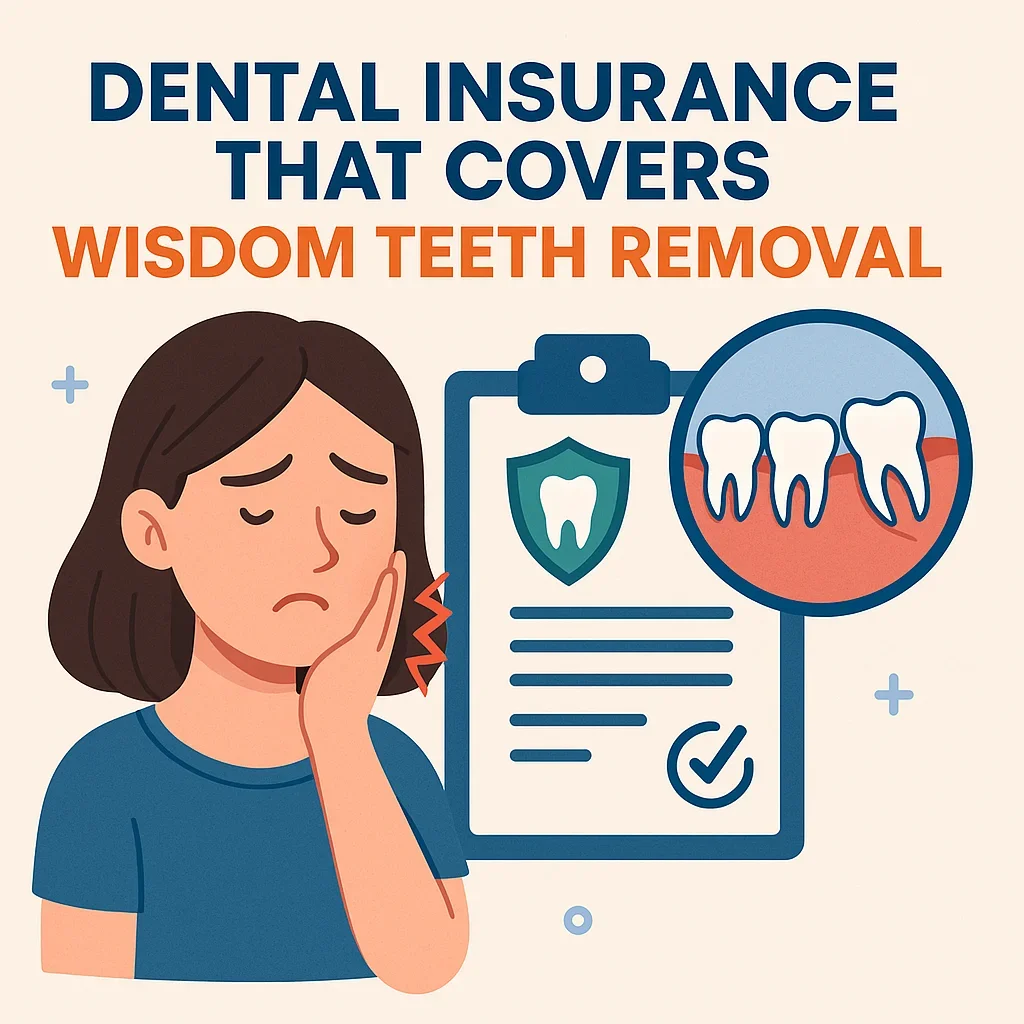
FAQs About Dental Insurance That Covers Wisdom Teeth Removal
Patients often have many questions when exploring dental insurance that covers wisdom teeth removal. Since oral surgery involves multiple factors—such as costs, coverage limits, waiting periods, and anesthesia—it’s important to clear up common concerns. Below, we answer the most frequently asked questions in 2025 to help patients make informed decisions about their dental insurance options. 🦷
Does every dental insurance plan cover wisdom teeth removal?
No, not every plan automatically includes oral surgery. Some basic or low-cost plans may exclude surgical extractions altogether. Comprehensive dental insurance that covers wisdom teeth removal is usually listed under “Major Services” or “Oral Surgery.” Always review policy documents carefully before enrolling.
Is wisdom teeth removal considered medically necessary?
In most cases, yes. If teeth are impacted, infected, or causing damage to other teeth, insurers classify the procedure as medically necessary. When this happens, dental insurance that covers wisdom teeth removal usually pays 50–80% of the cost, provided the patient meets deductible and waiting period requirements.
How much does insurance actually cover?
The amount depends on the plan. For example, PPO plans often cover 70–80% of extraction costs, while HMO plans may only cover 40–60%. With the right dental insurance that covers wisdom teeth removal, patients can save thousands of dollars compared to paying fully out-of-pocket.
Are anesthesia and sedation included in coverage?
Yes, but coverage varies by plan. Many PPO and employer-sponsored policies include sedation, while some HMO or low-cost plans may exclude it. Since anesthesia can cost $400–$600, choosing dental insurance that covers wisdom teeth removal with sedation benefits is essential for comfortable, affordable care. 😷
Is there usually a waiting period before coverage applies?
Yes, many private plans require a waiting period of 6–12 months before major oral surgery is covered. However, employer-sponsored dental insurance that covers wisdom teeth removal often waives waiting periods, allowing immediate access to benefits.
Do insurance plans cover all four wisdom teeth at once?
Yes, if medically necessary. Most insurers do not limit coverage to one tooth per year. With comprehensive dental insurance that covers wisdom teeth removal, patients can have all four teeth extracted in a single surgery, reducing overall costs and recovery time.
What happens if my plan doesn’t cover wisdom teeth removal?
If your policy excludes the procedure, alternatives include dental discount plans, financing, Medicaid (in certain states), or dental school clinics. These options reduce costs for patients who lack dental insurance that covers wisdom teeth removal, ensuring treatment is still accessible.
Can I combine dental and medical insurance for wisdom teeth removal?
Yes, in some cases. If complications arise or hospitalization is needed, medical insurance may share costs with dental insurance. Patients should verify with both providers whether combined benefits apply. For routine cases, however, dental insurance that covers wisdom teeth removal is the primary form of coverage.
How can I confirm if my current insurance covers wisdom teeth removal?
The easiest way is to call your insurance provider and ask specifically about coverage for impacted or surgical extractions. Additionally, patients can request a written breakdown of benefits. For personalized assistance, the Redent Klinik Contact Page provides professional guidance on understanding policies and verifying benefits.
Does dental insurance cover follow-up visits and complications?
Yes, most policies that include dental insurance that covers wisdom teeth removal also cover follow-up appointments and treatment for post-operative complications (like infection or dry socket). Coverage may be limited to a set number of days after surgery, typically 30–60 days.
What’s the average cost with and without insurance in 2025?
Without insurance, wisdom teeth removal costs $2,500–$3,800 for four impacted teeth. With comprehensive dental insurance that covers wisdom teeth removal, patients may pay only $800–$1,200 out-of-pocket, depending on plan coverage. This cost difference highlights why having insurance is so valuable in 2025. 💰
Do teenagers and young adults get better coverage?
Yes, many insurance plans prioritize coverage for dependents, since wisdom teeth removal is most common between ages 17–25. Parents with family dental insurance often benefit from strong dental insurance that covers wisdom teeth removal for their children at reduced costs.
What if I delay surgery because I don’t have coverage yet?
Delaying wisdom teeth removal can increase the risk of infection, overcrowding, or cysts. If you don’t yet have dental insurance that covers wisdom teeth removal, it’s best to enroll as soon as possible and prepare financially during the waiting period. Some providers offer temporary discount programs for patients in transition.
For further clarification on coverage, patients are encouraged to visit trusted resources such as the American Dental Association, which provides updated information on dental care guidelines.
Final Thoughts: Understanding dental insurance that covers wisdom teeth removal is essential for managing both oral health and financial well-being in 2025. From anesthesia and X-rays to follow-up visits, the right plan ensures affordable and comprehensive treatment. By comparing policies, verifying benefits, and asking the right questions, patients can avoid unexpected costs and receive quality dental care with peace of mind. ✅