
Finding the best dental insurance with orthodontic coverage in 2025 can be challenging, especially when comparing plans, benefits, and long-term costs. Whether you need braces for your child or clear aligners for yourself, the right plan can make a significant difference in affordability and oral health outcomes. 🦷 In this comprehensive guide, we’ll break down everything you need to know about how to choose the best dental insurance with orthodontic benefits, what to look for in a policy, and how to maximize your savings while ensuring top-quality care.
Orthodontic treatment—such as braces, retainers, and aligners—is often necessary to correct misaligned teeth, improve bite issues, and enhance overall confidence. However, the cost of these procedures can range from $3,000 to $7,000 on average, depending on the type of treatment and the provider. Without proper insurance, these expenses can quickly become overwhelming for families and individuals alike. That’s why more people are turning to dental insurance with orthodontic coverage as a smart way to balance care and cost. 🪥
When exploring your options, it’s crucial to understand how dental insurance with orthodontic coverage works. Most dental plans include preventive and restorative care—like cleanings, fillings, and crowns—but orthodontic coverage is often a separate or premium add-on. This means not every dental plan automatically covers braces or Invisalign. Instead, you’ll need to look for specific plans that list orthodontic treatment under their benefits section. These plans typically reimburse a percentage of the total treatment cost, often 50%, after a waiting period and once your deductible has been met.
Another important factor in 2025 is the rise of hybrid dental plans. These combine traditional insurance models with discount programs, allowing patients to access lower costs even when they reach annual maximum limits. Some companies like Delta Dental, Cigna, and MetLife have introduced expanded orthodontic coverage options for both adults and children. This shift reflects a growing understanding that orthodontic health is not just cosmetic—it’s essential for maintaining long-term dental function and hygiene.
Let’s look at an example. Suppose you select a dental insurance plan with orthodontic coverage that includes a 50% reimbursement rate and a $1,500 lifetime maximum. If your orthodontic treatment costs $6,000, your insurer would cover $1,500 (the maximum benefit), while you would pay the remaining $4,500 out-of-pocket. Some premium plans now offer higher lifetime maximums—up to $2,500 or even $3,000—depending on the insurer and policy tier. 💡 These plans may have slightly higher monthly premiums but offer substantial savings over time.
According to the American Dental Association, more adults than ever before are seeking orthodontic treatment, with clear aligners like Invisalign becoming the preferred option. As a result, insurers are adapting by including aligner-specific coverage in their dental insurance packages. However, not all orthodontic plans are created equal. Always check whether your provider includes both traditional braces and clear aligner treatments within the same coverage terms, as some only apply benefits to metal or ceramic braces.
When searching for the best dental insurance with orthodontic coverage in 2025, also consider factors such as network restrictions, waiting periods, and eligibility. For instance, HMO dental plans usually have lower monthly costs but require you to visit in-network orthodontists. PPO plans, on the other hand, offer greater flexibility in choosing your dentist or orthodontist but might have higher premiums. Discount dental plans are also becoming increasingly popular; although they don’t offer direct reimbursements, they can provide significant discounts of up to 60% on orthodontic treatments at participating providers. 🧾
It’s also wise to think about family coverage options. Many parents overlook the fact that children often need orthodontic treatment between ages 8 and 14. Choosing a dental insurance plan with orthodontic coverage that includes dependents can dramatically reduce long-term dental expenses. Some insurers even offer no waiting periods for children’s orthodontic care if the plan has been active for a minimum duration, such as six months.
To make the process easier, you can contact your dental provider or speak with a licensed insurance agent who specializes in dental plans. If you’re planning dental treatment abroad, consider reputable clinics that provide transparent cost structures and bilingual service. For example, Redent Klinik Contact Page allows you to connect directly with dental specialists who can advise on orthodontic solutions covered by insurance or offered at affordable prices internationally.
In conclusion, the best dental insurance with orthodontic coverage in 2025 depends on your individual needs, budget, and preferred type of treatment. Take the time to compare policy terms, reimbursement percentages, and annual or lifetime maximums. A well-chosen plan not only saves money but also ensures you or your loved ones receive the smile you deserve. 🌟 By understanding the details before signing up, you can confidently select the perfect dental insurance policy that balances quality, affordability, and comprehensive orthodontic benefits.
What Is Dental Insurance with Orthodontic Coverage and How Does It Work?
Understanding dental insurance with orthodontic coverage is essential for anyone planning to improve their dental health or align their teeth with professional treatment. 🦷 While traditional dental insurance focuses primarily on preventive and basic restorative care such as cleanings, fillings, and crowns, orthodontic coverage extends the protection to more advanced procedures like braces, retainers, and clear aligners. In 2025, dental insurance has evolved significantly, offering more flexible and affordable orthodontic options for both adults and children. Let’s explore in depth how this coverage works and what you need to know before enrolling in a plan.
Defining Dental Insurance with Orthodontic Coverage
At its core, dental insurance with orthodontic coverage is a type of health insurance specifically designed to reduce the cost of correcting misaligned teeth and jaw irregularities. Orthodontic treatment can include metal braces, ceramic braces, lingual braces, and clear aligner systems such as Invisalign. These treatments can enhance both aesthetics and oral functionality—helping prevent tooth decay, gum disease, and uneven wear caused by malocclusion. However, without insurance, orthodontic costs can be prohibitive for many families. That’s where specialized dental insurance policies come into play, helping offset these expenses through predetermined benefit structures and reimbursement systems.
How Dental Insurance with Orthodontic Coverage Works
Every dental insurance plan is structured differently, but the basic mechanism is similar: you pay a monthly premium to maintain coverage, and in return, the insurer helps cover part of your treatment costs. Orthodontic benefits are usually separate from basic dental benefits and often come with specific limits, such as lifetime maximums. For instance, most plans cap orthodontic coverage between $1,000 and $3,000 per person. Once you reach that limit, you’ll be responsible for any additional expenses. 💸
In most cases, these insurance plans cover a fixed percentage—typically 50%—of the total orthodontic cost after your deductible is met. Some insurers impose a waiting period, often ranging from six months to one year, before orthodontic benefits become available. This ensures that new members don’t sign up solely to receive expensive treatment immediately and then cancel their policy.
Example of How Coverage Applies
Let’s take an example: imagine your total orthodontic treatment costs $6,000. If your plan covers 50% with a $1,500 lifetime maximum, the insurer would pay $1,500, while you’d cover the remaining $4,500 out-of-pocket. If your plan instead offers a $2,500 maximum, your total savings increase substantially. This balance between percentage coverage and lifetime caps is what defines the real value of any dental insurance with orthodontic coverage.
Key Terms You Should Know
Before signing up, it’s crucial to understand a few industry terms often found in your insurance documents:
- Lifetime Maximum: The total dollar amount your insurance will pay for orthodontic services over the life of the policy.
- Deductible: The amount you must pay out-of-pocket before your insurance begins to cover costs.
- Waiting Period: The length of time you must wait after enrollment before orthodontic coverage becomes active.
- Coinsurance: The percentage of costs shared between you and your insurer after the deductible is met.
These factors directly affect how much benefit you’ll actually receive. Many people mistakenly assume that “coverage” means full payment by the insurer. In reality, dental insurance with orthodontic coverage helps share costs, making treatment more affordable without eliminating payments entirely.
Types of Orthodontic Coverage Plans
Dental insurance policies typically fall under three categories—PPO (Preferred Provider Organization), HMO (Health Maintenance Organization), and Discount Dental Plans. Each has unique benefits and limitations:
- PPO Plans: These provide flexibility to visit any orthodontist, though staying in-network usually results in higher reimbursement rates. PPOs are ideal for families seeking flexibility and nationwide access.
- HMO Plans: These require choosing from a network of dentists and orthodontists. While premiums are lower, treatment choices can be limited.
- Discount Dental Plans: These are not traditional insurance but membership programs offering substantial discounts—sometimes up to 60%—on orthodontic treatments. These plans are immediate-use, with no waiting periods or annual maximums.
As of 2025, many insurers have begun offering hybrid PPO-discount models, giving patients greater flexibility to save money even after reaching their plan’s maximum benefits. This evolution shows a growing demand for affordability and comprehensive care in dental insurance markets.
Adult vs. Child Orthodontic Coverage
Another important distinction is between adult and child coverage. Most traditional dental plans originally covered orthodontic treatment only for dependents under 18. However, due to increased adult orthodontic demand—especially for cosmetic clear aligners—more plans now extend benefits to adults. According to the American Dental Association, nearly 30% of orthodontic patients today are adults, leading insurers to adapt their policies accordingly.
Children’s orthodontic coverage often comes with shorter waiting periods and higher benefit ratios. Parents seeking long-term value should explore family dental insurance with orthodontic coverage to ensure dependents are protected early on. Aligning teeth during developmental years not only enhances aesthetics but also prevents more complicated and costly issues later in life.
Cost Transparency and Provider Networks
Another factor influencing how dental insurance with orthodontic coverage works is the provider network. In-network orthodontists have pre-negotiated rates, which means the insurer pays based on reduced fees, leading to further savings for patients. Conversely, out-of-network providers may charge standard rates, reducing reimbursement amounts and increasing your out-of-pocket cost. Always verify your orthodontist’s network participation before beginning treatment.
How to Maximize Your Orthodontic Insurance Benefits
To maximize your plan, consider these strategies:
- Start with a comprehensive consultation to estimate your full treatment cost.
- Confirm the percentage coverage and lifetime maximum stated in your plan.
- Ask your orthodontist to submit a pre-treatment estimate to your insurer to avoid surprise costs.
- Explore supplemental discount plans to bridge the gap after reaching your maximum benefit.
- Consider timing treatment near the end of your policy year if your plan renews annual limits.
Summary: The Role of Orthodontic Insurance in 2025
In summary, dental insurance with orthodontic coverage provides a practical pathway to achieving a healthier, straighter smile without facing overwhelming costs. As the market continues to evolve, 2025 offers consumers more options, flexibility, and transparency than ever before. Whether you’re a parent seeking affordable braces for your child or an adult interested in Invisalign, understanding how your plan functions is the first step toward making an informed decision. If you’re unsure where to begin or wish to discuss treatment options, visit the Redent Klinik Contact Page for professional guidance and personalized orthodontic consultations. 🌟
Why Orthodontic Treatment Coverage Matters for Families
For many households, finding reliable dental insurance with orthodontic coverage is not just about cosmetic improvements—it’s about ensuring long-term oral health, financial stability, and family well-being. Orthodontic treatment is an investment in both health and confidence, especially for children and teenagers whose teeth and jaw development directly affect speech, chewing, and self-esteem. 😁 Unfortunately, without insurance, orthodontic procedures can become financially burdensome. This section explains why orthodontic coverage plays a crucial role in family dental care and how it helps maintain both oral and financial wellness.
The True Value of Orthodontic Care
Orthodontic treatment does more than align teeth; it corrects bite problems (malocclusions) that can lead to complications such as jaw pain, tooth wear, and periodontal disease. When misaligned teeth make cleaning difficult, plaque and bacteria can accumulate, increasing the risk of cavities and gum disease. Over time, untreated alignment issues may result in higher dental costs and even tooth loss. By investing in dental insurance with orthodontic coverage, families can access these essential treatments early—often before complications arise—helping ensure healthier smiles for years to come. 🦷
For growing children, early orthodontic evaluation (usually by age 7, according to the American Dental Association) can identify developing problems before they worsen. When detected early, treatments like interceptive braces can prevent more extensive—and expensive—corrections later in life. That’s why having dental insurance that includes orthodontic benefits is vital for families who prioritize preventive care and long-term results.
Financial Benefits for Families
Orthodontic treatment can cost thousands of dollars, depending on the complexity and method used. Without coverage, these expenses can place significant strain on family budgets. Most modern dental insurance with orthodontic coverage plans reimburse around 50% of the total treatment cost, up to a lifetime maximum. This can translate to substantial savings—often $1,500 to $3,000 per person—depending on the insurer and policy. For larger families, these savings multiply, making orthodontic treatment far more accessible.
Example of Savings with Family Coverage
Consider a family with two children, both needing braces. If each child’s treatment costs $5,000 and the insurance covers 50% with a $2,000 lifetime maximum, the family saves $4,000 overall. Without this coverage, they would need to pay the full $10,000 out-of-pocket. The financial relief that orthodontic coverage provides can be a deciding factor for many families, especially those managing multiple healthcare expenses simultaneously.
Additionally, many family-oriented dental insurance plans now offer “orthodontic riders”—optional add-ons that enhance standard coverage. These riders can extend benefits to adult members, allowing parents to correct their own alignment issues alongside their children’s. This flexibility demonstrates how dental insurance with orthodontic coverage can serve multiple generations within the same policy, ensuring everyone receives equal access to essential care.
Emotional and Social Impact of Orthodontic Treatment
Beyond health and cost considerations, orthodontic care has a powerful emotional and social impact. Children and teens who struggle with misaligned teeth often experience low self-esteem, reluctance to smile, or social anxiety. Straightening their teeth can dramatically boost their confidence, helping them perform better academically and socially. For adults, orthodontic treatment contributes to improved self-image and even professional success, as a confident smile often enhances interpersonal communication and trust. 😊
Parents who invest in dental insurance with orthodontic coverage enable their children to access these life-changing benefits without overwhelming financial stress. Many families see orthodontic care not as a luxury, but as a crucial component of holistic well-being that combines physical, emotional, and financial health.
Why Preventive Coverage Saves Money Over Time
Preventive and corrective dental care go hand-in-hand. Orthodontic coverage reduces future costs by addressing issues before they escalate. For example, untreated bite misalignments can lead to chronic jaw tension (TMJ disorder) or uneven wear that requires crowns and implants later. Investing in dental insurance with orthodontic coverage today means fewer costly dental emergencies tomorrow. This proactive approach is especially beneficial for children, as early treatment minimizes complications during adulthood.
According to 2025 insurance data, families who utilize orthodontic benefits save an average of 35% on lifetime dental expenses compared to those paying out-of-pocket. This figure highlights the economic logic of maintaining comprehensive dental coverage with orthodontic benefits—especially when combined with routine cleanings and preventive exams covered by standard dental insurance.
Long-Term Family Health Benefits
Proper alignment also promotes better chewing efficiency, digestion, and speech development. Families who use orthodontic coverage early help their children form lifelong oral hygiene habits and reduce the risk of decay or injury due to misaligned teeth. When orthodontic health improves, overall dental stability increases, leading to fewer restorative treatments later in life. 🪥
Accessibility and Coverage Options for Families
Modern insurers recognize that families need flexibility, which is why new policies often include multiple levels of orthodontic benefits. Some offer immediate coverage for dependent children, while others require short waiting periods before activation. There are also employer-sponsored family plans that subsidize orthodontic care through flexible spending accounts (FSA) or health savings accounts (HSA). These options make orthodontic treatment more attainable and allow families to spread costs over manageable monthly payments.
Moreover, many dental insurance providers now integrate virtual consultations and online claim management, streamlining communication between families, orthodontists, and insurers. This digital convenience saves time and improves transparency—two critical factors for parents managing multiple commitments.
Choosing the Right Family Plan
When evaluating family dental policies, prioritize plans that include orthodontic coverage for both children and adults. Compare lifetime maximums, reimbursement percentages, and annual limits. A good plan should not only reduce treatment costs but also ensure network accessibility and comprehensive preventive coverage. Plans that allow flexibility in provider selection—such as PPOs—are often better suited for families who move frequently or require specialized care.
To explore personalized recommendations or international orthodontic treatment options, families can consult professionals through the Redent Klinik Contact Page. Their experts provide guidance on insurance-supported orthodontic treatments and transparent cost structures that accommodate family needs worldwide.
Conclusion: Protecting Your Family’s Smile for Life
Ultimately, dental insurance with orthodontic coverage is not merely about affordability—it’s a long-term investment in family health, confidence, and financial security. By securing orthodontic coverage early, families ensure their children grow with healthy, well-aligned teeth while parents enjoy peace of mind knowing major expenses are under control. As more insurers in 2025 expand their orthodontic offerings, there’s never been a better time for families to upgrade to comprehensive dental plans that protect every smile under one roof. 🌟
Top Dental Insurance Plans That Include Orthodontic Benefits
When selecting dental insurance with orthodontic coverage, understanding which plans offer the best value is crucial for both affordability and quality care. 🦷 In 2025, many insurance providers have updated their offerings to include wider orthodontic benefits for children, teens, and adults—covering traditional braces, retainers, and even clear aligner systems such as Invisalign. The best plan for you depends on your budget, treatment goals, and network preferences. Below, we’ll break down the top dental insurance providers offering orthodontic benefits, explain how they compare, and help you choose the one that fits your needs best.
1. Delta Dental – Comprehensive and Widely Accepted
Delta Dental remains one of the most trusted names in dental coverage, offering some of the most flexible dental insurance with orthodontic coverage options in the U.S. Delta’s PPO and Premier plans typically cover 50% of orthodontic treatments after a waiting period of 6–12 months. Lifetime maximums range from $1,000 to $2,500, depending on your plan tier. Delta Dental’s large provider network ensures easy access to both in-network and out-of-network orthodontists, which is ideal for families seeking flexibility.
Another advantage of Delta Dental is its child-focused orthodontic coverage, which is available through many employer-based plans. Adults can also receive coverage with upgraded plan tiers, though premium costs are slightly higher. Still, the balance between coverage and accessibility makes Delta one of the best options for long-term orthodontic care.
Highlights of Delta Dental Plans
- Average premium: $40–$70/month
- Coverage: Up to 50% for orthodontic services
- Lifetime maximum: $1,000–$2,500 per person
- Network: Over 150,000 participating dentists
2. Cigna Dental – Excellent for Flexibility and Adult Coverage
Cigna Dental offers several robust plans under its Dental 1500 and Dental 3000 series, both including orthodontic benefits. One of Cigna’s strengths is that it provides dental insurance with orthodontic coverage for both adults and children without restricting aligner type. That means clear aligners like Invisalign are covered under the same percentage as traditional braces, making it a great option for working professionals seeking discreet treatments.
Cigna’s plans typically cover 50% of orthodontic expenses after a 12-month waiting period. Lifetime maximums range from $1,000 to $3,000 depending on the chosen plan. In 2025, Cigna has expanded its tele-dentistry services, allowing virtual consultations for pre-authorization and claim follow-ups, a convenient option for busy families.
Highlights of Cigna Dental Plans
- Average premium: $35–$65/month
- Coverage: 50% on orthodontic treatments after deductible
- Lifetime maximum: $1,000–$3,000
- Special feature: Invisalign coverage for adults
3. MetLife Dental – Great for Employer-Sponsored Plans
MetLife is another top provider offering dental insurance with orthodontic coverage through both group and individual plans. Many of its employer-sponsored dental programs include orthodontic care with no additional add-ons, making it one of the most cost-efficient options for families. Typical coverage is 50% of orthodontic costs, with lifetime maximums averaging $1,500–$2,500 per enrollee. MetLife’s extensive national network and strong customer service make it ideal for families who want reliability and transparent billing.
MetLife also partners with several online platforms that provide claim tracking and direct payment processing, reducing paperwork and ensuring quicker reimbursement times. This user-friendly system enhances the customer experience, especially for parents managing multiple family members’ dental treatments. 💡
Highlights of MetLife Dental Plans
- Average premium: $30–$60/month
- Coverage: 50% after deductible
- Lifetime maximum: $1,500–$2,500
- Waiting period: Typically 6–12 months
4. Guardian Dental – Strong Benefits for Families
Guardian is recognized for its family-oriented plans and straightforward benefits. Guardian’s dental insurance with orthodontic coverage provides up to 50% reimbursement for orthodontic procedures and includes both traditional and modern aligner systems. What makes Guardian stand out is its reduced waiting periods and immediate coverage options for employer-provided plans. Guardian also allows enrollees to carry over unused annual maximums, giving more value for ongoing treatments that last over a year.
Families with multiple children can particularly benefit from Guardian’s generous coverage and nationwide network. The company’s “DentalGuard Preferred” plan remains a favorite for its flexibility, easy claim processing, and wide coverage acceptance across orthodontists.
Highlights of Guardian Dental Plans
- Average premium: $35–$55/month
- Coverage: 50% for orthodontic services
- Lifetime maximum: Up to $2,000
- Carry-over benefits for unused annual limits
5. Aetna Dental – Ideal for Advanced and Clear Aligner Treatments
Aetna has emerged as a top choice in 2025 for those seeking dental insurance with orthodontic coverage that includes advanced options like Invisalign and 3D digital scanning. Aetna’s PPO plans are known for their minimal waiting periods and comprehensive benefits that cater to both individual and family needs. The typical orthodontic coverage structure offers 50% reimbursement up to a $2,500 lifetime maximum. Aetna’s network also includes a large number of orthodontists who specialize in modern aligner systems.
Aetna’s strong integration with digital platforms makes managing orthodontic claims easy. Patients can upload treatment estimates, view pre-approvals, and monitor reimbursement timelines online, reducing delays. This focus on convenience and innovation places Aetna among the best insurance providers for technologically savvy patients. 📱
Highlights of Aetna Dental Plans
- Average premium: $45–$80/month
- Coverage: 50% for braces, aligners, and retainers
- Lifetime maximum: $1,500–$2,500
- Special feature: Digital claim management tools
Other Notable Mentions
Smaller providers like Humana, Ameritas, and Spirit Dental also offer excellent dental insurance with orthodontic coverage options for specific states or employer groups. Spirit Dental, for instance, is known for zero waiting periods and high annual maximums—perfect for individuals needing immediate treatment. Humana offers competitive family plans that combine preventive and orthodontic benefits at affordable premiums.
How to Choose the Right Plan
When comparing plans, don’t just focus on premiums. Instead, review factors such as lifetime maximums, waiting periods, network access, and whether adult orthodontic coverage is included. It’s also wise to verify whether clear aligners like Invisalign are covered, as not all insurers include them under the same benefit level. You should also confirm that your preferred orthodontist participates in the insurer’s network to avoid out-of-pocket surprises.
Final Thoughts on Choosing the Best Plan
The best dental insurance with orthodontic coverage for you will depend on your age, family size, and treatment preference. Families may prefer Delta or Guardian for comprehensive coverage, while adults seeking clear aligners might lean toward Cigna or Aetna. To learn more about treatment options that align with your coverage, contact professional consultants through the Redent Klinik Contact Page for guidance and transparent pricing.
With the right plan, orthodontic care becomes more affordable and accessible—empowering patients of all ages to achieve confident, healthy smiles in 2025 and beyond. 🌟
Comparing PPO, HMO, and Discount Dental Plans for Orthodontics
When choosing the right dental insurance with orthodontic coverage, understanding the difference between PPO, HMO, and discount dental plans is essential. Each plan type operates differently in terms of flexibility, provider access, cost, and coverage structure. In 2025, insurers have refined these models to accommodate modern orthodontic needs such as braces, retainers, and clear aligners like Invisalign. 🦷 Below, we’ll examine how these plan types compare, their pros and cons, and which option may be best for your orthodontic treatment goals.
Understanding PPO (Preferred Provider Organization) Dental Plans
PPO plans are the most popular form of dental insurance with orthodontic coverage because they offer flexibility and wide provider access. With a PPO plan, you can visit any licensed orthodontist, but staying within the network gives you lower out-of-pocket costs and higher reimbursement rates. Typically, PPO plans cover around 50% of orthodontic treatments after a deductible, with a lifetime maximum benefit between $1,500 and $2,500 per person. These plans are especially suitable for families who value freedom of choice and comprehensive coverage options.
Key Advantages of PPO Plans
- Freedom to choose your orthodontist (in or out of network)
- Coverage for advanced treatments such as Invisalign and ceramic braces
- High lifetime maximums and flexible reimbursement policies
- Nationwide availability and large provider networks
However, the main drawback of PPO plans is cost. Premiums are higher—averaging between $40 and $80 per month—and deductibles may range from $50 to $150 annually. Still, for individuals who want quality orthodontic care and the ability to choose their provider, PPO plans often deliver the best value.
Exploring HMO (Health Maintenance Organization) Dental Plans
HMO dental plans offer more affordable monthly premiums but come with stricter limitations. Under an HMO plan, you must choose a primary dentist from the provider network, and referrals are required for specialist services, including orthodontics. This means you cannot see any orthodontist of your choice—only those within the HMO’s network are covered. 🧾
Most HMO plans with orthodontic benefits provide partial coverage, often structured as a fixed copayment instead of a percentage reimbursement. For example, an HMO might charge a $2,500 copay for braces instead of reimbursing 50% of the cost. While this makes budgeting predictable, it limits flexibility and may restrict treatment options like Invisalign or lingual braces.
Key Advantages of HMO Plans
- Lower monthly premiums (usually $20–$40 per month)
- No deductibles or annual maximum limits
- Predictable out-of-pocket costs for orthodontic treatments
- Strong preventive care coverage (cleanings and exams often free)
HMO plans are an excellent choice for families on a budget who want affordable orthodontic access without worrying about high monthly fees. However, they are best suited for those who don’t mind limited provider options and are comfortable following a referral-based system.
Discount Dental Plans – Affordable Flexibility Without Insurance
Unlike traditional dental insurance with orthodontic coverage, discount dental plans are not insurance but rather membership-based savings programs. Members pay an annual or monthly fee—typically between $80 and $150 per year—and receive discounted rates on dental and orthodontic treatments. Discounts can range from 20% to 60% depending on the provider and the service type.
Discount plans are ideal for individuals who don’t qualify for full insurance or who need immediate orthodontic care without waiting periods. For example, if braces cost $5,000 and your discount plan offers 40% off, your total payment would be only $3,000. This makes it an appealing short-term solution, especially for adults or families who missed open enrollment for insurance.
Key Advantages of Discount Dental Plans
- No waiting periods—coverage starts immediately
- Discounts on both general dental and orthodontic services
- Low annual membership cost
- Can be used alongside existing dental insurance to reduce costs
The limitation of discount dental plans is that they do not reimburse costs or have lifetime maximums—they simply reduce the provider’s rate. These plans are most beneficial for patients seeking immediate savings rather than long-term insurance protection. 💡
Comparing Cost and Coverage Levels
Let’s compare average costs and features across all three plan types in 2025:
| Plan Type | Monthly Premium | Orthodontic Coverage | Lifetime Maximum | Flexibility |
|---|---|---|---|---|
| PPO | $40–$80 | 50% reimbursement | $1,500–$2,500 | High |
| HMO | $20–$40 | Fixed copay (up to 50%) | None | Moderate |
| Discount Plan | $8–$15 | 20–60% off services | None | High (based on providers) |
Which Plan Is Best for Orthodontic Treatment?
If flexibility and comprehensive benefits are your top priorities, a PPO plan is the best form of dental insurance with orthodontic coverage. These plans are ideal for families with multiple dependents or individuals planning long-term orthodontic treatment. HMO plans, on the other hand, are more affordable and provide consistent care through a controlled network—perfect for those seeking predictable costs. Discount dental plans work best for people who prefer short-term savings or want to supplement an existing policy.
Other Considerations When Comparing Plans
Beyond premiums and coverage rates, it’s vital to check for waiting periods, pre-authorization requirements, and age restrictions. Some plans limit orthodontic coverage to patients under 18, while others extend benefits to adults. Always review the plan’s orthodontic rider or detailed benefits section before enrollment. The American Dental Association recommends confirming your orthodontist’s participation in the plan’s network before starting treatment to avoid denied claims or reduced reimbursements.
How to Choose the Right Plan for You
Choosing between PPO, HMO, and discount plans depends on your lifestyle and orthodontic goals. If you prefer maximum flexibility and coverage for advanced treatments like clear aligners, a PPO plan is ideal. Families looking for affordability and consistent provider relationships often benefit from HMO plans. Meanwhile, discount dental programs are best suited for those seeking instant savings without insurance bureaucracy.
If you’re still unsure which plan type aligns best with your orthodontic needs, consulting professionals can help. Visit the Redent Klinik Contact Page to discuss insurance compatibility, treatment planning, and cost-efficient orthodontic care options tailored to your location and budget. 🌟
Conclusion: Making an Informed Choice
Ultimately, dental insurance with orthodontic coverage can vary greatly between PPO, HMO, and discount plans. PPO plans offer flexibility and robust coverage, HMOs provide affordability and predictability, and discount plans ensure accessibility for all. The key is to evaluate your dental health needs, financial limits, and orthodontic goals before committing. With a clear understanding of each plan type, you can confidently select the most effective path toward a beautiful, healthy smile in 2025 and beyond. 😁
What’s the Average Cost of Orthodontic Treatment Without Insurance?
One of the most common questions people have when considering orthodontic care is: “How much will it cost if I don’t have dental insurance with orthodontic coverage?” The answer depends on multiple factors including treatment type, age, location, and the complexity of your dental condition. Orthodontic care is a long-term investment that enhances both oral health and aesthetics, but without proper insurance, the costs can be substantial. Understanding these expenses helps patients plan smarter and highlights the importance of having dental insurance that includes orthodontic benefits. 🦷
Average Cost Range for Orthodontic Treatments
In 2025, the average cost of orthodontic treatment in the United States varies between $3,000 and $8,000. This wide range reflects different treatment options, geographic pricing differences, and orthodontist expertise levels. Traditional braces, ceramic braces, lingual braces, and clear aligners all fall within unique price categories. Here’s an overview of what you can expect to pay without dental insurance with orthodontic coverage:
| Treatment Type | Average Cost (USD) | Typical Treatment Duration |
|---|---|---|
| Traditional Metal Braces | $3,000 – $7,000 | 18–30 months |
| Ceramic Braces | $4,000 – $8,000 | 18–36 months |
| Lingual (Behind-the-Teeth) Braces | $6,000 – $10,000 | 24–36 months |
| Clear Aligners (e.g., Invisalign) | $3,500 – $8,000 | 12–24 months |
Without insurance, even minor orthodontic corrections can cost thousands of dollars. These prices generally include consultation, x-rays, retainers, and follow-up visits—but may not cover replacements or additional adjustments. Patients often underestimate the importance of dental insurance with orthodontic coverage until faced with these significant out-of-pocket expenses.
Why Orthodontic Treatment Is So Expensive
Orthodontics is a highly specialized dental field that requires years of post-graduate training and precise diagnostic tools. The cost reflects both the orthodontist’s expertise and the technology involved in treatment. Procedures include advanced imaging, computer-guided 3D modeling, and continuous adjustments throughout the process. 🧠
Another major factor is the duration of treatment. Most orthodontic procedures last between 18 and 36 months, requiring multiple visits and personalized care plans. Overhead expenses like clinic maintenance, staff, and materials also contribute to the high total cost. When compared to general dentistry, orthodontic services involve more frequent appointments and customized appliances—both of which increase overall pricing.
Factors Affecting Orthodontic Costs
- Severity of Misalignment: More complex cases requiring bite correction cost significantly more.
- Age of Patient: Adult orthodontic treatments are typically more expensive than children’s because of bone density and slower movement of teeth.
- Location: Urban clinics, especially in major cities like New York or Los Angeles, often charge higher fees.
- Type of Treatment: Clear aligners and ceramic braces tend to cost more due to aesthetics and technology.
- Follow-up Care: Retainers and post-treatment monitoring add to the total expense.
Comparing Costs With and Without Insurance
Let’s take an example: if your orthodontic treatment costs $6,000, having dental insurance with orthodontic coverage could save you up to $2,500 depending on the plan’s lifetime maximum and reimbursement rate. Without insurance, that $6,000 comes entirely out of pocket. Even though dental insurance typically costs between $30 and $60 per month, it provides peace of mind and predictable financial management over time.
Additionally, many dental plans also include preventive care—such as cleanings, fluoride treatments, and x-rays—at no extra cost. This further reduces long-term dental expenses and keeps overall oral health in check during orthodontic treatment.
Alternative Financing and Payment Options
If you don’t have dental insurance with orthodontic coverage, several financing options are available to make treatment more affordable:
- In-House Payment Plans: Many orthodontists offer interest-free monthly payments spread over the duration of treatment.
- Health Savings Accounts (HSA) or Flexible Spending Accounts (FSA): These allow tax-free payments toward orthodontic expenses, effectively reducing total costs by 20–30%.
- Third-Party Financing: Companies like CareCredit or LendingClub provide low-interest loans for medical and dental services.
- Discount Dental Plans: Membership-based programs can cut treatment costs by up to 60% with participating orthodontists.
For families, combining these options with employer-sponsored benefits can further reduce overall spending. Even without full dental insurance, proactive financial planning can make orthodontic care attainable.
Hidden Costs and Additional Expenses
Patients often overlook secondary expenses related to orthodontic treatment. These may include replacement retainers ($100–$500), extended treatment fees for missed appointments, and post-treatment whitening or polishing. Such costs can add hundreds of dollars over the treatment period. Comprehensive dental insurance with orthodontic coverage often absorbs part of these expenses, reducing the financial burden over time.
Example: Real-World Cost Comparison
Consider two patients needing traditional braces:
- Patient A (with insurance): Treatment cost $6,000; insurance covers 50% with a $2,500 lifetime max. Out-of-pocket cost = $3,500.
- Patient B (without insurance): Full out-of-pocket cost = $6,000 plus follow-up and retainer fees.
This example shows that dental insurance with orthodontic coverage can reduce expenses by nearly 40%, illustrating why investing in a comprehensive dental plan is financially wise.
How Location Affects Orthodontic Pricing
Geographical location can significantly influence orthodontic costs. For example, in metropolitan areas like San Francisco or Chicago, orthodontic treatment can cost 20–30% more than in smaller cities or suburban areas. Internationally, countries such as Turkey and Mexico offer high-quality orthodontic services at a fraction of U.S. prices. Patients considering dental tourism should always verify clinic accreditation and insurance compatibility. The Redent Klinik Contact Page offers consultations for international patients seeking affordable, high-standard orthodontic treatment options.
The Long-Term Value of Investing in Orthodontic Care
While the upfront cost of orthodontic treatment may seem high, the long-term benefits often outweigh the financial investment. Correct alignment reduces the risk of cavities, gum disease, and jaw pain, all of which can lead to costly dental repairs later. Moreover, a confident smile improves self-esteem and professional image—intangible rewards that last a lifetime. 🌟
Conclusion: Why Insurance Matters
Without dental insurance with orthodontic coverage, patients may hesitate to pursue necessary treatments due to high costs. However, dental insurance transforms these large expenses into manageable payments while promoting preventive dental health. Investing in orthodontic care is not just a cosmetic decision—it’s a commitment to lifelong oral wellness. By choosing the right insurance or exploring flexible payment alternatives, you can achieve a healthy, confident smile without financial strain. 😁
How to Choose the Right Dental Insurance for Braces and Aligners
Selecting the best dental insurance with orthodontic coverage for braces and aligners can seem overwhelming with so many options available in 2025. Each insurance provider has different benefits, coverage limits, and reimbursement rules that can affect how much you ultimately pay for your orthodontic treatment. Whether you’re considering traditional braces for your child or clear aligners like Invisalign for yourself, the key is to understand how coverage works and what features to look for in an insurance plan. This section provides a complete, step-by-step guide to help you make an informed decision that balances cost, flexibility, and long-term value. 🦷
Step 1: Understand the Basics of Orthodontic Coverage
Before selecting a plan, it’s essential to understand how dental insurance with orthodontic coverage differs from regular dental insurance. Most standard plans focus on preventive and restorative treatments—like cleanings, fillings, and crowns—but orthodontic procedures such as braces or aligners are often considered “major services.” This means they are either partially covered or require a specific orthodontic rider add-on to activate benefits.
Most orthodontic insurance plans reimburse a percentage of the treatment cost—commonly 50%—after the deductible and waiting period. Coverage may also include a lifetime maximum (typically between $1,000 and $3,000), which is the total amount your insurer will pay for orthodontic services over the life of your policy. Understanding these limits upfront prevents financial surprises later.
Step 2: Evaluate Your Orthodontic Needs
The right insurance plan depends on who in your household needs orthodontic treatment and what type of correction is required. For example, if you’re a parent seeking braces for a child, look for a plan that covers dependents under 18 and offers reduced waiting periods. On the other hand, adults pursuing aligners should check for plans that explicitly include adult orthodontic coverage—since not all insurers provide it.
Questions to Ask Before Choosing a Plan
- Does the plan cover both metal braces and clear aligners?
- Are there waiting periods before orthodontic benefits begin?
- What is the lifetime maximum coverage amount?
- Does the plan include adult orthodontic coverage?
- Are there restrictions on treatment providers or orthodontists?
Taking the time to answer these questions ensures that the dental insurance with orthodontic coverage you select aligns with your personal and family goals.
Step 3: Compare Plan Types – PPO, HMO, and Discount Programs
Choosing between different types of dental insurance plans can have a big impact on both flexibility and cost. PPO plans usually offer the most freedom, allowing you to choose any orthodontist, even outside your network, though at higher premiums. HMO plans, while more affordable, restrict you to in-network providers and require referrals. Discount dental plans are ideal for those without access to full insurance—they’re not traditional insurance, but they offer immediate cost reductions of up to 60% for participating orthodontists.
When comparing these options, balance cost predictability with convenience. If you value flexibility, a PPO is your best bet; if affordability is key, an HMO or discount plan might be more suitable. A good dental insurance with orthodontic coverage should provide clear explanations of deductibles, copays, and reimbursement policies.
Step 4: Check Waiting Periods and Eligibility
Many dental insurance plans impose a waiting period—often 6 to 12 months—before orthodontic benefits begin. This rule prevents short-term enrollments from taking immediate advantage of high-cost treatments. If you or your child need braces soon, look for a plan that either waives the waiting period or offers immediate coverage through employer-based programs. Some premium plans even provide “no waiting period” options for an additional monthly fee, ideal for families needing urgent orthodontic intervention.
Tip:
Always verify age restrictions, as some insurance providers limit orthodontic benefits to minors under 19. However, adult orthodontic treatment is increasingly common and many modern insurers now include it as a standard feature in their higher-tier plans. 🧾
Step 5: Review Lifetime Maximums and Reimbursement Rates
Lifetime maximums are one of the most important factors when evaluating dental insurance with orthodontic coverage. This cap determines the total dollar amount your insurer will contribute over your lifetime. A higher lifetime maximum—say $2,500 instead of $1,000—can make a significant difference in affordability. Also, pay attention to reimbursement rates: 50% coverage is common, but some premium plans now offer up to 60% for orthodontic care, especially when using in-network providers.
For example, if your orthodontic treatment costs $6,000, and your insurer covers 50% with a $2,500 maximum, you’ll only pay $3,500 out-of-pocket. But if the lifetime maximum is only $1,000, you’ll pay $5,000 yourself. This demonstrates why comparing these details carefully can save you thousands of dollars in the long run.
Step 6: Confirm Provider Network and Coverage Area
Choosing a plan with a strong provider network ensures you have access to qualified orthodontists near you. Before enrolling, confirm that your preferred orthodontist participates in the insurer’s network. If not, out-of-network costs can significantly increase your expenses. Some insurance companies offer hybrid PPO options where out-of-network treatments are partially covered, giving you more flexibility. Always double-check whether the provider also supports aligner treatments like Invisalign, as not all orthodontists offer these services under insurance coverage.
Step 7: Evaluate Cost vs. Benefit
While premium plans often cost more monthly, they can offer higher coverage percentages, lower deductibles, and shorter waiting periods. Conversely, low-cost plans may save you money upfront but result in higher long-term expenses due to reduced benefits. Compare total annual costs, including premiums, deductibles, and potential out-of-pocket payments, to determine which plan gives the best value for your needs.
In many cases, even a moderately priced dental insurance with orthodontic coverage will save far more than it costs in premiums, especially for families with multiple dependents needing treatment.
Step 8: Look for Additional Benefits and Perks
Some dental insurance plans offer value-added features such as free whitening, discounted cosmetic treatments, or coverage for retainers after orthodontic treatment. Others provide online claim tracking, virtual consultations, and 24/7 support. These extra benefits can greatly enhance your experience and convenience during lengthy orthodontic care. The American Dental Association recommends choosing plans that prioritize transparency and offer comprehensive preventive care alongside orthodontic benefits.
Step 9: Seek Professional Advice
If you’re still uncertain, it’s always wise to speak directly with both your orthodontist and a qualified insurance advisor. Your orthodontist can provide a cost estimate and pre-treatment plan, which can then be reviewed with your insurer to confirm how much coverage you’ll receive. This ensures no surprises when the treatment begins. Additionally, consulting a dental insurance specialist helps clarify fine print regarding age limits, deductibles, and exclusions.
For personalized recommendations and expert assistance, consider reaching out through the Redent Klinik Contact Page. Their experienced consultants can guide you in selecting the most suitable dental insurance with orthodontic coverage and offer treatment options tailored to your needs and budget. 🌟
Conclusion: Making the Smart Choice
Choosing the right dental insurance plan for braces and aligners requires balancing affordability, flexibility, and coverage depth. By understanding how orthodontic coverage works, comparing plan structures, and assessing your unique dental goals, you can make an informed decision that maximizes both savings and results. With the right dental insurance with orthodontic coverage, achieving a confident, healthy smile becomes more accessible than ever in 2025. 😁
Does Dental Insurance Cover Invisalign or Clear Aligners?
Many patients exploring orthodontic treatment in 2025 wonder if dental insurance with orthodontic coverage includes modern options like Invisalign or other clear aligner systems. These innovative treatments have revolutionized orthodontics, offering an aesthetic, removable alternative to traditional metal braces. However, because they are considered both functional and cosmetic, coverage can vary significantly among insurance providers. Understanding the details of how insurance applies to aligners is crucial before starting treatment, as it can impact both your budget and treatment plan. 🦷
Understanding Invisalign and Clear Aligner Treatments
Invisalign and other clear aligners, such as ClearCorrect and SmileDirectClub, use custom-made, transparent trays that gradually move teeth into their desired positions. They are nearly invisible, comfortable, and removable—making them ideal for adults and teens who prefer a discreet orthodontic solution. Aligners typically cost between $3,500 and $8,000, depending on case complexity and duration. This cost is comparable to or sometimes higher than traditional braces, which is why many patients seek dental insurance with orthodontic coverage to offset expenses.
Clear aligners are considered a medically necessary orthodontic treatment if they correct misalignments, crowding, or bite issues rather than being purely cosmetic. This distinction is critical because insurance companies are more likely to cover procedures deemed medically necessary than those considered elective.
How Dental Insurance with Orthodontic Coverage Applies to Aligners
Most comprehensive dental insurance with orthodontic coverage plans reimburse a portion of aligner treatment costs—usually 50%—up to a lifetime maximum (commonly between $1,000 and $3,000). However, aligner coverage depends on your specific plan type. PPO and premium-level policies generally include Invisalign under orthodontic benefits, while basic or HMO plans might exclude it entirely or only cover traditional braces.
Example of Coverage Application
Suppose your Invisalign treatment costs $5,000. If your dental plan covers 50% of orthodontic care with a $2,500 lifetime maximum, the insurer would pay $2,500, and you’d pay the remaining $2,500. Without insurance, you’d bear the entire $5,000 expense out-of-pocket. In contrast, a basic plan with a $1,000 lifetime maximum would only reduce your cost by 20%. This shows the importance of verifying your coverage level before starting treatment. 💡
Why Some Plans Exclude Invisalign
Although clear aligners are a proven orthodontic treatment, some insurance companies still classify them as “cosmetic” due to their transparent appearance and higher pricing. Plans that exclude cosmetic orthodontics typically won’t reimburse for Invisalign unless you can demonstrate medical necessity, such as severe malocclusion or jaw alignment problems. It’s important to note that while cosmetic appeal is one factor, clear aligners are also effective for functional dental correction—something modern insurers are increasingly recognizing.
In 2025, many major providers like Delta Dental, Cigna, and Aetna have updated their policies to include clear aligners under orthodontic coverage. This shift reflects growing patient demand and the proven success of aligner systems in achieving precise tooth movement and better long-term oral health.
Comparing Aligners and Traditional Braces under Insurance
Both braces and aligners fall under orthodontic benefits in most dental insurance with orthodontic coverage plans. However, reimbursement structures may differ slightly between the two. Braces may have fewer limitations because they’re the traditional treatment method. Aligner coverage often requires additional documentation from your orthodontist, such as a detailed treatment plan or pre-authorization request, to confirm medical necessity.
| Feature | Traditional Braces | Invisalign / Clear Aligners |
|---|---|---|
| Average Cost | $3,000 – $7,000 | $3,500 – $8,000 |
| Insurance Coverage | Typically covered by all plans | Covered by premium and PPO plans |
| Visibility | Visible metal brackets | Virtually invisible trays |
| Comfort | Can irritate cheeks and gums | Smoother, more comfortable fit |
| Maintenance | Fixed and requires orthodontic visits | Removable, needs consistent wear |
Steps to Verify Invisalign Coverage
Before committing to aligner treatment, take the following steps to verify your coverage:
- Review your insurance policy: Check your plan’s orthodontic section for mentions of “clear aligners” or “Invisalign.”
- Contact your insurance provider: Ask specifically whether Invisalign is covered under orthodontic benefits or if it’s classified as cosmetic.
- Request pre-authorization: Have your orthodontist submit a treatment plan to the insurer for approval before beginning therapy.
- Understand your lifetime maximum: Determine how much of your benefit remains if you’ve had orthodontic work in the past.
Taking these steps ensures you avoid hidden costs and surprises. Some insurers also require you to choose an in-network orthodontist experienced in Invisalign to qualify for full benefits.
Financing Options if Invisalign Isn’t Fully Covered
If your plan doesn’t cover Invisalign or only provides partial benefits, there are several ways to manage the remaining costs:
- Flexible Spending Accounts (FSA) or Health Savings Accounts (HSA): Use pre-tax funds to pay for eligible orthodontic treatments, reducing your effective cost.
- In-House Payment Plans: Many orthodontic clinics offer 0% interest installment plans spread over the treatment duration.
- Third-Party Financing: Services like CareCredit or LendingClub allow patients to finance aligners affordably with flexible repayment terms.
- Dental Discount Programs: Combine with your existing dental insurance with orthodontic coverage to reduce aligner costs by up to 60%.
Tips to Maximize Invisalign Benefits
Here are a few strategies to get the most out of your dental insurance with orthodontic coverage when pursuing Invisalign:
- Start treatment after your waiting period ends to ensure full eligibility.
- Opt for in-network orthodontists to maximize reimbursement percentages.
- Request itemized treatment invoices for easier claims processing.
- Track your lifetime maximums to know when coverage resets or caps out.
Expert Recommendations
The American Dental Association suggests that clear aligners, when used under orthodontic supervision, are equally effective as traditional braces for most mild to moderate cases. However, for complex jaw or bite issues, braces may still be the recommended solution. Therefore, before making your decision, consult an experienced orthodontist to evaluate your specific condition and confirm insurance eligibility.
For personalized guidance, you can contact specialists through the Redent Klinik Contact Page. Their dental professionals can help you verify insurance coverage, compare aligner options, and design a cost-effective treatment plan based on your goals. 🌟
Conclusion: Invisalign and Insurance in 2025
In summary, most dental insurance with orthodontic coverage in 2025 does include Invisalign and clear aligners, especially under PPO and comprehensive plans. While some insurers still classify aligners as cosmetic, industry trends are shifting toward broader inclusion. Understanding your policy, securing pre-authorization, and exploring supplemental financing options will ensure you enjoy both affordability and the benefits of a straighter, healthier smile. 😁
How to Apply for Dental Insurance with Orthodontic Coverage
Applying for dental insurance with orthodontic coverage in 2025 is a straightforward yet strategic process that requires careful research and documentation. Many people wait until they or their children need braces to consider insurance, but understanding how to apply early can save thousands of dollars. Whether you’re enrolling through your employer, a private insurer, or a government exchange, following the correct steps ensures you get comprehensive coverage for both preventive and orthodontic care. 🦷
Step 1: Determine Your Eligibility and Coverage Needs
Before applying for dental insurance with orthodontic coverage, start by identifying your personal or family needs. Consider who in your household may need orthodontic treatment—children, teenagers, or adults. While most insurance plans include orthodontic benefits for minors, adult coverage is not always guaranteed. Review your dental health goals and assess whether you prefer traditional braces, clear aligners, or other orthodontic treatments. This helps narrow your insurance options and ensures you select a plan with the right balance of cost and benefits.
Questions to Ask Yourself Before Applying
- Do you or your dependents currently need orthodontic treatment?
- Are you seeking coverage for traditional braces, Invisalign, or both?
- Do you prefer a PPO plan for flexibility or an HMO for lower costs?
- How much can you afford to pay in monthly premiums?
- Will you use the insurance in your home country or abroad (e.g., dental tourism)?
These questions will help you identify the type of dental insurance with orthodontic coverage that best fits your lifestyle and financial situation.
Step 2: Research Available Plans and Providers
Next, explore available dental insurance providers in your area. Major companies such as Delta Dental, Cigna, Aetna, MetLife, and Guardian offer comprehensive orthodontic plans across the U.S. Many of these companies provide online plan comparison tools that show premium rates, deductibles, and orthodontic benefits. If you’re applying through your employer, ask your HR department for plan brochures or network details. For self-employed individuals, you can use government marketplaces or private insurance brokers to find competitive offers.
Pay attention to the following plan features during research:
- Coverage Percentage: Most plans pay 50% of orthodontic costs after deductible.
- Lifetime Maximum: Look for at least $2,000 per person to ensure sufficient support.
- Waiting Period: Premium plans may have no waiting period; basic plans may require 6–12 months.
- Provider Network: Ensure your preferred orthodontist is in-network to avoid extra fees.
You can also refer to credible sources such as the American Dental Association for tips on choosing accredited insurers and orthodontic specialists. 💡
Step 3: Gather Required Documentation
When applying for dental insurance with orthodontic coverage, you’ll typically need to provide personal and financial details. Employers may automatically process these forms during open enrollment periods, while private applicants must complete them independently. Common documents include:
- Proof of identity (driver’s license, passport)
- Social Security Number or Tax ID
- Address verification (utility bill or lease)
- Payment details for premium setup (bank account or card)
- Dependent information for family coverage
Some insurers may also request recent dental exam results to verify your eligibility for orthodontic benefits. Having these documents ready can accelerate approval and prevent application delays.
Step 4: Apply During the Right Enrollment Period
There are generally two main periods when you can apply for dental insurance with orthodontic coverage:
- Open Enrollment: Typically runs from November through January each year for employer-based or marketplace plans. During this window, you can enroll, modify, or switch plans freely.
- Special Enrollment: If you experience a qualifying life event—such as marriage, job change, or having a child—you can apply outside the regular period.
Applying early in the enrollment cycle helps ensure your benefits activate at the beginning of the coverage term, reducing the waiting period for orthodontic services. Some private insurers even offer immediate coverage for those who pay annual premiums upfront.
Step 5: Understand Waiting Periods and Activation
After submitting your application, most plans impose a waiting period—commonly between 6 and 12 months—before orthodontic coverage begins. This waiting period ensures that new enrollees don’t sign up solely for expensive short-term treatments. However, certain employer-provided or premium-tier policies may waive waiting periods entirely. Always confirm activation dates in your policy documents to avoid confusion when scheduling your orthodontic appointments.
For instance, if your plan activates on January 1 and has a 6-month waiting period, your orthodontic coverage will start on July 1. You can still use preventive dental benefits (like cleanings and x-rays) immediately after activation, even before orthodontic benefits become active.
Step 6: Review Plan Terms Carefully
Before finalizing your application, read all terms and exclusions thoroughly. Some plans exclude adult orthodontics, clear aligners, or retainers. Others may require prior authorization before treatment starts. Always verify what is covered versus what is considered elective or cosmetic. Policies can differ drastically between insurers, so detailed review prevents surprise costs later.
If you’re unsure about certain clauses, contact customer service or consult your orthodontist for clarification. They can help interpret insurance terms and recommend plans that align with your treatment goals.
Step 7: Confirm Your Orthodontist’s Participation
Once your insurance is approved, make sure your orthodontist accepts your plan. Many clinics work with multiple providers, but verifying beforehand ensures smooth claim processing. Some offices even help patients file claims directly, simplifying reimbursement. You can also ask if your provider offers assistance with pre-authorization paperwork to guarantee coverage before starting treatment.
Step 8: Set Up Payment and Manage Your Policy
After approval, set up automatic payments to avoid missed premiums. Keep copies of your insurance card and policy documents. Most modern insurance portals allow you to track claims, coverage usage, and remaining lifetime maximums in real-time. If your employer manages your insurance, check your pay stubs to confirm deductions and coverage start dates. 💻
Step 9: Maximize Your Insurance Benefits
Once your dental insurance with orthodontic coverage is active, schedule consultations with participating orthodontists. Discuss cost estimates, treatment duration, and coverage breakdowns. Using in-network providers and pre-approved procedures ensures you receive the highest reimbursement rate possible. For ongoing clarity, keep communication open between your orthodontist and insurer.
International Patients and Dental Tourism
If you are living abroad or considering dental treatment overseas, some global insurance plans still provide orthodontic coverage in other countries. For instance, clinics like Redent Klinik Contact Page specialize in international dental tourism, offering high-quality orthodontic care at affordable rates. These clinics can help verify whether your U.S.-based insurance will reimburse part of the treatment costs abroad, making orthodontic care more accessible worldwide. 🌍
Conclusion: Smooth Enrollment Leads to Smart Savings
Applying for dental insurance with orthodontic coverage is not just about paperwork—it’s about securing long-term dental wellness and financial protection. By researching plans, preparing documentation, understanding waiting periods, and confirming provider participation, you can confidently enroll in a plan that meets your needs. Orthodontic treatment is a valuable investment, and with the right insurance, achieving your perfect smile becomes affordable, predictable, and stress-free. 😁
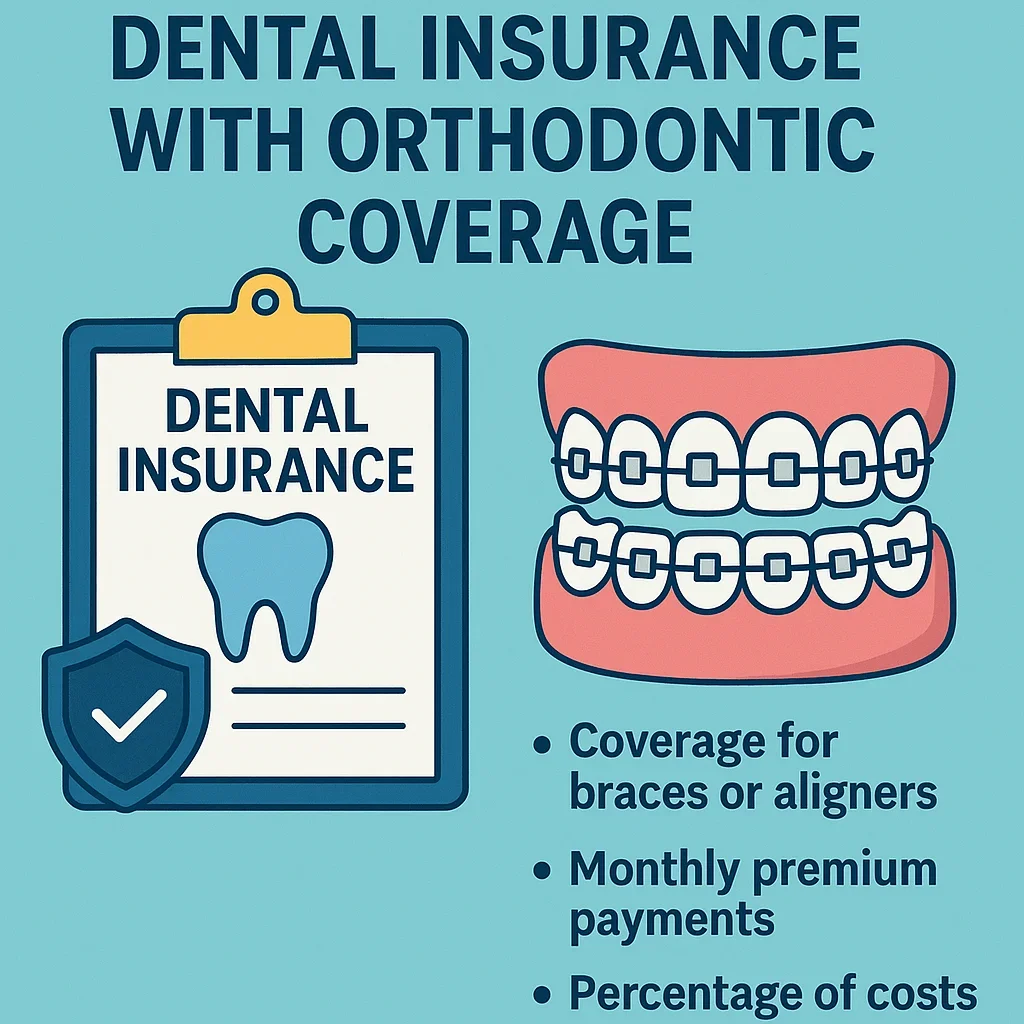
Final Tips and FAQs About Dental Insurance and Orthodontics
Navigating the world of dental insurance with orthodontic coverage can feel complex, especially when trying to balance cost, treatment quality, and long-term oral health. By understanding how these insurance plans work and what benefits they provide, you can make smarter decisions for yourself or your family. This final section provides expert tips, best practices, and detailed answers to the most frequently asked questions about dental and orthodontic coverage in 2025. 🦷
Expert Tips for Maximizing Your Orthodontic Coverage
Having dental insurance with orthodontic coverage is a valuable asset, but how you use it determines how much you save. Below are practical strategies to ensure you get the most out of your benefits while minimizing out-of-pocket expenses.
1. Review Policy Details Before Treatment Begins
Always review your plan documents carefully before starting orthodontic treatment. Many insurance policies require pre-authorization from your provider. This means your orthodontist must submit a proposed treatment plan and estimated costs for insurer approval. If skipped, you could risk partial or total claim denial. Confirm all requirements in writing to avoid misunderstandings later.
2. Use In-Network Orthodontists Whenever Possible
In-network providers have agreed-upon fee structures with your insurer. This ensures predictable pricing and higher reimbursement rates. Using an out-of-network provider might reduce coverage percentages or eliminate benefits altogether. Check your insurer’s website or call customer service to verify whether your preferred orthodontist participates in your plan’s network.
3. Take Advantage of Preventive Dental Services
Most dental insurance plans offer preventive care—like cleanings, x-rays, and check-ups—at no extra cost. Maintaining good oral hygiene before and during orthodontic treatment prevents cavities, gum disease, and other issues that could complicate orthodontic progress. These services may seem minor, but they play a significant role in keeping your treatment efficient and cost-effective. 🌟
4. Plan Orthodontic Treatment Timing Around Coverage
If you’re nearing your lifetime orthodontic maximum, time your treatments strategically. For instance, if your child starts braces in December and your plan resets in January, you might be eligible for renewed benefits under a new coverage period. Some plans even allow benefit rollover, offering additional reimbursement opportunities.
5. Combine Multiple Financial Tools
Maximize your savings by pairing dental insurance with orthodontic coverage with other payment strategies:
- HSA/FSA Accounts: Use pre-tax dollars to pay for orthodontic expenses, reducing taxable income.
- Employer Benefits: Check if your company offers dependent coverage or orthodontic allowances.
- Discount Dental Programs: Combine these with existing insurance to lower treatment costs by 20–60%.
Each of these strategies helps ensure you’re paying the lowest possible price for premium orthodontic care.
Common FAQs About Dental Insurance and Orthodontic Coverage
1. Does all dental insurance include orthodontic coverage?
No. Not every dental plan includes orthodontic benefits by default. Many standard policies cover preventive and restorative care only. To receive orthodontic coverage, you may need to purchase an upgraded or specialized plan. Always check whether your policy explicitly states coverage for braces, aligners, or retainers.
2. Is there a waiting period before orthodontic benefits begin?
Yes, most insurers impose a waiting period of 6 to 12 months. This prevents individuals from enrolling only when they need expensive treatment. However, employer-sponsored and premium-level plans often waive waiting periods. Confirm the exact duration with your insurer to plan treatment start dates accordingly.
3. Are adult orthodontic treatments covered?
Historically, orthodontic benefits were designed for children and teens, but many modern insurers now offer adult coverage. In 2025, approximately 60% of major insurance providers include adult orthodontics in at least one plan tier. Adults seeking clear aligners or braces should look for policies that explicitly list “adult orthodontic benefits.”
4. How does lifetime maximum affect orthodontic coverage?
The lifetime maximum is the total amount your insurer will pay toward orthodontic treatment throughout your lifetime. It typically ranges from $1,000 to $3,000 per person. Once you reach that limit, future orthodontic costs must be paid out of pocket. Choosing a plan with a higher lifetime maximum ensures broader protection and less financial strain.
5. Can I use dental insurance and a discount plan together?
Yes. Discount plans are not insurance but membership programs that reduce the cost of services. You can use them alongside your existing dental insurance with orthodontic coverage to further lower costs. Many orthodontic offices support this approach and can help you combine benefits effectively.
6. Does insurance cover Invisalign or other clear aligners?
In most cases, yes. Modern dental insurance with orthodontic coverage includes clear aligners like Invisalign under the same benefit category as traditional braces. However, some basic plans may classify aligners as cosmetic. Always request written confirmation from your insurer before starting treatment to ensure reimbursement eligibility.
7. What if I change jobs or insurance providers during treatment?
If your insurance changes mid-treatment, your new plan may not pick up remaining costs unless the orthodontist submits a new pre-authorization. Some insurers consider orthodontic treatment as “in-progress care,” and coverage continuity may be limited. Always coordinate with your orthodontist and insurer before switching plans to avoid coverage gaps.
8. Can orthodontic treatment abroad be covered?
Some global insurers extend coverage to treatments performed outside the U.S., provided the clinic is accredited and recognized by international standards. For example, patients traveling to Turkey or Europe for dental care can contact trusted clinics like Redent Klinik Contact Page to verify if their insurance will reimburse a portion of orthodontic services abroad. 🌍
9. How can I avoid claim denials?
Claim denials usually occur due to incomplete paperwork, lack of pre-authorization, or using out-of-network providers. To prevent this, always confirm benefits in advance, submit all required forms, and maintain communication between your orthodontist and insurer throughout treatment. Keeping copies of every correspondence is also recommended for future reference.
10. Are retainers covered after braces or aligners?
Yes, but coverage depends on your policy. Many dental insurance with orthodontic coverage plans include one set of post-treatment retainers as part of the total benefit. Additional or replacement retainers are usually considered separate expenses. Clarify this with your insurer before completing orthodontic treatment to budget properly.
Final Advice from Dental Experts
The American Dental Association emphasizes the importance of understanding your policy’s fine print, especially regarding orthodontic coverage and lifetime caps. They recommend reviewing benefit summaries annually, as insurers often update plan terms or add new features. Choosing a transparent, flexible provider ensures you get reliable coverage for both current and future dental needs. 🧾
Conclusion: Achieving the Perfect Smile with Confidence
Having dental insurance with orthodontic coverage gives you financial security, access to top-quality treatment, and the freedom to smile confidently. By following expert tips, verifying details, and asking the right questions, you can transform what might seem like a complex process into a smooth, rewarding experience. Remember, investing in your smile is also an investment in your health, confidence, and overall well-being. 😁