
A dental molar bridge is one of the most effective and widely recommended solutions for replacing missing molar teeth at the back of your mouth. Molars play a crucial role in chewing, grinding food, and maintaining the structural balance of your bite. When one or more molars are lost due to decay, trauma, or gum disease, it can lead to serious functional and aesthetic problems. This is where a dental molar bridge becomes an essential restorative treatment.
Simply put, a dental molar bridge is a fixed dental restoration that literally “bridges” the gap created by one or more missing molars. It typically consists of one or more artificial teeth (called pontics) anchored in place by crowns attached to the adjacent natural teeth or dental implants. This structure restores both the appearance and functionality of your smile, allowing you to eat, speak, and smile with confidence again 😊.
Understanding how a dental molar bridge works is key to appreciating its importance. When a molar is missing, the surrounding teeth can shift into the empty space over time. This movement can cause misalignment, bite issues, jaw discomfort, and even long-term complications like temporomandibular joint (TMJ) disorders. By placing a dental molar bridge, dentists prevent these issues while restoring the natural alignment of your teeth.
Another important function of a dental molar bridge is preserving your facial structure. Missing molars can lead to bone loss in the jaw because there is no longer stimulation from chewing. Over time, this can cause your face to appear sunken or aged. A properly placed dental molar bridge helps distribute bite forces evenly and maintains the integrity of your jawbone and facial contours.
Patients often wonder whether a dental molar bridge is the right solution for them compared to other treatments like implants or removable dentures. The answer depends on several factors such as oral health, bone density, budget, and personal preferences. However, for many patients, a dental molar bridge offers a fast, reliable, and cost-effective option that delivers excellent results without the need for surgery.
From a procedural perspective, getting a dental molar bridge usually involves preparing the adjacent teeth, taking impressions, and placing a custom-designed bridge that fits perfectly with your bite. Modern dental technology ensures that your dental molar bridge looks natural and blends seamlessly with your existing teeth. Materials such as porcelain or ceramic are commonly used to achieve both strength and aesthetics.
In terms of durability, a well-maintained dental molar bridge can last anywhere from 10 to 15 years or even longer. Proper oral hygiene, including brushing, flossing, and regular dental check-ups, plays a critical role in extending the lifespan of your dental molar bridge. Dentists also recommend avoiding excessively hard foods to prevent unnecessary stress on the bridge.
It’s also worth noting that a dental molar bridge significantly improves quality of life. Patients often report immediate improvements in their ability to chew properly, speak clearly, and feel confident in social situations. Missing molars can affect pronunciation and cause discomfort while eating, but a dental molar bridge eliminates these challenges effectively.
If you are considering restoring your missing molars, consulting a professional dental clinic is the first step. You can easily reach out through the Redent Klinik Contact Page to get personalized advice and treatment planning tailored to your needs. Additionally, for more general dental health guidelines, you can visit the American Dental Association, which provides trusted and up-to-date information on dental care.
In conclusion, a dental molar bridge is a powerful restorative solution that not only replaces missing teeth but also protects your oral health, enhances your smile, and improves your overall well-being. Whether you are dealing with a single missing molar or multiple gaps, a dental molar bridge offers a proven and effective way to regain full dental function and confidence.
What Is a Dental Molar Bridge and How Does It Work?
A dental molar bridge is a fixed dental restoration specifically designed to replace one or more missing molars located at the back of the mouth. Molars are essential for chewing and grinding food, and losing them can significantly impact both oral function and overall dental health. A dental molar bridge fills the gap left by missing teeth, restoring balance, stability, and functionality to your bite.
Unlike removable dentures, a dental molar bridge is permanently fixed in place, meaning it does not need to be taken out for cleaning or sleeping. This makes it a preferred option for many patients seeking a natural-feeling and long-lasting solution. The structure of a dental molar bridge typically includes artificial teeth (pontics) supported by crowns placed on adjacent natural teeth or dental implants.
Main Components of a Dental Molar Bridge
To fully understand how a dental molar bridge works, it’s important to break down its key components. Each part plays a critical role in ensuring the bridge functions properly and lasts for years.
1. Pontics (Artificial Teeth)
The pontic is the artificial tooth that replaces the missing molar. In a dental molar bridge, pontics are carefully designed to match the shape, size, and color of your natural teeth, ensuring a seamless appearance. These artificial teeth restore chewing ability and help maintain proper spacing between teeth.
2. Abutment Teeth
Abutment teeth are the natural teeth adjacent to the gap. In a traditional dental molar bridge, these teeth are reshaped and fitted with crowns to support the bridge. They act as anchors, holding the pontic securely in place and ensuring the stability of the entire structure.
3. Dental Crowns
Crowns are placed over the abutment teeth to provide strength and durability. In a dental molar bridge, these crowns are essential because they distribute the pressure of chewing evenly across the bridge, preventing damage to both the restoration and surrounding teeth.
How a Dental Molar Bridge Functions in Daily Life
A dental molar bridge works by restoring the natural mechanics of your bite. When you chew, the force is evenly distributed across your teeth, including the bridge. Without a dental molar bridge, missing molars can cause uneven pressure, leading to strain on remaining teeth and potential jaw problems.
Another important function of a dental molar bridge is preventing tooth movement. When a molar is lost, nearby teeth tend to shift into the empty space. This can result in misalignment, bite issues, and increased risk of decay or gum disease. A properly placed dental molar bridge keeps teeth in their correct positions, preserving overall oral harmony.
Speech is also affected by missing teeth. A dental molar bridge helps restore proper pronunciation by supporting the tongue and maintaining the structure of your mouth. This is especially important for individuals who rely on clear communication in their daily lives.
Step-by-Step Overview of How It Works
The process of getting a dental molar bridge involves several carefully planned steps to ensure a perfect fit and long-lasting results.
Initial Consultation
Your dentist evaluates your oral health, checks the condition of surrounding teeth, and determines whether a dental molar bridge is the best option for you. X-rays and impressions may be taken during this stage.
Tooth Preparation
The abutment teeth are prepared by removing a small portion of enamel to accommodate crowns. This step is essential for securing the dental molar bridge in place.
Impressions and Temporary Bridge
Impressions of your teeth are taken to create a custom-fit dental molar bridge. A temporary bridge may be placed to protect your teeth while the permanent one is being fabricated.
Final Placement
Once ready, the permanent dental molar bridge is fitted and adjusted for comfort and functionality. Your dentist ensures that your bite is properly aligned and that the bridge feels natural.
Materials Used in a Dental Molar Bridge
Modern dentistry offers a variety of materials for constructing a dental molar bridge. Common options include porcelain, ceramic, metal alloys, or a combination of these. Porcelain and ceramic are popular because they mimic the appearance of natural teeth, while metal provides additional strength for back teeth that endure heavy chewing forces.
The choice of material for your dental molar bridge depends on factors such as durability, aesthetics, and your dentist’s recommendation. Regardless of the material, the goal is to create a restoration that looks natural and performs effectively.
Why Understanding Its Function Matters
Knowing how a dental molar bridge works helps patients make informed decisions about their oral health. It also highlights the importance of proper care and maintenance. Regular brushing, flossing, and dental visits ensure that your dental molar bridge remains in excellent condition for years.
In summary, a dental molar bridge is more than just a cosmetic solution—it is a functional restoration that supports your entire oral system. From improving chewing efficiency to preventing long-term dental issues, a dental molar bridge plays a vital role in maintaining a healthy and confident smile 😊.
Types of Dental Molar Bridge Options Explained
Choosing the right dental molar bridge is a critical step in restoring both function and comfort after losing one or more molars. Not all bridges are the same, and understanding the different types of dental molar bridge options available will help you make an informed decision that suits your oral health condition, lifestyle, and long-term goals.
Each dental molar bridge type is designed with a specific purpose in mind. Factors such as the number of missing teeth, the condition of adjacent teeth, jawbone health, and budget all influence which type is most appropriate. In this section, we will explore the most common types of dental molar bridge restorations and explain how each one works in detail.
Traditional Dental Molar Bridge
The traditional dental molar bridge is the most commonly used option. It involves placing dental crowns on the natural teeth adjacent to the missing molar, which serve as anchors for the artificial tooth (pontic). This type of dental molar bridge is known for its strength and durability, making it especially suitable for molars that handle heavy chewing forces.
How It Works
In a traditional dental molar bridge, the dentist prepares the neighboring teeth by reshaping them to fit crowns. These crowns hold the pontic securely in place, ensuring stability and long-term performance.
Advantages
This type of dental molar bridge offers excellent durability, natural appearance, and reliable chewing function. It is often the go-to choice when strong adjacent teeth are available.
Considerations
The main drawback is that healthy adjacent teeth must be altered, which may not be ideal for every patient considering a dental molar bridge.
Cantilever Dental Molar Bridge
A cantilever dental molar bridge is used when there is only one adjacent tooth available to support the bridge. Unlike the traditional design, this dental molar bridge relies on a single abutment tooth.
How It Works
The pontic is attached to a crown placed on one neighboring tooth. This design is less common for molars because of the high pressure exerted during chewing.
Advantages
This dental molar bridge option can be useful in specific cases where only one supporting tooth is present.
Considerations
Because molars تحمل strong biting forces, a cantilever dental molar bridge may not be as stable or long-lasting as other options.
Maryland (Resin-Bonded) Dental Molar Bridge
The Maryland dental molar bridge, also known as a resin-bonded bridge, uses a different approach. Instead of crowns, it uses a metal or porcelain framework bonded to the back of adjacent teeth.
How It Works
The artificial tooth is held in place by wings that are attached to the inner surfaces of nearby teeth. This type of dental molar bridge requires minimal alteration of natural teeth.
Advantages
This dental molar bridge preserves natural tooth structure and is less invasive compared to traditional methods.
Considerations
It is generally not recommended for molars because it may not withstand the heavy forces involved in chewing, making it a less common dental molar bridge choice for back teeth.
Implant-Supported Dental Molar Bridge
An implant-supported dental molar bridge is considered one of the most advanced and stable solutions. Instead of relying on natural teeth, this type of dental molar bridge is anchored by dental implants placed in the jawbone.
How It Works
Dental implants act as artificial tooth roots, providing a strong foundation for the bridge. The dental molar bridge is then attached to these implants, ensuring maximum stability.
Advantages
This dental molar bridge offers superior strength, prevents bone loss, and does not require altering adjacent teeth. It is often the most durable and long-lasting option.
Considerations
The process takes longer and involves surgery, making it more complex than other dental molar bridge types. However, the long-term benefits often outweigh these factors.
Choosing the Right Dental Molar Bridge Type
Selecting the best dental molar bridge depends on your individual needs. Your dentist will evaluate factors such as oral health, gum condition, bone density, and personal preferences before recommending the most suitable option.
For example, if you have strong adjacent teeth, a traditional dental molar bridge may be ideal. If you want to avoid altering natural teeth, an implant-supported dental molar bridge might be the better choice. Each type of dental molar bridge has its own advantages and limitations, so a personalized approach is essential.
Why Understanding Bridge Types Matters
Understanding the different types of dental molar bridge restorations allows you to make a confident and informed decision. It also helps you set realistic expectations regarding durability, maintenance, and overall results.
Ultimately, the right dental molar bridge will restore your ability to chew comfortably, maintain proper alignment, and improve your overall oral health. With modern dental advancements, each dental molar bridge option is designed to deliver both functional and aesthetic benefits, ensuring a healthier and more confident smile 😊.
Who Needs a Dental Molar Bridge? Signs and Conditions
A dental molar bridge is not just a cosmetic solution—it is often a necessary treatment for restoring proper oral function and preventing long-term dental complications. Many patients delay treatment after losing a molar, thinking it is not urgent. However, understanding who truly needs a dental molar bridge and recognizing the warning signs can help you take timely action and protect your oral health.
Molars are responsible for the majority of chewing and grinding food. When one or more molars are missing, the entire balance of your mouth is disrupted. A dental molar bridge becomes essential in such cases to restore stability, prevent shifting teeth, and maintain a healthy bite.
Common Situations That Require a Dental Molar Bridge
There are several scenarios where a dental molar bridge is strongly recommended by dental professionals. Identifying these situations early can prevent more complex issues in the future.
1. Missing One or More Molars
The most obvious reason to consider a dental molar bridge is the loss of one or more molars. Whether due to decay, trauma, or extraction, missing molars leave a gap that can lead to serious complications if untreated.
2. Difficulty Chewing Food
If you find it hard to chew or grind food properly, it may be a sign that you need a dental molar bridge. Missing molars reduce chewing efficiency, forcing other teeth to take on extra pressure, which can lead to wear and damage.
3. Shifting or Misaligned Teeth
When a molar is missing, neighboring teeth tend to shift into the empty space. A dental molar bridge prevents this movement by filling the gap and maintaining proper alignment.
4. Jaw Pain or Bite Issues
An uneven bite caused by missing molars can lead to jaw discomfort or even temporomandibular joint (TMJ) disorders. A dental molar bridge helps restore balance and reduces strain on the jaw.
Underlying Conditions That Indicate the Need
In addition to visible symptoms, certain underlying dental conditions make a dental molar bridge necessary for maintaining long-term oral health.
Severe Tooth Decay
When a molar is too damaged to be saved, extraction may be required. In such cases, a dental molar bridge is often the next step to restore the missing tooth and prevent further complications.
Advanced Gum Disease
Periodontal disease can weaken the supporting structures of the teeth, leading to tooth loss. A dental molar bridge helps replace lost teeth and supports overall oral stability.
Accidental Trauma
Injuries from accidents or sports can result in the loss of molars. A dental molar bridge provides a reliable solution to restore both function and appearance after such incidents.
Functional and Aesthetic Impacts
Many people underestimate the impact of missing molars because they are located at the back of the mouth. However, a dental molar bridge addresses both functional and aesthetic concerns effectively.
Chewing Efficiency
Without molars, your ability to chew properly is compromised. A dental molar bridge restores this function, allowing you to enjoy a wider variety of foods without discomfort.
Speech Clarity
Although molars are not as visible, they still play a role in speech. A dental molar bridge helps maintain proper tongue positioning, improving pronunciation.
Facial Structure
Missing teeth can lead to bone loss and changes in facial appearance over time. A dental molar bridge supports the structure of your face, preventing a sunken look.
When You Might Not Need a Dental Molar Bridge
While a dental molar bridge is highly beneficial in many cases, it may not always be the best option. For example, if the surrounding teeth are not strong enough to support a bridge, alternative treatments like implants may be recommended instead of a dental molar bridge.
Additionally, patients with severe gum disease or insufficient bone density may need preliminary treatments before receiving a dental molar bridge. A thorough dental evaluation is essential to determine suitability.
Importance of Early Intervention
Delaying treatment after losing a molar can lead to a cascade of problems, including tooth shifting, bite misalignment, and bone loss. Getting a dental molar bridge at the right time helps prevent these complications and simplifies the treatment process.
Early placement of a dental molar bridge also reduces the risk of additional dental procedures in the future, saving time and preserving oral health.
Professional Evaluation Is Key
If you suspect that you may need a dental molar bridge, consulting a dental professional is crucial. A detailed examination will determine whether a dental molar bridge is the most suitable solution based on your specific condition.
Dentists consider factors such as the health of surrounding teeth, gum condition, and overall oral hygiene before recommending a dental molar bridge. Personalized treatment planning ensures the best possible outcome.
In conclusion, a dental molar bridge is essential for individuals experiencing missing molars, chewing difficulties, or alignment issues. Recognizing the signs early and seeking professional advice can make a significant difference in maintaining a healthy, functional, and confident smile 😊.
Step-by-Step Dental Molar Bridge Procedure
Understanding the process of getting a dental molar bridge can help reduce anxiety and set clear expectations before treatment begins. Many patients feel uncertain about dental procedures, but knowing each step of the dental molar bridge process makes the experience more comfortable and predictable. This procedure is carefully planned and executed to ensure both functionality and aesthetics.
A dental molar bridge is typically completed over multiple appointments, allowing the dentist to prepare your teeth, design a custom restoration, and ensure a perfect fit. Each phase plays a crucial role in the long-term success of your dental molar bridge.
Initial Consultation and Examination
The first step in the dental molar bridge process is a comprehensive dental evaluation. During this visit, your dentist assesses your oral health, examines the gap left by missing molars, and determines whether a dental molar bridge is the best treatment option.
Diagnostic Imaging
X-rays or digital scans are taken to evaluate the condition of surrounding teeth and jawbone. These images help the dentist plan the placement of the dental molar bridge accurately.
Treatment Planning
Based on the findings, a personalized treatment plan is created. The dentist explains how the dental molar bridge will be placed, how long it will take, and what results you can expect.
Preparation of Abutment Teeth
The next step involves preparing the teeth adjacent to the missing molar. These teeth, known as abutment teeth, are essential for supporting the dental molar bridge.
Tooth Reshaping
A small portion of enamel is removed from the abutment teeth to make room for crowns. This step ensures that the dental molar bridge fits properly without affecting your bite.
Local Anesthesia
To ensure comfort, the dentist uses local anesthesia during this stage. Patients typically feel minimal discomfort while the dental molar bridge preparation is performed.
Impressions and Temporary Bridge Placement
After preparing the teeth, the dentist takes precise impressions of your mouth. These impressions are used to create a custom-fit dental molar bridge that matches your natural teeth perfectly.
Creating the Mold
The impressions capture the exact shape and alignment of your teeth. This ensures that the final dental molar bridge will fit comfortably and function properly.
Temporary Dental Molar Bridge
While the permanent restoration is being fabricated, a temporary dental molar bridge is placed. This temporary bridge protects the prepared teeth and allows you to maintain normal function.
Fabrication of the Permanent Dental Molar Bridge
The impressions are sent to a dental laboratory where skilled technicians create your custom dental molar bridge. This process typically takes a few days to a couple of weeks, depending on the complexity of the case.
Material Selection
The dental molar bridge is crafted using high-quality materials such as porcelain, ceramic, or metal alloys. These materials are chosen for their strength and natural appearance.
Precision Design
Each dental molar bridge is carefully designed to match the color, shape, and size of your natural teeth, ensuring a seamless look.
Final Placement and Adjustment
Once the permanent dental molar bridge is ready, you will return to the clinic for placement. This is one of the most important steps in the process.
Fitting the Bridge
The dentist removes the temporary restoration and places the permanent dental molar bridge. Adjustments are made to ensure a perfect fit and proper bite alignment.
Cementing the Bridge
After confirming the fit, the dental molar bridge is permanently cemented in place. This ensures stability and durability for long-term use.
Post-Procedure Care and Follow-Up
After the placement of your dental molar bridge, the dentist provides detailed care instructions to help you maintain your restoration.
Initial Sensitivity
Some patients may experience mild sensitivity after receiving a dental molar bridge, but this usually subsides within a few days.
Oral Hygiene Routine
Proper brushing and flossing are essential for keeping your dental molar bridge in excellent condition. Special flossing tools may be recommended to clean under the bridge.
How Long the Procedure Takes
The entire dental molar bridge process typically takes 2 to 3 dental visits over a few weeks. However, the exact timeline may vary depending on individual needs and the complexity of the case.
Despite requiring multiple steps, the results of a dental molar bridge are long-lasting and highly effective. Patients can quickly return to normal activities while enjoying improved chewing ability and comfort.
Why This Process Matters
Each stage of the dental molar bridge procedure is carefully designed to ensure durability, comfort, and a natural appearance. Skipping or rushing any step can compromise the final result, which is why professional expertise is essential.
In conclusion, the dental molar bridge procedure is a structured and reliable process that restores missing molars with precision. From consultation to final placement, every step is focused on delivering a functional and aesthetically pleasing outcome. With proper care, your dental molar bridge can provide years of comfort, confidence, and improved oral health 😊.
Dental Molar Bridge vs Dental Implants: Key Differences
When replacing missing molars, two of the most common and effective options are a dental molar bridge and dental implants. Both solutions restore function, improve aesthetics, and protect oral health, but they differ significantly in terms of procedure, durability, cost, and long-term impact. Understanding these differences is essential for choosing the best treatment for your needs.
A dental molar bridge works by using adjacent teeth as support, while dental implants are surgically placed into the jawbone to act as artificial roots. Each method has its advantages and limitations, and the right choice depends on your oral condition, lifestyle, and treatment goals.
Structural Differences Between Dental Molar Bridge and Implants
The main difference lies in how each solution is supported. A dental molar bridge relies on neighboring teeth or implants to hold the artificial tooth in place, whereas dental implants are independent structures anchored directly into the bone.
Dental Molar Bridge Structure
A dental molar bridge includes one or more pontics supported by crowns attached to adjacent teeth. This means that the strength of the bridge depends partly on the health of surrounding teeth.
Dental Implant Structure
Dental implants consist of a titanium post inserted into the jawbone, topped with a crown. Unlike a dental molar bridge, implants do not rely on nearby teeth, making them a standalone solution.
Procedure and Treatment Timeline
The time required for each treatment is another major difference. A dental molar bridge is typically faster to complete compared to dental implants.
Dental Molar Bridge Timeline
Getting a dental molar bridge usually takes a few weeks and involves two or three dental visits. The process is straightforward and does not require surgery in most cases.
Dental Implant Timeline
Implants require a longer treatment period because the bone must heal around the implant. This process, called osseointegration, can take several months. Compared to a dental molar bridge, implants require more patience but offer long-term benefits.
Durability and Longevity
Both options are durable, but their lifespan differs. A dental molar bridge typically lasts between 10 and 15 years with proper care, while dental implants can last 20 years or more, often even a lifetime.
Maintenance of a Dental Molar Bridge
A dental molar bridge requires consistent oral hygiene and regular dental visits. The supporting teeth must remain healthy to ensure the longevity of the bridge.
Maintenance of Dental Implants
Implants are easier to maintain because they function like natural teeth. Unlike a dental molar bridge, they do not rely on neighboring teeth, reducing the risk of complications in adjacent areas.
Impact on Surrounding Teeth
One of the key considerations when choosing between a dental molar bridge and implants is how each option affects nearby teeth.
Effect of a Dental Molar Bridge
In a dental molar bridge, adjacent teeth are reshaped to support crowns. While this provides stability, it also means altering healthy teeth.
Effect of Dental Implants
Implants do not require modification of neighboring teeth. This makes them a more conservative option compared to a dental molar bridge, especially for patients with healthy surrounding teeth.
Bone Health and Jaw Preservation
Maintaining jawbone health is another important factor. A dental molar bridge restores function but does not directly stimulate the jawbone like implants do.
Dental Molar Bridge and Bone Loss
While a dental molar bridge prevents teeth from shifting, it does not stop bone loss in the area where the tooth is missing.
Dental Implants and Bone Stimulation
Implants mimic natural tooth roots, stimulating the jawbone and preventing bone loss. This gives them an advantage over a dental molar bridge in terms of long-term oral health.
Cost Comparison
Cost is often a deciding factor when choosing between a dental molar bridge and implants. While prices vary depending on location and complexity, general estimates can provide guidance.
Dental Molar Bridge Cost
A dental molar bridge is generally more affordable upfront. It provides a cost-effective solution for patients seeking quick results.
Dental Implant Cost
Implants usually have a higher initial cost due to surgery and materials. However, their longevity can make them more economical over time compared to a dental molar bridge.
Comfort and Aesthetics
Both treatments aim to provide a natural look and feel, but there are slight differences in comfort and aesthetics.
Dental Molar Bridge Comfort
A dental molar bridge feels natural once adjusted, but some patients may notice slight differences compared to real teeth.
Dental Implant Comfort
Implants often feel more like natural teeth because they are anchored in the bone. However, a well-fitted dental molar bridge can still deliver excellent comfort and appearance.
Which Option Is Right for You?
The choice between a dental molar bridge and dental implants depends on multiple factors, including oral health, budget, and personal preference. Patients who want a quicker, non-surgical solution may prefer a dental molar bridge, while those seeking a long-term, independent solution may opt for implants.
Consulting a dental professional is essential to determine the best approach. A personalized evaluation will help you decide whether a dental molar bridge or implants align better with your needs.
In conclusion, both options offer reliable ways to replace missing molars. A dental molar bridge provides a fast and effective solution, while implants offer long-term durability and bone preservation. Understanding these differences ensures you make the best decision for your oral health and lifestyle 😊.
Benefits of Choosing a Dental Molar Bridge
Choosing a dental molar bridge is one of the most effective ways to restore missing molars and regain full oral function. While there are several tooth replacement options available, a dental molar bridge offers a unique combination of reliability, affordability, and efficiency. Understanding the benefits of a dental molar bridge can help you make a confident and informed decision about your dental health.
When molars are missing, the impact goes far beyond aesthetics. Chewing becomes difficult, neighboring teeth may shift, and long-term oral health can deteriorate. A dental molar bridge addresses all of these issues, providing both functional and structural advantages.
Restores Full Chewing Function
One of the most immediate benefits of a dental molar bridge is the restoration of your ability to chew properly. Molars play a critical role in grinding food, and losing them can make eating uncomfortable or inefficient.
Improved Bite Strength
A dental molar bridge distributes chewing forces evenly across your teeth, allowing you to enjoy a wider variety of foods without discomfort.
Better Digestion
Proper chewing supported by a dental molar bridge contributes to better digestion, as food is broken down more effectively before reaching the stomach.
Prevents Teeth from Shifting
When a molar is missing, adjacent teeth tend to move into the empty space. This can lead to misalignment and bite problems. A dental molar bridge fills the gap and keeps surrounding teeth in their correct positions.
Maintains Dental Alignment
By stabilizing neighboring teeth, a dental molar bridge helps preserve the natural alignment of your smile.
Reduces Risk of Orthodontic Issues
Without a dental molar bridge, shifting teeth may eventually require orthodontic treatment. The bridge prevents this complication from developing.
Enhances Oral Health
A dental molar bridge plays a key role in maintaining overall oral health by protecting both teeth and gums from additional stress and damage.
Protects Remaining Teeth
By distributing bite pressure evenly, a dental molar bridge prevents excessive wear on surrounding teeth.
Supports Gum Health
Filling the gap with a dental molar bridge reduces the risk of food particles accumulating in empty spaces, which can lead to gum disease.
Quick and Effective Solution
Compared to other treatments, a dental molar bridge offers a relatively fast solution for replacing missing teeth.
Short Treatment Time
A dental molar bridge can usually be completed within a few weeks, making it an efficient option for patients who want immediate results.
Non-Surgical Approach
Unlike implants, most dental molar bridge procedures do not require surgery, which reduces recovery time and complexity.
Natural Appearance and Comfort
Modern dental techniques ensure that a dental molar bridge looks and feels like natural teeth. This makes it a highly attractive option for patients concerned about aesthetics.
Seamless Integration
A well-designed dental molar bridge blends perfectly with your existing teeth, making it virtually unnoticeable.
Comfortable Fit
Once adjusted, a dental molar bridge feels natural in the mouth, allowing you to speak and eat without discomfort.
Cost-Effective Tooth Replacement
Another major advantage of a dental molar bridge is its affordability compared to other restorative options.
Lower Initial Cost
A dental molar bridge generally has a lower upfront cost than dental implants, making it accessible to a wider range of patients.
Long-Term Value
With proper care, a dental molar bridge can last many years, providing excellent value for the investment.
Improves Speech and Confidence
Missing molars can affect speech clarity and self-confidence. A dental molar bridge helps restore both.
Clearer Pronunciation
By supporting proper tongue positioning, a dental molar bridge improves speech clarity.
Boosted Self-Esteem
Restoring your smile with a dental molar bridge can significantly increase confidence in social and professional situations 😊.
Long-Lasting and Reliable
Durability is a key benefit of a dental molar bridge. With proper maintenance, it can serve you well for many years.
Strong Materials
A dental molar bridge is made from high-quality materials designed to withstand the pressure of chewing.
Consistent Performance
Once placed, a dental molar bridge provides stable and reliable performance in daily use.
Supports Overall Quality of Life
Ultimately, a dental molar bridge improves more than just your oral health—it enhances your overall quality of life.
From enjoying your favorite meals to speaking confidently and maintaining a healthy smile, the benefits of a dental molar bridge are comprehensive and impactful. It is a practical, effective, and proven solution for restoring missing molars and achieving long-term dental wellness.
Potential Risks and Complications of a Dental Molar Bridge
While a dental molar bridge is a highly effective and widely used solution for replacing missing molars, it is important to understand that, like any dental procedure, it comes with certain risks and potential complications. Being aware of these factors allows patients to make informed decisions and take proactive steps to minimize issues. A properly placed and maintained dental molar bridge can last for many years, but neglect or underlying conditions may lead to complications.
Most patients experience excellent results with a dental molar bridge, especially when treatment is performed by an experienced dental professional. However, understanding the possible risks ensures realistic expectations and encourages proper aftercare.
Tooth Sensitivity and Initial Discomfort
After the placement of a dental molar bridge, some patients may experience mild sensitivity or discomfort. This is usually temporary and part of the adjustment process.
Causes of Sensitivity
The preparation of abutment teeth can make them temporarily sensitive to hot and cold temperatures. A dental molar bridge may also slightly alter bite pressure, leading to short-term discomfort.
How to Manage It
Using desensitizing toothpaste and avoiding extreme temperatures can help reduce sensitivity after receiving a dental molar bridge. In most cases, the discomfort resolves within a few days.
Risk of Decay in Supporting Teeth
The success of a dental molar bridge heavily depends on the health of the abutment teeth. If these supporting teeth develop decay, the stability of the entire bridge may be compromised.
Why It Happens
Food particles and plaque can accumulate around the crowns of a dental molar bridge, especially if oral hygiene is not maintained properly.
Prevention Tips
Regular brushing, flossing, and professional cleanings are essential to protect the supporting teeth of a dental molar bridge from decay.
Gum Disease and Inflammation
Poor oral hygiene can also lead to gum problems around a dental molar bridge. Inflammation or infection of the gums can affect the longevity of the restoration.
Signs to Watch For
Redness, swelling, bleeding, or bad breath may indicate gum issues around a dental molar bridge.
Long-Term Impact
If untreated, gum disease can weaken the support structure of a dental molar bridge, leading to failure.
Bridge Loosening or Failure
Although a dental molar bridge is designed to be durable, it can sometimes become loose or fail over time.
Common Causes
Factors such as poor bonding, excessive biting force, or trauma can affect the stability of a dental molar bridge.
What to Do
If you notice movement or discomfort in your dental molar bridge, it is important to visit your dentist immediately for evaluation and repair.
Damage to the Bridge Structure
The materials used in a dental molar bridge are strong, but they are not indestructible. Excessive force can lead to chipping or cracking.
Risk Factors
Chewing very hard foods, grinding teeth (bruxism), or accidental impact can damage a dental molar bridge.
Protective Measures
Wearing a night guard and avoiding hard foods can help protect your dental molar bridge from damage.
Bite Misalignment Issues
If a dental molar bridge is not properly adjusted, it can lead to bite problems that cause discomfort or uneven pressure.
Symptoms
Jaw pain, headaches, or difficulty chewing may indicate an issue with the alignment of your dental molar bridge.
Solution
A simple adjustment by your dentist can correct the alignment of a dental molar bridge and restore comfort.
Bone Loss in the Jaw
Unlike dental implants, a dental molar bridge does not directly stimulate the jawbone. Over time, this can lead to bone loss in the area of the missing tooth.
Why It Matters
Bone loss can affect facial structure and overall oral health, even if the dental molar bridge remains functional.
Management Options
Regular dental check-ups help monitor bone health and ensure your dental molar bridge continues to perform effectively.
Allergic Reactions (Rare Cases)
Although uncommon, some patients may experience allergic reactions to materials used in a dental molar bridge.
Possible Symptoms
Irritation, swelling, or unusual discomfort may occur if there is sensitivity to certain materials in a dental molar bridge.
Alternative Materials
Your dentist can recommend hypoallergenic materials if you have concerns about your dental molar bridge.
Importance of Regular Dental Visits
Routine dental check-ups are essential for identifying and addressing potential issues with a dental molar bridge early.
During these visits, your dentist will examine the condition of your dental molar bridge, check the health of supporting teeth and gums, and ensure everything is functioning properly.
How to Minimize Risks
Most complications associated with a dental molar bridge can be prevented with proper care and professional guidance. Maintaining excellent oral hygiene, avoiding harmful habits, and attending regular dental appointments significantly reduce the likelihood of problems.
In conclusion, while a dental molar bridge is a safe and effective treatment, understanding its potential risks helps you take better care of your oral health. With the right precautions, your dental molar bridge can provide long-lasting comfort, functionality, and confidence 😊.
Dental Molar Bridge Cost Breakdown and Factors
The cost of a dental molar bridge is one of the most important considerations for patients planning to restore missing molars. While a dental molar bridge is generally more affordable than dental implants, the total cost can vary significantly depending on several factors. Understanding what influences the price of a dental molar bridge helps you plan your treatment and avoid unexpected expenses.
In general, a dental molar bridge is priced based on the number of missing teeth, the materials used, the complexity of the procedure, and the location of the dental clinic. Each of these elements contributes to the overall cost, making it essential to evaluate your specific case with a dental professional.
Average Cost of a Dental Molar Bridge
The average price of a dental molar bridge can vary depending on the country and clinic. Below is a general cost range based on international estimates:
Typical Price Range
- Single-unit dental molar bridge: $800 – $1,500 per unit
- Three-unit dental molar bridge: $2,000 – $5,000 total
- Premium materials (porcelain/ceramic): $3,000 – $6,000+
These prices are estimates and may differ depending on the quality of materials and the expertise of the dentist performing the dental molar bridge procedure.
Main Factors Affecting Dental Molar Bridge Cost
Several key factors determine the final cost of a dental molar bridge. Understanding these variables allows you to make better financial decisions and choose the right treatment plan.
1. Number of Missing Teeth
The more teeth that need to be replaced, the higher the cost of the dental molar bridge. A bridge that replaces multiple molars will require more materials and labor.
2. Type of Dental Molar Bridge
Different types of dental molar bridge restorations—such as traditional, cantilever, or implant-supported—have varying costs. Implant-supported options are generally more expensive than a standard dental molar bridge.
3. Materials Used
The material of the dental molar bridge plays a significant role in pricing. Porcelain and ceramic bridges are more expensive due to their natural appearance, while metal-based options are more affordable but less aesthetic.
4. Location of the Clinic
The cost of a dental molar bridge can vary depending on geographic location. Clinics in major cities or countries with higher living costs may charge more for the same procedure.
5. Dentist’s Expertise
An experienced dentist may charge higher fees for a dental molar bridge, but this often ensures better quality, precision, and long-term success.
Additional Costs to Consider
When planning for a dental molar bridge, it’s important to consider additional expenses that may not be included in the initial quote.
Consultation and Diagnostics
X-rays, scans, and initial consultations can add to the total cost of a dental molar bridge.
Tooth Preparation
If the supporting teeth require treatment such as fillings or root canals, the cost of the dental molar bridge will increase.
Temporary Bridge
A temporary dental molar bridge may be placed during the treatment process, adding a small additional cost.
Dental Molar Bridge vs Other Options Cost Comparison
Comparing the cost of a dental molar bridge with other treatments helps you understand its value.
Dental Implants
Implants typically cost $3,000 – $6,000 per tooth, making them more expensive than a dental molar bridge initially.
Removable Dentures
Dentures are cheaper but less stable and comfortable compared to a dental molar bridge.
Is a Dental Molar Bridge Worth the Cost?
A dental molar bridge offers excellent value for patients seeking a balance between cost, functionality, and aesthetics. While it may not last as long as implants, it provides a reliable and effective solution at a lower upfront cost.
The long-term benefits of a dental molar bridge—such as improved chewing, better oral health, and prevention of tooth shifting—make it a worthwhile investment for many patients.
Ways to Reduce Dental Molar Bridge Costs
There are several ways to make a dental molar bridge more affordable without compromising quality.
Dental Insurance
Some insurance plans partially cover the cost of a dental molar bridge, reducing out-of-pocket expenses.
Payment Plans
Many clinics offer flexible payment options for a dental molar bridge, allowing you to spread the cost over time.
Dental Tourism
Traveling to countries with lower treatment costs can significantly reduce the price of a dental molar bridge while maintaining high-quality care.
Long-Term Financial Perspective
When evaluating the cost of a dental molar bridge, it is important to consider long-term value rather than just the initial price. A well-maintained dental molar bridge can last over a decade, making it a cost-effective solution over time.
In conclusion, the cost of a dental molar bridge depends on multiple factors, but it remains one of the most accessible and effective tooth replacement options. By understanding pricing and planning carefully, you can achieve a healthy, functional smile without unnecessary financial stress 😊.
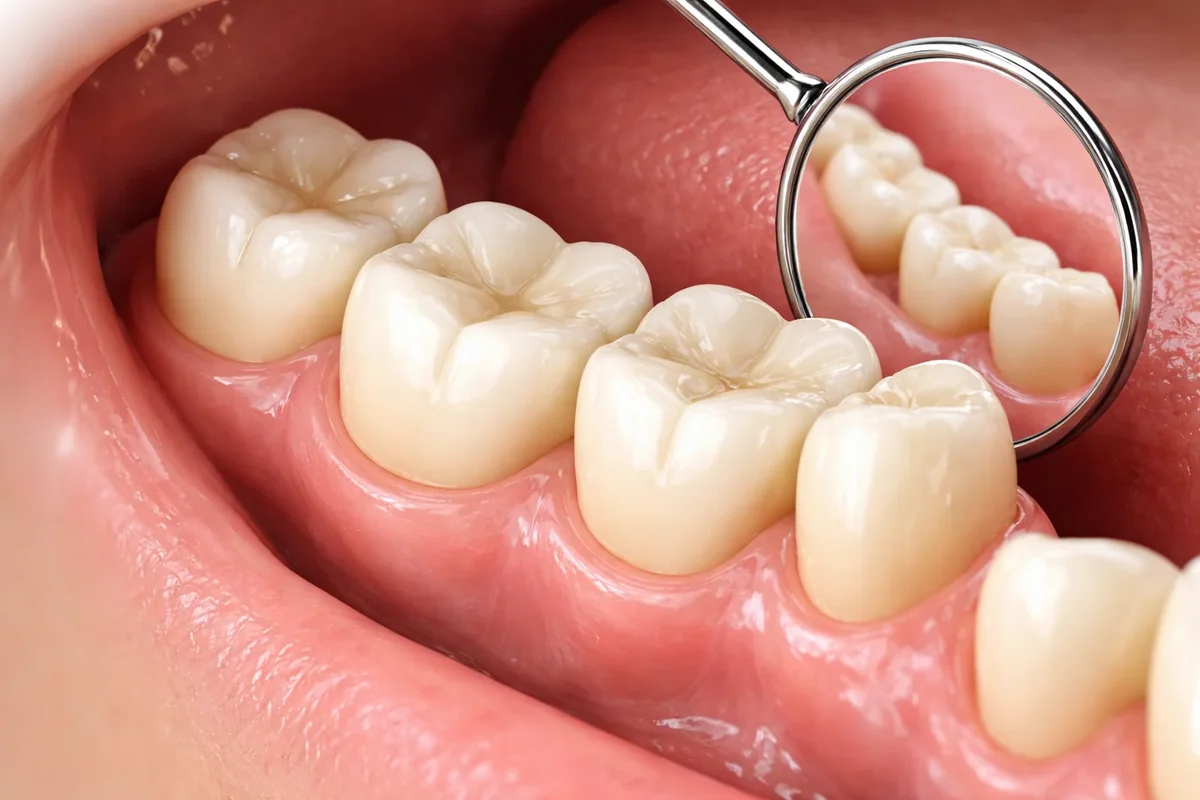
Aftercare Tips to Make Your Dental Molar Bridge Last Longer
Proper aftercare is essential to maximize the lifespan and performance of your dental molar bridge. While a dental molar bridge is designed to be durable and long-lasting, its success largely depends on how well you maintain it. With the right habits and routine care, your dental molar bridge can function effectively for many years, providing comfort, stability, and confidence.
Many patients assume that once a dental molar bridge is placed, no further attention is needed. However, maintaining oral hygiene and protecting the bridge from unnecessary stress are key factors in preventing complications. Let’s explore the most important aftercare tips to ensure your dental molar bridge remains in excellent condition.
Daily Oral Hygiene Routine
Maintaining a consistent oral hygiene routine is the foundation of caring for your dental molar bridge. Proper cleaning prevents plaque buildup and protects both the bridge and surrounding teeth.
Brushing Techniques
Brush your teeth at least twice a day using a soft-bristled toothbrush. Pay special attention to the area around your dental molar bridge, ensuring that food particles and plaque are thoroughly removed.
Flossing Under the Bridge
Flossing is crucial for cleaning beneath the dental molar bridge, where traditional brushing cannot reach. Use floss threaders or specialized dental floss to clean under the pontic and around the abutment teeth.
Use of Specialized Cleaning Tools
In addition to regular brushing and flossing, certain tools can enhance the care of your dental molar bridge.
Interdental Brushes
Interdental brushes are effective for cleaning tight spaces around your dental molar bridge. They help remove debris that may accumulate between teeth and under the bridge.
Water Flossers
Water flossers provide a gentle yet powerful way to clean around your dental molar bridge, especially for patients who find traditional flossing difficult.
Dietary Considerations
Your eating habits play a significant role in the longevity of your dental molar bridge. Being mindful of what you eat can prevent damage and prolong its lifespan.
Avoid Hard Foods
Chewing on hard foods such as ice, nuts, or hard candies can put excessive pressure on your dental molar bridge, increasing the risk of cracks or damage.
Limit Sticky Foods
Sticky foods like caramel or chewing gum can adhere to your dental molar bridge and make cleaning more difficult, potentially leading to plaque buildup.
Protecting Your Dental Molar Bridge
Taking precautions to protect your dental molar bridge from physical stress is essential for maintaining its integrity.
Night Guards for Teeth Grinding
If you grind your teeth at night (bruxism), wearing a night guard can protect your dental molar bridge from excessive wear and damage.
Avoid Using Teeth as Tools
Using your teeth to open packages or bite non-food items can damage your dental molar bridge. Always use appropriate tools instead.
Regular Dental Check-Ups
Routine dental visits are crucial for monitoring the condition of your dental molar bridge and ensuring long-term success.
Professional Cleanings
Regular cleanings help remove plaque and tartar that may accumulate around your dental molar bridge, reducing the risk of gum disease.
Early Detection of Issues
Your dentist can identify potential problems with your dental molar bridge early, allowing for timely intervention and preventing more serious complications.
Managing Sensitivity and Discomfort
Some patients may experience mild sensitivity after receiving a dental molar bridge. Proper care can help manage these symptoms effectively.
Use of Desensitizing Products
Special toothpaste designed for sensitive teeth can help reduce discomfort associated with your dental molar bridge.
Follow Dentist Recommendations
Always follow your dentist’s advice regarding care and maintenance of your dental molar bridge to ensure optimal results.
Signs That Your Dental Molar Bridge Needs Attention
Recognizing early warning signs can help you address issues with your dental molar bridge before they become serious.
Loosening or Movement
If your dental molar bridge feels loose or unstable, it is important to seek professional evaluation immediately.
Pain or Discomfort
Persistent pain around your dental molar bridge may indicate underlying issues that require attention.
Long-Term Maintenance Strategies
Maintaining your dental molar bridge is a long-term commitment that ensures durability and performance.
Consistency Is Key
Following a consistent care routine is the most effective way to extend the lifespan of your dental molar bridge.
Healthy Lifestyle Choices
A balanced diet and good oral hygiene habits contribute to the overall success of your dental molar bridge.
Why Aftercare Matters
The longevity of your dental molar bridge depends largely on how well you care for it. Neglecting maintenance can lead to complications such as decay, gum disease, or bridge failure.
In conclusion, proper aftercare ensures that your dental molar bridge remains strong, functional, and aesthetically pleasing for years to come. By following these tips and maintaining regular dental visits, you can enjoy the full benefits of your dental molar bridge and maintain a healthy, confident smile 😊.