
💡 Dental care is an essential part of overall health, but for many patients, the cost of treatments can be overwhelming. From routine cleanings to advanced procedures such as implants or orthodontics, expenses add up quickly. This is where dental office financing comes into play, offering patients a practical way to manage costs while still receiving the care they need. In this comprehensive guide, we will explore what financing options are, how they work, and why they have become a critical resource for individuals and families seeking quality dental care without financial strain.
At its core, dental office financing refers to payment solutions that make dental treatments more accessible by spreading costs over time. Instead of paying a large sum upfront, patients can choose monthly installments that fit their budget. This approach not only reduces immediate financial pressure but also encourages people to prioritize oral health, preventing small issues from becoming major health problems down the line. In today’s economy, more clinics are offering flexible payment solutions, recognizing that affordability is key to ensuring patients don’t delay necessary treatments.
📊 According to recent surveys, nearly 40% of adults postpone dental visits due to cost concerns. This statistic highlights the importance of financing programs, as they bridge the gap between patient needs and affordability. Whether it’s in-house payment plans directly managed by the clinic or third-party lenders partnering with dental practices, these systems allow patients to say yes to treatments that may otherwise feel financially out of reach.
So, what does dental office financing actually look like in practice? For many patients, it begins with an initial consultation where the dentist outlines treatment options and projected costs. At this point, financing options are introduced. For example, a patient in need of a $3,000 root canal and crown placement might not be able to pay the full amount immediately. With a financing plan, the clinic could allow the cost to be spread across 12 to 24 months, making it far more manageable. These structured payments give patients peace of mind, knowing they can protect their dental health without jeopardizing their household budget.
In addition to accessibility, financing options often come with benefits such as low or even zero-interest promotional periods. Some plans are designed to work seamlessly with insurance coverage, filling in the gaps where insurance ends. For instance, if an insurance plan covers 50% of a procedure, financing can help break down the remaining balance into manageable monthly payments. This layered approach ensures that no one has to sacrifice their health due to upfront costs.
💳 It’s important to understand that dental office financing is not one-size-fits-all. Patients with strong credit histories may qualify for lower interest rates or better terms, while others might prefer simple in-house plans offered by their dental provider. Clinics that recognize these differences are better positioned to serve diverse patient populations. For patients, this means it’s essential to ask questions during consultations, compare available options, and choose the financing method that aligns with their personal financial situation.
Another advantage of embracing financing solutions is the long-term improvement in oral health outcomes. When patients are able to commit to treatment plans without delay, conditions like cavities, gum disease, and tooth loss can be treated before they progress into more complicated—and more expensive—issues. Preventive care supported by financing options not only saves money but also enhances quality of life by ensuring patients maintain healthy, functional smiles.
🌍 On a broader scale, dental office financing reflects an important shift in healthcare accessibility. Just as hospitals and medical practices offer financing for surgeries and treatments, dental clinics are adapting to ensure oral health is seen as a priority rather than a luxury. By offering transparent, flexible, and patient-friendly payment options, practices foster trust and loyalty, encouraging individuals to return for regular checkups and long-term care. For clinics, this approach not only supports patients but also strengthens their reputation in the community.
Transparency is crucial in financing conversations. Patients should always ask about interest rates, administrative fees, and eligibility requirements. Reputable clinics will provide clear breakdowns of costs and will ensure patients understand exactly how much they will be paying over time. Additionally, many clinics provide printed or digital resources that explain financing terms in plain language, reducing the confusion that sometimes surrounds financial contracts. This builds confidence and helps patients make informed decisions.
👩⚕️ Ultimately, the role of dental office financing extends far beyond simple payment arrangements. It represents a bridge to better health, a solution that ensures financial constraints do not stand in the way of essential treatments. By understanding the various options, asking the right questions, and choosing a plan that fits their needs, patients can feel empowered to take control of their oral health. For anyone who has ever hesitated to visit a dentist due to cost, financing offers a pathway forward—one that promotes healthier smiles, stronger communities, and improved overall well-being.
For more guidance on patient-centered dental care, you can consult trusted organizations like the American Dental Association. If you are considering financing options and wish to speak with a clinic directly, visit our Redent Klinik Contact Page to explore available programs tailored to your needs.
Understanding Dental Office Financing and Why It Matters
💡 Oral health is a vital component of overall wellness, yet millions of people worldwide struggle to access timely dental care due to cost barriers. This is where dental office financing plays a critical role. By offering structured payment options, dental clinics ensure that patients do not delay or abandon necessary treatments. Understanding how these financing programs work, their importance, and the different forms they take can empower patients to make better decisions for their health and their wallets.
What Is Dental Office Financing?
At its simplest, dental office financing refers to a system that enables patients to spread the cost of dental treatment over time rather than paying in full at the point of service. Much like a car loan or installment plan, financing allows patients to manage significant dental expenses with smaller monthly payments. These plans can be offered directly by the dental practice (in-house financing) or through third-party companies that specialize in healthcare lending. By making treatments more affordable, financing programs reduce financial stress and encourage patients to prioritize oral health instead of postponing it due to budget constraints.
Why Dental Financing Is Becoming More Important
🌍 The rising cost of healthcare services, including dental procedures, has made affordability a top concern for patients. A basic dental cleaning may be manageable, but complex procedures such as implants, braces, or full-mouth restorations often come with price tags in the thousands of dollars. Without financing options, many patients might choose to delay or completely avoid treatment, which can worsen oral health issues and lead to more serious—and expensive—medical problems down the line. By offering dental office financing, clinics remove the financial barrier that often prevents patients from seeking care.
Statistics Highlighting the Need
📊 Research from the American Dental Association shows that nearly 1 in 3 adults avoid visiting the dentist because of cost. Among uninsured patients, the percentage is even higher. This growing gap highlights why financing solutions are not just convenient—they are essential for ensuring public health. By providing structured payment options, dental practices encourage patients to stay consistent with their care, which ultimately improves community health outcomes.
Benefits of Dental Office Financing for Patients
✅ There are multiple reasons why patients benefit directly from financing programs:
- Affordability: Breaks down high treatment costs into manageable installments.
- Accessibility: Encourages patients to pursue necessary care without financial hesitation.
- Flexibility: Offers various terms, often ranging from 6 months to 5 years, depending on the program.
- Improved Health: Prevents delays in treatment, reducing the risk of complications.
- Peace of Mind: Provides patients with confidence that they can maintain their dental health without draining their savings.
How Financing Helps Dental Clinics
While dental office financing primarily benefits patients, it also has advantages for dental clinics. Practices that offer flexible financing attract more patients, build trust, and create long-term relationships. Patients are more likely to return for regular checkups if they know they can handle future expenses without financial strain. This mutual benefit makes financing a win-win solution for both sides.
Boosting Patient Loyalty
💬 When patients feel supported through financial flexibility, they are more inclined to remain loyal to their dental provider. Instead of shopping around for cheaper alternatives, patients value the transparency and compassion of a clinic that prioritizes their needs. This loyalty not only strengthens the clinic’s reputation but also creates a consistent patient base.
Common Myths About Dental Financing
Despite its benefits, misconceptions about dental office financing still exist. Some patients worry that financing means hidden costs or extremely high interest rates. In reality, many clinics partner with reputable lenders offering low-interest or even zero-interest promotional periods. Others believe that financing is only available for major procedures, but in truth, patients can often finance smaller treatments like fillings, cleanings, or whitening if they choose. Dispelling these myths helps patients see financing as a supportive tool rather than a financial burden.
Examples of How Financing Makes Treatment Possible
Imagine a patient who needs orthodontic braces costing $5,000. Paying this amount upfront may be impossible for many families. However, with a 24-month dental office financing plan, the cost is broken down into monthly installments of around $210–$220 (depending on fees). This structure transforms an overwhelming expense into a feasible monthly payment. Another example is a dental implant procedure costing $3,000. With financing, patients may pay $125–$150 per month instead of delaying treatment due to upfront costs.
Why Transparency Is Key in Financing
Transparency builds trust. Ethical dental offices provide patients with clear information about interest rates, fees, and payment schedules. They also ensure that patients understand how financing interacts with their insurance coverage. For example, if insurance covers half the cost of a crown, financing can be applied only to the remaining balance, minimizing monthly payments. Patients should always request a written breakdown of costs to avoid surprises later.
The Long-Term Impact on Oral Health
👍 One of the most significant reasons dental office financing matters is its long-term impact. By removing cost barriers, patients are more likely to undergo preventive care and early treatments. This prevents minor issues like cavities from escalating into more serious conditions such as root infections or tooth loss. Ultimately, financing contributes to healthier smiles, reduced healthcare costs, and better overall quality of life.
For trustworthy information and best practices in dental care, patients can consult the American Dental Association. If you’re ready to explore financing solutions directly, our Redent Klinik Contact Page provides guidance on personalized programs tailored to your needs. 💬
Types of Dental Office Financing Programs Available
💡 When it comes to accessing quality dental care, affordability is often the biggest barrier for patients. That’s why understanding the different dental office financing programs is essential. Each program is designed to address varying financial circumstances, making it possible for patients to receive the treatment they need without overwhelming upfront costs. From in-house payment arrangements to specialized healthcare credit cards, there are multiple pathways to affordable oral health. Let’s explore the most common types of financing programs in detail.
In-House Dental Financing Plans
Many dental practices provide in-house plans, allowing patients to pay directly to the clinic in monthly installments. This type of dental office financing is convenient because it eliminates the need for third-party lenders. Practices typically set fixed monthly payments and may not charge interest if the patient pays on time. This option is ideal for patients with limited credit history who still need flexible payment solutions. In-house plans also build stronger relationships between the clinic and the patient by fostering trust and transparency.
Pros of In-House Financing
- Often easier to qualify for, since credit checks may not be required.
- Direct communication with the dental office for adjustments and support.
- Flexible repayment schedules customized to the patient’s needs.
Cons of In-House Financing
- Not all clinics offer this option, especially smaller practices.
- Payment terms may be shorter, leading to higher monthly payments.
- Limited promotional offers compared to third-party lenders.
Third-Party Dental Financing Companies
Third-party companies such as CareCredit or LendingClub have become leaders in dental office financing. These companies specialize in healthcare lending and often provide longer repayment terms, ranging from 6 to 60 months. Patients can apply directly at the dental office or online, and approval is typically based on creditworthiness. These programs frequently include promotional zero-interest periods, which can be attractive for patients who plan to pay off their balance quickly.
Pros of Third-Party Financing
- Longer repayment options, making monthly costs smaller and more manageable.
- Special promotions such as 0% interest for 6–12 months.
- Widely accepted at multiple dental offices and healthcare providers.
Cons of Third-Party Financing
- Requires a good credit score for approval and favorable terms.
- Missed payments can lead to higher interest rates or fees.
- Patients may feel less personal connection since the loan is managed by an outside company.
Healthcare Credit Cards
Some patients choose healthcare-specific credit cards as a form of dental office financing. These cards are offered by financial institutions and can be used for a wide range of medical expenses, including dental procedures. They often come with introductory offers such as no interest if paid within a set period, but patients should be cautious—if the balance isn’t paid in time, deferred interest can apply.
Pros of Healthcare Credit Cards
- Fast approval and immediate use for dental care expenses.
- Can cover a variety of medical and dental services beyond just one clinic.
- May offer reward programs or cashback depending on the card.
Cons of Healthcare Credit Cards
- Deferred interest rates can be very high if balances are not cleared in time.
- Requires good credit history for approval.
- Can encourage overspending if not managed carefully.
Dental Membership and Savings Plans
Some dental practices provide in-house membership programs instead of traditional financing. These work like subscription services where patients pay an annual or monthly fee in exchange for discounts on treatments. While technically not a loan, these programs act as an alternative to dental office financing by making care more affordable through reduced prices. Patients who don’t qualify for credit-based financing often find these plans attractive.
Key Benefits of Membership Plans
- Flat monthly or yearly fee with predictable costs.
- Discounted rates on common procedures like cleanings, fillings, and crowns.
- No credit checks or third-party involvement required.
Employer-Sponsored and Insurance-Supplemented Financing
Some employers partner with dental providers to offer financing programs as part of workplace benefits. Similarly, insurance companies may collaborate with dental practices to help patients cover out-of-pocket costs through structured payment plans. This hybrid model ensures that financing complements insurance, covering gaps that would otherwise leave patients financially burdened.
Examples of Financing in Action
Imagine a patient facing a $7,000 bill for full orthodontic treatment. With a third-party dental office financing plan, they could spread payments over 48 months, paying about $145–$160 per month depending on interest. Alternatively, a patient without strong credit might prefer an in-house plan offered by their clinic, paying $300 per month over 24 months. For patients seeking lower commitment, a membership plan might reduce annual dental costs by up to 30%, making preventive and routine care more affordable.
Choosing the Right Option
Patients should carefully evaluate their financial situation before committing to a financing program. Key considerations include credit history, monthly budget, and the size of the treatment plan. By comparing in-house programs, third-party lenders, and membership plans, patients can identify which dental office financing option best aligns with their needs. Transparency, trust, and clear terms should always guide the final decision.
For further resources, patients may review guidelines provided by the American Dental Association. Those seeking tailored advice can also connect with professionals via our Redent Klinik Contact Page to explore personalized financing solutions. 🦷
How to Qualify for Flexible Dental Payment Plans
💡 For many patients, the idea of paying for expensive treatments upfront can be daunting. Thankfully, dental office financing offers practical solutions in the form of flexible payment plans. However, not every patient automatically qualifies for these arrangements. Understanding the eligibility criteria, required documentation, and steps involved can make the process smoother and more accessible. In this section, we’ll explore what it takes to qualify for flexible payment plans and how patients can prepare in advance.
Basic Eligibility Requirements
Most dental office financing options require patients to meet certain basic criteria. While requirements differ by clinic or financing provider, the following are common expectations:
- Age Requirement: Patients must typically be 18 years or older to sign a financing contract.
- Proof of Income: Demonstrating the ability to repay through pay stubs, bank statements, or tax returns.
- Identification: A government-issued ID such as a driver’s license or passport.
- Credit Check: For third-party financing companies, credit history is a key factor in approval.
In-house plans may be more lenient and often don’t require strict credit checks, making them more accessible to patients with lower credit scores or irregular income.
The Role of Credit Scores in Financing
📊 A major factor in qualifying for third-party dental office financing is your credit score. Patients with good or excellent credit (typically 670 or higher) are more likely to qualify for low-interest or zero-interest promotional offers. Those with fair or poor credit may still qualify but could face higher interest rates or shorter repayment terms.
How to Improve Your Chances with Credit
- Pay down existing credit card balances before applying.
- Avoid late payments on bills and loans.
- Check your credit report for errors and dispute inaccuracies.
By taking steps to strengthen their credit profile, patients increase their chances of qualifying for more favorable financing terms.
Documentation Typically Required
When applying for dental office financing, patients should be prepared to provide supporting documents. These may include:
- Recent pay stubs or employment verification.
- Bank statements showing proof of regular income deposits.
- Tax returns for self-employed individuals.
- Utility bills or rental agreements to confirm residency.
Having these documents ready can speed up the approval process and improve the chances of acceptance.
Applying for In-House Payment Plans
Some dental offices make the process of obtaining financing simple and direct. Patients may fill out a short form, agree to terms, and start treatment immediately. Because in-house dental office financing often doesn’t involve third-party credit checks, approval can be granted quickly. However, patients must be diligent about keeping up with monthly payments, as falling behind could lead to penalties or the suspension of treatment.
Advantages of In-House Qualification
- Less paperwork and faster approval.
- Flexibility in setting monthly payment amounts.
- Closer relationship with the dental office for support and adjustments.
Third-Party Financing Applications
For larger treatment costs, third-party lenders often provide more robust solutions. Applying usually involves completing an online application, undergoing a credit check, and receiving approval or denial within minutes. While stricter, these companies offer longer repayment terms and potential promotional interest-free periods. Patients seeking these benefits should prepare thoroughly before applying to maximize approval chances.
Tips for Getting Approved
- Apply during promotional periods that offer interest-free options.
- Ensure all documentation is up to date and accurate.
- Limit multiple applications in a short time to avoid credit score dips.
How Insurance Affects Qualification
Insurance coverage can reduce the amount a patient needs to finance, thereby increasing the chances of approval. For example, if a $2,000 crown is covered at 50% by insurance, the remaining $1,000 becomes the financing amount. Lenders and clinics are often more willing to approve smaller loan amounts since they pose less risk. Combining insurance with dental office financing therefore maximizes affordability and accessibility.
Real-World Example of Qualification
Consider Sarah, who needs a $4,500 dental implant. She applies for a third-party financing plan. With a credit score of 700, she qualifies for a 24-month zero-interest promotion, paying about $187 monthly. Her friend James, however, has a credit score of 620. He applies for the same plan but is offered a 36-month repayment term with 10% interest, paying around $145 per month. Although James pays more overall, financing still allows him to proceed with the treatment he needs.
What Happens if You Don’t Qualify?
Not all patients are approved for third-party loans. If this happens, alternatives include:
- In-House Plans: Easier to qualify for, with more flexible terms.
- Membership Discounts: Joining savings programs offered by the dental office.
- Personal Loans: Exploring financing from a bank or credit union.
By being proactive, patients can still access affordable care even if one option doesn’t work out.
Final Thoughts on Qualification
👍 Qualifying for dental office financing doesn’t have to be intimidating. With the right preparation—good credit management, proper documentation, and knowledge of available options—patients can secure flexible plans tailored to their needs. Ultimately, financing exists to make essential dental care possible for everyone, regardless of financial background.
To explore tailored financing solutions, you can always consult trusted resources such as the American Dental Association. Patients who wish to learn about flexible plans available locally can visit our Redent Klinik Contact Page for personalized assistance. 🦷
Comparing In-House Financing vs. Third-Party Lenders
💡 Patients looking to make dental care more affordable often find themselves choosing between in-house payment plans and third-party financing. Both of these dental office financing solutions serve the same purpose—making treatments accessible by spreading costs over time—but they operate in different ways and come with unique advantages and drawbacks. To help patients make an informed choice, let’s examine how these two models compare in terms of approval requirements, costs, flexibility, and overall patient experience.
What Is In-House Financing?
In-house financing is a program managed directly by the dental practice. Instead of involving a bank or financing company, the clinic creates a payment plan for the patient. This approach to dental office financing often appeals to individuals who want a more personal relationship with their provider and fewer administrative hurdles.
Advantages of In-House Financing
- ✔️ Accessibility: Easier to qualify, often no credit check required.
- ✔️ Direct Communication: All payments are handled through the dental office, making adjustments easier.
- ✔️ Flexible Terms: Offices can tailor payment schedules to meet patient needs.
Disadvantages of In-House Financing
- ❌ Shorter Repayment Periods: Monthly payments may be higher since plans are often limited to 6–18 months.
- ❌ Limited Availability: Not all clinics provide this type of financing.
- ❌ No Promotional Offers: Unlike lenders, most in-house plans do not offer zero-interest promotions.
What Are Third-Party Financing Options?
Third-party financing involves lenders like CareCredit, LendingClub, or banks that specialize in healthcare loans. These companies partner with dental offices to offer patients a variety of repayment terms. Approval depends heavily on creditworthiness, and interest rates may vary. This form of dental office financing is popular for larger procedures since lenders can extend repayment terms up to several years.
Advantages of Third-Party Financing
- ✔️ Longer Terms: Repayment can range from 6 months to 60 months, lowering monthly payments.
- ✔️ Promotional Rates: Many lenders offer 0% interest for a set period if paid on time.
- ✔️ Wider Acceptance: Approved financing can often be used at multiple healthcare providers.
Disadvantages of Third-Party Financing
- ❌ Credit Dependent: Patients with lower credit scores may face rejection or higher interest.
- ❌ Complex Terms: Contracts can include hidden fees or deferred interest clauses.
- ❌ Less Personalization: Patients deal with financial companies instead of their trusted dental office.
Cost Comparison
📊 When comparing the two options, cost is often the deciding factor. In-house dental office financing may not include interest, but repayment periods are shorter, leading to higher monthly installments. Third-party lenders, on the other hand, may offer low monthly payments with extended timelines but could add interest charges if balances are not cleared during promotional periods.
Example: $3,000 Dental Implant
- In-House Financing: $500 per month for 6 months with no interest.
- Third-Party Financing: $125 per month for 24 months at 0% interest (if paid on time).
- Third-Party with Interest: $150 per month for 24 months at 10% interest (total cost around $3,600).
Both paths make treatment possible, but the choice depends on whether a patient prefers faster repayment without interest or longer, smaller payments with potential interest charges.
Flexibility and Convenience
In-house financing gives clinics greater control to adjust payment schedules in special cases, while third-party lenders follow stricter rules. For example, a dental office may allow a patient to temporarily pause payments due to financial hardship, something third-party lenders rarely accommodate. However, larger third-party lenders offer broader services, including mobile apps for account management, which many patients find convenient.
Who Should Choose In-House Financing?
In-house dental office financing is best for patients who:
- Need simple, short-term solutions for smaller procedures like crowns or fillings.
- Prefer working directly with their dental office without third-party involvement.
- May not qualify for credit-based lending but still want structured payments.
Who Should Choose Third-Party Financing?
Third-party lenders are ideal for patients who:
- Need expensive treatments such as orthodontics, implants, or full-mouth restorations.
- Have strong credit and want to take advantage of promotional interest-free periods.
- Prefer spreading costs over several years with lower monthly payments.
Making the Final Decision
👍 Ultimately, the decision between in-house and third-party dental office financing depends on individual circumstances—treatment cost, credit score, and personal preferences. Patients should ask their dental office about all available options, compare interest rates and repayment terms, and carefully review contract details. Transparency is key to avoiding unexpected fees or financial strain.
For trusted guidance, patients can review information from the American Dental Association. To learn more about financing programs tailored to your personal needs, visit our Redent Klinik Contact Page today and explore the right solution for you. 🦷
Insurance Coverage and Its Role in Dental Office Financing
💡 While dental insurance helps patients cover some costs of oral health care, it rarely pays for everything. This is where dental office financing becomes essential, filling in the gaps left by limited insurance policies. Understanding how insurance coverage interacts with financing options can help patients make smarter financial decisions and ensure they don’t delay necessary treatments due to cost concerns.
How Dental Insurance Works
Dental insurance typically covers preventive care, such as exams, cleanings, and X-rays, at little to no cost. More advanced procedures—like fillings, crowns, root canals, and implants—are often covered only partially. Insurance usually operates on a percentage basis: for example, 80% coverage for basic procedures, 50% for major treatments, and 0% for cosmetic services. This leaves patients responsible for the remaining balance, which is where dental office financing can provide critical support.
Annual Maximums and Limitations
Most insurance plans have annual maximums, often between $1,000 and $2,000. Once that limit is reached, the patient pays the full cost of additional treatments out-of-pocket. Considering that a single dental implant can cost $3,000–$5,000, it’s clear why financing solutions are necessary even for insured patients. Financing bridges this gap, ensuring patients can still proceed with treatment when insurance benefits run out.
The Role of Dental Office Financing in Insurance Gaps
Dental office financing works hand in hand with insurance. When insurance only covers part of the procedure, financing helps patients manage the remainder. For example, if a crown costs $1,500 and insurance covers 50%, the patient owes $750. Financing allows that $750 balance to be spread across manageable monthly payments, easing financial stress.
Example Scenarios
- Orthodontics: Insurance covers $2,000 of a $6,000 braces treatment. Financing covers the remaining $4,000, which can be spread out over 24–36 months.
- Dental Implants: Insurance contributes $1,000 toward a $4,500 implant. The balance of $3,500 can be financed at $150–$175 monthly payments.
- Cosmetic Dentistry: Insurance rarely covers whitening or veneers. Patients can turn to financing as the only option for making these treatments affordable.
Why Insurance Alone Is Not Enough
📊 According to industry data, the average annual dental insurance payout per patient is about $1,200. However, major procedures like implants, bridges, or orthodontics can exceed this amount many times over. Patients who rely only on insurance may postpone or cancel treatments, risking further oral health complications. This is why dental office financing is not just a backup option—it’s an essential tool for comprehensive care planning.
How Financing Complements Preventive Care
Insurance is best at covering preventive care, but financing ensures patients don’t skip restorative or elective procedures due to costs. For example, catching gum disease early and financing treatment can prevent more expensive surgeries later. In this sense, combining insurance with financing promotes proactive oral health management, saving money and discomfort over time.
Insurance + Financing = Balanced Oral Health
When patients combine insurance coverage with structured financing, they create a balanced approach to dental care. Insurance handles the basics and routine treatments, while financing supports larger investments in oral health, such as implants or orthodontics. This partnership ensures affordability and continuity of care.
How to Maximize Benefits
Patients should strategically use both insurance and dental office financing to minimize expenses. Key strategies include:
- Scheduling treatments across two benefit years to maximize annual insurance payouts.
- Asking the dental office to submit pre-authorizations to estimate coverage before treatment begins.
- Using financing only for the uncovered portion to keep monthly payments low.
- Choosing financing plans with promotional no-interest options to reduce costs.
Impact on Patient Decisions
Insurance coverage often determines whether patients pursue treatment, but the availability of financing makes those decisions easier. A patient may hesitate to schedule a root canal due to a high out-of-pocket balance, but when offered a financing plan, they are more likely to proceed. This ensures that necessary dental work is not delayed, preventing further damage to oral health.
Real-World Case Study
Consider Mark, a patient needing a $2,000 crown. His insurance covers 50%, leaving him with $1,000 to pay. Without financing, he may delay the procedure, risking more severe tooth damage. Instead, he enrolls in a 12-month dental office financing plan at $85 per month. This manageable payment allows him to protect his dental health without derailing his household budget.
Final Thoughts on Insurance and Financing
👍 Insurance and financing are not competitors—they are partners in making dental care accessible. Insurance provides a safety net, while dental office financing ensures patients can move forward with treatments beyond what insurance covers. This combination encourages preventive care, timely treatment, and healthier outcomes.
For authoritative information on coverage standards, patients can refer to the American Dental Association. To discuss how your insurance and financing options can work together, contact our team directly through the Redent Klinik Contact Page. 🦷
Cost Transparency: Breaking Down Common Dental Procedures
💡 One of the greatest challenges patients face when considering dental treatment is the uncertainty of costs. Without clear information, people may avoid scheduling appointments or delay care until problems worsen. That’s why transparency is critical—not just for trust, but also for effective dental office financing planning. By breaking down the costs of common dental procedures, patients can better understand their financial responsibilities and choose the most appropriate financing options.
Why Transparency Matters in Dental Care
Clear communication about costs allows patients to make informed decisions. When dental offices provide detailed breakdowns before treatment begins, patients can anticipate out-of-pocket expenses, check their insurance coverage, and explore financing opportunities. This transparency helps avoid surprise bills, encourages compliance with treatment plans, and enhances the patient-clinic relationship. In the context of dental office financing, transparency ensures patients select the right payment plan to match both their treatment needs and financial capabilities.
Typical Price Ranges for Common Procedures
While costs vary based on geography, clinic reputation, and materials used, here are average U.S. price ranges for common dental treatments. These estimates give patients a general idea of what to expect before insurance and financing are applied:
Preventive and Basic Care
- Routine Cleaning & Exam: $100–$200
- X-Rays: $25–$250 depending on type (bitewing vs. panoramic)
- Fillings: $150–$400 per tooth, depending on size and material
Restorative Treatments
- Crowns: $1,000–$1,500 per crown
- Root Canal: $700–$1,500 depending on tooth location
- Bridges: $2,000–$5,000 depending on the number of teeth replaced
Advanced and Cosmetic Procedures
- Dental Implants: $3,000–$5,000 per implant
- Orthodontic Braces: $4,000–$7,000
- Invisalign Aligners: $3,500–$6,000
- Veneers: $800–$2,000 per tooth
These prices demonstrate why many patients turn to dental office financing. Even with insurance coverage, out-of-pocket balances can be substantial, especially for advanced procedures like implants and orthodontics.
How Financing Breaks Down These Costs
To illustrate how financing makes care more accessible, consider the following examples:
- Dental Implant ($4,000): With a 24-month plan, payments may be around $170–$185 per month.
- Braces ($6,000): With 36-month third-party financing, monthly costs could be $160–$180.
- Crown ($1,200): With an in-house 12-month plan, payments could be $100 per month with no interest.
These breakdowns highlight how dental office financing transforms intimidating lump sums into manageable monthly payments, encouraging patients to pursue treatment without delay.
The Role of Insurance in Cost Transparency
Insurance may reduce costs, but patients often remain responsible for significant portions of treatment. For example, a crown covered at 50% by insurance still leaves $600 owed by the patient. By providing upfront cost estimates and explaining how financing can cover the remainder, clinics empower patients to move forward with confidence. Combining insurance and financing ensures patients don’t experience financial surprises mid-treatment.
Hidden Costs Patients Should Ask About
Sometimes treatment costs extend beyond the procedure itself. Patients should always ask about potential extras, such as:
- Diagnostic fees (consultations, additional X-rays)
- Follow-up appointments or adjustments
- Laboratory fees for custom crowns, dentures, or implants
- Anesthesia or sedation services
Understanding these details helps patients plan better and choose the right dental office financing program to cover total expenses—not just the base procedure cost.
Transparency Builds Trust
📊 A clinic that provides detailed written treatment plans with itemized costs demonstrates honesty and professionalism. Patients appreciate knowing exactly what they are paying for, which strengthens their trust in the dental office. Trust directly influences patient retention, referrals, and satisfaction. With transparent pricing tied to financing options, patients see the clinic as a partner in their oral health journey rather than just a service provider.
Case Study: Transparent Costs in Action
Consider Jane, who needs a root canal and crown with a total cost of $2,200. Her insurance covers $1,000, leaving $1,200 due. The clinic provides a transparent breakdown, explains her options, and offers a 12-month dental office financing plan at $100 per month. Because she knows the exact costs and terms upfront, Jane feels confident moving forward. Without transparency, she might have delayed treatment, risking greater expense and pain later.
Final Thoughts on Cost Transparency
👍 Transparent pricing is the foundation of patient-centered dental care. It not only reduces anxiety but also makes dental office financing more effective, as patients understand what they are committing to financially. By clearly breaking down costs, clinics encourage patients to prioritize oral health while managing expenses responsibly.
For more information on dental care standards and patient rights, visit the American Dental Association. If you’d like to explore cost breakdowns and financing options directly with a trusted provider, contact us via the Redent Klinik Contact Page. 🦷
Tips for Choosing the Best Dental Financing Option for You
💡 With so many programs available, from in-house payment plans to third-party loans, patients often feel overwhelmed when deciding how to pay for their treatments. Choosing the right dental office financing option requires careful evaluation of your personal finances, treatment needs, and long-term goals. By following practical tips and strategies, patients can avoid costly mistakes, minimize stress, and ensure they select a payment plan that truly works for them.
Start by Understanding Your Total Costs
The first step in selecting a financing program is to know the full scope of your treatment expenses. Ask your dental provider for a detailed cost breakdown of all procedures, including potential follow-up visits, lab fees, and anesthesia costs. Once you have a clear picture, you’ll be able to decide how much of that amount can be covered out-of-pocket, how much insurance will pay, and how much needs to be managed through dental office financing. Patients who skip this step may underestimate costs and later struggle with unexpected balances.
Evaluate Your Insurance Benefits
📊 Before applying for financing, review your dental insurance plan carefully. Many policies cover preventive services fully and contribute partially to restorative treatments. Knowing how much coverage you have left for the year can drastically reduce the amount you need to finance. For example, if your treatment plan costs $3,000 and insurance covers $1,000, then you only need financing for $2,000. Combining insurance with dental office financing allows you to reduce your monthly payments and financial burden.
Compare In-House vs. Third-Party Plans
When comparing financing options, consider the pros and cons of in-house payment plans versus third-party lenders. In-house programs are often more flexible and easier to qualify for but may require quicker repayment schedules. Third-party lenders provide longer terms and promotional interest-free periods but are stricter about credit requirements. Understanding these differences helps patients select the program best suited for their financial profile.
Example:
- In-House Plan: $1,200 crown financed over 12 months = $100/month (no interest).
- Third-Party Loan: $1,200 crown financed over 24 months = $60/month (0% interest if paid on time).
Both are viable solutions, but the choice depends on whether you want lower monthly payments or faster debt clearance.
Check Interest Rates and Terms Carefully
Not all dental office financing programs are created equal. Interest rates, promotional offers, and repayment terms vary widely. Some plans advertise “no interest,” but if you fail to pay within the promotional period, retroactive interest may apply. Others may charge administrative fees or penalties for missed payments. Always read the fine print and ask questions before committing. Patients who overlook these details may end up paying far more than expected.
Consider Your Monthly Budget
👍 Before signing a financing agreement, take a realistic look at your household budget. Determine how much you can comfortably allocate toward dental payments each month without compromising essentials like rent, utilities, or groceries. Experts recommend that healthcare-related debt should not exceed 10–15% of your monthly income. Selecting a dental office financing plan within this range ensures that you can stick to your payments without financial hardship.
Look for Flexible Payment Features
Some financing programs allow extra payments, early payoff without penalties, or adjustments in case of financial hardship. These features provide additional security, ensuring that patients have flexibility if their financial situation changes. When comparing options, prioritize programs that give you control and adaptability.
Get Pre-Approval Before Treatment
⏱️ Applying for financing in advance gives you peace of mind before starting treatment. Pre-approval also helps you compare different offers side by side. For example, a third-party lender may approve you for 24 months at 0% interest, while your dental office may offer a 12-month in-house plan with no credit check. Having this information beforehand makes it easier to choose the best path for your unique situation.
Seek Guidance From Dental Staff
Dental offices often have financial coordinators or patient care advisors who specialize in explaining payment options. Don’t hesitate to ask for their advice. These professionals can explain how dental office financing integrates with your insurance, outline the pros and cons of each plan, and help you submit applications quickly. Relying on expert advice ensures that you make well-informed decisions rather than navigating the process alone.
Real-World Example: Making the Right Choice
Consider Maria, who needs a $5,000 orthodontic treatment. Her insurance covers $1,500, leaving $3,500 to be financed. She compares her options: an in-house plan at $350/month for 10 months with no interest, or a third-party plan at $145/month for 24 months with 5% interest. After reviewing her monthly budget, Maria chooses the third-party plan because it offers smaller payments that fit her long-term financial comfort. Her decision reflects how careful analysis leads to sustainable financing choices.
Final Thoughts on Choosing a Financing Option
Ultimately, selecting the right dental office financing solution requires a balance between affordability, convenience, and long-term financial health. Patients should carefully review costs, insurance contributions, monthly budgets, and contract terms before committing. With careful planning, financing transforms dental care from a financial burden into a manageable investment in lifelong health.
For authoritative resources, visit the American Dental Association. To receive personalized guidance on financing solutions tailored to your treatment plan, connect with us directly through the Redent Klinik Contact Page. 🦷
Managing Credit and Avoiding Debt with Dental Financing
💡 While dental office financing is an excellent tool for making treatments affordable, it’s important to use it wisely. Like any form of credit, financing must be approached with responsibility to avoid falling into unnecessary debt. Patients who plan strategically can enjoy the benefits of accessible care without damaging their credit score or creating long-term financial strain. In this section, we’ll explore how to manage credit effectively, avoid common pitfalls, and use financing as a healthy part of your overall financial plan.
Understanding the Relationship Between Credit and Dental Financing
Credit scores play a central role in qualifying for dental office financing, especially when working with third-party lenders. A higher score often means lower interest rates, better promotional offers, and longer repayment terms. Conversely, patients with poor credit may face higher interest rates or may only qualify for in-house plans with stricter terms. Knowing your credit profile before applying helps set realistic expectations and guides you toward the most appropriate financing option.
How Financing Affects Your Credit
- ✔️ Credit Checks: Applying for third-party financing usually involves a hard credit inquiry, which may slightly lower your score temporarily.
- ✔️ On-Time Payments: Making monthly payments consistently builds positive credit history.
- ❌ Missed Payments: Late or missed payments can harm your credit score and trigger penalty fees.
- ❌ High Balances: Carrying too much healthcare debt may increase your credit utilization ratio, reducing your score.
Budgeting Before Financing
📊 A key strategy in avoiding debt is creating a realistic budget before agreeing to a financing plan. Patients should evaluate monthly income, fixed expenses, and discretionary spending to determine how much they can allocate toward dental payments. A good rule of thumb is to ensure that healthcare-related financing does not exceed 10–15% of monthly disposable income. Aligning dental office financing payments with your budget prevents financial stress and reduces the risk of falling behind.
Choosing the Right Financing Terms
When selecting a financing plan, patients often focus only on the monthly payment. However, it’s equally important to evaluate the total repayment cost. For example, a 24-month plan with 0% interest may be preferable to a 36-month plan with 10% interest, even if the latter has lower monthly payments. Understanding the full repayment picture helps avoid unnecessary debt accumulation. Patients should ask for amortization schedules, which show exactly how payments are applied over time.
Example Comparison
- Option A: $2,400 balance, 12 months at $200/month, 0% interest = $2,400 total.
- Option B: $2,400 balance, 24 months at $120/month, 10% interest = about $2,640 total.
While Option B feels easier monthly, Option A saves more money overall. Making these comparisons is essential when selecting dental office financing.
Strategies for Staying Out of Debt
Responsible use of financing involves proactive planning. Patients should adopt the following strategies:
- ✔️ Automate Payments: Set up automatic payments to avoid missed deadlines.
- ✔️ Pay More When Possible: Adding extra payments can shorten repayment time and reduce interest.
- ✔️ Track Spending: Maintain awareness of other debts to avoid overextending financially.
- ✔️ Communicate Early: If financial hardship occurs, contact your dental office or lender to discuss options.
Common Mistakes to Avoid
Patients sometimes misuse dental office financing by treating it like free money. Common mistakes include failing to read the fine print, missing promotional deadlines, or financing cosmetic procedures they cannot afford. While financing makes dental care accessible, it should never be used recklessly. Patients should focus on necessary health treatments first, then consider elective services if their budget allows.
Balancing Financing with Other Debt
It’s important to view dental office financing as part of your broader financial landscape. If you already have significant credit card or loan debt, adding another monthly obligation may cause strain. Patients should prioritize high-interest debt first but still recognize the importance of timely dental treatment. Striking a balance ensures both financial and physical health are maintained.
Case Study: Responsible Financing
Consider David, who needs a $3,600 dental bridge. He opts for a 24-month financing plan at $150 per month with 0% interest. Before committing, he adjusts his household budget by reducing non-essential expenses. By automating payments and paying an extra $50 whenever possible, he finishes his repayment four months early without accumulating additional debt. This example demonstrates how smart planning makes financing a safe and effective tool.
Final Thoughts on Credit and Debt Management
👍 Dental office financing is a powerful resource when used wisely, but like any financial tool, it requires responsibility. Patients who plan carefully, budget realistically, and make consistent payments can enjoy affordable access to dental care without compromising their long-term financial health. On the other hand, careless use can lead to unnecessary debt and credit challenges. The key lies in informed decision-making, transparency, and discipline.
For official resources on responsible healthcare financing, visit the American Dental Association. If you would like personalized advice on managing financing with your treatment plan, reach out to us through the Redent Klinik Contact Page. 🦷
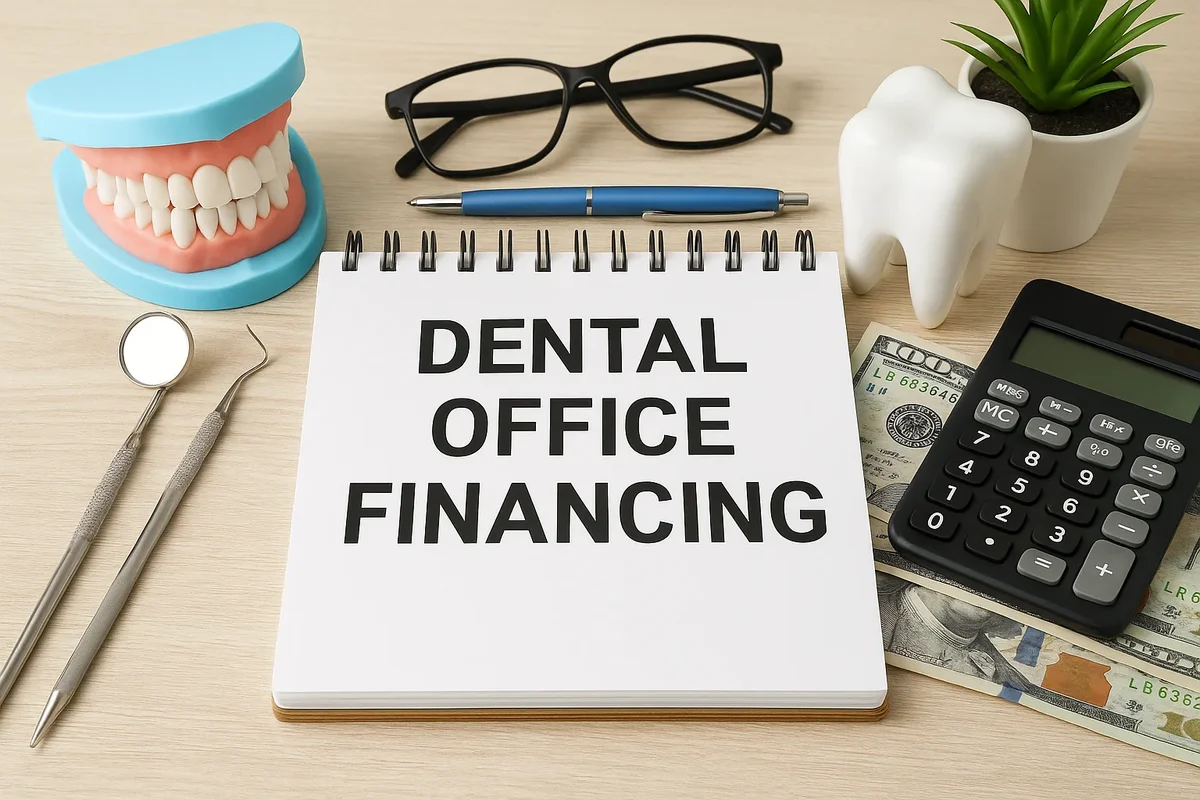
Future Trends in Dental Office Financing and Patient Care
💡 The field of dentistry is not only evolving with new technologies and treatments but also with innovative financial solutions. As patient expectations rise and healthcare costs continue to increase, dental office financing is adapting to become more flexible, digital, and patient-centered. Understanding these emerging trends helps patients prepare for future changes while allowing clinics to stay competitive in an ever-shifting healthcare environment.
Digital Transformation of Financing
One of the most significant trends in dental office financing is the shift toward digital platforms. Patients increasingly expect quick, paperless applications and instant approvals. Financing companies and clinics are responding with:
- ✔️ Mobile Apps: Allowing patients to track balances, make payments, and view financing options directly from their smartphones.
- ✔️ Online Pre-Approvals: Patients can apply before their appointments, ensuring they arrive prepared to proceed with treatment.
- ✔️ Automated Payment Systems: Reducing missed payments by offering automatic deductions and text/email reminders.
This digital convenience aligns with broader patient care goals by reducing friction and ensuring smoother financial planning.
Integration with Insurance Systems
Another future trend is the tighter integration between insurance providers and financing platforms. In the past, patients had to separately manage what insurance covered and what financing handled. Moving forward, systems will combine these elements seamlessly, automatically calculating out-of-pocket costs and offering financing options for the remaining balance. This evolution makes dental office financing more transparent and efficient.
Example of Integrated Financing
Imagine a patient receiving a treatment plan for $4,500. The system instantly applies insurance benefits, shows the $2,000 covered, and then offers financing solutions for the remaining $2,500. This level of automation will save time and reduce patient confusion.
Rise of Subscription-Based Dental Care
🌍 Membership and subscription models are gaining traction. Instead of relying solely on loans or lump-sum payments, patients may pay a fixed monthly fee that covers preventive care and provides discounts for additional treatments. While not traditional financing, these models complement dental office financing by lowering overall costs and giving patients predictable budgets. This trend particularly appeals to patients without traditional insurance coverage.
Personalized Financing Options
As technology advances, financing solutions will become increasingly personalized. Using data from credit histories, treatment types, and income levels, lenders will tailor financing packages to meet each patient’s unique circumstances. This personalization ensures that patients are neither overburdened with high payments nor limited by rigid repayment terms. Clinics adopting these flexible models will stand out as patient-centered providers.
Potential Features of Personalized Plans
- Variable interest rates based on treatment urgency and patient credit.
- Option to defer payments for preventive vs. restorative care.
- Custom repayment schedules designed to match patient income cycles.
AI and Predictive Analytics in Financing
Artificial intelligence (AI) is expected to play a growing role in dental office financing. Predictive algorithms can help lenders assess patient risk more accurately, while clinics can use AI tools to anticipate patient needs and recommend financing options proactively. For patients, this means quicker approvals, lower risks of rejection, and financing plans that are better aligned with their financial behavior.
Greater Emphasis on Preventive Financing
Traditionally, financing has been focused on major treatments like implants or orthodontics. However, the future will see more emphasis on financing preventive and early-stage care. Offering patients the ability to finance smaller treatments such as deep cleanings or periodontal therapy reduces the risk of problems escalating into costly procedures. This approach supports both oral health and long-term cost savings.
Focus on Financial Wellness and Education
Patients are not just seeking payment options—they want education. Clinics are beginning to integrate financial counseling into patient care. This means providing guidance on how to use insurance, how to budget for treatments, and how to responsibly manage dental office financing. By combining financial literacy with oral healthcare, providers empower patients to make confident decisions.
Educational Tools Emerging
- Interactive online calculators to estimate monthly payments.
- Workshops or webinars on combining insurance and financing.
- Customized financial health reports for dental patients.
Globalization of Financing Models
As dental tourism grows, financing models are expanding internationally. Patients traveling abroad for procedures increasingly expect financing solutions that cross borders. Clinics offering international dental office financing options—such as agreements with global lenders—will gain a competitive edge in serving these patients. This trend reflects the global demand for affordable, high-quality dental care.
Case Study: Future-Oriented Financing in Action
Consider Emily, a patient needing Invisalign treatment costing $5,000. In the near future, she might use a mobile app that connects directly with her insurance provider. The app instantly applies her $1,500 coverage, then presents her with financing choices: a 24-month plan at $145/month with 0% interest or a subscription model at $60/month for preventive care plus discounted orthodontics. Emily chooses the hybrid option, combining preventive coverage with financing for the remaining balance. This integrated, transparent process illustrates where the future of dental office financing is heading.
Final Thoughts on the Future of Dental Financing
👍 The future of dental office financing is bright, driven by digital innovation, personalization, and patient-centered care. As technology continues to evolve, financing will become faster, smarter, and more flexible, ensuring patients never feel restricted from pursuing necessary dental treatments. Clinics that embrace these trends will foster loyalty, attract more patients, and enhance overall health outcomes.
To learn more about trusted financing practices and standards, consult the American Dental Association. For personalized guidance on future-ready financing solutions, visit the Redent Klinik Contact Page today. 🦷