
Maintaining a clean and sterile environment is absolutely essential in any dental clinic. Patients expect not only professional dental care but also a hygienic setting that ensures their health and safety. This is where dental office janitorial services play a crucial role. These specialized cleaning services go far beyond standard commercial cleaning. They are specifically designed to meet the strict sanitation requirements of dental facilities, where contamination risks and infection control are major concerns.
Unlike ordinary office cleaning, dental office janitorial services focus on medical-grade cleanliness. Dental clinics handle saliva, blood particles, aerosols, and biological contaminants during daily procedures. Without proper cleaning and disinfection protocols, these elements can pose serious health risks. Professional janitorial teams trained in healthcare sanitation understand how to properly disinfect surfaces, sterilize high-touch areas, and safely dispose of contaminated waste.
One of the most important aspects of dental office janitorial services is infection prevention. Dental environments contain numerous surfaces that can easily harbor bacteria and viruses. Treatment chairs, dental lights, countertops, sinks, instruments, and waiting areas all require consistent sanitation. Professional cleaners use hospital-grade disinfectants and industry-approved techniques to eliminate pathogens effectively. This ensures the clinic complies with safety guidelines recommended by organizations such as the American Dental Association.
Another key reason clinics rely on dental office janitorial services is patient trust. When patients enter a dental office, they immediately notice the cleanliness of the environment. A spotless reception area, sanitized treatment rooms, and fresh-smelling facilities create a strong sense of professionalism. On the other hand, even minor signs of poor hygiene can cause patients to question the quality of care provided. A well-maintained clinic environment reassures patients that their health is a priority.
Professional dental office janitorial services also help dental teams focus on patient care instead of facility maintenance. Dentists, hygienists, and assistants already have demanding responsibilities. Cleaning and disinfecting the entire clinic at a professional level would require significant time and training. By outsourcing cleaning tasks to experts, dental professionals can concentrate on delivering exceptional treatment while ensuring the clinic environment remains safe.
Modern dental clinics are complex environments filled with advanced equipment. Improper cleaning techniques can damage sensitive devices or leave contamination behind. Experienced providers of dental office janitorial services understand how to clean around dental units, X-ray equipment, and sterilization stations without disrupting their functionality. This specialized knowledge protects expensive equipment while maintaining hygienic standards.
In addition to treatment areas, dental office janitorial services focus heavily on high-traffic spaces such as waiting rooms and restrooms. These areas see constant patient use throughout the day and can quickly accumulate germs. Professional cleaning routines include disinfecting door handles, seating surfaces, reception counters, payment terminals, and restrooms multiple times per day. Such attention to detail significantly reduces the spread of bacteria and viruses.
Another important component of dental office janitorial services is proper waste management. Dental clinics generate several types of waste, including general trash, recyclable materials, and potentially hazardous medical waste. Professional janitorial teams follow strict disposal procedures to ensure contaminated materials are handled safely and in compliance with health regulations. Proper waste handling protects both clinic staff and the environment.
Many modern clinics now incorporate eco-friendly cleaning practices as part of their dental office janitorial services. Green cleaning solutions help reduce chemical exposure while maintaining high sanitation standards. Environmentally responsible cleaning products can effectively disinfect surfaces while being safer for patients, staff, and indoor air quality. This approach aligns with the growing demand for sustainable healthcare practices.
Routine cleaning schedules are also essential. Most clinics require daily sanitation, weekly deep cleaning, and periodic intensive disinfection. Reliable dental office janitorial services create customized cleaning schedules based on clinic size, patient volume, and treatment types. These schedules ensure that every surface—from floors and walls to ventilation systems—is properly maintained.
For dental clinics that treat international patients or maintain a strong online presence, cleanliness also supports brand reputation. Clinics like Redent Klinik Contact Page emphasize high hygiene standards because patients often evaluate clinics based on safety, professionalism, and cleanliness before booking treatment. Consistent sanitation demonstrates commitment to quality care.
Ultimately, dental office janitorial services are not simply about keeping a clinic tidy. They represent a vital part of healthcare safety infrastructure. Proper cleaning protects patients from infection, safeguards staff health, preserves equipment, and enhances the overall patient experience. Dental clinics that invest in professional cleaning services position themselves as trustworthy, responsible, and patient-focused healthcare providers.
In today’s healthcare environment, hygiene standards are more important than ever. Patients expect transparency, safety, and professionalism from dental clinics. With the support of specialized dental office janitorial services, dental practices can meet these expectations while maintaining compliance with strict healthcare sanitation standards. A clean clinic is not only a reflection of professionalism—it is also a foundation for safe and successful dental care. 🦷✨
Why Dental Office Janitorial Services Are Essential for Patient Safety
Maintaining strict hygiene standards in a dental clinic is not just a matter of appearance—it is a critical requirement for protecting patient health. Every dental practice performs procedures that involve saliva, aerosols, microscopic blood particles, and bacteria. Without proper sanitation, these contaminants can accumulate on surfaces and equipment, potentially spreading infections. This is why dental office janitorial services are considered an essential component of modern dental clinic operations.
Professional dental office janitorial services ensure that every area of the clinic meets healthcare sanitation standards. Unlike general cleaning companies, specialized janitorial teams understand medical cleaning protocols, sterilization practices, and infection prevention strategies. Their work directly contributes to a safer environment for both patients and dental staff.
The Risk of Cross-Contamination in Dental Clinics
Dental environments naturally involve exposure to microorganisms. During procedures such as cleanings, fillings, or surgeries, microscopic particles can travel through the air and settle on nearby surfaces. If these surfaces are not thoroughly disinfected, the risk of cross-contamination increases significantly.
This is where professional dental office janitorial services become essential. Cleaning teams trained in healthcare sanitation focus on eliminating bacteria, viruses, and other pathogens from frequently touched surfaces such as:
- Dental chairs and armrests
- Overhead dental lights
- Instrument trays
- Door handles and switches
- Reception counters and payment terminals
- Waiting room seating
Without specialized cleaning, germs can easily spread from one patient to another. Reliable dental office janitorial services dramatically reduce this risk by implementing strict disinfection routines multiple times per day.
How Professional Sanitation Interrupts Infection Chains
Pathogens spread through contact with contaminated surfaces. By disinfecting surfaces regularly, dental office janitorial services interrupt the chain of infection. Hospital-grade disinfectants are applied to high-touch areas to destroy microorganisms before they have the chance to spread.
Dental clinics that implement consistent dental office janitorial services protocols significantly reduce the possibility of bacterial and viral transmission. This proactive sanitation approach protects vulnerable patients and maintains compliance with healthcare safety regulations.
Compliance with Health and Dental Regulations
Healthcare facilities must follow strict hygiene guidelines. Dental practices are expected to comply with sanitation recommendations from organizations such as the American Dental Association. These standards require dental clinics to maintain a sterile environment and regularly disinfect treatment areas.
Professional dental office janitorial services help clinics remain compliant with these regulations. Experienced cleaning teams are trained in healthcare sanitation requirements and understand the importance of:
- Using approved disinfectants
- Following sterilization procedures
- Maintaining clean air circulation areas
- Safely handling clinical waste
- Documenting cleaning routines
Without consistent dental office janitorial services, a dental clinic may struggle to meet regulatory expectations. Maintaining compliance protects both patients and clinic owners from potential health risks or legal complications.
Protecting Dental Staff from Occupational Exposure
Patient safety is only one part of the equation. Dental professionals themselves are also exposed to potential contaminants throughout the day. Hygienists, assistants, and dentists work in close proximity to bodily fluids and airborne particles. Without proper sanitation practices, these healthcare workers may face increased exposure to bacteria and viruses.
Reliable dental office janitorial services help create a safer work environment for clinic staff. Thorough cleaning of treatment rooms, sterilization areas, and staff workspaces minimizes occupational hazards. This contributes to a healthier workplace and reduces the risk of illness among dental professionals.
The Importance of High-Touch Surface Cleaning
High-touch surfaces are among the most common sources of microbial transmission. Items such as keyboards, light switches, drawer handles, and medical carts are touched repeatedly throughout the day. Professional dental office janitorial services focus heavily on disinfecting these areas.
By targeting these frequently used surfaces, dental office janitorial services significantly lower the number of active pathogens within the clinic. This level of detail is difficult to achieve through basic cleaning routines, which is why specialized cleaning teams are so valuable.
Building Patient Confidence Through Hygiene
Patients often evaluate a dental clinic within seconds of walking through the door. A clean and well-maintained environment communicates professionalism and attention to detail. Conversely, even small signs of poor sanitation can raise concerns about safety.
High-quality dental office janitorial services ensure that reception areas, treatment rooms, and restrooms remain spotless throughout the day. Floors are polished, surfaces are disinfected, and the entire clinic maintains a fresh and hygienic appearance.
This level of cleanliness directly influences patient perception. Clinics that invest in professional dental office janitorial services demonstrate their commitment to patient well-being and healthcare excellence.
Supporting Overall Dental Clinic Reputation
In today’s digital world, reputation matters more than ever. Patients frequently read reviews and research clinics online before scheduling appointments. Cleanliness is one of the most commonly mentioned factors in patient feedback.
Dental clinics that prioritize professional dental office janitorial services often receive positive reviews related to hygiene and comfort. A well-maintained clinic environment strengthens trust and encourages patients to return for future care.
For example, clinics that maintain high sanitation standards—such as those showcased on the Redent Klinik Contact Page—understand that cleanliness directly contributes to patient satisfaction and long-term reputation.
Ultimately, dental office janitorial services are not simply about keeping a clinic visually clean. They represent a fundamental component of patient safety, infection control, and professional healthcare standards. By implementing specialized cleaning protocols, dental clinics protect patients, safeguard staff, and maintain the high hygiene expectations required in modern dentistry. 🦷
Key Cleaning Standards Required in Dental Office Janitorial Services
Dental clinics must maintain extremely high sanitation standards because they are healthcare environments where infection control is critical. Every day, dental professionals perform procedures that involve saliva, aerosols, microscopic blood particles, and bacteria. These elements can easily contaminate surfaces and equipment if not properly cleaned. For this reason, dental office janitorial services must follow strict cleaning standards designed specifically for healthcare settings.
Unlike general office cleaning, dental office janitorial services are based on medical sanitation protocols. Cleaning staff must understand infection control procedures, proper disinfectant usage, and the correct handling of contaminated materials. When these standards are followed consistently, they help ensure patient safety, staff protection, and regulatory compliance.
Healthcare-Grade Disinfection Standards
The most important requirement in dental office janitorial services is the use of healthcare-grade disinfectants. Dental environments require disinfectants capable of eliminating bacteria, viruses, fungi, and other pathogens that may be present after dental procedures.
Professional cleaning teams performing dental office janitorial services typically use disinfectants approved for medical environments. These disinfectants are designed to destroy harmful microorganisms quickly while remaining safe for use around patients and staff.
Key disinfectant targets include:
- Treatment chairs and armrests
- Dental unit control panels
- Instrument trays and countertops
- Dental lights and handles
- Computer keyboards and touchscreen devices
- Door handles and waiting room surfaces
Without proper dental office janitorial services, these surfaces can quickly accumulate pathogens. Consistent disinfection significantly reduces contamination risks within the clinic.
Surface Contact Time Requirements
Many people assume disinfectants work instantly, but this is not always the case. Most healthcare disinfectants require a specific contact time to effectively eliminate microorganisms. Professional dental office janitorial services teams understand these requirements and allow disinfectants to remain on surfaces for the recommended duration.
This attention to detail ensures that cleaning procedures are effective rather than simply cosmetic. Proper contact time is a key factor that separates specialized dental office janitorial services from basic cleaning routines.
High-Touch Surface Sanitization Protocols
Another essential cleaning standard in dental office janitorial services involves the frequent sanitation of high-touch surfaces. These are areas that patients and staff interact with repeatedly throughout the day.
Examples of high-touch surfaces include:
- Reception desk counters
- Waiting room chairs
- Light switches
- Drawer handles
- Bathroom fixtures
- Payment terminals
Professional dental office janitorial services include scheduled cleaning cycles that target these areas multiple times each day. By disinfecting frequently touched surfaces, clinics reduce the likelihood of microbial transmission between patients.
Why High-Touch Areas Are Critical
Studies in healthcare hygiene consistently show that pathogens often spread through contact with contaminated surfaces. A patient who touches an infected door handle or countertop can unknowingly transfer bacteria to their face or mouth. Proper dental office janitorial services interrupt this chain of contamination by ensuring these areas are disinfected regularly.
Routine sanitation of high-touch areas is therefore one of the most important standards in professional dental office janitorial services.
Air Quality and Aerosol Control
Dental procedures frequently generate aerosols—tiny airborne particles that can contain microorganisms. These aerosols can settle on surfaces throughout the clinic, increasing contamination risks.
Professional dental office janitorial services often include air quality considerations as part of their sanitation standards. This may involve:
- Cleaning ventilation grilles
- Dust removal from air vents
- Surface disinfection in aerosol exposure zones
- Periodic deep cleaning of treatment rooms
Maintaining clean air circulation helps reduce the accumulation of airborne contaminants. High-quality dental office janitorial services contribute to a healthier indoor environment for both patients and dental professionals.
Safe Waste Handling Procedures
Dental clinics generate different types of waste, including general trash, recyclable materials, and medical waste. Proper waste management is another essential component of dental office janitorial services.
Professional cleaning teams follow strict protocols when handling waste containers and disposal areas. This includes:
- Removing contaminated materials safely
- Using protective equipment when necessary
- Sealing waste bags properly
- Cleaning and disinfecting waste storage areas
By following these procedures, dental office janitorial services prevent cross-contamination and ensure that potentially hazardous materials are handled responsibly.
Floor Cleaning and Surface Maintenance
While infection control often focuses on treatment areas, floors also play an important role in sanitation. Dust, bacteria, and debris can accumulate quickly in busy dental clinics. Reliable dental office janitorial services include daily floor cleaning routines such as vacuuming, mopping, and disinfecting.
Different flooring materials require different cleaning techniques. Professional dental office janitorial services providers understand how to clean tile, vinyl, laminate, and carpet surfaces without damaging them.
Proper floor maintenance helps maintain a hygienic clinic environment while also improving the clinic’s overall appearance.
Regulatory Compliance and Industry Guidelines
Dental clinics must comply with strict hygiene regulations and professional guidelines. Organizations such as the American Dental Association emphasize the importance of maintaining clean and sanitized treatment environments.
Professional dental office janitorial services help clinics meet these expectations by implementing documented cleaning procedures. These routines ensure that sanitation tasks are performed consistently and thoroughly.
Clinics that prioritize high sanitation standards demonstrate their commitment to patient safety and professional responsibility. Many modern dental practices—including those highlighted on the Redent Klinik Contact Page—recognize that maintaining a clean environment is essential for both healthcare quality and patient confidence.
Ultimately, strict cleaning standards form the foundation of effective dental office janitorial services. By following healthcare sanitation protocols, disinfecting high-touch surfaces, managing waste safely, and maintaining air quality, professional cleaning teams help dental clinics operate safely and efficiently. These practices protect patients, support dental professionals, and uphold the highest standards of modern dental care. 🦷
Daily Cleaning Checklist Used in Professional Dental Office Janitorial Services
A dental clinic must maintain an exceptionally high level of cleanliness every single day. Unlike typical offices, dental facilities are healthcare environments where patient safety depends heavily on sanitation. Because procedures involve saliva, microscopic blood particles, and airborne aerosols, contamination risks are significantly higher. For this reason, dental office janitorial services rely on detailed daily cleaning checklists designed specifically for dental environments.
A structured cleaning checklist ensures that every area of the clinic is sanitized consistently and thoroughly. Professional dental office janitorial services teams follow systematic routines to prevent pathogens from spreading across surfaces. These routines help dental clinics maintain compliance with health guidelines and reinforce patient confidence in the clinic’s hygiene standards.
Morning Preparation Tasks Before Patient Appointments
Before the first patient arrives, the clinic must already be sanitized and ready for safe treatment. Professional dental office janitorial services begin the day with a set of preparation tasks designed to eliminate any contamination from the previous day.
Morning cleaning routines typically include:
- Disinfecting dental chairs and armrests
- Cleaning dental lights and equipment handles
- Sanitizing countertops and treatment trays
- Disinfecting reception desks and waiting room furniture
- Vacuuming or mopping clinic floors
- Restocking hygiene supplies such as soap and paper towels
These early sanitation tasks are critical. Reliable dental office janitorial services ensure that treatment rooms are fully disinfected and prepared before the first procedure begins.
Preparing Sterile Treatment Environments
Treatment rooms require special attention during morning preparation. Dental procedures generate aerosols and particles that may settle on nearby surfaces. Professional dental office janitorial services disinfect treatment areas thoroughly to create a sterile environment for patient care.
This preparation helps reduce infection risks and ensures that every patient enters a safe clinical setting.
Cleaning Between Patient Appointments
One of the most important responsibilities of dental office janitorial services is maintaining cleanliness throughout the day. Dental clinics often treat dozens of patients daily, meaning treatment areas must be sanitized repeatedly.
Between appointments, cleaning teams or trained staff perform targeted sanitation tasks such as:
- Disinfecting dental chairs and instrument trays
- Cleaning overhead dental lights
- Sanitizing suction handles and control panels
- Replacing disposable protective barriers
- Disinfecting nearby countertops and surfaces
Professional dental office janitorial services ensure that these cleaning routines follow proper healthcare protocols. Disinfectants are applied with the correct contact time to ensure bacteria and viruses are effectively eliminated.
Why Between-Patient Cleaning Matters
Every patient visit introduces new microorganisms into the treatment environment. Without proper cleaning between appointments, germs can easily spread to the next patient. Specialized dental office janitorial services routines break this chain of contamination and significantly reduce infection risks.
Reception Area and Waiting Room Maintenance
The waiting room is one of the highest-traffic areas in any dental clinic. Patients interact with chairs, magazines, payment terminals, and reception desks throughout the day. As a result, these surfaces can accumulate bacteria quickly.
Professional dental office janitorial services pay close attention to reception and waiting areas by performing tasks such as:
- Disinfecting reception counters
- Cleaning waiting room seating
- Sanitizing touchscreen check-in systems
- Wiping down door handles and elevator buttons
- Cleaning and disinfecting patient restrooms
These routine cleaning tasks help ensure that common areas remain hygienic for everyone entering the clinic.
Creating a Positive First Impression
Patients often judge the professionalism of a dental clinic based on its cleanliness. Well-maintained reception areas reflect the quality of care provided inside the treatment rooms. Reliable dental office janitorial services ensure that every area patients see is spotless and welcoming.
Restroom Cleaning and Hygiene Maintenance
Restrooms require frequent sanitation to maintain a hygienic environment. Because they are used by both patients and staff, restrooms can quickly become a source of contamination if not cleaned regularly.
Professional dental office janitorial services include comprehensive restroom sanitation such as:
- Disinfecting sinks and faucets
- Cleaning toilet seats and flush handles
- Sanitizing door handles and stall locks
- Restocking soap, towels, and tissue products
- Mopping restroom floors with disinfectant solutions
Maintaining clean restrooms is an essential part of daily dental clinic hygiene.
Evening Deep Cleaning Procedures
At the end of each workday, clinics require a deeper level of sanitation. Evening routines in dental office janitorial services ensure that all areas of the clinic are cleaned thoroughly before the next day begins.
End-of-day cleaning tasks typically include:
- Full disinfection of treatment rooms
- Deep cleaning of floors and carpets
- Cleaning ventilation grilles and dust-prone areas
- Removing trash and waste materials
- Sanitizing sterilization rooms and equipment areas
This comprehensive cleaning process ensures that the clinic is ready for safe operations the following morning.
Maintaining Compliance with Healthcare Hygiene Standards
Dental clinics must maintain strict hygiene standards recommended by professional organizations such as the American Dental Association. Consistent sanitation routines are essential for meeting these expectations.
Professional dental office janitorial services help clinics maintain documented cleaning schedules and proper sanitation protocols. These records can be important for inspections, accreditation processes, and patient safety audits.
Supporting Patient Trust and Clinic Reputation
Cleanliness is one of the most visible indicators of quality in a healthcare facility. Patients want reassurance that the clinic they visit prioritizes hygiene and infection control.
Clinics that invest in professional dental office janitorial services demonstrate a strong commitment to safety and professionalism. Many reputable clinics emphasize strict sanitation standards, including those highlighted on the Redent Klinik Contact Page.
Ultimately, a well-organized daily cleaning checklist is the backbone of effective dental office janitorial services. By following structured sanitation routines—from morning preparation to evening deep cleaning—dental clinics can maintain a safe environment, protect patient health, and uphold the highest standards of professional dental care. 🦷✨
Infection Control Protocols in Dental Office Janitorial Services
Infection control is one of the most critical responsibilities in any dental environment. Dental clinics regularly perform procedures that generate aerosols, saliva particles, and microscopic biological contaminants. Without strict sanitation protocols, these contaminants can spread throughout the clinic and pose health risks to patients and staff. For this reason, professional dental office janitorial services follow highly structured infection control protocols designed specifically for healthcare facilities.
Unlike standard cleaning routines, infection prevention in dental office janitorial services focuses on eliminating microorganisms that may remain on surfaces after dental procedures. These protocols are based on healthcare hygiene standards and scientific understanding of how pathogens spread in clinical environments. By following these specialized procedures, dental clinics significantly reduce the risk of cross-contamination.
Understanding Infection Risks in Dental Clinics
Dental practices are unique among healthcare environments because many treatments generate aerosols. High-speed dental instruments, ultrasonic scalers, and air-water syringes release tiny droplets that can contain bacteria or viruses. These particles may travel through the air and settle on nearby surfaces.
Professional dental office janitorial services are designed to address this challenge. Cleaning teams disinfect areas that may have been exposed to aerosol contamination, including treatment chairs, countertops, dental lights, and surrounding equipment.
Without thorough dental office janitorial services, these microscopic contaminants could remain on surfaces and potentially infect other patients or staff members.
Common Pathogens Found in Dental Environments
Dental clinics may encounter a variety of microorganisms, including:
- Bacteria from saliva and oral biofilm
- Viruses transmitted through respiratory droplets
- Fungal organisms that thrive in moist environments
- Airborne pathogens generated during procedures
Professional dental office janitorial services use hospital-grade disinfectants capable of eliminating these microorganisms effectively.
Surface Disinfection Protocols
One of the most important infection control measures in dental office janitorial services is surface disinfection. Dental clinics contain numerous high-touch surfaces that can easily harbor bacteria and viruses.
Cleaning teams systematically disinfect surfaces such as:
- Dental chairs and headrests
- Instrument trays and countertops
- Dental light handles
- X-ray equipment surfaces
- Cabinet handles and drawers
- Reception counters and waiting room furniture
By following structured disinfection protocols, dental office janitorial services eliminate harmful microorganisms before they can spread to other areas of the clinic.
Importance of Disinfectant Contact Time
Many disinfectants require a specific amount of time to fully destroy pathogens. Professional dental office janitorial services ensure that disinfectants remain on surfaces long enough to achieve maximum effectiveness.
This careful attention to contact time is a key difference between specialized dental office janitorial services and general cleaning services. Proper technique ensures that surfaces are not only clean but also truly disinfected.
Use of Personal Protective Equipment (PPE)
Infection control protocols also require cleaning staff to use protective equipment while performing sanitation tasks. Professional dental office janitorial services teams typically wear:
- Protective gloves
- Face masks
- Eye protection when necessary
- Protective gowns or aprons
These protective measures prevent cleaning personnel from being exposed to biological contaminants while working in treatment areas. PPE also prevents cross-contamination during the cleaning process.
Safe Handling of Dental Waste
Dental clinics produce several types of waste, including general waste, recyclable materials, and clinical waste that may contain biological contaminants. Proper waste management is an essential part of infection control.
Professional dental office janitorial services follow strict waste-handling procedures that include:
- Sealing waste bags securely
- Separating hazardous materials from regular trash
- Cleaning and disinfecting waste storage containers
- Transporting waste safely for proper disposal
By following these protocols, dental office janitorial services reduce the risk of contamination and maintain a safe clinic environment.
Airborne Contamination Prevention
Because dental procedures produce aerosols, airborne contamination is another important factor in infection control. Professional dental office janitorial services address this issue by cleaning areas where particles may settle and by maintaining air circulation systems.
Common procedures include:
- Cleaning ventilation grilles
- Dust removal from air ducts
- Surface disinfection in aerosol exposure zones
- Deep cleaning treatment rooms regularly
These measures help reduce airborne contamination within the clinic.
Compliance with Professional Health Guidelines
Dental clinics must follow strict hygiene guidelines recommended by professional organizations. The American Dental Association provides guidance on infection control standards for dental facilities.
Professional dental office janitorial services help clinics meet these standards by implementing structured sanitation protocols and maintaining consistent cleaning schedules. Compliance with these guidelines protects both patients and dental staff.
Supporting Patient Confidence Through Infection Control
Patients are increasingly aware of healthcare hygiene standards, especially in environments where medical procedures take place. Seeing a clean, well-maintained dental clinic reassures patients that their safety is a top priority.
Reliable dental office janitorial services help maintain this level of cleanliness throughout the clinic—from treatment rooms to waiting areas. Many reputable dental practices emphasize strict sanitation protocols to build trust with patients.
For example, clinics that maintain high hygiene standards—such as those highlighted on the Redent Klinik Contact Page—understand that infection control is essential for delivering safe and professional dental care.
Ultimately, effective infection control protocols are the foundation of professional dental office janitorial services. By implementing advanced sanitation techniques, using healthcare-grade disinfectants, and following strict safety guidelines, these services protect patients, safeguard dental professionals, and maintain the highest hygiene standards in modern dental clinics. 🦷
How Dental Office Janitorial Services Protect Your Clinic Reputation
A dental clinic’s reputation depends on many factors, including clinical expertise, patient communication, treatment outcomes, and overall professionalism. However, one factor that patients notice immediately—often before they even meet the dentist—is cleanliness. The hygiene level of a clinic plays a major role in shaping patient trust. This is why professional dental office janitorial services are essential not only for infection control but also for protecting and strengthening a clinic’s reputation.
In modern healthcare, patients expect dental clinics to meet the highest standards of sanitation. When patients enter a spotless waiting room, see sanitized treatment areas, and notice an organized environment, they feel confident that the clinic values their safety. Professional dental office janitorial services help dental practices maintain that level of excellence every day.
First Impressions Matter for Dental Patients
The first impression of a dental clinic begins the moment a patient walks through the door. A clean reception area, polished floors, and disinfected surfaces communicate professionalism and attention to detail. On the other hand, dusty surfaces, cluttered spaces, or unpleasant odors can quickly create doubt about the clinic’s hygiene standards.
Professional dental office janitorial services ensure that reception areas remain consistently clean and welcoming. Cleaning teams sanitize waiting room chairs, disinfect reception counters, wipe door handles, and maintain fresh-smelling environments throughout the day.
When patients see this level of cleanliness, they naturally associate it with high-quality dental care. This connection makes dental office janitorial services a powerful tool for reputation management.
Visual Cleanliness Builds Immediate Trust
Patients often judge healthcare facilities visually. Even if a clinic follows strict infection control protocols behind the scenes, visible cleanliness reassures patients that those standards are truly being followed. Professional dental office janitorial services focus on maintaining both actual sanitation and visual cleanliness throughout the clinic.
Patient Reviews and Online Reputation
In today’s digital age, online reviews significantly influence patient decisions. Many people search for dental clinics online and read patient feedback before scheduling an appointment. Cleanliness is frequently mentioned in patient reviews, both positive and negative.
Clinics that invest in reliable dental office janitorial services often receive positive feedback about hygiene, organization, and comfort. Patients appreciate walking into a clinic that feels safe and well-maintained.
Conversely, poor sanitation can quickly damage a clinic’s reputation. Even one negative review mentioning cleanliness concerns can discourage potential patients from choosing that clinic.
Clean Clinics Encourage Positive Patient Feedback
Professional dental office janitorial services help ensure that patients consistently experience a clean and welcoming environment. This increases the likelihood of positive online reviews and word-of-mouth recommendations.
Enhancing Professional Image and Brand Identity
A dental clinic’s brand represents trust, professionalism, and healthcare excellence. Cleanliness is a visible reflection of these values. Clinics that maintain spotless facilities demonstrate that they care about patient safety and operational excellence.
Professional dental office janitorial services help reinforce this brand identity by maintaining high sanitation standards across the entire clinic environment. Every area—from treatment rooms to restrooms—remains clean, organized, and hygienic.
For example, many modern dental clinics highlighted on the Redent Klinik Contact Page emphasize hygiene as a core part of their patient care philosophy. Reliable dental office janitorial services support that commitment by ensuring consistent sanitation practices.
Compliance with Healthcare Hygiene Expectations
Maintaining cleanliness is not just about reputation—it is also about meeting professional healthcare standards. Dental clinics must follow strict hygiene recommendations established by organizations such as the American Dental Association.
Professional dental office janitorial services help clinics comply with these guidelines by implementing documented cleaning procedures and sanitation routines. These procedures ensure that surfaces, equipment areas, and common spaces are disinfected regularly.
Compliance with healthcare sanitation standards further strengthens the clinic’s reputation as a responsible and trustworthy healthcare provider.
Consistency Is Key to Maintaining Reputation
One-time deep cleaning is not enough to maintain a strong reputation. Patients visit clinics daily, and hygiene must remain consistent at all times. Professional dental office janitorial services provide structured cleaning schedules that ensure sanitation standards remain high every day.
Creating a Comfortable Environment for Patients
Many patients feel anxious about visiting the dentist. A clean and well-maintained environment helps reduce that anxiety. When treatment rooms appear sanitized and organized, patients feel more comfortable and relaxed.
Professional dental office janitorial services contribute to this comfort by ensuring that treatment areas, waiting rooms, and restrooms remain hygienic and welcoming. Fresh air, polished surfaces, and spotless floors create an environment that feels safe and professional.
This positive atmosphere improves the overall patient experience and strengthens long-term trust in the clinic.
Protecting Long-Term Business Growth
A strong reputation leads to long-term success for dental practices. Clinics that maintain excellent hygiene standards attract new patients and retain existing ones. Reliable dental office janitorial services play an important role in supporting this growth.
By maintaining a consistently clean environment, dental clinics demonstrate their commitment to safety and professionalism. This commitment builds patient loyalty and encourages positive recommendations.
Ultimately, professional dental office janitorial services are not just a cleaning solution—they are an investment in a clinic’s reputation and long-term success. Clean environments inspire patient confidence, strengthen brand credibility, and ensure that dental practices maintain the high standards expected in modern healthcare. 🦷✨
Equipment and Tools Used in Dental Office Janitorial Services
Maintaining a sterile and safe dental environment requires more than simple cleaning supplies. Dental clinics must meet strict hygiene standards, and achieving this level of sanitation requires specialized equipment and professional techniques. For this reason, dental office janitorial services rely on a range of advanced cleaning tools designed specifically for healthcare environments.
Unlike standard office cleaning, dental office janitorial services must address biological contaminants, microscopic particles, and potentially infectious materials. Professional cleaning teams therefore use medical-grade disinfectants, specialized cleaning machines, and protective equipment to ensure every area of the clinic is properly sanitized.
Hospital-Grade Disinfectants and Cleaning Solutions
The foundation of effective dental office janitorial services is the use of hospital-grade disinfectants. Dental clinics encounter bacteria, viruses, and fungi during daily procedures, making it essential to use products that can eliminate these microorganisms effectively.
Professional dental office janitorial services typically use disinfectants that are specifically designed for healthcare environments. These products are capable of destroying pathogens while remaining safe for surfaces such as dental chairs, treatment trays, countertops, and medical equipment.
Common disinfectants used in dental office janitorial services include:
- EPA-approved medical disinfectants
- Alcohol-based surface sanitizers
- Hydrogen peroxide cleaning solutions
- Quaternary ammonium disinfectants
These cleaning agents help ensure that surfaces remain free from harmful microorganisms throughout the clinic.
Importance of Correct Disinfectant Application
Using the correct disinfectant is only part of the process. Professional dental office janitorial services teams must also apply these products correctly. This includes allowing sufficient contact time for disinfectants to work effectively and ensuring that surfaces are cleaned before disinfection occurs.
Proper technique ensures that sanitation is thorough and compliant with healthcare cleaning standards.
Microfiber Cleaning Systems
Microfiber cleaning technology has become an essential component of modern dental office janitorial services. Microfiber cloths and mops are highly effective at capturing microscopic particles such as dust, bacteria, and allergens.
Unlike traditional cleaning cloths, microfiber materials trap contaminants within tiny fibers rather than spreading them across surfaces. This makes microfiber tools particularly valuable in healthcare environments.
Professional dental office janitorial services use microfiber systems for tasks such as:
- Cleaning dental equipment surfaces
- Wiping treatment room countertops
- Disinfecting waiting room furniture
- Cleaning glass and mirrors
Microfiber tools are also reusable and environmentally friendly, making them an efficient solution for maintaining high sanitation standards.
Color-Coded Microfiber Systems
Many providers of dental office janitorial services use color-coded microfiber cloths to prevent cross-contamination. For example, one color may be used exclusively for treatment rooms, while another is reserved for restrooms.
This system ensures that bacteria from one area are not transferred to another area during cleaning.
HEPA Vacuum Systems
Air quality plays an important role in dental clinic hygiene. Dust, allergens, and microscopic particles can accumulate on floors and surfaces throughout the day. High-efficiency vacuum systems equipped with HEPA filters are commonly used in dental office janitorial services.
HEPA filtration technology captures extremely small particles that traditional vacuum cleaners may release back into the air. By using HEPA vacuums, professional dental office janitorial services improve indoor air quality while maintaining clean floors and carpets.
These vacuum systems are especially valuable in waiting rooms, hallways, and carpeted areas where particles may accumulate.
Floor Cleaning Machines
Dental clinics experience constant foot traffic from patients and staff. As a result, floors can quickly accumulate dirt, bacteria, and debris. Professional dental office janitorial services use specialized floor cleaning equipment to maintain hygienic surfaces.
Common equipment includes:
- Automatic floor scrubbers
- High-speed floor polishers
- Disinfectant mopping systems
- Carpet extraction machines
These tools help remove contaminants while maintaining the appearance and durability of flooring materials. Clean floors contribute to both infection control and patient comfort.
Why Proper Floor Maintenance Matters
Floors may seem less critical than treatment surfaces, but they can still harbor bacteria and debris. Professional dental office janitorial services ensure that floors are regularly disinfected to prevent the spread of contaminants throughout the clinic.
Personal Protective Equipment for Cleaning Staff
Cleaning professionals working in healthcare environments must protect themselves from potential exposure to biological contaminants. For this reason, dental office janitorial services teams use personal protective equipment (PPE) during sanitation procedures.
Common PPE used in dental office janitorial services includes:
- Protective gloves
- Face masks
- Protective eyewear
- Disposable gowns or aprons
This protective equipment prevents cleaning staff from coming into direct contact with potentially contaminated surfaces while performing their duties.
Waste Disposal and Sanitation Tools
Dental clinics generate several types of waste, including regular trash and clinical waste materials. Proper waste management is an essential part of professional dental office janitorial services.
Cleaning teams use specialized tools and containers to handle waste safely, including:
- Sealed waste disposal bins
- Heavy-duty trash bags
- Disinfectant spray systems
- Sanitation carts for waste transport
These tools help prevent contamination during waste removal and ensure compliance with healthcare sanitation guidelines.
Meeting Professional Hygiene Standards
The use of professional cleaning equipment ensures that dental clinics meet hygiene standards recommended by organizations such as the American Dental Association. These standards emphasize the importance of proper sanitation tools and effective cleaning techniques.
Professional dental office janitorial services help clinics maintain compliance with these guidelines while creating a safe and hygienic environment for patients and staff.
Supporting High-Quality Dental Care
Reliable sanitation practices are a key part of delivering professional dental care. Clean treatment rooms, disinfected equipment areas, and hygienic waiting rooms contribute to a positive patient experience.
Clinics that prioritize hygiene—such as those highlighted on the Redent Klinik Contact Page—often rely on professional dental office janitorial services to maintain these standards.
Ultimately, the tools and equipment used in dental office janitorial services play a vital role in maintaining safe dental environments. From hospital-grade disinfectants to advanced HEPA vacuum systems, these specialized tools ensure that dental clinics remain hygienic, compliant, and welcoming for every patient who walks through the door. 🦷
How Often a Dental Clinic Should Schedule Janitorial Services
Maintaining a hygienic environment in a dental clinic requires consistent cleaning schedules that go far beyond basic office maintenance. Because dental practices involve procedures that generate aerosols, saliva droplets, and microscopic biological particles, sanitation must occur frequently throughout the day. This is why professional dental office janitorial services are typically scheduled according to a carefully structured cleaning routine that includes daily, weekly, and periodic deep-cleaning tasks.
Establishing the right cleaning schedule helps ensure that dental clinics remain compliant with healthcare hygiene standards while protecting patients and staff from potential contamination. Professional dental office janitorial services providers work closely with dental practices to create customized cleaning schedules based on clinic size, patient volume, and types of treatments performed.
Daily Cleaning Requirements in Dental Clinics
The majority of sanitation work in dental office janitorial services occurs on a daily basis. Dental clinics see multiple patients throughout the day, and surfaces can quickly accumulate bacteria and debris if not cleaned regularly.
Daily cleaning routines performed by professional dental office janitorial services typically include:
- Disinfecting treatment chairs and dental equipment surfaces
- Cleaning and sanitizing countertops and workstations
- Vacuuming and mopping clinic floors
- Sanitizing waiting room furniture
- Cleaning restrooms and restocking hygiene supplies
- Removing trash and replacing waste bags
These daily sanitation procedures ensure that the clinic environment remains safe and welcoming for patients.
Cleaning Between Patient Appointments
In addition to general daily cleaning, treatment areas must be sanitized between each patient appointment. Professional dental office janitorial services or trained staff disinfect dental chairs, instrument trays, light handles, and nearby surfaces to prevent cross-contamination.
This targeted cleaning helps ensure that each patient receives treatment in a safe and hygienic environment.
Weekly Deep Cleaning Tasks
While daily sanitation handles routine contamination, deeper cleaning tasks are typically scheduled weekly as part of comprehensive dental office janitorial services. These tasks address areas that may not require daily attention but still accumulate dirt and bacteria over time.
Weekly cleaning tasks often include:
- Deep cleaning waiting room carpets and upholstery
- Cleaning baseboards and wall surfaces
- Disinfecting cabinet interiors and storage areas
- Polishing floors and removing stains
- Cleaning windows and glass partitions
Weekly maintenance ensures that the clinic remains spotless and hygienic beyond routine sanitation procedures.
Why Weekly Cleaning Matters
Some contaminants accumulate gradually and may not be visible during daily cleaning. Regular weekly cleaning performed through professional dental office janitorial services prevents long-term buildup and helps maintain a consistently high hygiene standard.
Monthly and Periodic Deep Sanitation
Dental clinics also benefit from periodic deep cleaning procedures. These intensive sanitation sessions address areas that require specialized cleaning equipment or extended cleaning time.
Professional dental office janitorial services may perform the following tasks monthly or quarterly:
- Deep cleaning ventilation systems
- Steam cleaning carpets and upholstery
- Polishing hard flooring surfaces
- Disinfecting less accessible surfaces such as ceiling vents
- Cleaning behind large equipment or furniture
Periodic deep sanitation ensures that the clinic remains free from hidden contaminants that could accumulate over time.
Factors That Influence Cleaning Frequency
The exact schedule for dental office janitorial services can vary depending on several factors. Each dental practice has unique operational needs that influence how often cleaning tasks must be performed.
Important factors include:
- Number of patients treated daily
- Size of the dental clinic
- Types of dental procedures performed
- Number of treatment rooms
- Local healthcare sanitation regulations
Clinics with higher patient volumes or surgical procedures may require more frequent sanitation services.
Custom Cleaning Plans for Dental Clinics
Professional providers of dental office janitorial services typically create customized cleaning plans tailored to the specific needs of each clinic. These plans ensure that sanitation tasks are performed efficiently without disrupting daily operations.
Maintaining Compliance with Healthcare Guidelines
Dental clinics must maintain strict hygiene standards recommended by organizations such as the American Dental Association. Regular sanitation schedules help clinics meet these guidelines and maintain a safe treatment environment.
Reliable dental office janitorial services ensure that cleaning routines are performed consistently and documented properly. This helps dental practices remain compliant with health regulations and prepared for inspections.
Enhancing Patient Confidence Through Consistent Cleaning
Patients often judge the professionalism of a dental clinic based on its cleanliness. A well-maintained clinic environment reassures patients that the practice prioritizes hygiene and patient safety.
Clinics that maintain consistent sanitation routines through professional dental office janitorial services demonstrate their commitment to delivering high-quality dental care. For example, dental practices highlighted on the Redent Klinik Contact Page emphasize strict hygiene standards to ensure patient safety and satisfaction.
Ultimately, the frequency of dental office janitorial services plays a critical role in maintaining a safe and hygienic dental environment. By combining daily sanitation, weekly deep cleaning, and periodic intensive maintenance, dental clinics can protect patient health, support staff safety, and uphold the highest standards of professional dental care. 🦷✨
Average Cost of Dental Office Janitorial Services for Clinics
Understanding the cost of professional cleaning is an important consideration for any dental clinic. Maintaining strict hygiene standards requires consistent sanitation, specialized equipment, and trained cleaning professionals. For this reason, many dental practices rely on professional dental office janitorial services to ensure their facilities remain safe, compliant, and welcoming for patients. While costs can vary depending on several factors, investing in reliable dental office janitorial services is often considered essential for modern dental operations.
The price of dental office janitorial services depends on factors such as clinic size, cleaning frequency, number of treatment rooms, and the level of sanitation required. Dental environments require more specialized cleaning than typical office spaces, which can influence the overall cost. However, these services provide significant value by supporting infection control, patient safety, and professional clinic reputation.
Typical Price Range for Dental Office Cleaning
Most dental clinics can expect dental office janitorial services to fall within a predictable pricing range. The following estimates reflect typical costs reported by commercial cleaning providers in healthcare environments.
Estimated Monthly Costs
- Small dental clinics (1–3 treatment rooms): $300 – $800 per month
- Medium dental clinics (4–7 treatment rooms): $800 – $1,800 per month
- Large dental clinics (8+ treatment rooms): $1,800 – $4,000+ per month
These estimates include regular cleaning routines provided by professional dental office janitorial services such as disinfecting surfaces, vacuuming floors, cleaning restrooms, and maintaining waiting areas.
Cost Per Visit for Professional Cleaning
Some dental clinics prefer to pay for individual cleaning visits rather than a monthly contract. In this case, the cost of dental office janitorial services is typically calculated based on square footage and service complexity.
Average Per-Visit Pricing
- Small dental offices: $80 – $150 per visit
- Medium clinics: $150 – $300 per visit
- Large clinics or specialty practices: $300 – $600 per visit
The frequency of visits can significantly impact overall costs. Clinics that require daily sanitation services may invest more in dental office janitorial services than those scheduling cleaning only a few times per week.
Factors That Influence Cleaning Costs
Several factors influence the pricing structure of dental office janitorial services. Cleaning companies typically evaluate these variables when creating a customized service plan.
- Size of the dental clinic
- Number of treatment rooms
- Patient volume per day
- Cleaning frequency (daily, weekly, or periodic)
- Level of infection control required
- Type of flooring and furniture materials
Clinics performing complex procedures or treating high patient volumes may require more intensive dental office janitorial services, which can increase cleaning costs.
Additional Specialized Cleaning Services
Some dental clinics require additional sanitation services beyond standard daily cleaning. These specialized tasks may be offered as add-on services by providers of dental office janitorial services.
Common Additional Services
- Carpet steam cleaning
- Air vent and ventilation cleaning
- Deep floor polishing
- Medical waste disposal support
- After-hours disinfection services
These services may be scheduled monthly or quarterly and may increase the overall cost of dental office janitorial services. However, they help maintain high sanitation standards and protect the clinic environment.
Cost vs. Value of Professional Cleaning
While hiring professional dental office janitorial services involves an investment, the long-term value often outweighs the cost. A clean clinic environment protects patient health, reduces infection risks, and improves staff safety.
In addition, a spotless clinic enhances patient confidence. Patients are more likely to trust and return to clinics that maintain high hygiene standards. Reliable dental office janitorial services contribute directly to patient satisfaction and positive clinic reputation.
Compliance with Healthcare Hygiene Standards
Dental clinics must comply with sanitation guidelines recommended by organizations such as the American Dental Association. Professional dental office janitorial services help ensure that cleaning routines meet these standards and maintain a safe treatment environment.
Maintaining regulatory compliance is essential for dental clinics. Regular cleaning services support infection control protocols and help clinics avoid potential sanitation violations.
Choosing a Reliable Cleaning Partner
When evaluating providers of dental office janitorial services, dental clinics should consider more than just price. Experience in healthcare cleaning, reliability, and understanding of infection control procedures are equally important.
Clinics that prioritize professional hygiene standards—such as those highlighted on the Redent Klinik Contact Page—recognize the value of partnering with experienced cleaning professionals.
Ultimately, investing in professional dental office janitorial services helps dental clinics maintain safe environments, protect patient health, and support the long-term success of their practice. By understanding typical pricing structures and selecting a qualified cleaning provider, clinics can maintain exceptional hygiene standards while managing operational costs effectively. 🦷
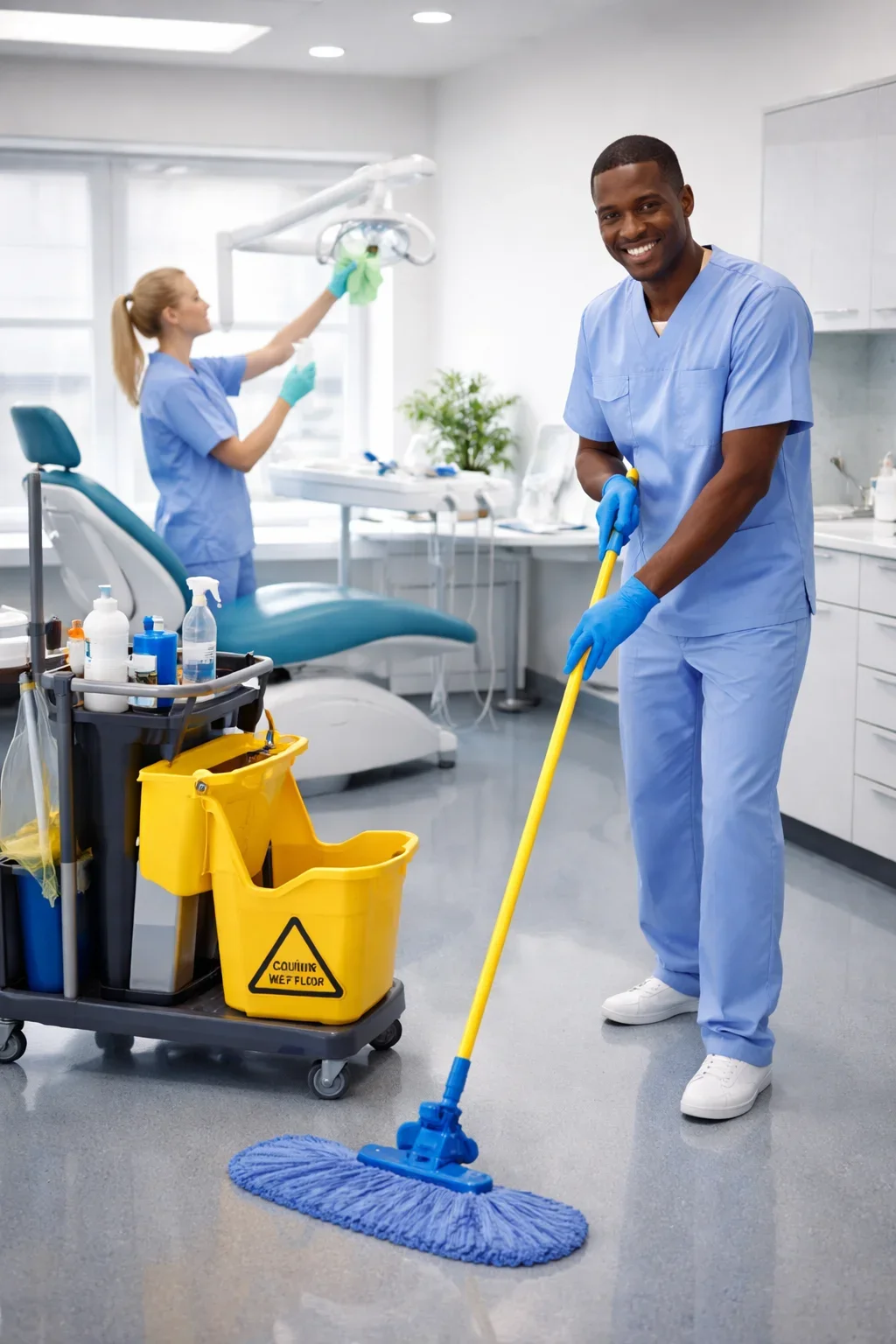
How to Choose the Best Dental Office Janitorial Services Provider
Selecting the right cleaning partner is a crucial decision for any dental clinic. Because dental environments must maintain extremely high sanitation standards, the company responsible for cleaning must understand healthcare hygiene protocols. Professional dental office janitorial services go far beyond basic office cleaning; they require specialized knowledge of infection control, proper disinfectant use, and safe waste handling procedures. Choosing the right provider ensures that your clinic remains safe, compliant, and welcoming for patients.
Dental practices that partner with experienced dental office janitorial services providers benefit from reliable sanitation routines, professional cleaning equipment, and trained staff who understand the unique needs of dental environments. However, not every cleaning company is qualified to perform healthcare-level sanitation. Understanding how to evaluate potential providers can help clinic owners make the best decision.
Look for Experience in Healthcare Cleaning
The first factor to evaluate when choosing dental office janitorial services is experience. Cleaning a dental clinic requires knowledge of infection control protocols and healthcare sanitation standards. Companies that specialize in healthcare cleaning are far more likely to understand the procedures necessary for maintaining a sterile environment.
Experienced providers of dental office janitorial services are familiar with disinfecting dental equipment surfaces, handling contaminated waste, and maintaining strict hygiene routines throughout the clinic.
Questions to Ask Potential Providers
- Do you have experience cleaning dental or medical facilities?
- Are your staff trained in healthcare sanitation protocols?
- What disinfectants and cleaning products do you use?
- Do you follow infection control guidelines?
These questions help determine whether a cleaning company truly understands the requirements of dental office janitorial services.
Verify Training and Staff Certification
Professional cleaning teams should be trained in infection control procedures. Dental clinics deal with biological contaminants such as saliva droplets and aerosol particles, making proper cleaning techniques essential.
Reliable providers of dental office janitorial services ensure that their staff receive ongoing training in sanitation practices, disinfectant use, and safety procedures.
Importance of Professional Training
Trained cleaning professionals know how to:
- Use hospital-grade disinfectants properly
- Follow correct disinfectant contact times
- Prevent cross-contamination between clinic areas
- Handle waste safely and responsibly
Well-trained teams provide far more effective dental office janitorial services than general cleaning crews without healthcare experience.
Evaluate Cleaning Procedures and Checklists
A professional cleaning provider should have clear procedures and documented cleaning checklists. These checklists ensure that all areas of the clinic are sanitized consistently.
Effective dental office janitorial services typically include detailed cleaning plans covering:
- Treatment rooms
- Waiting areas
- Reception desks
- Restrooms
- Hallways and storage areas
Structured cleaning routines help ensure that every surface receives the attention it requires.
Customized Cleaning Plans for Dental Clinics
Every dental clinic is unique. A good provider of dental office janitorial services will create a customized cleaning schedule based on clinic size, number of treatment rooms, and daily patient volume.
Customized plans ensure that sanitation tasks are performed efficiently without disrupting clinic operations.
Use of Professional Cleaning Equipment
Reliable dental office janitorial services providers should use professional-grade cleaning equipment designed for healthcare environments. This equipment helps ensure deeper sanitation and improved infection control.
Examples of essential equipment include:
- HEPA-filter vacuum systems
- Microfiber cleaning cloths
- Hospital-grade disinfectants
- Specialized floor scrubbers
- Protective personal equipment for cleaning staff
The use of professional equipment allows dental office janitorial services providers to maintain higher sanitation standards.
Check Reputation and Client Reviews
Before selecting a provider, dental clinics should research the company’s reputation. Reviews from other healthcare clients can provide valuable insight into reliability and service quality.
Professional dental office janitorial services providers often have testimonials or case studies demonstrating their experience in healthcare cleaning environments.
Signs of a Reliable Cleaning Provider
- Positive reviews from healthcare facilities
- Transparent service agreements
- Consistent communication with clients
- Reliable scheduling and punctuality
Choosing a provider with a strong reputation helps ensure consistent and dependable dental office janitorial services.
Compliance with Health and Safety Standards
Dental clinics must follow strict sanitation guidelines recommended by professional organizations such as the American Dental Association. Cleaning providers should understand these requirements and follow proper sanitation procedures.
Professional dental office janitorial services help clinics maintain compliance with these guidelines by implementing structured cleaning routines and documented sanitation practices.
Supporting Patient Safety and Clinic Reputation
Cleanliness is one of the most visible indicators of professionalism in a dental clinic. Patients often notice sanitation standards immediately when they enter the clinic.
Reliable dental office janitorial services ensure that waiting areas, treatment rooms, and restrooms remain spotless throughout the day. This attention to hygiene reassures patients that their safety is a priority.
Many modern clinics highlighted on the Redent Klinik Contact Page emphasize strict sanitation standards because patient trust depends heavily on cleanliness.
Long-Term Benefits of Choosing the Right Provider
Partnering with a qualified provider of dental office janitorial services offers long-term advantages. Clinics benefit from improved infection control, better patient confidence, and a more professional clinical environment.
Consistent sanitation routines also help protect expensive dental equipment and maintain regulatory compliance.
Ultimately, choosing the right provider of dental office janitorial services is an important investment in patient safety and clinic success. By selecting an experienced cleaning partner with proper training, professional equipment, and reliable procedures, dental clinics can maintain the highest standards of hygiene while delivering exceptional care to every patient. 🦷✨