
Dental offices play a crucial role in maintaining oral health and enhancing smiles worldwide. Whether you are seeking routine checkups, cosmetic treatments, or urgent dental care, understanding how dental offices operate in 2025 can help you make informed decisions about your oral health. In this comprehensive guide, we will cover the most important aspects you should know about dental offices today, including services offered, technological advances, cost considerations, and tips for choosing the best dental office for your needs. 🦷✨
Dental offices have evolved significantly over the years, transforming from simple clinics to sophisticated centers equipped with the latest dental technology and staffed by highly trained professionals. When visiting dental offices, patients now experience a blend of comfort, efficiency, and advanced treatment options. From digital X-rays and 3D imaging to laser dentistry and same-day crowns, dental offices aim to provide effective care while minimizing discomfort.
One key factor to consider is the wide range of services dental offices offer. These include preventive care such as cleanings and exams, restorative procedures like fillings and root canals, orthodontics including braces and Invisalign, and cosmetic treatments such as teeth whitening and veneers. Many dental offices now also provide specialized services including dental implants and periodontal therapy.
Choosing the right dental office can impact your overall dental experience and results. Factors like location, reputation, technology, insurance acceptance, and patient reviews all play a role in selecting a dental office that fits your expectations. Many dental offices now offer online booking, flexible hours, and patient education resources to make your visits more convenient and informative.
In terms of cost, dental offices vary widely depending on the treatments offered, geographic location, and insurance coverage. Understanding the pricing structure and discussing payment options upfront can help avoid surprises. Many dental offices provide financing plans or accept popular dental insurance policies to assist patients with managing treatment costs.
Dental offices also prioritize hygiene and safety, especially in a post-pandemic world. Strict sterilization protocols, use of personal protective equipment (PPE), and air filtration systems are common measures implemented in dental offices to protect both patients and staff.
Emergency dental care is another essential service many dental offices offer, providing timely relief for toothaches, broken teeth, or other urgent dental problems. Knowing which dental offices provide after-hours or weekend emergency services can be vital when unexpected issues arise.
Patient comfort has become a major focus in dental offices, with many clinics adopting amenities like noise-cancelling headphones, sedation dentistry, and calming office environments to reduce anxiety. Dental offices today understand that a positive experience encourages regular visits and better oral health outcomes.
Finally, efficiently scheduling appointments and maintaining regular dental visits are crucial for long-term dental health. Many dental offices use automated reminders, mobile apps, and easy rescheduling options to help patients stay on track with their oral care routines.
If you want to learn more or schedule a visit, check out the Redent Klinik Contact Page for expert dental care. For additional professional guidance, visit the American Dental Association website, which offers a wealth of information about dental offices and oral health.
What Services Do Modern Dental Offices Offer?
Dental offices today provide a wide array of services designed to meet diverse patient needs, ranging from basic preventive care to complex restorative procedures. Understanding what services are available can help you select the best dental office for your oral health goals. 🦷
Preventive care is the foundation of any visit to dental offices. This typically includes routine dental exams, professional cleanings, fluoride treatments, and sealants. These services are aimed at preventing tooth decay, gum disease, and other oral health issues before they develop into more serious problems.
Beyond prevention, dental offices offer restorative services that repair damaged or missing teeth. Common restorative treatments include fillings for cavities, crowns for protecting weakened teeth, bridges to replace missing teeth, and root canal therapy to save infected teeth. Many modern dental offices now utilize advanced materials such as tooth-colored composites and ceramic crowns to ensure natural-looking results.
Cosmetic dentistry has become increasingly popular in dental offices, with treatments designed to enhance the appearance of your smile. These include teeth whitening, veneers, bonding, and contouring. Cosmetic procedures can boost confidence while maintaining oral health.
Orthodontic services are commonly offered in dental offices as well, helping patients correct misaligned teeth and bite issues. Traditional braces remain widely used, but many dental offices now provide clear aligners like Invisalign, which offer a more discreet alternative.
In recent years, dental offices have expanded their offerings to include implant dentistry. Dental implants are a long-lasting solution for replacing missing teeth and restoring function and aesthetics. Implant procedures typically require careful planning and multiple visits but offer excellent durability and comfort.
Many dental offices also provide specialized care for gum diseases, known as periodontal therapy. This includes deep cleanings called scaling and root planing, as well as surgical procedures if necessary. Addressing gum health is vital for overall dental well-being.
Pediatric dentistry services tailored for children are frequently part of dental offices’ offerings. These focus on creating a child-friendly environment and providing age-appropriate treatments to ensure healthy development of teeth and gums.
Some dental offices have integrated sedation dentistry into their services to help anxious patients undergo treatment with minimal discomfort. Options range from nitrous oxide (laughing gas) to oral or intravenous sedation, making dental visits more accessible to everyone.
In addition to these clinical services, many dental offices also offer patient education, nutritional counseling, and preventive care products such as custom mouthguards or night guards. This holistic approach helps patients maintain their oral health between visits.
If you want to explore the comprehensive services available, visit the Redent Klinik Contact Page or check authoritative resources like the American Dental Association to find dental offices that suit your needs.
How to Choose the Best Dental Office Near You
Choosing the right dental office is essential for ensuring quality care and a positive dental experience. With numerous options available, it’s important to consider several factors before making your decision. Here are practical tips to help you select the best dental offices near you. 🏥🦷
First, consider the location and accessibility of dental offices. Convenience matters, especially if you require frequent visits or emergency care. Look for dental offices that are close to your home, work, or school, and have flexible hours to accommodate your schedule.
Check the qualifications and experience of the dental professionals working in the dental offices. Board certification, continuing education, and specialization in areas such as orthodontics or periodontics can indicate a high level of expertise. Many dental offices showcase their dentists’ credentials on their websites.
Patient reviews and testimonials provide valuable insights into the reputation and quality of care in dental offices. Platforms like Google Reviews, Yelp, and health-specific review sites can help you gauge patient satisfaction, office environment, and staff friendliness.
Technology and equipment used by dental offices can impact treatment effectiveness and comfort. Modern dental offices invest in advanced tools like digital X-rays, intraoral cameras, laser dentistry, and CAD/CAM systems for same-day crowns. These innovations enhance diagnostics and reduce treatment times.
Consider the range of services offered by dental offices. If you require specific treatments such as dental implants, orthodontics, or cosmetic procedures, confirm that the dental office provides those services or has reliable referral networks.
Insurance acceptance and payment options are crucial factors in choosing dental offices. Verify if the dental offices accept your dental insurance plan and inquire about flexible payment plans or financing options to manage out-of-pocket costs effectively.
Hygiene and safety protocols in dental offices are paramount, especially in the current health climate. Ensure the dental office follows strict sterilization standards, uses personal protective equipment, and maintains a clean environment to protect patients.
During your initial visit, observe the office environment and staff behavior. Dental offices that prioritize patient comfort often have friendly receptionists, clear communication, and amenities to reduce anxiety, such as sedation options or entertainment during procedures.
Finally, trust your instincts. A good rapport with your dentist and staff in dental offices can significantly enhance your dental care journey. If you feel comfortable and confident, that dental office is likely a good fit for you.
For trusted dental offices with expert care, visit the Redent Klinik Contact Page. Also, the American Dental Association offers a “Find a Dentist” tool to locate reputable dental offices near you.
Technological Innovations Transforming Dental Offices
Dental offices have embraced a wave of technological innovations that are revolutionizing patient care, diagnostics, and treatment efficiency. These advancements not only improve the quality of care but also enhance patient comfort and safety. Let’s explore some of the key technologies transforming dental offices in 2025. 🚀🦷
One of the most significant innovations in dental offices is digital imaging. Traditional X-rays have largely been replaced or supplemented by digital radiography, which offers faster results, higher image quality, and reduced radiation exposure. Intraoral cameras also allow dentists to capture detailed images inside the mouth, improving diagnosis and patient communication.
3D imaging and cone-beam computed tomography (CBCT) scanners have become increasingly common in dental offices. These devices provide three-dimensional views of the teeth, jawbone, and surrounding structures, enabling precise treatment planning for complex procedures such as dental implants, orthodontics, and oral surgery.
Computer-aided design and computer-aided manufacturing (CAD/CAM) technology is a game-changer in many dental offices. It allows for the design and production of dental restorations like crowns, veneers, and bridges in a single visit. This same-day dentistry reduces the need for temporary restorations and multiple appointments.
Laser dentistry is another breakthrough technology widely adopted in dental offices. Dental lasers enable minimally invasive procedures, reducing pain, bleeding, and recovery time. Lasers are used for gum treatments, cavity removal, teeth whitening, and even root canal therapy, making dental care gentler and more precise.
Artificial intelligence (AI) is starting to play a role in dental offices, assisting with diagnostics, treatment planning, and patient management. AI-powered software can analyze X-rays and patient records to detect early signs of decay or disease, helping dentists make informed decisions quickly.
Many dental offices now use electronic health records (EHR) and practice management software to streamline patient scheduling, billing, and record-keeping. These systems enhance communication between patients and staff, improve appointment coordination, and allow for seamless insurance claim processing.
Tele-dentistry has emerged as a convenient option offered by some dental offices, especially for consultations and follow-ups. Through secure video calls, patients can receive expert advice without traveling, making dental care more accessible.
Dental offices also focus on patient comfort by integrating technology such as virtual reality (VR) headsets to distract anxious patients during procedures, and noise-cancelling headphones for a calmer experience.
Sustainability is gaining attention in dental offices with the adoption of eco-friendly materials and digital workflows that reduce paper use and waste, aligning oral healthcare with environmental responsibility.
Incorporating these technologies ensures that dental offices provide state-of-the-art care while improving patient satisfaction and outcomes. To experience cutting-edge dental care, explore dental offices like Redent Klinik, or visit the American Dental Association for the latest advancements in dentistry.
Understanding the Cost Structure of Dental Offices
Understanding the cost structure of dental offices is essential for patients to plan and manage their oral healthcare expenses effectively. Dental offices offer a range of treatments with varying prices influenced by factors such as location, complexity, and technology used. Let’s break down the typical cost components you might encounter when visiting dental offices. 💰🦷
The most common expense patients face in dental offices is the cost of preventive care. Routine checkups and professional cleanings typically range from $75 to $200, depending on the dental office and geographic area. These services are often covered fully or partially by dental insurance plans, making them affordable and encouraging regular visits.
Restorative procedures such as fillings vary in cost depending on the material used and the size of the cavity. Amalgam fillings usually cost between $50 and $150, while composite (tooth-colored) fillings can range from $90 to $250. Dental offices may charge more for advanced restorative materials that offer better aesthetics or durability.
Crowns and bridges are more expensive treatments offered in dental offices. The price for a crown typically falls between $800 and $2,000 per tooth, depending on the material (porcelain, ceramic, metal, or a combination). Bridges, which replace missing teeth, can cost between $1,500 and $5,000 depending on the number of teeth involved.
Dental implant procedures are among the most costly treatments in dental offices but provide long-lasting solutions. On average, a single dental implant, including the implant post, abutment, and crown, can cost between $3,000 and $6,000. Costs vary based on implant brand, surgical complexity, and bone grafting requirements.
Orthodontic treatments, including braces and clear aligners, are commonly available in dental offices. Traditional metal braces typically cost between $3,000 and $7,000, while Invisalign and other clear aligners range from $3,500 to $8,000, depending on treatment duration and complexity.
Cosmetic procedures like teeth whitening are generally more affordable, with prices ranging from $200 to $600 in dental offices. Other cosmetic treatments such as veneers can cost between $900 and $2,500 per tooth, reflecting the customization and materials involved.
Emergency dental visits to dental offices might incur additional fees depending on the urgency and treatment needed. It’s wise to inquire about emergency care costs and after-hours fees to avoid surprises.
Many dental offices offer flexible payment plans, financing options, or accept various insurance plans to help manage costs. Before undergoing treatment, it’s important to request a detailed cost estimate and verify coverage with your insurance provider.
Transparency in pricing helps build trust between patients and dental offices, ensuring that you receive quality care without financial stress. For personalized cost information and treatment plans, visit the Redent Klinik Contact Page. You can also refer to the American Dental Association for guidance on average dental treatment costs and insurance information.
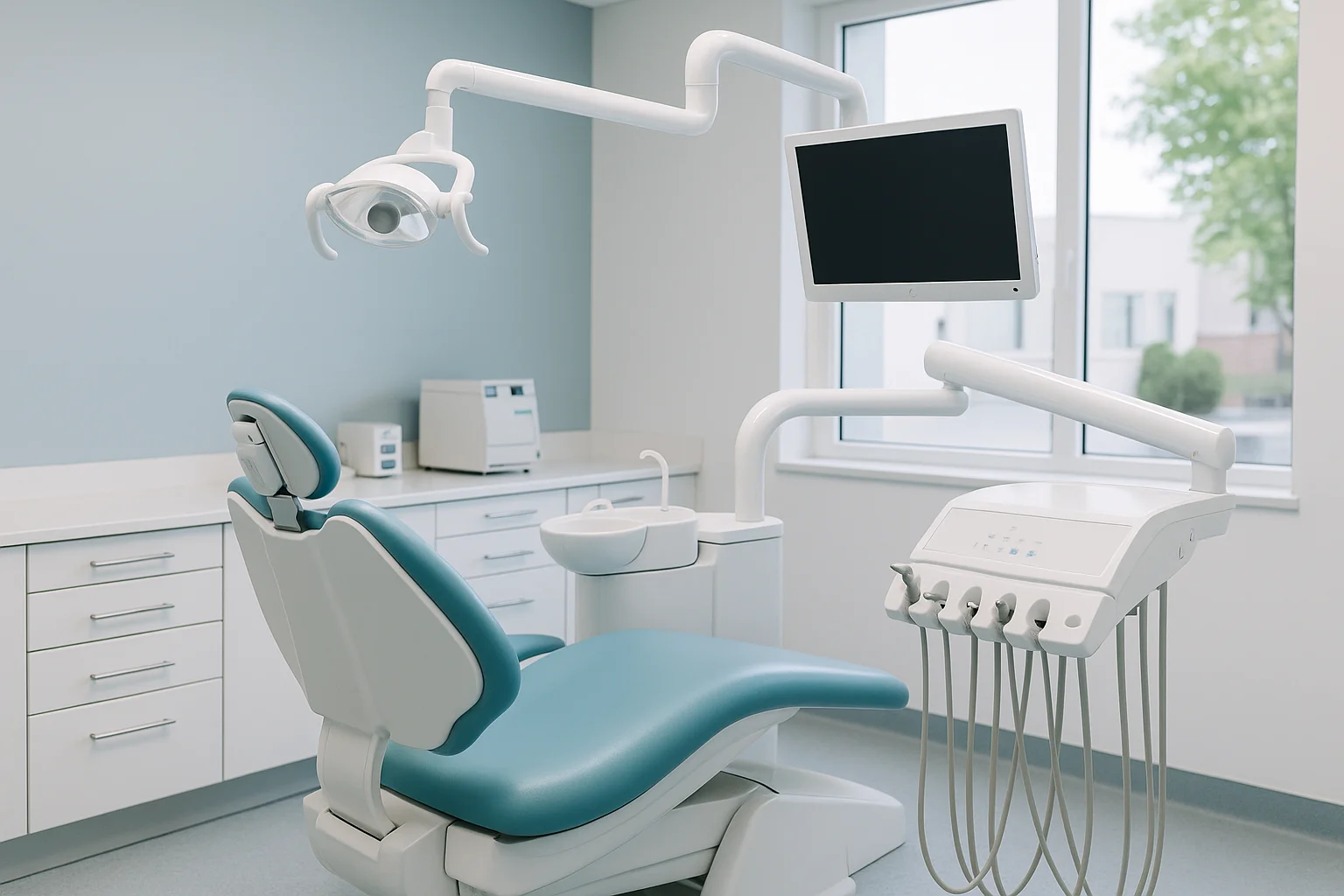
The Role of Hygiene and Safety in Dental Offices Today
Hygiene and safety are paramount concerns in dental offices, especially in light of heightened awareness around infection control. Patients visiting dental offices expect strict adherence to protocols that protect their health and well-being. In this section, we will explore how dental offices maintain high standards of hygiene and safety to ensure a secure environment for everyone. 🧼🦷
Dental offices follow rigorous sterilization procedures to clean and disinfect all instruments and surfaces. Autoclaving — a method using high-pressure saturated steam — is the gold standard for sterilizing dental tools, ensuring that all bacteria, viruses, and spores are eliminated before use on patients.
Personal protective equipment (PPE) is worn by all dental professionals in dental offices to minimize the risk of cross-contamination. This includes gloves, masks, face shields, gowns, and sometimes even respirators depending on the procedure and health guidelines. PPE is changed regularly between patients to maintain safety.
Dental offices have adopted enhanced cleaning protocols for waiting rooms, treatment areas, and high-touch surfaces such as door handles and chairs. Many dental offices schedule appointments to reduce patient overlap and allow time for thorough cleaning between visits.
Air quality control has become a focus in dental offices to reduce airborne pathogens. The installation of HEPA air filtration systems and the use of ultraviolet (UV) light sanitizers help maintain a cleaner air environment, reducing the spread of viruses and bacteria.
Hand hygiene is strictly enforced in dental offices. Staff wash their hands before and after every patient interaction and use hand sanitizers frequently. Patients are often encouraged to sanitize their hands upon entering and leaving the dental office.
Dental offices follow all local and international health regulations, including guidelines issued by organizations such as the Centers for Disease Control and Prevention (CDC) and the American Dental Association (ADA). These guidelines help dental offices stay updated with best practices in infection control.
Some dental offices use disposable covers for equipment and barriers on surfaces to add an extra layer of protection during treatments. Single-use items are preferred whenever possible to reduce contamination risks.
Patient screening has become an integral part of hygiene protocols in dental offices. Screening includes checking for symptoms, temperature checks, and health questionnaires to identify potential risks before patients enter the treatment area.
By prioritizing hygiene and safety, dental offices build patient trust and create a safe environment conducive to effective dental care. To ensure you receive treatment in dental offices that adhere to the highest safety standards, consider scheduling a visit at Redent Klinik or consult resources from the American Dental Association.
Emergency Dental Services Available at Dental Offices
Emergency dental services are an essential component of many dental offices, providing urgent care when unexpected dental issues arise. Knowing that your dental office offers emergency services can bring peace of mind in case of sudden tooth pain, injury, or other dental emergencies. 🚨🦷
Dental offices typically handle a wide range of emergencies, including severe toothaches, broken or chipped teeth, knocked-out teeth, lost fillings or crowns, and infections causing swelling or fever. Immediate treatment in dental offices can help relieve pain, prevent complications, and save damaged teeth.
Many dental offices have provisions for after-hours or weekend emergency care. Some offer dedicated emergency phone lines or online appointment scheduling to ensure patients can access help quickly. It’s a good practice to ask your dental office about their emergency policies and availability.
In case of trauma or injury, dental offices coordinate with medical professionals when necessary, especially if there is significant facial injury or bleeding. Prompt care in dental offices reduces the risk of long-term damage and improves recovery outcomes.
Dental offices may provide temporary restorations during emergency visits to stabilize a tooth until a permanent solution can be implemented. For example, a dental office might place a temporary crown or filling to protect a damaged tooth.
Pain management is a key focus during emergency visits to dental offices. Dentists may administer local anesthesia, prescribe painkillers, or recommend home care steps to manage discomfort effectively.
Infections requiring antibiotics or drainage are also treated promptly in dental offices to prevent spread and complications. Early intervention is crucial, and dental offices are equipped to diagnose and manage such conditions.
Knowing the location and contact information of nearby dental offices offering emergency services is valuable. Many patients keep this information handy to ensure quick access during unexpected dental issues.
To prepare, verify whether your dental office offers emergency services and understand their procedures. The Redent Klinik Contact Page provides details on emergency dental care, and the American Dental Association offers guidance on handling dental emergencies.
Common Treatments You Can Get at Dental Offices
Dental offices provide a variety of common treatments aimed at maintaining oral health, restoring damaged teeth, and enhancing the appearance of your smile. Knowing what to expect from dental offices can help you feel more confident and prepared during your visits. 🦷✨
One of the most frequent treatments in dental offices is dental cleanings. These professional cleanings remove plaque, tartar, and stains that regular brushing cannot eliminate. Dental offices recommend cleanings typically every six months to prevent cavities and gum disease.
Fillings are a common restorative treatment provided by dental offices to repair cavities caused by tooth decay. Modern dental offices use tooth-colored composite materials that blend naturally with your teeth, preserving aesthetics while restoring function.
Dental offices also perform tooth extractions when necessary, such as for severely damaged or impacted teeth. Wisdom teeth removal is a typical procedure in many dental offices, often done under local anesthesia or sedation for patient comfort.
Root canal therapy is another frequent treatment offered by dental offices. This procedure saves infected or inflamed teeth by removing the infected pulp and sealing the tooth, preventing the need for extraction.
Dental crowns and bridges are used by dental offices to protect weakened teeth and replace missing ones, respectively. Crowns cover damaged teeth to restore strength, while bridges fill gaps using adjacent teeth for support.
Orthodontic treatments are available in dental offices to correct misaligned teeth and bite problems. Braces and clear aligners like Invisalign are popular options to improve dental function and smile aesthetics.
Cosmetic treatments such as teeth whitening and veneers are commonly offered in dental offices to enhance the appearance of your teeth. Teeth whitening can brighten your smile by several shades, while veneers cover imperfections like chips or discoloration.
Periodontal treatments for gum disease, including scaling and root planing, are routinely performed in dental offices to maintain healthy gums and prevent tooth loss.
Many dental offices provide preventive treatments like fluoride applications and dental sealants, especially for children, to strengthen teeth and reduce cavity risk.
For a full list of treatments and personalized recommendations, contact trusted dental offices such as Redent Klinik. Additional resources can be found at the American Dental Association.
How Dental Offices Are Adapting to Patient Comfort
Patient comfort has become a top priority for dental offices aiming to create positive, anxiety-free experiences. Advances in technology, office design, and sedation methods are helping dental offices cater to patients who may feel nervous or uneasy about dental visits. Here’s how dental offices are adapting to ensure your comfort during treatments. 🛋️🦷
Many dental offices now offer sedation dentistry options to help anxious patients relax. These options range from mild sedation with nitrous oxide (laughing gas) to moderate oral sedation and deeper intravenous sedation. Sedation helps reduce fear, discomfort, and gag reflex, making dental visits more manageable.
Dental offices are redesigning their interiors to create calming environments. Comfortable chairs, warm lighting, soothing colors, and quiet waiting areas contribute to a less clinical atmosphere. Some dental offices provide blankets, noise-cancelling headphones, or music to help patients feel more at ease.
Modern dental offices use minimally invasive techniques and advanced tools such as lasers and digital scanners to reduce discomfort during procedures. These technologies often mean less drilling, fewer injections, and quicker recovery times.
Effective communication is a key aspect of patient comfort in dental offices. Dentists and staff explain procedures clearly, answer questions patiently, and encourage patients to signal if they need a break during treatment. This respectful approach builds trust and reduces anxiety.
Dental offices frequently offer flexible scheduling options to minimize wait times and accommodate patient preferences. Some even provide same-day appointments or emergency slots, reducing stress associated with prolonged discomfort.
Child-friendly amenities in pediatric dental offices, including games, cartoons, and friendly staff, help young patients feel safe and comfortable. This positive approach encourages lifelong oral hygiene habits.
Many dental offices also provide virtual consultations and follow-ups through tele-dentistry, allowing patients to discuss concerns from home before visiting in person, adding a layer of convenience and comfort.
By prioritizing patient comfort, dental offices not only improve the treatment experience but also encourage regular visits that are vital for maintaining oral health.
To experience comfort-focused care, consider dental offices like Redent Klinik, or explore guidelines and tips from the American Dental Association.
Tips for Scheduling Appointments at Dental Offices Efficiently
Scheduling appointments at dental offices can sometimes feel overwhelming, especially with busy schedules and the need for timely dental care. Efficient appointment scheduling helps ensure you receive regular, preventive treatments and urgent care when needed. Here are practical tips to help you manage appointments with dental offices effectively. 📅🦷
First, choose dental offices that offer flexible scheduling options. Many dental offices provide evening and weekend hours to accommodate working patients and families. This flexibility reduces the chance of missed appointments due to time conflicts.
Utilize online booking systems if available. Numerous dental offices now allow patients to schedule, reschedule, or cancel appointments through their websites or mobile apps. This feature saves time and allows you to manage your visits conveniently without waiting on hold.
Set appointment reminders through dental offices’ automated systems or personal calendar apps. Dental offices often send SMS, email, or phone call reminders to reduce no-shows. Pairing these with your own alerts helps you stay on track.
When scheduling, try to book regular checkups and cleanings in advance, ideally six months apart. Dental offices recommend routine visits at these intervals to maintain optimal oral health and catch potential issues early.
If you have upcoming treatments that require multiple visits, dental offices can help coordinate follow-up appointments during your initial visit to minimize scheduling conflicts and treatment delays.
Communicate openly with dental offices about your availability and any scheduling preferences. Most offices strive to accommodate patient needs and will work with you to find convenient times.
For urgent dental issues, contact dental offices promptly to arrange emergency appointments. Many dental offices reserve slots daily for such cases to provide timely relief.
Keep a list of questions or concerns before your appointment and share them with dental offices when booking. This helps dental professionals allocate sufficient time and prepare for your visit.
Finally, maintain consistent visits with dental offices by making oral health a priority. Regular appointments lead to healthier teeth and gums and prevent costly dental problems down the road.
To schedule your next visit or learn more about appointment options, contact dental offices like Redent Klinik. For tips on dental care management, visit the American Dental Association.