
Best Dental Options for Missing Teeth
Losing a tooth can feel overwhelming, but in 2025 patients have more dental options than ever before to restore function and aesthetics 🦷. Missing teeth not only impact appearance but also chewing ability, speech, and overall oral health. Fortunately, modern dentistry offers effective solutions tailored to each patient’s unique needs and budget.
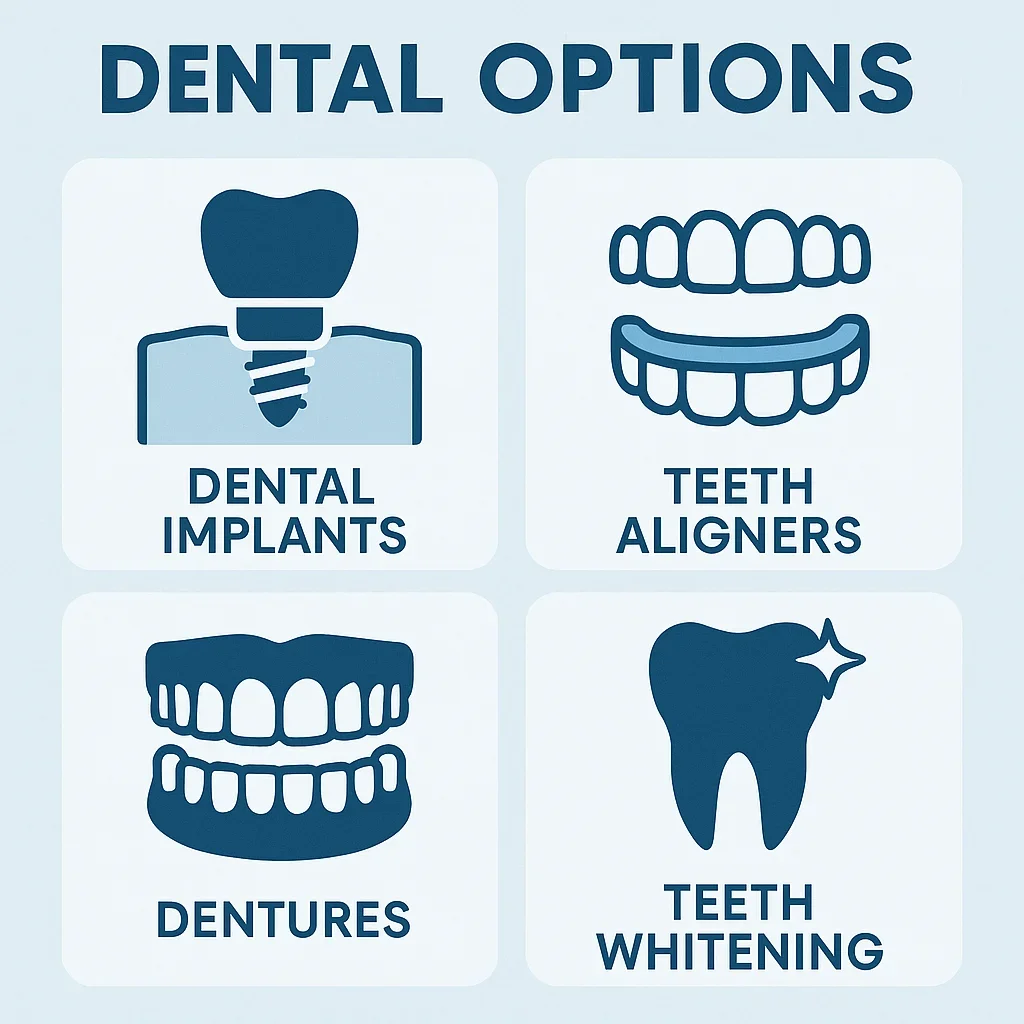
One of the most popular dental options for missing teeth is the dental implant. Implants act as artificial tooth roots placed in the jawbone, providing a secure foundation for crowns or bridges. They are known for their durability and natural look. According to the American Dental Association, dental implants have a success rate of over 95% when properly cared for. Patients who choose this treatment often report improved confidence, comfort, and long-term oral stability.
For individuals who may not be candidates for implants, traditional dental bridges remain a reliable choice. A bridge fills the gap left by missing teeth by anchoring to the adjacent teeth. This dental option can restore chewing efficiency and appearance quickly, though it does require altering nearby teeth for support. Bridges are typically more affordable than implants, making them a common choice for patients seeking functional results without surgical intervention.
Another widely used solution is the removable denture. Dentures are versatile and can replace a few missing teeth (partial denture) or an entire arch (complete denture). These dental options are particularly beneficial for patients with multiple tooth loss or limited bone density. Modern dentures are designed with improved materials, offering better comfort and a natural look compared to older models. For patients on a budget, dentures provide a cost-effective way to restore oral function.
There are also advanced dental options such as implant-supported dentures, which combine the security of implants with the affordability of dentures. This hybrid solution prevents slippage, improves speech clarity, and enhances chewing strength. Implant-supported dentures are increasingly popular among seniors who want long-lasting stability without the high cost of full arch implants.
It’s also important to consider bone grafting and sinus lift procedures when planning for implants. These additional treatments expand the available dental options for patients who previously lacked sufficient jawbone support. Thanks to new technologies in regenerative dentistry, even individuals with significant bone loss now have viable restoration paths.
When selecting the best dental options for missing teeth, patients should evaluate several factors: oral health status, bone density, lifestyle habits, and financial considerations. Consulting with a professional ensures that the chosen treatment not only restores the smile but also supports long-term oral health. Personalized treatment plans, like those offered at clinics such as Redent Klinik Contact Page, make it easier to match patient expectations with modern solutions.
To help readers understand the investment, here is a general cost overview in 2025:
Dental Implant (single tooth): $3,000 – $5,000 per implant
Bridge (3-unit): $2,000 – $3,500
Partial Denture: $800 – $1,500
Complete Denture (per arch): $1,500 – $3,000
Implant-Supported Denture: $7,000 – $15,000
These prices vary depending on the region, materials used, and complexity of treatment. While implants remain the gold standard, patients should compare all available dental options to find the balance between affordability and long-term value.
In conclusion, the best dental options for missing teeth include implants, bridges, dentures, and advanced implant-supported restorations. Each solution carries distinct benefits and considerations. With modern technology and skilled professionals, restoring a healthy, confident smile in 2025 has never been more achievable 🌟.
Affordable Dental Options Without Insurance
In today’s world, access to oral healthcare is essential, but the rising costs of treatment can make it challenging for patients without dental coverage. Fortunately, there are many dental options available in 2025 that provide quality care at more manageable costs 💰. Patients without insurance should know that they can still maintain a healthy smile through flexible payment solutions, community programs, and budget-friendly treatments.
One of the most common dental options for those without insurance is the use of discount dental plans. Unlike traditional insurance, these plans offer membership-style benefits. Patients pay a small annual fee and gain access to significantly reduced rates on preventive and restorative services. Many dental clinics partner with national and local networks to provide affordable care through these memberships.
Another affordable pathway is visiting dental schools. Dental schools across the U.S. and Europe allow supervised students to perform treatments at a fraction of the regular cost. While the appointments may take longer due to the educational environment, the savings are substantial. For example, a cleaning that might cost $120 at a private clinic could be as low as $30 at a dental school. These dental options are ideal for routine care and preventive treatment.
Community health centers are also a valuable resource. Federally funded clinics and nonprofit organizations often provide sliding-scale fees based on income. This makes basic dental options such as exams, cleanings, fillings, and even extractions accessible to patients who might otherwise delay treatment. In many regions, these centers receive grants to ensure low-income families can access oral healthcare without financial strain.
Patients can also save by considering less costly materials and approaches. For example, while porcelain crowns are the most aesthetic, metal or resin crowns can be less expensive yet still functional. Similarly, partial dentures are much more affordable than implants, making them a practical dental option for individuals who need to replace multiple teeth but have budget constraints.
Payment flexibility plays an important role too. Many dental practices now offer in-house financing or partnerships with medical credit providers. This allows patients to spread out payments over months or even years, making treatments like root canals or dentures easier to afford. Clinics such as Redent Klinik Contact Page often provide tailored plans that help patients proceed with necessary care without financial anxiety.
Here is a general overview of affordable dental services in 2025 for uninsured patients:
Routine Check-Up & Cleaning: $75 – $150
Filling (per tooth): $90 – $250
Tooth Extraction: $120 – $300
Basic Denture (per arch): $1,000 – $1,800
Dental Bridge (3-unit): $1,800 – $3,200
These figures highlight how important it is to compare different dental options and request multiple quotes. Even within the same city, costs may vary significantly between providers. Patients should also ask about package deals for families, as many clinics reduce costs for group appointments.
Preventive care is one of the most valuable affordable dental options. By investing in regular check-ups and cleanings, patients can avoid more expensive treatments like root canals or crowns. Brushing, flossing, and fluoride use at home are low-cost yet effective strategies to maintain oral health. Skipping preventive visits often leads to higher bills later on, so it’s wise to prioritize them.
For patients in urgent need of care, emergency dental clinics often provide immediate treatment at lower rates compared to hospital visits. Services like pain management, extractions, and temporary restorations ensure relief without overwhelming bills. In fact, many communities run charity dental events annually, offering free or reduced-cost care for those in need.
In conclusion, affordable dental options without insurance include discount plans, dental schools, community health centers, flexible financing, and preventive care strategies. By combining these resources, patients can access professional treatment without sacrificing their financial well-being. Oral health is an investment, and with the right planning, a bright and healthy smile in 2025 is within reach for everyone 🌟.
Cosmetic Dental Options for a Brighter Smile
A confident smile can transform the way we interact with the world, and in 2025 there are numerous dental options that enhance aesthetics while also supporting oral health 😁. Cosmetic dentistry focuses on improving the appearance of teeth, gums, and overall smile. Whether it’s whitening, reshaping, or aligning, patients today can choose from a variety of safe, effective, and modern treatments.
One of the most sought-after dental options for cosmetic improvement is professional teeth whitening. While over-the-counter products exist, in-office whitening provides faster, more dramatic results. Clinics use advanced bleaching agents and light-activated technology to brighten teeth by several shades in a single session. Patients without insurance can still access whitening at more affordable rates through dental schools or special promotions.
Another popular treatment is veneers. These thin, porcelain or composite shells are bonded to the front surface of teeth to correct issues like discoloration, chips, and minor misalignment. Veneers are among the most effective dental options for creating a Hollywood-like smile. With proper care, they can last 10–15 years, offering long-term cosmetic benefits.
For patients looking to straighten their teeth discreetly, clear aligners such as Invisalign have become a top choice. Unlike traditional braces, aligners are nearly invisible and removable, making them a convenient cosmetic dental option. They not only enhance appearance but also improve bite alignment, which supports better oral health in the long run.
Dental bonding is another cost-effective solution. In this procedure, a tooth-colored resin is applied and shaped to repair small imperfections such as gaps or chips. Bonding is one of the more affordable dental options, and it can often be completed in a single appointment. While less durable than veneers, it offers quick and natural-looking results.
Cosmetic gum contouring is an increasingly requested procedure in 2025. Patients with “gummy smiles” or uneven gum lines can benefit from laser reshaping, which creates a more balanced and attractive smile. This dental option is typically painless, with minimal recovery time, and the results are permanent.
Modern dental crowns also serve cosmetic purposes. While crowns are often used for structural restoration, ceramic or zirconia crowns can enhance aesthetics by perfectly mimicking the natural look of teeth. This makes crowns both a restorative and cosmetic dental option, ideal for teeth that are weakened but still visible when smiling.
Here’s an overview of cosmetic treatment costs in 2025:
Professional Whitening: $300 – $800 per session
Porcelain Veneers (per tooth): $900 – $2,500
Composite Bonding (per tooth): $250 – $600
Clear Aligners (full treatment): $3,000 – $7,000
Ceramic Crown: $1,000 – $2,500
Gum Contouring: $500 – $2,000
Patients should note that cosmetic dental options are often not covered by insurance, as they are considered elective. However, many clinics offer financing, payment plans, and discount packages for combined treatments. Some providers even include cosmetic care in comprehensive smile makeover programs, helping patients achieve multiple improvements at once.
For patients unsure of which cosmetic dental options suit them best, a consultation with a professional clinic, such as Redent Klinik Contact Page, ensures a tailored approach. Dentists can assess the current condition of teeth and gums, discuss goals, and recommend the most effective strategies for long-lasting results. With modern materials, cutting-edge technology, and artistic skill, cosmetic dentistry in 2025 makes it possible for anyone to achieve the smile they’ve always dreamed of 🌟.
Pediatric Dental Options for Children’s Oral Health
Children’s oral health plays a vital role in their overall well-being, and parents in 2025 have a wide range of dental options to ensure their kids grow up with strong, healthy smiles 🧒🦷. Pediatric dentistry focuses on preventive care, education, and treatments that address the unique needs of growing teeth and gums. Early attention to dental care not only helps prevent cavities but also sets the foundation for lifelong oral health habits.
Preventive care remains the most important aspect of pediatric dentistry. Among the most effective dental options are routine check-ups, cleanings, and fluoride treatments. Regular visits allow dentists to identify early signs of decay, gum disease, or developmental issues. Fluoride strengthens enamel and helps protect against cavities, while professional cleanings remove plaque and tartar that brushing alone cannot eliminate.
Dental sealants are another valuable preventive measure. Sealants are thin coatings applied to the chewing surfaces of molars, where food particles and bacteria often collect. This simple, painless procedure is one of the most reliable dental options for preventing cavities in children. The American Dental Association recommends sealants as a safe and highly effective way to reduce tooth decay risk in kids.
When children face alignment issues, orthodontic evaluations are crucial. Early orthodontic screenings, often by age 7, help detect crowding, spacing, or bite problems. Pediatric dental options include traditional braces, clear aligners designed for teens, and interceptive orthodontics. Interceptive treatments guide jaw growth and tooth alignment early, reducing the need for more complex procedures later on.
Pediatric dentists also provide specialized care for children with anxiety. Sedation dentistry is one of the helpful dental options for kids who feel nervous during treatment. Options like nitrous oxide (“laughing gas”) create a calm environment, allowing procedures to be completed safely and comfortably. Creating a positive experience early can eliminate fear of the dentist for life.
For children who experience cavities, tooth-colored fillings are a standard solution. These fillings blend naturally with surrounding teeth, restoring both function and appearance. Stainless steel crowns are another common pediatric dental option, often used for severely decayed baby teeth to protect them until they naturally fall out.
Accidents are common in childhood, so emergency care is an important part of pediatric dentistry. Whether it’s a knocked-out tooth, a chipped incisor, or sudden tooth pain, clinics provide 24/7 pediatric emergency dental options. Quick intervention can save teeth and prevent complications, highlighting the importance of having a trusted pediatric dental provider.
Costs for pediatric care vary depending on treatment type, but here’s a general overview for 2025:
Routine Check-Up & Cleaning: $70 – $150
Fluoride Treatment: $25 – $60
Sealants (per tooth): $30 – $60
Tooth-Colored Filling: $100 – $250
Stainless Steel Crown (baby tooth): $250 – $450
Orthodontic Evaluation: $100 – $200
Parents seeking affordable care can explore community dental programs, dental schools, or clinics offering family packages. Many practices also provide flexible payment plans to make pediatric dental options more accessible.
In addition to professional care, at-home practices are essential. Teaching children proper brushing and flossing habits, limiting sugary snacks, and encouraging water over juice help reduce cavity risks. Pediatric dentists also recommend protective mouthguards for children active in sports, another simple but effective dental option for safeguarding teeth.
For families looking for comprehensive guidance, clinics like Redent Klinik Contact Page provide child-friendly environments designed to make dental visits positive and educational. In 2025, parents can feel confident knowing there are plenty of effective pediatric dental options to keep children’s smiles healthy and bright 🌟.
Emergency Dental Options Available 24/7
Dental emergencies can happen at any time, and knowing what dental options are available 24/7 can make the difference between saving a tooth and losing it 🚑. Whether it’s severe pain, a broken crown, or a knocked-out tooth, access to emergency dentistry ensures immediate relief and prevents complications. In 2025, more clinics and hospitals are offering round-the-clock emergency dental services to meet the growing demand.
One of the most urgent situations is a knocked-out tooth (avulsion). Quick action is critical—placing the tooth back in the socket or storing it in milk can preserve it until emergency care is available. Emergency dental options include immediate reimplantation and stabilization with splints. If handled within the first hour, the chances of saving the tooth increase dramatically.
Severe toothaches are another common reason patients seek emergency care. These are often caused by deep decay, abscesses, or infections. Emergency dental options for such cases include root canal therapy, drainage of abscesses, or extraction when necessary. Pain management is always prioritized, and antibiotics may be prescribed to control infection before definitive treatment.
Broken or fractured teeth also require urgent attention. Whether caused by accidents, sports injuries, or biting into hard food, emergency dental options include bonding, temporary crowns, or veneers to protect the tooth until permanent restoration is possible. In some cases, same-day crowns can be fabricated with modern digital technology, providing immediate function and aesthetics.
Lost or damaged restorations, such as fillings and crowns, are frequent emergencies. These situations expose sensitive tooth structures, leading to discomfort and further damage. Emergency clinics offer quick replacements or temporary covers until a permanent solution can be scheduled. This type of dental option is crucial for maintaining oral comfort and preventing progression of decay.
Oral injuries involving soft tissues—like cuts to the tongue, lips, or gums—also fall under emergency care. Clinics provide suturing, cleaning, and medication to prevent infection. Such dental options are especially important for children and athletes, who are more prone to accidents involving the mouth.
Here is a general cost overview of common emergency dental services in 2025:
Emergency Consultation & Exam: $100 – $250
Tooth Extraction (emergency): $200 – $450
Root Canal (front tooth, urgent): $600 – $1,200
Reimplantation of Knocked-Out Tooth: $500 – $1,500
Temporary Crown or Filling: $200 – $500
It’s important to note that emergency services are often more expensive than scheduled treatments due to the urgency and availability of staff. However, many clinics now offer flexible payment plans and partnerships with financing providers to make emergency dental options accessible for all patients.
Hospitals with dental departments and private clinics with extended hours are valuable resources. Some areas also have emergency hotlines that direct patients to the nearest available dentist. Mobile dental units are becoming more common in 2025, bringing emergency care directly to patients in rural or underserved communities.
Patients without insurance can still access emergency dental options through community health centers, dental schools, and nonprofit organizations. Many of these institutions provide urgent care at reduced rates or even free of charge during special community service events.
To prevent dental emergencies, dentists recommend regular check-ups, wearing protective gear during sports, and avoiding habits like chewing ice or opening packages with teeth. But when emergencies do happen, knowing where to turn for immediate dental options is essential for protecting oral health.
For patients seeking professional emergency care, clinics like Redent Klinik Contact Page provide timely assistance and comprehensive solutions. With 24/7 availability, modern technology, and skilled professionals, emergency dental options in 2025 ensure that relief and restoration are never out of reach 🌟.
Dental Options for Seniors and Retirees
As people age, oral health needs change, making it essential to explore the right dental options for seniors and retirees 👵🧓. In 2025, advances in dentistry provide older adults with effective treatments to restore function, enhance comfort, and maintain confidence in their smiles. From tooth replacement to preventive care, seniors have access to personalized solutions that support both oral and overall health.
One of the most common dental options for seniors is dentures. Complete dentures replace a full arch of teeth, while partial dentures replace only a few missing teeth. Modern dentures are designed with lightweight, durable materials that improve fit and comfort compared to older models. Implant-supported dentures are also becoming increasingly popular, offering better stability and eliminating the worry of slippage during meals or conversations.
Dental implants are considered the gold standard for tooth replacement. For seniors with sufficient bone density, implants provide long-lasting results that closely mimic natural teeth. These dental options can replace a single tooth, multiple teeth, or even support full-arch restorations. While implants may require a higher upfront cost, their durability makes them a worthwhile investment for retirees seeking a permanent solution.
For seniors who cannot undergo implant surgery due to health conditions or bone loss, fixed bridges remain an excellent alternative. A bridge is anchored to neighboring teeth, providing stability and restoring chewing efficiency. This dental option can improve both functionality and aesthetics without the need for surgical intervention.
Preventive care is especially important for seniors, as conditions like dry mouth, gum disease, and root decay become more common with age. Affordable dental options include routine cleanings, fluoride treatments, and scaling to manage periodontal issues. Regular check-ups allow early detection of oral cancer, which is more prevalent among older adults.
Another valuable solution is cosmetic dentistry for seniors who want to rejuvenate their smiles. Options such as crowns, veneers, and whitening treatments are increasingly requested by retirees who remain active socially and professionally. These dental options help boost self-esteem while improving overall quality of life.
Here is a cost overview for senior-focused dental services in 2025:
Complete Denture (per arch): $1,500 – $3,000
Partial Denture: $900 – $1,800
Implant (per tooth): $3,000 – $5,000
Implant-Supported Denture: $7,500 – $15,000
Dental Bridge (3-unit): $2,000 – $3,500
Routine Cleaning & Exam: $100 – $200
Financial concerns are common for retirees, especially those on fixed incomes. Fortunately, many clinics offer senior discounts, membership plans, and flexible financing. Government programs and community health centers may also provide affordable dental options for older adults, ensuring that cost is not a barrier to essential care.
Accessibility is another factor for seniors. Clinics that offer wheelchair access, mobile dental units, and home visits are expanding in 2025. These services ensure that even seniors with mobility challenges can benefit from modern dental options. Additionally, geriatric dentists are trained to understand the unique needs of older patients, including medication management and medical condition considerations.
For seniors looking for personalized treatment, professional providers such as Redent Klinik Contact Page offer comprehensive care tailored to older adults. With compassionate approaches, advanced technology, and a focus on long-term oral health, retirees can enjoy healthy smiles well into their golden years 🌟.
In conclusion, the best dental options for seniors and retirees include dentures, implants, bridges, preventive care, and cosmetic treatments. By choosing the right solutions, seniors can maintain function, comfort, and confidence—ensuring their smiles remain a positive part of aging gracefully.
Orthodontic Dental Options for Straight Teeth
A straight smile is more than just cosmetic—it plays a vital role in oral health and confidence. In 2025, patients have access to a wide variety of orthodontic dental options that correct misalignment, crowding, and bite issues effectively 😁. Whether you are a teenager, adult, or senior, modern orthodontics provides tailored solutions to achieve healthier, straighter teeth.
Traditional metal braces remain one of the most effective dental options for complex cases. These braces use brackets and wires to gradually shift teeth into proper alignment. While they are more visible than other treatments, their precision makes them a trusted choice for patients with severe misalignment or jaw irregularities. Advances in design have made modern braces smaller, more comfortable, and less noticeable compared to older models.
For patients who prefer a discreet treatment, clear aligners such as Invisalign have become extremely popular. These removable, transparent trays are customized to fit snugly over teeth, gradually shifting them over time. This dental option appeals to adults and teens who want effective results without the visibility of traditional braces. Clear aligners also make oral hygiene easier since they can be removed while eating and brushing.
Ceramic braces offer another cosmetic-friendly solution. They work like traditional metal braces but use tooth-colored or clear brackets, making them less noticeable. This dental option provides the strength of braces with a more aesthetic appearance, making them a common choice for young professionals and older teens.
Lingual braces are another advanced orthodontic solution. Placed behind the teeth, they remain hidden from view while still delivering precise results. Although lingual braces may take some time to get used to, they are an ideal dental option for patients seeking completely invisible treatment.
Orthodontic appliances such as palatal expanders and retainers also play an important role. Expanders are often used in children to widen the jaw and create space for permanent teeth, while retainers maintain results after treatment. These dental options are essential for long-term stability and preventing relapse.
Here is a cost overview of orthodontic treatments in 2025:
Traditional Metal Braces: $3,000 – $6,000
Ceramic Braces: $4,000 – $7,500
Lingual Braces: $8,000 – $12,000
Clear Aligners (Invisalign or similar): $3,500 – $7,500
Retainers (post-treatment): $200 – $600
Orthodontic dental options are not just about looks—they help improve bite alignment, reduce the risk of jaw pain, and make cleaning teeth easier, reducing the risk of cavities and gum disease. For children, early intervention with orthodontic evaluations by age 7 can identify potential problems and make future treatments shorter and less invasive.
For adults, orthodontics has become more accessible than ever. Many clinics now provide accelerated orthodontics, which uses devices or minor procedures to speed up tooth movement. This modern dental option reduces overall treatment time and is highly sought after by professionals who want quicker results.
Financing is also widely available, making orthodontic treatments more affordable. Clinics offer flexible monthly plans, and some dental insurance policies partially cover braces or aligners. Patients can also explore discount dental plans to reduce out-of-pocket expenses.
Professional providers such as Redent Klinik Contact Page help patients determine the best orthodontic dental options for their unique needs. With digital scanning, 3D imaging, and AI-powered treatment planning, orthodontic care in 2025 is more precise and comfortable than ever before 🌟.
In summary, orthodontic dental options range from traditional braces to clear aligners, ceramic braces, lingual braces, and specialized appliances. With modern technology and personalized care, achieving a straighter, healthier smile is now faster, more comfortable, and more accessible to patients of all ages.
Preventive Dental Options to Maintain Healthy Gums
Healthy gums are the foundation of a strong smile, and in 2025 preventive dental options are more advanced and accessible than ever 🌿. Gum disease is one of the leading causes of tooth loss, but with proper prevention strategies, patients can maintain optimal oral health throughout their lives. Preventive dentistry focuses on stopping problems before they start, reducing the need for costly and invasive treatments later on.
One of the most essential preventive dental options is routine professional cleaning. Dental hygienists use specialized tools to remove plaque and tartar buildup that brushing and flossing cannot reach. These cleanings, combined with fluoride treatments, help strengthen teeth and protect against both cavities and gum infections. Most dentists recommend professional cleanings every six months to keep gums and teeth in excellent condition.
Regular dental exams are equally important. During these check-ups, dentists evaluate gum health, measure pocket depths, and look for signs of gingivitis or periodontitis. Early detection is key, as gum disease is most treatable in its initial stages. These exams are one of the most effective dental options for preventing progression to more serious oral health issues.
Dental sealants, while often associated with children, are also valuable preventive dental options for adults at risk of decay. Applied to the chewing surfaces of molars, sealants block food particles and bacteria from settling in deep grooves. This simple procedure reduces the chance of cavities that can compromise gum health over time.
Antimicrobial treatments are another modern advancement. Mouth rinses, gels, and varnishes containing antibacterial agents can be applied during dental visits to control harmful bacteria. These dental options are especially helpful for patients with early gum disease, high cavity risk, or compromised immune systems.
Nutrition and lifestyle choices are also vital for gum health. Dentists now provide preventive counseling on diet, emphasizing calcium, vitamin D, and antioxidants for strong gums and bones. Smoking cessation programs offered through dental practices have become one of the most impactful preventive dental options, as tobacco use is a leading risk factor for periodontal disease.
Technology plays a growing role in prevention. Digital X-rays, intraoral cameras, and AI-based risk assessments allow dentists to detect early warning signs more precisely than ever before. Personalized home-care plans, including recommendations for electric toothbrushes, water flossers, and interdental brushes, enhance patients’ ability to maintain gum health daily. These tools are modern dental options that extend professional care into the home environment.
For patients with a history of gum disease, periodontal maintenance programs are crucial. These programs include more frequent cleanings—every 3 to 4 months—combined with targeted treatments to control inflammation and prevent further damage. Such proactive dental options significantly reduce the risk of tooth loss and the need for surgery.
Here is a cost overview of common preventive services in 2025:
Routine Cleaning & Exam: $100 – $200
Fluoride Treatment: $30 – $70
Sealants (per tooth): $30 – $60
Periodontal Maintenance Visit: $150 – $300
Digital X-rays: $80 – $150
While these costs may vary by location, preventive care is always more affordable than restorative procedures such as implants or gum surgery. Investing in preventive dental options ensures long-term savings and better overall health, since gum disease is also linked to conditions like diabetes and heart disease.
For patients seeking personalized preventive strategies, clinics like Redent Klinik Contact Page provide comprehensive exams, professional cleanings, and advanced gum care programs. By combining professional expertise with at-home care, patients can maintain strong, healthy gums well into the future 🌟.
In summary, preventive dental options—including cleanings, exams, sealants, antimicrobial treatments, lifestyle changes, and technology-based monitoring—offer the best defense against gum disease. By prioritizing prevention, patients protect not only their smiles but also their overall health.
Advanced Dental Options Using Modern Technology
Modern dentistry in 2025 has been transformed by cutting-edge technology, offering patients innovative dental options that are faster, safer, and more precise than ever before ⚙️🦷. From digital imaging to artificial intelligence, advanced solutions improve both diagnosis and treatment outcomes, ensuring a higher level of comfort and effectiveness for patients of all ages.
One of the most remarkable advances is the use of 3D imaging and digital scanners. These technologies replace traditional impressions, which were often uncomfortable for patients. With 3D scans, dentists can create highly accurate digital models of a patient’s mouth in seconds. This allows for precise planning of treatments like implants, crowns, and orthodontics. Such dental options improve efficiency, reduce errors, and lead to better-fitting restorations.
CAD/CAM technology (computer-aided design and manufacturing) has also revolutionized dentistry. With in-office milling machines, dentists can now produce crowns, veneers, and bridges in a single appointment. This same-day restoration process eliminates the need for temporary crowns and multiple visits. Patients benefit from advanced dental options that save time while ensuring superior aesthetics and durability.
Another innovative development is the use of laser dentistry. Dental lasers provide minimally invasive solutions for procedures such as gum contouring, cavity removal, and periodontal therapy. These dental options reduce pain, minimize bleeding, and promote faster healing. For patients with dental anxiety, laser treatments offer a less intimidating alternative to traditional drills and scalpels.
Artificial intelligence (AI) is becoming a powerful tool in diagnostics. AI-powered software can analyze X-rays and scans to detect cavities, bone loss, and even early signs of oral cancer with impressive accuracy. These advanced dental options support dentists in making quicker, more reliable decisions while enhancing preventive care strategies.
Regenerative dentistry is another field gaining momentum in 2025. Stem cell research and tissue engineering are opening possibilities for regenerating damaged pulp, gums, and even bone. While still developing, these dental options hold promise for the future of tooth repair and replacement, potentially reducing the need for artificial implants altogether.
Teledentistry has also grown significantly, especially after the rise of digital healthcare. Patients can now connect with dentists virtually for consultations, follow-ups, and second opinions. These advanced dental options improve accessibility, particularly for patients in rural or underserved areas. With secure video platforms and digital record sharing, teledentistry enhances convenience without compromising quality.
Here is a general cost overview of advanced technology-based dental services in 2025:
3D Digital Scan: $150 – $300
Same-Day CAD/CAM Crown: $1,200 – $2,500
Laser Gum Therapy: $800 – $2,000
AI Diagnostic Imaging (per scan): $100 – $250
Teledentistry Consultation: $50 – $150
Although some of these advanced treatments may have higher upfront costs, they often save money in the long run by reducing the number of appointments, minimizing complications, and offering longer-lasting results. Clinics offering these modern dental options frequently provide financing plans to make them more accessible for patients.
Another area of advancement is digital smile design (DSD). With specialized software, dentists can show patients a preview of their future smiles before beginning treatment. This powerful dental option enhances communication between dentist and patient, ensuring that expectations are aligned and results are predictable.
For those seeking the latest in care, professional providers such as Redent Klinik Contact Page integrate advanced technology into their treatments. From 3D planning to laser-assisted procedures, modern clinics are making dentistry more precise, comfortable, and patient-friendly.
In summary, advanced dental options using modern technology include 3D imaging, CAD/CAM same-day restorations, laser dentistry, AI diagnostics, regenerative methods, and teledentistry. These innovations not only improve outcomes but also redefine the patient experience, ensuring that oral care in 2025 is efficient, comfortable, and future-ready 🌟.
Dental Options for a Healthy Smile in 2025
Best Dental Options for Missing Teeth
Losing a tooth can feel overwhelming, but in 2025 patients have more dental options than ever before to restore function and aesthetics 🦷. Missing teeth not only impact appearance but also chewing ability, speech, and overall oral health. Fortunately, modern dentistry offers effective solutions tailored to each patient’s unique needs and budget.
Affordable Dental Options Without Insurance
In today’s world, access to oral healthcare is essential, but the rising costs of treatment can make it challenging for patients without dental coverage. Fortunately, there are many dental options available in 2025 that provide quality care at more manageable costs 💰. Patients without insurance should know that they can still maintain a healthy smile through flexible payment solutions, community programs, and budget-friendly treatments.
Cosmetic Dental Options for a Brighter Smile
A confident smile can transform the way we interact with the world, and in 2025 there are numerous dental options that enhance aesthetics while also supporting oral health 😁. Cosmetic dentistry focuses on improving the appearance of teeth, gums, and overall smile. Whether it’s whitening, reshaping, or aligning, patients today can choose from a variety of safe, effective, and modern treatments.
Pediatric Dental Options for Children’s Oral Health
Children’s oral health plays a vital role in their overall well-being, and parents in 2025 have a wide range of dental options to ensure their kids grow up with strong, healthy smiles 🧒🦷. Pediatric dentistry focuses on preventive care, education, and treatments that address the unique needs of growing teeth and gums. Early attention to dental care not only helps prevent cavities but also sets the foundation for lifelong oral health habits.
Emergency Dental Options Available 24/7
Dental emergencies can happen at any time, and knowing what dental options are available 24/7 can make the difference between saving a tooth and losing it 🚑. Whether it’s severe pain, a broken crown, or a knocked-out tooth, access to emergency dentistry ensures immediate relief and prevents complications. In 2025, more clinics and hospitals are offering round-the-clock emergency dental services to meet the growing demand.
Dental Options for Seniors and Retirees
As people age, oral health needs change, making it essential to explore the right dental options for seniors and retirees 👵🧓. In 2025, advances in dentistry provide older adults with effective treatments to restore function, enhance comfort, and maintain confidence in their smiles. From tooth replacement to preventive care, seniors have access to personalized solutions that support both oral and overall health.
Orthodontic Dental Options for Straight Teeth
A straight smile is more than just cosmetic—it plays a vital role in oral health and confidence. In 2025, patients have access to a wide variety of orthodontic dental options that correct misalignment, crowding, and bite issues effectively 😁. Whether you are a teenager, adult, or senior, modern orthodontics provides tailored solutions to achieve healthier, straighter teeth.
Preventive Dental Options to Maintain Healthy Gums
Healthy gums are the foundation of a strong smile, and in 2025 preventive dental options are more advanced and accessible than ever 🌿. Gum disease is one of the leading causes of tooth loss, but with proper prevention strategies, patients can maintain optimal oral health throughout their lives. Preventive dentistry focuses on stopping problems before they start, reducing the need for costly and invasive treatments later on.
Advanced Dental Options Using Modern Technology
Modern dentistry in 2025 has been transformed by cutting-edge technology, offering patients innovative dental options that are faster, safer, and more precise than ever before ⚙️🦷. From digital imaging to artificial intelligence, advanced solutions improve both diagnosis and treatment outcomes, ensuring a higher level of comfort and effectiveness for patients of all ages.
For personalized treatment, expert guidance, and access to the latest care, patients can reach out to clinics like Redent Klinik Contact Page. Trusted organizations such as the American Dental Association also provide valuable resources on best practices and new innovations in oral care.
In conclusion, today’s dental options cover every stage of life and every oral health need—from preventive check-ups and pediatric care to advanced technology-driven solutions. By exploring the right treatment paths, patients in 2025 can enjoy healthier teeth, stronger gums, and brighter smiles for years to come 🌟.