
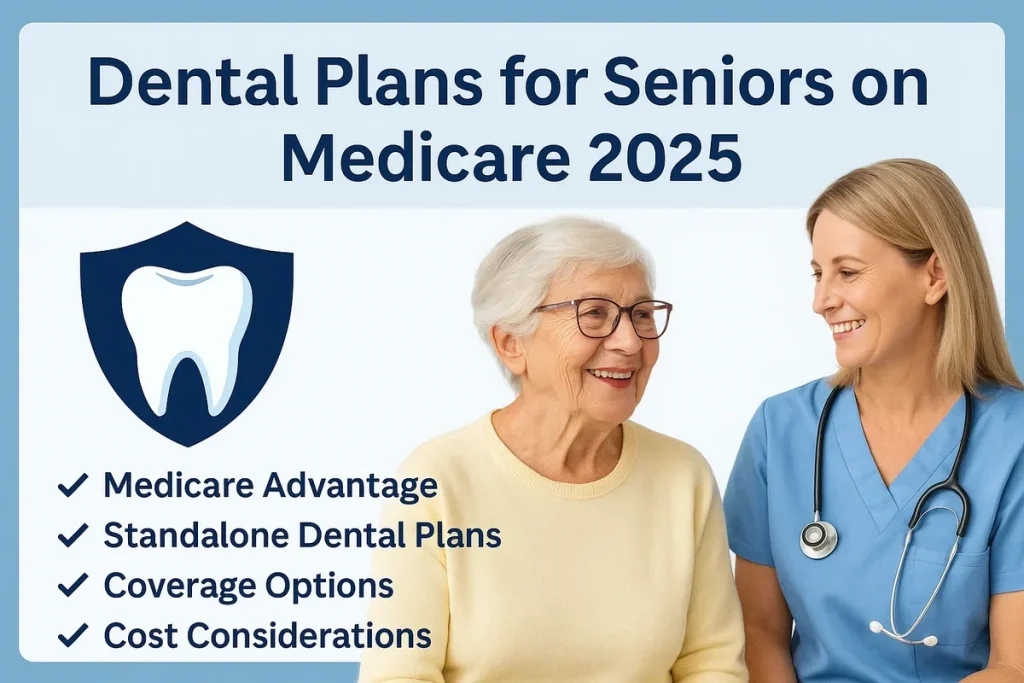
As we step into 2025, the question of how dental care fits into Medicare coverage has become more important than ever. Seniors often face challenges in maintaining good oral health due to aging, pre-existing conditions, and the rising costs of dental treatments. While traditional Medicare (Parts A and B) provides excellent support for hospital and medical care, it still does not directly cover most dental services. This is why dental plans for seniors on Medicare 2025 are a critical topic of discussion for millions of Americans who want to protect both their health and their wallets.
Understanding dental coverage options in 2025 means knowing the difference between what Original Medicare covers, what Medicare Advantage (Part C) might offer, and what standalone dental insurance plans can provide. Oral health is directly linked to overall well-being—studies show strong correlations between gum disease and systemic health issues such as diabetes and heart disease. For seniors, neglecting oral care can lead to more costly medical complications later on. Therefore, selecting the right dental insurance plans for seniors on Medicare 2025 is not just about teeth—it’s about comprehensive health and financial security.
Why Dental Coverage Matters in 2025
More seniors are living longer and leading active lifestyles. This longevity, while positive, also means dental health needs are greater. Procedures such as root canals, implants, and dentures can cost thousands of dollars. Without the right dental plans for seniors on Medicare 2025, retirees could face out-of-pocket expenses that strain fixed incomes. Preventive care, like cleanings and checkups, is equally important. Regular visits can catch small issues before they become major health risks, ensuring both comfort and savings in the long run.
What Medicare Currently Covers
Original Medicare does not cover routine dental care, fillings, extractions, or dentures. It only pays for dental services if they are integral to another covered procedure—for example, a jaw reconstruction after an accident. Because of these gaps, seniors must explore either Medicare Advantage dental benefits or private standalone dental plans. In 2025, more Advantage plans are expanding dental offerings, but the level of coverage varies widely, making it essential to compare options carefully.
Medicare Advantage and Dental Plans in 2025
One of the biggest developments in 2025 is the growing inclusion of dental benefits in Medicare Advantage plans. These plans often cover preventive services, and some extend to major procedures. However, coverage limits and annual maximums still apply, meaning seniors must evaluate whether the plan truly meets their needs. By understanding the fine print, beneficiaries can avoid unexpected costs and select Advantage plans that align with their dental priorities.
Standalone Dental Insurance Options
Beyond Medicare Advantage, seniors also have the option of enrolling in standalone dental insurance. These plans are offered by private companies and can complement Medicare. Many standalone providers in 2025 offer tiered plans ranging from basic preventive coverage to comprehensive packages including implants and orthodontics. While premiums vary, the benefit is flexibility—seniors can tailor coverage to their unique health needs.
Financial Considerations
The cost of dental insurance is a major concern. Premiums for dental plans for seniors on Medicare 2025 range from as low as $20 per month for preventive-only plans to over $70 for comprehensive coverage. Deductibles, copays, and maximum coverage limits must also be factored in. For example, many plans cap benefits at $1,500–$2,000 annually, which may not be enough for extensive dental work. Careful budgeting is crucial, especially for seniors on fixed incomes.
Resources for Seniors
Seniors seeking reliable information can consult trusted organizations like the American Dental Association, which provides valuable guidance on dental health standards and insurance considerations. Additionally, those who need personal consultation can reach out to dental clinics directly, such as the Redent Klinik Contact Page for expert advice and customized care plans.
Final Thoughts on 2025 Coverage
Choosing the right dental coverage is not a decision to be taken lightly. With increasing treatment costs and the proven connection between oral health and overall well-being, seniors must be proactive in selecting suitable coverage. Dental plans for seniors on Medicare 2025 offer a wide array of choices—from Medicare Advantage to standalone insurance policies—and each has unique benefits and drawbacks. By staying informed, comparing premiums, and considering long-term health needs, seniors can secure peace of mind and safeguard their health for years to come.
Ultimately, understanding and investing in dental coverage is an investment in both quality of life and financial stability. Seniors who take action now will be better prepared to enjoy healthier smiles and reduced medical risks throughout 2025 and beyond. 🦷✨
Why Seniors Need Specialized Dental Plans 👵🦷
As we move into 2025, it has become clear that seniors require more specialized dental coverage than ever before. Oral health needs evolve with age, and seniors are more prone to conditions such as gum disease, tooth loss, dry mouth, and complications from chronic illnesses. Unfortunately, Original Medicare alone does not provide comprehensive dental benefits. This is where dental plans for seniors on Medicare 2025 fill the gap, offering targeted coverage that aligns with the unique challenges seniors face. By enrolling in specialized dental plans, seniors can safeguard their overall health, reduce unexpected costs, and ensure a better quality of life.
The Connection Between Oral Health and Overall Health
One of the biggest reasons seniors need specialized coverage is the strong connection between oral health and systemic health. Poor oral hygiene has been linked to diabetes, heart disease, and even cognitive decline. For seniors, untreated gum disease can worsen existing conditions, leading to more frequent hospital visits. In 2025, more healthcare professionals emphasize preventive dental care as a cornerstone of senior health. That makes dental plans for seniors on Medicare 2025 more than just financial products—they are health investments.
Common Dental Issues Seniors Face
- Gum Disease (Periodontitis): Aging immune systems make seniors more vulnerable to gum infections, which can lead to tooth loss if untreated.
- Tooth Decay: Enamel weakens with age, and dry mouth caused by medications increases the risk of cavities.
- Tooth Loss: Many seniors require dentures, implants, or bridges—services not covered by Original Medicare.
- Oral Cancer Risks: Seniors have a higher risk of oral cancers, making preventive screenings a crucial part of dental care.
Addressing these issues requires access to both preventive and restorative services. Specialized dental plans for seniors on Medicare 2025 are designed to cover exams, X-rays, and sometimes even advanced treatments like implants and periodontal therapy.
Financial Challenges of Dental Care for Seniors
Dental care can be prohibitively expensive for seniors living on fixed incomes. A single implant can cost $3,000–$5,000, while dentures range from $1,000–$3,000. Routine checkups and cleanings, though less costly, can still add up without insurance. Many seniors delay treatment because of cost, only to face more severe (and expensive) dental problems later. With dental plans for seniors on Medicare 2025, retirees gain access to affordable preventive care, spreading out costs over manageable premiums rather than risking large out-of-pocket expenses.
Example of 2025 Dental Treatment Costs
Routine Cleaning: $80 – $120
Filling: $150 – $300
Root Canal: $900 – $1,500
Dental Implant: $3,000 – $5,000
Complete Dentures: $1,000 – $3,000
When compared to the cost of premiums, these figures highlight why having a specialized plan is financially wise.
Emotional and Social Well-Being
Dental health is not only about preventing disease but also about maintaining confidence and dignity. Missing teeth, poorly fitting dentures, or chronic pain can reduce a senior’s willingness to socialize. This can lead to isolation, depression, and a lower quality of life. Specialized dental plans for seniors on Medicare 2025 help ensure seniors can access treatments that restore their smiles, which in turn improves mental health and social engagement.
Preventive Care Is the Key
Preventive dentistry—including cleanings, exams, fluoride treatments, and oral cancer screenings—forms the backbone of senior dental health. Specialized dental insurance in 2025 prioritizes preventive services, often covering them at little or no additional cost. By investing in preventive care now, seniors can avoid high-cost procedures in the future. This is why selecting targeted dental coverage for retirees on Medicare 2025 is such a critical step.
How Specialized Plans Support Chronic Conditions
Seniors with chronic conditions such as diabetes or heart disease require extra dental care. Gum disease can worsen blood sugar control, while oral infections increase risks for cardiac events. Specialized dental coverage ensures these seniors receive the regular monitoring and interventions necessary to keep both dental and systemic conditions under control. This dual benefit makes dental insurance not only a financial safeguard but also a health necessity.
Support From Healthcare Organizations
Organizations like the American Dental Association consistently highlight the importance of senior dental care. Clinics and providers across the U.S. are also tailoring their offerings to meet senior needs. For seniors looking to explore customized solutions, contacting trusted providers directly, such as through the Redent Klinik Contact Page, can provide valuable personalized advice.
Conclusion: Why 2025 Is the Right Time to Act
The need for specialized dental coverage among seniors has never been greater. With life expectancy rising and oral health challenges becoming more complex, dental plans for seniors on Medicare 2025 are not optional—they are essential. These plans provide the preventive, restorative, and financial protections seniors need to live healthier, happier lives. By enrolling in the right plan, seniors can protect their health, preserve their independence, and ensure peace of mind well into the future. 🦷💙
Best Standalone Dental Insurance Options for 2025
For many retirees, standalone dental insurance is the most practical way to secure coverage, since Original Medicare does not directly pay for routine dental services. While Medicare Advantage plans may offer partial dental benefits, these are often limited in scope. This is why dental plans for seniors on Medicare 2025 offered by private insurers have become such a vital part of retirement planning. Standalone plans allow seniors to choose coverage tailored to their specific needs, whether that’s preventive care only or comprehensive policies that include implants, dentures, and orthodontics.
What Are Standalone Dental Insurance Plans?
Standalone dental plans are policies purchased separately from Medicare. They are designed to supplement the gaps left by Original Medicare and sometimes even Medicare Advantage. These plans typically cover three tiers of dental care:
- Preventive: Exams, cleanings, and X-rays, often fully covered.
- Basic: Fillings, extractions, and simple procedures, typically covered at 70–80%.
- Major: Crowns, root canals, implants, and dentures, usually covered at 40–50% with annual maximums.
Choosing the right standalone option in 2025 means analyzing both cost and benefits carefully, as coverage limits and premiums vary widely.
Top Insurance Providers Offering Standalone Plans in 2025
Several companies stand out in 2025 for offering reliable standalone dental coverage tailored to seniors. While options differ by state, these providers consistently appear on lists of the best dental plans for seniors on Medicare 2025:
Delta Dental
Delta Dental remains one of the most popular providers. Their standalone plans often include no waiting periods for preventive care and wide provider networks. In 2025, Delta offers several senior-focused policies, with premiums starting around $25 per month and annual maximums ranging from $1,000 to $2,000.
Cigna Dental
Cigna offers customizable standalone plans with strong preventive and basic coverage. Their higher-tier plans cover implants and dentures, making them appealing for seniors needing restorative work. Average premiums range from $30–$45 monthly, with some plans including orthodontics for adults.
Aetna Dental
Aetna provides budget-friendly standalone options that integrate seamlessly with Medicare Supplement plans. Their premiums begin at approximately $22 per month, and many of their policies cover 100% of preventive services. Seniors seeking affordability without sacrificing access to care often consider Aetna’s offerings.
Humana Dental
Humana is known for flexibility, with plans ranging from preventive-only to comprehensive coverage. In 2025, Humana offers enhanced implant coverage—a feature many seniors find essential. Monthly premiums start at $28, and their wide network ensures easy access to providers.
Guardian Direct
Guardian Direct has become increasingly popular with seniors seeking comprehensive dental benefits. Their 2025 plans provide strong support for dentures and crowns, along with preventive care. Premiums average $35–$50 monthly, with annual maximums of $1,500–$3,000 depending on the plan.
Costs and Premium Structures
Premiums for standalone plans vary depending on the level of coverage. Seniors can expect the following in 2025:
Preventive-Only Plan: $20 – $30 per month
Basic + Preventive Plan: $30 – $50 per month
Comprehensive Plan (including implants/dentures): $50 – $75 per month
Annual Maximum Coverage: $1,000 – $3,000
Deductibles: $50 – $150
These costs highlight why standalone dental plans remain attractive: they convert unpredictable large expenses into manageable monthly payments.
Advantages of Standalone Dental Plans
Standalone insurance offers several benefits for seniors compared to relying solely on Medicare Advantage dental benefits:
- Flexibility: Seniors can choose exactly the coverage they need.
- Provider Choice: Large networks allow more freedom to select trusted dentists.
- Comprehensive Care: Coverage often extends to dentures, implants, and crowns—services rarely included in Medicare Advantage.
- Predictable Costs: Spreading expenses over monthly premiums reduces financial stress.
Potential Limitations to Consider
While standalone policies are excellent, they do come with potential downsides:
- Annual maximums can still leave seniors with out-of-pocket expenses for major procedures.
- Waiting periods (usually 6–12 months) may apply to crowns, implants, or dentures.
- Premiums may feel high for retirees on tight budgets, especially comprehensive plans.
For these reasons, comparing multiple options before enrollment is crucial in 2025.
How to Select the Best Plan
Seniors choosing among dental plans for seniors on Medicare 2025 should consider several factors:
- Health Needs: Does the senior need major procedures, or just preventive care?
- Budget: How much can be comfortably spent on monthly premiums?
- Network Size: Are preferred dentists included in the plan?
- Coverage Levels: What percentage of preventive, basic, and major services are covered?
Additional Resources
Seniors who want more detailed comparisons can refer to resources from the American Dental Association, which provides up-to-date guidance on coverage and oral health. For personalized consultations, reaching out directly to providers such as the Redent Klinik Contact Page ensures tailored advice and real-world pricing insights.
Conclusion: Standalone Plans Provide Independence
In 2025, standalone dental insurance represents independence and peace of mind for seniors. These plans empower retirees to maintain healthy smiles, avoid unexpected bills, and access a wide range of treatments not covered by Medicare. With the right choice, dental plans for seniors on Medicare 2025 can transform dental care from a financial burden into a well-managed aspect of overall health. Seniors who take the time to compare providers, understand their own needs, and enroll in the right plan will enjoy healthier teeth, brighter smiles, and greater confidence for years to come. 😁🦷
Comparing Medicare Advantage Dental Benefits
One of the biggest changes in the Medicare landscape in recent years is the increasing role of Medicare Advantage (Part C) plans in providing dental benefits. Unlike Original Medicare, which rarely covers routine dental care, Medicare Advantage plans often include dental coverage as part of their expanded benefits. For seniors evaluating dental plans for seniors on Medicare 2025, understanding the differences between Advantage dental coverage and standalone dental plans is essential to making an informed decision.
What Are Medicare Advantage Dental Benefits?
Medicare Advantage plans are offered by private insurance companies approved by Medicare. In 2025, most Advantage plans bundle dental coverage with hospital (Part A) and medical (Part B) benefits, and many also include vision, hearing, and prescription drug coverage. Dental benefits within these plans usually cover preventive services and sometimes extend to basic and major procedures. However, there is wide variation in what’s included, which makes comparison critical for seniors.
Types of Dental Coverage in Medicare Advantage Plans
Dental benefits in Advantage plans typically fall into three categories:
- Preventive Care: Almost all plans cover exams, cleanings, and X-rays at no cost to the patient.
- Basic Services: Many plans cover fillings and extractions, usually at 50%–80% after copayments or deductibles.
- Major Services: A smaller number of plans cover crowns, implants, dentures, and root canals, but with limitations such as waiting periods or annual maximums.
Comparing the fine print is crucial since two different Medicare Advantage plans in the same area can offer very different dental benefits. This variability is one reason why experts encourage seniors to carefully analyze dental plans for seniors on Medicare 2025 rather than assume all Advantage plans provide the same protections.
Advantages of Medicare Advantage Dental Coverage
There are several clear benefits to choosing Medicare Advantage dental options:
- Bundled Coverage: Seniors receive dental, medical, and sometimes prescription coverage in one plan.
- Preventive Focus: Cleanings, checkups, and routine exams are often free or heavily discounted.
- Convenience: A single insurance card and provider network make it easier to manage care.
- Growing Benefits: In 2025, more insurers are expanding dental coverage due to demand from seniors.
These features make Advantage plans attractive for seniors who prefer all-in-one insurance solutions.
Limitations and Challenges
Despite the benefits, there are also drawbacks to Medicare Advantage dental coverage that seniors must weigh carefully:
- Annual Maximums: Most plans cap dental benefits at $1,000–$2,000 per year. Major procedures like implants can exceed this limit quickly.
- Network Restrictions: Seniors must often use dentists within the plan’s network, which may limit provider choice.
- Coverage Gaps: Many plans cover preventive and basic care but exclude or partially cover major services such as dentures or implants.
- Regional Variations: Benefits vary widely by location, so seniors in different states may see drastically different options.
These limitations highlight why many retirees compare Medicare Advantage options to standalone dental insurance before committing to one or the other.
Example: Medicare Advantage Dental Coverage in 2025
Preventive Services: 100% covered (2 exams + 2 cleanings per year)
Basic Services: 70% covered after $50 deductible
Major Services: 40% covered, annual maximum $1,500
Out-of-Pocket Cost for Crown: $600 – $900 depending on plan
This example shows how seniors could still face significant costs even with Medicare Advantage dental benefits.
How Advantage Dental Plans Compare to Standalone Options
Standalone dental insurance plans typically provide more flexibility and higher annual maximums compared to Medicare Advantage dental coverage. However, they also require paying separate premiums. Seniors weighing their choices should consider:
- Convenience: Advantage plans consolidate coverage under one umbrella.
- Comprehensiveness: Standalone plans often provide broader coverage for major services.
- Cost Management: Advantage plans may have lower premiums, but out-of-pocket costs for big procedures can be higher.
For many retirees, the decision comes down to whether convenience or comprehensive dental benefits are the priority in 2025.
Who Benefits Most from Medicare Advantage Dental Coverage?
Seniors who are generally healthy and require mostly preventive or basic dental services may find Medicare Advantage plans sufficient. However, seniors anticipating major procedures such as implants or dentures may find standalone dental plans for seniors on Medicare 2025 more cost-effective despite the added premium.
Resources and Support
Organizations such as the American Dental Association provide guidelines on evaluating dental benefits within Medicare Advantage. Seniors can also contact dental care providers directly, for example through the Redent Klinik Contact Page, to understand which Advantage plans are accepted and how coverage applies to specific treatments.
Conclusion: Advantage Plans Require Careful Comparison
Medicare Advantage dental benefits are an important part of the landscape for 2025, but they are not a one-size-fits-all solution. Seniors must carefully compare deductibles, annual maximums, provider networks, and coverage for major services before enrolling. While Advantage plans may work well for those seeking bundled convenience and preventive coverage, standalone dental insurance often provides greater protection for extensive needs. By taking the time to compare dental plans for seniors on Medicare 2025, retirees can secure coverage that balances cost, convenience, and comprehensive care—ensuring healthier smiles and reduced stress for the years ahead. 🦷✨
Costs, Premiums, and Out-of-Pocket Expenses Explained 💰
One of the most important considerations for retirees is the financial side of dental coverage. As dental care becomes more advanced, the costs associated with even basic treatments have continued to rise. Understanding premiums, deductibles, copayments, and out-of-pocket expenses is essential when evaluating dental plans for seniors on Medicare 2025. By breaking down these costs, seniors can better budget their healthcare expenses and avoid unpleasant surprises.
Understanding Dental Insurance Premiums
Premiums are the fixed monthly payments seniors make to maintain their dental coverage. In 2025, premiums for dental insurance vary significantly based on the type of plan:
Preventive-Only Plans: $20 – $30 per month
Basic + Preventive Coverage: $30 – $50 per month
Comprehensive Coverage (including major services): $50 – $75 per month
These monthly costs may seem manageable, but they add up over time. For example, a comprehensive plan costing $65 per month equals $780 annually. Seniors evaluating dental plans for seniors on Medicare 2025 should balance these premiums against their expected dental needs to ensure the investment pays off.
Deductibles and Their Role
A deductible is the amount a patient pays out-of-pocket before insurance coverage kicks in. Deductibles for dental plans in 2025 typically range from $50 to $150. Preventive services often bypass the deductible, meaning cleanings and exams may be covered from the start. However, basic and major procedures often require meeting the deductible first.
For instance, if a crown costs $1,200 and the plan has a $100 deductible, the patient must pay that $100 before insurance covers the remaining share. Factoring in deductibles is critical when comparing dental plans for seniors on Medicare 2025, as they directly affect annual out-of-pocket expenses.
Copayments and Coinsurance
Even after meeting the deductible, seniors often share costs through copayments (fixed fees) or coinsurance (a percentage of the cost). Examples include:
- Preventive care: Usually 100% covered (no copay).
- Basic care: Often 70%–80% covered; seniors pay 20%–30%.
- Major services: Usually 40%–60% covered; seniors pay 40%–60%.
This means a $1,000 root canal with 50% coverage still requires the senior to pay $500 out-of-pocket. Understanding these ratios is key when choosing dental coverage for seniors on Medicare 2025.
Annual Maximums
Annual maximums are the ceiling on what an insurance plan will pay for dental services in a given year. In 2025, most plans cap benefits at $1,000–$2,500 annually. Once this limit is reached, seniors are responsible for 100% of additional costs. This can be problematic for major procedures such as implants, which may exceed the annual maximum in a single treatment. Seniors with high dental needs may want to consider plans with higher annual limits, even if they come with slightly higher premiums.
Example of Annual Maximum Impact
Annual Maximum: $1,500
Cost of Two Crowns in One Year: $2,400
Insurance Pays: $1,500 (up to max)
Senior Pays: $900 out-of-pocket
This example illustrates how quickly benefits can be exhausted under current caps.
Hidden Costs and Waiting Periods
Many plans include waiting periods, particularly for major services such as dentures, crowns, and implants. Waiting periods typically range from 6 to 12 months. Seniors must account for these delays, as they can lead to out-of-pocket spending if urgent treatment is needed before the waiting period ends. Additionally, some plans exclude certain high-cost treatments altogether. Careful review of plan documents is essential for anyone choosing dental plans for seniors on Medicare 2025.
Comparing Medicare Advantage vs. Standalone Costs
Medicare Advantage dental benefits often have lower premiums than standalone dental plans, but their coverage limits can be restrictive. Standalone plans may have higher monthly costs but offer better coverage for major services. Seniors should ask themselves:
- Do I expect to need major dental work soon?
- Am I comfortable with potentially high out-of-pocket expenses if I exceed coverage limits?
- Would I rather pay higher premiums for more predictable protection?
Answering these questions helps determine whether Advantage or standalone dental plans for seniors on Medicare 2025 provide the best value.
Financial Planning Tips for Seniors
To maximize value while minimizing costs, seniors should:
- Schedule preventive visits to avoid costlier treatments later.
- Compare at least three dental insurance providers before enrolling.
- Check if their preferred dentist is in-network to avoid higher charges.
- Set aside funds in a Health Savings Account (HSA) or Flexible Spending Account (FSA) if eligible.
These strategies ensure seniors make the most of their dental coverage in 2025.
Helpful Resources
The American Dental Association offers guidance on understanding dental costs and insurance terms. Seniors who want tailored advice can contact providers directly, such as through the Redent Klinik Contact Page, to get personalized cost estimates and coverage recommendations.
Conclusion: Balancing Costs and Care
Dental care is both a health necessity and a financial challenge for retirees. By understanding premiums, deductibles, copayments, annual maximums, and hidden costs, seniors can make better choices about their coverage. The right dental plans for seniors on Medicare 2025 balance affordability with access to essential treatments, ensuring that retirees protect both their smiles and their savings. In 2025, careful planning and comparison shopping remain the keys to achieving peace of mind and long-term oral health. 💵🦷
Coverage for Dentures, Implants, and Major Procedures
When it comes to dental care, the most expensive services are often dentures, implants, and other major procedures. These treatments are especially relevant to seniors, as natural tooth loss and oral health complications become more common with age. Unfortunately, Original Medicare does not cover most of these services, which is why specialized dental plans for seniors on Medicare 2025 are vital. Understanding how different plans handle major procedures can help retirees avoid overwhelming out-of-pocket expenses while ensuring access to high-quality care.
Why Major Dental Procedures Are Crucial for Seniors
Tooth loss, gum disease, and bone density issues make major dental treatments increasingly necessary as individuals age. Unlike preventive care, which keeps issues from arising, major procedures address existing problems and restore functionality. Seniors rely on dentures, implants, and crowns not only for chewing but also for confidence and social well-being. Without coverage, the financial burden can be devastating, with implants costing several thousand dollars and dentures often requiring multiple adjustments over time.
Dentures and Medicare Coverage in 2025
Dentures remain one of the most common dental solutions for seniors. However, costs can range widely depending on materials and customization:
Basic Complete Dentures: $1,000 – $1,500 per set
Premium Dentures: $2,500 – $4,000 per set
Partial Dentures: $700 – $1,500
Repairs/Adjustments: $100 – $400 per visit
Most dental plans for seniors on Medicare 2025 include at least partial coverage for dentures, but the percentage covered often varies between 40% and 60%. Some plans also impose waiting periods before denture benefits kick in. Medicare Advantage plans sometimes include denture coverage, but caps and annual maximums frequently limit how much they actually pay toward these services.
Dental Implants and Their Growing Popularity
Implants are considered the gold standard for tooth replacement, offering a natural look and long-lasting results. Yet, they are also among the most expensive procedures:
Single Tooth Implant: $3,000 – $5,000
Full Arch Implants (All-on-4): $15,000 – $30,000 per arch
Bone Grafting (if needed): $500 – $2,500
For seniors, implants provide durability and comfort, but many dental insurance plans exclude them or provide very limited coverage. In 2025, more insurers are beginning to recognize the importance of implants and include them in higher-tier plans. Still, coverage often falls around 40%–50% of the cost, with annual maximums limiting reimbursement. This means seniors may need to combine insurance coverage with personal savings or financing options. When comparing dental plans for seniors on Medicare 2025, implant coverage is one of the most important factors for those anticipating tooth replacement.
Crowns, Bridges, and Root Canals
Other major procedures, such as crowns, bridges, and root canals, are also costly but essential for seniors with weakened or decayed teeth:
Crown: $900 – $1,500
Bridge: $2,000 – $5,000
Root Canal: $900 – $1,500
Coverage for these treatments is more common than for implants, but it usually comes with waiting periods and cost-sharing requirements. Seniors may need to pay 40%–60% of the total bill depending on their plan. Standalone dental insurance plans often provide better coverage for crowns and bridges than Medicare Advantage dental benefits, though at the cost of higher premiums.
Example: Plan Coverage for Major Procedures in 2025
Preventive Care: 100% covered
Basic Procedures: 70% covered
Crowns & Bridges: 50% covered (after deductible)
Implants: 40% covered (waiting period applies)
Annual Maximum: $2,000
This example highlights the importance of reviewing both percentage coverage and annual maximums, as seniors may still face significant out-of-pocket costs.
Medicare Advantage vs. Standalone Plans
Medicare Advantage dental coverage typically includes preventive and some basic care, but coverage for dentures, implants, and crowns is limited and subject to low annual caps. Standalone dental insurance plans, on the other hand, usually provide more generous benefits for major procedures, although they come with higher monthly premiums and possible waiting periods. Seniors should carefully consider whether the extra premium is worthwhile, especially if they anticipate needing restorative procedures soon.
Planning Ahead for Major Procedures
Seniors can save money by planning their dental care strategically:
- Enroll in a plan well before major dental work is needed to avoid waiting period delays.
- Schedule costly procedures over multiple years to maximize annual benefits.
- Ask about in-network discounts, which can significantly reduce costs.
- Explore supplemental financing programs offered by dental providers.
By combining strategic planning with the right insurance, retirees can better manage the costs of dentures, implants, and other treatments.
Additional Resources
The American Dental Association provides detailed educational material about major dental treatments, including implants and dentures. Seniors seeking personalized guidance can also reach out to trusted providers, such as through the Redent Klinik Contact Page, to discuss treatment costs and insurance compatibility.
Conclusion: Protecting Smiles and Savings
Dentures, implants, crowns, and other major procedures are not luxuries—they are necessities for seniors aiming to maintain quality of life and oral function. Without insurance, these services can create significant financial strain. That’s why choosing the right dental plans for seniors on Medicare 2025 is essential. By reviewing coverage for major procedures, understanding cost-sharing rules, and planning ahead, retirees can protect both their smiles and their retirement savings. In 2025, investing in the right coverage means investing in health, confidence, and independence. 🦷💎
How to Choose the Right Dental Plan for Seniors
With so many options available in 2025, choosing the best coverage can feel overwhelming. Seniors must evaluate not only premiums and benefits but also their personal oral health needs and financial circumstances. Since Medicare alone does not provide comprehensive dental coverage, the decision between Medicare Advantage dental benefits and standalone policies becomes essential. By carefully comparing dental plans for seniors on Medicare 2025, retirees can avoid unexpected costs and ensure access to high-quality care that supports both health and independence.
Step 1: Assess Individual Dental Health Needs
The first step in choosing the right plan is to evaluate current and expected dental care requirements. Seniors who primarily need preventive services, such as cleanings and exams, may find Medicare Advantage dental coverage sufficient. However, those anticipating major treatments like implants, crowns, or dentures will likely need more comprehensive standalone policies. Seniors should consult their dentist for a long-term treatment plan, then select insurance that matches those projected needs.
Step 2: Compare Costs Beyond Premiums
Premiums are just one part of the financial picture. Seniors must also review deductibles, copayments, coinsurance percentages, and annual maximums. For example, a plan with low monthly premiums may appear attractive but could leave retirees paying thousands out-of-pocket if major procedures are required. The most cost-effective dental plans for seniors on Medicare 2025 balance manageable premiums with fair coverage for restorative services.
Sample Cost Considerations in 2025
Plan A: $30 monthly premium, $1,000 annual max, 50% coverage for crowns
Plan B: $55 monthly premium, $2,500 annual max, 60% coverage for crowns & implants
Although Plan B costs more each month, it may save money in the long run for seniors expecting high-cost treatments.
Step 3: Review Coverage for Major Procedures
Not all insurance plans treat major procedures equally. Some Medicare Advantage dental plans exclude implants or dentures altogether, while many standalone policies cover them at 40%–60%. Seniors who anticipate restorative treatments should prioritize plans with higher annual maximums and explicit coverage for major services. The keyword when comparing dental plans for seniors on Medicare 2025 is “detail”—reading the fine print ensures that coverage truly matches expectations.
Step 4: Check Network Restrictions
Provider networks play a major role in coverage value. Medicare Advantage dental plans typically require seniors to use in-network dentists, while standalone insurance plans often offer broader access. Seniors with long-standing relationships with their dentists should confirm that their provider is included in the network. Out-of-network services may cost significantly more, reducing the real value of the plan.
Step 5: Consider Waiting Periods
Most dental insurance includes waiting periods for major procedures, often between six and twelve months. If urgent treatment is anticipated, a plan with reduced or waived waiting periods may be more suitable. Seniors evaluating dental plans for seniors on Medicare 2025 should look closely at waiting period policies to avoid delays in essential care.
Step 6: Evaluate Plan Reputation and Customer Service
Not all insurance providers offer the same quality of service. Seniors should research customer reviews, claim processing times, and provider satisfaction rates. Companies like Delta Dental, Cigna, and Humana often receive high marks for customer service. Resources such as the American Dental Association can provide insights into trustworthy insurers that consistently support retirees.
Step 7: Align with Overall Healthcare Coverage
Since Medicare Advantage plans bundle medical, vision, and dental coverage, they can simplify care management. However, this convenience may come at the expense of reduced dental benefits. Seniors should weigh whether bundled convenience or comprehensive dental coverage is the higher priority. Those with multiple healthcare needs may prefer Medicare Advantage, while those focused on dental health may benefit more from standalone policies.
Example: Aligning Coverage with Needs
Healthy Senior with Few Dental Issues → Medicare Advantage Dental Coverage
Senior Expecting Implants or Dentures → Standalone Dental Plan with Higher Annual Max
Step 8: Seek Professional Guidance
Choosing the right plan doesn’t have to be a solo process. Licensed insurance agents, dental providers, and independent resources can help seniors compare coverage. Contacting trusted providers like the Redent Klinik Contact Page ensures access to expert advice tailored to individual needs. Seniors should also consult financial advisors to integrate dental costs into retirement budgets.
Conclusion: Making a Confident Choice
Selecting the right plan is about more than just affordability—it’s about long-term peace of mind. By following a structured approach that evaluates needs, costs, coverage details, and provider networks, retirees can confidently select dental plans for seniors on Medicare 2025 that protect both health and finances. In an era where oral health is increasingly linked to overall wellness, investing in the right coverage is an investment in independence, comfort, and quality of life. Seniors who make informed choices today will enjoy healthier smiles and reduced stress tomorrow. 😁🦷
Top Providers Offering Dental Plans in 2025
In 2025, seniors seeking reliable dental insurance have more choices than ever before. With the rising demand for comprehensive oral care coverage, insurance companies are competing to offer better benefits and more accessible plans. When evaluating dental plans for seniors on Medicare 2025, knowing which providers consistently deliver strong coverage, broad networks, and dependable customer service can help retirees make informed decisions. Below, we review some of the most reputable companies offering dental insurance tailored to seniors in 2025.
Delta Dental
Delta Dental remains one of the largest and most trusted dental insurers in the United States. Its reputation is built on expansive networks, affordable premiums, and flexible plan designs. In 2025, Delta continues to stand out for offering tiered options ranging from preventive-only coverage to comprehensive packages that include implants and dentures.
Highlights of Delta Dental Plans
- Premiums starting as low as $25 per month.
- Annual maximums ranging from $1,000–$3,000.
- Extensive nationwide network of dentists, making it easy for seniors to find in-network care.
- No waiting periods for preventive services.
For seniors comparing dental plans for seniors on Medicare 2025, Delta is often a strong choice due to its affordability and comprehensive coverage for major services.
Cigna Dental
Cigna has become a leader in senior-focused dental coverage by offering flexibility and customizable benefits. In 2025, Cigna’s dental plans emphasize preventive care but also include higher-tier policies that cover implants, dentures, and orthodontics for adults.
Advantages of Cigna Dental Coverage
- Premiums typically range between $30–$50 monthly.
- Preventive services covered at 100% from day one.
- Implants and dentures included in many plans after waiting periods.
- Online tools and mobile apps for easier claims management.
Cigna’s balance of technology, accessibility, and coverage makes it a strong contender for seniors evaluating dental insurance plans for retirees in 2025.
Humana Dental
Humana is known for its versatility and focus on senior care. With a wide range of plan tiers, Humana gives retirees the choice between affordable preventive-only coverage and robust comprehensive plans. In 2025, Humana has expanded implant coverage and enhanced access to in-network providers, appealing to seniors who want predictable costs and flexibility.
Humana Dental Plan Features
- Premiums starting around $28 per month.
- Strong nationwide provider networks.
- Enhanced coverage for implants and periodontal treatments.
- Specialized programs for chronic conditions, such as diabetes-related dental care.
For seniors who want strong support for restorative work, Humana is frequently included among the top dental plans for seniors on Medicare 2025.
Aetna Dental
Aetna continues to be a reliable provider for seniors looking for budget-friendly dental coverage. Their 2025 plans integrate smoothly with Medicare Supplement plans, making them a seamless option for retirees who want coordinated healthcare coverage.
Aetna Dental Highlights
- Premiums starting as low as $22 monthly.
- Preventive services covered at 100% without deductibles.
- Comprehensive plans available for major treatments such as crowns, root canals, and dentures.
- Discount dental programs for additional savings on uncovered services.
Aetna’s affordability makes it a great entry-level choice for seniors who need dependable dental protection without high monthly costs.
Guardian Direct
Guardian Direct has grown in popularity thanks to its strong coverage for major dental procedures and accessible customer service. In 2025, Guardian’s plans are particularly attractive for seniors seeking support for dentures, implants, and advanced restorative care.
Guardian Direct Plan Details
- Premiums average $35–$55 monthly.
- Annual maximums up to $3,000 in higher-tier plans.
- Coverage includes preventive, basic, and major services, with implants often included.
- Strong emphasis on preventive care to minimize future costs.
Guardian Direct’s comprehensive coverage options make it a top choice among seniors exploring dental plans for Medicare recipients in 2025.
Comparing Top Providers
While all of the above providers offer strong options, the best choice depends on each senior’s needs and budget. For example, Delta Dental and Aetna are often ideal for affordability, while Humana and Guardian provide more extensive benefits for major procedures. Cigna appeals to seniors who value flexibility and technology integration.
Sample Comparison of Providers
Delta Dental: Best for affordability & wide networks
Cigna: Best for customizable coverage
Humana: Best for seniors needing implants/dentures
Aetna: Best for budget-conscious retirees
Guardian Direct: Best for comprehensive major coverage
Resources for Making the Final Choice
Seniors should review provider websites and plan documents carefully to understand coverage, exclusions, and waiting periods. Trusted organizations like the American Dental Association offer additional insights for comparing plans. For personalized recommendations, retirees can also reach out to providers directly, such as through the Redent Klinik Contact Page, for expert advice tailored to individual oral health needs.
Conclusion: Trusted Providers Make All the Difference
Choosing the right provider is just as important as choosing the right plan. The top companies offering dental plans for seniors on Medicare 2025 have built reputations for reliability, customer service, and comprehensive benefits. By comparing these providers and aligning plan choices with personal dental health goals, seniors can secure coverage that balances affordability with the highest quality of care. In 2025, selecting the right provider means seniors can look forward to healthier smiles, greater confidence, and financial peace of mind. 🦷💙
Tips to Save Money on Dental Plans for Seniors
As dental costs continue to rise in 2025, many retirees are searching for ways to stretch their healthcare budgets. Fortunately, there are proven strategies to minimize expenses while still accessing quality oral care. Whether comparing Medicare Advantage benefits or standalone coverage, seniors can make smart financial decisions by planning ahead. By applying these strategies to dental plans for seniors on Medicare 2025, retirees can reduce out-of-pocket spending, maximize insurance benefits, and maintain excellent oral health without breaking the bank.
Compare Multiple Plans Before Enrolling
One of the simplest ways to save money is by comparing several insurance options before signing up. Premiums, deductibles, and coverage percentages vary widely between insurers, even within the same region. Seniors should evaluate at least three different providers to ensure they’re getting the most value for their money.
Plan Comparison Example in 2025
Plan A: $30 monthly premium, $1,000 annual max, 40% implant coverage
Plan B: $50 monthly premium, $2,500 annual max, 60% implant coverage
Plan C: $65 monthly premium, $3,000 annual max, dentures + implants fully included
While Plan A looks cheapest on the surface, seniors expecting major dental work may save more with Plan B or C due to higher annual maximums and better major services coverage.
Take Advantage of Preventive Care
Preventive services such as cleanings, exams, and X-rays are usually covered at 100% by both Medicare Advantage and standalone policies. Regular checkups can prevent costly issues like gum disease or root canals. Seniors who schedule preventive visits twice a year often save thousands of dollars over time. The best dental plans for seniors on Medicare 2025 encourage preventive care to reduce long-term costs.
Use In-Network Dentists
Insurance providers negotiate discounted rates with in-network dentists, which means significantly lower costs for patients. Seniors who use out-of-network providers may face charges 30–40% higher, which can quickly drain annual maximums. Before enrolling, retirees should confirm that their preferred dentist is in-network, or be prepared to switch providers to maximize savings.
Schedule Major Procedures Strategically
Since most plans have annual maximums, seniors can save money by spreading costly procedures across multiple years. For example, a senior who needs two crowns and an implant might schedule one crown in late 2025 and the second crown plus implant in 2026. This strategy allows retirees to take advantage of maximum annual coverage benefits each year without exceeding limits.
Example: Splitting Costs Across Years
2025 Annual Max: $2,000 → Use for first crown ($1,200) + partial implant cost
2026 Annual Max: $2,000 → Use for second crown ($1,200) + remainder of implant
Out-of-Pocket Savings: $1,000+ by spreading over two years
Look for Discount Programs and Dental Savings Plans
In addition to traditional insurance, many providers offer discount dental programs. These are membership-based options where seniors pay an annual fee (usually $100–$200) in exchange for reduced rates on services. While not insurance, they can complement dental plans for seniors on Medicare 2025 by lowering costs on procedures that exceed annual maximums or are excluded from coverage, such as cosmetic treatments.
Consider Bundled or Family Plans
Some insurers offer discounted rates when multiple family members enroll in the same plan. For seniors living with spouses or dependents, bundled plans may reduce overall premiums. Even if family members are younger, group enrollment can increase coverage flexibility and savings potential.
Negotiate with Providers
Many seniors don’t realize that dental costs can be negotiable. Dentists may offer discounts for upfront payment, cash payments, or long-term patients. Seniors should feel comfortable asking their provider for itemized bills and exploring payment plans. For treatments not fully covered under dental plans for seniors on Medicare 2025, negotiation can result in meaningful savings.
Utilize Health Savings Accounts (HSAs) and FSAs
Retirees with HSAs or FSAs can use pre-tax dollars to pay for dental expenses, reducing overall costs. While Medicare enrollees cannot open new HSAs, those with existing accounts can still use them for eligible dental expenses in 2025. FSAs are also an option for seniors with supplemental employer-based benefits.
Take Advantage of Senior Discounts and Community Programs
Many local dental schools, clinics, and community health programs offer reduced-cost care for seniors. These services are often performed by supervised dental students at a fraction of the normal price. Seniors researching affordable dental plans for seniors on Medicare 2025 should also explore these community resources as supplemental support.
Resources for Guidance
Reliable organizations like the American Dental Association provide guidance on cost-saving strategies and fair treatment pricing. Seniors can also contact clinics directly for personalized advice, such as through the Redent Klinik Contact Page, to receive professional insights into lowering dental care costs.
Conclusion: Saving Smart in 2025
Managing dental costs requires proactive planning and smart decision-making. By comparing plans, maximizing preventive care, using in-network dentists, and exploring community resources, seniors can significantly reduce expenses while still receiving high-quality treatment. The best dental plans for seniors on Medicare 2025 provide the foundation, but real savings come from using those benefits wisely. In 2025, seniors who combine the right insurance with cost-saving strategies will enjoy healthier smiles, stronger finances, and greater peace of mind. 💰🦷

Future Trends in Medicare Dental Coverage Beyond 2025
As healthcare continues to evolve, so too does dental insurance for seniors. The demand for affordable and accessible oral healthcare is expected to grow rapidly over the next decade, making it vital to look beyond the present. While dental plans for seniors on Medicare 2025 provide significant options, emerging trends suggest that future coverage could become even more comprehensive, technology-driven, and senior-friendly. Seniors planning ahead will benefit from understanding how policy changes, insurance innovation, and healthcare integration may transform dental benefits beyond 2025.
Policy Shifts and Legislative Proposals
One of the most significant factors influencing the future of dental coverage is federal policy. Lawmakers have long debated whether dental services should be fully integrated into Medicare. Although Original Medicare excludes most dental care in 2025, growing public pressure may lead to reforms.
Potential Policy Changes on the Horizon
- Expanded Medicare Benefits: Proposals in Congress could add preventive and restorative dental coverage under Original Medicare.
- Subsidized Premiums: Future programs may lower the cost of standalone plans for low-income seniors.
- Mandatory Dental Inclusion: Medicare Advantage plans may be required to offer more extensive dental benefits by default.
If enacted, these policies could reduce the need for seniors to shop separately for dental insurance plans for retirees, shifting more responsibility to the federal government.
Technology and Tele-Dentistry
Technology is reshaping healthcare, and dentistry is no exception. Tele-dentistry is already making waves by allowing seniors to consult dentists remotely for initial assessments, follow-ups, and preventive guidance. Beyond 2025, this trend is expected to grow, offering seniors greater convenience while lowering costs.
Benefits of Tele-Dentistry
- Early detection of dental issues through video consultations.
- Reduced need for in-person visits for routine follow-ups.
- Lower overall costs due to fewer office appointments.
- Improved access for rural and mobility-challenged seniors.
Insurance companies offering dental plans for seniors on Medicare 2025 are already experimenting with tele-dentistry, and future coverage is likely to expand to fully support these services.
Integration of Dental and Medical Care
Medical research increasingly shows the strong link between oral health and overall well-being. Gum disease has been associated with heart disease, diabetes, and even dementia. Recognizing these connections, insurers are expected to integrate dental and medical coverage more closely in the coming years.
Examples of Integrated Care
- Medicare Advantage plans combining dental, vision, and medical under unified care models.
- Special programs for seniors with chronic conditions like diabetes to cover periodontal treatments.
- Bundled healthcare discounts encouraging comprehensive preventive care.
This integration ensures that seniors not only save money but also maintain better health outcomes long-term.
Focus on Implants and Advanced Procedures
As dental technology advances, implants, bridges, and crowns are becoming more durable and effective. Future plans are expected to expand coverage for these procedures, recognizing them as medically necessary rather than cosmetic. In fact, many insurers in 2025 already offer partial implant coverage, and the trend points toward broader inclusion.
Projected Cost Trends
Average Implant Cost in 2025: $3,000 – $5,000
Projected Cost in 2030: $2,500 – $4,000 (due to innovation & competition)
Expected Insurance Coverage: 50%–70% for implants by 2030
This shift will make implants more accessible for retirees and reduce the long-term reliance on dentures.
Increased Use of Artificial Intelligence
AI is entering dentistry in multiple ways, from diagnostic imaging to predictive analytics. Insurance providers are likely to adopt AI tools for faster claim approvals and fraud prevention. For seniors, AI-driven diagnostic support can mean earlier detection of cavities, gum disease, and oral cancers, ultimately lowering costs by preventing advanced problems.
Greater Emphasis on Preventive Care
Preventive care has always been the most cost-effective strategy, and future plans will likely expand these benefits even further. Coverage may include advanced cleanings, fluoride treatments, and even nutritional counseling to prevent oral disease. Seniors exploring dental plans for seniors on Medicare 2025 should expect more preventive coverage in the years ahead.
Environmental and Ethical Considerations
The healthcare industry is also moving toward sustainability. In dentistry, this includes eco-friendly materials, reduced waste, and ethical sourcing of dental products. Insurance plans may start offering incentives for seniors who choose eco-conscious providers, aligning oral care with broader environmental goals.
Resources and Professional Guidance
Trusted organizations like the American Dental Association are already shaping discussions on the future of senior dental care. Seniors and caregivers seeking individualized guidance should also contact clinics, such as through the Redent Klinik Contact Page, for professional advice on preparing for upcoming changes.
Conclusion: A Bright Future for Senior Dental Coverage
Looking beyond 2025, the outlook for senior dental insurance is promising. Policy reforms, technology advancements, and stronger integration with medical care will likely make coverage more affordable and effective. While today’s retirees must carefully compare dental plans for seniors on Medicare 2025, tomorrow’s seniors may benefit from more comprehensive options built into Medicare itself. By staying informed and proactive, seniors can position themselves for healthier, more confident smiles well into the future. 🌟🦷
Disclosure: this page may contain affiliate links. We may earn a commission if you use them, at no extra cost to you.