
Dental implants have become one of the most reliable and long-lasting solutions for missing teeth, but many patients worry about the high treatment cost. This is why more people are actively searching for dental plans with implant coverage to make restorative dental care more affordable and accessible. Whether you need a single implant, implant-supported dentures, or full-mouth rehabilitation, understanding how dental plans with implant coverage work can help you make a smart financial and health decision. 😊
Unlike traditional dental insurance that mainly focuses on preventive services, modern dental plans with implant coverage are increasingly designed to support advanced restorative procedures. These plans may partially cover consultations, diagnostic imaging, tooth extraction, implant surgery, abutments, and dental crowns. However, every policy is different, which means patients should carefully compare benefits, annual maximums, waiting periods, and provider networks before selecting a plan.
Today, many patients choose dental plans with implant coverage because implants are considered the gold standard for tooth replacement. Dental implants help preserve jawbone density, improve chewing function, support facial structure, and provide a natural appearance. Compared to removable dentures, implants offer significantly greater comfort and durability. For this reason, both younger adults and seniors are investing in treatments supported by reliable dental plans with implant coverage.
Why Patients Need Dental Plans With Implant Coverage
The cost of implant dentistry can vary depending on the number of implants, materials used, and additional procedures required. Without proper insurance or discount programs, many patients may postpone treatment. High-quality dental plans with implant coverage help reduce out-of-pocket expenses and make treatment easier to manage financially.
In many cases, implant treatment may involve several stages, including:
- Initial dental examination
- Digital X-rays and 3D scans
- Tooth extraction
- Bone grafting
- Implant placement surgery
- Healing period
- Abutment placement
- Permanent crown installation
Because implant procedures are comprehensive, choosing effective dental plans with implant coverage can create substantial savings over time. Some plans may even offer reduced fees for oral surgery and prosthetic restorations.
What Is Usually Covered?
Coverage details vary widely between providers, but many dental plans with implant coverage now include partial reimbursement for implant-related procedures. Some plans cover only the crown, while others contribute toward the implant post itself. Patients should carefully review policy details before enrolling.
Common benefits may include:
| Procedure | Possible Coverage |
|---|---|
| Consultation and Exam | 80%–100% |
| X-rays and Imaging | 70%–100% |
| Tooth Extraction | 50%–80% |
| Dental Implant Surgery | 20%–60% |
| Implant Crown | 40%–70% |
| Bone Grafting | Limited or partial |
Patients searching for dental plans with implant coverage should also check whether their plan has annual maximum limits. Some insurance providers cap yearly benefits at $1,000 to $2,500, which may not fully cover complete implant treatment.
Important Things to Consider Before Choosing a Plan
Not all dental plans with implant coverage provide the same value. Some low-cost plans advertise implant support but include strict exclusions or lengthy waiting periods. Reading the fine print is extremely important.
Before enrolling, patients should evaluate:
- Annual coverage limits
- Monthly premiums
- Deductibles
- Waiting periods
- In-network implant specialists
- Coverage percentages
- Replacement clauses
- Pre-authorization requirements
Many people also compare dental insurance with dental savings plans. While traditional insurance reimburses part of the treatment cost, discount dental programs provide negotiated reduced prices directly from participating clinics. Both options can help patients seeking affordable dental plans with implant coverage.
Are Dental Implants Really Worth It?
Most dental professionals agree that implants are one of the best long-term investments in oral health. Missing teeth can negatively affect chewing, speech, confidence, and bone health. Dental implants provide stability and functionality that closely mimic natural teeth.
Patients who use dental plans with implant coverage often discover that implants become much more financially realistic than expected. In many situations, spreading costs through insurance support or payment plans allows patients to restore their smile without overwhelming expenses.
According to the American Dental Association, maintaining oral health is essential for overall health and quality of life. Dental implants can help preserve oral function for decades when properly maintained.
Dental Tourism and Implant Savings
Another growing trend involves combining dental plans with implant coverage with international dental tourism. Countries like Türkiye have become highly popular for advanced implant dentistry because patients can access modern technology, experienced specialists, and affordable treatment costs.
At Redent Klinik, patients receive personalized implant treatment planning using modern digital dentistry techniques. International patients frequently combine their insurance benefits with affordable clinic pricing for maximum savings. Patients who want additional information can visit the Redent Klinik Contact Page.
Many patients are surprised to learn that premium implant treatments abroad may cost significantly less than local treatment even when travel expenses are included. This makes dental plans with implant coverage even more valuable because insurance reimbursements may still apply to treatment performed internationally depending on the provider.
Final Thoughts About Dental Plans With Implant Coverage
Choosing the right dental plans with implant coverage can dramatically reduce the financial burden of implant dentistry while helping patients regain confidence, oral function, and long-term dental health. Since implants are designed to provide durability and natural aesthetics, they are increasingly viewed as a worthwhile investment rather than an optional cosmetic procedure.
Patients should compare policies carefully, ask detailed questions about implant exclusions, and consult qualified implant specialists before starting treatment. Whether you are exploring preventive dental insurance, restorative coverage options, or dental savings memberships, selecting reliable dental plans with implant coverage can make advanced dental care far more accessible and affordable for the future. 🦷✨
What Are Dental Plans With Implant Coverage and How Do They Work?
Many patients today are searching for reliable dental plans with implant coverage because dental implants are one of the most effective solutions for replacing missing teeth. Dental implants provide excellent durability, natural aesthetics, and long-term oral health benefits, but treatment costs can sometimes feel overwhelming without financial support. This is exactly why understanding how dental plans with implant coverage work is extremely important before starting implant treatment. 🦷
Unlike standard dental insurance plans that mainly focus on preventive care such as cleanings and fillings, modern dental plans with implant coverage are designed to help patients reduce the financial burden associated with advanced restorative dentistry. Depending on the provider and policy details, these plans may partially cover implant surgery, implant crowns, diagnostic imaging, oral examinations, and additional procedures such as tooth extractions or bone grafting.
Understanding the Basics of Dental Plans With Implant Coverage
At their core, dental plans with implant coverage function similarly to traditional dental insurance policies. Patients usually pay a monthly premium in exchange for partial financial assistance when receiving dental treatment. However, implant-related benefits vary significantly from one plan to another.
Some insurance companies classify implants as cosmetic procedures, while others recognize them as medically necessary restorative treatments. Because of this difference, patients should always carefully review the details of dental plans with implant coverage before enrolling.
Most plans divide dental services into categories such as:
- Preventive care
- Basic restorative treatment
- Major restorative treatment
- Orthodontic treatment
- Implant dentistry
Dental implants usually fall under the “major restorative” category. As a result, dental plans with implant coverage often reimburse only a percentage of the treatment cost rather than paying the full amount.
What Procedures Are Usually Included?
One of the most important things patients should understand about dental plans with implant coverage is that coverage may apply to different stages of treatment separately. Implant treatment involves multiple procedures, and each stage may have different reimbursement percentages.
Consultation and Diagnostic Imaging
Many dental plans with implant coverage provide strong support for the initial consultation and diagnostic stage. This may include:
- Oral examination
- Digital X-rays
- 3D CBCT scanning
- Treatment planning
These evaluations are essential because implant specialists must carefully analyze jawbone quality, gum health, and oral anatomy before beginning treatment.
Surgical Implant Placement
The implant surgery itself may receive partial coverage depending on the insurance provider. Some dental plans with implant coverage reimburse between 20% and 60% of the surgical procedure. However, annual maximum limits often apply.
Patients should also verify whether the implant fixture itself is covered or if the policy only supports associated procedures.
Implant Crowns and Restorations
After the implant integrates with the jawbone, the final restoration is placed. Many dental plans with implant coverage provide stronger reimbursement for implant-supported crowns because they are considered restorative prosthetics rather than surgical devices.
Coverage may include:
- Implant-supported crowns
- Abutments
- Hybrid dentures
- Implant bridges
- Temporary restorations
Common Limitations Patients Should Know
Although dental plans with implant coverage provide valuable financial assistance, there are important limitations patients must understand before treatment begins.
Annual Maximums
Most insurance providers place yearly spending caps on benefits. Many dental plans with implant coverage have annual limits ranging between $1,000 and $2,500. Since implant treatment can exceed these amounts, patients may still have some out-of-pocket costs.
| Coverage Feature | Typical Range |
|---|---|
| Annual Maximum | $1,000 – $2,500 |
| Waiting Period | 6 – 12 Months |
| Implant Coverage | 20% – 60% |
| Preventive Care Coverage | 80% – 100% |
Waiting Periods
Another major factor involves waiting periods. Some dental plans with implant coverage require patients to wait several months before receiving implant benefits. Waiting periods typically range from 6 to 12 months.
This rule prevents individuals from enrolling in a plan solely to receive immediate expensive treatment.
Provider Networks
Many insurance policies require patients to use in-network dentists. Choosing an out-of-network implant specialist may reduce reimbursement rates even when using dental plans with implant coverage.
Patients should always confirm:
- Whether their implant specialist is approved
- What reimbursement percentages apply
- If pre-authorization is necessary
- Whether international treatment is accepted
Dental Savings Plans vs Traditional Insurance
Some patients confuse dental savings programs with insurance policies. Although both options can help reduce costs, they function differently.
Traditional dental plans with implant coverage involve monthly premiums, deductibles, and reimbursement percentages. Dental savings plans instead provide discounted treatment prices directly through participating clinics.
Dental savings programs may offer:
- Reduced implant surgery costs
- Lower consultation fees
- Discounted prosthetic restorations
- No waiting periods
For patients needing immediate implant treatment, discount programs may sometimes provide faster access than standard dental plans with implant coverage.
How Patients Can Maximize Their Benefits
To fully benefit from dental plans with implant coverage, patients should carefully coordinate treatment timing and financial planning. Many experienced clinics help patients structure treatment phases across multiple calendar years to maximize annual benefits.
Patients are often advised to:
- Request detailed treatment estimates
- Confirm coverage before surgery
- Ask for pre-treatment authorization
- Understand yearly maximum limits
- Combine insurance with financing plans
Patients considering international treatment options may also contact clinics directly through the Redent Klinik Contact Page for detailed guidance about implant procedures and treatment planning.
Additionally, the American Dental Association recommends regular preventive care and professional evaluations to maintain long-term oral health and improve implant success rates.
Why Dental Plans With Implant Coverage Are Becoming More Popular
The growing popularity of dental plans with implant coverage reflects increasing patient awareness about oral health and quality of life. Dental implants not only improve appearance but also restore chewing ability, speech clarity, and jawbone stability.
As implant technology continues to improve, more insurance companies are beginning to recognize implants as essential restorative procedures instead of luxury cosmetic treatments. Because of this shift, dental plans with implant coverage are becoming more accessible and more comprehensive for patients seeking permanent tooth replacement solutions. ✨
Best Types of Dental Plans With Implant Coverage for Families
Choosing the right dental plans with implant coverage for families can significantly improve both oral health and long-term financial stability. Dental implants are no longer viewed as luxury treatments reserved for a small number of patients. Today, implants are widely recognized as one of the most effective and durable solutions for replacing missing teeth. Because implant procedures can involve substantial costs, many families actively search for affordable and comprehensive dental plans with implant coverage that support both preventive and restorative dental care. 👨👩👧👦🦷
Family dental needs often change over time. Parents may need implant-supported crowns after tooth loss, while older adults may require implant-supported dentures to restore chewing ability and confidence. Having access to reliable dental plans with implant coverage helps families prepare for these future dental expenses while protecting overall oral health.
Why Families Need Dental Plans With Implant Coverage
Family oral health care involves more than routine cleanings and cavity treatments. Over time, accidents, gum disease, aging, and tooth decay may lead to missing teeth that require advanced restorative solutions. Dental implants provide a permanent option that closely mimics natural teeth in appearance and function.
Without proper insurance or discount programs, implant treatment may become financially challenging for larger households. This is why many families prioritize dental plans with implant coverage when selecting dental insurance policies.
Well-designed family plans often include:
- Preventive examinations
- Routine cleanings
- Emergency dental care
- Restorative procedures
- Major oral surgery benefits
- Implant-related coverage
- Orthodontic support
- Pediatric dental services
Families who invest in quality dental plans with implant coverage may reduce long-term treatment costs while ensuring that every family member receives timely professional care.
PPO Dental Plans With Implant Coverage
Preferred Provider Organization plans, commonly known as PPO plans, are among the most popular dental plans with implant coverage for families. PPO plans provide flexibility by allowing patients to choose from a large network of dentists and specialists.
Advantages of PPO Plans
PPO-based dental plans with implant coverage are attractive because they allow families to visit both in-network and out-of-network providers. This flexibility is especially valuable when choosing experienced implant specialists.
Benefits may include:
- Broader provider networks
- Partial implant reimbursement
- Reduced specialist referral restrictions
- Greater treatment flexibility
- Coverage for advanced restorative procedures
Although PPO plans often involve higher monthly premiums, many families prefer them because implant procedures typically require specialized expertise.
Potential Disadvantages
Some PPO dental plans with implant coverage include annual maximums, deductibles, and waiting periods. Families should carefully compare these details before enrolling.
| Feature | PPO Plans |
|---|---|
| Provider Flexibility | High |
| Implant Specialist Access | Excellent |
| Monthly Premium | Moderate to High |
| Out-of-Network Benefits | Usually Available |
HMO Dental Plans With Implant Coverage
Health Maintenance Organization plans are another option for families seeking affordable dental plans with implant coverage. HMO plans generally offer lower monthly premiums but require patients to stay within a smaller provider network.
Advantages of HMO Plans
HMO-based dental plans with implant coverage may be suitable for families focused primarily on affordability. These plans often provide lower out-of-pocket costs for preventive care.
Common benefits include:
- Lower monthly premiums
- Predictable treatment costs
- Affordable routine dental care
- Minimal paperwork
Limitations of HMO Plans
However, HMO dental plans with implant coverage usually provide less flexibility when selecting implant providers. Families may also need referrals before seeing specialists.
Some HMO plans offer limited implant reimbursement compared to PPO alternatives, making careful policy review essential before starting treatment.
Dental Discount Plans for Implant Treatment
Dental discount programs are increasingly popular alternatives to traditional insurance. While they are technically not insurance policies, they still function as affordable dental plans with implant coverage for many households.
Members pay an annual membership fee in exchange for discounted treatment prices through participating clinics. These plans may reduce implant treatment costs immediately without waiting periods.
Benefits of Discount Plans
- No annual maximums
- No claim forms
- No lengthy waiting periods
- Immediate treatment discounts
- Affordable membership costs
For families needing urgent implant treatment, discount-based dental plans with implant coverage may offer faster financial relief compared to traditional insurance.
Employer-Sponsored Family Dental Plans
Many employers now offer enhanced family dental plans with implant coverage as part of employee benefit packages. These plans can provide substantial savings because employers often contribute toward monthly premiums.
Employer-sponsored plans may include:
- Lower premium costs
- Group pricing advantages
- Improved implant reimbursement
- Coverage for dependents
- Flexible provider networks
Families should always review policy documents carefully to understand implant exclusions, annual maximums, and waiting periods before relying on employer-based dental plans with implant coverage.
What Families Should Compare Before Choosing a Plan
Selecting the best dental plans with implant coverage requires careful comparison of multiple factors. A lower monthly premium does not always mean better overall value.
Important Comparison Factors
- Annual maximum benefits
- Implant reimbursement percentages
- Deductibles
- Waiting periods
- Network size
- Coverage for oral surgery
- Coverage for prosthetic restorations
- International treatment acceptance
Families should also confirm whether implant-supported dentures, bridges, or bone grafting procedures are included within their dental plans with implant coverage.
Combining Dental Tourism With Insurance Benefits
Many international patients combine affordable treatment abroad with reliable dental plans with implant coverage to reduce total expenses even further. Türkiye has become one of the leading destinations for advanced implant dentistry because of its experienced specialists, modern clinics, and competitive treatment pricing.
Patients interested in personalized implant evaluations may contact specialists directly through the Redent Klinik Contact Page.
In addition, the American Dental Association highlights the importance of maintaining long-term oral health through regular professional dental care and restorative treatment when necessary.
Final Thoughts on Family Dental Plans
The best dental plans with implant coverage for families combine affordability, flexibility, and strong restorative benefits. Since every family has unique dental needs, there is no universal solution that fits everyone perfectly.
Some households may prioritize lower premiums, while others focus on maximum implant reimbursement or specialist access. By carefully comparing policy details and understanding treatment expectations, families can confidently select dental plans with implant coverage that support long-term oral health, financial security, and improved quality of life for every family member. ✨
Comparing PPO and HMO Dental Plans With Implant Coverage
Choosing between PPO and HMO dental plans with implant coverage can significantly affect both treatment flexibility and long-term dental expenses. Since dental implants are one of the most advanced restorative procedures available today, patients should fully understand how different insurance structures operate before making a final decision. Both PPO and HMO plans provide important advantages, but the right option depends on a patient’s oral health needs, budget, provider preferences, and treatment expectations. 🦷
As more patients seek permanent tooth replacement solutions, the demand for high-quality dental plans with implant coverage continues to increase. Dental implants offer major benefits for chewing function, speech, facial structure, and overall confidence. However, because implant procedures often involve surgery, prosthetic restorations, and multiple appointments, understanding the difference between PPO and HMO coverage becomes extremely important.
What Is a PPO Dental Plan?
PPO stands for Preferred Provider Organization. PPO-based dental plans with implant coverage allow patients to choose from a larger network of dentists and specialists while also offering partial reimbursement for out-of-network providers.
This flexibility makes PPO plans especially attractive for patients seeking experienced implant surgeons or advanced restorative specialists.
How PPO Plans Work
With PPO dental plans with implant coverage, patients usually pay:
- Monthly insurance premiums
- Annual deductibles
- Coinsurance percentages
- Remaining out-of-pocket balances
Insurance providers negotiate discounted rates with participating dentists, helping reduce treatment costs for policyholders.
Most PPO dental plans with implant coverage divide procedures into categories such as:
- Preventive services
- Basic restorative care
- Major restorative care
- Implant dentistry
Implants generally fall into the major restorative category, meaning coverage percentages are often lower than preventive services.
Advantages of PPO Dental Plans
PPO dental plans with implant coverage are popular because they provide flexibility and wider provider access.
Main advantages include:
- Freedom to choose specialists
- Larger provider networks
- Out-of-network reimbursement options
- Better access to advanced implant clinics
- More treatment flexibility
Patients who prioritize specialist expertise often prefer PPO plans because implant success depends heavily on surgical experience and treatment planning quality.
Disadvantages of PPO Dental Plans
Although PPO dental plans with implant coverage offer flexibility, they may also involve higher monthly costs.
| PPO Plan Features | Typical Characteristics |
|---|---|
| Monthly Premium | Moderate to High |
| Provider Flexibility | High |
| Out-of-Network Benefits | Available |
| Specialist Access | Excellent |
Some PPO plans also include:
- Annual maximum benefit limits
- Waiting periods for implants
- Deductibles
- Percentage-based reimbursement
What Is an HMO Dental Plan?
HMO stands for Health Maintenance Organization. HMO-based dental plans with implant coverage generally focus on affordability and predictable treatment costs.
Unlike PPO plans, HMO policies require patients to use a smaller provider network. Patients usually select one primary dentist who coordinates their treatment.
How HMO Plans Work
HMO dental plans with implant coverage typically involve:
- Lower monthly premiums
- Minimal paperwork
- Fixed copayments
- Restricted provider networks
Patients often need referrals before seeing implant specialists. This structure helps insurance companies control costs while offering more affordable monthly pricing.
Advantages of HMO Dental Plans
Many families and individuals choose HMO dental plans with implant coverage because of their affordability.
Main benefits include:
- Lower monthly costs
- Reduced preventive care expenses
- Simplified billing systems
- Predictable copayment structures
For patients focused primarily on preventive dental care, HMO plans may provide excellent overall value.
Disadvantages of HMO Dental Plans
However, HMO dental plans with implant coverage may offer less flexibility for complex implant treatment.
Potential disadvantages include:
- Limited provider networks
- Referral requirements
- Fewer implant specialists
- Reduced out-of-network benefits
- Lower implant reimbursement rates
Patients who want complete freedom in selecting implant surgeons may find HMO plans more restrictive.
Comparing Implant Coverage Between PPO and HMO Plans
One of the most important differences between PPO and HMO dental plans with implant coverage involves how implant procedures are reimbursed.
PPO Implant Coverage
PPO plans often provide:
- Higher reimbursement percentages
- Broader implant specialist access
- Coverage for advanced restorative options
- Partial reimbursement for out-of-network care
These features make PPO dental plans with implant coverage highly attractive for patients planning full-mouth rehabilitation or multiple implants.
HMO Implant Coverage
HMO plans may still support implant dentistry, but coverage is sometimes more limited.
Patients should carefully confirm:
- Whether implants are included
- What percentage is covered
- Which providers are approved
- Whether specialist referrals are required
Which Plan Is Better for Families?
The best dental plans with implant coverage for families depend on budget priorities and expected dental needs.
PPO plans are often better for:
- Patients needing complex implant procedures
- Families wanting provider flexibility
- Individuals seeking experienced implant surgeons
- Patients considering dental tourism
HMO plans may be better for:
- Families focused on affordability
- Patients mainly needing preventive care
- Individuals comfortable with limited networks
- Households seeking lower premiums
Dental Tourism and Insurance Flexibility
Some patients combine international treatment options with flexible PPO dental plans with implant coverage to reduce costs while maintaining high-quality care. Türkiye has become a leading destination for implant dentistry because patients can receive advanced treatment at more affordable prices.
Patients interested in implant evaluations and treatment planning may visit the Redent Klinik Contact Page for more information.
According to the American Dental Association, long-term oral health maintenance and restorative treatment play essential roles in preserving both dental function and overall quality of life.
Final Thoughts on PPO vs HMO Dental Plans
Both PPO and HMO dental plans with implant coverage offer valuable benefits depending on the patient’s priorities. PPO plans generally provide greater flexibility, specialist access, and stronger implant support, while HMO plans focus on affordability and predictable costs.
Before choosing a plan, patients should compare coverage percentages, provider networks, annual limits, waiting periods, and implant exclusions carefully. Selecting the right dental plans with implant coverage can make advanced implant treatment far more manageable financially while supporting long-term oral health and patient confidence. ✨
Average Costs Included in Dental Plans With Implant Coverage
Understanding treatment expenses is one of the most important parts of choosing effective dental plans with implant coverage. Dental implants are considered one of the most advanced and durable restorative procedures in modern dentistry, but many patients are surprised by how many individual treatment stages are involved in the total cost. Because implant procedures include surgery, prosthetics, imaging, and follow-up care, selecting the right dental plans with implant coverage can significantly reduce long-term financial stress. 💰🦷
Many patients initially assume that implant treatment involves only placing an artificial tooth root. In reality, implant dentistry requires multiple procedures and professional evaluations. The final price depends on factors such as jawbone condition, implant brand, clinic experience, restoration type, and whether additional treatments are needed.
This is exactly why patients searching for affordable implant solutions carefully compare dental plans with implant coverage before beginning treatment.
What Costs Are Usually Included in Implant Treatment?
Most implant procedures involve several stages completed over multiple appointments. Reliable dental plans with implant coverage may partially reimburse some or all of these stages depending on the provider.
Initial Consultation and Examination
The first step usually includes a detailed oral evaluation performed by an implant specialist. This stage helps determine whether the patient is a suitable candidate for implants.
Common diagnostic services include:
- Clinical oral examination
- Digital X-rays
- 3D CBCT imaging
- Treatment planning
- Periodontal evaluation
Many dental plans with implant coverage provide strong support for preventive and diagnostic services, often covering 80% to 100% of these initial costs.
Tooth Extraction Costs
If damaged teeth must be removed before implant placement, extraction procedures become part of the overall treatment plan. Some patients require simple extractions, while others may need surgical removal.
Average extraction costs may include:
| Procedure | Average Cost |
|---|---|
| Simple Extraction | $75 – $300 |
| Surgical Extraction | $250 – $600 |
| Wisdom Tooth Removal | $300 – $800 |
Many dental plans with implant coverage partially reimburse extraction procedures because they are considered medically necessary restorative care.
Dental Implant Surgery Costs
The implant placement surgery itself represents one of the most significant expenses in implant dentistry. During this stage, a titanium implant post is surgically inserted into the jawbone.
Average Implant Placement Prices
Implant surgery pricing varies depending on geographic location, specialist experience, implant system quality, and clinic technology.
| Implant Procedure | Average Price |
|---|---|
| Single Implant Placement | $1,500 – $3,500 |
| Multiple Implants | $3,000 – $10,000+ |
| Full Mouth Implants | $15,000 – $40,000+ |
Most dental plans with implant coverage only partially reimburse implant surgery because implants are categorized as major restorative procedures.
Coverage percentages often range between 20% and 60% depending on the specific policy.
Factors Affecting Implant Costs
Several important factors influence overall implant expenses:
- Number of implants needed
- Jawbone condition
- Implant brand and materials
- Specialist experience
- Use of digital technology
- Type of restoration
- Additional surgical procedures
Patients comparing dental plans with implant coverage should always verify which implant components are included within their policy.
Bone Grafting and Additional Procedures
Some patients lack sufficient jawbone density to support implants safely. In these cases, additional procedures may be necessary before implant placement.
Common Preparatory Procedures
- Bone grafting
- Sinus lifting
- Gum grafting
- Ridge augmentation
These procedures improve implant stability and long-term success rates.
| Procedure | Average Cost |
|---|---|
| Bone Grafting | $300 – $3,000 |
| Sinus Lift | $1,500 – $5,000 |
| Gum Grafting | $600 – $1,500 |
Not all dental plans with implant coverage fully support preparatory surgeries. Patients should carefully review exclusions and annual maximum limits before treatment begins.
Implant Crown and Restoration Costs
After the implant integrates with the jawbone, the final restoration is attached. This phase includes the visible replacement tooth and supporting components.
Restoration Components
Final restorative expenses may include:
- Abutments
- Porcelain crowns
- Zirconia restorations
- Implant bridges
- Hybrid dentures
| Restoration Type | Average Cost |
|---|---|
| Implant Crown | $1,000 – $3,000 |
| Abutment | $300 – $600 |
| Implant Bridge | $3,000 – $15,000 |
| Implant Dentures | $7,000 – $30,000 |
Many dental plans with implant coverage provide stronger reimbursement for crowns and prosthetic restorations compared to surgical implant placement.
Annual Maximums and Out-of-Pocket Expenses
One important limitation of many dental plans with implant coverage involves annual maximum benefit limits. Even high-quality insurance policies often cap yearly reimbursement amounts.
Typical Insurance Limits
- $1,000 annual maximum
- $1,500 annual maximum
- $2,000 annual maximum
- $2,500 premium annual maximum
Since implant treatment frequently exceeds these limits, patients may still need payment plans or financing solutions.
Experienced clinics often help patients divide treatment phases across calendar years to maximize the benefits of their dental plans with implant coverage.
Dental Tourism and Cost Savings
Many patients reduce expenses further by combining international dental treatment with dental plans with implant coverage. Türkiye has become a leading destination for implant dentistry due to its experienced specialists, modern technology, and affordable pricing.
Patients may receive high-quality implant treatment at significantly lower costs compared to many Western countries while still benefiting from insurance reimbursements depending on their provider’s international policy rules.
Patients interested in advanced implant consultations may visit the Redent Klinik Contact Page for additional information.
The American Dental Association also emphasizes the importance of professional restorative treatment and long-term oral health maintenance.
Final Thoughts on Implant Treatment Costs
Understanding the financial structure of implant dentistry helps patients make informed treatment decisions. Reliable dental plans with implant coverage can substantially reduce expenses related to consultations, surgery, restorations, and follow-up care.
Although implant treatment may initially seem expensive, many patients discover that combining insurance benefits, financing options, and carefully planned treatment timelines makes implants far more affordable than expected. Choosing high-quality dental plans with implant coverage remains one of the smartest ways to protect both oral health and long-term financial stability while achieving a healthier, more confident smile. ✨
Waiting Periods and Annual Limits in Dental Plans With Implant Coverage
When researching dental plans with implant coverage, many patients focus primarily on monthly premiums and reimbursement percentages. However, two of the most important factors that directly affect treatment affordability are waiting periods and annual benefit limits. These details can significantly influence how quickly patients can begin implant treatment and how much financial support they ultimately receive. Understanding these insurance rules is essential before choosing among different dental plans with implant coverage. 🦷⏳
Dental implants are considered major restorative procedures, which means insurance providers often apply stricter conditions compared to preventive services such as cleanings or examinations. Even high-quality dental plans with implant coverage may contain limitations designed to control insurance company expenses. Patients who fully understand these restrictions can avoid unexpected financial surprises and plan treatment more effectively.
What Are Waiting Periods in Dental Insurance?
A waiting period refers to the amount of time a patient must remain enrolled in an insurance plan before certain treatments become eligible for reimbursement. Many dental plans with implant coverage include waiting periods specifically for implant-related procedures because implants are expensive long-term treatments.
Insurance providers use waiting periods to prevent individuals from purchasing a policy solely to receive immediate high-cost dental care and then canceling coverage afterward.
Typical Waiting Periods for Implant Procedures
The length of waiting periods varies depending on the insurance provider and policy type.
| Procedure Type | Typical Waiting Period |
|---|---|
| Preventive Care | 0 Months |
| Basic Restorative Care | 3 – 6 Months |
| Major Restorative Care | 6 – 12 Months |
| Dental Implants | 6 – 12+ Months |
Patients comparing dental plans with implant coverage should carefully review policy details because some plans may have longer waiting periods than others.
Why Waiting Periods Matter
Waiting periods can delay implant treatment for patients needing immediate care. This becomes especially important for individuals experiencing:
- Missing front teeth
- Difficulty chewing
- Bone loss progression
- Advanced tooth damage
- Unstable dentures
For these patients, choosing dental plans with implant coverage that offer shorter waiting periods may be more beneficial even if monthly premiums are slightly higher.
Do All Dental Plans Have Waiting Periods?
Not every insurance plan includes lengthy waiting periods. Some premium PPO dental plans with implant coverage waive waiting periods entirely for patients with continuous prior coverage.
Employer-sponsored plans may also provide immediate benefits because the insurance company assumes lower financial risk within large employee groups.
Plans That May Offer Reduced Waiting Times
- Employer-sponsored dental insurance
- Premium PPO policies
- Certain dental discount programs
- Continuous coverage transfer plans
Patients should ask insurance representatives directly whether prior insurance history can eliminate waiting periods in their dental plans with implant coverage.
What Are Annual Maximum Limits?
Annual maximums represent the highest amount an insurance company will pay toward dental treatment within one calendar year. Nearly all dental plans with implant coverage include annual limits.
Once patients reach this maximum, they become responsible for remaining treatment costs until the next benefit year begins.
Typical Annual Maximum Amounts
| Plan Type | Average Annual Maximum |
|---|---|
| Basic Dental Plans | $1,000 |
| Mid-Level PPO Plans | $1,500 |
| Premium PPO Plans | $2,000 – $2,500 |
| High-End Employer Plans | $3,000+ |
Because implant dentistry often exceeds several thousand dollars, annual limits play a major role when selecting dental plans with implant coverage.
How Annual Maximums Affect Implant Treatment
Dental implant procedures frequently involve:
- Diagnostic imaging
- Extractions
- Bone grafting
- Surgical implant placement
- Implant crowns
- Follow-up appointments
Combined treatment expenses may exceed annual insurance maximums quickly. Even excellent dental plans with implant coverage rarely pay the full cost of complete implant rehabilitation.
For example, if a patient has a $2,000 annual maximum but requires $8,000 worth of implant treatment, the remaining balance becomes an out-of-pocket responsibility.
How Patients Can Maximize Annual Benefits
Experienced dental clinics often help patients strategically organize treatment timelines to maximize the value of their dental plans with implant coverage.
Splitting Treatment Across Calendar Years
One common strategy involves dividing treatment phases between two benefit years.
For example:
- Year 1: Consultation, imaging, extractions, and implant surgery
- Year 2: Abutments and final crowns
This approach allows patients to use two separate annual maximums from their dental plans with implant coverage.
Combining Insurance With Financing
Many clinics also offer payment plans that work alongside insurance benefits. Patients can reduce immediate financial pressure by combining:
- Insurance reimbursements
- Monthly financing plans
- Dental savings memberships
- Employer benefits
Combining multiple financial solutions often makes implant treatment more manageable even when dental plans with implant coverage include annual limitations.
Dental Discount Plans vs Annual Maximums
Unlike traditional insurance, many dental discount programs do not include annual maximum benefit caps. Instead of reimbursement systems, discount plans provide reduced treatment pricing directly through participating clinics.
For patients expecting extensive implant treatment, discount-based alternatives to standard dental plans with implant coverage may sometimes provide greater overall savings.
Advantages of Discount Plans
- No yearly maximums
- No claim forms
- No reimbursement delays
- Immediate discounted pricing
- Simplified treatment budgeting
International Treatment and Insurance Limitations
Some patients combine dental tourism with flexible dental plans with implant coverage to reduce expenses further. Türkiye has become a popular destination for implant dentistry because patients can receive advanced care at lower prices compared to many Western countries.
However, patients should confirm whether their insurance provider allows reimbursement for international treatment before scheduling procedures abroad.
Patients seeking detailed implant consultations and treatment planning may visit the Redent Klinik Contact Page.
The American Dental Association also emphasizes the importance of preventive oral care and properly planned restorative treatment for maintaining long-term oral health.
Final Thoughts on Waiting Periods and Annual Limits
Understanding waiting periods and annual benefit caps is essential when selecting effective dental plans with implant coverage. While monthly premiums are important, patients should never overlook the impact of delayed eligibility and yearly reimbursement limits.
By carefully comparing insurance policies, verifying implant exclusions, and planning treatment timelines strategically, patients can maximize the value of their dental plans with implant coverage. Proper financial preparation helps patients move forward with implant treatment more confidently while protecting both oral health and long-term financial stability. ✨
How to Choose Affordable Dental Plans With Implant Coverage
Finding affordable dental plans with implant coverage can feel overwhelming because there are many insurance providers, policy structures, and reimbursement rules to compare. However, selecting the right plan is extremely important for patients considering dental implants as a long-term tooth replacement solution. Dental implants provide excellent durability, natural aesthetics, and improved oral function, but the treatment process can involve substantial costs without proper financial planning. This is why patients should carefully evaluate different dental plans with implant coverage before beginning treatment. 🦷💡
Affordable dental insurance does not simply mean choosing the cheapest monthly premium. In many cases, low-cost policies provide limited implant support, strict waiting periods, or very low annual maximums. Truly effective dental plans with implant coverage balance affordability with strong restorative benefits, specialist access, and reasonable reimbursement percentages.
Why Choosing the Right Plan Matters
Dental implant procedures often involve several treatment stages, including consultations, imaging, extractions, implant surgery, and final restorations. Without reliable dental plans with implant coverage, patients may face significant out-of-pocket expenses.
Well-designed plans can help reduce financial stress by partially covering:
- Initial oral examinations
- Digital X-rays and CBCT scans
- Tooth extractions
- Bone grafting procedures
- Implant placement surgery
- Implant-supported crowns
- Follow-up appointments
Patients who compare dental plans with implant coverage carefully often discover that long-term savings can outweigh slightly higher monthly premiums.
Understand the Difference Between Cheap and Valuable Coverage
One of the most common mistakes patients make is selecting insurance plans based only on monthly cost. While affordability is important, extremely low-cost dental plans with implant coverage may contain major restrictions that reduce their practical value.
Common Limitations of Low-Cost Plans
- Long waiting periods
- Very low annual maximums
- Limited provider networks
- Low implant reimbursement percentages
- Exclusions for advanced procedures
For example, a plan with a very low premium may advertise implant support but only reimburse a small percentage of implant-related costs. Patients should always review policy details carefully before enrolling in dental plans with implant coverage.
Compare PPO and HMO Structures
Understanding insurance structure types is essential when evaluating affordable dental plans with implant coverage.
PPO Plans
PPO plans generally offer:
- Larger provider networks
- Greater specialist flexibility
- Out-of-network reimbursement options
- Better access to implant surgeons
Although PPO dental plans with implant coverage may involve slightly higher premiums, many patients prefer them because implant dentistry requires advanced expertise.
HMO Plans
HMO plans often focus on affordability and predictable treatment costs.
Advantages may include:
- Lower monthly premiums
- Reduced preventive care costs
- Simplified billing systems
However, HMO dental plans with implant coverage may limit specialist access and require referrals before implant consultations.
Evaluate Annual Maximum Limits
Annual maximums are one of the most important factors when selecting dental plans with implant coverage. The annual maximum is the highest amount an insurance company will pay within one calendar year.
| Plan Level | Typical Annual Maximum |
|---|---|
| Basic Plan | $1,000 |
| Mid-Level PPO | $1,500 |
| Premium PPO | $2,000 – $2,500 |
| Employer Premium Plan | $3,000+ |
Because implant procedures can exceed several thousand dollars, choosing dental plans with implant coverage with higher annual maximums often provides better long-term value.
Check Waiting Period Requirements
Many insurance providers apply waiting periods before implant benefits become active. Patients should confirm waiting periods before selecting dental plans with implant coverage.
Typical Waiting Periods
- Preventive services: Immediate
- Basic restorative care: 3–6 months
- Major restorative care: 6–12 months
- Implant surgery: 6–12+ months
Patients needing urgent treatment may prefer premium PPO dental plans with implant coverage that offer reduced or waived waiting periods.
Look for Implant-Specific Coverage Details
Not every dental insurance policy handles implants in the same way. Some policies cover only implant crowns, while others partially reimburse the implant fixture itself.
Questions Patients Should Ask
- Are implants classified as restorative or cosmetic?
- Are implant fixtures covered?
- Is bone grafting included?
- Are implant crowns reimbursed separately?
- Are there missing tooth clauses?
Carefully reviewing these details helps patients avoid unpleasant surprises when using dental plans with implant coverage.
Consider Dental Discount Plans
Dental discount programs are another affordable alternative to traditional insurance. Although technically not insurance policies, they still function similarly to dental plans with implant coverage by providing discounted treatment pricing.
Advantages of Dental Savings Plans
- No waiting periods
- No annual maximums
- Immediate treatment discounts
- Lower yearly membership costs
For patients requiring immediate implant care, discount-based alternatives to traditional dental plans with implant coverage may provide faster financial relief.
Review International Treatment Options
Many patients reduce treatment expenses significantly by combining dental tourism with flexible dental plans with implant coverage. Türkiye has become one of the leading destinations for advanced implant dentistry because patients can access experienced specialists and modern clinics at more affordable prices.
Some international patients use insurance reimbursement alongside overseas treatment to maximize savings while maintaining high-quality care standards.
Patients interested in implant evaluations and personalized treatment planning may visit the Redent Klinik Contact Page for more information.
The American Dental Association also recommends regular professional care and proper restorative treatment planning for maintaining long-term oral health.
Tips for Choosing the Best Affordable Plan
Before selecting among different dental plans with implant coverage, patients should create a checklist to compare policy details objectively.
Smart Comparison Checklist
- Monthly premium amount
- Annual benefit limits
- Waiting periods
- Implant reimbursement percentages
- Provider network size
- Coverage for preparatory procedures
- Financing compatibility
- Out-of-network reimbursement
Taking time to compare these features carefully can help patients avoid expensive long-term mistakes.
Final Thoughts on Affordable Implant Coverage
Choosing affordable dental plans with implant coverage requires balancing monthly costs with long-term treatment value. The cheapest plan is not always the most cost-effective option when major restorative procedures such as implants are involved.
Patients who compare provider flexibility, waiting periods, annual limits, and implant reimbursement details carefully are more likely to find dental plans with implant coverage that genuinely support both financial stability and long-term oral health. With proper planning and professional guidance, dental implants can become a realistic and highly rewarding investment in overall quality of life. ✨
How to Compare Dental Plans With Implant Coverage Before Choosing One
Choosing among different dental plans with implant coverage can feel overwhelming because every policy includes different waiting periods, annual maximums, exclusions, and reimbursement percentages. Patients often assume that all dental plans with implant coverage provide the same benefits, but this is not true. Some dental plans with implant coverage only help with diagnostic procedures, while others contribute toward implant surgery, abutments, crowns, and follow-up care. Understanding how to compare dental plans with implant coverage carefully can help patients avoid unexpected expenses and achieve better long-term oral health outcomes.
When reviewing dental plans with implant coverage, patients should always examine the details beyond the monthly premium. Lower-cost plans may appear attractive initially, but they sometimes provide minimal implant support or extremely restrictive limitations. The best dental plans with implant coverage balance affordability, flexibility, specialist access, and realistic reimbursement levels for major restorative procedures.
Understand What Implant Procedures Are Included
One of the most important steps when comparing dental plans with implant coverage is identifying which parts of implant treatment are actually covered. Dental implant treatment usually includes several stages, and some dental plans with implant coverage may only pay for certain portions of the process.
Diagnostic and Imaging Services
Many dental plans with implant coverage help pay for consultations, digital X-rays, panoramic imaging, or CBCT scans. These evaluations are essential because dentists need to assess bone density, gum health, and overall oral condition before implant placement. Patients should confirm whether diagnostic imaging is considered preventive, basic, or major treatment under their dental plans with implant coverage.
Surgical Implant Placement
The surgical placement of titanium implants is typically the most expensive component of treatment. Some dental plans with implant coverage reimburse a percentage of the surgery after deductibles are met, while others exclude implant surgery entirely. Patients should review reimbursement percentages carefully because dental plans with implant coverage often categorize implants under major restorative care.
Implant Crowns and Abutments
Even when dental plans with implant coverage include implant surgery, they may not fully cover the abutment and crown placed on top of the implant. These prosthetic components restore appearance and function, making them essential parts of treatment. Patients comparing dental plans with implant coverage should verify whether prosthetic restorations are covered separately or combined into a single annual benefit maximum.
Review Waiting Periods Carefully
Many dental plans with implant coverage impose waiting periods before patients can access major restorative benefits. Waiting periods can range from six months to two years depending on the insurance provider and plan structure. This means patients may pay premiums for an extended period before becoming eligible for implant-related reimbursement.
Patients who need immediate treatment should prioritize dental plans with implant coverage that offer reduced waiting periods or immediate eligibility for major procedures. Employer-sponsored policies sometimes provide better access than individually purchased plans. Understanding waiting periods helps patients avoid delays in treatment planning and financial preparation.
Analyze Annual Maximum Limits
Annual maximums are another critical factor when evaluating dental plans with implant coverage. Most insurance providers limit how much they will pay within a calendar year. Because dental implant procedures can be expensive, annual maximum limits can significantly affect total out-of-pocket costs.
Low Annual Maximums
Some dental plans with implant coverage only provide annual maximums between $1,000 and $1,500. While these plans may help with preventive dentistry, they often contribute only a small portion toward implant procedures.
Higher Annual Maximums
Premium dental plans with implant coverage sometimes offer annual maximums exceeding $2,500 or even higher for comprehensive restorative care. Patients planning full-mouth rehabilitation or multiple implants should prioritize dental plans with implant coverage that provide generous annual limits and flexible reimbursement structures.
Check Network Restrictions and Specialist Access
Not all dental plans with implant coverage allow unrestricted access to implant specialists. Some plans require patients to use in-network providers, while others provide partial reimbursement for out-of-network treatment. Since implant success depends heavily on clinical expertise, specialist availability should be considered carefully.
Patients comparing dental plans with implant coverage should verify whether experienced oral surgeons, prosthodontists, and implant dentists participate in the network. High-quality dental plans with implant coverage often maintain larger specialist networks and offer broader geographic flexibility.
Out-of-Network Flexibility
Flexible dental plans with implant coverage may allow patients to choose providers freely while still receiving partial reimbursement. Although out-of-network treatment may involve higher upfront expenses, this flexibility can improve access to advanced implant technology and experienced clinicians.
Understand Exclusions and Limitations
Every policy contains exclusions, and patients must examine them before selecting dental plans with implant coverage. Some policies exclude pre-existing conditions, bone grafting procedures, sinus lifts, sedation, or replacement implants. Others limit the number of implants covered during a lifetime.
Reading the fine print is essential because dental plans with implant coverage can appear comprehensive in marketing materials while containing significant treatment restrictions. Patients should request detailed benefit summaries and confirm coverage directly with insurance representatives whenever possible.
Evaluate Preventive and Long-Term Benefits
The best dental plans with implant coverage do more than support implant surgery alone. Strong preventive benefits help patients maintain oral health and protect implant longevity over time. Routine cleanings, periodontal maintenance, examinations, and preventive treatments all contribute to successful long-term outcomes.
Comprehensive dental plans with implant coverage often encourage preventive dentistry because healthy gums and stable bone levels are essential for implant durability. Patients should therefore evaluate preventive benefits alongside restorative coverage rather than focusing only on implant reimbursement percentages.
Compare Monthly Premiums Against Real Value
Patients often select dental plans with implant coverage based solely on premium cost, but this can create problems later. Lower premiums sometimes correspond with restrictive limitations, high deductibles, and reduced reimbursement levels. Higher monthly costs may provide substantially better implant support and reduce overall treatment expenses in the long run.
When comparing dental plans with implant coverage, patients should calculate projected total costs, including deductibles, annual maximums, reimbursement percentages, waiting periods, and expected implant procedures. This approach provides a more realistic understanding of overall value.
Why Careful Comparison Matters
Selecting the right dental plans with implant coverage can dramatically improve treatment affordability, access to experienced specialists, and long-term oral health stability. Dental implants are long-term investments that affect appearance, chewing function, speech, and confidence. Choosing appropriate dental plans with implant coverage helps patients manage costs responsibly while receiving high-quality restorative care.
Because implant dentistry continues evolving with advanced digital planning, guided surgery, and modern restorative materials, patients benefit most from dental plans with implant coverage that support comprehensive care rather than minimal reimbursement alone. Careful comparison ensures better financial preparation, smoother treatment experiences, and more predictable outcomes for patients seeking implant rehabilitation.
Are Dental Plans With Implant Coverage Worth the Investment for Long-Term Oral Health?
Many patients considering restorative dentistry often ask whether dental plans with implant coverage are truly worth the monthly cost. Since dental implants can require significant financial investment, choosing the right insurance support may greatly affect treatment accessibility and long-term affordability. Understanding the real value of dental plans with implant coverage helps patients make informed decisions while protecting both oral health and financial stability.
Dental implants are widely recognized as one of the most durable and natural-looking tooth replacement solutions available today. Unlike removable dentures or traditional bridges, implants help preserve jawbone structure, maintain facial support, and improve chewing efficiency. Because implant procedures involve surgery, prosthetic restoration, imaging, and follow-up care, treatment costs may become substantial without proper insurance assistance. This is why many individuals actively search for dental plans with implant coverage before beginning treatment.
Why Dental Implant Treatment Can Be Expensive
To understand the importance of dental plans with implant coverage, patients should first understand why implant procedures involve higher costs than many traditional dental treatments. Implant dentistry combines advanced surgical planning, restorative precision, high-quality biomaterials, and multiple clinical stages.
Advanced Technology and Surgical Expertise
Modern implant procedures frequently use digital imaging, CBCT scanning, guided surgery, and custom prosthetic design. These technologies improve safety and precision but also increase treatment complexity. Dental plans with implant coverage can help offset some of these expenses, especially for patients requiring extensive restorative rehabilitation.
Multiple Treatment Phases
Dental implant treatment often includes consultation appointments, diagnostic imaging, implant surgery, healing periods, abutment placement, and final crown fabrication. Some patients may also require bone grafting or sinus augmentation procedures before implants can be safely placed. Comprehensive dental plans with implant coverage may contribute toward several stages of treatment rather than only one isolated procedure.
Financial Advantages of Dental Plans With Implant Coverage
One major reason patients purchase dental plans with implant coverage is to reduce out-of-pocket expenses associated with major restorative dentistry. Even partial reimbursement can significantly improve treatment affordability over time.
Lower Immediate Treatment Costs
Without insurance assistance, patients may delay treatment due to financial concerns. Dental plans with implant coverage can reduce the financial burden by covering percentages of surgery, prosthetic restoration, or related diagnostic services. Although plans rarely pay the full cost, they often make treatment more manageable.
Predictable Budget Planning
Patients using dental plans with implant coverage benefit from improved financial predictability. Knowing reimbursement percentages, annual maximums, deductibles, and treatment eligibility allows patients to prepare realistic budgets before treatment begins. This structured planning reduces stress and helps avoid unexpected financial challenges during implant rehabilitation.
Long-Term Oral Health Benefits
High-quality dental plans with implant coverage may also support better long-term oral health outcomes. Dental implants are not only cosmetic solutions; they contribute to jaw stability, bite function, and preservation of surrounding teeth.
Jawbone Preservation
When natural teeth are lost, the jawbone can gradually shrink due to lack of stimulation. Dental implants help maintain bone density by transferring chewing forces directly into the bone. Patients who use dental plans with implant coverage often gain earlier access to implant treatment, reducing the risk of advanced bone deterioration.
Improved Chewing Function
Implants restore stronger biting force compared to many removable options. This allows patients to maintain balanced nutrition and enjoy a wider variety of foods comfortably. Dental plans with implant coverage therefore support not only oral health but also general health and quality of life.
Protection of Adjacent Teeth
Traditional dental bridges may require modification of healthy neighboring teeth. Dental implants function independently and typically do not require support from surrounding teeth. Patients selecting dental plans with implant coverage often prefer implants because they preserve natural tooth structure more effectively.
Potential Limitations to Consider
Although dental plans with implant coverage offer valuable benefits, patients should understand that not all plans provide equal support. Coverage details vary significantly depending on the insurance provider and plan category.
Waiting Periods
Many dental plans with implant coverage include waiting periods before major restorative procedures become eligible for reimbursement. Patients needing urgent treatment should review policy timelines carefully before enrolling.
Annual Maximum Restrictions
Some dental plans with implant coverage impose annual payment limits that may only cover part of the treatment cost. Because implant procedures can exceed standard yearly maximums, patients sometimes spread treatment over multiple calendar years to maximize benefits.
Procedure Exclusions
Certain dental plans with implant coverage exclude bone grafts, sedation, temporary prosthetics, or replacement implants. Reading policy details thoroughly is essential for understanding actual treatment eligibility.
Who Benefits Most From Dental Plans With Implant Coverage?
Dental plans with implant coverage are especially beneficial for patients who anticipate future restorative treatment or who already have missing teeth. Adults with progressive tooth loss, periodontal disease history, or failing restorations may particularly benefit from having implant-related insurance support.
Patients Planning Full-Mouth Rehabilitation
Individuals requiring multiple implants or full-mouth reconstruction often experience the greatest financial advantage from dental plans with implant coverage. Even moderate reimbursement percentages can substantially reduce total treatment expenses during complex rehabilitation.
Older Adults Seeking Long-Term Solutions
Many older adults prefer implant-supported restorations because they improve stability and comfort compared to removable dentures. Dental plans with implant coverage can make these advanced restorative options more accessible for aging patients seeking long-term functional improvement.
How to Maximize the Value of Dental Plans With Implant Coverage
Patients can improve the value of dental plans with implant coverage by planning treatment strategically. Scheduling procedures across benefit years, using in-network specialists, and completing preventive maintenance consistently may increase insurance efficiency.
Regular dental cleanings and examinations are also important because many dental plans with implant coverage emphasize preventive care alongside restorative support. Maintaining healthy gums and oral hygiene protects implant longevity and reduces the risk of complications.
Final Thoughts on Long-Term Value
For many patients, dental plans with implant coverage provide meaningful long-term value by improving treatment affordability, supporting preventive care, and encouraging timely restorative intervention. Although no insurance plan eliminates all implant-related costs, well-structured dental plans with implant coverage can reduce financial barriers and improve access to advanced dental care.
Since dental implants are designed to function for many years when properly maintained, the benefits often extend far beyond immediate cosmetic improvement. Patients who carefully compare dental plans with implant coverage and understand their policy details are better prepared to protect both their oral health and financial well-being over time.
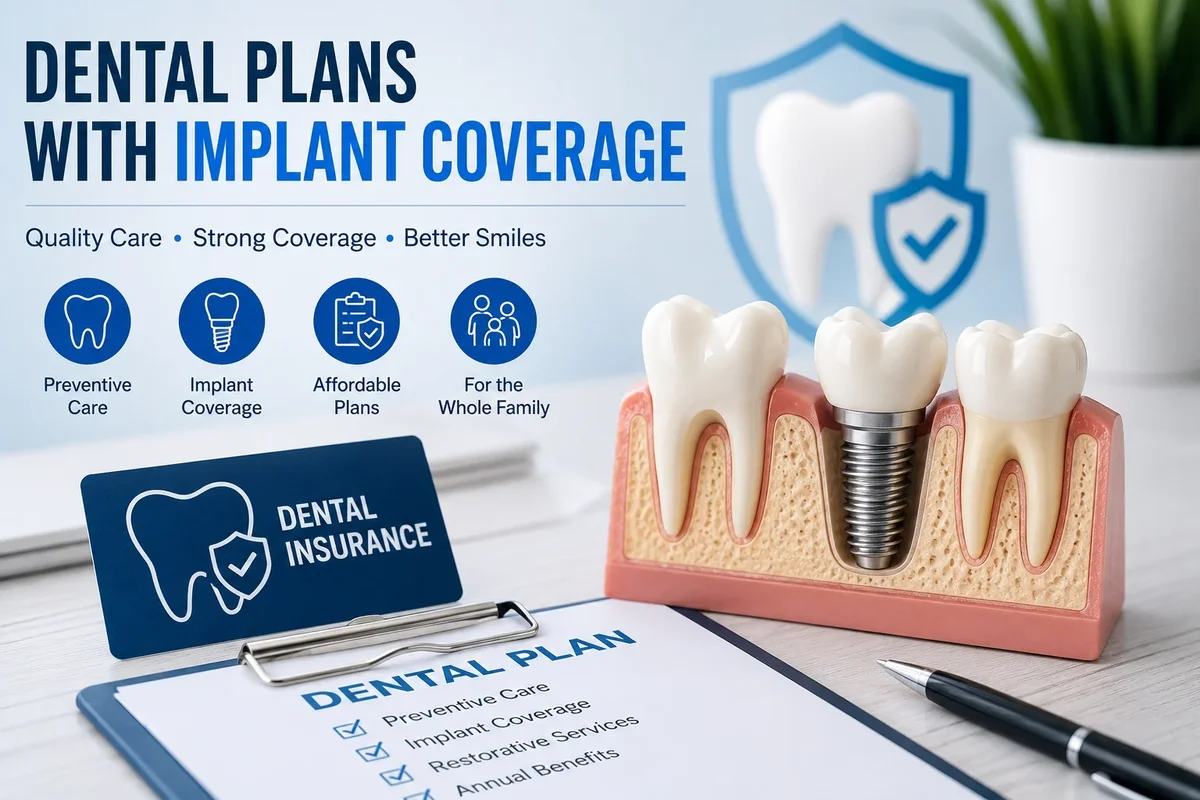
Tips for Choosing the Best Dental Plans With Implant Coverage for Your Family
Selecting the right dental plans with implant coverage for an entire family requires careful research, long-term planning, and a detailed understanding of oral healthcare needs. Families often have different dental priorities, including preventive care for children, orthodontic treatment for teenagers, and restorative procedures such as implants for adults or older family members. Because of these varying needs, choosing dental plans with implant coverage should involve evaluating both immediate dental services and future restorative requirements.
Many people assume that all insurance policies provide similar implant benefits, but dental plans with implant coverage differ significantly in reimbursement structures, waiting periods, annual limits, provider networks, and covered procedures. Families that invest time comparing dental plans with implant coverage carefully are often better prepared for future dental expenses and more likely to maintain consistent oral healthcare over many years.
Evaluate the Dental Needs of Every Family Member
Before choosing dental plans with implant coverage, families should first analyze the oral health needs of each individual household member. This step is important because one policy may not provide ideal support for every age group or treatment requirement.
Children and Preventive Dentistry
Children typically require preventive services such as routine examinations, cleanings, fluoride applications, sealants, and cavity treatment. While dental plans with implant coverage mainly focus on restorative care for adults, families should still ensure that preventive pediatric services are strongly supported within the policy.
Teenagers and Orthodontic Considerations
Teenagers may require orthodontic evaluations or alignment treatment in addition to standard preventive care. Some dental plans with implant coverage include orthodontic options or supplemental benefits that help families manage multiple treatment categories within a single insurance structure.
Adults and Restorative Dentistry
Adults are more likely to require restorative procedures such as crowns, bridges, root canal therapy, periodontal treatment, or implants. Families anticipating tooth replacement procedures should prioritize dental plans with implant coverage that offer meaningful reimbursement for implant surgery and prosthetic restoration.
Compare Coverage Percentages Carefully
Not all dental plans with implant coverage reimburse treatment at the same rate. Insurance providers commonly divide services into preventive, basic, and major treatment categories. Dental implants are usually classified as major restorative procedures, which means reimbursement percentages may differ substantially.
Preventive Care Coverage
Many dental plans with implant coverage fully support preventive services, helping families maintain oral health before serious problems develop. Preventive care coverage often includes cleanings, examinations, and routine imaging at high reimbursement rates.
Major Restorative Coverage
Major restorative procedures under dental plans with implant coverage may receive partial reimbursement, often ranging from moderate to higher percentages depending on the plan level. Families should carefully compare how much support is available for implant placement, implant crowns, and associated restorative components.
Understand Annual Maximums and Family Limits
One of the most important factors when selecting dental plans with implant coverage is understanding annual benefit maximums. Implant procedures can require significant financial investment, and low annual maximums may reduce the practical value of insurance support.
Individual Annual Limits
Some dental plans with implant coverage provide separate annual limits for each insured family member. This structure can be beneficial because one individual’s treatment expenses may not reduce benefits available for other household members.
Shared Family Maximums
Other dental plans with implant coverage use combined family maximums that apply across all insured members. Families with multiple individuals requiring dental treatment should calculate potential yearly expenses carefully before selecting this type of plan.
Review Waiting Period Policies
Waiting periods are common within dental plans with implant coverage, particularly for major restorative procedures. Families expecting near-future implant treatment should examine waiting period requirements before enrolling.
Some dental plans with implant coverage impose waiting periods lasting several months or even longer before implants become eligible for reimbursement. Families who delay reviewing these restrictions may face unexpected treatment postponements or higher out-of-pocket expenses.
Immediate Benefit Plans
Certain dental plans with implant coverage provide reduced waiting periods or immediate access to major services for qualified applicants. These plans may offer advantages for families with urgent restorative treatment needs.
Examine Network Flexibility
Provider access is another major consideration when comparing dental plans with implant coverage. Implant success depends heavily on clinical expertise, modern technology, and specialist experience.
In-Network Specialists
Many dental plans with implant coverage encourage patients to use in-network providers by offering higher reimbursement percentages. Families should verify whether experienced oral surgeons, prosthodontists, and implant dentists participate within the network.
Out-of-Network Benefits
Flexible dental plans with implant coverage may also provide partial reimbursement for out-of-network treatment. This flexibility can help families access preferred specialists or advanced treatment centers without being limited exclusively to network providers.
Check Coverage for Additional Procedures
Dental implant treatment sometimes requires additional procedures before surgery can be safely performed. Families comparing dental plans with implant coverage should determine whether these supporting treatments are included.
Bone Grafting and Sinus Augmentation
Patients with insufficient jawbone density may need bone grafting or sinus lift procedures before implant placement. Some dental plans with implant coverage contribute toward these treatments, while others classify them as exclusions.
Periodontal Therapy
Healthy gums are essential for implant success. Many dental plans with implant coverage include periodontal maintenance benefits that help support long-term implant stability and oral health improvement.
Consider Long-Term Value Rather Than Only Premium Cost
Families sometimes choose insurance based only on low monthly premiums, but inexpensive plans may contain restrictive limitations and lower reimbursement levels. High-quality dental plans with implant coverage often provide stronger preventive support, broader specialist access, and better implant reimbursement over time.
When comparing options, families should calculate total potential value rather than focusing only on monthly expenses. Evaluating deductibles, annual maximums, reimbursement percentages, waiting periods, and specialist flexibility provides a clearer understanding of overall policy quality.
The Importance of Preventive Care Within Implant Coverage Plans
Strong preventive care benefits are essential components of reliable dental plans with implant coverage. Preventive dentistry reduces the likelihood of severe oral disease, tooth loss, and future restorative complications.
Routine examinations, professional cleanings, and early diagnosis allow families to maintain healthier smiles while protecting existing dental restorations. Comprehensive dental plans with implant coverage often emphasize preventive treatment because healthy gums and stable bone structure are critical for successful implant longevity.
Final Thoughts on Family Dental Coverage
Choosing the right dental plans with implant coverage for a family requires balancing affordability, preventive care access, restorative benefits, specialist flexibility, and long-term oral health priorities. Every family has unique dental needs, and selecting appropriate coverage can improve treatment accessibility while reducing financial stress.
Families who carefully compare dental plans with implant coverage and fully understand policy details are better prepared for both routine dental maintenance and future restorative treatment. Thoughtful planning supports healthier smiles, greater financial predictability, and stronger long-term oral health outcomes for every member of the household.