
Finding a reliable dental prosthesis near me is one of the most common searches patients make when facing tooth loss or considering smile restoration. In 2025, dental technology has advanced significantly, offering patients more comfortable, aesthetic, and long-lasting solutions than ever before. This guide will help you understand what dental prostheses are, why they matter, and how to make the best decision when searching for treatment options in your area. 🦷
A dental prosthesis is an artificial replacement for missing teeth and surrounding tissues. It not only restores the ability to chew and speak properly but also enhances the appearance of your smile. Modern prosthetic dentistry includes removable dentures, fixed bridges, and implant-supported prostheses. Each option is tailored to the patient’s needs, budget, and oral health condition.
When you search for dental prosthesis near me, you are often looking for more than just a dentist. You want a clinic with expertise in restorative dentistry, up-to-date technology, and compassionate care. Local clinics play a critical role in ensuring accessibility, convenience, and personalized treatment plans. Choosing a trusted provider close to home means shorter travel times for adjustments, follow-ups, and emergency visits.
Why dental prostheses are important:
- Functional Restoration: Missing teeth can make chewing difficult, leading to poor digestion and nutrition. A prosthesis restores functionality and allows you to enjoy a balanced diet.
- Speech Improvement: Gaps in teeth often affect speech clarity. Prostheses can correct pronunciation issues.
- Facial Aesthetics: Tooth loss can cause facial sagging and an older appearance. Prostheses support facial muscles and maintain youthful contours.
- Confidence Boost: A complete smile enhances self-esteem and helps in professional and personal interactions.
In recent years, prosthodontists (specialists in dental prosthetics) have embraced advanced digital tools. Computer-aided design and manufacturing (CAD/CAM) systems, 3D printing, and biocompatible materials now allow for prostheses that fit more precisely, last longer, and look natural. Patients who once worried about artificial-looking dentures can now smile confidently with highly aesthetic solutions.
While researching dental prosthesis near me, it’s also important to compare treatment options. Removable prostheses are usually more affordable and easier to repair, while fixed solutions, such as implant-supported bridges, provide stability and longevity. Your dentist will help determine which is best for your oral health condition and lifestyle. For example, younger patients may prefer implants for durability, while elderly patients may opt for removable dentures due to cost and non-invasive procedures.
Cost considerations: The price of dental prostheses varies depending on materials, the number of teeth replaced, and whether implants are required. In the United States, removable dentures may range from $800 to $2,500, while implant-supported prostheses can cost anywhere from $3,000 to $30,000, depending on complexity. To get accurate pricing, it is always best to consult a local clinic. For inquiries, you can reach out to the Redent Klinik Contact Page for detailed treatment plans and cost breakdowns.
Beyond financial aspects, quality of care matters. Always ensure the clinic you choose follows international standards. The American Dental Association provides resources and guidelines to help patients identify safe and effective dental care. Checking whether your chosen dentist is affiliated with recognized organizations is a smart way to evaluate reliability.
Maintenance and aftercare: Once you receive your prosthesis, daily hygiene is essential. Brushing, flossing, and using dentist-recommended cleaning solutions keep your prosthesis in top condition. Regular dental check-ups ensure adjustments are made when necessary, preventing discomfort or improper alignment. Neglecting maintenance can lead to gum irritation, infections, and reduced prosthesis lifespan.
Emotional and social benefits: People often underestimate the psychological effects of tooth loss. Many patients report avoiding social gatherings or smiling in photos because of missing teeth. By investing in a high-quality dental prosthesis, patients regain confidence and a renewed sense of well-being. This emotional transformation is just as valuable as the physical improvement.
Conclusion: Searching for a dental prosthesis near me is more than a simple Google query—it’s the first step toward restoring oral health, improving quality of life, and boosting self-confidence. Whether you are considering removable dentures, fixed bridges, or advanced implant-supported prostheses, knowing your options and choosing a trusted clinic will ensure the best outcomes. In 2025, patients have more choices, better technology, and higher success rates than ever before. Take the time to explore local providers, ask questions, and invest in a solution that meets both your functional and aesthetic needs. 🌟
Understanding Dental Prosthesis: Types and Benefits
When patients begin searching for dental prosthesis near me, they are usually looking for clear information about the different types available and the benefits of each. Dental prosthetics have evolved tremendously, offering a wide range of options that cater to varying oral health needs, budgets, and lifestyle choices. By understanding the differences, you can make an informed decision that maximizes both functionality and aesthetics.
What Is a Dental Prosthesis?
A dental prosthesis is a custom-made artificial device designed to replace missing teeth and surrounding tissues. These devices can be either removable or fixed, and their main purpose is to restore normal oral functions such as chewing, speaking, and smiling. Prostheses also help maintain proper alignment of remaining teeth and support facial structure. Without them, patients often experience jawbone loss, shifting teeth, and diminished confidence.
Major Types of Dental Prostheses
1. Removable Complete Dentures
Complete dentures are designed for patients who have lost all their teeth in one or both jaws. They rest on the gums and are relatively affordable compared to other options. Modern dentures use high-quality acrylics and flexible materials, making them lighter and more natural-looking than older models. While some patients worry about stability, dental adhesives and precise fittings have improved retention significantly. Those searching for a dental prosthesis near me will often encounter this option as the most common and accessible solution.
2. Partial Dentures
Partial dentures are used when only a few teeth are missing. They typically consist of replacement teeth attached to a gum-colored base, often secured with metal clasps. Advances in prosthetic design now allow for virtually invisible clasps and flexible bases, making partials more discreet and comfortable. These are particularly beneficial for patients who want a quick, cost-effective way to fill gaps without undergoing surgery.
3. Fixed Bridges
A fixed bridge literally “bridges” the gap created by missing teeth. It involves placing crowns on adjacent healthy teeth and attaching a false tooth (pontic) in between. This solution is permanent, stable, and feels very similar to natural teeth. Patients who search for dental prosthesis near me often find bridges appealing because they don’t require removal and allow for natural eating and speaking patterns. However, they do require reshaping of neighboring teeth, which is a consideration for long-term oral health.
4. Implant-Supported Prostheses
Implant-supported prostheses are considered the gold standard in modern dentistry. Dental implants are titanium posts surgically placed into the jawbone, which then support crowns, bridges, or dentures. This type of prosthesis is highly stable, prevents bone loss, and provides the most natural look and feel. Though more expensive, many patients view implants as a long-term investment. Clinics that specialize in implant-supported prosthetics are often the top results when searching for dental prosthesis near me in urban areas.
Key Benefits of Dental Prostheses
Improved Oral Function
Missing teeth make chewing certain foods difficult and can lead to poor digestion. Dental prostheses restore the ability to chew effectively, allowing patients to enjoy a balanced diet with fruits, vegetables, and proteins.
Enhanced Aesthetics
Gaps in the smile affect facial harmony and self-esteem. Prostheses restore natural appearance, improving both personal and professional interactions. Patients often report a significant confidence boost once their treatment is complete.
Support for Facial Muscles
Without teeth, facial muscles may sag, leading to premature aging. A well-fitted prosthesis supports facial structure and preserves a youthful look.
Speech Clarity
Missing teeth can interfere with pronunciation. Prosthetic devices fill the gaps, improving speech clarity and reducing self-consciousness during conversations.
Psychological Benefits
Beyond physical health, prostheses improve mental well-being. Patients who once avoided smiling or social gatherings often feel renewed energy and confidence in their daily lives. 🌟
Maintenance and Longevity
The lifespan of a prosthesis depends on material quality, patient hygiene, and regular dental check-ups. Removable dentures typically last 5–8 years, while implant-supported prostheses can last decades with proper care. Daily cleaning, avoiding hard foods, and professional adjustments all play a vital role in long-term success. Clinics offering Redent Klinik Contact Page style services often provide follow-up care packages to ensure maximum lifespan of dental prostheses.
Cost and Accessibility
Prices vary depending on the type of prosthesis. As of 2025:
- Complete dentures: $800 – $2,500
- Partial dentures: $600 – $2,000
- Fixed bridges: $2,000 – $5,000
- Implant-supported prostheses: $3,000 – $30,000
These figures highlight why it is important to compare local providers when searching for dental prosthesis near me. Some clinics may also offer flexible payment plans or dental tourism packages for cost savings.
Final Thoughts
Understanding the different types of dental prostheses and their benefits allows patients to make better decisions about their oral health. Whether choosing dentures, bridges, or implants, the right prosthesis restores function, enhances appearance, and improves overall quality of life. When evaluating options, always seek clinics that follow international standards like those outlined by the American Dental Association. With careful planning, investing in a dental prosthesis is not just about replacing teeth—it’s about regaining confidence, health, and happiness.
How to Find the Best Dental Prosthesis Near Me
Choosing the right clinic for a dental prosthesis near me is one of the most important steps toward restoring your smile. With so many dental providers available in 2025, patients often feel overwhelmed about where to start. The truth is, not every clinic offers the same level of quality, expertise, or technology. By knowing what to look for, you can identify trusted providers who deliver long-lasting results while ensuring your comfort and satisfaction. 🦷
Step 1: Research Local Clinics Online
The first step in finding the best dental prosthesis near me is online research. Most reputable clinics maintain updated websites showcasing their services, staff qualifications, and patient testimonials. Look for clinics that highlight restorative and prosthetic dentistry as a core focus. Reviews on platforms such as Google Maps, Yelp, or Healthgrades provide real patient feedback and can reveal valuable insights about quality of care, waiting times, and staff professionalism.
Check for Specialist Credentials
Not every dentist specializes in prosthodontics. Prosthodontists receive additional training focused on dental prostheses, implants, and oral rehabilitation. When browsing local clinic websites, check if the clinic lists prosthodontists on staff. Choosing a specialist significantly increases the chances of getting a prosthesis that fits perfectly and lasts longer.
Step 2: Evaluate Technology and Equipment
Modern clinics offering dental prosthesis near me often use advanced technologies that improve precision and comfort. CAD/CAM systems, intraoral scanners, and 3D printing reduce human error and ensure natural-looking results. Ask whether the clinic uses digital impressions instead of traditional molds, as these provide more accurate fittings and reduce discomfort.
Benefits of Advanced Technology
- Accuracy: Digital scanning ensures a perfect fit.
- Speed: Prostheses can be fabricated faster using in-house milling machines.
- Aesthetics: High-quality materials like zirconia and porcelain achieve a natural look.
Step 3: Compare Pricing and Payment Options
The cost of prostheses is a major concern for most patients. Prices vary depending on type, material, and complexity. When searching for a dental prosthesis near me, compare estimates from at least three clinics. Don’t simply choose the cheapest option—focus on value, quality, and follow-up care. Some clinics also provide financing plans, installment payments, or dental insurance support, which can ease the financial burden.
Average Costs in 2025
- Removable dentures: $800 – $2,500
- Partial dentures: $600 – $2,000
- Fixed bridges: $2,000 – $5,000
- Implant-supported prosthesis: $3,000 – $30,000
Always ask for a detailed written estimate, including maintenance and follow-up visits. Clinics like Redent Klinik Contact Page offer transparent pricing and personalized plans that help patients budget effectively.
Step 4: Look for Patient-Centered Care
The best clinics for dental prosthesis near me prioritize patient comfort and communication. They explain every step of the treatment, discuss alternatives, and respect patient preferences. Look for clinics that schedule consultations before recommending a procedure. A good dentist will assess oral health thoroughly and suggest options based on your specific condition rather than promoting the most expensive treatment.
Signs of Patient-Centered Clinics
- Warm and welcoming staff
- Clear explanations of treatment plans
- Follow-up reminders and aftercare support
- Flexible scheduling for busy patients
Step 5: Verify Accreditation and Standards
Safety and professionalism should never be compromised. Accredited clinics follow strict sterilization protocols and adhere to international guidelines. The American Dental Association provides standards that many clinics around the world adopt. Checking if a clinic follows ADA guidelines, or is certified by local health authorities, gives peace of mind that your treatment meets high-quality standards.
Step 6: Read Patient Testimonials
Word of mouth is powerful. Ask family, friends, or colleagues about their experiences with dental prosthesis near me. Patient testimonials often reveal whether the clinic provides durable prostheses, responsive aftercare, and overall satisfaction. Online video reviews and before-and-after galleries are also helpful in evaluating real results.
Step 7: Consider Accessibility and Location
A clinic close to home or work makes routine visits easier. Since dental prosthesis treatment often requires multiple appointments (impressions, fittings, adjustments), choosing a conveniently located provider saves time and reduces stress. Accessibility is especially important for elderly patients who may rely on public transportation or need wheelchair access.
Final Thoughts
Finding the best dental prosthesis near me involves careful research, comparing costs, evaluating technology, and ensuring patient-centered care. While affordability matters, quality and expertise should guide the final decision. By choosing a reputable clinic, you are not only restoring your teeth but also protecting your long-term oral health. Whether you opt for dentures, bridges, or implants, working with a trusted professional guarantees that your new smile will be both functional and beautiful. 🌟
Cost of Dental Prosthesis in 2025: What to Expect
For many patients, the question of cost is the most important factor when searching for a dental prosthesis near me. Dental prostheses are an investment in oral health, confidence, and overall well-being. In 2025, prices vary widely depending on the type of prosthesis, the materials used, and whether or not dental implants are involved. Understanding the full cost breakdown—including hidden fees and long-term maintenance—can help patients make informed decisions and avoid unpleasant surprises. 🦷
Why Prices Differ Between Clinics
When you compare the cost of a dental prosthesis near me across different providers, you may notice significant differences. Several factors influence pricing, such as:
- Geographic Location: Clinics in metropolitan areas often charge more due to higher overhead expenses.
- Type of Prosthesis: Complete dentures cost less than implant-supported prostheses, which involve surgery and advanced materials.
- Materials Used: Acrylic, porcelain, and zirconia all have different price ranges and durability levels.
- Clinic Expertise: Prosthodontists or specialists may charge more than general dentists, but their expertise often results in better long-term outcomes.
- Technology: Digital scanning and CAD/CAM fabrication may increase initial costs but provide superior fit and comfort.
Average Costs in 2025
The following ranges represent typical pricing for prosthetic dentistry in the U.S. and much of Europe in 2025. Prices may vary globally, but they provide a reliable benchmark for patients researching a dental prosthesis near me.
Removable Complete Dentures
These are the most affordable options and are often recommended for patients with full tooth loss. In 2025, the average cost ranges from $800 to $2,500 per arch. Premium dentures with enhanced aesthetics or implant-stabilized designs may cost up to $5,000.
Partial Dentures
Partial dentures are used to replace a few missing teeth. They typically cost between $600 and $2,000, depending on the number of teeth replaced and the type of material. Flexible partial dentures, which are more comfortable and discreet, tend to be on the higher end of the spectrum.
Fixed Bridges
A traditional fixed bridge generally costs between $2,000 and $5,000 for a three-unit bridge. Costs increase with the number of teeth replaced or if advanced materials like zirconia are used.
Implant-Supported Prostheses
Implants represent the most advanced—and expensive—form of dental prosthesis. A single implant crown may cost $3,000 to $5,000, while full-arch implant-supported dentures can range from $15,000 to $30,000 per arch. Despite the high upfront cost, implants are often the most cost-effective in the long run due to their durability and prevention of jawbone loss.
Hidden and Additional Costs
When evaluating the cost of a dental prosthesis near me, patients should also consider additional expenses:
- Initial Consultation: Some clinics charge separately for evaluations and X-rays ($100 – $300).
- Preparatory Procedures: Tooth extractions, bone grafts, or gum treatments may be required before prosthesis placement ($200 – $3,000).
- Adjustments and Relines: Dentures may need periodic relining ($100 – $400).
- Follow-Up Visits: Essential for monitoring fit and oral health, sometimes billed separately.
Insurance and Financing Options
Many patients searching for dental prosthesis near me are also concerned about insurance coverage. In 2025, most dental insurance plans partially cover removable dentures and bridges, but implant coverage remains limited. Some high-tier insurance packages do include implant-supported prosthetics, but patients must confirm directly with their provider. Clinics may also offer financing solutions such as monthly installment plans, making treatment more accessible.
Global Price Comparison
For patients willing to travel, dental tourism is still a growing trend in 2025. Countries such as Turkey, Mexico, and Thailand offer high-quality prosthetic treatments at 40–70% lower costs compared to the U.S. This explains why many international patients search dental prosthesis near me when abroad, looking for trusted clinics that balance affordability with professional care. For example, clinics like Redent Klinik Contact Page provide cost-effective packages tailored for international patients.
Balancing Cost with Quality
Although it may be tempting to choose the cheapest option, cost should never be the only deciding factor. A poorly made prosthesis may lead to discomfort, gum irritation, and early replacement, which ends up being more expensive in the long term. Investing in high-quality materials and experienced providers ensures better durability, aesthetics, and comfort. Patients are encouraged to review professional standards such as those published by the American Dental Association to verify the clinic’s adherence to safe and effective practices.
Final Thoughts
Understanding the true cost of a dental prosthesis near me involves more than looking at the base price. Patients must consider materials, provider expertise, technology, hidden fees, and long-term maintenance. While removable dentures may appear more affordable initially, implant-supported solutions often provide greater value over a lifetime. By carefully comparing options and choosing a reputable clinic, patients can achieve a healthy, natural smile without financial stress. 🌟
Choosing Between Fixed and Removable Prosthesis
One of the most common dilemmas patients face when searching for a dental prosthesis near me is deciding between fixed and removable options. Both solutions restore functionality and aesthetics, but they differ in terms of cost, durability, maintenance, and comfort. Understanding these differences ensures patients make informed choices that match their oral health condition, lifestyle, and long-term expectations. 🦷
What Is a Fixed Prosthesis?
A fixed dental prosthesis is permanently attached to the teeth or jawbone. Examples include crowns, bridges, and implant-supported prostheses. Once placed, these devices cannot be removed by the patient and function much like natural teeth.
Advantages of Fixed Prostheses
- Stability: Fixed prostheses offer a secure fit and feel most similar to natural teeth.
- Durability: With proper care, fixed prostheses can last 10–20 years or longer, especially implant-supported solutions.
- Aesthetics: Materials like porcelain and zirconia provide a natural look, blending seamlessly with existing teeth.
- Convenience: They require no daily removal or adhesives, simplifying the patient’s routine.
Limitations of Fixed Prostheses
- Higher Cost: Fixed prostheses—especially implants—are significantly more expensive than removable dentures.
- Invasive Procedures: Placement may involve tooth reshaping or surgery, which is not suitable for everyone.
- Maintenance Complexity: Although durable, repairs or replacements may require professional intervention.
What Is a Removable Prosthesis?
A removable dental prosthesis can be taken out by the patient for cleaning and sleeping. Common examples include complete dentures and partial dentures. These have been used for centuries but have evolved with modern materials and technologies.
Advantages of Removable Prostheses
- Affordability: They are typically less expensive, making them accessible to more patients.
- Non-Invasive: No surgery is required, and they can be fitted quickly.
- Adaptability: Easy to adjust or replace if oral conditions change.
Limitations of Removable Prostheses
- Stability Issues: They may slip or shift, especially during eating or speaking.
- Bone Loss Risk: Since they rest on the gums, they do not stimulate the jawbone like implants, potentially leading to bone resorption.
- Aesthetic Challenges: While modern dentures look natural, they may not achieve the same realism as fixed prostheses.
Comparing Fixed vs. Removable Prostheses
When patients consider dental prosthesis near me, comparing both options side by side is crucial.
| Feature | Fixed Prosthesis | Removable Prosthesis |
|---|---|---|
| Stability | Highly stable, functions like natural teeth | May shift, requires adhesives |
| Cost | High (implants $3,000–$30,000) | Lower ($800–$2,500) |
| Durability | 10–20+ years | 5–8 years |
| Procedure | Surgical or restorative | Non-invasive fitting |
| Maintenance | Brush and floss like natural teeth | Requires daily removal and cleaning |
Factors to Consider When Choosing
Oral Health Condition
Patients with strong jawbone density and healthy gums are excellent candidates for implants and fixed bridges. Those with significant bone loss or health conditions that prevent surgery may find removable prostheses more suitable.
Lifestyle and Personal Preferences
Active individuals who value stability and convenience may prefer fixed prostheses. On the other hand, patients who want a non-invasive, cost-effective solution may choose removable dentures. Searching for dental prosthesis near me often involves weighing these personal preferences with clinical recommendations.
Budget Considerations
Fixed prostheses are more expensive but can last much longer. Removable options are affordable upfront but may require replacement every few years. Many clinics now offer financing and flexible payment plans to help patients manage the cost of treatment. Clinics like Redent Klinik Contact Page often provide detailed consultations with transparent pricing to guide patient decisions.
Expert Guidance and Recommendations
Choosing between fixed and removable prostheses should always involve a professional consultation. Dentists evaluate oral conditions, discuss patient preferences, and provide tailored recommendations. Trusted organizations such as the American Dental Association emphasize the importance of individualized care, since no single solution fits every patient.
Final Thoughts
When searching for the best dental prosthesis near me, patients must weigh the benefits and limitations of fixed and removable options. Fixed prostheses offer durability, aesthetics, and convenience but come with higher costs and surgical requirements. Removable prostheses are more affordable and accessible but may lack stability and long-term effectiveness. Ultimately, the right choice depends on personal needs, budget, and professional guidance. By understanding both options thoroughly, patients can move forward confidently toward a healthier, brighter smile. 🌟
Top Materials Used in Dental Prosthesis Today
One of the most important factors patients consider when looking for a dental prosthesis near me is the material used. The right material not only determines the appearance of the prosthesis but also its strength, comfort, and longevity. In 2025, dental technology offers a wide variety of advanced materials that meet different budgets and preferences, allowing patients to enjoy prostheses that look natural and function like real teeth. Understanding these materials helps patients make smarter choices that enhance oral health and satisfaction. 🦷
Why Material Choice Matters
The choice of material directly affects how well a prosthesis performs in daily life. Durability, aesthetics, comfort, and even cost depend on the material used. Patients often compare different materials when they search for dental prosthesis near me, as clinics may recommend different options based on oral health conditions, budget, and personal preferences.
Commonly Used Materials in 2025
Acrylic Resin
Acrylic resin is one of the most widely used materials for dentures and partial prostheses. It is lightweight, cost-effective, and easy to adjust. Modern acrylics are improved for better durability and aesthetics, giving patients more natural-looking smiles compared to older versions.
- Advantages: Affordable, quick to manufacture, easily adjusted for comfort.
- Limitations: Less durable than metal or porcelain, prone to wear over time.
Porcelain
Porcelain has long been valued for its aesthetic appeal. It mimics natural enamel with its translucency and shine, making it an excellent choice for visible teeth. Patients searching for dental prosthesis near me often prefer porcelain for crowns and bridges where cosmetic appearance is a top priority.
- Advantages: Highly aesthetic, stain-resistant, natural look.
- Limitations: Can chip under heavy pressure, higher cost.
Zirconia
Zirconia is a high-strength ceramic that has gained massive popularity in recent years. It offers the best of both worlds: strength and aesthetics. Zirconia prostheses are often recommended for patients who want durability without sacrificing beauty. 🌟
- Advantages: Extremely durable, biocompatible, natural appearance.
- Limitations: Higher upfront cost, requires advanced fabrication equipment.
Metal Alloys
Metal alloys such as cobalt-chromium or titanium are commonly used in the structural framework of prostheses. While not always visible, these metals provide unmatched strength and support. Titanium, in particular, is essential for dental implants, forming the foundation for implant-supported prostheses.
- Advantages: Strong, lightweight, excellent for long-term support.
- Limitations: Less aesthetic, may cause allergic reactions in rare cases.
Flexible Nylon-Based Materials
Flexible partial dentures made of nylon-based materials are a modern solution for patients seeking comfort and discretion. They bend slightly, reducing the risk of breakage and offering a snug fit.
- Advantages: Comfortable, lightweight, highly aesthetic with gum-colored base.
- Limitations: May stain over time, can be more expensive than acrylic.
Comparing Materials: Which Is Best?
Patients often ask which material is the “best” when searching for dental prosthesis near me. The truth is, there is no one-size-fits-all answer. The ideal material depends on specific needs:
- For aesthetics: Porcelain or zirconia.
- For strength: Metal alloys or zirconia.
- For affordability: Acrylic resin.
- For flexibility and comfort: Nylon-based materials.
Factors Influencing Material Choice
Location of the Tooth
Front teeth require aesthetic solutions such as porcelain or zirconia, while back teeth benefit more from strength-focused materials like metal alloys or reinforced zirconia.
Budget
Not every patient can afford high-end zirconia prostheses. For those on tighter budgets, acrylic or flexible dentures offer cost-effective alternatives. Clinics like Redent Klinik Contact Page often provide multiple pricing tiers to accommodate different needs.
Oral Health Status
Patients with significant bone loss may require implant-supported prostheses, making titanium an essential material. Those with allergies or sensitivities should discuss alternative options with their dentist.
Durability and Longevity
Material choice greatly affects how long a prosthesis lasts. Acrylic dentures may need replacement every 5–8 years, while zirconia and implant-supported titanium structures can last decades with proper care. Patients searching for dental prosthesis near me should always ask about expected lifespan when comparing materials.
Global Trends in 2025
With digital dentistry expanding, more clinics now use CAD/CAM technology and 3D printing to create highly precise zirconia and porcelain prostheses. This trend is making advanced materials more accessible worldwide. According to the American Dental Association, biocompatible and durable materials remain the gold standard for long-term oral health.
Final Thoughts
Choosing the right material for a dental prosthesis near me is just as important as selecting the right clinic. Each material offers unique strengths and limitations, and the final decision should balance aesthetics, durability, comfort, and cost. By consulting a qualified prosthodontist and reviewing available materials, patients can find a solution that delivers both functional restoration and a natural-looking smile. Investing in the right material today means fewer problems, greater satisfaction, and a confident smile for years to come. 🌟
Dental Prosthesis Care Tips for Long-Term Success
Finding the right dental prosthesis near me is only the beginning of the journey. Once you receive your prosthesis, the way you care for it determines its comfort, durability, and functionality. Proper maintenance not only extends the lifespan of your dental prosthesis but also protects your oral health from issues like infections, gum irritation, and bone loss. In 2025, dentists emphasize a holistic approach to prosthesis care, combining daily routines with professional follow-ups. 🦷
Daily Cleaning Routines
Good hygiene is essential for any dental prosthesis. Whether fixed or removable, regular cleaning prevents plaque buildup, bad breath, and staining. Patients searching for dental prosthesis near me often discover that cleaning requirements differ slightly depending on the type of prosthesis.
For Removable Dentures
- Rinse dentures after every meal to remove food particles.
- Brush gently with a soft-bristled brush using denture-cleaning solutions (not toothpaste, which can be too abrasive).
- Soak dentures overnight in a dentist-recommended cleansing solution to maintain freshness and kill bacteria.
For Fixed Prostheses
- Brush at least twice daily with fluoride toothpaste.
- Use interdental brushes or floss threaders to clean around bridges and implants.
- Rinse with an antibacterial mouthwash to reduce plaque and inflammation.
Professional Maintenance
Even with excellent at-home care, professional check-ups are vital. Clinics offering dental prosthesis near me recommend visits every 6 months to ensure proper fit and monitor oral health. Adjustments may be needed over time, especially for removable dentures, as gums and jawbones change shape.
Importance of Regular Check-Ups
- Adjustments: Prevents discomfort caused by shifting prostheses.
- Relining: Maintains proper fit and reduces sore spots.
- Polishing: Keeps the prosthesis looking natural and free from stains.
Dietary Considerations
Nutrition plays a role in the health of both natural teeth and prostheses. While modern materials are durable, patients should avoid habits that reduce longevity.
Foods to Enjoy
- Soft fruits and vegetables that provide vitamins for gum health.
- Protein-rich foods like fish, chicken, and eggs for tissue repair.
- Dairy products rich in calcium to support jawbone density.
Foods to Limit
- Sticky candies or gum that can dislodge dentures.
- Hard nuts or ice that may chip porcelain or acrylic.
- Highly pigmented drinks like coffee and red wine, which may stain prostheses.
Lifestyle Habits That Impact Prosthesis Longevity
Everyday habits influence how long a prosthesis lasts. Patients seeking dental prosthesis near me often overlook the role of lifestyle choices.
- Avoid Smoking: Tobacco stains prostheses and increases gum disease risk.
- Limit Alcohol: Alcohol-based mouthwashes and excessive drinking can dry the mouth, increasing plaque buildup.
- Protect Against Grinding: If you grind teeth at night, a night guard may prevent damage to fixed prostheses.
Special Care for Implant-Supported Prostheses
Implant-supported prostheses require extra attention since they are anchored in the jawbone. Poor hygiene can lead to peri-implantitis (inflammation around the implant), which may cause implant failure.
- Clean around implants daily using floss designed for implants or water flossers.
- Schedule professional cleanings more frequently (every 3–4 months if recommended).
- Report any signs of discomfort, swelling, or bleeding to your dentist immediately.
Common Mistakes to Avoid
When maintaining a dental prosthesis near me, patients often make mistakes that reduce effectiveness or cause damage:
- Using abrasive toothpaste on dentures, which scratches surfaces.
- Forgetting to remove dentures at night, increasing gum irritation risk.
- Attempting self-repairs instead of visiting a professional.
Cost of Neglect
Ignoring proper care can result in costly repairs or replacements. A neglected prosthesis may break, stain, or cause gum infections, leading to additional treatments. Clinics such as Redent Klinik Contact Page stress that investing in routine maintenance is far cheaper than dealing with emergency repairs or replacements.
Expert Recommendations
The American Dental Association emphasizes that prosthesis care is a lifelong commitment. They recommend customized care routines based on the type of prosthesis, material used, and individual oral health status.
Final Thoughts
Proper maintenance is the key to making the most of your investment in a dental prosthesis near me. From daily cleaning and professional check-ups to lifestyle adjustments and dietary care, every step contributes to long-term success. By following these comprehensive tips, patients can enjoy a functional, comfortable, and natural-looking smile for many years to come. 🌟
Common Problems and Solutions with Prosthesis
Even when you find the best dental prosthesis near me, challenges can arise. Prostheses are designed to restore function and aesthetics, but like any dental treatment, they require proper care and professional guidance to prevent complications. Understanding common issues and how to solve them helps patients avoid unnecessary discomfort, costly repairs, and long-term oral health problems. 🦷
Initial Discomfort and Adjustment Period
It is normal for new prosthesis wearers to experience mild discomfort during the adjustment phase. The gums, tongue, and jaw need time to adapt to the new appliance. Patients often report soreness, minor speech difficulties, or unusual sensations in the first few weeks after placement.
Solutions
- Schedule follow-up visits to adjust fit and relieve pressure points.
- Practice speaking slowly to improve pronunciation with new dentures or bridges.
- Eat soft foods initially and gradually reintroduce harder textures.
Poor Fit and Slippage
One of the most frequent complaints patients raise when searching for dental prosthesis near me is slippage. Over time, gums and jawbones naturally change shape, leading to a prosthesis that feels loose.
Solutions
- Relining or rebasing dentures at the dentist’s office can restore a secure fit.
- Dental adhesives provide temporary stability, but long-term adjustments are best.
- Implant-supported prostheses are a more permanent solution for those with recurring issues.
Speech Difficulties
Some patients struggle with clarity when speaking after receiving a prosthesis. This is especially common with removable dentures, which may shift slightly when the tongue moves.
Solutions
- Practice reading aloud daily to improve pronunciation.
- Visit your dentist to adjust the fit if speech difficulties persist beyond the adaptation phase.
- Implant-supported options reduce movement and improve speech stability.
Soreness, Irritation, and Ulcers
Ill-fitting prostheses can rub against the gums, causing irritation or ulcers. This not only leads to pain but may also discourage proper use.
Solutions
- Use dentist-recommended ointments to relieve discomfort temporarily.
- Have the prosthesis adjusted professionally rather than attempting home fixes.
- Maintain excellent oral hygiene to prevent infections in irritated areas.
Difficulty Chewing Certain Foods
Patients frequently report challenges eating crunchy, sticky, or hard foods after receiving a prosthesis. Even with well-fitted devices, chewing efficiency may not fully match natural teeth.
Solutions
- Cut food into smaller pieces to make chewing easier.
- Gradually introduce tougher foods to strengthen jaw muscles.
- Consider implant-supported prostheses for superior stability when chewing.
Breakage or Cracks
Although modern materials like zirconia and titanium are durable, accidents such as dropping dentures or chewing hard objects can lead to breakage.
Solutions
- Never attempt self-repairs with glue, as it can damage the prosthesis and harm tissues.
- Store dentures in a safe, cushioned case when not in use.
- Contact your dentist immediately for professional repair or replacement.
Staining and Bad Odor
Like natural teeth, prostheses are prone to staining from coffee, tea, wine, or smoking. Poor hygiene can also lead to unpleasant odors.
Solutions
- Brush or soak removable prostheses daily with non-abrasive cleaners.
- Limit stain-causing foods and beverages.
- Schedule professional cleanings to keep prostheses fresh and bright.
Bone Loss and Facial Changes
One of the lesser-known challenges is jawbone resorption. Without the stimulation of natural tooth roots, the jawbone may shrink, leading to facial sagging and reduced prosthesis stability. Patients searching for dental prosthesis near me often learn about this concern during consultations.
Solutions
- Opt for implant-supported prostheses, which stimulate the jawbone and prevent resorption.
- Consider bone grafting if significant bone loss has already occurred.
- Schedule periodic X-rays to monitor bone health over time.
Financial Concerns with Repairs and Adjustments
Unexpected repairs can place a financial burden on patients. From relining dentures to replacing broken crowns, costs can add up over time.
Solutions
- Choose durable materials initially, such as zirconia or titanium, to minimize breakage risk.
- Ask about warranties or maintenance plans offered by clinics like Redent Klinik Contact Page.
- Explore insurance options and financing plans to reduce out-of-pocket expenses.
When to Seek Professional Help
Minor issues can often be managed at home, but persistent pain, visible cracks, or frequent loosening require immediate professional attention. The American Dental Association advises patients never to ignore warning signs, as untreated problems may escalate into infections or permanent oral damage.
Final Thoughts
Even with the best dental prosthesis near me, challenges are part of the journey. The good news is that nearly all common problems have effective solutions. With proper care, timely adjustments, and guidance from qualified professionals, patients can enjoy a comfortable, functional, and confident smile for years. By being proactive and seeking help early, you can turn minor inconveniences into manageable steps toward long-term oral health. 🌟
Patient Reviews: What People Say About Prosthesis
When searching for a dental prosthesis near me, one of the most trusted sources of information is the experience of other patients. Real-life testimonials provide valuable insight into treatment quality, comfort, affordability, and long-term satisfaction. In 2025, online reviews and patient feedback have become essential tools for making informed healthcare decisions. Understanding what others say about their prosthetic journey helps new patients set realistic expectations and select the best clinic. 🦷
The Importance of Patient Feedback
Patient reviews reveal what clinical descriptions and advertisements cannot. While clinics may present services in the best light, reviews often highlight the true strengths and weaknesses of treatment. Patients searching for dental prosthesis near me are particularly influenced by:
- Quality of fit and comfort
- Durability and appearance of prostheses
- Professionalism and empathy of staff
- Transparency of pricing and payment options
- Aftercare and ongoing support
Positive Experiences Shared by Patients
Many patients report life-changing benefits after receiving a prosthesis. Common themes in reviews include:
Renewed Confidence
Patients often describe how a prosthesis allowed them to smile without hesitation. Aesthetic improvements enhance not only appearance but also self-esteem, which spills over into work and social life.
Improved Chewing and Nutrition
Reviews frequently emphasize the ability to enjoy a broader diet again. Foods once avoided—like apples, nuts, and meats—become accessible, restoring nutrition and overall health.
Speech Clarity
Positive reviews highlight how well-fitted prostheses restore clear speech. Patients mention regaining confidence in conversations, presentations, and daily interactions.
Challenges and Critical Feedback
Not all experiences are perfect. Some patients leave reviews highlighting areas of concern that can help others searching for dental prosthesis near me anticipate potential issues.
Adjustment Period
Several reviews note discomfort in the first weeks, including gum soreness and difficulty adapting. Patients stress the importance of patience and follow-up visits for adjustments.
Cost Concerns
Prostheses can be expensive, especially implant-supported versions. Some patients express frustration with unexpected fees for adjustments, consultations, or maintenance. Transparency from clinics is a recurring theme in negative reviews.
Durability Issues
A minority of reviews report breakage or wear earlier than expected, often due to choosing less durable materials. This reinforces the importance of discussing material options thoroughly during consultation.
Trends in Online Reviews in 2025
With more clinics offering advanced prosthetic solutions, online reviews have become more detailed and structured. Platforms like Google Maps, Yelp, Healthgrades, and dedicated dental forums provide star ratings, written feedback, and before-and-after photos. Patients searching dental prosthesis near me now benefit from transparent comparisons of clinics worldwide.
Video Testimonials
Many clinics share patient video testimonials, which are highly persuasive. Watching someone describe their journey—from initial tooth loss to final results—adds authenticity and reassurance.
Social Media Influence
Patients often share prosthetic experiences on social platforms like Instagram, TikTok, and Facebook. Hashtags related to dental prostheses allow prospective patients to see real transformations and engage directly with past patients.
What to Look for in Reviews
Not all reviews carry equal weight. Patients evaluating feedback about a dental prosthesis near me should consider:
- Consistency: Repeated praise or complaints signal reliability of claims.
- Details: Reviews with specifics about procedure, timeline, and cost are more valuable than vague statements.
- Recency: Recent reviews are more reflective of current staff, technology, and practices.
- Balanced Opinions: Reviews that mention both positives and negatives tend to be the most trustworthy.
Role of Professional Clinics in Gathering Reviews
Leading dental clinics actively encourage patient feedback to improve services and provide transparency. For example, Redent Klinik Contact Page highlights testimonials to guide potential patients toward making informed decisions. Clinics that embrace open feedback are usually confident in the quality of their care.
Expert Recommendations on Reviews
The American Dental Association advises patients to combine online reviews with professional consultations. While reviews provide valuable insights, individual oral health needs vary, and only a qualified dentist can provide tailored recommendations.
Final Thoughts
Reviews are powerful tools for anyone searching for the best dental prosthesis near me. Positive experiences inspire confidence, while constructive criticism prepares patients for potential challenges. By carefully analyzing feedback—both online and through personal recommendations—patients can make informed choices, select the right clinic, and approach their prosthetic journey with realistic expectations. Ultimately, patient reviews confirm one simple truth: a well-chosen and well-cared-for prosthesis can transform not just a smile, but an entire life. 🌟
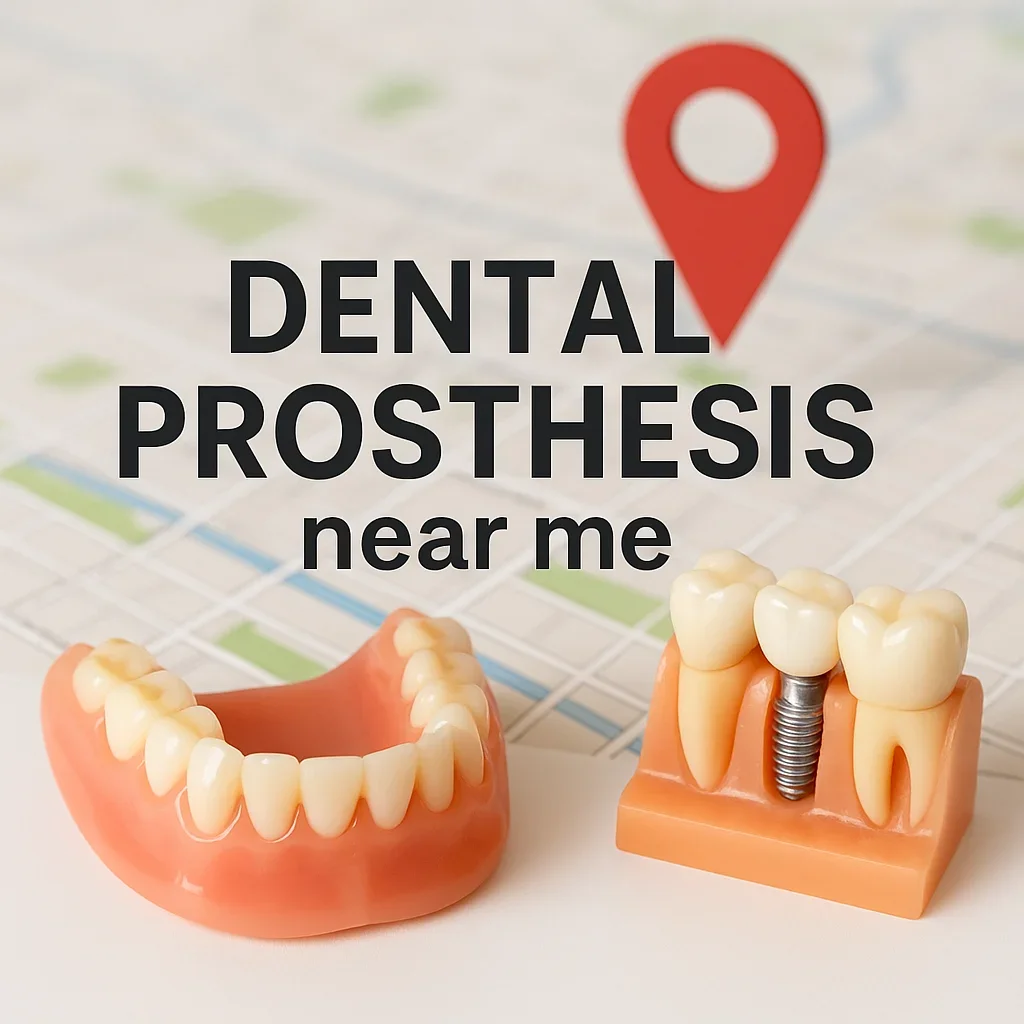
Dental Prosthesis vs. Implants: Key Differences
When patients begin searching for a dental prosthesis near me, they often come across two major treatment options: traditional prostheses (such as dentures and bridges) and dental implants. Both solutions are effective in restoring function and aesthetics, but they differ in procedure, cost, longevity, and overall patient experience. Understanding these differences helps individuals make informed choices that align with their oral health needs, lifestyle, and budget. 🦷
What Is a Dental Prosthesis?
A dental prosthesis refers to any artificial device that replaces missing teeth and surrounding structures. This category includes complete dentures, partial dentures, and fixed bridges. Prostheses can be removable or fixed, depending on the type chosen and the patient’s oral condition.
Advantages of Traditional Prostheses
- Affordability: Dentures and bridges are generally more affordable upfront compared to implants.
- Non-Surgical Option: Prostheses can be placed without invasive procedures, making them suitable for patients with medical restrictions.
- Quick Results: Dentures and bridges can often be fitted within a few weeks.
Limitations of Traditional Prostheses
- Stability: Removable dentures may shift or require adhesives.
- Bone Loss: Without implants, the jawbone may deteriorate over time due to lack of stimulation.
- Longevity: Prostheses typically last 5–10 years and require periodic adjustments or replacements.
What Are Dental Implants?
Dental implants are titanium posts surgically placed into the jawbone to act as artificial roots. They can support crowns, bridges, or even full dentures. Implant-supported prostheses combine the benefits of permanence with natural aesthetics.
Advantages of Dental Implants
- Durability: Implants can last 20+ years or even a lifetime with proper care.
- Stability: They feel and function like natural teeth, allowing for confident chewing and speaking.
- Bone Health: Implants stimulate the jawbone, preventing bone resorption and preserving facial structure.
- Aesthetics: Implant-supported crowns and bridges blend seamlessly with natural teeth.
Limitations of Dental Implants
- Higher Cost: Implants are more expensive upfront compared to dentures and bridges.
- Surgical Procedure: Not suitable for patients with certain health conditions or insufficient bone density without grafting.
- Longer Treatment Time: The healing process after implant surgery may take several months before final prosthesis placement.
Side-by-Side Comparison
When evaluating dental prosthesis near me, patients should consider the following differences:
| Aspect | Traditional Prosthesis | Dental Implants |
|---|---|---|
| Procedure | Non-surgical; quick fitting | Surgical placement; longer healing |
| Cost | Lower upfront ($800–$5,000) | Higher ($3,000–$30,000) |
| Longevity | 5–10 years (with replacements) | 20+ years or lifetime |
| Bone Health | Does not prevent bone loss | Stimulates and preserves bone |
| Stability | May slip or require adhesives | Highly stable; natural feel |
Cost Considerations in 2025
Patients weighing options between prostheses and implants often compare costs. Traditional dentures typically range between $800 and $2,500 per arch, while fixed bridges cost around $2,000–$5,000. Implant-supported solutions, however, may cost $3,000–$30,000 depending on the number of implants and the complexity of the case. While implants require higher upfront investment, many patients find them cost-effective in the long run due to their durability and reduced need for replacements. Clinics such as Redent Klinik Contact Page offer consultations to help patients understand detailed pricing and financing options.
Patient Suitability
Not every patient is a candidate for implants. Sufficient bone density and good overall health are essential. For patients with conditions like diabetes, osteoporosis, or advanced gum disease, traditional prostheses may be safer. Those searching for dental prosthesis near me should schedule a professional consultation to evaluate suitability for implants.
Expert Opinions
According to the American Dental Association, both prostheses and implants are effective solutions, but the best choice depends on individual oral health, financial circumstances, and lifestyle preferences. Dentists often recommend implants for younger patients seeking long-term stability, while traditional prostheses remain a viable choice for elderly patients or those with budget constraints.
Final Thoughts
Comparing dental prosthesis near me with dental implants highlights clear differences in procedure, cost, and longevity. Prostheses provide affordable, quick solutions with minimal invasiveness, while implants deliver unmatched stability and natural function at a higher cost. Ultimately, the best choice depends on personal health, budget, and long-term expectations. By consulting a trusted dental clinic, patients can confidently choose the treatment that restores their smile and improves quality of life. 🌟