
Dental sealants are one of the most effective preventive dental treatments available today, especially for protecting teeth from cavities. 🦷 These thin, protective coatings are carefully applied to the chewing surfaces of molars and premolars, where food particles and bacteria often accumulate. By forming a shield over the grooves and pits of the teeth, dental sealants significantly reduce the risk of tooth decay, making them a highly recommended option for both children and adults. In this comprehensive guide, you will learn everything you need to know about dental sealants — from what they are and how they work, to their benefits, longevity, risks, and cost.
The chewing surfaces of back teeth have natural depressions and fissures that make them more vulnerable to decay. Brushing and flossing are essential for oral health, but even with proper hygiene, toothbrush bristles may not fully reach into the deepest grooves. This is where dental sealants become essential. Acting like a raincoat for your teeth, sealants create a barrier that prevents bacteria and food debris from penetrating those hard-to-clean areas. Studies, including those published by the American Dental Association, confirm that dental sealants reduce the risk of cavities in molars by nearly 80%, making them a cornerstone of modern preventive dentistry.
One of the most important features of dental sealants is their versatility. They are primarily recommended for children, since the first permanent molars erupt around age six and the second molars around age twelve. Protecting these teeth early can significantly reduce the risk of long-term dental issues. However, adults without cavities or fillings in their molars can also benefit from sealants. In fact, many dental professionals now advocate the use of dental sealants across all age groups, as prevention is always more effective and less costly than treatment.
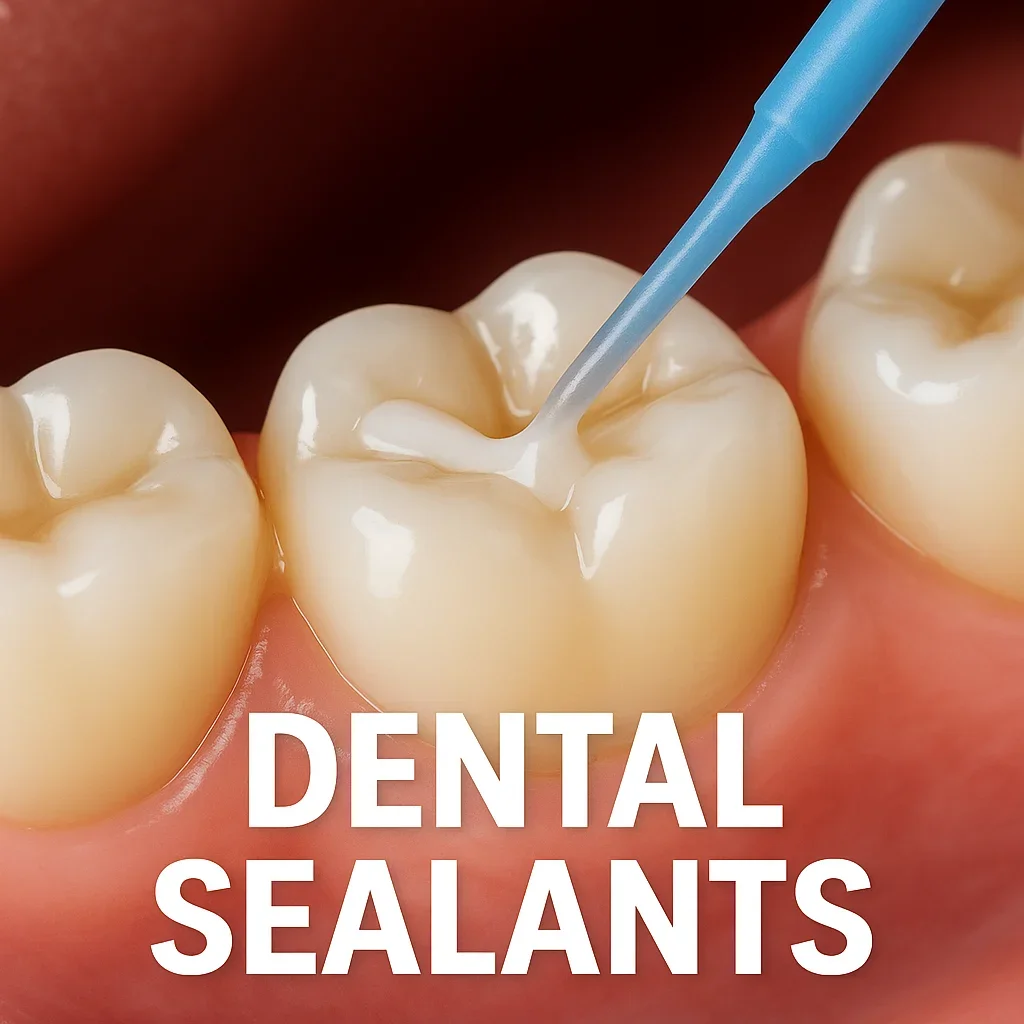
Applying dental sealants is a quick and painless procedure. The dentist begins by thoroughly cleaning and drying the tooth. Then, an acidic solution is applied to roughen the surface slightly, which allows the sealant material to bond securely. After rinsing and drying again, the liquid sealant is painted directly onto the tooth’s surface, where it flows into the grooves and hardens, often with the help of a special curing light. The entire process usually takes only a few minutes per tooth, and the results can last for many years with proper oral care.
Another reason dental sealants are so valuable is their cost-effectiveness. Treating a cavity often requires fillings, crowns, or even more invasive procedures, which can be expensive and time-consuming. In contrast, sealants are relatively affordable, especially when compared to the cost of restorative dental work. For families, this makes sealants a smart investment in long-term dental health. If you are considering sealants, you can always consult your dentist or reach out to us directly through the Redent Klinik Contact Page to learn about available options and pricing in your region.
It’s also worth noting that dental sealants are safe. The materials used are biocompatible and have been thoroughly studied for decades. While some people worry about substances such as bisphenol A (BPA), research shows that the exposure from sealants is extremely minimal and far below safety thresholds. In fact, you are more likely to encounter higher levels of BPA from common items like receipts or canned foods. Dentists worldwide continue to recommend sealants as a safe and effective way to prevent cavities.
Patients sometimes wonder whether dental sealants replace fluoride treatments or regular cleanings. The answer is no — they complement these preventive measures. Fluoride strengthens the enamel, while sealants physically block bacteria and acids from reaching the tooth surface. Together, they create a comprehensive defense system against cavities. Additionally, good brushing, flossing, and regular check-ups remain essential for maintaining optimal oral health. Dental sealants are a strong extra layer of protection, not a substitute for daily care.
In terms of durability, dental sealants can last up to 10 years, although they should be checked regularly by a dentist for wear and tear. If a sealant chips or wears down, it can be reapplied easily. This makes them a long-term solution that continues to safeguard your teeth with minimal upkeep. Considering that molars are intended to last a lifetime, sealants provide a valuable insurance policy against decay in these critical teeth.
When looking at the bigger picture of dental health, sealants play an important role in preventive dentistry. They not only protect teeth but also help patients avoid the discomfort, stress, and cost of restorative procedures. Parents who choose dental sealants for their children often report fewer dental issues, fewer cavities, and reduced dental bills over time. Adults who opt for sealants enjoy similar benefits, particularly if they are at high risk for decay due to deep grooves, a high-sugar diet, or a history of cavities.
Ultimately, dental sealants represent a smart, science-backed approach to maintaining oral health. By understanding what dental sealants are and how they work, you can make informed decisions about your dental care. Whether for your child’s first permanent molars or your own adult teeth, this treatment is an investment in a healthier, brighter smile. Prevention is always better than cure, and with dental sealants, you can stay one step ahead of cavities while enjoying peace of mind and lasting protection. 🌟
What Are Dental Sealants and How Do They Work?
Dental sealants are thin, protective coatings made of medical-grade plastic or resin that are applied to the chewing surfaces of the back teeth, primarily molars and premolars. Their main function is to create a physical barrier that prevents bacteria, acids, and food debris from accumulating in the natural grooves and pits of teeth. Because molars are especially vulnerable to cavities due to their complex surface anatomy, dental sealants offer an effective way to safeguard oral health for both children and adults. Understanding what dental sealants are and how they work is essential to making informed decisions about preventive dentistry.
The Basic Science Behind Dental Sealants
Tooth decay begins when bacteria in the mouth feed on sugar and produce acids. These acids attack the enamel, creating weak spots that can eventually develop into cavities. The deep grooves of molars make them more susceptible to decay since toothbrush bristles often cannot reach the deepest fissures. Dental sealants stop this process by sealing off these vulnerable areas, essentially forming a shield that blocks acid attacks and food entrapment. By preventing bacteria from accessing the enamel, dental sealants reduce the risk of cavities by up to 80% in children and adolescents, as confirmed by numerous studies, including those conducted by the American Dental Association.
Materials Used in Dental Sealants
Most dental sealants are made from resin-based compounds, although glass ionomer sealants are also available. Resin sealants bond tightly to the enamel, providing long-lasting protection. Glass ionomer sealants release fluoride, which can strengthen the enamel and provide additional defense against decay. Both types are considered safe and effective, and the choice often depends on the dentist’s recommendation and the patient’s individual needs. Concerns about bisphenol A (BPA) have been raised in the past, but the exposure from dental sealants is negligible compared to everyday items like plastic bottles or canned foods, making them a safe option for all age groups.
The Application Process Step by Step
1. Cleaning the Tooth
The process of applying dental sealants begins with a thorough cleaning of the tooth surface. Dentists remove plaque, food particles, and any existing debris to ensure the sealant bonds effectively.
2. Preparing the Surface
An acidic solution is applied to the tooth enamel for a short period. This roughens the surface slightly, allowing the sealant material to adhere better. The solution is then rinsed off and the tooth is dried completely.
3. Applying the Sealant
The liquid dental sealant is carefully painted onto the tooth’s grooves and pits. Its thin consistency allows it to flow naturally into all the microscopic crevices that are otherwise hard to clean.
4. Curing the Material
Once applied, the sealant is hardened using a special curing light. This ensures that it solidifies quickly and bonds securely to the enamel, creating a durable, protective barrier.
Longevity and Maintenance
When properly applied, dental sealants can last anywhere from 5 to 10 years. However, they are not permanent and may wear down over time due to chewing forces. During routine dental check-ups, dentists will evaluate the condition of the sealants and reapply them if necessary. Regular monitoring ensures that the teeth remain protected throughout childhood and into adulthood. Sealants are highly durable, but habits like chewing on hard foods, grinding teeth, or skipping dental visits can reduce their lifespan.
Who Benefits Most from Dental Sealants?
While dental sealants are often associated with children, adults can also benefit significantly. Children should ideally receive sealants shortly after their permanent molars erupt, typically around ages six and twelve. Early application maximizes protection during the cavity-prone years. Adults with deep grooves in their molars, a history of cavities, or diets high in sugar can also benefit from sealants. Preventing cavities not only saves time and money but also helps preserve natural teeth for a lifetime.
Complementary Role with Other Preventive Measures
Dental sealants are not a replacement for fluoride treatments, brushing, or flossing. Instead, they work alongside these preventive measures to provide comprehensive cavity protection. Fluoride strengthens enamel on all tooth surfaces, while sealants specifically target the deep grooves of molars. This dual approach ensures that the entire tooth structure is protected from decay. For best results, dentists recommend combining dental sealants with daily oral hygiene and professional cleanings.
Cost-Effectiveness of Dental Sealants
From a financial standpoint, dental sealants are highly cost-effective. Treating a cavity can involve fillings, crowns, or root canals, which are significantly more expensive than the preventive application of sealants. In many cases, dental insurance covers sealants for children, and some plans may extend coverage to adults as well. Considering their long-lasting benefits and the potential to prevent costly dental procedures, sealants represent a smart investment in oral health. If you are considering this treatment, you can consult your dentist or reach out directly via the Redent Klinik Contact Page for guidance on pricing and insurance coverage in your area.
Conclusion: Why Dental Sealants Matter
Dental sealants are a simple yet powerful tool in the fight against tooth decay. By forming a protective barrier over the most cavity-prone areas of teeth, they dramatically lower the risk of cavities and promote long-term dental health. Safe, affordable, and effective, dental sealants are recommended for children, adolescents, and adults alike. Whether applied to a child’s first permanent molars or an adult’s healthy teeth, this preventive treatment offers peace of mind and helps maintain a lifetime of healthy, confident smiles. 🌟
Benefits of Dental Sealants for Children and Adults
The advantages of dental sealants extend far beyond simply protecting teeth from cavities. These preventive coatings offer long-term oral health benefits for both children and adults, making them one of the most widely recommended treatments in preventive dentistry. By reducing the risk of decay, saving families money on dental care, and promoting healthier smiles, dental sealants are an essential part of modern oral care strategies. In this section, we will explore the comprehensive benefits of dental sealants and explain why they are considered a smart investment for people of all ages.
Protection Against Cavities
The primary benefit of dental sealants is their ability to prevent cavities. 🦷 Sealants form a strong, invisible shield over the grooves and pits of molars and premolars, which are the most cavity-prone teeth in the mouth. According to the American Dental Association, dental sealants reduce the risk of decay by as much as 80% in permanent molars. This level of protection is especially important for children, whose developing teeth are more vulnerable to cavities, but adults also benefit greatly by preserving natural tooth structure and avoiding restorative treatments.
Benefits for Children
1. Early Protection for Permanent Molars
Children’s permanent molars erupt around the ages of six and twelve, which coincides with the years when they are most likely to develop cavities. Applying dental sealants soon after these teeth emerge provides immediate protection. Studies show that children without sealants are nearly three times more likely to develop cavities in molars than those with sealants.
2. Reduced Dental Anxiety
Cavities often lead to fillings or even more invasive treatments. For children, these procedures can cause fear and anxiety, sometimes affecting their willingness to visit the dentist in the future. By preventing cavities in the first place, dental sealants reduce the likelihood of stressful treatments, encouraging a more positive dental experience from an early age.
3. Cost Savings for Parents
Parents also benefit from fewer dental bills when their children are protected with dental sealants. Since sealants prevent cavities, they lower the need for restorative procedures like fillings, crowns, or root canals, which are more costly and time-consuming. Many dental insurance plans cover the cost of sealants for children, making them both affordable and valuable.
Benefits for Adults
1. Protection of Natural Teeth
Adults who have deep grooves in their molars or a history of cavities can also benefit from dental sealants. Even though many adults assume sealants are only for children, dentists recommend them for anyone with cavity-prone teeth. Protecting natural teeth with sealants reduces the need for future restorative work and helps maintain strong, healthy teeth for decades.
2. Long-Term Financial Savings
The cost of dental sealants is minimal compared to restorative treatments. For adults without dental insurance, the expense of fillings or crowns can be significant. Sealants provide an affordable way to prevent these problems, especially for patients with high cavity risk. Over the years, this translates into considerable financial savings and fewer urgent dental visits.
3. Improved Oral Health Outcomes
Adults often face higher risks of gum disease, enamel erosion, and general wear on teeth. By reducing the incidence of cavities, dental sealants help preserve overall oral health. When combined with fluoride treatments and good oral hygiene, they create a powerful defense system that minimizes dental issues throughout adulthood.
Added Advantages Beyond Cavity Prevention
While cavity prevention is the main purpose of dental sealants, their benefits extend further. They improve chewing efficiency by keeping teeth smoother and free of decay, reduce the likelihood of tooth sensitivity caused by early decay, and contribute to better overall oral hygiene. Since the grooves of molars are difficult to clean effectively, sealing them makes daily brushing and flossing more effective.
Psychological and Lifestyle Benefits
Healthy teeth contribute to confidence and self-esteem at every stage of life. For children, avoiding cavities means fewer missed school days and less discomfort, which translates into better performance and overall well-being. For adults, sealants help maintain an attractive smile, prevent dental pain, and reduce the stress of frequent dental procedures. These psychological benefits highlight the role of preventive care in promoting both oral and emotional health.
Cost-Benefit Analysis of Dental Sealants
Financially, dental sealants represent one of the best investments in preventive care. A typical sealant application costs far less than a single filling, yet it provides years of protection. Considering that untreated cavities can lead to crowns, root canals, or extractions — all of which are far more expensive — sealants save patients money in the long run. For families with multiple children, the savings multiply, making sealants a cost-effective choice for household dental care.
Conclusion: Why Sealants Are Worth It
In summary, dental sealants provide essential protection against cavities for children and adults alike. They safeguard teeth during the most vulnerable years, reduce the risk of costly dental procedures, and promote healthier, happier smiles. Sealants are safe, affordable, and effective, making them an integral part of preventive dentistry. Whether you are a parent seeking to protect your child’s new molars or an adult aiming to preserve natural teeth, dental sealants offer long-lasting benefits that make them an excellent choice for anyone committed to lifelong oral health. 🌟
Step-by-Step Process of Applying Dental Sealants
The application of dental sealants is one of the simplest, most painless, and most effective preventive dental procedures available today. 🦷 Despite their simplicity, the results are powerful: years of cavity prevention with minimal effort from the patient. Both children and adults benefit from this procedure, which can be completed in just a few minutes per tooth. Below, we will break down the full process of applying dental sealants in detail, highlighting every step to help you understand what to expect during treatment.
Preparation Before Applying Dental Sealants
1. Initial Dental Examination
The process begins with a thorough dental check-up. The dentist examines the patient’s molars and premolars to determine whether dental sealants are appropriate. Sealants are usually applied only to teeth without existing decay or fillings, since their purpose is preventive, not restorative. At this stage, the dentist may also use X-rays to ensure the teeth are healthy beneath the surface.
2. Cleaning the Tooth Surface
Once eligibility is confirmed, the tooth is cleaned carefully. This step is crucial because food particles, plaque, or bacteria left on the tooth could become sealed beneath the coating. Using a dental brush or polishing instrument, the dentist thoroughly removes any debris from the chewing surface of the molar or premolar.
The Application Process in Detail
3. Drying the Tooth
After cleaning, the tooth is dried completely. Cotton rolls or small absorbent pads are often placed around the tooth to keep it free from saliva. This ensures that the surface remains dry, as moisture can interfere with the bonding of dental sealants.
4. Etching the Surface
An acidic gel is applied to the chewing surface of the tooth. This step is known as “etching” and serves to roughen the enamel microscopically, creating a better surface for the dental sealant to adhere to. After about 20 to 30 seconds, the gel is rinsed off, and the tooth is dried again. At this point, the tooth surface is ready for sealant placement.
5. Applying the Sealant Material
The liquid dental sealant is then painted directly onto the prepared tooth surface. Because of its fluid consistency, the material flows into the tiny grooves, fissures, and pits of the molar, areas that are otherwise very difficult to clean with a toothbrush. This step ensures complete coverage and maximum protection against decay.
6. Curing the Sealant
Once the sealant is applied, the dentist typically uses a special curing light to harden it. This light activates the material, allowing it to solidify quickly. In some cases, self-hardening sealants are used, which set without a light. Regardless of the method, the end result is a durable, protective layer firmly bonded to the tooth enamel.
Final Evaluation and Adjustments
7. Checking the Bite
After the sealant has hardened, the dentist checks the patient’s bite to ensure the coating does not interfere with chewing. If any excess material is present, it is smoothed out. The sealant should feel natural and comfortable, without altering the patient’s bite alignment.
8. Fluoride Application (Optional)
In some cases, the dentist may apply a fluoride treatment immediately after sealing. Fluoride complements dental sealants by strengthening all tooth surfaces, while the sealants specifically protect the chewing grooves. This dual approach maximizes cavity prevention.
Aftercare Instructions
Once dental sealants are applied, no special aftercare is required. Patients can eat and drink normally right away. However, it is recommended to avoid chewing extremely hard foods, such as ice or hard candy, which could damage or chip the sealant. Regular dental check-ups are essential, as the dentist will monitor the condition of the sealants and reapply them if necessary.
How Long the Process Takes
One of the most appealing aspects of dental sealants is their efficiency. The entire procedure takes only a few minutes per tooth. For children, who may struggle with longer treatments, this quick process is particularly beneficial. Parents often appreciate the convenience of adding sealant application to a routine cleaning or check-up visit.
Safety and Comfort of the Procedure
Applying dental sealants is completely painless. There is no need for anesthesia or drilling, since the procedure does not involve altering the tooth structure. This makes it an ideal preventive treatment for children, teenagers, and adults who may have anxiety about dental visits. Patients usually report that they don’t feel the sealants after application, and the process is over before they know it.
Why Understanding the Process Matters
By understanding each step of the procedure, patients and parents can feel reassured that dental sealants are both simple and safe. Knowing that the treatment involves cleaning, drying, etching, painting, and curing — all completed quickly and without discomfort — makes it easier to commit to this preventive measure. For many families, the process of applying dental sealants becomes a routine part of pediatric and adult dental care, offering years of cavity protection and peace of mind. 🌟
Comparing Dental Sealants vs. Fluoride Treatments
Preventive dentistry offers several tools to protect teeth from cavities and decay, with dental sealants and fluoride treatments being two of the most commonly recommended options. Both are effective, but they serve slightly different purposes and are often used together for maximum protection. 🦷 Understanding how dental sealants compare to fluoride helps patients make informed decisions about which preventive measures are best suited to their needs. In this section, we will explore the similarities, differences, and complementary roles of these treatments in detail.
Overview of Preventive Approaches
Dental Sealants
Dental sealants are thin, protective coatings applied directly to the chewing surfaces of molars and premolars. Their role is to seal off the deep grooves and fissures where bacteria and food particles often get trapped. By physically blocking these vulnerable areas, dental sealants reduce the risk of cavities by up to 80%, especially in children and adolescents whose molars are newly erupted and highly susceptible to decay.
Fluoride Treatments
Fluoride treatments, on the other hand, work by strengthening the enamel across all tooth surfaces. Fluoride helps remineralize weak spots in the enamel, making teeth more resistant to acid attacks caused by plaque bacteria and sugary foods. These treatments are usually applied as gels, foams, or varnishes during dental visits, and are also obtained daily through fluoridated toothpaste and drinking water.
Key Differences Between Dental Sealants and Fluoride
1. Method of Action
Dental sealants act as a physical barrier, preventing bacteria and acids from reaching the enamel in hard-to-clean areas. Fluoride treatments, however, work chemically by strengthening and repairing enamel, making it more resilient to decay. Together, they address two different aspects of cavity prevention.
2. Areas of Protection
Dental sealants primarily protect the chewing surfaces of molars and premolars. These areas are the most prone to cavities due to their deep grooves. Fluoride treatments, on the other hand, coat all tooth surfaces, offering more generalized protection. This means that while sealants target high-risk areas, fluoride provides broader coverage across the mouth.
3. Age Recommendations
Dental sealants are most often recommended for children and teenagers, especially right after permanent molars erupt. Fluoride treatments are recommended for patients of all ages, as enamel strengthening is beneficial throughout life. Adults can benefit from both treatments, especially those with high cavity risk.
4. Application Process
The application of dental sealants involves cleaning, drying, etching, applying the sealant liquid, and curing it with a special light. Fluoride treatments are simpler and faster — the dentist applies fluoride varnish or gel to the teeth, where it sets in minutes. Both procedures are quick, painless, and non-invasive.
Complementary Role of Dental Sealants and Fluoride
Rather than viewing dental sealants and fluoride treatments as competing options, dentists recommend them as complementary approaches. Sealants focus on protecting the back teeth, where 90% of cavities occur in children, while fluoride strengthens the entire dentition. Together, they provide comprehensive protection, significantly lowering the chances of cavities forming in any part of the mouth.
Effectiveness Backed by Research
Studies consistently show that dental sealants prevent decay in molars more effectively than fluoride alone. However, when fluoride treatments are combined with sealants, the level of protection is maximized. For example, research published by the American Dental Association notes that children who receive both treatments have the lowest incidence of cavities. This combined approach is now widely adopted in preventive care programs around the world.
Cost Comparison
Sealants
The cost of dental sealants typically ranges between $30 to $60 per tooth in many countries. Insurance often covers sealants for children, making them affordable for families. Their long-term value comes from preventing the need for expensive treatments like fillings and crowns.
Fluoride Treatments
Fluoride treatments are generally less expensive, usually between $20 and $50 per session. Since they are applied to all teeth at once, fluoride treatments provide widespread protection at a relatively low cost. However, they must be reapplied every 3 to 6 months, depending on the patient’s cavity risk, which adds to the long-term cost.
Who Should Get Sealants vs. Fluoride?
Children and teenagers benefit the most from dental sealants since their molars are new and more prone to cavities. Adults with deep grooves or no prior fillings in their molars are also good candidates. Fluoride treatments, however, are universally recommended for all ages, especially for individuals with a history of cavities, dry mouth, or orthodontic appliances that make cleaning difficult.
Conclusion: Which Is Better?
The question of whether dental sealants or fluoride treatments are better does not have a simple answer, because both serve important yet different purposes. Sealants provide targeted protection in high-risk areas, while fluoride treatments strengthen teeth overall. For the best results, dentists recommend combining both treatments as part of a comprehensive preventive strategy. By using dental sealants to block decay and fluoride to reinforce enamel, patients of all ages can enjoy stronger, healthier, and cavity-free smiles. 🌟
How Long Do Dental Sealants Last? Durability Explained
One of the most common questions patients ask is: how long do dental sealants actually last? Dental sealants are designed to provide long-term protection against cavities, but like any dental treatment, their durability depends on several factors. 🦷 With proper application and maintenance, dental sealants can last anywhere from 5 to 10 years. This makes them one of the most reliable preventive treatments in dentistry. In this section, we will take a deep dive into the lifespan of dental sealants, what influences their longevity, and how patients can ensure they get the maximum benefit from this preventive care.
Average Lifespan of Dental Sealants
Research and clinical experience show that most dental sealants last at least 5 years, and many remain effective for up to a decade. However, because chewing forces and daily wear naturally affect the sealant material, dentists typically monitor them at every check-up. Sealants that wear down or chip can be reapplied quickly and easily. The ability to renew dental sealants without invasive treatment makes them a long-term solution for cavity prevention in children and adults.
Factors That Influence Durability
1. Quality of Application
The success of dental sealants depends heavily on how well they are applied. If the tooth is not thoroughly cleaned and dried before application, or if saliva contaminates the surface, the bond between the sealant and the enamel may weaken. A skilled dentist ensures the surface is properly prepared to maximize adhesion and durability.
2. Patient’s Oral Habits
Daily habits such as chewing on ice, biting nails, or grinding teeth (bruxism) can shorten the lifespan of dental sealants. Patients who avoid these habits typically enjoy sealants that last closer to the 10-year mark. Regular check-ups also help detect early wear before it becomes a problem.
3. Type of Sealant Material
Resin-based sealants and glass ionomer sealants vary slightly in their durability. Resin-based options often last longer due to their strong adhesion to enamel, while glass ionomer sealants may wear more quickly but release fluoride, offering extra protection against decay. Dentists choose the material based on patient needs and tooth structure.
4. Oral Hygiene Practices
While dental sealants provide strong protection, they are not a substitute for brushing and flossing. Patients who maintain excellent oral hygiene support the longevity of their sealants. Conversely, neglecting oral care increases plaque buildup and may reduce the effectiveness of sealants over time.
Signs That Sealants May Need Replacement
Over time, dental sealants can wear away or chip. Patients may not notice this change themselves, which is why routine dental visits are essential. During an examination, the dentist will check whether the sealants are intact and still covering the deep grooves of the teeth. If cracks, chips, or thinning are observed, the sealant can be reapplied immediately. The reapplication process is simple, painless, and restores full protection.
Longevity in Children vs. Adults
Children
In children, dental sealants typically last through the most cavity-prone years, which are between ages 6 and 14. Applying sealants when permanent molars erupt ensures they remain protected throughout this vulnerable period. By the time sealants need to be reapplied, children are often more capable of maintaining good oral hygiene.
Adults
For adults, sealants may last longer because of more stable oral habits and stronger enamel. However, adults who grind their teeth, consume acidic foods frequently, or have a history of cavities may experience shorter sealant lifespan. Regular dental evaluations are key to determining when reapplication is necessary.
Comparing Durability With Other Preventive Treatments
When compared to fluoride treatments, dental sealants provide longer-lasting, localized protection. Fluoride needs to be reapplied every 3 to 6 months, while sealants can last for years. This makes sealants particularly valuable for targeting high-risk molars, which account for the majority of cavities. Together, both treatments create a comprehensive cavity-prevention system.
Maximizing the Lifespan of Dental Sealants
1. Regular Check-ups
Visiting the dentist every six months allows professionals to monitor the condition of dental sealants. Early wear can be corrected quickly with reapplication.
2. Avoiding Hard Foods
Chewing on hard candies, ice, or non-food items increases the risk of chipping or cracking the sealant. Patients who avoid these habits enjoy longer-lasting protection.
3. Maintaining Good Oral Hygiene
Brushing twice daily with fluoride toothpaste, flossing, and using mouth rinses support the effectiveness of dental sealants. A clean mouth minimizes plaque buildup and extends the sealant’s protective role.
Are Sealants a Long-Term Investment?
Yes — dental sealants are considered an excellent long-term investment in oral health. For a relatively low cost, patients receive years of protection against cavities. Even if reapplication is needed after several years, the procedure is quick and inexpensive compared to treating cavities with fillings or crowns. Many parents and adults find that sealants save both time and money in the long run while promoting healthier teeth.
Conclusion: Durability of Dental Sealants
In conclusion, dental sealants typically last 5 to 10 years, depending on patient habits, material type, and oral hygiene. With regular dental check-ups and good care, sealants provide reliable, long-term protection against cavities. Their durability, combined with their safety and effectiveness, makes them one of the most trusted tools in preventive dentistry. Whether for children during their cavity-prone years or adults looking to safeguard their molars, dental sealants offer peace of mind and lasting protection. 🌟
Are There Risks or Side Effects of Dental Sealants?
Dental sealants are widely recognized as one of the safest and most effective preventive treatments in modern dentistry. 🦷 However, patients and parents often ask whether there are any risks or side effects associated with applying dental sealants. While the benefits far outweigh the potential drawbacks, it is important to explore every aspect in detail to make informed decisions about oral health care. In this section, we will examine the possible risks, address common concerns, and clarify why dental professionals continue to recommend sealants as a safe and reliable treatment for both children and adults.
General Safety of Dental Sealants
Decades of research show that dental sealants are safe and effective for long-term cavity prevention. Both resin-based and glass ionomer sealants have been approved by dental authorities worldwide, including the American Dental Association. These materials have undergone rigorous testing and have consistently been proven to reduce the risk of decay without causing harm to teeth or overall health. In fact, dental sealants are so well accepted in preventive dentistry that many school programs incorporate them to improve children’s oral health outcomes.
Potential Risks During Application
1. Contamination With Saliva
One of the most common risks during the application of dental sealants is contamination with saliva. If the tooth surface is not kept completely dry before the sealant is applied, the material may fail to bond properly. This does not cause any harm, but it can reduce the effectiveness of the sealant. The solution is simple — the dentist cleans and reapplies the sealant correctly.
2. Minor Tooth Sensitivity
Some patients may experience slight sensitivity after receiving dental sealants, especially if the enamel was etched with an acidic gel. This sensitivity is temporary and usually disappears within a day or two. Unlike restorative treatments such as fillings, sealants do not involve drilling or removing tooth structure, making them much less invasive.
3. Sealant Wear or Chipping
Sealants can sometimes chip or wear down over time. This is not a harmful side effect but a natural part of their lifecycle. Regular dental check-ups ensure that any worn or missing sealant is quickly replaced, maintaining strong protection against cavities.
Concerns About Materials
1. BPA and Dental Sealants
One of the most discussed topics regarding dental sealants is bisphenol A (BPA). BPA is a compound found in some plastics, and trace amounts may be present in certain sealant materials. However, the exposure from dental sealants is extremely minimal — far lower than everyday sources such as canned foods, plastic bottles, or thermal receipts. The American Dental Association confirms that the exposure is not a health risk, and dentists worldwide continue to recommend sealants as safe.
2. Resin vs. Glass Ionomer Sealants
Both resin-based and glass ionomer sealants are considered safe, but they have slightly different properties. Resin sealants are more durable, while glass ionomer sealants release fluoride, adding extra cavity protection. Neither type is associated with harmful side effects when applied correctly by a dental professional.
Possible Allergic Reactions
Although rare, some patients may experience an allergic reaction to the materials used in dental sealants. These cases are extremely uncommon, and dentists carefully review medical histories to minimize risks. If a patient has a known allergy to specific dental materials, alternative options can be considered. For the vast majority of patients, dental sealants do not trigger any allergic responses.
Impact on Dental Health
1. No Damage to Tooth Structure
Unlike fillings or crowns, dental sealants do not require removing any part of the tooth. They simply coat the enamel surface, leaving the natural tooth structure intact. This makes them one of the least invasive dental treatments available.
2. Preventing Secondary Decay
A common concern is whether sealants can trap bacteria beneath the coating and cause decay. Studies show that if any early decay is present at the time of sealant application, the sealant actually helps stop the progression of the cavity by cutting off its nutrient supply. This highlights the protective role of sealants even in cases of incipient lesions.
Comparison With Other Treatments
When compared to fluoride treatments, fillings, or crowns, dental sealants carry almost no risk. They require no drilling, no anesthesia, and no removal of enamel. The main consideration is maintaining them over time, as they may need reapplication after several years. The simplicity and safety of the procedure make dental sealants one of the most trusted preventive treatments in dentistry.
How Dentists Minimize Risks
Dentists are trained to follow strict protocols that ensure the safe application of dental sealants. This includes isolating the tooth with cotton rolls or rubber dams, carefully applying etching gel, and using curing lights properly. Regular monitoring further ensures that sealants remain effective and safe throughout their lifespan.
Conclusion: Are Dental Sealants Risky?
In conclusion, dental sealants are overwhelmingly safe, with minimal risks or side effects. The rare issues that may arise — such as slight sensitivity, chipping, or concerns about BPA — are either temporary, manageable, or scientifically proven to be insignificant. The benefits of preventing cavities, saving on dental costs, and preserving natural teeth far outweigh any minor concerns. For children and adults alike, dental sealants represent one of the best investments in preventive oral health, offering protection, comfort, and peace of mind for years to come. 🌟
Cost of Dental Sealants: Prices and Insurance Coverage
For many families and individuals, one of the most practical considerations about preventive dentistry is cost. While dental sealants are proven to be effective in protecting teeth from decay, patients often ask how much they cost and whether insurance covers the treatment. The good news is that dental sealants are relatively affordable compared to restorative dental work like fillings, crowns, or root canals. 🦷 They also offer excellent long-term value because they prevent expensive treatments in the future. In this section, we’ll explore the average price of dental sealants, insurance options, and additional financial factors to help you make informed decisions.
Average Cost of Dental Sealants
Price Per Tooth
On average, the cost of dental sealants ranges from $30 to $60 per tooth in many regions worldwide. In larger cities or private clinics, the price may be slightly higher, sometimes reaching up to $80 per tooth. The cost usually depends on the dental office, the type of sealant material used, and whether the patient is a child or an adult.
Comparisons to Other Treatments
When compared to the cost of fillings, which can range from $100 to $250 per tooth, dental sealants are significantly less expensive. Crowns and root canals, which are often necessary for untreated cavities, can cost hundreds or even thousands of dollars. Therefore, dental sealants represent an excellent preventive investment, saving patients money in the long term.
Insurance Coverage for Dental Sealants
Children’s Coverage
Many dental insurance plans cover the full cost of dental sealants for children, particularly for permanent molars and premolars. Since sealants are most effective when applied shortly after teeth erupt, insurance companies recognize their importance in preventing costly dental problems down the line. Parents should check with their insurance providers to confirm specific coverage details, but in many cases, children receive sealants at no out-of-pocket cost.
Coverage for Adults
Insurance coverage for adults is less common but is gradually becoming more available as research highlights the benefits of sealants beyond childhood. Some progressive insurance plans now offer partial or full coverage for adults, particularly those at higher risk of decay. Adults should speak with their dentists and insurance representatives to determine whether their policies include sealant benefits.
Out-of-Pocket Costs
For patients without insurance, the out-of-pocket cost of dental sealants is still relatively modest. For example, sealing four molars might cost between $120 and $240, which is far less than the expense of treating cavities in the same teeth. Many clinics also offer package deals or family discounts, making preventive care more affordable. Patients can also set up payment plans or use health savings accounts (HSAs) or flexible spending accounts (FSAs) to cover the expense.
Cost-Effectiveness of Dental Sealants
Return on Investment
Studies show that every dollar spent on dental sealants saves several dollars in future restorative care. Since sealants dramatically reduce cavity risk, they help patients avoid fillings, crowns, extractions, and other costly procedures. From a long-term perspective, dental sealants provide excellent value for both children and adults.
Public Health Programs
In many countries, public health initiatives provide dental sealants for children in schools or community programs. These services are often free of charge or heavily subsidized, making preventive care accessible to families who might otherwise struggle to afford it. Programs like these are especially common in areas where tooth decay rates are high.
Factors That Influence Pricing
Several factors can influence the final cost of dental sealants:
- Location: Urban areas often have higher dental care costs compared to rural areas.
- Type of Clinic: Private practices may charge more than community or public clinics.
- Material Used: Resin-based sealants may cost slightly more than glass ionomer alternatives.
- Number of Teeth Sealed: Sealing more teeth increases total cost but may reduce the per-tooth price if package discounts are available.
Global Cost Variations
Prices for dental sealants also vary internationally. For example, in the United States, the average per-tooth cost ranges between $40 and $60, while in European countries it may be slightly lower due to subsidized healthcare systems. In countries like Turkey, where dental tourism is common, dental sealants are often offered at highly competitive rates, making them accessible for international patients as well.
How to Reduce Costs
1. Utilize Insurance Benefits
Families with dental insurance should maximize their benefits by confirming whether sealants are covered for children or adults. In many cases, insurance companies fully cover sealants for children under a certain age.
2. Ask About Payment Plans
For those paying out of pocket, many dental clinics offer flexible payment plans. Spreading the cost over several months can make preventive care easier to afford.
3. Seek Community Programs
Patients should research local public health initiatives, which sometimes provide free or low-cost dental sealants, especially for children in underserved areas.
Conclusion: Are Dental Sealants Worth the Cost?
In conclusion, dental sealants are highly cost-effective, offering years of protection against cavities at a fraction of the price of restorative treatments. With insurance coverage for children, modest out-of-pocket costs for adults, and long-term savings, sealants represent one of the smartest investments in oral health. Whether you are a parent looking to protect your child’s molars or an adult aiming to prevent expensive dental procedures, dental sealants provide peace of mind and excellent value. 🌟
Dental Sealants for Preventing Cavities: Evidence and Studies
Dental sealants have become a cornerstone of preventive dentistry, particularly because of their proven ability to reduce cavities in both children and adults. 🦷 Over the past several decades, numerous clinical studies and public health reports have highlighted the effectiveness of sealants in lowering cavity rates, saving money on restorative care, and improving overall oral health outcomes. In this section, we will review the scientific evidence supporting dental sealants, examine clinical trial data, and discuss their role in preventive dentistry worldwide.
Scientific Evidence Supporting Dental Sealants
Reduction in Cavity Incidence
Research consistently shows that dental sealants reduce the risk of cavities in permanent molars by as much as 80% within the first two years of application. After four years, protection remains at around 50%–60%, and with reapplication, protection can extend up to a decade. These results make dental sealants one of the most effective preventive treatments available in modern dentistry.
Studies on Children and Adolescents
Children are the primary beneficiaries of dental sealants because their newly erupted molars are especially vulnerable to decay. A landmark study published by the American Dental Association found that children without sealants were nearly three times more likely to develop cavities in their molars than those who had sealants applied. School-based programs providing sealants have demonstrated remarkable success in reducing overall cavity prevalence among children, particularly in underserved communities.
Meta-Analyses and Systematic Reviews
Systematic reviews from organizations such as the Cochrane Collaboration provide strong evidence supporting the use of dental sealants. These reviews, which compile data from multiple clinical trials, consistently conclude that sealants are highly effective in preventing cavities in both primary and permanent teeth. In fact, researchers emphasize that the protective benefits of sealants significantly outweigh the minimal risks, making them a highly recommended preventive measure.
Comparative Studies: Sealants vs. No Sealants
Children Without Sealants
In populations of children who do not receive dental sealants, cavity rates remain significantly higher. This leads to a greater need for fillings, crowns, and extractions, often at an early age. The costs associated with restorative care are far greater than the preventive cost of sealants.
Children With Sealants
Children with dental sealants experience far fewer cavities and lower rates of dental pain, missed school days, and emergency visits. This improvement extends beyond oral health, as healthier teeth contribute to better nutrition, overall well-being, and academic performance.
Adult-Focused Research on Dental Sealants
Although most studies focus on children, evidence shows that adults also benefit from dental sealants. Adults with deep grooves in their molars or a history of cavities can experience similar protective benefits. Clinical trials involving adults have found significant reductions in cavity development when sealants are applied, proving that the treatment is not limited to pediatric dentistry.
Public Health Studies and Programs
School-Based Sealant Programs
School-based dental sealant programs are among the most successful public health initiatives worldwide. These programs target children in low-income areas who may not have regular access to dental care. Studies show that such programs reduce cavities dramatically and lower long-term healthcare costs for families and governments alike.
Community and Nationwide Data
Data from the Centers for Disease Control and Prevention (CDC) confirm that dental sealants are underused, despite their proven benefits. Increasing access to sealants could prevent millions of cavities annually. Public health officials recommend expanding sealant programs as a cost-effective way to improve oral health outcomes on a national level.
Cost-Benefit Studies
From an economic standpoint, studies highlight the excellent return on investment provided by dental sealants. For every dollar spent on sealants, several dollars are saved in restorative treatment costs. Preventing cavities reduces the need for fillings, crowns, root canals, and extractions, all of which are significantly more expensive than preventive measures. This financial advantage further supports the widespread adoption of sealants.
Long-Term Studies on Effectiveness
Longitudinal studies following patients over a 10-year period show that dental sealants continue to provide substantial protection, even as some wear occurs. With timely reapplication, their protective benefits remain strong throughout childhood and into adulthood. These long-term results reinforce the role of sealants as a sustainable, preventive treatment that adapts to patients’ needs over time.
Evidence of Reduced Health Disparities
One of the most important findings in recent research is that dental sealants help reduce oral health disparities. Children from low-income families are disproportionately affected by cavities, but access to sealants significantly lowers this inequality. Programs that provide free or low-cost dental sealants demonstrate measurable improvements in oral health equity across different socioeconomic groups.
Conclusion: Why the Evidence Supports Sealants
In conclusion, decades of research and clinical evidence strongly support the use of dental sealants as an effective, safe, and cost-efficient method of cavity prevention. From randomized clinical trials to nationwide public health programs, studies consistently show significant reductions in decay rates among patients with sealants. By preventing cavities, sealants save money, preserve natural teeth, and improve quality of life. For children, adults, and communities alike, the scientific evidence is clear: dental sealants are an essential tool in modern preventive dentistry. 🌟
Best Candidates for Dental Sealants: Who Should Get Them?
Dental sealants are an effective preventive measure, but not every patient requires them. 🦷 The best candidates for dental sealants are those who are at high risk for developing cavities, especially in the grooves and fissures of their molars and premolars. Since sealants act as a protective barrier against bacteria and food debris, they are most useful for individuals whose teeth are more difficult to clean or more prone to decay. In this section, we will explore who benefits the most from dental sealants, based on age, dental health, and risk factors.
Children as Ideal Candidates
1. Newly Erupted Molars
Children are widely considered the top candidates for dental sealants. The first permanent molars erupt around age six, and the second permanent molars appear around age twelve. These teeth are especially vulnerable to cavities in their early years because of their deep grooves and the difficulty children may have with brushing effectively. Applying dental sealants soon after molars erupt helps ensure maximum protection during the years when children are most cavity-prone.
2. High Cavity Risk in Childhood
Research shows that children without sealants are almost three times more likely to develop cavities in molars than those who receive them. School-aged children often consume sugary snacks and drinks, which increase the risk of decay. Sealants significantly reduce this risk and save families from the stress and cost of fillings and other treatments. Many school-based programs now provide dental sealants to ensure that children, especially in underserved areas, receive this preventive care.
3. Children With Early Signs of Decay
Even if a child has small, early lesions in their molars, dental sealants can still be applied. Studies show that sealants can help stop the progression of early decay by cutting off bacteria’s access to food sources. This makes them an excellent option for children already showing vulnerability to cavities.
Teenagers and Adolescents
Adolescents are also excellent candidates for dental sealants. Between school, sports, and social activities, teenagers often consume a high-sugar diet and may not always prioritize brushing and flossing. Sealants provide an added layer of defense during this period, when lifestyle habits may increase cavity risk. Protecting molars during the teenage years helps ensure long-term oral health into adulthood.
Adults as Candidates
1. Adults With Deep Grooves
While dental sealants are most commonly applied in childhood, adults with deep grooves and fissures in their molars are also good candidates. These grooves can be just as difficult to clean in adulthood, especially if oral hygiene is inconsistent. Sealants applied to these teeth help prevent decay even in older patients.
2. Adults With No Previous Restorations
Sealants work best on teeth that do not already have fillings or cavities. Adults who have intact molars without restorative work are ideal candidates because sealants can protect those healthy teeth from future decay. Once a tooth has been filled, it cannot receive the same preventive benefit.
3. High-Risk Adult Populations
Certain adults are at greater risk of cavities and benefit significantly from dental sealants. These include patients with dry mouth (xerostomia) caused by medications or medical conditions, adults undergoing orthodontic treatment who struggle with plaque control, and those with a history of frequent cavities. Sealants help reduce new decay in these vulnerable populations.
Special Considerations for Candidacy
1. Patients With Disabilities
Children and adults with physical or developmental disabilities that make brushing and flossing difficult are excellent candidates for dental sealants. Since they may struggle with consistent oral hygiene, sealants offer additional protection against cavities and reduce the likelihood of requiring invasive dental treatments.
2. Patients in Underserved Communities
Sealants are especially beneficial in communities with limited access to dental care. Preventing cavities is crucial in areas where patients may not have regular check-ups or access to restorative treatments. School and community programs that apply dental sealants in these populations have been shown to significantly reduce oral health disparities.
When Sealants May Not Be Needed
Not every patient requires dental sealants. For example, individuals with naturally smooth molars that lack deep grooves may not be at high risk for cavities in those areas. Patients with extensive dental restorations also cannot benefit from sealants on teeth that are already filled or crowned. A professional dental evaluation is always necessary to determine if sealants are appropriate.
How Dentists Decide on Sealant Candidates
Dentists evaluate several factors when deciding whether a patient is a good candidate for dental sealants. These factors include cavity history, oral hygiene habits, diet, access to dental care, and the structure of the molars. A patient-centered approach ensures that dental sealants are recommended to those who will benefit most.
Conclusion: Who Should Get Dental Sealants?
In conclusion, the best candidates for dental sealants are children with newly erupted molars, teenagers with high cavity risk, and adults with deep grooves or no prior restorations. Patients with disabilities or those living in underserved communities also benefit greatly. While not every patient requires sealants, they are an essential preventive tool for anyone at increased risk of cavities. By identifying the right candidates, dentists can ensure that dental sealants provide maximum protection, saving patients time, money, and discomfort while supporting long-term oral health. 🌟