
In today’s fast-paced world, health coverage is no longer limited to hospital stays or emergency visits. People are increasingly looking for dental vision and hearing insurance to protect essential aspects of their daily lives. Oral health, clear eyesight, and healthy hearing are all interconnected to overall wellness. This is why, in 2025, having comprehensive insurance that covers all three has become one of the smartest financial and health-related decisions. 🦷👓🎧
Many individuals mistakenly assume that their standard health insurance covers dental, vision, and hearing needs. Unfortunately, this is often not the case. Without proper dental vision and hearing insurance, people end up paying high out-of-pocket expenses for basic treatments like dental cleanings, prescription glasses, or hearing aids. These costs can quickly add up, making insurance coverage not just a convenience but a necessity for families, seniors, and individuals alike.
Dental care, vision correction, and hearing health are all linked to long-term quality of life. For instance, untreated dental problems can lead to systemic issues like heart disease; poor eyesight can impact work productivity; and hearing loss can lead to social isolation. With dental vision and hearing insurance, you can access preventive care that reduces these risks while saving money in the long run.
The Growing Need for Combined Coverage
One of the reasons dental vision and hearing insurance has gained attention is the rising cost of healthcare services in these areas. In 2025, the average cost of a dental implant ranges between $3,000–$5,000 per tooth, prescription glasses average $200–$400, and advanced digital hearing aids can cost $1,000–$6,000 per pair. Without insurance, these expenses can create financial stress. But with combined coverage, policyholders benefit from preventive visits, discounted procedures, and support for essential devices that improve quality of life.
For example, families often need regular dental check-ups for children, eye exams for students, and hearing care for elderly parents. Instead of juggling three different insurance providers, dental vision and hearing insurance bundles all coverage under one plan. This makes the process smoother and ensures that no essential health need is overlooked.
Financial and Lifestyle Advantages
Investing in dental vision and hearing insurance is not just about saving money. It’s about ensuring continuous care. Preventive check-ups encourage early diagnosis, which leads to effective treatment and healthier outcomes. For instance:
- Dental insurance covers cleanings, X-rays, and sometimes orthodontics, helping avoid costly restorative procedures later.
- Vision insurance provides coverage for annual eye exams, frames, lenses, and even contacts, ensuring your eyesight is always clear.
- Hearing insurance assists with audiology visits, diagnostic tests, and hearing aid devices, which are crucial for communication and quality of life.
Moreover, access to these services fosters confidence and better daily performance at school, work, and social interactions. Employers are also increasingly offering dental vision and hearing insurance as part of benefits packages, knowing it boosts employee satisfaction and productivity.
Reliable Sources and Expert Guidance
When choosing the right plan, it’s important to seek guidance from reputable organizations. The American Dental Association provides valuable resources and updated guidelines on oral health, while trusted clinics like Redent Klinik Contact Page offer direct patient support and consultation for dental care. Combining expert recommendations with insurance coverage ensures that you’re making well-informed decisions for your health.
Ultimately, dental vision and hearing insurance is about more than financial protection—it’s a long-term investment in your well-being. In 2025, with medical costs continuing to rise, securing a comprehensive policy helps individuals and families access affordable, reliable, and preventive healthcare solutions. By prioritizing your teeth, eyes, and ears, you’re also protecting your overall health and future lifestyle. 🌟
Why Dental Vision and Hearing Insurance Matters in 2025
In 2025, the importance of dental vision and hearing insurance cannot be overstated. With healthcare costs continuing to climb worldwide, many individuals and families are finding that basic health insurance simply does not cover the essential needs of oral, visual, and auditory health. By investing in a comprehensive plan that bundles these three areas together, people can secure preventive care and treatment without breaking the bank. 🏥💡
Dental, vision, and hearing health play a critical role in our overall well-being. Poor dental hygiene has been linked to cardiovascular disease and diabetes. Vision problems can impair academic and workplace performance, while untreated hearing loss can lead to cognitive decline and social withdrawal. Dental vision and hearing insurance provides access to regular check-ups, preventive screenings, and timely treatments that help avoid these complications. In essence, this coverage is more than just financial—it is a safeguard for your long-term health and quality of life.
Rising Costs and Accessibility Issues
According to the latest statistics in 2025, dental treatments such as crowns and implants remain among the most expensive procedures, costing thousands of dollars per tooth. Similarly, vision correction like LASIK surgery averages $2,000–$3,000 per eye, while advanced hearing aids often cost upwards of $5,000. Without dental vision and hearing insurance, these expenses can cause major financial strain. Insurance plans that bundle these services together make healthcare far more accessible, providing affordable options for families, seniors, and employees.
Accessibility is another pressing issue. Millions of people avoid scheduling dentist visits, eye exams, or hearing tests due to fear of costs. By having comprehensive dental vision and hearing insurance, individuals are more likely to keep up with preventive care because they know it is covered. This reduces the risk of emergencies, saving time, money, and unnecessary stress.
Impact on Families and Seniors
Families with children especially benefit from dental vision and hearing insurance. Kids often need orthodontic evaluations, annual eye exams for school readiness, and sometimes hearing screenings to catch developmental issues early. Parents can manage all of this under a single policy rather than juggling multiple providers.
For seniors, the coverage is equally essential. Aging populations are at higher risk for gum disease, cataracts, and hearing loss. Without proper insurance, older adults may skip crucial treatments, leading to a lower quality of life. With comprehensive plans in place, seniors gain affordable access to dentures, glasses, hearing aids, and regular maintenance visits—all of which allow them to live independently and comfortably.
Employer Benefits and Productivity
Employers in 2025 are increasingly recognizing the benefits of offering dental vision and hearing insurance as part of compensation packages. Employees who can access dental cleanings, corrective lenses, and hearing devices are healthier, more confident, and more productive. This translates into fewer sick days, improved job satisfaction, and stronger overall workplace performance.
For small businesses, offering bundled insurance is also a competitive advantage. It attracts top talent, reduces turnover, and demonstrates a genuine investment in employee well-being. Workers feel valued when employers provide coverage beyond basic healthcare, strengthening company loyalty and morale. 🚀
Preventive Care Equals Long-Term Savings
Perhaps the most compelling reason why dental vision and hearing insurance matters in 2025 is its preventive value. Preventive care not only improves health outcomes but also drastically reduces long-term costs. A single preventive dental cleaning might cost $100, but untreated tooth decay can lead to root canals or implants costing thousands. Similarly, early eye exams can detect conditions like glaucoma, while hearing screenings prevent progressive loss. Insurance encourages proactive care, avoiding expensive interventions later.
In conclusion, dental vision and hearing insurance is not just a policy—it is an investment in health, productivity, and financial security. Whether for families raising children, seniors seeking independence, or employees striving for career success, bundled coverage ensures everyone has the tools they need for a healthier life. As healthcare evolves in 2025, this type of insurance is quickly becoming a necessity rather than a luxury.
What Does Dental Vision and Hearing Insurance Cover?
When exploring dental vision and hearing insurance, one of the first questions people ask is: what exactly does it cover? In 2025, comprehensive insurance plans have evolved to address the most common and costly needs in oral, vision, and auditory health. This type of bundled coverage helps individuals avoid unexpected expenses and ensures access to essential preventive and corrective treatments. Let’s break down the coverage areas to see what’s typically included. 🦷👀🎧
Dental Care Coverage
Dental health is often the foundation of dental vision and hearing insurance policies. Most plans provide preventive coverage, which includes biannual check-ups, cleanings, and X-rays. Preventive care is crucial because it helps identify issues like cavities or gum disease early before they become severe and expensive.
Beyond preventive care, many insurance plans also cover:
- Basic procedures – Fillings, tooth extractions, and fluoride treatments.
- Major procedures – Crowns, bridges, implants, and dentures (often covered at a lower percentage than preventive care).
- Orthodontics – Some plans include partial coverage for braces or aligners, especially for children and teens.
Without dental vision and hearing insurance, these treatments can cost thousands. For example, a single crown can average $1,200–$1,800 in 2025, while dental implants can reach $5,000 per tooth. Insurance dramatically reduces these costs, making oral healthcare affordable for individuals and families alike.
Vision Care Coverage
Vision care is another vital component of dental vision and hearing insurance. Plans typically cover annual eye exams, which are essential for detecting vision changes and early signs of conditions like glaucoma or cataracts. Coverage often includes:
- Prescription eyeglasses (frames and lenses)
- Contact lenses and fittings
- Discounts on refractive surgery (such as LASIK)
With the rising costs of eyewear, insurance helps keep expenses manageable. In 2025, prescription glasses average $300, while contact lenses can cost $500 annually. Bundled insurance offsets these costs and ensures regular eye care is not neglected.
Hearing Care Coverage
The final piece of dental vision and hearing insurance is hearing coverage. Hearing loss affects millions worldwide, particularly seniors, but it’s often untreated due to high device costs. Insurance plans are now expanding to include:
- Hearing exams and diagnostic screenings
- Partial or full coverage for hearing aids
- Repairs and adjustments for hearing devices
Hearing aids are one of the most expensive health devices, with average prices ranging from $1,000 to $6,000 per pair in 2025. With dental vision and hearing insurance, patients gain access to affordable options that help them stay socially connected and avoid the isolation caused by untreated hearing loss.
Preventive vs. Corrective Services
A critical advantage of dental vision and hearing insurance is the emphasis on preventive care. Preventive services—like routine cleanings, exams, and screenings—are often covered in full, while corrective treatments receive partial coverage. This structure encourages people to prioritize regular visits, which leads to early detection and reduces the need for major interventions later.
What’s Not Covered?
While dental vision and hearing insurance is comprehensive, not everything is included. Cosmetic dental procedures (like teeth whitening), designer eyewear frames, and elective surgeries are often excluded. Understanding the limitations of your plan ensures you know exactly what to expect and how to budget for out-of-pocket costs if needed.
In short, dental vision and hearing insurance covers a wide range of essential services across oral, vision, and hearing health. From preventive exams to corrective treatments, these bundled plans provide peace of mind and financial security. As costs continue to rise in 2025, comprehensive coverage ensures individuals and families never have to choose between their health and their budget.
Comparing Dental vs. Vision vs. Hearing Coverage Plans
When shopping for dental vision and hearing insurance, one of the most important steps is understanding how each type of coverage differs. While bundled policies combine all three, many people want to know how dental, vision, and hearing plans compare individually. Each offers unique benefits and cost structures, and comparing them side by side can help you decide whether to purchase a combined plan or separate coverage. Let’s look at each in detail. 📊
Dental Coverage Plans
Dental plans are typically structured around three categories: preventive, basic, and major services. Preventive services (such as cleanings and checkups) are usually fully covered because they reduce the need for expensive treatments later. Basic procedures, such as fillings or extractions, are partially covered, while major services like crowns, root canals, or implants often come with higher out-of-pocket costs.
Without dental vision and hearing insurance, a single dental implant may cost $4,000–$5,000 in 2025. Bundled coverage ensures patients can receive financial relief, while also encouraging regular dental visits that prevent costly emergencies. Dental insurance also frequently includes orthodontic options, particularly for children, making it a family-friendly investment.
Vision Coverage Plans
Vision coverage focuses on eye health and corrective devices. Most policies cover annual eye exams, prescription glasses, and contact lenses. Some plans extend discounts for laser surgeries like LASIK. In 2025, the average cost of an eye exam is around $200, while prescription glasses can cost between $300 and $600 depending on the brand and lens type. For contact wearers, yearly costs can exceed $500.
Compared to dental and hearing coverage, vision insurance is generally more affordable. However, without dental vision and hearing insurance, these smaller expenses can still accumulate quickly, especially for families where multiple members need corrective lenses. A bundled policy ensures vision health is not overlooked.
Hearing Coverage Plans
Hearing insurance is perhaps the most underutilized but highly valuable part of dental vision and hearing insurance. Unlike dental or vision care, hearing services are rarely included in traditional health insurance. This leaves many individuals paying high costs out-of-pocket for audiology visits, diagnostic tests, and hearing aids.
Hearing aids are especially costly, averaging $3,000–$6,000 per pair in 2025. Since these devices often need replacement every 4–6 years, the financial burden can be overwhelming. A bundled policy with hearing benefits provides coverage for exams, partial costs of hearing aids, and adjustments or repairs. For seniors, this is particularly crucial, as untreated hearing loss has been linked to dementia and social isolation.
Cost Comparison Across Services
When comparing individual coverage versus a bundled plan, it’s clear that dental vision and hearing insurance offers better value. Buying each service separately can lead to higher overall premiums. For instance:
- Dental insurance only: $350–$600 annually
- Vision insurance only: $150–$250 annually
- Hearing insurance only: $400–$800 annually
Altogether, these can add up to over $1,500 yearly. In contrast, a bundled dental vision and hearing insurance policy may cost between $800–$1,200 annually, offering significant savings while simplifying administration.
Which Plan Offers the Best Value?
Ultimately, the best choice depends on individual needs. Families with children benefit most from comprehensive plans because they cover orthodontics, vision correction, and preventive screenings. Seniors gain security knowing that dental work, eyeglasses, and hearing aids are covered under a single policy. For working professionals, bundled dental vision and hearing insurance reduces stress by managing multiple aspects of healthcare in one place, often through employer benefits.
In conclusion, while each type of coverage has its merits, combining them under one plan saves money, reduces complexity, and ensures no area of health is neglected. By comparing dental, vision, and hearing coverage side by side, it becomes clear that bundled dental vision and hearing insurance provides the most balanced and cost-effective solution for individuals and families in 2025.
How Much Does Dental Vision and Hearing Insurance Cost?
One of the most common questions people ask about dental vision and hearing insurance is the cost. In 2025, healthcare expenses are continuing to rise, making insurance more important than ever. The price of bundled coverage varies depending on the provider, plan type, and whether it’s offered individually, for families, or through employers. However, when compared to paying out-of-pocket for dental, vision, and hearing services separately, bundled insurance remains a cost-effective solution. 💰
Average Annual Premiums in 2025
For individuals, the average annual premium for dental vision and hearing insurance ranges from $800 to $1,200. Family plans can cost between $1,500 and $2,500 annually, depending on the number of dependents and the level of coverage chosen. Employer-sponsored plans may be even more affordable, as many companies cover part of the monthly premium to attract and retain employees.
To put this in perspective, here’s a general breakdown of typical 2025 costs:
- Individual plans: $65–$100 per month
- Family plans: $125–$210 per month
- Employer-sponsored plans: $30–$60 per employee per month (after employer contributions)
When compared to purchasing separate policies, dental vision and hearing insurance saves consumers hundreds of dollars annually. Separate plans often total more than $1,500 per year, while a bundled plan averages $1,000.
Out-of-Pocket Costs Without Insurance
To truly understand the value, consider the average out-of-pocket costs in 2025 without dental vision and hearing insurance:
- Dental implant: $3,000–$5,000 per tooth
- Root canal: $1,200–$1,800
- Prescription glasses: $300–$600
- Contact lenses: $500 per year
- Eye exam: $200
- Hearing aids: $3,000–$6,000 per pair
- Hearing test: $150–$300
These expenses add up quickly, especially for families or seniors who require multiple services. With bundled dental vision and hearing insurance, members pay a fraction of these costs while receiving regular preventive care.
Factors That Influence Costs
The cost of dental vision and hearing insurance depends on several factors:
- Level of coverage: Basic plans focus on preventive care, while premium plans cover advanced treatments like orthodontics, LASIK, or high-tech hearing aids.
- Network size: Larger provider networks may come with higher premiums but offer more flexibility and access to specialists.
- Deductibles and copays: Plans with lower deductibles usually have higher monthly premiums, while higher deductibles reduce premiums but increase out-of-pocket costs.
- Employer contribution: Employer-sponsored insurance typically costs less for employees, as the company pays part of the premium.
Comparing Bundled vs. Separate Plans
If purchased separately, dental insurance can cost $400–$600 annually, vision insurance $200–$300, and hearing insurance $400–$800. Together, that’s well over $1,500 per year. A bundled dental vision and hearing insurance plan at $1,000–$1,200 annually clearly offers better financial value.
Is It Worth the Price?
For most people, the answer is yes. A family of four might spend over $10,000 annually on out-of-pocket dental, vision, and hearing expenses without insurance. With a bundled plan, that same family could pay $2,000 in premiums plus modest copays, saving thousands each year.
Additionally, preventive services are usually covered at 100%. This means cleanings, eye exams, and hearing screenings are free or nearly free with dental vision and hearing insurance. These preventive measures not only save money but also reduce the risk of future health complications that would be even more expensive to treat.
In summary, the cost of dental vision and hearing insurance in 2025 is highly affordable compared to the potential expenses without coverage. With premiums that fit most budgets and the ability to save thousands in out-of-pocket costs, bundled insurance offers exceptional value for individuals, families, and employees alike.
Best Providers of Dental Vision and Hearing Insurance in 2025
As demand for comprehensive coverage grows, more companies are offering dental vision and hearing insurance to meet the needs of individuals, families, and seniors. Choosing the right provider in 2025 can make a huge difference in affordability, accessibility, and overall satisfaction. With so many options available, understanding the strengths of top insurers is essential for finding the right plan. 🏆
1. Delta Dental
Delta Dental is one of the most recognized names in oral health insurance and has expanded its network to include vision and hearing care partnerships. Many of their plans now integrate dental cleanings, vision exams, and hearing screenings under one umbrella. With millions of providers across the United States, Delta Dental’s dental vision and hearing insurance packages are convenient for families who value nationwide access.
2. VSP Vision Care
VSP Vision Care is a leader in eye health and has teamed up with insurance companies to create bundled plans that include dental and hearing benefits. Known for its affordable vision services, VSP offers discounts on eyeglasses, contact lenses, and LASIK surgery. Their participation in dental vision and hearing insurance packages makes them a strong choice for people who prioritize high-quality eye care while also needing oral and hearing coverage.
3. UnitedHealthcare
UnitedHealthcare remains one of the largest health insurers in the U.S. and offers several bundled options that include dental, vision, and hearing. Their plans often cover preventive services at 100%, making them attractive for individuals who want to avoid surprise medical bills. UnitedHealthcare also provides telehealth options in 2025, allowing members to get virtual consultations about dental or vision issues without leaving home.
4. Cigna
Cigna has become increasingly popular for its comprehensive health packages. Their dental vision and hearing insurance options provide strong preventive coverage and generous allowances for major dental procedures, eyeglasses, and hearing aids. Cigna also offers wellness discounts and online health tools that help members stay proactive about their oral, visual, and auditory health.
5. Humana
Humana is another major player in the insurance industry, with a focus on seniors and families. They offer affordable bundled dental vision and hearing insurance plans with extensive networks. Their hearing coverage, in particular, stands out, as many policies include discounts on high-tech hearing aids and follow-up care. Humana’s flexibility makes them ideal for retirees or families with varied health needs.
6. MetLife
MetLife has expanded beyond traditional dental insurance into full-service dental vision and hearing insurance. Their policies emphasize preventive care, covering routine checkups, X-rays, eye exams, and hearing tests. MetLife also partners with major retailers, allowing members to get discounted eyewear or hearing devices at accessible locations.
7. Aetna
Aetna offers some of the most competitive premiums for bundled coverage. Their dental vision and hearing insurance plans are highly customizable, letting members choose coverage levels based on their needs. Aetna’s strength lies in its large provider network and integration with wellness programs, helping members focus on overall health rather than just reactive treatments.
8. Guardian Life
Guardian Life is a trusted name in the insurance world and provides well-rounded dental vision and hearing insurance. Guardian is especially popular with small businesses that want to offer affordable employee benefits. Their flexible group plans include preventive care, orthodontics for children, and affordable hearing aid options, making them suitable for diverse workforces.
Comparing Providers
While each provider offers unique benefits, the best choice depends on personal or family needs. For example:
- Best for families: Delta Dental or Humana
- Best for seniors: Humana or UnitedHealthcare
- Best for affordable premiums: Aetna
- Best for vision care: VSP Vision Care
When comparing providers, always review the fine print, including deductibles, copays, and annual maximums. Also, check if your preferred dentist, optometrist, or audiologist is included in the network. Plans that emphasize preventive services often provide the best long-term value.
In summary, the best providers of dental vision and hearing insurance in 2025 include Delta Dental, VSP, UnitedHealthcare, Cigna, Humana, MetLife, Aetna, and Guardian Life. Each brings unique advantages, but all share the goal of making oral, vision, and hearing care accessible and affordable. By carefully comparing their offerings, individuals and families can select a plan that fits both their health needs and their budget. ✅
Dental Vision and Hearing Insurance for Families and Seniors
When it comes to healthcare, the needs of families and seniors are often more complex than those of single adults. In 2025, dental vision and hearing insurance has become one of the most practical and valuable investments for these two groups. Families require coverage that spans childhood to adulthood, while seniors need plans that address age-related challenges. Bundled insurance ensures that everyone—from kids to grandparents—can access essential dental, vision, and hearing care affordably. 👨👩👧👦👵
Why Families Need Bundled Coverage
Raising a family means managing multiple healthcare needs. Children require dental checkups every six months, and many eventually need orthodontics like braces or aligners. At the same time, regular eye exams are essential for academic success, as vision problems can interfere with reading and learning. Hearing screenings are also important for detecting early developmental concerns. With dental vision and hearing insurance, parents can streamline all of these services under one plan, saving both money and time.
Consider this: a child’s braces may cost $5,000–$7,000, prescription glasses can cost $300 yearly, and hearing tests are about $200. Without dental vision and hearing insurance, these costs add up quickly. Bundled coverage reduces financial strain, ensuring children get the care they need without forcing parents to compromise.
Benefits for Parents
Parents also benefit from bundled coverage. Adults face unique challenges, such as gum disease, vision changes after age 40, and gradual hearing decline. A family plan helps parents keep up with preventive care, lowering the risk of expensive emergency treatments. For instance, preventive dental visits are often fully covered, saving hundreds per year while avoiding costly procedures like root canals. Likewise, annual eye exams and discounted corrective lenses keep parents at their best for work and family life.
Insurance for Seniors
Seniors are perhaps the group that benefits most from dental vision and hearing insurance. Aging increases the likelihood of tooth loss, cataracts, and hearing impairment. Unfortunately, traditional Medicare does not cover most dental, vision, or hearing services, leaving seniors vulnerable to high out-of-pocket costs.
With a bundled plan, seniors can enjoy access to:
- Dentures, crowns, and implants at reduced prices
- Affordable prescription glasses or bifocals
- Hearing aids and adjustments covered in part or in full
For example, hearing aids in 2025 cost $3,500–$6,000 per pair, a major expense for retirees. With dental vision and hearing insurance, seniors gain significant financial relief while maintaining independence and quality of life.
Family and Senior Wellness
Another advantage of bundled coverage is the focus on preventive care. For families, this means fewer school absences and healthier development for children. For seniors, it means early detection of diseases like oral cancer, glaucoma, or age-related hearing loss. Preventive services are usually covered at 100%, eliminating barriers to scheduling regular visits.
Emotional and Lifestyle Benefits
Beyond financial savings, dental vision and hearing insurance has emotional benefits. Parents feel peace of mind knowing their children’s healthcare needs are covered. Seniors experience greater independence and social engagement when their dental, vision, and hearing issues are managed affordably. Good health directly contributes to stronger family bonds and improved mental well-being. 🌟
Employer and Retirement Plans
Many employers now offer family-friendly dental vision and hearing insurance as part of workplace benefits, which helps parents save on premiums. For seniors, private insurers and Medicare Advantage plans have begun expanding coverage for dental, vision, and hearing services, making it easier for retirees to find affordable options in 2025.
In summary, dental vision and hearing insurance provides tremendous value for families raising children and seniors managing age-related health challenges. Bundled plans ensure that all generations are protected under one policy, combining convenience, affordability, and preventive care. For families and seniors alike, this coverage is not just a safety net—it’s a smart investment in health and happiness.
Employer-Sponsored vs. Private Insurance: Which Is Better?
When it comes to securing dental vision and hearing insurance in 2025, most people have two primary options: employer-sponsored coverage or purchasing a private plan. Each choice offers unique advantages and potential drawbacks, so understanding the differences can help you select the best plan for your situation. Both pathways provide access to essential oral, visual, and auditory care, but the costs, flexibility, and benefits can vary significantly. ⚖️
Employer-Sponsored Insurance
Employer-sponsored dental vision and hearing insurance is one of the most popular forms of coverage. Companies often negotiate group rates with insurers, which allows employees to access comprehensive coverage at a lower cost. In many cases, employers cover a portion of the monthly premium, making this option highly affordable.
Benefits of employer-sponsored coverage include:
- Lower premiums: Employers often contribute 50% or more toward insurance costs.
- Simplified enrollment: Employees can sign up during onboarding or open enrollment periods.
- Bundled family coverage: Many plans allow employees to add dependents at competitive rates.
- Tax advantages: Premiums may be deducted from pre-tax income, lowering taxable earnings.
For example, an employee might pay only $40–$60 monthly for dental vision and hearing insurance, compared to $100 or more for a similar private plan. This affordability is a major reason why employer-sponsored coverage is considered one of the best perks of modern workplaces.
Private Insurance
Private dental vision and hearing insurance is purchased directly from an insurance provider rather than through an employer. This option is especially important for self-employed individuals, freelancers, retirees, or those whose employers don’t offer coverage. Private plans often come with greater flexibility, allowing policyholders to customize coverage levels and choose from a wider network of providers.
Advantages of private insurance include:
- Personalized plans: Individuals can select coverage tailored to their specific needs, whether for braces, contact lenses, or advanced hearing aids.
- Portability: Coverage is not tied to employment, so it continues even if you change jobs.
- Greater options: More choices for deductibles, copays, and annual limits.
However, private plans usually cost more since there’s no employer contribution. In 2025, an individual private dental vision and hearing insurance plan costs between $80–$120 per month, while family coverage can exceed $200 monthly. Still, for people without employer options, private coverage is essential for managing healthcare costs.
Which Option Is Best?
The choice between employer-sponsored and private dental vision and hearing insurance depends on your lifestyle and needs:
- Best for employees: Employer-sponsored plans are usually cheaper and more convenient.
- Best for freelancers and retirees: Private plans provide necessary coverage when employer benefits are unavailable.
- Best for families: Both options can work, but employer-sponsored coverage often comes with better dependent rates.
For many, the deciding factor is cost. Employer plans are generally more affordable, but they may be less customizable. Private plans, while pricier, allow you to fine-tune coverage to suit your exact dental, vision, and hearing needs. In either case, both options are far better than having no coverage at all.
The Role of Preventive Care
No matter which option you choose, both employer-sponsored and private dental vision and hearing insurance emphasize preventive care. This includes biannual dental cleanings, annual eye exams, and regular hearing screenings. Preventive care is often covered at 100%, which means members get the full benefit of early detection and reduced long-term healthcare costs. Preventive coverage ensures that employees, freelancers, and retirees alike can maintain good health affordably.
In conclusion, employer-sponsored dental vision and hearing insurance is generally the best choice for employees due to cost savings, while private insurance is essential for self-employed individuals, seniors, and anyone outside traditional employment. Both play an important role in ensuring affordable access to dental, vision, and hearing care in 2025, helping people stay healthy and financially secure.
Common Exclusions and Limitations You Should Know
While dental vision and hearing insurance offers excellent benefits, it is important to understand that no plan covers everything. Insurers often set exclusions and limitations to keep premiums affordable and to ensure policies remain sustainable. By being aware of these restrictions, individuals and families can better plan for out-of-pocket costs and avoid unexpected surprises in 2025. ⚠️
Cosmetic Dental Procedures
One of the most common exclusions in dental vision and hearing insurance involves cosmetic dental procedures. Treatments such as teeth whitening, veneers, and bonding for purely aesthetic reasons are rarely covered. Insurance providers consider these elective services, meaning patients are responsible for paying the full cost. In 2025, professional teeth whitening can cost $500–$1,000 per session, making it a significant out-of-pocket expense for those seeking cosmetic improvements.
Orthodontics and Specialized Care
While some bundled plans include partial orthodontic coverage, many exclude braces or clear aligners for adults. Orthodontics is often only covered for children up to a certain age, and even then, limitations may apply. Advanced treatments like TMJ (temporomandibular joint) therapy or cosmetic jaw surgery are typically excluded from dental vision and hearing insurance as well. Patients considering these procedures should review their policy carefully to understand what is included.
Vision Limitations
When it comes to vision coverage, most plans focus on preventive and corrective needs, such as annual exams, glasses, and contact lenses. However, elective surgeries like LASIK or PRK are often only partially covered—or not covered at all. Some insurers may offer discounts rather than full benefits for these services. Designer frames and premium lens options may also exceed plan allowances, leaving members responsible for paying the difference. Even with dental vision and hearing insurance, these extras can be costly in 2025, with LASIK averaging $2,500 per eye.
Hearing Care Restrictions
Hearing coverage is another area where exclusions are common. While exams and basic hearing aids are often included, top-of-the-line devices, implants, or advanced digital features may not be fully covered. Repairs and batteries may also come with limited benefits. Since hearing aids cost $3,000–$6,000 per pair in 2025, patients relying on dental vision and hearing insurance should confirm how much of that cost will be covered and whether annual allowances apply.
Waiting Periods
Another limitation of dental vision and hearing insurance is waiting periods for certain services. Preventive care like cleanings and exams may be available immediately, but major dental work or hearing devices often require members to wait 6–12 months after enrollment before coverage begins. This prevents individuals from signing up solely to get one expensive procedure covered, then canceling the plan afterward. For families and seniors, it’s essential to plan ahead and account for these waiting periods.
Annual Maximums and Coverage Caps
Most dental vision and hearing insurance plans include annual maximums—the total amount the insurer will pay per year. For dental coverage, this is typically $1,000–$2,000 annually. Vision benefits may cap at $150–$300 for frames or lenses, while hearing plans often include a yearly or biannual allowance for hearing aids. Once members hit these limits, they are responsible for all additional costs until the next policy year.
Geographic and Network Limitations
Insurance coverage may also be restricted by provider networks. Many dental vision and hearing insurance policies require members to visit in-network dentists, optometrists, or audiologists to receive full benefits. Out-of-network services are either partially covered or not covered at all. For individuals who travel frequently or live in rural areas, this can be a major drawback. Reviewing provider networks in advance ensures that your preferred healthcare professionals are included.
Pre-Existing Conditions
Some insurers exclude or limit coverage for pre-existing conditions. For example, dental insurance may not cover treatment for teeth that were missing before the plan began, while hearing insurance may not cover cochlear implants. Although healthcare laws have reduced exclusions in recent years, dental vision and hearing insurance may still include restrictions depending on the provider and policy type.
In summary, dental vision and hearing insurance is an excellent way to manage healthcare costs, but consumers should be mindful of exclusions such as cosmetic dental procedures, elective eye surgeries, advanced hearing devices, and waiting periods. By reviewing policies carefully, individuals and families can choose a plan that minimizes surprises and ensures that their most important dental, vision, and hearing needs are covered in 2025.
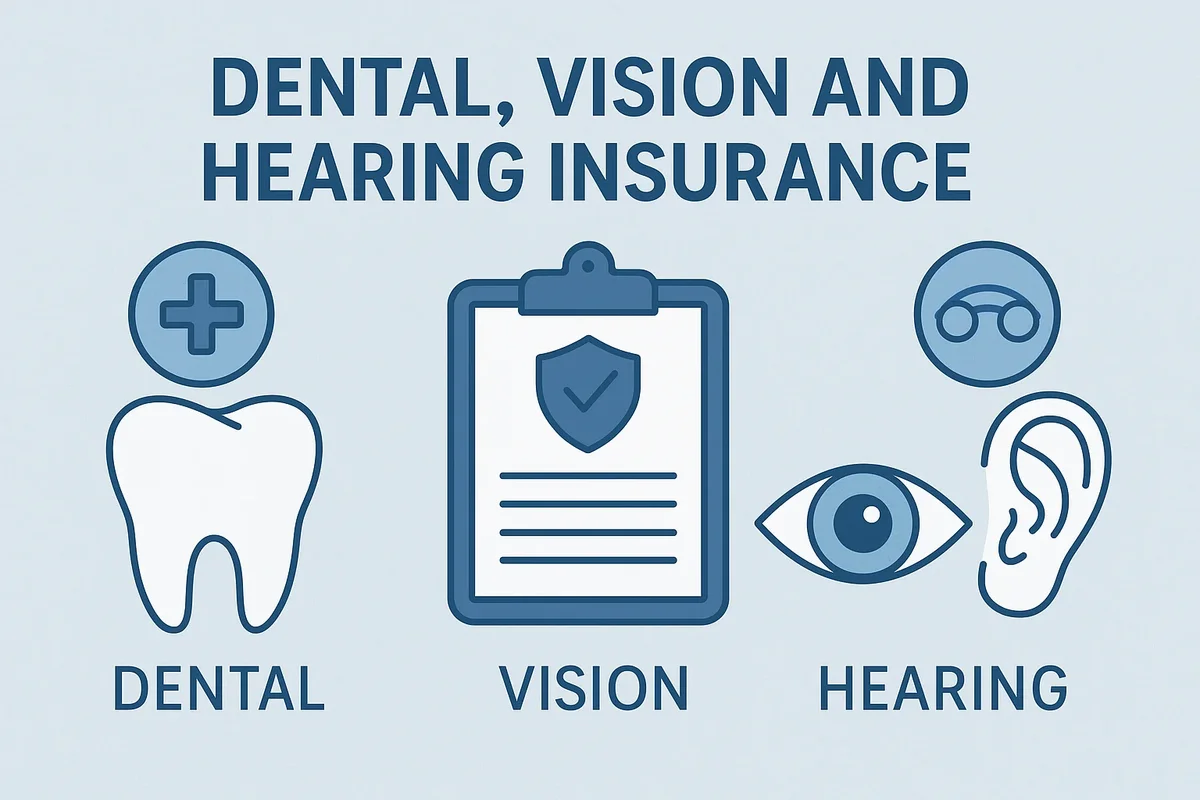
How to Choose the Right Dental Vision and Hearing Insurance Plan
Selecting the right dental vision and hearing insurance plan in 2025 can feel overwhelming due to the wide range of options available. However, by focusing on your health needs, budget, and long-term goals, you can make an informed decision that balances affordability with comprehensive coverage. Whether you’re a single professional, a parent managing family health expenses, or a senior on a fixed income, choosing the right plan can save thousands of dollars while ensuring access to essential care. 🧾✅
Step 1: Assess Your Needs
The first step in choosing the right dental vision and hearing insurance plan is identifying your unique health needs. Families with children may require orthodontic coverage, annual eye exams, and preventive hearing screenings. Seniors may prioritize dentures, cataract exams, and hearing aids. Young adults may only need basic preventive care but still want affordable glasses or contacts. By listing out these needs, you can quickly rule out plans that don’t provide the coverage you’ll use most often.
Step 2: Compare Premiums and Out-of-Pocket Costs
While monthly premiums are important, the true value of a dental vision and hearing insurance plan comes down to how much you’ll spend overall. Compare not only premiums but also deductibles, copays, and annual maximums. For instance, a cheaper plan with a $1,000 dental cap may not be enough if you expect extensive dental work. In contrast, a slightly higher premium might save you more money in the long run by covering major services more generously.
Key costs to evaluate include:
- Monthly premium amounts
- Deductibles for dental, vision, and hearing care
- Copays for exams, procedures, or devices
- Annual maximums or benefit limits
Step 3: Check Provider Networks
Most dental vision and hearing insurance plans rely on provider networks to deliver services at negotiated rates. Before enrolling, check if your preferred dentist, optometrist, or audiologist is included in the network. Out-of-network visits may result in higher costs or no coverage at all. For families in rural areas, ensuring that there are nearby in-network providers is especially important.
Step 4: Understand Coverage Details
Look closely at what each plan covers. Preventive care like dental cleanings, annual eye exams, and hearing screenings are usually included at no cost. However, coverage for major dental procedures, advanced hearing aids, or LASIK eye surgery may vary. Some plans only provide discounts instead of full benefits. A strong dental vision and hearing insurance policy balances preventive, basic, and advanced care so that you’re protected in any situation.
Step 5: Evaluate Waiting Periods
Many plans have waiting periods before certain benefits begin. For example, a plan might cover preventive services immediately but require a 6–12 month wait for crowns, implants, or hearing aids. If you need urgent treatment, make sure you choose a plan with minimal waiting times. Seniors, in particular, should confirm waiting periods to avoid delays in receiving necessary care.
Step 6: Look for Extra Benefits
Some dental vision and hearing insurance plans offer perks beyond standard coverage. These may include discounts on cosmetic dental treatments, allowances for designer eyeglass frames, or coverage for hearing aid batteries. Wellness programs, telehealth consultations, and family-friendly benefits are also becoming common in 2025. While not essential, these extras can add value and improve your overall experience.
Step 7: Consider Employer vs. Private Options
If you have access to employer-sponsored dental vision and hearing insurance, it’s often the most affordable option due to employer contributions. However, private plans may be a better fit for freelancers, retirees, or those needing highly customizable coverage. Weigh the pros and cons of both to determine which provides the best combination of cost and flexibility for your situation.
Step 8: Review Customer Satisfaction and Reputation
Finally, research insurers before committing. Read reviews, check ratings from consumer organizations, and verify that the company has a strong reputation for claims processing and customer service. Even the most affordable dental vision and hearing insurance isn’t worth it if the provider is difficult to work with or denies valid claims.
In conclusion, choosing the right dental vision and hearing insurance plan in 2025 involves balancing cost, coverage, and convenience. By carefully evaluating your health needs, comparing plan features, and considering both short- and long-term expenses, you can select a policy that protects your dental, vision, and hearing health while fitting comfortably within your budget.