
1. What Is Dental Whitening and How Does It Work?
Dental whitening is a popular cosmetic dental procedure designed to lighten the color of teeth and remove stains and discoloration. It’s one of the most requested treatments in modern dentistry due to its ability to enhance smiles quickly and safely 😁. Whether you’re preparing for a special event or simply want to boost your confidence, dental whitening offers a non-invasive solution with visible results.
There are several methods available for dental whitening, including in-office procedures performed by professionals and at-home kits provided by dental clinics. The main goal is to break down stains using whitening agents—usually hydrogen peroxide or carbamide peroxide. These agents penetrate the enamel and oxidize pigment molecules, effectively lightening the tooth’s surface.
Types of Dental Whitening Treatments
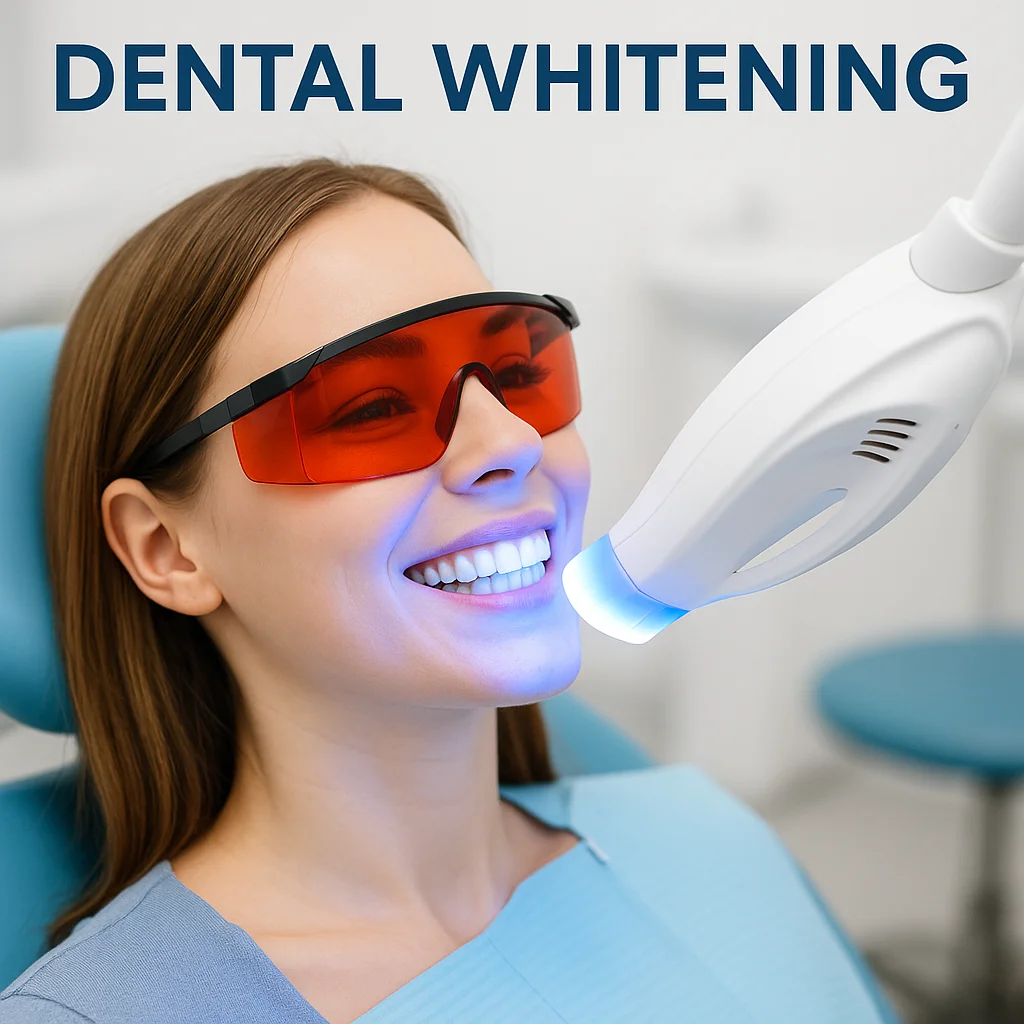
- In-Office Whitening: This professional method involves higher concentrations of whitening agents and typically uses a special light or laser to accelerate the process. Results are often immediate and can lighten teeth several shades in one visit.
- Take-Home Kits: Provided by dentists, these kits include custom trays and professional-grade gel. They’re used over several days for gradual, safe whitening.
- Over-the-Counter Products: These include whitening strips, pens, and toothpaste. While convenient and affordable, they’re generally less effective and slower than professional options.
How the Whitening Process Works
The science behind dental whitening lies in its chemical interaction with tooth enamel. Enamel, although hard, is porous and can absorb pigments from foods and drinks. Common culprits include coffee, tea, red wine, berries, and tobacco. Whitening agents penetrate these pores and react with the molecules causing discoloration. This reaction either dissolves the stains or makes them colorless, resulting in visibly whiter teeth.
Enamel Safety and Whitening
Modern dental whitening treatments are formulated to be enamel-safe when used correctly. Professional supervision is crucial to prevent overuse or misuse, which can lead to tooth sensitivity or gum irritation. Dentists often apply protective barriers during in-office procedures and carefully instruct patients for at-home use.
How Long Does It Take to See Results?
With in-office procedures, patients often notice results in just one session. At-home kits usually require daily use for 1–2 weeks. The degree of whiteness depends on the initial shade of the teeth and the type of stains involved. Extrinsic stains (on the surface) respond more quickly than intrinsic ones (inside the tooth structure).
Who Performs Dental Whitening?
Qualified dentists are the best professionals to perform or supervise dental whitening treatments. Their expertise ensures safe application and minimizes risks. It’s always advisable to consult a dental professional before starting any whitening treatment. You can book a consultation through the Redent Klinik Contact Page for personalized guidance.
Is Dental Whitening Permanent?
Dental whitening results are not permanent but can last for months or even years with proper care. Lifestyle choices such as smoking, poor oral hygiene, and consumption of staining foods can shorten the longevity of results. Maintenance treatments are available and often recommended every 6 to 12 months.
Supporting Organizations
For more information on cosmetic dental procedures, including safety guidelines and innovations in dental whitening, you can refer to the American Dental Association.
Related Terms
Synonyms and related terms for dental whitening include “tooth bleaching” and “cosmetic teeth lightening.” These terms are often used interchangeably, although there may be minor differences in method or concentration of bleaching agents.
In summary, dental whitening is a safe, effective, and accessible method to restore a dazzling smile 🌟. With numerous treatment options, anyone can achieve noticeable improvement—whether through quick in-office sessions or convenient at-home care.
1. What Is Dental Whitening and How Does It Work?
Dental whitening is a popular cosmetic dental procedure designed to lighten the color of teeth and remove stains and discoloration. It’s one of the most requested treatments in modern dentistry due to its ability to enhance smiles quickly and safely 😁. Whether you’re preparing for a special event or simply want to boost your confidence, dental whitening offers a non-invasive solution with visible results.
There are several methods available for dental whitening, including in-office procedures performed by professionals and at-home kits provided by dental clinics. The main goal is to break down stains using whitening agents—usually hydrogen peroxide or carbamide peroxide. These agents penetrate the enamel and oxidize pigment molecules, effectively lightening the tooth’s surface.
Types of Dental Whitening Treatments
- In-Office Whitening: This professional method involves higher concentrations of whitening agents and typically uses a special light or laser to accelerate the process. Results are often immediate and can lighten teeth several shades in one visit.
- Take-Home Kits: Provided by dentists, these kits include custom trays and professional-grade gel. They’re used over several days for gradual, safe whitening.
- Over-the-Counter Products: These include whitening strips, pens, and toothpaste. While convenient and affordable, they’re generally less effective and slower than professional options.
How the Whitening Process Works
The science behind dental whitening lies in its chemical interaction with tooth enamel. Enamel, although hard, is porous and can absorb pigments from foods and drinks. Common culprits include coffee, tea, red wine, berries, and tobacco. Whitening agents penetrate these pores and react with the molecules causing discoloration. This reaction either dissolves the stains or makes them colorless, resulting in visibly whiter teeth.
Enamel Safety and Whitening
Modern dental whitening treatments are formulated to be enamel-safe when used correctly. Professional supervision is crucial to prevent overuse or misuse, which can lead to tooth sensitivity or gum irritation. Dentists often apply protective barriers during in-office procedures and carefully instruct patients for at-home use.
How Long Does It Take to See Results?
With in-office procedures, patients often notice results in just one session. At-home kits usually require daily use for 1–2 weeks. The degree of whiteness depends on the initial shade of the teeth and the type of stains involved. Extrinsic stains (on the surface) respond more quickly than intrinsic ones (inside the tooth structure).
Who Performs Dental Whitening?
Qualified dentists are the best professionals to perform or supervise dental whitening treatments. Their expertise ensures safe application and minimizes risks. It’s always advisable to consult a dental professional before starting any whitening treatment. You can book a consultation through the Redent Klinik Contact Page for personalized guidance.
Is Dental Whitening Permanent?
Dental whitening results are not permanent but can last for months or even years with proper care. Lifestyle choices such as smoking, poor oral hygiene, and consumption of staining foods can shorten the longevity of results. Maintenance treatments are available and often recommended every 6 to 12 months.
Supporting Organizations
For more information on cosmetic dental procedures, including safety guidelines and innovations in dental whitening, you can refer to the American Dental Association.
Related Terms
Synonyms and related terms for dental whitening include “tooth bleaching” and “cosmetic teeth lightening.” These terms are often used interchangeably, although there may be minor differences in method or concentration of bleaching agents.
In summary, dental whitening is a safe, effective, and accessible method to restore a dazzling smile 🌟. With numerous treatment options, anyone can achieve noticeable improvement—whether through quick in-office sessions or convenient at-home care.
2. Top Benefits of Professional Dental Whitening
When it comes to achieving a brighter, more radiant smile, dental whitening performed by a professional offers unparalleled results 🌟. Unlike over-the-counter solutions, in-office whitening treatments are tailored to your individual needs, ensuring both safety and effectiveness. Let’s explore the top benefits of choosing professional dental whitening and why it’s worth the investment.
1. Faster and More Dramatic Results
One of the primary advantages of professional dental whitening is the immediate transformation it offers. In just one session, patients can see their teeth brighten by several shades. This is possible thanks to the use of higher-concentration bleaching agents and advanced light-activation technology used by dental professionals.
2. Customized Treatment Plans
Each smile is unique—and so should be the whitening treatment! Dentists evaluate the current shade of your teeth, the type of staining, and your dental health before customizing a dental whitening plan. This personalized approach ensures better outcomes and minimizes sensitivity.
3. Safe and Supervised Procedure
Safety is crucial in any cosmetic procedure. During professional dental whitening, your dentist applies protective gels or shields to your gums and lips to prevent irritation. The entire process is monitored, making it safer than DIY kits which may be misused or over-applied.
4. Long-Lasting Effects
Another key benefit of professional dental whitening is its longevity. When combined with proper oral hygiene and dietary habits, the results can last for 1 to 3 years. Dentists often provide maintenance options like custom trays or touch-up gels to help preserve the brightness of your smile.
5. Improved Oral Health Perception
White teeth don’t just look beautiful—they also give the impression of health and cleanliness 🦷. Patients often feel more motivated to maintain oral hygiene after professional dental whitening, which indirectly contributes to better overall dental care habits.
6. Boost in Confidence and Self-Esteem
There’s no denying the psychological impact of a bright smile. Many patients report increased self-esteem, more willingness to smile in public, and even better performance in social and professional settings after undergoing dental whitening.
7. Enhanced Professional Image
In careers where personal presentation matters—such as sales, law, public speaking, or media—a bright smile can make a significant difference. Dental whitening helps professionals maintain a polished, confident image that leaves lasting impressions.
8. Stain Removal from Difficult Sources
Certain stains from coffee, red wine, tobacco, and antibiotics like tetracycline are hard to remove with regular brushing. Professional dental whitening is designed to break down even these stubborn stains, giving your teeth a fresh and uniform appearance.
9. Better Value Than Repeated OTC Use
Although professional whitening might cost more upfront, it often delivers better value over time. Many over-the-counter products require frequent repurchase and prolonged use for minimal results. One efficient professional session can outperform months of strips or pastes.
10. Added Dental Care During Visits
While visiting your dentist for dental whitening, other potential dental issues—like cavities, gum disease, or enamel erosion—can be identified early. This dual benefit ensures you leave not only with a brighter smile but also with improved oral health.
Want to Learn More or Schedule an Appointment?
If you’re considering professional dental whitening, don’t hesitate to get in touch with the experts. The Redent Klinik Contact Page is the best place to begin your journey to a whiter, healthier smile.
Expert-Recommended
The American Dental Association recommends consulting with your dentist before any whitening procedure to ensure the treatment is appropriate for your specific needs and conditions.
Related Terms
Other terms closely related to dental whitening include “professional teeth bleaching” and “in-office tooth brightening.” These phrases are often used interchangeably, especially when referring to dentist-supervised procedures.
Ultimately, professional dental whitening is a safe, effective, and fast way to rejuvenate your smile 😃. Whether you’re preparing for a wedding, job interview, or just want to feel more confident in your appearance, this treatment offers results that truly shine.
3. Dental Whitening vs. Over-the-Counter Solutions
When it comes to achieving a whiter smile, consumers often face a crucial decision: should they opt for professional dental whitening or rely on over-the-counter (OTC) products? Both options promise brighter teeth, but their effectiveness, safety, and overall results differ significantly. Understanding these differences can help you make an informed choice that suits your needs and budget 🦷.
Effectiveness: Professional vs. OTC Whitening
One of the biggest advantages of professional dental whitening is its ability to deliver dramatic results in a short period. In-office treatments use high-concentration bleaching agents and sometimes specialized light activation to enhance the whitening effect. Patients often see a noticeable difference in just one session.
On the other hand, over-the-counter products like whitening strips, pens, and toothpastes contain lower concentrations of active ingredients. While they can offer some improvement, the results are typically more subtle and require consistent application over several weeks. For those with deeply stained or discolored teeth, OTC solutions may not be sufficient.
Safety and Supervision
Dental whitening performed in a clinical setting is supervised by a licensed professional, ensuring the procedure is safe and tailored to your oral health condition. Dentists take precautions to protect your gums and enamel, minimizing side effects like sensitivity or irritation.
In contrast, OTC whitening products are used without supervision. If misapplied or overused, they can damage the enamel or cause gum burns. Without a professional’s guidance, users may not recognize whether a product is appropriate for their specific dental situation.
Cost Comparison
Price is often a deciding factor for many patients. OTC products can cost between $20 and $100, making them an attractive option for budget-conscious consumers. However, they often need to be repurchased frequently to maintain results.
Professional dental whitening typically costs more upfront—ranging from $300 to $1,000 depending on the clinic and location. However, the superior and longer-lasting results often make it more cost-effective in the long run. Plus, patients receive a comprehensive dental evaluation as part of the service.
Convenience and Time Commitment
Whitening strips and gels from the drugstore are easy to obtain and can be used at your convenience at home. However, they often require consistent daily application for 1–3 weeks before results are visible.
In contrast, in-office dental whitening can deliver noticeable improvements in just 60 to 90 minutes. If time is a factor and you’re looking for quick transformation—such as before a wedding or event—professional treatment is the ideal choice.
Suitability for Different Types of Stains
OTC solutions are generally best for extrinsic stains caused by coffee, tea, or smoking. They may not be effective against intrinsic stains caused by medication, trauma, or aging.
Professional dental whitening treatments can tackle both types of discoloration. Dentists can also combine whitening with other cosmetic treatments like veneers or bonding to address more severe cases.
Enamel and Gum Health
Using OTC whitening products without assessing your dental health can lead to complications. For instance, applying whitening agents to teeth with cavities or exposed roots can cause pain or further damage. Professional dental whitening begins with a dental check-up to ensure your mouth is healthy and ready for whitening.
Long-Term Results
In general, professional whitening lasts longer than OTC methods. Results from in-office treatments can last 1–3 years, while OTC products may only maintain their effects for a few months unless used repeatedly.
Trusted Sources and Recommendations
The American Dental Association suggests consulting with a dentist before starting any whitening regimen to ensure it’s safe and effective. Clinics like Redent Klinik offer consultations to help patients choose the best whitening method for their needs.
Summary: Which Should You Choose?
If you’re looking for fast, noticeable, and safe results, professional dental whitening is the clear winner. While OTC solutions are budget-friendly and convenient, they simply can’t match the precision and effectiveness of a professionally administered treatment. For long-lasting brightness and peace of mind, trust your smile to the experts 😊.
Related Terms
Alternative terms to explore include “clinical teeth whitening” and “at-home teeth brightening kits.” These phrases are helpful when researching or comparing whitening solutions online.
4. Who Is a Good Candidate for Dental Whitening?
Dental whitening is a widely requested procedure, but it’s not ideal for everyone. While many people can benefit from a brighter smile, others may need alternative treatments depending on their dental health, lifestyle habits, or the type of discoloration they have. In this section, we’ll explore who makes an ideal candidate for dental whitening and who might need to proceed with caution ⚠️.
Ideal Candidates for Dental Whitening
Generally, individuals with healthy teeth and gums, and with mild to moderate extrinsic staining (stains on the outer surface of the teeth), are excellent candidates for dental whitening. These surface stains often result from:
- Drinking coffee, tea, or red wine
- Using tobacco products
- Poor oral hygiene
- Aging and general enamel wear
If your teeth are naturally yellow or have darkened over time due to lifestyle factors, dental whitening can significantly improve their brightness.
Healthy Gums and Enamel Are a Must
Good oral health is a basic requirement for any dental whitening procedure. Individuals with untreated cavities, gum disease, or exposed tooth roots may experience discomfort or sensitivity during the process. Dentists typically recommend treating these issues before performing any whitening treatments to ensure safety and effectiveness.
Types of Tooth Discoloration
There are two primary types of tooth stains: extrinsic and intrinsic. Dental whitening is most effective on extrinsic stains, which are on the enamel surface. These are caused by foods, drinks, and smoking.
Intrinsic stains, which occur inside the tooth due to trauma, medications (like tetracycline), or excessive fluoride during development, are harder to treat. While some professional whitening techniques can help, veneers or bonding may be better alternatives in severe cases.
Age Restrictions
Dental whitening is generally not recommended for children under the age of 16. This is because the nerves in their teeth are larger and more sensitive, increasing the risk of irritation. Teenagers should consult with a dental professional before considering any whitening procedures.
Patients with Restorations
If you have dental restorations like crowns, bridges, veneers, or tooth-colored fillings, be aware that dental whitening products will not affect these materials. Only natural tooth enamel responds to bleaching agents. This could result in uneven coloring unless the restorations are replaced after whitening.
Sensitivity Considerations
People with sensitive teeth may still be candidates for dental whitening, but they should proceed carefully. Dentists can recommend specially formulated whitening gels or perform in-office treatments with desensitizing agents to minimize discomfort.
Pregnant and Nursing Women
Although no direct harm from dental whitening has been documented in pregnancy, most professionals recommend postponing cosmetic dental treatments during pregnancy or breastfeeding as a precaution.
Medical Conditions and Medications
Certain medications and health conditions can affect whether dental whitening is appropriate. For example, patients undergoing chemotherapy or those with autoimmune diseases affecting the mouth should avoid bleaching agents. Always discuss your full medical history with your dentist before proceeding.
Consultation Is Key
The best way to know if you’re a good candidate for dental whitening is to consult with a dental professional. At Redent Klinik, experienced dentists will assess your oral health, tooth condition, and treatment goals before recommending the best whitening strategy for you.
Expert Resources
For more detailed guidance, the American Dental Association provides reliable resources on who can safely undergo dental whitening and how to ensure proper care before and after treatment.
LSI Terms
Terms closely associated with dental whitening candidates include “teeth bleaching eligibility” and “safe teeth whitening conditions.” These can be helpful when researching your options further.
In conclusion, while dental whitening is an excellent solution for many people seeking a brighter smile 😄, a proper dental evaluation is essential. This ensures that the treatment is both safe and effective for your unique dental profile.
5. Side Effects and Risks of Dental Whitening
While dental whitening is widely regarded as a safe and effective cosmetic procedure, it’s not entirely free of side effects. As with any treatment involving chemicals and direct contact with sensitive areas like the mouth, understanding the potential risks and how to minimize them is crucial for a positive experience 😬.
1. Tooth Sensitivity
The most common side effect associated with dental whitening is tooth sensitivity. This usually occurs when the peroxide-based whitening agent penetrates the enamel and reaches the dentin layer, temporarily irritating the nerve endings inside the teeth. Sensitivity can range from mild discomfort to sharp pain when consuming hot, cold, or sweet foods.
Fortunately, this effect is often temporary and can be reduced by using desensitizing toothpaste before and after treatment. Professional in-office procedures also include fluoride or potassium nitrate treatments to ease sensitivity.
2. Gum Irritation
During the dental whitening process, if the whitening gel comes into contact with the gums or other soft tissues, it may cause a burning sensation, redness, or mild inflammation. This typically happens when the product is applied incorrectly, especially with over-the-counter kits.
Professional whitening minimizes this risk by carefully applying the gel and protecting the gum line with a barrier gel or rubber shield. It’s one of the reasons dentist-supervised whitening is safer and more controlled.
3. Uneven Whitening Results
Dental whitening targets natural tooth enamel, so individuals with dental restorations—such as crowns, veneers, or fillings—may notice uneven results. These artificial materials do not respond to whitening agents, resulting in mismatched shades across the smile.
In such cases, your dentist may suggest replacing restorations after whitening for a more uniform appearance.
4. Overuse of Whitening Products
Using dental whitening products too frequently or for longer than recommended can damage the enamel and increase tooth sensitivity. This practice, often referred to as “bleachorexia,” may lead to long-term dental issues such as enamel erosion and tooth brittleness.
Always follow the instructions provided by your dentist or the product manufacturer. More is not always better when it comes to whitening!
5. Allergic Reactions
Although rare, some individuals may experience allergic reactions to the ingredients in whitening gels. Symptoms may include itching, swelling, or burning sensations in the mouth. If you suspect an allergy, discontinue the treatment immediately and consult your dentist.
6. Risk for Patients with Existing Dental Issues
Patients with untreated cavities, gum disease, or worn enamel should avoid dental whitening until these problems are resolved. Bleaching agents can worsen sensitivity or exacerbate existing damage. A full dental evaluation is crucial before starting any whitening regimen.
7. Sensitivity in Exposed Roots
Teeth that have receded gums and exposed roots are more prone to sensitivity, as root surfaces don’t have enamel to protect them. In such cases, special precautions should be taken, and alternative cosmetic treatments might be recommended instead of standard dental whitening.
8. Short-Term Side Effects vs. Long-Term Damage
Most side effects of dental whitening are short-term and reversible. However, improper use of whitening products—especially OTC kits or internet remedies like lemon juice or baking soda—can cause irreversible enamel erosion over time. It’s important to trust scientifically proven and dentist-recommended methods.
Minimizing Risks with Professional Care
At Redent Klinik, professional assessments and protective protocols ensure that dental whitening is done safely. Custom trays, exact dosages, and post-treatment guidance help patients avoid the common pitfalls of at-home treatments.
Educational Resources
The American Dental Association provides safety recommendations for patients considering dental whitening. Their guidelines emphasize the importance of professional supervision and caution against frequent or aggressive bleaching.
LSI & Related Terms
Associated terms include “teeth whitening side effects” and “tooth bleaching safety.” These can provide further reading on the precautions and safety tips for whitening procedures.
In summary, dental whitening is a safe and efficient way to enhance your smile when performed correctly 😄. By working with professionals and understanding the potential side effects, you can enjoy a brighter smile without compromising your oral health.
6. How Long Does Dental Whitening Last?
One of the most frequently asked questions by patients is: “How long does dental whitening actually last?” The answer varies depending on several factors, including the type of whitening treatment used, individual habits, and oral hygiene practices. On average, results from dental whitening can last anywhere from several months to up to three years with proper care 🦷.
Factors That Influence Whitening Longevity
The durability of your dental whitening results depends on both the method chosen and how well you maintain your oral health post-treatment. Here are the key factors:
- Type of Whitening Treatment: In-office professional treatments typically last longer than over-the-counter options due to higher concentrations of bleaching agents.
- Diet and Lifestyle: Frequent consumption of staining substances like coffee, tea, red wine, or tobacco can cause discoloration to return sooner.
- Oral Hygiene: Daily brushing, flossing, and routine dental cleanings help prolong the whitening effect.
- Individual Enamel Structure: Some people’s teeth are naturally more porous and absorb stains more easily, affecting how long dental whitening remains effective.
Expected Lifespan of Different Whitening Methods
Let’s break down how long each whitening method typically lasts:
- In-Office Whitening: Up to 1–3 years with good care
- Take-Home Custom Trays: About 6 months to 1 year
- Whitening Strips & OTC Kits: 2–4 months
It’s important to note that all forms of dental whitening are temporary, and touch-up sessions are often required to maintain the desired brightness ✨.
Tips to Extend Whitening Results
Want to make your bright smile last longer? Follow these simple tips:
- Avoid stain-causing foods and beverages, or rinse your mouth with water right after consumption.
- Quit smoking or using tobacco products, which significantly dull teeth.
- Use a straw when drinking dark liquids like iced coffee or tea to reduce contact with enamel.
- Brush twice daily with whitening toothpaste and floss regularly to prevent plaque buildup.
- Schedule professional cleanings and checkups every 6 months.
Maintenance Whitening
Most dentists recommend touch-up sessions every 6 to 12 months, especially for those who frequently consume staining substances. These sessions are shorter and less intense than the initial dental whitening procedure and help maintain consistent brightness.
Can Results Last a Lifetime?
While no whitening result lasts forever, you can enjoy consistently white teeth with regular maintenance. Think of dental whitening like hair coloring—it’s effective and aesthetic, but it requires care to sustain the look over time. Fortunately, modern dental technology makes touch-ups easier and more affordable than ever.
Professional Advice Matters
Your dentist can help you create a custom maintenance plan based on your lifestyle and enamel type. At Redent Klinik, our specialists evaluate your whitening results and recommend personalized follow-up strategies to maximize their longevity.
What If Stains Return Quickly?
If discoloration returns shortly after treatment, it may be a sign of underlying dental issues such as enamel erosion or poor hygiene. Addressing these issues with your dental professional will improve your results and overall oral health. Remember, dental whitening works best on clean, healthy teeth.
Reliable Sources and Guidelines
The American Dental Association suggests combining whitening procedures with routine dental care for optimal and long-lasting outcomes. Consistency is key!
Related Keywords (LSI)
Other relevant phrases include “teeth whitening duration” and “how long does teeth bleaching last.” These can help you discover more information on maintaining your newly brightened smile.
In conclusion, dental whitening is not permanent—but with proper maintenance, the effects can last for years. By being proactive with oral hygiene, diet, and touch-ups, you can enjoy a confident and shining smile every day 😄.
7. Natural Alternatives for Dental Whitening
Not everyone is ready to jump into professional dental whitening treatments or over-the-counter kits. For those seeking a gentler, more holistic approach, there are several natural methods that may help brighten your smile over time 🌿. While these remedies typically offer slower and subtler results, they can be part of a well-rounded oral care routine and support the effects of professional whitening.
1. Baking Soda and Hydrogen Peroxide
One of the most well-known natural alternatives to dental whitening is a paste made from baking soda and hydrogen peroxide. Baking soda acts as a mild abrasive that helps scrub away surface stains, while hydrogen peroxide is a natural bleaching agent. When used carefully (1–2 times per week), this mixture can gradually lighten teeth.
⚠️ Important: Overuse can lead to enamel erosion or sensitivity, so moderation is key. Always consult your dentist before trying this at home.
2. Oil Pulling with Coconut Oil
Oil pulling is an ancient Ayurvedic practice that involves swishing oil—usually coconut oil—in your mouth for 15–20 minutes daily. While it’s not a substitute for dental whitening, many people report that it helps remove plaque and surface stains, resulting in a cleaner, brighter appearance. Plus, coconut oil has antimicrobial properties that support gum health 🥥.
3. Activated Charcoal
Activated charcoal has become a trendy ingredient in natural oral care products. Its porous structure helps absorb toxins and stain-causing substances. Some natural toothpaste brands include it as a whitening agent. However, the effectiveness of charcoal-based dental whitening is debated, and abrasive particles can be harsh on enamel if used excessively.
4. Apple Cider Vinegar
Apple cider vinegar (ACV) is another popular DIY remedy, thanks to its antibacterial properties. Some believe it can help whiten teeth when diluted and used as a mouth rinse. That said, ACV is highly acidic and can erode enamel if used improperly—making it a risky option for regular dental whitening.
5. Crunchy Fruits and Vegetables
Eating crunchy foods like apples, carrots, and celery not only benefits your overall health but also supports natural teeth cleaning. The fibrous texture helps scrub the teeth gently, removing some surface stains. While this won’t replace dental whitening treatments, it contributes to a whiter appearance over time.
6. Banana Peel Rubbing
Some natural health advocates claim that rubbing the inside of a banana peel on your teeth can help whiten them due to the minerals like potassium and magnesium. While there’s limited scientific evidence to back this up, it’s a harmless method worth trying for those curious about natural dental whitening hacks 🍌.
7. Strawberry and Baking Soda Mix
Strawberries contain malic acid, which is believed to help remove discoloration on teeth. When mashed and mixed with a small amount of baking soda, the paste can act as a natural scrub. Be cautious, though—this method can be acidic and shouldn’t be used frequently.
Things to Avoid in Natural Whitening
Not all natural remedies are safe. Avoid using lemon juice, vinegar, or other highly acidic substances directly on teeth, as they can wear down enamel. Also, steer clear of abrasive household items like salt or rough scrubs that may scratch the tooth surface and do more harm than good.
Do Natural Methods Replace Professional Whitening?
Natural remedies can complement, but not replace, professional dental whitening. Their whitening power is often minimal and works best for maintaining results rather than achieving dramatic changes. For long-term improvement, it’s advisable to combine natural habits with professional advice and treatments.
Get Professional Advice First
Before starting any whitening routine—natural or clinical—consult a dentist to assess your enamel health and suitability. The team at Redent Klinik offers guidance on safe and effective whitening strategies based on your individual needs.
Trusted Information Sources
For more research-backed information, visit the American Dental Association. They offer insights into natural and professional dental whitening methods and their safety considerations.
LSI Keywords
Related terms to consider include “natural teeth whitening” and “home remedies for brighter teeth.” These keywords can help you discover more DIY options and tips.
To sum it up, natural dental whitening alternatives can be effective for mild surface stains and ongoing maintenance. While not as powerful as professional treatments, they offer a gentle and low-cost way to support your journey toward a healthier, whiter smile 😁.
8. Cost of Dental Whitening: What to Expect in 2025
As more people seek brighter smiles, understanding the current pricing for dental whitening in 2025 has become increasingly important. Whether you’re budgeting for a professional in-office treatment or exploring at-home alternatives, the cost of dental whitening can vary widely depending on several factors. Let’s break down what you can expect to pay—and what you’re getting for your money 💸.
In-Office Professional Whitening
Professional dental whitening performed in a dental clinic delivers the most noticeable and longest-lasting results. In 2025, the average cost for an in-office session ranges from $400 to $800 USD per treatment. Some high-end clinics, especially those offering laser-assisted whitening, may charge up to $1,000 depending on the region and treatment method.
This price typically includes:
- A comprehensive oral examination
- Gum and enamel protection
- High-concentration whitening gel application
- One or more 15–20 minute light-activated sessions
While the initial investment is higher, the results can last up to three years with proper care—making professional dental whitening a cost-effective option in the long run.
Take-Home Kits from Dentists
If you prefer the convenience of whitening your teeth at home but want the reliability of a dentist’s guidance, take-home kits from clinics like Redent Klinik are a great option. These typically cost between $200 and $400 and include custom-fitted trays and professional-grade whitening gel.
The process is slower than in-office whitening but still offers excellent results over 1–2 weeks of consistent use.
Over-the-Counter Whitening Products
For those on a tight budget, over-the-counter dental whitening options remain accessible and popular. Here’s a quick price range for common OTC products in 2025:
- Whitening strips: $25–$60
- Whitening pens: $20–$40
- Whitening toothpaste: $5–$15
- LED whitening kits (non-professional): $60–$150
These options are affordable and easy to use, but the results are less dramatic and tend to fade more quickly compared to professional-grade treatments.
Insurance and Coverage
It’s important to note that dental whitening is considered a cosmetic procedure and is typically not covered by dental insurance. However, some dental clinics offer payment plans or bundle whitening as part of promotional packages. Always ask your clinic if any discounts are available.
Cost Comparison by Region
The price of dental whitening can also vary depending on where you live. Here’s a general snapshot of typical costs across different regions:
- United States: $400–$800 per session
- UK: £300–£600 per session
- Europe: €350–€700 depending on country
- Turkey: $150–$300 per session (noted for quality and affordability)
- Australia: $500–$900 AUD per session
Is It Worth the Investment?
Many patients feel that dental whitening is worth the price, especially when it boosts self-esteem and enhances personal appearance. If done professionally, the treatment is safe, quick, and provides long-lasting value when combined with proper aftercare. It’s often described as one of the most cost-effective cosmetic enhancements available 😁.
Long-Term Value of Whitening
Although OTC options are more budget-friendly, they often require repeated use and ongoing purchases. Professional treatments, while costlier upfront, tend to require fewer repeat applications and include expert supervision—making them a better value over time for many patients.
Get a Quote and Plan Ahead
If you’re curious about the cost of dental whitening in your area or abroad, contacting a trusted clinic is the best first step. Redent Klinik offers free consultations and detailed pricing to help you plan the right solution for your needs and budget.
Expert Guidance
For pricing guidance and industry standards, visit the American Dental Association. They offer consumer tools and advice on evaluating treatment costs and comparing different whitening methods.
Related Terms
Other helpful search terms include “teeth whitening cost” and “affordable dental bleaching.” These LSI keywords can help you find budget-conscious options that don’t sacrifice quality.
In conclusion, the cost of dental whitening in 2025 depends on the method you choose, your location, and how long you want the results to last. By understanding the options and working with a professional clinic, you can brighten your smile safely and within your budget ✨.
9. Aftercare Tips to Maintain Your White Smile
You’ve just completed your dental whitening treatment—congratulations! 🎉 But the journey to a radiant smile doesn’t end there. To preserve your investment and keep your teeth shining bright, proper aftercare is essential. In this section, we’ll explore the most effective strategies to extend the life of your dental whitening results and avoid common staining habits.
1. Avoid Stain-Causing Foods and Drinks
In the first 48 hours after a dental whitening session, your teeth are especially vulnerable to staining. This period is often referred to as the “white diet” window. Here’s what to avoid during and beyond that time:
- Dark beverages like coffee, tea, red wine, and cola
- Foods with strong pigments such as berries, tomato sauce, curry, and soy sauce
- Colored candies and popsicles
- Smoking or any tobacco use
If you do consume dark beverages, consider using a straw to limit contact with your teeth.
2. Brush and Floss Regularly
Maintaining excellent oral hygiene is crucial for keeping your smile white. Brush at least twice a day using a whitening toothpaste and floss once daily to remove plaque and prevent new stains from forming. Look for products labeled as safe for post-dental whitening care to avoid abrasive damage to enamel.
3. Rinse After Meals
If brushing isn’t possible after eating, rinsing your mouth with water can help flush out food particles and staining agents. This quick habit goes a long way in supporting your dental whitening results.
4. Use Whitening Toothpaste Wisely
While whitening toothpaste is a good maintenance tool, it should not replace professional cleanings or ongoing oral care. Choose a toothpaste that contains mild abrasives and peroxide, and make sure it’s approved by the American Dental Association.
5. Schedule Routine Cleanings
Regular dental cleanings—ideally every six months—help remove surface stains and plaque buildup. Many dental offices, including Redent Klinik, offer whitening touch-ups as part of a long-term smile care plan. These maintenance sessions are especially helpful for patients who drink staining beverages frequently.
6. Consider Touch-Up Treatments
Depending on your habits and the type of dental whitening treatment you received, a touch-up every 6 to 12 months can keep your teeth looking consistently bright. These sessions are often quicker and less intensive than the initial procedure but are highly effective at reversing minor discoloration.
7. Protect Teeth from Acidic Erosion
Acidic foods and drinks can wear down enamel, making it more susceptible to staining. Limit your intake of citrus fruits, soda, and vinegar-based items. If you consume these, rinse your mouth with water afterward and wait at least 30 minutes before brushing to avoid damaging softened enamel.
8. Quit Smoking
One of the fastest ways to reverse dental whitening results is through smoking. Nicotine and tar quickly yellow teeth and diminish whitening efforts. Quitting not only benefits your smile but also improves your overall health. Many patients notice a visible improvement in their teeth within weeks of quitting smoking 🚭.
9. Stay Hydrated with Water
Drinking water throughout the day not only keeps you hydrated but also helps rinse away bacteria and pigment particles that might stain your teeth. It’s especially effective after meals or snacks.
10. Use a Mouthguard if You Grind Your Teeth
Nighttime grinding (bruxism) can wear down enamel and make teeth more vulnerable to staining. If you grind your teeth, ask your dentist about a custom nightguard. Preserving enamel helps extend the results of your dental whitening treatment and keeps your smile strong and healthy.
Get a Personalized Aftercare Plan
For best results, consult your dentist to create a customized aftercare routine. At Redent Klinik, our experts provide detailed guidance and follow-up plans to ensure long-lasting whitening outcomes based on your lifestyle and oral health.
Explore More Resources
The American Dental Association offers helpful articles and tips on aftercare strategies following dental whitening treatments.
Related LSI Keywords
Synonyms and related searches include “post-whitening care” and “how to maintain white teeth.” These can lead you to more in-depth care guides and product suggestions.
With the right habits and regular dental support, you can maintain your dental whitening results for months or even years ✨. A few small daily practices will keep your smile looking as radiant as the day it was treated 😁.
10. Choosing the Right Clinic for Dental Whitening
Selecting the right clinic for your dental whitening treatment is just as important as the procedure itself. A professional, experienced dental team ensures that the process is safe, effective, and tailored to your unique needs. With so many options available, especially in 2025, it’s crucial to know what to look for when choosing a clinic that specializes in dental whitening 🦷.
1. Verify Qualifications and Credentials
Always ensure that the clinic is licensed and that the dentist performing the dental whitening is certified in cosmetic dentistry. Check whether the clinic is accredited by national or international dental associations. This guarantees that proper protocols and hygiene standards are followed.
2. Look for Specialized Whitening Services
Not all dental offices offer advanced whitening solutions. Choose a clinic that specifically advertises dental whitening as one of their core cosmetic services. This often means they have access to the latest technologies, such as laser-assisted whitening, LED-activated systems, and custom gel formulations for enhanced results.
3. Read Patient Reviews and Testimonials
Online reviews can provide insights into the clinic’s success rate, customer service, and overall patient experience. Look for before-and-after photos and honest feedback on results. If the clinic has consistent, positive testimonials related to dental whitening, it’s a strong indicator of reliability.
4. Evaluate Technology and Equipment
Modern dental whitening involves advanced tools like blue-light LED systems and laser accelerators. Ask whether the clinic uses up-to-date technology, as this can significantly improve both the efficiency and safety of the treatment.
5. Ask About Custom Treatment Plans
No two smiles are alike. A quality clinic will begin your dental whitening process with a consultation, including a shade analysis and oral health assessment. They should then provide a personalized plan based on your enamel sensitivity, current tooth color, and aesthetic goals.
6. Transparency in Pricing
A trustworthy clinic will offer clear pricing and package details upfront. Beware of hidden costs or clinics that push unnecessary add-ons. The cost of dental whitening should be aligned with the treatment method and expected results. Always request a written estimate before committing.
7. Hygiene and Safety Standards
Clean, well-maintained facilities are a must. Ask about the clinic’s sterilization protocols and COVID-19 safety measures. High-quality dental whitening requires not only cosmetic skill but also a strict adherence to hygiene standards.
8. Supportive Aftercare
A reputable clinic won’t just whiten your teeth and send you home. They’ll provide detailed aftercare instructions and follow-up options to ensure your results last. At Redent Klinik, for example, aftercare support is part of the complete whitening package—ensuring your smile stays bright for months to come 😁.
9. Accessibility and Location
Convenience matters. Choose a clinic that’s easy to reach, whether by car, public transportation, or even from overseas if you’re considering dental tourism. Clinics in popular destinations like Turkey offer affordable, high-quality dental whitening that attracts patients from across the globe.
10. Consultation Availability
Before booking your treatment, schedule a consultation to discuss your goals, evaluate your candidacy, and get your questions answered. A good clinic will never pressure you. Instead, they’ll focus on education and honest guidance, helping you make the best decision for your smile.
Global Standards and Recognition
Look for affiliations with recognized organizations like the American Dental Association. Clinics that follow global best practices ensure your dental whitening experience is both safe and effective.
Helpful LSI Keywords
Terms like “best teeth whitening clinic” or “top-rated cosmetic dentist” can help narrow your search for trustworthy providers when researching online.
In conclusion, selecting the right clinic for dental whitening ensures that you get the results you want with minimal risks and maximum satisfaction. Don’t rush the decision—take time to research, ask questions, and prioritize experience and professionalism. Your dream smile is worth it ✨.