
A beautiful smile is one of the most powerful features a person can have. It influences first impressions, boosts confidence, and contributes to overall facial harmony. This is where dentist aesthetics plays a vital role. Modern dentist aesthetics combines advanced dental science with artistic principles to improve the appearance of teeth, gums, and smiles while maintaining optimal oral health. Today, more people than ever are seeking dentist aesthetics treatments to achieve a brighter, more symmetrical, and naturally attractive smile. 😊
The field of dentist aesthetics has evolved significantly over the past decade. Traditional dentistry primarily focused on treating oral diseases and restoring damaged teeth. While these goals remain essential, contemporary dentist aesthetics goes beyond functionality by enhancing the visual appeal of a patient’s smile. Whether someone wants whiter teeth, straighter alignment, improved tooth shape, or a complete smile makeover, dentist aesthetics offers customized solutions tailored to individual needs.
One of the key advantages of dentist aesthetics is its personalized approach. Every smile is unique, and experienced cosmetic dentists carefully evaluate factors such as facial structure, lip position, gum contours, tooth proportions, and skin tone before recommending treatment. This detailed assessment allows dentist aesthetics procedures to create results that look natural rather than artificial. The goal is not simply to create perfect teeth but to design a smile that complements the entire face.
Many people mistakenly believe that dentist aesthetics is only about vanity. In reality, aesthetic dental treatments often provide functional benefits as well. Correcting chipped, cracked, worn, or misaligned teeth can improve chewing efficiency, speech clarity, and long-term oral health. Procedures commonly used in dentist aesthetics frequently address both cosmetic concerns and structural issues simultaneously. As a result, patients often experience improved comfort alongside enhanced appearance.
The popularity of dentist aesthetics has increased due to advances in dental technology. Digital imaging, 3D scanning, computer-aided design systems, and modern dental materials allow practitioners to create highly precise treatment plans. Patients can often preview their future smiles before treatment begins. These innovations have transformed dentist aesthetics into a predictable and patient-centered discipline that delivers exceptional outcomes.
Several treatments fall under the umbrella of dentist aesthetics. Professional teeth whitening remains one of the most requested procedures because it can dramatically brighten a smile with minimal intervention. Porcelain veneers are another popular option, capable of correcting discoloration, gaps, uneven shapes, and minor alignment concerns. Dental crowns, orthodontic treatments, gum contouring, and implant-supported restorations are also important components of modern dentist aesthetics. Each treatment serves a specific purpose and may be used individually or combined as part of a comprehensive smile makeover.
Confidence is one of the most valuable benefits associated with dentist aesthetics. Research consistently shows that people who feel good about their smiles tend to smile more often, communicate more confidently, and experience improved self-esteem. Many patients report positive effects in both personal and professional settings after completing dentist aesthetics treatments. A healthy and attractive smile can influence social interactions, job interviews, presentations, and daily conversations.
Another important aspect of dentist aesthetics is preventive care. Maintaining aesthetic results requires excellent oral hygiene habits, routine dental visits, and appropriate lifestyle choices. Dentists often educate patients about proper brushing techniques, flossing, dietary considerations, and protective measures that help preserve the longevity of aesthetic restorations. This preventive approach ensures that investments in dentist aesthetics continue delivering benefits for many years.
When considering treatment, choosing an experienced provider is essential. A qualified dental professional understands both the scientific and artistic elements involved in dentist aesthetics. Reviewing before-and-after cases, discussing treatment goals, and undergoing a comprehensive consultation can help patients make informed decisions. Individuals interested in learning more about personalized smile enhancement options can visit the Redent Klinik Contact Page to schedule a consultation and explore available treatments.
Patients should also seek information from trusted organizations that promote evidence-based dental care. The American Dental Association provides valuable educational resources regarding oral health, treatment standards, and patient safety. Combining professional guidance with reliable information helps patients confidently navigate the world of dentist aesthetics.
In summary, dentist aesthetics represents the perfect balance between dental health and visual beauty. By utilizing modern technology, advanced materials, and customized treatment planning, dentist aesthetics can transform smiles while preserving natural function. Whether the goal is subtle enhancement or a complete smile makeover, modern dentist aesthetics offers effective solutions that can improve appearance, confidence, and overall quality of life. 🌟
What Is Dentist Aesthetics and Why Is It Important?
In today’s image-conscious world, a healthy and attractive smile is often considered one of the most valuable personal assets. This growing focus on smile appearance has led to increased interest in dentist aesthetics, a specialized area of dentistry dedicated to enhancing the visual appearance of teeth, gums, and overall smile harmony. While traditional dentistry focuses primarily on preventing and treating oral diseases, dentist aesthetics combines clinical expertise with artistic principles to create smiles that look natural, balanced, and attractive.
The concept of dentist aesthetics extends far beyond simple cosmetic improvements. It involves careful evaluation of facial proportions, dental symmetry, tooth color, gum health, lip positioning, and overall facial balance. The ultimate goal of dentist aesthetics is not merely to create white teeth but to design a smile that complements an individual’s unique facial features while maintaining excellent oral health. 😊
The Definition of Dentist Aesthetics
Dentist aesthetics refers to the branch of dental care focused on improving the appearance of a patient’s smile through scientifically proven and clinically safe procedures. These treatments may include teeth whitening, porcelain veneers, dental bonding, orthodontics, dental implants, gum contouring, and complete smile makeover procedures.
Unlike purely cosmetic approaches that focus only on appearance, modern dentist aesthetics prioritizes both beauty and function. A successful treatment plan ensures that teeth not only look attractive but also function properly during chewing, speaking, and daily activities. This balance between aesthetics and functionality is one of the primary reasons why dentist aesthetics has become an essential component of modern dental care.
How Dentist Aesthetics Has Evolved Over Time
Several decades ago, aesthetic dental treatments were limited and often produced unnatural-looking results. Today, technological advancements have transformed dentist aesthetics into a highly sophisticated field. Modern materials closely mimic the appearance of natural enamel, while digital imaging systems allow dentists to design smiles with remarkable precision.
Digital Smile Design technology, 3D scanning, CAD/CAM systems, and high-quality ceramic materials have significantly improved treatment outcomes. As a result, patients can now achieve subtle, natural-looking enhancements that preserve the character of their smile while improving its overall appearance.
The development of these technologies has made dentist aesthetics more accessible, predictable, and personalized than ever before. Patients can often preview potential results before treatment begins, helping them make informed decisions about their smile enhancement journey.
The Relationship Between Beauty and Oral Health
Many people mistakenly assume that dentist aesthetics focuses solely on appearance. In reality, aesthetic improvements often contribute directly to better oral health. Correcting misaligned teeth can make cleaning easier, reducing plaque accumulation and lowering the risk of gum disease. Replacing missing teeth with implants can help maintain jawbone health and facial structure.
Similarly, repairing chipped or damaged teeth through dentist aesthetics treatments can prevent further deterioration and reduce the likelihood of future dental complications. This close connection between appearance and health highlights why aesthetic dentistry should never be viewed as merely cosmetic.
Why Dentist Aesthetics Matters for Self-Confidence
One of the most significant benefits of dentist aesthetics is its impact on confidence and self-esteem. Numerous studies have shown that people who are satisfied with their smiles tend to smile more frequently, engage more confidently in social situations, and feel more positive about their overall appearance.
A smile is often one of the first features people notice during interactions. Individuals who feel embarrassed about stained, crooked, chipped, or missing teeth may avoid smiling, speaking publicly, or participating fully in social activities. Through carefully planned dentist aesthetics treatments, many patients experience a dramatic improvement in their self-confidence and quality of life.
Enhanced confidence can positively influence professional opportunities, personal relationships, and overall emotional well-being. This psychological benefit is one of the primary reasons many individuals seek dentist aesthetics procedures.
Professional Advantages of an Attractive Smile
Research consistently suggests that an attractive smile can influence first impressions in both social and professional settings. While skills and qualifications remain the most important factors in career success, a confident smile can contribute to positive communication and improved interpersonal interactions.
Many professionals choose dentist aesthetics treatments before important career milestones, public presentations, business meetings, or networking events. Feeling comfortable with one’s smile often leads to more natural communication and greater confidence during professional interactions.
Who Can Benefit from Dentist Aesthetics?
Virtually anyone seeking to improve the appearance of their smile may benefit from dentist aesthetics. Common concerns addressed through aesthetic dental treatments include:
- Discolored or stained teeth
- Chipped or cracked teeth
- Uneven tooth shapes
- Small gaps between teeth
- Mild to moderate alignment issues
- Missing teeth
- Excessive gum visibility when smiling
- Worn teeth caused by aging or grinding
Because every smile is unique, successful dentist aesthetics treatment begins with a comprehensive consultation. During this process, dentists evaluate oral health, facial structure, smile characteristics, and patient goals to develop a customized treatment plan.
The Future of Dentist Aesthetics
The future of dentist aesthetics continues to evolve through advancements in digital technology, minimally invasive procedures, and biomimetic dental materials. Modern treatments increasingly focus on preserving natural tooth structure while achieving outstanding aesthetic outcomes.
Artificial intelligence, enhanced digital smile simulations, and next-generation ceramic restorations are expected to further improve the precision and predictability of dentist aesthetics procedures in the coming years. These innovations will help patients achieve healthier, more beautiful smiles with greater comfort and efficiency.
Ultimately, dentist aesthetics is important because it combines science, health, and artistry into a comprehensive approach to smile enhancement. By addressing both functional and cosmetic concerns, dentist aesthetics empowers individuals to enjoy improved oral health, increased confidence, and a smile that reflects their best self. ✨
Key Treatments Used in Dentist Aesthetics
Modern dentist aesthetics encompasses a wide range of treatments designed to improve the appearance, balance, and harmony of a patient’s smile. The goal of dentist aesthetics is not simply to create visually appealing teeth but to achieve a natural-looking result that complements the patient’s facial features while maintaining excellent oral function. Thanks to advances in dental technology, today’s treatments are more precise, comfortable, and predictable than ever before. Patients seeking dentist aesthetics solutions can choose from several procedures depending on their unique needs, expectations, and oral health conditions. 😊
One of the reasons dentist aesthetics has become increasingly popular is the ability to customize treatments. Some patients may require only a simple whitening procedure, while others may benefit from a comprehensive smile makeover that combines multiple treatments. Understanding the most common procedures used in dentist aesthetics helps patients make informed decisions about achieving their ideal smile.
Professional Teeth Whitening
Professional teeth whitening remains one of the most requested procedures in dentist aesthetics. Over time, teeth can become stained due to coffee, tea, red wine, tobacco use, aging, and certain medications. These stains can make even healthy teeth appear dull or unattractive.
Unlike over-the-counter products, professional whitening treatments used in dentist aesthetics provide faster, safer, and more noticeable results. Dentists use carefully controlled whitening agents that effectively remove deep stains while minimizing sensitivity. Many patients experience significantly brighter smiles after a single treatment session.
Benefits of Professional Whitening
- Quick and visible results
- Improved smile brightness
- Safe application under professional supervision
- Custom treatment based on tooth condition
- Enhanced confidence and appearance
For patients seeking a minimally invasive introduction to dentist aesthetics, professional whitening is often an excellent starting point.
Porcelain Veneers
Porcelain veneers are among the most transformative treatments available in dentist aesthetics. Veneers are thin ceramic shells that are bonded to the front surfaces of teeth to improve their color, shape, size, and alignment.
Many celebrities and public figures have achieved their signature smiles through veneer treatment. In modern dentist aesthetics, veneers are frequently used to address multiple cosmetic concerns simultaneously, including discoloration, minor crowding, gaps, chipped teeth, and irregular tooth shapes.
High-quality porcelain closely resembles natural tooth enamel, allowing veneers to blend seamlessly with surrounding teeth. When properly designed and placed, they create highly natural results that are difficult to distinguish from natural teeth.
Ideal Candidates for Veneers
- Patients with severe tooth discoloration
- Individuals with chipped or worn teeth
- People with minor spacing issues
- Patients seeking complete smile enhancement
Dental Bonding
Dental bonding is another valuable procedure in dentist aesthetics. During this treatment, tooth-colored composite resin is applied and sculpted directly onto the tooth surface. Bonding can correct small imperfections such as chips, cracks, gaps, and minor shape irregularities.
One of the primary advantages of bonding within dentist aesthetics is its conservative nature. In many cases, little or no natural tooth structure needs to be removed. The procedure is often completed in a single appointment, making it a convenient option for suitable candidates.
Orthodontic Treatments for Smile Alignment
Straight teeth play a crucial role in successful dentist aesthetics. Orthodontic treatments such as clear aligners and modern braces help improve tooth positioning, bite function, and overall smile symmetry.
Many adults who previously avoided orthodontic treatment now choose clear aligner systems because they are discreet and comfortable. These systems gradually move teeth into their ideal positions while maintaining a natural appearance throughout treatment.
Within the field of dentist aesthetics, properly aligned teeth often provide a foundation for other cosmetic procedures and can significantly improve both appearance and oral health.
Aesthetic Benefits of Orthodontics
- Improved smile symmetry
- Better tooth alignment
- Enhanced facial balance
- Easier oral hygiene maintenance
- Improved bite function
Dental Implants for Missing Teeth
Missing teeth can negatively affect both appearance and oral function. Dental implants have become one of the most important treatments in modern dentist aesthetics because they provide a permanent and natural-looking solution for tooth replacement.
Implants consist of titanium posts placed into the jawbone, where they integrate with the surrounding bone tissue. A custom crown is then attached to create a restoration that closely resembles a natural tooth.
Unlike removable dentures, implants help preserve jawbone structure and facial contours. For this reason, dental implants play a critical role in comprehensive dentist aesthetics treatment plans.
Gum Contouring and Soft Tissue Enhancement
The appearance of the gums is just as important as the appearance of the teeth in dentist aesthetics. Uneven gum lines or excessive gum display can make teeth appear short, asymmetrical, or disproportionate.
Gum contouring procedures reshape gum tissue to create a more balanced and attractive smile. Modern laser technology allows dentists to perform many soft tissue procedures with exceptional precision and minimal discomfort.
By improving gum symmetry, dentist aesthetics treatments can dramatically enhance overall smile proportions without altering the teeth themselves.
Smile Makeovers: Combining Multiple Treatments
Some patients require a combination of procedures to achieve their desired results. A smile makeover represents one of the most comprehensive approaches in dentist aesthetics. These personalized treatment plans may combine whitening, veneers, implants, orthodontics, bonding, and gum contouring to create a complete transformation.
The planning process often involves digital imaging, facial analysis, and detailed consultations. This allows dentists to design highly customized solutions that reflect each patient’s goals and facial characteristics.
Why Personalized Treatment Matters
No two smiles are identical. Successful dentist aesthetics depends on understanding individual anatomy, lifestyle factors, oral health status, and aesthetic preferences. A personalized treatment plan ensures that the final result looks natural, functions properly, and supports long-term oral health.
Ultimately, the wide range of treatments available in dentist aesthetics allows patients to address virtually any cosmetic dental concern. Whether the goal is brighter teeth, improved alignment, replacement of missing teeth, or a complete smile makeover, modern dentist aesthetics provides effective solutions that combine beauty, health, and functionality. Through careful planning and advanced techniques, these treatments can create lasting improvements that enhance confidence, appearance, and overall quality of life. ✨
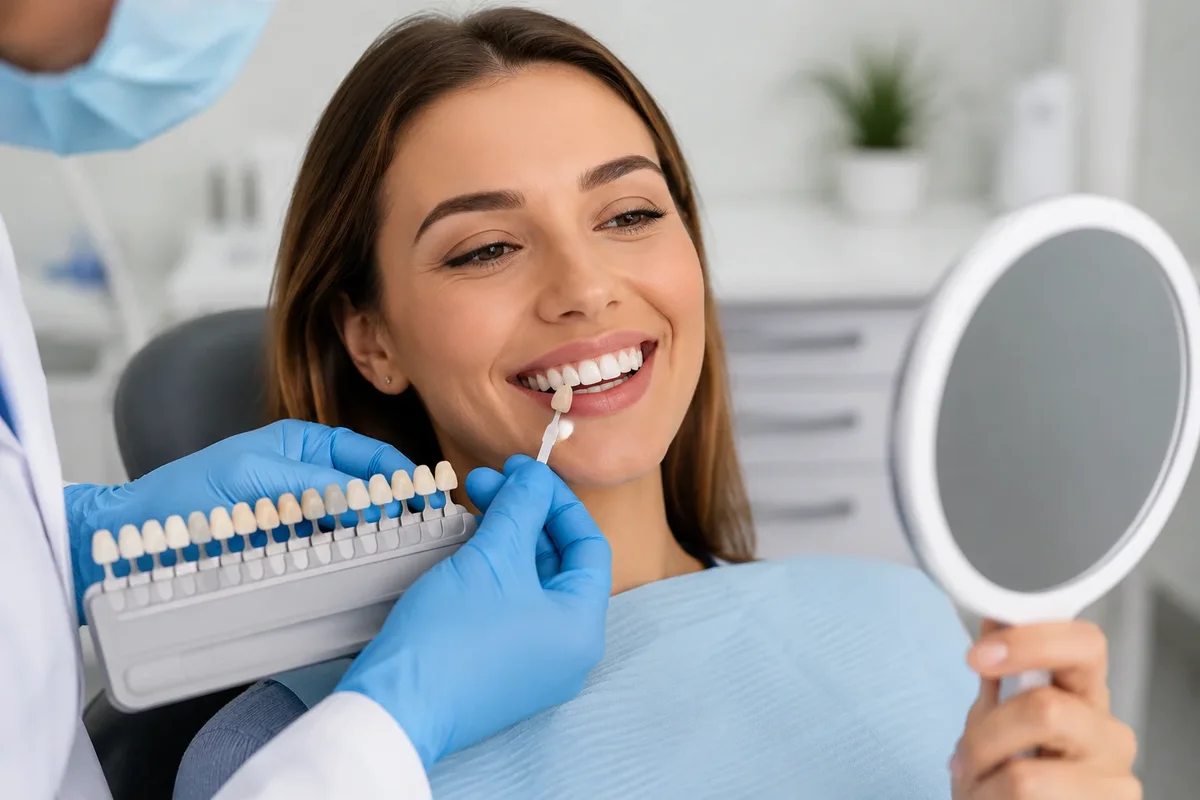
How Dentist Aesthetics Improves Smile Confidence
A confident smile can have a remarkable impact on nearly every aspect of life. From social interactions and professional opportunities to personal relationships and self-esteem, the way people feel about their smiles often influences how they present themselves to the world. This is one of the primary reasons why dentist aesthetics has become increasingly important in modern dental care. Beyond improving the appearance of teeth, dentist aesthetics helps individuals develop greater confidence, comfort, and satisfaction with their overall appearance.
Many people live with concerns about stained, crooked, chipped, worn, or missing teeth. These concerns can create self-consciousness that affects daily interactions. Through carefully planned treatments, dentist aesthetics addresses these issues and helps patients feel more comfortable smiling, speaking, laughing, and engaging with others. The emotional benefits of dentist aesthetics often extend far beyond the physical improvements visible in the mirror. 😊
The Psychological Connection Between Smiles and Confidence
A smile is one of the most noticeable facial features during communication. People naturally focus on facial expressions when forming impressions, and smiling plays a major role in how individuals are perceived. When someone feels unhappy with their smile, they may consciously or unconsciously avoid smiling in photographs, social gatherings, workplace interactions, or public speaking situations.
This is where dentist aesthetics can make a significant difference. By correcting visible dental imperfections, patients often experience a renewed sense of confidence. The improvements achieved through dentist aesthetics can reduce anxiety related to appearance and encourage more open, positive social interactions.
Research in psychology has shown that smiling itself can contribute to improved mood and emotional well-being. When individuals feel comfortable showing their teeth, they are more likely to smile naturally throughout the day. As a result, dentist aesthetics may indirectly support both emotional health and social confidence.
Common Confidence Challenges Related to Smile Appearance
- Fear of smiling in photographs
- Embarrassment during conversations
- Avoidance of public speaking
- Reduced self-esteem due to visible dental flaws
- Social anxiety caused by tooth discoloration or missing teeth
- Reluctance to participate in professional networking events
Many of these concerns can be effectively addressed through personalized dentist aesthetics treatment plans.
How Dentist Aesthetics Enhances Social Interactions
Social confidence is closely linked to smile satisfaction. Individuals who feel proud of their smiles are often more willing to engage in conversations, laugh freely, and participate in social activities. Treatments within dentist aesthetics can improve the appearance of the smile while helping patients feel more comfortable expressing themselves.
Whether through teeth whitening, veneers, orthodontic treatment, or dental implants, dentist aesthetics creates positive changes that can improve social experiences. Many patients report feeling less self-conscious after treatment and notice that they interact more naturally with friends, family members, and colleagues.
Because smiles are universally associated with friendliness and approachability, the improvements achieved through dentist aesthetics often have a positive effect on interpersonal relationships.
Professional Benefits of an Attractive Smile
Confidence in professional environments can be influenced by many factors, including communication skills, experience, and appearance. While professional success depends primarily on knowledge and performance, a confident smile can contribute positively to workplace interactions.
Many professionals seek dentist aesthetics treatments before important presentations, interviews, conferences, or client meetings. Feeling confident about one’s appearance can reduce self-consciousness and improve overall communication.
Modern dentist aesthetics procedures help individuals present themselves more confidently in professional settings by improving smile symmetry, brightness, and overall appearance. This increased confidence often translates into stronger interpersonal communication and greater comfort during face-to-face interactions.
Career Situations Where Smile Confidence Matters
- Job interviews
- Business presentations
- Sales meetings
- Leadership positions
- Networking events
- Customer-facing roles
Although qualifications remain the most important factor in career success, dentist aesthetics can help individuals feel more confident when representing themselves professionally.
The Role of Dentist Aesthetics in Self-Esteem
Self-esteem is closely connected to personal appearance. While confidence should not depend entirely on physical characteristics, many individuals feel more positive about themselves when they are satisfied with their smiles. Dentist aesthetics allows patients to address long-standing concerns that may have affected their confidence for years.
For example, someone who has hidden their smile due to severe discoloration may feel liberated after professional whitening treatment. Similarly, a patient who has struggled with missing teeth may experience a dramatic improvement in self-image following implant placement. These transformations highlight the powerful relationship between dentist aesthetics and emotional well-being.
One of the most rewarding aspects of dentist aesthetics is that the benefits often extend beyond appearance. Patients frequently describe feeling younger, more energetic, and more willing to engage in new experiences after completing treatment.
Smile Confidence and Long-Term Quality of Life
The impact of dentist aesthetics often continues long after treatment is completed. A healthier and more attractive smile can encourage better oral hygiene habits, regular dental visits, and greater awareness of overall health. Patients who invest in their smiles frequently become more motivated to maintain their results.
Additionally, the confidence gained through dentist aesthetics can positively influence many aspects of daily life, including personal relationships, social participation, and emotional well-being. Feeling comfortable smiling openly can create opportunities for more meaningful interactions and a greater sense of self-assurance.
Why Confidence Is One of the Most Valuable Results
While aesthetic improvements are immediately visible, confidence is often the most meaningful outcome of dentist aesthetics. The ability to smile without hesitation, speak comfortably, and interact with others confidently can have lasting effects on overall happiness and life satisfaction.
Ultimately, dentist aesthetics is about much more than creating attractive teeth. It is about helping individuals feel comfortable, confident, and proud of their smiles. Through personalized treatment plans, modern technology, and a focus on both beauty and function, dentist aesthetics empowers people to improve not only their appearance but also their self-esteem, social experiences, and overall quality of life. A confident smile truly has the power to transform how people see themselves and how they engage with the world around them. ✨
Teeth Whitening and Its Role in Dentist Aesthetics
Among all procedures available in modern dentist aesthetics, teeth whitening remains one of the most popular and widely requested treatments. A brighter smile is often associated with youthfulness, health, cleanliness, and confidence. Because tooth discoloration can significantly affect smile appearance, whitening procedures play a major role in helping patients achieve their aesthetic goals. In many cases, teeth whitening serves as the first step in a comprehensive dentist aesthetics treatment plan, providing noticeable improvements with minimal intervention. 😊
The importance of teeth whitening within dentist aesthetics lies in its ability to enhance the overall appearance of a smile quickly and effectively. Even individuals with healthy, properly aligned teeth may feel dissatisfied if their teeth appear yellow, stained, or dull. Professional whitening treatments can dramatically improve brightness, creating a fresher and more attractive smile while preserving natural tooth structure.
Why Teeth Become Discolored
Understanding the causes of discoloration helps explain why whitening is such an essential component of dentist aesthetics. Tooth color can change over time due to both external and internal factors.
Extrinsic stains develop on the outer surface of the teeth and are commonly caused by:
- Coffee consumption
- Tea consumption
- Red wine
- Tobacco use
- Dark-colored foods
- Poor oral hygiene habits
Intrinsic discoloration occurs within the tooth structure itself and may result from aging, certain medications, trauma, excessive fluoride exposure, or developmental conditions. In many cases, dentist aesthetics professionals evaluate the type of discoloration before recommending the most appropriate whitening approach.
Because different stains respond differently to treatment, a personalized assessment is an important part of successful dentist aesthetics planning.
The Impact of Tooth Color on Smile Appearance
Tooth color significantly influences how a smile is perceived. Even minor discoloration can make teeth appear older or less healthy than they actually are. In contrast, brighter teeth often create the impression of vitality and good oral hygiene.
Within the field of dentist aesthetics, color harmony is considered one of the most important factors affecting smile attractiveness. Dentists carefully evaluate tooth shade, facial features, age, and skin tone to achieve natural-looking whitening results that complement the patient’s overall appearance.
Professional Whitening vs. Over-the-Counter Products
Many whitening products are available in pharmacies and online stores. However, professional treatments remain the gold standard in dentist aesthetics because they provide superior safety, effectiveness, and predictability.
Over-the-counter products typically contain lower concentrations of whitening agents and may not address deeper stains effectively. In contrast, professional whitening systems used in dentist aesthetics are administered under dental supervision and are customized to each patient’s needs.
Professional treatments often produce faster and more dramatic results while reducing the risk of gum irritation and uneven whitening. Dentists can also monitor tooth sensitivity and adjust treatment protocols when necessary.
Advantages of Professional Whitening
- Faster visible results
- Customized treatment plans
- Greater stain removal effectiveness
- Enhanced safety and supervision
- More uniform whitening outcomes
- Reduced risk of complications
These benefits explain why professional whitening remains one of the most frequently recommended procedures in dentist aesthetics.
In-Office Teeth Whitening Procedures
In-office whitening treatments represent one of the most effective approaches in modern dentist aesthetics. During these procedures, highly concentrated whitening gels are carefully applied to the teeth. Some systems may utilize specialized light technology to accelerate the whitening process.
Many patients experience noticeable improvements after a single appointment. Depending on the degree of discoloration, teeth may become several shades brighter within one visit.
The popularity of in-office whitening within dentist aesthetics stems from its convenience and ability to deliver immediate results. This makes it particularly appealing for patients preparing for weddings, professional events, vacations, or special occasions.
Take-Home Whitening Systems
Custom take-home whitening kits are another valuable option in dentist aesthetics. These systems use professionally designed trays that fit precisely over the teeth. Patients apply whitening gel according to instructions provided by their dentist.
Although results develop more gradually compared to in-office treatments, take-home systems offer flexibility and convenience. Many dentist aesthetics specialists recommend combining in-office and take-home approaches to maximize and maintain whitening results.
Who Is a Good Candidate for Whitening?
Most adults with healthy teeth and gums are suitable candidates for whitening procedures. However, not every type of discoloration responds equally well to treatment. Before recommending whitening as part of a dentist aesthetics plan, dentists evaluate several factors, including:
- Current tooth shade
- Type of staining present
- Existing dental restorations
- Overall oral health
- Patient expectations
Patients with untreated cavities or gum disease may require preliminary treatment before proceeding with whitening procedures.
Maintaining Whitening Results
Long-term success in dentist aesthetics depends not only on achieving excellent results but also on maintaining them. Patients can extend the longevity of whitening outcomes through proper oral hygiene and healthy lifestyle habits.
Recommended maintenance strategies include:
- Brushing twice daily
- Flossing regularly
- Limiting stain-causing beverages
- Avoiding tobacco products
- Scheduling routine dental cleanings
- Using dentist-recommended maintenance products
Regular follow-up appointments allow dentist aesthetics professionals to monitor results and recommend touch-up treatments when necessary.
The Role of Whitening in Comprehensive Smile Makeovers
Teeth whitening often serves as a foundation for more advanced dentist aesthetics procedures. Dentists frequently perform whitening before placing veneers, crowns, or bonding restorations to ensure color consistency throughout the smile.
This strategic approach helps create harmonious and natural-looking results while maximizing the effectiveness of subsequent treatments.
Ultimately, teeth whitening remains one of the most valuable and accessible procedures in dentist aesthetics. By enhancing tooth color, improving smile brightness, and boosting self-confidence, whitening treatments provide benefits that extend far beyond appearance alone. Whether performed as a standalone procedure or as part of a complete smile makeover, professional whitening continues to play a central role in helping patients achieve healthier, brighter, and more attractive smiles through modern dentist aesthetics. ✨
Dental Veneers for Natural-Looking Smile Transformations
Among the most transformative procedures available in modern dentist aesthetics, dental veneers have earned a reputation as one of the most effective solutions for creating beautiful, natural-looking smiles. Veneers are thin, custom-made shells typically crafted from porcelain or advanced ceramic materials that are bonded to the front surfaces of teeth. They are specifically designed to improve the appearance of teeth affected by discoloration, minor misalignment, uneven shapes, chips, cracks, or gaps. Because veneers can address multiple cosmetic concerns simultaneously, they have become a cornerstone treatment in contemporary dentist aesthetics. 😊
The popularity of veneers within dentist aesthetics continues to grow because they offer a unique combination of durability, aesthetics, and customization. Unlike temporary cosmetic solutions, veneers provide long-lasting improvements that can dramatically enhance smile appearance while maintaining a natural look. When designed and placed by experienced professionals, veneers blend seamlessly with surrounding teeth and are virtually indistinguishable from natural enamel.
What Are Dental Veneers?
Dental veneers are ultra-thin restorations that cover the visible front surfaces of teeth. Their primary purpose within dentist aesthetics is to improve the shape, color, size, and overall harmony of a smile. Each veneer is individually crafted to match the patient’s facial features, smile line, and aesthetic goals.
Modern veneer materials used in dentist aesthetics are highly advanced. Porcelain veneers are especially valued because they reflect light similarly to natural enamel, creating realistic results. Additionally, porcelain resists staining more effectively than many alternative materials, helping patients maintain bright smiles for years.
The ability to customize every aspect of a veneer restoration makes this treatment one of the most versatile options available in dentist aesthetics.
Common Cosmetic Issues Veneers Can Correct
- Severe tooth discoloration
- Chipped or cracked teeth
- Worn tooth surfaces
- Small gaps between teeth
- Irregular tooth shapes
- Mild alignment concerns
- Uneven smile proportions
Because veneers address multiple concerns simultaneously, they are frequently recommended as part of comprehensive dentist aesthetics treatment plans.
The Veneer Consultation and Planning Process
Successful veneer treatment begins with detailed planning. One of the defining characteristics of modern dentist aesthetics is the emphasis on personalization. Dentists carefully analyze facial symmetry, lip position, gum contours, tooth proportions, and smile dynamics before designing veneers.
During the consultation process, patients discuss their expectations, preferred smile characteristics, and aesthetic goals. Digital photography, intraoral scanning, and smile design software are often used to create highly accurate treatment plans.
Advanced digital technologies have significantly improved predictability within dentist aesthetics. In many cases, patients can preview potential outcomes before treatment begins, allowing adjustments to be made prior to veneer fabrication.
Why Smile Design Matters
One of the biggest misconceptions about veneers is that all smiles should look identical. In reality, effective dentist aesthetics focuses on creating smiles that complement each individual’s unique facial features.
Factors considered during veneer design include:
- Face shape
- Gender characteristics
- Age-related smile dynamics
- Lip support
- Tooth proportions
- Gum visibility
- Natural smile curvature
These details ensure that veneers enhance rather than overpower the natural appearance of the smile.
The Veneer Placement Procedure
Once the treatment plan has been finalized, preparation for veneer placement begins. In many cases, a minimal amount of enamel is gently removed from the front surface of the teeth to create space for the veneers. This conservative approach helps maintain natural tooth structure while allowing optimal aesthetic results.
After preparation, impressions or digital scans are taken and sent to a dental laboratory where skilled technicians fabricate the veneers according to precise specifications. Temporary restorations may be placed while the final veneers are being created.
When the veneers are ready, they are carefully bonded to the teeth using specialized dental adhesives. This stage is particularly important in dentist aesthetics because proper placement affects both appearance and longevity.
Advantages of Veneers in Dentist Aesthetics
Dental veneers offer numerous benefits that explain their popularity in modern dentist aesthetics. Unlike some cosmetic procedures that address only one concern, veneers can transform multiple aspects of a smile simultaneously.
Key Benefits Include:
- Natural-looking appearance
- Long-lasting durability
- Excellent stain resistance
- Customized smile design
- Improved tooth symmetry
- Enhanced confidence
- Minimal maintenance requirements
Because of these advantages, veneers remain one of the most requested procedures in comprehensive dentist aesthetics treatments worldwide.
How Long Do Veneers Last?
With proper care, porcelain veneers can often last between 10 and 15 years or longer. Longevity depends on several factors, including oral hygiene habits, bite forces, lifestyle choices, and regular dental maintenance.
Patients who invest in dentist aesthetics treatments are typically encouraged to protect their veneers by avoiding habits such as biting hard objects, using teeth as tools, or neglecting routine dental care.
Regular checkups allow dentists to monitor the condition of veneers and address any concerns before they become significant problems.
Maintaining Veneer Results
Maintaining results is an essential aspect of successful dentist aesthetics. Recommended care practices include:
- Brushing twice daily
- Flossing regularly
- Using non-abrasive toothpaste
- Attending routine dental visits
- Wearing a night guard if recommended
- Avoiding excessive biting forces
These habits help preserve both the appearance and functionality of veneer restorations.
Who Is a Good Candidate for Veneers?
Many patients seeking smile enhancement are excellent candidates for veneers. However, successful treatment requires healthy gums, sufficient enamel, and realistic expectations. Dentists evaluate oral health conditions carefully before recommending veneers as part of a dentist aesthetics plan.
For individuals with significant structural damage, severe bite problems, or untreated dental disease, preliminary treatment may be necessary before veneer placement can proceed.
Ultimately, dental veneers represent one of the most powerful tools available in modern dentist aesthetics. By combining advanced materials, artistic design principles, and personalized treatment planning, veneers can create dramatic yet natural-looking smile transformations. Whether correcting discoloration, reshaping teeth, closing gaps, or enhancing overall smile harmony, veneers continue to play a central role in helping patients achieve beautiful, confident smiles through comprehensive dentist aesthetics. ✨
Dental Implants and Aesthetic Tooth Replacement Solutions
Missing teeth can significantly affect both oral health and smile appearance. Beyond creating visible gaps, tooth loss can alter facial proportions, impact chewing ability, affect speech, and reduce self-confidence. In modern dentist aesthetics, dental implants have become the gold standard for replacing missing teeth because they provide exceptional functionality while delivering highly natural-looking results. By restoring both the appearance and function of lost teeth, implants play a central role in comprehensive dentist aesthetics treatment plans. 😊
The goal of dentist aesthetics is not only to improve the visual appearance of a smile but also to maintain harmony between the teeth, gums, jawbone, and facial structures. Dental implants achieve this objective remarkably well because they replace the entire tooth structure, including the root. Unlike traditional removable solutions, implants provide stability, durability, and aesthetics that closely mimic natural teeth.
What Are Dental Implants?
Dental implants are artificial tooth roots, typically made from biocompatible titanium, that are surgically placed into the jawbone. Once integrated with the surrounding bone through a process known as osseointegration, implants provide a strong foundation for crowns, bridges, or full-arch restorations.
Within the field of dentist aesthetics, implants are highly valued because they replace missing teeth without compromising adjacent healthy teeth. This makes them one of the most conservative and effective long-term tooth replacement options available.
A complete implant restoration generally consists of three main components:
- The implant fixture placed within the jawbone
- The abutment connecting the implant to the restoration
- The custom-made crown that resembles a natural tooth
When carefully planned and executed, implant restorations become virtually indistinguishable from natural teeth, making them an essential component of advanced dentist aesthetics.
Why Missing Teeth Affect Smile Appearance
Tooth loss creates more than just visible spaces. Over time, surrounding teeth may shift into the empty area, causing misalignment and bite problems. Additionally, the jawbone beneath the missing tooth begins to shrink due to lack of stimulation.
These changes can negatively affect facial appearance, creating a sunken or aged look. One of the reasons dental implants are so important in dentist aesthetics is their ability to preserve bone volume and support natural facial contours.
The Aesthetic Benefits of Dental Implants
The primary objective of implant treatment within dentist aesthetics is to restore a smile that looks completely natural. Modern implant dentistry uses advanced imaging technology, digital planning systems, and highly aesthetic restorative materials to achieve exceptional results.
Unlike removable dentures, implants are fixed securely in place and do not move during speaking or eating. This stability contributes to both confidence and appearance. Patients often report that implant-supported restorations feel and function very similarly to their natural teeth.
Several aesthetic benefits make implants a cornerstone of dentist aesthetics:
- Natural-looking tooth replacement
- Preservation of facial structure
- Maintenance of jawbone volume
- Improved smile symmetry
- Enhanced confidence during social interactions
- Long-lasting aesthetic outcomes
Because of these advantages, dental implants are frequently recommended for patients seeking comprehensive smile rehabilitation through dentist aesthetics.
Single-Tooth Implants
When only one tooth is missing, a single implant can often provide the ideal solution. In modern dentist aesthetics, single-tooth implants are designed to blend seamlessly with surrounding teeth in terms of shape, color, translucency, and gum contour.
Digital smile planning allows dentists to precisely position implants for optimal aesthetic outcomes. Careful placement is particularly important in the front teeth region, where even small discrepancies can affect smile appearance.
A well-executed single implant restoration often becomes impossible to distinguish from neighboring natural teeth.
Replacing Multiple Missing Teeth
Patients missing several teeth may benefit from implant-supported bridges or implant-retained prostheses. These solutions provide excellent stability while maintaining the aesthetic principles of dentist aesthetics.
Unlike traditional bridges that require preparation of adjacent teeth, implant-supported restorations preserve healthy tooth structure. This conservative approach aligns with the modern philosophy of dentist aesthetics, which prioritizes long-term oral health alongside cosmetic improvement.
Full-Arch Implant Solutions
For patients who have lost most or all of their teeth, full-arch implant restorations offer life-changing benefits. Techniques such as All-on-4 and All-on-6 treatment concepts have transformed the field of dentist aesthetics by providing stable, natural-looking alternatives to removable dentures.
These treatments utilize strategically positioned implants to support a complete arch of prosthetic teeth. The result is a fixed restoration that restores function, appearance, and confidence.
Many patients undergoing full-arch rehabilitation through dentist aesthetics report significant improvements in quality of life, including greater comfort, better speech, and enhanced social confidence.
The Role of Digital Technology in Implant Aesthetics
Advanced technology has dramatically improved implant outcomes in dentist aesthetics. Three-dimensional imaging, digital treatment planning, and computer-guided surgery allow dentists to place implants with exceptional precision.
These innovations help optimize implant positioning, improve predictability, and support highly aesthetic restorative outcomes. Digital smile design software also enables patients to visualize expected results before treatment begins.
By integrating technology into treatment planning, modern dentist aesthetics achieves greater accuracy and more natural-looking results than ever before.
Maintaining Implant Results
Long-term success in dentist aesthetics depends on proper maintenance. Although implants cannot develop cavities, the surrounding tissues still require regular care to remain healthy.
Patients are encouraged to:
- Brush thoroughly twice daily
- Use interdental cleaning devices
- Attend regular dental examinations
- Schedule professional cleanings
- Avoid smoking when possible
- Follow personalized maintenance recommendations
These habits help protect both the health and appearance of implant restorations.
Why Dental Implants Are a Cornerstone of Dentist Aesthetics
Among all tooth replacement options, dental implants offer the closest approximation to natural teeth in terms of appearance, function, and durability. Their ability to preserve jawbone health, maintain facial structure, and provide highly aesthetic restorations makes them one of the most valuable treatments in modern dentist aesthetics.
Whether replacing a single missing tooth or restoring an entire arch, implants allow patients to regain confidence in their smiles while supporting long-term oral health. Through advanced planning, precise placement, and customized restorations, dental implants continue to play a vital role in helping individuals achieve beautiful, functional, and lasting smile transformations through comprehensive dentist aesthetics. ✨
Digital Smile Design in Modern Dentist Aesthetics
The integration of advanced digital technology has revolutionized modern dentist aesthetics, allowing dentists to create highly personalized and predictable smile transformations. One of the most significant innovations in recent years is Digital Smile Design (DSD), a treatment planning approach that combines photography, video analysis, facial measurements, and digital software to design smiles that complement each patient’s unique facial characteristics. Today, Digital Smile Design has become a cornerstone of contemporary dentist aesthetics because it enhances precision, communication, and patient satisfaction. 😊
Traditional smile planning often relied heavily on clinical experience, physical impressions, and verbal communication between dentist and patient. While effective, these methods sometimes made it difficult for patients to fully visualize their expected results before treatment began. Digital Smile Design has transformed this process by allowing both patients and dental professionals to preview potential outcomes in detail. This technology-driven approach aligns perfectly with the goals of modern dentist aesthetics, where personalization and predictability are essential.
What Is Digital Smile Design?
Digital Smile Design is a comprehensive planning system that uses digital images, videos, facial analysis tools, and specialized software to evaluate and design a patient’s ideal smile. Within the field of dentist aesthetics, DSD serves as a bridge between artistic vision and scientific precision.
The process begins by collecting detailed information about the patient’s facial features, smile dynamics, tooth proportions, gum contours, and overall oral health. Dentists then use digital software to create a customized smile simulation based on these factors.
One of the reasons Digital Smile Design has become so valuable in dentist aesthetics is that it allows treatment planning to consider the entire face rather than focusing solely on individual teeth.
Key Objectives of Digital Smile Design
- Improve smile harmony and facial balance
- Enhance treatment predictability
- Increase patient involvement in planning
- Support precise communication between specialists
- Create natural-looking aesthetic outcomes
- Reduce uncertainty before treatment begins
These benefits have made Digital Smile Design one of the most influential innovations in modern dentist aesthetics.
How the Digital Smile Design Process Works
The Digital Smile Design process involves multiple stages that help create a highly customized treatment plan. In contemporary dentist aesthetics, this workflow often begins with high-resolution photographs and videos that capture the patient’s natural facial expressions and smile patterns.
Using this information, dentists analyze important factors such as:
- Facial symmetry
- Smile line position
- Lip movement
- Tooth visibility
- Gum display
- Tooth proportions
- Midline alignment
Specialized software then allows practitioners to simulate different treatment possibilities and visualize the projected results. This planning stage helps ensure that every aspect of the smile supports the overall goals of dentist aesthetics.
Patient Participation in Smile Design
One of the most unique advantages of Digital Smile Design is patient involvement. Unlike traditional treatment planning methods, DSD allows patients to actively participate in designing their future smiles.
Patients can discuss preferences regarding tooth shape, brightness, smile width, and overall appearance. This collaborative approach improves communication and helps ensure that final results align with individual expectations.
Within modern dentist aesthetics, patient satisfaction often improves when individuals feel involved in the decision-making process.
Benefits of Digital Smile Design in Dentist Aesthetics
The increasing popularity of Digital Smile Design is largely due to the numerous advantages it offers both patients and clinicians. By improving planning accuracy, DSD enhances the overall quality of dentist aesthetics treatments.
Some of the most important benefits include:
- Greater treatment predictability
- Improved aesthetic outcomes
- Enhanced communication between specialists
- More accurate restorative planning
- Reduced treatment surprises
- Higher patient confidence
- Better long-term satisfaction
These advantages contribute to more consistent results across a wide range of dentist aesthetics procedures.
Applications of Digital Smile Design
Digital Smile Design can be used in many different types of dentist aesthetics treatments. Whether a patient requires a simple cosmetic enhancement or a complete smile makeover, DSD helps optimize planning and execution.
Common applications include:
- Porcelain veneers
- Teeth whitening treatment planning
- Dental implant restorations
- Orthodontic treatment coordination
- Full-mouth rehabilitation
- Gum contouring procedures
- Comprehensive smile makeovers
Because Digital Smile Design integrates multiple aspects of treatment planning, it has become an essential tool in advanced dentist aesthetics practices worldwide.
Digital Smile Design and Smile Makeovers
Smile makeover cases often involve several procedures performed together. Digital Smile Design helps dentists visualize how various treatments will interact before clinical work begins.
This comprehensive planning approach allows practitioners to create highly coordinated treatment sequences while maintaining the artistic principles of dentist aesthetics. The result is a more harmonious and predictable transformation.
The Role of Technology in Modern Smile Enhancement
Digital Smile Design represents only one aspect of the technological evolution occurring within dentist aesthetics. Modern clinics frequently combine DSD with other advanced tools such as intraoral scanners, 3D imaging systems, CAD/CAM technology, and computer-guided surgical planning.
Together, these innovations help improve efficiency, accuracy, and patient comfort. Digital workflows also reduce many of the limitations associated with traditional impression materials and manual fabrication techniques.
As technology continues to advance, the precision and personalization available in dentist aesthetics are expected to increase even further.
Why Digital Smile Design Improves Patient Confidence
One of the biggest concerns patients have before beginning cosmetic treatment is uncertainty about the final result. Digital Smile Design addresses this concern by providing realistic visual previews of potential outcomes.
Being able to see a projected smile before treatment starts often increases confidence and reduces anxiety. Patients gain a clearer understanding of how proposed procedures will affect their appearance, allowing them to make informed decisions about their dentist aesthetics journey.
The Future of Digital Smile Design
Artificial intelligence, machine learning, and increasingly sophisticated imaging technologies are expected to further enhance Digital Smile Design in the coming years. Future innovations may allow even more precise analysis of facial features, smile dynamics, and aesthetic preferences.
As these technologies evolve, they will continue to strengthen the relationship between science and artistry that defines modern dentist aesthetics.
Ultimately, Digital Smile Design has transformed the way aesthetic dental treatments are planned and delivered. By combining advanced technology with personalized treatment planning, DSD helps create natural, harmonious, and predictable results. As a result, it has become one of the most valuable tools in contemporary dentist aesthetics, enabling patients to achieve beautiful smiles with greater confidence, accuracy, and satisfaction. ✨
Choosing the Right Clinic for Dentist Aesthetics Procedures
Selecting the right clinic is one of the most important decisions a patient can make when considering dentist aesthetics treatments. Even the most advanced procedures, materials, and technologies depend heavily on the experience, skills, and treatment philosophy of the dental team performing them. Because dentist aesthetics combines science, technology, and artistry, choosing a qualified clinic significantly influences the final outcome. A successful smile transformation requires more than technical expertise—it requires careful planning, personalized treatment, attention to detail, and a deep understanding of facial aesthetics. 😊
Many patients begin researching dentist aesthetics options by comparing clinics online, reading reviews, viewing before-and-after photographs, and exploring treatment information. While these resources can be helpful, they should be only part of the decision-making process. A comprehensive evaluation of a clinic’s qualifications, technology, patient communication, and long-term support is essential for achieving safe and satisfying results.
Why the Choice of Clinic Matters
The quality of care received during dentist aesthetics treatment directly affects both appearance and oral health. A highly skilled dental team understands how to create natural-looking results while preserving function, comfort, and long-term stability.
Inexperienced treatment planning may lead to aesthetic imbalances, improper bite relationships, or restorations that fail to harmonize with the patient’s facial features. This is why selecting an experienced provider in dentist aesthetics is often just as important as selecting the treatment itself.
Top-quality clinics focus on individualized care rather than applying the same cosmetic solution to every patient. They recognize that every smile is unique and requires customized planning.
Potential Risks of Choosing an Inexperienced Provider
- Unnatural-looking results
- Poor smile proportions
- Bite and chewing problems
- Premature restoration failure
- Increased maintenance costs
- Unsatisfactory aesthetic outcomes
- Need for corrective procedures
Careful clinic selection helps minimize these risks while maximizing the benefits of dentist aesthetics.
Evaluating the Dentist’s Experience and Expertise
One of the most important factors when selecting a clinic is the dentist’s experience with dentist aesthetics procedures. Cosmetic dentistry requires specialized knowledge that extends beyond routine dental treatment.
Patients should evaluate the dentist’s educational background, continuing education participation, clinical experience, and portfolio of completed cases. Experienced practitioners often have extensive documentation of previous smile transformations that demonstrate their capabilities.
Reviewing real patient outcomes provides valuable insight into a dentist’s approach to dentist aesthetics and helps establish realistic expectations regarding potential results.
Questions to Ask During a Consultation
- How many similar cases have you treated?
- Can I see before-and-after photographs?
- What treatment options are available?
- What technologies do you use for planning?
- How long are results expected to last?
- What maintenance will be required?
- What are the possible limitations of treatment?
These questions help patients evaluate whether a clinic is truly experienced in modern dentist aesthetics.
The Importance of Advanced Technology
Technology has become an essential component of successful dentist aesthetics. Modern clinics increasingly utilize digital tools that improve diagnostic accuracy, treatment planning, and patient communication.
Advanced technologies may include:
- Digital Smile Design systems
- Intraoral scanners
- 3D imaging and CBCT technology
- CAD/CAM restoration design
- Digital photography systems
- Computer-guided implant planning
These tools allow clinicians to develop highly customized treatment plans while improving precision and predictability. Clinics that invest in modern technology often provide superior dentist aesthetics outcomes because treatment decisions are based on detailed digital analysis rather than estimation.
Reviewing Before-and-After Cases
One of the most effective ways to evaluate a clinic’s capabilities in dentist aesthetics is by reviewing previous patient cases. High-quality clinics typically maintain extensive photographic documentation of completed treatments.
When examining before-and-after photographs, patients should pay attention to:
- Natural appearance of results
- Smile symmetry
- Tooth proportions
- Gum harmony
- Facial integration
- Consistency across multiple cases
Successful dentist aesthetics treatments should enhance facial appearance without creating an artificial or exaggerated look.
Signs of Natural-Looking Results
The best aesthetic dentistry is often difficult to detect. Natural-looking outcomes generally exhibit:
- Appropriate tooth translucency
- Balanced proportions
- Natural surface texture
- Harmonious gum contours
- Smile designs suited to individual facial characteristics
These qualities distinguish exceptional dentist aesthetics from overly aggressive cosmetic approaches.
Patient Communication and Personalized Care
Effective communication is a critical aspect of successful dentist aesthetics. Patients should feel comfortable discussing their goals, concerns, preferences, and expectations throughout the treatment process.
The best clinics prioritize collaboration and education. Rather than recommending procedures immediately, experienced professionals explain available options, benefits, limitations, and expected outcomes.
Personalized treatment planning is a defining feature of high-quality dentist aesthetics. Dentists should consider facial structure, smile dynamics, oral health status, lifestyle factors, and long-term goals when developing recommendations.
Evaluating Long-Term Support and Maintenance
Successful dentist aesthetics does not end when treatment is completed. Long-term maintenance and follow-up care are essential for preserving results and protecting oral health.
Patients should consider whether the clinic provides:
- Regular follow-up appointments
- Maintenance recommendations
- Professional cleaning services
- Restoration monitoring
- Emergency support when needed
- Comprehensive aftercare instructions
Clinics that emphasize ongoing care often achieve more durable and predictable dentist aesthetics outcomes over time.
Balancing Cost and Quality
While cost is an important consideration, selecting a clinic based solely on price may not always produce the best results. High-quality dentist aesthetics requires skilled professionals, advanced materials, modern technology, and personalized treatment planning.
Patients should evaluate overall value rather than focusing exclusively on treatment cost. Investing in experienced providers often reduces the likelihood of future complications and corrective procedures.
Making a Confident Decision
Choosing the right provider for dentist aesthetics is a decision that can significantly influence both appearance and long-term oral health. By evaluating clinical experience, technology, patient communication, treatment philosophy, and maintenance support, individuals can make informed choices that align with their goals.
Ultimately, the ideal clinic combines scientific expertise, artistic skill, modern technology, and personalized care. These qualities form the foundation of successful dentist aesthetics and help patients achieve beautiful, natural-looking smiles that enhance confidence and quality of life for many years to come. ✨
Benefits, Risks, and Long-Term Results of Dentist Aesthetics
Modern dentist aesthetics has transformed the way people approach smile enhancement, offering a wide range of treatments that improve both appearance and oral function. From professional teeth whitening and porcelain veneers to dental implants and complete smile makeovers, dentist aesthetics provides solutions for individuals seeking healthier, more attractive smiles. However, like any dental treatment, aesthetic procedures involve both benefits and potential risks. Understanding these factors allows patients to make informed decisions and develop realistic expectations regarding their treatment outcomes. 😊
The primary objective of dentist aesthetics is to create smiles that are not only visually appealing but also functional, comfortable, and sustainable over time. When treatments are properly planned and performed by experienced professionals, the advantages can be significant and long-lasting. At the same time, patients should be aware of possible limitations and maintenance requirements to ensure long-term success.
Major Benefits of Dentist Aesthetics
One of the reasons dentist aesthetics continues to grow in popularity is the broad range of benefits it offers. Modern techniques allow dentists to address cosmetic concerns while simultaneously supporting oral health and overall well-being.
Many patients seek dentist aesthetics because they want to improve the appearance of their smiles. However, the advantages often extend far beyond cosmetic enhancement.
Key Benefits Include:
- Improved smile appearance
- Enhanced self-confidence
- Better facial harmony
- Increased social comfort
- Improved professional confidence
- Enhanced oral function in certain cases
- Long-lasting treatment outcomes
- Better overall quality of life
These benefits explain why dentist aesthetics has become such an important component of modern dental care.
Psychological and Emotional Advantages
One of the most meaningful outcomes of dentist aesthetics is its positive impact on emotional well-being. Many individuals who feel self-conscious about their smiles limit social interactions, avoid photographs, or feel uncomfortable speaking in public.
Following successful treatment, patients frequently report greater confidence and improved self-esteem. Feeling comfortable smiling openly can influence daily interactions, personal relationships, and professional opportunities.
The psychological benefits associated with dentist aesthetics often remain among the most valued aspects of treatment, sometimes even exceeding the importance of physical appearance improvements.
How Confidence Improves Daily Life
- More comfortable social interactions
- Greater willingness to smile
- Improved communication confidence
- Reduced self-consciousness
- Enhanced personal satisfaction
- More positive self-image
These emotional improvements contribute significantly to the overall success of dentist aesthetics procedures.
Functional Benefits Beyond Appearance
Although cosmetic enhancement is often the primary motivation for treatment, many dentist aesthetics procedures also provide important functional benefits.
For example, dental implants restore chewing ability while preserving jawbone structure. Orthodontic treatments improve tooth alignment, making oral hygiene easier and reducing excessive wear. Restorations such as crowns and veneers can strengthen damaged teeth while enhancing appearance.
This combination of aesthetics and functionality is one of the defining characteristics of modern dentist aesthetics. Successful treatment enhances appearance without compromising oral health.
Potential Risks and Limitations
While dentist aesthetics offers numerous benefits, patients should understand that no dental procedure is completely risk-free. The likelihood of complications is generally low when treatment is performed by qualified professionals, but potential risks still exist.
Risks vary depending on the specific procedure performed and the patient’s oral health condition.
Possible Risks May Include:
- Temporary tooth sensitivity
- Gum irritation
- Minor discomfort during healing
- Restoration wear over time
- Color mismatch if treatment planning is inadequate
- Need for future maintenance or replacement
- Unrealistic patient expectations
One of the most effective ways to minimize risks in dentist aesthetics is through comprehensive consultation, accurate diagnosis, and careful treatment planning.
The Importance of Realistic Expectations
A successful dentist aesthetics experience depends heavily on realistic expectations. While modern technology allows remarkable smile transformations, aesthetic dentistry cannot create perfection in every situation.
Experienced dentists spend considerable time educating patients about achievable outcomes, treatment limitations, and maintenance requirements. This communication helps ensure that expectations align with realistic clinical possibilities.
Patients who understand the capabilities and limitations of dentist aesthetics tend to experience higher levels of satisfaction after treatment.
Factors Influencing Final Results
- Initial oral health condition
- Bone and gum health
- Tooth structure quality
- Treatment complexity
- Patient compliance
- Maintenance habits
- Dentist experience and expertise
These factors all contribute to the long-term success of dentist aesthetics procedures.
Long-Term Results and Durability
Many treatments used in dentist aesthetics are designed to provide long-lasting results. However, durability varies depending on the procedure, materials used, and patient habits.
For example:
- Professional whitening may require periodic touch-ups.
- Porcelain veneers often last 10–15 years or longer.
- Dental implants can last decades with proper care.
- Orthodontic results may require retainer use.
- Ceramic restorations generally offer excellent longevity.
Regular maintenance plays a crucial role in preserving the results of dentist aesthetics treatments over time.
Maintaining Aesthetic Results
Long-term success in dentist aesthetics depends on ongoing oral care. Patients who invest in smile enhancement should also commit to maintaining their results through proper hygiene and routine professional care.
Recommended maintenance practices include:
- Brushing twice daily
- Daily flossing
- Regular dental examinations
- Professional cleanings
- Avoiding tobacco products
- Limiting stain-causing foods and beverages
- Using protective appliances when necessary
Consistent maintenance helps preserve both the appearance and functionality of treatments performed within dentist aesthetics.
Why Long-Term Care Matters
Even the highest-quality restorations require periodic monitoring. Routine follow-up appointments allow dentists to identify minor issues before they develop into larger concerns. This preventive approach supports the longevity of treatment outcomes and protects the patient’s investment in dentist aesthetics.
Balancing Benefits and Risks
When carefully planned and professionally executed, the benefits of dentist aesthetics generally outweigh the associated risks for suitable candidates. Modern techniques, advanced materials, and digital technologies have significantly improved safety, predictability, and patient satisfaction.
By choosing an experienced provider, maintaining realistic expectations, and committing to long-term oral care, patients can enjoy the full advantages of dentist aesthetics while minimizing potential complications.
Ultimately, dentist aesthetics offers far more than cosmetic enhancement. It combines health, function, artistry, and technology to create smiles that improve confidence, appearance, and quality of life. While every treatment involves certain considerations, informed patients who work with qualified professionals can achieve outstanding long-term results that remain both beautiful and functional for many years. ✨