
When a sudden toothache or dental injury strikes in the middle of the night, finding a dentist after hours can feel like a race against time. 🌙 Whether it’s a cracked tooth from an unexpected accident, a severe gum infection, or unbearable pain that keeps you awake, having access to emergency dental services outside regular business hours can make all the difference. Many people don’t realize that oral emergencies can worsen rapidly if ignored, and that’s where the importance of an after-hours dentist truly shines. In this guide, we’ll explore in depth what a dentist after hours is, how they operate, and why they’re vital to your dental health.
A dentist after hours refers to a dental professional or clinic that provides care beyond typical 9-to-5 working hours, including late evenings, weekends, and even holidays. These services exist to handle urgent dental problems that cannot wait until the next working day. ⏰ Unlike scheduled check-ups or elective treatments, after-hours dental visits focus primarily on pain relief, infection control, and preventing further damage. For example, if you experience a knocked-out tooth at 10 p.m., waiting until morning could mean losing your natural tooth permanently. Visiting a dentist after hours immediately can help preserve it and prevent long-term complications.
Most dental emergencies happen unexpectedly — during family dinners, vacations, or late-night snacks. Imagine biting into something hard and feeling a sudden crack. That sharp, shocking pain signals that something is seriously wrong. In moments like these, knowing that a dentist after hours is available nearby provides comfort and confidence. Many modern clinics have rotating schedules with on-call dentists ready to respond quickly. Some even offer teleconsultations, allowing you to describe your symptoms and receive professional advice before arriving at the clinic.
It’s also important to understand the types of cases that qualify for after-hours treatment. Common situations include severe toothaches, abscesses (gum infections), lost fillings or crowns, bleeding that won’t stop, or facial swelling due to infection. ⚠️ These conditions can escalate into more serious problems if left untreated, affecting your jawbone, bloodstream, and overall health. The dentist after hours is trained to stabilize the situation and recommend follow-up care to restore your oral health completely.
Accessing after-hours dental care has become much easier in recent years. Many clinics, like Redent Klinik Contact Page, offer emergency contact options, online booking systems, and 24/7 support lines. This ensures that patients can reach professional help whenever needed. The American Dental Association (ADA) emphasizes the importance of seeking prompt dental treatment to prevent further complications. Delaying care often results in higher costs and more invasive procedures later on, so taking quick action is crucial.
For example, if a child falls and breaks a tooth on a weekend, a dentist after hours can assess whether the tooth can be saved, apply temporary bonding, or provide pain relief. Similarly, adults with intense toothache caused by decay can receive antibiotics and pain management until a permanent fix is arranged. 💊 These timely interventions help protect the nerves and tissues around your teeth, reducing the risk of long-term damage. Remember, the mouth is directly connected to your body’s circulatory system — untreated infections can spread rapidly.
Many patients worry about the cost of seeing a dentist after hours. While emergency visits may sometimes be slightly more expensive than regular appointments, the benefits far outweigh the risks of waiting. Some insurance plans partially cover emergency dental services, and many clinics offer payment flexibility to make urgent care accessible. 🏥 The key is to choose a reputable clinic that communicates pricing transparently and focuses on patient well-being above all else.
Another crucial advantage of having a dentist after hours is peace of mind. Knowing that someone is available 24/7 helps reduce anxiety about unexpected pain or trauma. It empowers you to handle sudden oral problems calmly, knowing that professional help is just a call away. Modern dental facilities use digital X-rays, 3D imaging, and sterilized instruments to deliver quick, safe, and effective treatment even during nighttime emergencies. Some clinics even keep spare crowns and dental materials ready to handle common issues immediately.
Preventing emergencies is, of course, the ideal goal. Regular check-ups, proper brushing, and wearing mouthguards during sports can minimize risks. Yet, no matter how careful you are, accidents still happen — and that’s why having access to a dentist after hours matters so much. They serve as your first line of defense when sudden pain or injury strikes. They not only treat your condition but also ensure your comfort, providing emotional reassurance during stressful moments.
In conclusion, a dentist after hours is more than just a convenience — they are a lifeline in dental emergencies. From late-night toothaches to sudden injuries, they ensure that you receive timely, effective, and compassionate care when you need it most. Whether you’re at home, traveling, or spending the weekend with family, knowing where to find an emergency dentist could save your smile. 🦷✨ Don’t wait for morning — take control of your dental health anytime, anywhere.
Understanding What a Dentist After Hours Really Means
Many people are familiar with their regular dental clinic’s hours, but few truly understand what the term dentist after hours means until an emergency arises. 😬 A dentist after hours provides crucial dental care during times when most clinics are closed — evenings, weekends, and holidays. This service ensures that patients with urgent oral health problems can access treatment right away, without waiting until the next working day. But there’s much more behind this concept than simply “late-night dental care.” It involves preparation, emergency management, and specialized expertise to handle urgent dental cases safely and effectively.
What Services Does a Dentist After Hours Provide?
A dentist after hours is not limited to routine cleanings or cosmetic procedures. Instead, they focus on emergency-based dental treatments that can’t wait. These include severe toothaches, knocked-out teeth, abscesses (infections), gum bleeding, broken crowns, and other situations that cause significant pain or risk of infection. 🦷 For instance, if a patient experiences unbearable throbbing pain due to an exposed nerve, delaying care may worsen the inflammation and result in irreversible damage. That’s why clinics offering after-hours care prioritize pain management, infection control, and immediate relief.
Some after-hours dentists also provide temporary solutions for problems that require follow-up visits. If you lose a filling or a veneer cracks unexpectedly, they can offer a quick repair or a protective covering until you return for a full restoration. This helps prevent bacteria from entering exposed areas and minimizes further damage. Many clinics even have digital imaging tools ready at all hours, allowing precise diagnosis and treatment planning.
How Does a Dentist After Hours Operate?
The operation of a dentist after hours service varies depending on the clinic’s resources. Some dental offices have rotating shifts among their staff so that at least one professional is available 24/7. Others may work on an on-call basis — meaning you can call a designated emergency number, and the dentist will meet you at the clinic within a short timeframe. ⏱️ This flexibility ensures that patients can get help no matter when their emergency occurs. Larger urban clinics may even collaborate with hospitals to handle severe cases requiring surgical intervention or sedation dentistry.
Many modern dental clinics also integrate telehealth services, allowing you to consult a dentist after hours through video calls or chat before visiting. This approach helps determine whether your issue is urgent and provides first-aid instructions. For example, if a tooth has been knocked out, your dentist might advise placing it in milk to preserve the root until you arrive at the clinic. This kind of real-time professional guidance can often make the difference between saving and losing a tooth.
Why Is Access to an After-Hours Dentist So Important?
Tooth pain or trauma rarely happens at a convenient time. Emergencies such as infections, swelling, or broken teeth can escalate rapidly. A dentist after hours ensures that patients receive timely care, preventing complications like bone infection, gum damage, or nerve death. In fact, the American Dental Association emphasizes that untreated dental infections can have systemic effects, leading to fever, fatigue, and even heart complications if bacteria spread through the bloodstream.
Beyond medical safety, access to a dentist after hours also reduces anxiety. Knowing that help is available provides psychological comfort to families, especially those with children prone to dental accidents. Imagine a parent discovering their child has chipped a front tooth late at night — instead of panicking, they can reach an emergency dentist who will manage pain and restore confidence. ❤️ This peace of mind is a major reason many families keep their emergency dentist’s contact saved at all times.
What Sets a Dentist After Hours Apart from Regular Clinics?
The primary difference lies in readiness and urgency. Regular dental offices are designed for scheduled treatments, while dentist after hours services prioritize immediate response. These dentists are equipped to diagnose and treat under pressure, often with limited staff or time. They keep essential materials on hand — anesthetics, bonding agents, antibiotics, and sterilized tools — so they can treat emergencies on the spot. 🚑 Furthermore, these professionals are trained to handle high-stress situations and calm distressed patients, ensuring a safe and compassionate experience.
Many after-hours dental professionals undergo additional emergency medicine training. They learn how to recognize life-threatening oral symptoms such as airway obstruction, severe bleeding, or trauma affecting facial bones. This advanced preparation allows them to coordinate effectively with hospitals if the situation demands surgical care or advanced imaging.
Real-Life Example: A Midnight Dental Emergency
Let’s consider a common situation. A person wakes up at 2 a.m. with intense jaw pain that radiates to the ear. The swelling increases rapidly, making it hard to swallow. In this scenario, calling a dentist after hours could prevent hospitalization. The dentist may prescribe antibiotics and painkillers, drain the abscess, and schedule a follow-up for root canal treatment. If this care were delayed until morning, the infection could spread to surrounding tissues or the bloodstream — a serious condition known as cellulitis.
This kind of prompt response highlights the critical value of emergency dental care. Patients not only experience pain relief but also avoid severe complications that could endanger their health. 🌙
How to Locate a Dentist After Hours Near You
Finding a reliable dentist after hours in your area has become easier thanks to online directories, Google Maps, and clinic websites. Many dental centers list their emergency numbers and availability directly on their Redent Klinik Contact Page, allowing patients to connect instantly. You can also search for “emergency dentist near me open now” to view clinics currently accepting after-hours cases. Before visiting, it’s wise to confirm their exact services and whether they accept your insurance provider.
For travelers, it’s recommended to research local dental emergency options ahead of time. Some international clinics collaborate with travel insurance providers, offering guaranteed treatment coverage for sudden dental injuries abroad. This preparedness ensures you’re never caught off guard when pain strikes.
Conclusion: The Lifesaver Role of a Dentist After Hours
In summary, understanding what a dentist after hours truly means helps patients take control of their oral health at any hour. These professionals provide fast, reliable care when timing is critical, preventing pain from turning into a serious health crisis. From managing infections and trauma to offering temporary relief before permanent treatment, they stand as the guardians of your dental well-being when others are off duty. 🦷✨ Having a trusted after-hours dentist on your contact list ensures that no matter when trouble strikes, your smile — and your health — remain protected.
Common Dental Emergencies That Can’t Wait Until Morning
Dental emergencies often strike without warning — and when they do, waiting until morning is rarely an option. Understanding which problems require immediate attention from a dentist after hours can save your teeth, relieve intense pain, and prevent life-threatening infections. 🦷 Whether it’s a cracked tooth, a severe abscess, or a bleeding gum that won’t stop, knowing when to act quickly is essential for maintaining your oral health. In this section, we’ll explore the most common types of dental emergencies, why they occur, and what steps to take before reaching your emergency dentist.
1. Severe Toothache That Doesn’t Respond to Painkillers
A persistent, throbbing toothache that doesn’t subside after taking pain medication is one of the most common reasons people call a dentist after hours. The pain often indicates an underlying issue, such as deep tooth decay, an exposed nerve, or an abscessed tooth. In these cases, waiting can lead to severe infection or tooth loss. A dentist after hours can evaluate the cause of your pain, provide immediate relief through temporary fillings or antibiotics, and plan a long-term solution like a root canal or extraction if necessary.
Before visiting your dentist, rinse your mouth with warm salt water and apply a cold compress to reduce swelling. Avoid applying heat or using sharp objects near the affected area — these can worsen the problem. 🚑 If the pain becomes unbearable or spreads to your jaw, ear, or neck, it’s a sign that professional treatment is urgently needed.
2. Knocked-Out Tooth (Avulsed Tooth)
One of the most time-sensitive dental emergencies is a completely knocked-out tooth. It can happen during sports, accidents, or even biting something hard. In this case, time is critical — a dentist after hours must see you within 30 to 60 minutes for the best chance of saving the tooth. ⏱️ Pick up the tooth carefully by the crown (not the root), rinse it gently with milk or saline, and try to reinsert it into its socket if possible. If that’s too painful, store it in milk or saliva and head straight to your emergency dentist.
Many people panic during this type of emergency, but prompt action can make the difference between saving or losing your natural tooth. Clinics like Redent Klinik Contact Page often offer guidance over the phone while you’re en route to ensure you’re handling the situation correctly. Remember, a dentist after hours is trained to reattach or stabilize avulsed teeth using splints and other specialized equipment.
3. Dental Abscess or Gum Infection
A dental abscess is a pocket of pus caused by bacterial infection. It’s not only painful but also dangerous if left untreated. Signs include swelling in the gums or jaw, fever, and a foul taste in the mouth. These symptoms indicate that the infection may be spreading. A dentist after hours can drain the abscess, prescribe antibiotics, and relieve pressure before it causes further complications. ⚠️
Ignoring an abscess can result in cellulitis or even sepsis, where the infection spreads throughout your body. Therefore, emergency dental intervention is essential. In some cases, the dentist may recommend a follow-up root canal treatment or extraction once the infection has been stabilized.
4. Broken or Chipped Tooth
Cracking or chipping a tooth might seem minor at first glance, but it can expose the inner dentin and nerve tissue, leading to severe pain or infection. A dentist after hours can smooth the sharp edges, apply bonding materials, or place a temporary crown until a permanent solution is arranged. 🦷 If you can find the broken piece of the tooth, bring it with you; in some cases, it can be reattached.
Minor vs. Major Fractures
Minor cracks can be repaired easily, but major fractures that reach the pulp require urgent care. You should avoid chewing on that side of your mouth and rinse with warm water to keep the area clean. Applying a cold pack can help control swelling while waiting for your appointment. The sooner you reach a dentist after hours, the higher the likelihood of preserving the tooth structure.
5. Lost Filling, Crown, or Bridge
Dental restorations like fillings and crowns can loosen or fall out, especially after eating sticky or hard foods. When this happens, the exposed tooth becomes sensitive and vulnerable to further damage. Visiting a dentist after hours ensures that the tooth is protected before decay or bacteria sets in. The dentist may apply a temporary replacement or reattach the crown using medical-grade adhesive. If left untreated, the tooth underneath may develop cavities or fractures.
6. Bleeding Gums or Soft Tissue Injuries
Excessive bleeding from the gums or mouth tissues after an injury is another emergency that needs professional care. Biting the tongue, inner cheek, or lips can lead to deep cuts requiring stitches. A dentist after hours will clean and disinfect the wound, check for foreign objects, and stop the bleeding safely. In some cases, they may refer you to an oral surgeon if the injury is extensive.
If the bleeding doesn’t stop after 10 to 15 minutes of pressure, do not delay — head to the nearest emergency dental clinic or hospital. Prolonged bleeding could indicate an underlying clotting disorder or severe trauma.
7. Swelling and Facial Pain
Facial swelling is often a sign of infection or trauma, and it should never be ignored. If your face or jaw swells rapidly, contact a dentist after hours immediately. The swelling might originate from an abscessed tooth, impacted wisdom teeth, or gum infection. Applying ice can reduce swelling temporarily, but professional care is needed to treat the root cause.
8. When in Doubt, Seek Help Immediately
Even if you’re unsure whether your situation qualifies as an emergency, it’s always safer to consult a dentist after hours. A quick evaluation can prevent a minor issue from escalating. The American Dental Association strongly recommends seeking emergency care if you experience pain, swelling, or trauma that interferes with normal eating or sleeping. Delaying treatment often leads to longer recovery times and more costly procedures later on.
Conclusion: Don’t Wait for Morning When Your Smile Is at Risk
Dental problems rarely improve overnight. Ignoring them can transform a manageable condition into a painful ordeal. A dentist after hours is your best ally when sudden oral pain or injury strikes, offering fast relief and preventing permanent damage. From severe toothaches to bleeding gums, these specialists are trained to act quickly, ensuring your comfort and safety. 🌙 Don’t endure sleepless nights or risk losing your teeth — reach out to your local emergency dental clinic the moment a problem arises. Your smile deserves immediate protection.
How to Find a Reliable Dentist After Hours Near You
When dental pain strikes in the middle of the night, your top priority is finding a dentist after hours who can help you quickly and safely. 🕓 Searching for emergency dental care may seem stressful, especially if you’re unfamiliar with local clinics or are away from home. However, knowing how to locate a trusted after-hours dental professional can make all the difference between saving and losing a tooth. In this section, we’ll walk through detailed, practical steps to help you identify reliable emergency dentists, what to look for in their qualifications, and how to verify their credibility before heading out for treatment.
1. Start with Local Online Searches and Reviews
The fastest way to locate a dentist after hours is to use local online search tools such as Google Maps or Apple Maps. Typing phrases like “emergency dentist near me open now” or “24-hour dental clinic” will instantly display nearby options with their operating hours. You can also check online review platforms to read about patient experiences. 🌟 Pay close attention to reviews that mention response times, cleanliness, staff professionalism, and the dentist’s ability to handle emergencies calmly and effectively.
Reliable clinics will often list their after-hours phone numbers or 24/7 hotlines. Before visiting, give them a quick call to confirm that they can see patients immediately. Many clinics also provide virtual triage services to evaluate your symptoms before you arrive — a major advantage when every minute counts.
2. Use Dental Association Directories and Trusted Platforms
Official directories from organizations such as the American Dental Association (ADA) offer a trustworthy way to locate certified dental professionals. These databases allow you to filter clinics by emergency availability, language preferences, and specialization. A dentist after hours listed in an official directory typically meets strict licensing and ethical standards, ensuring that you receive safe, professional care.
You can also find verified emergency services through your insurance provider’s website. Most dental insurance companies have partnerships with clinics that operate outside regular hours. This can reduce both your out-of-pocket costs and waiting time for treatment. Additionally, many modern clinics post their certifications and ADA membership on their websites to establish trust with potential patients.
3. Check Hospital Affiliations and Emergency Networks
Some hospitals and urgent care centers maintain partnerships with dental professionals who offer after-hours services. Calling your local hospital’s information desk can connect you directly with an on-call dentist after hours. 🏥 This is particularly helpful when your condition involves facial trauma or severe swelling that may require medical supervision. In these cases, the dental team and hospital staff can collaborate to ensure you receive integrated treatment.
For instance, if you suffer a broken jaw or heavy bleeding after an accident, the emergency department can stabilize you first, then refer you to the on-call dentist for further oral care. This teamwork minimizes delays and improves overall outcomes.
4. Contact Local Dental Schools or Teaching Hospitals
Dental schools often have emergency departments staffed by supervised students and licensed faculty members. If you can’t find a private dentist after hours nearby, contacting a dental school may be an excellent option. These institutions frequently offer lower-cost treatments without compromising safety or quality. 📚
Most dental schools have hotlines where patients can describe their symptoms. The staff will determine whether you need immediate care and arrange an appointment accordingly. Since dental students are trained under expert supervision, you can expect professional, compassionate care even at unconventional hours.
5. Ask for Referrals from Your Regular Dentist
If you already have a family dentist, ask them in advance whether they provide emergency services or can refer you to a trusted dentist after hours. Many dental offices collaborate with other practitioners to ensure their patients always have access to care, even when their clinic is closed. This preemptive planning helps you avoid panic during sudden emergencies. 💬
It’s also wise to store your dentist’s emergency contact information in your phone. Some clinics include their after-hours number on their voicemail message or website. If your regular dentist does not offer 24/7 service, they can likely recommend a reliable colleague who does.
6. Evaluate the Clinic’s Facilities and Availability
Once you’ve identified potential clinics, check their websites or social media pages for details on equipment and services. A professional dentist after hours should have modern diagnostic tools such as digital X-rays, sterilization units, and emergency treatment stations. These features indicate that the clinic is prepared to handle urgent cases efficiently.
It’s also important to verify their location and accessibility. Choose a clinic that’s close enough to reach quickly, especially during late hours or weekends. Some facilities even provide transportation partnerships or on-call taxi services for emergency patients.
Pro Tip: Check for Transparent Communication
Trustworthy clinics provide clear information about fees, insurance acceptance, and estimated waiting times. When calling, ask direct questions like: “Do you charge extra for after-hours visits?” or “Can I get an immediate appointment tonight?” Honest answers and polite communication are good signs that you’re dealing with a reputable dentist after hours who values patient care over profit.
7. Utilize Tele-Dentistry Options Before Arriving
Some clinics allow you to consult a dentist after hours online through video chat or a secure messaging platform. This approach helps you describe your symptoms, show the affected area, and receive immediate professional advice. 💻 If the issue is severe, the dentist will arrange an in-person visit; if not, they may provide temporary solutions until morning. Tele-dentistry also benefits patients who live in rural areas with limited access to emergency clinics.
8. Redent Klinik Example: Professional 24/7 Dental Support
A great example of reliable after-hours dental service can be found through Redent Klinik Contact Page. Their team offers emergency care that prioritizes comfort, safety, and long-term results. Patients can reach them via phone or online form at any time, ensuring that urgent dental problems are addressed without delay. This kind of accessibility reflects what every patient should look for in a dependable dentist after hours.
9. Confirm Licensing and Experience Before Visiting
Before committing to an appointment, confirm that your chosen dentist after hours is licensed and experienced in handling emergencies. You can verify their credentials through your local dental board or professional association. Experienced emergency dentists are trained to make quick, accurate decisions under pressure and to use advanced pain management techniques when necessary.
Conclusion: Finding a Dentist After Hours Can Save Your Smile
In summary, locating a trustworthy dentist after hours requires a mix of preparation, research, and awareness. By leveraging online reviews, official directories, and referrals, you can ensure that you’ll always have access to reliable care when emergencies strike. Don’t wait for pain to become unbearable — save emergency numbers now, bookmark trusted clinics, and keep your dental insurance details accessible. 🌙 A reliable after-hours dentist isn’t just a convenience — it’s your safety net in moments when your oral health depends on immediate professional help.
Steps to Take Before Visiting a Dentist After Hours
When a dental emergency strikes at an inconvenient time, knowing what to do before reaching your dentist after hours can make all the difference between relief and further complications. 🦷 Acting quickly and correctly helps manage pain, prevent infection, and preserve damaged teeth. In this section, we’ll guide you through the essential steps you should follow before visiting an emergency dental clinic, including how to assess the situation, apply first aid, and prepare necessary information to ensure fast and effective treatment.
1. Stay Calm and Assess the Severity of the Situation
The first and most important step is to remain calm. Dental pain or trauma can be overwhelming, but panic often leads to poor decisions. Take a moment to assess the situation carefully. Is the tooth completely knocked out, chipped, or simply aching? Is there bleeding, swelling, or fever? By identifying the symptoms clearly, you can explain them better when calling your dentist after hours. This helps the dentist prepare the necessary tools and medications before you arrive, saving valuable time once you reach the clinic.
In cases involving heavy bleeding, difficulty breathing, or facial trauma, you should contact emergency services immediately or visit the nearest hospital. While a dentist after hours can manage most dental emergencies, severe injuries that affect the airway or jaw alignment may require hospital-level care first.
2. Perform Basic First Aid to Control Pain and Bleeding
While waiting to see your dentist after hours, applying simple first aid measures can significantly ease discomfort and prevent worsening conditions. 🩹 Rinse your mouth gently with warm salt water to clean the area and reduce bacteria. If bleeding occurs, apply gentle pressure with sterile gauze or a clean cloth. Avoid excessive rinsing or touching the wound, as it can dislodge clots and increase bleeding.
For swelling or pain, place an ice pack on the cheek for 10–15 minutes at a time. This reduces inflammation and provides temporary relief. Do not apply ice directly to the tooth or gums. Also, avoid using heat — it may intensify infection and pain. Over-the-counter painkillers like ibuprofen can help, but aspirin should be avoided if bleeding is present, as it can thin the blood and worsen the situation.
3. Handle Knocked-Out or Broken Teeth Properly
One of the most critical actions before visiting a dentist after hours is to handle damaged teeth with care. If your tooth has been knocked out, pick it up by the crown (the white top part), not the root. Rinse it gently with milk or saline solution, avoiding soap or scrubbing. If possible, reinsert the tooth into its socket carefully and bite down on a soft cloth to hold it in place. If reinsertion isn’t possible, keep the tooth moist in milk or a tooth-preservation solution. ⏱️ Time is crucial — visiting your dentist after hours within 30–60 minutes offers the best chance of saving the tooth.
For broken teeth, collect any fragments you can find and store them safely in a small container with saline or milk. These may help your dentist repair the damage. Avoid chewing, eating hard foods, or touching the exposed area until you receive professional care.
4. Avoid Home Remedies That Can Worsen the Problem
While the internet is full of “quick fixes,” not all home remedies are safe. Applying aspirin directly to the gum, for instance, can burn tissue and worsen irritation. Likewise, using alcohol-based mouthwashes or clove oil excessively can cause chemical burns. Your dentist after hours will always recommend using sterile, professional-grade materials rather than household substances. 🚫
If you must manage pain temporarily, stick to proven methods: cold compresses, saltwater rinses, and approved pain relievers. Avoid poking or probing the affected tooth with fingers or objects, as this increases the risk of infection.
5. Call the Dentist Before You Leave
Before heading out, call your dentist after hours or the emergency hotline of your clinic. Describe your symptoms in detail — including the location of pain, type of injury, and any visible swelling. The dentist can then prepare necessary tools or medications in advance, ensuring that treatment begins as soon as you arrive. 📞
This phone call is also an opportunity to confirm the clinic’s location, payment methods, and whether they accept your insurance. Many clinics, such as Redent Klinik Contact Page, provide round-the-clock support and can guide you through what to bring or avoid before your visit. Some may even offer virtual consultations to assess your condition remotely.
6. Gather Essential Information and Items
Before leaving home, prepare all necessary items to make your visit smoother. These may include:
- Your ID or insurance card
- Any current medications or medical history notes
- Dental records or X-rays if available
- A list of symptoms, including when the pain started
- Emergency contact information
Having this information ready helps your dentist after hours make accurate, quick decisions about your care. For example, knowing if you’re allergic to certain antibiotics or anesthetics ensures your safety during emergency treatment.
Extra Tip: Bring a Companion If Possible
Since pain or medication may affect your ability to drive or make decisions, having someone accompany you to the clinic is ideal. They can assist with transportation, communication, or paperwork, allowing you to focus on staying calm and comfortable.
7. Manage Anxiety Before and During the Visit
Dental emergencies often trigger anxiety, especially when pain is severe. Deep breathing, listening to calming music, or talking to your companion can help reduce stress. Remember, your dentist after hours is trained to handle both your physical and emotional needs during emergencies. Many modern clinics offer sedation options for anxious patients, ensuring that the experience remains as pain-free and comfortable as possible. 🌙
8. Know When to Go to the ER Instead
While most dental emergencies can be handled by a dentist after hours, there are cases where an emergency room visit is necessary first — such as uncontrolled bleeding, broken jaws, or swelling that obstructs breathing. Hospitals can stabilize your condition and then refer you to a dental specialist for follow-up treatment. This two-step approach ensures both your safety and proper oral recovery.
9. Follow Professional Guidance After the Call
Once you’ve spoken with the dentist, follow their instructions carefully. They may advise you not to eat or drink before arrival, especially if sedation will be used. They may also recommend a specific painkiller or antibiotic to manage your symptoms temporarily. Following these directions ensures that the dentist after hours can begin your treatment promptly upon arrival without additional risks.
Conclusion: Preparation Is the Key to Saving Time and Pain
In a dental emergency, every minute counts. Knowing how to act before visiting your dentist after hours can reduce complications, speed up treatment, and preserve your oral health. From staying calm and performing first aid to calling the clinic and preparing essential documents, these small yet vital steps can make your emergency visit far more effective. 🦷✨ Remember — the better prepared you are, the faster your recovery will be. For trusted and immediate help, clinics like Redent Klinik provide 24/7 support to ensure that no dental emergency ever has to wait until morning.
The Cost of Seeing a Dentist After Hours: What to Expect
When sudden tooth pain or dental trauma strikes at night or on weekends, one of the first concerns patients have—after the pain itself—is the potential cost of treatment. Understanding the financial aspects of visiting a dentist after hours can help you make informed, stress-free decisions during emergencies. While after-hours dental care may cost more than standard daytime visits, knowing what influences pricing and how to prepare for it can prevent unpleasant surprises. 🦷💰 In this section, we’ll break down the typical expenses associated with after-hours dentistry, what affects them, and how you can plan ahead to make urgent care more affordable.
1. Why After-Hours Dental Care Costs More
Emergency dental clinics operate outside standard office hours—often late at night, during weekends, or on holidays. Because of this, a dentist after hours incurs additional expenses such as extended staff shifts, on-call availability, and specialized emergency equipment. These overhead costs naturally reflect in the treatment prices. In exchange, patients receive immediate attention and relief at any time of day, which is invaluable when pain becomes unbearable.
Unlike routine cleanings or check-ups, emergency treatments require quick diagnostics, immediate intervention, and sometimes even follow-up care. The added urgency, complexity, and labor intensity are major reasons for higher fees. But while costs can seem steep upfront, timely care can prevent the need for more expensive procedures later, such as root canals, implants, or surgeries.
2. Average Price Ranges for Common Emergency Dental Treatments
Below are approximate ranges (in USD) for common procedures that a dentist after hours might perform. Actual prices vary depending on location, the clinic’s reputation, and the complexity of the case. These estimates provide a general idea of what you might expect:
- Emergency Consultation / Exam: $75 – $200
- X-Rays or Digital Imaging: $50 – $150
- Tooth Extraction (Simple): $150 – $300
- Tooth Extraction (Surgical): $250 – $600
- Root Canal Treatment: $700 – $1,200
- Temporary Filling or Crown Repair: $100 – $250
- Abscess Drainage and Medication: $150 – $400
- Reimplantation of Knocked-Out Tooth: $400 – $800
These costs might seem intimidating, but prompt intervention by a dentist after hours can prevent worse financial burdens later. For example, treating an abscess early could save you from needing a root canal or tooth replacement in the future. The key is to think of emergency dental care as an investment in your overall well-being.
3. Factors That Influence After-Hours Dental Costs
The price of seeing a dentist after hours can vary due to several factors:
- Time and Day: Visits on weekends, late nights, or holidays may carry an emergency service surcharge.
- Type of Procedure: More complex treatments—like surgical extractions or root canals—naturally cost more than simple repairs.
- Location: Urban clinics with higher operating costs tend to charge slightly more than suburban or rural practices.
- Materials Used: Premium materials (e.g., porcelain crowns or biocompatible fillings) add to overall costs.
- Diagnostic Requirements: Advanced digital imaging or sedation may increase the total bill.
In short, the total cost depends not only on the treatment itself but also on the level of emergency preparedness and quality of service offered by the clinic.
4. Insurance Coverage for After-Hours Visits
Many people are unaware that some dental insurance plans cover emergency services—even those performed by a dentist after hours. However, coverage levels vary by policy. It’s best to review your plan details or contact your provider directly to confirm what’s included. 🧾 Some plans may require pre-authorization, while others reimburse partial costs after submission of treatment documentation.
If your insurance doesn’t fully cover after-hours visits, don’t panic. Many clinics offer payment flexibility or in-house financing. It’s common for reputable dental centers, such as Redent Klinik Contact Page, to assist patients with installment options or direct insurance processing to ease the financial burden during emergencies.
Tip: Save the Emergency Dental Hotline Number
Before an emergency happens, store your clinic’s emergency contact and insurance claim hotline in your phone. This way, you can confirm coverage immediately when reaching your dentist after hours—saving both time and unnecessary stress.
5. How to Minimize Unexpected Expenses
Planning ahead can reduce the financial impact of sudden emergencies. Consider the following cost-saving strategies:
- Schedule regular dental checkups to detect issues early.
- Maintain good oral hygiene to prevent decay and infections.
- Ask your regular dentist if they offer an after-hours plan or discount for existing patients.
- Keep an emergency fund specifically for health or dental issues.
- Compare after-hours rates among local clinics before emergencies occur.
Preventive care remains the most effective way to avoid expensive visits to a dentist after hours. Small investments in daily dental hygiene and routine exams can save you hundreds or even thousands in future emergency costs.
6. Transparency and Communication with Your Dentist
Clear communication is essential when it comes to treatment pricing. Always ask your dentist after hours for an itemized estimate before proceeding with any procedure. Reputable professionals are upfront about their fees, explain the necessity of each step, and avoid unnecessary treatments. A transparent approach helps you feel confident in your financial and medical decisions alike. 💬
7. Global Variations in After-Hours Dental Pricing
Interestingly, the cost of seeing a dentist after hours varies significantly across countries. In the U.S. or U.K., emergency visits tend to be pricier due to higher labor and insurance costs. Meanwhile, in dental tourism destinations like Turkey, high-quality after-hours care is often more affordable. Clinics such as Redent Klinik exemplify this balance, offering professional emergency services at international standards yet at competitive prices.
8. Balancing Cost with Quality of Care
It can be tempting to prioritize lower prices during an emergency, but the cheapest option isn’t always the safest. Choosing a skilled dentist after hours who uses sterilized equipment, follows safety protocols, and provides personalized care is crucial. Paying slightly more for quality can save you from repeat visits or complications that cost much more in the long run.
9. Final Thoughts: Don’t Let Cost Delay Urgent Care
Dental emergencies worsen the longer they’re left untreated. A severe infection, for instance, can spread to the bloodstream, increasing medical costs exponentially. If pain is preventing you from eating or sleeping, contact a dentist after hours immediately. Delaying care to save money may end up being the most expensive decision you could make. 😬
Ultimately, while emergency dental care does come at a premium, it’s an essential service that safeguards your health and comfort. By understanding what affects costs, checking your insurance coverage, and choosing a trusted clinic, you can face any dental emergency with confidence—without letting price stand in the way of your smile.
Pain Management Tips While Waiting for After-Hours Dental Help
When dental pain hits unexpectedly in the middle of the night, waiting to see a dentist after hours can feel like an eternity. 😖 Toothaches, swelling, or cracked teeth often cause intense discomfort that disrupts sleep and daily functioning. While professional treatment remains the only permanent solution, there are several scientifically backed ways to manage pain and reduce inflammation until you can reach the emergency clinic. This section explores effective home care, pain relief techniques, and safety tips to help you stay comfortable while waiting for your dentist after hours appointment.
1. Identify the Type of Dental Pain
Understanding the source of pain helps you apply the right remedy. Is it a sharp, stabbing pain when you chew, or a constant throbbing sensation? Does it worsen when lying down? Identifying these details will not only help your dentist after hours diagnose faster but also guide you in choosing the best short-term relief method. For example, a dull ache may stem from gum inflammation, while a shooting pain could indicate nerve exposure or infection. Recognizing the difference can prevent you from aggravating the condition with inappropriate remedies.
2. Rinse with Warm Salt Water
A simple saltwater rinse remains one of the most effective home remedies for dental pain. 🧂 Mix half a teaspoon of salt into a cup of warm (not hot) water and swish it gently in your mouth for 30 seconds before spitting it out. This helps disinfect the area, remove food debris, and soothe swollen gums. Saltwater also promotes healing by reducing bacterial buildup. You can repeat this process every few hours until your dentist after hours appointment. However, avoid using strong antiseptic mouthwashes, as they can irritate open wounds or exposed nerves.
3. Apply a Cold Compress
If your pain involves swelling or trauma, applying a cold compress can make a significant difference. Wrap ice cubes in a clean cloth or use a gel pack and hold it on the outside of your cheek near the painful area for 10–15 minutes. 🧊 The cold temperature constricts blood vessels, slowing inflammation and numbing the nerves. Repeat this process several times, with short breaks in between. A dentist after hours will often recommend this first-aid measure to control swelling until professional care is available. Avoid applying ice directly on the gums or tooth to prevent tissue damage.
4. Take Safe Over-the-Counter Pain Medication
Non-prescription painkillers such as ibuprofen or acetaminophen are effective for temporary relief. Ibuprofen not only reduces pain but also inflammation, making it ideal for dental swelling. Always follow dosage instructions on the packaging and avoid exceeding recommended amounts. 🚑 If you are allergic to NSAIDs or take other medications, consult a pharmacist before use. Never place aspirin directly on the tooth or gum—it can cause chemical burns. These precautions ensure that pain management remains safe while waiting to see your dentist after hours.
Tip: Alternate Pain Relievers Cautiously
For severe pain, alternating between ibuprofen and acetaminophen every few hours can provide extended relief—but only under guidance from a medical professional. This combination approach is sometimes suggested by emergency dentists to maintain comfort before your visit. However, it should never replace professional evaluation or treatment.
5. Keep Your Head Elevated
Many patients notice that tooth pain worsens when lying down. This happens because blood pressure increases in the head and jaw, intensifying inflammation around the affected tooth. 💤 To ease discomfort, try sleeping with your head elevated using two pillows or resting in a reclined position. This simple trick can make it easier to get some rest before your dentist after hours appointment and prevent the pain from pulsing during the night.
6. Avoid Trigger Foods and Drinks
While waiting for your emergency appointment, be mindful of what you eat and drink. Avoid hot, cold, or sugary foods that can aggravate the pain. Sticky or crunchy snacks can worsen cracks or dislodge temporary fillings. Instead, opt for soft, lukewarm foods like yogurt, mashed potatoes, or soup. 🍲 If you have exposed nerves, avoid acidic drinks like citrus juice or soda, as they can cause sharp pain and further enamel erosion. Following this dietary caution helps protect your teeth until your dentist after hours can assess and treat the issue.
7. Use Clove Oil or Dental Gels for Temporary Relief
Clove oil contains eugenol, a natural compound known for its pain-relieving and antibacterial properties. Apply a few drops of diluted clove oil on a cotton swab and gently dab it on the affected tooth or gum. 🪷 This traditional remedy can numb the area and provide temporary comfort. Alternatively, over-the-counter dental gels containing benzocaine can also help dull nerve pain. However, use these products cautiously—overuse can irritate the gums. Your dentist after hours can advise you on safer, medical-grade topical solutions once you arrive at the clinic.
8. Maintain Oral Hygiene Gently
Even when in pain, it’s essential to keep your mouth clean. Carefully brush around the affected area to remove food particles and plaque. Use a soft-bristled toothbrush and avoid vigorous movements. Floss gently between teeth to remove debris that could worsen inflammation. Good hygiene prevents bacteria from spreading and supports faster recovery once your dentist after hours begins treatment. Remember to avoid alcohol-based mouth rinses, as they may sting and irritate sensitive tissues.
9. Know When to Seek Immediate Emergency Help
While home remedies can provide temporary relief, certain symptoms indicate the need for urgent attention. If you experience high fever, facial swelling, difficulty breathing, or bleeding that doesn’t stop, go to the nearest hospital or contact your dentist after hours immediately. These could be signs of a spreading infection or abscess, which requires prompt professional care. The American Dental Association strongly advises against delaying emergency treatment, as oral infections can quickly become systemic and threaten overall health.
Example: Managing a Tooth Abscess Overnight
Suppose you notice swelling along your jawline with throbbing pain. While waiting to see your dentist after hours, you can rinse with salt water, take ibuprofen, and apply a cold compress. Keep your head raised and avoid lying flat. These steps help manage symptoms but are not substitutes for treatment. Once at the clinic, your dentist will likely drain the abscess and prescribe antibiotics to stop the infection completely.
10. Psychological Comfort: Stay Positive and Relaxed
Dental emergencies often create fear and anxiety, which can intensify the perception of pain. Try relaxation techniques such as deep breathing or listening to calming music. Remind yourself that pain relief is close—the dentist after hours team is trained to provide immediate comfort and professional care. 🌙 Maintaining a positive mindset helps your body respond better to temporary measures and ensures smoother recovery after treatment.
Conclusion: Effective Relief Until Professional Care Arrives
Waiting to see a dentist after hours can be uncomfortable, but applying the right pain management strategies can make a significant difference. From saltwater rinses and cold compresses to safe medications and gentle hygiene, each step helps stabilize your condition while preventing further damage. Most importantly, remember that these methods are only temporary. Professional evaluation is crucial to treat the root cause and restore your oral health completely. If you’re in pain tonight, follow these steps, stay calm, and reach out to trusted clinics such as Redent Klinik Contact Page for immediate support. Your comfort and dental health are always worth prioritizing.
Why Every Family Should Have a Dentist After Hours Contact Ready
Dental emergencies can happen to anyone, anytime — whether it’s a child falling during playtime, a sudden toothache in the middle of the night, or an unexpected cracked filling during dinner. In these moments, having a dentist after hours contact ready can make the difference between quick recovery and prolonged pain. 🦷 Families who prepare for these situations in advance avoid panic, save time, and protect their oral health more effectively. This section explains why every household should establish an ongoing relationship with a reliable after-hours dental professional, how to prepare for emergencies, and what benefits this proactive approach brings.
1. Emergencies Don’t Wait for Office Hours
Tooth pain, abscesses, and oral injuries rarely occur at convenient times. Many dental problems escalate quickly, and delaying treatment can lead to complications such as infection, swelling, or even tooth loss. Having the number of a dentist after hours ensures that you have immediate access to professional care even during late nights, weekends, or holidays. 🌙 This is especially crucial for families with children, older adults, or anyone with ongoing dental conditions. A simple phone call can mean the difference between saving a natural tooth and needing more invasive procedures later.
Moreover, not all pain can be managed with over-the-counter medication. A dentist after hours can prescribe antibiotics, perform emergency extractions, or relieve nerve pressure on the spot — interventions that can’t wait until morning. Being prepared with a trusted contact allows you to skip time-consuming online searches or hospital referrals when minutes truly matter.
2. Reducing Stress and Anxiety During Emergencies
Dental emergencies are often accompanied by fear, especially in children. Knowing that you already have a dentist after hours on call provides psychological comfort to the entire family. Parents can reassure their children that help is just one phone call away, reducing panic and restoring calmness in stressful situations. 😌 This level of preparedness is especially beneficial for people who suffer from dental anxiety; familiarity with the dentist and clinic setting helps make emergency visits far less traumatic.
For elderly family members or those with medical conditions like diabetes or heart disease, controlling oral infections promptly is even more important. Having an established after-hours dentist who knows their medical history ensures faster, safer, and more personalized care when emergencies strike.
3. Quicker Access to Tailored Care
When you already have a dentist after hours contact saved, the process of receiving emergency care becomes seamless. The dental team is likely familiar with your history, allergies, and past treatments. This allows them to provide faster, more accurate solutions without needing extensive diagnostic delays. 🏥 Many clinics offer priority scheduling or fast-track appointments for registered patients, ensuring immediate attention when needed.
Tip: Keep Records and Medical History Handy
Always maintain a small digital or printed folder that includes dental records, X-rays, insurance details, and the contact number of your dentist after hours. This preparation saves valuable time and helps the dentist make informed decisions quickly. In emergencies, even a few minutes can make a major difference in saving a tooth or stopping an infection from spreading.
4. Ideal for Families with Children
Children are naturally active and prone to dental accidents. A chipped or knocked-out tooth can be distressing for both child and parent. 👶 Having a dentist after hours who’s experienced in pediatric care ensures that your little one receives gentle, prompt attention in a calm environment. Pediatric after-hours dentists are trained to handle frightened children, minimize pain, and provide temporary or permanent solutions right away.
Furthermore, early treatment prevents developmental issues. For example, if a child’s primary tooth is damaged, a professional can determine whether it affects the growth of the permanent tooth underneath. Without timely intervention, such problems may lead to long-term misalignment or infection. This highlights how crucial a trusted emergency dental contact can be for family health.
5. Preventing Escalation of Small Problems
Sometimes a minor dental issue, such as mild sensitivity or a loose crown, can turn into a serious condition overnight. Having access to a dentist after hours lets you address such problems before they escalate. What might start as a manageable cavity could become a painful abscess if ignored. Regular communication with your after-hours dentist helps you recognize warning signs early and take preventive steps, reducing the need for expensive treatments later.
6. Time and Cost Efficiency in Emergencies
Contrary to popular belief, being prepared with a dentist after hours contact can actually save money. Without a reliable contact, many people end up visiting emergency rooms for dental pain — where treatment options are limited and costs are higher. Hospitals often can’t provide dental-specific solutions and will refer patients elsewhere. Having a direct emergency dentist eliminates unnecessary steps and ensures you receive immediate, specialized care without extra expenses.
Additionally, families can inquire about dentist after hours membership programs or loyalty discounts offered by clinics. These plans often include reduced consultation fees, priority scheduling, and installment options for emergency procedures. 💳
7. Reliable Support for Travelers and Busy Professionals
For families that travel frequently or have irregular schedules, knowing a trustworthy dentist after hours provides a safety net no matter where they are. Many modern clinics, including Redent Klinik Contact Page, offer tele-dentistry consultations to help patients manage dental problems while on the go. Through a quick video call, a dentist can assess the situation, prescribe medication, and even guide you on immediate home care steps until an in-person visit is possible.
This accessibility is especially useful for professionals who work late hours and can’t always schedule traditional appointments. Having a dentist available outside regular hours ensures consistent oral care without compromising work commitments.
8. Strengthening Long-Term Dental Relationships
Establishing a relationship with a dentist after hours builds trust and continuity in your dental care. Over time, the dentist becomes familiar with your family’s oral health history, allowing them to provide personalized advice, preventive tips, and timely reminders. Such consistency improves the quality of care and fosters confidence — especially for young children growing up with the same friendly dental team. 🤝
Example: A Family’s Real-Life Experience
Consider a family whose child broke a front tooth on a Sunday evening. Because they already had their dentist after hours number saved, they received immediate guidance, preserved the tooth fragment properly, and were treated within an hour. The tooth was successfully reattached, and the child avoided long-term cosmetic damage. This example illustrates how a simple phone number can prevent both emotional distress and future dental expenses.
9. Peace of Mind That Money Can’t Buy
Perhaps the greatest benefit of having a dentist after hours contact ready is peace of mind. Emergencies often happen when you least expect them, and knowing you have a trusted professional available brings reassurance to every member of the family. 💖 No more frantic online searches or worrying about closed offices — help is always just a call away.
Conclusion: Preparedness Is the Foundation of Family Dental Health
Every family deserves to feel secure when dental emergencies strike. Keeping a reliable dentist after hours contact on hand ensures immediate access to expert care, reduces stress, and protects your loved ones’ smiles around the clock. From children’s accidents to adult toothaches, emergencies become manageable when you’re prepared. 🌟 Save your dentist’s number, note your insurance details, and choose a clinic like Redent Klinik that provides 24/7 support. Because when it comes to oral health, readiness isn’t just smart — it’s essential.
How to Find a Reliable Dentist After Hours Near You
When sudden tooth pain or an accident strikes outside of normal business hours, finding a trustworthy dentist after hours becomes your top priority. 🦷 Whether it’s a cracked tooth, lost crown, or unbearable ache at midnight, knowing how to locate a qualified professional quickly can save you from unnecessary suffering. Unfortunately, not all dental clinics are equipped to handle emergencies around the clock, and choosing the wrong one could delay care or increase costs. In this section, you’ll learn practical, step-by-step strategies to find the best dentist after hours near you—fast, safely, and confidently.
1. Start with a Simple Online Search — But Verify Credentials
Most people’s first instinct during a dental emergency is to type “dentist after hours near me” into Google. While this is an excellent start, you should not stop there. Not all clinics advertising 24/7 service are genuinely available after hours. Some only redirect calls to voicemail or provide automated responses. To verify reliability, look for clinics with verified business listings, genuine patient reviews, and visible emergency contact numbers on their websites. 🖥️
Always check for professional qualifications and memberships in organizations such as the American Dental Association (ADA) or local dental associations. These credentials confirm that your chosen dentist after hours adheres to professional standards and ethical practices. Avoid unlicensed providers or pop-up clinics offering “cheap emergency dental care,” as they may lack proper equipment and expertise.
2. Use Trusted Directories and Local Referrals
Instead of relying solely on search engines, use verified directories like the ADA’s “Find a Dentist” tool, Zocdoc, or Yelp’s healthcare section. These platforms allow you to filter by location, insurance coverage, and hours of operation. You can also call your regular dental clinic—many offices have partnerships with dentist after hours providers or on-call specialists who assist patients during emergencies.
Local community groups and forums are also valuable. Neighborhood networks or family health chat groups often share personal experiences and recommendations about emergency dental care. 📱 Hearing from real people helps you identify clinics that are genuinely responsive during late-night hours.
3. Confirm True 24/7 Availability
Some clinics advertise after-hours services but only operate extended hours on certain days. To avoid disappointment, call ahead and ask direct questions such as:
- “Are you available for emergency cases 24/7, including weekends and holidays?”
- “Is there a dentist physically present after hours, or only on-call?”
- “What is the average response time for emergency patients?”
A reputable dentist after hours will clearly explain their emergency process, provide a direct phone number, and assure you of prompt attention. Transparency is key—clinics that hesitate or provide vague answers may not offer true around-the-clock care.
4. Evaluate the Clinic’s Equipment and Services
When searching for a dentist after hours, choose a facility equipped to handle urgent procedures such as root canals, extractions, and abscess drainage. Clinics with on-site digital X-rays, sterilization units, and sedation options ensure faster and safer treatment. 🚑 A well-equipped emergency dental center can diagnose and treat pain immediately rather than merely offering temporary fixes.
Checklist for an Ideal After-Hours Clinic
- 24/7 phone line with real human assistance
- Emergency diagnostics (digital X-rays, intraoral cameras)
- Infection control and sterilization standards
- Flexible payment or insurance options
- Access to specialist referrals if needed
By confirming these points in advance, you ensure your dentist after hours visit is efficient, safe, and cost-effective.
5. Ask About Fees and Payment Flexibility
Emergency dental care can be more expensive than regular visits, but understanding pricing upfront prevents surprises. Before confirming an appointment, ask for an estimate of consultation fees and common procedures. Many reliable dentist after hours clinics provide transparent pricing or even publish a standard emergency fee list online. If you have dental insurance, confirm whether after-hours visits are covered. Some plans reimburse emergency procedures, while others may require you to file a claim afterward.
If you don’t have insurance, inquire about in-house payment plans or third-party financing options. Clinics like Redent Klinik Contact Page often offer flexible payment methods to ensure patients can access urgent care without financial strain.
6. Check Reviews and Real-World Feedback
Patient reviews reveal a great deal about reliability and bedside manner. Look for feedback that mentions responsiveness, professionalism, cleanliness, and successful emergency treatments. 🌟 If you repeatedly see comments like “they called back immediately” or “they treated my pain at 2 AM,” it’s a good sign that the dentist after hours truly delivers on promises. Avoid clinics with consistent complaints about long waiting times, surprise fees, or lack of compassion.
Social media platforms such as Facebook or Instagram can also offer valuable insights through community recommendations. Reputable clinics often post educational content or testimonials that reflect genuine patient engagement and trust.
7. Prioritize Proximity and Accessibility
In dental emergencies, every minute counts—especially if you’re dealing with bleeding, swelling, or unbearable pain. Choosing a nearby dentist after hours can make a major difference in outcome and comfort. When searching online, always include your location (e.g., “after-hours dentist in Boston”) to find the closest available options. 🚗 Ensure the clinic provides easy parking access or public transportation options, as this becomes crucial during late-night visits.
Tip: Save Directions and Contact Info in Advance
Once you identify a reliable emergency dentist, save their number, address, and directions in your phone. Store it under “Emergency Dentist” for quick access. You can even pin the location on Google Maps for instant navigation when time is critical.
8. Inquire About Tele-Dentistry Support
With modern technology, many dental clinics now offer virtual consultations. A dentist after hours can assess your symptoms over a video call, recommend temporary relief measures, or determine if immediate in-person treatment is necessary. This is particularly useful for minor issues or when traveling abroad. 💬 Tele-dentistry also helps prevent unnecessary trips to the clinic for non-urgent conditions, saving time and money.
9. Establish a Long-Term Relationship
Once you’ve found a dependable dentist after hours, don’t stop there—make them your go-to emergency contact. Having an ongoing relationship means they already have your dental records, understand your history, and can provide faster personalized care in future emergencies. You can even schedule a regular check-up to familiarize yourself with the clinic and staff, ensuring smoother communication when an emergency arises.
10. Final Thoughts: Preparation Equals Protection
Dental emergencies are unpredictable, but your response doesn’t have to be. By researching, verifying, and saving the contact details of a reliable dentist after hours, you safeguard yourself and your family from unnecessary pain, panic, and expense. 🕒 The right emergency dental partner combines professionalism, compassion, and availability—qualities that truly matter when every second counts. Take a few minutes today to prepare, and you’ll thank yourself the next time an unexpected dental crisis occurs. Remember, trusted clinics like Redent Klinik offer 24/7 support so that relief is always just one call away.
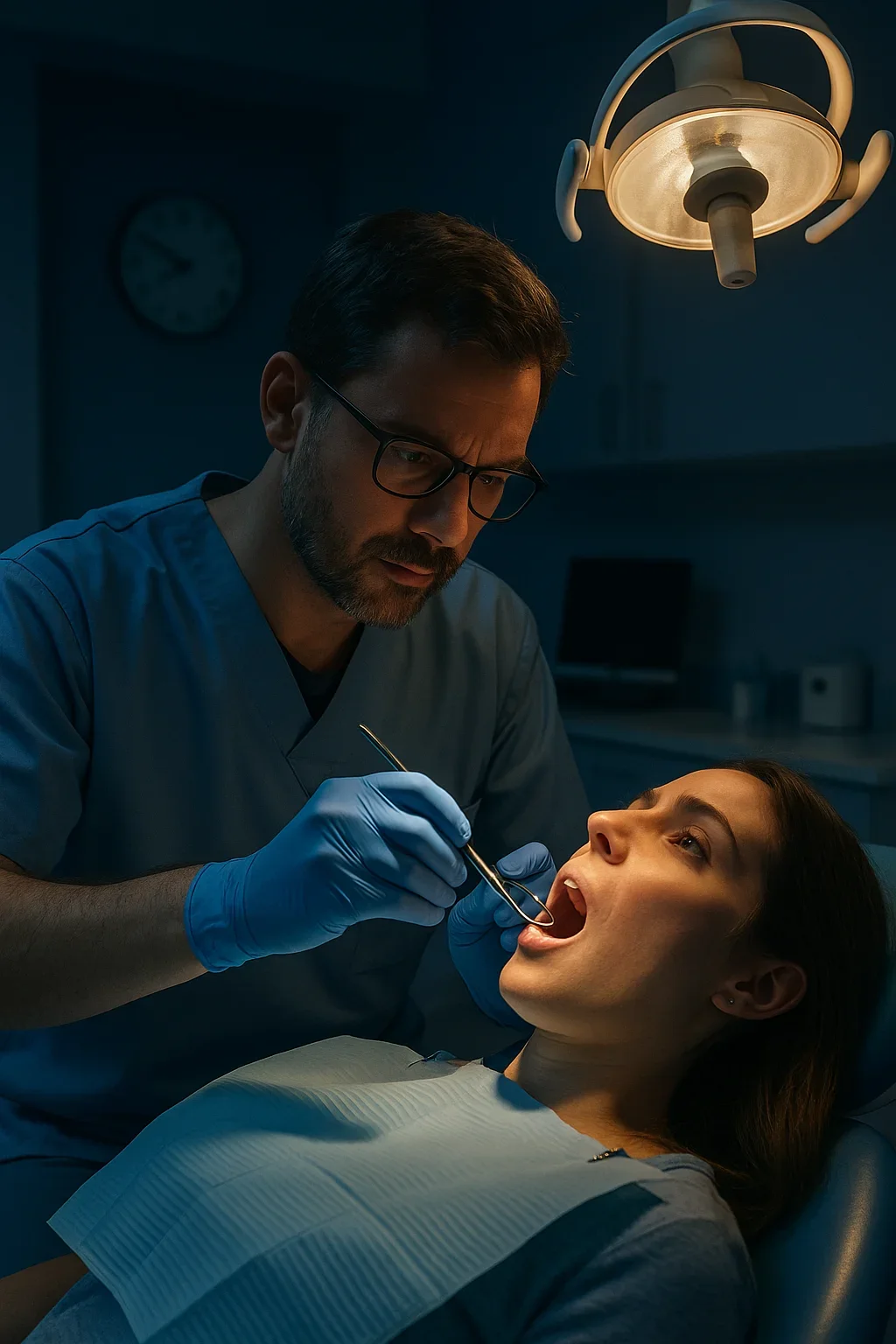
Preventing Future Dental Emergencies After an After-Hours Visit
After rushing to a dentist after hours for an emergency, most patients promise themselves that they’ll take better care of their teeth in the future. But prevention requires more than good intentions—it demands a consistent plan that includes proper oral hygiene, regular check-ups, and lifestyle awareness. 🦷 Emergencies like severe toothaches, cracked crowns, and gum infections can often be avoided with proactive care. In this section, we’ll explain how to protect your oral health after an emergency visit, reduce risks, and ensure you never find yourself in urgent pain again.
1. Understand What Caused the Emergency
The first step in prevention is identifying what went wrong. After treatment, ask your dentist after hours to explain the underlying cause of your problem. Was it tooth decay, gum disease, an injury, or perhaps an untreated cavity that worsened over time? Understanding the root cause helps you modify habits that might have led to the issue. For instance, if a cracked tooth resulted from grinding, your dentist may recommend a night guard; if gum inflammation was to blame, you might need to improve flossing or use a medicated rinse.
Most emergencies don’t happen overnight—they’re the result of minor issues ignored for too long. A quick conversation with your dentist after hours about long-term care strategies can help you prevent repeat problems.
2. Schedule a Follow-Up Appointment
Even though an emergency treatment offers immediate relief, it’s rarely the final step. Within a few days, book a follow-up appointment with your regular dentist or the same dentist after hours who treated you. This ensures that healing is progressing correctly and that no hidden complications exist. 🩺 Post-emergency evaluations may include X-rays, bite checks, or crown adjustments to confirm stability and comfort. Ignoring follow-up visits can lead to recurring pain or infection that could have been easily avoided.
Tip: Ask for a Preventive Care Plan
Before leaving your emergency appointment, request a written care plan from your dentist after hours. This plan may include medication instructions, dietary restrictions, and oral hygiene recommendations tailored to your specific condition. Having it in writing helps you stay consistent with your recovery process and avoid reinjury.
3. Improve Daily Oral Hygiene Habits
Consistent oral hygiene is your best defense against future emergencies. Brush twice daily with a soft-bristled toothbrush and fluoride toothpaste. Replace your toothbrush every three months or after any illness. Floss gently at least once a day to remove plaque between teeth where brushes can’t reach. 🪥
For added protection, rinse with an alcohol-free antimicrobial mouthwash to eliminate lingering bacteria and strengthen your gums. These simple steps drastically lower your chances of needing a dentist after hours for infections, cavities, or gum swelling. Don’t forget to clean your tongue—bacteria often hide there, contributing to bad breath and plaque buildup.
4. Wear Protective Gear for Sports or Grinding
One of the most common reasons people visit a dentist after hours is dental trauma from sports or nighttime teeth grinding (bruxism). If you or your child plays contact sports like basketball, football, or martial arts, invest in a high-quality mouthguard. These guards absorb impact and prevent broken teeth or lip injuries. 🥊
Similarly, if you grind your teeth at night, your dentist can create a custom-fit night guard to prevent enamel erosion, jaw pain, and cracking. Over-the-counter guards are available, but professional ones fit more comfortably and offer better protection.
5. Avoid Using Teeth as Tools
It might sound obvious, but many dental emergencies occur because people use their teeth to open bottles, tear packages, or bite hard objects. ❌ Teeth are not tools—they’re designed for eating, not prying or cutting. Such habits can chip enamel or loosen fillings, leading to an unplanned trip to a dentist after hours. Always keep scissors or openers handy instead of risking your smile for convenience.
6. Pay Attention to Diet and Nutrition
Your diet plays a major role in dental health. Limit sugary snacks and acidic beverages like soda and citrus juices that erode enamel. Opt for calcium-rich foods such as cheese, yogurt, and leafy greens, which strengthen teeth and bones. Drinking plenty of water throughout the day helps wash away bacteria and food debris. 💧
After an emergency visit, your dentist after hours may recommend temporarily avoiding very hot, cold, or crunchy foods that can stress healing tissues. Following these guidelines not only promotes recovery but also sets a foundation for lifelong dental health.
Example: Healing from a Root Canal
If you received a root canal during your emergency, your dentist will likely suggest eating soft foods for a few days and avoiding chewing on the treated side. Failing to follow these instructions could damage the temporary filling and lead to reinfection. A responsible patient not only heals faster but also avoids costly complications later.
7. Address Small Issues Promptly
Delaying treatment is one of the top reasons people end up needing a dentist after hours. Even minor sensitivity, bleeding gums, or mild discomfort can indicate underlying problems. Ignoring these signs allows decay or infection to spread silently. Make it a rule: if something feels off, call your dentist immediately. Early intervention prevents small problems from turning into big emergencies.
8. Stay Consistent with Regular Dental Checkups
Prevention doesn’t stop at home care—it continues in the dental chair. Routine checkups every six months help your dentist detect issues early and perform professional cleanings to remove tartar buildup. 🏥 These visits are your opportunity to discuss any discomfort, cosmetic goals, or risk factors for dental emergencies. Many clinics, including Redent Klinik Contact Page, offer convenient appointment scheduling and patient education to make preventive care more accessible.
Building a consistent relationship with a dentist after hours also ensures you have immediate support if something unexpected happens. Clinics that know your history can respond faster and more effectively during emergencies.
9. Manage Lifestyle Habits That Affect Oral Health
Smoking, excessive alcohol, and poor sleep patterns all affect oral health. Tobacco, for instance, restricts blood flow to the gums, delaying healing and increasing infection risk. Alcohol dries out the mouth, allowing bacteria to thrive. Poor sleep contributes to teeth grinding and inflammation. By reducing these habits, you lower your chance of needing a dentist after hours in the future.
Pro Tip: Track Dental Health in a Journal
Consider keeping a small log of your dental symptoms, habits, and appointments. If you notice recurring sensitivity or gum bleeding, this record will help your dentist after hours or regular dentist identify patterns and treat them early. Prevention often comes down to paying attention to small, consistent warning signs.
10. Invest in Professional Cleanings and Preventive Treatments
Professional cleaning every six months removes tartar that brushing can’t reach. Some patients also benefit from fluoride varnishes, sealants, or laser treatments that strengthen enamel and reduce bacteria. These preventive measures are a fraction of the cost of emergency care and drastically reduce your need to see a dentist after hours for pain or infections.
Conclusion: Prevention Is Always the Best Medicine
Once you’ve experienced a dental emergency, you realize how important preparation and prevention truly are. The best way to avoid another trip to the dentist after hours is by combining consistent hygiene, smart lifestyle habits, and regular professional care. Each preventive action you take—from wearing a mouthguard to avoiding sugary snacks—protects your smile and your peace of mind. 🌟
If you ever need guidance or follow-up care, clinics like Redent Klinik offer ongoing support to help you maintain healthy, pain-free teeth for years to come. Remember: prevention not only saves time and money but also ensures that your next visit to the dentist is for a routine checkup—not an emergency rescue.