
A dentist appointment emergency is a situation where delaying dental care could lead to severe pain, permanent damage, or serious health complications. Unlike routine check-ups or elective treatments, a dentist appointment emergency requires immediate attention to protect not only your oral health but also your overall well-being. Many people underestimate dental problems, assuming they will “go away on their own,” but this mindset can turn a manageable issue into a medical crisis 😬.
In simple terms, a dentist appointment emergency occurs when you experience sudden, intense symptoms such as unbearable tooth pain, facial swelling, uncontrolled bleeding, or trauma to the teeth or jaw. These situations are not just uncomfortable—they can be dangerous. Oral infections, for example, can spread rapidly to other parts of the body, including the jawbone, sinuses, and even the bloodstream if left untreated.
Understanding what qualifies as a dentist appointment emergency helps you act quickly and make informed decisions. Severe toothaches that disrupt sleep, cracked or knocked-out teeth after an accident, abscesses filled with pus, and bleeding that does not stop are all classic examples. In these cases, waiting days or weeks for a standard dental visit can significantly worsen the outcome. Prompt action often makes the difference between saving and losing a tooth 🦷.
One of the most important reasons a dentist appointment emergency matters is pain management. Dental pain is unique because it often involves exposed nerves, inflammation, or infection. This kind of pain can escalate rapidly and become unbearable. Over-the-counter painkillers may provide temporary relief, but they do not address the root cause. Only professional emergency dental care can properly diagnose and treat the problem.
Another critical factor is infection control. Dental abscesses and untreated cavities can allow bacteria to enter deeper tissues. In rare but serious cases, these infections can cause fever, difficulty breathing, or swelling that interferes with swallowing. This is why many health authorities, including the American Dental Association, strongly emphasize seeking urgent dental care when warning signs appear. Ignoring these symptoms is never a safe option.
A dentist appointment emergency is also closely tied to trauma. Falls, sports injuries, or accidents can result in broken teeth, displaced jaws, or soft tissue damage inside the mouth. These injuries often involve bleeding and shock, and they require immediate professional evaluation. Acting fast increases the chances of successful treatment, especially in cases where a tooth has been knocked out and may be re-implanted.
From a practical perspective, knowing how to respond to a dentist appointment emergency reduces stress and panic. Many patients freeze because they are unsure whether their situation is “serious enough.” As a rule of thumb, if the pain is intense, worsening, or accompanied by swelling, bleeding, or fever, it qualifies as a dentist appointment emergency. Trust your instincts—your body is signaling that something is wrong 🚨.
Access to fast and reliable dental care is essential during these moments. If you are unsure where to turn, reaching out to a trusted clinic quickly can prevent complications. You can contact a professional dental team directly through the Redent Klinik Contact Page to get guidance on urgent next steps. Having a clear plan in advance can save valuable time when every minute counts.
In summary, a dentist appointment emergency is not just about discomfort—it is about protecting your health, preventing long-term damage, and avoiding life-threatening infections. Recognizing the signs early and seeking immediate professional help ensures the best possible outcome. Dental emergencies are unpredictable, but being informed and prepared empowers you to respond calmly and effectively when dental care truly cannot wait 😊.
What Is a Dentist Appointment Emergency and Why It Matters
A dentist appointment emergency is any dental situation where waiting for routine care could result in worsening pain, irreversible damage, or serious health risks. Many patients struggle to decide whether their issue is urgent or something that can wait, which often leads to delayed treatment. Understanding what truly defines a dentist appointment emergency is essential for making the right decision at the right time ⏰.
Unlike standard dental visits—such as cleanings, fillings, or cosmetic procedures—a dentist appointment emergency involves sudden symptoms that escalate quickly. These symptoms usually interfere with daily life, eating, sleeping, or speaking. More importantly, they may indicate an underlying infection or trauma that requires immediate professional intervention.
How a Dentist Appointment Emergency Differs From Routine Dental Care
Routine dental care is preventive and planned. You schedule appointments in advance to maintain oral health, fix minor issues, or improve aesthetics. A dentist appointment emergency, on the other hand, is unplanned and urgent. It often happens unexpectedly, such as waking up with intense pain, experiencing facial swelling, or suffering an accident that damages your teeth or gums.
The key difference lies in risk. Routine issues can usually wait days or weeks without serious consequences. A dentist appointment emergency cannot. Delaying care in an emergency situation increases the likelihood of complications, including tooth loss, bone damage, or systemic infection. This is why emergency dental care is considered a critical part of overall healthcare 🦷.
Why Timing Is Critical in Dental Emergencies
Time plays a major role in the outcome of a dentist appointment emergency. For example, a knocked-out tooth has the highest chance of being saved if treated within the first hour. Similarly, a dental abscess may start as localized pain but can spread rapidly if bacteria enter surrounding tissues. Acting quickly can prevent minor problems from becoming medical emergencies.
In many dentist appointment emergency cases, early treatment is less invasive, less painful, and more cost-effective. A small crack treated promptly may only require bonding, while delayed care could lead to a root canal or extraction. Immediate action protects both your health and your long-term dental stability.
The Hidden Health Risks of Ignoring Dental Emergencies
One of the most misunderstood aspects of a dentist appointment emergency is how closely oral health is connected to overall health. The mouth is a gateway to the body, and untreated dental infections can spread beyond the teeth and gums. In severe cases, bacteria can enter the bloodstream, leading to conditions such as sepsis or infections affecting the heart and lungs.
Swelling in the mouth or jaw can also become dangerous if it begins to obstruct breathing or swallowing. Fever, fatigue, and facial asymmetry are warning signs that a dentist appointment emergency may be turning into a broader medical issue. Health organizations like the American Dental Association consistently emphasize that oral infections should never be ignored.
Emotional and Daily-Life Impact of a Dentist Appointment Emergency
Beyond physical pain, a dentist appointment emergency can severely affect mental well-being and daily functioning. Persistent dental pain is exhausting and stressful, often causing anxiety, irritability, and difficulty concentrating. Many patients report disrupted sleep, missed workdays, and reduced quality of life due to untreated emergency dental problems 😖.
Children and older adults are especially vulnerable. A dentist appointment emergency in a child may affect eating and development, while seniors may face higher risks due to weaker immune systems or existing health conditions. Recognizing urgency early helps protect vulnerable individuals from unnecessary suffering.
Why Professional Evaluation Is Always Necessary
Self-diagnosing a dentist appointment emergency can be risky. While online advice and home remedies may offer temporary comfort, they cannot replace professional assessment. Only a qualified dentist can determine the severity of the issue through examination and imaging. What feels like “just pain” may actually be an infection or fracture that requires immediate care.
If you are unsure whether your symptoms qualify as a dentist appointment emergency, it is always safer to consult a professional. Many clinics provide guidance and fast access for urgent cases. Reaching out early—such as through the Redent Klinik Contact Page—can prevent complications and give you peace of mind.
In conclusion, understanding what a dentist appointment emergency is and why it matters empowers you to act decisively. These situations are about more than discomfort; they involve protecting your health, preserving your teeth, and avoiding serious risks. When dental care cannot wait, recognizing the urgency and seeking immediate help is the smartest and safest choice ✅.
Common Signs You Are Facing a True Dental Emergency
Recognizing the warning signs of a dentist appointment emergency is critical for protecting your oral and overall health. Many people delay seeking care because they are unsure whether their symptoms are serious enough. Unfortunately, this hesitation can allow a minor issue to escalate into a painful, costly, or even dangerous situation. Understanding the most common indicators of a dentist appointment emergency empowers you to act quickly and confidently 🚨.
A true dentist appointment emergency is defined less by inconvenience and more by urgency and risk. If your symptoms are severe, sudden, or rapidly worsening, they should never be ignored. Dental problems often progress faster than people expect, especially when infection or trauma is involved.
Severe and Persistent Tooth Pain
One of the clearest signs of a dentist appointment emergency is intense tooth pain that does not improve or worsens over time. This type of pain is often sharp, throbbing, or radiating to the jaw, ear, or head. Unlike mild sensitivity, emergency-level pain can interfere with sleep, eating, and daily activities.
Severe pain usually indicates an underlying issue such as nerve inflammation, deep decay, or infection. Over-the-counter pain medication may dull the sensation temporarily, but it does not resolve the cause. When pain becomes constant or unbearable, it is a strong signal that immediate dental attention is required 🦷.
Swelling of the Face, Gums, or Jaw
Facial or gum swelling is another major red flag for a dentist appointment emergency. Swelling often points to infection, particularly a dental abscess. These infections can spread quickly, causing visible facial asymmetry, warmth, redness, and tenderness.
Swelling accompanied by fever, difficulty opening the mouth, or trouble swallowing is especially concerning. These symptoms suggest that the infection may be spreading beyond the tooth and into surrounding tissues. In such cases, delaying care can pose serious health risks.
Why Swelling Should Never Be Ignored
Swelling is your body’s response to infection or injury. In a dentist appointment emergency, swelling can compromise airways or spread bacteria into the bloodstream. This is why dental professionals treat swelling as an urgent condition rather than a cosmetic concern. Immediate evaluation is essential to prevent complications.
Uncontrolled Bleeding in the Mouth
Bleeding that does not stop after applying pressure is a clear sign of a dentist appointment emergency. This may occur after trauma, tooth extraction complications, or gum injuries. While minor bleeding after brushing or flossing can be normal, continuous or heavy bleeding is not.
Persistent bleeding may indicate tissue damage, infection, or underlying health issues. If blood continues to pool in the mouth or soak through gauze, professional care is needed as soon as possible 🩸.
Knocked-Out, Loose, or Broken Teeth
Dental trauma is one of the most obvious dentist appointment emergency scenarios. Accidents, sports injuries, or falls can result in knocked-out, loose, or fractured teeth. These situations require immediate action to maximize the chance of saving the tooth.
A knocked-out tooth, for example, has the best chance of survival if treated within the first hour. Even if a tooth is only cracked or loose, delaying care can lead to infection or permanent damage. Trauma-related dentist appointment emergencies should always be evaluated by a professional without delay.
Soft Tissue Injuries Inside the Mouth
Cuts or tears to the tongue, lips, cheeks, or gums may also signal a dentist appointment emergency, especially if bleeding is severe or the wound is deep. These injuries can become infected easily due to the bacteria naturally present in the mouth.
In some cases, stitches or specialized treatment may be necessary to ensure proper healing and prevent scarring or infection.
Signs of Infection or Dental Abscess
Infections are among the most dangerous dentist appointment emergency triggers. Symptoms may include pus, a bad taste in the mouth, fever, fatigue, and swollen lymph nodes. A dental abscess often causes intense pressure and pain and should never be treated at home.
Health authorities like the American Dental Association warn that untreated dental infections can spread beyond the mouth, making early intervention essential.
In summary, a dentist appointment emergency is defined by urgency, severity, and risk. Severe pain, swelling, bleeding, trauma, and infection are all clear signals that dental care cannot wait. If you experience any of these symptoms, seeking immediate professional help can prevent serious complications and protect your long-term health. Acting early is always the safest choice ✅.
Severe Tooth Pain: When Immediate Dental Attention Is Required
Severe tooth pain is one of the most common reasons people experience a dentist appointment emergency. While mild sensitivity or occasional discomfort can sometimes wait for a routine visit, intense or escalating pain is your body’s way of signaling that something is seriously wrong. Ignoring this type of pain rarely leads to improvement and often results in more complex dental problems 😖.
A dentist appointment emergency involving tooth pain usually develops quickly and disrupts daily life. Eating, drinking, speaking, or even resting can become unbearable. This level of pain is never “normal” and should not be managed with painkillers alone. Professional evaluation is essential to identify the cause and prevent further damage.
What Causes Extreme Tooth Pain?
Several underlying conditions can trigger severe pain and turn it into a dentist appointment emergency. One of the most common causes is deep tooth decay that has reached the dental pulp, where nerves and blood vessels are located. Once bacteria infect this area, pain can become sharp, throbbing, or constant.
Another frequent cause is pulpitis, which is inflammation of the tooth nerve. This condition often causes lingering pain after hot or cold exposure and may worsen at night. Cracked teeth, exposed roots, failed dental fillings, and gum infections can also lead to sudden, severe discomfort requiring urgent care 🦷.
Nerve Pain vs. Gum-Related Pain
Understanding the type of pain can help identify a dentist appointment emergency. Nerve-related pain is often sharp, electric, or shooting and may radiate to the jaw, ear, or head. Gum-related pain, on the other hand, is usually throbbing, tender, and associated with swelling or redness.
Both types can be serious. Nerve pain often indicates internal tooth damage, while gum pain may point to infection or abscess formation. In either case, delaying treatment increases the risk of complications.
Why Severe Tooth Pain Should Never Be Ignored
One of the biggest misconceptions about a dentist appointment emergency is believing pain will simply fade away. While pain may temporarily decrease if a nerve dies, this does not mean the problem is resolved. In fact, it often signals a worsening infection that can spread to surrounding tissues.
Untreated severe tooth pain can lead to abscesses, jawbone damage, and systemic infection. In extreme cases, bacteria from dental infections can enter the bloodstream and affect vital organs. This is why organizations such as the American Dental Association stress the importance of seeking immediate care when dental pain becomes severe.
When Tooth Pain Becomes a Dentist Appointment Emergency
Tooth pain qualifies as a dentist appointment emergency when it meets certain criteria. If the pain is constant, worsening, or prevents normal activities like eating and sleeping, it should be treated as urgent. Pain accompanied by swelling, fever, bad taste, or pus is especially concerning and requires immediate attention 🚨.
Another warning sign is pain triggered by pressure or biting, which may indicate a cracked tooth or advanced decay. Sudden pain after dental work may also signal complications that should not be ignored.
Temporary Relief Measures While Waiting for Care
While waiting for professional help during a dentist appointment emergency, certain steps may provide short-term relief. Rinsing gently with warm salt water can help reduce bacteria and soothe irritated tissues. Applying a cold compress to the outside of the cheek may reduce swelling and numb pain.
It is important to avoid placing aspirin directly on the tooth or gums, as this can cause chemical burns. Over-the-counter pain medication can be used as directed, but it should never replace dental treatment.
The Importance of Fast Professional Diagnosis
Only a dentist can accurately diagnose the cause of severe tooth pain during a dentist appointment emergency. Through examination and imaging, they can determine whether the issue requires a root canal, extraction, infection control, or other urgent treatment.
Prompt diagnosis often leads to simpler and more effective treatment. Early intervention can mean saving a tooth instead of losing it, reducing pain faster, and lowering the risk of complications. If you are experiencing intense pain and are unsure what to do next, reaching out through the Redent Klinik Contact Page can help you get guidance quickly.
In conclusion, severe tooth pain is never something to tolerate or postpone. When pain reaches a level that interferes with daily life, it becomes a dentist appointment emergency that demands immediate attention. Acting quickly protects your health, preserves your teeth, and brings relief when you need it most ✅.
Broken, Cracked, or Knocked-Out Teeth Explained
A broken, cracked, or knocked-out tooth is one of the clearest examples of a dentist appointment emergency. Dental trauma often happens suddenly—during sports, accidents, falls, or even while biting down on hard food—and it can be both painful and frightening. Knowing how to recognize the severity of the damage and how quickly to act can make a major difference in saving the tooth and preventing long-term complications 🦷.
Not all tooth damage looks the same. Some cracks are barely visible, while others cause immediate pain or bleeding. A dentist appointment emergency related to dental trauma should always be taken seriously, even if discomfort seems mild at first. Internal damage is not always visible and may worsen rapidly without treatment.
Broken Teeth: Why Immediate Care Is Important
A broken tooth occurs when part of the tooth structure chips off or fractures. This may expose the sensitive inner layers of the tooth, leading to sharp pain when eating or drinking. In many cases, a broken tooth qualifies as a dentist appointment emergency because exposed dentin or pulp increases the risk of infection.
Even small breaks should not be ignored. What begins as a minor chip can progress into deeper cracks, nerve damage, or abscess formation. Prompt dental care can often repair the tooth with bonding or a crown, while delays may require more invasive treatments such as root canal therapy or extraction.
Cracked Teeth and Hidden Damage
Cracked teeth are particularly dangerous because they are not always obvious. You may feel pain when chewing, sensitivity to temperature, or intermittent discomfort that comes and goes. These symptoms often indicate a dentist appointment emergency because cracks allow bacteria to enter the tooth.
Over time, bacteria can travel through the crack and infect the pulp. Without treatment, the crack may spread below the gum line, making the tooth impossible to save. Early diagnosis during a dentist appointment emergency greatly improves the chances of preserving the tooth.
Signs a Cracked Tooth Needs Emergency Care
You should treat a cracked tooth as a dentist appointment emergency if pain is sharp, persistent, or triggered by biting pressure. Swelling around the tooth or gum, sensitivity that worsens over time, or pain that radiates to the jaw are all warning signs that should not be ignored 🚨.
Knocked-Out Teeth: A Race Against Time
A knocked-out tooth is one of the most urgent dentist appointment emergency scenarios. When a tooth is completely displaced from its socket, immediate action is critical. The best chance of saving the tooth occurs within the first 30 to 60 minutes after the injury.
If a tooth is knocked out, it should be handled carefully by the crown (never the root), gently rinsed if dirty, and kept moist. Ideally, the tooth should be placed back into the socket if possible, or stored in milk or saline while you seek immediate dental care. Every minute counts in this type of dentist appointment emergency ⏱️.
Why Speed Matters With Knocked-Out Teeth
The tissues that attach the tooth to the bone begin to die quickly once the tooth is out of the mouth. Fast professional intervention increases the likelihood that the tooth can be successfully re-implanted and stabilized. Delayed treatment dramatically reduces success rates and often leads to permanent tooth loss.
Associated Injuries That Increase Urgency
Dental trauma rarely occurs in isolation. Broken or knocked-out teeth are often accompanied by soft tissue injuries, jaw pain, or facial swelling. These additional symptoms strengthen the case for a dentist appointment emergency, as they may indicate fractures, nerve damage, or infection.
Bleeding that does not stop, difficulty opening the mouth, or changes in bite alignment should all be evaluated immediately. These signs suggest more extensive injury that requires professional assessment.
Professional Treatment and Long-Term Outcomes
During a dentist appointment emergency, the dentist will assess the extent of the damage using clinical examination and imaging. Treatment may include bonding, crowns, splinting, root canal therapy, or surgical intervention depending on the severity of the injury.
Early treatment not only improves outcomes but also reduces pain, cost, and recovery time. Delaying care often leads to infection, tooth loss, or more complex procedures. Organizations such as the American Dental Association consistently emphasize that dental trauma should be treated as urgent, not optional.
If you experience a broken, cracked, or knocked-out tooth and are unsure what to do next, contacting a professional dental team immediately is essential. You can seek guidance and urgent care through the Redent Klinik Contact Page to ensure fast and appropriate treatment.
In summary, damaged teeth are not just cosmetic concerns—they represent a true dentist appointment emergency. Acting quickly protects your oral health, increases the chance of saving your tooth, and prevents serious complications. When dental trauma strikes, prompt professional care is the safest and smartest response ✅.
Dental Infections, Abscesses, and Swelling Risks
Dental infections are among the most dangerous causes of a dentist appointment emergency. While some oral infections begin with mild discomfort, they can escalate rapidly into severe pain, swelling, and serious health risks if left untreated. Many patients underestimate how quickly bacteria can spread from a tooth or gum into surrounding tissues, turning a localized issue into a medical concern 😷.
A dentist appointment emergency involving infection should always be treated with urgency. Infections do not resolve on their own and cannot be cured with painkillers or home remedies. Professional diagnosis and treatment are essential to stop the spread of bacteria and prevent long-term damage.
What Is a Dental Abscess?
A dental abscess is a pocket of pus caused by a bacterial infection. It usually develops at the root of a tooth or in the surrounding gum tissue. Abscesses are a classic dentist appointment emergency because they indicate that the body is actively fighting an infection that has breached natural defenses.
Common symptoms include severe throbbing pain, swelling of the gums or face, sensitivity to pressure, fever, and a persistent bad taste in the mouth. In some cases, pus may drain into the mouth, temporarily reducing pain but not eliminating the infection. This false sense of relief often leads people to delay care, which can be extremely dangerous.
Why Dental Infections Are Medical Emergencies
A dentist appointment emergency caused by infection goes beyond oral discomfort. The mouth is closely connected to the rest of the body through blood vessels and lymphatic pathways. If bacteria enter the bloodstream, they can spread to other organs, leading to serious conditions such as sepsis.
Facial swelling is especially concerning. Swelling in the lower jaw, neck, or under the tongue can interfere with breathing or swallowing. These symptoms signal that the infection is advancing and require immediate professional intervention 🚨.
Signs an Infection Is Spreading
Certain symptoms strongly indicate a dentist appointment emergency related to infection. These include fever, fatigue, facial asymmetry, difficulty opening the mouth, swollen lymph nodes, and pain that radiates to the ear or neck. If any of these occur, dental care cannot wait.
Health authorities like the American Dental Association consistently warn that untreated dental infections can become life-threatening. Prompt treatment significantly reduces risk and speeds recovery.
Common Causes of Dental Infections
Dental infections often begin with untreated cavities, cracked teeth, or advanced gum disease. When bacteria penetrate deep into the tooth or gums, the immune system responds by sending white blood cells to the area, resulting in pus formation. This process increases pressure inside the tissues, causing intense pain.
Failed dental restorations, trauma, and poor oral hygiene can also contribute to infection. Even patients who brush regularly may experience a dentist appointment emergency if bacteria gain access through microscopic cracks or weakened enamel.
Why Swelling Should Never Be Ignored
Swelling is a visible sign that the body is struggling to contain an infection. In a dentist appointment emergency, swelling often spreads beyond the original site of infection, affecting the cheeks, jawline, or neck. This progression signals that the infection is not localized and may continue to spread.
Applying ice may temporarily reduce discomfort, but it does not treat the cause. Antibiotics and dental procedures such as drainage, root canal therapy, or extraction are often necessary to fully resolve the infection.
Temporary Measures Before Emergency Care
While waiting for treatment during a dentist appointment emergency, certain steps may help manage symptoms. Rinsing gently with warm salt water can reduce surface bacteria and soothe irritated tissues. Keeping the head elevated may help reduce pressure and swelling.
However, these measures are only supportive. They should never replace professional care. Attempting to drain an abscess at home or ignoring symptoms can lead to severe complications.
Professional Treatment and Recovery
During a dentist appointment emergency, the dentist will assess the infection using examination and imaging. Treatment may include draining the abscess, prescribing antibiotics, and addressing the source of infection through procedures like root canal therapy or extraction.
Early treatment leads to faster recovery, less pain, and lower risk of recurrence. Delayed care often results in more extensive procedures and longer healing times. If you notice signs of infection and are unsure what to do next, reaching out through the Redent Klinik Contact Page can help you access urgent professional guidance.
In conclusion, dental infections and abscesses represent a serious dentist appointment emergency that should never be ignored. Pain, swelling, and fever are warning signs that demand immediate attention. Acting quickly protects your oral health, prevents dangerous complications, and ensures the safest possible outcome ✅.
Bleeding Gums and Oral Injuries That Need Urgent Care
Bleeding gums and oral injuries are often underestimated, yet they are common triggers for a dentist appointment emergency. While mild gum bleeding after brushing can be normal, persistent, heavy, or sudden bleeding is not. When bleeding does not stop or is caused by trauma, it signals a situation where immediate dental attention is necessary to prevent complications 🩸.
A dentist appointment emergency involving bleeding or oral injury can arise from accidents, sports impacts, falls, sharp foods, or underlying gum disease. Knowing how to distinguish between minor irritation and a true emergency helps you respond quickly and protect your oral health.
When Bleeding Gums Become a Dentist Appointment Emergency
Gum bleeding becomes a dentist appointment emergency when it is excessive, spontaneous, or prolonged. Bleeding that occurs without brushing or flossing, or continues for more than 10–15 minutes despite pressure, should never be ignored. This type of bleeding may indicate advanced gum disease, infection, or tissue damage.
Severe gum bleeding can also be a sign of systemic health issues or medication side effects, such as blood thinners. Regardless of the cause, ongoing bleeding compromises oral tissues and increases the risk of infection. In these cases, professional evaluation is essential 🦷.
Warning Signs That Require Immediate Attention
Certain symptoms strongly indicate a dentist appointment emergency related to gum bleeding. These include bleeding combined with swelling, pain, loose teeth, bad breath that does not improve, or visible pus. If bleeding is accompanied by fever or facial swelling, the situation becomes even more urgent.
Ignoring these signs allows bacteria to penetrate deeper tissues, potentially leading to abscess formation or bone loss.
Oral Injuries From Accidents and Trauma
Oral injuries are another major cause of a dentist appointment emergency. Trauma to the mouth can damage gums, lips, tongue, cheeks, and underlying bone. These injuries often occur during sports, car accidents, falls, or physical impact.
Lacerations inside the mouth may bleed heavily due to the rich blood supply in oral tissues. While small cuts can heal on their own, deep or wide wounds require professional care. Uncontrolled bleeding, visible tissue damage, or pain that worsens over time are all indicators of a dentist appointment emergency 🚨.
Soft Tissue Damage Inside the Mouth
Injuries to the tongue, inner cheeks, or lips can be deceptively serious. Even small wounds may become infected quickly due to constant exposure to bacteria. A dentist appointment emergency is likely if the injury causes persistent bleeding, difficulty speaking, eating, or opening the mouth.
In some cases, stitches or specialized treatment may be required to ensure proper healing and reduce the risk of infection or scarring.
Why Oral Injuries Should Be Professionally Evaluated
Many people attempt to manage oral injuries at home, assuming the mouth will heal on its own. While the mouth does heal quickly, this does not apply to all injuries. A dentist appointment emergency evaluation ensures that no underlying structures—such as nerves, bone, or teeth—have been damaged.
Professional care also reduces the risk of complications, including chronic pain, infection, or misaligned healing.
Bleeding After Dental Procedures
Bleeding following dental treatment can also signal a dentist appointment emergency. While mild bleeding after extractions or surgery is normal, heavy or prolonged bleeding is not. If blood continues to flow despite following post-procedure instructions, immediate dental care is necessary.
Factors such as smoking, physical exertion, or clot disruption can worsen bleeding. Prompt professional intervention helps stabilize the area and prevent infection.
Immediate Steps to Take Before Seeing a Dentist
During a dentist appointment emergency involving bleeding or oral injury, applying gentle pressure with clean gauze can help control bleeding temporarily. Keeping the head elevated and avoiding rinsing aggressively may also reduce blood flow.
However, these measures are only first aid. They do not replace professional evaluation. If bleeding persists or the injury appears severe, contacting a dental clinic immediately is essential. You can seek urgent guidance through the Redent Klinik Contact Page to determine the next steps.
The Importance of Prompt Professional Care
Bleeding gums and oral injuries are not just uncomfortable—they can signal serious underlying problems. Organizations such as the American Dental Association emphasize that uncontrolled bleeding and oral trauma should always be treated as urgent dental conditions.
In summary, excessive gum bleeding and oral injuries represent a dentist appointment emergency that should never be ignored. Early professional care stops bleeding, prevents infection, and ensures proper healing. Acting quickly protects your oral health and helps you recover safely and confidently ✅.
What to Do Before You Reach an Emergency Dentist
When a dentist appointment emergency happens, panic is a natural reaction. Pain, bleeding, or sudden trauma can make it hard to think clearly. However, the actions you take in the first minutes or hours before reaching professional care can significantly influence the outcome. Knowing exactly what to do—and what not to do—helps protect your teeth, reduce pain, and prevent complications until you are treated by a dentist 🚑.
It is important to remember that first-aid steps do not replace professional care. A dentist appointment emergency always requires evaluation by a qualified dental professional. Still, correct immediate actions can stabilize the situation and improve treatment success.
Stay Calm and Assess the Situation
The first step in any dentist appointment emergency is to stay as calm as possible. Take a moment to assess what is happening. Identify the main problem: severe pain, bleeding, swelling, trauma, or a knocked-out tooth. Understanding the nature of the emergency helps you take the most appropriate immediate steps.
If symptoms include difficulty breathing, severe facial swelling, or uncontrolled bleeding, the situation is extremely urgent. These signs indicate that dental care cannot wait and immediate professional help is required 🚨.
Managing Pain Safely
Pain control is often the biggest concern during a dentist appointment emergency. Over-the-counter pain relievers can be used as directed, but they should never be placed directly on the gums or tooth. Applying medication directly to oral tissues can cause chemical burns and worsen the condition.
A cold compress applied to the outside of the cheek for 10–15 minutes at a time can help reduce pain and swelling. This is especially useful for trauma-related dentist appointment emergency cases. Heat should generally be avoided, as it can increase inflammation and swelling.
What Not to Do for Pain Relief
Avoid using sharp objects to poke or scratch the painful area. Do not attempt to drill, drain, or remove anything from the tooth or gums at home. These actions can cause further damage and increase the risk of infection.
Controlling Bleeding Effectively
If your dentist appointment emergency involves bleeding, apply gentle but firm pressure using clean gauze or a cloth. Maintain pressure for at least 10–15 minutes without checking too frequently. Constantly lifting the gauze can prevent clot formation and prolong bleeding.
Keeping your head elevated while applying pressure can also help slow blood flow. If bleeding does not stop after sustained pressure, professional care is required as soon as possible 🩸.
Handling a Knocked-Out or Broken Tooth
A knocked-out tooth is one of the most time-sensitive dentist appointment emergency situations. If this happens, handle the tooth carefully by the crown only, never the root. If the tooth is dirty, gently rinse it with clean water without scrubbing.
If possible, try to place the tooth back into its socket. If that is not feasible, store it in milk, saline solution, or inside the cheek to keep it moist. Do not let the tooth dry out. Fast action greatly improves the chance of saving the tooth ⏱️.
Protecting Broken or Cracked Teeth
For broken or cracked teeth, rinse your mouth gently with warm water to remove debris. Avoid chewing on the affected side and do not expose the tooth to extreme temperatures. Temporary dental wax or sugar-free gum may be used to cover sharp edges until you receive professional care.
Reducing Infection Risk
If your dentist appointment emergency involves swelling or signs of infection, gentle saltwater rinses can help reduce surface bacteria and soothe irritated tissues. This should be done carefully and not aggressively.
Never attempt to pop or drain an abscess at home. This can spread infection and worsen the condition. Infections always require professional dental treatment, often combined with medication.
When and How to Contact a Dental Professional
As soon as you have taken immediate first-aid steps, contact a dental clinic to explain your symptoms clearly. Describing the pain level, swelling, bleeding, or trauma helps the dental team determine urgency and prepare for your arrival.
If you are unsure where to turn, you can reach out through the Redent Klinik Contact Page for guidance on urgent dental care. Acting quickly reduces stress and improves outcomes.
Why These Steps Matter
Proper response before reaching a dentist during a dentist appointment emergency can mean the difference between saving and losing a tooth, between quick recovery and serious complications. Organizations such as the American Dental Association emphasize that immediate, appropriate action followed by professional care is the safest approach.
In conclusion, knowing what to do before you reach an emergency dentist empowers you during a dentist appointment emergency. Calm assessment, safe pain control, bleeding management, and rapid professional contact protect your oral health and improve treatment success. Preparation and quick action are your strongest allies when dental care cannot wait ✅.
How to Book a Fast Dentist Appointment Emergency Safely
When a dentist appointment emergency strikes, speed matters—but safety and accuracy matter just as much. Knowing how to book urgent dental care efficiently can reduce pain, prevent complications, and ensure you receive the right treatment without unnecessary delays. Many patients lose valuable time because they are unsure who to call, what to say, or how to prioritize their symptoms. A clear, step-by-step approach helps you act decisively when dental care cannot wait ⏱️.
A dentist appointment emergency is different from a routine booking. Clinics triage urgent cases based on symptoms and risk, so communicating clearly and choosing the right channel is essential.
Identify Your Emergency and Communicate Clearly
The first step in booking a dentist appointment emergency is identifying your primary symptoms and communicating them precisely. Describe the pain level, duration, and any accompanying signs such as swelling, bleeding, fever, or trauma. Clear information helps the dental team assess urgency and prepare appropriately.
Use simple, direct language. For example, say “severe tooth pain with facial swelling” or “knocked-out tooth within the last 30 minutes.” This clarity ensures your case is recognized as a dentist appointment emergency and prioritized accordingly 🚨.
Choose the Right Dental Provider
Not all dental clinics handle emergencies in the same way. Some offer same-day or after-hours care, while others may refer you elsewhere. Look for clinics that explicitly state emergency dental services and have protocols for urgent cases.
If you already have a trusted dental provider, contact them first. If not, seek a clinic with clear emergency access. For fast guidance and professional direction, you can reach out through the Redent Klinik Contact Page, where urgent cases can be directed appropriately.
When to Consider Hospital or Medical Emergency Services
In rare but serious dentist appointment emergency situations—such as difficulty breathing, rapidly spreading facial swelling, or uncontrolled bleeding—medical emergency services may be necessary. These signs indicate that the condition may extend beyond dental care alone and require immediate medical support.
What Information to Have Ready
Preparing key information speeds up the booking process during a dentist appointment emergency. Be ready to share your medical history, medications, allergies, and any recent dental procedures. This information helps the dental team plan safe and effective treatment.
If the emergency resulted from trauma, note when and how it occurred. Timing is critical, especially for knocked-out teeth or fractures. Accurate details improve outcomes 🦷.
Understanding Triage and Waiting Times
During a dentist appointment emergency, clinics often triage patients based on severity. This means that more critical cases are treated first. While waiting can be stressful, triage ensures that patients with life-threatening or tooth-saving needs receive immediate care.
If your symptoms worsen while waiting—such as increased swelling or pain—inform the clinic immediately. Changes in condition can elevate the urgency of your dentist appointment emergency.
How to Reduce Delays
Calling ahead rather than walking in unannounced often reduces waiting time. Follow any pre-visit instructions provided, such as avoiding food or bringing specific documents. Being prepared helps streamline your visit and speeds treatment.
Safety and Quality During Emergency Appointments
Speed should never compromise safety. A dentist appointment emergency still requires thorough examination, proper diagnosis, and appropriate treatment. Reputable clinics follow strict protocols to ensure infection control, accurate imaging, and safe procedures even under urgent conditions.
According to guidance supported by the American Dental Association, emergency dental care should balance urgency with quality to achieve the best outcomes.
After Booking: What to Expect
Once your dentist appointment emergency is booked, follow all instructions carefully. Arrive on time, avoid self-treatment that could worsen the condition, and be honest about symptoms and pain levels. Emergency visits often focus on stabilizing the problem first, with definitive treatment planned afterward if needed.
Follow-up care is a normal part of managing a dentist appointment emergency. Temporary solutions may be used initially to relieve pain and stop infection, with comprehensive treatment scheduled later.
Why Fast, Safe Booking Matters
Efficiently booking a dentist appointment emergency reduces anxiety, shortens recovery time, and prevents complications. Delays or miscommunication can lead to tooth loss, infection spread, or more invasive procedures.
In conclusion, knowing how to book a fast dentist appointment emergency safely empowers you to act with confidence. Clear communication, choosing the right provider, and prioritizing safety ensure you receive timely, effective care when it matters most. Preparation and decisiveness protect your health and bring relief when dental care cannot wait ✅.
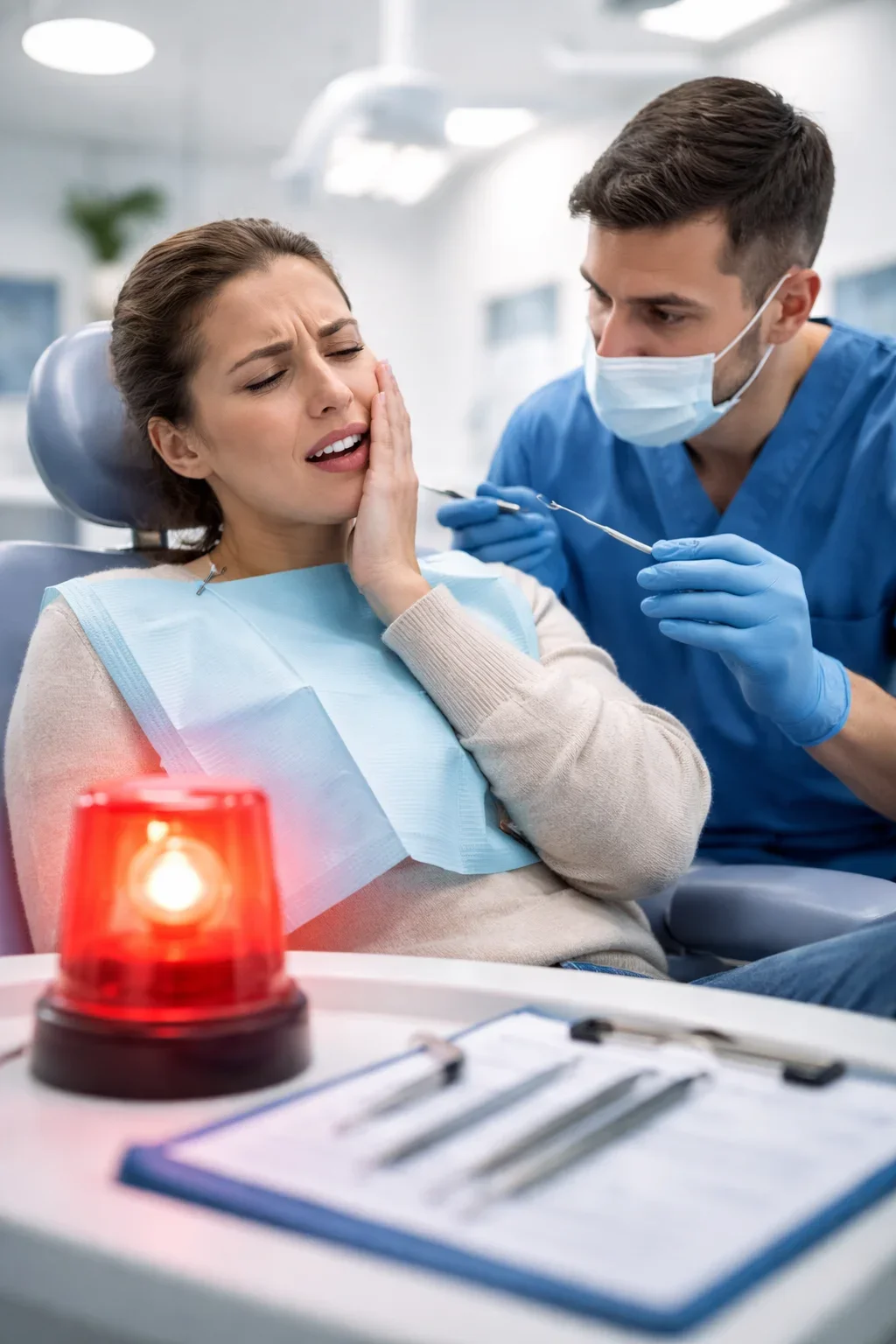
Preventing Future Dental Emergencies With Smart Habits
While a dentist appointment emergency can happen unexpectedly, many urgent dental situations are preventable with the right habits and awareness. Prevention is not just about avoiding pain—it is about protecting your overall health, saving time, and reducing stress. By understanding the common causes of emergencies and adopting smart daily practices, you can significantly lower your risk of facing a dentist appointment emergency in the future 😊.
Dental emergencies often develop gradually before reaching a crisis point. Small issues such as minor decay, gum irritation, or hairline cracks may seem harmless at first, but without attention, they can escalate into serious problems that require urgent care.
The Role of Daily Oral Hygiene
Consistent oral hygiene is the foundation of preventing a dentist appointment emergency. Brushing twice a day with fluoride toothpaste and flossing daily removes plaque and bacteria that cause decay and gum disease. These conditions are among the leading causes of emergency dental visits.
Neglecting daily care allows bacteria to multiply, increasing the risk of infection, abscess formation, and severe pain. Good hygiene habits reduce inflammation and strengthen enamel, making teeth more resistant to cracks and decay 🦷.
Choosing the Right Tools
Using a soft-bristled toothbrush, proper brushing technique, and quality dental floss protects gums and enamel. Replacing toothbrushes regularly and avoiding aggressive brushing also help prevent gum recession, which can expose sensitive tooth roots and lead to a dentist appointment emergency.
Regular Dental Check-Ups and Early Detection
Routine dental visits play a critical role in preventing a dentist appointment emergency. Regular check-ups allow dentists to detect problems early, often before you feel any pain. Small cavities, early gum disease, or worn dental restorations can be treated easily when caught early.
Skipping routine visits increases the likelihood that minor issues will progress unnoticed. Many dental emergencies occur because underlying problems were left untreated for too long. Preventive care is always less stressful and more effective than emergency treatment.
Protecting Your Teeth From Physical Damage
Physical trauma is a common cause of a dentist appointment emergency, especially among active individuals. Wearing a mouthguard during sports and high-risk activities protects teeth from fractures, displacement, and loss.
Avoid using teeth as tools to open packages or bite hard objects like ice, pens, or hard candy. These habits weaken tooth structure and increase the risk of cracks that may later require urgent care.
Nighttime Teeth Grinding Awareness
Teeth grinding, also known as bruxism, can silently damage teeth over time. Worn enamel, fractures, and jaw pain caused by grinding often lead to a dentist appointment emergency. If you experience jaw soreness or headaches upon waking, a protective night guard may be recommended.
Managing Gum Health to Avoid Emergencies
Healthy gums are essential for preventing a dentist appointment emergency. Gum disease often begins with mild bleeding and irritation but can progress to infection, loose teeth, and abscesses if untreated.
Regular flossing, professional cleanings, and early treatment of gum inflammation help maintain strong supporting tissues. Healthy gums reduce the risk of sudden bleeding, swelling, and pain that require urgent care 🚨.
Diet Choices That Support Dental Health
Your diet plays a significant role in preventing a dentist appointment emergency. Frequent consumption of sugary or acidic foods weakens enamel and fuels bacterial growth. Over time, this increases the risk of cavities and infection.
Drinking water, eating a balanced diet rich in calcium and vitamins, and limiting sugary snacks help strengthen teeth and support gum health. Simple dietary changes can dramatically reduce emergency dental risks.
Knowing When to Act Early
One of the smartest ways to prevent a dentist appointment emergency is knowing when to seek help early. Sensitivity, mild pain, or occasional gum bleeding are warning signs—not inconveniences to ignore. Addressing these symptoms promptly often prevents escalation.
If you are unsure whether a symptom requires attention, consulting a dental professional is always safer than waiting. Early advice can stop a minor issue from becoming a crisis.
Staying Informed and Prepared
Being informed about dental health empowers you to make better decisions. Trusted organizations such as the American Dental Association emphasize preventive care as the most effective way to reduce emergency dental visits.
Having a reliable dental clinic to contact quickly also provides peace of mind. If concerns arise, you can reach out through the Redent Klinik Contact Page for professional guidance before problems worsen.
In conclusion, preventing a dentist appointment emergency is largely about consistency, awareness, and early action. Smart habits—such as daily hygiene, regular check-ups, protective measures, and prompt response to warning signs—dramatically reduce your risk. While not all emergencies are avoidable, proactive care keeps your smile healthier, stronger, and far less likely to require urgent intervention ✅.