
Understanding the dentist appointment price is one of the most common concerns patients have when planning dental care. Whether you need a routine check-up, a cleaning, or a more complex procedure, knowing what to expect financially can reduce stress and help you make confident decisions 😊. In this detailed guide, you will learn how pricing is calculated, what factors influence it, how to compare clinics effectively, and how to ensure you are receiving the best value for your oral health. Our goal is to give you a clear, trustworthy, and patient-friendly explanation that answers every question you may have about dental visit costs.
Many people begin their research by searching for terms like “dental visit cost estimate,” “appointment fee,” or related synonyms, which are all part of understanding the main topic: the dentist appointment price. These terms reflect a universal need — patients want transparency. They want to know what they will pay, why they will pay it, and how the total is determined. This guide aims to satisfy that full search intent by explaining every detail in plain language. We avoid vague descriptions and instead offer structured, practical insights supported by professional dental standards.
One of the first things to know is that a dentist appointment price is not a single universal figure. Instead, it is a combination of several elements, including the type of procedure, diagnostic tools used, your dentist’s expertise, and regional economic differences. For example, the cost of an initial consultation typically includes an oral examination and may include X-rays, depending on your situation. A thorough checkup ensures early detection of problems like gum disease, decay, structural issues, or oral infections — all of which can influence both your health and future financial costs.
Dental clinics follow standardized clinical guidelines recommended by organizations such as the
American Dental Association, ensuring that your treatment is both safe and evidence-based. However, each clinic has its own operational expenses, equipment systems, and service quality levels, which means two clinics may charge different prices even for identical procedures. This variation is normal and expected, but it also highlights why understanding the structure behind pricing is essential.
Below is an online-researched estimation block to provide a clearer picture of the average dentist appointment price range for basic services in reputable clinics in 2025:
Estimated Price Range (2025):
• Routine examination: $50 – $120
• Dental cleaning (prophylaxis): $80 – $150
• X-ray set (bitewing or panoramic): $25 – $150
• Consultation + treatment planning: $70 – $180
These figures are approximate and vary based on the clinic’s location, technology level, and the dentist’s experience. They give you a general idea but should not be treated as fixed rules. A crucial reminder: higher cost does not always mean better quality, but excessively low prices may indicate outdated technology or insufficient diagnostic procedures. Good dental care includes time, expertise, safety protocols, and modern equipment — all of which are reflected in the dentist appointment price.
Patients frequently ask how to know whether the price they receive is reasonable. A practical method is to evaluate three factors:
- Transparency: Does the clinic clearly explain what is included in the appointment price?
- Qualifications: Is the dentist experienced with up-to-date clinical training?
- Technology: Does the practice use digital X-rays, intraoral scanners, or advanced imaging tools?
A clinic that provides clear explanations, modern diagnostics, and personalized treatment planning often offers better long-term value. You can also contact clinics directly to request a preliminary estimate or ask detailed questions about procedures. If you would like to reach our clinic for clear guidance, you may visit the
Redent Klinik Contact Page.
Another important point is that the dentist appointment price can be affected by whether your appointment is preventive or problem-focused. Preventive visits (exam + cleaning) are generally more affordable and help avoid serious dental issues later. On the other hand, problem-focused visits, such as tooth pain, infection, or urgent fractures, may require additional imaging and diagnostic steps, increasing the cost. This reinforces the value of regular dental checkups — they not only protect your oral health but often reduce total lifetime costs.
In summary, the dentist appointment price reflects several interconnected variables: procedure type, diagnostic needs, regional market differences, and clinic technology. By understanding these elements, patients can make informed financial and health-related decisions. This guide is designed to empower you with accurate, comprehensive knowledge so you can approach your next dental visit with clarity and confidence 😄.
Understanding What Determines Your Dentist Appointment Price
When researching the dentist appointment price, many patients expect a simple, fixed number — but dental pricing does not work that way. Instead, it is shaped by a combination of clinical, operational, and external factors that influence the final amount you pay. This section provides a clear, detailed breakdown of how dental clinics calculate costs and what you should consider before scheduling your visit. Understanding these elements helps you make informed decisions and avoid unnecessary financial surprises 😊.
The Core Components That Shape Your Dental Visit Cost
The foundation of the dentist appointment price lies in the procedures included in your visit. A standard appointment may involve an oral examination, dental cleaning, or X-rays — each of which contributes differently to the overall cost. Preventive care appointments usually fall on the lower end of the pricing spectrum, while problem-focused appointments (for example, addressing pain, infection, or trauma) require additional diagnostics and specialized care, increasing the price. Clinics follow clinical practice guidelines established by associations such as the
American Dental Association, ensuring your treatment plan is safe, structured, and medically appropriate.
For many patients searching terms like “dental examination fees” or “oral check-up costs”, it becomes clear that pricing is not just about the time spent in the chair. It is also shaped by technology use, materials, equipment maintenance, and expertise — all integral to modern dentistry. These diverse factors work together to create a price that reflects both the quality of care and the clinic’s ability to diagnose conditions thoroughly.
Diagnostic Procedures and Their Impact on Total Pricing
Diagnostic steps play a major role in determining the dentist appointment price. A thorough evaluation may require various imaging tools to ensure accuracy and detect potential issues early. For example:
- Bitewing X-rays: Typically used to detect cavities between teeth.
- Panoramic X-rays: Provide a wide view of jaw structure, bone health, and impacted teeth.
- Intraoral cameras: Help visualize issues for precise diagnosis.
- 3D dental imaging: Often necessary for implant or orthodontic planning.
Each of these diagnostic tools enhances the accuracy of your dental evaluation, but they also contribute to the total cost. Advanced imaging tends to elevate the dentist appointment price due to hardware investment, software licensing, and specialized interpretation by the dental team.
Technology Level of the Clinic
Modern clinics that use digital radiography, CAD/CAM systems, or advanced sterilization units generally have slightly higher operating costs. These technologies, however, offer faster results, improved safety, and more accurate diagnoses. Many patients consider this higher-quality care worth the associated cost. Still, it is essential to understand that technology investments directly influence the dentist appointment price.
The Dentist’s Expertise and Training Background
Another powerful determinant of pricing is the dentist’s training, experience, and specialization level. A general dentist may charge differently than a specialist such as an endodontist, periodontist, or prosthodontist. Specialists undergo additional years of training, manage complex cases, and offer advanced treatment solutions. Consequently, their appointment pricing often reflects these advanced capabilities. This is why the dentist appointment price may vary significantly across providers even within the same city.
Furthermore, clinics that invest in continuing education, international certifications, and updated treatment protocols tend to deliver more precise and comfortable patient outcomes. Patients often appreciate this quality assurance, as it reduces long-term dental risks and potential re-treatment costs.
Geographical and Economic Influences
Where your dental clinic is located can also influence your dentist appointment price. Major metropolitan areas with higher operational expenses — rent, staffing, utilities — typically have higher average dental fees. In contrast, suburban or rural clinics may offer more economical pricing. This regional variation is common worldwide and is often one of the first factors patients notice when researching dental care.
Additionally, economic conditions such as inflation, material costs, and currency exchange rates can shape pricing trends in 2025. Dental materials like composite resins, bonding agents, and sterilization supplies fluctuate in cost, influencing appointment fees throughout the year.
How Clinics Maintain Quality While Managing Costs
Well-structured clinics balance high-quality care with cost efficiency by improving workflow, adopting digital systems, and reducing material waste. These operational improvements allow some clinics to keep the dentist appointment price competitive while maintaining safety and precision. Patients benefit from these optimizations without sacrificing treatment quality.
Why Transparency Matters to Patients
One of the most valuable aspects of understanding dental pricing is transparency. A reliable clinic clearly explains which procedures are included, what optional services may be needed, and how much each step costs. This clarity allows patients to decide with confidence and avoid misunderstandings. If you wish to request personalized information about appointment pricing or consultations, you may contact our team through the
Redent Klinik Contact Page.
By understanding these factors — diagnostics, clinic technology, professional expertise, and regional economics — you gain a complete perspective on the dentist appointment price. This knowledge ensures you can evaluate different dental clinics fairly and choose a provider that aligns with your expectations, health priorities, and long-term dental goals 😄.
Average Costs for Common Dental Treatments in 2025
When patients search for the dentist appointment price, they typically want a clear, realistic understanding of what they might pay for the most common dental procedures. Pricing varies based on location, clinic technology, dentist skill level, and the complexity of each treatment. However, by examining nationwide averages and global research trends for 2025, we can outline a detailed, reliable cost structure that helps patients make informed decisions. This section explains not only the numbers but also the reasons behind them, ensuring full transparency and search-intent satisfaction 😊.
Baseline Appointment Costs: What Most Patients Pay for Routine Visits
The most frequently requested information regarding the dentist appointment price concerns routine visits — check-ups, cleanings, and X-rays. These preventive services play a critical role in maintaining long-term oral health. They also help patients avoid expensive procedures by catching problems early. Below is a researched overview of 2025 average costs:
Estimated 2025 Price Averages:
• Routine dental exam: $50 – $120
• Professional cleaning (standard prophylaxis): $80 – $150
• Bitewing X-rays: $25 – $60
• Panoramic full-mouth X-ray: $80 – $150
• Comprehensive oral evaluation: $90 – $180
These baseline fees form the foundation of many appointments. Clinics with digital imaging systems may charge slightly more, as newer technology improves diagnostic accuracy and patient comfort. Patients should remember that a higher dentist appointment price in this category often reflects greater clinical detail and preventive value.
Fillings, Restorations, and Cavity Treatments
Cavities remain one of the most common dental issues worldwide. The cost of treating them depends largely on the tooth location, decay size, and material used. Composite resin, the most popular option, offers natural aesthetics but requires greater precision and time to place—this affects the dentist appointment price for restorative care.
- Composite fillings (front teeth): $90 – $200
- Composite fillings (molars): $150 – $300
- Amalgam fillings (less common in 2025): $80 – $160
Clinics using high-strength resin, digital shade-matching systems, or improved isolation tools may have slightly higher fees. While these additions may influence the dentist appointment price, they produce longer-lasting, more aesthetic results.
Root Canal Treatment Costs in 2025
Root canal therapy is among the most misunderstood treatments, especially regarding cost. The dentist appointment price varies significantly depending on which tooth requires treatment:
• Front tooth root canal: $300 – $700
• Premolar root canal: $400 – $900
• Molar root canal: $700 – $1,600
Molars cost more because they have multiple canals, require advanced instrumentation, and take more clinical time. In 2025, many clinics use rotary endodontic systems, 3D imaging, and specialized microscope assistance — all of which increase the accuracy and success rate of treatment. These technologies contribute to a higher dentist appointment price, but they significantly improve long-term outcomes.
Why Root Canal Prices Vary
Several factors increase or reduce root canal costs:
- Tooth anatomy complexity
- Use of 3D CBCT scans
- Need for emergency treatment
- Restorative work required afterward
Many patients also require a crown after a root canal, adding $700–$1,500 to the total treatment plan. These combined steps strongly influence the final dentist appointment price, especially for molar treatments.
Cosmetic Dentistry: Whitening, Veneers, and Smile Design
Cosmetic procedures are elective but extremely popular in 2025. These services do not typically fall under insurance coverage, so patients pay out-of-pocket. Here are researched average prices:
- In-office teeth whitening: $250 – $700
- Porcelain veneers (per tooth): $800 – $2,500
- Composite bonding: $150 – $500
- Digital smile design planning: $150 – $450
The dentist appointment price rises with cosmetic treatments because they require artistic skill, precise digital planning, and high-quality materials. Advanced clinics may also use 3D previews, mock-ups, or AI-driven symmetry analysis to refine results.
Periodontal (Gum) Treatment Pricing
Gum disease affects millions of adults, and treatment costs vary widely depending on severity. Periodontal therapy often involves scaling, root planing, antiseptic irrigation, and ongoing follow-up care.
• Deep cleaning (per quadrant): $150 – $350
• Full-mouth scaling and root planing: $600 – $1,400
• Laser periodontal therapy: $300 – $1,500 per session
Laser-assisted procedures can increase the dentist appointment price but are often preferred due to faster healing, reduced discomfort, and improved accuracy.
Dental Crowns, Bridges, and Prosthetics
Crowns and prosthetic treatments depend heavily on material choice, lab technology, and dentist skill. 2025 pricing estimates:
- Porcelain-fused-to-metal crown: $500 – $1,200
- Zirconia crown: $900 – $1,800
- Full ceramic crown (premium): $1,200 – $2,500
- Traditional bridge (per unit): $600 – $1,500
Clinics with in-house CAD/CAM milling systems may offer faster crown delivery, but this technology affects the dentist appointment price due to equipment investment.
What to Consider Beyond the Price
While cost matters, patients should also evaluate:
- Material durability
- Aesthetic quality
- Warranty or replacement policy
- Lab reputation
These elements play a major role in long-term satisfaction beyond the immediate dentist appointment price.
For personalized estimates or treatment planning, you may contact our team by visiting the
Redent Klinik Contact Page. Our specialists can guide you through every step and provide accurate cost expectations tailored to your needs.
How Insurance and Payment Plans Affect Your Total Cost
Many patients begin researching the dentist appointment price with one major question in mind: “Will my dental insurance help cover the cost?” In 2025, the answer depends heavily on the type of insurance you have, the specific procedures you need, and the structure of the clinic’s payment system. Because insurance policies vary dramatically — both in coverage and limitations — understanding how your plan works is essential to avoiding unexpected expenses. This section provides a clear, highly detailed explanation of how insurance, financing options, and modern dental membership plans influence your total appointment cost 😊.
The Role of Dental Insurance in Determining Total Pricing
Dental insurance plays a crucial role in reducing the overall dentist appointment price, particularly for preventive care. Most insurance providers categorize treatments into three levels: preventive, basic, and major. Your coverage percentage differs depending on which category your procedure falls into.
Typical Insurance Coverage Breakdown (2025)
- Preventive care: 80–100% coverage
- Basic treatments (fillings, simple extractions): 60–80% coverage
- Major treatments (crowns, bridges, dentures): 40–60% coverage
Preventive care often includes exams, cleanings, and X-rays, which significantly lowers the dentist appointment price for routine visits. However, patients must check their policy eligibility, maximum annual benefit limits, and diagnostic coverage rules — since many plans only cover one set of bitewing X-rays per year.
How Maximum Annual Benefits Affect Out-of-Pocket Costs
Insurance companies typically set an annual maximum ranging from $1,000 to $2,000. Once this limit is reached, the patient becomes fully responsible for the remaining fees, even if the procedure falls under insurance categories. This is a critical factor influencing the dentist appointment price, especially for patients needing complex procedures such as crowns, implants, or root canal therapy.
For example, if a crown costs $1,200 and your insurance covers 50%, you pay $600. But if your remaining yearly benefit is only $300, you pay $900 out-of-pocket — demonstrating why timing your dental procedures strategically can reduce your total costs.
The Impact of Deductibles and Copayments
Many insurance plans include an annual deductible — the minimum amount you must pay before insurance coverage begins. Deductibles typically range between $50 and $150 but may be higher for certain plans. Copayments, on the other hand, are predetermined amounts patients must pay for specific procedures regardless of coverage. Both directly influence your effective dentist appointment price.
A simplified breakdown helps clarify how these fees affect your total:
- Deductible applies first.
- Insurance covers the remaining percentage.
- Copayments may still be required.
Understanding these rules ensures you can calculate your accurate financial responsibility before your appointment.
Out-of-Network vs. In-Network Clinics
Insurance networks significantly influence the final dentist appointment price. When visiting an in-network provider, the clinic has agreed to pre-negotiated rates with the insurance company, reducing your overall cost. Out-of-network clinics do not follow insurance-set pricing; therefore, patients may pay higher fees for identical procedures.
However, out-of-network providers sometimes offer advanced technology, extended appointment times, and premium materials — benefits that justify their pricing for many patients. It is always advisable to compare value rather than price alone.
How to Verify Your Insurance Status
Patients can confirm coverage by:
- Checking online insurance portals
- Calling customer support
- Asking the dental clinic to verify on their behalf
For personalized verification or estimate requests, you may contact our clinic directly through the
Redent Klinik Contact Page.
Financing Options and Payment Plans in 2025
Not all patients carry insurance, and even those who do may find themselves needing procedures not fully covered. Fortunately, modern dental clinics offer flexible financing solutions, ensuring that oral health remains accessible. These plans significantly ease the impact of the dentist appointment price by allowing patients to split payments over time.
Common Financing Models
- Zero-interest financing: Pay in monthly installments with no additional cost if paid on time.
- Low-interest extended plans: Ideal for high-cost procedures such as implants or orthodontics.
- Third-party financing services: Widely used platforms that approve patients quickly.
- Clinic-specific membership plans: Offer annual preventive care at a discounted flat rate.
These options make it easier for patients to manage the dentist appointment price without compromising treatment quality.
Dental Membership Plans: A Growing Trend in 2025
In recent years, dental membership programs have become increasingly popular among patients without insurance. These plans are subscription-based and provide significant savings on preventive and routine care services. A typical membership plan may include:
- Two annual cleanings
- Comprehensive exams
- Annual X-rays
- Discounts on major procedures
Membership programs offer predictable, transparent pricing and often reduce the dentist appointment price more effectively than traditional insurance for patients who prefer simplicity over complex policy rules.
Why Understanding Insurance Helps You Save More
In summary, insurance, deductibles, copayments, benefit limits, and flexible payment plans all play major roles in determining the true dentist appointment price. Patients who understand these components can strategically schedule treatments, maximize insurance benefits, and minimize out-of-pocket expenses. Whether you have coverage or rely on a membership plan, the key to affordable dental care lies in knowledge, planning, and transparent communication with your dental provider 😄.
Hidden Factors That Can Increase Your Dentist Appointment Price
Most patients searching for the dentist appointment price focus on the standard costs of exams, cleanings, or fillings. However, a variety of hidden or less-discussed factors can influence the final amount you pay. These elements are not always obvious at first glance, yet they play a crucial role in determining both the immediate and long-term cost of your dental care. Understanding these variables helps patients avoid financial surprises and make better decisions about treatment timing, clinic selection, and preventive care strategies 😊.
Emergency Appointments and Same-Day Visits
One of the most significant hidden contributors to a higher dentist appointment price is emergency or urgent care. When a patient visits due to sudden tooth pain, swelling, trauma, or infection, the clinic often needs to adjust its schedule, allocate additional resources, and prioritize immediate treatment. This urgency can add extra diagnostic steps such as:
- Emergency X-rays
- Pain management medication
- Temporary restorations or stabilized dressings
- After-hours service fees
Moreover, emergency visits frequently involve complex diagnoses. A tooth infection, for example, may require a CBCT scan or specialist evaluation — factors that significantly raise the dentist appointment price beyond standard routine care.
Advanced Diagnostic Technology and Imaging Tools
Modern clinics often invest in state-of-the-art diagnostic tools to improve accuracy and patient comfort. While these technologies provide better outcomes, they also influence costs. Some advanced diagnostic tools that may increase the dentist appointment price include:
- CBCT (3D imaging): Essential for implant planning, root canal analysis, and bone evaluation.
- Digital intraoral scanners: Replace traditional impressions for more accurate restorations.
- Laser cavity detection devices: Identify early decay without invasive tools.
- Oral cancer screening tools: Improve early diagnosis but may involve additional fees.
While these tools increase the upfront cost, they can save patients money long-term by detecting problems early before they require major treatments. Still, it is important to include these variables when estimating the real dentist appointment price.
The Price of Precision
Clinics using advanced digital workflows often operate at higher levels of precision, resulting in better-fitting crowns, improved implant success rates, and more accurate orthodontic planning. This precision comes from costly hardware, annual software licensing, and staff training — all indirectly influencing appointment pricing.
Specialist Involvement and Referral Fees
Another hidden factor affecting the dentist appointment price is the involvement of specialists. Some dental conditions require referral to:
- Endodontists (root canal specialists)
- Periodontists (gum and bone specialists)
- Oral surgeons
- Prosthodontists
- Orthodontists
Specialists undergo extensive post-graduate training and handle complex procedures, which naturally raises costs. If your initial appointment includes a specialist consultation, this adds another fee to the total dentist appointment price. Additionally, some specialists require new imaging if the transferred files are incomplete or outdated.
Material Quality and Laboratory Fees
The materials used in restorations have a major impact on cost. For example, zirconia crowns, high-translucency ceramics, and biocompatible materials carry higher production and lab fees. Dental laboratories also vary in skill, technology, and precision, affecting the total dentist appointment price.
High-end labs use CAD/CAM design, digital color mapping, and experienced technicians who create natural, durable restorations. These benefits come with additional laboratory charges that patients may not realize are included in their final bill.
Temporary vs. Permanent Materials
Some procedures require temporary materials such as temporary crowns, protective fillings, or surgical guides. These add-ons, though not always discussed upfront, contribute to the final cost. While they may seem minor, they directly influence the patient’s total dentist appointment price.
Oral Health Status and Complexity of Treatment
A hidden but very important factor influencing cost is the overall condition of your oral health. Patients with severe gum inflammation, extensive decay, missing teeth, or untreated infections typically require more time and multiple diagnostic steps. For example:
- Heavy tartar buildup may require multiple cleaning sessions.
- Bone loss may require periodontal treatment before implants.
- Deep cavities may need protective liners or buildup material.
These additional procedures increase the complexity and therefore raise the dentist appointment price. Clinics must allocate more time, advanced tools, and specialized techniques to manage such cases.
Geographical and Economic Market Variations
Location is one of the strongest hidden influences on pricing. Dental clinics in metropolitan or high-demand regions often pay more for rent, equipment, and staffing, affecting the overall dentist appointment price. Conversely, suburban or rural clinics may offer more affordable pricing, but may also have limited access to high-end diagnostics.
Cost of Living and Market Demand
Economic conditions, inflation, and the cost of medical supplies also affect dental pricing each year. In 2025, rising costs of sterilization materials, digital equipment, and biomaterials have contributed to nationwide increases in the dentist appointment price. These shifts are not always visible to patients but play a significant role in determining final fees.
Clinic Policies and Appointment Structure
Each clinic follows its own internal policies regarding appointment length, follow-up visits, consultation fees, and aftercare. Some clinics charge for missed appointments or late cancellations, indirectly influencing the total dentist appointment price for patients with inconsistent schedules.
Patients wishing to check potential additional fees or request a transparent estimate can use the
Redent Klinik Contact Page. Understanding these hidden factors empowers patients to plan effectively and avoid unexpected costs.
In conclusion, various unseen elements — technology, urgency, oral health status, specialist involvement, materials, and economic conditions — all contribute to the true dentist appointment price. By recognizing these factors, patients can approach their appointments with awareness, confidence, and realistic expectations 😄.
Regional Price Differences: Why Some Clinics Charge More
Many patients are surprised to learn how much regional variation influences the dentist appointment price. The same procedure—such as a routine dental exam, a cavity filling, or even a crown—can have significantly different costs depending on where you live. These price variations are not random; they reflect economic conditions, operational costs, staffing expenses, clinic specialization levels, and even local market demand. Understanding these regional price differences empowers patients to make informed choices not only about treatment, but also about where to seek care 😊.
The Impact of Local Economy and Cost of Living
One of the strongest determinants of the dentist appointment price is the cost of living in the area where the clinic is located. Cities with high rental prices, elevated utilities, increased labor costs, and competitive commercial real estate markets naturally drive dental clinics to charge more for services. For example, major metropolitan areas tend to have higher dental fees than suburban or rural communities.
The reasoning is simple: clinics must balance their operating expenses while maintaining quality care. This includes:
- Modern equipment purchases
- Sterilization and safety supplies
- Highly trained staff salaries
- Clinic maintenance and facility upgrades
Because urban areas generally pay more for these items, the dentist appointment price naturally increases. Meanwhile, clinics in smaller towns may offer more affordable pricing due to lower overhead costs.
Technology Adoption in Different Regions
Advanced technology is essential for precision dentistry. However, the rate at which clinics adopt cutting-edge systems varies greatly by region. Areas with competitive dental markets typically invest more heavily in:
- Digital X-ray systems
- Intraoral scanners
- 3D CBCT imaging
- CAD/CAM milling machines
- AI-assisted diagnostic tools
While these innovations improve treatment outcomes, they also elevate the dentist appointment price. Clinics must recoup their investment, and high-tech practices often position themselves as premium providers with enhanced accuracy and comfort.
Technology as a Price Indicator
Clinics using older or manual systems may offer lower pricing, but the trade-off could be reduced diagnostic precision or longer treatment times. Understanding this balance is key when evaluating whether a higher dentist appointment price reflects real value.
Regional Specialty Availability and Market Demand
Another major factor behind regional price variation is the availability—or shortage—of dental specialists. For example:
- Urban regions may have numerous specialists in orthodontics, endodontics, and periodontics.
- Rural areas might have limited specialist access, often resulting in higher fees due to low supply.
- Tourism-heavy locations may charge more for convenience-based and cosmetic services.
In places where specialists are scarce, the dentist appointment price increases because the demand is high and competition is low. Conversely, regions with many providers may experience more competitive pricing, particularly for elective services like whitening or veneers.
Cultural Expectations and Local Dental Trends
In some cities, cosmetic dentistry is extremely popular, creating market pressure for clinics to offer premium smile-enhancement treatments. This cultural trend increases the dentist appointment price not only for elective procedures but sometimes for routine care as well, as clinics adopt advanced systems to meet aesthetic expectations.
Examples include:
- Luxury-focused clinics prioritizing spa-like environments
- Large dental centers with multilingual staff serving international clients
- Health tourism destinations attracting global patients
These added services influence overhead costs, which then influence total appointment pricing.
Dental Tourism and Cross-Border Pricing Differences
Some countries have become well-known for affordable dental tourism. Patients travel internationally to receive treatments at lower costs—sometimes 40–70% cheaper than their home country. These differences arise from:
- Currency exchange rates
- Local labor costs
- Lower operating expenses
- Government healthcare policies
While traveling abroad may reduce the dentist appointment price, patients must carefully consider follow-up care, communication challenges, and potential risks associated with long-distance treatment.
Local Insurance Market and Payment Systems
Insurance acceptance also varies by region. Areas with strong employer-based insurance networks often offer more predictable pricing. In contrast, regions with low insurance penetration may rely more on out-of-pocket payments, resulting in clinics adjusting the dentist appointment price accordingly.
Some clinics also offer membership plans or financing systems tailored to their community’s economic needs. This can significantly alter patient pricing structures.
How Patients Can Use Regional Pricing to Their Advantage
Understanding regional differences helps patients make smarter decisions. Those living in high-cost cities may choose to:
- Seek preventive care more frequently to avoid expensive emergencies
- Compare clinics offering transparent pricing
- Research nearby suburban clinics for more competitive fees
- Use financing plans to manage large treatment costs
Patients who want clinic-specific pricing estimates or want to schedule an appointment can easily reach our team via the
Redent Klinik Contact Page. Our clinic is committed to giving you clear, patient-friendly guidance about the dentist appointment price and all associated treatment costs.
In summary, regional cost of living, technological adoption, specialist availability, cultural factors, and insurance dynamics all play critical roles in shaping the dentist appointment price. By understanding these variables, patients gain valuable insight into why prices differ and how to choose the right clinic with confidence 😄.
Comparing Dental Clinics: What to Look For Beyond the Price
When researching the dentist appointment price, many patients focus solely on the numbers. However, choosing the right dental clinic involves far more than comparing fees. The true value of dental care lies in a combination of clinical quality, experience, communication, technology, and patient safety. A lower fee does not always mean better value, and a higher fee does not always guarantee superior treatment. This section breaks down the essential factors you should evaluate when comparing dental clinics, helping you make informed decisions that protect both your oral health and long-term budget 😊.
Clinic Reputation and Patient Reviews
One of the most reliable ways to evaluate a dental clinic is by reviewing its reputation. Look for consistent feedback about service quality, communication, professionalism, and outcomes. While online reviews vary, they often reveal patterns that help you assess whether a clinic delivers the level of care you expect.
Patients should also consider:
- Years of experience of the practice
- Qualifications of the dentists and specialists
- Before-and-after galleries for cosmetic or restorative work
- Success stories shared by long-term patients
Strong clinical reputation often correlates with a fair and transparent dentist appointment price because reputable clinics invest in quality rather than shortcuts.
Technology and Diagnostic Capabilities
The level of technology available in a dental clinic significantly affects both treatment quality and patient comfort. Clinics equipped with modern diagnostic tools tend to offer more precise, safer, and faster results. Even though advanced systems may influence the dentist appointment price, they often reduce the need for repeat procedures or additional appointments.
- Digital X-rays for lower radiation and clearer imaging
- Intraoral scanners for impression-free restorations
- CBCT imaging for implant and surgical planning
- AI-assisted cavity detection tools
- Laser dentistry for gum treatment and soft-tissue procedures
These technologies improve diagnostic accuracy and patient satisfaction while preventing future issues that could be far more expensive to treat.
The Hidden Value of Technology
A clinic with modern tools is better equipped to detect problems early, provide conservative treatment, and reduce long-term costs for patients. While this may affect the immediate dentist appointment price, it often offers far better value in the long run.
Qualifications and Training of the Dental Team
Not all dentists have the same level of training or specialization. When comparing clinics, consider whether the dental team includes experts in:
- Endodontics (root canal therapy)
- Periodontics (gum health and bone support)
- Orthodontics (teeth alignment)
- Oral surgery
- Prosthodontics (advanced restorations)
While specialist involvement may increase the dentist appointment price, specialist care often leads to better results and higher treatment success rates. A clinic with a multidisciplinary team also reduces the need for external referrals, simplifying your treatment journey.
Clinic Cleanliness, Safety Standards, and Infection Control
A high-quality clinic maintains strict hygiene protocols. Cleanliness and sterilization practices significantly influence patient safety and treatment success. These standards require investment in sterilization units, personal protective equipment, and medical-grade cleaning supplies—all factors that can influence the dentist appointment price.
Key safety indicators include:
- Visible sterilization documentation
- Use of disposable items where appropriate
- Well-maintained treatment rooms
- Air filtration systems
Clinics that prioritize safety invest heavily in infrastructure, ensuring that each patient receives care in a controlled, hygienic environment.
International Standards and Accreditation
Some clinics follow global safety guidelines from organizations like the
American Dental Association. This helps ensure that all procedures—from routine cleanings to complex surgeries—meet strict standards. Accreditation also signals that the clinic provides honest pricing and high-quality care.
Communication Style and Patient Interaction
Transparent communication is one of the most important factors when evaluating clinics. A reputable clinic clearly explains treatment plans, expected outcomes, alternatives, and associated costs.
Ask yourself:
- Does the dentist explain procedures in understandable language?
- Are financial details discussed before treatment begins?
- Is there transparency in how the dentist appointment price is calculated?
- Does the staff listen to your concerns and preferences?
Clinics with strong communication practices reduce patient anxiety, deliver smoother treatment experiences, and prevent billing misunderstandings.
Post-Treatment Care and Follow-Up Support
Great dental care extends beyond the appointment itself. Check whether the clinic offers:
- Follow-up calls or messages after major procedures
- Detailed aftercare instructions
- Clear pathways for emergency support
These added services demonstrate patient-centered care and may influence the clinic’s pricing structure. Still, they add immense long-term value and improve treatment outcomes.
Balancing Quality and Cost for the Best Choice
When comparing clinics, patients should avoid choosing solely based on the lowest dentist appointment price. Instead, compare the overall value, quality of care, clinic transparency, and long-term benefits. A trustworthy clinic provides fair pricing, prioritizes safety, invests in technology, and maintains a compassionate patient-centered environment.
For patients who want help evaluating costs or scheduling a consultation, our team is available through the
Redent Klinik Contact Page. We provide clear, transparent guidance to ensure you fully understand the dentist appointment price and the value behind it.
By considering these critical factors, you can confidently choose a dental clinic that delivers exceptional care, reasonable pricing, and long-lasting oral health benefits 😄.
How to Reduce Your Dentist Appointment Price Without Compromising Quality
Many patients search for ways to lower their dentist appointment price without sacrificing the quality of care they receive. Dental health is essential, but that does not mean patients should overpay or feel financially overwhelmed. Fortunately, there are many practical strategies to reduce your dental costs while still ensuring that you receive safe, effective, and high-quality treatment. This section provides an in-depth, step-by-step guide to lowering your expenses the smart way — through preventive care, strategic planning, clinic comparisons, and intelligent decision-making 😊.
Prioritize Preventive Care to Avoid Expensive Procedures
Preventive care is the single most effective method for reducing your long-term dentist appointment price. Regular check-ups, professional cleanings, and diagnostic imaging help catch issues early when they are easy and inexpensive to treat. Ignoring early signs of gum disease or decay often leads to more complex procedures later, such as crowns, root canals, or extractions — all of which are significantly more costly.
- Schedule cleanings every 6 months
- Brush and floss consistently to reduce bacterial buildup
- Address small cavities before they become painful
- Follow dentist-recommended at-home care routines
Simply preventing problems can cut your lifetime dental expenses in half. This approach reduces the need for repeated appointments, lowers treatment intensity, and keeps your overall dentist appointment price manageable.
Take Advantage of Dental Insurance Benefits
Most patients with dental insurance do not fully utilize their coverage. Preventive services are often covered at 80–100%, meaning you can significantly reduce your out-of-pocket dentist appointment price by scheduling routine visits before your insurance resets each year.
Maximizing Your Plan
- Use your free cleanings and exams before they expire
- Time major treatments across two benefit periods
- Review your insurer’s coverage chart for cost-saving opportunities
- Ask the clinic to submit a pre-treatment estimate
Proper planning allows you to reduce unexpected expenses and make the most of your policy. Many patients do not realize how much money they lose each year simply because insurance benefits go unused.
Compare Clinics for Value, Not Just for Low Pricing
Many people search for the lowest dentist appointment price, but the cheapest clinic is not always the best choice. Instead of focusing solely on the number, compare clinics based on:
- Technology and diagnostic capabilities
- Emergency support availability
- Clinic reputation and patient reviews
- Level of experience and specialized services
A clinic that uses modern equipment may charge slightly more, but the long-term savings from accurate diagnosis, efficient treatment, and fewer complications are often far greater.
Ask About Membership Plans for Uninsured Patients
If you do not have dental insurance, many clinics offer in-house membership plans designed to reduce your dentist appointment price. These plans typically include:
- Annual cleanings
- Routine exams
- Diagnostic X-rays
- Discounts on major procedures
Membership programs offer significant savings over traditional per-visit pricing and eliminate the complexity of deductibles, copayments, and annual maximums.
Why Membership Plans Save Money
Because these programs are direct agreements between patient and clinic, they avoid insurance administration fees and pass those savings directly to you. Patients who enroll generally pay less for preventive and restorative care throughout the year.
Schedule Treatments Strategically
Timing plays a major role in reducing the dentist appointment price. If you need multiple procedures, ask your dentist whether you can safely group them or spread them across two benefit periods to maximize insurance coverage.
Examples of scheduling strategies include:
- Completing diagnostic work before year-end, and scheduling treatment after insurance resets
- Combining fillings in one session rather than multiple appointments
- Spacing elective treatments to avoid exceeding yearly coverage limits
Smart scheduling prevents financial strain and helps you maintain predictable dental expenses.
Consider Alternative Materials or Treatment Options
Many dental procedures offer different material choices, each affecting the dentist appointment price. For example:
- Composite vs. amalgam fillings
- Porcelain vs. zirconia crowns
- Traditional braces vs. aligner systems
Discussing these options with your dentist can reveal opportunities to save money without compromising durability or aesthetics.
When Cheaper Does Not Mean Worse
Some lower-cost materials are entirely adequate depending on the tooth location and your lifestyle. The key is choosing appropriately, not automatically selecting the most expensive option.
Prevent Emergency Visits by Recognizing Early Warning Signs
Emergency appointments can dramatically increase your dentist appointment price. To avoid this, pay attention to the following warning signs:
- Tooth sensitivity
- Mild recurring discomfort
- Bleeding gums during brushing
- Persistent bad breath
- Small chips or cracks
Addressing minor symptoms early keeps costs low and prevents serious complications.
Utilize Consultation and Price Transparency Services
Many clinics now offer detailed cost breakdowns to help patients understand their financial obligations before treatment begins. This transparency empowers patients to compare value and find cost-saving opportunities.
If you would like personalized pricing information or help understanding your options, you can contact our team through the
Redent Klinik Contact Page.
By applying these strategies — preventive care, insurance planning, smart scheduling, clinic comparison, and early symptom recognition — patients can effectively reduce their dentist appointment price without sacrificing quality. Oral health should be affordable, accessible, and predictable, and these practical steps make that goal easier to achieve 😄.
Frequently Asked Questions About Dental Appointment Costs
Patients often search for answers about the dentist appointment price because understanding dental fees can feel overwhelming. Costs can vary based on procedure type, technology used, the clinic’s location, and the patient’s individual health needs. To make things clearer and help patients feel more confident in their decisions, this section provides detailed, well-researched answers to the most commonly asked questions about dental pricing. The goal is to bring transparency, eliminate confusion, and ensure that patients know exactly what to expect 😊.
Why do dentist appointment prices vary so much between clinics?
The dentist appointment price differs from one clinic to another because each practice has different operational expenses, staff experience levels, and technology investments. For example, a clinic using advanced 3D scanners, laser dentistry tools, or digital imaging systems may charge more because these technologies offer greater accuracy and comfort. Meanwhile, clinics located in large metropolitan areas often face higher rent and labor costs, which also influence pricing.
Patients should understand that price differences do not always reflect quality. Instead, they reflect the clinic’s structure, capabilities, and service model. Smart comparison involves evaluating value, not just cost.
Is a higher dentist appointment price always a sign of better quality?
Not necessarily. While advanced clinics may charge more due to superior technology or specialist availability, a high dentist appointment price does not automatically guarantee better treatment. Likewise, an extremely low price may signal outdated tools, limited diagnostic precision, or shorter appointment times.
What You Should Truly Look For
- Transparent pricing and treatment explanations
- A licensed, experienced dental team
- Clear communication about treatment options
- Modern diagnostic equipment
- Sterile and well-maintained clinic environment
These factors are better indicators of quality than price alone.
What is typically included in a standard dental appointment fee?
A typical dentist appointment price for a routine check-up usually includes an oral exam and may include diagnostic X-rays. Some clinics also include an initial cleaning during new patient appointments. However, the exact inclusions vary. Common components include:
- Visual examination of teeth and gums
- Bite assessment
- Digital X-rays (if necessary)
- Oral cancer screening
- Treatment plan creation
Patients should always ask their clinic for a breakdown of what is covered in the appointment fee to avoid misunderstandings.
Why does emergency treatment cost more?
Emergency visits often increase the dentist appointment price because they require immediate attention, schedule adjustments, and fast diagnostics. Clinics may need to pause or reschedule planned appointments to accommodate the emergency case.
Additionally, emergency visits frequently involve:
- Specialized imaging (CBCT scan)
- Temporary restorations
- Pain relief medication
- Urgent infection control measures
These additional steps increase the clinic’s resource use, which naturally leads to higher costs.
Does dental insurance fully cover appointment prices?
Dental insurance can significantly reduce your dentist appointment price, especially for preventive care. However, it rarely covers 100% of all treatments. Insurance plans usually divide procedures into categories:
- Preventive care: Often covered at 80–100%
- Basic care: Typically covered at 60–80%
- Major procedures: Usually covered at 40–60%
Patients must also consider deductibles, copayments, and yearly maximums. Once your annual limit is reached, the remaining cost becomes out-of-pocket.
The Importance of Pre-Treatment Estimates
Patients can request their clinic to submit a pre-treatment estimate to their insurance provider. This helps determine how much insurance will pay and how much the patient will owe.
Why do X-rays or imaging tests add to the total cost?
Imaging tools are essential for diagnosing hidden issues like internal decay, bone loss, or root infections. While these tests may increase the dentist appointment price, they prevent larger, more expensive problems later on.
Advanced diagnostic tools such as CBCT scans or digital intraoral cameras require specialized equipment, software, and training, which contribute to the added cost.
Are payment plans or financing options available?
Most modern clinics offer financing options to make the dentist appointment price more manageable. These may include:
- Zero-interest monthly payment plans
- Extended low-interest financing
- In-house membership programs
- Third-party healthcare financing services
These flexible options help patients spread out costs without delaying necessary treatments.
How can I avoid unexpected fees?
The key to preventing surprise charges is clear communication. Always ask your dental clinic to provide:
- A written cost estimate
- A list of optional vs. required procedures
- Information about follow-up appointments
- Details on imaging fees or specialist referrals
Most misunderstandings occur when additional procedures are performed without discussing pricing in advance.
Transparent Clinics Make a Difference
Reliable clinics explain the dentist appointment price before treatment and offer flexible solutions for patients.
If you want personalized cost explanations, you can always reach us through the
Redent Klinik Contact Page.
In summary, understanding common questions about the dentist appointment price helps patients feel more confident, prepared, and financially secure. Clear communication, knowledge of insurance, and awareness of clinic policies all contribute to smarter decision-making and a positive dental care experience 😄.
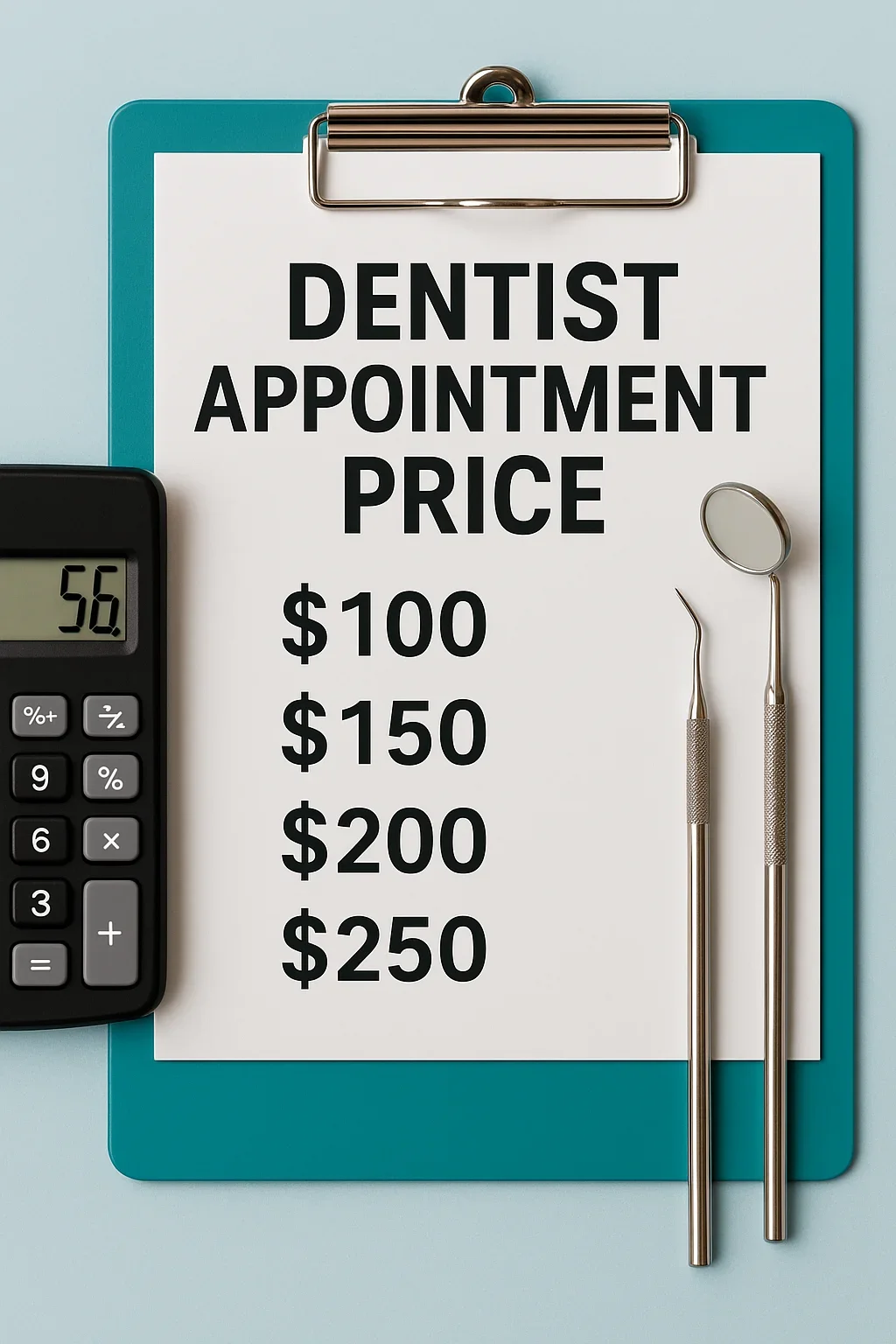
When to Seek an Urgent Dental Visit and How Pricing Changes
Many patients do not realize how dramatically timing can influence the dentist appointment price. Emergency dental situations require immediate attention, rapid diagnostics, and often specialized treatment, all of which can increase total costs compared to routine appointments. Understanding when to seek urgent care — and how pricing structures shift in these situations — helps patients make better decisions and avoid unnecessary expenses. In this section, we explore the symptoms that demand urgent treatment, the factors that elevate emergency costs, and how patients can prepare both medically and financially 😊.
Common Signs That You Need an Urgent Dental Appointment
Dental emergencies occur when pain, swelling, bleeding, or trauma threaten oral health or quality of life. Unlike routine care, these conditions cannot wait days or weeks for treatment. The faster a patient acts, the better their chances of minimizing long-term damage and reducing the eventual dentist appointment price.
- Severe tooth pain lasting more than 24 hours
- Facial swelling or signs of infection
- Knocked-out or fractured teeth
- Uncontrolled bleeding from the mouth
- Abscesses causing fever or throbbing pain
- Lost crowns or fillings exposing sensitive tooth structures
Seeking care immediately for these issues reduces the risk of complications — and may prevent far more expensive procedures later.
Why Emergency Dental Visits Cost More
Understanding the pricing structure of emergencies helps patients better predict the dentist appointment price during unexpected situations. Emergency visits typically cost more because they require the clinic to:
- Adjust schedules to accommodate immediate treatment
- Allocate additional staff or extended hours
- Run advanced diagnostic imaging quickly
- Provide temporary restorations to stabilize the condition
Urgent visits also involve a higher degree of clinical complexity. Problems such as abscesses, infections, and fractured teeth require precise diagnostics and targeted treatment planning under time pressure.
After-Hours or Weekend Fees
Many clinics charge additional fees for consultations that occur outside normal business hours. This can significantly increase the dentist appointment price for patients who require care on evenings, weekends, or holidays.
The Role of Diagnostic Tests in Emergency Pricing
Emergency situations often require immediate imaging to reveal internal problems. Diagnostic steps may include:
- Bitewing or periapical X-rays
- Panoramic imaging
- CBCT scans for 3D analysis
Advanced imaging tools are essential for confirming infections, identifying root fractures, detecting bone involvement, and assessing nerve damage. While they increase the dentist appointment price, they also ensure faster and more accurate treatment.
Types of Emergency Treatments and Their Cost Impact
Emergency dental treatments vary widely depending on the cause of the problem. Some require only temporary stabilization, while others demand full restorative intervention. These differences heavily influence the total dentist appointment price.
1. Emergency Fillings or Temporary Restorations
When a lost filling or fractured tooth exposes dentin, the dentist may place a temporary or permanent filling to protect the tooth. This quick stabilization prevents infection and reduces sensitivity. Prices range depending on the material used.
2. Root Canal Therapy for Severe Pain
When nerve tissues are infected or inflamed, immediate root canal treatment may be required. Emergency root canal therapy typically costs more because it requires priority scheduling and extended clinical time.
3. Abscess Drainage and Infection Control
Abscesses pose serious health risks. Immediate drainage or incision-and-drain procedures are often required. Antibiotics may also be prescribed. These interventions increase the overall dentist appointment price due to their complexity and urgency.
4. Tooth Extraction for Irreversible Damage
If a tooth is beyond repair, extraction may be necessary. Emergency extractions may involve additional imaging, surgical technique, and longer recovery guidance.
How Urgency Affects Treatment Planning and Follow-Up Care
Emergency dentistry often involves a two-phase treatment plan:
- Phase 1: Immediate stabilization and pain relief
- Phase 2: Definitive treatment at a later appointment
This structure means patients may face several costs over time. Still, addressing emergency symptoms early typically reduces long-term expenses by preventing severe infections or structural damage that require more extensive procedures.
How to Minimize Emergency Costs
Although emergencies cannot always be avoided, there are ways to reduce their financial impact and keep your dentist appointment price manageable.
1. Regular Preventive Appointments
Most emergencies begin as minor issues that could have been detected during routine exams. Preventive care is the best long-term strategy for reducing unexpected expenses.
2. Address Pain Early
Do not wait for pain to become severe. Early intervention often results in simpler and less expensive treatment.
3. Ask About Same-Day Availability
Some clinics accommodate same-day appointments without charging emergency fees. Patients should ask about scheduling policies in advance.
4. Understand Insurance Coverage for Emergencies
Insurance plans often categorize emergency visits differently. Knowing your benefits in advance ensures you understand how the dentist appointment price will be affected.
When to Contact a Dentist Immediately
If you experience severe pain, swelling, fever, or trauma, contact a dental clinic without delay. You can reach our team quickly using the
Redent Klinik Contact Page. Fast action not only protects your health but also helps minimize the financial impact of emergency treatment.
Understanding how urgency affects the dentist appointment price helps patients prepare for unexpected situations and make smarter decisions about their oral health. Acting early, recognizing symptoms, and maintaining preventive routines are the keys to avoiding costly dental emergencies 😄.