
If you have a dentist appointment tomorrow, you’re likely wondering how to prepare, what to expect, and how to make the most of your visit. Whether it’s a routine check-up, a cleaning, or an urgent dental concern, proper preparation can make the entire experience smoother and far more comfortable 😊. Many patients underestimate how small steps taken today can significantly improve the outcome of their next-day dental visit. This detailed guide explains everything—from mental preparation and oral hygiene tips to what dentists typically evaluate during your appointment.
First, let’s talk about why preparation matters. Even for something as simple as a cleaning, arriving prepared for a dentist appointment tomorrow helps reduce stress, ensures your dentist gets the most accurate view of your oral health, and increases your chances of receiving actionable, personalized recommendations. Many people rush into their appointments without knowing what will be checked, but understanding the process boosts confidence and results in a more productive visit 🦷.
If this is your first time visiting a clinic or you’ve scheduled a dentist appointment tomorrow due to tooth sensitivity, bleeding gums, or cosmetic concerns, take a few moments to reflect on any symptoms you’ve experienced recently. Pain location, duration, triggers, and changes over time are incredibly useful details for your dentist. Additionally, completing any medical questionnaires or forms ahead of time saves valuable minutes during your visit. You can also reach out through the
Redent Klinik Contact Page if you have last-minute questions or need guidance about what to bring.
Dental professionals typically examine far more than cavities. Your dentist appointment tomorrow will likely include an evaluation of your gums, bite alignment, jaw movement, existing restorations, enamel health, and even early screening for issues like bruxism or oral lesions. Many patients assume a quick cleaning is the entire purpose of a visit, but comprehensive oral health assessment is a critical part of long-term wellness. The American Dental Association emphasizes regular examinations as the foundation of preventive care, and preparing properly only enhances the results.
To ensure the most accurate evaluation, avoid eating sticky, highly pigmented, or strongly odorous foods tonight and tomorrow morning. While your dental team is trained to handle all oral conditions, arriving with as clean a mouth as possible makes the examination easier and more precise. Brushing, flossing, and rinsing before your appointment support a clearer view of any potential issues. Even if you’re going for a last-minute visit or a next-day dental check (a useful semantic alternative to “dentist appointment tomorrow”), giving your mouth a bit of care today goes a long way.
Emotionally preparing is just as important. Dental anxiety is incredibly common, and if you feel uneasy about your dentist appointment tomorrow, rest assured—you’re not alone. Deep breathing exercises, distraction techniques, and open communication with your dental team can help you feel more relaxed 👍. Dentists are accustomed to treating anxious patients and can adapt their approach when they know how you’re feeling. Never hesitate to speak up.
Logistically, plan to arrive 10–15 minutes early. This buffer allows you to settle in, complete any administrative steps, and avoid the stress of rushing. Bring your ID, insurance information (if applicable), and a list of medications you’re currently taking. Also write down concerns or questions so you don’t forget to discuss them during your visit. Your dentist appointment tomorrow becomes significantly more effective when you communicate your expectations clearly.
Finally, consider what comes after your appointment. Depending on what the dentist finds, you may be advised to schedule follow-up treatments, adopt better hygiene habits, or modify your diet. If treatment prices are discussed, clinics often provide written estimates or digital breakdowns for transparency. While actual numbers vary by region and provider, procedures such as cleanings, fillings, and whitening often fall within common market ranges, which can be clarified during your visit.
In summary, preparing for a dentist appointment tomorrow doesn’t have to be stressful. With a bit of planning, mindful oral hygiene, and clear communication with your dental team, you’ll walk into the clinic confident and ready. This guide ensures you understand what to expect and how to make your next-day dental visit as smooth and productive as possible 💙.
How to Prepare Effectively for Your Dentist Appointment Tomorrow
Preparing properly for your dentist appointment tomorrow can significantly improve the accuracy, comfort, and overall results of your visit. Many patients treat dental appointments as simple routine tasks, but in reality, the preparation you do beforehand directly influences your dentist’s ability to diagnose problems, provide solutions, and guide you toward better oral health. This section offers a complete, step-by-step preparation guide, ensuring you walk into your appointment feeling confident, informed, and ready 😊.
Why Preparation Matters Before a Dental Visit
Most people assume that the dental team handles everything, but the condition of your mouth when you arrive plays a major role. When you prepare adequately before your dentist appointment tomorrow, you help your dentist detect changes in gum health, enamel structure, bite alignment, or early signs of cavities more accurately. Even subtle improvements in your pre-visit hygiene give your dentist a clearer, more reliable view of your oral condition.
Preparation also eliminates unnecessary stress. Knowing what will happen, what to bring, and how to describe your symptoms creates a smoother experience. It’s especially helpful if you’re going for a next-day dental checkup, a common scenario for people with sudden tooth sensitivity, bleeding gums, or aesthetic concerns like staining.
Build a Symptom Checklist Before Your Appointment
One of the most valuable things you can do the day before your dentist appointment tomorrow is to create a detailed symptom checklist. Dentists rely heavily on patient descriptions, especially when issues come and go or aren’t visible during the exam. Consider noting:
- When symptoms started and how frequently they occur
- Any pain triggers (cold drinks, biting pressure, sweets)
- Specific areas of discomfort: front teeth, molars, gums, jaw joints
- Changes in your bite, such as teeth feeling “off” or uneven
- Any clicking or popping in your jaw joints
This creates a foundation for targeted diagnostics. If you’re unsure how to communicate symptoms, you can ask the clinic questions beforehand using the
Redent Klinik Contact Page.
Oral Hygiene Steps to Take the Night Before
A clean oral environment makes your dental exam far more accurate. Even if you brush regularly, make sure to follow a thorough routine tonight so your dentist appointment tomorrow goes smoothly.
1. Brush Thoroughly (But Gently)
Use gentle circular motions and spend at least two minutes brushing. Pay extra attention to the gumline, the back molars, and the inner surfaces of your teeth where plaque tends to hide.
2. Floss Carefully
Flossing the night before your appointment removes debris that might interfere with an accurate gum health evaluation. Be gentle to avoid irritating the gums, especially if you don’t floss daily.
3. Use an Antimicrobial Mouth Rinse
An antimicrobial rinse helps reduce bacterial load, ensuring your dentist can examine your teeth and gums without interference from plaque buildup. This is especially useful if you’re prone to gingival inflammation.
Dietary Recommendations Before Your Visit
What you eat before your dentist appointment tomorrow can impact the clarity of your examination. Avoid sticky foods, sugary snacks, or strongly colored items like berries or red sauces. These can temporarily stain teeth or leave residue that disrupts the cleaning process.
Hydration is equally important. Drink plenty of water the night before and the morning of your appointment to help maintain saliva production, which assists with natural cleaning and neutralizes acids in your mouth.
Preparing Mentally for the Appointment
Many patients feel anxious before a dental visit. If you experience dental anxiety, preparing mentally today will make your dentist appointment tomorrow far more manageable. Consider using:
- Breathing exercises to control stress
- Visualization techniques to imagine a positive experience
- Communication strategies, such as telling your dentist you feel nervous
Dentists regularly treat anxious patients and can pause, explain procedures, or adjust their approach to ensure your comfort. Knowing this can dramatically reduce stress 👍.
What to Bring to the Clinic
For an efficient and productive visit, prepare the following items the day before your dentist appointment tomorrow:
- Personal identification and insurance information (if applicable)
- A list of your current medications
- Any dental appliances (night guards, retainers, dentures)
- Previous X-rays or reports if you have changed clinics
- A written list of questions or concerns
If you’re visiting a clinic for the first time, bring your medical history. This helps your dentist understand underlying conditions that may influence treatment decisions.
Practical Logistics to Plan Ahead
Small logistical details make a big difference. Go to bed early tonight, plan your route to the clinic, and set aside an extra 10–15 minutes to arrive without rushing. This ensures your dentist appointment tomorrow begins on time, allowing your dental team to conduct a complete and unhurried evaluation.
Conclusion: The Key to a Successful Appointment
Effective preparation enhances every part of your dental visit—from communication to diagnosis to long-term oral health planning. By following the steps in this guide, you’ll walk into your dentist appointment tomorrow feeling informed, confident, and ready for a productive experience. For authoritative guidance on best dental practices, you can refer to the American Dental Association, which provides valuable resources on preventive care and treatment standards.
Common Dental Issues Found During a Last-Minute Dental Visit
When you schedule a dentist appointment tomorrow, especially as a last-minute visit, there is usually an underlying concern that needs immediate attention. Many patients experience sudden tooth pain, gum bleeding, sensitivity, or cosmetic issues that prompt them to book a next-day appointment. Dentists are fully prepared for such cases, and understanding the types of issues commonly discovered during these urgent visits can help you arrive better informed and more confident 😊. This section provides a deeply detailed and comprehensive breakdown of the most frequent problems identified during next-day dental checkups and how your dentist may address them.
1. Tooth Decay and Early Cavity Formation
One of the most common findings during a dentist appointment tomorrow is tooth decay—ranging from mild enamel demineralization to fully developed cavities. Cavities often go unnoticed until discomfort appears, leading patients to book a last-minute visit. Early detection is essential because untreated decay progresses into deeper layers of the tooth, eventually reaching the nerve and causing severe pain.
How Dentists Detect Cavities Quickly
Your dentist will use a combination of:
- Visual examination under bright LED lighting
- Air drying to reveal chalky, demineralized spots
- Explorers to check for soft or sticky surfaces
- Digital X-rays for hidden decay between teeth
If decay is minimal, fluoride varnish or remineralizing treatments may be recommended. If a cavity is moderate or severe, a filling, inlay, or onlay may be necessary.
2. Gum Disease and Inflammation
Gum issues are frequently discovered during next-day dental visits. Because gum disease often progresses silently, people tend to book a dentist appointment tomorrow only when they notice bleeding, swelling, or tenderness. Gingivitis—the earliest stage of gum disease—is reversible with timely treatment, while periodontitis requires more advanced intervention.
Signs Your Dentist Will Look For
- Bleeding upon gentle probing
- Red or swollen gum margins
- Pockets deeper than 3mm
- Tartar buildup along the gumline
If gum disease is detected early, your dentist may recommend scaling, root planing, or antibacterial rinses. You may also be advised to follow stricter oral hygiene habits before your next appointment.
3. Tooth Sensitivity and Enamel Erosion
Sensitivity is one of the top reasons people book a dentist appointment tomorrow. Patients often experience sudden sensitivity to hot, cold, or sweet foods. This is commonly caused by enamel wear, exposed dentin, aggressive brushing, acidic diets, or early gum recession.
How Your Dentist Evaluates Sensitivity
Your dentist will investigate the potential causes by checking enamel thickness, assessing gum position, and examining bite patterns to ensure you’re not grinding at night. In many cases, sensitivity can be minimized through desensitizing toothpaste, fluoride gel, or bonding procedures that protect exposed surfaces.
4. Cracked or Fractured Teeth
Cracks are often discovered in emergency or next-day dental appointments. If you made your dentist appointment tomorrow due to sudden sharp pain while chewing, you may have a hairline fracture. Cracks can occur from trauma, biting hard foods, aging restorations, or nighttime grinding (bruxism).
Types of Cracks Dentists Commonly Find
- Craze lines: superficial and harmless
- Fractured cusp: often associated with old fillings
- Cracked tooth: more serious and requires prompt treatment
- Split tooth: usually requires extraction
Treatment may involve bonding, a crown, or—if the crack reaches the pulp—a root canal.
5. Impacted or Painful Wisdom Teeth
Young adults commonly book a dentist appointment tomorrow due to swollen gums or jaw discomfort caused by erupting or impacted wisdom teeth. These issues can escalate quickly if bacteria get trapped under the gum flap.
What Dentists Check During a Wisdom Tooth Evaluation
- Position of the tooth using panoramic X-rays
- Degree of impaction (soft tissue, partial, or full)
- Presence of infection or abscess
Depending on severity, you may be advised to schedule extraction or begin antibiotic therapy.
6. Dental Infections and Abscesses
Infections are a critical reason for booking a dentist appointment tomorrow. Symptoms often include throbbing pain, swelling, fever, or a bad taste in the mouth. An abscess is a sign of advanced infection and always requires immediate attention.
How Dentists Manage Dental Infections
Your dentist may take X-rays to identify the source and determine whether root canal therapy, drainage, or extraction is required. Antibiotics may be prescribed for severe swelling or systemic symptoms.
7. Damaged Fillings or Crowns
Old restorations frequently fail without warning. If a filling falls out or a crown becomes loose, a patient often schedules a dentist appointment tomorrow to prevent sensitivity, decay, or infection.
Depending on the situation, your dentist may repair the existing restoration, place a temporary crown, or recommend replacing it entirely.
8. Bite Problems and TMJ Disorders
Jaw-related issues are another common finding during urgent visits. Clicking, popping, grinding, or jaw stiffness often signals TMJ dysfunction.
Evaluation includes checking jaw movement, muscle tenderness, and bite alignment. Treatment may involve night guards, bite adjustment, or physical therapy.
Conclusion
A dentist appointment tomorrow can uncover a wide range of dental issues, many of which develop silently over time. Whether it’s decay, gum disease, cracks, sensitivity, or infections, early detection significantly improves long-term outcomes. By understanding what dentists commonly find during last-minute visits, you’ll feel more prepared and confident walking into your appointment. For standards and professional guidelines related to dental examinations, the American Dental Association remains a trusted resource.
What to Expect During a Routine Check-Up Scheduled for Tomorrow
If you have a dentist appointment tomorrow, knowing exactly what will happen during a routine check-up can help reduce stress, increase confidence, and ensure you get the most value from your visit. Many people walk into dental appointments without fully understanding the stages of an exam, the tools used, or the purpose behind each step of the process. This detailed guide will walk you through every part of a standard check-up so you feel completely prepared and know what to expect from the moment you sit in the chair 😊.
The Initial Welcome and Medical Review
When you arrive for your dentist appointment tomorrow, the visit typically begins with an updated medical history check. Dental health is closely linked to systemic health, so dentists need to know about any new medications, chronic conditions, or recent surgeries. This helps prevent complications and ensures treatments are tailored to your health needs.
If it’s your first appointment at a new clinic, you may be asked to fill out forms about allergies, previous dental treatments, lifestyle factors like smoking or bruxism, and symptoms you’ve been experiencing. Being honest and thorough helps the dental team create a personalized treatment plan.
Step 1: Digital X-Rays or Imaging
For many patients, the first clinical step of their dentist appointment tomorrow involves taking digital X-rays. These images reveal areas the dentist cannot see during a visual exam, such as:
- Decay between teeth
- Bone level and early signs of gum disease
- Root infections or abscesses
- Impacted teeth
- Cysts or abnormal growths
Digital imaging is fast, safe, and highly accurate. It allows the dentist to identify concerns early, often long before pain develops. If you’ve visited another clinic recently, you may bring previous X-rays. Otherwise, new ones will be taken to ensure your records are current.
Step 2: Visual Examination of Teeth and Gums
After reviewing your X-rays, the dentist will perform a detailed visual inspection. During your dentist appointment tomorrow, the dentist will check for:
- Cavities or enamel erosion
- Gum inflammation, bleeding, or recession
- Old fillings or crowns that may be failing
- Signs of teeth grinding (bruxism)
- Cracks in teeth or dental restorations
Dentists use special tools like explorers, mirrors, and LED lights to examine every surface of your teeth. Even small details matter because early detection prevents costly treatments later.
Step 3: Gum Health Evaluation
One major component of a routine check-up is measuring your gum health. During your dentist appointment tomorrow, the hygienist or dentist will use a periodontal probe to measure pocket depths around each tooth. Healthy gums typically have pocket depths between 1–3mm.
Common Signs of Early Gum Problems
- Bleeding during probing
- Swelling or tenderness
- Pockets deeper than 3mm
- Tartar buildup
If gum disease is identified early, simple cleanings and improved home care can reverse its progression. Advanced cases may require scaling and root planing.
Step 4: Professional Teeth Cleaning
A routine check-up almost always includes a cleaning performed by a dental hygienist. This is one of the most valuable parts of your dentist appointment tomorrow because it removes plaque and tartar that brushing cannot eliminate.
What Happens During a Cleaning?
- Scaling: Removing hardened tartar with specialized tools
- Polishing: Smoothing tooth surfaces to prevent future buildup
- Flossing: Thorough cleaning between each tooth
- Rinsing: Flash removal of debris and polishing paste
- Fluoride treatment: Strengthening enamel and reducing sensitivity
Cleanings not only improve oral health—they rejuvenate your smile and leave your mouth feeling fresh and smooth 😁.
Step 5: Bite and Jaw Assessment
Many dentists include a bite evaluation as part of a routine exam. During your dentist appointment tomorrow, the dentist may check how your upper and lower teeth fit together, assess jaw movement, and look for signs of TMJ dysfunction.
- Clicking or popping sounds in the jaw
- Headaches or facial pain
- Uneven tooth wear
- Difficulty opening or closing the mouth
These symptoms often indicate bite misalignment or grinding habits, which can be treated with orthodontics or night guards.
Step 6: Discussion and Personalized Treatment Plan
At the end of your visit, your dentist will explain everything found during your exam. A high-quality dentist appointment tomorrow always includes time for questions, recommendations, and explanations about future treatments or preventive steps.
You may also receive guidance on brushing techniques, flossing habits, diet, and lifestyle adjustments. If further treatment is needed, such as fillings, whitening, or aligners, the dentist will outline these options clearly.
If you need to ask questions before or after the visit, you can always reach out through the
Redent Klinik Contact Page.
For clinical standards regarding routine exams, refer to the
American Dental Association, which provides professional, research-backed guidelines.
Conclusion
A dentist appointment tomorrow is nothing to worry about when you understand the process. From X-rays to cleanings, gum measurements to treatment planning, each step ensures a healthier, brighter smile. This comprehensive breakdown prepares you for a smooth, predictable, and productive dental visit that enhances your long-term oral health.
How to Reduce Stress and Anxiety Before a Dentist Appointment Tomorrow
Feeling nervous before a dentist appointment tomorrow is extremely common. Whether it’s fear of discomfort, uncertainty about what will happen, or anxiety from a past dental experience, many patients struggle with pre-appointment worry. The good news is that modern dentistry focuses heavily on comfort, communication, and gentle techniques—meaning you can walk into your appointment feeling calm, prepared, and in control 😊. This section provides a comprehensive guide to understanding, managing, and overcoming dental anxiety so you can approach your upcoming visit with confidence.
Understanding the Root of Dental Anxiety
Before attempting to reduce nervousness, it’s important to understand what causes it. For many people with a dentist appointment tomorrow, anxiety is triggered by a combination of emotional, physical, and psychological factors. Identifying your specific triggers makes it easier to manage them effectively.
Common Causes of Dental Anxiety
- Fear of pain: Often rooted in outdated assumptions about dental tools or techniques.
- Loss of control: Being in a reclined chair can create a feeling of helplessness.
- Negative past experiences: A childhood dental experience can influence adult emotions.
- Sensitivity to noises: The sounds of dental equipment can create stress.
- Embarrassment: Some patients feel self-conscious about their teeth or gums.
Once you understand the cause, managing anxiety becomes far easier. Dentists today use minimally invasive methods and communicate openly with patients to ensure a comfortable experience.
Practical Steps to Reduce Stress the Day Before Your Appointment
Preparing the day before your dentist appointment tomorrow can significantly reduce anxiety. A calm mind leads to a more productive visit, better communication, and a more positive overall experience.
1. Get a Good Night’s Sleep
Fatigue amplifies stress levels. Prioritize rest the night before your appointment by following a relaxing bedtime routine:
- Avoid caffeine after 5 PM
- Listen to calming music or nature sounds
- Use light stretching or deep breathing exercises
- Stay away from screens at least one hour before bed
Even if you’re feeling nervous, focus on setting up a peaceful environment to improve sleep quality.
2. Avoid Overthinking
Many patients spiral into worry by imagining worst-case scenarios. Instead, focus on facts: modern dental care is safe, comfortable, and designed for your well-being. If questions arise, you can always message the clinic through the
Redent Klinik Contact Page to get clarification before your visit.
3. Practice Relaxation Breathing
Deep breathing stabilizes the nervous system. Before your dentist appointment tomorrow, practice these techniques:
- 4-7-8 breathing: Inhale for 4 seconds, hold for 7, exhale for 8.
- Diaphragmatic breathing: Let your stomach expand as you inhale deeply.
- Box breathing: Inhale–hold–exhale–hold for 4 seconds each.
A few minutes of controlled breathing can dramatically reduce physical symptoms of anxiety.
How to Stay Calm on the Morning of Your Appointment
The morning of your dentist appointment tomorrow is a crucial time. Establishing a calm routine helps prevent anxiety from escalating.
1. Eat a Light, Healthy Breakfast
Avoid heavy, sugary, or acidic foods that may increase sensitivity. Choose calm-inducing foods such as:
- Oatmeal
- Bananas
- Whole-grain toast
- Herbal teas like chamomile or peppermint
A balanced meal keeps your blood sugar stable and improves emotional resilience.
2. Arrive Early
Rushing to your appointment increases stress. Arrive 10–15 minutes early to settle in and breathe. Extra time helps you start the visit in a composed, relaxed state.
3. Bring Comfort Items
These can help create a sense of familiarity:
- Earphones for calming music
- A stress ball
- A warm sweater or blanket
- Your favorite podcast
Comfort items help shift your focus from fear to reassurance.
Communicating With Your Dentist About Anxiety
One of the most powerful ways to reduce stress before a dentist appointment tomorrow is to be open about your concerns. Dentists are trained to help anxious patients and can adjust their approach to ensure you feel safe.
What Dentists Can Do to Help
- Explain procedures step-by-step
- Offer short breaks during the appointment
- Use quieter or more comfortable tools
- Apply numbing gel before injections
- Encourage hand signals to stop at any time
When your dentist understands your emotional state, your entire experience becomes smoother and more positive.
Using Distraction and Cognitive Strategies
Mental distraction helps keep the brain occupied, limiting anxiety. Before your dentist appointment tomorrow, practice techniques such as:
- Listening to music: Your favorite songs can shift your emotional state.
- Visualization: Imagine a calming scene such as a beach or quiet forest.
- Positive affirmations: Remind yourself of your strength and your goal of better health.
These strategies reduce mental stress both before and during your visit.
When Professional Support May Help
For severe dental anxiety, cognitive behavioral therapy (CBT), mild sedatives, or guided support may be beneficial. Your dentist can recommend professional solutions that align with your needs.
Conclusion
Reducing worry before a dentist appointment tomorrow is entirely achievable with the right tools, mindset, and preparation. By understanding your triggers, practicing relaxation, using distraction methods, and openly communicating with your dental team, you can experience a calm, positive, and empowering dental visit. For professional guidelines on patient comfort, the
American Dental Association offers valuable resources and recommendations.
The Importance of Oral Hygiene the Night Before Your Dental Visit
If you have a dentist appointment tomorrow, the actions you take the night before play a crucial role in how effective and accurate your dental check-up will be. Many patients assume that routine brushing is enough, but preparing your mouth properly helps your dentist get a clearer view of your oral condition, reduces inflammation, improves diagnostic accuracy, and contributes to a more comfortable experience 😊. This section explains in detail why oral hygiene the night before your visit matters, how to perform it correctly, and what mistakes to avoid.
Why Cleaning Your Teeth Thoroughly the Night Before Matters
When plaque, debris, or tartar sits on the teeth overnight, it can harden or create false signs of inflammation. If you take extra care with your oral hygiene tonight, your dentist appointment tomorrow will be far more productive, accurate, and comfortable.
Reasons to Improve Oral Hygiene Before Your Visit
- Improved visibility: Clean surfaces help your dentist identify cavities or cracks more effectively.
- Reduced gum irritation: Removing plaque lowers gum bleeding during the exam.
- Accurate diagnosis: A cleaner mouth ensures that redness or swelling isn’t caused by temporary debris.
- Better breath: Many patients feel more confident and relaxed when their mouth is fresh.
Proper preparation also helps the dentist focus on real issues—not temporary, avoidable ones caused by leftover food or plaque. The night before your dentist appointment tomorrow is your best opportunity to support your oral health.
Step-by-Step Nighttime Oral Hygiene Routine
A single brushing session is helpful, but for optimal results, a structured and thorough routine is recommended. This helps ensure that your dentist sees your teeth and gums exactly as they truly are, without interference from buildup.
1. Start With a Warm Water Rinse
Use warm—not hot—water to soften debris around the gumline. Warm water increases comfort, especially for patients with sensitivity or gingival irritation.
2. Brush for a Full Two Minutes
Before your dentist appointment tomorrow, brushing should be extra intentional. Divide your mouth into four sections and spend 30 seconds on each:
- Upper right
- Upper left
- Lower right
- Lower left
Use small circular motions and focus on every surface—front, back, chewing sides, and the gumline. Brushing too hard can damage enamel and irritate the gums, so gentle pressure is key.
3. Carefully Floss Between All Teeth
Flossing helps remove debris that brushing cannot reach. This is especially important if you want your dentist to accurately evaluate gum health during your dentist appointment tomorrow. Gently slide the floss down each side of every tooth in a C-shape motion to remove plaque without causing injury.
4. Use an Antimicrobial Mouthwash
Rinsing with antibacterial mouthwash helps reduce harmful bacteria and freshen breath. It also minimizes plaque buildup overnight, giving your dentist a clearer view of gum conditions.
5. Clean Your Tongue Thoroughly
The tongue harbors millions of bacteria and contributes significantly to bad breath. Use a scraper or soft-bristled brush to clean the tongue from back to front, improving freshness and overall oral hygiene.
Foods and Drinks to Avoid the Night Before Your Visit
What you consume tonight affects how your mouth looks and feels during your dentist appointment tomorrow. Certain foods can temporarily stain teeth or increase inflammation.
Avoid These Before Bed
- Strongly pigmented foods: Berries, curry, tomato sauces
- Sugary snacks: Candy, pastries, sweet drinks
- Acidic items: Citrus fruits, carbonated beverages
- Alcohol: Causes dryness and reduces saliva flow
Hydrate well and stick to tooth-friendly foods. This helps maintain clean enamel surfaces and ensures your dentist can evaluate stains accurately.
Improving Gum Health Before Your Appointment
Even if your gums bleed occasionally, don’t avoid flossing the night before your dentist appointment tomorrow. Bleeding gums are often a sign of inflammation, not flossing damage. In fact, removing plaque can reduce bleeding during the exam.
Tips for Healthier Gums
- Use a soft-bristle toothbrush
- Massage the gums gently in circular motions
- Rinse with warm salt water to reduce swelling
- Use an interdental brush if flossing is difficult
Consistent care the night before helps your dental team assess your gum condition more accurately.
Why Freshening Breath Matters for Comfort and Confidence
Many people feel self-conscious about breath before a dental visit. A simple nighttime routine greatly reduces morning breath, helping you arrive at your dentist appointment tomorrow feeling relaxed and confident. Bacteria on the tongue and food trapped between teeth are the most common causes, both easily managed with proper hygiene.
When to Contact Your Dentist Before Your Appointment
If you notice sudden pain, swelling, or unusual discomfort the night before your visit, you may want to contact the clinic. You can easily do this through the
Redent Klinik Contact Page.
Early communication helps the team prepare for anything that may require immediate attention during your check-up.
Conclusion
The night before your dentist appointment tomorrow is your opportunity to support your oral health, reduce inflammation, eliminate unnecessary plaque, and ensure your dentist gets the clearest possible view of your teeth and gums. By following a thoughtful hygiene routine, avoiding irritation triggers, and keeping your mouth clean and healthy, you set the stage for a productive, accurate, and comfortable dental visit.
For guidelines on proper oral hygiene, the
American Dental Association provides trusted, research-backed recommendations.
Foods and Drinks to Avoid Before Your Dentist Appointment Tomorrow
Preparing for a dentist appointment tomorrow involves more than just brushing, flossing, and organizing your medical information. The foods and drinks you consume today directly affect the clarity, accuracy, and comfort of your dental examination. Certain items can temporarily stain teeth, irritate gums, weaken enamel, or create unpleasant odors — all of which may interfere with how effectively your dentist can evaluate your oral health.
This comprehensive guide explains exactly what you should avoid eating or drinking, why these choices matter, and how you can prepare your mouth for the best possible exam results tomorrow 😊.
Why Your Diet Matters Before a Dental Appointment
Many people are surprised to learn how significantly food impacts oral conditions within just a few hours. If you have a dentist appointment tomorrow, your diet today can influence the appearance of your enamel, the sensitivity of your gums, the amount of plaque buildup, and even the freshness of your breath.
Dentists aim to examine your teeth in their natural state — not temporarily colored, swollen, or coated by certain foods. By avoiding specific items, you allow the dentist to see the true condition of your mouth.
How Foods Can Affect Diagnostic Accuracy
- Staining foods: Can make enamel appear darker than it actually is.
- Sugary foods: Promote rapid plaque formation that hides gum issues.
- Acidic foods: Temporarily soften enamel, making teeth more sensitive.
- Hard foods: May irritate teeth or cause micro-cracks.
- Sticky foods: Stay lodged between teeth, masking potential problems.
Avoiding certain foods today ensures a smoother, clearer, and more accurate examination during your dentist appointment tomorrow.
Foods to Avoid the Night Before Your Appointment
Your evening meal plays a major role in preparing your mouth for your check-up. Here are the most important items to avoid tonight.
1. Strongly Pigmented Foods
These can cause temporary staining that your dentist may need to clean before proceeding with the examination. Avoid:
- Beetroot
- Blueberries
- Tomato-based sauces
- Curry dishes
- Soy sauce
If stains form overnight, your dentist appointment tomorrow may begin with additional cleaning instead of a direct examination.
2. Sugary or Sticky Foods
These foods increase plaque buildup dramatically and can lead to gum irritation by morning. Avoid:
- Candies (especially caramels or gummies)
- Pastries and baked sweets
- Chocolate bars
- Dried fruit
Sugary residue can mask gum inflammation, making diagnosis harder.
3. Acidic and Erosive Foods
Strong acids soften your enamel and increase sensitivity. Avoid:
- Citrus fruits
- Pineapple
- Vinegar-based dishes
- Pickles
These foods weaken enamel temporarily, which may affect how your teeth respond to tools used during your dentist appointment tomorrow.
Drinks to Avoid Before Your Dental Visit
Your beverage choices are just as important as your food choices. Some drinks stain teeth, others raise acidity, and many contribute to plaque buildup or bad breath.
1. Coffee and Tea
Coffee and black tea contain chromogens that attach to enamel, creating yellow or brown surface stains. If consumed today or tomorrow morning, they can alter the appearance of your smile.
2. Red Wine
Red wine causes both staining and acidity — a combination that affects the dentist’s ability to assess enamel health accurately.
3. Soft Drinks and Energy Drinks
Carbonated beverages bathe your teeth in acid and sugar, contributing to erosion and inflammation. If you have a dentist appointment tomorrow, it’s best to skip these entirely.
4. Alcoholic Beverages
Alcohol dries out your mouth, reducing saliva production. This increases bacteria levels and can create noticeable bad breath by morning.
Foods That Are Safe — And Even Beneficial — Before Your Appointment
To prepare effectively for your dentist appointment tomorrow, choose foods that support a clean, neutral oral environment:
- Plain yogurt
- Lean proteins (chicken, fish, tofu)
- Cooked vegetables
- Whole grains
- Bananas
- Cucumber or celery (mild natural cleansing effect)
Drinking water throughout the day helps flush away food particles and maintain hydration.
Morning-of Appointment Guidelines
On the morning of your dentist appointment tomorrow, continue to avoid dark-colored, acidic, or sugary drinks. If you must drink coffee, use a straw to minimize staining and rinse with water afterward.
When to Contact Your Dentist for Dietary Advice
If you have specific dietary restrictions, sensitivities, or concerns, feel free to reach out through the
Redent Klinik Contact Page.
Your dentist can offer personalized preparation tips tailored to your situation.
Conclusion
Avoiding the wrong foods and drinks before a dentist appointment tomorrow dramatically improves your examination results. From preventing temporary staining to minimizing inflammation, your dietary choices help ensure a clear, accurate, and comfortable check-up. By following these guidelines — and choosing gentle, tooth-friendly foods instead — you set the stage for a smooth and effective dental visit.
For professional dental care recommendations, you may also refer to resources from the
American Dental Association.
The Role of Digital Dentistry in Fast, Next-Day Dental Appointments
When you book a dentist appointment tomorrow, efficiency becomes essential. You want fast diagnostics, accurate treatment planning, and minimal discomfort — all within a limited time frame. Thanks to modern digital dentistry, next-day dental visits are far more streamlined than they were even a decade ago. Advanced technology allows dentists to diagnose issues faster, take clearer images, design restorations with unmatched precision, and reduce chair time dramatically.
This section provides a comprehensive and deeply detailed explanation of how digital tools enhance your dental experience, especially when your visit is scheduled for the very next day 😊.
How Digital Dentistry Speeds Up the Appointment Process
For patients with a dentist appointment tomorrow, time is one of the most important factors. Digital systems help reduce delays, eliminate guesswork, and provide immediate visibility into your oral health.
From 3D imaging to AI-assisted evaluations, digital dentistry allows your dentist to work with incredible speed and accuracy.
Key Benefits of Digital Technologies
- Faster diagnostics: Real-time images and instant results.
- Higher accuracy: Reduced risk of errors during treatment planning.
- Better communication: Visual explanations help patients understand conditions clearly.
- Shorter treatment times: Same-day or next-day solutions become possible.
- Improved comfort: Many digital tools are noninvasive and painless.
These advantages make digital dentistry particularly beneficial when your dental visit is scheduled quickly, such as during a next-day check-up or urgent evaluation.
Advanced Imaging Used During Next-Day Appointments
Modern dental clinics rely heavily on digital imaging to immediately understand what’s happening inside your mouth. If you have a dentist appointment tomorrow, expect your dentist to use at least one of these technologies.
1. Digital X-Rays
Digital X-rays produce high-resolution images in seconds. They expose you to less radiation than traditional film X-rays and are instantly displayed on a monitor for both you and your dentist to review.
2. 3D Cone Beam CT Scans
Cone Beam CT scans provide full 3D views of your jaw, teeth roots, nerve pathways, and sinus cavities. This is crucial for diagnosing issues hidden beneath the surface, especially if your next-day appointment is for:
- Severe pain
- Wisdom tooth evaluation
- Dental implants
- Root canal assessment
3D scans enable highly precise planning — something extremely valuable when time is limited.
3. Intraoral Cameras
These pen-sized devices show live video of your teeth, cracks, fillings, and gums. If you’re coming in for a dentist appointment tomorrow because of a sudden issue, the dentist can instantly capture detailed images for review.
Digital Tools for Faster Treatment Planning
After imaging, your dentist uses specialized software to analyze your oral health. These tools help create treatment plans within minutes, which is perfect for next-day appointments.
AI-Assisted Diagnostic Software
Artificial intelligence can highlight cavities, gum disease, or abnormalities on X-rays, giving dentists a second layer of insight. This improves speed and accuracy — particularly important if your dentist appointment tomorrow is time-sensitive.
CAD/CAM Technology (Computer-Aided Design & Manufacturing)
CAD/CAM allows dentists to design crowns, veneers, and inlays digitally and manufacture them in the office. In many cases, restorations can be made the same day, eliminating the need for temporary crowns.
- Digital impressions create a perfect 3D model of your teeth
- No messy molds or bite trays are required
- Restorations fit more precisely than traditional ones
For patients with cracked teeth, broken fillings, or cosmetic concerns, CAD/CAM is a game-changer.
How Digital Dentistry Enhances Patient Comfort
Comfort matters even more when you have a dentist appointment tomorrow and want the visit to be fast, smooth, and stress-free. Digital tools reduce pain, anxiety, and discomfort significantly.
Examples of Comfort-Enhancing Technology
- Laser dentistry: Minimizes bleeding and speeds up healing.
- Digital anesthesia delivery: More precise and less painful numbing.
- Noise-reduced tools: Ideal for patients with dental anxiety.
These modern devices help make next-day appointments more comfortable and predictable.
The Connection Between Digital Dentistry and Emergency Visits
Many patients book a dentist appointment tomorrow due to sudden sensitivity, a fractured tooth, gum swelling, or extreme pain. Digital dentistry allows emergency cases to be handled with:
- Rapid imaging
- Immediate diagnosis
- Quick fabrication of temporary or permanent restorations
What once required multiple visits can often be addressed in a single appointment thanks to digital tools.
When to Contact Your Dentist Before Your Visit
If you’re unsure what kind of imaging or technology might be used during your appointment, you can always reach out via the
Redent Klinik Contact Page.
The team can explain which digital tools may be applied during your check-up or treatment.
Conclusion
Digital dentistry has transformed the speed, comfort, and accuracy of next-day dental visits. If you have a dentist appointment tomorrow, you can expect clearer imaging, more precise diagnostics, faster treatments, and a significantly more comfortable experience. From AI-enhanced evaluations to 3D imaging and CAD/CAM milling, modern dental tools ensure that even urgent appointments are handled with efficiency and professionalism.
For trusted guidelines on digital standards, you may refer to the
American Dental Association, which provides valuable insights on advancements in the field.
How to Plan Follow-Up Care After Your Dentist Visit Tomorrow
Once your dentist appointment tomorrow is complete, the next crucial phase is follow-up care. Many patients mistakenly believe that dental care ends when they walk out of the clinic, but in reality, what you do after your visit significantly affects healing, long-term oral health, and the success of any treatments you may receive. Whether your appointment is for a routine check-up, a filling, gum treatment, or an urgent evaluation, planning ahead ensures that your recovery is smooth, your results are long-lasting, and potential issues are prevented early 😊.
This comprehensive guide explains everything you need to know about post-appointment care — from short-term recovery steps to long-term maintenance — so you’re prepared even before arriving at your appointment.
Understanding the Importance of Post-Appointment Care
Follow-up care protects the work completed during your dentist appointment tomorrow and helps maintain the improvements achieved during cleaning or treatment. It also supports gum health, reduces sensitivity, and stabilizes any restorations placed.
Your dentist’s recommendations are tailored to your oral condition, so being informed and prepared ahead of time helps you follow these guidelines correctly.
Why Aftercare Matters
- Promotes faster healing after dental procedures
- Prevents irritation or infection
- Improves longevity of fillings, crowns, or restorations
- Reduces gum sensitivity after cleanings
- Helps maintain the progress made during your visit
Even a standard cleaning requires light aftercare, especially if tartar removal irritated your gums.
Immediate Aftercare Steps Based on Common Dental Procedures
Depending on what happens during your dentist appointment tomorrow, your aftercare instructions may vary. Below are detailed guidelines for the most common treatments patients undergo.
1. After a Routine Cleaning
A cleaning leaves teeth feeling smooth and fresh, but mild gum tenderness or temporary sensitivity may occur. To reduce discomfort:
- Rinse with warm salt water if your gums feel irritated
- Avoid very cold or hot foods for a few hours
- Use a soft-bristle toothbrush when brushing
- Continue flossing — gently — to avoid plaque buildup
Sensitivity usually resolves within 24–48 hours.
2. After a Filling
If you receive a filling during your dentist appointment tomorrow, expect your mouth to feel numb for up to two hours. Avoid biting your cheeks or lips before the numbness wears off.
Additional care tips include:
- Avoid chewing on the treated side for at least 24 hours (if using amalgam)
- Be mindful of temperature sensitivity for the next 48 hours
- Notify your dentist if the filling feels high or uncomfortable
3. After a Deep Cleaning (Scaling and Root Planing)
Deep cleaning targets bacterial buildup under the gums. Aftercare is essential to promote healing and reduce inflammation.
- Use antibacterial mouthwash as recommended
- Rinse with warm salt water twice daily
- Avoid spicy or acidic foods that can irritate gums
- Brush gently for 2–3 days
4. After Tooth Extraction or Oral Surgery
If your next-day appointment results in an extraction, the hours after the procedure are critical.
- Bite firmly on gauze for 30–60 minutes to control bleeding
- Avoid smoking or using straws for 24–48 hours (to prevent dry socket)
- Stick to soft foods during the first day — yogurt, eggs, mashed potatoes
- Apply an ice pack to reduce swelling
If pain or swelling increases unexpectedly, contact your dentist immediately.
5. After Crown, Veneer, or Bridge Placement
Restorations require careful aftercare to ensure long-term stability.
- Avoid chewing hard foods on the treated side for 24 hours
- Brush and floss gently around the restoration
- Use special floss threaders for bridges
- Report sensitivity lasting more than a week
Long-Term Oral Care After Your Appointment
Follow-up care goes beyond the first 24 hours. Once your dentist appointment tomorrow is completed, establish habits that keep your teeth healthy and prevent future problems.
Brush and Floss Consistently
Brush twice a day using a fluoride toothpaste and floss at least once daily. These basic habits significantly reduce plaque formation and gum disease risk.
Adopt a Tooth-Friendly Diet
Choose foods that protect your teeth:
- Calcium-rich items (yogurt, cheese, leafy greens)
- Low-sugar snacks
- Crunchy fruits and vegetables that stimulate saliva
Avoiding acidic drinks helps prevent enamel erosion.
Monitor Any Changes
Be observant of symptoms such as lingering sensitivity, pain, swelling, or changes in bite alignment. These may indicate an issue related to the treatment you received during your dentist appointment tomorrow.
When to Contact Your Dentist After Your Visit
If you experience any concerns following your appointment, contact the clinic promptly. You can use the
Redent Klinik Contact Page
to ask follow-up questions or request urgent evaluations.
Conclusion
Properly planning your follow-up care ensures the success of the work done during your dentist appointment tomorrow. Whether you receive a cleaning, filling, extraction, or advanced treatment, understanding how to support healing and maintain long-term oral health empowers you to protect your smile. With thoughtful aftercare and ongoing habits, your next-day appointment becomes not just a check-up — but a long-term investment in your dental well-being.
For best-practice guidelines on aftercare and oral health maintenance, consult resources available from the
American Dental Association.
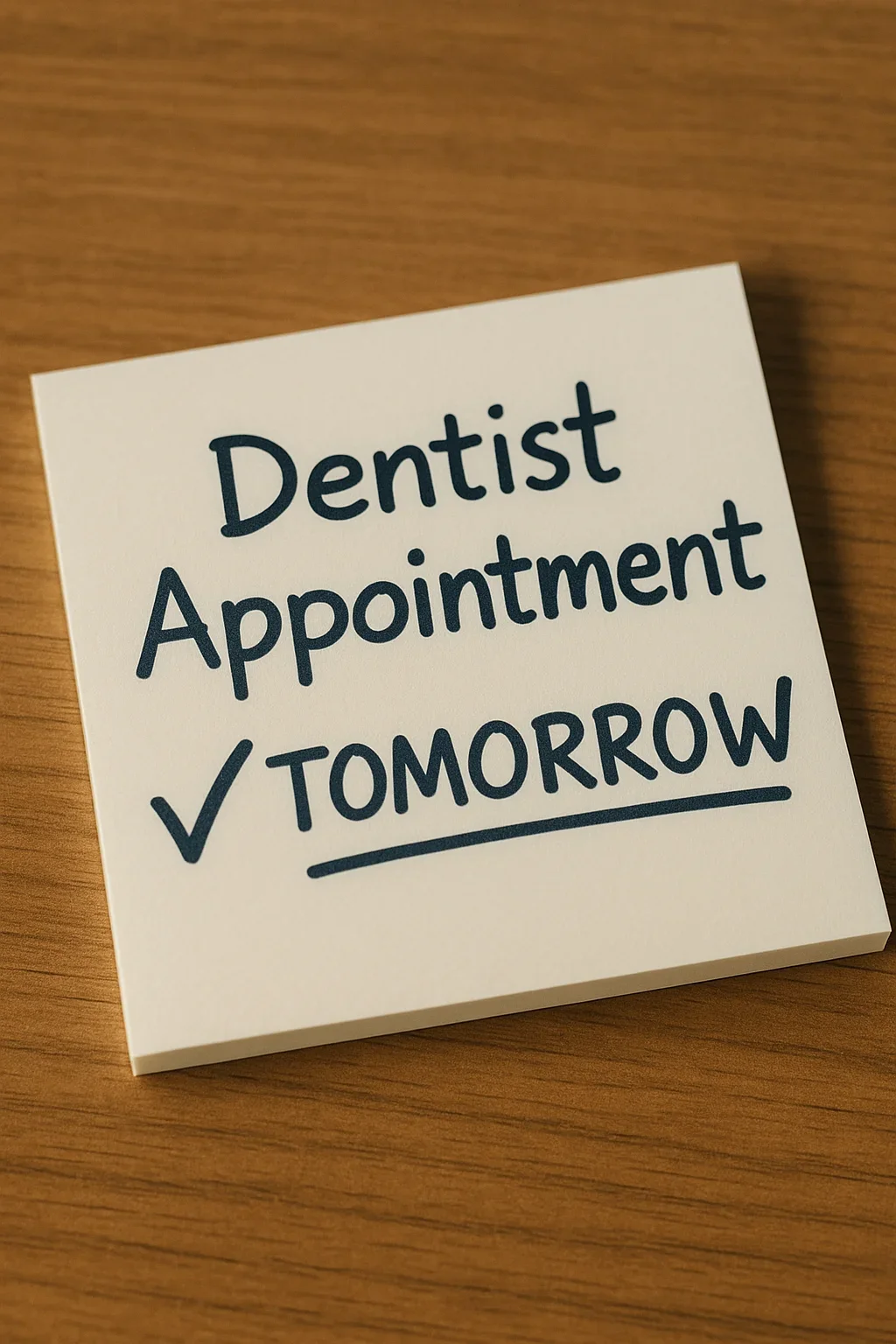
When a Dentist Appointment Tomorrow Might Signal a Bigger Health Issue
Scheduling a dentist appointment tomorrow often begins with what seems like a simple concern — mild tooth sensitivity, gum bleeding, discomfort while chewing, or a chipped tooth. Yet, in many cases, these symptoms act as early warnings of deeper oral or systemic health issues that should not be ignored. Your mouth is a gateway to the rest of your body, and changes in dental health frequently reflect changes in overall health.
This comprehensive and detailed guide explains how next-day dental appointments can reveal broader medical conditions, why early detection matters, and what signs require urgent attention 😊.
Understanding the Mouth–Body Connection
The state of your mouth offers valuable information about the rest of your body. Dentists are often the first professionals to detect signs of systemic diseases because early symptoms frequently appear in the teeth, gums, tongue, or oral tissues.
When you book a dentist appointment tomorrow due to unexpected symptoms, your dentist may uncover issues that extend beyond oral health.
Conditions Often Reflected in the Mouth
- Diabetes (gum inflammation, slow healing, dry mouth)
- Anemia (pale tissues, burning tongue)
- GERD (acid erosion of enamel)
- Vitamin deficiencies (smooth tongue, mouth sores)
- Autoimmune disorders (persistent ulcers, dry mouth)
- Heart disease (gum infection and inflammation)
These conditions may manifest subtly at first, making your dental visit an important opportunity for early detection.
Signs During a Next-Day Appointment That Suggest Something Deeper
If you’ve scheduled a dentist appointment tomorrow because something suddenly feels “off,” pay close attention to the symptoms. Many seemingly minor issues carry diagnostic clues that dental professionals are trained to interpret.
1. Persistent or Severe Gum Bleeding
Bleeding gums are not always caused by brushing too hard. They may indicate:
- Gingivitis or early gum disease
- Vitamin C deficiency
- Platelet disorders
- Leukemia (in rare cases)
Your dentist will check for inflammation, plaque buildup, and pocket depth to determine whether gum disease is localized or part of a larger condition.
2. Frequent Mouth Ulcers or Sores
If you booked a dentist appointment tomorrow because of recurring sores, your dentist will evaluate:
- Stress-related ulcers
- Nutritional deficiencies (B12, iron, folate)
- Autoimmune diseases (e.g., lupus, Crohn’s)
- Viral infections
Persistent ulcers warrant further medical evaluation, especially if they don’t heal within two weeks.
3. Unexpected Tooth Mobility
Loose teeth are never normal in adults. Potential underlying causes include:
- Advanced gum disease
- Bone density loss
- Diabetes-related complications
- Trauma or bruxism (nighttime grinding)
Your dentist may use digital imaging to assess bone level and gum condition.
4. Enamel Erosion Without Obvious Cause
Worn-down enamel can signal:
- Gastroesophageal reflux disease (GERD)
- Bulimia or acid exposure
- Nighttime grinding
If signs point to GERD, your dentist may recommend seeking medical evaluation.
When Dental Pain Indicates a Bigger Issue
Many patients book a dentist appointment tomorrow because of pain. While cavities or infections are common causes, certain types of dental pain relate to systemic illnesses.
Examples of Concerning Pain Patterns
- Jaw pain on the left side: Can sometimes mimic heart conditions.
- Sudden sharp pain: May be connected to nerve disorders.
- Diffuse pain: Can relate to sinus infections.
Your dentist will determine whether the pain originates from dental structures or from another area of the body.
Oral Changes That May Indicate Immune or Nutritional Problems
If your dentist appointment tomorrow is prompted by unusual tissue or tongue changes, these may point toward deficiencies or immune issues.
Symptoms to Watch For
- Cracked corners of the mouth (angular cheilitis)
- Smooth, swollen tongue (glossitis)
- Chronic dryness (possible Sjögren’s syndrome)
- Mouth burning sensations
These symptoms often encourage dentists to recommend further medical evaluation.
Why Regular Dental Visits Support Whole-Body Health
Your dentist plays a role similar to a preventive medical professional. A dentist appointment tomorrow may do more than fix immediate problems — it may highlight trends or risks that affect your overall well-being.
Benefits of Preventive Monitoring
- Earlier detection of chronic diseases
- Prevention of oral infections that can affect the heart
- Better control of diabetes and inflammation
- Healthier lifestyle choices through personalized guidance
Oral health is deeply interconnected with systemic health, making dental visits an essential part of full-body wellness.
When to Seek Medical Advice After Your Dental Visit
If your dentist identifies concerns during your next-day appointment, they may recommend contacting your physician. You can also reach out to the clinic in advance through the
Redent Klinik Contact Page
to discuss any symptoms before your appointment.
Conclusion
A dentist appointment tomorrow can be far more important than you realize. Beyond addressing routine issues, it may uncover early signs of systemic disease, nutritional deficiencies, or underlying inflammation. Understanding these connections empowers you to take control of both your dental and whole-body health.
For clinical standards related to oral–systemic health, the
American Dental Association
provides trusted educational resources and research-backed guidelines.