
Understanding dentist bills is one of the most important steps toward managing your oral health and your budget effectively. Many patients feel confused or even overwhelmed when they receive their dentist bills, especially if the charges are higher than expected. However, once you break down what dentist bills actually include and how they are calculated, everything becomes much clearer. This guide will help you fully understand dentist bills, why they vary, and how you can take control of your dental expenses without compromising your care. 🦷
At their core, dentist bills are a detailed record of the services you receive during a dental visit. These bills typically include consultation fees, diagnostic procedures such as X-rays, treatment costs, materials used, and sometimes follow-up care. For example, if you visit a clinic for a routine cleaning and check-up, your dentist bills may include examination fees, scaling charges, and optional fluoride treatments. Understanding each component of dentist bills allows you to see exactly what you are paying for.
One of the most common reasons people are surprised by dentist bills is the lack of transparency before treatment begins. While many clinics provide estimates, the final dentist bills can change depending on the complexity of the procedure or additional treatments required. For instance, a simple filling may turn into a more complex procedure if decay is deeper than expected, which increases the total dentist bills. This is why it’s always important to request a detailed treatment plan in advance.
Another key factor influencing dentist bills is the type of dental service you receive. Preventive care such as cleanings and check-ups generally results in lower dentist bills, while restorative or cosmetic procedures like crowns, implants, or veneers significantly increase costs. Patients who delay treatment often face higher dentist bills later because minor issues can develop into major dental problems requiring more extensive procedures. ⏳
Location also plays a major role in determining dentist bills. Clinics in metropolitan areas or high-cost regions often charge more due to higher operational expenses. On the other hand, dental tourism has become increasingly popular, as patients seek lower dentist bills in countries where high-quality care is more affordable. This is one reason why clinics like Redent Klinik Contact Page attract international patients looking to reduce their dentist bills without sacrificing quality.
Additionally, the expertise and reputation of the dentist can impact dentist bills. Highly experienced specialists may charge higher fees, which can increase overall dentist bills, but they often provide more precise and reliable results. While it may be tempting to choose the cheapest option, balancing cost with quality is essential when evaluating dentist bills. 🧑⚕️
Insurance is another major element affecting dentist bills. If you have dental insurance, a portion of your dentist bills may be covered depending on your plan. Preventive services are often fully or partially covered, while major procedures may only be partially reimbursed. Understanding your insurance policy can significantly reduce your out-of-pocket dentist bills and help you plan treatments more effectively.
It’s also important to recognize that dentist bills can include hidden or unexpected charges. These may involve laboratory fees, anesthesia costs, or additional imaging that was not initially anticipated. Being proactive and asking questions about potential extras can help you avoid surprises in your dentist bills. Transparency is key to building trust between patients and dental providers.
For accurate and reliable information about dental care standards and pricing structures, you can refer to trusted organizations like the American Dental Association. Such resources provide valuable insights that can help you better understand how dentist bills are structured and what to expect from different treatments.
In conclusion, dentist bills are not just random numbers—they are a reflection of the care, expertise, and resources involved in maintaining your oral health. By understanding how dentist bills are calculated and what factors influence them, you can make smarter decisions, avoid unnecessary expenses, and ensure that you receive the best possible dental care. Taking control of your dentist bills starts with knowledge, and this guide is your first step toward financial and dental confidence. 💡
What Are Dentist Bills and What Do They Include?
When patients receive dentist bills, they often wonder what exactly they are paying for. Understanding dentist bills is essential for making informed decisions about your oral health and avoiding unexpected expenses. In simple terms, dentist bills are itemized statements that outline every service, material, and procedure involved in your dental treatment. These bills reflect not only the visible work performed but also the behind-the-scenes expertise and resources required to ensure high-quality care. 🦷
To fully grasp dentist bills, it’s important to break them down into their core components. Each section of dentist bills represents a different aspect of your dental visit, and knowing these details helps you evaluate whether the charges are reasonable and necessary.
Consultation and Examination Fees
One of the first items you’ll see on dentist bills is the consultation or examination fee. This charge covers the dentist’s time to assess your oral health, diagnose any issues, and recommend treatments. Even if no procedure is performed, this initial step is crucial and will appear in your dentist bills. In many clinics, especially those with advanced technology, examination fees may also include digital scans or intraoral imaging.
Patients sometimes underestimate this part of dentist bills, but it plays a vital role in ensuring accurate diagnosis and treatment planning. A thorough examination can prevent future complications, ultimately reducing long-term dentist bills. 💡
Diagnostic Services (X-rays and Imaging)
Another significant component of dentist bills is diagnostic imaging. X-rays, 3D scans, and other imaging tools help dentists detect hidden issues such as cavities between teeth, bone loss, or impacted teeth. These services are essential for precise treatment planning and are typically listed separately in dentist bills.
While some patients may question the necessity of these charges, diagnostic tools actually help prevent costly procedures later. Skipping imaging may lead to undetected problems, which can increase future dentist bills. Therefore, these costs are an investment in long-term oral health.
Treatment Costs and Procedure Fees
The largest portion of dentist bills usually comes from treatment costs. This includes procedures such as fillings, root canals, crowns, implants, or orthodontic treatments. Each procedure has a specific cost based on complexity, materials used, and the dentist’s expertise. For example, a simple filling will result in lower dentist bills compared to a dental implant procedure.
In many cases, dentist bills will itemize each step of a procedure. For instance, a crown placement may include tooth preparation, impression taking, temporary crown placement, and final crown fitting. This level of detail helps patients understand exactly how their dentist bills are calculated. 🧾
Material and Laboratory Fees
Many patients are unaware that dentist bills also include material and laboratory costs. These fees cover the production of crowns, veneers, dentures, or orthodontic appliances. High-quality materials such as zirconia or porcelain may increase dentist bills, but they also provide better durability and aesthetics.
Laboratory fees are often outsourced, meaning dental labs create custom restorations based on your dentist’s specifications. This ensures precision but also contributes to overall dentist bills. Choosing quality materials can actually save money in the long run by reducing the need for replacements.
Anesthesia and Additional Services
Depending on the procedure, dentist bills may also include anesthesia charges. Local anesthesia is common and usually affordable, but sedation or general anesthesia can significantly increase dentist bills. These services ensure patient comfort, especially during complex or lengthy treatments.
Additional services such as sterilization, disposable tools, and infection control measures may also be included in dentist bills. These are essential for maintaining a safe clinical environment and protecting patients from potential risks. 🛡️
Follow-Up Visits and Maintenance
Some dentist bills include follow-up appointments or post-treatment care. For example, after a root canal or implant placement, additional visits may be required to monitor healing. These visits can either be included in the initial dentist bills or charged separately, depending on the clinic’s policy.
Regular maintenance, such as cleanings and check-ups, is another factor that influences ongoing dentist bills. Preventive care helps reduce the need for expensive treatments, making it a smart strategy for managing overall dental costs.
Insurance Adjustments and Patient Responsibility
If you have dental insurance, your dentist bills will often show adjustments based on coverage. This includes the portion paid by insurance and the remaining balance you are responsible for. Understanding this breakdown is crucial for avoiding confusion and planning future treatments.
It’s always recommended to verify your insurance benefits before undergoing treatment. This ensures that your dentist bills align with your expectations and helps you avoid unexpected out-of-pocket expenses.
In summary, dentist bills are comprehensive documents that reflect every aspect of your dental care. From consultation and diagnostics to treatment and follow-up, each element plays a role in determining the final cost. By understanding what dentist bills include, you can make better decisions, communicate effectively with your dentist, and take control of your dental expenses with confidence. 😊
Average Dentist Bills for Common Dental Procedures
Understanding the average range of dentist bills for common dental procedures can help you plan your budget and avoid financial surprises. Many patients feel uncertain about what they should expect when it comes to dentist bills, especially since prices can vary depending on location, clinic quality, and treatment complexity. However, having a general idea of typical costs allows you to make informed decisions and compare options more confidently. 💡
In this section, we will break down the most common dental treatments and explain how they influence dentist bills. This will give you a realistic picture of what you might pay and why certain procedures cost more than others.
Routine Check-Ups and Cleanings
Routine dental visits are among the most affordable items in dentist bills. These typically include an oral examination, professional cleaning, and sometimes basic X-rays. Preventive care is essential because it helps detect problems early, reducing the likelihood of expensive treatments later.
Here is a general price range for preventive services:
Dental Check-Up: $50 – $150
Professional Cleaning: $75 – $200
X-rays: $50 – $250
Although these costs may seem minor, skipping regular visits can lead to more serious conditions that significantly increase future dentist bills. Investing in preventive care is one of the smartest ways to keep your dentist bills low over time. 🦷
Fillings and Basic Restorative Treatments
When cavities occur, fillings become necessary, and they are a common contributor to dentist bills. The cost of fillings depends on the material used and the size of the cavity. Composite (tooth-colored) fillings are more expensive than amalgam fillings but offer better aesthetics.
Amalgam Filling: $100 – $250 per tooth
Composite Filling: $150 – $400 per tooth
Even though fillings may seem routine, delaying treatment can cause the decay to worsen, resulting in higher dentist bills for more advanced procedures like root canals or crowns. Early intervention keeps dentist bills manageable and prevents discomfort.
Root Canal Treatments
Root canal therapy is required when the tooth pulp becomes infected. This procedure is more complex and therefore increases dentist bills significantly compared to basic treatments. The cost varies depending on the tooth location and the severity of the infection.
Front Tooth Root Canal: $500 – $1,000
Molar Root Canal: $800 – $1,500
While root canals may seem expensive, they are often necessary to save a natural tooth. Avoiding this treatment can lead to tooth loss, which results in even higher dentist bills for replacements like implants or bridges. 😬
Crowns After Root Canal
After a root canal, a dental crown is usually required to restore the tooth’s strength and function. This adds another layer to dentist bills, making the total cost higher.
Porcelain Crown: $800 – $2,000
Zirconia Crown: $1,000 – $2,500
Although crowns increase dentist bills, they are essential for protecting treated teeth and ensuring long-term success.
Dental Implants and Tooth Replacement
Dental implants are among the most expensive procedures reflected in dentist bills, but they also provide the most durable and natural-looking solution for missing teeth. The process involves surgery, healing time, and crown placement.
Single Dental Implant: $2,000 – $5,000
Full Mouth Implants: $15,000 – $40,000+
Because implants require advanced expertise and materials, they significantly impact dentist bills. However, they are considered a long-term investment in oral health and quality of life. 🌟
Orthodontic Treatments (Braces and Aligners)
Orthodontic treatments also play a major role in dentist bills, especially for patients seeking to correct alignment issues. The cost depends on the type of braces or aligners used and the duration of treatment.
Traditional Braces: $3,000 – $7,000
Clear Aligners (e.g., Invisalign): $4,000 – $8,000
Although orthodontic care may seem costly, it improves both aesthetics and oral health. Proper alignment reduces the risk of future dental problems, potentially lowering long-term dentist bills.
Cosmetic Procedures
Cosmetic dentistry, such as teeth whitening and veneers, is usually not covered by insurance and can increase dentist bills. These treatments are optional but highly popular for improving smiles.
Teeth Whitening: $200 – $600
Porcelain Veneers: $800 – $2,500 per tooth
While cosmetic procedures raise dentist bills, many patients consider them worthwhile for the confidence boost they provide. 😊
Why These Costs Matter
Knowing the average range of dentist bills helps you avoid overpaying and ensures transparency when discussing treatment plans. Prices may vary, but understanding these benchmarks allows you to evaluate whether your dentist bills are reasonable.
For patients looking for high-quality yet cost-effective treatments, exploring international options can significantly reduce dentist bills. Clinics such as Redent Klinik Contact Page provide advanced dental care at competitive prices, making them an attractive option for many patients.
Additionally, guidelines from the American Dental Association can help you understand standard practices and pricing structures, ensuring that your dentist bills align with professional standards.
In conclusion, dentist bills vary widely depending on the procedure, materials, and expertise involved. By understanding the average costs of common treatments, you can plan ahead, prioritize preventive care, and make smarter financial decisions. Being informed about dentist bills empowers you to take control of both your oral health and your budget effectively. 💪
Why Dentist Bills Vary So Much Between Clinics
One of the most confusing aspects for patients is why dentist bills can differ so dramatically from one clinic to another. You might receive two treatment plans for the same procedure and notice a significant gap in dentist bills. This variation is not random—it is influenced by multiple factors such as location, technology, expertise, materials, and overall service quality. Understanding these variables can help you evaluate dentist bills more confidently and choose the right dental provider for your needs. 🦷
In this section, we will break down the key reasons why dentist bills vary and what each factor means for your treatment experience and long-term oral health.
Geographic Location and Cost of Living
The location of a dental clinic plays a major role in determining dentist bills. Clinics in large cities or high-income regions often have higher operational costs, including rent, staff salaries, and utilities. These expenses are reflected in higher dentist bills for patients.
For example, a dental crown in a major metropolitan area may cost significantly more than the same procedure in a smaller town. This doesn’t necessarily mean the quality differs—it simply reflects the economic environment. Patients seeking lower dentist bills sometimes explore dental tourism options, where high-quality care is available at more affordable rates.
Dentist Experience and تخصص Expertise
The experience and specialization of a dentist also influence dentist bills. Highly trained specialists, such as oral surgeons or prosthodontists, typically charge more due to their advanced skills and years of education. As a result, treatments performed by specialists may increase dentist bills.
However, paying more for expertise can often lead to better outcomes and fewer complications. Choosing a highly qualified dentist may reduce the risk of needing corrective procedures, ultimately saving you from higher dentist bills in the future. 🧑⚕️
Technology and Equipment Used
Modern dental clinics invest heavily in advanced technology, which can significantly impact dentist bills. Digital X-rays, 3D imaging, laser dentistry, and CAD/CAM systems improve accuracy and efficiency but also increase operational costs.
Clinics equipped with cutting-edge technology may have higher dentist bills, but they often provide faster, safer, and more precise treatments. For example, same-day crowns created with CAD/CAM technology may cost more upfront but save time and additional visits, which can balance overall dentist bills.
Impact of Sterilization and Safety Standards
High-quality clinics follow strict sterilization and infection control protocols, which also contribute to dentist bills. Disposable instruments, advanced sterilization systems, and compliance with international safety standards ensure patient safety but add to operational costs.
While these factors may increase dentist bills, they are essential for protecting your health and preventing complications. Choosing a clinic that prioritizes hygiene is always worth the investment.
Materials Used in Treatments
The type and quality of materials used in dental procedures directly affect dentist bills. For example, zirconia or porcelain crowns are more expensive than metal-based alternatives, but they offer better aesthetics and durability.
Similarly, premium implant brands and high-quality composites may increase dentist bills, but they provide long-lasting results. Opting for cheaper materials may reduce initial costs but could lead to replacements or repairs, increasing long-term dentist bills. 💎
Clinic Reputation and Patient Experience
Well-established clinics with strong reputations often charge higher dentist bills. These clinics invest in patient comfort, advanced facilities, and experienced staff, which enhances the overall experience. Amenities such as comfortable waiting areas, personalized care, and shorter waiting times may also influence dentist bills.
While reputation can increase costs, it often reflects consistent quality and patient satisfaction. Reading reviews and testimonials can help you determine whether higher dentist bills are justified.
Treatment Complexity and Customization
No two dental cases are exactly the same, and the complexity of your condition plays a major role in determining dentist bills. A straightforward procedure will cost less than a complex case requiring multiple steps or specialized care.
Customized treatments, such as full smile makeovers or full-mouth restorations, significantly increase dentist bills because they require detailed planning, multiple procedures, and coordination between specialists. However, these treatments often deliver transformative results that justify the cost. ✨
Insurance and Payment Structures
Another reason for variation in dentist bills is how clinics handle insurance and payment plans. Some clinics have agreements with insurance providers, which can reduce dentist bills for insured patients. Others operate on a private-pay basis, resulting in higher upfront costs.
Flexible payment options, financing plans, and package deals can also influence how dentist bills are presented. Clinics that offer transparent pricing and payment flexibility make it easier for patients to manage their expenses.
International Options and Cost Differences
Many patients today compare dentist bills globally. Dental tourism has become popular because patients can receive high-quality care at significantly lower prices abroad. Clinics like Redent Klinik Contact Page offer competitive pricing without compromising on quality, helping patients reduce their overall dentist bills.
To ensure you are receiving fair pricing, it’s also helpful to refer to trusted organizations like the American Dental Association, which provide guidelines and standards for dental care.
In conclusion, dentist bills vary due to a combination of location, expertise, technology, materials, and service quality. By understanding these factors, you can make informed decisions and choose a dental provider that offers the best balance between cost and quality. Instead of focusing solely on price, evaluating the value behind dentist bills will help you achieve better long-term results and a healthier smile. 😊
How Dental Insurance Affects Dentist Bills
Dental insurance plays a crucial role in determining how much you ultimately pay in dentist bills. For many patients, insurance can significantly reduce out-of-pocket expenses, making essential treatments more affordable and accessible. However, understanding how insurance works with dentist bills can be complex, as coverage varies depending on the plan, provider, and type of treatment. By learning how dental insurance interacts with dentist bills, you can make smarter decisions and avoid unexpected costs. 🦷
In this section, we will explore how insurance impacts dentist bills, what is typically covered, and how you can maximize your benefits to reduce expenses.
Understanding Dental Insurance Basics
Dental insurance is designed to share the cost of dental care between you and your provider. When you receive treatment, your insurance may cover a portion of your dentist bills, leaving you responsible for the remaining balance. Most insurance plans categorize treatments into preventive, basic, and major services, each with different levels of coverage.
For example, preventive services such as cleanings and exams are often fully covered, meaning they have minimal impact on your dentist bills. Basic procedures like fillings may be partially covered, while major treatments such as crowns or implants may only receive limited coverage. Understanding these categories helps you anticipate how your dentist bills will be affected. 💡
Coverage Breakdown and Cost Sharing
Insurance plans typically follow a cost-sharing structure that directly influences your dentist bills. This structure includes deductibles, co-payments, and co-insurance. Each of these elements determines how much you pay out of pocket.
Deductibles
The deductible is the amount you must pay before your insurance begins covering your dentist bills. For instance, if your deductible is $100, you must pay that amount before insurance contributions apply. After reaching the deductible, your dentist bills will be partially covered according to your plan.
Co-Insurance
Co-insurance refers to the percentage of dentist bills that you are responsible for after insurance coverage. For example, if your plan covers 80% of a filling, you will pay the remaining 20% of your dentist bills. This shared cost structure ensures that both the patient and insurer contribute to treatment expenses.
Annual Maximums
Most dental insurance plans have an annual maximum limit, which caps how much the insurer will pay toward your dentist bills in a given year. Once you reach this limit, you are responsible for 100% of any additional dentist bills. This is why planning treatments strategically within your coverage period is essential.
In-Network vs Out-of-Network Providers
Another important factor affecting dentist bills is whether your dentist is in-network or out-of-network. In-network providers have agreements with insurance companies to offer services at negotiated rates, which can significantly lower your dentist bills.
Out-of-network dentists may charge higher fees, resulting in higher dentist bills even if your insurance provides some reimbursement. Choosing an in-network provider is one of the easiest ways to control your dentist bills without compromising care. 🧑⚕️
What Insurance Typically Covers
Dental insurance usually covers preventive care at the highest level because it helps avoid costly treatments later. This means regular check-ups, cleanings, and basic X-rays have minimal impact on your dentist bills. Basic procedures such as fillings and simple extractions are partially covered, while major treatments receive the least coverage.
It’s important to note that cosmetic procedures, such as teeth whitening or veneers, are rarely covered by insurance. These treatments can significantly increase dentist bills since they are considered elective. Understanding these limitations helps you plan your dental care more effectively.
Pre-Authorization and Treatment Planning
Before undergoing major procedures, many dentists recommend pre-authorization from your insurance provider. This process involves submitting a treatment plan for approval, allowing you to see an estimate of your dentist bills after insurance coverage.
Pre-authorization provides transparency and helps you avoid unexpected increases in dentist bills. It also allows you to explore alternative treatments or payment options if costs exceed your budget. 📋
Strategies to Maximize Insurance Benefits
To minimize your dentist bills, it’s important to use your insurance benefits strategically. Scheduling preventive visits regularly ensures that you take full advantage of covered services. Additionally, spreading major treatments across multiple years can help you stay within your annual maximum and reduce overall dentist bills.
Another effective strategy is to combine insurance coverage with cost-effective treatment options. For example, seeking care at clinics like Redent Klinik Contact Page can help lower your dentist bills while still maintaining high-quality standards.
Limitations of Dental Insurance
While insurance can significantly reduce dentist bills, it does not eliminate all costs. Coverage limits, exclusions, and waiting periods can affect how much you pay. Some plans require waiting periods before covering major procedures, which can delay treatment and increase dentist bills if issues worsen.
It’s also important to understand that insurance coverage has not always kept pace with rising dental costs. This means that even with insurance, patients may still face substantial dentist bills for advanced treatments.
Trusted Resources for Understanding Coverage
For accurate information about dental insurance and its impact on dentist bills, you can consult trusted organizations like the American Dental Association. These resources provide valuable guidance on coverage standards and patient rights, helping you better navigate your insurance plan.
In conclusion, dental insurance plays a vital role in shaping your dentist bills, but it requires careful understanding and planning. By knowing how coverage works, choosing the right providers, and maximizing your benefits, you can significantly reduce your financial burden. Taking a proactive approach to managing dentist bills ensures that you receive the care you need while staying within your budget. 😊
Ways to Reduce Dentist Bills Without Compromising Care
Managing dentist bills effectively does not mean sacrificing the quality of your dental care. In fact, with the right strategies, you can significantly reduce dentist bills while still receiving excellent treatment. Many patients assume that high dentist bills are unavoidable, but this is not always the case. By being proactive, informed, and strategic, you can lower your overall dentist bills and maintain a healthy smile at the same time. 😊
In this section, we will explore practical and proven methods to reduce dentist bills without compromising the quality of your dental treatments.
Prioritize Preventive Care
The most effective way to keep dentist bills low is to focus on prevention. Regular dental check-ups, cleanings, and good oral hygiene habits help prevent serious issues such as cavities, gum disease, and infections. These preventive measures cost significantly less than advanced treatments, making them essential for controlling dentist bills.
Simple habits like brushing twice daily, flossing regularly, and using mouthwash can reduce the likelihood of expensive procedures. Investing in preventive care today can save you from higher dentist bills in the future. 🪥
Compare Treatment Plans and Prices
Not all clinics charge the same rates, which means comparing different providers can help you find more affordable dentist bills. Requesting multiple treatment plans allows you to evaluate pricing, procedures, and materials before making a decision.
However, it is important not to focus solely on the lowest dentist bills. Instead, consider the value you are receiving, including the dentist’s experience, clinic reputation, and quality of materials. A slightly higher cost may provide better long-term results, reducing future dentist bills.
Ask for Detailed Cost Breakdowns
One effective strategy to manage dentist bills is to request a detailed breakdown of costs. This helps you understand exactly what you are paying for and identify areas where adjustments can be made. Transparent communication with your dentist can lead to more affordable dentist bills.
Use Dental Insurance Wisely
If you have dental insurance, using it strategically can significantly reduce dentist bills. Scheduling preventive treatments that are fully covered and timing major procedures within your annual limits can help you maximize benefits.
Understanding your coverage ensures that you are not paying more than necessary in dentist bills. Always confirm what is included in your plan before proceeding with treatment. 📋
Consider Dental Tourism Options
Dental tourism has become a popular way to reduce dentist bills while still receiving high-quality care. Many patients travel to countries where dental treatments are more affordable due to lower operational costs.
Clinics like Redent Klinik Contact Page offer advanced treatments at competitive prices, helping patients significantly lower their dentist bills. This option is particularly beneficial for expensive procedures such as implants or full-mouth restorations.
Choose the Right Materials and Alternatives
The materials used in dental treatments can greatly impact dentist bills. While premium materials offer durability and aesthetics, there are often more affordable alternatives that still provide good results.
Discussing options with your dentist can help you find a balance between cost and quality. Choosing suitable alternatives can reduce dentist bills without compromising functionality. 💎
Take Advantage of Payment Plans
Many clinics offer flexible payment plans that allow you to spread the cost of dentist bills over time. This can make expensive treatments more manageable and reduce financial stress.
Some providers also offer interest-free financing or discounts for upfront payments. Exploring these options can help you manage dentist bills more effectively and avoid delaying necessary treatments.
Avoid Delaying Necessary Treatments
One of the biggest mistakes patients make is postponing dental care, which often leads to higher dentist bills. A small cavity, if left untreated, can develop into a root canal or extraction, significantly increasing costs.
Addressing issues early not only protects your oral health but also keeps dentist bills under control. Early intervention is always more affordable than complex treatments. ⏳
Look for Discounts and Preventive Programs
Some dental clinics offer membership plans, discounts, or preventive care packages that can reduce dentist bills. These programs often include routine check-ups, cleanings, and minor treatments at a reduced cost.
Taking advantage of such offers can help you maintain regular dental visits while keeping dentist bills affordable. It’s always worth asking your clinic about available promotions or loyalty programs.
Rely on Trusted Information and Guidelines
Educating yourself about dental care and pricing standards can help you better understand and manage dentist bills. Trusted organizations like the American Dental Association provide valuable information on recommended treatments and cost expectations.
Being informed empowers you to make smarter decisions and ensures that your dentist bills reflect fair and necessary charges.
In conclusion, reducing dentist bills is not about cutting corners—it’s about making informed choices and prioritizing preventive care. By comparing options, using insurance wisely, exploring cost-effective solutions, and maintaining good oral hygiene, you can significantly lower your dentist bills while still receiving high-quality dental care. Taking control of your dentist bills today will lead to healthier teeth and a more manageable budget in the future. 💪
Hidden Costs in Dentist Bills You Should Know
When reviewing dentist bills, many patients focus only on the main treatment cost and overlook additional charges that can significantly increase the total amount. These hidden costs in dentist bills are often not discussed in detail before treatment, which can lead to confusion and frustration later. Understanding these hidden elements is essential for avoiding unexpected surprises and managing your dentist bills more effectively. 🦷
In this section, we will explore the most common hidden costs found in dentist bills and explain how you can identify and manage them before they become a financial burden.
Diagnostic and Imaging Fees
One of the most frequently overlooked components of dentist bills is diagnostic imaging. While X-rays and scans are essential for accurate diagnosis, they are often charged separately and can increase your total dentist bills.
For example, a routine visit might seem affordable at first, but once imaging is added, your dentist bills can rise unexpectedly. Advanced imaging techniques such as 3D scans or panoramic X-rays are even more expensive, contributing further to dentist bills.
To avoid surprises, always ask your dentist whether imaging is included in the initial estimate or if it will be added separately to your dentist bills. 📸
Laboratory and Custom Work Charges
Another hidden factor in dentist bills is laboratory work. Procedures such as crowns, bridges, dentures, and veneers often require custom fabrication in dental laboratories. These services are typically outsourced and added to your dentist bills.
Material Quality and Its Impact
The type of materials used can significantly affect these laboratory fees. High-quality materials like zirconia or porcelain increase dentist bills, while lower-cost alternatives may reduce initial expenses but may not last as long. This means that cheaper options can sometimes lead to higher dentist bills in the long run due to replacements or repairs. 💎
Anesthesia and Sedation Costs
Many patients are surprised to see anesthesia charges included in their dentist bills. While local anesthesia is usually affordable, sedation or general anesthesia can substantially increase dentist bills, especially for complex procedures.
These costs are often not emphasized during initial consultations, which can make final dentist bills higher than expected. If you anticipate needing sedation, ask for a detailed estimate to better understand how it will affect your dentist bills. 😴
Emergency and After-Hours Fees
Emergency dental care is another area where hidden costs can appear in dentist bills. Treatments performed outside regular hours, such as nights or weekends, often include additional fees.
These emergency charges can significantly increase dentist bills, especially if immediate intervention is required. While emergencies are unavoidable, understanding these potential costs can help you prepare for unexpected situations. 🚨
Follow-Up Visits and Maintenance
Many patients assume that follow-up visits are included in their initial dentist bills, but this is not always the case. Some clinics charge separately for post-treatment check-ups, adjustments, or maintenance visits.
For example, after procedures like implants or orthodontic treatments, multiple follow-ups may be required. These additional appointments can gradually increase your total dentist bills. Always confirm whether follow-up care is included or billed separately.
Infection Control and Disposable Materials
Modern dental clinics maintain strict hygiene standards, which often involve the use of disposable tools and advanced sterilization methods. These essential safety measures can also be reflected in dentist bills.
Although these charges may seem minor individually, they can add up and contribute to higher dentist bills. However, they are crucial for ensuring patient safety and preventing infections, making them a necessary part of dental care. 🛡️
Administrative and Miscellaneous Fees
Some dentist bills include administrative charges, consultation documentation fees, or appointment scheduling costs. While these fees are usually small, they can still affect the overall total of your dentist bills.
Additionally, cancellation fees or missed appointment charges may also appear in dentist bills if clinic policies are not followed. Being aware of these terms can help you avoid unnecessary expenses.
How to Identify Hidden Costs in Advance
The best way to manage hidden costs in dentist bills is to ask for a comprehensive treatment plan before starting any procedure. A detailed estimate should include all potential charges, allowing you to understand the full scope of your dentist bills.
Open communication with your dentist is key. Don’t hesitate to ask questions about any unclear items in your dentist bills. Transparency ensures that you are fully informed and helps build trust between you and your dental provider. 💬
Reducing Unexpected Expenses
To minimize hidden costs in dentist bills, consider choosing clinics that offer transparent pricing and all-inclusive packages. Clinics like Redent Klinik Contact Page provide clear treatment plans, helping patients avoid unexpected increases in their dentist bills.
Additionally, consulting reliable resources such as the American Dental Association can help you understand standard practices and identify reasonable charges within your dentist bills.
In conclusion, hidden costs in dentist bills can significantly impact your overall expenses if you are not prepared. By understanding these additional charges, asking the right questions, and choosing transparent providers, you can take control of your dentist bills and avoid financial surprises. Being informed is the key to managing dentist bills effectively while ensuring high-quality dental care. 😊
Are Dentist Bills Higher for Emergency Treatments?
Many patients notice a sudden increase in dentist bills when they require urgent or emergency dental care. This leads to a common question: are dentist bills actually higher for emergency treatments? The short answer is yes—emergency dental procedures often result in higher dentist bills compared to planned or routine treatments. However, the reasons behind this increase are logical and tied to the nature of urgent care. 🚨
In this section, we will explore why emergency treatments tend to raise dentist bills, what factors contribute to these costs, and how you can minimize the financial impact while still receiving immediate care.
What Qualifies as a Dental Emergency?
Emergency dental situations include severe tooth pain, broken or knocked-out teeth, abscesses, infections, and uncontrolled bleeding. These conditions require immediate attention, which often leads to higher dentist bills due to the urgency and complexity involved.
Unlike scheduled appointments, emergency cases disrupt clinic schedules and require immediate resource allocation. This urgency contributes directly to increased dentist bills. 🦷
Why Emergency Treatments Increase Dentist Bills
There are several key reasons why emergency care results in higher dentist bills. Understanding these factors can help you see why costs rise and how to prepare for them.
Immediate Availability and Priority Scheduling
Emergency patients are often treated outside normal appointment slots, which requires clinics to adjust their schedules. This priority service is reflected in higher dentist bills, as dentists may need to extend working hours or delay other patients.
Clinics may also charge additional fees for same-day or urgent appointments, further increasing dentist bills. ⏰
Complexity of Emergency Procedures
Emergency dental issues are often more severe than routine conditions. For example, a simple cavity left untreated can turn into an infection requiring a root canal or extraction. These advanced procedures significantly increase dentist bills.
Additionally, emergency cases may require multiple treatments in one visit, which adds to the total dentist bills. The complexity and urgency of care make these procedures more resource-intensive.
Additional Diagnostic Requirements
Emergency treatments often involve extra diagnostic steps, such as X-rays or 3D imaging, to accurately assess the situation. These additional tests contribute to higher dentist bills.
Since the dentist must quickly identify the problem, multiple imaging techniques may be used, increasing the overall cost reflected in dentist bills. 📸
After-Hours and Weekend Charges
One of the most significant factors affecting dentist bills in emergencies is timing. Treatments performed outside regular business hours—such as evenings, weekends, or holidays—often include extra fees.
These after-hours charges are added to dentist bills because clinics must compensate staff for working outside standard schedules. While these fees may seem high, they ensure that patients receive care when they need it most. 🌙
Temporary vs Permanent Solutions
In many emergency cases, dentists provide temporary solutions to stabilize the situation before performing permanent treatments. For example, a temporary filling or crown may be placed to relieve pain.
This means that dentist bills can increase over time, as patients will need follow-up visits for permanent solutions. Emergency care often involves multiple stages, each contributing to overall dentist bills.
Insurance Coverage for Emergency Care
Dental insurance may partially cover emergency treatments, but coverage varies depending on the plan. Some insurance policies include emergency services, while others may have limitations that affect dentist bills.
It’s important to understand your insurance coverage before an emergency occurs. Knowing what is included can help you manage dentist bills more effectively during urgent situations. 📋
How to Reduce Emergency Dentist Bills
While emergencies cannot always be avoided, there are steps you can take to minimize the impact on your dentist bills. Preventive care is the most effective strategy. Regular check-ups help identify issues early, reducing the likelihood of emergencies and high dentist bills.
Additionally, addressing minor dental problems promptly can prevent them from escalating into costly emergencies. Acting early is key to keeping dentist bills under control.
Choose Clinics with Transparent Pricing
Selecting a clinic that offers clear and upfront pricing can help you avoid unexpected increases in dentist bills. Clinics like Redent Klinik Contact Page provide transparent treatment plans, allowing patients to understand potential costs even in emergency situations.
This level of transparency ensures that your dentist bills remain predictable and manageable.
Reliable Information and Guidelines
For more information about emergency dental care and cost expectations, you can refer to trusted resources such as the American Dental Association. These guidelines help patients understand what to expect and how to handle emergency situations effectively.
Being informed about emergency care standards allows you to better anticipate dentist bills and make confident decisions during urgent situations.
In conclusion, dentist bills are generally higher for emergency treatments due to urgency, complexity, additional diagnostics, and after-hours services. While these costs can be significant, understanding the reasons behind them helps you prepare and manage expenses more effectively. By prioritizing preventive care and choosing transparent providers, you can reduce the likelihood of emergencies and keep your dentist bills under control. Taking action early is the best way to protect both your oral health and your budget. 💪
Comparing Dentist Bills: Private vs Public Clinics
When evaluating dentist bills, one of the most important decisions patients face is choosing between private and public dental clinics. This choice can significantly impact the total amount you pay, the quality of care you receive, and the overall experience. Understanding the differences between private and public services helps you make smarter decisions and better manage your dentist bills. 🦷
Both private and public clinics have their own advantages and limitations, and these differences are clearly reflected in dentist bills. In this section, we will explore how each option affects costs, services, and patient outcomes in detail.
Cost Differences Between Private and Public Clinics
The most noticeable difference between private and public services lies in dentist bills. Public clinics are generally subsidized by governments, which means they offer lower-cost or even free treatments for eligible patients. As a result, dentist bills in public clinics are typically much lower than in private practices.
In contrast, private clinics operate independently and set their own pricing structures. This often leads to higher dentist bills, as patients are paying for premium services, advanced technology, and personalized care. However, the higher cost is not always a disadvantage, as it often comes with improved quality and convenience.
Waiting Times and Accessibility
Another major factor influencing dentist bills indirectly is waiting time. Public clinics often have long waiting lists due to high demand and limited resources. While the initial dentist bills may be lower, delays in treatment can lead to worsening conditions, ultimately increasing future dentist bills.
Private clinics, on the other hand, usually offer faster appointments and more flexible scheduling. Although dentist bills may be higher upfront, early treatment can prevent complications and reduce long-term costs. ⏳
Quality of Materials and Technology
The quality of materials and equipment used is another key difference that affects dentist bills. Private clinics often invest in advanced technology such as digital imaging, laser dentistry, and high-end materials. These investments contribute to higher dentist bills, but they also improve treatment outcomes and patient comfort.
Impact on Long-Term Costs
While public clinics may use standard materials to keep dentist bills low, private clinics often use premium options that last longer. This means that although initial dentist bills may be higher in private settings, they can result in fewer replacements and lower costs over time. 💎
Range of Services Offered
Public clinics typically focus on essential and emergency treatments, which helps keep dentist bills affordable. However, cosmetic procedures and advanced treatments may not be available or may have long waiting periods.
Private clinics offer a wider range of services, including cosmetic dentistry, orthodontics, and implantology. This expanded service range can increase dentist bills, but it also provides patients with more comprehensive treatment options in one place.
Personalized Care and Patient Experience
Private clinics often provide a more personalized experience, which can influence dentist bills. Patients may benefit from longer consultation times, customized treatment plans, and enhanced comfort. These factors contribute to higher dentist bills but improve overall satisfaction.
In public clinics, dentists may have limited time per patient due to high demand. While this helps keep dentist bills low, it may reduce the level of personalized attention each patient receives. 🧑⚕️
Insurance and Coverage Considerations
Insurance coverage can also affect how dentist bills differ between private and public clinics. Public services are often partially or fully covered by national health systems, reducing dentist bills for patients.
Private clinics may accept insurance, but patients often need to pay upfront and seek reimbursement later. This can result in higher immediate dentist bills, even if insurance eventually covers part of the cost.
Flexibility and Treatment Planning
Private clinics typically offer more flexibility in treatment planning, allowing patients to choose materials, procedures, and timelines that suit their needs. This customization can increase dentist bills, but it also ensures better alignment with patient preferences.
Public clinics may have stricter guidelines and limited options, which helps control dentist bills but may not always meet individual expectations.
International Comparisons and Cost Efficiency
Many patients compare dentist bills globally to find the best balance between cost and quality. Dental tourism has become a popular option for those seeking private-level care at more affordable prices.
Clinics like Redent Klinik Contact Page offer high-quality treatments with competitive pricing, helping patients reduce their overall dentist bills while still enjoying the benefits of private care.
For additional guidance on dental standards and pricing, resources such as the American Dental Association can help you better understand how dentist bills are structured across different healthcare systems.
Making the Right Choice for Your Needs
Choosing between private and public clinics ultimately depends on your priorities, budget, and treatment requirements. If affordability is your main concern, public services may help keep dentist bills low. However, if you value convenience, advanced technology, and personalized care, private clinics may justify higher dentist bills.
In conclusion, both options have their place, and understanding their differences allows you to make informed decisions about your dental care. By carefully comparing services, costs, and long-term benefits, you can choose the option that best fits your needs while managing your dentist bills effectively. 😊
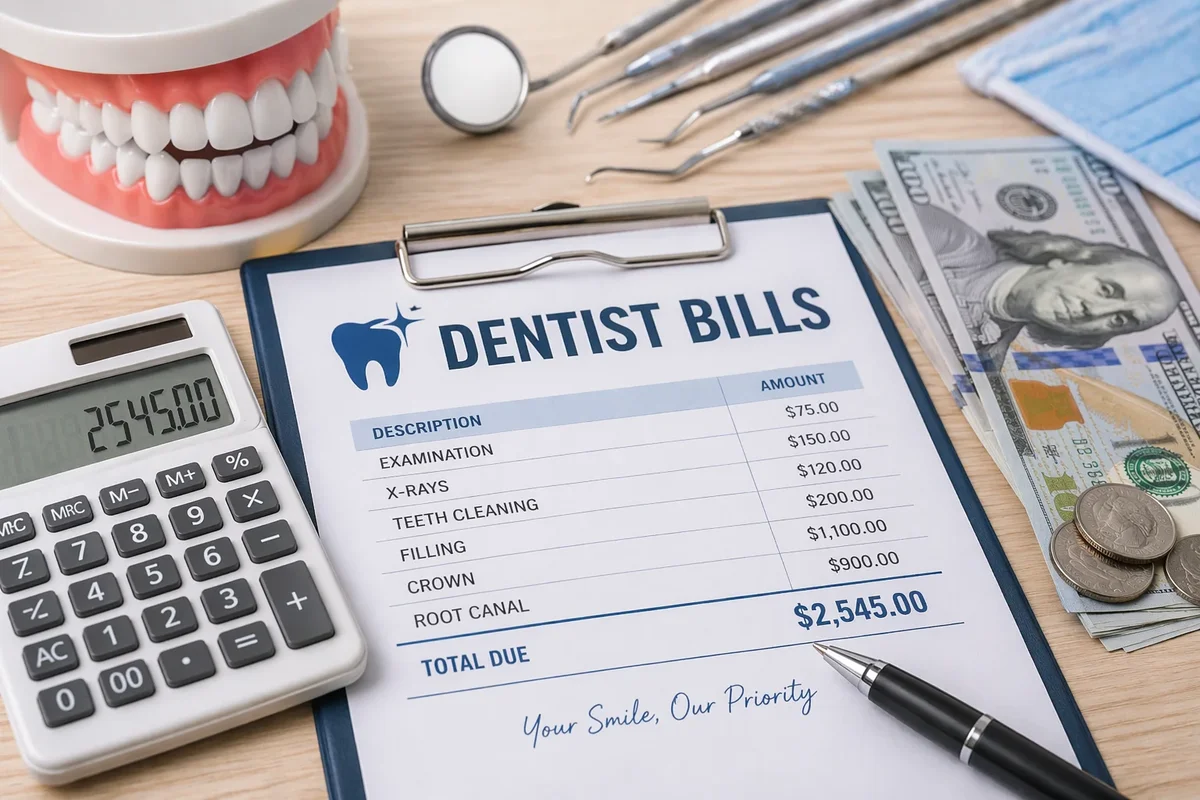
Tips to Plan and Manage Your Dentist Bills Efficiently
Managing dentist bills efficiently is essential for maintaining both your oral health and financial stability. Many patients feel overwhelmed when facing unexpected dentist bills, but with proper planning and smart strategies, you can stay in control of your expenses. The key is to approach your dental care proactively rather than reactively. By understanding how to plan ahead, track expenses, and make informed decisions, you can significantly reduce the burden of dentist bills. 💡
In this section, we will explore practical and effective tips to help you manage dentist bills efficiently without compromising the quality of your dental care.
Create a Preventive Care Routine
The foundation of managing dentist bills starts with prevention. Regular dental check-ups and cleanings help detect problems early, preventing the need for expensive treatments later. Preventive care is one of the most cost-effective ways to keep dentist bills under control.
Maintaining daily oral hygiene habits such as brushing twice a day, flossing, and using fluoride products reduces the risk of cavities and gum disease. These simple practices can significantly lower long-term dentist bills. 🪥
Plan Treatments in Advance
Planning your dental treatments ahead of time is crucial for managing dentist bills. When your dentist provides a treatment plan, review it carefully and discuss priorities. Breaking treatments into phases can help you spread out dentist bills over time, making them more manageable.
For example, if you require multiple procedures, you can schedule them across different months or years to align with your budget and insurance coverage. This strategic approach helps you avoid large, overwhelming dentist bills. 📅
Request Cost Estimates Before Treatment
Always ask for a detailed estimate before starting any procedure. This allows you to understand what your dentist bills will include and prevents unexpected charges. Transparent pricing helps you plan your finances more effectively.
Maximize Your Dental Insurance Benefits
If you have dental insurance, using it wisely can significantly reduce dentist bills. Schedule preventive services that are fully covered and plan major treatments within your annual maximum limits.
Understanding your policy ensures that you are not missing out on benefits that could lower your dentist bills. It is also helpful to confirm coverage details with your provider before undergoing treatment. 📋
Set a Dental Budget
Creating a dedicated budget for dental care is a smart way to manage dentist bills. Setting aside a small amount each month can help you prepare for routine visits and unexpected treatments.
This financial planning approach reduces stress and ensures that you are always ready to handle dentist bills when they arise. A well-planned budget allows you to prioritize your oral health without financial strain.
Explore Flexible Payment Options
Many clinics offer payment plans or financing options that make it easier to manage dentist bills. Instead of paying the full amount upfront, you can spread payments over several months.
Some clinics also provide discounts for early payments or package deals for multiple treatments. Taking advantage of these options can make dentist bills more affordable and manageable. 💳
Choose the Right Clinic for Value
Not all dental clinics offer the same value for your money. While lower prices may seem attractive, it’s important to consider quality, experience, and long-term results when evaluating dentist bills.
Clinics like Redent Klinik Contact Page provide high-quality treatments at competitive prices, helping patients reduce their dentist bills without compromising care. Choosing the right clinic ensures better outcomes and fewer future expenses.
Track and Review Your Dentist Bills
Keeping track of your dentist bills is essential for identifying patterns and managing costs effectively. Reviewing past bills helps you understand where your money is going and allows you to spot any unnecessary charges.
Maintaining records also helps you plan future treatments and ensures that your dentist bills remain consistent and reasonable over time. 📊
Educate Yourself About Dental Costs
Being informed about dental procedures and pricing standards empowers you to make better decisions regarding your dentist bills. Reliable resources such as the American Dental Association provide valuable information on treatment guidelines and cost expectations.
Understanding these standards ensures that your dentist bills reflect fair pricing and appropriate care. Knowledge is one of the most powerful tools for managing dental expenses.
Avoid Emergency Situations
Emergency treatments are one of the biggest contributors to high dentist bills. By addressing dental issues early and maintaining regular check-ups, you can reduce the likelihood of emergencies and avoid sudden increases in dentist bills.
Preventive care, timely treatment, and good oral hygiene are the best defenses against unexpected and costly dental problems. ⏳
Think Long-Term for Better Savings
When managing dentist bills, it’s important to think long-term. Choosing high-quality treatments and materials may cost more initially but can save money over time by reducing the need for repairs or replacements.
Investing in your oral health today leads to fewer complications and lower dentist bills in the future. A long-term perspective ensures both financial and dental well-being. 🌟
In conclusion, managing dentist bills efficiently requires a combination of planning, education, and proactive care. By creating a preventive routine, budgeting wisely, using insurance effectively, and choosing the right providers, you can take full control of your dentist bills. With these strategies, you can maintain a healthy smile while keeping your expenses manageable and predictable. 💪