
A dentist check up is much more than a quick look at your teeth — it’s a comprehensive evaluation of your overall oral health 🦷. Most people underestimate how crucial these visits are until dental problems become painful or expensive to fix. Understanding exactly what happens during a dentist check up can help you feel more comfortable, prepared, and proactive about your dental care. In this detailed guide, we’ll walk you through every step of the process, from the moment you sit in the chair to the final recommendations you receive before leaving the clinic.
Initial Greeting and Medical History Review
When you first arrive for your dentist check up, the dental staff will usually begin by reviewing your medical and dental history. This includes questions about any medications you’re taking, allergies, or recent health issues. Many oral conditions are linked to general health — for example, diabetes can affect gum health, and some heart medications may impact your gums or saliva production. Sharing this information helps the dentist create a personalized treatment plan and identify potential risk factors early on.
Visual Examination of the Mouth
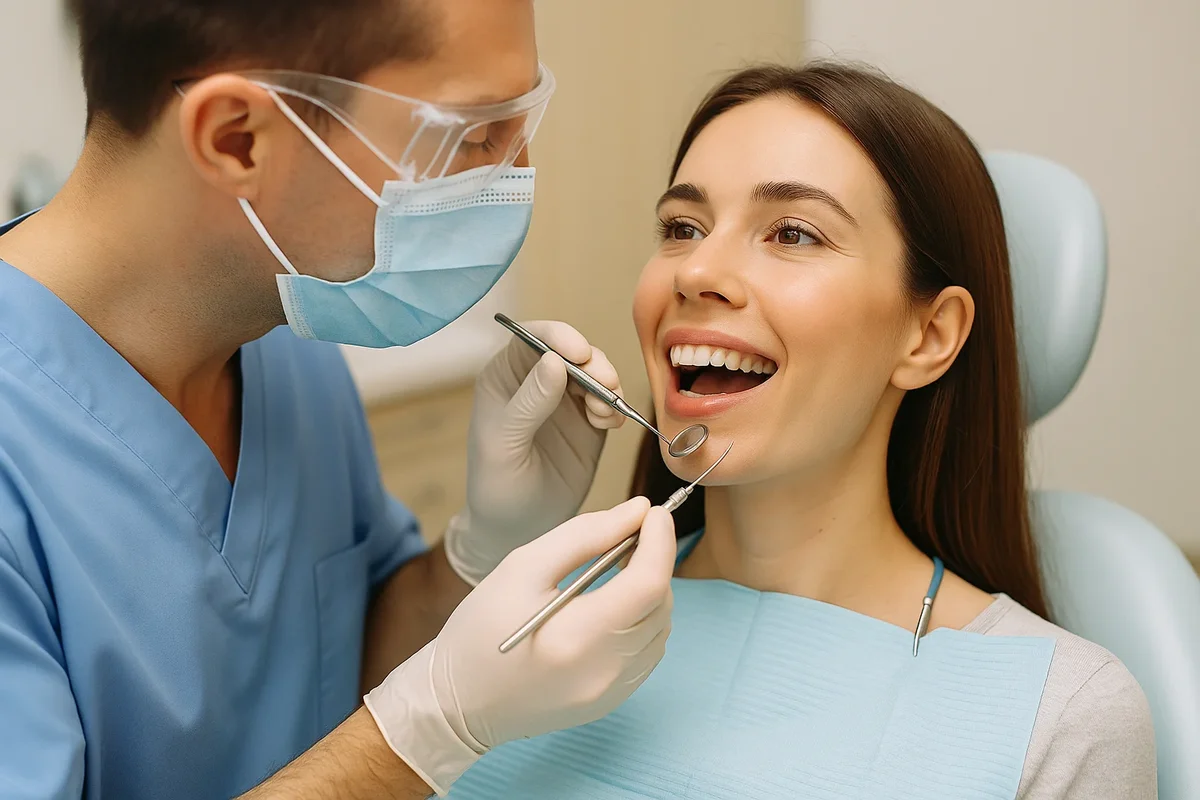
The first part of the actual examination involves a thorough visual inspection. Your dentist uses a small mirror and a bright light to check your teeth, gums, tongue, and the roof of your mouth. This step allows them to detect signs of decay, gum inflammation, or early-stage oral cancer. The dentist will also examine any fillings, crowns, or bridges you may have to ensure they are intact. If you haven’t had a dentist check up in a while, this visual examination can reveal hidden issues that haven’t yet caused discomfort but need attention before they worsen.
Professional Teeth Cleaning
One of the most anticipated parts of a dentist check up is the cleaning session, also known as “scaling and polishing.” A dental hygienist or the dentist uses specialized instruments to remove tartar and plaque buildup, especially in hard-to-reach areas. Even with daily brushing and flossing, plaque can solidify into tartar, which can only be removed professionally. After scaling, your teeth are polished using a mildly abrasive paste to remove stains and make your teeth smooth and shiny. The cleaning process not only enhances your smile but also significantly reduces your risk of gum disease and cavities.
Gum Health Assessment
During your dentist check up, your dentist will measure the depth of the pockets between your gums and teeth using a periodontal probe. Healthy gums have shallow pockets, while deeper measurements may indicate gum disease (gingivitis or periodontitis). Detecting gum disease early is essential, as untreated infections can lead to bone loss and even tooth loss. This gum health evaluation helps prevent long-term damage and keeps your entire oral structure healthy.
Dental X-Rays and Diagnostic Imaging
Depending on your dental history and risk level, your dentist may recommend taking X-rays. These digital images allow the dentist to see beneath the surface — between teeth, under fillings, and inside the jawbone. Problems such as impacted teeth, infections, bone loss, or cavities hidden below the enamel can be identified through these scans. Thanks to modern technology, dental X-rays are quick, safe, and involve minimal radiation exposure. If you visit a reputable clinic such as Redent Klinik Contact Page, you’ll benefit from advanced imaging equipment that ensures precision and comfort during your check up.
Discussion of Findings and Personalized Advice
Once your dentist has completed the examination and cleaning, they’ll review their findings with you in detail. This discussion often includes pointing out areas of concern, showing X-ray results, and explaining what treatments might be needed. You’ll receive personalized guidance on brushing techniques, flossing methods, and diet recommendations to maintain healthy teeth and gums. The dentist might also recommend fluoride treatments or sealants to protect your enamel. This educational part of a dentist check up is extremely valuable, as it empowers patients to take charge of their oral hygiene at home.
Oral Cancer Screening
Many people don’t realize that a routine dentist check up also includes an oral cancer screening. The dentist examines your lips, tongue, cheeks, throat, and soft tissues for any unusual lesions, lumps, or discolorations. Early detection is critical, and dentists are trained to recognize subtle signs that patients may overlook. If anything suspicious is found, the dentist will advise further diagnostic tests or refer you to a specialist. Regular screenings are one of the most effective ways to prevent advanced oral cancers and maintain long-term oral health.
Fluoride Application and Final Steps
As a final step, some dentists may apply a fluoride varnish or gel. Fluoride strengthens the enamel and helps protect against cavities. This process is quick and painless — you’ll be asked not to eat or drink for about 30 minutes afterward to let the fluoride fully absorb. At this stage, you can also schedule your next appointment. Ideally, you should have a dentist check up every six months to maintain optimal oral hygiene and catch potential problems early.
Final Thoughts: Maintaining Dental Health Beyond the Clinic
After your dentist check up, your responsibility continues at home. Daily brushing with fluoride toothpaste, regular flossing, and a balanced diet low in sugar are the cornerstones of oral health. Avoiding tobacco and excessive coffee also helps prevent staining and gum issues. Dentists often recommend visiting reputable sources like the American Dental Association to learn more about proper dental care and prevention. Remember, consistent dental visits not only keep your smile bright 😁 but also safeguard your overall well-being — oral health is closely linked to heart health, digestion, and immune function. A simple routine check up can make a world of difference in preventing serious conditions and maintaining a confident, healthy smile for years to come.
Why Regular Dentist Check Ups Are Crucial for Oral Health
Many people only visit the dentist when something hurts — but by then, it’s often too late to prevent extensive damage 😬. A dentist check up isn’t just about cleaning teeth; it’s a vital part of maintaining your oral and overall health. Regular dental visits allow your dentist to detect issues early, prevent painful conditions, and ensure your smile stays healthy and confident. In this section, we’ll explore in detail why consistent dental visits are absolutely essential for everyone, regardless of age or dental history.
Early Detection of Dental Problems
One of the most significant benefits of a regular dentist check up is early detection. Many dental conditions—such as tooth decay, gum disease, and oral cancer—begin silently without pain or visible symptoms. During a routine exam, your dentist examines every part of your mouth, using advanced tools and sometimes digital X-rays to spot early-stage issues. Catching these problems early can save you from painful treatments and high costs later on. For example, a tiny cavity that costs a few dollars to fix now could turn into a root canal or crown replacement worth hundreds if ignored.
Prevention of Gum Disease
Your gums are the foundation of your teeth. Gum disease (periodontal disease) can develop slowly and lead to tooth loss if left untreated. A dentist check up includes a periodontal assessment, where the dentist measures the depth of gum pockets and checks for signs of inflammation, bleeding, or infection. Professional cleaning removes plaque and tartar that ordinary brushing can’t eliminate. Without these regular visits, bacteria build up under the gumline, leading to chronic gum infection and bone loss around the teeth. Keeping your gums healthy through check ups means you can avoid costly and painful procedures like deep cleanings or gum surgery later on.
Maintaining Fresh Breath and Confidence
Bad breath (halitosis) is often caused by bacterial accumulation, gum infection, or decay. Regular dentist check ups ensure that your mouth is professionally cleaned and that potential causes of odor are treated before they become chronic. Clean, polished teeth and healthy gums also boost your self-confidence. A fresh smile makes social interactions and professional meetings more comfortable 😊.
Protecting Overall Health Through Oral Care
Few people realize how closely oral health is linked to general health. Studies have shown strong connections between gum disease and systemic conditions such as diabetes, heart disease, and even Alzheimer’s. During a dentist check up, your dentist may notice signs of systemic illnesses, including vitamin deficiencies, hormonal changes, or immune system disorders. Oral tissues often reflect the first signs of systemic problems — meaning your dentist can act as an early detector for broader health concerns. Maintaining regular visits could literally save your life by uncovering hidden issues at an early stage.
Customized Oral Hygiene Guidance
Every mouth is different, and what works for one person may not work for another. At each dentist check up, you receive personalized advice tailored to your dental needs. The dentist or hygienist may demonstrate proper brushing angles, flossing techniques, and fluoride use. They can also suggest special products such as interdental brushes, mouth rinses, or toothpaste designed for sensitive gums or enamel erosion. This individual guidance ensures that your daily oral hygiene routine is effective and optimized for your unique mouth structure.
Cost-Effective in the Long Run
Some people skip their dentist check up to save money, but that’s a short-term view that can lead to expensive consequences. Preventive dental visits are significantly cheaper than restorative procedures. For instance, professional cleaning and exam fees are minimal compared to treatments for advanced cavities, crowns, or implants. Think of it as maintenance for your car — regular tune-ups prevent engine failure. Similarly, regular check ups keep your oral “engine” running smoothly without sudden breakdowns. Moreover, most dental insurance plans cover routine check ups completely or at a very low cost, making prevention the smartest financial choice.
Enhanced Aesthetics and Whiter Teeth
A dentist check up also contributes to a more attractive smile. Regular cleanings remove surface stains caused by coffee, tea, or smoking, keeping your teeth naturally bright. Polishing also helps smooth the enamel surface, preventing plaque buildup and discoloration. Dentists may recommend safe whitening options if you want an even brighter smile. Maintaining aesthetics is not just cosmetic — it boosts self-esteem and promotes a positive self-image.
Monitoring Dental Restorations and Orthodontics
If you have fillings, crowns, veneers, or braces, consistent dentist check ups are critical. The dentist ensures that your restorations are still intact and functioning properly. Small cracks or misalignments can lead to serious complications if not caught early. For orthodontic patients, regular visits ensure that teeth are shifting correctly, and no soft tissue irritation occurs. Continuous professional monitoring protects your long-term investment in dental care.
Children’s Oral Health Foundation
Regular dentist check ups are especially vital for children. Pediatric dentistry focuses on developing strong oral hygiene habits early. Check ups help monitor the growth of permanent teeth, identify potential orthodontic issues, and teach kids proper brushing and flossing habits. Preventing cavities in baby teeth also protects adult teeth that are still developing beneath them. Early dental care sets the foundation for a lifetime of healthy smiles 😄.
Pro Tip: Never Skip Your Routine Check Up
Experts from the American Dental Association recommend visiting the dentist every six months. However, some people may need more frequent visits depending on their oral health condition. Whether you have braces, a history of gum disease, or simply want to maintain your smile, these regular visits are your best defense against future problems. You can schedule your next appointment easily through Redent Klinik Contact Page and ensure your mouth receives top-tier preventive care.
Conclusion: Prevention Is Better Than Cure
In conclusion, regular dentist check ups are essential not only for keeping your teeth clean but for protecting your overall health, confidence, and wallet. Neglecting these visits may seem harmless, but dental diseases progress quietly. By visiting your dentist twice a year, you ensure that minor problems are treated early, your smile stays bright, and your oral health supports your entire body’s well-being. A few hours a year dedicated to dental visits can prevent years of discomfort — and that’s an investment worth making.
Common Dental Issues Detected During a Dentist Check Up
A dentist check up plays a crucial role in identifying oral health problems that often go unnoticed in daily life. Many dental issues develop silently and can only be detected by professional examination using specialized tools and imaging technology. Detecting these problems early prevents serious complications, saves money, and maintains a healthy, confident smile 😁. This section provides an in-depth look at the most common dental issues found during a routine check up and how each is managed by your dentist.
1. Cavities and Tooth Decay
One of the most frequent findings during a dentist check up is tooth decay — a gradual breakdown of enamel caused by bacteria, sugar, and poor oral hygiene. Dentists identify early decay through visual inspection, probing tools, and sometimes X-rays. In early stages, cavities may appear as tiny white or brown spots, often without pain. If untreated, decay progresses deeper into the dentin and eventually reaches the pulp, leading to severe pain and infection. Early detection means the decay can be treated with a simple filling rather than more invasive procedures like a root canal.
Preventing Cavities Before They Start
To prevent cavities, dentists emphasize proper brushing with fluoride toothpaste, daily flossing, and reducing sugary snacks and drinks. During a dentist check up, your dentist might recommend fluoride treatments or sealants — thin protective coatings applied to molars to block bacteria from entering small grooves. These preventive measures are highly effective for children and adults alike.
2. Gum Disease (Gingivitis and Periodontitis)
Another common issue detected during a dentist check up is gum disease. Early-stage gingivitis is characterized by swollen, red gums that bleed during brushing. If neglected, it can develop into periodontitis — a severe infection that damages soft tissue and bone, potentially leading to tooth loss. Dentists measure gum pocket depth and check for inflammation or receding gums to determine the stage of the disease.
Importance of Regular Check Ups for Gum Health
Regular dentist check ups are vital for gum health because gum disease often develops without pain. Dentists can reverse gingivitis with professional cleaning and improved home care. In advanced cases, scaling and root planing — a deep cleaning below the gum line — may be required. Consistent monitoring helps stop the disease before it causes irreversible damage.
3. Tooth Sensitivity
Tooth sensitivity is another frequent concern detected during a dentist check up. It occurs when the enamel wears down or gums recede, exposing dentin — the sensitive inner layer of the tooth. Patients may feel discomfort when consuming hot, cold, or sweet foods. Your dentist can identify the cause of sensitivity and suggest desensitizing toothpaste, fluoride varnish, or gum treatment. Detecting sensitivity early prevents the problem from worsening into decay or nerve damage.
4. Plaque and Tartar Buildup
Plaque is a sticky film of bacteria that forms on teeth every day. If not removed by brushing and flossing, it hardens into tartar, which can only be removed during a professional cleaning. During a dentist check up, the hygienist carefully examines areas prone to buildup — particularly between teeth and near the gumline. Excessive tartar contributes to cavities, gum disease, and bad breath. Professional cleaning at every check up ensures your mouth stays fresh, clean, and free of harmful bacteria.
5. Misalignment and Bite Problems
Even slight misalignments can lead to uneven wear, jaw pain, or difficulty cleaning certain areas. During your dentist check up, the dentist assesses your bite and checks how your upper and lower teeth come together. They may identify conditions such as bruxism (teeth grinding) or temporomandibular joint disorder (TMJ), both of which can cause chronic headaches or muscle pain. Orthodontic treatment or night guards may be suggested to correct these issues and prevent further complications.
6. Oral Cancer and Soft Tissue Lesions
Every dentist check up includes an oral cancer screening. The dentist examines your lips, tongue, cheeks, and throat for abnormal patches, sores, or lumps. Oral cancer can be life-threatening if not caught early, but regular check ups significantly improve survival rates. Using light and magnification tools, your dentist can detect precancerous lesions that may not be visible to the naked eye. If anything suspicious appears, they’ll recommend further tests or a biopsy.
7. Tooth Wear and Erosion
Tooth wear, often caused by grinding (bruxism), acidic diets, or aggressive brushing, is another issue commonly identified during a dentist check up. Erosion weakens enamel, making teeth more prone to sensitivity and decay. Dentists may notice flat chewing surfaces or translucent edges — clear signs of enamel loss. They’ll provide dietary advice, recommend fluoride applications, or fit you with a protective night guard to prevent further damage.
How Diet Affects Tooth Erosion
Acidic foods like citrus fruits, soda, and wine can wear away enamel over time. During your dentist check up, your dentist might suggest balancing acidic meals with water or dairy products to neutralize acid and protect enamel strength. Moderation and mindful eating habits are key to preventing enamel loss.
8. Impacted Teeth or Wisdom Teeth Issues
Especially in young adults, dentist check ups often reveal impacted wisdom teeth — molars that fail to emerge properly. These can cause pain, swelling, and infection. X-rays help determine their position, and your dentist may recommend removal to prevent overcrowding or misalignment. Early identification of impacted teeth ensures easier, less painful management and protects neighboring teeth from damage.
9. Problems with Dental Restorations
Old fillings, crowns, or bridges can deteriorate over time. A dentist check up allows your dentist to inspect restorations for cracks, looseness, or decay underneath. Fixing or replacing worn restorations early prevents more extensive procedures later. Advanced clinics such as Redent Klinik Contact Page use digital scanners to assess restorations precisely, ensuring long-lasting and natural-looking results.
10. Jaw and Facial Pain
Sometimes, the source of oral discomfort lies outside the teeth themselves. During a dentist check up, your dentist may evaluate your jaw joints and facial muscles for signs of tension or imbalance. Chronic jaw pain may be linked to grinding, misalignment, or stress. Identifying these issues early allows for treatment with bite adjustments, relaxation exercises, or dental appliances that relieve pressure on the joints.
Conclusion: The Power of Early Detection
A dentist check up is your first line of defense against oral problems. By identifying issues like cavities, gum disease, erosion, or misalignment early, you can avoid costly and painful treatments later. The American Dental Association emphasizes that preventive care is the most effective way to maintain oral health and overall wellness. Regular check ups — ideally every six months — keep your mouth free from disease, your smile radiant, and your confidence high. Don’t wait for pain to be your reminder; proactive dental care is the key to lifelong oral health 🌟.
How Often Should You Schedule a Dentist Check Up?
Determining how often to have a dentist check up is a question that many people overlook — yet it’s one of the most important decisions for maintaining long-term oral health 🦷. While the traditional advice is every six months, the ideal frequency actually depends on factors like age, lifestyle, oral hygiene habits, and medical history. In this section, we’ll explore what experts recommend, why regularity matters, and how personalized schedules ensure optimal dental care for everyone.
The General Rule: Every Six Months
Most dental professionals and the American Dental Association recommend visiting your dentist twice a year. This six-month interval allows dentists to catch developing problems before they become severe. Plaque and tartar build-up can occur even with consistent brushing, and cavities can form in less than a year. A dentist check up every six months ensures these issues are treated early, preventing the need for costly procedures like crowns or root canals.
Why Six Months Makes a Difference
Dental plaque starts forming within hours of eating. When left unchecked, it hardens into tartar within 24 to 72 hours — a substance that cannot be removed with a toothbrush. A professional cleaning every six months removes this buildup, keeping your gums healthy and your enamel strong. Regular dentist check ups also let your dentist monitor the progress of any previous treatments, ensuring long-term success.
Factors That May Require More Frequent Visits
While twice a year works for most people, certain groups benefit from more frequent check ups. Your dentist may recommend quarterly or even bi-monthly visits based on your condition. Let’s look at the most common reasons you might need more regular appointments:
1. Gum Disease or Periodontitis
Individuals diagnosed with gum disease need closer monitoring. Periodontal maintenance visits every 3–4 months help prevent bacteria from returning beneath the gumline. Skipping visits can cause the infection to flare up again, leading to bone loss or tooth mobility. In such cases, a dentist check up every few months is not just advisable — it’s essential for long-term oral stability.
2. High Cavity Risk
If you have a history of frequent cavities or enamel erosion, you should consider more frequent visits. Your dentist can apply fluoride varnish and monitor weak areas before decay sets in. A routine dentist check up gives professionals the chance to reinforce enamel and provide preventive care before serious damage occurs.
3. Smokers and Tobacco Users
Tobacco significantly increases the risk of gum disease, tooth staining, and oral cancer. Dentists often advise smokers to visit every three to four months for close observation. During each dentist check up, your dentist performs oral cancer screenings and professional cleanings to counteract the harmful effects of smoking and improve oral hygiene.
4. Diabetic and Medically Compromised Patients
Patients with systemic conditions such as diabetes, autoimmune disorders, or heart disease require extra care. Diabetes, for example, reduces the body’s ability to fight infection, making the gums more vulnerable to inflammation. More frequent dentist check ups allow for early detection of oral infections and ensure proper coordination with your medical care plan.
Age-Specific Recommendations
Different age groups have unique dental needs, and check up frequency should reflect that. Here’s how often each age category should visit the dentist for optimal care:
Children (Ages 1–12)
Children should have their first dentist check up when the first tooth appears or by their first birthday, whichever comes first. Regular visits every six months help dentists monitor tooth eruption, detect cavities early, and teach proper brushing techniques. For kids with braces or dietary risks (like frequent snacking), check ups may be needed every three months.
Teenagers (Ages 13–19)
Teenagers experience hormonal changes and diet variations that can affect oral health. Sugary snacks, braces, and irregular brushing habits make them prone to cavities and gingivitis. A dentist check up every six months ensures early management of these issues and helps maintain healthy development of permanent teeth.
Adults (Ages 20–60)
Adults should schedule dentist check ups every six months unless otherwise advised. Stress, caffeine, and smoking can cause enamel wear and gum problems, which require consistent monitoring. Those with restorations or implants benefit from regular visits to check for cracks, chips, or infections beneath dental work.
Seniors (Ages 60+)
As people age, their gums recede, teeth weaken, and saliva production decreases due to medications. Seniors are at higher risk for root decay and dry mouth, making dentist check ups every 3–4 months crucial. These visits also help ensure dentures, bridges, or implants remain well-fitted and comfortable.
The Role of Personal Oral Hygiene
How often you need a dentist check up can also depend on how well you care for your teeth at home. If you brush twice a day with fluoride toothpaste, floss regularly, and maintain a balanced diet, you may be fine with biannual visits. However, if your oral hygiene is inconsistent, your dentist may recommend shorter intervals. Preventive care at home and consistent check ups work together to create the strongest defense against dental issues.
Signs That You Should Schedule a Dentist Visit Sooner
Even if your next dentist check up isn’t due yet, certain symptoms require immediate attention. These include persistent tooth pain, bleeding gums, swelling, bad breath, or sensitivity to hot and cold. Ignoring these warning signs can worsen underlying conditions. If you experience any discomfort, don’t wait — schedule a visit right away at trusted clinics like Redent Klinik Contact Page for a professional evaluation and timely treatment.
Personalized Dental Check Up Plans
Modern dentistry is moving toward personalized care. Dentists today evaluate genetic, medical, and lifestyle factors to customize check up frequency. For example, someone with excellent oral hygiene and no decay for several years may safely extend visits to once per year, while others may need quarterly check ups. A personalized dentist check up schedule ensures the right balance between prevention, convenience, and cost efficiency.
Conclusion: Consistency Is the Key
Whether you go every three, six, or twelve months, the key is consistency. Regular dentist check ups are preventive — not reactive. They protect you from sudden pain, tooth loss, and high treatment costs. By maintaining a consistent relationship with your dentist, you ensure long-term oral wellness and a radiant smile for life. Remember, prevention is always more affordable and comfortable than cure. Don’t delay your next appointment — make it a habit that your future self will thank you for! 🌟
The Cost of a Dentist Check Up: What to Expect
Understanding the cost of a dentist check up helps patients plan their oral care more confidently and avoid financial surprises. Many people delay dental visits due to perceived expense, but in reality, preventive care is one of the most cost-effective investments you can make for your health 🦷. The cost varies depending on your location, the clinic’s technology, and whether additional services like X-rays or cleaning are included. Let’s explore in detail how dentist check up pricing works, what factors affect it, and why regular check ups actually save you money in the long run.
Average Cost of a Routine Dentist Check Up
In most countries, the average cost of a dentist check up that includes an oral exam, cleaning, and X-rays ranges between $75 and $250. In the United States, for example, a standard adult check up without insurance typically costs around $100–$150. In the United Kingdom, prices can range from £30 to £80 for NHS-supported clinics and up to £100–£200 in private practices. European countries such as Turkey or Hungary—known for their dental tourism—offer full professional cleanings and exams for as low as $40–$70, making them an attractive option for international patients seeking affordable, high-quality care.
Price Breakdown Example (USD)
- Basic oral examination: $50–$75
- Professional cleaning (scaling and polishing): $60–$100
- Dental X-rays: $25–$50
- Fluoride treatment (optional): $20–$40
Total Estimated Cost: $125–$250 for a comprehensive visit
These numbers can vary, but they give you a realistic idea of what a typical dentist check up costs. Many dental offices bundle these services into a single package at a discounted rate for regular patients.
Factors That Affect the Cost of a Dentist Check Up
The price of a dentist check up is influenced by several variables. Understanding these factors will help you anticipate costs and make informed choices.
1. Geographic Location
Just like any healthcare service, dental care costs vary by region. Major cities and developed countries typically charge higher rates due to rent, staff wages, and operating expenses. On the other hand, clinics in countries like Turkey — such as Redent Klinik Contact Page — offer modern facilities and expert care at significantly lower prices. This affordability is why dental tourism continues to grow each year.
2. Type of Dental Clinic
Private dental practices often charge more than public or insurance-supported clinics. However, private clinics usually provide shorter waiting times, more advanced equipment, and a personalized patient experience. Routine dentist check ups at private practices might cost 20–40% more, but the added comfort and quality of care can justify the difference for many patients.
3. Additional Procedures
If your dentist check up reveals issues like cavities or gum inflammation, you may require additional treatments such as fillings, scaling, or fluoride therapy. Each extra procedure adds to the total cost, but these preventive measures are much cheaper than treating advanced decay or performing extractions later.
4. Dental Insurance Coverage
Most dental insurance plans fully or partially cover routine check ups. In the U.S., preventive care is often 100% covered under standard plans. Without insurance, patients pay the full amount out of pocket. Always confirm your coverage details before scheduling your appointment. Even if your insurance doesn’t cover all treatments, the savings from preventive visits usually outweigh the premiums.
5. Technology and Equipment
Modern dental clinics use advanced tools such as digital X-rays, intraoral scanners, and ultrasonic cleaning devices. While this technology improves accuracy and comfort, it may slightly raise the overall cost of your dentist check up. However, it ensures more precise diagnoses and better long-term outcomes, making it a worthwhile investment.
Why Regular Dentist Check Ups Save You Money
Skipping dental visits might seem like a way to save money, but it often leads to higher costs later. Neglected plaque and minor cavities can escalate into root canals, crowns, or even dental implants. Let’s look at how preventive care compares to major dental work financially:
- Two routine check ups per year: ~$300 total
- Root canal treatment: $800–$1,500 per tooth
- Crown replacement: $1,000–$2,500
- Dental implant: $2,000–$4,000
Prevention saves thousands over a lifetime.
By maintaining a consistent dentist check up schedule, you minimize expensive restorative treatments, avoid pain, and preserve your natural teeth longer.
Affordable Dental Options
If cost is a barrier, there are several strategies for affordable dental care:
- Dental schools: Students perform check ups under supervision at discounted rates.
- Community health programs: Many regions offer low-cost or free dental exams for low-income families.
- Dental tourism: Clinics like Redent Klinik provide world-class care at a fraction of Western prices.
- Membership plans: Some clinics offer yearly preventive care plans that include two dentist check ups and discounts on other services.
Hidden Value: Health Benefits Beyond the Cost
The true value of a dentist check up extends beyond your wallet. Regular dental visits help detect early signs of systemic health issues such as diabetes, heart disease, and oral cancer. By catching these conditions early, your dentist indirectly helps you avoid medical expenses far higher than any dental bill. Oral health is an investment in overall wellness, not just a cosmetic concern.
Example: Preventing Costly Health Complications
Studies show that patients with untreated gum disease are 25% more likely to experience cardiovascular issues. Treating gum inflammation during a dentist check up costs less than $100, while cardiac treatments can cost thousands. This direct connection highlights how preventive oral care contributes to financial and physical health.
Conclusion: Prevention Is the Smartest Investment
The cost of a dentist check up is minor compared to the value it delivers. From preventing disease to preserving your smile, these visits are an essential part of a healthy lifestyle. Whether you’re paying out of pocket or using insurance, regular dental visits are an investment that pays off exponentially. For affordable, professional care that prioritizes both quality and comfort, you can contact trusted clinics such as Redent Klinik Contact Page. Remember: the price of prevention is always cheaper — and far more pleasant — than the cost of repair 💎.
Preparing for Your Next Dentist Appointment: Expert Tips
A successful dentist check up begins long before you sit in the dental chair. Proper preparation not only helps reduce anxiety but also ensures that your dentist can perform the most accurate and effective evaluation possible. Whether you’re a regular patient or visiting after a long break, following a few simple but strategic steps can make your appointment smoother, faster, and more productive 🦷. This detailed guide covers expert recommendations to help you prepare both physically and mentally for your next dental visit.
Why Preparation Matters
Many people underestimate how small habits before a dentist check up can affect results. For instance, eating right before your appointment or neglecting to update your medical history can complicate certain procedures. Preparing well allows your dentist to get a clearer view of your oral condition, ensures comfort, and helps avoid unnecessary delays. Moreover, well-prepared patients often report a more positive and stress-free dental experience.
1. Brush and Floss Before Your Visit
One of the simplest yet most essential steps before a dentist check up is brushing and flossing. A clean mouth makes it easier for your dentist to inspect your gums and teeth without interference from food particles. Use a soft-bristled toothbrush and fluoride toothpaste, and floss thoroughly to remove debris between teeth. Avoid over-brushing or brushing too aggressively, as it may cause gum irritation before the examination.
Pro Tip:
Rinse with a mild, alcohol-free mouthwash before your appointment. This helps reduce bacteria and ensures fresher breath, especially if you’re nervous about close contact with your dentist.
2. Make a List of Questions or Concerns
Your dentist check up is your chance to address any issues, no matter how small. Before the visit, write down any discomfort, sensitivity, or cosmetic concerns you’ve noticed. For example:
- Do your gums bleed when brushing?
- Have you noticed increased sensitivity to hot or cold foods?
- Are there any stains, chips, or alignment changes?
Bringing this list helps your dentist tailor the check up to your specific needs and ensures no concern is overlooked. It also makes the appointment more collaborative — you and your dentist work together toward optimal oral health.
3. Update Your Medical and Medication Information
Your mouth is part of your overall body, and many systemic conditions affect oral health. Before your dentist check up, update your dentist on any new medications, allergies, or medical conditions such as diabetes, hypertension, or pregnancy. Some medications can cause dry mouth or bleeding gums, which are important for your dentist to know when planning treatments. Providing complete information ensures your safety and allows for more personalized dental care.
4. Avoid Eating Right Before the Appointment
It’s best to avoid eating a heavy meal immediately before your dentist check up. Food particles can remain stuck in your teeth or gums, making the cleaning process more difficult. If you must eat, choose light and non-sticky foods like fruits or yogurt, and brush your teeth afterward. Also, avoid caffeine, as it may increase nervousness and make it harder to relax in the dental chair.
5. Bring Dental Records or Insurance Details
If you’re visiting a new dentist or switching clinics, bring copies of your previous dental records, X-rays, and insurance documents. These help your new dentist understand your oral health history and avoid repeating procedures unnecessarily. At clinics like Redent Klinik Contact Page, patients are encouraged to provide their dental history beforehand so that the team can tailor the check up efficiently and precisely.
6. Arrive Early and Relax
Arriving 10–15 minutes early to your dentist check up helps you fill out paperwork, update your details, and mentally settle in. Rushing into your appointment can raise stress levels and blood pressure, affecting your comfort during the exam. Try deep breathing exercises, listen to calm music, or visualize the benefits of maintaining a healthy, radiant smile. A relaxed mindset helps both you and your dentist work more effectively.
7. Understand What to Expect During the Visit
Knowing what happens during a dentist check up reduces anxiety and prepares you mentally. Typically, the appointment involves:
- Reviewing your medical and dental history
- A thorough visual and tactile examination
- Professional cleaning (scaling and polishing)
- X-rays or scans if necessary
- A detailed discussion about findings and next steps
Familiarizing yourself with this process gives you a sense of control and confidence.
Tip for Nervous Patients:
If dental visits make you anxious, inform your dentist beforehand. Many clinics offer comfort options such as noise-canceling headphones, mild sedation, or distraction techniques. A transparent conversation ensures a more relaxing experience during your dentist check up.
8. Manage Expectations After the Check Up
Preparation doesn’t end once the appointment is over. After your dentist check up, your dentist may recommend specific treatments or oral hygiene adjustments. Make sure you understand each suggestion clearly. Ask questions like “How often should I use mouthwash?” or “What’s the best toothbrush for my gums?” Taking notes ensures you apply their advice correctly at home. Some dentists also provide printed care instructions or personalized follow-up reminders.
9. Financial and Scheduling Preparation
Before visiting, confirm payment methods, insurance acceptance, and potential additional costs. Many patients find it helpful to schedule their next appointment before leaving the clinic, ensuring consistent care every six months. Routine planning prevents missed check ups and promotes proactive oral health. At affordable clinics like Redent Klinik, booking early also helps secure preferred time slots and continuity with your preferred dentist.
10. Mental Preparation and Positive Mindset
Dental anxiety is common, but preparation helps overcome it. View your dentist check up not as something to fear but as a vital self-care step. Visualize leaving the clinic with cleaner, healthier teeth and peace of mind. Remember, preventive visits are far more comfortable and less invasive than emergency treatments. Bringing a friend or listening to soothing music during the wait can also help reduce nervousness. 😌
Final Thoughts: Preparation Equals Prevention
Proper preparation for a dentist check up ensures better results, minimizes stress, and maximizes comfort. By brushing beforehand, organizing your records, arriving early, and maintaining open communication, you actively participate in your oral health journey. Preparation is not about perfection — it’s about partnership with your dentist. For professional, patient-centered care and personalized advice, contact a trusted provider like Redent Klinik Contact Page. According to the American Dental Association, proactive dental care is one of the best ways to maintain lifelong oral health and prevent costly complications. So, take a deep breath, prepare smartly, and step confidently into your next check up knowing you’re doing something great for your smile 🌟.
The Role of X-Rays and Modern Technology in Dental Check Ups
Modern dentistry has evolved far beyond mirrors and probes. Today, technology plays an essential role in every dentist check up, allowing for earlier detection, greater precision, and more comfortable patient experiences. From digital X-rays to 3D imaging and laser diagnostics, these advancements enable dentists to diagnose issues that are invisible to the naked eye. In this section, we’ll explore how these technologies work, their benefits, safety aspects, and why they are a vital part of preventive dental care 🦷.
Why X-Rays Are a Crucial Part of Every Dentist Check Up
X-rays, also known as radiographs, are one of the most valuable diagnostic tools during a dentist check up. They reveal what’s happening beneath the surface—between teeth, inside the gums, and below existing restorations. Even when your teeth appear healthy, X-rays can uncover hidden cavities, infections, bone loss, or impacted teeth that could cause problems later. Without these images, many conditions would remain undetected until they become painful and expensive to treat.
Types of Dental X-Rays
There are several types of dental X-rays, each serving a specific purpose:
- Bitewing X-rays: Show the upper and lower teeth in one area, revealing decay between teeth and changes in bone density.
- Periapical X-rays: Focus on one or two teeth from crown to root, helping detect abscesses or cysts.
- Panoramic X-rays: Capture the entire mouth, jaw, and sinuses in a single image — often used for wisdom teeth or orthodontic planning.
- Occlusal X-rays: Provide a view of the floor or roof of the mouth, helping identify tooth development in children.
These images give your dentist a comprehensive understanding of your oral health, ensuring that your dentist check up is both thorough and preventive rather than reactive.
How Digital X-Rays Improve Safety and Efficiency
One of the greatest advancements in dental technology is the transition from traditional film X-rays to digital radiography. Modern dentist check ups now use digital sensors that capture high-resolution images in seconds. This method has several advantages:
- Lower radiation exposure: Digital X-rays reduce radiation levels by up to 80–90% compared to conventional film.
- Instant results: Images appear immediately on the dentist’s monitor, allowing for real-time discussion with patients.
- Enhanced image quality: Dentists can zoom in, adjust contrast, and highlight problem areas for more accurate diagnoses.
- Environmentally friendly: No chemical processing is required, reducing waste and environmental impact.
Because of these benefits, digital imaging is now standard in most dental clinics, including modern facilities like Redent Klinik Contact Page, which uses state-of-the-art equipment to ensure safety and comfort.
3D Imaging and Cone Beam CT Scans
Beyond 2D X-rays, advanced dental clinics utilize Cone Beam Computed Tomography (CBCT) for detailed 3D imaging. This technology provides a three-dimensional view of your teeth, jawbone, and surrounding structures. During a dentist check up, CBCT scans are particularly useful for planning implants, evaluating bone density, and diagnosing temporomandibular joint (TMJ) issues.
When Is 3D Imaging Used?
3D scans are not required for every dentist check up, but they are invaluable in complex cases. They are recommended when patients have:
- Impacted wisdom teeth or complicated extractions
- Dental implant placement requirements
- Jaw pain or suspected bone abnormalities
- Orthodontic treatment planning needs
This high-resolution visualization minimizes guesswork, enhances precision, and ensures that treatments are customized for each patient’s unique anatomy.
Laser Technology in Dentistry
Lasers are another innovative addition to modern dentist check ups. They are used for cavity detection, gum contouring, and even whitening procedures. With laser diagnostics, dentists can detect tiny lesions or areas of demineralization long before they develop into visible cavities. Lasers also sterilize and seal tissues simultaneously, reducing discomfort and speeding up recovery.
Advantages of Laser Diagnostics
Laser-assisted examinations provide:
- Non-invasive cavity detection without drilling
- Reduced need for anesthesia
- Minimal bleeding and faster healing
- Precise targeting of diseased tissue
For patients with dental anxiety, laser technology transforms the dentist check up experience into something virtually painless and stress-free.
Intraoral Cameras for Real-Time Visualization
Intraoral cameras are small, pen-sized devices equipped with LED lights and high-definition lenses. During a dentist check up, they allow both dentist and patient to see the inside of the mouth in real time on a monitor. This technology promotes transparency and patient education — you can literally see what your dentist sees. Dentists can zoom in on cavities, cracks, or gum inflammation, making explanations much clearer.
How This Improves Patient Communication
When patients understand what’s happening inside their mouths, they are more likely to follow dental advice. Intraoral imaging turns a dentist check up into a collaborative process, fostering trust and confidence between patient and dentist. Clinics like Redent Klinik use this technology to create a personalized care experience, supported by visual evidence and expert explanation.
AI-Powered Diagnostics and Digital Record Keeping
Artificial intelligence (AI) is now revolutionizing how dental professionals interpret results. During a dentist check up, AI software can analyze X-rays and detect subtle signs of decay, bone loss, or misalignment faster than the human eye. AI tools also assist in monitoring long-term changes across multiple visits, ensuring continuity of care. Combined with digital record systems, your dental history is securely stored and easily accessible for future appointments, reducing errors and improving efficiency.
Safety of Dental X-Rays
One of the most common concerns about X-rays during a dentist check up is radiation exposure. However, modern digital imaging is extremely safe. The radiation dose from a single dental X-ray is less than that received from a short airplane flight or a day of natural background exposure. Dentists also use lead aprons and thyroid collars to minimize any risk, particularly for children and pregnant women. According to the American Dental Association, dental X-rays are considered one of the safest imaging procedures in medicine when performed responsibly.
The Future of Technology in Dental Check Ups
The integration of advanced imaging, AI, and digital data management is shaping the future of dental care. Soon, dentist check ups may include augmented reality (AR) visualizations for treatment planning and predictive analytics that forecast oral health risks years in advance. These innovations mean fewer surprises, faster diagnosis, and treatments that are more precise than ever before.
Conclusion: Technology as the Backbone of Modern Dentistry
Modern technology has completely transformed the dentist check up experience, turning it from a simple inspection into a highly detailed and preventive medical process. From digital X-rays and 3D imaging to AI diagnostics and laser precision, every innovation serves one goal: improving patient outcomes. Embracing these advancements ensures early detection, minimally invasive treatments, and long-term oral wellness. For cutting-edge, technology-driven dental care, consider scheduling an appointment through Redent Klinik Contact Page, where innovation meets compassion for your healthiest, brightest smile yet 🌟.
Dentist Check Up for Children vs. Adults: Key Differences
A dentist check up is important for everyone, but the approach, frequency, and focus differ between children and adults. While both age groups benefit from preventive care and early detection, the needs of growing teeth are very different from those of mature ones 🦷. Understanding these differences helps parents plan their children’s dental visits better and ensures that adults maintain strong oral health throughout life. In this section, we’ll explore how dentist check ups are tailored by age, what dentists look for in each group, and how preventive care evolves from childhood to adulthood.
Why Age Matters in Dental Care
Age influences not just the condition of teeth and gums, but also oral habits, diet, and risk factors. During a dentist check up, a child’s visit focuses on growth, development, and cavity prevention, whereas adult check ups emphasize maintenance, gum health, and restoration. Both stages of life require professional oversight, but the dental goals and techniques differ significantly.
Dentist Check Ups for Children
For children, a dentist check up serves as a foundation for lifelong oral health. Pediatric dentistry focuses on prevention, education, and building comfort with dental visits. Early dental care also helps detect developmental issues that could affect the alignment and spacing of permanent teeth later.
1. The First Visit and Its Importance
The American Dental Association recommends that children have their first dentist check up either by their first birthday or when their first tooth erupts — whichever comes first. Early visits allow the dentist to monitor teething progress, evaluate bite development, and advise parents on proper cleaning techniques. This proactive approach prevents early childhood cavities, also known as baby bottle tooth decay, which can lead to pain and infection if untreated.
2. Focus Areas During a Child’s Check Up
Children’s dentist check ups usually include the following:
- Fluoride treatments: Strengthen enamel and reduce the risk of decay.
- Sealants: Thin, protective coatings applied to molars to prevent cavities in deep grooves.
- Growth monitoring: Tracking jaw development and tooth eruption patterns.
- Education: Teaching proper brushing, flossing, and diet habits in a fun, engaging way.
Since kids often snack frequently and may lack full brushing skills, dentists emphasize prevention. At clinics like Redent Klinik Contact Page, pediatric-friendly check ups help children stay comfortable while building positive dental experiences from an early age.
3. Managing Dental Anxiety in Children
It’s common for children to feel nervous about their first dentist check up. Modern dental offices use child-friendly environments, gentle language, and even entertainment options to ease anxiety. Parents can prepare their kids by explaining what will happen in simple, reassuring terms and by avoiding negative language like “pain” or “needle.” Some clinics offer rewards or stickers after the appointment, reinforcing a positive association with dental care 😄.
Dentist Check Ups for Teenagers
During adolescence, hormones, diet changes, and braces can significantly impact oral health. A dentist check up for teenagers focuses on maintaining clean teeth around orthodontic appliances, preventing cavities, and addressing emerging habits like smoking or consuming sugary drinks. Dentists also evaluate wisdom teeth development through X-rays and may discuss whitening or cosmetic options once orthodontic treatments are complete.
Key Teen-Focused Treatments
- Orthodontic monitoring: Ensuring braces or aligners are functioning correctly.
- Hygiene reinforcement: Teaching teens proper cleaning methods around brackets or retainers.
- Sports guards: Custom mouthguards to protect teeth during physical activities.
Since teens often neglect flossing or consume sodas and fast food, consistent dentist check ups play a crucial preventive role during these years.
Dentist Check Ups for Adults
For adults, a dentist check up aims to maintain long-term oral health and address age-related issues such as enamel wear, gum disease, and tooth loss. Adults may also require restorative work — crowns, fillings, or implants — to repair years of wear and tear. Stress and lifestyle factors like smoking, alcohol, and diet can influence dental health, making regular visits vital for early detection and prevention.
1. Gum Health Monitoring
Gum disease is one of the most common problems identified during adult dentist check ups. Dentists measure gum pocket depth, check for bleeding, and perform scaling if necessary. Early intervention prevents periodontitis, a severe form of gum infection that can lead to tooth and bone loss.
2. Checking for Bruxism and Jaw Issues
Many adults unknowingly grind their teeth (bruxism) due to stress. During a dentist check up, dentists examine signs of wear on enamel and may recommend night guards to protect the teeth. They also evaluate temporomandibular joint (TMJ) health to prevent jaw pain and headaches caused by misalignment.
3. Restorations and Cosmetic Maintenance
Adults often undergo restorative procedures to replace lost or damaged teeth. Regular dentist check ups ensure that fillings, crowns, veneers, or implants remain in good condition. Additionally, adults may choose whitening or alignment procedures to maintain an aesthetic smile, reinforcing confidence in both personal and professional settings.
Dentist Check Ups for Seniors
As people age, dental needs become even more specialized. Seniors face challenges like gum recession, dry mouth, and weakened enamel. A dentist check up for older adults focuses on comfort, function, and the prevention of oral infections that could affect overall health. Because saliva production often decreases due to medication, dentists pay close attention to signs of dryness and bacterial growth. Ill-fitting dentures or missing teeth are also assessed to ensure proper bite and nutrition.
Special Considerations for Older Adults
- Oral cancer screening: Detecting early signs of lesions or abnormalities.
- Denture adjustment: Ensuring a comfortable and functional fit.
- Root decay monitoring: Checking exposed roots for signs of erosion.
- Dry mouth management: Recommending saliva substitutes or hydration strategies.
Seniors who attend regular dentist check ups maintain better oral health, experience fewer infections, and often report a higher quality of life.
Comparing Key Differences Between Age Groups
| Aspect | Children | Adults |
|---|---|---|
| Primary Focus | Prevention, education, growth monitoring | Maintenance, restoration, disease prevention |
| Common Treatments | Sealants, fluoride, orthodontic assessment | Scaling, fillings, crowns, implant maintenance |
| Frequency of Visits | Every 6 months or as advised | Every 6 months or more if gum issues exist |
| Technology Used | Digital X-rays, growth tracking tools | 3D imaging, periodontal measurements, restorations |
| Patient Education | Parental guidance, hygiene motivation | Diet counseling, stress management, cosmetic advice |
Conclusion: Lifelong Dental Care Starts Early
Although the focus of a dentist check up differs by age, the goal remains the same — prevention, early detection, and long-term oral wellness. Children benefit from establishing healthy habits and strong foundations, while adults need consistent monitoring to prevent deterioration. No matter your age, maintaining regular dental visits ensures not just a beautiful smile but also better overall health. Trusted clinics like Redent Klinik Contact Page provide tailored care for every age group, combining expertise and compassion. Remember, oral health is a lifelong journey — and every dentist check up is a crucial step toward a brighter, healthier future 🌟.
Common Dental Problems Found During a Dentist Check Up
During a dentist check up, most patients expect to hear that everything looks fine — but sometimes, hidden problems are discovered that could affect both oral and general health. Even with regular brushing and flossing, issues like cavities, gum disease, enamel wear, or misalignment can silently develop. A comprehensive check up helps identify these concerns early when treatment is easier, less invasive, and more affordable 🦷. In this section, we’ll explore the most common dental problems dentists detect during routine examinations, their causes, and how they’re treated effectively.
1. Cavities and Tooth Decay
Cavities remain the most common issue discovered during a dentist check up. They develop when bacteria in plaque produce acids that erode the enamel — the tooth’s protective outer layer. Without early detection, decay can spread to deeper layers, leading to pain, infection, or even tooth loss.
Signs and Causes of Tooth Decay
- White or brown spots on the enamel
- Increased sensitivity to hot, cold, or sweet foods
- Poor oral hygiene or irregular brushing habits
- High sugar consumption or acidic beverages
During a dentist check up, your dentist may use a small mirror, probe, and sometimes X-rays to detect cavities that aren’t visible on the surface. If caught early, decay can often be treated with a simple filling or fluoride treatment. For more advanced cases, root canals or crowns may be necessary. Regular professional cleanings, fluoride toothpaste, and a low-sugar diet are key to prevention.
2. Gum Disease (Gingivitis and Periodontitis)
Another frequent finding during a dentist check up is gum inflammation, which may indicate gingivitis or, in more advanced stages, periodontitis. Gum disease begins with bacterial buildup at the gumline. Left untreated, it can destroy the bone and tissues that support your teeth — the leading cause of adult tooth loss worldwide.
Common Symptoms
- Red, swollen, or bleeding gums
- Persistent bad breath
- Gum recession (teeth appearing longer)
- Loose teeth or changes in bite alignment
The American Dental Association emphasizes that early diagnosis through routine dentist check ups is critical for managing gum disease. Mild gingivitis can be reversed with professional cleaning and improved oral hygiene. However, advanced periodontitis requires deep scaling, root planing, or even surgical intervention. Maintaining regular appointments at trusted clinics like Redent Klinik Contact Page ensures that gum issues are identified before they become severe.
3. Enamel Erosion and Tooth Wear
Enamel, the hardest tissue in the human body, can still wear down over time due to diet, brushing habits, or medical conditions. During a dentist check up, your dentist may notice flattening, thinning, or discoloration of the enamel — all signs of erosion. Causes include excessive consumption of acidic foods and drinks, over-brushing, or chronic acid reflux (GERD).
How Dentists Address Enamel Loss
Unfortunately, enamel cannot regrow once it’s lost. However, early intervention during a dentist check up can prevent further damage. Dentists often recommend fluoride varnishes, remineralizing treatments, or night guards if grinding is detected. Patients are also advised to limit acidic beverages, use soft-bristled brushes, and rinse with water after meals.
4. Plaque and Tartar Buildup
Even with excellent daily brushing, some plaque inevitably hardens into tartar (calculus), which only a professional cleaning can remove. During a dentist check up, your hygienist uses special instruments to remove these deposits from the gumline and between teeth. If not removed, tartar becomes a breeding ground for bacteria, leading to gum disease and bad breath.
Professional Scaling and Polishing
Scaling removes hardened tartar, while polishing smooths the enamel surface to make plaque less likely to adhere. This is why dental professionals recommend biannual cleanings as part of every dentist check up. After cleaning, fluoride may be applied to strengthen enamel and reduce sensitivity.
5. Tooth Sensitivity
Many patients report sensitivity during a dentist check up. This condition can stem from exposed dentin (the layer beneath enamel), receding gums, or microscopic cracks. Your dentist may identify worn enamel, leaky fillings, or gum recession as underlying causes. Solutions include desensitizing toothpaste, fluoride applications, or bonding agents to seal exposed dentin.
Daily Habits That Help Reduce Sensitivity
- Use a soft-bristled toothbrush and gentle pressure
- Avoid overusing whitening products
- Limit acidic foods and drinks
- Wear a night guard if you grind your teeth
Consistent care and proper brushing techniques go a long way in managing sensitivity and protecting enamel between dentist check ups.
6. Misalignment and Bite Problems
Malocclusion (misaligned bite) is often identified during a routine dentist check up. Even small irregularities can lead to jaw strain, difficulty chewing, or uneven tooth wear. Dentists assess alignment visually and through digital scans or X-rays, recommending orthodontic options like braces, clear aligners, or retainers when necessary.
Why Correcting Alignment Matters
Proper alignment isn’t just cosmetic — it affects oral function and longevity. Crooked or crowded teeth are harder to clean, increasing the risk of plaque accumulation and cavities. Early correction can prevent decades of dental complications.
7. Oral Cancer Screening
One of the most crucial but often overlooked parts of a dentist check up is oral cancer screening. Dentists carefully examine the soft tissues, tongue, cheeks, and throat for any unusual lesions or color changes. This non-invasive process takes only a few minutes but can be life-saving through early detection.
Risk Factors and Prevention
Smoking, heavy alcohol use, HPV infection, and prolonged sun exposure (for lip cancer) are major risk factors. Routine dentist check ups ensure that suspicious lesions are identified early and referred for biopsy if necessary. Regular screenings combined with a healthy lifestyle significantly lower the risk of developing oral cancer.
8. Bruxism (Teeth Grinding)
Many patients don’t realize they grind their teeth until a dentist check up reveals flat or chipped enamel. Bruxism is often stress-related and occurs unconsciously during sleep. Over time, it can cause jaw pain, headaches, and cracked teeth. Dentists may recommend custom night guards to protect enamel and relieve muscle tension.
Managing Stress to Protect Your Smile
In addition to using mouthguards, addressing the root causes — stress, caffeine, or sleep disturbances — helps reduce grinding frequency. Regular monitoring at each dentist check up ensures that damage is minimized before it worsens.
9. Bad Breath (Halitosis)
Persistent bad breath is another issue frequently identified during dentist check ups. It often stems from bacterial buildup, gum disease, or dry mouth. Your dentist will evaluate whether the cause is dental (such as decayed teeth or infections) or systemic (like digestive or sinus issues). Professional cleanings, antibacterial mouthwashes, and improved hygiene usually resolve the problem.
10. Cracked, Chipped, or Worn Teeth
Physical damage from chewing hard foods, accidents, or grinding may go unnoticed until a dentist check up. Dentists can repair these issues using bonding, veneers, or crowns to restore both appearance and function. Identifying and addressing cracks early prevents infections or fractures that could lead to tooth loss.
Conclusion: Prevention Through Early Detection
The main goal of a dentist check up is to detect and prevent problems before they escalate. Most dental issues — from cavities to gum disease — begin painlessly, but once symptoms appear, treatment becomes more complex. By attending regular visits and following your dentist’s recommendations, you can preserve your smile and avoid unnecessary discomfort or expense. For comprehensive care and personalized treatment, schedule an appointment with Redent Klinik Contact Page, where experts focus on prevention and early intervention. Remember, healthy teeth start with consistency — and every dentist check up brings you one step closer to lifelong oral health 🌟.
Maintaining Oral Health Between Dentist Check Ups
While visiting the dentist twice a year is essential, maintaining healthy teeth and gums between appointments is what truly ensures long-term oral wellness 🦷. A dentist check up can catch early signs of trouble, but your daily routine determines how well you protect your mouth from cavities, gum disease, and bad breath. This section will guide you through evidence-based habits, proper brushing techniques, nutrition tips, and lifestyle adjustments that keep your smile healthy between visits.
The Importance of Daily Oral Hygiene
Consistency is key to keeping your mouth in top shape between each dentist check up. Neglecting oral hygiene even for a few days allows plaque — a sticky film of bacteria — to build up and harden into tartar, which can only be removed professionally. Following a structured routine twice daily helps maintain cleanliness, prevent decay, and reduce the risk of gum disease.
Proper Brushing Technique
Most people brush their teeth but don’t always do it correctly. Dentists recommend brushing for at least two minutes, twice a day, using a soft-bristled toothbrush and fluoride toothpaste. Hold the brush at a 45-degree angle to the gums and move it gently in small circular motions. Don’t forget to clean the tongue, where bacteria accumulate and cause bad breath.
Choosing the Right Toothbrush and Toothpaste
- Use an electric toothbrush for better plaque removal efficiency.
- Replace your brush every 3–4 months or sooner if the bristles are frayed.
- Choose fluoride toothpaste approved by the American Dental Association for enamel strengthening and cavity prevention.
- For sensitive teeth, use specialized toothpaste recommended during your dentist check up.
Electric toothbrushes, especially those with pressure sensors, are great for avoiding gum abrasion — a common problem seen in patients during routine examinations.
Flossing: The Unsung Hero of Oral Care
Flossing is one of the most neglected but vital steps in oral care. Even with perfect brushing, about 40% of tooth surfaces remain untouched without floss. During a dentist check up, dental hygienists often find early-stage gum inflammation between teeth, caused by trapped food particles and plaque. Regular flossing helps remove this buildup, preventing gingivitis and bad breath.
How to Floss Correctly
Take about 18 inches of floss, wind it around your middle fingers, and use your thumbs and index fingers to guide it between teeth. Curve the floss in a “C” shape around each tooth and move gently under the gumline. Avoid snapping the floss, as it can injure the gums.
If traditional floss feels difficult to use, try alternatives such as:
- Floss picks or interdental brushes
- Water flossers (excellent for braces or bridges)
- Soft picks for sensitive gums
Rinsing and Mouthwash
Mouthwash complements brushing and flossing by reaching areas that may be missed. During a dentist check up, your dentist may recommend an antibacterial mouthwash to help control plaque, reduce gum inflammation, and freshen breath. Fluoride-based rinses are particularly beneficial for strengthening enamel and preventing cavities.
Types of Mouthwash
- Cosmetic mouthwash: Helps temporarily mask bad breath.
- Therapeutic mouthwash: Contains antibacterial or fluoride agents for long-term benefits.
For best results, rinse for at least 30 seconds after brushing and flossing. Avoid eating or drinking for 30 minutes afterward to let the active ingredients work effectively.
Nutrition and Oral Health
What you eat between your dentist check ups has a direct impact on your oral health. A balanced diet supports strong enamel, healthy gums, and fresh breath. On the other hand, frequent snacking on sugary or acidic foods promotes decay and erosion.
Foods That Promote Dental Health
- High-calcium foods: Milk, cheese, and yogurt strengthen enamel.
- Crunchy fruits and vegetables: Apples, carrots, and celery stimulate saliva flow and help clean teeth naturally.
- Leafy greens: Rich in calcium, magnesium, and folic acid — nutrients that support gum tissue health.
- Water: Keeps the mouth hydrated and flushes out food particles between meals.
Foods and Drinks to Limit
- Sugary snacks, sodas, and fruit juices
- Sticky candies and dried fruits
- Acidic drinks like wine and citrus beverages
- Starchy foods such as chips and crackers that cling to teeth
During a dentist check up, many patients are surprised to learn how diet influences plaque levels and enamel erosion. Moderation and timing (e.g., eating sweets during meals instead of between them) can significantly reduce damage.
Managing Habits That Harm Oral Health
Certain lifestyle habits can counteract your best efforts between dentist check ups. Smoking, for example, stains teeth, damages gums, and increases the risk of oral cancer. Alcohol consumption can dry out the mouth, reducing saliva — your natural defense against bacteria. Even excessive coffee or tea can lead to enamel discoloration over time.
Healthier Alternatives and Adjustments
- Switch to sugar-free gum to stimulate saliva production.
- Limit tobacco and alcohol consumption.
- Rinse your mouth with water after drinking coffee, wine, or soda.
- Schedule a professional cleaning every six months to remove stains and tartar buildup.
At clinics like Redent Klinik Contact Page, patients receive personalized advice on maintaining oral health between appointments, helping them break harmful habits and replace them with sustainable ones.
Protecting Teeth from Nighttime Damage
Many people unknowingly grind their teeth at night — a condition known as bruxism. During your dentist check up, your dentist may detect signs of wear or cracks caused by this habit. Wearing a custom-made night guard can prevent enamel loss and jaw pain. Managing stress through meditation or yoga can also reduce nighttime grinding.
Signs You Might Be Grinding Your Teeth
- Morning jaw soreness or headaches
- Flattened or chipped teeth
- Tooth sensitivity without visible cavities
- Crackling noises in the jaw joint
Maintaining Consistent Check Ups and Self-Monitoring
No matter how thorough your daily care is, professional dentist check ups remain vital. Dentists can detect problems invisible to the naked eye — such as tiny cracks, gum infections, or early enamel erosion. Between visits, monitor your own mouth by looking for bleeding gums, sensitivity, or discoloration. If any issues arise, don’t wait until your next appointment — early action saves time, money, and discomfort.
Building a Sustainable Oral Health Routine
To make dental care effortless, integrate it into your daily habits. Set reminders on your phone, keep floss near your workspace, and replace your toothbrush regularly. Encourage family members to join in — children who grow up seeing consistent dental routines are more likely to continue them as adults. A well-maintained routine not only extends the results of your dentist check up but also contributes to fresher breath, a brighter smile, and overall confidence 😁.
Conclusion: Daily Care Protects Your Investment
A dentist check up is the cornerstone of preventive care, but what you do at home determines long-term success. Brushing, flossing, smart nutrition, and avoiding harmful habits together form a powerful defense against oral disease. By maintaining good hygiene and following professional advice, you can ensure that every future dental visit is smooth and stress-free. For expert guidance and customized care, contact Redent Klinik Contact Page — where patient education and preventive excellence go hand in hand. Remember, your mouth is the gateway to your health, and consistent care between dentist check ups is the secret to keeping it strong and beautiful for life 🌟.