
Dentist check ups are one of the most important yet most underestimated aspects of maintaining lifelong oral and overall health. Many people only think about visiting a dentist when pain appears, but by that point, small and easily treatable problems may have already progressed into serious conditions. Regular dentist check ups are designed to prevent this exact situation by identifying risks early, maintaining oral hygiene, and protecting your smile before problems arise 😊.
At their core, dentist check ups are preventive healthcare appointments that focus on early detection, professional cleaning, and long-term monitoring of your oral health. These routine visits allow dentists to assess the condition of your teeth, gums, jawbone, and soft tissues, ensuring everything functions as it should. Unlike emergency visits that address pain or trauma, dentist check ups aim to keep you from ever reaching that stage.
One of the most critical benefits of dentist check ups is the early detection of dental issues such as cavities, gum disease, enamel erosion, and oral infections. Cavities often begin without noticeable pain, and gum disease can progress silently for months or even years. During dentist check ups, dentists use clinical examinations and, when necessary, X-rays to spot these problems early. Treating a small cavity or mild gingivitis is significantly easier, faster, and less invasive than dealing with advanced decay or periodontitis.
Dentist check ups also play a vital role in maintaining healthy gums. Gum disease is one of the leading causes of tooth loss in adults, yet it is largely preventable with routine dental visits. During dentist check ups, plaque and tartar that cannot be removed by regular brushing are professionally cleaned. This helps prevent inflammation, bleeding gums, and bone loss around the teeth 🦷.
Beyond oral health, dentist check ups contribute to overall systemic health. Scientific research has consistently shown links between oral health and conditions such as heart disease, diabetes, respiratory infections, and even pregnancy complications. Inflammation and bacteria originating in the mouth can enter the bloodstream and affect other organs. By attending regular dentist check ups, you are not only protecting your teeth but also supporting your general well-being.
Another essential aspect of dentist check ups is oral cancer screening. Dentists are trained to identify early signs of oral cancer, which may appear as unusual sores, discolorations, or tissue changes. Early detection dramatically increases treatment success rates and can be life-saving. This screening is quick, painless, and routinely included in comprehensive dentist check ups.
Dentist check ups also help patients maintain proper oral hygiene habits. Even individuals who brush and floss daily may unknowingly miss certain areas or use incorrect techniques. During dentist check ups, dentists and dental hygienists provide personalized guidance on brushing methods, flossing techniques, and product recommendations. This tailored advice ensures that daily home care is as effective as possible.
For patients with restorations such as fillings, crowns, implants, or bridges, dentist check ups are essential for long-term success. These restorations require monitoring to ensure they remain stable and functional. Small adjustments made during dentist check ups can prevent costly repairs or replacements later on. Regular follow-ups protect your investment in your smile and keep restorations performing optimally.
Psychological comfort is another often-overlooked benefit of dentist check ups. When dental visits become a routine habit, anxiety tends to decrease over time. Patients who attend dentist check ups regularly are more familiar with the environment, procedures, and dental team, which builds trust and confidence. This familiarity makes future treatments far less stressful 😌.
From a financial perspective, dentist check ups are also cost-effective. Preventive care is almost always less expensive than restorative or emergency treatments. Identifying and addressing issues early during dentist check ups helps avoid complex procedures that require more time, resources, and recovery. In this sense, regular dental visits are an investment rather than an expense.
If you are considering scheduling routine dentist check ups or have questions about your oral health, you can easily reach out through the Redent Klinik Contact Page to receive professional guidance tailored to your needs. For trusted global standards and educational resources on preventive dental care, the American Dental Association also provides valuable information.
In summary, dentist check ups are not optional extras but a fundamental part of a healthy lifestyle. They protect your teeth, safeguard your gums, support overall health, and help you maintain a confident smile for years to come. By making dentist check ups a regular habit, you take proactive control of your health rather than reacting to problems after they appear 🚀.
Why Regular Dentist Check Ups Are Essential for Overall Health
Dentist check ups are often viewed as appointments that focus only on teeth, but in reality, their impact goes far beyond a healthy smile. Regular dentist check ups are a key part of preventive healthcare and play a direct role in protecting your overall health. The mouth is closely connected to the rest of the body, and problems that begin orally can influence systemic conditions if left untreated 🧠❤️.
When dentist check ups are skipped, small oral issues can silently progress. Bacteria buildup, gum inflammation, and undetected infections may not cause immediate discomfort, but over time they can contribute to serious health risks. This is why dentists worldwide emphasize that dentist check ups should be considered a routine medical necessity rather than an optional visit.
The Connection Between Oral Health and Systemic Diseases
One of the strongest reasons dentist check ups are essential lies in the proven link between oral health and systemic diseases. Scientific studies have shown that chronic gum disease is associated with conditions such as heart disease, stroke, diabetes, and respiratory infections. During dentist check ups, harmful bacteria and inflammation are controlled before they spread beyond the mouth.
For example, untreated gum disease allows bacteria to enter the bloodstream, potentially contributing to arterial inflammation. Regular dentist check ups help reduce this bacterial load, supporting cardiovascular health. Similarly, people with diabetes benefit greatly from consistent dentist check ups because oral infections can make blood sugar levels harder to control.
Dentist Check Ups and Immune System Support
Your immune system constantly works to fight infections, but chronic oral inflammation can place an unnecessary burden on it. Dentist check ups help eliminate persistent sources of infection, such as tartar buildup or hidden abscesses. By addressing these issues early, dentist check ups support your immune system and reduce chronic inflammation throughout the body 🛡️.
In individuals with weakened immunity, such as older adults or those with chronic illnesses, dentist check ups are especially important. Even minor oral infections can escalate quickly in these groups, making preventive monitoring essential.
Early Cancer Detection Through Dentist Check Ups
Another critical health benefit of dentist check ups is routine oral cancer screening. Dentists are trained to recognize subtle tissue changes that may indicate early-stage oral cancer. These changes are often painless and easily overlooked by patients. During dentist check ups, a thorough examination of the tongue, cheeks, gums, and throat is performed.
Early detection significantly improves survival rates and treatment outcomes. In many cases, dentist check ups are the first line of defense in identifying potentially life-threatening conditions before symptoms become severe.
Mental and Emotional Health Benefits of Dentist Check Ups
Oral health has a surprising impact on mental and emotional well-being. Dental pain, bad breath, and missing or damaged teeth can affect self-esteem and social confidence. Regular dentist check ups help prevent these issues, allowing individuals to speak, smile, and interact without discomfort or embarrassment 😊.
Additionally, routine dentist check ups help reduce dental anxiety over time. Familiarity with the dental environment and early, non-invasive treatments make future visits less stressful, improving long-term compliance with oral care.
Preventive Care vs Reactive Treatment
Dentist check ups focus on prevention rather than reaction. Waiting until pain occurs often means more complex treatments, longer recovery times, and higher risks. Preventive dentist check ups allow dentists to guide patients toward healthier habits and intervene before damage becomes irreversible.
This proactive approach aligns with modern healthcare principles, where prevention is prioritized to improve quality of life and reduce long-term health complications.
In summary, dentist check ups are essential not only for protecting teeth and gums but also for safeguarding overall health. They support cardiovascular function, immune strength, early cancer detection, mental well-being, and long-term disease prevention. Making dentist check ups a consistent habit is one of the simplest yet most powerful steps you can take toward a healthier life 🌱.
How Often Should You Schedule Dentist Check Ups?
One of the most common questions patients ask is how often dentist check ups should be scheduled to maintain optimal oral health. While the traditional advice of visiting the dentist every six months is widely known, the ideal frequency of dentist check ups can vary depending on individual risk factors, lifestyle habits, and existing dental conditions. Understanding the reasoning behind recommended intervals helps patients make informed decisions about their long-term oral care 😊.
Dentist check ups are not one-size-fits-all appointments. For some people, twice-yearly visits are sufficient, while others may benefit from more frequent monitoring. The goal of dentist check ups is to prevent problems before they start or catch them early when treatment is simpler and more effective.
The Standard Recommendation for Dentist Check Ups
For individuals with generally good oral health, most dental professionals recommend dentist check ups every six months. This interval allows dentists to monitor changes in teeth and gums, remove plaque and tartar buildup, and identify early signs of cavities or gum disease. Since plaque can harden into tartar within weeks and cannot be removed with brushing alone, regular dentist check ups play a critical role in maintaining a clean and healthy mouth.
Six-month dentist check ups also align well with the natural progression of many dental issues. Cavities, gum inflammation, and enamel wear often develop slowly, making twice-yearly evaluations ideal for early detection without over-treatment.
Who May Need More Frequent Dentist Check Ups?
Certain individuals benefit from dentist check ups every three to four months. This includes patients with a history of gum disease, frequent cavities, or weakened immune systems. Smokers, people with diabetes, and those undergoing orthodontic treatment often fall into this category. More frequent dentist check ups allow dentists to closely monitor changes and intervene promptly 🦷.
Pregnant individuals may also require additional dentist check ups due to hormonal changes that increase the risk of gum inflammation. Regular monitoring during pregnancy helps protect both maternal and oral health.
Dentist Check Ups for Children and Adolescents
Children benefit greatly from early and consistent dentist check ups. Pediatric dentist check ups typically begin as soon as the first teeth erupt. Regular visits help monitor jaw development, tooth alignment, and cavity risk. Since children’s teeth are more vulnerable to decay, dentist check ups every six months—or even more frequently for high-risk children—are strongly recommended.
Adolescents undergoing orthodontic treatment often require more frequent dentist check ups to ensure braces or aligners are functioning correctly and oral hygiene remains effective.
Dentist Check Ups for Adults and Seniors
Adults with stable oral health can usually maintain six-month dentist check ups, but aging brings new considerations. Seniors are more prone to dry mouth, root decay, and gum recession. For this reason, dentist check ups may be recommended every three to four months for older adults, especially those with medical conditions or multiple medications.
Dentist check ups for seniors also help monitor dentures, implants, and crowns, ensuring comfort and functionality over time.
Personalized Scheduling Based on Risk Assessment
Modern dentistry emphasizes personalized care, and dentist check ups are no exception. Dentists assess each patient’s risk factors, including oral hygiene habits, diet, medical history, and genetic predisposition. Based on this evaluation, a customized dentist check ups schedule is created to maximize prevention and minimize unnecessary visits.
This personalized approach ensures that dentist check ups remain efficient, targeted, and beneficial rather than routine appointments without purpose.
In conclusion, the frequency of dentist check ups depends on individual needs, but consistency is the key factor. Whether scheduled every six months or more frequently, regular dentist check ups are essential for preventing dental problems, maintaining comfort, and protecting overall health. Establishing a routine tailored to your risk profile ensures long-term oral wellness and peace of mind 🌟.
What Happens During Dentist Check Ups? Step-by-Step Overview
Many people feel uncertain about what actually happens during dentist check ups, especially if they have not visited a dental clinic in a long time. Understanding the step-by-step process of dentist check ups can reduce anxiety, set realistic expectations, and highlight why these appointments are so valuable for long-term oral health 😊. Dentist check ups are structured, thorough, and designed to evaluate far more than just visible teeth.
Although the exact sequence may vary slightly depending on the clinic and the patient’s needs, most dentist check ups follow a standardized process that ensures no critical detail is overlooked. Each step plays a specific role in prevention, diagnosis, and maintenance.
Initial Consultation and Medical History Review
Dentist check ups typically begin with a brief consultation. During this stage, the dentist or dental hygienist reviews your medical and dental history. This includes recent health changes, medications, allergies, and any symptoms such as sensitivity, bleeding gums, or jaw discomfort. This information is essential because overall health conditions can directly influence oral health.
Regular dentist check ups allow this information to be updated over time, helping dentists identify patterns or emerging risks. For example, changes in medication may increase the risk of dry mouth, which can lead to cavities if not managed early.
Professional Dental Cleaning During Dentist Check Ups
One of the most recognizable parts of dentist check ups is professional cleaning. Even with excellent brushing and flossing habits, plaque and tartar can accumulate in hard-to-reach areas. During dentist check ups, specialized instruments are used to remove these deposits safely and effectively 🦷.
This cleaning process helps prevent cavities and gum disease while also improving breath freshness and tooth appearance. Polishing removes surface stains caused by food, beverages, or smoking, leaving teeth smoother and less prone to future plaque buildup.
Why Professional Cleaning Matters
Professional cleaning during dentist check ups is not just cosmetic. Tartar buildup near the gumline can cause inflammation and bone loss over time. Removing it regularly helps maintain healthy gums and reduces the risk of periodontal disease.
Comprehensive Oral Examination
After cleaning, dentist check ups continue with a detailed oral examination. The dentist checks each tooth for signs of decay, cracks, or wear. Gums are evaluated for inflammation, recession, and pocket depth, which are key indicators of gum disease.
Dentist check ups also include an assessment of bite alignment and jaw function. Issues such as teeth grinding or misalignment can be identified early, preventing future discomfort or damage.
Dental X-Rays and Advanced Diagnostics
When necessary, dentist check ups include dental X-rays. These images allow dentists to see areas not visible to the naked eye, such as between teeth, beneath fillings, and below the gumline. X-rays are essential for detecting hidden cavities, bone loss, impacted teeth, or infections.
Modern X-ray technology used during dentist check ups minimizes radiation exposure while providing highly detailed images. The frequency of X-rays depends on individual risk factors and dental history.
Oral Cancer Screening
An often-overlooked but vital part of dentist check ups is oral cancer screening. Dentists examine the tongue, cheeks, lips, and throat for unusual lesions, discoloration, or swelling. Early detection through routine dentist check ups significantly improves treatment outcomes and can be life-saving.
Personalized Treatment Planning and Advice
The final stage of dentist check ups involves discussing findings and recommendations. Dentists explain any issues discovered, outline treatment options if needed, and provide personalized advice on oral hygiene practices. This may include brushing techniques, flossing guidance, or dietary suggestions.
Dentist check ups also allow patients to ask questions and clarify concerns. This open communication builds trust and ensures patients understand how to maintain their oral health between visits.
In summary, dentist check ups are comprehensive evaluations that combine professional cleaning, detailed examinations, diagnostic imaging, and preventive counseling. Each step works together to protect teeth, gums, and overall health. Knowing what to expect during dentist check ups makes the experience more comfortable and reinforces their importance as a foundation of preventive dental care 🌟.
Early Detection Benefits of Dentist Check Ups
Dentist check ups play a critical role in identifying dental and oral health problems at their earliest stages, often before any pain or visible symptoms appear. One of the greatest advantages of regular dentist check ups is early detection, which allows minor issues to be treated quickly, comfortably, and effectively 😊. This proactive approach protects not only your teeth and gums but also your overall health and quality of life.
Many oral conditions develop slowly and silently. Without routine dentist check ups, these issues can progress unnoticed until they require complex treatments. Early detection is the key difference between simple preventive care and extensive restorative procedures.
Detecting Cavities Before They Cause Pain
Cavities are among the most common dental problems worldwide, yet they often begin without noticeable discomfort. During dentist check ups, dentists examine tooth surfaces and use diagnostic tools to identify early enamel breakdown. At this stage, cavities may be managed with minimal intervention, preserving more of the natural tooth structure 🦷.
Without dentist check ups, cavities can deepen and reach the inner layers of the tooth, leading to pain, infection, and the need for root canal treatment. Early detection significantly reduces treatment time, cost, and discomfort.
Preventing Gum Disease Through Early Monitoring
Gum disease is another condition that benefits greatly from early detection during dentist check ups. In its early form, gingivitis may present as mild redness or bleeding gums. Regular dentist check ups allow dentists to identify these subtle signs and intervene with professional cleaning and hygiene guidance.
If left untreated, gingivitis can progress to periodontitis, a serious condition that causes bone loss and tooth mobility. Early detection through dentist check ups helps stop this progression and preserve long-term oral stability.
Monitoring Bone Health and Tooth Stability
Dentist check ups also allow dentists to assess the health of the jawbone supporting the teeth. Bone loss often occurs gradually and painlessly. Through X-rays and clinical evaluation during dentist check ups, early bone changes can be detected and managed before they compromise tooth stability.
Identifying Oral Infections and Abscesses
Oral infections can sometimes develop beneath the surface, hidden from view. Dentist check ups help identify signs of infection, such as swelling, sensitivity, or radiographic changes. Early treatment prevents the spread of infection to surrounding tissues or other parts of the body.
Infections detected early during dentist check ups are often easier to treat and less likely to cause systemic complications.
Early Detection of Oral Cancer
One of the most life-saving benefits of dentist check ups is routine oral cancer screening. Oral cancer often presents with subtle signs that are easy to miss without professional evaluation. During dentist check ups, dentists examine soft tissues for abnormalities that may indicate early-stage cancer.
Early detection dramatically improves survival rates and treatment success. Regular dentist check ups increase the likelihood of identifying concerning changes before they become advanced and difficult to treat.
Detecting Wear, Cracks, and Bite Issues
Dentist check ups also help identify excessive tooth wear, cracks, or bite misalignment caused by grinding or clenching. These issues may not cause immediate pain but can lead to fractures or joint problems over time. Early detection allows for preventive solutions such as night guards or minor adjustments.
Reducing Long-Term Treatment Costs and Risks
Early detection through dentist check ups significantly reduces long-term dental costs. Treating problems at an early stage typically requires less invasive procedures and fewer appointments. This approach minimizes discomfort, recovery time, and financial burden.
In addition, early detection lowers the risk of emergency dental situations, which are often more stressful and costly.
In conclusion, dentist check ups are a powerful tool for early detection and prevention. By identifying cavities, gum disease, infections, bone loss, and oral cancer in their earliest stages, dentist check ups protect your oral health and overall well-being. Consistent monitoring ensures small problems never become major ones, helping you maintain a healthy, confident smile for life 🌟.
Dentist Check Ups for Children, Adults, and Seniors
Dentist check ups are not limited to a specific age group; they are essential throughout every stage of life. From early childhood to senior years, dentist check ups play a vital role in maintaining oral health, preventing disease, and supporting overall well-being. While the core purpose of dentist check ups remains the same, the focus and priorities change depending on age-related needs 😊.
Understanding how dentist check ups differ for children, adults, and seniors helps patients and caregivers recognize their importance and ensures that oral care strategies evolve appropriately over time.
Dentist Check Ups for Children: Building Healthy Foundations
Dentist check ups for children focus on prevention, education, and early development. Pediatric dentist check ups typically begin when the first tooth erupts or by the child’s first birthday. These early visits help children become comfortable with the dental environment and establish positive habits from a young age.
During dentist check ups for children, dentists monitor tooth eruption patterns, jaw development, and bite alignment. Early detection of crowding or misalignment allows for timely orthodontic planning. Additionally, dentist check ups help identify early cavities, which are common in children due to developing enamel and dietary habits 🍎.
Education and Habit Formation
An important component of dentist check ups for children is education. Dentists teach proper brushing and flossing techniques in an age-appropriate way and guide parents on nutrition and oral hygiene routines. These lessons form the foundation for lifelong oral health.
Dentist Check Ups for Adults: Prevention and Maintenance
For adults, dentist check ups focus on maintaining oral health and preventing cumulative damage. Regular dentist check ups help detect cavities, gum disease, and enamel wear that may result from stress, diet, or lifestyle factors such as smoking or coffee consumption.
Dentist check ups for adults also involve monitoring existing dental work, including fillings, crowns, bridges, and implants. Ensuring these restorations remain stable and functional prevents more extensive treatments later on.
Managing Stress-Related Dental Issues
Many adults experience teeth grinding or jaw tension due to stress. Dentist check ups allow dentists to identify signs of wear or jaw discomfort early and recommend protective measures such as night guards.
Dentist Check Ups for Seniors: Preserving Comfort and Function
As people age, oral health needs become more complex. Dentist check ups for seniors focus on managing age-related changes such as gum recession, dry mouth, and increased risk of root decay. Many seniors take medications that reduce saliva flow, making dentist check ups essential for preventing cavities and infections.
Dentist check ups also help monitor dentures, implants, and other prosthetics. Ensuring proper fit and function improves comfort, speech, and nutrition 🍽️.
Monitoring Oral Health and Systemic Conditions
Seniors often have chronic medical conditions that influence oral health. Dentist check ups allow dentists to coordinate care considerations, ensuring treatments are safe and appropriate. Early detection of infections or lesions is particularly important in older adults.
Consistency Matters at Every Age
Regardless of age, consistent dentist check ups are essential for long-term oral health. Skipping visits at any stage can lead to preventable problems that affect comfort, appearance, and overall health.
In summary, dentist check ups are a lifelong commitment that adapts to each stage of life. From guiding children toward healthy habits to helping adults maintain their smiles and supporting seniors in preserving comfort and function, dentist check ups are an indispensable part of comprehensive healthcare 🌟.
Common Problems Prevented by Routine Dentist Check Ups
Dentist check ups are designed to prevent problems before they disrupt daily life, cause pain, or require complex treatment. Many of the most common dental issues develop gradually and without obvious symptoms. Routine dentist check ups act as a protective barrier, stopping these problems early and preserving long-term oral health 😊. Understanding which conditions are most effectively prevented highlights why consistency with dentist check ups is so important.
By identifying risks early, providing professional cleaning, and offering personalized guidance, dentist check ups help patients avoid a wide range of dental and oral health complications.
Cavities and Tooth Decay
Cavities are among the most frequently prevented issues through regular dentist check ups. Tooth decay begins when plaque bacteria produce acids that weaken enamel. In the early stages, this process is painless and invisible to the untrained eye. During dentist check ups, dentists can detect early enamel changes and intervene before cavities progress 🦷.
Routine dentist check ups also include professional cleaning that removes plaque and tartar, significantly reducing cavity risk. Patients who attend dentist check ups regularly are far less likely to experience advanced decay requiring fillings, root canals, or extractions.
Gum Disease and Periodontal Problems
Gum disease is another major condition prevented through dentist check ups. Gingivitis, the earliest stage of gum disease, often presents as mild redness or bleeding during brushing. Without dentist check ups, this stage may go unnoticed and progress into periodontitis, which causes bone loss and tooth instability.
Dentist check ups allow early detection and treatment of gum inflammation. Professional cleanings and targeted hygiene advice help restore gum health and prevent irreversible damage.
Preventing Bone Loss and Tooth Mobility
Advanced gum disease leads to bone loss around teeth. Dentist check ups help monitor bone levels and gum pockets, preventing tooth mobility and eventual tooth loss.
Bad Breath and Oral Infections
Persistent bad breath is often linked to bacterial buildup, cavities, or gum disease. Dentist check ups help identify and address the underlying causes rather than masking symptoms. Regular cleanings and examinations eliminate odor-causing bacteria and reduce infection risk.
Oral infections, including abscesses, may develop beneath the surface with minimal symptoms. Dentist check ups allow early detection and treatment, preventing the spread of infection to surrounding tissues.
Excessive Tooth Wear and Cracks
Teeth grinding, clenching, and improper bite alignment can lead to excessive wear or cracks. These issues often develop slowly and may not cause immediate pain. During dentist check ups, dentists identify early signs of wear and recommend preventive solutions such as night guards.
By addressing these issues early, dentist check ups prevent fractures that may otherwise require crowns or extractions.
Jaw Pain and Bite Disorders
Dentist check ups also help prevent jaw joint problems by identifying bite imbalances or muscle tension early. Timely intervention reduces the risk of chronic discomfort.
Oral Cancer and Soft Tissue Abnormalities
One of the most serious conditions prevented through early detection during dentist check ups is oral cancer. Routine screenings identify suspicious lesions before symptoms become severe. Early detection greatly improves treatment outcomes and survival rates.
Costly and Emergency Dental Treatments
Perhaps one of the most practical benefits of dentist check ups is the prevention of emergency dental situations. Toothaches, infections, and fractures often result from untreated issues that could have been addressed earlier. Routine dentist check ups reduce the likelihood of urgent visits and complex procedures.
In conclusion, dentist check ups prevent a wide range of common dental problems, including cavities, gum disease, infections, tooth wear, jaw disorders, and oral cancer. By maintaining routine dentist check ups, patients protect their oral health, reduce long-term costs, and enjoy greater comfort and confidence. Prevention truly is the most powerful benefit of dentist check ups 🌟.
Dentist Check Ups vs Emergency Dental Visits: Key Differences
Dentist check ups and emergency dental visits serve very different purposes, yet many patients confuse the two or rely solely on emergency care. Understanding the key differences between dentist check ups and emergency dental visits highlights why preventive care is essential for long-term oral health 😊. While emergencies address immediate pain or trauma, dentist check ups focus on prevention, early detection, and overall wellness.
Relying only on emergency treatment often means problems are addressed too late, leading to more invasive procedures, higher costs, and increased stress. Dentist check ups are designed to prevent these situations altogether.
Purpose and Timing: Prevention vs Reaction
The primary difference between dentist check ups and emergency visits lies in their purpose. Dentist check ups are scheduled in advance and aim to maintain oral health before problems arise. These routine visits allow dentists to monitor changes over time, identify early warning signs, and guide patients toward healthier habits.
Emergency dental visits, on the other hand, are reactive. They occur when pain, swelling, bleeding, or trauma forces immediate attention. At this stage, the underlying issue has usually progressed significantly. Dentist check ups help prevent emergencies by addressing problems early 🦷.
Types of Issues Addressed
Dentist check ups address a wide range of preventive and maintenance concerns, including plaque buildup, early cavities, gum inflammation, bite alignment, and oral cancer screening. These visits are comprehensive and proactive.
Emergency visits typically focus on acute issues such as severe toothaches, infections, broken teeth, or dental trauma. While necessary in urgent situations, they often involve temporary solutions followed by more extensive treatment.
Comfort and Treatment Complexity
Treatments discovered during dentist check ups are usually simpler and less invasive. Early-stage cavities may require small fillings, and gum inflammation can often be reversed with professional cleaning and improved hygiene.
Emergency treatments are often more complex and uncomfortable. Advanced infections may require root canal therapy or extractions, which involve longer recovery times and higher stress levels 😣.
Cost Differences Between Dentist Check Ups and Emergencies
From a financial perspective, dentist check ups are significantly more cost-effective. Preventive care reduces the likelihood of expensive procedures by catching problems early. Many dental insurance plans prioritize coverage for routine dentist check ups for this reason.
Emergency dental care is often more expensive due to the urgency, complexity, and time required for treatment. Avoiding emergencies through consistent dentist check ups helps minimize unexpected expenses.
Impact on Overall Health
Dentist check ups contribute positively to overall health by controlling inflammation, detecting systemic risk indicators, and maintaining oral hygiene. Emergency visits address immediate symptoms but do not provide the same long-term health monitoring.
Skipping dentist check ups increases the risk of infections spreading or chronic conditions worsening before treatment is sought.
Emotional and Psychological Differences
Patients who attend dentist check ups regularly often experience lower anxiety levels. Familiarity with the dental environment and early, gentle treatments build confidence over time.
Emergency visits are frequently associated with fear, pain, and urgency. This negative experience can increase dental anxiety and discourage future preventive care.
Long-Term Outcomes
Dentist check ups promote long-term oral stability, comfort, and confidence. By maintaining routine care, patients are far less likely to experience sudden dental crises.
Emergency-focused care often leads to a cycle of repeated problems if preventive measures are not adopted afterward.
In summary, dentist check ups and emergency dental visits differ in purpose, cost, comfort, and long-term outcomes. Dentist check ups are proactive, preventive, and cost-effective, while emergency visits are reactive and often stressful. Making dentist check ups a priority is the most effective way to avoid dental emergencies and protect both oral and overall health 🌟.
How to Prepare for Dentist Check Ups for Maximum Benefit
Dentist check ups are most effective when patients arrive prepared and informed. While dentists handle the clinical aspects, proper preparation before dentist check ups helps ensure accurate evaluations, better communication, and more personalized care 😊. Simple steps taken before and after appointments can significantly enhance the value of dentist check ups and improve long-term oral health outcomes.
Preparation is not about doing anything complicated; it is about being mindful of habits, symptoms, and questions so that dentist check ups become collaborative and highly productive healthcare visits.
Maintain Daily Oral Hygiene Before Dentist Check Ups
Good daily oral hygiene forms the foundation of successful dentist check ups. Brushing twice a day and flossing regularly before appointments allows dentists to assess your true oral health status rather than issues caused by temporary neglect. Clean teeth and gums make it easier to detect early problems such as enamel wear, gum inflammation, or small cavities 🦷.
However, it is important not to overbrush or floss aggressively right before dentist check ups. Excessive force can irritate gums and cause bleeding, which may interfere with accurate assessment.
Be Aware of Symptoms and Changes
Before dentist check ups, take note of any symptoms you may have experienced since your last visit. These may include sensitivity to hot or cold, bleeding gums, jaw discomfort, headaches, or changes in bite alignment. Even minor symptoms are important to mention, as they often provide early clues to underlying issues.
Dentist check ups rely on both clinical findings and patient feedback. Sharing detailed observations helps dentists make more accurate diagnoses and recommendations.
Prepare a List of Questions
Many patients forget to ask questions during dentist check ups due to time constraints or nervousness. Preparing a short list of questions in advance ensures that concerns about oral hygiene techniques, cosmetic options, or treatment plans are addressed. Dentist check ups are an ideal opportunity to receive professional guidance tailored to your specific needs.
Update Medical and Dental History
Accurate medical information is essential for safe and effective dentist check ups. Inform your dentist about any changes in medications, medical conditions, allergies, or recent procedures. Certain medications can affect saliva production, bleeding risk, or healing capacity.
Dentist check ups are safer and more effective when dentists have a complete understanding of your overall health profile.
Eat Lightly and Avoid Certain Foods
Eating a light meal before dentist check ups is generally recommended. Avoid sugary or sticky foods that can leave residue and interfere with examination. Strong-smelling foods may also cause discomfort during close examinations.
Staying hydrated is important, as dry mouth can affect oral comfort and diagnostic accuracy during dentist check ups.
Arrive Early and Relax
Arriving a few minutes early for dentist check ups allows time to complete paperwork, settle in, and reduce stress. Anxiety can increase muscle tension and sensitivity, making examinations less comfortable. Taking deep breaths and approaching dentist check ups with a calm mindset improves the overall experience 😌.
Aftercare and Follow-Up Following Dentist Check Ups
Preparation does not end when dentist check ups are over. Following post-visit recommendations is equally important. This may include adjusting brushing techniques, scheduling follow-up appointments, or implementing preventive measures such as fluoride treatments or night guards.
Consistency between dentist check ups is essential. Maintaining recommended routines ensures that improvements made during visits are preserved long-term.
Long-Term Benefits of Proper Preparation
Patients who actively prepare for dentist check ups often experience better outcomes, fewer emergencies, and stronger relationships with their dental providers. Preparation turns dentist check ups into proactive health partnerships rather than passive appointments.
In conclusion, preparing for dentist check ups maximizes their effectiveness and value. By maintaining good hygiene, tracking symptoms, communicating openly, and following professional advice, patients ensure that dentist check ups deliver the highest level of preventive care. Thoughtful preparation transforms routine visits into powerful tools for lifelong oral and overall health 🌟.
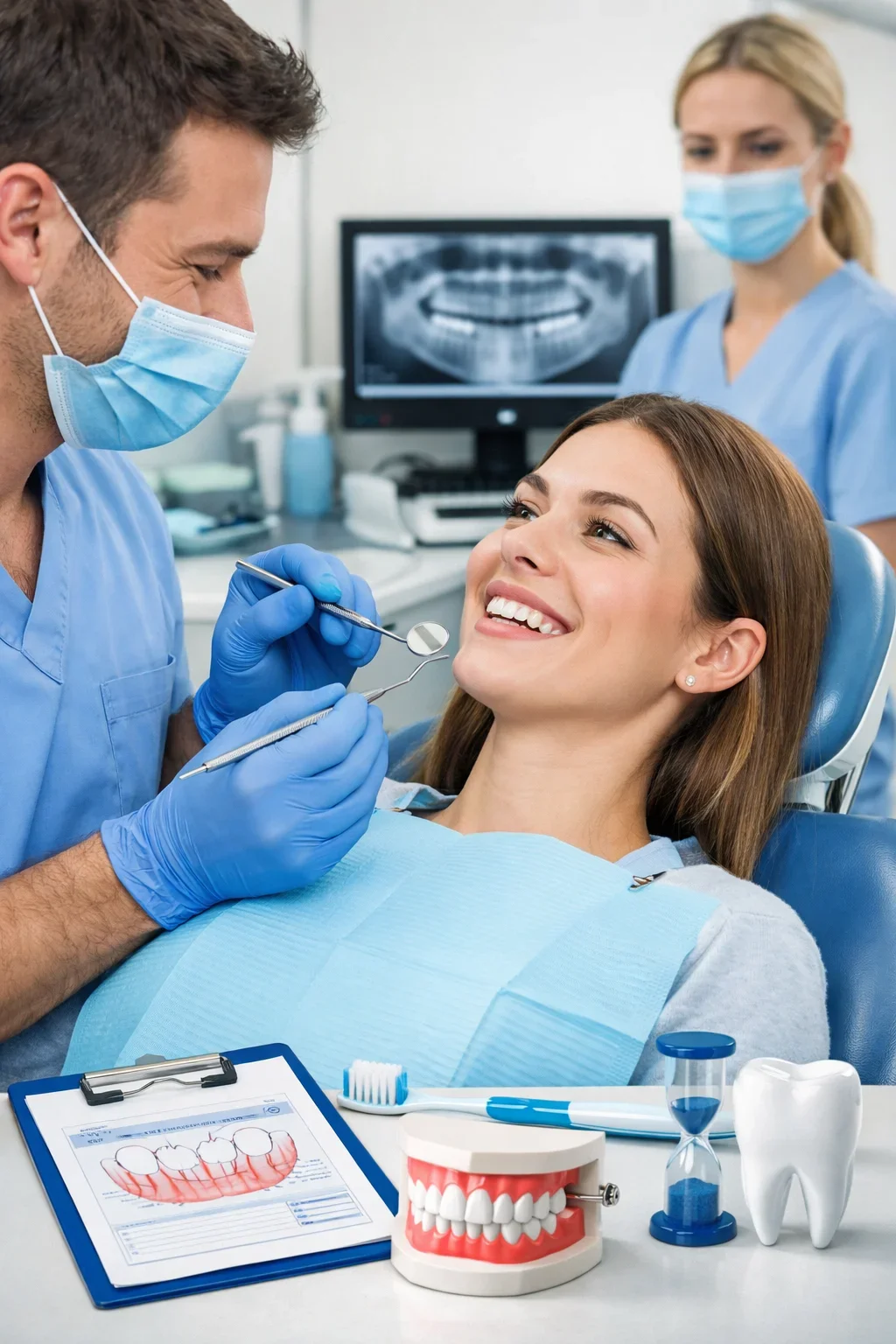
Choosing the Right Clinic for Reliable Dentist Check Ups
Dentist check ups are only as effective as the clinic and professionals providing them. Choosing the right dental clinic is a critical decision that directly affects the quality, accuracy, and long-term benefits of dentist check ups. With many clinics offering similar services, understanding what truly matters helps patients make confident, informed choices 😊.
Reliable dentist check ups require more than basic equipment and availability. They depend on clinical expertise, preventive philosophy, communication, and consistent standards of care.
Qualifications and Experience Matter
The foundation of trustworthy dentist check ups is professional expertise. Dentists should be properly licensed, well-trained, and committed to ongoing education. Modern dentistry evolves rapidly, and clinics that invest in continuous training deliver more accurate diagnoses and up-to-date preventive care.
Experienced dentists performing dentist check ups are more likely to recognize subtle warning signs, interpret diagnostic data correctly, and recommend appropriate preventive strategies rather than unnecessary treatments 🦷.
Preventive-Focused Philosophy
Not all clinics prioritize prevention equally. High-quality dentist check ups focus on early detection, education, and long-term planning rather than reactive treatment. A clinic that emphasizes preventive dentist check ups will invest time in examinations, cleanings, screenings, and patient education.
This philosophy aligns with the goal of minimizing invasive procedures and preserving natural teeth for as long as possible.
Clear Communication and Patient Education
Effective dentist check ups rely on clear communication. Dentists should explain findings in understandable language, discuss options transparently, and encourage questions. Clinics that rush appointments or avoid explanations reduce the value of dentist check ups.
Patient education empowers individuals to maintain oral health between dentist check ups and make informed decisions about treatment.
Technology and Diagnostic Tools
Modern technology enhances the accuracy of dentist check ups. Digital X-rays, intraoral cameras, and advanced diagnostic tools allow dentists to detect issues earlier and explain conditions visually. Clinics that invest in technology improve both diagnostic precision and patient understanding.
Up-to-date equipment also improves comfort, safety, and efficiency during dentist check ups.
Hygiene Standards and Safety Protocols
Strict hygiene and sterilization protocols are non-negotiable for reliable dentist check ups. Clinics should follow recognized infection control standards and maintain clean, organized treatment environments.
High hygiene standards protect patients and staff while reinforcing trust in the quality of dentist check ups.
Consistency and Continuity of Care
Consistency is essential for effective dentist check ups. Seeing the same dental team over time allows for accurate comparisons, better monitoring, and personalized care. Clinics that prioritize continuity build long-term relationships and deliver more meaningful preventive outcomes.
Accessibility and Patient Support
Reliable dentist check ups should be accessible and convenient. Flexible scheduling, clear appointment reminders, and responsive communication contribute to consistent attendance. Clinics that support patients before and after dentist check ups encourage long-term commitment to oral health.
Accessibility also includes transparent guidance on follow-ups and preventive planning.
Trust, Comfort, and Reputation
Trust is a crucial factor when choosing a clinic for dentist check ups. Patient reviews, recommendations, and professional reputation provide insight into care quality. A welcoming environment and respectful staff reduce anxiety and improve the overall experience 😊.
Comfort and trust make it easier for patients to maintain regular dentist check ups rather than avoiding visits due to fear or dissatisfaction.
Aligning With Recognized Standards
Clinics that align their preventive care practices with recognized organizations and guidelines demonstrate commitment to quality. Educational resources from institutions such as the American Dental Association reinforce evidence-based approaches to dentist check ups.
If you are seeking professional guidance or want to schedule dependable dentist check ups, you can reach out through the Redent Klinik Contact Page for personalized assistance.
In conclusion, choosing the right clinic is essential for reliable dentist check ups. Qualifications, preventive focus, communication, technology, hygiene, and trust all contribute to effective long-term care. When dentist check ups are delivered by the right team in the right environment, they become one of the most powerful tools for protecting oral and overall health 🌟.