
Hearing yourself say “dentist chipped my tooth” can be alarming, confusing, and even frustrating 😟. Dental visits are supposed to improve your oral health, not cause unexpected damage. However, while rare, situations where a dentist chipped my tooth during a procedure can happen. Understanding why this occurs, what it means, and what you should do next is essential for protecting your oral health and your rights.
First, it’s important to know that when someone says “dentist chipped my tooth,” it doesn’t always mean negligence. Dentistry involves working with delicate structures under tight spaces and sometimes high pressure. Teeth can already be weakened by decay, old fillings, or microfractures that are not visible during a routine examination. In such cases, even a standard procedure like removing plaque, placing a filling, or extracting a neighboring tooth can result in minor damage.
That said, if you find yourself thinking “dentist chipped my tooth,” you should not ignore it. A chipped tooth can lead to sensitivity, pain, and even infection if left untreated. The outer enamel of your tooth protects the inner layers, and once it is compromised, bacteria can penetrate more easily. This is why addressing the issue immediately is crucial.
There are several scenarios where someone might say “dentist chipped my tooth.” For example, during a cleaning, instruments might slip and cause a small chip, especially if the enamel is already weakened. During more complex treatments like root canals, crowns, or extractions, surrounding teeth may be exposed to pressure or accidental contact. Even bite adjustments after a filling can sometimes result in minor enamel damage if not handled carefully.
Emotionally, realizing “dentist chipped my tooth” can lead to a loss of trust. Patients expect a high standard of care, and any unexpected outcome can feel like a breach of that trust. However, communication is key. Most dental professionals will take responsibility for accidental damage and offer solutions to fix the issue quickly and effectively.
If you are in a situation where “dentist chipped my tooth” applies to you, the first step is to assess the severity. Is it a small surface chip, or is a large portion of the tooth missing? Minor chips might only require polishing or bonding, while more severe damage may need a crown or veneer. Regardless of the severity, you should inform your dentist immediately and request a clear explanation of what happened.
In some cases, you might feel unsure whether the situation is normal or not. This is where seeking professional guidance can help. You can consult another dental expert or refer to trusted organizations like the American Dental Association for general standards of care. If you feel your concerns are not being addressed properly, reaching out through the Redent Klinik Contact Page can connect you with experienced professionals who can evaluate your situation.
Another important aspect of “dentist chipped my tooth” situations is documentation 📋. Take photos of the damage, note when it occurred, and keep records of all communications with your dentist. This can be helpful if further treatment is required or if you need to explore your options later.
From a medical perspective, even a small chip should not be ignored. The exposed dentin layer can lead to increased sensitivity to hot, cold, or sweet foods. Over time, this can escalate into more serious problems like cracks or infections. Early intervention ensures that the damage remains manageable and does not compromise the long-term health of your tooth.
It’s also worth mentioning that modern dentistry offers many effective solutions. If you’re worried because “dentist chipped my tooth,” rest assured that treatments like composite bonding, veneers, and crowns can restore both function and aesthetics. In many cases, the repaired tooth can look and feel just as good as before, if not better 😊.
Ultimately, while the phrase “dentist chipped my tooth” can sound alarming, it is not the end of the world. What matters most is how quickly the issue is addressed and how effectively it is treated. By staying informed, communicating openly with your dental provider, and seeking professional advice when needed, you can turn an unexpected situation into a manageable and even positive outcome for your dental health.
What Does It Mean If a Dentist Chipped My Tooth During Treatment?
When patients say “dentist chipped my tooth,” the immediate reaction is often concern, confusion, and sometimes frustration 😟. Dental procedures are meant to improve oral health, so experiencing damage during treatment can feel unexpected. However, understanding what it truly means when a dentist chipped my tooth can help you respond calmly and make informed decisions about your next steps.
Understanding the Nature of Dental Procedures
Modern dentistry involves precision, skill, and specialized tools, but it is not completely risk-free. Teeth are complex structures made of enamel, dentin, and pulp. Even though enamel is the hardest substance in the human body, it can still be vulnerable under certain conditions. When someone says “dentist chipped my tooth,” it often reflects an interaction between dental instruments and a tooth that may already be compromised.
For example, during procedures like fillings, crowns, or even cleanings, dentists must apply pressure or use rotating tools. If the tooth is already weakened due to decay, previous restorations, or microcracks, even minimal force can result in chipping. In such cases, the situation described as “dentist chipped my tooth” may not necessarily indicate poor care, but rather a combination of existing tooth condition and procedural complexity.
Types of Tooth Damage That May Occur
Minor Enamel Chips
Sometimes, when patients report “dentist chipped my tooth,” the damage is superficial. Minor enamel chips may not cause pain and are often cosmetic. These can happen during polishing or when removing hardened plaque. While they may look concerning, they are usually easy to fix with simple smoothing or bonding procedures.
Moderate Structural Damage
In other cases, “dentist chipped my tooth” may refer to a more noticeable piece of the tooth breaking off. This can expose dentin, leading to sensitivity when consuming hot or cold foods. Such damage often requires restorative treatment like composite bonding or veneers to restore both function and appearance.
Severe Fractures
Although rare, severe cases of “dentist chipped my tooth” can involve deeper fractures that reach the pulp. This type of damage may cause significant discomfort and require more advanced treatments such as root canal therapy followed by a crown. Immediate attention is crucial in these situations to prevent infection.
Why This Situation Happens
If you find yourself thinking “dentist chipped my tooth,” it’s important to understand the possible contributing factors:
- Pre-existing weakness: Teeth with decay, large fillings, or cracks are more prone to chipping.
- Procedural pressure: Certain treatments require force or instrument contact that can stress the tooth.
- Limited visibility: Despite advanced tools, dentists sometimes work in tight spaces where precision is challenging.
- Material removal: Removing old restorations or decay can weaken surrounding tooth structure.
In many cases, the phrase “dentist chipped my tooth” reflects these underlying factors rather than intentional or careless actions.
Is It Always a Problem?
Not every instance of “dentist chipped my tooth” is a serious issue. Minor chips may not affect the tooth’s function and can be corrected quickly. However, even small damage should be evaluated because it can worsen over time if left untreated. Enamel does not regenerate, so any loss should be addressed to maintain long-term oral health.
If you are unsure about the severity, seeking guidance from a qualified dental professional is essential. You can also explore general standards of care through trusted sources like the American Dental Association to better understand what is considered normal in dental treatments.
How Dentists Typically Respond
When a patient reports “dentist chipped my tooth,” most ethical dental professionals will take immediate action. This usually includes assessing the damage, explaining what happened, and offering a solution. Transparency is key in maintaining trust between the patient and the dentist.
In reputable clinics, repairing the damage is often prioritized. Whether it involves polishing, bonding, or placing a crown, the goal is to restore the tooth’s integrity and prevent further complications. If you feel your concerns are not being properly addressed, you can always reach out to another clinic through the Redent Klinik Contact Page for a second opinion.
Emotional and Practical Impact
Experiencing a situation where “dentist chipped my tooth” can affect more than just your oral health. It can lead to anxiety about future dental visits 😬. Understanding that such incidents can occur even in well-managed procedures may help reduce stress. The key is focusing on resolution rather than blame.
Practically, addressing the issue quickly minimizes long-term risks. A chipped tooth, if ignored, can develop into a crack or cavity. Early intervention ensures that treatment remains simple and cost-effective.
Key Takeaways
When you think “dentist chipped my tooth,” remember that:
- It can happen due to pre-existing conditions or procedural factors.
- Not all chips are serious, but all should be evaluated.
- Modern dentistry offers effective solutions for repair.
- Clear communication with your dentist is essential.
Ultimately, while the phrase “dentist chipped my tooth” may sound alarming, it is often a manageable situation. With proper care, professional guidance, and timely treatment, your tooth can be restored to full function and appearance, allowing you to maintain a healthy and confident smile 😊.
Common Reasons Why a Dentist Might Accidentally Chip a Tooth
If you’re thinking “dentist chipped my tooth,” you’re probably wondering how something like this could even happen in a professional setting 😟. While dentistry is highly precise, there are several realistic and medically recognized reasons why a tooth can become chipped during treatment. Understanding these causes can help you distinguish between unavoidable risks and situations that may require further evaluation.
Pre-Existing Tooth Weakness
One of the most common reasons behind “dentist chipped my tooth” is that the tooth was already compromised before the procedure even began. Teeth that have large fillings, decay, or internal cracks are structurally weaker. Even normal dental procedures can put pressure on these vulnerable areas.
Hidden Microfractures
Microfractures are tiny cracks in the enamel that are often invisible to the naked eye and even difficult to detect with X-rays. When a dentist works on such a tooth, the stress from instruments can cause these cracks to expand, leading to a chip. In these cases, when patients say “dentist chipped my tooth,” the damage was actually already present but worsened during treatment.
Old Restorations
Teeth with old fillings or crowns are more prone to chipping. Removing or adjusting these restorations can weaken the surrounding enamel. This is another scenario where “dentist chipped my tooth” can occur without negligence.
Pressure from Dental Instruments
Dental tools are designed for precision, but they also apply controlled force. During procedures like extractions, crown placement, or deep cleanings, pressure may be exerted on surrounding teeth. If a neighboring tooth is fragile, it can chip under this stress.
For example, during a difficult extraction, forceps and elevators are used to loosen the tooth. If adjacent teeth are used as leverage points, the phrase “dentist chipped my tooth” can become a reality. This is why experienced dentists take great care to minimize pressure on surrounding structures.
Limited Visibility and Tight Working Areas
The mouth is a small and complex space. Even with proper lighting and magnification, dentists sometimes work in areas that are difficult to access. This increases the risk of accidental contact between instruments and nearby teeth.
When patients report “dentist chipped my tooth,” it may be due to a tool slipping or making unintended contact in a tight area. This is not common, but it is a recognized procedural risk in dentistry.
Removal of Decay or Tooth Structure
Another frequent reason for “dentist chipped my tooth” is the process of removing decayed or damaged portions of a tooth. Dentists must eliminate unhealthy tissue to prevent further problems. However, this can sometimes result in removing more structure than expected, especially if the decay is extensive.
Unexpected Weak Points
Once decay is removed, the remaining tooth structure may be weaker than initially anticipated. This can cause a portion of the tooth to break off during or shortly after the procedure. In such cases, the statement “dentist chipped my tooth” reflects an unavoidable outcome of treating advanced decay.
Bite Adjustments and Polishing
After placing a filling or crown, dentists often adjust the bite to ensure proper alignment. This involves reshaping small areas of enamel. While this is typically safe, excessive adjustment or pressure can sometimes lead to minor chipping.
Patients who say “dentist chipped my tooth” after a routine visit may have experienced this during the finishing stages of treatment. Fortunately, these chips are usually small and easy to correct.
Patient Movement or Sudden Reactions
Unexpected patient movement can also contribute to accidental chipping. Even a slight movement during a critical moment can cause an instrument to slip. While dentists take precautions to stabilize the patient’s head and mouth, this factor cannot be entirely eliminated.
In these situations, “dentist chipped my tooth” may not be due to technique but rather a sudden and unpredictable movement during the procedure.
Equipment or Technique Limitations
Although modern dental technology is highly advanced, no system is perfect. Equipment malfunction or limitations in technique can occasionally lead to unintended outcomes. However, such cases are rare and usually addressed immediately by the dental team.
What Should You Do Next?
If you find yourself saying “dentist chipped my tooth,” the most important step is to communicate with your dentist right away. Ask for a clear explanation of what happened and what treatment options are available. Most dentists will offer solutions such as bonding, veneers, or crowns to restore the tooth.
For additional guidance on dental standards and patient care, you can refer to the American Dental Association. If you feel uncertain or want a second opinion, reaching out through the Redent Klinik Contact Page can help you connect with experienced professionals.
Key Insights to Remember
- “Dentist chipped my tooth” can result from pre-existing damage or procedural complexity.
- Weak teeth are more vulnerable during dental treatments.
- Most cases are manageable and can be repaired effectively.
- Open communication with your dentist is essential for resolution.
Ultimately, while hearing yourself say “dentist chipped my tooth” can be unsettling, understanding the reasons behind it can provide clarity and reassurance 😊. With proper care and timely treatment, your dental health can be fully restored, allowing you to move forward with confidence.
Is It Dental Malpractice If a Dentist Chipped My Tooth?
When patients say “dentist chipped my tooth,” one of the first questions that comes to mind is whether this situation qualifies as dental malpractice ⚖️. It’s a valid concern. Dental malpractice involves harm caused by a professional failing to meet the accepted standard of care. However, not every case where a dentist chipped my tooth automatically means negligence occurred. Understanding the difference between a known risk and malpractice is crucial.
What Is Dental Malpractice?
Dental malpractice occurs when a dentist provides treatment that falls below the standard expected in the dental community, resulting in harm to the patient. If you are thinking “dentist chipped my tooth,” the key issue is whether the chip happened due to unavoidable circumstances or due to improper technique, lack of care, or poor judgment.
According to general professional guidelines referenced by organizations like the American Dental Association, dentists must follow established procedures, maintain patient safety, and act in the patient’s best interest. If these principles are not followed and damage occurs, it may be considered malpractice.
When It Is NOT Malpractice
In many situations, when patients report “dentist chipped my tooth,” the event falls under recognized procedural risks rather than malpractice. Dentistry involves working with delicate structures, and even with proper care, complications can arise.
Known Treatment Risks
Every dental procedure carries some level of risk. For example, removing decay or placing a crown can weaken the tooth structure temporarily. If a chip occurs during a necessary step of treatment, it may be considered an unavoidable outcome rather than negligence.
Pre-Existing Tooth Conditions
Teeth that are already weakened due to decay, cracks, or large fillings are more likely to chip. In such cases, saying “dentist chipped my tooth” may reflect the tooth’s condition rather than the dentist’s actions.
Informed Consent
Before many procedures, patients are informed about potential risks. If the possibility of damage was explained and consent was given, the situation may not qualify as malpractice—even if you later feel that “dentist chipped my tooth.”
When It MAY Be Malpractice
There are situations where “dentist chipped my tooth” could indicate a deviation from acceptable standards. These cases typically involve clear errors or lack of proper care.
Improper Use of Instruments
If a dentist uses tools incorrectly or applies excessive force, resulting in damage, this could be considered negligence. For example, slipping instruments that cause unnecessary harm may raise concerns about technique.
Lack of Precaution
Dentists are expected to take precautions to protect surrounding teeth during procedures. If protective measures are not used and a tooth is chipped as a result, it may support the claim “dentist chipped my tooth” due to preventable reasons.
Failure to Diagnose Weakness
If a dentist fails to identify obvious signs of a weakened tooth and proceeds with a risky procedure without adjusting the approach, it may be considered a lapse in professional judgment.
How to Evaluate Your Situation
If you’re asking yourself, “dentist chipped my tooth—was it malpractice?” consider the following factors:
- Was the risk explained beforehand?
- Did the dentist follow standard procedures?
- Was the tooth already compromised?
- How did the dentist respond after the incident?
These questions can help you determine whether the situation falls within expected risks or something more serious.
The Importance of Communication
In many cases, simply discussing the issue with your dentist can resolve concerns. Ethical professionals will explain what happened, why it occurred, and how they plan to fix it. If you feel ignored or dismissed after saying “dentist chipped my tooth,” that may be a sign to seek a second opinion.
You can consult another dental expert or contact a trusted clinic through the Redent Klinik Contact Page to have your situation evaluated independently.
Documentation and Evidence
If you suspect malpractice after experiencing “dentist chipped my tooth,” it’s important to document everything 📋. Take photos of the damage, keep records of appointments, and save any written communication. This information can be valuable if you decide to pursue further action.
Legal Perspective
From a legal standpoint, proving malpractice requires demonstrating that the dentist breached the standard of care and that this breach directly caused harm. Simply stating “dentist chipped my tooth” is not enough; evidence must show that the outcome was preventable and due to negligence.
Key Takeaways
- Not every case of “dentist chipped my tooth” is malpractice.
- Some situations are unavoidable due to the nature of dental procedures.
- Malpractice involves a failure to meet professional standards.
- Communication and documentation are essential for clarity.
Ultimately, while the phrase “dentist chipped my tooth” can be concerning, it does not automatically mean wrongdoing occurred. By understanding the difference between risk and negligence, you can take the right steps to protect your oral health and ensure proper treatment moving forward 😊.
Immediate Steps to Take If a Dentist Chipped My Tooth
If you find yourself saying “dentist chipped my tooth,” it’s completely normal to feel anxious or unsure about what to do next 😟. The good news is that taking the right steps immediately can prevent further damage, reduce discomfort, and ensure your tooth is properly restored. Acting quickly is essential because even a small chip can lead to bigger problems if ignored.
Step 1: Stay Calm and Assess the Damage
The first reaction to “dentist chipped my tooth” is often panic, but staying calm is important. Carefully examine your tooth in a mirror. Try to determine whether the chip is minor (just enamel) or more serious (exposing dentin or causing pain).
Signs of Minor Damage
- No pain or sensitivity
- Small visible chip
- No sharp edges causing irritation
Signs of Serious Damage
- Sensitivity to hot or cold
- Sharp or jagged edges
- Pain when biting or chewing
- Visible inner tooth layers
Understanding the severity helps guide your next steps after realizing “dentist chipped my tooth.”
Step 2: Inform Your Dentist Immediately
If the incident happened during a dental visit, notify your dentist right away. Most professionals will address the issue immediately. If you notice the damage after leaving the clinic and think “dentist chipped my tooth,” call the office as soon as possible and explain your situation.
Prompt communication ensures that your dentist can evaluate the damage and recommend appropriate treatment without delay.
Step 3: Protect the Affected Tooth
After realizing “dentist chipped my tooth,” protecting the area is crucial. Avoid chewing on the affected side and stay away from hard or sticky foods. These can worsen the chip or cause additional fractures.
Temporary Protection Tips
- Use dental wax to cover sharp edges
- Avoid very hot or cold foods
- Maintain gentle oral hygiene around the area
These precautions can help prevent discomfort and further damage until the tooth is professionally treated.
Step 4: Manage Pain and Sensitivity
If your experience of “dentist chipped my tooth” includes sensitivity or pain, there are simple ways to manage it temporarily. Over-the-counter pain relievers can help reduce discomfort. Desensitizing toothpaste may also provide relief if the dentin is exposed.
However, these are only temporary solutions. Persistent pain should always be evaluated by a dental professional.
Step 5: Preserve Any Broken Pieces
If a noticeable fragment broke off when “dentist chipped my tooth,” try to locate and keep it. Place it in a clean container with milk or saline solution. In some cases, the dentist may be able to reattach the fragment, especially if it is preserved properly.
Step 6: Seek a Professional Evaluation
Even if the damage seems minor, a professional evaluation is essential. When you think “dentist chipped my tooth,” there may be underlying issues that are not immediately visible. A dentist can assess the extent of the damage and recommend the best treatment option.
If you are unsure or want a second opinion, you can reach out through the Redent Klinik Contact Page for expert guidance.
Step 7: Understand Treatment Options
After reporting “dentist chipped my tooth,” your dentist will likely suggest one of several treatments depending on the severity:
- Polishing: For very small chips
- Composite bonding: For moderate damage
- Veneers: For cosmetic restoration
- Crowns: For significant structural loss
Modern dentistry offers effective solutions that can restore both the function and appearance of your tooth 😊.
Step 8: Monitor for Changes
After initial treatment, keep an eye on the tooth. If you continue to feel discomfort or notice changes, follow up with your dentist. Saying “dentist chipped my tooth” should not become an ongoing issue if the treatment is done correctly.
Step 9: Learn About Prevention
While not all cases of “dentist chipped my tooth” can be prevented, understanding the causes can help reduce future risks. Ask your dentist about the condition of your teeth and whether any are particularly vulnerable.
You can also explore preventive care guidelines through trusted resources like the American Dental Association.
Key Takeaways
- Act quickly if you think “dentist chipped my tooth.”
- Protect the tooth and avoid further damage.
- Seek professional evaluation as soon as possible.
- Modern treatments can fully restore your tooth.
Ultimately, while realizing “dentist chipped my tooth” can be stressful, taking the right immediate steps ensures that the issue is handled effectively. With prompt care and proper treatment, your tooth can be restored, and your confidence can quickly return 😊.
How Dentists Repair a Tooth That Was Accidentally Chipped
If you’re dealing with a situation where “dentist chipped my tooth,” one of the most important questions is how the damage can be fixed effectively 😊. Fortunately, modern dentistry offers a wide range of advanced treatments designed to restore both the appearance and function of a chipped tooth. The right solution depends on the severity of the damage, the location of the tooth, and your overall oral health.
Initial Assessment and Diagnosis
Before any treatment begins, your dentist will carefully evaluate the damage. When patients say “dentist chipped my tooth,” a proper diagnosis is essential to determine whether the issue is purely cosmetic or involves deeper structural concerns.
Clinical Examination
The dentist will visually inspect the chipped area, check for sharp edges, and assess sensitivity. They may also evaluate your bite to ensure the chip hasn’t affected alignment.
Digital X-rays
X-rays are often used to detect hidden cracks or damage beneath the surface. In cases where “dentist chipped my tooth” involves deeper layers, imaging helps guide the treatment plan.
Treatment Options Based on Severity
Once the evaluation is complete, your dentist will recommend the most suitable repair method. The phrase “dentist chipped my tooth” can apply to a wide range of situations, so treatment varies accordingly.
1. Enamel Smoothing (Polishing)
For very minor chips, the simplest solution is polishing the rough edges. If your concern is “dentist chipped my tooth” but the damage is minimal, this quick procedure can restore a smooth surface without additional materials.
2. Composite Bonding
Composite bonding is one of the most common solutions when patients report “dentist chipped my tooth.” A tooth-colored resin is applied to the damaged area, shaped to match the natural tooth, and hardened using a special light.
- Quick and painless procedure
- Cost-effective solution
- Natural-looking results
This method is ideal for small to moderate chips and can usually be completed in a single visit.
3. Dental Veneers
If the chip is more noticeable, especially on front teeth, veneers may be recommended. These thin shells are custom-made to cover the front surface of the tooth.
In cases where “dentist chipped my tooth” affects aesthetics significantly, veneers provide a long-lasting and highly cosmetic solution. They are particularly popular for restoring smiles with visible damage.
4. Dental Crowns
For larger chips or structural damage, a crown may be necessary. A crown covers the entire tooth, providing strength and protection.
When patients say “dentist chipped my tooth” and the damage compromises the tooth’s integrity, crowns are often the best option. They restore both function and durability, allowing you to chew and speak comfortably.
5. Root Canal Treatment (If Needed)
In severe cases where the inner pulp is affected, a root canal may be required before placing a crown. This typically applies when “dentist chipped my tooth” involves deep fractures or exposure of the nerve.
Estimated Costs of Repair 💰
The cost of fixing a chipped tooth can vary depending on the treatment method. Below is a general overview based on typical international pricing:
- Polishing: $50 – $150
- Composite bonding: $100 – $400 per tooth
- Veneers: $500 – $2,500 per tooth
- Crowns: $800 – $3,000 per tooth
- Root canal + crown: $1,500 – $4,000 total
If you’re concerned about costs after experiencing “dentist chipped my tooth,” discussing options with your dentist can help you find a solution that fits your budget.
Recovery and Aftercare
After treatment, proper care is essential to ensure long-lasting results. Even if “dentist chipped my tooth” has been fully repaired, maintaining good oral hygiene will prevent future issues.
Aftercare Tips
- Avoid hard foods for a few days
- Brush and floss regularly
- Use a mouthguard if you grind your teeth
- Schedule regular dental check-ups
These steps help protect the repaired tooth and maintain overall oral health.
When to Seek a Second Opinion
If you feel unsure about the recommended treatment after hearing “dentist chipped my tooth,” seeking a second opinion can provide clarity. Different dentists may suggest alternative approaches based on their expertise.
You can connect with experienced professionals through the Redent Klinik Contact Page for further evaluation and personalized advice.
Trusted Guidelines and Standards
Dental treatments follow established standards to ensure patient safety and effective outcomes. You can learn more about these guidelines from the American Dental Association, which provides valuable information on dental care and best practices.
Key Takeaways
- “Dentist chipped my tooth” can be resolved with modern dental treatments.
- Solutions range from simple polishing to advanced restorations.
- Early treatment prevents further complications.
- Costs vary depending on the severity and method used.
In conclusion, while realizing “dentist chipped my tooth” can be stressful, the available treatment options are highly effective and reliable. With the right care and professional guidance, your tooth can be restored to its original strength and appearance, allowing you to smile with confidence once again 😁.
Costs of Fixing a Tooth Damaged by a Dentist
If you are dealing with a situation where “dentist chipped my tooth,” one of the most immediate concerns is the cost of repairing the damage 💰. Dental treatments can vary widely in price depending on the severity of the chip, the type of restoration needed, and the location of the clinic. Understanding these costs in detail helps you plan your next steps and avoid unexpected financial stress.
What Affects the Cost of Repair?
When patients say “dentist chipped my tooth,” the final cost of treatment depends on several key factors. Not all chipped teeth require the same level of intervention, so pricing can range from minimal to more advanced procedures.
Severity of the Damage
A small enamel chip is much easier and cheaper to fix than a deep fracture that affects the tooth’s internal structure. In mild cases, the cost may be minimal, while severe cases may involve multiple procedures.
Location of the Tooth
Front teeth often require more aesthetic precision, which can increase costs. If “dentist chipped my tooth” involves a visible tooth, treatments like veneers or bonding may be chosen for a natural look.
Type of Treatment Required
The specific method used to repair the tooth plays a major role in determining the price. More complex procedures typically require more time, materials, and expertise.
Geographic Location
Dental costs vary significantly depending on where you receive treatment. Clinics in major cities or countries with higher living costs may charge more compared to other regions.
Detailed Cost Breakdown
If you are thinking “dentist chipped my tooth,” here is a realistic breakdown of common treatment options and their estimated costs based on international averages:
1. Enamel Polishing
- Estimated Cost: $50 – $150
- Best for: Very minor chips
This is the most affordable option and is often used when “dentist chipped my tooth” results in only slight surface irregularities.
2. Composite Bonding
- Estimated Cost: $100 – $400 per tooth
- Best for: Small to moderate chips
Composite bonding is one of the most common solutions when patients report “dentist chipped my tooth.” It provides a quick and natural-looking repair.
3. Dental Veneers
- Estimated Cost: $500 – $2,500 per tooth
- Best for: Visible front teeth damage
Veneers are often chosen when aesthetics are a priority. If “dentist chipped my tooth” affects your smile, veneers can deliver a highly polished result.
4. Dental Crowns
- Estimated Cost: $800 – $3,000 per tooth
- Best for: Large chips or structural damage
When the damage is extensive, crowns provide full coverage and protection. In many cases where “dentist chipped my tooth” involves significant loss of structure, this is the preferred solution.
5. Root Canal + Crown
- Estimated Cost: $1,500 – $4,000 total
- Best for: Severe damage involving the pulp
This is the most advanced and costly option, typically required when “dentist chipped my tooth” leads to nerve exposure or infection risk.
Who Pays for the Repair?
A common question after realizing “dentist chipped my tooth” is whether the dentist or the patient is responsible for the cost. The answer depends on the situation.
When the Dentist May Cover the Cost
- If the damage was clearly caused by an avoidable error
- If the clinic acknowledges responsibility
- If the issue occurred during the procedure itself
When the Patient May Pay
- If the tooth was already weak or compromised
- If the damage is considered a known risk of the procedure
- If informed consent was given before treatment
If you feel uncertain after saying “dentist chipped my tooth,” discussing the situation openly with your dentist is the best approach.
Insurance and Coverage
Dental insurance may cover part of the repair cost, depending on your plan. Procedures like bonding and crowns are often partially covered, especially if they are medically necessary.
However, cosmetic treatments such as veneers may not be fully covered. If you’re dealing with “dentist chipped my tooth,” it’s important to review your insurance policy and understand your benefits.
How to Reduce Costs
If the expenses feel overwhelming after experiencing “dentist chipped my tooth,” there are ways to manage costs effectively:
- Ask about payment plans or financing options
- Compare treatment options with your dentist
- Seek a second opinion for cost evaluation
- Consider treatment in regions with lower dental costs
You can also consult professionals through the Redent Klinik Contact Page to explore affordable and high-quality treatment options.
Trusted Resources for Cost Transparency
Understanding dental costs can be challenging, but trusted organizations like the American Dental Association provide valuable information about treatment standards and patient rights.
Key Takeaways
- “Dentist chipped my tooth” can lead to a wide range of repair costs.
- Minor chips are inexpensive, while severe damage requires advanced treatment.
- Responsibility for payment depends on the situation.
- Insurance and financing options can help manage expenses.
In conclusion, while hearing yourself say “dentist chipped my tooth” can be stressful, understanding the cost structure allows you to make informed decisions. With the right approach, you can restore your tooth effectively without unnecessary financial burden, ensuring both your oral health and peace of mind 😊.
How to Prevent Tooth Damage During Dental Procedures
If you’ve ever found yourself saying “dentist chipped my tooth,” you’re likely wondering how such situations can be avoided in the future 😟. While not all dental complications are preventable, there are many proactive steps both patients and dentists can take to significantly reduce the risk of accidental tooth damage during treatment. Prevention starts with awareness, preparation, and proper communication.
Choose an Experienced and Qualified Dentist
One of the most effective ways to avoid situations where “dentist chipped my tooth” is to select a highly experienced dental professional. Skilled dentists are trained to handle complex procedures with precision and care.
Check Credentials and Reviews
Before scheduling treatment, research the dentist’s qualifications, certifications, and patient feedback. Positive reviews and proven expertise reduce the likelihood of errors that could lead to “dentist chipped my tooth.”
Specialization Matters
For advanced procedures such as implants or root canals, choosing a specialist (like an endodontist or oral surgeon) can further minimize risks.
Communicate Your Dental History Clearly
If you have previously experienced issues like “dentist chipped my tooth,” it’s essential to inform your dentist before any new procedure. A complete dental history helps the dentist identify vulnerable teeth and adjust their approach accordingly.
Highlight Weak or Sensitive Teeth
Teeth with large fillings, previous fractures, or sensitivity are more prone to damage. By sharing this information, you reduce the chances of repeating a “dentist chipped my tooth” scenario.
Request a Pre-Treatment Assessment
A thorough evaluation before any procedure is critical. When patients skip detailed assessments, the risk of complications increases.
Digital Imaging and X-rays
Modern imaging techniques allow dentists to detect hidden cracks or weaknesses. If you want to avoid saying “dentist chipped my tooth,” ensure your dentist uses proper diagnostic tools before starting treatment.
Bite Analysis
Understanding how your teeth come together helps prevent unnecessary pressure during procedures. This is especially important for patients with grinding habits.
Use Protective Measures During Treatment
Professional dentists often use protective tools to minimize risks. These measures are designed to prevent accidental damage to surrounding teeth.
Rubber Dam Isolation
This technique isolates the treated tooth and protects nearby structures. It reduces the likelihood of situations where “dentist chipped my tooth” due to instrument contact.
Mouth Guards and Bite Blocks
These tools help stabilize the mouth and prevent sudden movements during procedures, which can otherwise contribute to accidental chipping.
Avoid Sudden Movements
Patient cooperation plays a significant role in preventing dental injuries. Even a slight movement at the wrong moment can lead to complications.
If you’re worried about repeating a “dentist chipped my tooth” experience, try to remain still and follow your dentist’s instructions carefully during treatment. If you feel discomfort, signal your dentist rather than moving abruptly.
Understand the Procedure and Risks
Before any treatment, ask your dentist to explain the procedure and potential risks. Being informed helps you set realistic expectations and prepare mentally.
When patients fully understand the process, they are less likely to feel shocked or confused if something unexpected happens, such as “dentist chipped my tooth.” Transparency builds trust and improves outcomes.
Maintain Strong Oral Health
Healthy teeth are less likely to chip during dental procedures. Preventive care plays a major role in reducing risks.
Daily Oral Hygiene
- Brush twice daily with fluoride toothpaste
- Floss regularly
- Use mouthwash to strengthen enamel
Regular Dental Check-Ups
Routine visits allow dentists to identify and treat issues early. This reduces the likelihood of weakened teeth that could lead to “dentist chipped my tooth.”
Seek a Second Opinion for Complex Procedures
If you are planning a major dental treatment and feel uncertain, getting a second opinion can provide additional reassurance. This is especially important if you’ve previously experienced “dentist chipped my tooth.”
You can consult experienced professionals through the Redent Klinik Contact Page for expert advice and personalized care.
Follow Trusted Dental Guidelines
Adhering to professional standards ensures safer dental care. Organizations like the American Dental Association provide valuable resources on best practices and patient safety.
Key Takeaways
- Choosing an experienced dentist reduces risks significantly.
- Clear communication about your dental history is essential.
- Protective tools and proper techniques help prevent damage.
- Good oral health strengthens teeth and minimizes complications.
In conclusion, while situations like “dentist chipped my tooth” can happen, many risks can be minimized with the right approach. By staying informed, choosing qualified professionals, and actively participating in your dental care, you can greatly reduce the chances of experiencing similar issues in the future 😊.
When Should You Get a Second Opinion After Dental Damage?
If you are in a situation where you’re thinking “dentist chipped my tooth,” it’s completely natural to question whether the diagnosis or treatment plan you received is the best option 😟. In many cases, seeking a second opinion can provide clarity, reassurance, and sometimes even better treatment alternatives. Knowing when to get another professional perspective is essential for protecting both your oral health and your confidence in the care you receive.
Why a Second Opinion Matters
When patients say “dentist chipped my tooth,” they often feel uncertain about what happened and what should be done next. A second opinion allows another qualified dentist to evaluate the situation independently and confirm whether the recommended treatment is appropriate.
This is especially important because dental damage can vary in severity. What one dentist considers a minor issue might be seen as requiring more advanced treatment by another. Getting a second opinion ensures that you are making an informed decision.
Situations Where a Second Opinion Is Highly Recommended
1. Lack of Clear Explanation
If your dentist cannot clearly explain why “dentist chipped my tooth” happened or avoids answering your questions, this is a strong reason to seek another opinion. Transparency is a key part of professional dental care.
2. Severe or Unexpected Damage
If the chip is large, painful, or affects your ability to chew, it’s wise to consult another dentist. In cases where “dentist chipped my tooth” leads to significant discomfort or visible structural damage, a second evaluation ensures that nothing is overlooked.
3. Expensive or Complex Treatment Plans
If your dentist recommends costly procedures like crowns, veneers, or root canals, it’s reasonable to confirm whether these are truly necessary. When dealing with “dentist chipped my tooth,” treatment options can vary widely, and a second opinion may reveal more conservative alternatives.
4. Feeling Unsure or Uncomfortable
Your comfort and trust in your dentist are crucial. If you feel uneasy after experiencing “dentist chipped my tooth,” seeking another professional perspective can help restore confidence and peace of mind 😊.
What to Expect During a Second Opinion
When you visit another dentist after saying “dentist chipped my tooth,” they will typically perform a thorough evaluation. This may include:
- A visual examination of the chipped tooth
- X-rays to assess internal damage
- A review of your dental history and recent treatments
- A discussion of alternative treatment options
The goal is to provide an unbiased assessment and help you understand all available solutions.
How to Prepare for Your Appointment
Bring Documentation
If possible, bring records from your previous dentist, including X-rays and treatment notes. This helps the new dentist understand the context of “dentist chipped my tooth” and provide a more accurate evaluation.
List Your Questions
Prepare a list of questions such as:
- What caused the damage?
- What are my treatment options?
- Is the recommended treatment necessary?
- What are the risks of delaying treatment?
Having clear questions ensures that you get the most value from your second opinion.
Benefits of Getting a Second Opinion
Seeking another perspective when “dentist chipped my tooth” offers several advantages:
- Confirmation: Ensures the initial diagnosis is accurate
- Alternative options: May reveal less invasive or more cost-effective treatments
- Peace of mind: Helps you feel confident in your decision
- Better outcomes: Leads to more informed and effective care
Where to Get a Reliable Second Opinion
Choosing a reputable clinic is essential. Look for experienced professionals with strong patient reviews and modern equipment. If you’re unsure where to go, you can reach out through the Redent Klinik Contact Page to connect with qualified dental experts.
You can also learn more about patient rights and dental care standards from trusted organizations like the American Dental Association.
When a Second Opinion May Not Be Necessary
Not every case of “dentist chipped my tooth” requires a second opinion. For minor chips that are easily repaired and clearly explained, additional consultations may not be needed. However, if there is any doubt, it’s always better to seek reassurance.
Key Takeaways
- “Dentist chipped my tooth” situations can benefit from a second opinion.
- Seek another evaluation if the damage is severe or unclear.
- Preparation helps you get the most out of your consultation.
- Second opinions provide clarity, confidence, and better treatment decisions.
In conclusion, if you’re questioning what to do after “dentist chipped my tooth,” getting a second opinion is a smart and proactive step. It empowers you with knowledge, ensures proper care, and helps you make the best decision for your oral health. With the right guidance, you can move forward confidently and restore your smile without unnecessary stress 😊.
Your Legal Rights If a Dentist Chipped My Tooth
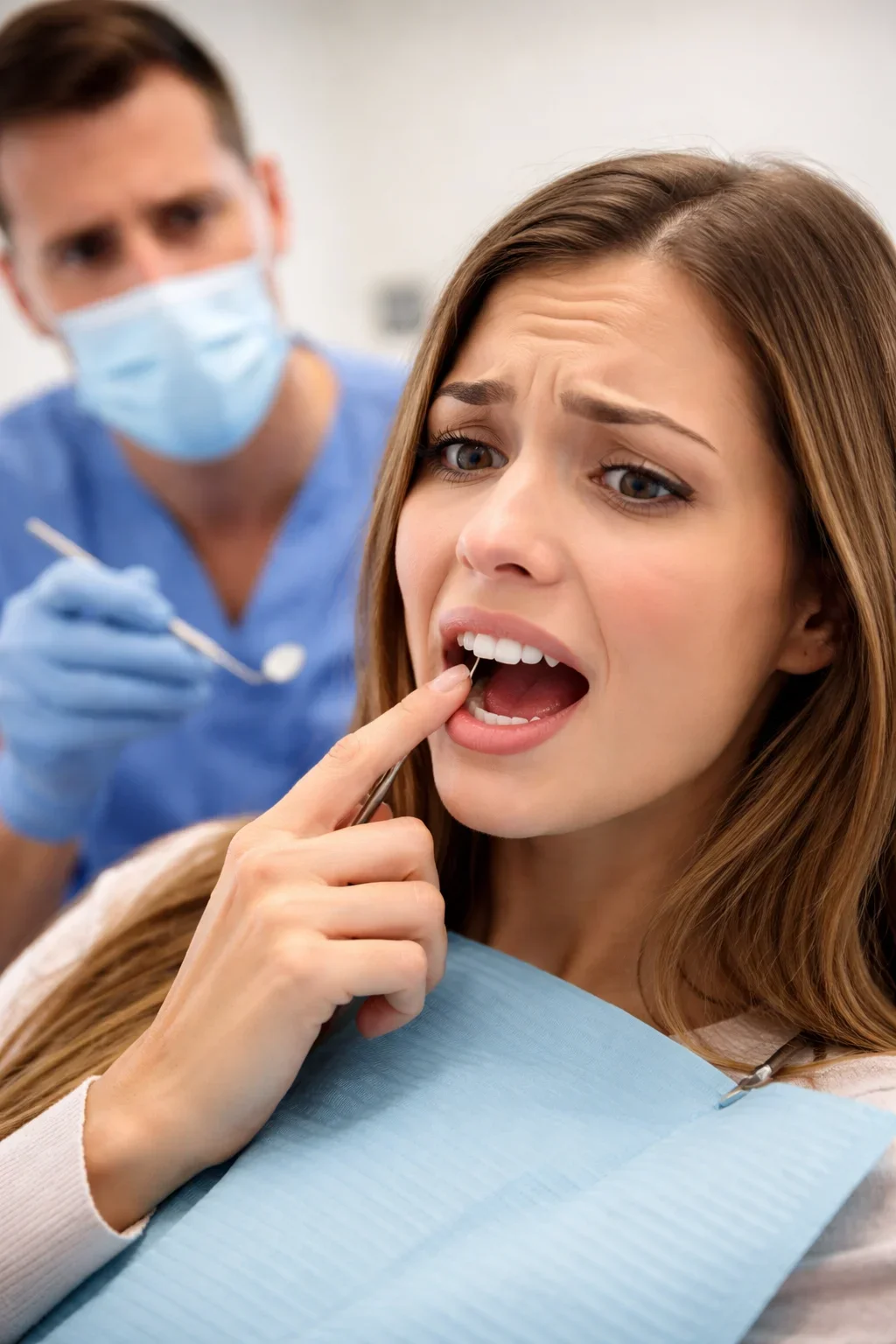
If you are in a situation where you’re thinking “dentist chipped my tooth,” it’s not only a dental concern but can also raise important legal questions ⚖️. Patients have rights when receiving medical and dental care, and understanding those rights can help you make informed decisions about what to do next. While not every case involves legal responsibility, knowing where you stand is essential.
Understanding Patient Rights in Dentistry
When you visit a dentist, you are entitled to a standard level of care. This includes proper diagnosis, safe procedures, and clear communication. If you feel that “dentist chipped my tooth” resulted from substandard care, you have the right to question the treatment and seek clarification.
Organizations like the American Dental Association emphasize that dentists must follow ethical guidelines and prioritize patient safety. If these standards are not met, patients may have grounds to take further action.
When Legal Action Might Be Considered
Not every situation where “dentist chipped my tooth” leads to legal consequences. However, there are specific circumstances where you may consider exploring your legal options.
Negligence or Improper Technique
If the damage occurred due to careless handling of instruments, excessive force, or failure to follow proper procedures, this may indicate negligence. In such cases, “dentist chipped my tooth” could be more than just an unfortunate accident.
Lack of Informed Consent
Before performing procedures, dentists are required to inform patients of potential risks. If you were not informed that chipping was a possibility and later found yourself saying “dentist chipped my tooth,” this could raise concerns about consent.
Failure to Address the Issue
If your dentist refuses to acknowledge or fix the damage after you report “dentist chipped my tooth,” this may strengthen your case for further action.
Steps to Take If You Suspect a Legal Issue
1. Document Everything
If you believe your situation goes beyond a simple complication, start by documenting all details. Take photos of the chipped tooth, keep records of appointments, and save any communication with your dentist. This evidence is crucial if you pursue a claim after experiencing “dentist chipped my tooth.”
2. Request a Detailed Explanation
Ask your dentist to explain what happened and why. A clear and honest explanation can sometimes resolve the issue without further action.
3. Seek a Second Opinion
Before taking legal steps, consult another dental professional. A second opinion can confirm whether the damage described as “dentist chipped my tooth” was avoidable or within expected risks.
You can reach out through the Redent Klinik Contact Page to connect with experienced specialists for an independent evaluation.
4. Consult a Legal Professional
If you believe negligence occurred, consulting a lawyer who specializes in medical or dental cases can help you understand your options. They can evaluate whether your claim meets the criteria for malpractice.
Possible Outcomes of a Legal Claim
If a case is pursued after “dentist chipped my tooth,” there are several possible outcomes:
- Compensation for treatment costs
- Coverage for additional procedures
- Settlement agreements
- Formal complaints against the dentist
The outcome depends on the severity of the damage, the evidence available, and whether negligence can be proven.
When Legal Action May Not Be Necessary
It’s important to note that not all cases of “dentist chipped my tooth” require legal action. Many situations are resolved directly between the patient and the dentist. Ethical professionals will often repair the damage at no additional cost and ensure patient satisfaction.
In such cases, open communication is usually the best solution. Legal action should be considered only when other options have been exhausted.
Protecting Yourself in Future Treatments
If you’ve experienced “dentist chipped my tooth,” taking preventive steps for future visits is essential:
- Ask detailed questions before procedures
- Ensure you understand all risks
- Choose experienced and reputable dentists
- Keep records of all treatments
These actions can help you avoid similar situations and feel more confident in your dental care.
Key Takeaways
- Patients have legal rights when receiving dental care.
- “Dentist chipped my tooth” does not always mean malpractice.
- Negligence, lack of consent, or poor response may justify legal action.
- Documentation and professional advice are essential.
In conclusion, while hearing yourself say “dentist chipped my tooth” can be stressful, understanding your legal rights empowers you to take control of the situation. Whether the issue is resolved through communication or requires further action, being informed ensures that your health, rights, and peace of mind are fully protected 😊.