
Maintaining a radiant and healthy smile goes far beyond regular brushing and flossing at home. One of the most effective ways to ensure lasting oral health is through dentist dental cleaning — a professional procedure designed to remove plaque, tartar, and harmful bacteria that ordinary home care cannot reach. This process, performed by a qualified dental hygienist or dentist, plays a vital role in preventing cavities, gum disease, and even systemic health problems linked to oral bacteria. 🦷
Many people believe that brushing twice a day and using mouthwash is enough to keep their teeth in good condition. However, no matter how thorough your routine may be, there are areas in the mouth that toothbrush bristles simply can’t reach. Over time, plaque hardens into tartar, a calcified substance that adheres to enamel and beneath the gumline. This is where dentist dental cleaning becomes essential. During a professional cleaning, specialized tools are used to meticulously remove tartar, preventing gum inflammation, bone loss, and tooth decay.
The importance of dentist dental cleaning goes beyond aesthetics. A clean smile not only looks beautiful but also supports whole-body health. Research shows a strong link between oral hygiene and systemic conditions such as diabetes, heart disease, and respiratory infections. When harmful bacteria thrive in the mouth, they can enter the bloodstream, triggering inflammation throughout the body. Regular dental cleanings, therefore, act as a first line of defense against more serious health concerns, improving both your confidence and your overall well-being.
During a typical dentist dental cleaning appointment, your dental professional will first conduct an oral examination to check for signs of gum disease, cavities, or other concerns. Then, using a scaler, they’ll carefully remove plaque and tartar deposits from around each tooth. This is followed by a high-powered brushing with a gritty toothpaste that polishes the enamel, making it more resistant to bacterial buildup. Finally, your teeth are flossed and rinsed to ensure no debris remains. Some cleanings also include a fluoride treatment to strengthen enamel and prevent decay.
Many patients wonder whether dentist dental cleaning is painful. In reality, most cleanings are completely painless and surprisingly comfortable. For those with sensitive gums, minor discomfort might occur during scaling, but the sensation is temporary. The feeling of smooth, polished teeth afterward makes it all worthwhile! 😁 The fresh, clean sensation that follows a professional cleaning often motivates people to improve their at-home dental care routines.
It’s also important to note that dentist dental cleaning is a preventive measure, not just a cosmetic one. Skipping professional cleanings can allow bacteria to accumulate, leading to gingivitis — the first stage of gum disease. Left untreated, gingivitis can progress to periodontitis, a more severe condition that can cause tooth loss and damage to the jawbone. Consistent cleanings every six months dramatically reduce these risks and can help your dentist detect potential problems early, when they’re easiest to treat.
From a practical standpoint, dentist dental cleaning saves you money in the long run. Preventive care is always more affordable than restorative procedures like fillings, root canals, or crowns. Most dental insurance plans cover two professional cleanings per year, making it an accessible way to maintain excellent oral health. For those without insurance, clinics like Redent Klinik Contact Page can provide affordable, professional cleaning services tailored to individual needs. Visiting a trusted dental clinic ensures the procedure is performed safely and effectively, using the latest tools and sterilization methods.
Moreover, the benefits of regular dentist dental cleaning extend beyond your mouth. When plaque and tartar are removed, your breath improves significantly, your gums appear healthier, and your teeth regain their natural brightness. This transformation not only enhances physical health but also boosts mental well-being. People who undergo professional cleanings often report feeling more confident in social and professional interactions, smiling more freely and enjoying improved self-esteem.
If you’re still unsure about scheduling a dentist dental cleaning, consider the long-term impact. Consistent cleanings contribute to a lifetime of healthier gums, stronger teeth, and a lower risk of chronic diseases. As recommended by the American Dental Association, professional cleanings should be part of every individual’s routine preventive care plan. Your dentist can personalize your cleaning frequency based on your oral health condition, lifestyle, and medical history.
In conclusion, dentist dental cleaning is one of the simplest yet most powerful steps you can take toward achieving a healthy, beautiful smile. It’s a proactive investment in both oral and systemic health — a small commitment that yields lifelong rewards. From preventing gum disease to enhancing your confidence, professional cleanings provide results that no toothbrush can match. Make your next appointment today, and take the first step toward a cleaner, brighter, and healthier smile! 🌟
Step-by-Step Process of Professional Dental Cleaning
Understanding the full process of a dentist dental cleaning helps eliminate anxiety and empowers patients to take control of their oral health. Many people visit the dentist without knowing what actually happens during a cleaning. This comprehensive step-by-step guide breaks down the procedure, explaining each stage and how it contributes to a healthier, brighter smile. 😁
1. Initial Examination and Assessment
Every dentist dental cleaning begins with a thorough examination of your mouth. The dentist or dental hygienist inspects your teeth, gums, tongue, and overall oral cavity to identify signs of decay, inflammation, or plaque buildup. Small mirrors and dental probes are used to reach every surface. This step helps determine if a routine cleaning or a more intensive deep cleaning is needed. In some cases, digital X-rays are taken to check for hidden issues such as cavities between teeth or bone loss under the gums. These assessments guide the professional in customizing the cleaning plan for optimal results.
2. Scaling: Removing Plaque and Tartar
The most crucial part of a dentist dental cleaning is scaling, which involves removing hardened tartar (also called calculus) and sticky plaque deposits from the teeth and gumline. Even with excellent brushing habits, plaque can accumulate in areas that are difficult to reach. When it hardens, it becomes tartar, which cannot be removed by home care. Dental professionals use special tools like ultrasonic scalers and curettes to gently break up and remove these deposits. The ultrasonic scaler uses high-frequency vibrations combined with a cool water spray to loosen tartar efficiently without damaging the enamel. 💧
Why Scaling Is Essential
If plaque and tartar are not removed through regular dentist dental cleaning, they can cause gum disease, bad breath, and tooth loss. The bacteria trapped in tartar irritate the gums, leading to inflammation and bleeding. Scaling eliminates these bacterial colonies and prevents the progression of gingivitis or periodontitis. After the process, the gums often feel cleaner and less sensitive, and many patients notice fresher breath almost immediately.
3. Polishing: Smoothing and Brightening the Teeth
Once the tartar is removed, the next step in dentist dental cleaning is polishing. This is done using a high-powered electric brush and a gritty, fluoride-based toothpaste that gently buffs the tooth surface. The polishing paste removes superficial stains caused by coffee, tea, tobacco, or certain foods. The result is a smooth, glossy finish that not only looks attractive but also makes it more difficult for new plaque to adhere. 🪥
The Science Behind Polishing
The micro-abrasive texture of the polishing paste helps close microscopic pores on the enamel surface, reducing discoloration and creating a natural shine. This step of the dentist dental cleaning procedure is key to maintaining the aesthetic appeal of your smile while also enhancing protection against bacteria. It’s important to note that professional polishing is safe and does not wear down the enamel, unlike harsh at-home whitening products that can damage the teeth over time.
4. Flossing and Rinsing: The Finishing Touches
The hygienist then performs expert flossing to remove debris from between the teeth and along the gumline. This is not the same as your daily flossing routine — it’s a deeper, more precise process that clears any remaining plaque or polishing compound. A final rinse with a fluoride or antibacterial mouthwash follows to remove any particles left in the mouth. This stage of dentist dental cleaning ensures a completely fresh and clean oral environment.
5. Fluoride Treatment: Strengthening and Protecting Enamel
Depending on your dental history, the dentist may recommend a fluoride treatment. Fluoride is a naturally occurring mineral that helps remineralize enamel, making it more resistant to acid attacks from bacteria and food. During a dentist dental cleaning, fluoride may be applied in the form of a gel, foam, or varnish using a mouth tray or brush. The treatment takes only a few minutes but provides long-lasting protection, reducing the likelihood of cavities between appointments.
6. Post-Cleaning Examination and Recommendations
After the procedure, your dentist will perform a final inspection to ensure every area has been properly cleaned. They may use a dental mirror to review the gumline, tooth surfaces, and interdental spaces. This final step of the dentist dental cleaning process also involves discussing your oral hygiene routine. The professional will provide tips on brushing techniques, flossing frequency, and dietary habits that promote oral health. You may also receive personalized recommendations for products such as fluoride toothpaste or antimicrobial rinses to maintain the cleaning results for as long as possible.
Professional Advice for Lasting Results
Experts from the American Dental Association recommend scheduling a professional cleaning at least twice a year. However, individuals with gum disease or high plaque buildup may benefit from more frequent visits. Consistency is the key — neglecting dentist dental cleaning appointments can allow tartar and bacteria to accumulate again, reversing the benefits of previous treatments. Between visits, maintaining a balanced diet, avoiding smoking, and practicing proper brushing techniques can extend the positive effects of each cleaning session.
7. How Long Does the Entire Procedure Take?
A standard dentist dental cleaning usually takes 30 to 60 minutes, depending on the patient’s oral health and the amount of plaque buildup. Deep cleanings or first-time visits may take longer. It’s a relatively quick and comfortable procedure with long-lasting benefits for your smile and overall health. Patients often leave the clinic feeling refreshed and confident, knowing their teeth and gums are in optimal condition. For professional assistance, consider booking a session through Redent Klinik Contact Page, where experienced dental professionals provide comprehensive cleaning and preventive care.
In summary, the dentist dental cleaning process is a precise, multi-step procedure that promotes oral hygiene, prevents disease, and enhances your appearance. From the initial assessment to the final rinse, every stage plays a role in maintaining the balance of your mouth’s ecosystem. Understanding how it works allows patients to appreciate the value of professional dental care and motivates them to maintain regular visits. With consistent care, you can keep your teeth sparkling, your gums healthy, and your smile strong for years to come. 🌟
How Often Should You Visit a Dentist for Dental Cleaning?
One of the most common questions patients ask is: “How often should I go for a dentist dental cleaning?” The answer depends on your oral health condition, habits, and risk factors, but as a general rule, most dental professionals recommend visiting the dentist every six months. This biannual schedule allows your dentist to detect early signs of decay or gum disease and keep your teeth clean, bright, and strong. However, some individuals may need more frequent visits to maintain optimal oral health. 🦷
1. The Standard Recommendation: Twice a Year
The American Dental Association advises patients to have a professional dentist dental cleaning at least twice a year. This guideline is based on the average rate at which plaque and tartar accumulate on teeth. Even if you brush and floss regularly, microscopic bacteria can settle in areas that are difficult to reach, eventually leading to plaque buildup and gum inflammation. By visiting your dentist every six months, you allow professionals to remove tartar before it causes problems and to identify early signs of cavities or gingivitis before they progress.
Benefits of a Six-Month Cleaning Routine
Regular cleanings not only prevent tooth decay but also help detect issues such as oral cancer, enamel erosion, or jawbone loss. A dentist dental cleaning appointment provides an opportunity for a complete oral examination, which may reveal underlying conditions that could otherwise go unnoticed. Keeping up with biannual cleanings can also result in fresher breath, whiter teeth, and improved gum strength — all signs of a healthy smile. 😁
2. When More Frequent Cleanings Are Necessary
While two cleanings a year suit most people, some patients require more frequent visits. For example, smokers, diabetics, and individuals with periodontal disease may need to schedule a dentist dental cleaning every three to four months. These patients are at higher risk of bacterial buildup, gum inflammation, and bone loss. Likewise, people with braces or dental implants can also benefit from more frequent cleanings, as food particles and bacteria tend to accumulate around orthodontic devices and implant bases more easily.
Factors That Increase the Need for Extra Cleanings
- History of gum disease or frequent cavities
- Smoking or heavy coffee consumption
- Dry mouth caused by medications or health conditions
- Poor oral hygiene habits or inconsistent brushing
- Weakened immune system or chronic illness
In these cases, scheduling professional cleanings three or four times a year helps prevent the recurrence of periodontal problems and ensures that your teeth and gums remain healthy. At clinics such as Redent Klinik Contact Page, your dentist will evaluate your oral health and recommend an individualized cleaning frequency that best suits your condition.
3. Why Less Frequent Cleanings Can Be Risky
Some people assume that skipping a dentist dental cleaning won’t make much difference — especially if they brush and floss daily. However, this assumption can lead to serious consequences. Plaque starts forming within hours after brushing, and once it hardens into tartar, it can only be removed professionally. Going longer than six months without a cleaning can lead to gum inflammation, bleeding, and the onset of gingivitis. If left untreated, these early signs can progress into periodontitis, a severe gum infection that may cause tooth mobility or loss.
Long-Term Health Impact
Neglecting regular cleanings doesn’t just affect your mouth — it can have consequences for your overall health. Studies have shown a strong connection between poor oral hygiene and systemic conditions such as heart disease, diabetes, and respiratory infections. By maintaining your dentist dental cleaning schedule, you reduce bacterial load in the mouth and prevent harmful microbes from spreading to other parts of your body. This means regular dental visits are not only about aesthetics but also about safeguarding long-term well-being. 🌿
4. Determining Your Personalized Cleaning Schedule
Every individual’s oral health is unique, so your dentist will recommend a personalized cleaning frequency based on your risk profile. During your initial examination, the dental professional evaluates your gum condition, plaque levels, lifestyle, and diet. For example, someone who drinks sugary beverages frequently or has early-stage gum inflammation may benefit from cleanings every four months. Conversely, individuals with excellent oral hygiene and no signs of disease can maintain the standard twice-a-year schedule for dentist dental cleaning.
What Your Dentist Considers
- Gum pocket depth and bleeding points
- Presence of tartar and plaque accumulation
- History of cavities or dental restorations
- General lifestyle factors, including diet and stress
- Systemic health conditions like diabetes or pregnancy
This personalized approach ensures that you receive the right level of care at the right intervals, preventing both under- and over-treatment. Your dentist may also recommend additional preventive treatments such as fluoride varnishes or sealants during your cleaning visits to strengthen your enamel and reduce decay risk.
5. Maintaining Results Between Cleanings
Between professional appointments, it’s crucial to maintain consistent oral hygiene habits to preserve the results of your dentist dental cleaning. Brush your teeth twice a day using fluoride toothpaste, floss daily, and use an antibacterial mouthwash to minimize plaque formation. Limiting sugary foods, staying hydrated, and avoiding tobacco can further enhance oral health. For added protection, schedule checkups every six months to keep your smile radiant and disease-free. 🌟
In conclusion, the ideal frequency for dentist dental cleaning varies depending on individual needs, but the universal goal remains the same — to prevent oral disease and maintain a bright, confident smile. Whether you need cleanings twice a year or more frequently, following your dentist’s advice ensures that your mouth stays healthy for life. Regular visits not only keep your teeth sparkling but also provide peace of mind, knowing that your overall health is being cared for from the inside out.
Key Benefits of Regular Dentist Dental Cleaning 🪥
Scheduling regular dentist dental cleaning sessions isn’t just about keeping your smile bright—it’s about safeguarding your long-term oral and overall health. Professional cleanings remove harmful bacteria, protect your gums, and improve your confidence by giving your teeth a clean, polished appearance. In this section, we’ll explore in detail how routine dental cleanings impact your health, wallet, and daily comfort. 🌟
1. Prevents Gum Disease and Tooth Decay
One of the most significant advantages of dentist dental cleaning is its ability to prevent gum disease, also known as periodontal disease. When plaque accumulates along the gumline, it hardens into tartar—a rough surface where bacteria thrive. These bacteria irritate the gums, causing inflammation, bleeding, and eventually leading to gum recession. Over time, this process can destroy the bone supporting your teeth, resulting in tooth loss. Regular professional cleanings remove these deposits before they become harmful. Early detection during cleaning appointments also ensures any developing condition is treated promptly, saving you from painful and expensive dental work later.
How Dentist Dental Cleaning Stops Cavities
Tooth decay begins when acids from bacterial plaque erode enamel. Once enamel is compromised, cavities form, allowing bacteria to penetrate deeper into the tooth. A dentist dental cleaning effectively removes plaque and neutralizes these acids, halting the decay process. Cleanings also expose vulnerable areas early so your dentist can apply protective treatments such as fluoride varnish or dental sealants to strengthen enamel.
2. Enhances Overall Health and Lowers Systemic Risks
Your mouth is the gateway to your body. Poor oral hygiene allows harmful bacteria to enter the bloodstream, potentially affecting your heart, lungs, and other organs. Studies have shown strong links between periodontal disease and conditions such as diabetes, heart disease, and respiratory infections. Regular dentist dental cleaning helps minimize bacterial levels in the mouth, reducing the risk of inflammation and infection elsewhere in the body. By maintaining your oral health, you’re also supporting your immune system and improving your overall well-being. 🫶
The Mouth–Body Connection
Inflammation in the gums releases cytokines—molecules that can trigger systemic inflammation. Over time, this chronic low-grade inflammation contributes to conditions like high blood pressure and insulin resistance. That’s why dentist dental cleaning is not only about teeth; it’s a preventive health practice with full-body benefits. Patients who attend their cleanings regularly are proven to have lower healthcare costs and fewer chronic disease complications.
3. Fresher Breath and a Brighter Smile
Bad breath (halitosis) is often caused by bacteria hiding beneath the gumline or between teeth. Brushing and mouthwash can mask the odor temporarily, but they can’t remove the root cause. A professional dentist dental cleaning eliminates odor-causing bacteria, leaving your mouth feeling and smelling fresh. Additionally, polishing removes surface stains from coffee, tea, wine, and tobacco, giving your smile a natural radiance. ✨
Confidence Through Cleanliness
When your teeth are free of stains and your breath is fresh, you naturally smile more often. This psychological effect enhances self-esteem and makes social and professional interactions more comfortable. Clean teeth reflect discipline, health, and hygiene—qualities that make lasting impressions.
4. Saves Money by Preventing Major Dental Procedures
Preventive care like dentist dental cleaning is significantly more affordable than restorative procedures. Skipping cleanings can result in problems that require expensive treatments such as fillings, root canals, or gum surgery. By keeping up with your professional cleanings, you can avoid these costs. Many dental insurance plans cover two cleanings per year, meaning regular visits are both cost-effective and essential. Even for those without insurance, clinics such as Redent Klinik Contact Page offer personalized and affordable care options to help maintain oral health without financial strain.
Preventive Care vs. Reactive Treatment
Imagine the difference between spending an hour twice a year on dentist dental cleaning versus weeks recovering from complex dental surgery. The preventive approach not only saves money but also time, comfort, and peace of mind. Consistent maintenance ensures your teeth remain functional and aesthetically pleasing throughout your life.
5. Strengthens Gums and Teeth Over Time
Routine dentist dental cleaning appointments help strengthen your gums and teeth by keeping bacterial infection under control. Healthy gums are tight and pink, while inflamed gums appear red and swollen. Regular cleaning encourages gum tissue to reattach to the tooth surface, promoting long-term stability. Additionally, fluoride treatments during cleanings fortify enamel, reducing sensitivity and protecting against acid erosion. Over time, this builds resilience and durability in your teeth, allowing you to enjoy your favorite foods without discomfort.
6. Early Detection of Dental and Health Problems
Professional cleanings give your dentist the chance to identify problems that may not yet be visible or painful. Early signs of oral cancer, cracked fillings, receding gums, or bite issues can be detected during a dentist dental cleaning. The earlier these conditions are found, the easier and less invasive their treatment becomes. Detecting oral health issues in their early stages can literally save lives, as certain oral abnormalities may indicate more serious diseases such as diabetes or autoimmune disorders.
7. Improves Aesthetic Appearance and Long-Term Results
Beyond health benefits, dentist dental cleaning dramatically improves the appearance of your teeth. The polishing process removes surface stains and smoothens enamel, giving your teeth a glossy finish. Cleanings also enhance the results of whitening treatments and make cosmetic procedures last longer. For patients who care about both health and beauty, this simple routine delivers remarkable results without invasive methods or chemical treatments. 🪞
In conclusion, scheduling regular dentist dental cleaning sessions is one of the smartest and most cost-effective health decisions you can make. From preventing disease to brightening your smile, the benefits extend far beyond the dental chair. It’s a simple act with lifelong advantages—stronger gums, healthier teeth, fresher breath, and a confident smile that lights up every room. By maintaining your cleaning schedule and following professional advice, you invest in a future filled with better health, comfort, and happiness. 🌿
Difference Between Deep Cleaning and Routine Dental Cleaning
Many patients assume all dental cleanings are the same, but there is a significant difference between a dentist dental cleaning and a deep cleaning procedure. Both are performed by dental professionals, but they serve different purposes based on the condition of your teeth and gums. Understanding these differences helps you make informed decisions about your oral care routine and treatment needs. 🦷
1. What Is a Routine Dentist Dental Cleaning?
A routine dentist dental cleaning, also known as prophylaxis, is a preventive procedure performed every six months to maintain healthy gums and teeth. This type of cleaning focuses on removing plaque, tartar, and stains from the surface of the teeth and above the gumline. The goal is to prevent gum disease, tooth decay, and bad breath before they develop into serious problems.
How Routine Cleanings Work
During a standard dentist dental cleaning, your hygienist uses specialized tools to gently remove plaque and hardened tartar from the teeth. The cleaning is followed by polishing to smooth the enamel and a fluoride treatment for added protection. This process takes about 30 to 60 minutes, depending on the buildup present, and is suitable for patients with healthy gums and no signs of infection or bone loss. Routine cleanings are part of preventive dental care, helping you maintain optimal oral hygiene and a bright smile. 😁
2. What Is a Deep Dental Cleaning?
Deep cleaning, also known as scaling and root planing, is a more intensive form of dentist dental cleaning designed to treat gum disease. Unlike a routine cleaning, which focuses on the visible surfaces of the teeth, deep cleaning goes beneath the gumline to remove bacteria, plaque, and tartar from tooth roots. This procedure is usually recommended when there are signs of periodontitis—a serious infection that can damage the supporting structures of the teeth.
How Deep Cleaning Is Performed
The process involves two main steps: scaling and root planing. Scaling removes plaque and tartar deposits from above and below the gumline, while root planing smooths the tooth roots to help the gums reattach to the teeth. Local anesthesia is often used to ensure comfort during the procedure. In severe cases, deep cleaning may require multiple appointments to treat different areas of the mouth effectively. Afterward, patients may experience mild soreness, but this typically subsides within a few days as healing progresses.
3. Key Differences Between the Two Procedures
The distinction between routine and deep dentist dental cleaning lies in both the depth of cleaning and the purpose. Routine cleanings are preventive, while deep cleanings are corrective. Routine cleanings target the outer enamel and gumline, whereas deep cleanings address bacterial infection and plaque beneath the gums. Here’s a clear breakdown of their main differences:
| Aspect | Routine Dental Cleaning | Deep Dental Cleaning |
|---|---|---|
| Purpose | Preventive maintenance | Treatment for gum disease |
| Area of Focus | Above the gumline | Below the gumline and tooth roots |
| Frequency | Every 6 months | As recommended by the dentist |
| Discomfort Level | Minimal to none | Moderate; anesthesia often used |
| Recovery | No downtime | Mild tenderness or swelling for a few days |
4. When Do You Need Deep Cleaning?
Not everyone needs a deep dentist dental cleaning. Your dentist may recommend it if you show signs of gum disease such as bleeding gums, persistent bad breath, gum recession, or loose teeth. These symptoms indicate that bacteria have begun to damage the supporting structures of your teeth. During a dental exam, your dentist measures the depth of your gum pockets using a periodontal probe. Pockets deeper than 4 millimeters are often a sign that deep cleaning is necessary.
Risk Factors That Increase the Need for Deep Cleaning
- Smoking or tobacco use
- Poor oral hygiene habits
- Diabetes or other systemic conditions
- Chronic stress or hormonal changes
- Genetic predisposition to gum disease
Addressing gum disease early through deep dentist dental cleaning helps prevent tooth loss and preserves bone structure. It also reduces inflammation, making future maintenance cleanings easier and more effective.
5. Aftercare and Maintenance
After a deep cleaning, maintaining oral hygiene is critical to prevent reinfection. Your dentist may prescribe antimicrobial mouthwash or recommend a follow-up visit in a few weeks to evaluate healing. Continue brushing twice a day with a soft-bristled toothbrush, flossing daily, and avoiding smoking or sugary foods that can encourage bacterial growth. Once your gums have healed, you’ll likely transition back to routine dentist dental cleaning every three to six months to sustain results and keep your gums healthy.
6. Cost and Value Considerations
The cost of deep cleaning is typically higher than a regular cleaning because it requires more time, expertise, and sometimes anesthesia. However, it’s an investment in preventing tooth loss and more invasive treatments like surgery or implants. Preventive care at clinics such as Redent Klinik Contact Page can help patients manage their oral health affordably while ensuring professional care that meets high standards.
7. Expert Recommendations
According to the American Dental Association, patients with gum disease should schedule deep cleanings as part of a structured periodontal maintenance program. Following deep cleaning, professional monitoring and consistent home care significantly improve long-term outcomes. By combining both routine and deep dentist dental cleaning methods as needed, patients can enjoy healthier gums, stronger teeth, and a smile that lasts a lifetime. 🌿
In conclusion, while both procedures share the same goal—to improve oral health—the difference between a deep and routine dentist dental cleaning lies in their depth and intent. Routine cleanings preserve a healthy mouth, while deep cleanings restore it when disease is present. Understanding which one you need and following your dentist’s recommendations ensures you maintain a beautiful, strong, and disease-free smile for years to come. 🌟
Common Myths About Dentist Dental Cleaning Debunked
Despite the importance of dentist dental cleaning for maintaining oral and overall health, several myths prevent people from scheduling regular appointments. These misconceptions can lead to unnecessary anxiety, neglected oral care, and even long-term dental issues. In this section, we’ll uncover the most common myths about professional dental cleaning, explain the truth behind them, and help you make informed decisions about your oral hygiene. 🦷
1. Myth: Dentist Dental Cleaning Is Painful
Many people avoid visiting the dentist because they fear discomfort during a dentist dental cleaning. In reality, professional cleanings are generally painless and designed for comfort. Modern dentistry uses advanced tools such as ultrasonic scalers that gently remove plaque and tartar using high-frequency vibrations and water spray, minimizing irritation. For patients with sensitive teeth or gums, topical numbing gels can be applied before the cleaning begins, ensuring a smooth and comfortable experience.
The Truth
Any slight discomfort felt during a dentist dental cleaning is usually due to existing gum inflammation or sensitivity caused by accumulated plaque. Once the buildup is removed, your gums heal and become less tender. In fact, patients often report that their mouth feels lighter, fresher, and cleaner immediately after the procedure. Regular cleanings actually reduce future sensitivity because they prevent gum disease and inflammation from worsening. 😊
2. Myth: You Don’t Need Dental Cleaning If You Brush and Floss Regularly
Another widespread misconception is that good at-home oral hygiene makes professional cleaning unnecessary. While daily brushing and flossing are crucial, they can’t remove hardened tartar or reach deep under the gumline where bacteria thrive. Only a dentist dental cleaning can eliminate this buildup using specialized tools and techniques.
The Truth
Even the most thorough home routine misses certain areas, such as the back molars and tight spaces between teeth. Over time, plaque turns into tartar, which acts as a magnet for bacteria. A professional dentist dental cleaning prevents these deposits from causing gum disease or cavities. Combining home care with biannual dental visits is the best way to maintain lasting oral health and fresh breath. 🪥
3. Myth: Dental Cleanings Damage Tooth Enamel
Some patients believe that the scraping and polishing performed during a dentist dental cleaning can weaken or wear down the enamel. This is completely false. Enamel—the hard, protective layer covering each tooth—is one of the strongest substances in the human body and cannot be harmed by gentle professional cleaning. The tools used are specifically designed to remove plaque and tartar without scratching or thinning the enamel surface.
The Truth
In fact, professional polishing smooths the enamel, making it more resistant to future plaque buildup. Regular dentist dental cleaning actually strengthens your teeth by removing harmful acids produced by bacteria that can erode enamel. The fluoride treatments that often follow cleanings further reinforce tooth surfaces and provide additional protection against decay.
4. Myth: Dental Cleaning Causes Teeth to Loosen
Some individuals mistakenly believe that their teeth become loose after a cleaning. However, this is a myth rooted in misunderstanding. Teeth may feel slightly different after a dentist dental cleaning because tartar that previously surrounded them has been removed, revealing their natural shape and spacing.
The Truth
Tartar buildup gives a false sense of stability. When it’s removed, the gums may initially feel tender or appear to have “pulled away,” but this is temporary. Once the gums heal, they reattach more firmly to the tooth surface. Routine dentist dental cleaning actually helps prevent tooth loss by stopping the progression of gum disease and supporting bone health.
5. Myth: Professional Cleanings Are Only for Adults
Parents sometimes believe that children don’t need professional dental cleanings as long as they brush at home. In truth, dentist dental cleaning is essential at every age. Children are especially prone to plaque accumulation due to inconsistent brushing and a diet high in sugary snacks. Early cleanings help establish lifelong oral hygiene habits and prevent cavities during crucial developmental years.
The Truth
Pediatric dental cleanings are gentle, educational, and preventive. They remove plaque from areas children often miss and allow dentists to monitor tooth eruption and alignment. Starting dentist dental cleaning early also helps kids overcome dental anxiety and build positive associations with oral care. 👶
6. Myth: Cleanings Are Too Expensive
Some people skip professional cleanings because they assume the cost is high. However, regular dentist dental cleaning appointments are far more affordable than restorative treatments like fillings or root canals. Most insurance plans fully or partially cover two cleanings per year, making them a cost-effective preventive measure.
The Truth
Even without insurance, preventive dental care saves money in the long term. Neglecting cleanings often leads to advanced gum disease and decay, which require costly procedures. Clinics such as Redent Klinik Contact Page offer flexible pricing and personalized cleaning programs to help patients maintain optimal oral health without financial strain.
7. Myth: Whitening Toothpaste Can Replace Professional Cleaning
Over-the-counter whitening products promise dazzling results, leading some people to believe they can skip a dentist dental cleaning. However, no toothpaste or mouthwash can remove hardened tartar or clean below the gumline. Whitening toothpaste may improve surface appearance temporarily, but it cannot eliminate bacteria or address gum inflammation.
The Truth
A professional dentist dental cleaning ensures deep cleaning, plaque removal, and a polished finish that enhances whitening results. Whitening products work best when used after a professional cleaning, as polished enamel allows even whitening distribution. Regular cleanings create the ideal foundation for cosmetic improvements while protecting your oral health. 🌿
8. Myth: Dental Cleaning Isn’t Necessary If You Don’t Have Pain
Another dangerous misconception is that dental visits are only needed when there’s pain. Many oral problems, including gum disease and cavities, develop silently. By the time pain appears, significant damage may already have occurred. Routine dentist dental cleaning visits allow your dentist to catch issues early and prevent them from worsening.
The Truth
Prevention is always better than cure. Regular cleanings identify early warning signs, allowing for quick, simple treatments. Neglecting professional cleanings can result in complex and costly dental procedures. The American Dental Association strongly recommends twice-yearly cleanings for everyone, regardless of symptoms or discomfort.
In conclusion, myths surrounding dentist dental cleaning often stem from fear, misinformation, or misunderstanding. The truth is that professional cleanings are safe, comfortable, and essential for maintaining a healthy smile. They prevent disease, enhance confidence, and contribute to overall wellness. By replacing myths with facts and scheduling regular cleanings, you take an important step toward lifelong oral health and a smile that truly shines. 🌟
How to Prepare for Your Dental Cleaning Appointment
Preparing for a dentist dental cleaning may seem simple, but taking the right steps before your visit can make the experience smoother, more effective, and even more comfortable. Proper preparation not only ensures your dentist can perform the cleaning efficiently but also helps you maximize the health benefits of the procedure. This section will guide you through everything you should do before, during, and after your appointment to achieve the best results possible. 🦷
1. Schedule at the Right Time
Timing plays an important role in getting the most out of your dentist dental cleaning. If possible, avoid scheduling your appointment during particularly stressful or busy periods of your day. Choose a time when you can relax and focus entirely on your oral health. For example, early morning or late afternoon slots often work best for patients who want a calm experience. This ensures you’re not rushing through the process and allows your dentist to give your mouth the attention it deserves.
Special Considerations for Timing
Patients with specific health conditions such as diabetes or high blood pressure may benefit from scheduling their dentist dental cleaning earlier in the day, when blood sugar and energy levels are more stable. If you’re pregnant, the second trimester is generally considered the safest time for professional cleanings, as gum sensitivity is reduced and discomfort is minimal. Always inform your dental professional about your health status in advance to ensure the best care plan is in place.
2. Brush and Floss Before Your Appointment
While it might seem redundant, brushing and flossing before a dentist dental cleaning helps remove loose debris, food particles, and surface bacteria. This not only makes the procedure quicker but also allows the hygienist to focus on the deeper cleaning tasks such as tartar removal and gum inspection. Be sure to brush gently—especially if your gums are sensitive—so you don’t cause irritation before your visit. 🪥
What to Avoid Before Cleaning
Avoid using whitening toothpaste or mouthwash immediately before your dentist dental cleaning appointment. These products can temporarily alter your enamel’s surface and interfere with the effectiveness of professional polishing. Similarly, try not to eat right before your visit, particularly sticky or odorous foods like garlic, onions, or coffee, as these can affect both your comfort and your hygienist’s ability to perform a thorough cleaning.
3. Provide a Complete Medical and Dental History
Your oral health is closely linked to your overall health. Before your dentist dental cleaning, update your dentist on any recent medical changes, medications, or diagnoses. Conditions such as diabetes, pregnancy, or autoimmune diseases can influence how your gums respond to cleaning and healing. Some medications may increase gum sensitivity or dry mouth, both of which affect your cleaning results. Always be transparent about your medical history so your dentist can tailor the cleaning accordingly and ensure your safety.
Allergies and Medication Alerts
If you’re allergic to latex, antibiotics, or certain anesthetics, inform your dentist before your dentist dental cleaning. This ensures they use suitable, non-reactive materials and procedures. Also mention if you take blood thinners, as they can increase the likelihood of minor bleeding during scaling. Honest communication between you and your dentist helps prevent complications and builds trust for long-term care.
4. Discuss Dental Anxiety or Sensitivity
If dental visits make you nervous, you’re not alone. Many patients experience anxiety before a dentist dental cleaning. The best approach is to communicate this openly with your dentist. Most clinics today offer gentle techniques, soothing environments, and even mild sedation options for patients who need extra comfort. Listening to calming music or practicing deep breathing exercises before your appointment can also help reduce anxiety and make the experience more pleasant. 🎧
Tips for a Calm Experience
- Arrive 10–15 minutes early to relax and acclimate to the clinic environment.
- Wear comfortable clothing to help you feel at ease during the procedure.
- Bring headphones or ask the staff if you can listen to music during your cleaning.
- Consider scheduling a consultation first if you haven’t been to the dentist in a long time.
5. Ask Questions and Express Concerns
Your dentist dental cleaning appointment is an opportunity to learn more about your oral health. Don’t hesitate to ask questions about your teeth, gums, or any issues you’ve noticed, such as bleeding while brushing or persistent bad breath. Your dentist can provide personalized advice on brushing techniques, dietary habits, and preventive measures. If you have specific aesthetic goals, like whitening or straightening, this is a good time to discuss those as well.
Important Questions to Ask
- Am I showing any early signs of gum disease or enamel erosion?
- How often should I schedule a dentist dental cleaning based on my current oral health?
- Which toothbrush and toothpaste would you recommend for my needs?
- Are there professional fluoride treatments or sealants that could benefit me?
6. Bring Necessary Dental Accessories or Devices
If you wear dentures, retainers, or removable aligners, bring them along to your dentist dental cleaning. Your dentist can inspect and clean these devices to ensure they fit properly and remain free of bacteria. Patients with dental implants or crowns should also inform their dentist, as specialized tools may be used to clean around these restorations safely. Proper maintenance of dental appliances during your cleaning session helps extend their lifespan and prevents complications. 🦾
7. Plan for Aftercare and Next Steps
After your dentist dental cleaning, your mouth may feel smoother and fresher than ever, but it’s important to follow a few guidelines to maintain that cleanliness. Avoid eating or drinking staining substances like coffee, wine, or dark sauces for at least 24 hours. Continue brushing and flossing daily with soft, circular motions. Your dentist may recommend an antibacterial mouthwash or fluoride rinse for added protection.
Scheduling Future Visits
Before you leave the clinic, schedule your next cleaning appointment—ideally six months later. Some patients, especially those with gum sensitivity or early signs of periodontal disease, may be advised to come every three to four months. Regular scheduling ensures consistent monitoring and helps your dentist detect issues early.
For convenient scheduling and professional assistance, you can always contact Redent Klinik Contact Page to book your appointment. Trusted professionals there will guide you through a smooth, comfortable experience from start to finish.
In conclusion, preparing for a dentist dental cleaning is about more than showing up—it’s about taking proactive steps to ensure a comfortable, efficient, and beneficial experience. From brushing and updating your medical history to managing anxiety and following aftercare instructions, these preparations help you achieve maximum results. A well-prepared patient contributes to a smoother process, better oral health outcomes, and a smile that radiates confidence and care. 🌟
Post-Cleaning Care: Maintaining Oral Health After Treatment
After a dentist dental cleaning, many patients assume the job is done until their next appointment. However, the days and weeks following your cleaning are crucial for maintaining the results and promoting long-term oral health. A professional cleaning gives you a fresh start — but how you care for your teeth afterward determines how long that clean, healthy feeling lasts. This section outlines the most effective post-cleaning habits, dietary tips, and professional recommendations to keep your mouth healthy, bright, and bacteria-free. 🌿
1. Immediate Aftercare: The First 24 Hours
Immediately after your dentist dental cleaning, your teeth and gums may feel extra smooth and sensitive. This sensitivity is temporary and usually caused by the removal of tartar and plaque buildup that previously insulated tooth surfaces. Avoid consuming very hot, cold, or acidic foods for at least 24 hours, as your enamel may be slightly more exposed than usual. Drinking plenty of water during this time helps rinse away lingering bacteria and keeps your mouth hydrated.
Foods to Avoid After Cleaning
- Coffee, tea, red wine, or dark-colored sauces that may stain enamel
- Highly acidic foods like citrus, tomatoes, or vinegar-based dressings
- Sugary snacks that promote bacterial growth
- Hard foods that may irritate newly cleaned gums
Instead, focus on soft, neutral foods such as yogurt, steamed vegetables, or oatmeal for the first day. These are gentle on the gums and help you transition comfortably after a dentist dental cleaning.
2. Maintain Proper Brushing and Flossing Habits
Your cleaning leaves your teeth free from plaque and tartar, so this is the perfect time to reinforce good hygiene habits. Brush your teeth twice a day using a soft-bristled toothbrush and fluoride toothpaste. Hold the brush at a 45-degree angle to the gumline and use gentle circular motions to remove debris. Avoid scrubbing too hard, as this can irritate your gums and wear down enamel.
The Importance of Flossing
Flossing once a day is non-negotiable after a dentist dental cleaning. It removes particles and plaque that toothbrushes can’t reach. Gently slide the floss between teeth and under the gumline, forming a “C” shape around each tooth. For those who find traditional flossing difficult, interdental brushes or water flossers are effective alternatives. 🪥
3. Use Fluoride and Antibacterial Mouthwash
Fluoride strengthens enamel, making it more resistant to acid attacks from bacteria. After your dentist dental cleaning, your dentist might apply a fluoride varnish or recommend using a fluoride toothpaste for continued protection. Additionally, an antibacterial mouthwash helps reduce bacterial regrowth and keeps your breath fresh. However, avoid rinsing your mouth immediately after a fluoride treatment; wait at least 30 minutes so the mineral can fully absorb into the enamel.
Choosing the Right Products
- Fluoride toothpaste with ADA approval for enamel protection
- Alcohol-free mouthwash for sensitive gums
- Desensitizing toothpaste if you experience temporary discomfort
Consult your dentist to select the most suitable products for your individual needs. The American Dental Association provides a reliable guide for choosing safe and effective dental care products.
4. Manage Gum Sensitivity
It’s normal for gums to feel slightly tender or bleed minimally after a dentist dental cleaning. This usually subsides within a few days as the gums heal and adapt to the cleaner environment. To reduce discomfort, rinse your mouth twice daily with warm saltwater (½ teaspoon of salt in a cup of warm water). Avoid using alcohol-based mouthwashes, as they can worsen irritation. If bleeding or pain persists beyond a week, consult your dentist for further evaluation.
Professional Tip
Gentle brushing and consistent hygiene prevent plaque from reaccumulating during recovery. Refrain from picking at the gums or using toothpicks, as these can introduce bacteria into healing areas. Your dentist dental cleaning has created the perfect foundation for gum regeneration—don’t compromise it with aggressive habits.
5. Monitor for Signs of Complications
While complications after cleaning are rare, it’s important to stay alert. If you notice excessive swelling, bleeding, or persistent bad breath, it could indicate gum infection or another underlying issue. Professional follow-up ensures that any problems are addressed early. Most patients, however, experience nothing but improved oral comfort and freshness following a dentist dental cleaning.
6. Eat for Oral Health
Diet plays a crucial role in maintaining your post-cleaning results. Foods high in calcium, vitamin D, and phosphorus strengthen enamel and gums. Dairy products, leafy greens, and nuts are excellent options. Limit sugary or starchy foods that encourage plaque formation. Drinking water after meals helps neutralize acids and wash away food particles. 🍎
Superfoods for Stronger Teeth
- Cheese and yogurt for calcium and probiotics
- Carrots, celery, and apples for natural plaque removal
- Green tea for antibacterial antioxidants
- Salmon and eggs for vitamin D and phosphorus
7. Avoid Tobacco and Alcohol
Smoking and alcohol consumption can undo the benefits of your dentist dental cleaning. Tobacco stains teeth, damages gums, and increases the risk of oral cancer. Alcohol, especially when combined with sugary mixers, erodes enamel and dries out the mouth, creating an ideal environment for bacteria. Quitting or reducing these habits significantly improves both your oral and overall health.
8. Schedule Your Next Appointment Early
To maintain your dental health, it’s essential to schedule regular cleanings every six months. Some individuals—particularly those with gum issues or high tartar buildup—may need more frequent visits. Clinics like Redent Klinik Contact Page make it easy to plan future appointments and receive reminders so you never miss a cleaning.
Why Consistency Matters
Regular dentist dental cleaning appointments allow your dentist to track changes in your oral health, address small issues before they escalate, and maintain your bright, confident smile year-round. The consistency of care is what separates a temporary clean from lifelong oral health.
In conclusion, the days following your dentist dental cleaning are the perfect opportunity to reinforce good oral hygiene habits and protect your investment in professional care. By brushing and flossing correctly, using fluoride, eating nutritious foods, and avoiding harmful habits, you can keep your teeth healthy, strong, and radiant between visits. Think of each cleaning as a reset button for your mouth — and your daily routine as the key to keeping that clean, fresh feeling all year long. 🌟
Dentist Dental Cleaning for Children and Seniors 👨👩👧👦
While everyone benefits from regular dentist dental cleaning, certain age groups—particularly children and seniors—require specialized care to maintain optimal oral health. Each life stage brings unique challenges for teeth and gums, and understanding these differences helps tailor dental hygiene practices to suit specific needs. This section explores the importance, methods, and professional considerations of dental cleanings for both children and older adults. 🦷
1. The Importance of Early Dental Cleanings for Children
Introducing children to dentist dental cleaning at an early age sets the foundation for a lifetime of healthy habits. Pediatric dentists recommend scheduling the first cleaning as soon as a child’s first tooth appears or by their first birthday. Early visits allow dentists to detect developmental issues, monitor proper tooth eruption, and teach both children and parents about good brushing and nutrition practices.
Why Start Early?
Early dentist dental cleaning helps prevent childhood tooth decay—a common issue known as early childhood caries. Children often struggle with brushing technique, leading to plaque accumulation in hard-to-reach areas. Regular professional cleanings remove these deposits and strengthen enamel through fluoride treatments. They also reduce anxiety by helping children get comfortable in the dental environment. 👶
2. What Happens During a Child’s Dental Cleaning
A pediatric dentist dental cleaning is gentle, interactive, and educational. The hygienist uses small, child-friendly instruments to remove plaque and tartar from around the teeth. Then, the teeth are polished with a soft brush and flavored paste to make the experience fun and positive. Fluoride varnish may be applied to prevent decay. The dentist will also perform an oral exam to check for cavities, misalignment, or early signs of gum irritation.
Creating a Positive Experience
- Use fun language: say “tooth tickle” instead of “scrape.”
- Bring a favorite toy or comfort item to reduce anxiety.
- Reward good behavior with a small sticker or toy after the cleaning.
When children associate dental visits with comfort and encouragement, they are more likely to maintain lifelong dental care habits. Parents should model positive behavior by scheduling their own cleanings regularly as well.
3. Common Pediatric Dental Challenges
Children’s diets often include sugary snacks and beverages, which feed cavity-causing bacteria. Combined with developing motor skills, this makes brushing less effective. Regular dentist dental cleaning compensates for these limitations and provides preventive care. Orthodontic issues, thumb-sucking habits, and improper brushing angles are also common concerns that a professional can address during appointments.
Preventive Measures
Parents should encourage brushing twice daily with a pea-sized amount of fluoride toothpaste. Regular dentist dental cleaning every six months helps remove plaque and reinforces these habits. Some children may benefit from dental sealants—thin coatings that protect chewing surfaces from decay. These are painless, cost-effective, and significantly reduce the risk of cavities in growing teeth. 🪥
4. Dentist Dental Cleaning for Seniors: Why It Matters More Than Ever
As people age, their oral health needs evolve. Seniors are more prone to gum disease, tooth sensitivity, dry mouth, and tooth loss. A dentist dental cleaning plays a critical role in managing these conditions. Many older adults take medications that reduce saliva production, which increases the risk of bacterial growth. Regular cleanings help control plaque, keep gums firm, and prevent complications like periodontitis, which can impact overall health.
The Link Between Oral Health and Systemic Health
Research has shown that poor oral hygiene in seniors is linked to heart disease, diabetes, and respiratory infections. Bacteria from infected gums can enter the bloodstream, triggering inflammation throughout the body. Consistent dentist dental cleaning significantly reduces this risk by removing harmful biofilm and promoting healthy gum tissue. In addition, clean teeth improve digestion and nutrition by making chewing easier and more efficient. 🥦
5. How Cleanings Differ for Older Adults
Senior patients often have dental restorations like crowns, bridges, or implants. These require extra attention during cleaning. The dentist uses soft ultrasonic tools to clean around these structures without damaging them. A dentist dental cleaning for seniors also involves checking for signs of dry mouth, oral cancer, or denture-related sores. Routine cleanings are recommended every three to four months for elderly patients to maintain gum stability and prevent bacterial infection.
Tips for Elderly Oral Care Maintenance
- Use fluoride mouth rinses daily to strengthen enamel.
- Stay hydrated to counteract medication-induced dry mouth.
- Clean dentures thoroughly and store them in disinfecting solutions overnight.
- Eat a balanced diet rich in calcium, vitamin D, and antioxidants.
Following these tips between dentist dental cleaning appointments enhances oral and systemic health.
6. Bridging the Generational Gap: Family Dental Care
Families that attend regular dentist dental cleaning sessions together create a culture of oral health awareness. Children learn by observing their parents, and seniors benefit from reminders and support from younger family members. Many dental clinics offer family packages or group appointments, making it convenient and cost-effective for everyone to maintain their oral hygiene together. 💙
7. Choosing the Right Dental Clinic for All Ages
Finding a clinic that caters to both pediatric and geriatric needs ensures consistent, quality care across generations. A trusted provider like Redent Klinik Contact Page offers specialized services for every age group, from gentle pediatric cleanings to advanced geriatric oral care. Their professionals focus on comfort, education, and prevention, ensuring that every family member receives personalized attention during each dentist dental cleaning.
8. Frequency and Customization of Cleanings
Children typically need a dentist dental cleaning every six months, while seniors may require it more often—every three to four months, depending on gum health and medical history. Dentists tailor these schedules to individual needs, ensuring optimal care. Following the cleaning, your dentist will also recommend fluoride treatments or antibacterial rinses to extend the benefits between visits. Regular checkups are the key to preventing complications and preserving oral function well into old age.
In conclusion, both children and seniors require dedicated approaches to dentist dental cleaning for lifelong oral health. Early exposure helps children build healthy habits, while regular maintenance prevents age-related dental issues in seniors. Regardless of age, professional cleanings strengthen enamel, protect gums, and enhance confidence. Prioritizing these visits ensures every generation in your family enjoys a beautiful, healthy smile that lasts a lifetime. 🌟
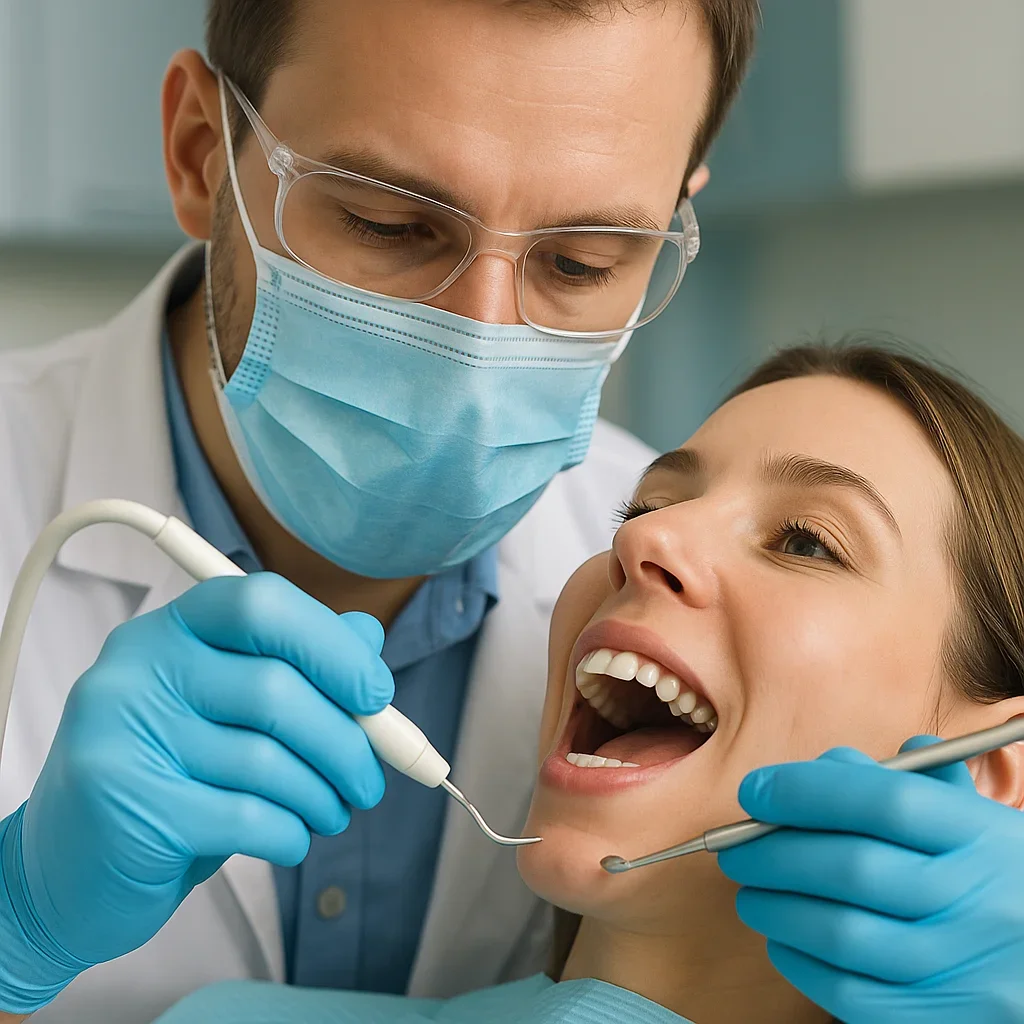
How Often Should You Get a Dentist Dental Cleaning?
One of the most common questions people have about oral hygiene is how frequently they should schedule a dentist dental cleaning. The truth is that there’s no one-size-fits-all answer — the ideal frequency depends on your oral health status, medical history, and lifestyle habits. However, most experts, including the American Dental Association, recommend visiting your dentist for a professional cleaning at least twice a year. In this comprehensive section, we’ll explore why timing matters, which factors affect the cleaning schedule, and how regular visits can prevent costly and painful dental issues in the long run. 🦷
1. The General Rule: Every Six Months
For most healthy individuals, scheduling a dentist dental cleaning every six months provides the right balance of prevention and maintenance. This frequency ensures that plaque and tartar don’t have enough time to accumulate and harden, which can lead to gum inflammation, cavities, and bad breath. Each visit gives your dentist an opportunity to evaluate your gums, detect early signs of disease, and polish your teeth for a refreshed, radiant smile. 🌟
Why Six Months Is the Magic Number
Plaque can start to calcify into tartar in just 48 hours, and once hardened, it can only be removed professionally. Over six months, these deposits can become substantial, especially in areas that are hard to reach with brushing and flossing. A dentist dental cleaning every half-year interrupts this process and keeps your oral environment stable and healthy. For patients who brush diligently, this timeline also provides a reliable rhythm for preventive care and long-term protection.
2. Factors That Require More Frequent Cleanings
Some individuals need cleanings more often than twice a year. Your dentist may recommend three or four visits annually if you have specific oral or systemic health conditions. These cases include:
- Gum disease (gingivitis or periodontitis): Inflammation and bleeding gums require closer monitoring and deeper cleanings.
- Diabetes: High blood sugar levels can affect gum healing and increase bacterial growth.
- Smoking or vaping habits: Tobacco stains teeth and creates an environment for plaque buildup.
- Dry mouth (xerostomia): Reduced saliva flow allows bacteria to thrive and acids to damage enamel faster.
- Orthodontic appliances or implants: Braces and prosthetics make cleaning difficult, requiring more frequent professional help.
Customized Cleaning Schedules
Your dentist will tailor a dentist dental cleaning schedule based on your oral condition. For example, someone undergoing periodontal therapy may need cleanings every 8–12 weeks. Pregnant women are another group who benefit from quarterly cleanings, as hormonal changes can increase gum sensitivity and bleeding. Consistent follow-ups ensure that bacteria never have the chance to trigger inflammation or infection.
3. What Happens If You Delay Cleanings?
Delaying your dentist dental cleaning can lead to multiple complications — some visible and others hidden beneath the gums. Plaque buildup leads to tartar, and tartar leads to gum disease, which can progress into bone loss if left untreated. Cavities may form silently between teeth, and bad breath (halitosis) becomes persistent due to bacterial overgrowth. In advanced cases, skipping regular cleanings can result in painful abscesses or even tooth loss.
Cost of Neglect
Preventive care is always more affordable than corrective treatments. A professional cleaning costs significantly less than fillings, crowns, or periodontal surgeries that become necessary when neglect allows disease to progress. Regular dentist dental cleaning appointments save not only money but also time and discomfort. It’s an investment that pays off in health and confidence. 💰
4. How Lifestyle Choices Influence Cleaning Frequency
Your daily habits strongly influence how often you should schedule a dentist dental cleaning. Smokers and coffee drinkers, for instance, experience more staining and tartar buildup than nonsmokers. Those who consume high-sugar diets are at greater risk for cavities. On the other hand, people who maintain excellent oral hygiene, eat a balanced diet, and avoid smoking may need fewer professional cleanings — though at least one annual cleaning is still essential for preventive care.
Dietary and Behavioral Factors
- Frequent snacking increases acid exposure to enamel.
- Sports drinks and sodas accelerate erosion.
- Chewing tobacco and alcohol dry out the mouth, encouraging bacterial growth.
- Stress and teeth grinding (bruxism) can also damage gums and enamel.
Discussing these factors with your dentist allows for a personalized dentist dental cleaning plan that fits your lifestyle.
5. Special Populations: Children and Seniors
Children should have professional cleanings every six months to prevent cavities and establish lifelong hygiene habits. Seniors, on the other hand, may need cleanings every three to four months due to slower healing and a higher risk of gum disease. These intervals can be adjusted based on dental health and the presence of restorations like crowns or implants.
Medical Conditions That Affect Cleaning Frequency
Certain medical conditions, such as cardiovascular disease, kidney issues, or compromised immune systems, make it essential to keep up with regular dentist dental cleaning. Oral bacteria can exacerbate systemic conditions, so frequent cleanings act as a preventive measure not just for oral, but overall health.
6. Signs That You Need a Cleaning Sooner
Even if your next appointment isn’t due, pay attention to warning signs such as bleeding gums, persistent bad breath, sensitivity, or visible tartar deposits. These symptoms indicate that a dentist dental cleaning is needed sooner rather than later. Ignoring them can lead to chronic inflammation and permanent damage to the supporting structures of your teeth.
At-Home Indicators
- Rough texture on teeth when you run your tongue across them
- Gums appearing red, swollen, or receding
- Metallic taste or bad odor in the mouth
- Noticeable film on teeth even after brushing
7. The Role of Professional Monitoring
Each dentist dental cleaning appointment is also a check-up. Your dentist assesses your gum health, screens for oral cancer, and identifies potential issues early. This proactive approach prevents minor problems from becoming serious. For example, a small cavity detected during cleaning can be treated immediately, avoiding pain and expense later.
Partnership with Your Dentist
Building a consistent relationship with your dental team ensures continuity of care. Professionals who regularly monitor your progress can detect subtle changes that might go unnoticed otherwise. Clinics like Redent Klinik Contact Page maintain detailed records to track gum health, enamel condition, and oral hygiene improvements over time.
8. A Personalized Approach to Oral Wellness
Ultimately, the ideal schedule for dentist dental cleaning depends on you. Genetics, health conditions, diet, and stress all play a role. Instead of following a rigid rule, let your dentist evaluate your unique situation and recommend the best cleaning interval. Regular professional feedback helps you make informed choices and achieve a truly healthy smile. 😊
In conclusion, consistency is the cornerstone of effective oral health maintenance. Whether you visit every three months or every six, staying on track with your dentist dental cleaning routine prevents disease, brightens your smile, and contributes to overall well-being. Think of each visit not just as a cleaning, but as an essential reset for your oral health — one that safeguards your confidence and vitality for years to come. 🌿