
Embarking on a journey in dentist education is one of the most rewarding paths in healthcare. It combines science, art, and compassion to help people achieve healthier, more confident smiles. Whether you are a student dreaming of becoming a dentist, a parent exploring career options for your child, or simply curious about how dental professionals are trained, this guide offers everything you need to know. 🦷
The foundation of dentist education begins with a deep understanding of biology, chemistry, and anatomy. Before entering dental school, students typically complete a bachelor’s degree in a related field. Courses in microbiology, physiology, and organic chemistry form the cornerstone of this preparation. These subjects ensure that future dentists grasp how the human body functions, particularly the oral cavity, teeth, and jaw systems. This scientific groundwork is essential for diagnosing and treating dental problems effectively.
After completing undergraduate studies, aspiring dentists must apply to an accredited dental school. In most countries, this process involves taking entrance exams, submitting recommendation letters, and participating in interviews. Dental school typically lasts four to six years, depending on the country. The first half of this period is usually devoted to classroom and laboratory learning, covering subjects such as oral pathology, dental anatomy, and pharmacology. In the later years, students gain hands-on experience through clinical practice under the supervision of licensed professionals. 🪥
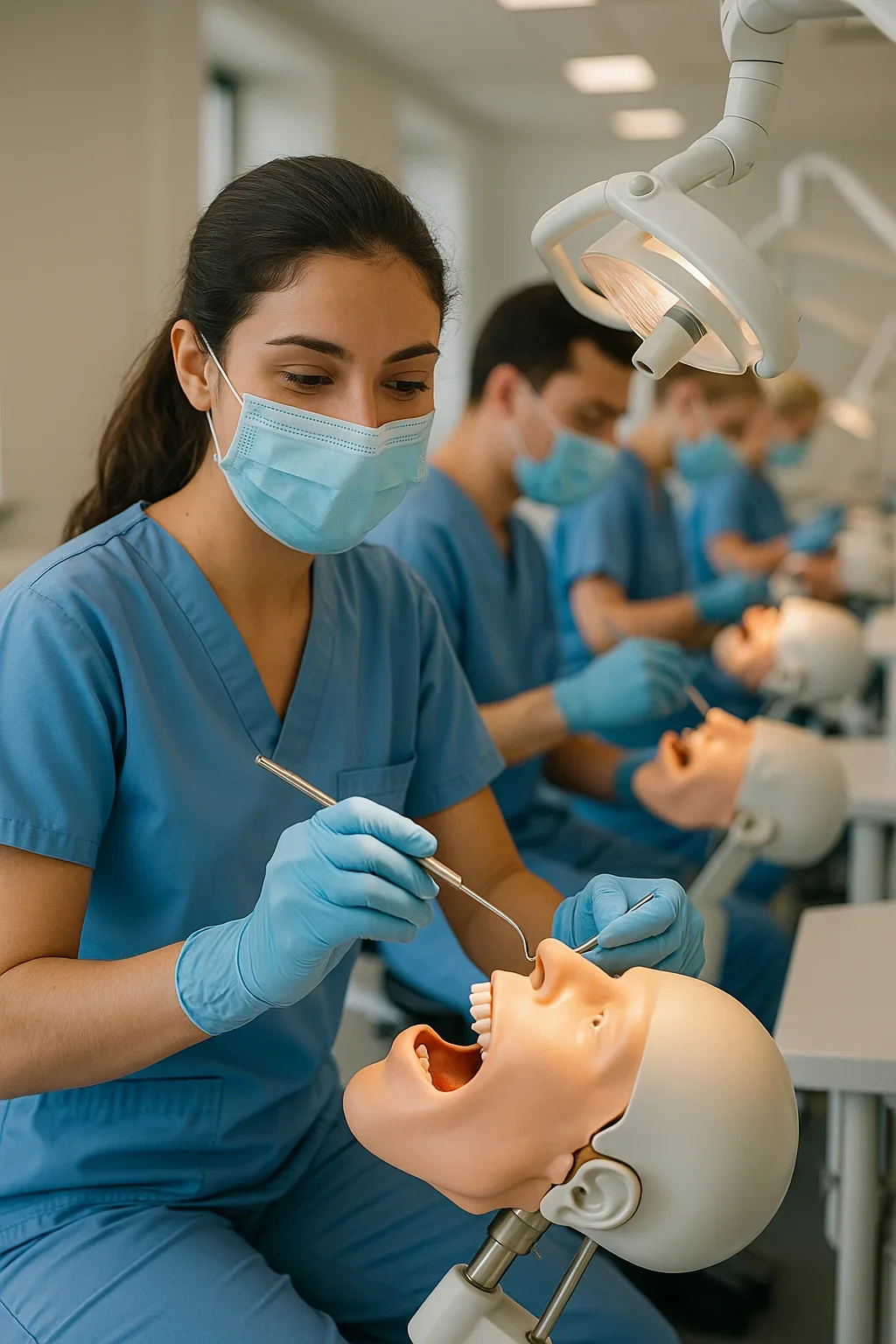
During this period, dentist education transforms students from theory-focused learners into practical clinicians. They begin by treating mannequins or artificial teeth, then gradually progress to working with real patients. This structured exposure ensures that every graduate has both the technical skills and the patient-centered empathy necessary to thrive in the profession. Dental students also learn the importance of infection control, patient communication, and ethical practice — all essential components of modern dental care.
Moreover, dentist education doesn’t stop at clinical training. Students are also introduced to the business side of dentistry. Managing a dental clinic, understanding healthcare regulations, and learning how to use advanced dental technology are crucial for long-term success. Today’s dental practitioners often rely on digital imaging, 3D scanning, and computer-aided design systems. Mastery of these tools is now a standard part of professional preparation. 🖥️
Globally, the American Dental Association sets one of the most recognized benchmarks for dental education and accreditation. Many universities align their programs with ADA standards to ensure international quality. This alignment not only benefits students seeking global recognition but also ensures consistent professional excellence across countries. Students trained under ADA or equivalent frameworks are often eligible to pursue dental licensure in multiple regions after completing necessary exams and certifications.
Another important aspect of dentist education is specialization. After earning a general dental degree, some graduates choose to pursue advanced fields like orthodontics, oral surgery, or pediatric dentistry. These programs add several years to the educational journey but offer unique opportunities for professional growth. Specialized training often involves intensive residency programs in hospitals or university clinics. This advanced level of education allows dentists to perform complex procedures such as implants, root canals, or maxillofacial surgery.
The duration of dentist education varies across countries. In the United States, it typically takes about eight years from undergraduate study to graduation. In Europe, the timeline can be shorter, around five to six years, depending on the system. Regardless of the location, the educational commitment is significant — but so are the rewards. Dentists enjoy one of the most respected and well-compensated professions in healthcare. 💼
Once education is complete, graduates must pass national or regional licensing exams to begin practicing. These assessments test both theoretical knowledge and clinical competence. Many countries also require continuing education courses throughout a dentist’s career to maintain licensure. This ensures that all practitioners remain up to date with the latest research, tools, and ethical standards. For example, updates in laser dentistry, biomaterials, and implant technologies are continuously integrated into post-graduate training programs.
Beyond academic qualifications, dentist education nurtures lifelong professional values — empathy, precision, and responsibility. A successful dentist is not only skilled but also capable of forming trust-based relationships with patients. By understanding pain management, communication, and cultural sensitivity, dental professionals create a positive experience for every individual who walks through their doors. 🌟
For those inspired to pursue this path, remember that dentistry is more than a career; it’s a lifelong mission of improving oral health and overall wellbeing. To learn more about studying or professional consultation opportunities, you can reach out through the Redent Klinik Contact Page. With the right guidance and determination, anyone passionate about healthcare and human connection can excel in the field of dentist education.
In summary, dentist education is a comprehensive process that blends science, practice, and ethics. It prepares individuals not only to treat dental issues but also to lead in innovation, prevention, and community care. The road may be long, but the reward is a career filled with purpose, stability, and the joy of transforming lives one smile at a time. 😁
Understanding Dentist Education Requirements 🦷
Before pursuing a career in dentistry, it’s essential to understand the dentist education requirements that shape the path to becoming a qualified professional. Dental education isn’t only about learning how to treat teeth — it’s an intensive academic and clinical process designed to prepare individuals for lifelong service in oral healthcare. This section explores every stage of this journey: from prerequisites to admissions, to hands-on training and post-graduate expectations. 🪥
Pre-Dental Education: Building the Academic Foundation
The first step in dentist education begins long before dental school admission. Most universities require students to hold a bachelor’s degree, typically in science-related fields such as biology, chemistry, or biochemistry. Courses like microbiology, organic chemistry, anatomy, and physiology are critical because they provide a strong foundation for understanding human biology and oral health. These subjects teach students how the body’s systems work together and how oral health influences overall wellbeing.
In addition to science courses, future dental students benefit from classes in communication, psychology, and business management. Dentistry requires not only technical skill but also excellent interpersonal and administrative abilities. Many universities encourage students to volunteer in dental clinics or shadow licensed dentists during their undergraduate studies. This early exposure helps confirm whether dentistry is the right career path while providing valuable practical insights.
Admission Exams and Application Requirements
Entering dental school is highly competitive. Most countries require candidates to take standardized entrance exams. In the United States, for example, the Dental Admission Test (DAT) assesses knowledge in natural sciences, perceptual ability, and reading comprehension. Some European countries use national entrance exams, while others rely on interview-based selection systems. Regardless of the country, the goal is to evaluate both academic capability and aptitude for dental practice.
Alongside test scores, applicants must submit transcripts, recommendation letters, and a personal statement describing their motivation for pursuing dentistry. Some universities also require interviews where applicants demonstrate communication skills, empathy, and ethical awareness. Strong applicants are those who show a genuine passion for oral health, problem-solving ability, and manual dexterity — key traits that define successful dentists.
Core Curriculum in Dentist Education
Once accepted into dental school, students begin a structured program typically lasting four to six years. The first half of dentist education focuses on theoretical learning, while the second half emphasizes clinical training. During the initial years, students study subjects such as:
- Dental anatomy and occlusion
- Oral histology and pathology
- Microbiology and immunology
- Radiology and dental materials
- Pharmacology and anesthesia
These courses build the scientific understanding necessary for diagnosing and managing oral diseases. Later, students transition to supervised clinical practice, where they treat patients in university dental clinics. They perform procedures such as fillings, extractions, cleanings, and preventive treatments under the guidance of experienced faculty members.
Clinical Experience and Hands-On Learning
Clinical training is the heart of dentist education. Students gradually move from simulation labs to real patient care. They learn how to assess dental conditions, interpret X-rays, and develop treatment plans. Each patient encounter strengthens decision-making and communication abilities. Practical sessions emphasize sterilization, infection control, and ergonomic working techniques — essential for long-term professional health.
In this stage, students also begin to experience the emotional side of dentistry. They learn to comfort anxious patients, manage pediatric cases, and communicate treatment plans effectively. This empathy-based learning transforms technical competence into compassionate care. 💬
Integrating Technology in Modern Dental Education
Today’s dentist education is far more technologically advanced than it was a decade ago. Dental schools now integrate 3D imaging, CAD/CAM systems, and digital impressions into their training. These technologies prepare students for the realities of contemporary dental practice. For instance, digital scanners replace traditional molds, allowing for faster, more accurate results. Virtual reality simulators are also increasingly used to replicate complex surgical scenarios, enhancing students’ confidence before treating real patients. 🖥️
Ethical and Legal Training in Dentistry
Ethics form another vital pillar of dentist education. Future dentists must understand professional responsibility, patient confidentiality, and legal compliance. Courses on dental law, informed consent, and patient rights are now mandatory in most curricula. Students learn that dentistry is not only a technical profession but also one built on trust and accountability. Violating ethical codes can result in severe professional consequences, including license suspension or revocation.
Global Accreditation and Educational Standards
Different countries maintain varying standards for dental education, but accreditation ensures consistency and quality. The American Dental Association (ADA), for instance, sets benchmarks for dental programs in the United States, and many international institutions align their curricula accordingly. In Europe, organizations like the Association for Dental Education in Europe (ADEE) uphold similar standards. These accreditation systems help maintain global equivalence and allow graduates to apply for licensure abroad more easily.
Cost and Financial Planning for Dental Education
One of the practical aspects of pursuing dentist education is understanding the financial commitment. Tuition fees for dental programs can range between $40,000 and $90,000 per year depending on the university and country. Additional costs include textbooks, lab equipment, clinical instruments, and examination fees. Many students apply for scholarships, government loans, or assistantship programs to manage these expenses. Despite the cost, dentistry remains one of the most stable and well-paid medical professions, with strong returns on investment after graduation. 💰
Post-Graduate and Continuing Education
Upon completing dental school, graduates must often pass national or regional licensing exams. However, dentist education doesn’t end there. Continuing education courses are mandatory in most regions to maintain licensure. These programs ensure that professionals stay updated on innovations such as laser dentistry, implantology, and biomaterials. Ongoing learning also reinforces ethical responsibility and professional excellence throughout a dentist’s career.
For aspiring dentists who wish to explore specializations, post-graduate programs offer advanced training in fields like orthodontics, prosthodontics, and oral surgery. These programs can extend a dentist’s academic journey by three to five years, but they open doors to greater expertise and earning potential.
If you’re interested in exploring study opportunities, mentorships, or guidance from industry experts, you can reach out through the Redent Klinik Contact Page. The right guidance during your dentist education journey can make all the difference between being a competent dentist and becoming an exceptional one.
In conclusion, understanding dentist education requirements means more than knowing what classes to take. It involves dedication, empathy, and a lifelong commitment to excellence. The blend of science, artistry, and patient care makes this career uniquely fulfilling — shaping not just beautiful smiles but healthier lives worldwide. 🌍
Top Universities and Dental Schools Around the World 🌍
Choosing the right institution for dentist education is one of the most critical decisions in a student’s academic journey. The university or dental school you attend determines not only the quality of your training but also your career opportunities, global recognition, and exposure to advanced research. This section provides an in-depth overview of the best dental schools worldwide, their curricula, admission criteria, and what makes each institution stand out in the realm of modern dentistry. 🦷
Why Choosing the Right Dental School Matters
The value of dentist education is greatly influenced by the institution’s academic reputation, faculty expertise, research facilities, and clinical partnerships. Top-ranked universities often provide cutting-edge dental laboratories, interdisciplinary research opportunities, and connections with hospitals or private clinics for clinical experience. Attending a prestigious dental school also opens doors for international licensure and post-graduate specialization. Furthermore, many renowned institutions collaborate with professional organizations such as the American Dental Association, ensuring that their programs meet the highest global standards.
Leading Dental Schools in North America
Harvard School of Dental Medicine (USA)
Located in Boston, Massachusetts, Harvard School of Dental Medicine consistently ranks among the top global institutions for dentist education. Its curriculum integrates medicine and dentistry, enabling students to approach oral health with a holistic understanding of the human body. Harvard emphasizes research and evidence-based clinical practice. Students participate in early patient care through community-based programs, gaining practical exposure while developing empathy and leadership skills. Harvard’s small class sizes ensure personalized mentorship and world-class facilities enhance learning outcomes.
University of Michigan School of Dentistry (USA)
The University of Michigan is another powerhouse in dentist education. With over 140 years of history, it offers extensive clinical experience through its on-campus dental clinic, which serves thousands of patients annually. The university’s innovative simulation centers use 3D dental mannequins and digital imaging tools to train students in realistic environments. Michigan’s research excellence, particularly in oral biology and biomaterials, attracts international scholars. Graduates from this program are highly sought after for advanced residencies and research positions. 🧪
University of Toronto Faculty of Dentistry (Canada)
As Canada’s premier dental school, the University of Toronto provides comprehensive dentist education that balances science, artistry, and clinical application. The faculty emphasizes patient-centered care and includes a strong focus on public health dentistry. Students gain hands-on experience through community clinics serving underprivileged populations, reinforcing social responsibility as a core professional value. The program also encourages research in emerging fields like regenerative dentistry and oral oncology.
Top Dental Schools in Europe
King’s College London Dental Institute (UK)
King’s College London is home to one of the largest dental schools in Europe, renowned for its innovation in dentist education. The program integrates early clinical exposure, digital technology, and academic research. Students work with the NHS (National Health Service), gaining invaluable real-world experience. King’s also emphasizes leadership training, preparing graduates for roles not only as clinicians but as policymakers and educators. The institution’s dental hospital treats over 300,000 patients annually, providing extensive practical exposure. 🇬🇧
University of Copenhagen Faculty of Health and Medical Sciences (Denmark)
Known for its modern approach and advanced facilities, the University of Copenhagen’s dental program ranks among Europe’s best. Its dentist education model emphasizes preventive care, digital dentistry, and interdisciplinary collaboration. Students learn alongside medical, pharmaceutical, and public health students, fostering a well-rounded understanding of healthcare systems. The university’s research in biomaterials and dental prosthetics is internationally recognized.
Karolinska Institutet (Sweden)
Karolinska Institutet, located in Stockholm, is globally respected for its strong emphasis on research and public health. It offers a research-driven dentist education that focuses on innovation and evidence-based practice. Students benefit from mentorship by leading experts in oral microbiology, prosthodontics, and implantology. The institute’s close partnership with Stockholm County Dental Care ensures high-quality clinical exposure from the first year of study. 🏥
Prominent Dental Schools in Asia and Oceania
University of Hong Kong (HKU) Faculty of Dentistry
The University of Hong Kong consistently ranks as Asia’s number one dental school. Its dentist education program blends Western and Eastern dental practices, providing students with a multicultural perspective. The curriculum emphasizes innovation, public health, and community outreach. HKU is also recognized for its state-of-the-art virtual dental training technology, allowing students to simulate procedures in realistic 3D environments. Graduates from HKU often continue to practice internationally, thanks to its globally recognized accreditation. 🌏
University of Melbourne Dental School (Australia)
The University of Melbourne offers one of the most comprehensive dentist education programs in the Southern Hemisphere. Its Doctor of Dental Surgery (DDS) program focuses on clinical excellence, evidence-based care, and public health engagement. Melbourne’s partnership with the Royal Dental Hospital provides students with diverse patient experiences. Research areas include oral cancer prevention, tissue engineering, and digital prosthodontics. The university’s commitment to sustainability also extends to its dental programs, encouraging eco-friendly practices within clinical settings.
Factors to Consider When Choosing a Dental School
When selecting where to pursue dentist education, prospective students should evaluate several key factors:
- Accreditation: Ensure the program meets standards set by recognized organizations such as the ADA or ADEE.
- Clinical Facilities: Check whether the institution provides real patient experience or relies mainly on simulations.
- Research Opportunities: Choose schools with strong research programs if you plan to pursue academic or specialized careers.
- Global Mobility: Opt for programs recognized in multiple countries to expand future career options.
- Tuition and Financial Aid: Evaluate the cost versus expected return on investment; scholarships and government funding can ease the burden.
Connecting with Global Institutions
For aspiring dental students seeking guidance or international study partnerships, contacting professional networks can be invaluable. Institutions like American Dental Association and global clinics such as Redent Klinik Contact Page can provide mentorship and detailed program insights. Building these relationships early enhances your preparedness for global practice and supports a successful career in dentistry. 🌟
Ultimately, choosing the right dental school is the foundation of a successful career in oral healthcare. The best institutions not only teach technical proficiency but also nurture compassion, critical thinking, and innovation — the core values of dentist education worldwide.
Essential Courses and Subjects in Dentist Education
The curriculum of dentist education is carefully designed to build a foundation of knowledge, clinical competence, and ethical understanding. Every future dentist must go through a diverse range of courses that combine biomedical sciences, dental technologies, patient management, and preventive care. Each subject contributes to shaping a well-rounded dental professional capable of diagnosing, treating, and preventing oral diseases effectively. 🦷
Foundational Biomedical Sciences
The journey of dentist education begins with understanding the biological and chemical principles that govern the human body. Foundational courses typically include anatomy, physiology, biochemistry, microbiology, and pathology. These subjects are critical because dentistry is not isolated to the mouth—it is deeply connected to overall systemic health.
- Anatomy: Focuses on the structure of the human body, with special attention to the head, neck, and oral regions. Students dissect cadavers or use 3D digital models to learn muscle and nerve pathways that influence dental treatment.
- Physiology: Teaches how organs and systems function together, helping dentists understand the relationship between oral health and systemic conditions like diabetes or cardiovascular disease.
- Microbiology: Explores bacteria, fungi, and viruses that affect the oral cavity. Understanding microbial ecosystems helps in managing infections, caries, and periodontal diseases.
- Biochemistry: Covers metabolic processes, enzyme activity, and nutritional factors that influence dental tissue development and oral health.
Without this strong scientific foundation, advanced dental practices like surgery, implantology, and orthodontics would be impossible to master. The integration of biomedical sciences within dentist education ensures that graduates can approach oral health in a holistic and evidence-based way.
Core Dental Sciences and Techniques
The next phase of dentist education focuses on specialized dental sciences that directly apply to patient care. These courses transition students from theoretical learners to clinical practitioners. Among the most vital courses are:
- Dental Anatomy and Occlusion: Students learn about tooth morphology, alignment, and bite patterns. This knowledge is essential for creating accurate restorations and orthodontic treatments.
- Operative Dentistry: Teaches cavity preparation, restoration techniques, and the use of materials like composites and amalgams. Students practice these procedures on dental mannequins before working on live patients.
- Endodontics: Focuses on root canal treatment and the management of pulp diseases. Modern approaches emphasize digital radiography and microsurgical tools for precision.
- Periodontology: Involves studying gum health and diseases affecting supporting tooth structures. Preventive care and surgical techniques are central to this subject.
- Oral Surgery: Covers extractions, surgical anatomy, anesthesia administration, and wound healing. It’s one of the most skill-intensive components of dentist education.
Materials Science and Dental Technology
Modern dental practice depends heavily on the use of advanced materials. Therefore, dental materials science is a key part of dentist education. Students learn about ceramics, polymers, composites, and alloys used in fillings, crowns, and prosthetics. The focus is on understanding properties like hardness, elasticity, and biocompatibility. Hands-on lab sessions allow students to fabricate models, prostheses, and bridges under supervision, ensuring mastery of technical detail. 🧪
Clinical Practice and Patient Management
Clinical education represents the transition from classroom to real-world dentistry. During this stage of dentist education, students apply their theoretical knowledge in supervised clinics. They perform cleanings, fillings, root canals, and preventive treatments on actual patients. This stage cultivates technical skill, decision-making, and empathy.
In addition to treatment techniques, patient management is an essential aspect of training. Courses in behavioral sciences teach how to manage dental anxiety, communicate effectively, and deliver treatment plans that build trust. For instance, pediatric dentistry focuses on communication techniques for children, while geriatric dentistry deals with elderly care and chronic health conditions.
Radiology and Diagnostic Imaging
Radiology is indispensable in dentist education. Students learn how to use X-rays, cone-beam computed tomography (CBCT), and other imaging modalities to diagnose oral health problems. Understanding radiation safety protocols is equally important to protect patients and practitioners. Digital radiography and 3D imaging have become central to diagnostics, allowing precise mapping for implants and orthodontic work.
Public Health and Preventive Dentistry
No dentist education curriculum is complete without an emphasis on community and preventive care. Public health dentistry teaches students how to evaluate population-based oral health trends and implement preventive measures. This includes fluoridation programs, school dental check-ups, and educational campaigns promoting hygiene. The goal is to prevent dental diseases before they require complex intervention.
These courses also raise awareness about socio-economic disparities in healthcare access. By learning how public health policies affect oral care delivery, dentists can advocate for better healthcare systems and equal access. Many universities collaborate with global organizations such as the American Dental Association to promote best practices in preventive dentistry worldwide.
Research and Evidence-Based Learning
To ensure innovation and credibility, dentist education programs emphasize research methodology and critical analysis. Students are required to conduct independent research projects, often published in scientific journals. They learn to analyze data, evaluate clinical trials, and apply findings to improve treatment techniques. This evidence-based approach ensures that modern dentistry continues to evolve with scientific progress.
Ethics and Professionalism in Dental Studies
Beyond technical skill, dentist education instills professional ethics. Courses on dental law, patient consent, and confidentiality teach students the moral responsibilities of being a healthcare provider. Ethical training ensures that future dentists act with integrity, prioritize patient welfare, and maintain trust. 🌟
Interdisciplinary Collaboration and Future Trends
Today’s dentist education also integrates interdisciplinary learning. Students often collaborate with medical, pharmaceutical, and nursing departments to understand how oral health interacts with systemic diseases. Emerging trends such as laser dentistry, nanomaterials, and AI-assisted diagnostics are now part of advanced training modules. Universities that adapt to these innovations prepare graduates for leadership in a rapidly evolving healthcare landscape.
For more detailed information about study paths, clinical internships, or professional consultation, you can visit the Redent Klinik Contact Page. Partnering with recognized clinics enhances practical experience and builds confidence for real-world dental challenges.
In conclusion, the essential courses and subjects in dentist education create a multidimensional learning experience. From foundational sciences to clinical mastery and ethical practice, each component contributes to forming a dentist capable of delivering exceptional, evidence-based, and compassionate care. 🎓
How Long Does Dentist Education Take? ⏳
One of the most common questions aspiring dentists ask is: “How long does dentist education take?” The answer depends on the country, the type of degree pursued, and whether a student chooses to specialize after graduation. Generally, becoming a fully licensed dentist is a long-term commitment — usually between 7 and 10 years of structured study and clinical experience. This investment of time reflects the precision, responsibility, and depth of knowledge required to care for patients’ oral health safely and effectively. 🦷
The Typical Timeline for Dentist Education
Most countries follow a similar pathway: a bachelor’s degree (pre-dental phase), followed by professional dental school training, clinical internships, and optional specialization. Each phase builds upon the previous one, ensuring that students graduate with a comprehensive understanding of dental science, ethics, and patient care. Below is a detailed breakdown of this educational journey.
1. Pre-Dental Undergraduate Studies (3–4 Years)
The first step in dentist education involves obtaining a bachelor’s degree, usually in a science-related field such as biology, chemistry, or biomedical science. This undergraduate phase lasts around 3 to 4 years. During this time, students complete prerequisite courses in anatomy, physiology, organic chemistry, and physics — subjects essential for dental school admission. Many students also engage in volunteer work or internships at dental clinics to gain early exposure to the profession.
In countries like the United States and Canada, pre-dental students must pass standardized exams like the Dental Admission Test (DAT) or the Canadian Dental Aptitude Test (DATC). These exams assess scientific knowledge, reasoning ability, and manual dexterity. In some European and Asian countries, students can enter dental programs directly from high school, which shortens the total timeline to around 5 or 6 years.
2. Dental School or University Program (4–6 Years)
The core of dentist education takes place in dental school, where students undergo rigorous academic and clinical training. In the U.S. and many other countries, this phase usually lasts 4 years and leads to a Doctor of Dental Surgery (DDS) or Doctor of Dental Medicine (DMD) degree. In European systems like those in Germany, Spain, or the UK, the dental program is typically 5 to 6 years long and combines undergraduate and graduate-level coursework.
The first two years of dental school are mostly focused on classroom and laboratory learning — covering topics like dental anatomy, oral pathology, microbiology, and materials science. Students spend extensive hours in simulation labs practicing procedures on dental mannequins. By the third and fourth years, the focus shifts toward real patient care. Under supervision, students perform cleanings, restorations, root canals, and minor surgeries, developing both technical expertise and bedside manners.
Global Comparison of Education Duration
The structure and duration of dentist education vary around the world. For instance:
- United States: 4 years of undergraduate study + 4 years of dental school = 8 years total.
- United Kingdom: 5 years of integrated dental education (direct entry after secondary school).
- Germany: 5.5 years, including a mandatory practical state examination.
- Turkey: 5 years of full-time dental study with clinical rotations in the final two years.
- Australia and New Zealand: 5 to 6 years, depending on whether it’s a combined or graduate-entry program.
- Japan: 6 years including both pre-clinical and clinical education phases.
Despite these differences, all accredited programs meet international standards set by organizations like the American Dental Association or regional equivalents. These standards ensure that graduates possess the same essential skills and competencies, regardless of where they studied.
Specialization and Postgraduate Training (2–5 Additional Years)
After completing general dental education, some graduates pursue specialized fields such as orthodontics, oral surgery, periodontics, or pediatric dentistry. These programs typically last between 2 and 5 years, depending on the specialty. For example, oral and maxillofacial surgery can take up to 6 additional years, as it involves both dental and medical expertise.
Specialization expands the scope of dentist education beyond general practice. Students receive intensive training in their chosen area, often working in hospitals or research facilities. These programs include advanced surgical techniques, diagnostic imaging, and patient management for complex cases. At the end of specialization, graduates must pass board examinations to receive certification and licensure in their respective fields.
Continuing Education and Lifelong Learning
Even after formal studies end, dentist education is a lifelong process. Most countries require dentists to complete continuing education (CE) credits every few years to maintain their professional license. CE courses cover updates in dental materials, laser technology, cosmetic dentistry, implantology, and patient safety. This ensures that practicing dentists remain competent and up to date with evolving standards of care.
In recent years, online learning platforms have made continuing education more accessible. Dentists can now participate in webinars, virtual workshops, and advanced certification programs without leaving their clinics. Such digital transformation has become an essential part of ongoing professional development. 🖥️
Factors That Affect the Duration of Dentist Education
Several factors can influence how long dentist education takes:
- Country of study: Systems differ between undergraduate-entry and graduate-entry programs.
- Specialization goals: Pursuing a specialty adds several years to the total timeline.
- Research involvement: Students who pursue academic research or dual degrees (DDS/PhD) often extend their studies by 2–4 years.
- Licensing requirements: Passing national exams or language proficiency tests may require extra preparation time.
- Part-time study or career breaks: Some students balance family or work, which can lengthen their overall educational journey.
Accelerated and Integrated Programs
Some universities now offer accelerated dentist education programs that condense undergraduate and dental studies into a 6-year track. These integrated models are gaining popularity in Europe and Asia, offering efficiency without sacrificing quality. However, they are intensive and demand high academic performance and commitment from students.
The Reward at the End of the Journey
Although dentist education requires years of dedication, the outcome is profoundly rewarding. Dentists enjoy professional stability, high earning potential, and the satisfaction of improving lives every day. Moreover, the skills gained through years of study—precision, empathy, and problem-solving—make dentistry a profession of both science and art. 🌟
For students who wish to explore mentorship programs or professional guidance during this long but fulfilling journey, you can contact trusted experts via the Redent Klinik Contact Page. Proper planning and guidance ensure that every year invested in dentist education leads to lifelong success in the field.
In summary, while the road to becoming a dentist may take close to a decade, it is an investment in knowledge, skill, and compassion. The duration of dentist education reflects the depth and complexity of the profession—one that demands patience, precision, and passion for excellence. ⏳🦷
Online Dentist Education Programs: Are They Worth It?
With the rise of digital learning and virtual classrooms, many aspiring dental professionals are exploring online dentist education programs as an alternative to traditional in-person study. The flexibility, affordability, and accessibility of online education have transformed numerous fields — but can dentistry, a hands-on medical science, be effectively taught online? This section explores the structure, benefits, limitations, and accreditation of online dental education, helping students decide whether digital learning aligns with their professional goals. 💻
The Evolution of Online Dentist Education
Historically, dentistry relied on face-to-face training, laboratory practice, and direct patient interaction. However, recent advances in digital technology and e-learning platforms have made parts of dentist education possible online. Universities now offer hybrid or fully remote courses for theoretical subjects like anatomy, dental materials science, and pharmacology. Students can access virtual libraries, 3D dental simulations, and video demonstrations to master fundamental knowledge before entering clinical practice. 🦷
The COVID-19 pandemic accelerated this transition. Dental schools worldwide adopted blended models to continue training during lockdowns. Online assessments, interactive lectures, and cloud-based radiology tools became standard. This experience proved that while dentistry cannot be taught entirely online, much of the academic component can be effectively delivered through virtual platforms.
How Online Dentist Education Programs Work
Online dentist education programs typically follow a hybrid learning model — a combination of digital theory instruction and in-person clinical training. Here’s how these programs are usually structured:
- 1. Theoretical Courses Online: Subjects like oral biology, dental ethics, pathology, and pharmacology are taught via recorded lectures and interactive modules.
- 2. Virtual Simulations: Modern programs use computer-aided simulators and virtual reality systems to replicate dental procedures. These allow students to practice drilling, restorations, and patient positioning in a safe digital environment.
- 3. On-Campus or Clinical Rotations: Students must complete practical training at designated partner clinics or university dental hospitals. This ensures they meet licensing requirements for patient care experience.
- 4. Assessments and Licensing Prep: Online programs often include digital exams, quizzes, and national board preparation resources to help students qualify for professional exams.
Some universities even offer distance-learning master’s programs in specialized fields such as dental public health or prosthodontics for already licensed dentists. These programs focus on research, management, and advanced theory rather than hands-on clinical skills.
Key Technologies Powering Online Dental Education
The success of online dentist education depends largely on the technology used. Top programs integrate:
- Virtual Reality (VR) Simulations: VR headsets recreate real-life dental scenarios, allowing students to interact with 3D patients and tools.
- Learning Management Systems (LMS): Platforms like Moodle, Canvas, and Blackboard provide interactive lessons, video content, and assignment tracking.
- Digital Radiography Software: Students learn to analyze X-rays and 3D scans using cloud-based diagnostic systems.
- Tele-dentistry Tools: These platforms teach how to conduct remote consultations and oral health monitoring, preparing future dentists for digital patient care.
These tools enhance accessibility, allowing students from different parts of the world to learn at their own pace while still receiving high-quality instruction from accredited educators.
Advantages of Online Dentist Education Programs
There are several clear benefits to incorporating online learning into dentist education:
- Flexibility: Students can study at their own schedule, balancing work, family, and education more efficiently.
- Cost Savings: Reduced commuting, housing, and material costs make online programs more affordable than traditional study paths.
- Global Access: Students from countries with limited dental schools can access world-class education without relocating.
- Technological Proficiency: Exposure to digital tools and telehealth systems prepares future dentists for technology-driven practice environments.
- Continuing Education Opportunities: Practicing dentists can expand their skills or gain certifications without interrupting their careers.
For instance, continuing education platforms accredited by the American Dental Association offer online modules for laser dentistry, dental radiography, and infection control. These are ideal for professionals seeking to stay current with new techniques and regulations. 🌟
Limitations of Online Dental Education
Despite its benefits, online learning in dentist education faces certain challenges that cannot be overlooked. Dentistry is an inherently tactile profession, and some essential skills simply cannot be mastered through a screen.
Hands-On Skill Development
Dental students must learn delicate manual procedures — such as tooth extractions, cavity preparations, and prosthetic fittings — that require direct supervision and real patient interaction. No virtual model can fully replicate the resistance of dental tissue or the subtleties of patient comfort and feedback. Therefore, most accreditation boards require in-person clinical experience for graduation and licensure.
Accreditation and Quality Concerns
Not all online dentist education programs meet official standards. Accreditation by recognized organizations is crucial for ensuring that a degree or certificate is valid. Students should verify whether a program is approved by a recognized dental education authority, such as the ADA Commission on Dental Accreditation (CODA) or regional equivalents. Enrolling in a non-accredited course may prevent graduates from obtaining professional licenses later on.
Networking and Mentorship Limitations
Another drawback of remote learning is the lack of face-to-face interaction. In traditional dental schools, mentorship plays a crucial role in professional growth. Online settings make it harder to develop relationships with professors and peers, which are essential for clinical confidence and career advancement. However, some institutions now address this through live Q&A sessions, virtual mentorship, and networking webinars.
Are Online Dentist Education Programs Worth It?
Ultimately, the value of online dentist education depends on your personal goals and the nature of the program. For pre-clinical theory or continuing professional development, online learning can be highly effective. However, for hands-on dental training and clinical competency, traditional or hybrid programs remain irreplaceable. A fully online degree cannot yet meet the stringent requirements for professional licensure in most countries.
Nevertheless, hybrid education — combining online theory with practical rotations — represents the future of dentistry. It merges the convenience of e-learning with the rigor of hands-on experience. As virtual technologies and simulation fidelity continue to improve, online dentist education may soon bridge the remaining gaps in skill acquisition and accreditation.
For students seeking expert advice on which programs are most reputable and globally recognized, reaching out through the Redent Klinik Contact Page can be a great starting point. The right guidance helps ensure your time and investment in dentist education lead to a successful and respected dental career. 🌍
In conclusion, while online learning cannot entirely replace traditional clinical training, it has become an indispensable part of modern dentist education. The key is to choose accredited, high-quality programs that balance innovation with hands-on excellence — preparing dentists for a future where technology and compassion work hand in hand. 🦷💡
Specializations in Dentistry and Postgraduate Training 🎓
After completing general dentist education, many graduates choose to deepen their expertise through specialization. Specializations allow dentists to focus on a specific branch of oral health — from orthodontics to oral surgery — expanding both their knowledge and professional opportunities. This advanced stage of dentist education is crucial for those who want to master complex procedures, lead clinical research, or pursue teaching positions in universities. 🌟
Why Specialization Matters in Modern Dentistry
The scope of modern dentistry has evolved beyond routine fillings and cleanings. As medical science advances, oral health professionals must handle increasingly complex cases that demand deeper knowledge and advanced technology. Specialization through postgraduate dentist education ensures practitioners gain the precision, skill, and confidence needed for advanced care. Specialized dentists often collaborate with surgeons, radiologists, and prosthodontists to provide holistic treatment plans for patients with complex conditions.
Types of Dental Specializations
Globally, recognized specializations within dentist education vary slightly depending on local accreditation bodies, but they generally include the following major fields:
- Orthodontics: Focuses on diagnosing, preventing, and correcting misaligned teeth and jaws. Orthodontists use braces, aligners, and digital scanning systems to design precise treatments for patients. 😁
- Periodontics: Deals with diseases of the gums and supporting bone structures. Specialists in this field treat gingivitis, periodontitis, and perform gum grafting or regenerative surgeries.
- Oral and Maxillofacial Surgery: A highly demanding field combining dentistry and surgical expertise. It involves treating facial trauma, tumors, impacted teeth, and reconstructive jaw procedures. 🏥
- Endodontics: Concentrates on root canal therapy and the management of tooth pulp diseases. Endodontists save millions of teeth each year through advanced microscopic procedures.
- Pediatric Dentistry: Specializes in treating infants, children, and adolescents. Pediatric dentists focus on growth patterns, preventive care, and behavioral guidance.
- Prosthodontics: Involves designing dental prosthetics such as crowns, bridges, and dentures. It requires strong artistic skill and deep technical understanding of materials.
- Oral Pathology: Concerned with diagnosing oral diseases through microscopic analysis and laboratory testing. Oral pathologists work closely with research and hospital teams.
- Public Health Dentistry: A specialization dedicated to improving community oral health and implementing preventive programs at population level.
- Oral Radiology: Focuses on interpreting radiographic and 3D imaging for diagnostic accuracy. It’s vital for implantology, surgery, and oncology cases.
Duration and Structure of Postgraduate Dentist Education
Most postgraduate dentist education programs last between 2 and 5 years. The exact duration depends on the country, specialization, and whether the program involves research. For example, orthodontics typically takes 3 years, while oral and maxillofacial surgery may take 5 to 6 years because it integrates medical surgical training. These programs usually combine advanced theoretical courses, laboratory work, and intensive clinical residencies under the supervision of experienced specialists.
In many universities, postgraduate dental education follows a residency model. Residents treat complex cases in hospitals, gaining hands-on experience with surgical instruments, anesthetics, and patient management. Regular case presentations and research projects are also mandatory components of these programs.
Admission Requirements for Postgraduate Studies
Admission into a postgraduate dentist education program is highly competitive. Candidates must hold a recognized dental degree (such as DDS, DMD, or BDS) and a valid professional license. They also undergo rigorous entrance examinations and interviews to assess their clinical skill, ethical awareness, and motivation for specialization. Some universities, especially in the United States, require candidates to pass exams like the National Board Dental Examination (NBDE) or INBDE before applying for residencies.
Global Accreditation and Recognition
Accreditation ensures that postgraduate dentist education maintains global standards. In the U.S., programs are accredited by the Commission on Dental Accreditation (CODA), while Europe follows the standards set by the Association for Dental Education in Europe (ADEE). Many of these standards align with international organizations like the American Dental Association. Accredited specialization ensures professional mobility — allowing dentists to work internationally with recognized credentials. 🌍
Research and Academic Specializations
Beyond clinical specializations, many dentists pursue academic and research-oriented paths. These advanced programs, often culminating in a Ph.D. or Master of Science (MSc), focus on dental biomaterials, genetics, oral microbiology, and regenerative medicine. Research-driven dentist education contributes to breakthroughs in dental technology, such as stem cell-based tooth regeneration and biocompatible implants.
Universities encourage postgraduate students to publish research findings in peer-reviewed journals, present at international conferences, and collaborate on interdisciplinary studies with medical researchers. This continuous academic pursuit strengthens global dental innovation and helps shape future clinical standards.
Continuing Education and Professional Growth
After completing postgraduate programs, dentists are still required to engage in lifelong learning. Continuing education courses (CE) are a vital component of modern dentist education. These short-term programs, workshops, and certifications help practitioners stay updated with innovations like digital dentistry, CAD/CAM restorations, and implantology. Some of these programs are available through global associations and can even be completed online.
Practicing dentists can also join international networks and attend conferences to exchange knowledge with peers. This networking encourages collaboration and ensures that dental professionals maintain the highest standards of care. For more insights on post-graduate or continuing education paths, students can reach out to experts via the Redent Klinik Contact Page.
Financial Investment and Career Benefits
Pursuing postgraduate dentist education involves significant financial investment
Licensing and Certification After Dentist Education
Completing dentist education is only the first milestone in a dentist’s professional journey. To legally practice dentistry, every graduate must obtain proper licensing and certification. These credentials validate the dentist’s knowledge, ethical conduct, and clinical competence. The licensing process ensures that only qualified professionals provide oral healthcare to the public. This section provides a comprehensive overview of how licensing and certification work globally, the exams involved, and how continuous education keeps practitioners up to date. 🦷
The Importance of Licensing in Dentistry
Licensing serves as a safeguard for both patients and practitioners. After finishing dentist education, graduates are not immediately authorized to treat patients independently. Instead, they must demonstrate mastery of theoretical knowledge, practical skills, and professional ethics through standardized exams and board assessments. These procedures ensure a dentist’s ability to perform safely and effectively under national regulations. Without proper licensing, a dentist cannot legally diagnose, prescribe, or perform any dental procedures.
Licensing also provides accountability. If ethical or medical misconduct occurs, dental boards can investigate and, if necessary, suspend or revoke the license. Thus, the licensing process not only protects patients but also upholds the integrity of the dental profession.
Global Licensing Requirements After Dentist Education
Licensing regulations vary across countries, but all share a common goal — ensuring consistent professional standards. Below is a breakdown of licensing frameworks in several major regions.
United States and Canada
In the United States, after completing dentist education through an accredited program (DDS or DMD), candidates must pass the Integrated National Board Dental Examination (INBDE). This comprehensive exam tests biomedical sciences, clinical reasoning, and patient management. In addition, each state requires a regional clinical board examination such as the Commission on Dental Competency Assessments (CDCA) or the Western Regional Examining Board (WREB).
Once both exams are passed, dentists apply for licensure through their state dental board. Continuing education is mandatory, with dentists required to complete a certain number of hours every renewal cycle to maintain their license. In Canada, the National Dental Examining Board (NDEB) oversees the evaluation and licensing process. Candidates must complete both written and clinical components before practicing.
Europe
In Europe, licensing follows the framework of the European Union (EU) directives on dental qualifications. After graduating from an accredited dental school, practitioners can apply for recognition across member states under mutual recognition agreements. However, some countries, such as Germany and France, may still require additional exams or proficiency tests in the local language.
The General Dental Council (GDC) in the United Kingdom manages the registration process. Applicants must demonstrate English fluency, pass the Overseas Registration Exam (ORE) if they studied abroad, and maintain professional development through annual education requirements. The American Dental Association standards often serve as a reference model for many European and international programs to ensure equivalency and global recognition.
Asia and the Middle East
Countries like Japan, South Korea, and India have independent dental councils that regulate licensing. After completing dentist education, graduates must pass national examinations. For example, in Japan, dentists must complete a 6-year dental program and pass the National Dental Practitioner Examination. In Turkey, graduates undergo a national specialty examination called the DUS (Diş Hekimliği Uzmanlık Sınavı) for postgraduate specialization and licensing.
In Middle Eastern countries such as the UAE and Saudi Arabia, international dentists are required to take additional licensing exams and demonstrate clinical experience. The Gulf region follows a system where regulatory authorities like the Dubai Health Authority (DHA) or Saudi Commission for Health Specialties (SCFHS) oversee professional accreditation.
Steps in the Licensing Process
The process of earning a dental license typically involves the following steps:
- Completion of Accredited Education: Graduation from a recognized dental school or program accredited by a governing body.
- Passing National/Regional Exams: Written and clinical exams evaluate comprehensive dental knowledge and procedural skill.
- Submission of Application and Documentation: Including transcripts, identification, and professional references.
- Background Check and Ethics Verification: Ensuring candidates meet moral and professional standards.
- Issuance of License: Once approved, the dentist is authorized to practice within the specific jurisdiction.
Recertification and License Renewal
Licensing isn’t a one-time achievement. As dental technologies and treatment standards evolve, continuing education becomes vital. Most jurisdictions require dentists to renew their licenses every 1–3 years. During renewal, dentists must provide proof of completed continuing education credits — typically between 25 and 50 hours per cycle. These credits ensure that professionals remain up to date on innovations such as digital radiography, laser dentistry, and infection control.
Renewal may also include ethics training, emergency response certification, or peer review evaluations. Failure to comply can result in license suspension until the requirements are fulfilled.
Certification Beyond General Licensing
While licensure grants legal permission to practice, certification demonstrates advanced expertise in a specific specialty. For example, after additional training, dentists can pursue board certification in orthodontics, periodontics, or prosthodontics. These certifications are usually issued by professional bodies such as the American Board of Orthodontics or similar organizations abroad.
Certified specialists must meet rigorous standards, submit case reports, and pass oral and written examinations. Certification often enhances professional credibility and opens opportunities in academia or hospital settings.
International Licensure and Global Mobility
In today’s interconnected world, many dentists aspire to work abroad. To practice internationally, graduates must ensure their dentist education meets international accreditation standards. Programs recognized by CODA, ADEE, or the ADA have better global portability. Some dentists choose to complete bridging programs to meet foreign requirements. Others may pursue dual licensure in multiple countries to increase professional flexibility and reach a global patient base. 🌍
Ethical and Legal Responsibilities Post-Licensure
Holding a dental license comes with ethical duties. Dentists must follow professional codes of conduct, maintain patient confidentiality, and prioritize safety. National dental associations enforce these standards, investigating complaints of malpractice or negligence. Violations can result in penalties, fines, or loss of licensure. Hence, ethical education remains an integral component of dentist education even after formal graduation.
Continuous ethical training ensures that dentists act responsibly and foster trust with their patients. Maintaining a valid license isn’t just a bureaucratic process — it’s a moral commitment to uphold the profession’s dignity and public trust. 🌟
For aspiring professionals seeking detailed advice or assistance with licensing documentation, you can contact experts through the Redent Klinik Contact Page. Proper guidance ensures a smooth transition from academic completion to professional certification in the world of dentist education.
In conclusion, licensing and certification are vital extensions of dentist education. They transform academic knowledge into legitimate professional practice, maintaining global standards of excellence and patient safety. Every licensed dentist carries the responsibility to stay informed, ethical, and committed to lifelong learning — the true essence of a trusted dental professional. 🏆
The Cost of Dentist Education and Financial Planning 💰
Pursuing dentist education is a significant investment in one’s future, both intellectually and financially. The path to becoming a dentist involves years of rigorous study, clinical training, and ongoing professional development — all of which come with substantial costs. However, with proper financial planning, scholarships, and informed decisions, students can manage these expenses strategically and build a rewarding career. This section provides a detailed breakdown of tuition, living expenses, equipment costs, and financial aid options for aspiring dental professionals. 💡
Understanding the True Cost of Dentist Education
The total cost of dentist education depends on several variables: the country of study, whether the institution is public or private, and the length of the program. Generally, students can expect to invest between $150,000 and $400,000 over the course of their education. This includes tuition fees, books, materials, clinical instruments, and living expenses. In some countries, such as the United States, the financial commitment is particularly high, while in others — like Germany or Turkey — state-supported institutions offer more affordable options.
Average Tuition Fees by Region
- United States: Dental school tuition ranges from $45,000 to $85,000 per year, depending on whether it’s a public or private university. Over four years, this amounts to approximately $300,000 including living costs.
- United Kingdom: For international students, tuition fees typically range from £30,000 to £45,000 per year. Domestic students pay less, but living expenses in cities like London are high.
- Europe (Germany, France, Spain): Public universities often charge minimal tuition (under €3,000 annually), but programs may be longer (5–6 years). Students still bear the cost of instruments and insurance.
- Australia & Canada: Tuition ranges between AUD 50,000–70,000 and CAD 35,000–60,000 per year respectively, with high living costs adding substantially to the total.
- Asia (Turkey, Japan, South Korea): Costs are generally lower — between $10,000 and $25,000 annually — though international programs can be more expensive.
These figures highlight that dentist education represents one of the most expensive forms of higher education. Therefore, effective budgeting and long-term planning are essential before enrollment.
Additional Expenses Beyond Tuition
Many students underestimate the hidden costs of dental training. Beyond tuition, dentist education requires investment in materials, lab fees, examination costs, and personal equipment. These are essential for practical training and licensing preparation.
- Dental Instruments: Basic kits (handpieces, scalers, and mirrors) can cost between $2,000 and $5,000.
- Laboratory Fees: Clinical training and prosthetic fabrication often require students to pay additional lab charges ranging from $1,000 to $3,000 annually.
- Textbooks and Software: Modern dental courses include 3D imaging and simulation software, which can cost an additional $500–$1,500 each semester.
- Licensing and Exam Fees: National and regional board exams (such as INBDE or NDEB) can collectively cost up to $5,000.
- Living Costs: Housing, meals, transportation, and health insurance can add $15,000–$25,000 per year depending on the location.
Example Budget Breakdown (U.S. Model)
Tuition (4 years): $280,000
Living expenses: $80,000
Instruments and books: $10,000
Exam and licensing fees: $5,000
Miscellaneous costs: $5,000
---------------------------------
Total Estimated Cost: $380,000
Such figures illustrate the scale of financial planning required to complete dentist education successfully.
Scholarships, Grants, and Financial Aid Options
Fortunately, many institutions and professional organizations offer financial support for students pursuing dentist education. These opportunities can significantly reduce the financial burden if researched and applied for early.
- Merit-Based Scholarships: Awarded to students with outstanding academic performance or research contributions.
- Need-Based Grants: Designed for students from lower-income families or developing countries.
- Professional Organization Awards: Institutions such as the American Dental Association offer annual scholarships for dental students worldwide.
- Government Loans and Support: Many countries provide subsidized education loans with lower interest rates and delayed repayment until after graduation.
- Work-Study Programs: Some universities allow dental students to work part-time as research or teaching assistants, earning stipends or tuition reductions.
Students are encouraged to combine different sources of funding — for instance, scholarships for tuition and loans for living expenses — to minimize long-term debt.
Financial Planning Strategies During Dentist Education
Proper financial planning is essential throughout every stage of dentist education. Without budgeting, students may face unnecessary stress that could impact academic performance.
1. Create a Multi-Year Budget Plan
Track all major and minor expenses from tuition to daily costs. Use digital tools like budgeting apps or spreadsheets to anticipate future expenses (such as licensing exams). Review your budget every semester to adjust for any financial changes.
2. Prioritize Essential Costs
Allocate funds first for tuition, clinical instruments, and required textbooks. Avoid unnecessary luxury spending or elective costs during study years.
3. Manage Student Loans Wisely
If loans are necessary, compare interest rates and repayment terms before borrowing. Consider consolidation or refinancing options after graduation to reduce long-term debt pressure.
4. Invest in Continuing Education Early
Some graduates use income from part-time internships to invest in short online courses, enhancing their skillset before entering the workforce. This proactive approach improves employability and accelerates debt repayment after graduation.
Post-Graduation: Managing Debt and Return on Investment
Once dentist education is complete, most graduates face loan repayment responsibilities. However, dentistry remains one of the most lucrative healthcare professions, making the long-term return on investment highly positive. In countries like the U.S., entry-level dentists earn between $120,000 and $160,000 annually, while specialists can earn significantly more. This makes repayment achievable within 5–10 years for disciplined professionals.
Some dentists also reduce their financial burden by working in public service programs, such as rural health initiatives, which offer loan forgiveness for service in underserved areas. Others pursue teaching or research roles that include stipends or benefits packages.
Return on Investment (ROI) Overview
- Average cost of education: $350,000
- Average annual income (after 3 years): $150,000
- ROI timeline: Approximately 6–8 years
This shows that while dentist education requires substantial upfront investment, the long-term career stability and earnings potential far outweigh the initial cost. 🦷
Financial Counseling and Expert Support
Many universities and dental organizations provide financial counseling services. Advisors help students with budgeting, loan selection, and repayment planning. For personalized assistance in preparing financially for a dental career, prospective students can reach out via the Redent Klinik Contact Page. Professional guidance ensures that financial stress doesn’t become a barrier to academic success or career fulfillment.
In summary, while dentist education is undeniably expensive, it’s also one of the most rewarding investments an individual can make. Through careful planning, scholarships, and disciplined money management, students can complete their journey without overwhelming debt — emerging as confident professionals ready to make a meaningful impact on oral health worldwide. 🌍💎
The Future of Dentist Education: Trends and Innovations 🚀
The world of dentist education is rapidly transforming. Driven by advances in digital technology, artificial intelligence, and global collaboration, dental training today looks vastly different from what it was a decade ago. The future promises smarter, more efficient, and highly personalized learning experiences that prepare students not only for clinical excellence but also for leadership in an evolving healthcare ecosystem. This section explores the trends, innovations, and challenges shaping the next generation of dental professionals. 🦷✨
Digital Transformation in Dental Training
Digitalization has revolutionized nearly every stage of dentist education. From lecture halls to simulation labs, technology is enhancing how dental students learn and practice. Modern dental schools are moving away from traditional textbooks and toward immersive, interactive learning environments that leverage 3D modeling, virtual reality, and artificial intelligence.
Virtual Reality (VR) and Augmented Reality (AR)
One of the most exciting trends is the use of VR and AR in pre-clinical education. Students can now visualize complex oral anatomy, perform virtual procedures, and receive instant feedback on accuracy. Using VR simulators, they can practice cavity preparations or implant placements in lifelike 3D spaces without risk to real patients. This innovation not only reduces material costs but also improves learning retention and confidence.
Artificial Intelligence (AI) and Smart Assessment
AI systems are increasingly used to personalize dentist education. Adaptive learning software analyzes a student’s performance, identifies weak areas, and customizes study materials to target those gaps. AI-driven assessment tools can evaluate hand movements during practice sessions, ensuring students meet precision benchmarks for real-world application. Moreover, AI helps automate grading and patient simulations, allowing educators to focus more on mentorship and less on administrative tasks.
3D Printing and Digital Dentistry
3D printing has become a cornerstone of modern dentist education. Dental students now learn how to design and fabricate crowns, aligners, and prosthetics digitally before printing them using biocompatible materials. This shift from traditional lab work to digital workflows mirrors what is happening in real-world dental practices. Students gain firsthand experience with technologies they’ll use throughout their careers.
In some programs, dental schools have dedicated “digital design labs” where students learn CAD/CAM systems — the same computer-aided tools used by professional clinics. This prepares them for a seamless transition into technologically advanced practices and laboratories.
Interdisciplinary Learning and Holistic Education
The future of dentist education emphasizes collaboration between dentistry and other healthcare fields. Oral health is closely linked to systemic health, so modern curricula integrate cross-disciplinary knowledge — from genetics to nutrition and psychology. This holistic approach enables dentists to treat patients more comprehensively, addressing both oral and overall well-being.
For example, programs now include modules on patient communication, stress management, and cultural competence. This human-centered focus ensures graduates possess not only technical skill but also empathy and emotional intelligence — essential traits for long-term success. 🌿
Team-Based and Case-Based Learning
Instead of isolated classroom lectures, dental schools are adopting team-based learning. Students collaborate on case studies, simulating real clinical decision-making. This active learning method helps bridge the gap between theory and practice while fostering leadership and teamwork skills.
Globalization and Remote Learning
The globalization of dentist education has opened new opportunities for international collaboration. Through online courses, webinars, and virtual exchanges, dental students can now learn from experts across the world. This has democratized access to high-quality education, especially for students in regions where dental schools are limited.
Global exchange programs are also on the rise, allowing students to experience diverse healthcare systems. Such exposure enhances cultural awareness and adaptability — crucial qualities in a globalized dental profession. 🌍
Online Continuing Education and Microcredentials
For practicing dentists, the future is about lifelong learning. Microcredential programs — short, focused online courses — are becoming an essential part of professional development. Topics such as digital implantology, AI-assisted diagnostics, and aesthetic design can now be mastered in weeks rather than years. This flexibility ensures that dental professionals remain competitive in a fast-changing industry.
Sustainability and Green Dentistry
As environmental awareness grows, dentist education is also evolving toward sustainability. Future dentists are being trained to adopt eco-friendly practices, such as reducing single-use plastics, improving waste management, and choosing energy-efficient dental equipment. Sustainable dentistry courses teach students to balance patient care with environmental responsibility.
Many universities are incorporating “green labs” where materials are recycled, and students learn digital workflows that minimize waste. This integration of sustainability principles reflects the profession’s broader commitment to ethical and ecological stewardship. 🌱
The Role of Robotics and Automation
Robotics is another frontier transforming dentist education. Dental robots are now being used for surgical simulations, implant placement training, and precision measurement. Robotic arms can guide students’ hands during procedures, improving muscle memory and fine motor control. Combined with haptic feedback technology, these systems offer an unmatched training environment that replicates the tactile sensations of live surgery.
Clinical Automation in Training
Dental students are also learning to use automated diagnostic tools such as digital scanners, AI-based cavity detection systems, and smart imaging software. These technologies reduce human error and enhance accuracy, preparing students for the increasingly digital future of dentistry.
Data-Driven and Personalized Education
Another major trend in dentist education is the use of data analytics to personalize learning. Universities collect data on student performance, clinical success rates, and feedback metrics to identify patterns and improve teaching quality. Predictive analytics can even forecast which students may need additional support, ensuring no learner is left behind.
Instructors can tailor learning paths to each student’s strengths, allowing them to master competencies at their own pace. This data-driven approach ensures consistent excellence across future generations of dentists.
Challenges Ahead and the Path Forward
While innovation in dentist education offers immense potential, it also presents challenges. Implementing advanced technologies requires substantial financial investment, faculty training, and curriculum redesign. Moreover, balancing virtual learning with hands-on clinical experience remains a delicate process.
However, these challenges are being addressed through partnerships between universities, technology firms, and organizations like the American Dental Association. Together, they are shaping global standards for the integration of technology in dental education and practice.
Adapting to the Evolving Role of Dentists
The dentist of the future will not only be a clinician but also a digital innovator, researcher, and healthcare leader. As such, dentist education will increasingly focus on leadership, entrepreneurship, and digital fluency — preparing professionals to navigate both the medical and technological landscapes with confidence.
For students eager to stay ahead of these trends and receive mentorship from leading professionals, connecting through the Redent Klinik Contact Page can provide invaluable guidance on career development and modern training pathways. 🌟
In conclusion, the future of dentist education is dynamic, digital, and global. The integration of AI, VR, sustainability, and interdisciplinary learning will not only redefine how dentists are trained but also how they serve humanity. Embracing these innovations ensures that the next generation of dentists will be smarter, more compassionate, and more prepared than ever to meet the oral health needs of the world. 🚀🦷