
Scheduling a dentist first visit is one of the most important steps you can take for your oral health and overall well-being. Many people feel nervous before a dentist first visit, especially if they have not seen a dental professional for years or if they are visiting a dental clinic for the first time. However, understanding what happens during a dentist first visit can help reduce anxiety and make the experience much more comfortable. 😊
A dentist first visit is designed to evaluate the health of your teeth, gums, jaw, and mouth while also helping your dental team create a personalized treatment and prevention plan. During this initial dental appointment, the dentist gathers important information about your oral health history, examines your teeth carefully, and discusses any concerns you may have. Whether you are visiting because of pain, cosmetic concerns, or routine preventive care, a dentist first visit gives you the opportunity to start building healthy dental habits for life.
One of the biggest advantages of a dentist first visit is early detection. Dental problems such as cavities, gum disease, enamel erosion, and infections often begin silently without noticeable symptoms. A professional dental examination during your dentist first visit can identify these issues before they become more serious and expensive to treat. Preventive dentistry is always more affordable and less invasive than emergency treatment.
Before your dentist first visit, most clinics will ask you to complete a medical and dental history form. This information helps the dentist understand any existing medical conditions, allergies, medications, or previous dental treatments that may affect your oral care. Being honest and detailed during this process is essential because your overall health and oral health are closely connected. Conditions such as diabetes, heart disease, and certain medications can influence your dental treatment plan.
When you arrive for your dentist first visit, the dental staff will usually welcome you warmly and explain the appointment process. Modern dental clinics focus heavily on patient comfort and communication. Many patients worry about pain during a dentist first visit, but in most cases, the first appointment is gentle and primarily diagnostic. The goal is to understand your dental condition, not to overwhelm you with complex procedures.
The clinical examination during a dentist first visit often includes checking the teeth for cavities, evaluating gum health, examining bite alignment, and screening for signs of oral cancer or jaw problems. In many cases, digital dental X-rays are also taken. These X-rays allow the dentist to see areas hidden beneath the gums and inside the teeth. Detecting hidden issues early during a dentist first visit can prevent future complications and help maintain a healthier smile.
Professional teeth cleaning may also be included during your dentist first visit. A dental hygienist removes plaque and tartar buildup that cannot be eliminated through regular brushing alone. This process helps reduce the risk of gum disease and tooth decay. After cleaning, your teeth are polished to improve their appearance and smoothness. Many patients are surprised by how fresh and clean their mouth feels after a successful dentist first visit. ✨
Communication is another critical part of a dentist first visit. Your dentist may ask about tooth sensitivity, bleeding gums, jaw discomfort, bad breath, or cosmetic concerns. This is also the perfect time to ask questions about oral hygiene routines, whitening options, orthodontics, dental implants, veneers, or preventive care. Open communication during a dentist first visit helps establish trust between the patient and the dental team.
For children, a positive dentist first visit is especially important because early experiences can shape future attitudes toward dental care. Pediatric dentists often create friendly and calm environments that help children feel safe and relaxed. Introducing children to dental care early supports healthy habits and reduces dental anxiety later in life. Parents are encouraged to make a child’s dentist first visit feel exciting rather than frightening.
Patients who experience dental anxiety should know that modern dentistry offers many comfort-focused solutions. Sedation options, calming clinic environments, and gentle treatment techniques can make a dentist first visit far less stressful than expected. Many dental professionals are trained specifically to help nervous patients feel more comfortable throughout the appointment. Taking slow breaths, communicating fears openly, and bringing headphones or calming music can also help during a dentist first visit. 🎧
The cost of a dentist first visit varies depending on the country, clinic, and procedures included. In the United States, a new patient examination with cleaning and X-rays may range between $100 and $350. Some clinics offer special promotions for a dentist first visit, especially for new patients. Dental insurance may cover part or all of the examination and preventive care costs. Patients without insurance should ask about payment plans or package pricing before treatment begins.
Average Dentist First Visit Costs
- Initial Dental Exam: $50 – $150
- Digital Dental X-Rays: $30 – $200
- Professional Teeth Cleaning: $75 – $200
- Comprehensive Consultation Package: $100 – $350
Maintaining regular dental checkups after your dentist first visit is essential for long-term oral health. Most dentists recommend returning every six months for routine examinations and cleanings. These regular visits help monitor changes in your oral condition and allow preventive care to continue effectively. Consistent dental care reduces the likelihood of painful emergencies and supports a brighter, healthier smile.
If you are searching for a trusted clinic for your dentist first visit, choosing a professional and patient-focused dental team is very important. You can contact experienced professionals through the Redent Klinik Contact Page to learn more about personalized dental care and treatment options.
For additional oral health information and professional dental recommendations, you can also visit the American Dental Association. This trusted resource provides educational materials about preventive dentistry, oral hygiene, and patient dental care.
Ultimately, a dentist first visit is not something to fear. It is an opportunity to improve your oral health, prevent future problems, and gain confidence in your smile. Whether you are attending your first dental checkup in years or helping your child prepare for their first dental appointment, taking this important step today can lead to healthier teeth and gums for many years to come. 😁
Why a Dentist First Visit Is Important for Oral Health
A dentist first visit is one of the most important milestones in maintaining healthy teeth and gums. Many people underestimate the value of a dentist first visit, especially when they are not experiencing pain or visible dental problems. However, preventive dental care begins with a professional evaluation, and a dentist first visit provides the foundation for long-term oral health. Whether the patient is a child, teenager, or adult, this first dental appointment allows the dental team to identify risks, detect hidden issues, and create a personalized care plan. 😊
For many patients, a dentist first visit can feel stressful due to fear of discomfort or uncertainty about what will happen during the appointment. Fortunately, modern dentistry focuses heavily on patient comfort and preventive treatment. A professional dental clinic aims to make every dentist first visit calm, informative, and supportive. Understanding the importance of this appointment can help patients feel more confident and motivated to maintain regular dental care.
Early Detection of Dental Problems
One of the biggest reasons a dentist first visit matters is because it helps detect oral health problems early. Many dental conditions develop silently over time without obvious symptoms. Cavities, gum disease, enamel wear, infections, and even oral cancer may progress unnoticed in the early stages. During a dentist first visit, the dentist carefully examines the teeth, gums, tongue, jaw, and surrounding tissues to identify any warning signs before they become serious complications.
Early diagnosis during a dentist first visit can save patients significant time, discomfort, and financial expense in the future. For example, treating a small cavity is much easier and more affordable than treating an advanced infection requiring root canal therapy or tooth extraction. Preventive dentistry is always the smartest approach, and the first step begins with a complete dentist first visit.
How Dental X-Rays Improve Diagnosis
Dental X-rays are often recommended during a dentist first visit because they allow the dentist to see areas hidden beneath the gums and inside the teeth. X-rays can reveal impacted teeth, bone loss, hidden decay, cysts, and infections that may not be visible during a visual examination. Modern digital X-rays use minimal radiation and provide highly accurate diagnostic information.
By including X-rays during a dentist first visit, dentists can create a more complete understanding of the patient’s oral health condition and recommend appropriate treatment if needed. This proactive approach supports healthier teeth and stronger gums over the long term.
Building Healthy Oral Hygiene Habits
A dentist first visit is not only about identifying problems. It is also about education and prevention. During the appointment, patients receive guidance about brushing techniques, flossing habits, dietary choices, and overall oral hygiene routines. Many people believe they are brushing correctly, but a dentist first visit often reveals areas where improvement is needed.
The dental hygienist or dentist may demonstrate proper brushing methods, recommend specific dental products, and explain how nutrition affects oral health. Sugary foods, acidic drinks, smoking, and poor hygiene habits can increase the risk of cavities and gum disease. A comprehensive dentist first visit teaches patients how daily habits influence their smile and overall health.
Children especially benefit from an early dentist first visit because it encourages positive oral hygiene routines from a young age. Establishing good habits early can reduce future dental problems and help children feel more comfortable with dental care throughout life. 🦷
Creating a Personalized Treatment Plan
Every patient has unique dental needs, and a dentist first visit allows the dental team to create an individualized treatment plan. Some patients may require routine cleanings and preventive care, while others may need orthodontic treatment, fillings, crowns, implants, veneers, or gum therapy.
During a dentist first visit, the dentist evaluates factors such as bite alignment, gum condition, existing restorations, tooth sensitivity, and cosmetic concerns. Based on this assessment, the dentist can prioritize treatments and explain the available options clearly.
Understanding Cosmetic and Restorative Options
Many patients schedule a dentist first visit because they want to improve the appearance of their smile. During the consultation, the dentist may discuss whitening treatments, veneers, Invisalign, dental bonding, or implants depending on the patient’s goals.
Patients with missing or damaged teeth can also learn about restorative dentistry solutions during a dentist first visit. Understanding these options early helps patients make informed decisions about their oral health and smile aesthetics.
Reducing Dental Anxiety and Fear
Fear and anxiety are common reasons why people avoid scheduling a dentist first visit. Unfortunately, delaying dental care often allows problems to worsen. Modern dental clinics understand these concerns and work hard to create a relaxing and welcoming environment for every patient.
A positive dentist first visit can help patients overcome dental anxiety and feel more comfortable returning for future appointments. Friendly staff, gentle treatment techniques, sedation options, and open communication all contribute to a more reassuring experience.
Patients are encouraged to share any fears or past negative experiences during a dentist first visit. Dentists can often adjust treatment approaches to improve comfort and reduce stress. Listening to calming music, taking slow breaths, and asking questions can also help anxious patients feel more relaxed during their appointment. 🎧
The Connection Between Oral Health and Overall Health
A dentist first visit is important not only for the mouth but also for overall health. Research continues to show strong connections between oral health and conditions such as diabetes, cardiovascular disease, respiratory infections, and pregnancy complications.
Inflamed gums and untreated dental infections can affect the body beyond the mouth. During a dentist first visit, dentists may identify signs of health conditions that require medical attention. Maintaining healthy gums and teeth supports overall wellness and improves quality of life.
Patients looking for professional dental guidance can learn more through the Redent Klinik Contact Page. Additional trusted oral health resources are also available through the American Dental Association.
Ultimately, a dentist first visit is the beginning of a healthier future. It provides preventive care, professional guidance, early diagnosis, and personalized treatment planning that can protect your smile for years to come. Scheduling a dentist first visit today is one of the best investments you can make in your oral and overall health. 😁
How to Prepare for a Dentist First Visit Without Stress
Preparing for a dentist first visit can feel overwhelming for many people, especially if they have not visited a dental clinic in a long time. Fear of discomfort, uncertainty about procedures, or anxiety about dental treatment often causes patients to delay scheduling a dentist first visit. However, proper preparation can make the experience significantly easier, more comfortable, and more positive. Understanding what to expect before a dentist first visit helps reduce stress and allows patients to feel more confident about their oral health journey. 😊
A successful dentist first visit begins before arriving at the clinic. Gathering medical information, understanding the appointment process, preparing questions, and mentally relaxing can improve the overall experience. Modern dental clinics prioritize patient comfort and communication, making a dentist first visit much more pleasant than many people expect.
Gather Important Medical and Dental Information
One of the first steps in preparing for a dentist first visit is organizing your medical and dental history. Dentists need accurate information about your overall health because many medical conditions can affect oral health and dental treatment decisions.
Before your dentist first visit, prepare a list of current medications, allergies, previous surgeries, and any chronic health conditions such as diabetes, high blood pressure, or heart disease. If you are pregnant or undergoing medical treatment, informing the dentist during your dentist first visit is extremely important for safe care planning.
You should also think about your past dental experiences before attending a dentist first visit. If you have experienced tooth sensitivity, bleeding gums, jaw pain, bad breath, or dental anxiety, sharing these details helps the dental team better understand your needs.
Bring Previous Dental Records if Available
If you recently changed clinics, bringing previous dental X-rays or treatment records to your dentist first visit may help the dentist evaluate your oral condition more efficiently. Existing records can provide useful information about past procedures, orthodontic treatment, implants, or gum therapy.
Although previous records are helpful, they are not always required for a successful dentist first visit. Most clinics can perform a complete new evaluation if necessary.
Know What to Expect During the Appointment
Many people fear a dentist first visit because they do not know what will happen during the appointment. Learning about the process beforehand can significantly reduce anxiety.
Typically, a dentist first visit includes several steps:
- Completion of medical and dental forms
- Oral examination by the dentist
- Digital dental X-rays if necessary
- Professional teeth cleaning
- Discussion of oral health concerns
- Personalized treatment recommendations
Most dentist first visit appointments are focused on evaluation and prevention rather than painful procedures. The dentist’s goal is to understand your oral health condition and create a comfortable care plan.
Practice Good Oral Hygiene Before Your Appointment
Before attending a dentist first visit, patients should brush and floss their teeth carefully. Good oral hygiene demonstrates responsibility and also helps patients feel fresher and more confident during the examination.
However, patients should not avoid a dentist first visit simply because they feel embarrassed about their dental condition. Dentists are trained professionals who regularly treat cavities, gum disease, plaque buildup, broken teeth, and many other oral health problems. The purpose of a dentist first visit is to improve oral health without judgment.
Avoid Smoking or Sugary Foods Before the Appointment
Smoking, sugary drinks, and strong-smelling foods should ideally be avoided before a dentist first visit. These habits can temporarily affect the appearance of the teeth and gums or contribute to unpleasant breath.
Drinking water before a dentist first visit is highly recommended because it helps maintain hydration and supports saliva production, which naturally protects oral tissues.
Prepare Questions for the Dentist
A dentist first visit is an excellent opportunity to ask questions about oral health, cosmetic treatments, and preventive care. Patients should not hesitate to discuss concerns openly with the dental team.
Common questions during a dentist first visit may include:
- How often should I schedule cleanings?
- What is causing tooth sensitivity?
- Am I brushing and flossing correctly?
- Do I need orthodontic treatment?
- What whitening options are available?
- How can I improve gum health?
Open communication during a dentist first visit helps patients better understand their oral health and feel more involved in treatment decisions.
Managing Anxiety Before a Dentist First Visit
Dental anxiety is extremely common, especially before a dentist first visit. Fear may develop from previous negative experiences, fear of pain, embarrassment, or uncertainty about dental procedures.
Fortunately, there are several ways to reduce anxiety before a dentist first visit. Listening to calming music, practicing deep breathing exercises, arriving early, and choosing a patient-friendly clinic can all improve comfort levels.
Some patients also benefit from bringing a trusted friend or family member to their dentist first visit. Emotional support can help reduce nervousness and increase confidence.
Sedation Dentistry Options
Patients with severe anxiety may ask about sedation options before a dentist first visit. Modern clinics may offer nitrous oxide sedation, oral sedation, or other comfort-focused techniques to help patients relax during treatment.
Discussing fear openly during a dentist first visit allows the dentist to adjust treatment approaches and prioritize patient comfort throughout the appointment. 🎧
Financial Preparation and Insurance Information
Preparing financially for a dentist first visit is another important step. Patients should contact the clinic in advance to ask about consultation costs, insurance coverage, payment methods, and treatment packages.
Average costs for a dentist first visit may vary depending on the location and procedures involved:
- Dental Exam: $50 – $150
- Digital X-Rays: $30 – $200
- Teeth Cleaning: $75 – $200
- Complete Consultation Package: $100 – $350
Patients interested in personalized dental care can contact professionals through the Redent Klinik Contact Page. Additional oral health information and preventive dental guidance are also available through the American Dental Association.
Ultimately, preparing properly for a dentist first visit can transform the experience from stressful to empowering. Understanding the appointment process, gathering medical information, asking questions, and managing anxiety all contribute to a smoother and more comfortable visit. A well-prepared dentist first visit is the first step toward stronger teeth, healthier gums, and greater confidence in your smile. 😁
What Happens During a Dentist First Visit Appointment
A dentist first visit is an essential step toward maintaining healthy teeth, gums, and overall oral wellness. Many patients feel nervous before a dentist first visit because they are unsure what to expect during the appointment. However, understanding the process can significantly reduce anxiety and help patients feel more comfortable. Modern dental clinics are designed to make every dentist first visit informative, gentle, and patient-focused. 😊
The purpose of a dentist first visit is not only to check for cavities or perform cleaning procedures. It is also an opportunity for the dentist to understand your oral health history, identify possible problems, discuss treatment goals, and create a personalized care plan. Whether you are attending a dentist first visit after many years or scheduling your very first dental appointment, the experience is designed to support long-term oral health.
Arrival and Patient Registration
When patients arrive for a dentist first visit, the appointment usually begins with registration and paperwork. The dental office staff may ask for personal details, insurance information, emergency contacts, and medical history forms.
Providing accurate information during a dentist first visit is extremely important because certain medical conditions and medications can influence dental treatment decisions. Conditions such as diabetes, osteoporosis, heart disease, and pregnancy may affect oral health and require special precautions during dental care.
Medical History Review
During a dentist first visit, patients are typically asked about:
- Current medications
- Drug allergies
- Past surgeries
- Smoking habits
- Dental anxiety
- Previous dental treatments
- Tooth sensitivity or pain
This information allows the dentist to provide safer and more personalized care during the dentist first visit.
Initial Consultation With the Dentist
After registration, the dentist usually begins the dentist first visit with a consultation. This conversation gives patients the opportunity to discuss concerns, symptoms, and treatment goals openly.
Some patients schedule a dentist first visit because of pain or sensitivity, while others are interested in cosmetic improvements such as whitening, veneers, or orthodontics. The dentist may ask questions about oral hygiene habits, diet, and past dental experiences to better understand the patient’s needs.
Communication is a critical part of a successful dentist first visit. Patients should feel comfortable asking questions and explaining any fears or concerns they may have. Open communication helps establish trust and improves the overall dental experience.
Comprehensive Oral Examination
One of the most important parts of a dentist first visit is the complete oral examination. The dentist carefully checks the teeth, gums, tongue, jaw, and surrounding tissues for signs of disease or abnormalities.
During the examination, the dentist looks for:
- Tooth decay and cavities
- Gum inflammation or periodontal disease
- Broken or damaged teeth
- Bite alignment problems
- Signs of teeth grinding
- Oral cancer symptoms
- Jaw joint disorders
A detailed examination during a dentist first visit helps identify both visible and hidden oral health problems before they become severe.
Oral Cancer Screening
Many patients do not realize that an oral cancer screening is often included during a dentist first visit. The dentist examines the tongue, cheeks, lips, throat, and soft tissues for unusual sores, lumps, or discoloration.
Early detection of oral cancer during a dentist first visit can significantly improve treatment success rates and overall health outcomes.
Dental X-Rays and Imaging
Digital dental X-rays are commonly performed during a dentist first visit to provide a more complete evaluation of oral health. X-rays allow the dentist to see beneath the surface of the teeth and gums where hidden issues may exist.
Dental X-rays during a dentist first visit may reveal:
- Hidden cavities
- Bone loss
- Impacted teeth
- Infections
- Cysts or tumors
- Problems with tooth roots
Modern digital imaging technology uses minimal radiation and produces highly detailed images quickly and safely.
Professional Teeth Cleaning
Many dentist first visit appointments also include a professional dental cleaning performed by a hygienist. Even patients who brush regularly can develop plaque and tartar buildup in difficult-to-clean areas.
During cleaning at a dentist first visit, the hygienist removes plaque, tartar, and stains from the teeth. This process helps reduce the risk of cavities, gum disease, and bad breath.
After cleaning, the teeth are polished to create a smoother surface and brighter appearance. Patients often notice that their mouth feels fresher and cleaner immediately after a successful dentist first visit. ✨
Fluoride Treatments and Preventive Care
Some clinics may recommend fluoride treatment during a dentist first visit, especially for children or patients with a high risk of tooth decay. Fluoride strengthens tooth enamel and helps prevent cavities.
The dentist may also discuss preventive treatments such as dental sealants, night guards, or improved brushing techniques during the dentist first visit.
Personalized Treatment Recommendations
After the examination and cleaning, the dentist reviews all findings with the patient. This is one of the most informative parts of a dentist first visit because patients receive a detailed explanation of their oral health condition.
If treatment is necessary, the dentist may recommend:
- Fillings for cavities
- Deep cleaning for gum disease
- Crowns or bridges
- Orthodontic treatment
- Dental implants
- Whitening procedures
- Routine preventive care
The dentist also explains the urgency of treatment, estimated costs, and available scheduling options during the dentist first visit.
Costs and Financial Discussion
Financial planning is another important aspect of a dentist first visit. Patients often discuss insurance coverage, payment plans, and treatment pricing with the dental office staff.
Average Dentist First Visit Costs
- Initial Examination: $50 – $150
- Digital X-Rays: $30 – $200
- Professional Cleaning: $75 – $200
- Complete Consultation Package: $100 – $350
Patients searching for experienced dental professionals can visit the Redent Klinik Contact Page for personalized consultation information. Trusted oral health education is also available through the American Dental Association.
Ultimately, a dentist first visit is designed to improve oral health, reduce future dental risks, and help patients feel confident about their smile. Understanding each step of the process can transform a stressful experience into a positive and empowering one. A successful dentist first visit is truly the beginning of healthier teeth, stronger gums, and better overall wellness. 😁
Common Questions Patients Ask at a Dentist First Visit
A dentist first visit often brings many questions, especially for patients who have not seen a dentist in a long time or who are visiting a dental clinic for the very first time. Feeling curious or even nervous before a dentist first visit is completely normal. Patients frequently want to know what procedures will happen, whether the appointment will hurt, how long the visit will take, and what they should expect afterward. Understanding the answers to these common concerns can help patients feel more relaxed and confident before a dentist first visit. 😊
Modern dental clinics understand that communication is an essential part of patient care. During a dentist first visit, dentists and hygienists encourage patients to ask questions openly so they can fully understand their oral health and treatment options. A successful dentist first visit is not only about examination and cleaning but also about building trust and helping patients feel informed.
Will a Dentist First Visit Be Painful?
One of the most common concerns patients have before a dentist first visit is whether the appointment will be painful. In most cases, a dentist first visit is gentle and focused mainly on examination, preventive care, and consultation rather than invasive treatment.
The dentist may perform a visual examination, take digital X-rays, and complete a professional cleaning during a dentist first visit. These procedures are usually comfortable, especially when performed by experienced dental professionals. If patients experience sensitivity or discomfort, they should communicate openly with the dental team during the dentist first visit.
How Dentists Reduce Discomfort
Modern dentistry offers many techniques to make a dentist first visit as comfortable as possible. Clinics may provide:
- Gentle cleaning techniques
- Topical numbing gels
- Sedation options for anxious patients
- Comfortable dental chairs
- Relaxing clinic environments
Many patients are pleasantly surprised by how easy and painless a dentist first visit actually feels compared to their expectations.
How Long Does a Dentist First Visit Take?
Another frequent question about a dentist first visit involves appointment duration. The exact length depends on the patient’s oral condition, whether X-rays are needed, and if cleaning is included during the visit.
In general, a standard dentist first visit lasts between 45 minutes and 90 minutes. Patients with more complex dental concerns or extensive plaque buildup may require longer appointments.
During a dentist first visit, the dentist takes time to review medical history, perform a complete examination, discuss treatment recommendations, and answer patient questions thoroughly. Clinics prioritize careful evaluation rather than rushing through the process.
What Should I Bring to a Dentist First Visit?
Patients often ask what documents or information they should bring to a dentist first visit. Proper preparation helps the appointment run more smoothly and ensures accurate treatment planning.
Items commonly recommended for a dentist first visit include:
- Identification card or passport
- Dental insurance information
- List of current medications
- Medical history details
- Previous dental records if available
- Questions about oral health concerns
Providing complete and accurate information during a dentist first visit helps dentists deliver safer and more personalized care.
Should I Brush Before My Appointment?
Yes, brushing and flossing before a dentist first visit is generally recommended. Good oral hygiene helps patients feel more comfortable and allows the dentist to examine the teeth more clearly.
However, patients should never avoid a dentist first visit because they feel embarrassed about the condition of their teeth. Dentists regularly treat patients with cavities, gum disease, missing teeth, and severe plaque buildup without judgment.
Will I Need Dental X-Rays?
Many patients wonder whether dental X-rays are necessary during a dentist first visit. In many cases, digital X-rays are recommended because they help dentists detect problems hidden beneath the surface.
X-rays during a dentist first visit may identify:
- Hidden cavities
- Bone loss
- Impacted teeth
- Infections
- Jaw abnormalities
- Root problems
Modern digital X-rays used during a dentist first visit involve very low radiation exposure and provide highly accurate diagnostic images.
What Happens if Dental Problems Are Found?
Patients are often concerned about hearing bad news during a dentist first visit. If the dentist identifies oral health problems, the dental team will explain the findings clearly and discuss possible treatment options.
Common treatments recommended after a dentist first visit may include:
- Dental fillings
- Deep cleaning for gum disease
- Root canal therapy
- Crowns or bridges
- Orthodontic treatment
- Dental implants
- Cosmetic dentistry procedures
The dentist will usually explain treatment priorities, estimated costs, and available scheduling options during the dentist first visit.
Can Treatment Begin Immediately?
In some situations, treatment may begin during a dentist first visit, especially if the problem is minor. For example, simple cleanings or small fillings may sometimes be completed on the same day.
However, more advanced procedures usually require additional appointments after the dentist first visit so the dentist can properly plan the treatment process.
How Much Does a Dentist First Visit Cost?
Financial concerns are another major topic patients ask about before a dentist first visit. Costs vary depending on the country, clinic, and procedures included during the appointment.
Typical Dentist First Visit Prices
- Initial Examination: $50 – $150
- Digital X-Rays: $30 – $200
- Professional Cleaning: $75 – $200
- Comprehensive Consultation Package: $100 – $350
Patients should contact the clinic before a dentist first visit to ask about insurance coverage, payment plans, and treatment estimates.
What if I Feel Nervous During the Appointment?
Dental anxiety is extremely common before a dentist first visit. Many clinics are experienced in helping nervous patients feel calmer and more comfortable throughout the appointment.
Patients are encouraged to discuss their fears openly during a dentist first visit. Dentists may recommend relaxation techniques, breaks during treatment, or sedation options for severe anxiety.
Listening to music, practicing deep breathing, and arriving early can also make a dentist first visit feel less stressful. 🎧
Patients interested in personalized dental care and professional support can contact experienced dental professionals through the Redent Klinik Contact Page. Additional trusted oral health information is also available from the American Dental Association.
Ultimately, asking questions before and during a dentist first visit helps patients feel informed, relaxed, and prepared. Understanding the process, treatment options, costs, and preventive care recommendations allows patients to take greater control of their oral health. A positive dentist first visit can become the beginning of a healthier smile and a more confident future. 😁
Dental X-Rays and Exams During a Dentist First Visit
A dentist first visit usually includes a complete oral examination and, in many cases, dental X-rays. These diagnostic procedures are essential because they allow the dentist to evaluate the overall condition of the teeth, gums, jawbone, and surrounding oral structures. Many patients attending a dentist first visit are unsure why X-rays are necessary or what the examination process involves. Understanding the purpose of these procedures can help patients feel more informed and comfortable during their appointment. 😊
The goal of a dentist first visit is not only to identify visible dental problems but also to detect hidden conditions before they become serious. Dental examinations and imaging play a critical role in preventive dentistry because they help dentists create accurate diagnoses and personalized treatment plans. Whether a patient is experiencing pain or simply attending a routine dentist first visit, these evaluations provide valuable insight into oral health.
Why Dental Exams Are Important
A professional oral examination during a dentist first visit helps dentists assess the health of the entire mouth. Even if patients brush regularly and feel no discomfort, many dental problems can develop silently without noticeable symptoms.
During a dentist first visit, the dentist carefully examines:
- Teeth and enamel condition
- Gum health and inflammation
- Tooth alignment and bite
- Jaw movement and joint function
- Tongue and soft tissues
- Existing dental restorations
- Signs of oral cancer
This thorough evaluation during a dentist first visit helps identify cavities, gum disease, fractures, infections, and other conditions that may require treatment.
Checking for Gum Disease
Gum disease is one of the most common conditions detected during a dentist first visit. Dentists evaluate the gums for redness, swelling, bleeding, and recession. Early-stage gum disease, known as gingivitis, can often be reversed with proper oral hygiene and professional cleaning.
If gum disease progresses untreated, it may lead to bone loss and tooth loss. Detecting these problems early during a dentist first visit greatly improves treatment success and long-term oral health outcomes.
Understanding Dental X-Rays
Dental X-rays are one of the most valuable diagnostic tools used during a dentist first visit. While the visual examination allows dentists to inspect the visible parts of the mouth, X-rays reveal hidden structures beneath the surface.
Many oral health problems cannot be seen directly during a standard examination. A dentist first visit that includes digital imaging allows dentists to identify conditions that might otherwise remain undetected until they become painful or severe.
Dental X-rays during a dentist first visit may reveal:
- Hidden tooth decay
- Bone loss from gum disease
- Abscesses or infections
- Impacted wisdom teeth
- Cysts or tumors
- Developmental abnormalities
- Problems with tooth roots
Without imaging, many of these conditions could remain unnoticed for months or even years after a dentist first visit.
Are Dental X-Rays Safe?
Safety is one of the most common concerns patients have before a dentist first visit. Modern digital dental X-rays use very low radiation levels and are considered extremely safe for most patients.
Protective measures such as lead aprons and digital imaging technology further reduce radiation exposure during a dentist first visit. Dentists only recommend X-rays when they are necessary for accurate diagnosis and treatment planning.
Pregnant patients should always inform the dental team before a dentist first visit so appropriate precautions can be taken.
Types of Dental X-Rays Used During a Dentist First Visit
Several different types of dental X-rays may be used during a dentist first visit, depending on the patient’s needs and oral health condition.
Bitewing X-Rays
Bitewing X-rays are commonly taken during a dentist first visit to detect cavities between teeth and evaluate bone levels around the gums. These images are especially useful for identifying early tooth decay.
Panoramic X-Rays
A panoramic X-ray provides a broad image of the entire mouth, jaw, and surrounding facial structures. During a dentist first visit, panoramic imaging may help evaluate wisdom teeth, jaw alignment, and bone development.
Periapical X-Rays
Periapical X-rays focus on individual teeth from crown to root. These detailed images are often used during a dentist first visit when patients experience tooth pain or suspected infection.
What Happens During the Examination Process?
Patients attending a dentist first visit are often surprised by how organized and comfortable the examination process is. After reviewing medical history and discussing concerns, the dentist begins the clinical evaluation.
During a dentist first visit, the dentist may use small mirrors, dental probes, and imaging tools to examine the teeth and gums carefully. The process is usually painless and designed to gather accurate information rather than perform aggressive treatment.
If plaque or tartar buildup is present, a hygienist may perform a professional cleaning during the dentist first visit. This cleaning removes bacteria and helps improve gum health.
How Exams and X-Rays Support Preventive Dentistry
A major purpose of a dentist first visit is prevention. Identifying problems early allows patients to avoid more complex and expensive procedures in the future.
For example, detecting a small cavity during a dentist first visit may only require a simple filling. However, untreated decay can eventually lead to severe infection, root canal treatment, or tooth extraction.
Similarly, identifying gum inflammation during a dentist first visit gives patients the opportunity to improve oral hygiene before advanced periodontal disease develops.
Long-Term Benefits of Early Diagnosis
Regular exams and imaging after a dentist first visit help maintain healthier teeth and gums throughout life. Preventive care reduces emergency dental visits, lowers treatment costs, and improves overall oral wellness.
Patients who maintain routine dental examinations often experience fewer complications and greater confidence in their smile. 😁
Cost Expectations for Exams and X-Rays
Patients frequently ask about pricing before a dentist first visit. Costs vary depending on the clinic, country, and type of imaging required.
Average Costs for Exams and X-Rays
- Initial Oral Examination: $50 – $150
- Bitewing X-Rays: $30 – $100
- Panoramic X-Ray: $80 – $250
- Comprehensive Dental Consultation: $100 – $350
Patients looking for experienced dental professionals can learn more through the Redent Klinik Contact Page. Additional preventive oral health guidance is also available through the American Dental Association.
Ultimately, examinations and imaging during a dentist first visit provide the foundation for accurate diagnosis and effective preventive care. These procedures help dentists identify hidden oral health problems early, create personalized treatment plans, and support healthier smiles for years to come. A comprehensive dentist first visit is truly one of the smartest investments patients can make in their overall health and confidence. ✨
Tips for Children Attending Their Dentist First Visit
A child’s dentist first visit is a very important milestone for both parents and children. Early dental experiences can shape how children feel about oral healthcare for the rest of their lives. A positive and comfortable dentist first visit helps children develop healthy habits, reduce dental fear, and understand the importance of caring for their teeth and gums. Many parents feel nervous before scheduling a dentist first visit for their child, but proper preparation and a supportive environment can make the experience enjoyable and stress-free. 😊
Dental professionals strongly encourage parents to schedule a dentist first visit early in childhood. According to many pediatric dental recommendations, children should attend a dental appointment within six months after their first tooth appears or by their first birthday. Early preventive care during a dentist first visit allows dentists to monitor oral development, identify potential problems, and guide parents on proper dental hygiene techniques.
Why Early Dental Visits Matter for Children
An early dentist first visit provides children with the opportunity to become familiar with the dental environment before serious problems develop. Waiting until a child experiences pain or infection can create fear and anxiety associated with dental care.
During a dentist first visit, pediatric dentists evaluate the development of the child’s teeth, gums, jaw, and bite alignment. They also check for early signs of tooth decay, thumb-sucking effects, and oral habits that could affect future dental health.
One of the greatest benefits of a dentist first visit is prevention. Baby teeth may eventually fall out, but they play an essential role in speech development, chewing, nutrition, and guiding permanent teeth into proper positions.
Preventing Early Childhood Cavities
Tooth decay is one of the most common childhood health conditions worldwide. A dentist first visit helps parents understand how to prevent cavities through proper brushing, fluoride use, healthy nutrition, and regular cleanings.
During a dentist first visit, dentists may also explain how sugary drinks, bedtime bottles, and poor oral hygiene contribute to early childhood decay. Early education supports healthier smiles and reduces the need for complex treatment later.
Preparing a Child for a Dentist First Visit
Preparation plays a major role in helping children feel comfortable before a dentist first visit. Parents should present the appointment positively and avoid using frightening words such as “pain,” “needle,” or “drill.”
Instead, parents can describe a dentist first visit as a fun and friendly experience where the dentist helps keep teeth clean and strong. Reading children’s books about dental visits or watching educational videos can also help children understand what to expect.
Choose the Right Appointment Time
Scheduling a dentist first visit at the right time of day can improve the child’s experience significantly. Many children are calmer and more cooperative in the morning after a good night’s sleep and breakfast.
Avoid scheduling a dentist first visit when the child is tired, hungry, or irritable. Comfortable timing helps reduce stress and improves communication during the appointment.
What Happens During a Child’s Dentist First Visit?
A child’s dentist first visit is usually shorter and gentler than many parents expect. Pediatric dentists focus heavily on creating a calm and positive atmosphere.
During the dentist first visit, the dentist may:
- Count and examine the child’s teeth
- Check gum health and oral development
- Evaluate bite alignment
- Look for cavities or plaque buildup
- Discuss brushing and nutrition habits
- Perform a gentle cleaning if appropriate
The dentist may also demonstrate proper brushing techniques and explain how parents can help maintain oral hygiene at home after the dentist first visit.
Dental X-Rays for Children
Dental X-rays are not always necessary during a child’s dentist first visit, especially if the child is very young and has healthy teeth. However, if cavities, developmental concerns, or hidden issues are suspected, the dentist may recommend digital X-rays.
Modern X-rays used during a dentist first visit involve very low radiation levels and are considered safe for children.
Helping Children Feel Comfortable During the Visit
Parents play a huge role in shaping the child’s emotions during a dentist first visit. Remaining calm and positive can help children feel more secure.
Children often notice parental anxiety. If parents appear fearful before a dentist first visit, children may become nervous as well. Speaking confidently and encouragingly helps create a better experience.
Many pediatric clinics use child-friendly decorations, colorful treatment rooms, toys, cartoons, and rewards to make a dentist first visit more enjoyable. These techniques help children associate dental care with positive feelings. 🎨
Positive Reinforcement After the Appointment
After a successful dentist first visit, parents should praise their child for being brave and cooperative. Positive reinforcement strengthens confidence and makes future appointments easier.
Small rewards such as stickers, healthy treats, or extra playtime can help children view the dentist first visit as a positive achievement.
Common Questions Parents Ask About a Dentist First Visit
Parents frequently ask several questions before scheduling a child’s dentist first visit.
When Should Brushing Begin?
Brushing should begin as soon as the first tooth appears. During a dentist first visit, dentists explain age-appropriate brushing techniques and fluoride recommendations.
How Often Should Children Visit the Dentist?
After the initial dentist first visit, most children should return every six months for routine examinations and cleanings. Regular appointments help monitor oral development and prevent cavities.
What Foods Should Children Avoid?
Sticky candies, sugary drinks, and frequent snacking can increase cavity risk. A dentist first visit often includes nutritional guidance to help parents make healthier dietary choices for their children.
The Long-Term Benefits of a Positive Dentist First Visit
A successful dentist first visit creates the foundation for lifelong oral health habits. Children who have positive early dental experiences are more likely to continue routine dental care as adults.
Preventive care beginning with a dentist first visit reduces the likelihood of severe decay, painful infections, and emergency dental treatment later in life. Early education also teaches children the importance of brushing, flossing, and healthy nutrition.
Parents seeking professional pediatric dental guidance can contact experienced professionals through the Redent Klinik Contact Page. Additional trusted oral health resources for families are also available through the American Dental Association.
Ultimately, a child’s dentist first visit should be viewed as a positive and empowering experience rather than a stressful event. With proper preparation, gentle communication, and supportive dental professionals, a successful dentist first visit can help children build confidence, healthier habits, and beautiful smiles for years to come. 😁
How Anxiety Is Managed at a Dentist First Visit
Dental anxiety is one of the most common reasons people delay scheduling a dentist first visit. Many patients feel nervous, embarrassed, or fearful before entering a dental clinic, especially if they have had negative experiences in the past or have not seen a dentist for many years. Fortunately, modern dentistry focuses heavily on patient comfort, communication, and gentle treatment techniques. A professional dental team understands that a dentist first visit can feel stressful and works carefully to create a calm, supportive, and reassuring environment for every patient. 😊
Managing anxiety during a dentist first visit is extremely important because avoiding dental care often allows oral health problems to become more severe. Small cavities, gum inflammation, and minor dental issues can develop into painful infections or advanced disease if treatment is delayed. A comfortable and positive dentist first visit helps patients overcome fear and feel more confident about maintaining regular oral healthcare in the future.
Why Patients Fear a Dentist First Visit
Fear before a dentist first visit can develop for many different reasons. Some patients worry about pain, while others feel embarrassed about the condition of their teeth or gums. Previous traumatic dental experiences during childhood may also contribute to anxiety before a dentist first visit.
Common causes of dental anxiety include:
- Fear of pain or discomfort
- Fear of dental instruments or needles
- Negative childhood experiences
- Embarrassment about oral health problems
- Fear of losing control during treatment
- Sensitivity to dental sounds or smells
Understanding the causes of anxiety during a dentist first visit helps dental professionals provide more personalized emotional support and comfort-focused care.
The Emotional Impact of Avoiding Dental Care
Delaying a dentist first visit because of anxiety can negatively affect both oral and emotional health. Untreated dental problems may cause pain, infections, bad breath, tooth loss, and reduced self-confidence.
Many patients who finally schedule a dentist first visit realize afterward that the experience was far easier and more comfortable than they expected. Taking the first step toward treatment often reduces fear significantly.
How Modern Dental Clinics Reduce Anxiety
Today’s dental clinics are designed to make a dentist first visit more relaxing and patient-friendly than ever before. Dentists understand that emotional comfort is just as important as clinical treatment.
Modern clinics often use:
- Comfortable treatment chairs
- Relaxing lighting and music
- Friendly and supportive staff
- Gentle communication techniques
- Advanced pain-management technology
- Sedation options for severe anxiety
These comfort-focused approaches help transform a stressful dentist first visit into a calmer and more positive experience.
The Importance of Communication
Open communication is one of the most effective ways to reduce fear during a dentist first visit. Patients are encouraged to share their concerns, fears, and previous negative experiences honestly with the dental team.
When dentists understand a patient’s anxiety level during a dentist first visit, they can adjust treatment approaches, explain procedures carefully, and work at a pace that feels more comfortable.
Relaxation Techniques Before a Dentist First Visit
Preparing mentally before a dentist first visit can significantly reduce anxiety. Simple relaxation strategies often help patients feel calmer and more in control during the appointment.
Helpful relaxation techniques before a dentist first visit include:
- Deep breathing exercises
- Meditation or mindfulness
- Listening to calming music
- Avoiding caffeine before the appointment
- Scheduling morning appointments
- Bringing a trusted friend or family member
Many patients also find it helpful to arrive early for a dentist first visit so they have time to relax and become familiar with the clinic environment.
Using Music and Distractions
Listening to music during a dentist first visit can help reduce stress and distract patients from treatment sounds. Many clinics allow patients to wear headphones during examinations or procedures. 🎧
Some dental offices even provide televisions, calming videos, or aromatherapy to create a more relaxing atmosphere during a dentist first visit.
Sedation Options for Severe Anxiety
For patients with severe dental fear, sedation dentistry can make a dentist first visit significantly easier. Sedation techniques help patients feel deeply relaxed while remaining safe and comfortable throughout treatment.
Common sedation options available during a dentist first visit may include:
- Nitrous oxide sedation (laughing gas)
- Oral sedation medication
- IV sedation for advanced anxiety cases
These options allow anxious patients to complete necessary dental care with far less emotional stress during a dentist first visit.
Nitrous Oxide Sedation
Nitrous oxide is one of the most common sedation methods used during a dentist first visit. Patients inhale a mild sedative gas that helps them feel calm and relaxed while remaining awake and responsive.
The effects wear off quickly after the appointment, making nitrous oxide a popular option for managing anxiety during a dentist first visit.
How Dentists Build Patient Trust
Building trust is essential during a dentist first visit. Patients who feel respected, informed, and supported are more likely to continue routine dental care in the future.
Experienced dentists often explain each step of the examination and treatment process clearly during a dentist first visit. This transparency helps reduce uncertainty and allows patients to feel more comfortable.
Some dentists also use hand signals during a dentist first visit so patients can pause treatment at any time if they feel uncomfortable. Giving patients a sense of control greatly improves relaxation.
Helping Children Manage Anxiety During a Dentist First Visit
Children may also feel nervous before a dentist first visit. Pediatric dentists use special communication techniques and child-friendly environments to reduce fear and create positive experiences.
Colorful decorations, toys, cartoons, rewards, and gentle explanations help children feel safer during a dentist first visit. Parents are encouraged to remain calm and avoid using frightening language before the appointment.
Positive Reinforcement for Children
Praising children after a successful dentist first visit helps build confidence and encourages positive attitudes toward future dental care. Small rewards and encouragement can make a big difference in reducing dental anxiety over time.
Long-Term Benefits of Overcoming Dental Anxiety
Patients who successfully complete a dentist first visit often experience greater confidence, improved oral health, and reduced fear during future appointments. Routine preventive care becomes much easier once patients realize modern dentistry is far more comfortable than expected.
Regular dental visits after a dentist first visit help prevent painful emergencies, reduce long-term treatment costs, and maintain healthier teeth and gums.
Average Anxiety-Friendly Dentist First Visit Costs
- Initial Consultation: $50 – $150
- Professional Cleaning: $75 – $200
- Nitrous Oxide Sedation: $50 – $150
- Comprehensive Examination Package: $100 – $350
Patients looking for compassionate and patient-focused dental care can contact experienced professionals through the Redent Klinik Contact Page. Additional oral health and dental anxiety resources are also available through the American Dental Association.
Ultimately, anxiety should never prevent someone from scheduling a dentist first visit. Modern dentistry offers many effective ways to reduce fear, improve comfort, and support emotional well-being during dental care. A positive dentist first visit can become the beginning of healthier habits, greater self-confidence, and lifelong oral wellness. 😁
Costs and Insurance Expectations for a Dentist First Visit
One of the most common concerns patients have before scheduling a dentist first visit is the cost of treatment. Many people delay a dentist first visit because they worry about unexpected expenses or are unsure whether their insurance will cover the appointment. Understanding the typical costs, insurance coverage options, and payment expectations can help patients feel more prepared and confident before attending a dentist first visit. 😊
The cost of a dentist first visit varies depending on several factors, including the country, clinic location, dentist experience, and procedures performed during the appointment. Some patients may only require a basic examination and cleaning, while others may need X-rays, periodontal evaluation, or emergency treatment recommendations. A transparent discussion about pricing during a dentist first visit helps patients plan their oral healthcare more effectively.
What Is Usually Included in a Dentist First Visit?
A standard dentist first visit often includes several important services designed to evaluate oral health thoroughly. While clinics may structure appointments differently, most dentist first visit packages include:
- Comprehensive oral examination
- Medical and dental history review
- Digital dental X-rays if needed
- Professional teeth cleaning
- Consultation and treatment planning
- Oral cancer screening
Understanding what is included during a dentist first visit allows patients to compare clinics more accurately and avoid confusion about pricing.
Why Prices May Vary Between Clinics
The cost of a dentist first visit can differ significantly from one clinic to another. Factors influencing pricing may include:
- Geographic location
- Clinic reputation and technology
- Specialized dental services
- Length of the appointment
- Use of advanced imaging equipment
- Experience of the dental team
For example, a dentist first visit in a major city may cost more than the same appointment in a smaller town due to higher operating expenses.
Average Costs of a Dentist First Visit
Patients frequently ask for estimated prices before scheduling a dentist first visit. Although costs vary internationally, the following averages provide a general idea of what patients may expect to pay.
Typical Dentist First Visit Costs
- Initial Oral Examination: $50 – $150
- Digital Dental X-Rays: $30 – $200
- Professional Teeth Cleaning: $75 – $200
- Complete New Patient Package: $100 – $350
- Emergency Consultation: $75 – $250
Some clinics also offer discounted promotions for a dentist first visit, especially for new patients seeking preventive care.
Does Dental Insurance Cover a Dentist First Visit?
Dental insurance often helps reduce the cost of a dentist first visit, particularly when preventive services are included. Most insurance plans provide partial or full coverage for routine examinations, cleanings, and diagnostic X-rays.
However, insurance policies vary widely, so patients should contact both the clinic and their insurance provider before a dentist first visit to confirm coverage details.
Common Insurance Coverage Areas
Many dental insurance plans partially or fully cover:
- Routine dental exams
- Preventive cleanings
- Bitewing X-rays
- Fluoride treatments
- Basic oral health screenings
More advanced procedures recommended after a dentist first visit, such as crowns, implants, orthodontics, or cosmetic treatments, may involve additional out-of-pocket costs depending on the insurance plan.
What Happens if You Do Not Have Insurance?
Patients without dental insurance should not avoid scheduling a dentist first visit. Many clinics offer affordable payment options and preventive care packages designed for uninsured patients.
Ignoring oral health problems because of financial concerns may lead to more expensive and painful treatment later. A preventive dentist first visit is usually far less costly than emergency dental procedures caused by untreated disease.
Payment Plans and Financing Options
Many modern clinics provide flexible financing solutions to make a dentist first visit more accessible. These may include:
- Monthly installment plans
- Interest-free financing periods
- Preventive care memberships
- Cash discounts
- Family dental packages
Discussing financial concerns openly during a dentist first visit helps clinics recommend the most suitable payment options for each patient.
Additional Costs That May Be Recommended
After the examination during a dentist first visit, the dentist may identify oral health issues requiring further treatment. In these cases, patients receive a treatment plan explaining recommended procedures and estimated costs.
Common follow-up treatments after a dentist first visit may include:
- Dental fillings
- Deep cleaning for gum disease
- Root canal therapy
- Crowns or bridges
- Dental implants
- Orthodontic treatment
- Cosmetic whitening procedures
Understanding future treatment costs after a dentist first visit allows patients to prioritize care and plan their dental budget more effectively.
Preventive Care Saves Money
One of the biggest financial advantages of a dentist first visit is prevention. Early diagnosis and routine maintenance reduce the likelihood of expensive emergency procedures in the future.
For example, treating a small cavity discovered during a dentist first visit may cost significantly less than treating a severe infection requiring extraction or implant replacement later.
Questions Patients Should Ask About Costs
Patients preparing for a dentist first visit should feel comfortable asking detailed financial questions before treatment begins. Important questions may include:
- What services are included in the consultation fee?
- Will insurance cover the examination?
- Are X-rays charged separately?
- Do you offer financing options?
- Are payment plans available?
- What are the costs of recommended treatments?
Clear financial communication during a dentist first visit helps prevent misunderstandings and improves patient confidence.
How Technology Can Affect Dentist First Visit Costs
Clinics using advanced digital technology during a dentist first visit may sometimes charge slightly higher fees. However, many patients consider these investments worthwhile because modern equipment improves diagnostic accuracy, comfort, and treatment efficiency.
Advanced imaging systems, digital scanners, laser dentistry, and modern sterilization systems can enhance the overall quality of a dentist first visit.
Value Beyond Price
Patients should remember that the cheapest dentist first visit is not always the best option. Experience, communication quality, cleanliness, technology, and patient comfort all contribute to the overall value of dental care.
Choosing a trusted and experienced clinic for a dentist first visit often leads to better long-term oral health outcomes and greater patient satisfaction. ✨
Patients seeking personalized care and transparent pricing can contact experienced professionals through the Redent Klinik Contact Page. Additional oral healthcare information and insurance guidance are also available through the American Dental Association.
Ultimately, understanding costs and insurance expectations before a dentist first visit helps patients feel more prepared and less anxious about dental care. Preventive dentistry is an investment in long-term health, comfort, and confidence. A well-planned dentist first visit can protect both your smile and your financial well-being for many years to come. 😁
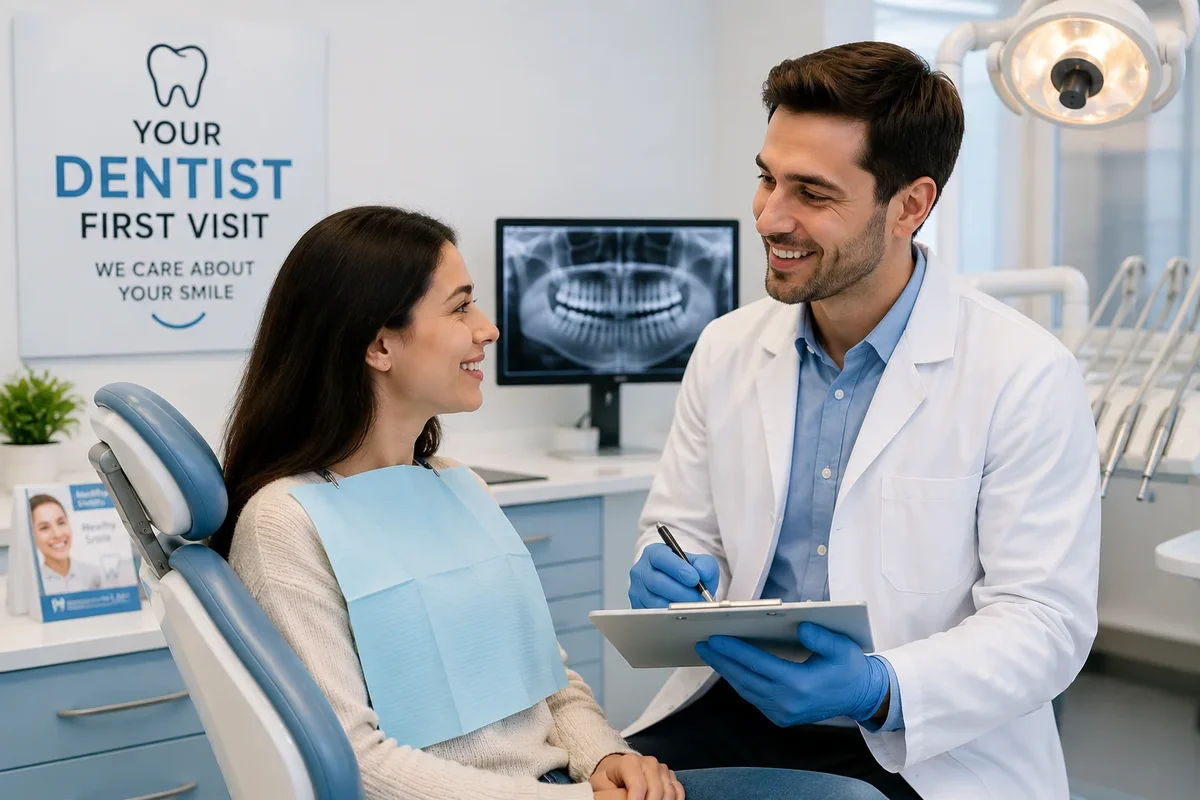
How Often You Should Return After a Dentist First Visit
After completing a dentist first visit, many patients wonder how often they should return for future dental appointments. Maintaining regular dental care after a dentist first visit is one of the most important steps for protecting oral health, preventing disease, and avoiding expensive treatments later. Although every patient has unique dental needs, routine follow-up appointments play a critical role in keeping teeth, gums, and the entire mouth healthy over the long term. 😊
A dentist first visit is only the beginning of a lifelong oral healthcare journey. During the appointment, the dentist evaluates the patient’s oral condition and determines how frequently future visits should occur. Some patients may only require standard preventive checkups every six months, while others with gum disease, orthodontic concerns, or extensive dental work may need more frequent monitoring after a dentist first visit.
Why Regular Dental Visits Matter
Many dental problems develop slowly and silently without noticeable symptoms. Even after a successful dentist first visit, cavities, gum disease, enamel wear, and infections can still appear over time if routine dental care is neglected.
Returning regularly after a dentist first visit allows dentists to identify oral health issues early before they become severe or painful. Preventive care reduces the need for emergency treatment and supports healthier teeth and gums throughout life.
Routine dental visits after a dentist first visit often include:
- Professional teeth cleaning
- Oral examinations
- Digital X-rays if necessary
- Monitoring gum health
- Checking dental restorations
- Preventive fluoride treatments
- Oral cancer screenings
These appointments help maintain the progress achieved during the initial dentist first visit and reduce long-term dental risks.
Preventing Expensive Dental Problems
One major benefit of regular appointments after a dentist first visit is cost prevention. Small cavities or mild gum inflammation can usually be treated easily and affordably when discovered early.
However, delaying care after a dentist first visit may allow minor issues to become serious conditions requiring root canals, crowns, extractions, implants, or surgery. Preventive care is almost always less expensive than emergency treatment.
The Standard Six-Month Recommendation
For many patients, dentists recommend returning every six months after a dentist first visit. This schedule allows dental professionals to monitor oral health consistently and remove plaque or tartar buildup before it causes damage.
The six-month interval after a dentist first visit is widely considered effective for maintaining healthy teeth and gums in patients with average oral health risk.
During these routine appointments, the dentist evaluates changes in the mouth, checks for new cavities, and reviews oral hygiene habits. Patients who maintain regular cleanings after a dentist first visit often experience fewer dental emergencies and improved long-term oral health.
Why Six Months Is Important
Plaque can harden into tartar over time, especially in areas difficult to clean with regular brushing and flossing. Once tartar forms, professional cleaning is usually required.
Routine cleanings scheduled after a dentist first visit help prevent tartar accumulation, gum inflammation, and bacterial growth that could damage teeth and supporting bone structures.
Patients Who May Need More Frequent Visits
Not every patient can wait six months between appointments after a dentist first visit. Some individuals have higher oral health risks and may require checkups every three or four months.
Patients who may need more frequent visits after a dentist first visit include:
- People with gum disease
- Smokers
- Patients with diabetes
- Individuals with weakened immune systems
- Patients prone to cavities
- People with orthodontic appliances
- Patients with extensive dental restorations
These higher-risk groups benefit from closer monitoring after a dentist first visit to prevent complications and maintain oral stability.
Periodontal Maintenance Appointments
Patients diagnosed with periodontal disease during a dentist first visit often require specialized maintenance visits every three to four months. These appointments focus on controlling bacteria, reducing inflammation, and preventing bone loss.
Without regular periodontal care after a dentist first visit, gum disease may progress and eventually lead to tooth mobility or tooth loss.
How Oral Hygiene Affects Follow-Up Frequency
Daily oral hygiene habits strongly influence how often patients should return after a dentist first visit. Patients who brush properly, floss consistently, and maintain healthy diets may experience fewer dental problems over time.
Conversely, poor hygiene habits after a dentist first visit can increase plaque buildup, cavity formation, and gum disease risk. Dentists often adjust follow-up schedules based on the patient’s oral hygiene performance.
At-Home Care Recommendations
After a dentist first visit, dentists typically recommend:
- Brushing twice daily with fluoride toothpaste
- Flossing every day
- Limiting sugary foods and drinks
- Drinking plenty of water
- Using antibacterial mouthwash if needed
- Avoiding tobacco products
Following these habits consistently after a dentist first visit supports healthier teeth and gums between appointments.
Children and Follow-Up Visits
Children also require regular care after a dentist first visit. Pediatric dentists generally recommend six-month checkups to monitor oral development, cavity risk, and tooth eruption patterns.
Routine follow-up care after a child’s dentist first visit helps establish healthy habits early and reduces dental anxiety over time.
Monitoring Growth and Development
During appointments following a dentist first visit, pediatric dentists monitor bite development, jaw growth, and alignment changes. Early detection of orthodontic concerns allows for more effective treatment planning.
Signs You Should Return Earlier Than Planned
Even if the dentist schedules the next appointment several months after a dentist first visit, patients should seek earlier care if symptoms develop.
Warning signs that require prompt dental attention after a dentist first visit include:
- Tooth pain or sensitivity
- Bleeding gums
- Persistent bad breath
- Loose teeth
- Jaw pain
- Swelling or infection
- Broken dental restorations
Ignoring these symptoms after a dentist first visit may allow oral health problems to worsen significantly.
The Financial Benefits of Routine Dental Care
Regular preventive care after a dentist first visit can also reduce long-term treatment expenses. Insurance plans often cover routine exams and cleanings because preventive care lowers the likelihood of costly emergency procedures.
Average Follow-Up Appointment Costs
- Routine Dental Checkup: $50 – $150
- Professional Cleaning: $75 – $200
- Periodic X-Rays: $30 – $150
- Periodontal Maintenance: $100 – $300
Patients interested in personalized preventive care plans can contact experienced professionals through the Redent Klinik Contact Page. Additional oral health recommendations and preventive dentistry resources are also available through the American Dental Association.
Ultimately, maintaining regular dental appointments after a dentist first visit is essential for preserving oral health, preventing disease, and protecting your smile. Routine checkups, professional cleanings, and preventive care help patients avoid painful emergencies and enjoy healthier teeth and gums for life. A successful dentist first visit should always be followed by consistent dental care and long-term oral health commitment. 😁