
When people hear the phrase dentist for deep cleaning, they often wonder how it differs from a regular dental cleaning and why it might be necessary. Deep dental cleaning is a specialized treatment designed to remove harmful bacteria, plaque, and tartar that accumulate below the gum line. While routine cleanings focus on maintaining general oral hygiene, visiting a dentist for deep cleaning becomes essential when gum disease begins to develop or when plaque has hardened into tartar that regular brushing cannot remove.
A dentist for deep cleaning typically performs a procedure known as scaling and root planing. This treatment targets bacteria hidden beneath the gums and helps restore gum health. Over time, plaque and tartar buildup can cause inflammation, bleeding gums, bad breath, and even bone loss around the teeth. If these problems are ignored, they may progress into periodontal disease, a condition that can eventually lead to tooth loss. By visiting a dentist for deep cleaning, patients can stop this progression and protect their long-term oral health.
One of the main reasons patients are referred to a dentist for deep cleaning is the presence of periodontal pockets. These pockets form when the gums begin to separate from the teeth due to bacterial infection. In a healthy mouth, the gum tissue fits tightly around each tooth. However, when plaque and bacteria accumulate below the gum line, inflammation occurs and the gums pull away from the tooth surface. A dentist for deep cleaning carefully cleans these areas, removing bacteria and smoothing the tooth roots so the gums can reattach more effectively.
The procedure performed by a dentist for deep cleaning is more thorough than standard dental hygiene appointments. Using specialized dental instruments, ultrasonic scalers, and precise manual tools, the dentist or dental hygienist removes hardened tartar deposits from deep below the gums. This process helps eliminate the bacterial colonies responsible for gum disease. Many patients who visit a dentist for deep cleaning notice immediate improvements such as reduced gum bleeding, fresher breath, and healthier-looking gums.
Another important benefit of seeing a dentist for deep cleaning is preventing long-term complications associated with untreated gum disease. Research has shown that periodontal infections may contribute to systemic health issues, including cardiovascular disease and diabetes complications. By addressing gum inflammation early with the help of a dentist for deep cleaning, patients can protect not only their teeth but also their overall health. Organizations such as the American Dental Association emphasize the importance of early periodontal treatment to prevent advanced oral disease.
Many patients also ask how they know when it is time to visit a dentist for deep cleaning. Dentists usually recommend this treatment when they detect signs such as persistent gum bleeding, swelling, gum recession, or periodontal pocket depths greater than 4 millimeters. During a comprehensive dental exam, the dentist measures the space between the teeth and gums to determine whether a deep cleaning procedure is necessary. If bacteria have begun spreading beneath the gum line, the dentist may recommend scheduling an appointment with a dentist for deep cleaning as soon as possible.
Unlike routine cleanings, which are typically completed in a single visit, treatment with a dentist for deep cleaning may require multiple appointments. This approach ensures that each section of the mouth is thoroughly cleaned and properly disinfected. Local anesthesia may be used to ensure patient comfort while the dentist removes plaque and tartar from sensitive areas. After treatment, the gums gradually heal and tighten around the teeth again, restoring a healthier foundation for the smile.
Another common concern among patients is whether visiting a dentist for deep cleaning is painful. Modern dental techniques have made the procedure significantly more comfortable than many people expect. Dentists use gentle ultrasonic tools, numbing agents, and advanced dental equipment to minimize discomfort. Most patients report only mild sensitivity after their visit to a dentist for deep cleaning, which typically subsides within a few days.
Maintaining results after seeing a dentist for deep cleaning requires good oral hygiene and regular dental checkups. Brushing twice daily, flossing, and scheduling professional dental visits are essential steps in preventing bacteria from accumulating again. Patients who follow these recommendations often experience improved gum health and a reduced risk of periodontal disease returning.
If you suspect you may need periodontal care or want to schedule a professional consultation, you can contact a qualified dental team through the Redent Klinik Contact Page. A skilled dentist for deep cleaning can evaluate your gum health, recommend the appropriate treatment, and help you maintain a healthy smile for years to come. Early intervention is the key to preventing serious dental complications, and visiting a dentist for deep cleaning is one of the most effective ways to restore and protect your oral health.
What a Dentist for Deep Cleaning Actually Does During Treatment
When patients are referred to a dentist for deep cleaning, they often imagine a routine dental cleaning appointment. However, the reality is quite different. A deep cleaning procedure is a specialized periodontal treatment designed to remove bacteria, plaque, and hardened tartar from areas that regular brushing and standard cleanings cannot reach. Visiting a dentist for deep cleaning becomes necessary when gum disease begins to develop or when plaque buildup extends beneath the gum line.
Unlike a typical dental cleaning that focuses mainly on the tooth surfaces above the gums, a dentist for deep cleaning targets the hidden areas below the gums where bacteria accumulate. These bacteria can cause inflammation, gum recession, and eventually damage the bone supporting the teeth. The primary goal of treatment performed by a dentist for deep cleaning is to eliminate infection and allow the gums to heal and reattach naturally to the teeth.
Initial Examination Before Deep Cleaning
Before beginning the treatment, a dentist for deep cleaning performs a thorough dental examination. This assessment includes measuring the depth of the gum pockets around each tooth. Healthy gums usually have pockets measuring between 1 and 3 millimeters. When the measurements exceed this range, it often indicates periodontal disease. At this stage, the dentist may recommend treatment by a dentist for deep cleaning to prevent the condition from worsening.
During the evaluation, dental X-rays may also be taken to check for bone loss around the teeth. This helps the dentist for deep cleaning determine the severity of gum disease and develop an appropriate treatment plan. The dentist will explain the procedure, answer questions, and ensure that the patient understands why visiting a dentist for deep cleaning is necessary for restoring oral health.
Scaling: Removing Plaque and Tartar Below the Gum Line
The first major step performed by a dentist for deep cleaning is called scaling. This process involves removing plaque, bacteria, and hardened tartar from both the tooth surface and the root surfaces beneath the gums. Over time, plaque hardens into tartar, which cannot be removed through regular brushing or flossing. When tartar accumulates below the gum line, only a skilled dentist for deep cleaning can remove it using specialized dental instruments.
Scaling may be performed with manual dental tools or advanced ultrasonic scalers. Ultrasonic devices use high-frequency vibrations and water irrigation to break up stubborn tartar deposits. Many patients appreciate that treatment from a dentist for deep cleaning using ultrasonic technology is faster and more comfortable than traditional methods.
Why Scaling Is Critical for Gum Health
Scaling is essential because bacteria hidden under tartar continue to produce toxins that irritate gum tissue. If untreated, these toxins lead to chronic inflammation and further damage to the supporting structures of the teeth. A dentist for deep cleaning removes these harmful deposits so the gums can begin the healing process.
Root Planing: Smoothing the Tooth Roots
After scaling, the dentist for deep cleaning performs root planing. This step involves smoothing the root surfaces of the teeth to remove bacterial toxins and rough areas where bacteria tend to accumulate. Rough root surfaces allow plaque to stick more easily, which can worsen gum disease.
By carefully smoothing the tooth roots, a dentist for deep cleaning helps the gum tissue reattach to the teeth. This reduces pocket depth and makes it more difficult for harmful bacteria to hide below the gums. Root planing is one of the most important components of periodontal therapy performed by a dentist for deep cleaning.
Local Anesthesia and Patient Comfort
Because the treatment performed by a dentist for deep cleaning involves working below the gum line, local anesthesia is usually used to ensure comfort. The dentist numbs the treatment area so the patient does not feel pain during the procedure. Modern dental techniques make visiting a dentist for deep cleaning much more comfortable than many people expect.
Most deep cleaning treatments are completed in two or more appointments, depending on the severity of the gum disease. A dentist for deep cleaning often treats one side of the mouth per visit to allow proper healing and minimize discomfort.
Additional Treatments Used During Deep Cleaning
In some cases, a dentist for deep cleaning may apply antibacterial medications directly into the gum pockets after cleaning. These medications help eliminate any remaining bacteria and support faster healing. Some dental clinics also use antimicrobial rinses or laser-assisted therapy as part of treatment provided by a dentist for deep cleaning.
The goal of these additional therapies is to ensure that harmful bacteria do not immediately recolonize the treated areas. By combining scaling, root planing, and targeted antibacterial treatments, a dentist for deep cleaning can significantly reduce infection levels in the mouth.
Results Patients Can Expect After Treatment
After visiting a dentist for deep cleaning, patients often notice improvements within a few days. Gum bleeding typically decreases, inflammation begins to subside, and bad breath caused by bacterial buildup is reduced. Over time, the gum pockets shrink and the gums reattach more securely to the teeth.
Regular follow-up appointments are important after treatment from a dentist for deep cleaning. These visits allow the dentist to monitor healing and ensure that the gum disease remains under control. Maintaining excellent oral hygiene at home, including brushing and flossing daily, is essential to preserve the results achieved by a dentist for deep cleaning.
Ultimately, the treatment performed by a dentist for deep cleaning plays a crucial role in preventing tooth loss and maintaining long-term oral health. By removing infection from beneath the gums and restoring a healthy environment in the mouth, this procedure helps patients protect their smile and avoid more invasive dental treatments in the future. 🦷
Signs You Should Visit a Dentist for Deep Cleaning
Many people assume that brushing and flossing daily is enough to maintain healthy teeth and gums. While these habits are essential, there are situations where professional periodontal treatment becomes necessary. Recognizing the warning signs early can help prevent severe gum disease and tooth loss. When certain symptoms appear, visiting a dentist for deep cleaning may be the most effective way to restore oral health and eliminate harmful bacteria hiding beneath the gum line.
Deep cleaning, also known as scaling and root planing, is typically recommended when gum disease begins to progress beyond the early stage of gingivitis. At this point, plaque and tartar have accumulated below the gums and started damaging the supporting structures of the teeth. A dentist for deep cleaning evaluates these symptoms carefully and determines whether specialized periodontal treatment is needed to stop the infection from spreading.
Persistent Gum Bleeding During Brushing or Flossing
One of the earliest and most noticeable warning signs that you may need to see a dentist for deep cleaning is bleeding gums. Healthy gums should not bleed when you brush or floss your teeth. If you notice frequent bleeding, it often indicates inflammation caused by bacterial plaque buildup around the gum line.
Bleeding gums usually occur when plaque accumulates and irritates the gum tissue. Over time, bacteria release toxins that inflame the gums and make them more sensitive. If left untreated, the inflammation can worsen and lead to periodontal disease. A dentist for deep cleaning can remove the bacteria and hardened tartar responsible for this irritation, helping the gums heal and reducing the risk of further infection.
Why Gum Bleeding Should Never Be Ignored
Many patients mistakenly believe that bleeding gums are normal. In reality, persistent bleeding is one of the clearest indicators that your gums are struggling with infection. A dentist for deep cleaning can identify the source of the problem and treat the underlying cause before more serious damage occurs. Early treatment significantly improves the chances of reversing gum disease and protecting the teeth.
Chronic Bad Breath That Doesn’t Go Away
Another common sign that it may be time to visit a dentist for deep cleaning is persistent bad breath, also known as halitosis. While occasional bad breath can occur after eating certain foods, chronic bad breath is often caused by bacteria trapped below the gum line.
When plaque and tartar accumulate under the gums, bacteria produce foul-smelling sulfur compounds. These bacteria cannot be removed by brushing alone, which is why bad breath may continue despite good oral hygiene. A dentist for deep cleaning can eliminate these bacterial deposits and restore a healthier environment in the mouth, often leading to noticeably fresher breath.
Swollen, Red, or Tender Gums
Healthy gums should appear firm and pink. When gums become swollen, red, or tender, it often signals inflammation caused by bacterial infection. These symptoms frequently indicate that plaque and tartar have accumulated beneath the gum line. In such cases, visiting a dentist for deep cleaning becomes necessary to remove the infection and allow the gums to heal.
Inflamed gums may also feel sensitive when eating or brushing. If this discomfort continues for more than a few days, it is wise to consult a dentist for deep cleaning. Early intervention can prevent the infection from spreading deeper into the gum tissue and bone.
Receding Gums or Teeth Appearing Longer
Gum recession is another important warning sign that periodontal disease may be developing. When the gums pull away from the teeth, more of the tooth surface becomes visible, making the teeth appear longer than normal. This condition often occurs when bacteria destroy the tissues supporting the teeth.
A dentist for deep cleaning can help address this issue by removing the bacteria responsible for gum deterioration. By thoroughly cleaning the root surfaces and eliminating infection, the dentist creates an environment where the gums can stabilize and heal.
Understanding Periodontal Pockets
As gum disease progresses, spaces called periodontal pockets form between the teeth and gums. These pockets trap bacteria and make it easier for plaque to accumulate. During a dental examination, a dentist for deep cleaning measures these pockets using a periodontal probe.
Healthy gums typically have pocket depths of 1–3 millimeters. If the pockets measure deeper than 4 millimeters, it often indicates that bacteria have penetrated below the gum line. In these cases, a dentist for deep cleaning will likely recommend scaling and root planing to eliminate the infection.
Loose Teeth or Changes in Bite Alignment
Advanced gum disease can weaken the structures that support the teeth. As bacteria destroy bone and connective tissue, teeth may begin to feel loose or shift out of their normal position. This is a serious sign that immediate periodontal treatment may be needed.
If you notice changes in the way your teeth fit together when biting or chewing, it is important to consult a dentist for deep cleaning as soon as possible. Early treatment can prevent further bone loss and stabilize the teeth.
Pus Between Teeth and Gums
The presence of pus around the gums is a strong indicator of active infection. Pus forms when the body attempts to fight bacteria that have invaded the gum tissue. If you observe this symptom, it is critical to seek care from a dentist for deep cleaning immediately.
The dentist will remove the bacterial deposits causing the infection and may prescribe additional treatments to eliminate harmful microbes. Prompt care from a dentist for deep cleaning can prevent the infection from spreading and protect the surrounding bone structure.
Why Early Diagnosis Matters
Recognizing the signs that you may need a dentist for deep cleaning allows you to address gum disease before it becomes severe. Early-stage periodontal problems are far easier to treat than advanced infections that have already caused bone damage.
Regular dental checkups play a crucial role in identifying these symptoms early. During routine exams, dentists evaluate gum health and check for plaque accumulation, pocket depth, and inflammation. If signs of periodontal disease are detected, they may recommend treatment with a dentist for deep cleaning to restore gum health and prevent tooth loss.
By paying attention to symptoms such as bleeding gums, persistent bad breath, gum recession, or loose teeth, patients can take proactive steps toward protecting their oral health. Consulting a dentist for deep cleaning at the first sign of trouble can make a significant difference in preventing long-term dental complications and maintaining a healthy, confident smile. 🦷
Deep Cleaning vs Regular Dental Cleaning: Key Differences
Many patients assume that every dental cleaning is the same, but there are important differences between a routine dental cleaning and treatment performed by a dentist for deep cleaning. Understanding these differences helps patients recognize when advanced periodontal care is necessary. While a regular cleaning focuses on preventing dental problems, a dentist for deep cleaning performs a more intensive treatment designed to stop gum disease and restore gum health.
Routine dental cleanings are recommended every six months for most patients. These cleanings help remove plaque and tartar that accumulate on the visible surfaces of the teeth. However, when plaque extends beneath the gum line and begins damaging gum tissue, a simple cleaning is no longer enough. At that point, visiting a dentist for deep cleaning becomes essential to treat the infection and prevent further damage to the supporting structures of the teeth.
What Happens During a Regular Dental Cleaning
A standard dental cleaning, also known as prophylaxis, is primarily a preventive procedure. During this appointment, a dental hygienist or dentist removes plaque and tartar from the surfaces of the teeth and around the gum line. The goal is to maintain good oral hygiene and prevent gum disease before it begins.
Although routine cleanings are very effective for maintaining oral health, they only focus on the areas above the gum line. When bacteria spread deeper into the gum pockets, a regular cleaning cannot fully address the problem. In such cases, patients are referred to a dentist for deep cleaning, who can remove bacteria and tartar from below the gums where infection develops.
Tools Used in Routine Cleanings
During a routine cleaning, dentists typically use ultrasonic scalers and hand instruments to remove plaque and tartar from the visible tooth surfaces. The teeth are then polished with a special paste that helps smooth the enamel and remove minor surface stains.
While this process keeps teeth clean and shiny, it does not reach the deeper areas affected by periodontal disease. That is why patients with signs of gum infection are often referred to a dentist for deep cleaning to address the problem more thoroughly.
What Makes Deep Cleaning Different
Unlike routine cleanings, treatment performed by a dentist for deep cleaning targets bacteria and tartar that have accumulated beneath the gum line. The procedure typically involves two main steps: scaling and root planing. Scaling removes plaque and tartar from both the tooth surfaces and the root surfaces below the gums. Root planing smooths the tooth roots to help the gums reattach and heal.
This specialized procedure allows a dentist for deep cleaning to eliminate infection in areas that are not accessible during standard cleanings. Because the treatment focuses on the roots of the teeth and the gum pockets, it is considered a periodontal therapy rather than a preventive cleaning.
Why Deep Cleaning Requires More Time
Deep cleaning procedures often require more time than routine dental cleanings. In many cases, a dentist for deep cleaning divides the treatment into multiple appointments, focusing on one section of the mouth at a time. This ensures that each area receives thorough attention and allows the gums to heal properly between visits.
Local anesthesia is commonly used during the procedure so patients remain comfortable while the dentist cleans below the gum line. This additional step is one of the key differences between routine cleaning and treatment from a dentist for deep cleaning.
Conditions That Require Deep Cleaning
Regular dental cleanings are recommended for healthy patients who want to maintain their oral hygiene. However, certain conditions indicate that a patient may need treatment from a dentist for deep cleaning. These conditions typically include periodontal disease, excessive tartar buildup beneath the gums, and deep gum pockets.
When gum pockets exceed 4 millimeters in depth, bacteria can easily accumulate and cause infection. At this stage, only a dentist for deep cleaning can remove the plaque and tartar responsible for the inflammation.
Long-Term Benefits of Deep Cleaning
One of the primary benefits of visiting a dentist for deep cleaning is the ability to stop the progression of gum disease. When plaque and bacteria remain beneath the gums, they gradually destroy the tissues that support the teeth. Without treatment, this process can lead to bone loss and tooth loss.
By removing these harmful deposits, a dentist for deep cleaning helps reduce inflammation and allows the gums to heal. Over time, the gum pockets become smaller and the tissues reattach to the teeth, creating a healthier environment in the mouth.
How to Know Which Cleaning You Need
The best way to determine whether you need a routine cleaning or treatment from a dentist for deep cleaning is through a professional dental examination. Dentists evaluate the health of your gums by measuring pocket depths and checking for signs of inflammation, bleeding, or tartar buildup.
If the gums are healthy and pocket depths are within the normal range, a routine cleaning will usually be sufficient. However, if periodontal disease is detected, the dentist may recommend treatment from a dentist for deep cleaning to eliminate infection and restore gum health.
Understanding the difference between routine dental cleanings and periodontal therapy can help patients make informed decisions about their oral health. While regular cleanings play a vital role in prevention, treatment performed by a dentist for deep cleaning is essential for stopping gum disease and protecting the long-term stability of the teeth. Maintaining regular dental visits and following professional recommendations can ensure that both preventive and therapeutic treatments are provided at the right time for optimal oral health. 🦷
Step-by-Step Process Used by a Dentist for Deep Cleaning
Understanding the exact process performed by a dentist for deep cleaning can help patients feel more confident before undergoing treatment. Deep dental cleaning, often called scaling and root planing, is a periodontal procedure designed to remove harmful plaque, bacteria, and tartar that accumulate beneath the gum line. When gum disease begins to progress, a dentist for deep cleaning performs this treatment to eliminate infection and restore healthy gum tissue.
The procedure carried out by a dentist for deep cleaning is more comprehensive than a standard dental cleaning. It involves careful examination, targeted cleaning beneath the gums, smoothing the tooth roots, and ensuring the mouth heals properly afterward. Each step is performed with precision to remove infection and protect the structures supporting the teeth.
Step 1: Comprehensive Periodontal Examination
The first step a dentist for deep cleaning takes is conducting a detailed periodontal evaluation. During this examination, the dentist measures the depth of the pockets between the teeth and gums using a specialized periodontal probe. These measurements help determine the severity of gum disease.
Healthy gums typically have pockets measuring between 1 and 3 millimeters. When pocket depths exceed 4 millimeters, bacteria can accumulate below the gum line and begin damaging the tissues that support the teeth. At this stage, a dentist for deep cleaning may recommend immediate periodontal treatment to prevent further deterioration.
Diagnostic Imaging and Treatment Planning
In addition to pocket measurements, the dentist for deep cleaning may take dental X-rays to examine the bone structure around the teeth. These images reveal whether bone loss has occurred due to periodontal infection. Based on this information, the dentist creates a customized treatment plan that addresses the patient’s specific needs.
Step 2: Local Anesthesia for Patient Comfort
Because treatment performed by a dentist for deep cleaning involves working below the gum line, local anesthesia is usually administered before the procedure begins. This numbs the treatment area and ensures that patients remain comfortable throughout the process.
Many patients worry that visiting a dentist for deep cleaning might be painful. However, modern anesthetic techniques make the procedure far more comfortable than most people expect. Patients typically feel only mild pressure during the treatment rather than pain.
Step 3: Scaling – Removing Plaque and Tartar
Scaling is one of the most critical steps performed by a dentist for deep cleaning. During this phase, the dentist removes plaque, hardened tartar, and bacteria from both the visible tooth surfaces and the root surfaces beneath the gums.
Over time, plaque can harden into tartar, which cannot be removed by brushing or flossing. Tartar provides an ideal environment for harmful bacteria to thrive. A dentist for deep cleaning uses specialized tools such as ultrasonic scalers and hand instruments to carefully remove these deposits from deep periodontal pockets.
Ultrasonic Technology in Deep Cleaning
Many dental practices use ultrasonic scalers during treatment by a dentist for deep cleaning. These devices use high-frequency vibrations combined with water irrigation to break apart stubborn tartar deposits and flush bacteria away from the gum pockets. This technology improves efficiency and helps ensure thorough cleaning.
Step 4: Root Planing – Smoothing the Tooth Roots
After scaling is completed, the dentist for deep cleaning performs root planing. This step involves smoothing the root surfaces of the teeth to remove rough areas where bacteria tend to collect.
When tooth roots are rough, plaque adheres more easily, increasing the risk of infection. By carefully smoothing the root surfaces, a dentist for deep cleaning creates a cleaner environment that allows the gums to reattach naturally to the teeth.
Root planing also helps eliminate bacterial toxins that remain embedded in the root surfaces. These toxins can continue irritating the gum tissue if not removed. The thorough treatment performed by a dentist for deep cleaning ensures that these irritants are eliminated.
Step 5: Antibacterial Treatment and Irrigation
In some cases, a dentist for deep cleaning may apply antibacterial medications or antimicrobial rinses directly into the periodontal pockets. These treatments help eliminate any remaining bacteria that could cause reinfection.
Antimicrobial therapy may include medicated gels, antibiotic microspheres, or antiseptic irrigation solutions. These additional measures support the healing process and enhance the results achieved by the dentist for deep cleaning.
Step 6: Treatment Completion in Multiple Visits
Unlike routine dental cleanings, treatment performed by a dentist for deep cleaning is often divided into multiple appointments. Each visit typically focuses on one section of the mouth, allowing the dentist to clean each area thoroughly.
This approach also gives the gums time to begin healing between sessions. By carefully addressing each quadrant of the mouth, the dentist for deep cleaning ensures that every affected area receives proper treatment.
Step 7: Post-Treatment Monitoring and Follow-Up
After the deep cleaning procedure is complete, the dentist for deep cleaning schedules follow-up visits to monitor healing and evaluate the success of the treatment. During these appointments, the dentist measures gum pockets again to determine whether inflammation has decreased.
Most patients experience noticeable improvements within a few weeks after visiting a dentist for deep cleaning. Gum bleeding often decreases, swelling subsides, and gum pockets gradually shrink as the tissues heal.
Maintaining Results After Deep Cleaning
Long-term success after treatment from a dentist for deep cleaning depends heavily on good oral hygiene. Patients should brush twice daily with fluoride toothpaste, floss regularly, and attend professional dental checkups as recommended.
Many dentists also recommend periodontal maintenance visits every three to four months following treatment by a dentist for deep cleaning. These visits help prevent bacteria from accumulating again beneath the gum line.
By following these steps and maintaining regular dental care, patients can significantly improve their gum health and reduce the risk of tooth loss. The comprehensive treatment provided by a dentist for deep cleaning not only removes infection but also restores a healthier environment in the mouth, allowing the gums and supporting tissues to recover and function properly for years to come. 🦷
Benefits of Seeing a Dentist for Deep Cleaning
Visiting a dentist for deep cleaning offers significant health benefits that go far beyond simply removing plaque from the teeth. Deep cleaning, also known as scaling and root planing, is a specialized periodontal treatment designed to eliminate harmful bacteria beneath the gum line and restore healthy gum tissue. When gum disease begins to develop, treatment performed by a dentist for deep cleaning can stop the infection from progressing and protect the long-term health of both teeth and gums.
Many patients delay treatment because they assume gum inflammation will resolve on its own. However, once bacteria have accumulated beneath the gum line, professional care from a dentist for deep cleaning is usually required. By addressing the infection early, patients can avoid more invasive dental procedures and maintain a healthier smile.
Stopping the Progression of Gum Disease
One of the most important advantages of visiting a dentist for deep cleaning is the ability to stop gum disease before it becomes severe. Periodontal disease occurs when plaque and bacteria accumulate beneath the gums and begin destroying the tissues that support the teeth.
If untreated, this infection can progress from mild gingivitis to advanced periodontitis, which may cause bone loss and tooth loss. A dentist for deep cleaning removes the bacteria and hardened tartar responsible for this damage. By thoroughly cleaning the root surfaces and gum pockets, the dentist creates an environment where the gums can heal.
Preventing Advanced Periodontal Damage
When bacteria remain trapped beneath the gums, they produce toxins that continuously irritate the surrounding tissues. Over time, this inflammation weakens the structures that hold teeth in place. By removing these bacterial deposits, a dentist for deep cleaning prevents the infection from spreading deeper into the bone and connective tissue.
Reducing Gum Inflammation and Bleeding
Inflamed and bleeding gums are often the first signs of periodontal disease. These symptoms occur because bacteria irritate the gum tissue and trigger the body’s inflammatory response. Patients who visit a dentist for deep cleaning often notice that gum bleeding decreases significantly after treatment.
Scaling and root planing remove the plaque and tartar responsible for irritation. As a result, the gums begin to heal and return to a healthier pink color. Treatment performed by a dentist for deep cleaning helps restore the natural balance of bacteria in the mouth and reduces chronic inflammation.
Improving Breath and Oral Hygiene
Persistent bad breath, also known as halitosis, is frequently linked to bacteria hidden below the gum line. These bacteria release sulfur compounds that create unpleasant odors. Brushing alone cannot remove these deep bacterial colonies.
A dentist for deep cleaning eliminates the source of the odor by thoroughly cleaning the periodontal pockets where bacteria accumulate. Many patients report noticeably fresher breath after their appointment with a dentist for deep cleaning, because the bacterial buildup causing the odor has been removed.
Creating a Healthier Oral Environment
By removing plaque and tartar below the gum line, treatment performed by a dentist for deep cleaning makes it easier for patients to maintain oral hygiene at home. Once the bacterial colonies are removed, daily brushing and flossing become much more effective at preventing future plaque buildup.
Reducing the Risk of Tooth Loss
Advanced gum disease is one of the leading causes of tooth loss in adults. As periodontal infection progresses, it destroys the bone and connective tissues that anchor the teeth. Without treatment, this damage can cause teeth to become loose or even fall out.
Visiting a dentist for deep cleaning can help prevent this outcome. By removing the infection early and encouraging gum healing, the dentist strengthens the support system around the teeth. Many patients who receive treatment from a dentist for deep cleaning are able to preserve their natural teeth for many years.
Supporting Overall Health
Oral health is closely connected to overall health. Research has shown that untreated gum disease may contribute to systemic health problems such as cardiovascular disease, diabetes complications, and respiratory infections. Chronic inflammation in the mouth can affect other parts of the body.
By treating periodontal infection early, a dentist for deep cleaning helps reduce the bacteria and inflammatory toxins that may enter the bloodstream. Maintaining healthy gums can therefore support both oral and general health.
Professional Guidelines for Gum Health
Dental organizations such as the American Dental Association emphasize the importance of treating gum disease promptly. Periodontal therapy, including treatment by a dentist for deep cleaning, plays a key role in protecting long-term oral health and preventing complications.
Helping Gums Reattach to Teeth
Another major benefit of visiting a dentist for deep cleaning is that the procedure encourages gum tissue to reattach to the tooth surfaces. When plaque accumulates beneath the gums, the tissue begins to separate from the teeth and form pockets.
By cleaning these areas and smoothing the root surfaces, a dentist for deep cleaning removes the irritants that caused the separation. As the gums heal, they gradually tighten around the teeth again, reducing pocket depth and improving overall stability.
Long-Term Prevention of Future Problems
Finally, one of the most valuable benefits of visiting a dentist for deep cleaning is long-term prevention. After the initial treatment, dentists often recommend regular periodontal maintenance visits. These appointments allow the dental team to monitor gum health and remove any new plaque deposits before they cause problems.
Patients who follow professional advice and maintain good oral hygiene habits typically experience lasting results after treatment from a dentist for deep cleaning. By combining proper home care with professional monitoring, they can significantly reduce the likelihood of gum disease returning.
Ultimately, the treatment provided by a dentist for deep cleaning is one of the most effective ways to restore gum health, prevent tooth loss, and maintain a strong, healthy smile. By addressing periodontal infection early, patients can protect their oral health and avoid more complex dental procedures in the future. 🦷
How to Prepare for Your Appointment with a Dentist for Deep Cleaning
Preparing properly before visiting a dentist for deep cleaning can help ensure that the procedure goes smoothly and that you feel comfortable throughout the treatment. Deep dental cleaning is a periodontal therapy designed to remove plaque, bacteria, and hardened tartar from beneath the gum line. Because the treatment focuses on areas that are not reached during routine dental cleanings, preparing for an appointment with a dentist for deep cleaning can make the experience easier and more effective.
Many patients feel nervous when they hear that they need periodontal treatment. However, understanding what to expect and how to prepare can reduce anxiety and improve treatment outcomes. By following a few simple steps before your visit to a dentist for deep cleaning, you can help ensure that the procedure is comfortable and successful.
Schedule a Consultation Before the Procedure
Before undergoing treatment, most patients first meet with a dentist for deep cleaning for an initial consultation. During this visit, the dentist evaluates the condition of your gums, measures periodontal pocket depths, and determines the severity of gum disease.
The dentist for deep cleaning may also review your medical history and ask about medications you currently take. Certain medical conditions or medications can influence gum health and healing. This information helps the dentist develop a personalized treatment plan that is safe and effective.
Diagnostic Tests and Imaging
In many cases, the dentist for deep cleaning will take dental X-rays before treatment begins. These images help detect bone loss around the teeth and identify areas where infection has spread below the gums. Accurate diagnosis allows the dentist to plan the procedure more precisely and ensure that all affected areas are treated.
Maintain Good Oral Hygiene Before Your Appointment
Although a dentist for deep cleaning will remove plaque and tartar from below the gums, it is still important to practice good oral hygiene before the appointment. Brushing and flossing regularly in the days leading up to the procedure helps reduce bacterial buildup and may make the cleaning process more efficient.
Patients should brush their teeth thoroughly the morning of their appointment with a dentist for deep cleaning. Clean teeth and gums allow the dentist to focus more effectively on removing deeper deposits during the procedure.
Eat a Light Meal Before Treatment
It is usually recommended that patients eat a light meal before visiting a dentist for deep cleaning, especially if local anesthesia will be used during the procedure. Eating beforehand helps prevent discomfort caused by hunger after the treatment.
Since the gums may feel numb following the appointment with a dentist for deep cleaning, it may be difficult to eat for a few hours afterward. Having a healthy meal before your visit ensures that you remain comfortable while the anesthesia wears off.
Choose Soft and Nutritious Foods
If your appointment with a dentist for deep cleaning is scheduled later in the day, consider eating soft foods that are gentle on the gums. Foods such as yogurt, scrambled eggs, oatmeal, or smoothies provide nutrition without irritating sensitive gum tissue.
Plan Transportation if Necessary
Most deep cleaning procedures performed by a dentist for deep cleaning involve local anesthesia rather than sedation. In many cases, patients are able to drive themselves home after the appointment. However, if sedation dentistry is used or if the treatment is extensive, it may be wise to arrange transportation in advance.
Planning ahead ensures that you can relax after your visit to the dentist for deep cleaning without worrying about driving or other responsibilities.
Discuss Any Concerns with Your Dentist
Communication is an important part of preparing for treatment. If you feel anxious or have questions about the procedure, talk openly with your dentist for deep cleaning before the appointment. Dentists are accustomed to helping patients feel comfortable and can explain each step of the process in detail.
Many dental clinics offer options such as numbing gels, relaxation techniques, or sedation to help patients feel more at ease during treatment with a dentist for deep cleaning. Understanding these options ahead of time can significantly reduce stress.
Understand the Expected Cost of Deep Cleaning
Patients often want to know the approximate cost before visiting a dentist for deep cleaning. Prices vary depending on the severity of gum disease, the number of areas requiring treatment, and geographic location. Deep cleaning is typically performed by quadrant, meaning each section of the mouth is treated separately.
Estimated Deep Cleaning Costs
Typical price ranges for treatment by a dentist for deep cleaning may include:
- $150 – $300 per quadrant for scaling and root planing
- $600 – $1,200 for full-mouth deep cleaning treatment
- Additional costs if antibiotic therapy or advanced periodontal treatment is required
Many dental insurance plans cover part of the cost of treatment performed by a dentist for deep cleaning, particularly when periodontal disease has been diagnosed. It is always helpful to check your insurance coverage before scheduling the procedure.
Prepare for Aftercare and Recovery
Before your appointment with a dentist for deep cleaning, it is helpful to prepare for the recovery period. After the procedure, the gums may feel slightly tender for a few days. Having soft foods, saltwater rinses, and gentle oral care products available at home can make the recovery process more comfortable.
Your dentist for deep cleaning may also recommend specific oral hygiene products such as antibacterial mouth rinses or specialized toothbrushes designed for sensitive gums. Following these recommendations helps protect the treated areas and promotes faster healing.
Arrive Early and Relax
Finally, arriving early for your appointment with a dentist for deep cleaning can help reduce stress and allow time to complete any necessary paperwork. Taking a few moments to relax before the procedure begins can also make the experience more comfortable.
Deep cleaning is a highly effective treatment for gum disease, and proper preparation ensures that patients receive the best possible results. By following these steps before your appointment with a dentist for deep cleaning, you can approach the procedure with confidence and take an important step toward restoring your oral health and maintaining a healthy smile for years to come. 🦷
Recovery and Aftercare Following Deep Dental Cleaning
After completing treatment with a dentist for deep cleaning, proper recovery and aftercare are essential for ensuring that the gums heal correctly and that the results of the procedure last for a long time. Deep cleaning, also known as scaling and root planing, removes plaque, bacteria, and tartar from below the gum line. Because the treatment reaches sensitive areas around the roots of the teeth, patients may experience mild tenderness or sensitivity afterward. Fortunately, following the instructions provided by your dentist for deep cleaning can help speed up healing and protect your oral health.
Most patients recover quickly after visiting a dentist for deep cleaning, especially when they maintain proper oral hygiene and follow recommended aftercare practices. Understanding what to expect after the procedure can help reduce anxiety and make the healing process more comfortable.
What to Expect Immediately After the Procedure
Following treatment by a dentist for deep cleaning, it is normal to experience some temporary effects. These symptoms usually improve within a few days as the gums begin to heal.
- Mild gum soreness or tenderness
- Slight bleeding when brushing or flossing
- Temporary tooth sensitivity to hot or cold foods
- A feeling of numbness if local anesthesia was used
These symptoms occur because the gums have been cleaned beneath the surface and are adjusting as inflammation decreases. Your dentist for deep cleaning may recommend specific care techniques to minimize discomfort and encourage faster healing.
Managing Sensitivity After Treatment
Some patients notice increased tooth sensitivity after visiting a dentist for deep cleaning. This happens because the roots of the teeth may be temporarily exposed as the gum inflammation decreases. Using toothpaste designed for sensitive teeth and avoiding extremely hot or cold foods can help reduce this sensitivity during the recovery period.
Proper Oral Hygiene After Deep Cleaning
Maintaining excellent oral hygiene is one of the most important steps after treatment from a dentist for deep cleaning. Although the procedure removes harmful bacteria from beneath the gums, plaque can begin accumulating again if daily cleaning habits are neglected.
Your dentist for deep cleaning will typically recommend brushing twice per day using a soft-bristled toothbrush. Gentle brushing is important because the gums may still be sensitive for several days after treatment.
Flossing and Antibacterial Rinses
Flossing should continue once the gums feel comfortable enough, usually within 24–48 hours after the procedure. Flossing helps remove plaque between teeth that brushing alone cannot reach.
In many cases, a dentist for deep cleaning may recommend an antibacterial mouth rinse to help eliminate any remaining bacteria. These rinses can reduce inflammation and support the healing of gum tissue.
Recommended Diet During the Healing Period
The foods you eat after visiting a dentist for deep cleaning can affect how quickly your gums recover. Soft, nutritious foods are generally recommended during the first few days following treatment.
Examples of foods that are gentle on healing gums include:
- Yogurt and smoothies
- Scrambled eggs
- Mashed potatoes
- Oatmeal
- Soft fruits such as bananas
Avoiding hard, crunchy, or spicy foods can prevent irritation while the gums heal. Your dentist for deep cleaning may also recommend avoiding alcohol and tobacco products during the recovery period, as they can delay healing and increase the risk of infection.
Importance of Follow-Up Appointments
After completing treatment, your dentist for deep cleaning will usually schedule follow-up visits to monitor healing and evaluate gum health. During these appointments, the dentist measures periodontal pocket depths to determine whether the gums are reattaching properly to the teeth.
These follow-up visits are extremely important because they allow the dentist for deep cleaning to confirm that the infection has been successfully controlled. If any areas require additional attention, the dentist can address them early before complications develop.
Periodontal Maintenance Visits
Many patients who receive treatment from a dentist for deep cleaning are placed on a periodontal maintenance schedule. These appointments typically occur every three to four months and involve professional cleaning to prevent bacteria from accumulating beneath the gums again.
Regular maintenance visits help preserve the results achieved by the dentist for deep cleaning and significantly reduce the risk of gum disease returning.
Signs That Healing Is Progressing Well
As the gums heal after treatment from a dentist for deep cleaning, patients usually notice several improvements. These positive changes indicate that the infection has been successfully controlled.
- Reduced gum bleeding
- Less swelling and redness
- Improved breath freshness
- Tighter gum tissue around the teeth
These improvements typically appear within a few weeks after treatment. If symptoms such as severe pain or persistent swelling occur, it is important to contact your dentist for deep cleaning promptly.
Long-Term Care After Deep Cleaning
The benefits of treatment performed by a dentist for deep cleaning can last for many years when patients maintain good oral hygiene habits. Brushing, flossing, and attending regular dental visits are essential for preventing bacteria from accumulating again beneath the gum line.
Your dentist for deep cleaning may also recommend lifestyle changes that support gum health, such as quitting smoking, maintaining a balanced diet, and managing conditions like diabetes that can affect periodontal health.
By following the aftercare instructions provided by your dentist for deep cleaning, you can ensure that your gums heal properly and that the results of the procedure remain effective. Deep cleaning is a powerful treatment for gum disease, and proper recovery care helps protect your smile, prevent future infections, and maintain strong, healthy teeth for years to come. 🦷
How Often You Should Visit a Dentist for Deep Cleaning
Many patients wonder how frequently they should schedule treatment with a dentist for deep cleaning. Unlike routine dental cleanings, which are typically recommended every six months, deep cleaning procedures are not performed on a fixed schedule for everyone. Instead, the frequency of visits to a dentist for deep cleaning depends on several factors, including gum health, the severity of periodontal disease, lifestyle habits, and how well patients maintain oral hygiene after treatment.
Deep cleaning is generally recommended when gum disease has progressed beyond mild gingivitis. Once the infection has been treated by a dentist for deep cleaning, patients usually transition into a maintenance phase that focuses on preventing bacteria from accumulating again beneath the gum line. Understanding when and how often to return to a dentist for deep cleaning is essential for maintaining long-term oral health.
Initial Deep Cleaning Treatment
For many patients, the first visit to a dentist for deep cleaning occurs when signs of periodontal disease are detected during a dental examination. These signs may include gum bleeding, swollen gums, deep periodontal pockets, or excessive tartar buildup beneath the gum line.
The initial treatment performed by a dentist for deep cleaning is usually completed over one or two appointments. In some cases, the dentist may divide the procedure into separate visits for different sections of the mouth. This allows the dentist to thoroughly clean each area and ensures that the gums begin healing properly after the infection is removed.
Why Deep Cleaning Is Not Done Too Frequently
Unlike preventive cleanings, deep cleaning procedures are not repeated regularly unless necessary. A dentist for deep cleaning typically performs this treatment only when bacterial infection and tartar buildup have reached the deeper areas beneath the gums. Performing the procedure unnecessarily could irritate the gum tissue, so dentists recommend it only when clinical signs of periodontal disease are present.
Periodontal Maintenance After Deep Cleaning
Once the initial treatment from a dentist for deep cleaning is completed, patients usually enter a periodontal maintenance program. These maintenance visits help ensure that harmful bacteria do not accumulate again in the gum pockets.
Unlike standard dental checkups that occur every six months, periodontal maintenance appointments are often scheduled every three to four months. During these visits, the dental team carefully monitors gum health and removes any plaque or tartar that may have begun accumulating beneath the gum line. Regular follow-up care after treatment by a dentist for deep cleaning is essential for preventing gum disease from returning.
Monitoring Gum Pocket Depths
During maintenance visits, the dentist for deep cleaning measures the depth of periodontal pockets around each tooth. If the pockets remain shallow and healthy, this indicates that the gums have healed successfully after treatment.
However, if pocket depths begin increasing again, it may indicate that bacteria are returning beneath the gum line. In such cases, the dentist for deep cleaning may recommend additional treatment to prevent the infection from progressing.
Factors That Influence How Often Deep Cleaning Is Needed
The frequency of visits to a dentist for deep cleaning can vary significantly depending on a patient’s individual oral health. Several factors influence how often this treatment may be required.
- The severity of existing gum disease
- Genetic predisposition to periodontal problems
- Smoking or tobacco use
- Diabetes or systemic health conditions
- Oral hygiene habits at home
Patients with advanced gum disease or underlying health conditions may require closer monitoring by a dentist for deep cleaning. On the other hand, patients who maintain excellent oral hygiene and attend regular dental visits may rarely need additional deep cleaning procedures.
Importance of Daily Oral Hygiene
One of the most effective ways to reduce the need for repeated treatment by a dentist for deep cleaning is to maintain excellent oral hygiene at home. Brushing at least twice a day and flossing daily help remove plaque before it hardens into tartar.
Patients who consistently follow proper oral hygiene practices often experience better long-term results after treatment from a dentist for deep cleaning. Using fluoride toothpaste, antibacterial mouth rinses, and specialized interdental brushes can further reduce the risk of plaque accumulation beneath the gum line.
Professional Guidance for Long-Term Prevention
Dental professionals frequently emphasize the importance of regular checkups after treatment from a dentist for deep cleaning. According to recommendations from organizations such as the American Dental Association, maintaining consistent professional dental care helps prevent periodontal disease from returning.
Regular monitoring allows dentists to detect early signs of gum inflammation and treat them before they progress into more serious infections.
Signs You May Need Another Deep Cleaning
Even after successful treatment, certain symptoms may indicate that it is time to revisit a dentist for deep cleaning. These symptoms should not be ignored because they may signal the return of periodontal infection.
- Persistent gum bleeding when brushing
- Swollen or red gums
- Chronic bad breath
- Gum recession or teeth appearing longer
- Loose teeth or changes in bite alignment
If any of these signs appear, scheduling an appointment with a dentist for deep cleaning can help identify the cause and prevent further complications.
Building a Long-Term Oral Health Plan
The best approach to maintaining healthy gums after treatment from a dentist for deep cleaning is developing a long-term oral health strategy. This strategy typically includes daily brushing and flossing, routine dental checkups, and periodontal maintenance visits when necessary.
By following the recommendations of your dentist for deep cleaning, you can significantly reduce the risk of future gum disease and preserve the health of your teeth and gums. Consistent preventive care combined with professional monitoring helps ensure that the benefits of deep cleaning last for many years.
Ultimately, the frequency of visits to a dentist for deep cleaning depends on individual oral health conditions and how effectively patients maintain their dental hygiene. With proper care and regular monitoring, most patients can keep their gums healthy and avoid the need for repeated deep cleaning procedures while maintaining a strong and confident smile. 🦷
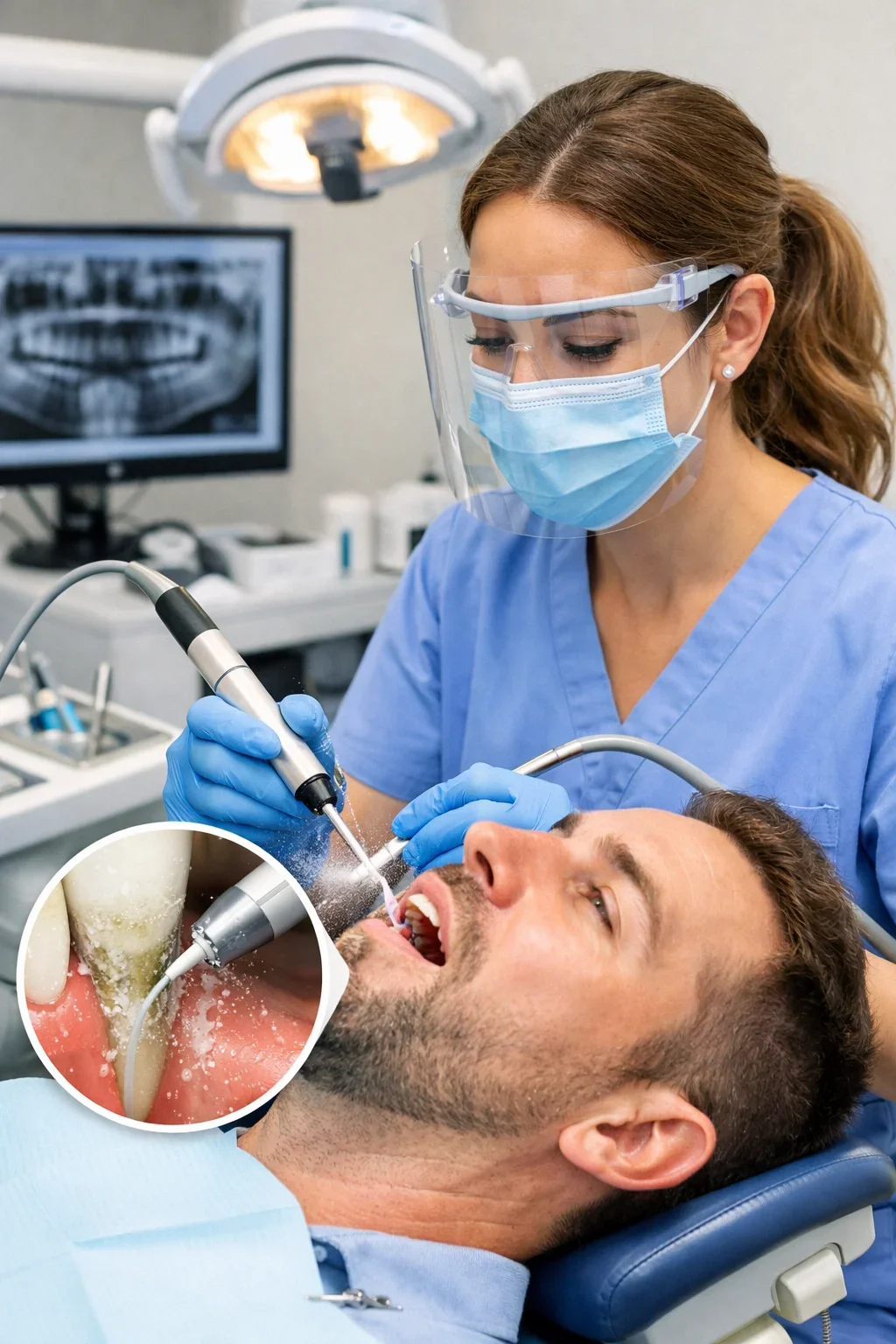
How Deep Cleaning Treats Gum Disease and Prevents Tooth Loss
Gum disease is one of the most common oral health problems worldwide, and if it is not treated early, it can lead to serious complications including bone damage and tooth loss. This is where treatment from a dentist for deep cleaning becomes extremely important. Deep cleaning is a periodontal therapy designed to remove harmful bacteria from beneath the gum line and restore a healthy environment in the mouth. By visiting a dentist for deep cleaning at the right time, patients can stop gum disease from progressing and protect their natural teeth.
Unlike routine dental cleanings that focus mainly on the visible surfaces of the teeth, a dentist for deep cleaning performs specialized procedures that target infection hidden deep beneath the gums. These infections are typically caused by plaque and tartar accumulation that brushing and flossing cannot remove. If bacteria continue spreading below the gum line, they begin damaging the tissues that hold the teeth in place. Early treatment from a dentist for deep cleaning can interrupt this process and prevent permanent damage.
Understanding Gum Disease Progression
Gum disease, also known as periodontal disease, develops gradually. It usually begins as gingivitis, a mild condition characterized by red or swollen gums that may bleed during brushing. At this stage, treatment is relatively simple and may involve improved oral hygiene and professional cleaning.
However, if gingivitis is not treated, the infection can progress into periodontitis. During this stage, bacteria move deeper beneath the gums and begin destroying the tissues and bone that support the teeth. When this occurs, visiting a dentist for deep cleaning becomes necessary to remove the infection and stop further damage.
Formation of Periodontal Pockets
One of the key indicators of advanced gum disease is the formation of periodontal pockets. These pockets develop when the gums pull away from the teeth due to inflammation and infection. As these spaces become deeper, they trap more bacteria and tartar.
A dentist for deep cleaning focuses specifically on cleaning these pockets. By removing plaque and tartar from beneath the gums, the dentist reduces bacterial levels and allows the gum tissue to begin healing.
How Deep Cleaning Removes Harmful Bacteria
The treatment provided by a dentist for deep cleaning typically involves two important procedures: scaling and root planing. Scaling removes plaque and tartar deposits from the tooth surfaces and below the gum line. Root planing smooths the tooth roots so that bacteria have fewer places to attach in the future.
These procedures allow the dentist for deep cleaning to eliminate bacterial colonies that cause inflammation and infection. Once the bacteria are removed, the body’s natural healing processes begin repairing the gum tissue.
Eliminating Bacterial Toxins
Bacteria living beneath the gums release toxins that irritate gum tissue and accelerate tissue destruction. During treatment, the dentist for deep cleaning removes these toxins along with the plaque and tartar deposits. This step is crucial because it reduces inflammation and helps the gums recover.
Encouraging Gum Healing and Reattachment
Another major goal of treatment performed by a dentist for deep cleaning is helping the gums reattach to the teeth. When infection causes gum tissue to separate from the tooth surface, deep pockets form that harbor bacteria.
By cleaning the root surfaces and eliminating infection, the dentist for deep cleaning creates conditions that allow the gums to heal and tighten around the teeth again. As healing occurs, periodontal pocket depths decrease and the gums become healthier.
Preventing Bone Loss Around Teeth
One of the most serious consequences of untreated gum disease is bone loss. The bone surrounding the teeth plays a crucial role in keeping them stable. When bacteria destroy this bone, teeth can become loose or eventually fall out.
Visiting a dentist for deep cleaning helps prevent this outcome by removing the infection before it spreads deeper into the bone. When periodontal disease is treated early, the risk of permanent bone damage decreases significantly.
Why Early Treatment Matters
Early intervention by a dentist for deep cleaning is essential for preserving natural teeth. Once severe bone loss occurs, more advanced treatments such as surgery or dental implants may be required. Addressing the infection early helps patients avoid these complex procedures.
Reducing Tooth Mobility and Improving Stability
When gum disease progresses, the tissues supporting the teeth weaken. As a result, teeth may begin to shift or feel loose. Treatment from a dentist for deep cleaning helps stabilize these teeth by eliminating the bacteria responsible for the infection.
As inflammation decreases and the gums heal, the supporting tissues become stronger. Many patients notice that their teeth feel more stable after visiting a dentist for deep cleaning.
Supporting Overall Oral Health
Deep cleaning not only treats gum disease but also improves overall oral health. Removing bacterial buildup beneath the gums reduces bad breath, improves gum appearance, and lowers the risk of future infections.
Dental organizations such as the American Dental Association emphasize the importance of periodontal treatment for maintaining long-term oral health. Following professional guidance and visiting a dentist for deep cleaning when necessary can help patients preserve healthy gums and strong teeth.
Maintaining Results After Treatment
After receiving treatment from a dentist for deep cleaning, maintaining proper oral hygiene is essential. Patients should brush twice daily, floss regularly, and attend routine dental checkups. These habits help prevent plaque from accumulating again beneath the gums.
Many dentists also recommend periodontal maintenance visits every three to four months after treatment by a dentist for deep cleaning. These visits allow the dentist to monitor gum health and remove any new plaque deposits before they become problematic.
Ultimately, the treatment performed by a dentist for deep cleaning is one of the most effective methods for controlling gum disease and preventing tooth loss. By removing harmful bacteria, promoting gum healing, and protecting the bone structure around the teeth, deep cleaning plays a crucial role in preserving a healthy and confident smile for years to come. 🦷