
Finding the right dentist for disabled people is essential for ensuring safe, comfortable, and effective oral healthcare. Many individuals with physical, cognitive, or sensory disabilities face unique challenges when it comes to dental treatment. These challenges may include mobility limitations, communication difficulties, anxiety, or complex medical conditions. That is why choosing a dentist for disabled people is not just about convenience—it is about receiving specialized care tailored to individual needs. 😊
A dentist for disabled people is trained to understand and manage a wide range of conditions, including autism spectrum disorders, cerebral palsy, Down syndrome, visual or hearing impairments, and more. These professionals go beyond standard dental practices by creating an environment that prioritizes accessibility, patience, and personalized treatment approaches. For many patients, this makes the difference between avoiding dental visits and maintaining long-term oral health.
One of the most important aspects of a dentist for disabled people is accessibility. Clinics designed for disabled patients often include wheelchair ramps, wide doorways, adjustable dental chairs, and accessible restrooms. These features ensure that patients can move freely and safely throughout the clinic. In addition, staff members are trained to assist patients with mobility challenges, making the entire experience smoother and less stressful.
Communication is another key factor. A skilled dentist for disabled people understands that every patient communicates differently. Some patients may rely on caregivers, while others may use assistive communication devices. Dentists in this field often use visual aids, simple language, and step-by-step explanations to ensure patients feel comfortable and informed throughout the procedure. This approach significantly reduces anxiety and builds trust between the patient and the dental team. 🦷
Behavioral management techniques are also commonly used by a dentist for disabled people. These may include gradual desensitization, positive reinforcement, or even sedation dentistry when necessary. For patients with severe anxiety or sensory sensitivities, sedation options such as nitrous oxide or general anesthesia can make dental treatments possible and pain-free. This ensures that no patient is left without care due to fear or discomfort.
Another critical benefit of choosing a dentist for disabled people is the ability to provide comprehensive and preventive care. Regular check-ups, cleanings, and early diagnosis of dental issues are crucial for everyone, but especially for individuals who may have difficulty maintaining oral hygiene independently. A specialized dentist can develop customized care plans, recommend adaptive tools like electric toothbrushes or modified flossing devices, and guide caregivers on proper oral care techniques.
In many cases, caregivers play a vital role in the dental care process. A dentist for disabled people works closely with family members or support staff to ensure continuity of care at home. This collaboration helps maintain oral hygiene routines and prevents common issues such as cavities, gum disease, and infections. Education and support provided by the dentist empower caregivers to take an active role in the patient’s health journey.
It is also important to highlight that choosing the right dentist for disabled people can significantly improve overall quality of life. Oral health is closely linked to general health, affecting nutrition, speech, and self-confidence. Pain or untreated dental problems can lead to serious complications, especially for individuals with underlying health conditions. By receiving proper dental care, patients can enjoy better health outcomes and increased comfort in their daily lives.
If you are looking for professional guidance or want to schedule a consultation, you can visit the Redent Klinik Contact Page. Additionally, for trusted global standards and guidelines, you can explore resources provided by the American Dental Association, which offers valuable information on inclusive dental care practices.
In conclusion, a dentist for disabled people is not just a dental provider—they are a crucial partner in maintaining health, dignity, and comfort. With specialized training, accessible facilities, and a compassionate approach, these professionals ensure that every patient receives the care they deserve. Choosing the right dentist can transform the dental experience into a positive and empowering journey. 🌟
Why Choosing a Dentist for Disabled People Matters
Choosing the right dentist for disabled people is one of the most important decisions for ensuring long-term oral health and overall well-being. Dental care is not a one-size-fits-all service, and individuals with disabilities often require a more tailored, compassionate, and specialized approach. A qualified dentist for disabled people understands the physical, emotional, and psychological challenges that patients may face and adapts treatment methods accordingly. This makes dental visits not only effective but also safe and comfortable. 😊
Understanding Unique Patient Needs
Every patient is different, and this is especially true when it comes to individuals with disabilities. A dentist for disabled people is trained to recognize and address a wide range of conditions, including mobility impairments, developmental disorders, sensory sensitivities, and chronic illnesses. These factors can significantly impact how dental care is delivered. For example, a patient with autism may require a quiet environment and predictable routines, while someone with a physical disability may need specialized equipment for positioning.
The ability of a dentist for disabled people to adapt their approach ensures that patients are not overwhelmed or stressed during treatment. This personalized care leads to better cooperation, more accurate diagnoses, and improved treatment outcomes. Without this specialized understanding, patients may avoid dental visits altogether, leading to more serious oral health issues over time.
Reducing Anxiety and Building Trust
Dental anxiety is common among many people, but it can be significantly higher in individuals with disabilities. A skilled dentist for disabled people uses techniques specifically designed to reduce fear and anxiety. These may include gradual exposure to dental procedures, clear communication, and positive reinforcement. 🦷
Building trust is essential. When patients feel safe and respected, they are more likely to return for regular check-ups and follow recommended treatments. A dentist for disabled people often takes extra time to explain procedures, allowing patients to become familiar with the environment. This approach transforms dental visits from a stressful experience into a manageable—and sometimes even positive—one.
Use of Sedation and Comfort Techniques
In some cases, sedation dentistry may be necessary to ensure patient comfort. A dentist for disabled people is experienced in using options such as nitrous oxide (laughing gas), oral sedation, or general anesthesia when required. These methods are particularly helpful for patients who have severe anxiety, strong gag reflexes, or difficulty staying still during procedures.
Comfort techniques also include sensory-friendly environments, such as dim lighting, noise reduction, and calming music. These small adjustments can make a significant difference in how patients perceive their dental experience.
Preventing Serious Health Complications
Oral health is closely connected to overall health, and neglecting dental care can lead to serious complications. A dentist for disabled people plays a critical role in preventing issues such as gum disease, tooth decay, and infections, which can worsen existing medical conditions. For example, untreated dental infections can affect the heart, lungs, and immune system.
Regular visits to a dentist for disabled people allow for early detection of problems, making treatments less invasive and more effective. Preventive care, including cleanings and fluoride treatments, is especially important for patients who may have difficulty maintaining oral hygiene independently.
Supporting Caregivers and Families
Caregivers are an essential part of the dental care process for many individuals with disabilities. A dentist for disabled people not only treats the patient but also educates caregivers on proper oral hygiene techniques. This includes guidance on brushing, flossing, and using adaptive tools designed for easier use.
By working closely with caregivers, a dentist for disabled people ensures continuity of care at home. This partnership helps maintain oral health between dental visits and reduces the risk of emergencies. Caregivers also gain confidence in supporting the patient’s daily hygiene routine, which contributes to overall health and comfort.
Improving Quality of Life
One of the most important reasons to choose a dentist for disabled people is the positive impact on quality of life. Healthy teeth and gums are essential for eating, speaking, and social interaction. Dental pain or discomfort can significantly affect daily activities, mood, and self-esteem.
A dentist for disabled people helps patients maintain a healthy smile, which in turn boosts confidence and independence. Patients who receive proper dental care are more likely to engage in social activities, communicate effectively, and enjoy a better overall lifestyle. 🌟
If you are considering professional dental support, you can easily reach out through the Redent Klinik Contact Page. For additional trusted information and standards, the American Dental Association provides valuable resources on inclusive and accessible dental care.
In summary, choosing a dentist for disabled people is not just about addressing dental issues—it is about creating a supportive, safe, and empowering healthcare experience. With specialized knowledge, compassionate care, and tailored treatment plans, these professionals ensure that every patient receives the attention and respect they deserve.
Key Features of an Accessible Dental Clinic
An accessible dental clinic is the foundation of quality care when choosing a dentist for disabled people. Accessibility is not only about physical entry—it includes the entire patient journey, from booking an appointment to completing treatment comfortably. A well-equipped dentist for disabled people clinic is designed to remove barriers, reduce stress, and ensure that every patient receives equal and respectful care. 😊
Physical Accessibility and Clinic Design
One of the most visible features of a dentist for disabled people clinic is its physical accessibility. This includes wheelchair ramps, elevators, wide hallways, and automatic doors. These features ensure that patients with mobility impairments can move freely without assistance or risk. Dental chairs should also be adjustable and capable of accommodating different physical needs, including patients who cannot easily transfer from a wheelchair.
Parking is another crucial aspect. Clinics that prioritize accessibility often provide designated parking spaces close to the entrance. Inside the clinic, there should be clear signage and uncluttered pathways. A dentist for disabled people understands that even small design elements can significantly impact patient comfort and independence.
Accessible Restrooms and Waiting Areas
Accessible restrooms are essential in any clinic serving patients with disabilities. These restrooms should include grab bars, sufficient space for wheelchair movement, and easy-to-use fixtures. Waiting areas should also be designed with comfort in mind, offering seating options for different needs and minimizing noise or overstimulation.
A dentist for disabled people often ensures that waiting times are reduced or appointments are scheduled strategically to avoid crowded environments, which can be overwhelming for some patients.
Specialized Equipment and Technology
A key feature of any dentist for disabled people clinic is the availability of specialized equipment. This may include wheelchair-accessible dental units, transfer aids, and stabilization devices. These tools allow dentists to perform procedures safely and efficiently, even for patients with limited mobility or involuntary movements.
Modern technology also plays a significant role. Digital imaging, intraoral cameras, and minimally invasive tools make procedures quicker and more comfortable. A dentist for disabled people uses these technologies to reduce treatment time and improve accuracy, which is especially beneficial for patients who may have difficulty sitting still for extended periods.
Sensory-Friendly Environment
For patients with sensory sensitivities, such as those on the autism spectrum, a sensory-friendly environment is crucial. A dentist for disabled people may offer dim lighting, noise-canceling headphones, or calming visuals to create a more relaxed atmosphere. These adjustments help reduce anxiety and make dental visits more manageable. 🦷
Trained and Compassionate Staff
The staff at a dentist for disabled people clinic are just as important as the physical setup. Dentists, hygienists, and assistants are trained to work with patients who have diverse needs. They understand how to communicate effectively, handle behavioral challenges, and provide emotional support.
Compassion is at the core of this care. A dentist for disabled people takes the time to listen, explain procedures clearly, and ensure that patients feel respected and understood. This approach builds trust and encourages regular dental visits, which are essential for maintaining oral health.
Flexible Appointment Scheduling
Flexibility in scheduling is another important feature. A dentist for disabled people often offers longer appointment times to accommodate patient needs without rushing. This allows for breaks during treatment and ensures that procedures are completed safely and comfortably.
Some clinics also provide priority scheduling or quiet hours for patients who prefer a less busy environment. This level of consideration demonstrates a commitment to patient-centered care.
Caregiver Involvement and Support
Caregivers play a vital role in the dental care of many patients with disabilities. A dentist for disabled people encourages caregiver involvement, allowing them to be present during consultations and treatments when appropriate. This helps patients feel more secure and ensures that important information is communicated effectively.
Additionally, caregivers receive guidance on maintaining oral hygiene at home. A dentist for disabled people may recommend adaptive tools, such as specialized toothbrushes or floss holders, to make daily care easier and more effective.
Emergency Preparedness and Safety
Safety is a top priority in any dentist for disabled people clinic. Staff members are trained to handle medical emergencies and are familiar with the specific health conditions that patients may have. Emergency protocols are clearly established, and necessary equipment is readily available.
This level of preparedness ensures that patients receive immediate and appropriate care in case of unexpected situations, providing peace of mind for both patients and their families.
If you are looking for a clinic that meets these accessibility standards, you can explore the Redent Klinik Contact Page for professional assistance. For broader guidelines and best practices, the American Dental Association offers valuable insights into accessible dental care.
In conclusion, the features of an accessible clinic go far beyond basic design. A dentist for disabled people combines physical accessibility, advanced technology, compassionate care, and personalized support to create an inclusive environment. These elements work together to ensure that every patient receives high-quality dental care without barriers, leading to better health outcomes and a more positive dental experience. 🌟
Types of Disabilities and Dental Care Needs
Understanding the different types of disabilities is essential when choosing the right dentist for disabled people. Each patient has unique needs, and dental care must be adapted accordingly to ensure safety, comfort, and effectiveness. A professional dentist for disabled people is trained to recognize these differences and provide customized treatment plans that address both oral health and overall well-being. 😊
Disabilities can be broadly categorized into physical, intellectual, sensory, and medical conditions. Each category presents specific challenges that require specialized approaches. A skilled dentist for disabled people evaluates these factors carefully before starting any treatment, ensuring that the patient receives the most appropriate care.
Physical Disabilities and Dental Care
Patients with physical disabilities, such as paralysis, muscular dystrophy, or cerebral palsy, often face mobility challenges. A dentist for disabled people must ensure that the clinic is fully accessible and equipped with adjustable dental chairs and transfer aids. These tools help patients remain comfortable during procedures.
In many cases, patients with limited motor control may struggle with daily oral hygiene. A dentist for disabled people provides guidance on adaptive devices, such as electric toothbrushes or modified handles, to make brushing easier. Regular check-ups are especially important for these patients to prevent plaque buildup and gum disease.
Positioning and Comfort During Treatment
Proper positioning is crucial for patients with physical disabilities. A dentist for disabled people uses cushions, supports, and specialized equipment to ensure stability and comfort. This not only improves the quality of treatment but also reduces the risk of injury or discomfort during dental procedures. 🦷
Intellectual and Developmental Disabilities
Patients with intellectual or developmental disabilities, such as Down syndrome or autism spectrum disorder, require a different approach. A dentist for disabled people focuses on communication, patience, and behavioral management techniques to create a positive experience.
These patients may have difficulty understanding dental procedures or may feel anxious in unfamiliar environments. A dentist for disabled people often uses visual aids, simple language, and step-by-step explanations to help patients feel more at ease. Consistency in appointments and routines also plays a key role in building trust.
Behavioral Support Techniques
Behavioral strategies such as positive reinforcement, gradual exposure, and desensitization are commonly used by a dentist for disabled people. In some cases, sedation may be recommended to ensure that treatments can be completed safely and without distress.
Sensory Disabilities and Communication Needs
Sensory disabilities, including hearing or vision impairments, require specific communication strategies. A dentist for disabled people adapts their approach to ensure that patients fully understand the procedures and feel comfortable throughout the visit.
For patients with hearing impairments, this may involve using written instructions, sign language, or visual demonstrations. For those with visual impairments, verbal explanations and tactile guidance are essential. A dentist for disabled people ensures that communication barriers are minimized, allowing patients to actively participate in their care.
Creating a Supportive Environment
A supportive environment is key for patients with sensory disabilities. A dentist for disabled people may adjust lighting, reduce noise levels, and provide clear instructions to create a calm and accessible setting. These adjustments help reduce anxiety and improve cooperation during treatment.
Medical Conditions and Complex Health Needs
Many individuals with disabilities also have underlying medical conditions, such as epilepsy, diabetes, or cardiovascular issues. A dentist for disabled people must take these conditions into account when planning treatment. This includes reviewing medical history, coordinating with other healthcare providers, and taking necessary precautions.
For example, patients with epilepsy may require specific safety measures during treatment, while those with diabetes need careful monitoring to prevent complications. A dentist for disabled people ensures that all treatments are performed safely and in accordance with the patient’s overall health status.
The Role of Preventive Care
Preventive care is especially important for individuals with disabilities. A dentist for disabled people emphasizes regular check-ups, professional cleanings, and early intervention to prevent serious dental problems. This proactive approach helps reduce the need for complex treatments in the future.
Caregivers also play a significant role in maintaining oral health. A dentist for disabled people provides education and support to caregivers, ensuring that daily oral hygiene routines are effective and consistent.
Holistic Approach to Dental Care
A comprehensive approach is essential when treating patients with disabilities. A dentist for disabled people considers not only the dental condition but also the emotional and psychological well-being of the patient. This holistic perspective ensures that care is both effective and compassionate. 🌟
If you need personalized guidance or want to consult with experienced professionals, you can visit the Redent Klinik Contact Page. For global standards and detailed recommendations, the American Dental Association is a valuable resource.
In conclusion, understanding the different types of disabilities and their impact on dental care is crucial. A qualified dentist for disabled people tailors treatments to meet individual needs, ensuring safe, comfortable, and effective care for every patient. By addressing these unique challenges, dental professionals can significantly improve both oral health and overall quality of life.
How to Find the Right Dentist for Disabled People Near You
Finding the right dentist for disabled people near you can feel overwhelming, especially when you want to ensure comfort, safety, and high-quality care. However, with the right approach and knowledge, this process becomes much easier. A qualified dentist for disabled people is not just about proximity—it is about choosing a professional who understands specific needs, offers accessible facilities, and provides compassionate care. 😊
In this section, we will walk you through the most effective ways to find a reliable dentist for disabled people, what to look for, and how to make the best decision for long-term oral health.
Start with Online Research and Reviews
The first step in finding a dentist for disabled people is conducting detailed online research. Search engines, maps, and healthcare directories can help you identify clinics in your area that specialize in special care dentistry. Look for keywords like “special care dentist,” “accessible dental clinic,” or “dentist for disabled people near me.”
Patient reviews are extremely valuable. They provide real insights into how a dentist for disabled people تعاملates with patients, the level of comfort provided, and the overall experience. Pay attention to comments about staff behavior, accessibility, and communication skills.
Check Ratings and Testimonials
Focus on clinics with consistently high ratings and positive testimonials. A reputable dentist for disabled people will often have reviews mentioning patience, professionalism, and understanding of special needs. This is a strong indicator that the clinic is experienced and reliable.
Verify Qualifications and Experience
Not all dentists are trained to handle complex cases involving disabilities. It is crucial to choose a dentist for disabled people who has specialized training or experience in special care dentistry. This may include certifications, additional courses, or years of experience working with patients who have diverse needs.
You can often find this information on the clinic’s website or by contacting them directly. A qualified dentist for disabled people will be transparent about their expertise and willing to answer your questions.
Ask About Specialized Training
When contacting a clinic, ask specific questions such as:
- Do you have experience treating patients with similar conditions?
- What techniques do you use for anxiety management?
- Do you offer sedation options if needed?
A professional dentist for disabled people will provide clear and reassuring answers.
Evaluate Clinic Accessibility
Accessibility is one of the most important factors when choosing a dentist for disabled people. Visit the clinic’s website or call ahead to confirm features such as wheelchair access, elevators, and accessible restrooms.
If possible, schedule a preliminary visit to assess the environment. A good dentist for disabled people clinic should feel welcoming, organized, and easy to navigate. This step helps you avoid unexpected challenges during actual appointments.
Look for Adaptive Equipment
Ask whether the clinic has specialized equipment such as adjustable dental chairs, transfer aids, or sensory-friendly rooms. These features are essential for providing safe and comfortable care by a dentist for disabled people.
Communication and First Impression
Your first interaction with a clinic can reveal a lot. A professional dentist for disabled people will prioritize clear communication, patience, and empathy. Whether it is through a phone call or an in-person visit, pay attention to how the staff responds to your questions.
Do they take time to understand your needs? Are they respectful and attentive? These qualities are crucial when choosing a dentist for disabled people who will provide long-term care.
Consider Location and Convenience
While expertise is important, convenience also matters. A nearby dentist for disabled people reduces travel time and makes regular visits more manageable. This is especially important for patients who may have difficulty with transportation.
Look for clinics that offer flexible scheduling, parking facilities, and easy access via public transportation. A conveniently located dentist for disabled people ensures that appointments are less stressful and more consistent.
Consultation and Trial Visit
Before committing to a clinic, consider booking a consultation. This allows you to meet the dentist for disabled people, discuss your needs, and evaluate the environment. During this visit, observe how the dentist interacts with the patient and whether they take time to explain procedures.
A trial visit can help build trust and determine if the clinic is the right fit. A good dentist for disabled people will focus on creating a comfortable and positive experience from the very first appointment. 🦷
Trusted Resources and Recommendations
In addition to online research, you can seek recommendations from healthcare providers, support groups, or community organizations. These sources often have firsthand experience with reliable dentist for disabled people clinics.
For professional assistance, you can visit the Redent Klinik Contact Page to connect with experienced specialists. You can also explore guidelines from the American Dental Association for trusted information on accessible dental care.
Making the Final Decision
Choosing the right dentist for disabled people requires careful consideration of multiple factors, including expertise, accessibility, communication, and patient comfort. Take your time to evaluate options and prioritize what matters most for your specific needs.
In conclusion, the right dentist for disabled people can transform dental care into a positive and stress-free experience. By following these steps, you can confidently select a clinic that provides safe, compassionate, and effective treatment. This decision not only improves oral health but also enhances overall quality of life. 🌟
Special Treatments Offered by a Dentist for Disabled People
A qualified dentist for disabled people provides a wide range of specialized treatments designed to meet unique physical, cognitive, and medical needs. These services go beyond standard dentistry by focusing on comfort, safety, and individualized care. From preventive procedures to advanced restorative treatments, a dentist for disabled people adapts every step to ensure that patients receive effective and stress-free dental care. 😊
In this section, we will explore the most common and essential treatments offered by a dentist for disabled people, along with how these services improve oral health and overall quality of life.
Preventive Dental Care and Oral Hygiene Support
Preventive care is the cornerstone of treatment provided by a dentist for disabled people. Regular dental check-ups, professional cleanings, fluoride treatments, and sealants help prevent cavities and gum disease before they become serious issues.
Many patients with disabilities may have difficulty maintaining daily oral hygiene. A dentist for disabled people offers personalized guidance on brushing techniques, adaptive tools, and caregiver involvement. This ensures that oral health is maintained between visits and reduces the need for complex treatments.
Adaptive Oral Care Tools
Special tools such as electric toothbrushes, angled brushes, and floss holders are often recommended by a dentist for disabled people. These devices make it easier for patients or caregivers to maintain proper oral hygiene at home, even with limited dexterity.
Restorative Treatments and Cavity Management
When dental issues occur, a dentist for disabled people provides restorative treatments such as fillings, crowns, and bridges. These procedures are carefully planned to minimize discomfort and ensure long-lasting results.
Patients with disabilities may require additional time, sedation, or specialized techniques during restorative procedures. A dentist for disabled people ensures that treatments are performed in a calm and controlled environment, reducing anxiety and improving outcomes. 🦷
Minimally Invasive Dentistry
Modern techniques such as laser dentistry and digital imaging allow a dentist for disabled people to perform treatments with minimal discomfort. These approaches reduce the need for extensive procedures and shorten recovery time.
Sedation Dentistry for Comfort and Safety
One of the most important services offered by a dentist for disabled people is sedation dentistry. This is especially beneficial for patients who experience severe anxiety, have difficulty staying still, or are sensitive to sensory stimuli.
Common sedation options include:
- Nitrous oxide (laughing gas)
- Oral sedation
- Intravenous (IV) sedation
- General anesthesia for complex cases
A dentist for disabled people carefully evaluates each patient’s medical history before recommending sedation. This ensures that the chosen method is safe and effective.
Periodontal (Gum) Treatments
Gum disease is a common issue that can have serious health consequences if left untreated. A dentist for disabled people provides specialized periodontal care, including deep cleanings (scaling and root planing) and ongoing maintenance.
Patients with disabilities may be at higher risk of gum disease due to challenges with oral hygiene. A dentist for disabled people focuses on early detection and consistent care to prevent complications such as tooth loss or infection.
Orthodontic and Prosthetic Solutions
Orthodontic treatments, such as braces or clear aligners, may also be offered by a dentist for disabled people when appropriate. These treatments improve bite alignment, which can enhance chewing, speech, and overall oral function.
Prosthetic solutions, including dentures and dental implants, are also available. A dentist for disabled people customizes these treatments to ensure comfort and ease of use, taking into account the patient’s specific needs and abilities.
Customized Dental Appliances
Custom-made appliances, such as mouthguards or bite plates, are often used to address specific issues. A dentist for disabled people ensures that these devices are easy to wear and maintain.
Emergency Dental Care
Dental emergencies can happen at any time, and a dentist for disabled people is prepared to handle urgent situations such as toothaches, infections, or injuries. Quick and effective treatment is essential to prevent complications and relieve pain.
Emergency care is provided with the same level of attention to comfort and accessibility, ensuring that patients receive immediate support without added stress.
Holistic and Patient-Centered Approach
A dentist for disabled people takes a holistic approach to treatment, considering not only dental health but also emotional and psychological well-being. This includes creating a supportive environment, involving caregivers, and tailoring every aspect of care to the patient’s needs.
By focusing on the whole patient, a dentist for disabled people ensures that treatments are not only effective but also empowering. 🌟
If you are looking for specialized dental treatments, you can contact professionals through the Redent Klinik Contact Page. For global standards and detailed recommendations, visit the American Dental Association.
In conclusion, the treatments offered by a dentist for disabled people are designed to address a wide range of needs, from preventive care to advanced procedures. With the right expertise, technology, and compassionate approach, these professionals ensure that every patient receives high-quality, personalized dental care.
Cost and Insurance Options for Specialized Dental Care
Understanding the cost of treatment is a crucial step when choosing a dentist for disabled people. Dental care tailored for individuals with disabilities often involves additional time, specialized equipment, and customized treatment plans, which can affect overall pricing. However, with the right information and planning, accessing a dentist for disabled people can be both affordable and manageable. 😊
In this section, we will explore treatment costs, insurance options, financial assistance programs, and practical ways to make dental care more accessible.
What Affects the Cost of a Dentist for Disabled People?
The cost of visiting a dentist for disabled people can vary depending on several factors. These include the complexity of the patient’s condition, the type of treatment required, the need for sedation, and the clinic’s location. Unlike standard dental visits, appointments with a dentist for disabled people may take longer and require additional resources, which can influence pricing.
For example, patients who need sedation dentistry or specialized positioning equipment may incur higher costs. However, these services are essential for ensuring safety and comfort, making them a valuable investment in long-term oral health.
Typical Price Ranges for Treatments
Below are approximate global price ranges for common procedures offered by a dentist for disabled people:
- Dental check-up and cleaning: $50 – $150
- Fillings: $80 – $250 per tooth
- Dental crowns: $500 – $1,500
- Sedation (nitrous oxide): $50 – $150 per session
- General anesthesia (hospital setting): $500 – $2,000+
- Dental implants: $1,000 – $3,000 per implant
These prices may vary depending on the country and clinic, but they provide a general idea of what to expect when visiting a dentist for disabled people. 🦷
Insurance Coverage for Special Care Dentistry
Many health and dental insurance plans cover treatments provided by a dentist for disabled people, especially when procedures are medically necessary. Coverage often includes preventive care, basic treatments, and sometimes sedation services.
It is important to review your insurance policy carefully. A dentist for disabled people clinic can often assist in verifying coverage and submitting claims on your behalf. This simplifies the process and ensures that you receive the maximum benefits available.
Government and Public Health Programs
In many countries, government programs provide financial support for individuals with disabilities. These programs may cover part or all of the costs associated with visiting a dentist for disabled people. Examples include Medicaid in the United States or similar public healthcare systems in Europe.
A qualified dentist for disabled people is usually familiar with these programs and can guide patients through the application process.
Flexible Payment Plans and Financing Options
Many clinics offering services as a dentist for disabled people understand that cost can be a barrier. As a result, they provide flexible payment plans or financing options to make treatment more accessible.
These plans allow patients or caregivers to spread the cost over several months, reducing the financial burden. Some clinics also partner with third-party financing companies to offer low-interest or interest-free payment options.
Charities and Non-Profit Support
Several organizations and charities focus on improving access to dental care for individuals with disabilities. These groups may offer free or low-cost services through volunteer programs or community clinics.
A dentist for disabled people may collaborate with such organizations to provide outreach services or discounted treatments. This is especially helpful for patients who cannot afford private dental care.
How to Reduce Dental Costs Effectively
There are several strategies to manage costs when visiting a dentist for disabled people:
- Schedule regular check-ups to prevent costly treatments
- Maintain daily oral hygiene to reduce the risk of dental issues
- Use insurance benefits fully before they expire
- Ask about discounts or payment plans
- Seek care at teaching hospitals or community clinics
A proactive approach can significantly lower expenses while ensuring consistent care from a dentist for disabled people.
The Value of Investing in Specialized Dental Care
While costs may seem higher initially, investing in a dentist for disabled people can save money in the long run. Preventive care reduces the need for complex procedures, and early treatment prevents complications that may require hospitalization or emergency care.
More importantly, proper dental care improves overall health, comfort, and quality of life. A dentist for disabled people ensures that patients receive the attention and support they need, making every visit worthwhile. 🌟
If you are looking for professional guidance or want to explore affordable treatment options, you can visit the Redent Klinik Contact Page. For additional information on dental care standards and insurance guidance, refer to the American Dental Association.
In conclusion, understanding costs and exploring available financial options makes it easier to access a dentist for disabled people. With the right planning, insurance support, and available resources, high-quality dental care can be both accessible and sustainable for everyone.
Preparing for a Dental Visit with Disabilities
Preparing for a dental appointment is essential, especially when visiting a dentist for disabled people. Proper preparation can significantly reduce anxiety, improve communication, and ensure that the visit goes smoothly. A professional dentist for disabled people will often guide patients and caregivers through this process, but knowing what to expect in advance can make a huge difference. 😊
Whether the patient has physical, cognitive, sensory, or medical challenges, preparation helps create a predictable and comfortable experience. In this section, we will explore step-by-step strategies to prepare effectively for a visit to a dentist for disabled people.
Understanding the Patient’s Needs Before the Visit
The first step in preparing for a visit to a dentist for disabled people is to clearly understand the patient’s specific needs. This includes medical history, medications, mobility limitations, communication preferences, and any behavioral considerations.
Sharing this information with the dentist for disabled people ahead of time allows the dental team to make necessary adjustments. For example, they may allocate extra time, prepare specialized equipment, or arrange a quieter environment.
Creating a Pre-Visit Checklist
A helpful approach is to create a checklist before the appointment. This may include:
- Medical documents and medication list
- Comfort items such as headphones or toys
- Communication aids (if needed)
- Emergency contact information
This preparation ensures that the dentist for disabled people has all the information required for safe and effective treatment.
Communicating with the Dental Clinic in Advance
Open communication is key when working with a dentist for disabled people. Contact the clinic before the appointment to discuss specific needs, concerns, and expectations. This allows the dental team to prepare accordingly and reduces surprises on the day of the visit.
A dentist for disabled people will often ask questions about the patient’s condition, triggers, and preferred communication methods. Providing detailed answers helps the team deliver personalized care.
Requesting Special Accommodations
Do not hesitate to request accommodations such as longer appointment times, sensory-friendly settings, or wheelchair access. A professional dentist for disabled people is committed to meeting these needs and ensuring a comfortable experience. 🦷
Reducing Anxiety and Building Familiarity
Anxiety is a common concern, especially for patients with disabilities. Preparing mentally and emotionally is just as important as physical preparation. A dentist for disabled people often recommends gradual exposure to the dental environment.
This can include visiting the clinic before the actual appointment, meeting the staff, or watching videos that explain dental procedures. Familiarity reduces fear and helps patients feel more in control.
Using Visual and Social Stories
Visual aids and social stories are effective tools for explaining what will happen during a dental visit. A dentist for disabled people may provide these resources to help patients understand each step of the process in a simple and reassuring way.
Preparing Caregivers for Their Role
Caregivers play a crucial role in the success of a visit to a dentist for disabled people. They provide emotional support, assist with communication, and help manage the patient’s needs during the appointment.
Before the visit, caregivers should be fully informed about the treatment plan and their responsibilities. A dentist for disabled people often works closely with caregivers to ensure a coordinated approach to care.
Managing Sensory Sensitivities
Many patients with disabilities have sensory sensitivities that can make dental visits challenging. A dentist for disabled people may suggest strategies to manage these sensitivities, such as bringing noise-canceling headphones, sunglasses, or comfort items.
Scheduling appointments during quieter hours can also help reduce sensory overload. A dentist for disabled people understands the importance of creating a calm and supportive environment. 🌟
Planning Transportation and Timing
Logistics are another important aspect of preparation. Ensure that transportation to the dentist for disabled people is reliable and comfortable. Allow extra time for travel and arrival to avoid rushing, which can increase stress.
Choosing the right time of day is also important. Some patients may feel more relaxed in the morning, while others may prefer afternoon appointments. A dentist for disabled people can often accommodate scheduling preferences.
Aftercare and Follow-Up Planning
Preparation does not end with the appointment. A dentist for disabled people will provide aftercare instructions tailored to the patient’s needs. Understanding these instructions in advance helps ensure proper recovery and ongoing oral health.
Caregivers should be prepared to monitor the patient after treatment and follow any recommended care routines. A dentist for disabled people may also schedule follow-up visits to track progress and address any concerns.
If you need assistance preparing for a dental visit, you can reach out through the Redent Klinik Contact Page. For additional guidance and best practices, visit the American Dental Association.
In conclusion, proper preparation is essential for a successful visit to a dentist for disabled people. By understanding patient needs, communicating effectively, and planning ahead, you can create a positive and stress-free dental experience. This approach not only improves treatment outcomes but also builds confidence and trust for future visits.
Technology and Innovations in Accessible Dentistry
Modern dentistry has evolved significantly, and technology now plays a vital role in improving care provided by a dentist for disabled people. Innovations in dental equipment, digital systems, and treatment techniques have made it easier to deliver safe, efficient, and comfortable care for patients with diverse needs. A skilled dentist for disabled people integrates these advancements to reduce barriers, enhance patient experience, and achieve better clinical outcomes. 😊
In this section, we will explore how cutting-edge technologies are transforming the way a dentist for disabled people provides treatment and support.
Digital Imaging and Advanced Diagnostics
One of the most important innovations used by a dentist for disabled people is digital imaging. Technologies such as digital X-rays, 3D cone beam computed tomography (CBCT), and intraoral scanners allow for faster and more accurate diagnosis.
These tools reduce the need for lengthy procedures and minimize discomfort. For patients who may have difficulty staying still, a dentist for disabled people can capture detailed images quickly, ensuring a smoother experience. 🦷
Benefits of Digital Imaging
- Reduced radiation exposure compared to traditional X-rays
- Faster image processing and immediate results
- Improved accuracy in diagnosing dental conditions
- Shorter appointment times for patients
A dentist for disabled people relies on these benefits to provide efficient and patient-friendly care.
Adaptive Dental Equipment and Ergonomic Solutions
Specialized equipment is essential for providing accessible care. A dentist for disabled people uses adjustable dental chairs, wheelchair tilt systems, and transfer devices to accommodate patients with mobility challenges.
Ergonomic tools also help reduce strain for both the patient and the dental professional. This ensures that procedures can be performed safely and comfortably, even for extended periods.
Wheelchair-Accessible Dental Units
Some clinics feature dental units that allow patients to remain in their wheelchairs during treatment. A dentist for disabled people uses these systems to eliminate the need for transfers, which can be difficult or risky for some patients.
Laser Dentistry and Minimally Invasive Techniques
Laser dentistry is another innovation widely used by a dentist for disabled people. Lasers can be used for procedures such as cavity removal, gum treatment, and soft tissue surgery. These techniques are less invasive and often do not require anesthesia.
For patients with sensory sensitivities or anxiety, this is a major advantage. A dentist for disabled people can perform treatments with less noise, vibration, and discomfort, making the experience more manageable.
Teledentistry and Remote Consultations
Teledentistry has become an increasingly valuable tool for a dentist for disabled people. Remote consultations allow patients and caregivers to discuss concerns, receive advice, and plan treatments without the need for immediate travel.
This is particularly beneficial for individuals with mobility limitations or those living in remote areas. A dentist for disabled people can assess initial conditions, provide guidance, and determine whether an in-person visit is necessary.
Advantages of Teledentistry
- Reduced need for travel
- Faster access to professional advice
- Convenient follow-up consultations
- Improved communication between dentist and caregiver
Assistive Communication Technologies
Communication is a critical aspect of dental care, and technology has greatly improved this area. A dentist for disabled people may use communication boards, speech-generating devices, or mobile apps to interact with patients who have speech or hearing impairments.
These tools help patients express their needs, understand procedures, and feel more involved in their care. A dentist for disabled people ensures that communication barriers are minimized, creating a more inclusive environment.
Sensory-Friendly Innovations
For patients with sensory sensitivities, such as those with autism, a dentist for disabled people may implement sensory-friendly technologies. These include noise-reducing headphones, virtual reality (VR) distractions, and calming visual displays.
Virtual reality, in particular, is becoming a popular tool. Patients can watch calming videos or immersive environments during treatment, which helps reduce anxiety and improve cooperation. 🌟
AI and Personalized Treatment Planning
Artificial intelligence (AI) is beginning to play a role in dentistry as well. A dentist for disabled people can use AI-powered software to analyze patient data, predict potential issues, and create personalized treatment plans.
This level of precision ensures that care is tailored to each individual’s needs, improving outcomes and reducing the risk of complications.
The Future of Accessible Dentistry
The future of dentistry is focused on inclusivity and innovation. A dentist for disabled people will continue to benefit from advancements in robotics, smart devices, and digital health systems. These technologies will further enhance accessibility and patient comfort.
As these innovations evolve, patients can expect even more efficient, personalized, and stress-free dental care experiences.
If you want to explore advanced dental solutions, you can visit the Redent Klinik Contact Page for professional support. For global standards and technological advancements in dentistry, refer to the American Dental Association.
In conclusion, technology is revolutionizing the way a dentist for disabled people delivers care. From digital diagnostics to assistive communication tools, these innovations make dental treatments more accessible, comfortable, and effective. By embracing these advancements, dental professionals can ensure that every patient receives the highest standard of care.
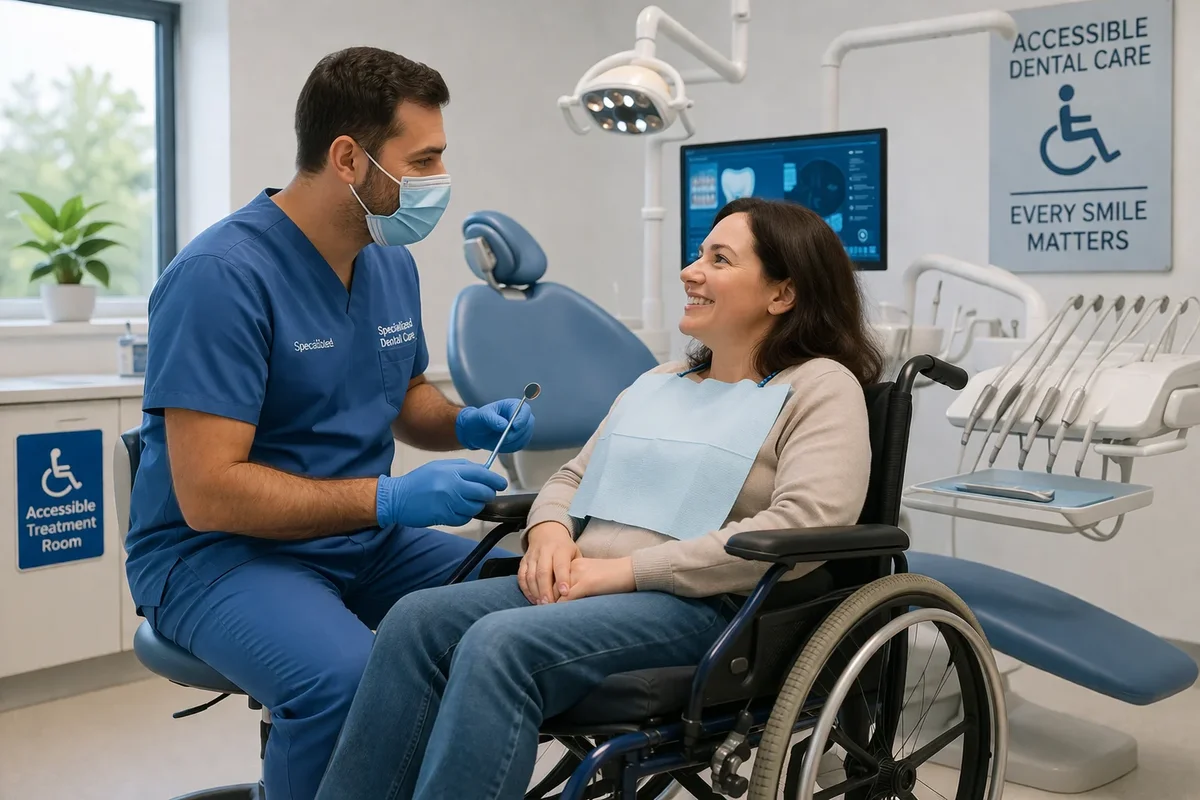
Benefits of Regular Dental Visits for Disabled Patients
Regular dental visits are essential for everyone, but they are especially important when working with a dentist for disabled people. Consistent check-ups not only prevent oral health problems but also improve overall well-being, comfort, and quality of life. A professional dentist for disabled people ensures that each visit is adapted to the patient’s unique needs, making routine care both effective and stress-free. 😊
In this section, we will explore the key benefits of maintaining regular dental appointments with a dentist for disabled people and how this proactive approach leads to better long-term health outcomes.
Early Detection of Dental Problems
One of the biggest advantages of visiting a dentist for disabled people regularly is the early detection of dental issues. Conditions such as cavities, gum disease, infections, or oral lesions can develop silently and worsen over time if left untreated.
A dentist for disabled people is trained to identify these problems in their early stages, allowing for timely and less invasive treatment. Early intervention reduces discomfort, lowers treatment costs, and prevents complications that could affect overall health. 🦷
Preventing Complex Treatments
Routine check-ups help avoid the need for complex procedures such as root canals or extractions. A dentist for disabled people focuses on preventive care, ensuring that small issues are addressed before they become serious.
Improved Oral Hygiene and Maintenance
Maintaining oral hygiene can be challenging for many individuals with disabilities. A dentist for disabled people provides professional cleaning services that remove plaque and tartar buildup, which cannot be eliminated by brushing alone.
In addition, patients and caregivers receive guidance on proper oral care techniques. A dentist for disabled people may recommend adaptive tools, specialized toothpaste, or customized routines to make daily hygiene more effective.
Enhanced Comfort and Pain Prevention
Dental pain can significantly impact daily life, especially for individuals who may have difficulty expressing discomfort. Regular visits to a dentist for disabled people help prevent pain by addressing issues early and maintaining healthy teeth and gums.
A dentist for disabled people ensures that treatments are performed gently and with appropriate pain management techniques. This proactive approach minimizes the risk of emergencies and improves overall comfort. 😊
Managing Sensitivity and Discomfort
Patients who experience sensitivity or discomfort benefit greatly from routine care. A dentist for disabled people can provide treatments such as fluoride applications or desensitizing agents to reduce sensitivity and improve oral comfort.
Support for Overall Health
Oral health is closely linked to overall health. Conditions such as gum disease have been associated with heart disease, diabetes, and respiratory issues. A dentist for disabled people plays a crucial role in maintaining overall health by preventing oral infections and inflammation.
For patients with existing medical conditions, regular dental visits are even more important. A dentist for disabled people works in coordination with other healthcare providers to ensure safe and comprehensive care.
Building Trust and Reducing Anxiety
Frequent visits to a dentist for disabled people help build familiarity and trust. Over time, patients become more comfortable with the dental environment, reducing anxiety and fear.
A dentist for disabled people uses consistent routines, clear communication, and positive reinforcement to create a supportive experience. This is especially important for patients with sensory sensitivities or cognitive challenges.
Creating Positive Dental Experiences
Positive experiences encourage patients to continue regular visits. A dentist for disabled people focuses on making each appointment as comfortable and reassuring as possible, helping patients develop confidence in dental care.
Caregiver Education and Support
Caregivers play an essential role in maintaining oral health between visits. A dentist for disabled people provides education and practical advice to caregivers, ensuring that daily hygiene routines are effective and consistent.
This collaboration strengthens the overall care process. A dentist for disabled people empowers caregivers with the knowledge and tools needed to support the patient’s oral health at home.
Improved Quality of Life
Healthy teeth and gums contribute to better nutrition, clearer speech, and increased self-confidence. Regular visits to a dentist for disabled people help patients maintain these essential functions, leading to a higher quality of life. 🌟
Patients who receive consistent dental care are more likely to engage in social activities, enjoy meals comfortably, and feel confident in their appearance. A dentist for disabled people plays a key role in achieving these positive outcomes.
If you are looking to maintain regular dental care, you can visit the Redent Klinik Contact Page for professional assistance. For additional guidelines and recommendations, refer to the American Dental Association.
In conclusion, regular visits to a dentist for disabled people provide numerous benefits, from early detection and prevention to improved comfort and overall health. By prioritizing routine care, patients can enjoy a healthier, more comfortable, and confident life.