
Many people delay dental treatment for years because of fear, embarrassment, financial concerns, or previous negative experiences. Unfortunately, postponing care often allows oral health problems to become much worse over time. If you have severe tooth decay, multiple missing teeth, advanced gum disease, broken teeth, chronic pain, or difficulty eating, finding a dentist for extremely bad teeth can be the first step toward restoring your oral health and confidence. Modern dentistry offers more solutions than ever before, and even patients who believe their smile is beyond repair may be surprised by what can be achieved today. 😊
A dentist for extremely bad teeth specializes in evaluating complex dental conditions and developing customized treatment plans. These professionals understand that every patient has unique challenges. Some individuals may suffer from extensive cavities, while others have experienced severe periodontal disease, trauma, infection, or long-term neglect. Regardless of the cause, a qualified dentist for extremely bad teeth focuses on restoring function, eliminating pain, and rebuilding a healthy smile.
One of the most common misconceptions is that severely damaged teeth always require extraction. While tooth removal may sometimes be necessary, an experienced dentist for extremely bad teeth will first evaluate whether the natural teeth can be preserved through restorative procedures. Treatments such as root canal therapy, dental crowns, periodontal therapy, and advanced restorative techniques can often save teeth that appear hopeless to the untrained eye.
People searching for a dentist for extremely bad teeth are often dealing with symptoms that significantly impact daily life. These may include persistent toothaches, swollen gums, bleeding while brushing, loose teeth, chronic bad breath, difficulty chewing, jaw discomfort, and visible decay. In some cases, oral infections can spread beyond the mouth and affect overall health. This is why timely professional treatment is so important.
Beyond physical discomfort, severe dental problems frequently affect emotional well-being. Many individuals feel self-conscious about smiling, speaking, or interacting socially. A trusted dentist for extremely bad teeth understands these concerns and strives to create a judgment-free environment where patients feel comfortable discussing their situation. Modern dental teams are trained to support anxious patients and provide compassionate care throughout the treatment process. ❤️
The initial consultation with a dentist for extremely bad teeth typically involves a comprehensive examination. Digital X-rays, intraoral imaging, periodontal assessments, and detailed evaluations help identify the extent of damage. Based on these findings, the dentist develops a personalized treatment strategy that prioritizes urgent concerns such as infection, pain relief, and structural stability before addressing cosmetic improvements.
In many cases, treatment is completed in phases. First, the dentist for extremely bad teeth addresses active disease and infection. This may involve deep cleaning procedures, tooth extractions when necessary, root canal treatment, or antibiotic therapy. Once the oral environment becomes healthier, restorative treatments such as crowns, bridges, veneers, dentures, or dental implants can be considered.
Dental implants have become one of the most transformative options available for patients with severe tooth loss. A dentist for extremely bad teeth may recommend implants because they provide stability, durability, and a natural appearance. Unlike traditional removable dentures, implants integrate with the jawbone and help preserve bone structure over time. This can significantly improve both oral function and facial aesthetics.
Patients with advanced gum disease often require specialized periodontal treatment. A dentist for extremely bad teeth may collaborate with periodontists and other specialists to control infection, reduce inflammation, and protect remaining teeth. Successful management of gum disease is often essential before restorative procedures can begin.
Another important aspect of treatment is patient education. A skilled dentist for extremely bad teeth helps patients understand how daily habits influence oral health. Proper brushing techniques, flossing routines, dietary recommendations, and regular dental visits all play important roles in maintaining long-term results. Prevention remains one of the most powerful tools in modern dentistry. 🦷
Many patients worry that treatment for severe dental problems will be uncomfortable. Fortunately, advancements in anesthesia, sedation dentistry, and minimally invasive techniques have greatly improved patient experiences. A qualified dentist for extremely bad teeth can discuss sedation options that help reduce anxiety and make complex procedures more manageable.
Choosing the right dental provider is a crucial decision. Look for a dentist for extremely bad teeth with experience in full-mouth rehabilitation, restorative dentistry, implant dentistry, and complex treatment planning. Reviewing before-and-after cases, reading patient testimonials, and scheduling a consultation can help determine whether the practice is the right fit for your needs.
If you are struggling with serious oral health issues, remember that there is hope. A professional dentist for extremely bad teeth can evaluate your condition, explain available treatment options, and create a realistic path toward recovery. Whether you require extensive restorative work, periodontal therapy, dental implants, or full-mouth reconstruction, modern dentistry offers solutions that can dramatically improve your quality of life.
Taking the first step may feel intimidating, but delaying treatment often allows problems to become more severe and costly. Contacting a qualified dentist for extremely bad teeth today can help you regain oral health, confidence, comfort, and the ability to smile freely once again. For personalized assistance and treatment information, you can visit the Redent Klinik Contact Page. Additional oral health guidance can also be found through the American Dental Association.
When Should You See a Dentist for Extremely Bad Teeth?
Many people wait far too long before seeking professional dental care. Fear, embarrassment, financial concerns, or the belief that their teeth are beyond saving often prevent them from scheduling an appointment. However, delaying treatment can allow oral health problems to worsen significantly over time. Knowing when to visit a dentist for extremely bad teeth can make the difference between preserving natural teeth and requiring extensive restorative treatment.
A dentist for extremely bad teeth is trained to diagnose and manage complex dental conditions, including severe decay, advanced gum disease, multiple missing teeth, broken teeth, oral infections, and extensive dental trauma. Even if your teeth appear severely damaged, modern dentistry provides solutions that can restore both function and appearance. The sooner you seek treatment, the greater the likelihood of achieving successful long-term results. 😊
Warning Signs That Require Immediate Dental Attention
Several symptoms indicate that you should contact a dentist for extremely bad teeth as soon as possible. Ignoring these warning signs may lead to worsening pain, tooth loss, or complications affecting your overall health.
Persistent Tooth Pain
Ongoing tooth pain is one of the most common reasons people seek a dentist for extremely bad teeth. Pain often indicates infection, deep decay, nerve damage, or structural problems within the tooth. While occasional sensitivity may not be an emergency, persistent discomfort should never be ignored.
Toothaches can range from mild irritation to severe throbbing pain that interferes with eating, sleeping, and daily activities. A dental examination can determine the underlying cause and prevent the condition from progressing further.
Swollen or Bleeding Gums
Healthy gums should not bleed during brushing or flossing. If you notice redness, swelling, tenderness, or frequent bleeding, it may indicate periodontal disease. A dentist for extremely bad teeth can assess the severity of gum disease and recommend appropriate treatment before irreversible damage occurs.
Advanced gum disease is one of the leading causes of adult tooth loss. Early intervention greatly improves treatment outcomes and helps preserve natural teeth.
Broken, Cracked, or Severely Decayed Teeth
Visible damage to the teeth should always be evaluated by a dentist for extremely bad teeth. Cracks, fractures, and severe decay create pathways for bacteria to enter the inner structures of the tooth, potentially leading to infection and abscess formation.
Modern restorative dentistry offers numerous treatment options, including crowns, fillings, root canal therapy, and dental implants. Seeking treatment promptly can often prevent more extensive procedures later.
Signs Your Oral Health Is Rapidly Deteriorating
Many patients do not realize how significantly their oral health has declined until major symptoms develop. A dentist for extremely bad teeth often treats individuals who have experienced years of progressive dental deterioration.
Loose Teeth
Adult teeth should never feel loose. Mobility often indicates advanced periodontal disease, bone loss, trauma, or infection. A dentist for extremely bad teeth can evaluate the supporting structures around the teeth and determine whether stabilization or replacement is necessary.
Difficulty Chewing Food
If chewing becomes painful or challenging, it may indicate severe dental damage. Missing teeth, extensive decay, gum disease, or bite problems can interfere with proper chewing function. A dentist for extremely bad teeth can restore oral function through comprehensive treatment planning.
Difficulty chewing may also impact nutrition because patients often avoid healthy foods that are difficult to eat. Restoring proper function improves both oral health and overall well-being.
Chronic Bad Breath
Persistent bad breath that does not improve with brushing or mouthwash may signal underlying dental disease. Deep cavities, gum infections, food debris trapped beneath the gums, and oral bacteria can all contribute to unpleasant odors.
A thorough evaluation by a dentist for extremely bad teeth can identify the source of chronic bad breath and address the underlying problem rather than simply masking symptoms.
When Multiple Teeth Are Missing
Patients who have lost several teeth should seek care from a dentist for extremely bad teeth without delay. Missing teeth affect much more than appearance. They can alter bite alignment, increase stress on remaining teeth, contribute to jawbone loss, and affect speech patterns.
Modern solutions such as dental implants, implant-supported bridges, and full-arch restorations allow patients to regain stability, confidence, and chewing efficiency. A dentist for extremely bad teeth can determine which option best fits an individual’s needs and oral condition.
Why Early Treatment Matters
One of the biggest mistakes patients make is assuming their condition is hopeless. In reality, many teeth that appear severely damaged can often be restored by a skilled dentist for extremely bad teeth. Early treatment reduces the risk of complications, lowers long-term costs, and increases the number of available treatment options.
Untreated dental infections may spread beyond the mouth and potentially affect other parts of the body. Severe periodontal disease has also been associated with systemic health concerns. For this reason, seeking timely care from a dentist for extremely bad teeth is an important investment in overall health.
Taking the First Step Toward Recovery
Many patients feel embarrassed about the condition of their teeth, but dental professionals see severe cases every day. A compassionate dentist for extremely bad teeth focuses on solutions rather than judgment. The goal is to relieve pain, eliminate infection, restore oral function, and help patients regain confidence in their smile. ❤️
If you experience severe decay, tooth loss, gum disease, chronic pain, or any of the warning signs discussed above, scheduling an evaluation with a dentist for extremely bad teeth should be a priority. Modern dental techniques provide effective treatment options that can transform even the most challenging cases and help patients enjoy a healthier future.
Common Causes of Extremely Damaged Teeth and Oral Health Problems
Understanding the causes of severe dental damage is essential for both prevention and treatment. Many patients who eventually seek a dentist for extremely bad teeth have experienced years of progressive oral health deterioration without realizing how serious their condition had become. Extremely damaged teeth rarely develop overnight. Instead, they usually result from multiple factors that gradually weaken the teeth, gums, and supporting bone structures over time.
A qualified dentist for extremely bad teeth carefully evaluates the root causes behind severe oral health problems before recommending treatment. Identifying these underlying factors helps create a personalized treatment plan and reduces the risk of future complications. While every patient is different, several common causes are frequently associated with extensive dental damage. 🦷
Untreated Tooth Decay
One of the most common reasons patients visit a dentist for extremely bad teeth is advanced tooth decay. Cavities develop when bacteria in the mouth feed on sugars and carbohydrates, producing acids that gradually erode tooth enamel.
In the early stages, decay may cause few or no symptoms. However, when left untreated, cavities continue to penetrate deeper layers of the tooth. Eventually, the decay reaches the dentin and pulp, where nerves and blood vessels are located. At this point, patients often experience significant pain, infection, and structural damage.
How Severe Decay Progresses
The progression of tooth decay typically follows several stages:
- Enamel demineralization
- Formation of small cavities
- Extension into deeper tooth structures
- Pulp infection and inflammation
- Abscess formation
- Potential tooth loss
A dentist for extremely bad teeth frequently treats patients whose cavities have advanced through multiple stages before professional intervention occurs.
Advanced Gum Disease
Periodontal disease is another leading reason patients require a dentist for extremely bad teeth. Gum disease begins with plaque accumulation around the gumline. If plaque is not removed effectively through brushing and flossing, it hardens into tartar and creates an environment where harmful bacteria thrive.
Early gum disease, known as gingivitis, causes redness, swelling, and bleeding. Without treatment, the condition can progress to periodontitis, a more severe stage that damages the supporting bone and tissues surrounding the teeth.
Consequences of Untreated Periodontal Disease
Advanced periodontal disease can result in:
- Gum recession
- Bone loss
- Loose teeth
- Chronic bad breath
- Pain and sensitivity
- Tooth loss
A skilled dentist for extremely bad teeth often works closely with periodontal specialists to control infection and preserve remaining oral structures whenever possible.
Poor Oral Hygiene Habits
Inadequate oral hygiene remains one of the most preventable causes of severe dental problems. Patients who eventually seek a dentist for extremely bad teeth often report inconsistent brushing, infrequent flossing, or long gaps between dental checkups.
Without proper oral hygiene, plaque and bacteria accumulate continuously. Over time, this increases the risk of both tooth decay and gum disease. Even individuals with genetically strong teeth can experience serious dental problems if daily oral care is neglected.
Essential Daily Oral Care Practices
- Brushing twice daily with fluoride toothpaste
- Flossing every day
- Using antimicrobial mouthwash when recommended
- Limiting sugary snacks and beverages
- Attending regular dental examinations
A dentist for extremely bad teeth often emphasizes education because long-term success depends heavily on maintaining healthy habits after treatment.
Dental Trauma and Accidents
Traumatic injuries are another reason individuals seek treatment from a dentist for extremely bad teeth. Sports injuries, vehicle accidents, falls, and workplace incidents can all cause significant damage to teeth and surrounding structures.
Trauma may result in:
- Cracked teeth
- Broken teeth
- Dislodged teeth
- Jaw injuries
- Soft tissue damage
Even seemingly minor fractures can create entry points for bacteria and eventually lead to infection if left untreated. Prompt evaluation by a dentist for extremely bad teeth helps minimize long-term complications.
Dry Mouth and Reduced Saliva Production
Saliva plays a critical role in protecting oral health. It helps neutralize acids, wash away food particles, and control bacterial growth. Patients experiencing chronic dry mouth may become frequent visitors to a dentist for extremely bad teeth because reduced saliva significantly increases the risk of dental disease.
Common causes of dry mouth include:
- Certain medications
- Medical conditions
- Radiation therapy
- Aging
- Dehydration
Without adequate saliva, teeth become more vulnerable to rapid decay and gum problems.
Smoking and Tobacco Use
Tobacco use remains a major contributor to severe oral health deterioration. Many patients treated by a dentist for extremely bad teeth have a history of smoking or other tobacco use.
Smoking can:
- Increase plaque accumulation
- Reduce blood flow to gum tissues
- Delay healing after treatment
- Increase the risk of periodontal disease
- Contribute to tooth discoloration
- Raise the risk of oral cancer
Because smoking negatively affects multiple aspects of oral health, quitting tobacco products is often strongly recommended during treatment planning.
Fear of the Dentist and Delayed Treatment
Ironically, dental anxiety itself is one of the most common reasons people eventually require a dentist for extremely bad teeth. Many patients postpone treatment because of fear, embarrassment, or previous negative experiences.
Unfortunately, delaying care often allows relatively minor issues to become major problems. Small cavities become extensive decay, early gum disease progresses to advanced periodontitis, and treatable infections become more serious.
Breaking the Cycle of Avoidance
Modern dental practices increasingly focus on patient comfort and anxiety management. Sedation options, gentle treatment techniques, and compassionate care environments help patients receive the treatment they need without unnecessary stress. A supportive dentist for extremely bad teeth understands these concerns and works closely with patients to rebuild trust in dental care. ❤️
The Importance of Identifying the Root Cause
Successful treatment requires more than repairing existing damage. A dentist for extremely bad teeth must also identify and address the factors that contributed to the problem in the first place. Whether the cause is decay, gum disease, trauma, tobacco use, poor hygiene, dry mouth, or dental anxiety, understanding the underlying issue helps prevent future complications.
By recognizing these common causes and seeking professional care early, patients can avoid extensive dental damage and preserve their oral health for many years to come. Even individuals with severe dental problems can often achieve remarkable improvements when they work with an experienced dentist for extremely bad teeth and commit to long-term preventive care.
Treatment Options a Dentist for Extremely Bad Teeth May Recommend
When patients finally decide to seek professional care, one of their biggest concerns is understanding what treatment options are available. Many people assume that severe dental problems automatically mean losing all of their teeth. Fortunately, modern dentistry offers a wide range of advanced solutions that can restore oral health, function, and appearance. A skilled dentist for extremely bad teeth evaluates each patient’s condition individually and develops a customized treatment plan based on their specific needs.
The primary goal of a dentist for extremely bad teeth is not simply to improve appearance. Treatment focuses on eliminating infection, relieving pain, preserving healthy structures whenever possible, restoring proper chewing ability, and creating a stable foundation for long-term oral health. Depending on the severity of the condition, treatment may involve a combination of restorative, periodontal, surgical, and cosmetic procedures. 🦷
Comprehensive Dental Examination and Diagnosis
Before recommending any treatment, a dentist for extremely bad teeth performs a detailed examination. This assessment provides critical information about the condition of the teeth, gums, jawbone, and surrounding oral tissues.
What the Initial Evaluation Includes
- Digital dental X-rays
- Intraoral photographs
- Periodontal examinations
- Bite analysis
- Assessment of existing restorations
- Evaluation of bone support
- Screening for oral infections
This comprehensive evaluation allows the dentist for extremely bad teeth to identify both visible and hidden problems before creating a treatment strategy.
Professional Deep Cleaning and Gum Therapy
Many patients with severe dental problems also suffer from gum disease. Before restorative treatment begins, a dentist for extremely bad teeth often focuses on controlling infection and improving periodontal health.
Scaling and Root Planing
Scaling and root planing is commonly referred to as deep cleaning. During this procedure, plaque, tartar, and bacterial deposits are removed from beneath the gumline. The root surfaces are then smoothed to encourage healing and reduce bacterial accumulation.
For patients with moderate to advanced periodontal disease, deep cleaning may significantly improve gum health and help preserve natural teeth.
Dental Fillings for Moderate Decay
If tooth decay is identified before extensive structural damage occurs, a dentist for extremely bad teeth may recommend dental fillings. Fillings restore areas affected by cavities and help prevent further deterioration.
Modern tooth-colored composite fillings blend naturally with surrounding teeth and provide durable protection. While fillings are often associated with minor cavities, they remain an important component of comprehensive treatment planning.
Root Canal Therapy for Infected Teeth
Many patients are surprised to learn that severely damaged teeth can sometimes be saved through root canal therapy. A dentist for extremely bad teeth may recommend this treatment when decay or trauma has reached the tooth’s inner pulp.
Benefits of Root Canal Treatment
- Eliminates infection
- Relieves pain
- Preserves the natural tooth
- Prevents extraction when possible
- Restores normal chewing function
After root canal therapy, the tooth is often protected with a dental crown to improve strength and longevity.
Dental Crowns for Structural Protection
A dentist for extremely bad teeth frequently uses dental crowns to restore severely weakened or fractured teeth. Crowns completely cover the visible portion of the tooth and provide protection against further damage.
Dental crowns may be recommended after:
- Large fillings
- Root canal treatment
- Major fractures
- Advanced tooth wear
- Severe decay removal
Modern crowns can closely mimic the appearance of natural teeth while providing excellent durability.
Tooth Extraction When Necessary
Although preserving natural teeth is usually the preferred approach, there are situations where extraction becomes unavoidable. A dentist for extremely bad teeth may recommend removing a tooth if it is severely infected, structurally compromised, or no longer supported by adequate bone.
When Extraction May Be Recommended
- Advanced tooth destruction
- Severe periodontal disease
- Non-restorable fractures
- Extensive infection
- Failed previous treatments
Whenever extraction is necessary, replacement options are typically discussed to maintain oral function and aesthetics.
Dental Implants for Missing Teeth
One of the most transformative treatments offered by a dentist for extremely bad teeth is dental implant therapy. Implants provide a long-lasting solution for replacing missing teeth and are often considered the gold standard in restorative dentistry.
Advantages of Dental Implants
- Natural appearance
- Excellent stability
- Preservation of jawbone density
- Improved chewing ability
- Long-term durability
Patients who have lost one tooth, multiple teeth, or even all teeth may benefit from implant-supported restorations.
Dental Bridges and Dentures
Not every patient is a candidate for implant treatment. A dentist for extremely bad teeth may also recommend bridges or dentures depending on oral health conditions, budget considerations, and treatment goals.
Dental bridges replace missing teeth by anchoring artificial teeth to neighboring natural teeth or implants. Dentures remain a popular solution for individuals missing many or all teeth.
Types of Dentures Available
- Partial dentures
- Complete dentures
- Implant-supported dentures
- Immediate dentures
Advancements in denture technology have significantly improved comfort, fit, and appearance compared to older designs.
Full-Mouth Rehabilitation
For patients with widespread dental damage, a dentist for extremely bad teeth may recommend full-mouth rehabilitation. This comprehensive approach combines multiple treatments into a coordinated plan designed to restore the entire mouth.
Full-mouth rehabilitation may involve:
- Periodontal treatment
- Extractions
- Dental implants
- Crowns
- Bridges
- Root canal therapy
- Bite correction
- Cosmetic enhancements
Because every case is unique, treatment plans are carefully customized to meet each patient’s functional and aesthetic goals.
Estimated Treatment Costs
The cost of care varies significantly depending on the extent of treatment required. A dentist for extremely bad teeth will provide a personalized estimate after a complete evaluation.
Approximate U.S. treatment ranges:
- Dental filling: $150–$500 per tooth
- Root canal treatment: $700–$2,000 per tooth
- Dental crown: $800–$2,500 per tooth
- Tooth extraction: $150–$800 per tooth
- Single dental implant: $3,000–$6,000
- Complete dentures: $1,000–$8,000+
- Full-mouth rehabilitation: $15,000–$80,000+
Actual costs vary based on location, materials, complexity, and provider experience.
Achieving Long-Term Success
The most effective treatment plan is one that addresses both current problems and future prevention. A dedicated dentist for extremely bad teeth works closely with patients to establish healthy habits, regular maintenance visits, and individualized oral care routines.
Even severe dental damage does not necessarily mean losing hope. With modern techniques, advanced technology, and personalized treatment planning, a qualified dentist for extremely bad teeth can often restore comfort, function, confidence, and oral health to a remarkable degree. ❤️
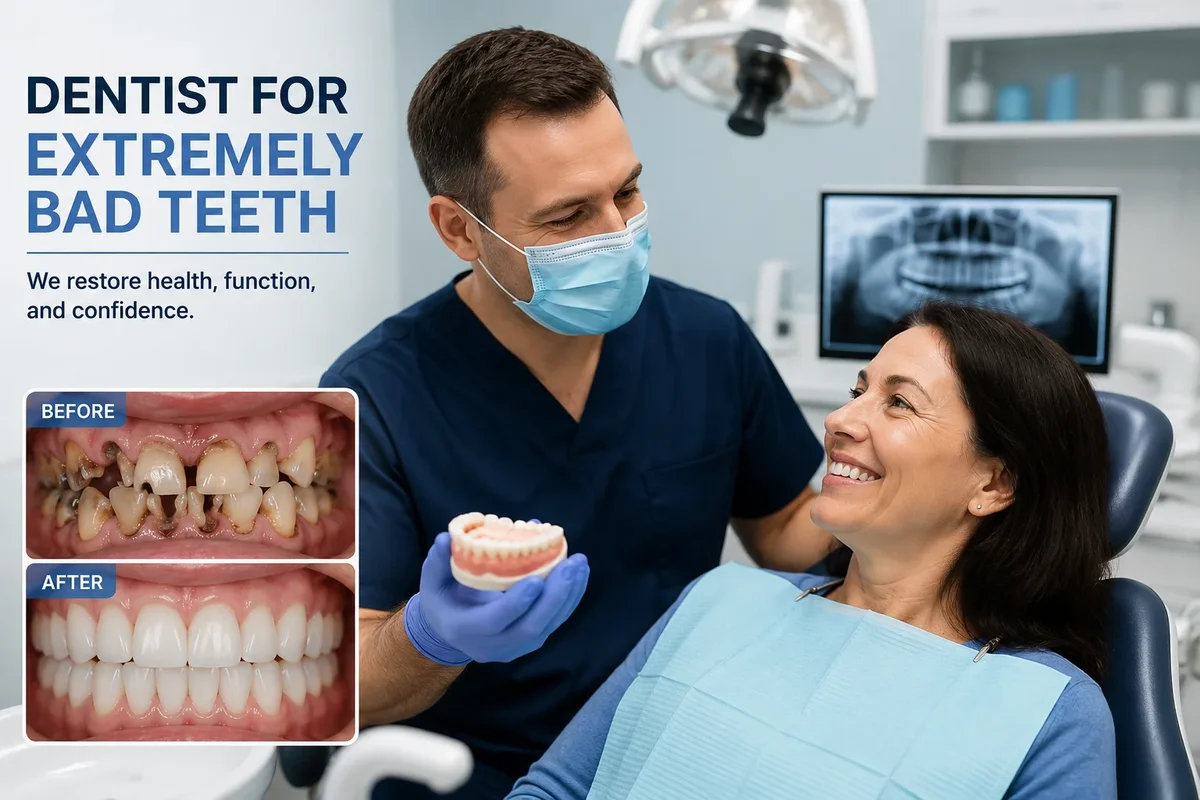
How Full Mouth Reconstruction Can Restore Your Smile
For patients suffering from widespread dental damage, missing teeth, severe decay, advanced gum disease, bite problems, or long-term oral neglect, full mouth reconstruction can be a life-changing solution. Many individuals who seek a dentist for extremely bad teeth are not dealing with a single dental issue. Instead, they often have multiple problems affecting nearly every area of the mouth. In these situations, isolated treatments may not be enough to achieve lasting results. Full mouth reconstruction provides a comprehensive approach designed to restore oral health, function, comfort, and aesthetics simultaneously. 😊
A dentist for extremely bad teeth often recommends full mouth reconstruction when extensive damage affects both the upper and lower arches. Rather than focusing on one tooth at a time, this treatment strategy addresses the entire oral environment. The goal is to create a healthy, stable, and functional smile that improves quality of life for many years.
What Is Full Mouth Reconstruction?
Full mouth reconstruction, sometimes called full mouth rehabilitation, is a customized treatment plan that combines multiple dental procedures to rebuild and restore the entire mouth. Unlike purely cosmetic smile makeovers, full mouth reconstruction focuses primarily on restoring oral health and function before aesthetic improvements are considered.
A dentist for extremely bad teeth carefully evaluates every aspect of the patient’s oral condition, including tooth structure, gum health, jawbone quality, bite alignment, chewing function, and facial support. Based on these findings, a step-by-step treatment plan is developed.
Conditions That May Require Full Mouth Reconstruction
- Multiple missing teeth
- Severe tooth decay
- Advanced periodontal disease
- Extensive tooth wear
- Broken or fractured teeth
- Failed previous dental work
- Severe bite abnormalities
- Traumatic dental injuries
Many patients who visit a dentist for extremely bad teeth discover that full mouth reconstruction offers the most predictable path toward long-term oral rehabilitation.
The Comprehensive Evaluation Process
Before treatment begins, a dentist for extremely bad teeth performs an extensive assessment to understand the full scope of the patient’s condition.
Diagnostic Procedures May Include
- Digital X-rays
- 3D CBCT imaging
- Intraoral photography
- Periodontal examinations
- Bite analysis
- Jaw joint evaluation
- Smile assessment
- Bone density measurements
This detailed diagnostic phase helps identify underlying issues that may not be visible during a standard dental examination. Accurate diagnosis is critical because successful reconstruction depends on addressing every contributing factor.
Phase One: Eliminating Disease and Infection
The first priority for a dentist for extremely bad teeth is creating a healthy foundation. Active infections, severe decay, and periodontal disease must be controlled before restorative procedures can begin.
Initial Treatment May Include
- Deep periodontal cleaning
- Treatment of gum disease
- Removal of infected teeth
- Root canal therapy
- Management of oral infections
- Temporary restorations
By eliminating active disease, the mouth becomes better prepared for long-term restorative success.
Phase Two: Rebuilding the Dental Foundation
Once oral health has stabilized, a dentist for extremely bad teeth begins rebuilding damaged structures. This stage often involves restorative procedures designed to strengthen the teeth and restore normal oral function.
Common Restorative Treatments
- Dental crowns
- Dental bridges
- Root canal treatment
- Tooth-colored fillings
- Onlays and inlays
- Occlusal adjustments
Every treatment is carefully coordinated to ensure proper bite alignment and long-term stability.
Dental Implants in Full Mouth Reconstruction
Dental implants frequently play a central role in treatment plans created by a dentist for extremely bad teeth. Missing teeth not only affect appearance but also contribute to bone loss, shifting teeth, and impaired chewing function.
Implants replace missing tooth roots and provide support for crowns, bridges, or implant-supported dentures. Because they integrate directly with the jawbone, implants help preserve bone structure while offering excellent stability.
Benefits of Dental Implants
- Natural appearance
- Strong chewing function
- Long-term durability
- Bone preservation
- Improved speech
- Enhanced confidence
For many patients treated by a dentist for extremely bad teeth, implants become the cornerstone of their reconstructed smile.
Correcting Bite and Jaw Problems
Years of tooth loss, grinding, decay, or improper dental work can alter the way the upper and lower teeth fit together. A dentist for extremely bad teeth pays close attention to bite relationships because improper alignment can cause discomfort, uneven wear, headaches, and jaw joint issues.
Full mouth reconstruction often includes adjustments that restore balanced function throughout the entire chewing system. Proper bite alignment contributes significantly to the longevity of dental restorations.
Aesthetic Improvements After Functional Restoration
Although function remains the primary focus, appearance is also an important consideration. Once oral health and stability have been restored, a dentist for extremely bad teeth can enhance the smile’s appearance through carefully planned cosmetic improvements.
Aesthetic Enhancements May Include
- Natural-looking crowns
- Porcelain veneers
- Smile symmetry improvements
- Tooth reshaping
- Professional whitening
- Gum contouring procedures
The result is often a smile that looks healthier, younger, and more natural while maintaining optimal function.
How Long Does Full Mouth Reconstruction Take?
The duration of treatment varies significantly depending on complexity. A dentist for extremely bad teeth may complete some cases within a few months, while more extensive reconstructions involving implants and bone grafting may require a year or longer.
Treatment timelines depend on factors such as:
- Number of damaged teeth
- Severity of gum disease
- Need for implant placement
- Healing requirements
- Bone grafting procedures
- Patient compliance
Although the process can take time, the long-term benefits often justify the investment.
Life After Full Mouth Reconstruction
Patients frequently report dramatic improvements after completing treatment with a dentist for extremely bad teeth. Benefits often extend beyond oral health and influence many aspects of daily life.
Common Improvements Include
- Better chewing ability
- Reduced pain and discomfort
- Improved speech clarity
- Enhanced self-confidence
- Healthier gum tissues
- More youthful facial support
- Greater overall quality of life
A successful full mouth reconstruction demonstrates that even severe dental problems can often be corrected through modern dentistry. With proper planning, advanced technology, and the expertise of an experienced dentist for extremely bad teeth, patients can achieve a healthy, functional, and attractive smile regardless of how extensive their dental damage may seem. ❤️
Dental Implants for Patients with Severe Tooth Loss
Severe tooth loss is one of the most challenging dental conditions affecting adults today. Whether caused by advanced decay, periodontal disease, trauma, failed dental work, or long-term neglect, missing teeth can significantly impact oral health, appearance, confidence, and overall quality of life. Many patients who seek a dentist for extremely bad teeth have already lost several teeth or are facing the possibility of additional extractions. Fortunately, modern dental implant technology offers one of the most effective and long-lasting solutions available.
A skilled dentist for extremely bad teeth often recommends dental implants because they closely replicate the function and appearance of natural teeth. Unlike traditional removable appliances, implants are designed to integrate directly with the jawbone, creating a stable and durable foundation for replacement teeth. This makes them an attractive option for patients looking to restore both function and aesthetics. 😊
What Are Dental Implants?
Dental implants are artificial tooth roots, typically made from biocompatible titanium or zirconia materials. These small posts are surgically placed into the jawbone, where they gradually fuse with surrounding bone tissue through a process called osseointegration.
Once healing is complete, a dentist for extremely bad teeth attaches a custom-made restoration to the implant. Depending on the patient’s needs, this restoration may be a crown, bridge, or implant-supported denture.
Components of a Dental Implant System
- Implant fixture (artificial root)
- Abutment (connector component)
- Dental crown or prosthesis
- Supporting bone structure
Together, these components create a replacement tooth that closely resembles natural dentition in both appearance and function.
Why Severe Tooth Loss Requires Prompt Attention
Many people underestimate the consequences of missing teeth. A dentist for extremely bad teeth understands that tooth loss affects much more than appearance. Every missing tooth changes the way the mouth functions and can trigger a series of oral health complications.
Consequences of Untreated Tooth Loss
- Difficulty chewing food
- Speech problems
- Shifting of remaining teeth
- Jawbone deterioration
- Facial collapse and premature aging
- Increased risk of additional tooth loss
- Bite imbalances
- Reduced self-confidence
For this reason, a dentist for extremely bad teeth often encourages patients to explore replacement options as soon as possible after tooth loss occurs.
How Dental Implants Preserve Jawbone Health
One of the most important advantages of implants is their ability to preserve jawbone density. Natural tooth roots stimulate the jawbone whenever a person chews. When teeth are lost, this stimulation disappears, causing the bone to gradually shrink over time.
A dentist for extremely bad teeth frequently recommends implants because they restore this stimulation. Once integrated with the bone, implants help maintain jawbone volume and reduce the rate of bone resorption.
Benefits of Bone Preservation
- Maintains facial structure
- Supports neighboring teeth
- Improves long-term oral stability
- Enhances denture retention when needed
- Reduces age-related facial collapse
This unique advantage distinguishes implants from many traditional tooth replacement methods.
Who Is a Candidate for Dental Implants?
Many patients assume they are not eligible for implant treatment due to the severity of their dental problems. However, a qualified dentist for extremely bad teeth often finds that even individuals with significant tooth loss can become implant candidates after appropriate preparation.
Ideal Candidate Characteristics
- Good overall health
- Adequate bone volume
- Controlled periodontal disease
- Commitment to oral hygiene
- Willingness to attend follow-up visits
Patients with insufficient bone may still qualify after undergoing bone grafting procedures. A dentist for extremely bad teeth evaluates each case individually and develops a treatment plan based on specific clinical findings.
Single Tooth Implants
When only one tooth is missing, a dentist for extremely bad teeth may recommend a single implant-supported crown. This approach replaces the missing tooth without altering neighboring healthy teeth.
Unlike traditional bridges, implant-supported crowns do not require adjacent teeth to be reshaped. This conservative approach helps preserve natural tooth structure while providing excellent function and aesthetics.
Implant-Supported Bridges
Patients missing multiple teeth in the same area may benefit from implant-supported bridges. Rather than placing an implant for every missing tooth, a dentist for extremely bad teeth can strategically position implants to support a multi-tooth restoration.
This option often provides greater stability than traditional bridges while preserving surrounding bone structures.
Full-Arch Implant Solutions
For individuals who have lost most or all of their teeth, a dentist for extremely bad teeth may recommend full-arch implant rehabilitation. These advanced treatments use a limited number of implants to support an entire upper or lower arch of replacement teeth.
Advantages of Full-Arch Implant Restorations
- Exceptional stability
- Improved chewing performance
- Natural appearance
- Reduced denture movement
- Enhanced confidence
- Better speech clarity
Many patients describe full-arch implant treatment as one of the most significant improvements they have ever made to their health and quality of life.
Dental Implant Treatment Timeline
The implant process typically occurs over several stages. A dentist for extremely bad teeth begins with a detailed consultation and diagnostic evaluation. If extractions or bone grafting are required, these procedures are completed first.
After implant placement, healing and osseointegration usually require several months. Once integration is complete, the final restoration is attached and adjusted for optimal function.
Typical Treatment Stages
- Consultation and imaging
- Treatment planning
- Extractions if necessary
- Bone grafting when needed
- Implant placement
- Healing period
- Final restoration placement
Although treatment requires patience, the long-term benefits often justify the investment.
Estimated Costs of Dental Implants
A dentist for extremely bad teeth provides individualized cost estimates based on treatment complexity and patient needs.
Approximate U.S. price ranges:
- Single dental implant: $3,000–$6,000
- Implant-supported bridge: $5,000–$15,000+
- Implant-supported denture: $8,000–$30,000+
- Full-arch implant restoration: $15,000–$50,000+ per arch
Costs vary based on geographic location, materials, surgical complexity, and the number of implants required.
Long-Term Success and Maintenance
Dental implants have one of the highest long-term success rates in modern dentistry when properly maintained. A dentist for extremely bad teeth will provide detailed instructions regarding brushing, flossing, professional cleanings, and routine examinations.
With proper care, implants can function successfully for decades. For patients facing severe tooth loss, treatment from an experienced dentist for extremely bad teeth can restore comfort, confidence, chewing ability, and overall oral health. Modern implant dentistry has transformed the lives of millions of people worldwide, proving that even extensive tooth loss does not have to be permanent. ❤️
Can Extremely Bad Teeth Be Saved Without Extraction?
One of the most common questions patients ask when visiting a dentist for extremely bad teeth is whether their natural teeth can still be saved. Many people assume that severe decay, broken teeth, advanced wear, or extensive dental damage automatically require extraction. Fortunately, modern dentistry has evolved tremendously, and many teeth once considered hopeless can now be restored successfully. In fact, preserving natural teeth is often one of the primary goals of a skilled dentist for extremely bad teeth.
Whenever possible, dental professionals prefer saving natural teeth because they provide the best long-term function, maintain jawbone health, and preserve the natural alignment of the bite. While extraction may occasionally be necessary, a comprehensive evaluation performed by a dentist for extremely bad teeth often reveals treatment options that patients did not realize were available. 😊
Why Saving Natural Teeth Is Usually Preferred
Natural teeth are specifically designed to withstand daily chewing forces while maintaining proper oral function. Even with today’s advanced restorative technologies, no artificial replacement can completely replicate every aspect of a healthy natural tooth.
A dentist for extremely bad teeth typically prioritizes tooth preservation whenever there is a reasonable chance of long-term success. Saving natural teeth can often reduce treatment complexity and preserve important supporting structures within the mouth.
Benefits of Preserving Natural Teeth
- Maintains natural chewing efficiency
- Preserves jawbone stimulation
- Protects bite alignment
- Reduces the need for extensive replacement procedures
- Maintains natural sensation and function
- Supports surrounding teeth
Because of these advantages, a dentist for extremely bad teeth carefully evaluates whether damaged teeth remain restorable before recommending extraction.
Situations Where Teeth Can Often Be Saved
Many dental conditions that appear severe on the surface may still be treatable. A dentist for extremely bad teeth uses advanced imaging and diagnostic techniques to determine the true extent of the damage.
Deep Cavities
Large cavities often look alarming to patients. However, if enough healthy tooth structure remains and the infection has not compromised the entire root system, restorative treatment may still be possible.
Depending on the severity, a dentist for extremely bad teeth may recommend fillings, inlays, onlays, crowns, or root canal treatment to preserve the tooth.
Broken or Cracked Teeth
Not every fracture requires extraction. Many cracked or broken teeth can be restored with modern restorative materials and techniques.
The success of treatment depends on factors such as:
- Depth of the crack
- Location of the fracture
- Extent of structural damage
- Presence of infection
- Remaining healthy tooth structure
A dentist for extremely bad teeth will determine whether restoration remains predictable or whether extraction offers a better long-term outcome.
How Root Canal Therapy Helps Save Teeth
Root canal therapy is one of the most important tools used by a dentist for extremely bad teeth when attempting to preserve severely compromised teeth. Many patients mistakenly believe root canal treatment is painful or ineffective, but modern procedures are highly successful and often eliminate significant discomfort.
What Happens During a Root Canal?
During treatment, infected or inflamed pulp tissue is removed from inside the tooth. The internal canals are carefully cleaned, disinfected, and sealed to prevent future infection.
Afterward, the tooth is typically restored with a dental crown to provide strength and protection.
Benefits of Root Canal Treatment
- Preserves the natural tooth
- Eliminates infection
- Relieves pain
- Maintains normal chewing function
- Prevents extraction when possible
For many patients, root canal therapy allows a dentist for extremely bad teeth to save teeth that might otherwise be lost.
The Role of Dental Crowns in Tooth Preservation
When a tooth has lost a significant amount of structure, a crown often becomes essential. A dentist for extremely bad teeth frequently uses crowns to reinforce weakened teeth and restore their ability to function properly.
Modern crowns are designed to closely resemble natural teeth while providing substantial protection against future damage.
When Crowns Are Commonly Recommended
- After root canal treatment
- For large fractures
- Following extensive decay removal
- For severely worn teeth
- To strengthen weakened tooth structure
Crowns often play a critical role in preserving teeth that might otherwise require extraction.
Can Teeth Be Saved Despite Gum Disease?
Advanced gum disease is a common reason patients seek a dentist for extremely bad teeth. While severe periodontal disease can threaten tooth survival, treatment may still be possible depending on the amount of remaining bone support.
Periodontal therapy can often reduce inflammation, control infection, and stabilize affected teeth.
Possible Periodontal Treatments
- Scaling and root planing
- Periodontal maintenance
- Laser therapy
- Bone grafting
- Guided tissue regeneration
A dentist for extremely bad teeth works closely with periodontal specialists when necessary to maximize the chances of preserving natural teeth.
When Extraction Becomes the Best Option
Although preservation is generally preferred, there are situations where extraction provides the safest and most predictable outcome. A responsible dentist for extremely bad teeth will recommend extraction only when a tooth cannot be restored successfully or when keeping it may jeopardize surrounding structures.
Common Reasons for Extraction
- Severe root fractures
- Extensive structural destruction
- Advanced bone loss
- Uncontrolled infection
- Repeated treatment failures
- Non-restorable decay below the gumline
In these situations, replacement options such as implants, bridges, or dentures are typically discussed.
Advanced Technology Improves Tooth Preservation
Modern diagnostic tools have dramatically improved the ability of a dentist for extremely bad teeth to save damaged teeth. Technologies such as digital radiography, 3D imaging, dental microscopes, and laser-assisted procedures allow more precise diagnosis and treatment than ever before.
These innovations help clinicians identify problems earlier and perform procedures with greater accuracy, increasing the likelihood of successful outcomes.
Early Evaluation Makes a Difference
One of the most important factors influencing treatment success is timing. The sooner a patient consults a dentist for extremely bad teeth, the greater the chance that damaged teeth can be preserved. Delaying care allows disease and structural deterioration to progress, reducing available treatment options.
Even if your teeth appear severely damaged, it is important not to assume extraction is inevitable. Many teeth that look beyond repair can often be restored through comprehensive treatment planning, advanced restorative procedures, and ongoing maintenance. A knowledgeable dentist for extremely bad teeth can determine which teeth are salvageable and help create a realistic plan to restore your oral health while preserving as much natural tooth structure as possible. ❤️
The Emotional and Health Effects of Neglected Dental Problems
Neglected dental problems affect far more than just the teeth and gums. While many people initially view oral health issues as cosmetic concerns, the reality is that severe dental disease can influence physical health, emotional well-being, social interactions, self-confidence, and overall quality of life. Patients who eventually seek a dentist for extremely bad teeth often describe years of discomfort, embarrassment, frustration, and declining health before finally pursuing treatment.
A qualified dentist for extremely bad teeth understands that dental rehabilitation involves more than repairing damaged teeth. Comprehensive care often addresses the emotional and psychological consequences that develop alongside long-term oral health problems. For many patients, restoring their smile becomes a transformative experience that improves multiple aspects of daily living. 😊
How Neglected Dental Problems Affect Physical Health
The mouth serves as an important gateway to the body. When oral disease remains untreated for extended periods, harmful bacteria and chronic inflammation can contribute to broader health concerns. This is one reason why visiting a dentist for extremely bad teeth as early as possible is so important.
Advanced tooth decay, severe gum disease, and chronic oral infections create an environment where bacteria can multiply and spread. While not every dental problem leads to serious complications, untreated conditions increase the risk of significant health consequences.
Common Physical Symptoms Associated with Severe Dental Problems
- Persistent tooth pain
- Jaw discomfort
- Headaches
- Facial swelling
- Difficulty chewing
- Chronic bad breath
- Sleep disturbances
- Nutritional deficiencies
A dentist for extremely bad teeth frequently treats patients whose oral conditions have already begun affecting their daily comfort and overall wellness.
Difficulty Eating and Nutritional Challenges
One of the most overlooked consequences of severe dental damage is the inability to eat a balanced diet. Patients who require a dentist for extremely bad teeth often avoid foods that cause pain or require significant chewing effort.
As a result, many individuals begin limiting their food choices and rely heavily on soft, processed foods that may lack important nutrients. Over time, this can negatively affect overall health and energy levels.
Foods Commonly Avoided Due to Severe Dental Problems
- Fresh fruits
- Raw vegetables
- Lean meats
- Nuts and seeds
- Whole grains
- Crunchy healthy snacks
By restoring chewing function, a dentist for extremely bad teeth can help patients return to a healthier and more balanced diet.
Chronic Pain and Reduced Quality of Life
Persistent dental pain can significantly interfere with daily activities. Many patients who seek a dentist for extremely bad teeth have lived with discomfort for months or even years.
Chronic pain affects concentration, productivity, mood, and sleep quality. Individuals experiencing severe toothaches often report difficulty focusing at work, maintaining social relationships, and enjoying everyday activities.
Modern treatment provided by a dentist for extremely bad teeth aims not only to eliminate infection but also to restore comfort and normal function.
The Psychological Impact of Poor Oral Health
The emotional consequences of neglected dental problems are often profound. Many people become highly self-conscious about the appearance of their teeth and smile. Over time, this can affect confidence, relationships, and social participation.
A compassionate dentist for extremely bad teeth frequently encounters patients who have spent years hiding their smiles or avoiding social situations due to embarrassment.
Common Emotional Effects
- Low self-esteem
- Embarrassment
- Social anxiety
- Depression
- Loss of confidence
- Fear of judgment
- Reduced social interaction
For many individuals, the emotional burden becomes just as challenging as the physical symptoms themselves.
How Oral Health Affects Professional Life
Oral health can also influence career opportunities and workplace interactions. Individuals with visibly damaged teeth may feel reluctant to speak, smile, participate in meetings, or pursue leadership opportunities.
A dentist for extremely bad teeth often treats patients who describe avoiding interviews, presentations, and professional networking situations because they feel uncomfortable about their appearance.
While professional success depends on many factors, improved confidence following dental rehabilitation frequently helps individuals engage more comfortably in professional environments.
Social Isolation and Relationship Challenges
People struggling with severe dental issues sometimes withdraw from social activities altogether. A dentist for extremely bad teeth may hear patients describe avoiding photographs, family gatherings, dating situations, and public events.
Concerns about bad breath, missing teeth, or visible decay can create significant social anxiety. Over time, this avoidance behavior may contribute to feelings of loneliness and isolation.
Common Social Concerns
- Fear of smiling
- Avoiding close conversations
- Embarrassment during meals
- Reluctance to participate in photos
- Reduced social confidence
Comprehensive treatment often helps patients reconnect with social activities they had previously avoided.
The Cycle of Fear and Avoidance
One reason neglected dental problems become so severe is the cycle of fear and avoidance. Many people delay treatment because they feel embarrassed about the condition of their teeth. Ironically, this delay often allows problems to worsen, increasing the need for extensive care.
A supportive dentist for extremely bad teeth understands this pattern and focuses on creating a judgment-free environment. Modern dental practices increasingly emphasize patient comfort, education, and anxiety management.
Why Patients Delay Treatment
- Dental anxiety
- Fear of pain
- Embarrassment
- Financial concerns
- Previous negative experiences
- Belief that teeth cannot be saved
Breaking this cycle is often the first step toward restoring both oral health and emotional well-being.
The Positive Impact of Comprehensive Dental Treatment
Many patients are surprised by how dramatically their lives improve after treatment from a dentist for extremely bad teeth. Restoring oral health often affects far more than appearance alone.
Benefits Frequently Reported After Treatment
- Improved self-confidence
- Better chewing ability
- Healthier eating habits
- Reduced pain
- Improved sleep quality
- Enhanced social interactions
- Greater professional confidence
- Improved overall quality of life
Many patients describe feeling years younger after completing comprehensive dental rehabilitation.
A Healthy Smile Supports Overall Well-Being
Oral health is closely connected to physical, emotional, and social wellness. Severe dental problems can gradually affect nearly every area of life, often in ways patients do not fully recognize until treatment begins. A knowledgeable dentist for extremely bad teeth understands these challenges and develops treatment plans that address both the functional and emotional aspects of recovery.
Whether the goal is eliminating pain, restoring missing teeth, improving appearance, or rebuilding confidence, working with an experienced dentist for extremely bad teeth can create meaningful improvements that extend far beyond the mouth. For many individuals, dental rehabilitation becomes the starting point for a healthier, happier, and more confident future. ❤️
How to Choose the Right Dentist for Extremely Bad Teeth
Choosing the right dental professional is one of the most important decisions a patient with severe oral health problems can make. When extensive decay, multiple missing teeth, advanced gum disease, chronic infections, or significant structural damage are involved, not every dental office may have the same level of experience or resources. Finding the right dentist for extremely bad teeth can significantly influence treatment outcomes, comfort, long-term oral health, and overall patient satisfaction.
Many people who search for a dentist for extremely bad teeth have delayed treatment for years due to anxiety, embarrassment, financial concerns, or uncertainty about where to begin. Fortunately, modern dentistry offers highly effective solutions, and selecting the right provider is often the first step toward restoring confidence and oral health. 😊
Why Experience Matters in Complex Cases
Routine dental care and full-mouth rehabilitation are very different types of treatment. While many dentists provide general preventive services, patients with severe dental damage often benefit from a practitioner who has extensive experience managing complex restorative and reconstructive cases.
A qualified dentist for extremely bad teeth understands how multiple dental problems interact with one another. Instead of focusing on individual teeth alone, they evaluate the entire oral system, including gum health, jawbone support, bite alignment, aesthetics, and long-term functionality.
Important Areas of Expertise
- Restorative dentistry
- Dental implant treatment
- Periodontal disease management
- Full-mouth reconstruction
- Oral surgery coordination
- Complex treatment planning
- Cosmetic rehabilitation
Patients seeking a dentist for extremely bad teeth should prioritize providers who regularly treat advanced dental conditions rather than focusing solely on routine preventive care.
Review Before-and-After Cases
One of the best ways to evaluate a dentist for extremely bad teeth is by reviewing actual treatment results. Many experienced dental practices showcase before-and-after photographs of completed cases involving severe tooth damage, missing teeth, or comprehensive smile rehabilitation.
These examples provide valuable insight into the dentist’s skill level, aesthetic approach, and ability to manage complex situations.
What to Look for in Treatment Results
- Natural-looking restorations
- Healthy gum appearance
- Proper tooth proportions
- Functional bite restoration
- Consistent treatment quality
- Cases similar to your own condition
A highly experienced dentist for extremely bad teeth should be comfortable discussing previous cases and explaining treatment strategies.
Evaluate the Technology Used in the Practice
Modern technology plays a major role in diagnosing and treating severe dental conditions. Advanced diagnostic tools allow a dentist for extremely bad teeth to identify hidden problems and create highly accurate treatment plans.
Useful Technologies to Look For
- Digital X-rays
- 3D CBCT imaging
- Intraoral scanners
- Digital smile design software
- Laser dentistry systems
- Computer-guided implant planning
Practices that invest in advanced technology often provide more precise diagnoses and improved treatment outcomes.
Consider the Dentist’s Approach to Patient Comfort
Many individuals seeking a dentist for extremely bad teeth experience significant dental anxiety. Past negative experiences, embarrassment about oral health, or fear of pain can make treatment seem overwhelming.
A compassionate provider understands these concerns and creates a supportive environment that prioritizes patient comfort.
Signs of a Patient-Focused Practice
- Non-judgmental communication
- Sedation options
- Detailed treatment explanations
- Comfort-focused amenities
- Flexible appointment scheduling
- Strong patient support systems
The ideal dentist for extremely bad teeth recognizes that emotional support is often just as important as clinical treatment.
Read Patient Reviews and Testimonials
Online reviews provide valuable insight into the experiences of previous patients. While no provider receives perfect reviews, consistent positive feedback often indicates a strong commitment to patient care.
When researching a dentist for extremely bad teeth, pay close attention to testimonials from patients who underwent major restorative procedures or full-mouth rehabilitation.
Topics Commonly Mentioned in Helpful Reviews
- Professionalism
- Communication skills
- Treatment outcomes
- Pain management
- Office environment
- Staff friendliness
- Long-term satisfaction
Reviews often reveal aspects of patient experience that may not be obvious during an initial consultation.
Understand the Consultation Process
A thorough consultation is a hallmark of an experienced dentist for extremely bad teeth. Comprehensive treatment requires detailed planning, and rushed evaluations rarely produce optimal results.
During the consultation, the dentist should carefully assess your condition, explain findings, discuss available treatment options, and answer questions openly.
Questions Worth Asking
- Can my natural teeth be saved?
- What treatments are recommended?
- What are the risks and benefits?
- How long will treatment take?
- What costs should I expect?
- Are financing options available?
A trustworthy dentist for extremely bad teeth provides clear answers and realistic expectations rather than making unrealistic promises.
Look for Comprehensive Treatment Planning
Severe dental conditions often require multiple procedures performed in a logical sequence. A dentist for extremely bad teeth should present a detailed treatment roadmap that explains each stage of care.
Comprehensive planning helps patients understand priorities, timelines, healing periods, and expected outcomes. It also reduces uncertainty and improves decision-making.
Common Treatment Plan Components
- Diagnostic evaluation
- Infection control
- Periodontal treatment
- Extractions if necessary
- Restorative procedures
- Dental implants
- Final smile rehabilitation
- Maintenance visits
Patients benefit greatly from working with a dentist for extremely bad teeth who takes a long-term approach to treatment rather than focusing only on immediate concerns.
Financial Transparency Is Important
Complex dental treatment can represent a significant investment. A reputable dentist for extremely bad teeth provides transparent cost estimates and discusses available payment options before treatment begins.
Patients should feel comfortable asking questions about fees, insurance coverage, financing programs, and expected future maintenance costs.
Trust and Communication Matter
Ultimately, one of the most important qualities in a dentist for extremely bad teeth is trustworthiness. Successful treatment often requires multiple appointments, long-term maintenance, and close collaboration between patient and provider.
The best outcomes occur when patients feel comfortable asking questions, expressing concerns, and participating actively in treatment decisions. A skilled dentist for extremely bad teeth combines clinical expertise with compassion, communication, and a genuine commitment to helping patients rebuild their oral health.
Even if your teeth seem severely damaged, modern dentistry offers more possibilities than ever before. By carefully selecting an experienced dentist for extremely bad teeth, you can take the first step toward restoring your smile, improving your health, and regaining confidence in your daily life. ❤️
Long-Term Prevention Tips After Major Dental Treatment
Completing extensive dental treatment is a significant achievement, especially for patients who have spent years dealing with severe decay, gum disease, missing teeth, chronic pain, or oral infections. However, successful treatment is only the beginning of the journey. Maintaining long-term oral health requires ongoing care, healthy habits, and regular professional monitoring. Patients who have worked with a dentist for extremely bad teeth often ask how they can protect their investment and avoid repeating the problems that led to major treatment in the first place.
The good news is that most serious dental problems are preventable. With proper maintenance and consistent oral care, patients can enjoy healthy teeth, stable restorations, and improved quality of life for many years. A qualified dentist for extremely bad teeth not only restores damaged smiles but also helps patients develop long-term strategies that support lasting success. 😊
Why Long-Term Maintenance Matters
Even the most advanced dental restorations require ongoing care. Crowns, bridges, dental implants, dentures, fillings, and gum treatments can last for many years when properly maintained. However, neglecting oral hygiene after treatment may allow new problems to develop.
A dentist for extremely bad teeth often emphasizes that long-term success depends heavily on the patient’s commitment to prevention. Daily habits play a critical role in protecting both natural teeth and dental restorations.
Benefits of Consistent Maintenance
- Reduced risk of future decay
- Improved gum health
- Longer lifespan of restorations
- Lower long-term treatment costs
- Improved overall health
- Greater comfort and confidence
Patients who follow professional recommendations often experience significantly better outcomes over time.
Maintain Excellent Daily Oral Hygiene
One of the most important recommendations from any dentist for extremely bad teeth is maintaining a strong daily oral hygiene routine. Even after extensive rehabilitation, plaque and bacteria continue to accumulate every day.
Consistent oral care helps prevent cavities, gum disease, and complications affecting existing restorations.
Daily Oral Hygiene Essentials
- Brush at least twice daily
- Use fluoride toothpaste
- Floss every day
- Clean around crowns and bridges carefully
- Use antimicrobial mouthwash when recommended
- Replace toothbrushes regularly
A dentist for extremely bad teeth may also recommend specialized cleaning tools depending on the type of restorations present.
Protect Dental Implants Properly
Patients who have received implants from a dentist for extremely bad teeth should understand that implants require ongoing care even though they cannot develop cavities.
Although implant restorations are highly durable, the surrounding gum tissue and supporting bone remain vulnerable to infection. Peri-implant disease can threaten implant stability if oral hygiene is neglected.
Important Implant Care Tips
- Brush thoroughly around implants
- Use implant-safe floss or cleaning aids
- Attend professional maintenance visits
- Avoid tobacco products
- Monitor for signs of inflammation
Proper maintenance significantly improves long-term implant success rates.
Attend Regular Dental Checkups
Routine dental examinations remain essential after major treatment. A dentist for extremely bad teeth often recommends more frequent maintenance visits for patients with a history of severe oral disease.
These appointments allow early detection of potential problems before they become serious.
Benefits of Regular Professional Monitoring
- Early cavity detection
- Monitoring of gum health
- Assessment of restorations
- Professional cleaning
- Evaluation of bite function
- Identification of developing concerns
Preventive visits are often far less expensive and less invasive than corrective treatment later.
Follow a Tooth-Friendly Diet
Nutrition plays a major role in maintaining oral health. Many patients who previously required a dentist for extremely bad teeth benefit from making healthier dietary choices after treatment.
Certain foods promote oral health, while others increase the risk of decay and gum disease.
Foods That Support Healthy Teeth and Gums
- Fresh vegetables
- Fresh fruits
- Dairy products
- Lean proteins
- Whole grains
- Water
Foods to Limit
- Sugary beverages
- Sticky candies
- Frequent sugary snacks
- Highly acidic drinks
- Excessive processed foods
A balanced diet helps support both oral and overall health.
Avoid Tobacco Products
Tobacco use remains one of the most damaging habits affecting oral health. Patients who have undergone treatment with a dentist for extremely bad teeth are often strongly encouraged to quit smoking and avoid all tobacco products.
Smoking increases the risk of:
- Gum disease
- Implant complications
- Delayed healing
- Tooth loss
- Oral cancer
- Bad breath
Eliminating tobacco use can dramatically improve long-term treatment outcomes.
Manage Teeth Grinding and Clenching
Bruxism, or unconscious grinding and clenching, can place excessive stress on both natural teeth and restorations. A dentist for extremely bad teeth frequently evaluates patients for signs of grinding because this habit can compromise treatment results.
Possible Signs of Bruxism
- Worn teeth
- Jaw pain
- Morning headaches
- Broken restorations
- Tooth sensitivity
Protective night guards are often recommended when grinding is present.
Recognize Early Warning Signs
One of the most effective prevention strategies is learning to recognize symptoms before they become major problems. Patients who previously needed a dentist for extremely bad teeth should remain attentive to changes in their oral health.
Symptoms That Should Not Be Ignored
- Bleeding gums
- Persistent bad breath
- Tooth sensitivity
- Loose teeth
- Pain while chewing
- Swelling or inflammation
Early intervention often prevents more complex treatment later.
Maintain a Long-Term Partnership with Your Dental Team
Successful prevention is rarely achieved alone. A trusted dentist for extremely bad teeth becomes an important long-term partner in maintaining oral health. Regular communication, professional guidance, and individualized recommendations help patients preserve treatment results for years to come.
Dental care should be viewed as an ongoing process rather than a one-time event. Patients who remain engaged in their oral health are far more likely to enjoy stable, predictable outcomes.
Protecting Your New Smile for Life
Major dental treatment often represents a significant investment of time, effort, and resources. Fortunately, proper maintenance can dramatically extend the lifespan of restorations and reduce the likelihood of future complications. A knowledgeable dentist for extremely bad teeth provides the tools, education, and support needed to protect your oral health long after treatment is complete.
By practicing excellent hygiene, attending regular checkups, eating a healthy diet, avoiding harmful habits, and responding quickly to warning signs, patients can enjoy lasting results and maintain the benefits of their treatment for decades. Working closely with an experienced dentist for extremely bad teeth helps ensure that a restored smile remains healthy, functional, and beautiful for the long term. ❤️
Disclosure: this page may contain affiliate links. We may earn a commission if you use them, at no extra cost to you.